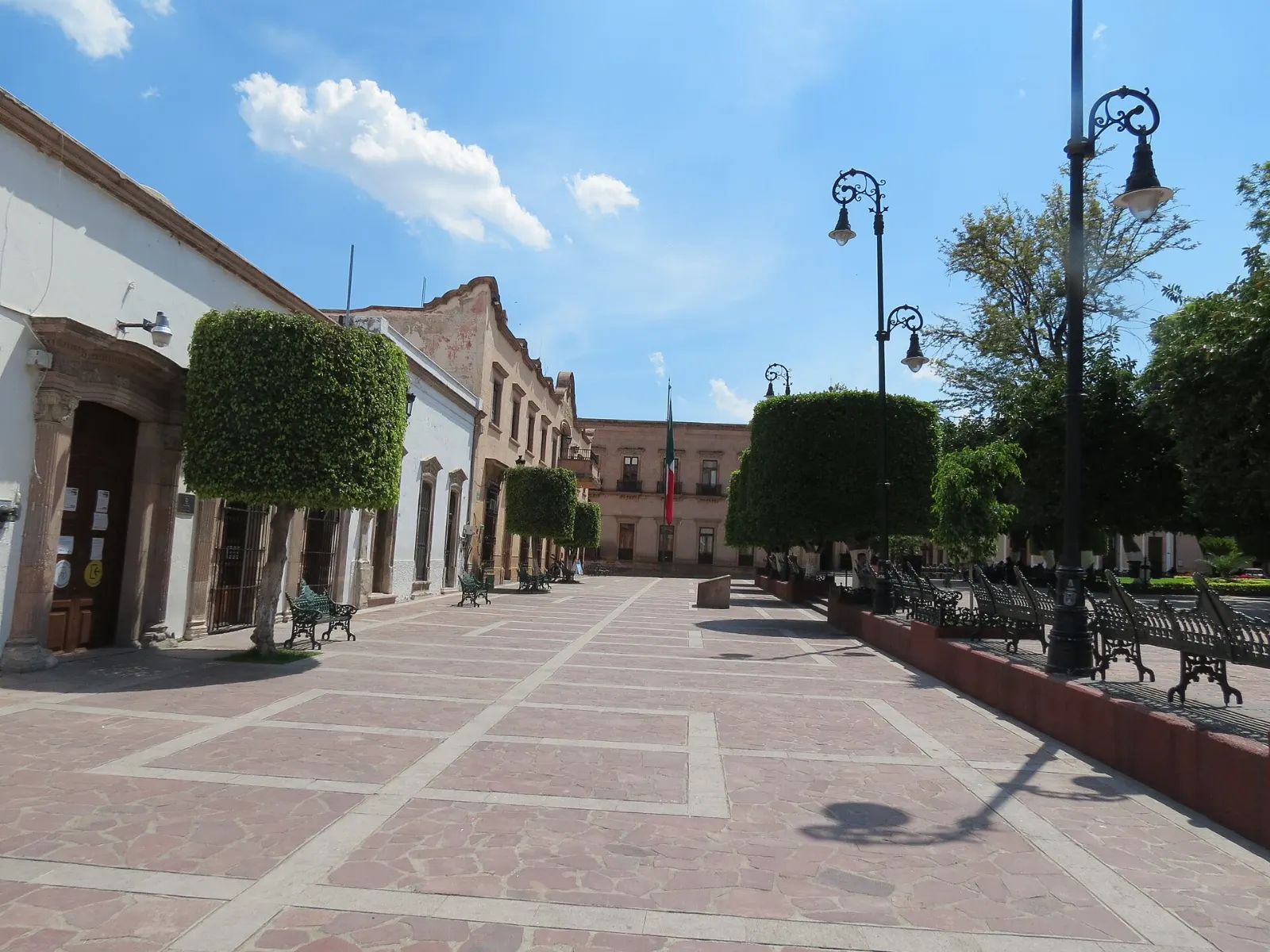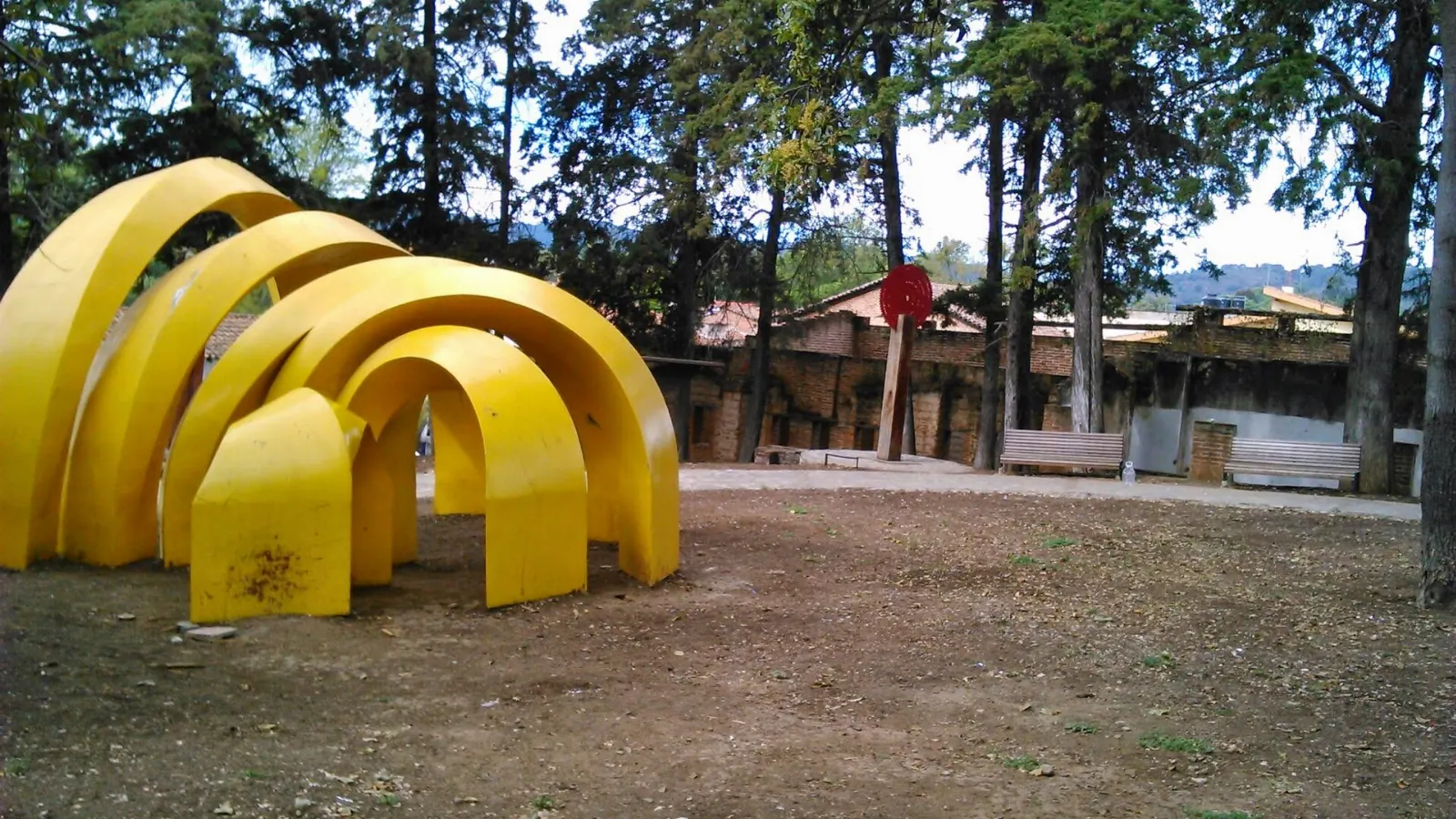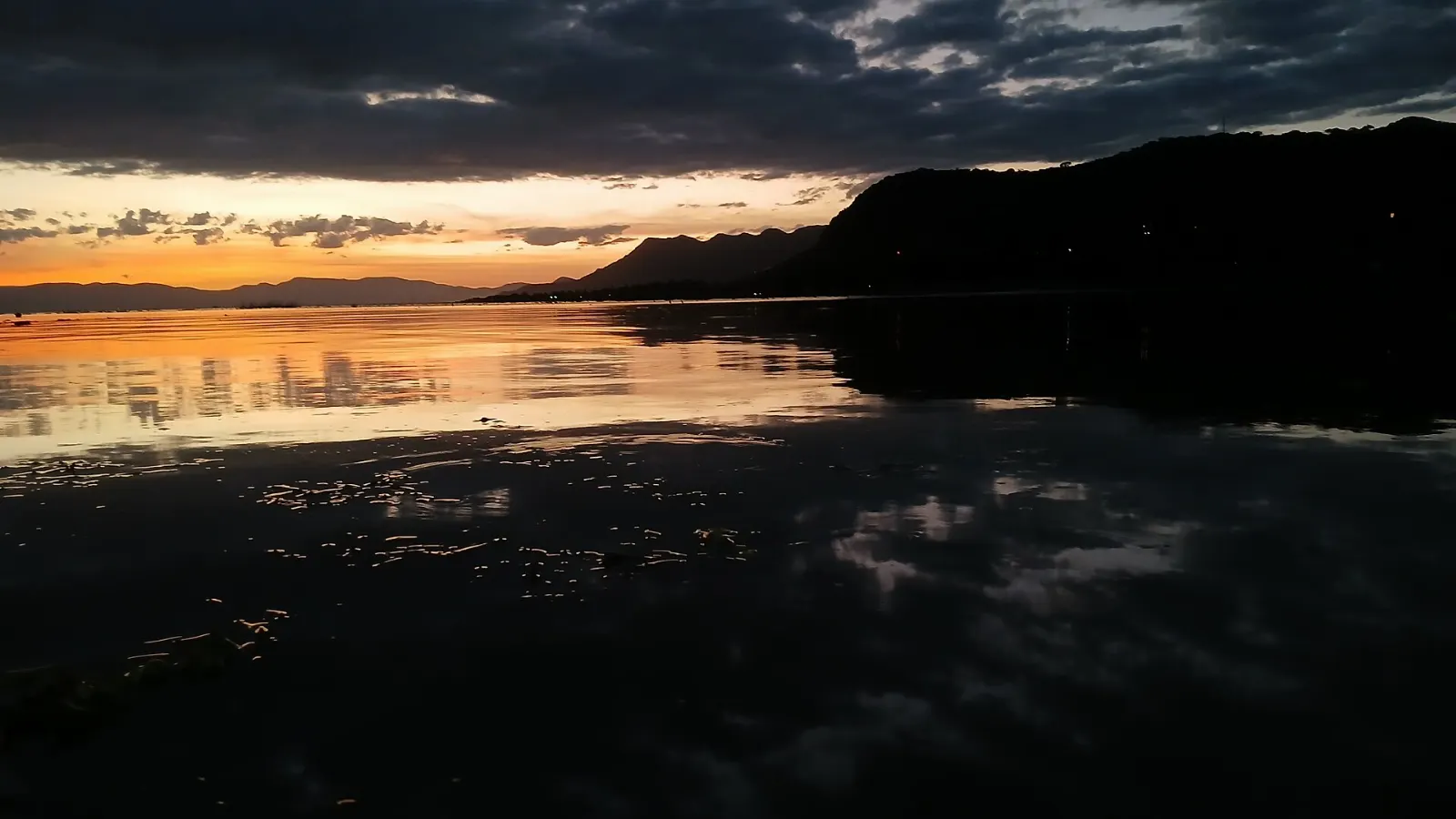
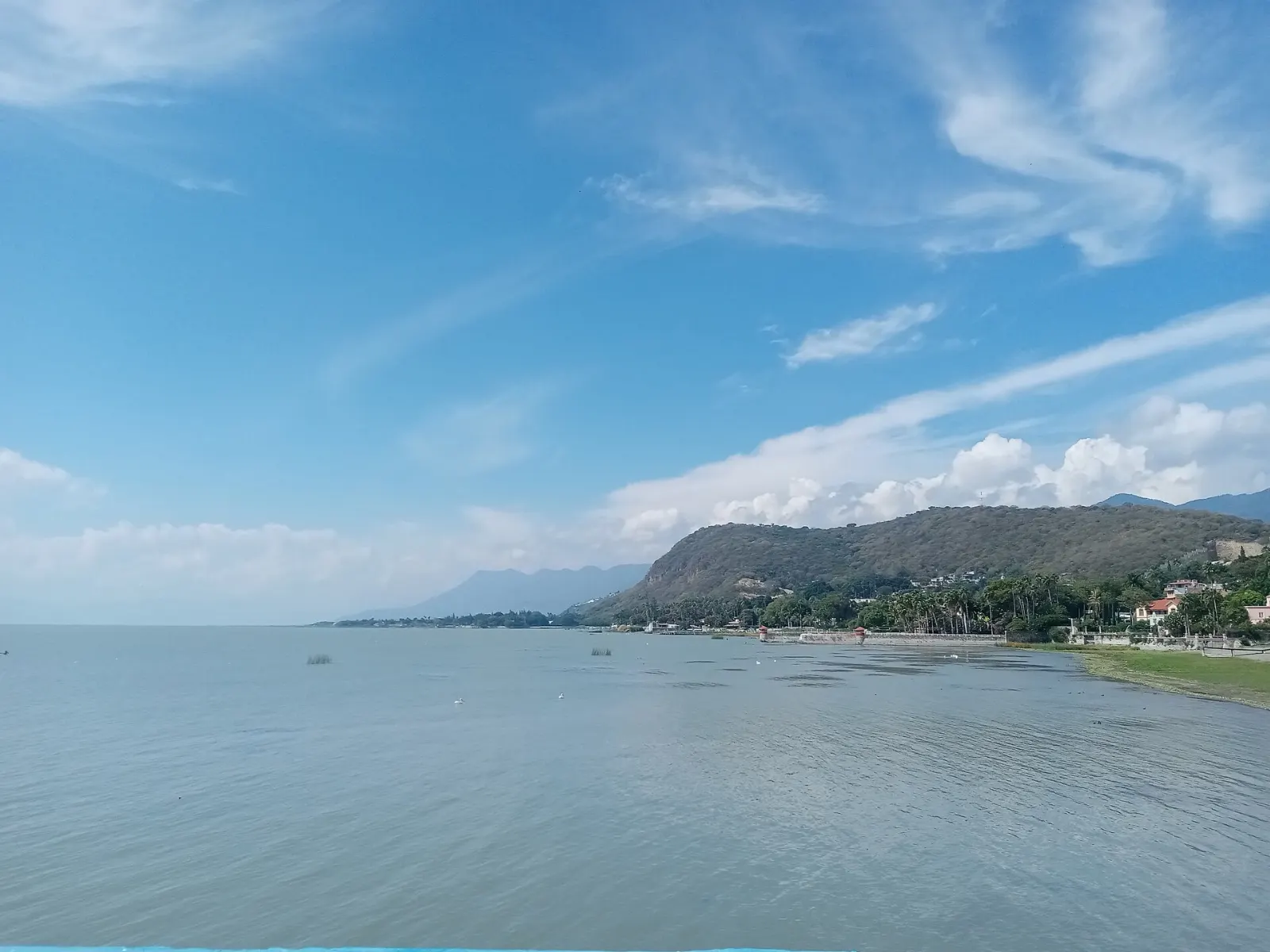
Lake Chapala is Mexico’s largest freshwater lake, an easy drive southeast of Guadalajara at an elevation of about 1,500 meters. Its shore holds lively lakeside towns, a mild climate and a long history as a retreat for artists and retirees.
AT A GLANCE
Best time
November to May brings dry, mild weather and a steady stream of migrating birds.
How long
Plan two or three days to see Chapala, Ajijic and Jocotepec without rushing.
Getting there
Take a bus or drive about an hour from Guadalajara, with the airport about thirty minutes away.
Why visit Lake Chapala
The lake and the mountains around it create a pleasant, unhurried setting. Towns along the north shore have malecóns, plazas, markets and small museums, and the mild climate is one reason North Americans have settled here since the 1950s.
The area works for a weekend from Guadalajara or a longer stay. You can walk cobbled streets, watch birds, hike above Ajijic and eat on lakeside terraces, all within a short drive of one another.
The best places to visit in Chapala
Malecón de Chapala
The lakeside promenade is the center of town life, with landscaped paths, playgrounds, food stalls and craft vendors.
Parroquia de San Francisco
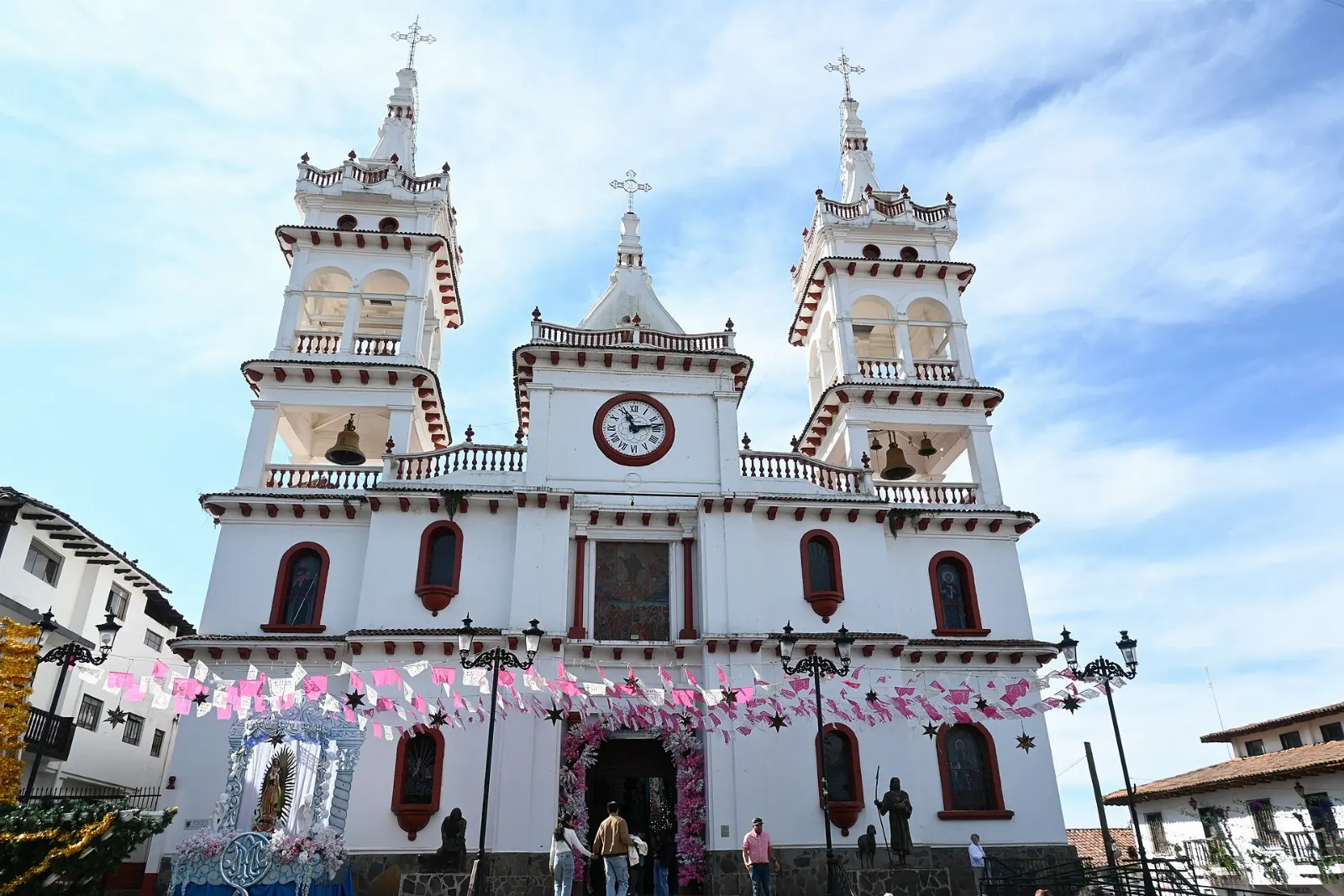
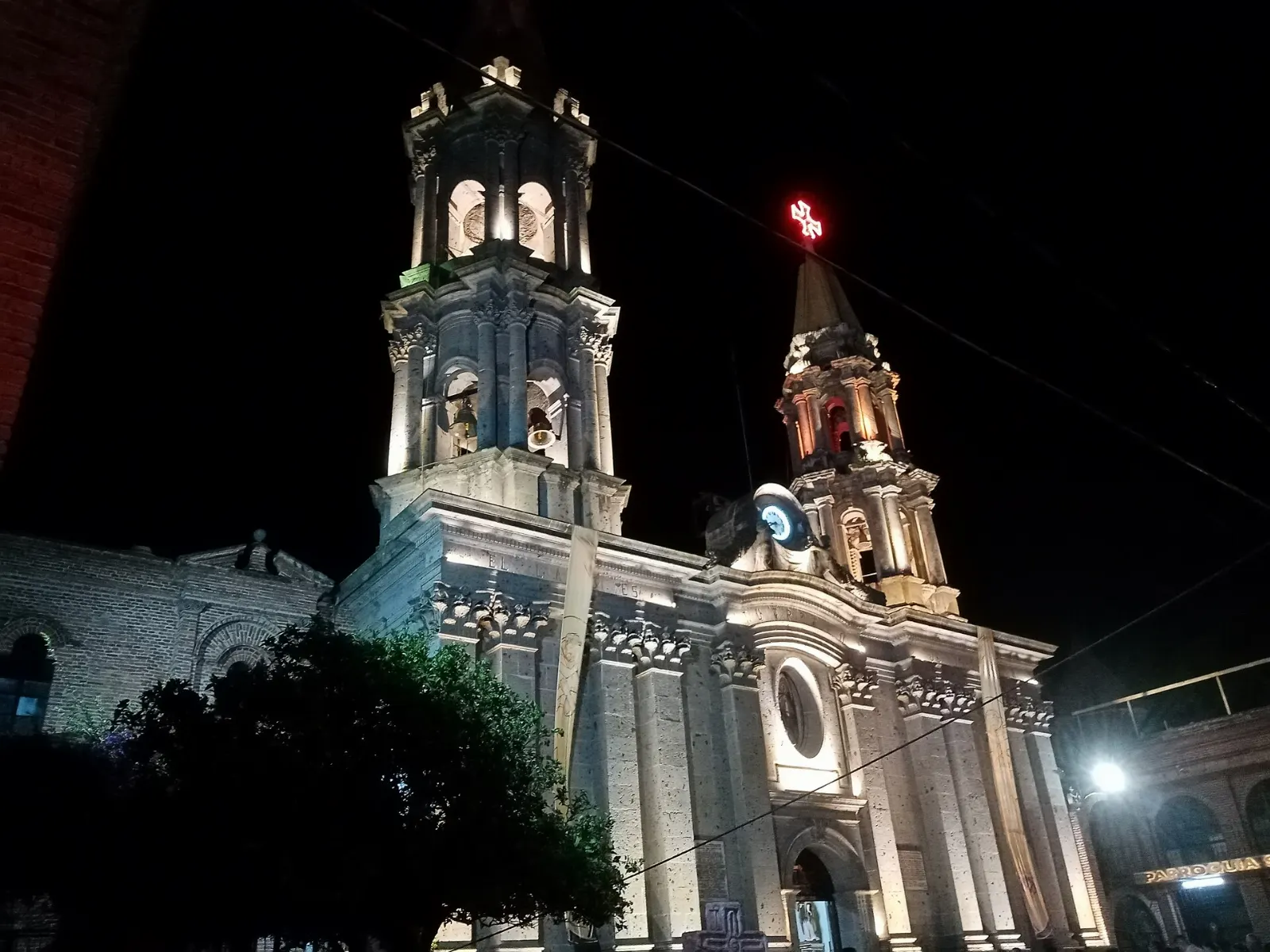
This neoclassical parish church is built of pink quarry stone and has two bell towers that frame a long central nave. Inside, look for the tilework and the altar with statues of saints.
Antigua Estación de Ferrocarril
The old train station has been reused as a regional cultural arts center, with a few historical artifacts and occasional shows or performances. It is a good short stop on a walk through town.
Capilla de Nuestra Señora de Lourdes
The colonial-era chapel sits at the top of a hill, surrounded by gardens with a small grotto. It is a quiet place to rest and look back over the town and lake.
Isla de los Alacranes
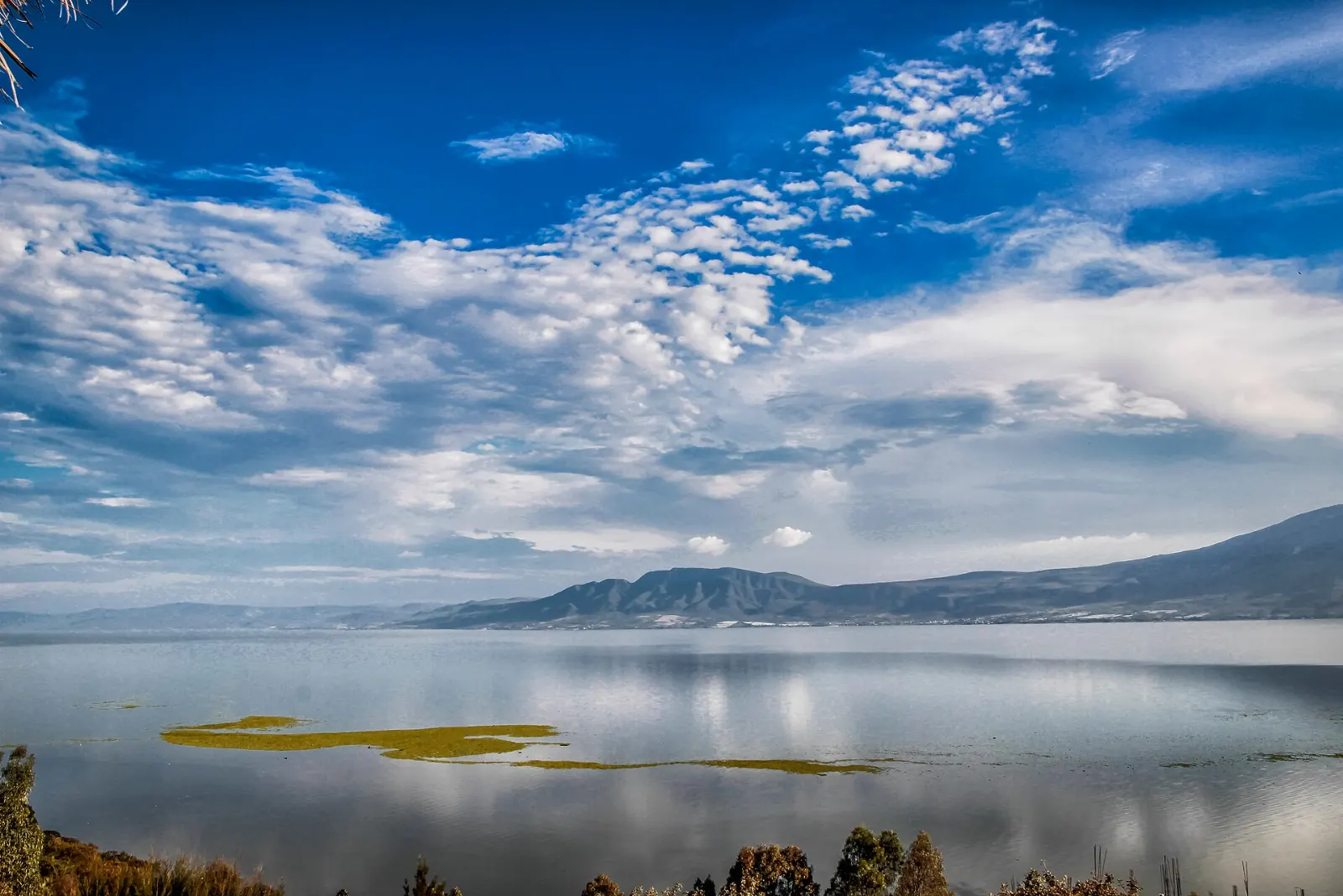
This island is the one most visible from Chapala, and boats leave from the waterfront. A short trip gives you views of the shoreline and a break from the town.
Monday tianguis
A weekly market winds up Calle Álvaro Obregón every Monday, selling food, clothing and household goods. Go in the morning, and bring cash and a shopping bag.
Ajijic and the west shore
Ajijic streets and murals
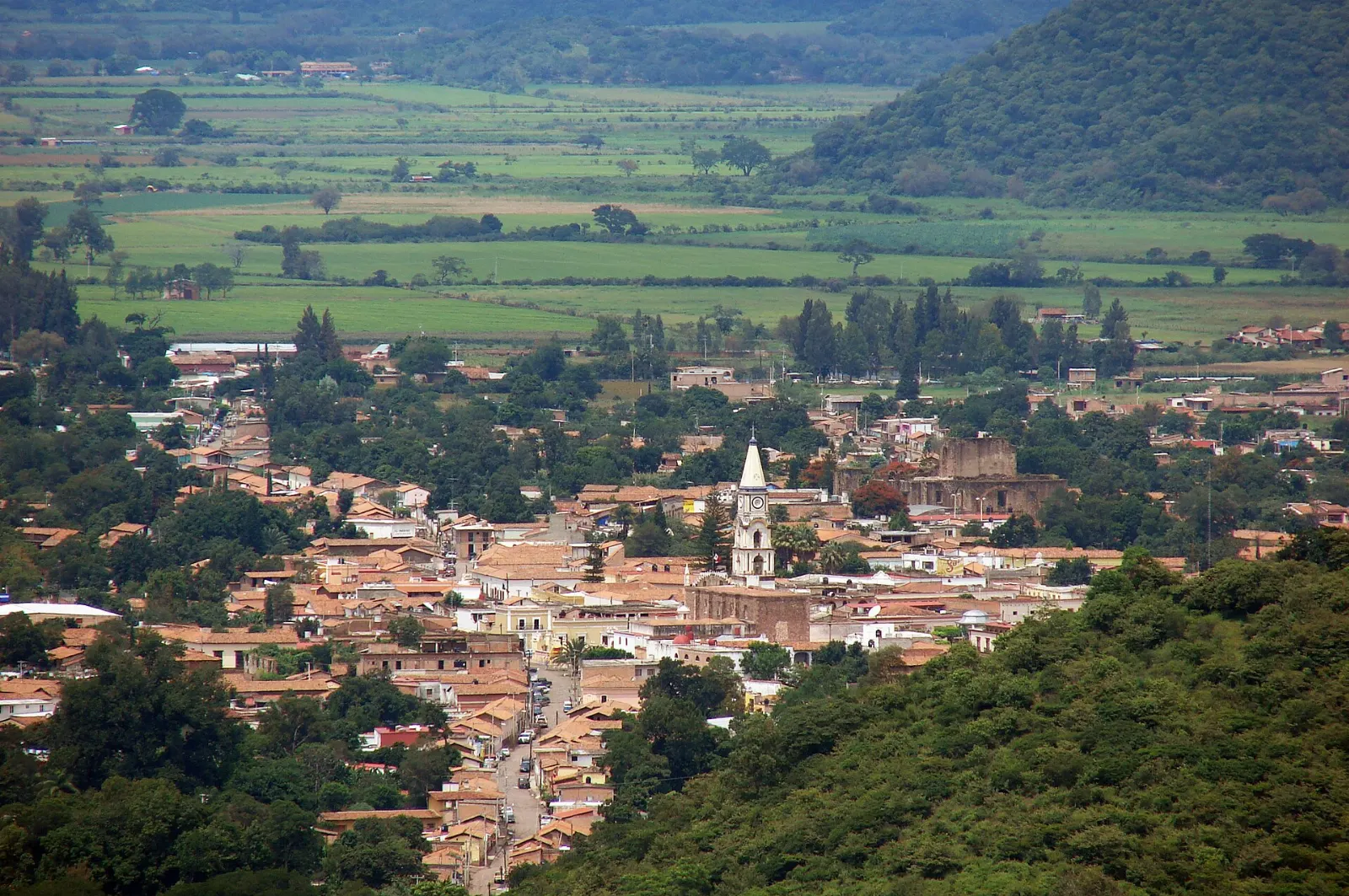
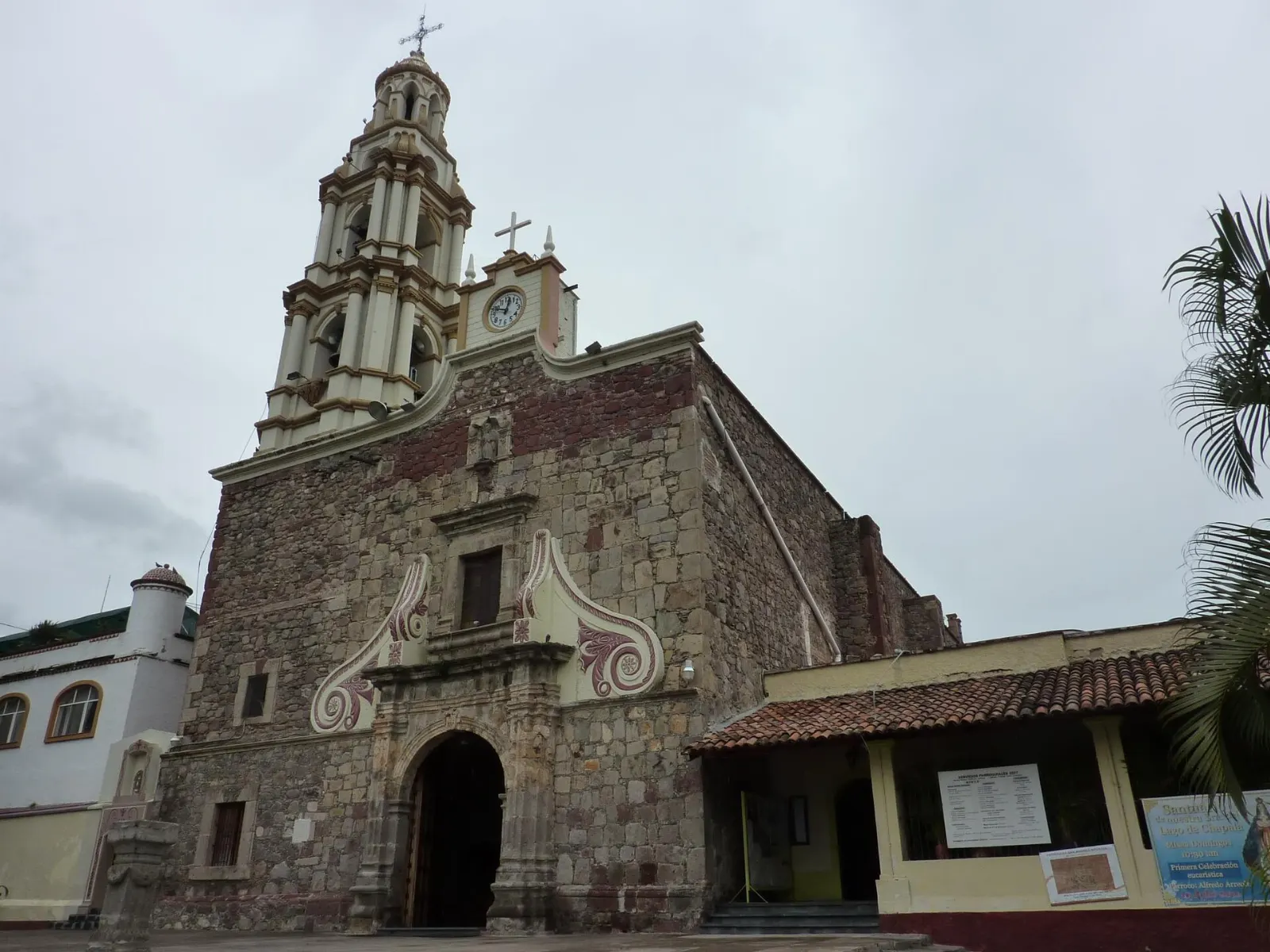
Ajijic is a small Pueblo Mágico with narrow cobblestone streets, colorful walls and flowers spilling over garden fences. Most streets have painted murals showing history, nature and imagination.
Malecón de Ajijic
Ajijic has its own lakeside promenade, with murals, carvings and food vendors. Water hyacinth can spoil the view at times, so check conditions.
Ajijic art museum and Centro Cultural
The local art museum displays work by and about the Ajijic community and has a terrace with views. The cultural center nearby has art and pottery exhibits.
El Tepalo
A hiking trail from Ajijic climbs into the Sierra de San Juan Cosalá toward a waterfall and a broad viewpoint over the lake. The path is wide and mostly easy to follow, with some steep, rocky areas.
Jocotepec
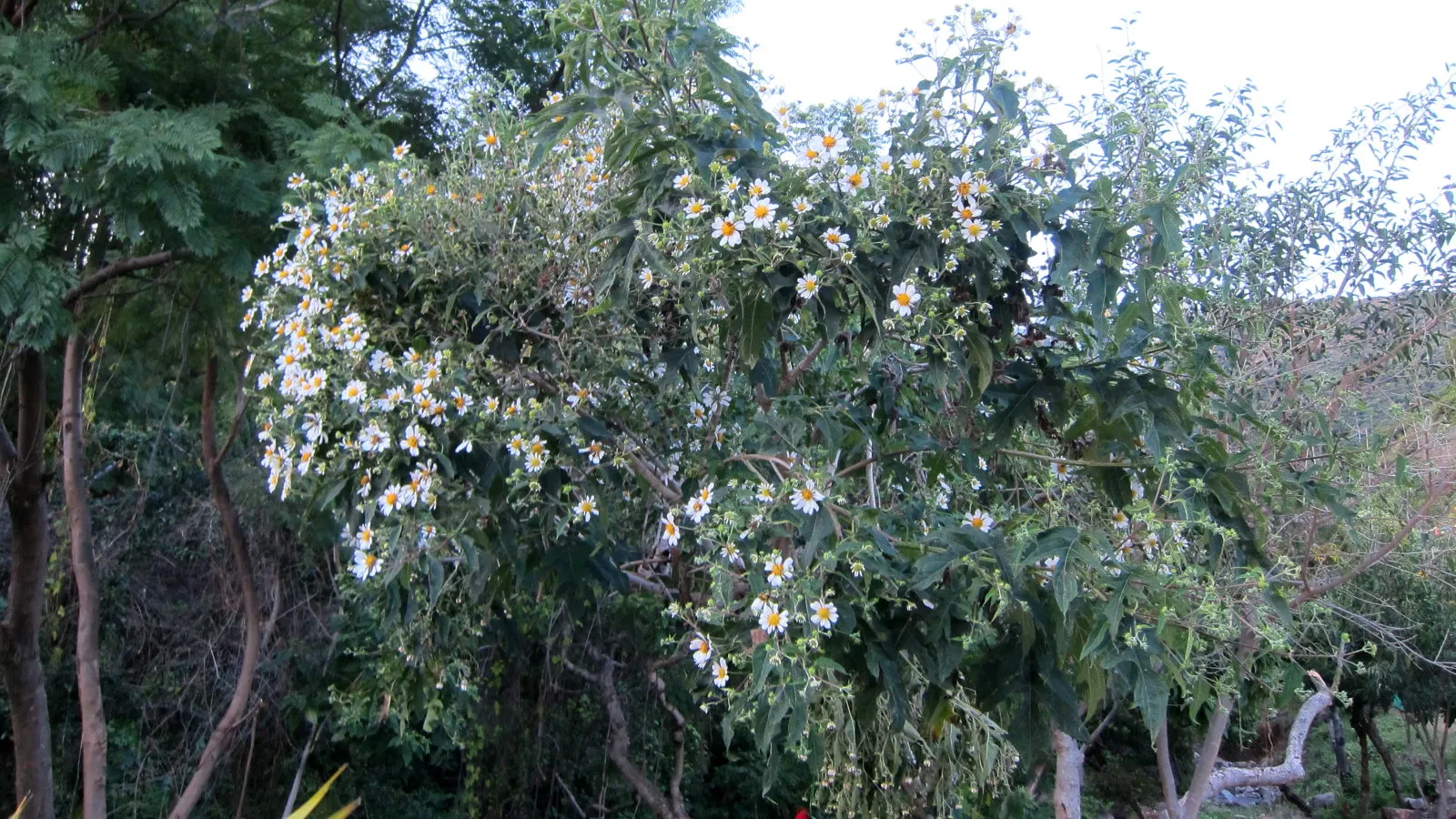
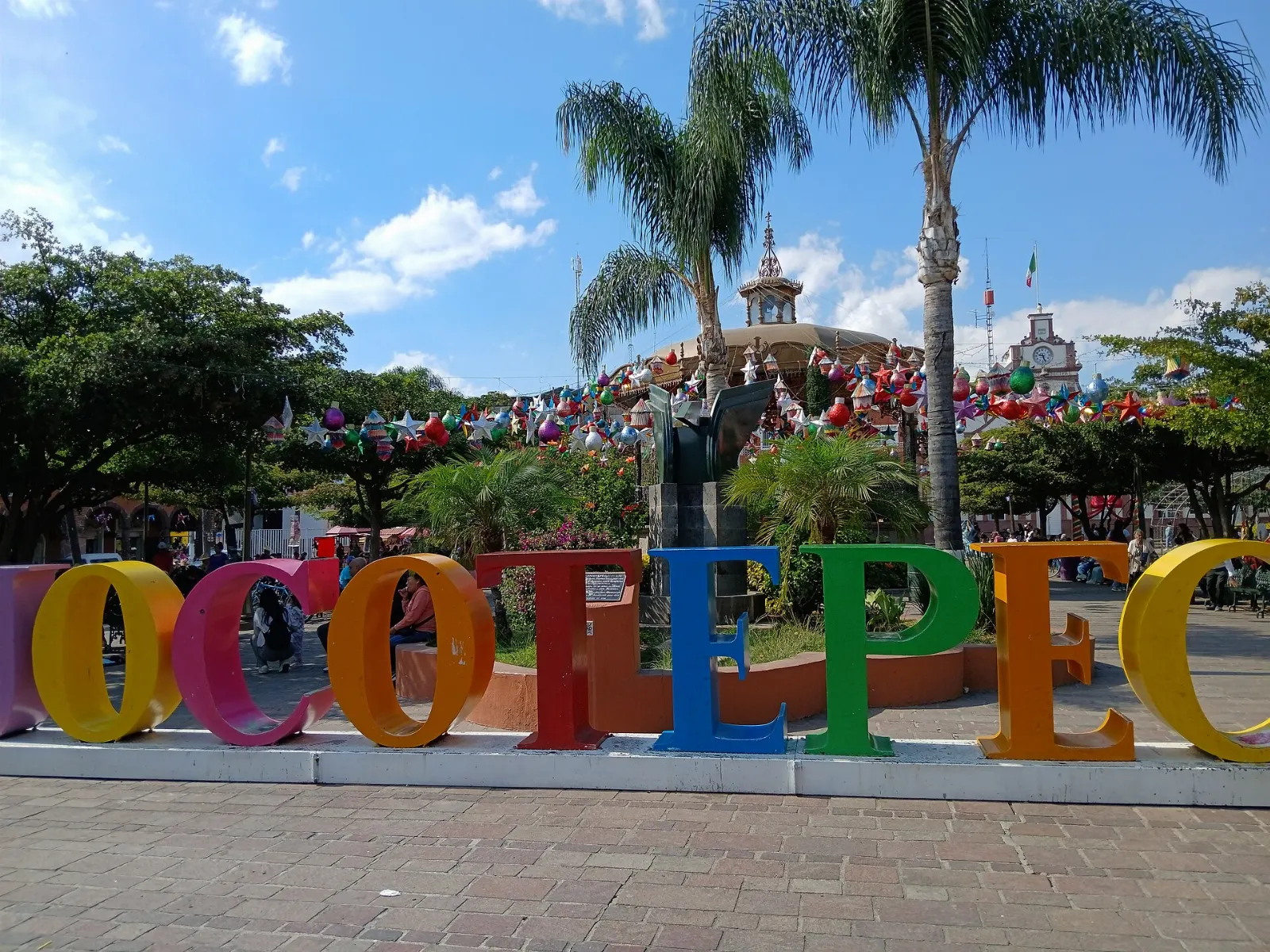
Jocotepec lies at the western end of the lake, a town whose products include woven serapes and wool carpets. Its main plaza is shaded by greenery, and the town celebrates a patron festival in early January.
Mezcala Island
The largest island in the lake holds an old Spanish fort and a former prison.
Food and local flavors
Lakeside restaurants in Chapala serve seafood and Mexican classics with a view. Look for corvina zarandeado, a fish marinated and grilled, which is a recommended dish at several waterfront places.
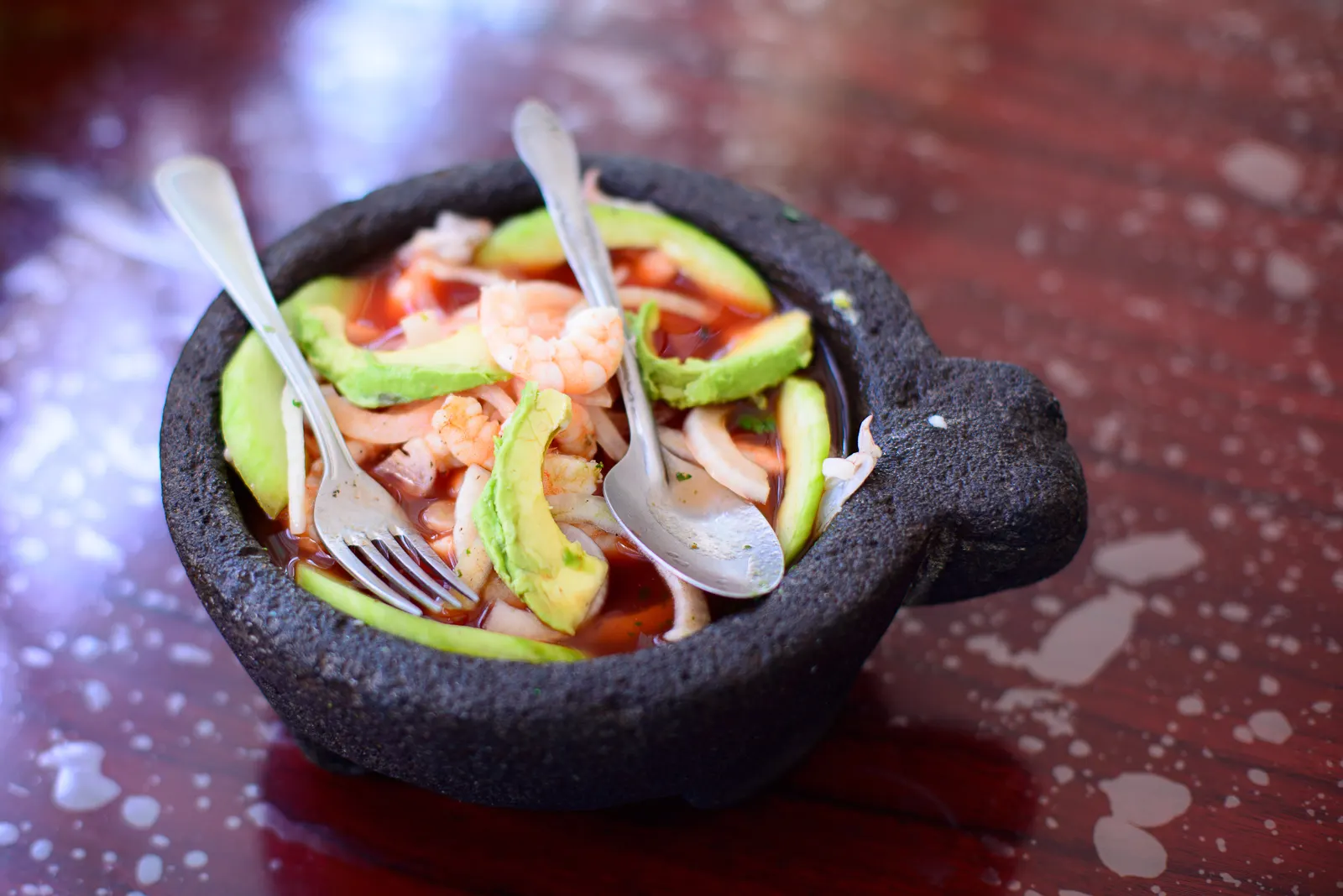
Look for a molcajete, a volcanic stone bowl served sizzling hot and filled with seafood, topped with avocado. Along the malecón, drink stalls sell micheladas, a beer cocktail with lime and spices, and tejuino, a cold fermented corn drink from Jalisco served with lime and shaved ice.
Popular dishes to try in Lake Chapala


Where to stay
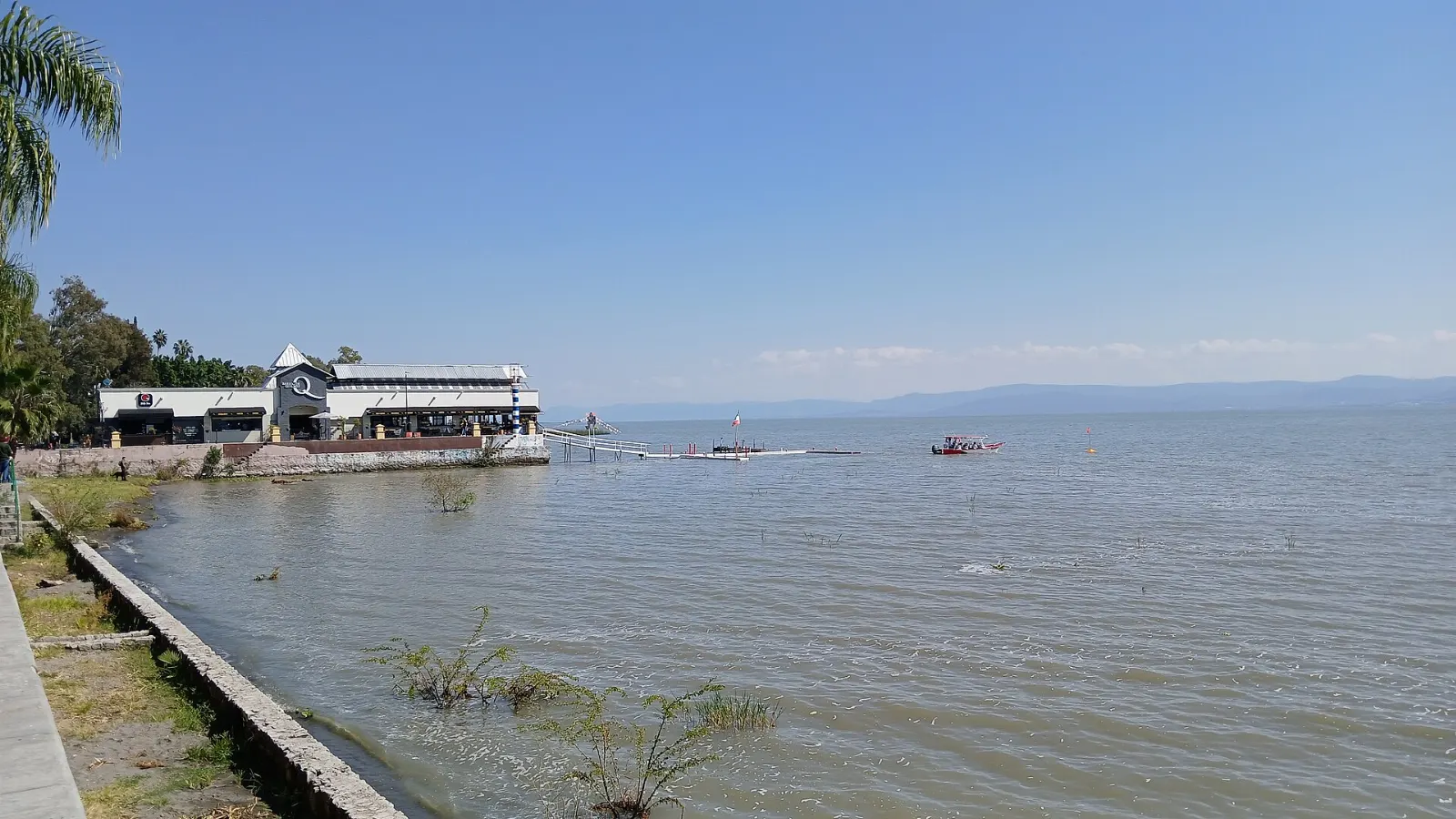
Chapala is the practical choice for a short trip. It has the malecón, the bus station and most services, and boat trips leave from the waterfront.
Ajijic is the most atmospheric base, with cobbled streets, galleries, restaurants and a social, international feel. Many places do not have air conditioning, which is usually fine because nights are mild.
Jocotepec offers a quieter, more local experience at the western end of the lake, ideal for travelers who like markets and small plazas.
Where to stay in Lake Chapala


Best time to visit
The dry season from about November to May is the most comfortable, with sunny days, cool evenings and good conditions for hiking. Winter is also the main season for migratory birds, and the lake attracts species such as the American white pelican.
Summer is the rainy season, with green hills and afternoon storms. Lake levels have changed over the years, so views and boat trips vary.
Getting there and getting around
Guadalajara International Airport is the nearest major airport, about a thirty-minute drive from Ajijic. Driving from Guadalajara takes about an hour, following signs toward the airport and then Chapala.
Buses leave hourly from the old bus station in Guadalajara, known as Central Vieja, and serve Chapala, Ajijic and other lakeside towns.
Chapala is small enough to explore on foot, though streets are narrow and cobbled. Local buses run along the main road through Ajijic and between Chapala and Jocotepec.
A suggested itinerary
First day
Arrive in Chapala, walk the malecón and visit the parish church.
Second day
Travel to Ajijic, explore the murals and the plaza, and visit the art museum.
Third day
Continue west to Jocotepec for the plaza and local crafts. Return along the shore and stop for a final seafood lunch before heading back to Guadalajara.
Practical tips
- Check your government’s current travel advisory before you go.
- Carry cash for markets, buses and small stalls.
- Wear comfortable shoes for cobbled streets and the El Tepalo trail.
- Be careful about swimming in the lake, and ask locally about water quality.
- Confirm boat schedules and routes before you pay.