WiserMap — Choose wisely. Connect locally.Choose wisely. Connect locally.Add your business
Veracruz · Travel guide

Veracruz Mexico San Juan de Ulúa Malecón and Danzón Nights

Veracruz, which locals simply call "Puerto", is Mexico's oldest and most historic port, where Hernán Cortés began the Spanish conquest and where music, seafood and coffee still define the pace of life. The city has Spanish, Indigenous and Afro-Caribbean threads running through its food and dance, a breezy waterfront and forts that survived pirates and foreign invasions.

By WiserMap TravelUpdated October 2026 8 places9 min read
FacebookXLinkedIn
At a glance Veracruz
  1. Best timeAim for the cooler months before spring, or plan around the February carnival.
  2. How longTwo or three days covers the historic center, the waterfront and a reef or aquarium visit.
  3. Getting thereFly to General Heriberto Jara airport or take an ADO bus from Mexico City or Puebla.

Why visit Veracruz

Veracruz was the main gate for sea traffic to colonial Mexico. Cortés arrived on Good Friday in 1519 and named his settlement Villa Rica de la Vera Cruz, and the port later loaded silver and Asian goods onto Spanish treasure fleets.

Today it is relaxed, musical and proud of its jarocho culture. Evenings fill with danzón dancers in the main square, cafes hum all day and the seafood is exceptional.

Veracruz is also easy to combine with other places in the state. Xalapa lies about two hours inland, La Antigua marks the original settlement site and the cooler highlands make a good contrast to the humid coast.

The historic center and fortresses

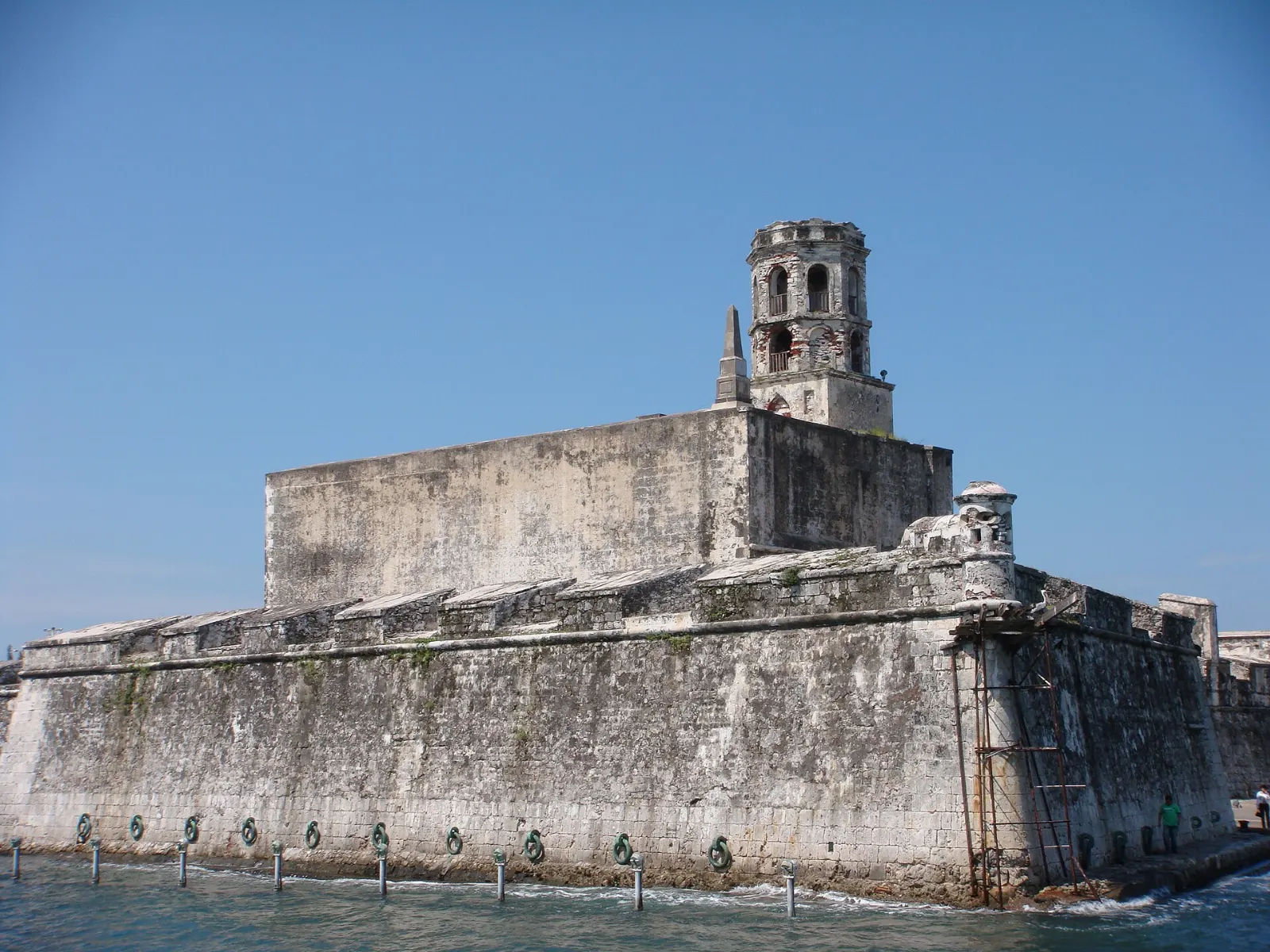
Stone walls of the San Juan de Ulúa fortress near Veracruz harbor

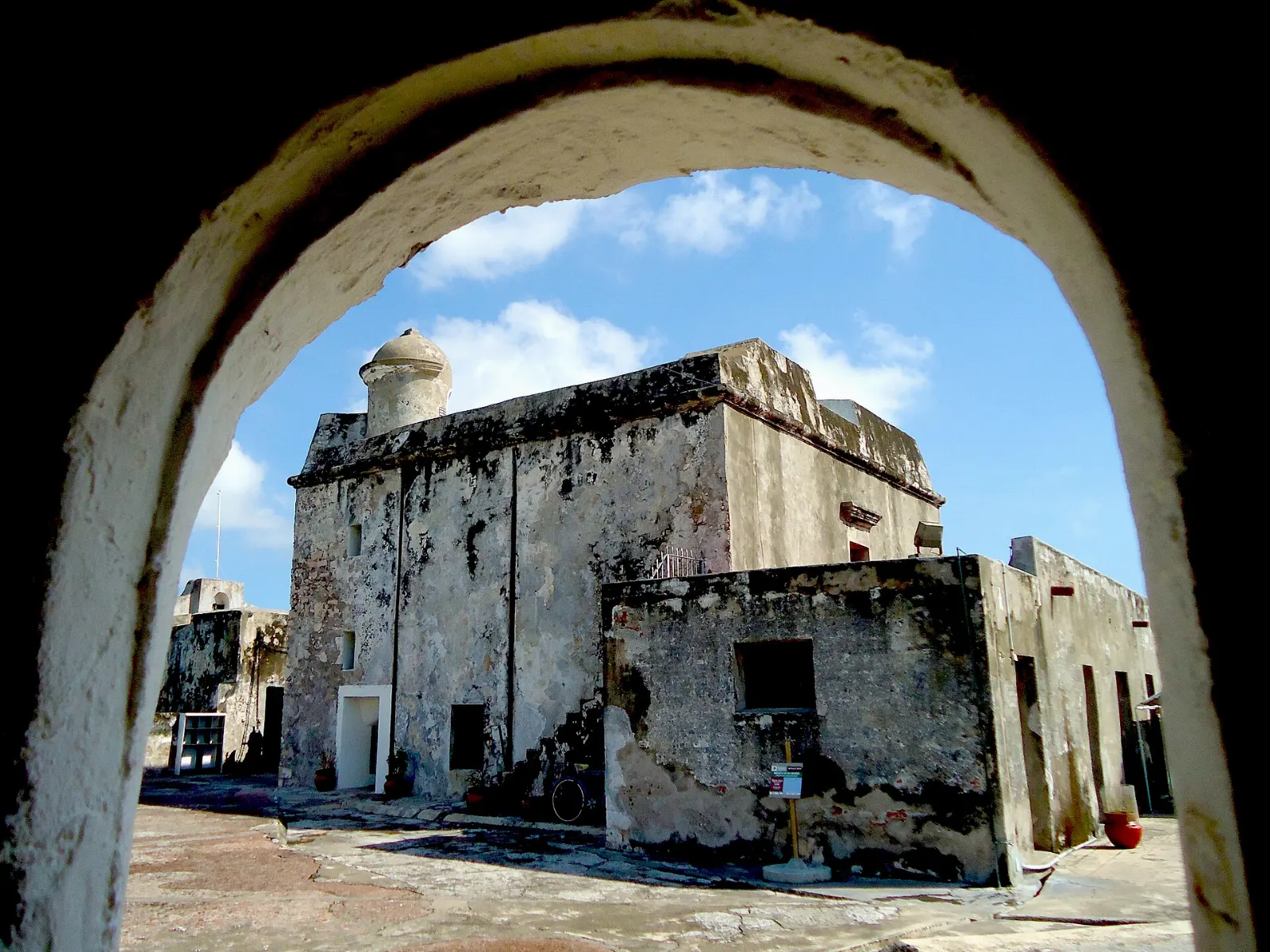
San Juan de Ulúa

This fortress on an island off the port was begun in the 16th century to guard against pirates, and it later served as a prison.

San Juan de Ulúa guarded the port from pirates from the 16th century. Photo: Victor Pineda, Wikimedia Commons, CC BY-SA 2.0
Portico arcades and cathedral on the main square of Veracruz

Zócalo and Los Portales

The Zócalo is the heart of the city, framed by the cathedral, the municipal palace and the porticoes of Los Portales. In the evenings, danzón dancing and live music fill the square, with a strong Cuban influence.

The Zócalo of Veracruz is framed by portico arcades and the cathedral. Photo: Isaacvp, Wikimedia Commons, CC BY-SA 4.0

Stone bastion of Baluarte de Santiago in Veracruz

Baluarte de Santiago

This bastion is the last standing part of the wall that once surrounded the old city. It was built by the Spanish in 1635 to repel pirates.

Baluarte de Santiago is the last standing part of the old city wall. Photo: Enrique Carpio Fotógrafo, Wikimedia Commons, CC BY-SA 3.0

Museo de la Ciudad and Museo Naval

The Museum of the City traces local history with dioramas and also hosts regional performing arts. The Museo Naval México displays ship models and exhibits about the Mexican navy.

The waterfront and culture

Old lighthouse building of the port of Veracruz

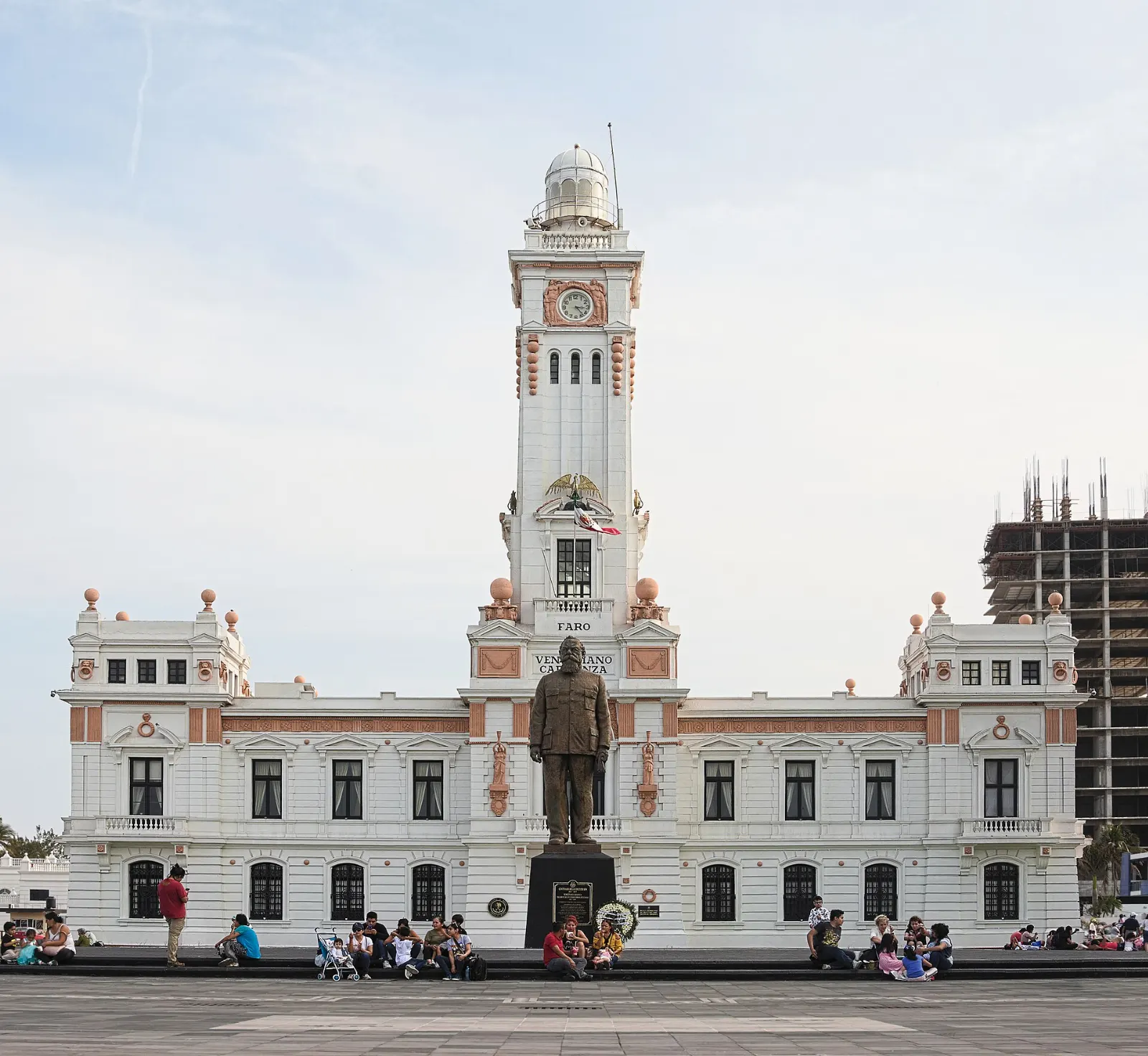
The Malecón and Faro Venustiano Carranza

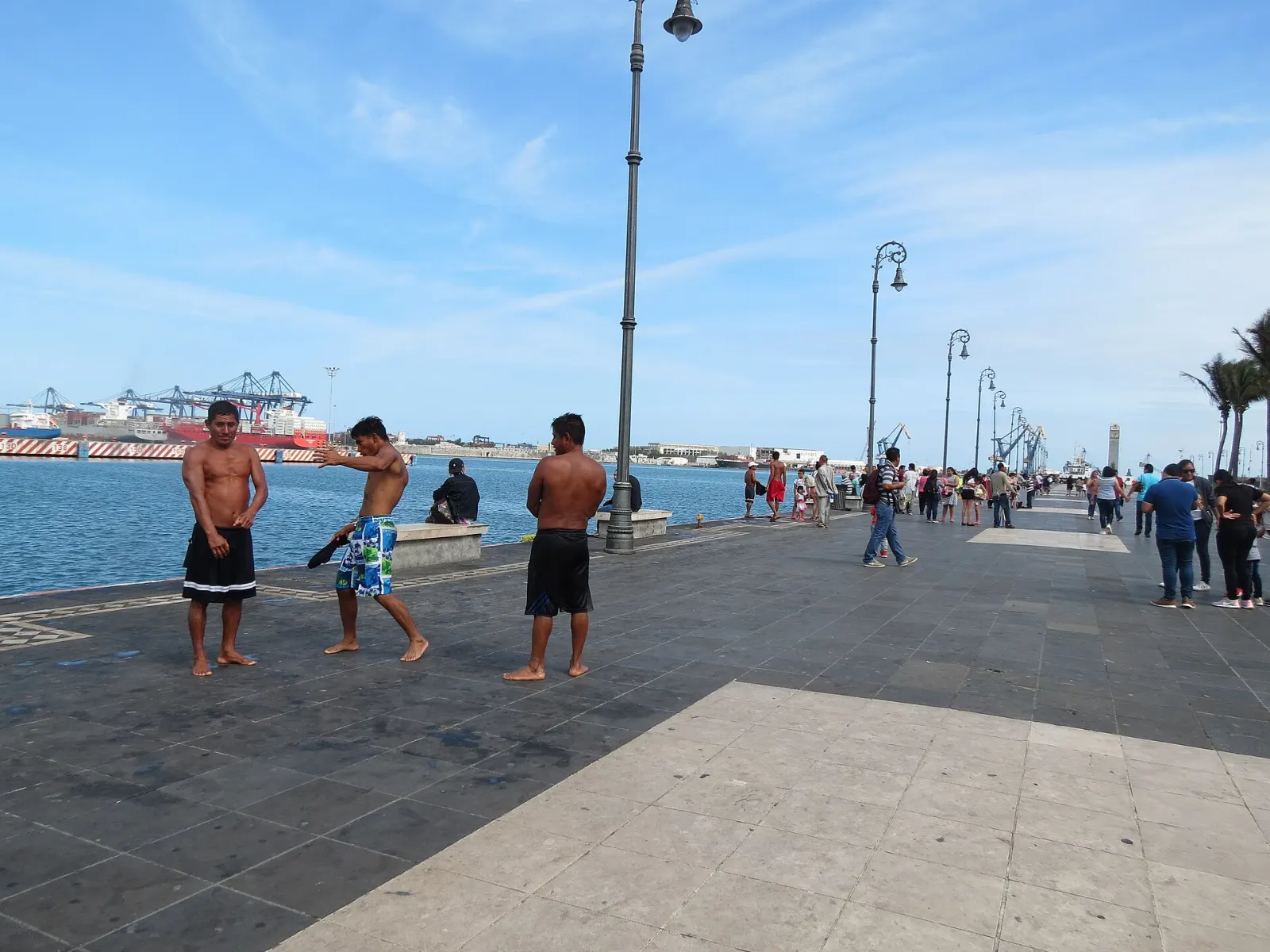
The Malecón is the promenade along the harbor, with views of the Gulf of Mexico and one of the country's busiest ports. You will also see statues of Alexander von Humboldt and the Centinela de la Patria.

The Faro Venustiano Carranza is the old lighthouse of the port. Photo: Carlos Valenzuela, Wikimedia Commons, CC BY-SA 4.0

Casa Museo de Agustín Lara

The former home of the famous songwriter Agustín Lara is now a museum, and it suits anyone curious about the music that made the port famous. Allow about an hour and check opening days in advance.

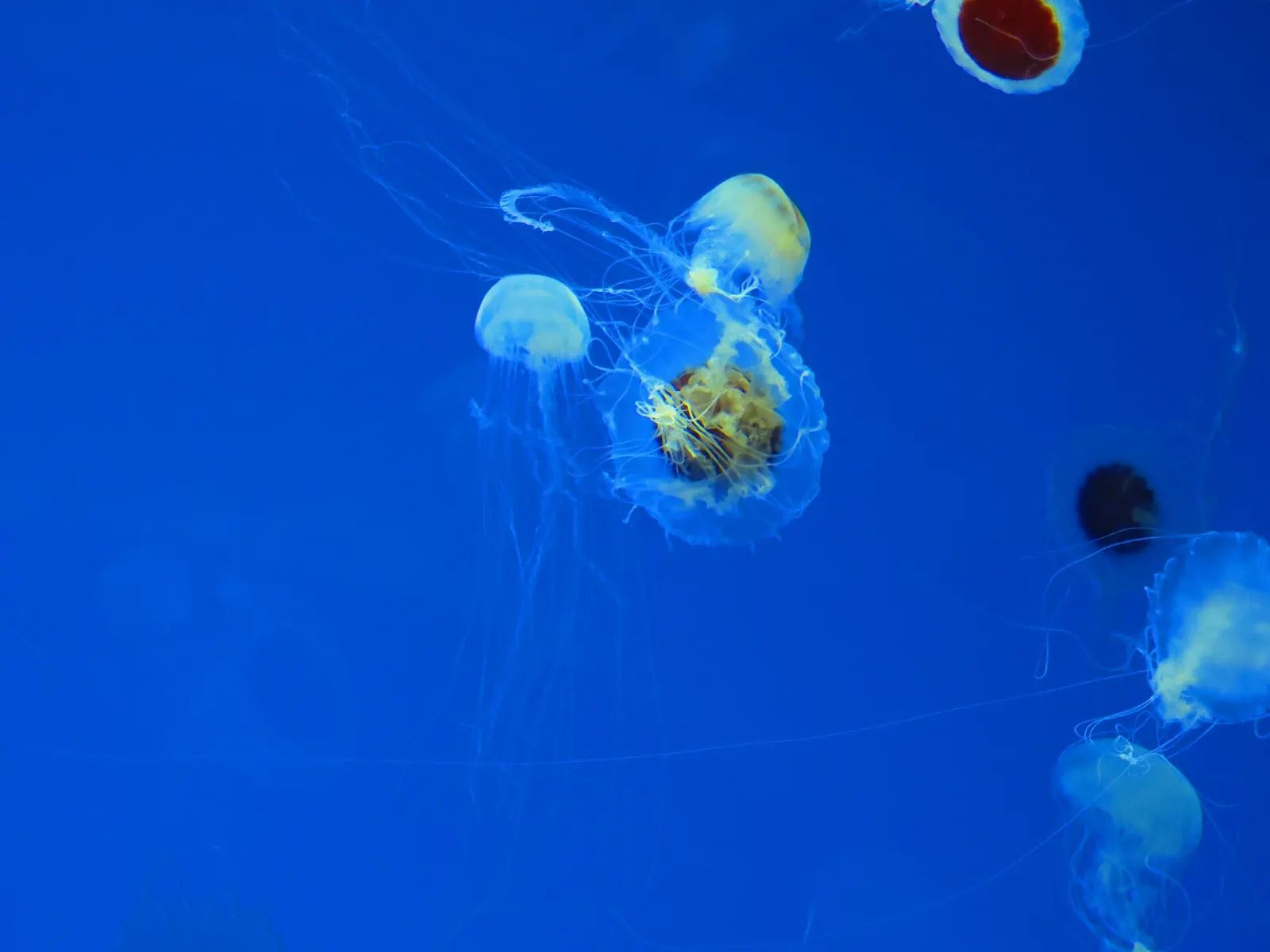
Large tank at the Acuario de Veracruz

Centro Cultural Atarazanas

This cultural center is a focal point for performing arts and festivities. Check the program for concerts and exhibitions during your stay, and ask at your hotel about live music elsewhere in the center, since Veracruz is a city where an impromptu evening of song is always possible.

The Acuario de Veracruz is among the largest aquariums in Latin America. Photo: Luis Alvaz, Wikimedia Commons, CC BY-SA 4.0

Aquarium, reefs and beaches

Coral reef off the coast of Veracruz

Acuario de Veracruz

The Acuario de Veracruz opened in 1992 and is the biggest aquarium in Mexico and Latin America by water volume. It shows Gulf of Mexico species, sharks and manatees.

The Veracruz Reef System lies close offshore from the port. Photo: Nacasma, Wikimedia Commons, CC BY 3.0

Historic railway station building in Veracruz

Veracruz Reef System National Park

Less than a kilometre offshore lies a national marine park and UNESCO Biosphere Reserve that is widely regarded as the best reef diving in the Gulf of Mexico.

The historic railway station is a minor sight in its own right. Photo: Isaacvp, Wikimedia Commons, CC BY-SA 4.0

Playa Villa del Mar

The city beach has brownish-grey sand and persistent vendors. Beaches near the city are not famous for clear water, so beach lovers may prefer Tecolutla or Los Tuxtlas.

Fresh produce and seafood stalls at Mercado Hidalgo in Veracruz

Estación Ferrocarril

The old railway station no longer runs regular passenger trains, but it hosts the occasional tourist excursion and is a minor sight in itself.

Mercado Hidalgo is the city's main market for regional food. Photo: Isaacvp, Wikimedia Commons, CC BY-SA 4.0

Food and local flavors

Jarocho cooking blends Spanish, Indigenous and Afro-Caribbean influences. Order huachinango a la veracruzana, red snapper baked in a sauce of tomato, olives, capers and chilies.

Coffee is a ritual here: the city is famous for café con leche, served at old coffee houses such as El Gran Café de la Parroquia and El Gran Café del Portal. For market food, head to Mercado Hidalgo, where kitchens prepare authentic regional dishes.

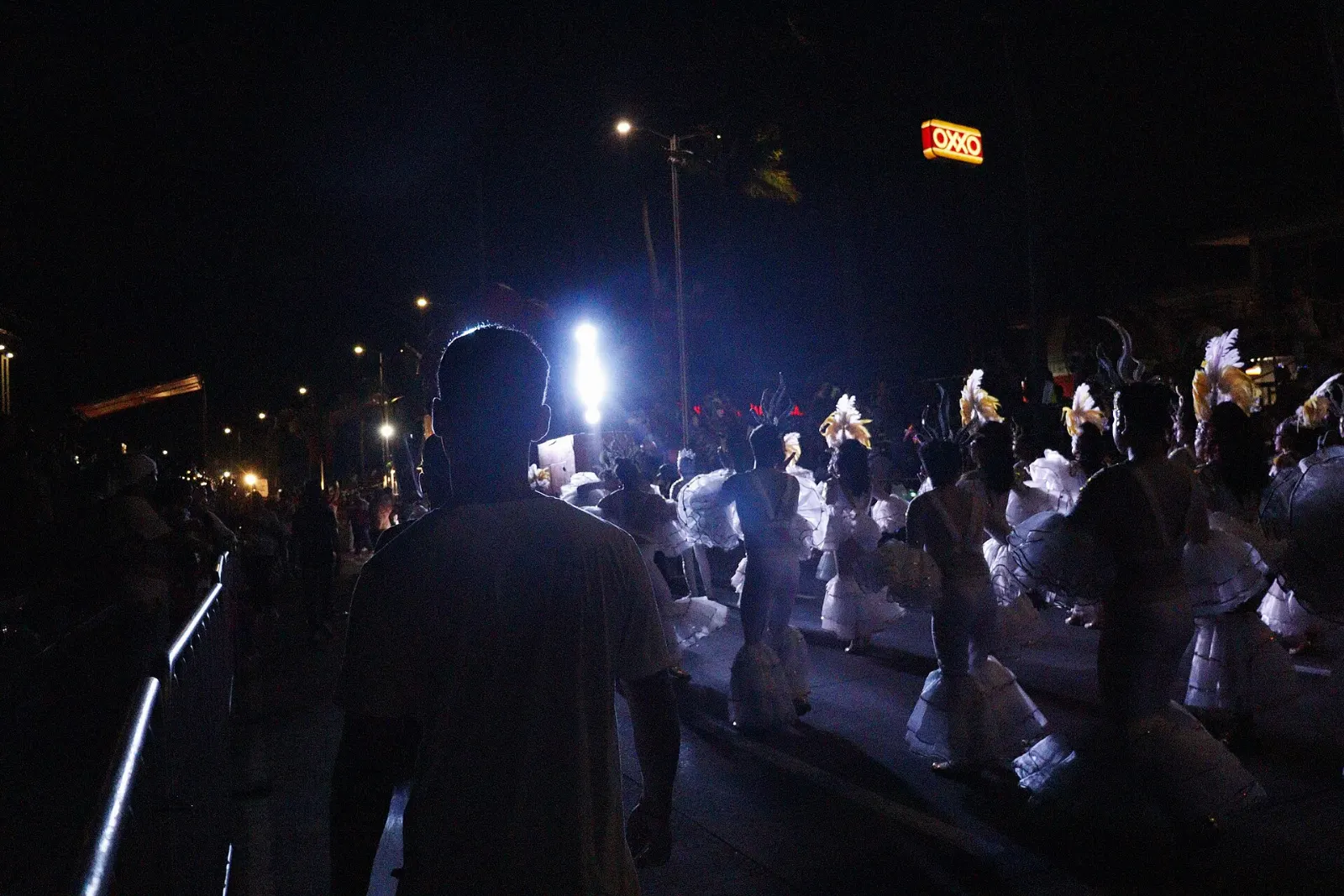
Colorful carnival parade in the streets of Veracruz
Veracruz hosts the largest carnival in Mexico each year around February.Photo: Ehécatl Cabrera, Wikimedia Commons, CC BY-SA 4.0

Popular dishes to try in Veracruz

Huachinango a la veracruzana in Veracruz
Huachinango a la veracruzana Order huachinango a la veracruzana, red snapper baked in a sauce of tomato, olives, capers and chilies.Photo: Thelmadatter, Wikimedia Commons, CC BY-SA 3.0
Arroz a la tumbada in Veracruz
Arroz a la tumbada Arroz a la tumbada is a soupy seafood rice cooked in a clay pot.Photo: Isaacvp, Wikimedia Commons, CC BY-SA 4.0
Café con leche in Veracruz
Café con leche Coffee is a ritual here: the city is famous for café con leche, served at old coffee houses such as El Gran Café de la Parroquia and El Gran Café del Portal.Photo: Rocío Obregón Álvarez, Wikimedia Commons, CC BY-SA 4.0

Where to stay

Centro puts you steps from the Zócalo, the museums, the cafes and the evening music, so it suits first-timers and culture lovers. Expect lively nights and some street noise.

The Malecón area is good for sea views, sunset walks, the lighthouse and the harbor, and it works well for couples and anyone who likes a breeze. Boca del Río, just south, has more modern hotels, nicer beaches and seafood restaurants, and it suits families and travelers with a rental car or a taste for quiet.

Where to stay in Veracruz

Centro, Veracruz
Centro Where to stayCentro puts you steps from the Zócalo, the museums, the cafes and the evening music, so it suits first-timers and culture lovers.Photo: Juan Carlos Fonseca Mata, Wikimedia Commons, CC BY-SA 4.0
Malecón, Veracruz
Malecón The Malecón area is good for sea views, sunset walks, the lighthouse and the harbor, and it works well for couples and anyone who likes a breeze.Photo: Luis Alvaz, Wikimedia Commons, CC BY-SA 4.0
Boca del Río, Veracruz
Boca del Río Boca del Río, just south, has more modern hotels, nicer beaches and seafood restaurants, and it suits families and travelers with a rental car or a taste for quiet.Photo: Ehécatl Cabrera, Wikimedia Commons, CC BY-SA 4.0
Veracruz old town, Veracruz
Veracruz old town One of the best areas to base yourself in Veracruz.Photo: A Handbook of Mexico, Great Britain. Naval Intelligence Division, 1…, Wikimedia Commons, Public domain

Best time to visit

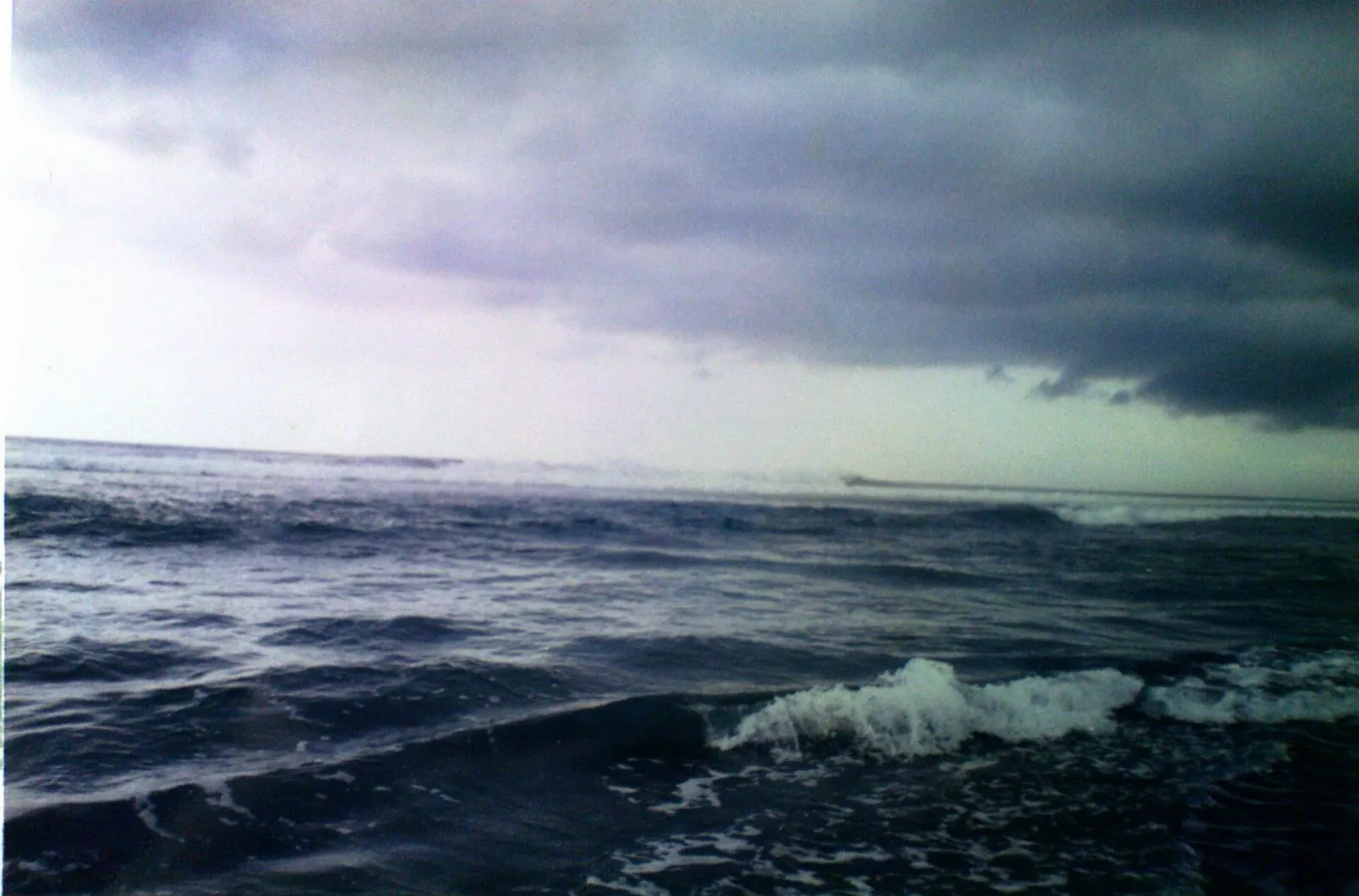
Daytime temperatures usually sit between about 25 and 32 degrees Celsius, so the weather is mild but humid. Between January and March, strong winds from the north called nortes can reach 120 kilometres per hour and disrupt boat trips.

Carnival, held around February, is the biggest in Mexico, with nine days of parades, concerts and parties. It is the liveliest time and also the hardest for rooms, so book well ahead.

Getting there and getting around

General Heriberto Jara International Airport is about 10 kilometres west of downtown. The only direct US flights are from Houston, and many connections come from Mexico City. The ADO bus station is on Avenida Salvador Díaz Mirón, and buses from Mexico City's TAPO terminal take about five and a half hours.

The center is walkable. For longer distances, use taxis, and agree on the fare before you get in. The Boca del Río bus crosses downtown to the neighboring beaches.

A suggested itinerary

First day

Start at San Juan de Ulúa, then walk the Zócalo and Baluarte de Santiago.

Second day

Spend the morning at the Acuario de Veracruz, then lunch at Mercado Hidalgo. Stroll the Malecón at sunset.

Third day

Take a boat or dive trip to the reef system, or head to Boca del Río for a seafood lunch.

Practical tips

  • Agree on the fare with a taxi driver before you start the trip.
  • Most hospitality workers speak some English, but a few Spanish phrases help.
  • Wear light clothing, a hat and sunscreen, since the coast is hot and humid for much of the year.
  • Carry a light rain jacket for sudden showers and wind.
  • Check museum days, since many close on Mondays.
VeracruzWISERMAP PLACEVeracruz: photos, reviews & things to doSee traveler photos and reviews, or share your own →

More places to visit

All travel guides →