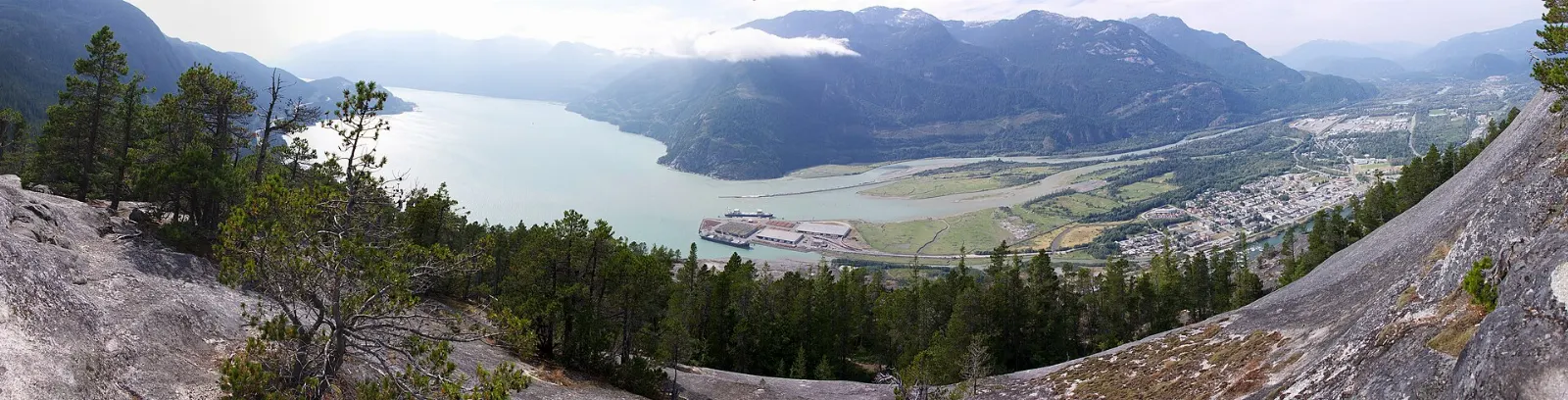
Squamish sits at the head of Howe Sound, where the Sea to Sky Highway runs between salt water and granite walls. The town calls itself the outdoor recreation capital of Canada, and a first look at the Stawamus Chief explains why.
AT A GLANCE
Best time
Summer for hiking and sailing, winter for eagles.
How long
Two full days covers the main sights, three if you hike.
Getting there
About an hour north of Vancouver on Highway 99.
Why visit Squamish
Few towns put so much scenery within a short drive. Glacier-capped mountains rise from the water at the head of what is often described as North America's southernmost fjord, and a granite monolith stands right beside the town centre.
Squamish began with the railway in the 1910s and long relied on forestry.
The pace here is easy to enjoy. You can ride a gondola over the sound in the morning, walk through a mining museum at lunch and watch kites over the water by evening.
Mountains, waterfalls and viewpoints
Stawamus Chief
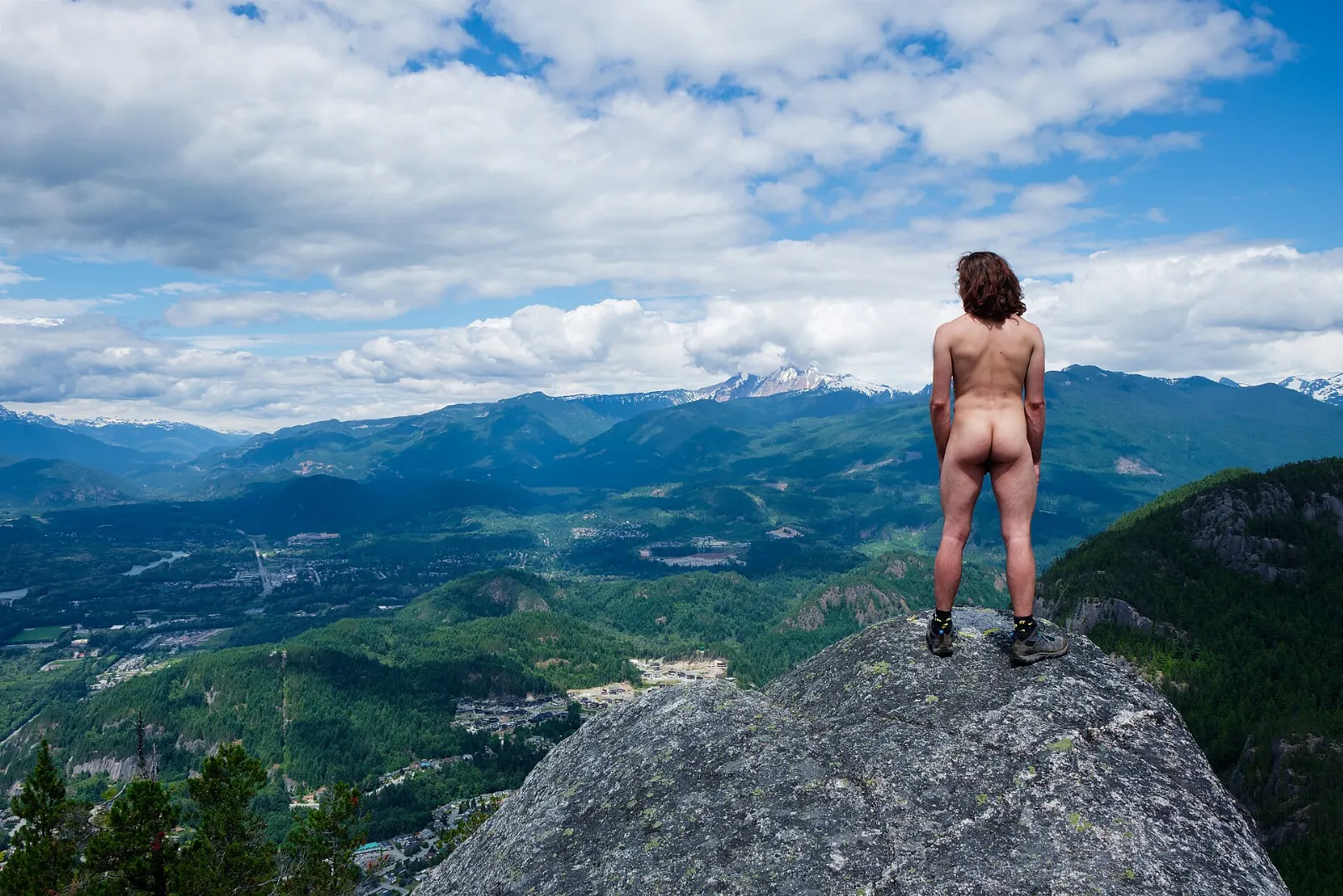
The Chief towers more than 700 metres above Howe Sound and holds deep spiritual significance for the Squamish people. Trails lead to each of its three peaks, with hiking times ranging from about three to six hours, and the first peak is the shortest.
Shannon Falls Provincial Park
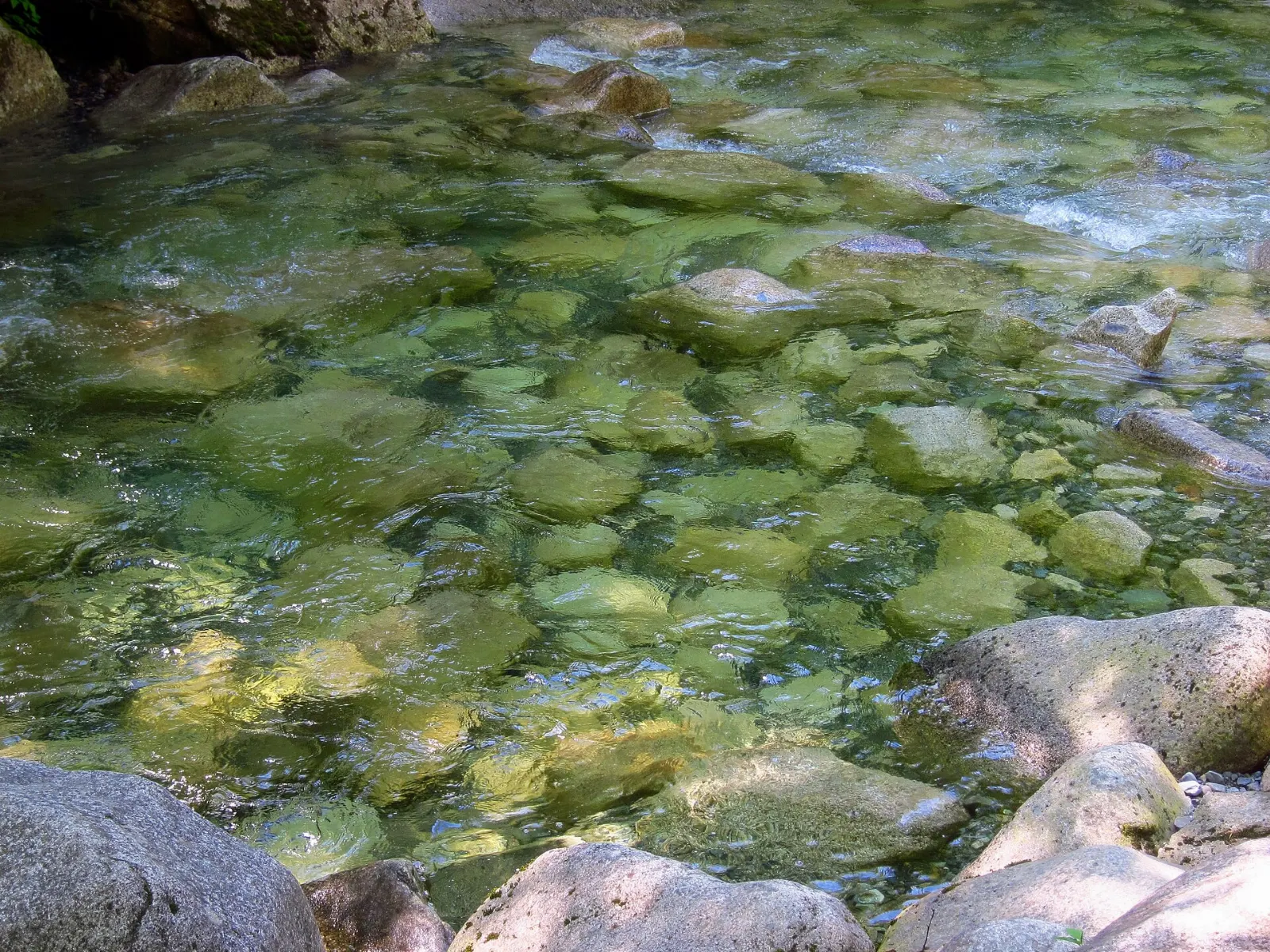
Just south of town along the highway, Shannon Falls drops 335 metres, the third highest fall in British Columbia. A paved walk of around ten minutes leads from the car park to a viewpoint at the base, and a steeper trail reaches a second lookout.
Sea to Sky Gondola
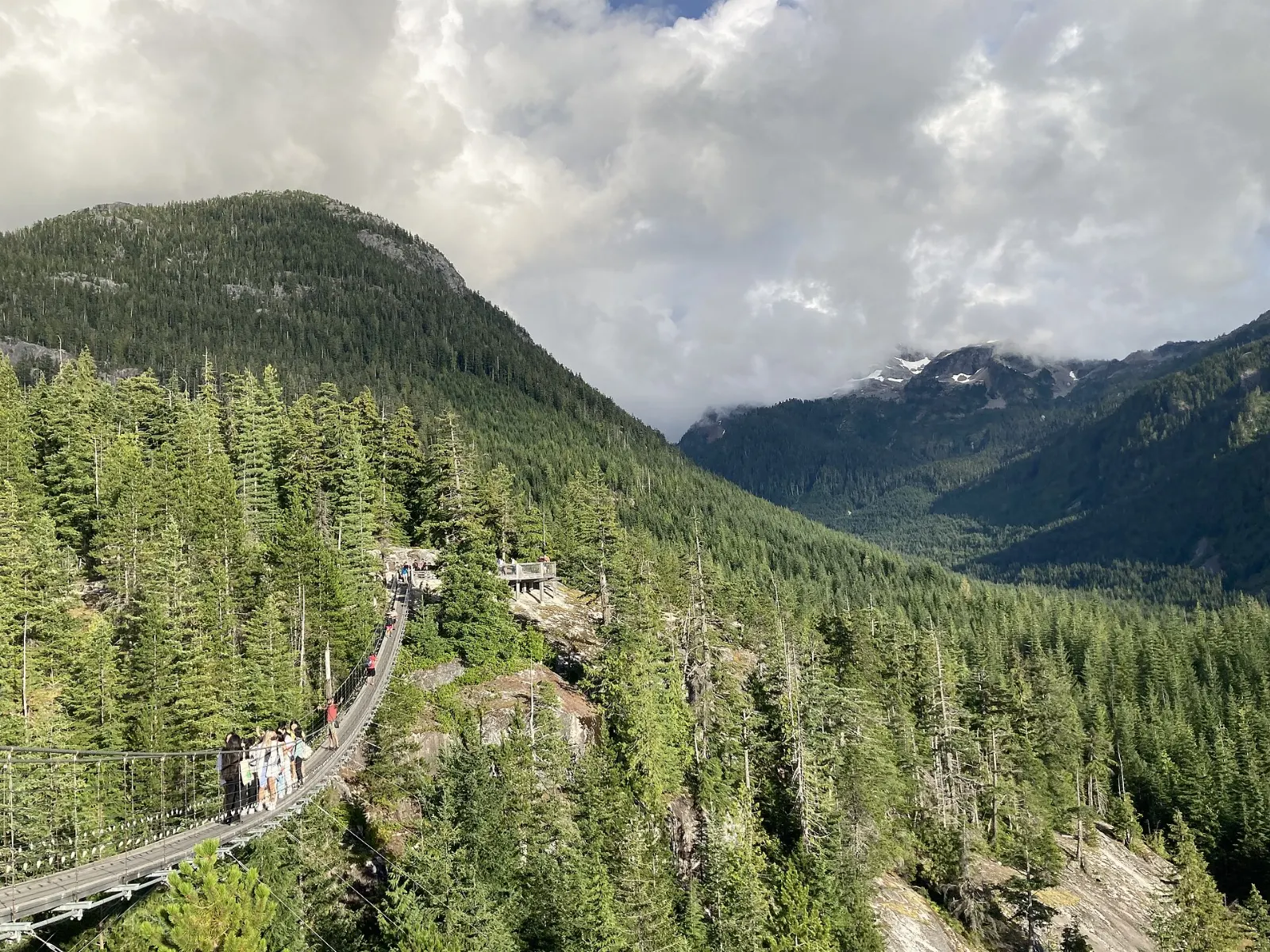
The gondola ride takes ten to twelve minutes and climbs 885 metres up Mount Habrich. At the top you will find a lodge, a suspension bridge, hiking trails and several viewing platforms over Howe Sound.
Alice Lake Provincial Park
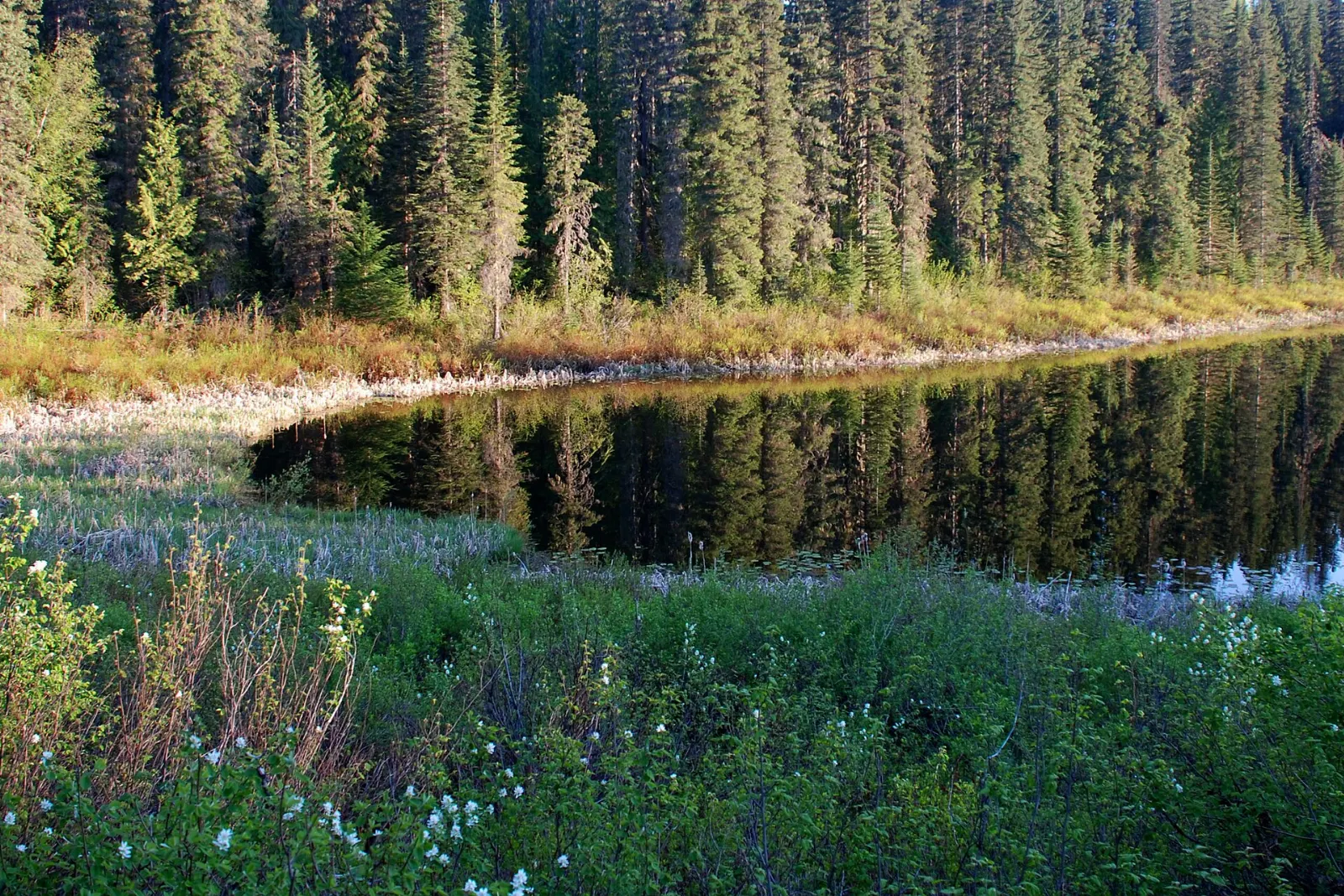
About 11 kilometres north of town, Alice Lake has four lakes, picnic areas and two sandy swimming beaches. Trails range from flat loops around the lake to steeper climbs to viewpoints, and mountain biking is allowed on some of them.
Wildlife, water and local history
Eagle Run on the Squamish River
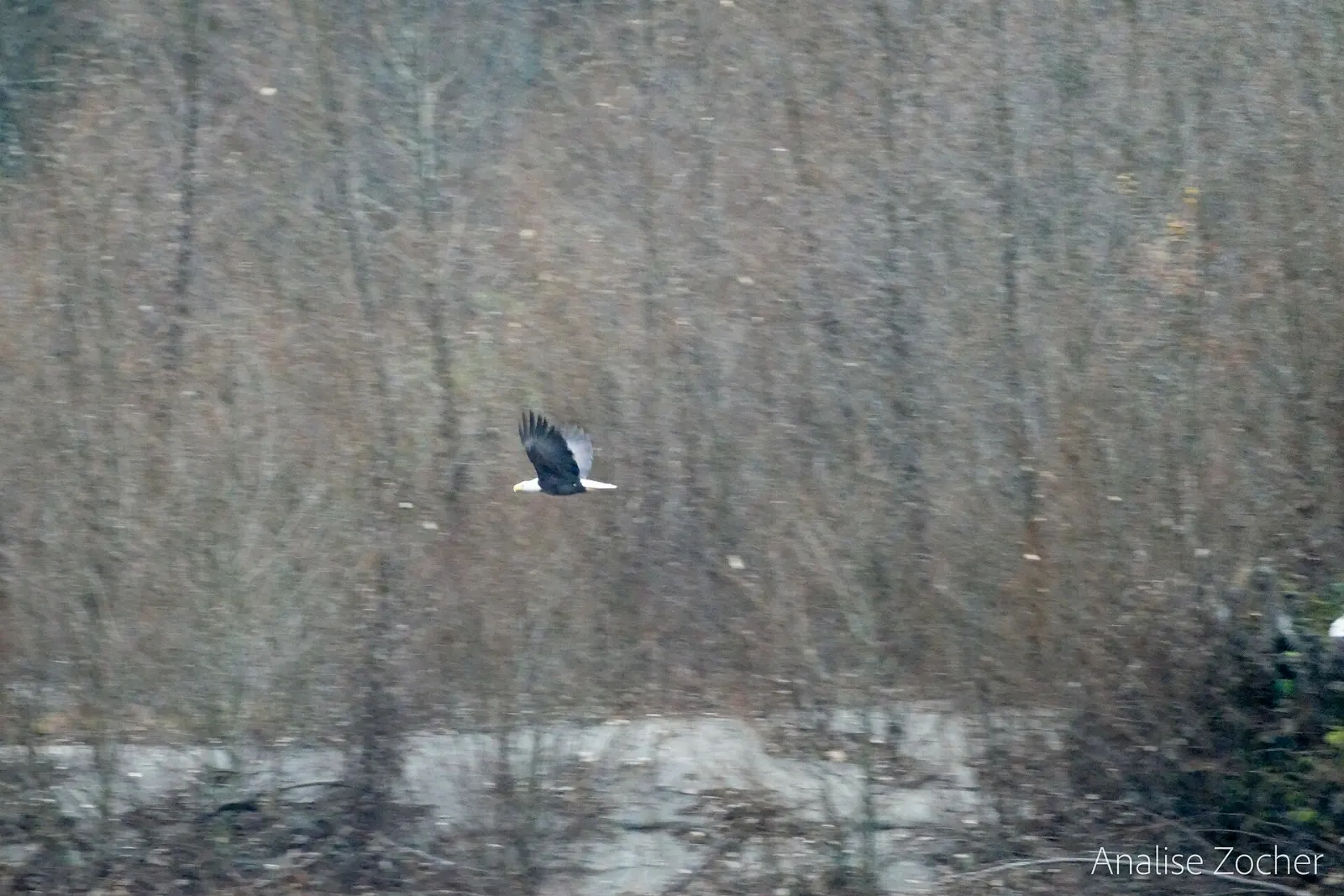
From mid-November to late February, hundreds of bald eagles winter along the Squamish River and feed on spawning salmon. The best known viewing area is Eagle Run off Government Road, with interpretive displays and seating.
Squamish Spit
On warm sunny days a predictable wind makes the Spit one of the top kiteboarding spots in western Canada. Even if you do not kite, it is a good place to watch the colourful sails against the mountains.
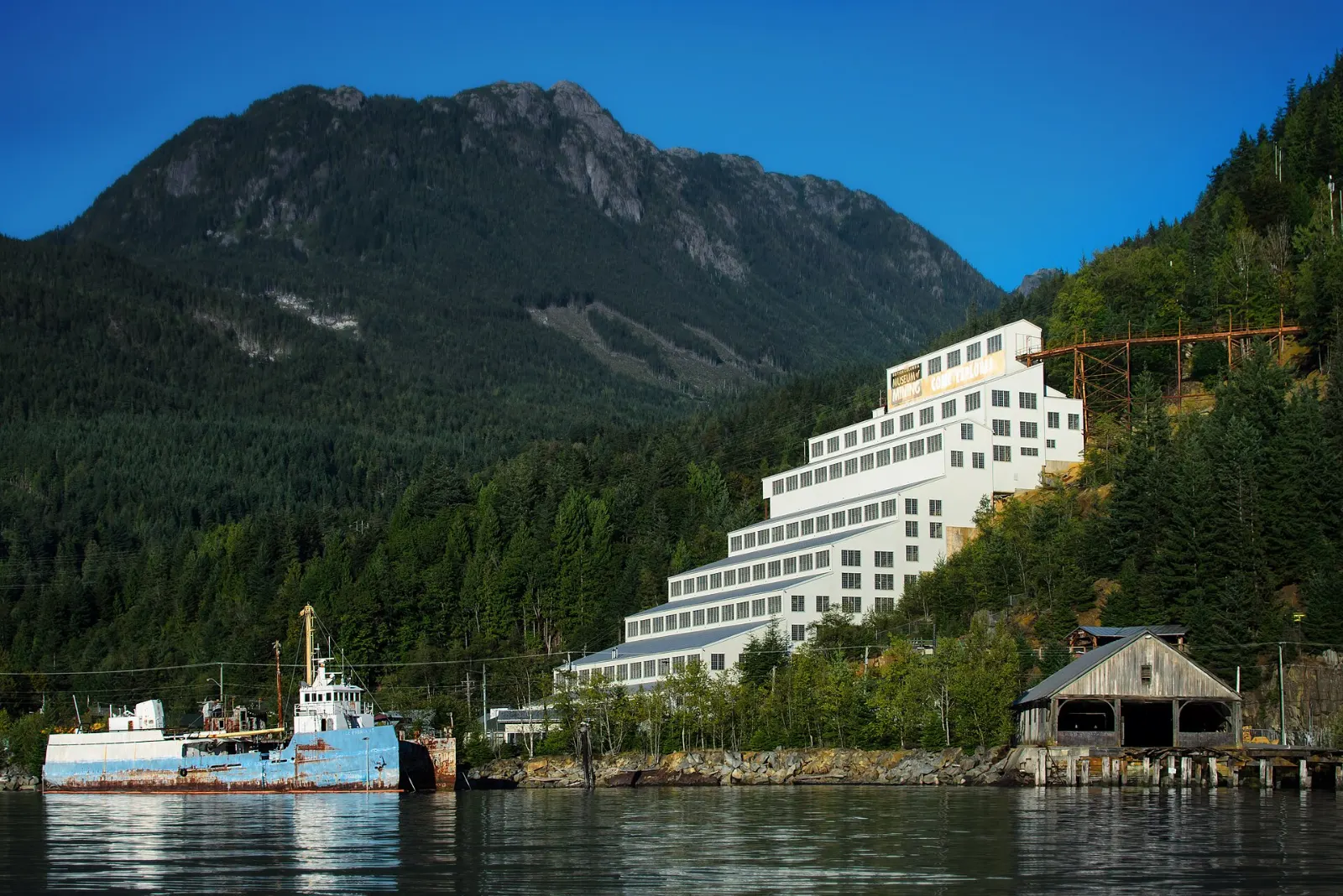
Britannia Mine Museum
Around ten minutes south of Squamish at Britannia Beach, this museum tells the story of the largest copper mine in British Columbia.
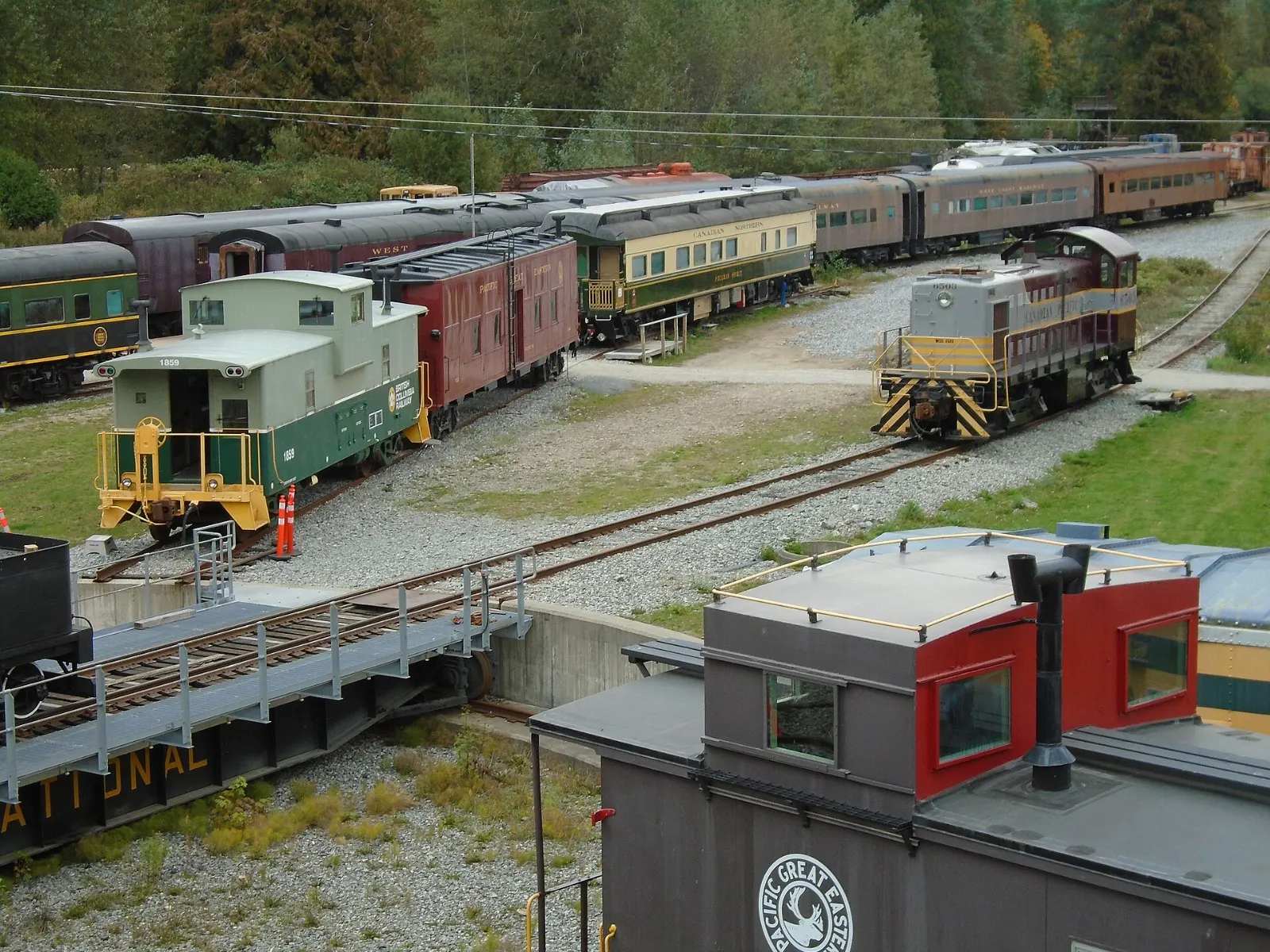
West Coast Railway Heritage Park
Railway fans will enjoy this collection of historic locomotives and cars on Government Road. The restored Royal Hudson steam locomotive is the star, and a miniature train ride on the grounds suits younger visitors.
Rafting on the Elaho and Squamish rivers
North of town in the Squamish Valley, the Elaho and Squamish rivers offer rafting through class three and four rapids, including the well known Devil's Elbow. Go with a licensed guide and check conditions with the operator before booking.
 Planning a trip to Squamish?Compare hotels, flights and vacation rentals for Squamish on Expedia.Book now
Food and local flavors
Squamish eating is relaxed and outdoorsy, and the strongest local connection is the water. Wild Pacific salmon is a staple across the Sea to Sky region, grilled at casual restaurants or served as smoked salmon in sandwiches and chowders.
For a sweet finish, look for Nanaimo bars, the no-bake British Columbia dessert with a wafer crumb base, custard icing and a chocolate top. Bakeries and cafes in the town centre often stock them.
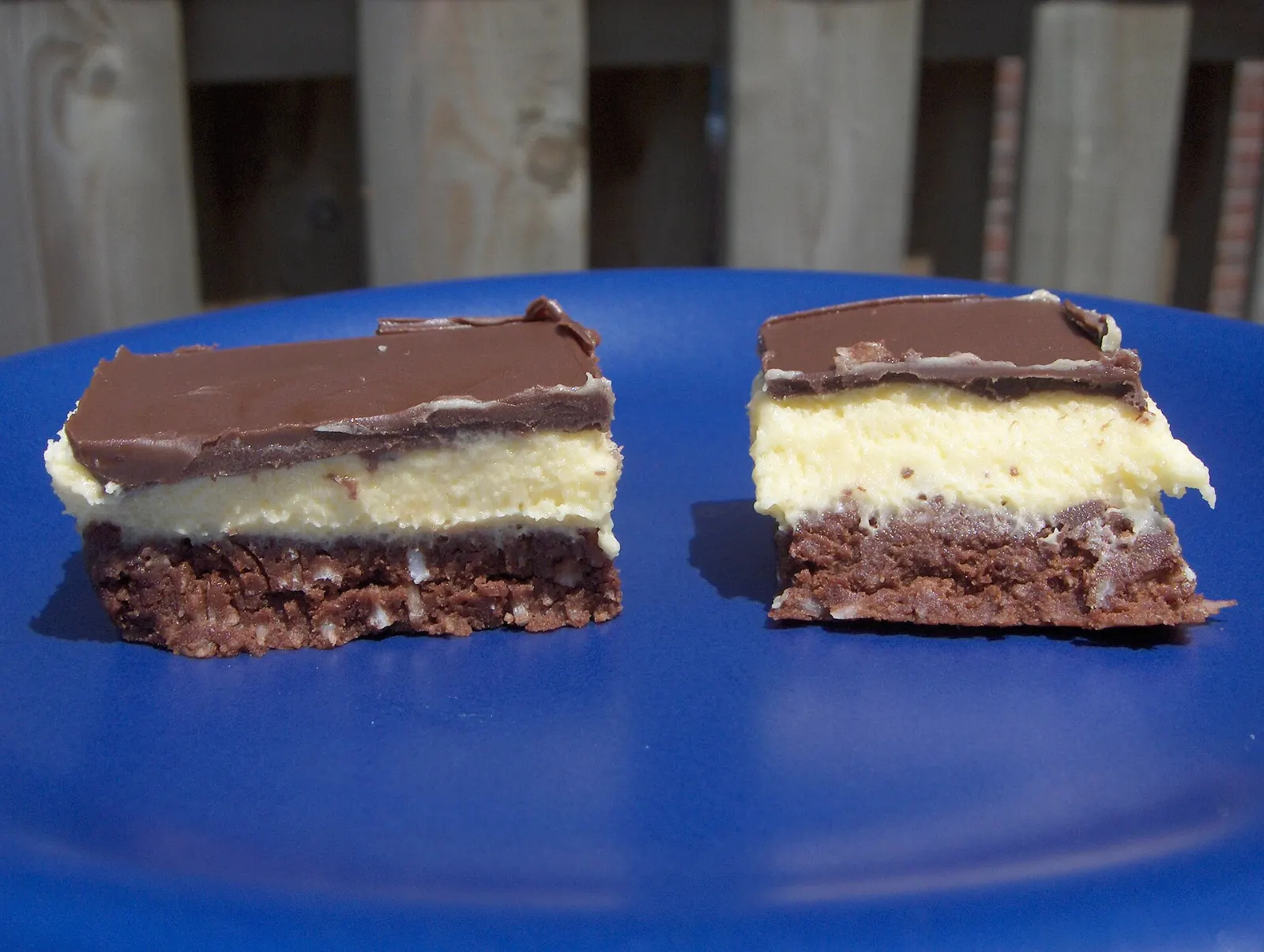
Popular dishes to try in Squamish


Where to stay
Downtown Squamish is the easiest base if you want to walk to cafes, pubs and shops along Cleveland Avenue.
Garibaldi Highlands is a residential area on the hillside above the highway, with a quieter feel and easy access to the golf club and nearby trails.
Brackendale lies on the northern side of town, closer to the river valley and the winter eagle viewing. It suits birders, mountain bikers and anyone heading to Alice Lake or the Squamish Valley.
Where to stay in Squamish


Best time to visit
Squamish is one of the wettest inhabited places in Canada, with heavy rainfall through the winter, so the driest and most reliable period for hiking and sailing is summer. From May to September the steady winds also suit sailing and kiteboarding.
Winter has its own draw. Eagle season runs from mid-November to late February, and the quiet, misty valley is striking on dry days.
Getting there and getting around
Squamish lies on Highway 99, about 60 kilometres north of downtown Vancouver, and the drive takes around 45 minutes without heavy traffic. The Sea to Sky Highway continues to Whistler, roughly 55 kilometres further north, with plenty of viewpoints along the way.
Without a car, a daily bus operated by YVR Skylynx connects Vancouver International Airport, downtown Vancouver, Squamish and Whistler. Travel from downtown Vancouver takes about an hour. Squamish itself sprawls over a large area, so a car is the easiest way to reach trailheads and the gondola.
A suggested itinerary
First day
Arrive by morning, stop at Shannon Falls, then ride the Sea to Sky Gondola for views and an easy walk to the Chief Overlook.
Second day
Hike the Stawamus Chief to the first peak, or spend the day at Alice Lake if you prefer swimming.
Third day
Visit the Britannia Mine Museum on your way south, or in winter spend the morning at Eagle Run before heading to the railway heritage park.
Extra time
Add a rafting trip on the Squamish or Elaho rivers in warm months, or continue north to Whistler or south to Porteau Cove, which is known for scuba diving.
Practical tips
- Start Chief hikes early and carry water, food and a rain layer.
- Reserve the Britannia Mine tour and gondola tickets ahead in busy periods.
- Bring binoculars for the winter eagle viewing.
- Check opening hours and seasonal closures on official websites.
- Weather turns quickly, so pack layers even in summer.