Mont-Tremblant is the best-known mountain getaway in the Laurentians, about 130 kilometers northwest of Montreal. A car-free resort village sits at the foot of the slopes, Quebec's oldest provincial park spreads out to the north, and lakes, rail trails and quieter old villages fill the gaps.
AT A GLANCE
Best time
December to March for skiing, or summer and autumn for hiking, lakes and golf.
How long
Two to three days for the resort, the park and one trail or village.
Getting there
By car or bus from Montreal in about two hours, or by air to a nearby airport.
Why visit Mont-Tremblant
The name is Algonquin for the trembling mountain, and the peak stands at around 875 meters, one of the tallest in the Laurentians.
You do not need to ski to enjoy it. Summer brings lake swimming, cycling and cliff climbing, and the national park offers hiking and canoeing.
Distances are short, so a long weekend is enough to see the main sights. The resort sits some 13 kilometers from the original village, which keeps a more local feel, and the park and rail trail are a short drive from either one.
The resort and the mountain
The Pedestrian Village
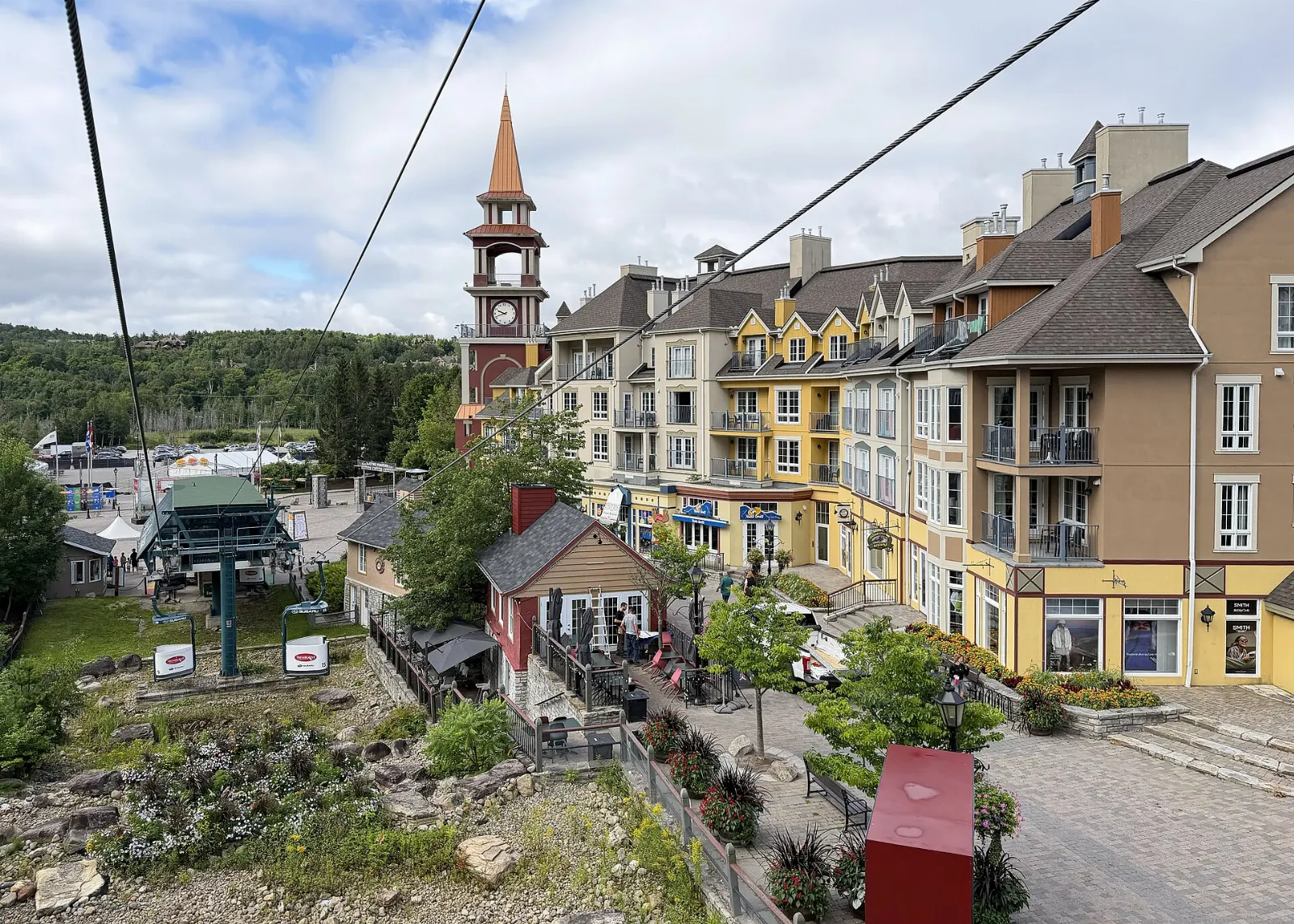
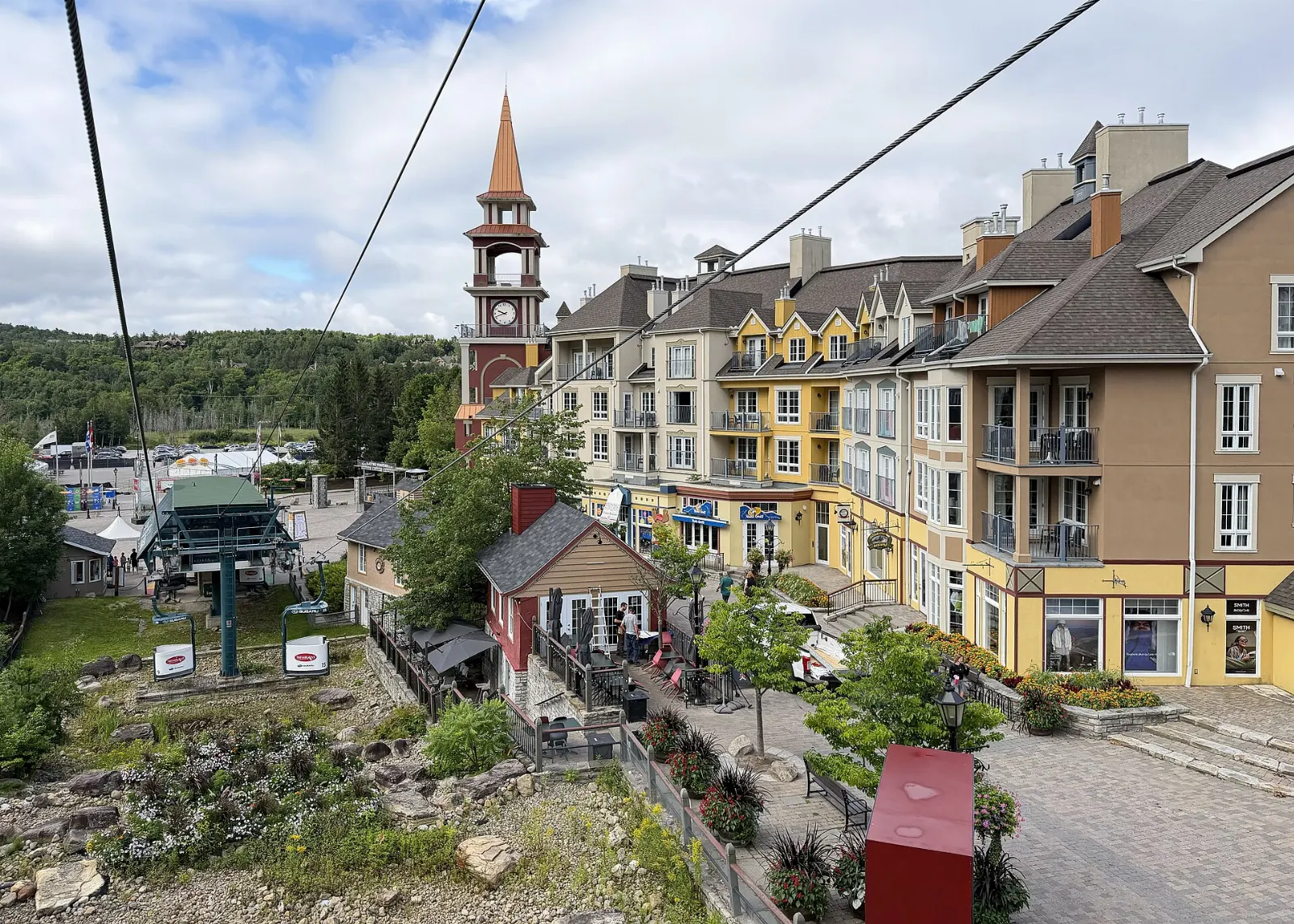
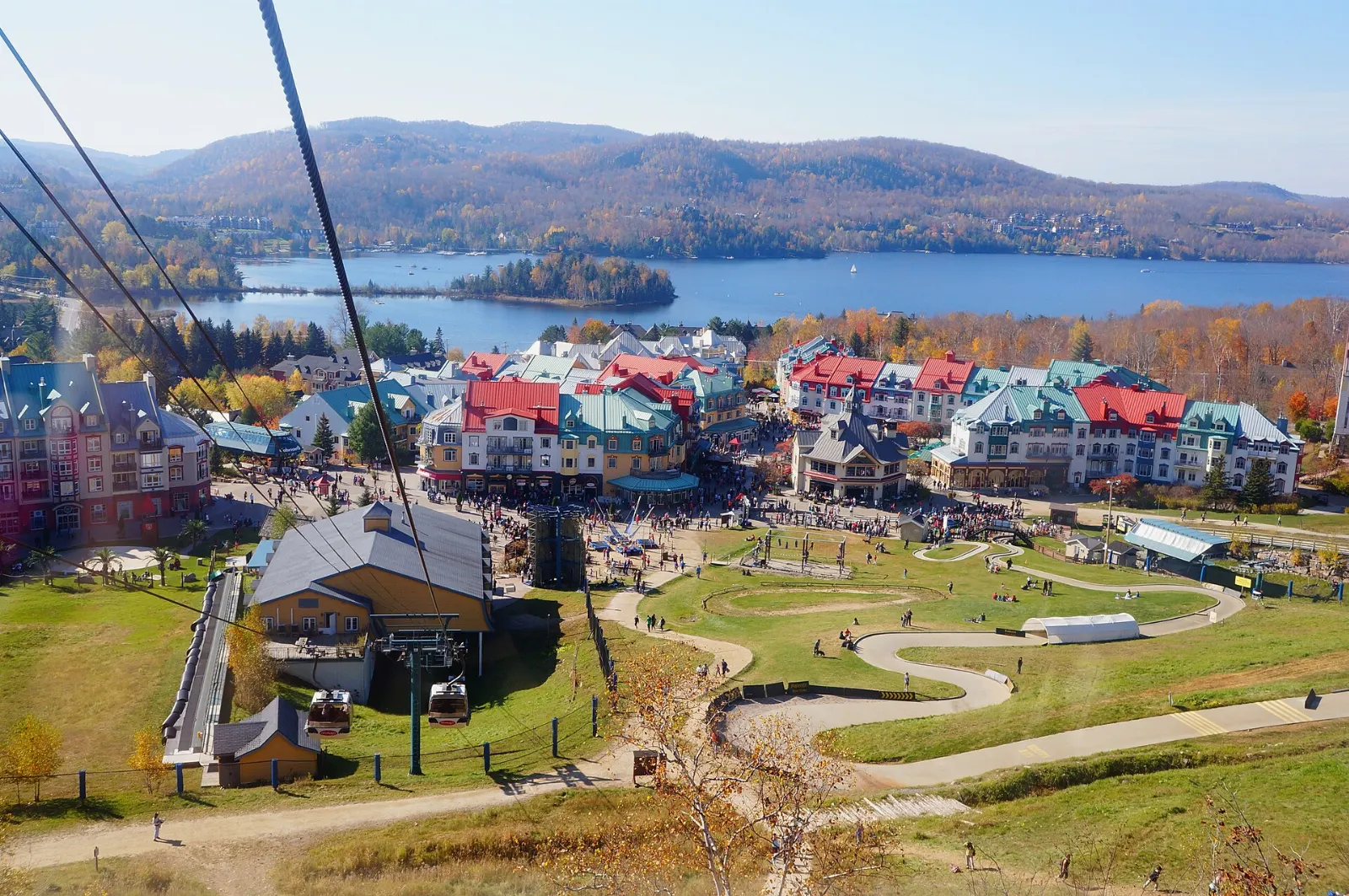
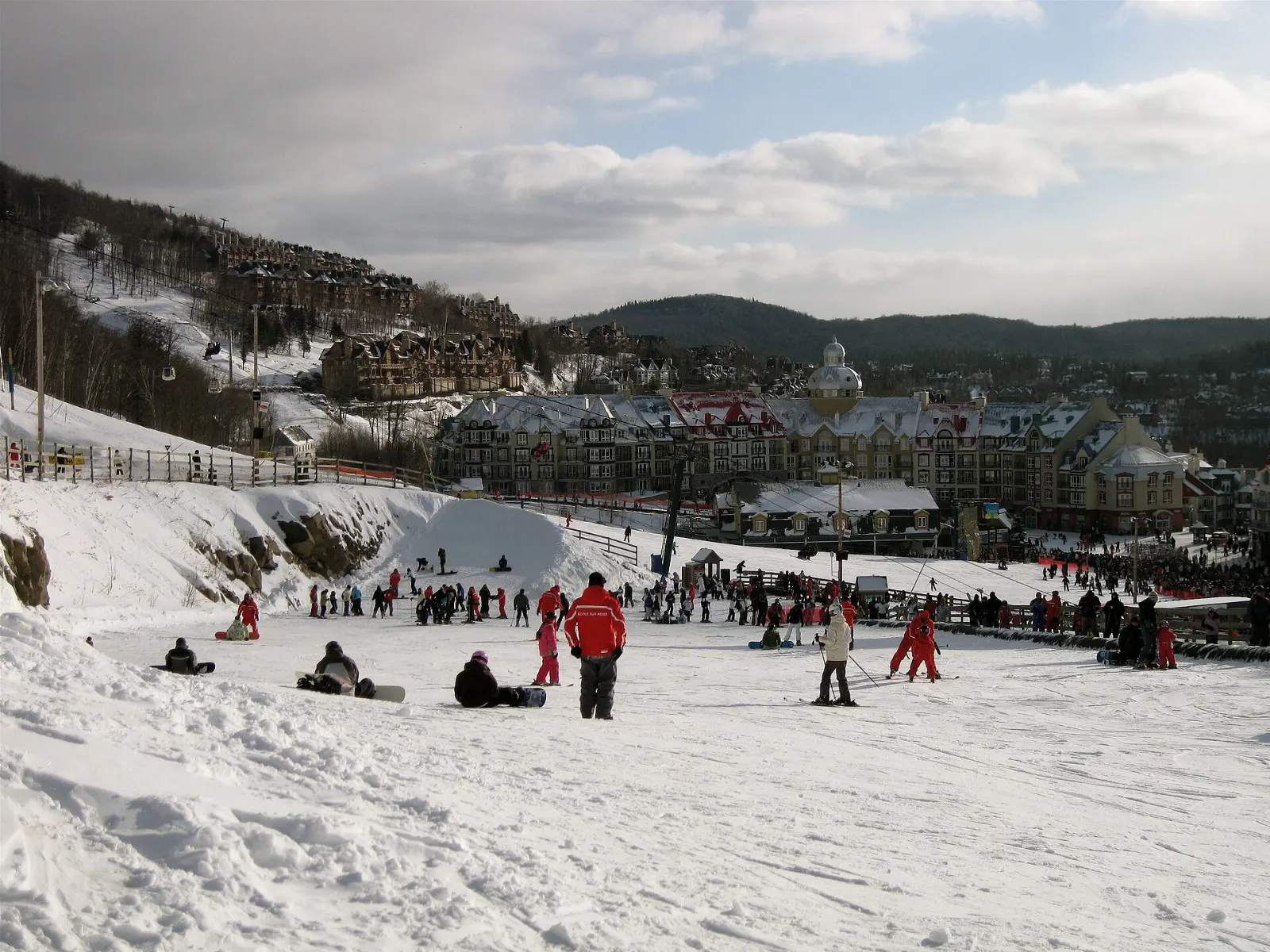
Vehicles are strictly prohibited in the resort village, hence its name. Pastel houses, shops and restaurants cluster around cobbled streets, and in winter many hotels can be reached directly on skis. It is touristy, and that is the point: walking is easy and the activity centre can book almost anything.
The gondola and the slopes
A free gondola links the lower hotels to the ski lifts, and in summer it carries sightseers to views over the Laurentians. The ski area has a large network of trails, snow-making that runs from November to April and a mix of beginner, intermediate and expert terrain.
Lac Tremblant
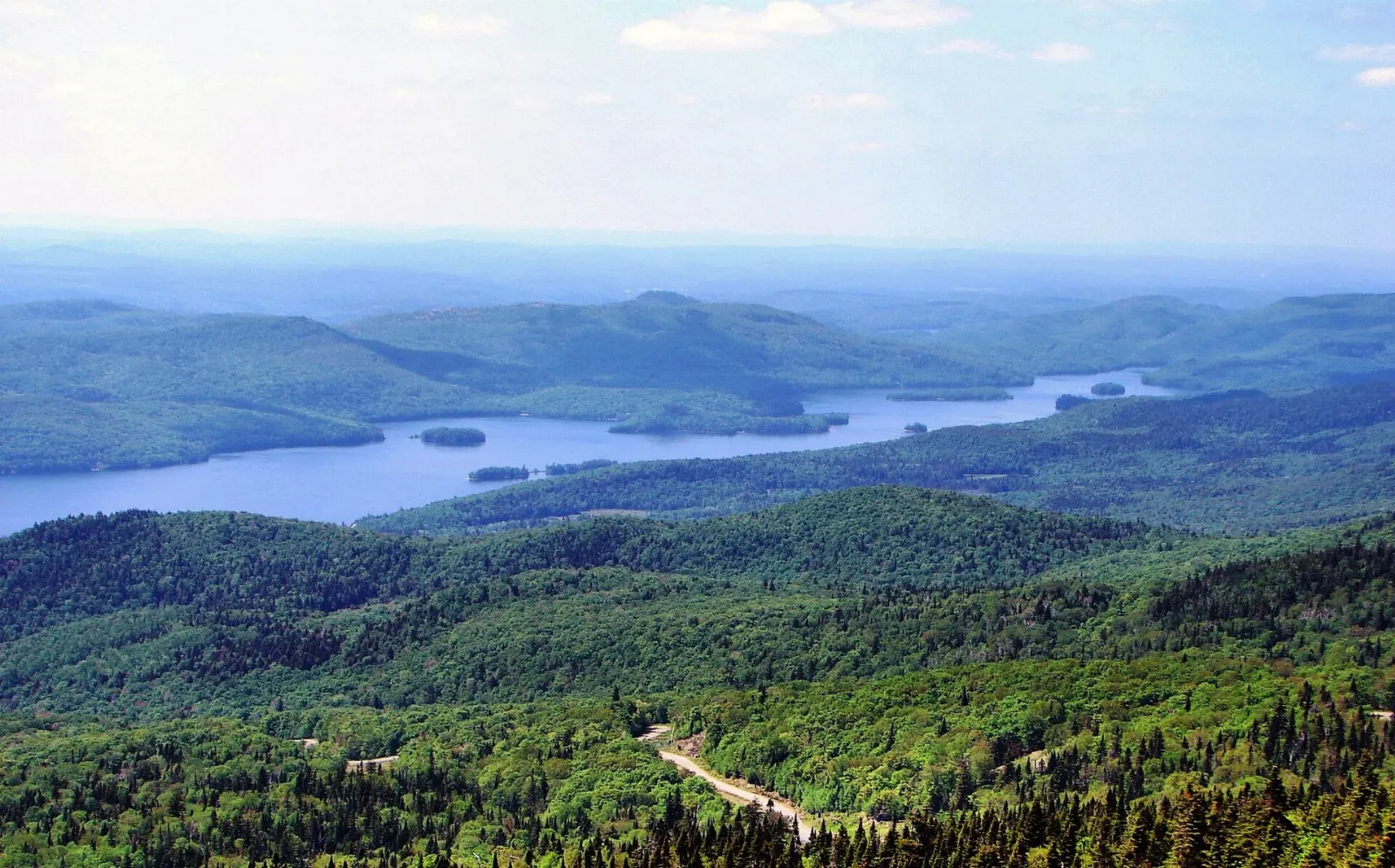
Lac Tremblant lies right at the foot of the resort. In warm months the shore is the place for swimming, paddling and other water sports, and a cruise on the Grand Manitou runs for about 70 minutes.
The park, the cliffs and the trails
Mont-Tremblant National Park
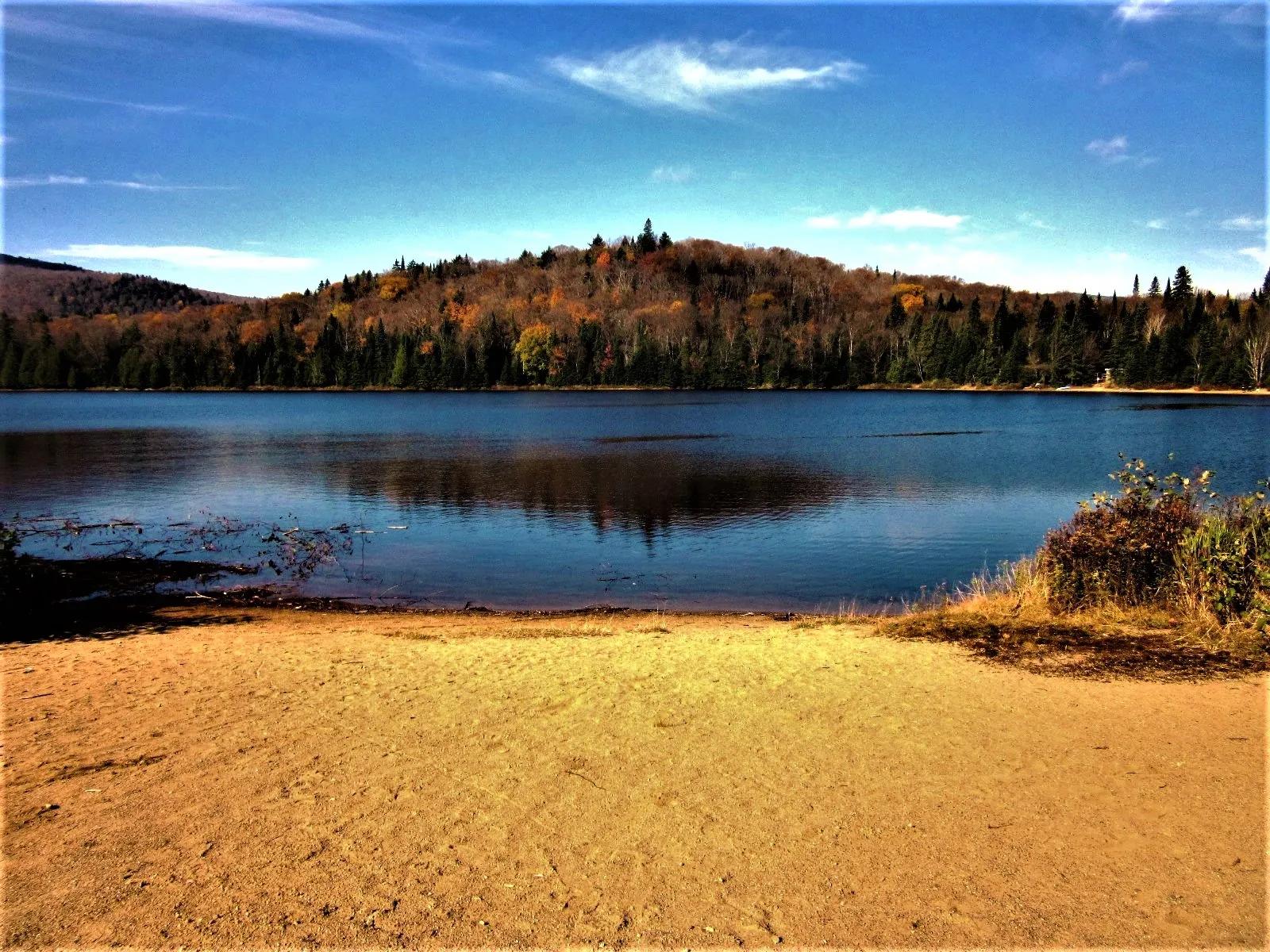
The park lies north of the town and is Quebec's oldest provincial park and its fourth largest. Activities include hiking, canoeing, kayaking, mountain biking and camping, and in winter cross-country skiing and snowshoeing.
The Diable via ferrata
For something more adventurous, a via ferrata course is built into the face of a cliff in the park, a walking and climbing route with fixed cables. It suits active visitors with a head for heights.
Le P'tit Train du Nord
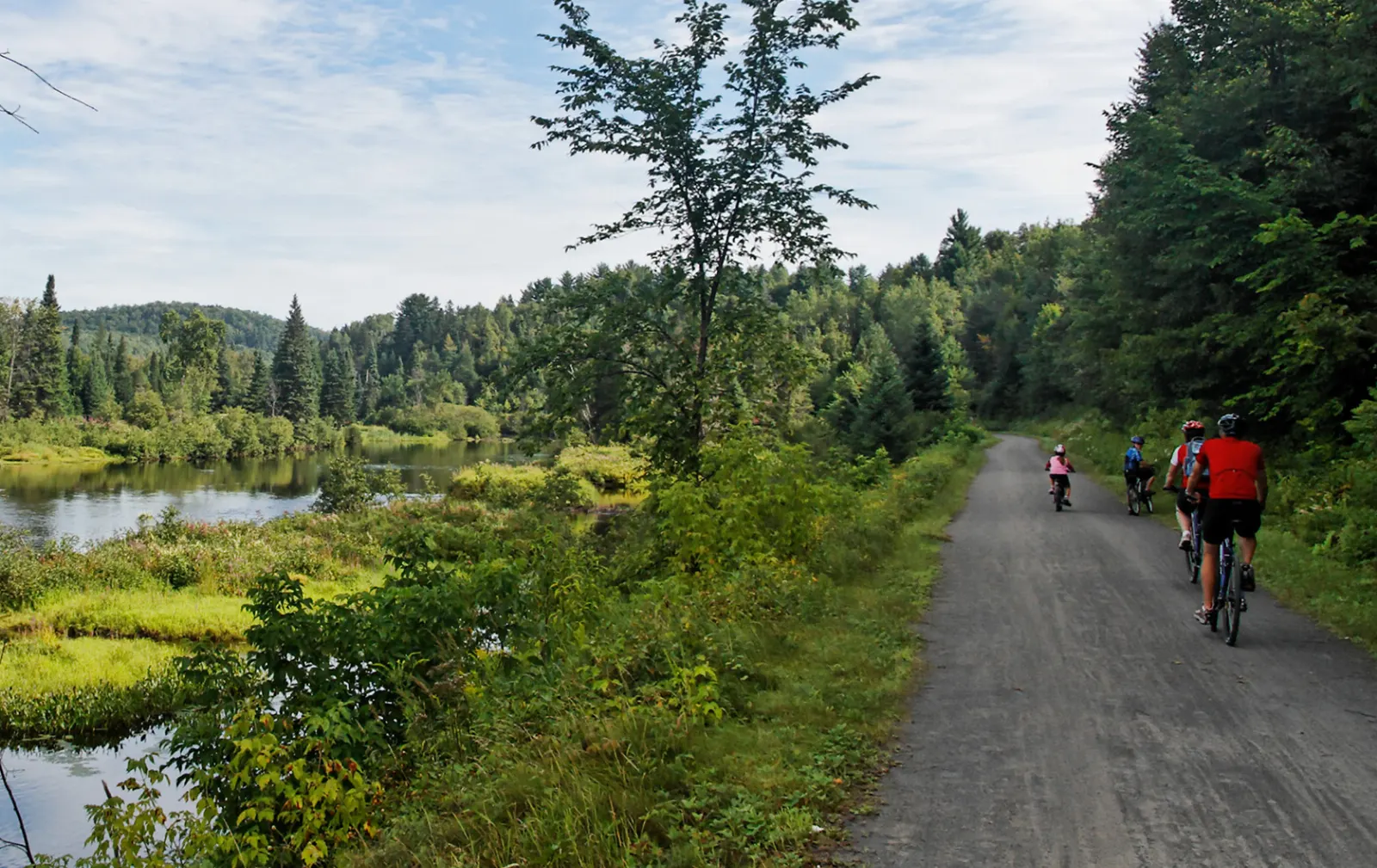
This rail trail follows an old Canadian Pacific line for 200 kilometers through the Rivière du Nord valley, between Saint-Jérôme and Mont-Laurier.
Rouge River and golf
Rafting on the Rouge River is a summer classic nearby, and two championship courses, Le Diable and Le Géant, make the resort a golf destination. Reserve both early for July and August.
Villages and nearby places
Saint-Jovite and the old village
The area is split between the resort and the original village, about 13 kilometers away, with the Saint-Jovite section in between.
Buddhist Monastery in Harrington
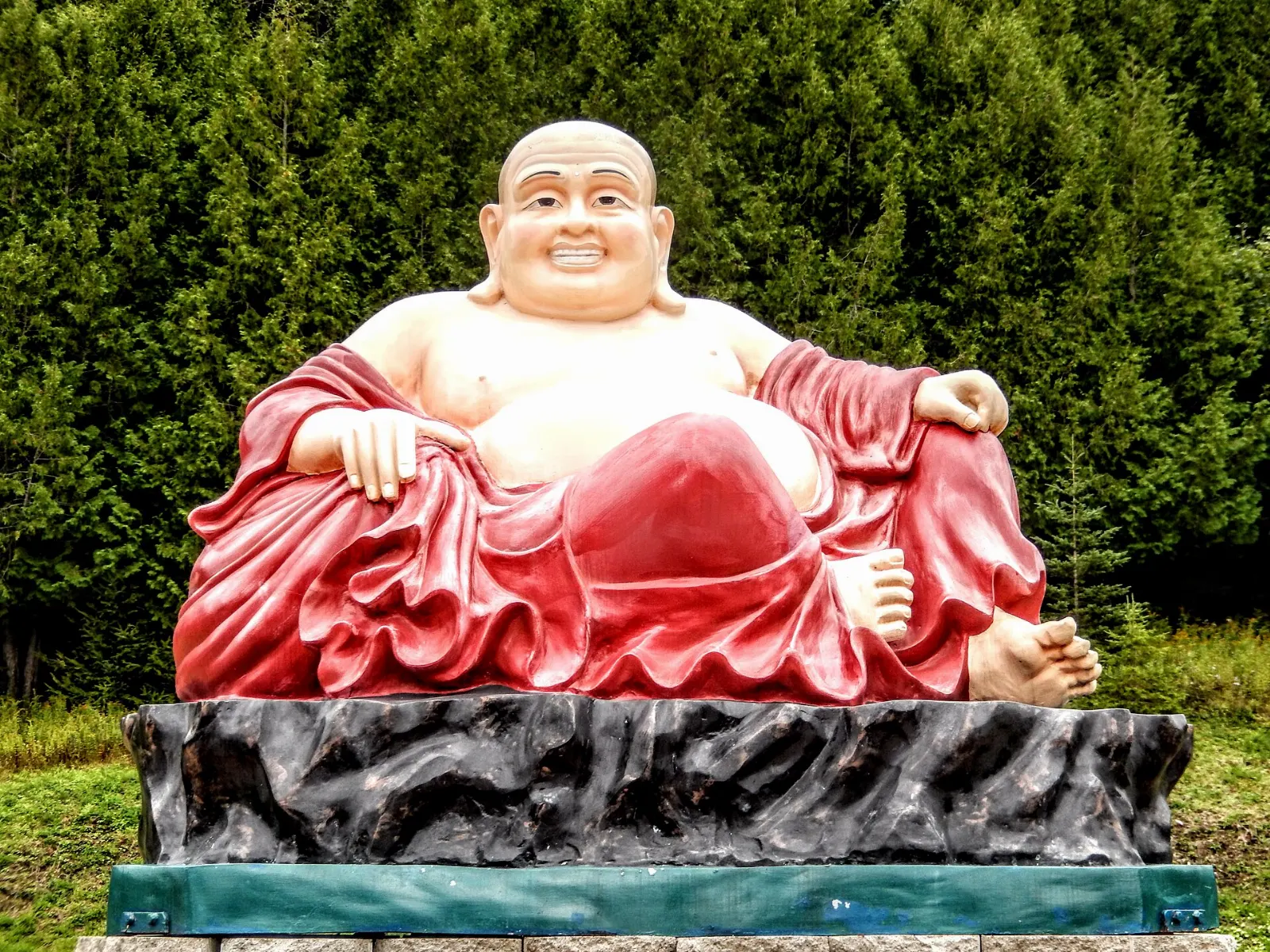
About 40 kilometers south, a Mahayana Buddhist monastery honors the life of the Buddha with colorful statues. Visitors are asked to dress modestly, with no shorts, mini-skirts or T-shirts, and it is wise to phone ahead to confirm opening days.
Circuit Mont-Tremblant
The area's race track has hosted Formula One, Can-Am and Champ Car events, and it still holds motorsport and triathlon events. Check the event calendar to see what is on during your stay.
Food and local flavors
Quebec cooking is hearty and built for cold weather. Poutine, fries with cheese curds and gravy, is the dish most visitors try, and the cafes of the resort and Saint-Jovite serve it in many versions.
The pedestrian village is full of restaurants and maple-themed souvenirs, while Saint-Jovite offers a wider choice for everyday meals. Quebec is also the world's biggest maple syrup producer, so bring some home.
Popular dishes to try in Mont-Tremblant


Where to stay
The Pedestrian Village is the easiest place to stay: lifts, shops and restaurants are on your doorstep and many hotels offer ski-in access. It suits skiers, families and first-time visitors who want everything within walking distance.
Saint-Jovite is better for visitors who want everyday restaurants, a supermarket and more local character, and it works well if you are traveling by regional bus. Domaine de la Forêt sits along the mountainside and offers direct access to the ski trails, which suits anyone who wants a quiet, residential stay in a forested setting close to the slopes.
Where to stay in Mont-Tremblant


Best time to visit
Ski season runs from November to April, with snow-making covering much of the mountain. Winter also brings snowshoeing, skating beside the chapel, dog sledding and snow tubing.
In summer the resort comes alive with golf, cycling, rafting and lake days, and the gondola runs for views. Autumn colors in the Laurentians draw weekend crowds.
Getting there and getting around
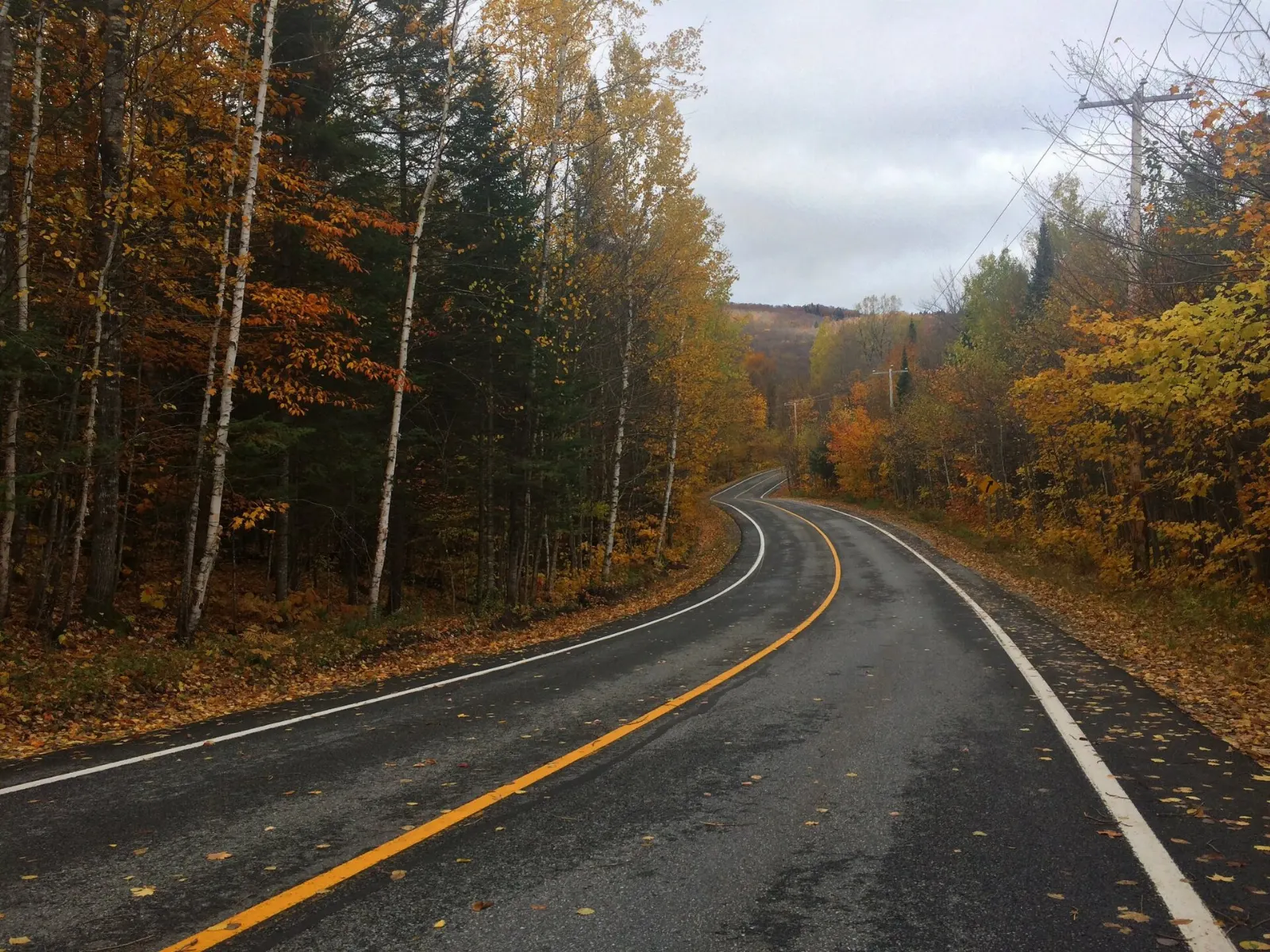
Mont-Tremblant is on Route 117, roughly a 90-minute drive from Montreal in good conditions. La Macaza–Mont-Tremblant International Airport has flights from Toronto, and Montreal and Ottawa are the nearest major airports.
In winter, snow tires are required by law for vehicles registered in Quebec and advisable for all vehicles. A car is useful for the national park, the monastery and the rail trail, but you will not need one inside the pedestrian village, where the free gondola links the lower hotels to the lifts.
A suggested itinerary
First day
Arrive in the Pedestrian Village, ride the gondola for the views and spend the afternoon on the slopes or beside Lac Tremblant, depending on the season.
Second day
Spend the day in Mont-Tremblant National Park, hiking, paddling or skiing depending on the season.
Third day
Ride a section of Le P'tit Train du Nord, have lunch in Saint-Jovite and, if time allows, drive south to the monastery in Harrington.
Practical tips
- Book lodging and lift tickets early for school holidays and peak weekends.
- Check the SEPAQ website for park access and current conditions.
- Pack layers in every season, because mountain weather changes quickly.
- Use the north side of the ski area for easy parking and equipment rental.
- Stock up on groceries in Saint-Jovite, where they are usually cheaper than in the resort.