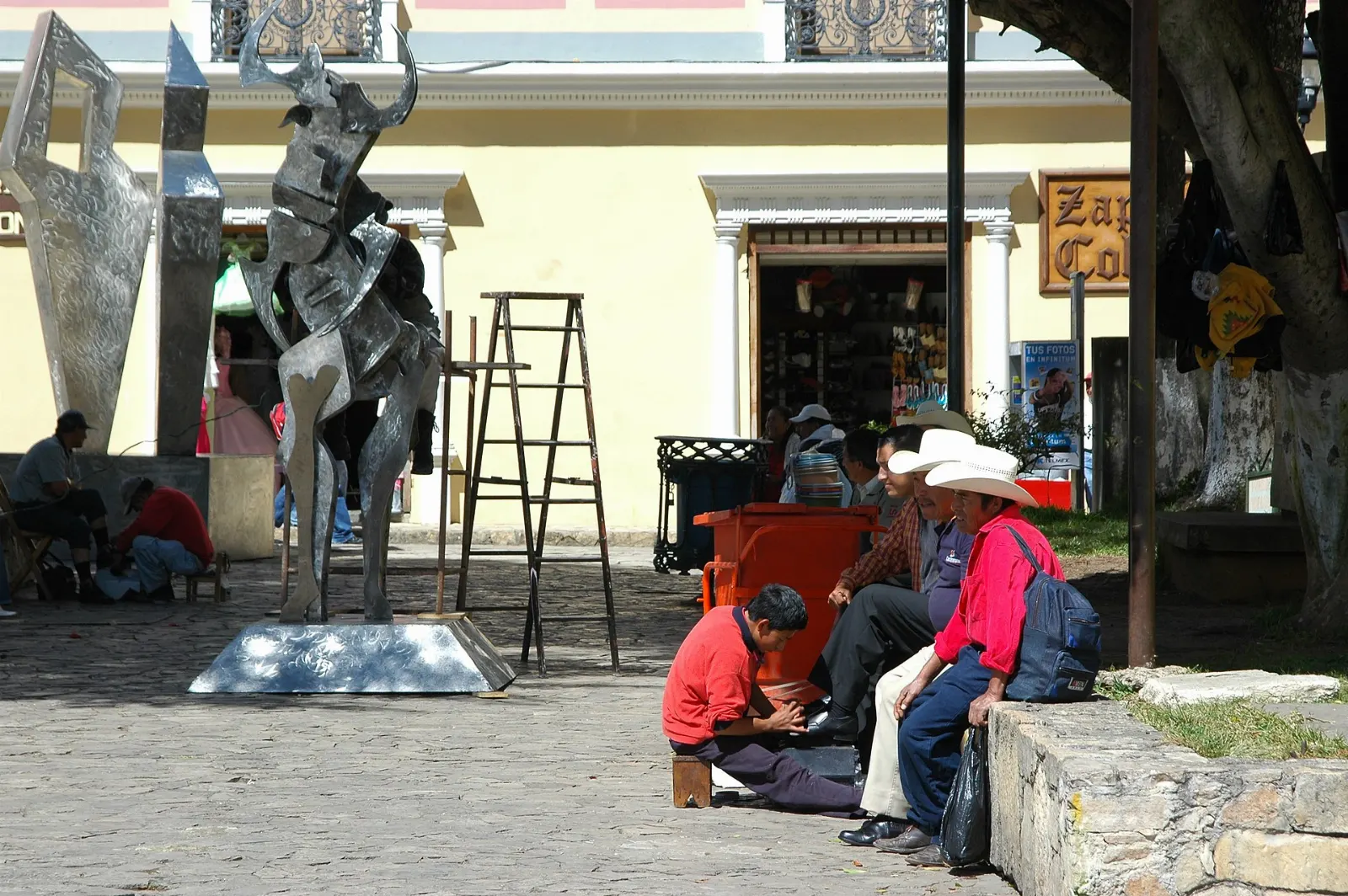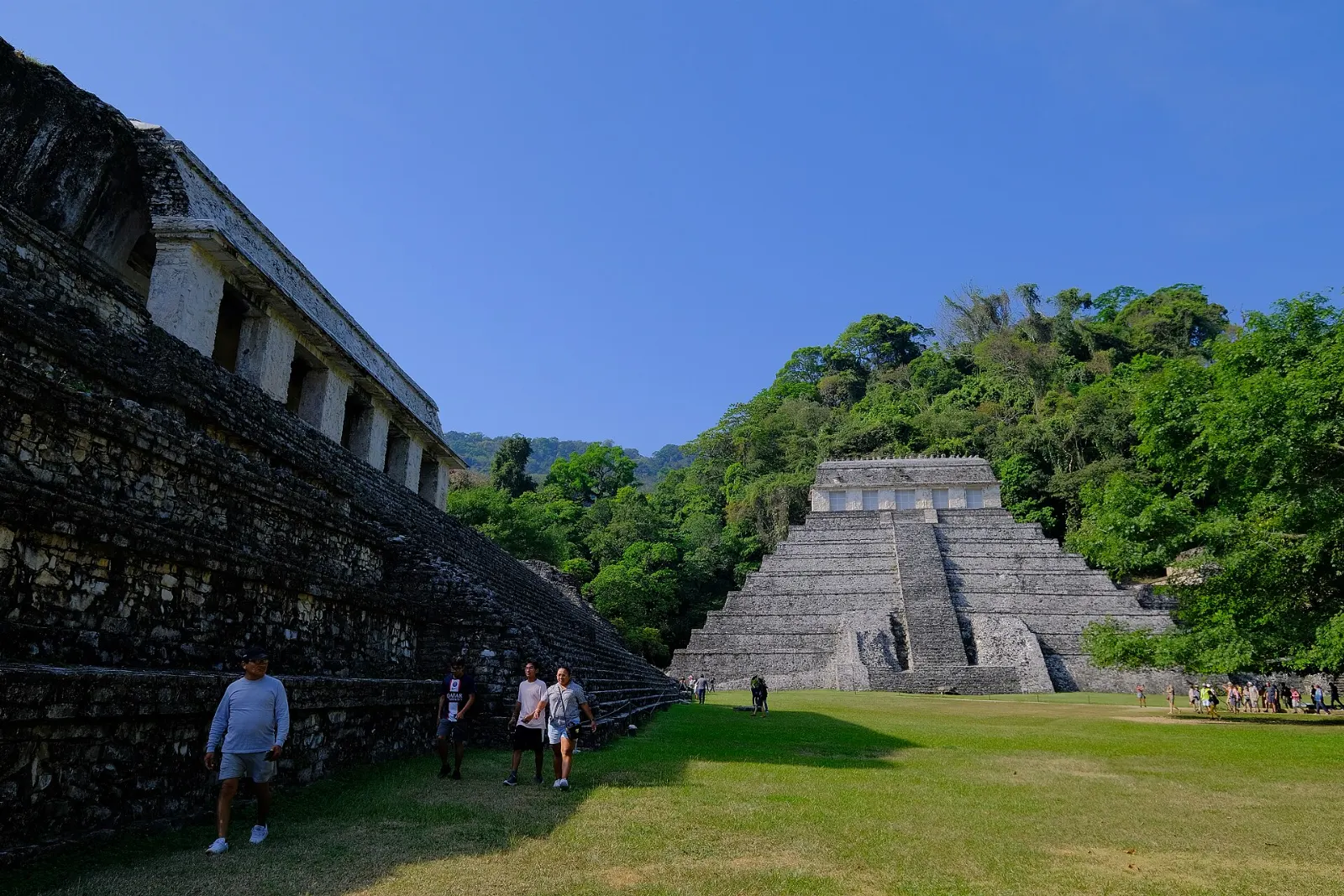
San Cristóbal de las Casas sits in a cool highland valley in Chiapas, where red tile roofs, cobblestone streets and wrought iron balconies still follow a Spanish colonial plan. It is the cultural capital of the state, with strong Tzotzil and Tzeltal Maya traditions, craft markets and some of the best museums in southern Mexico.
AT A GLANCE
Best time
April for the Spring and Peace Fair, or October for the Cervantino festival.
How long
Three days covers the center, the museums and one day trip.
Getting there
By bus or shared shuttle from Tuxtla Gutiérrez and its airport.
Why visit San Cristóbal de las Casas
The Spanish founded San Cristóbal in 1528, and it served as the capital of Chiapas until 1892. It remains the state's cultural capital and was named a Pueblo Mágico in 2003. Its historic center keeps the colonial layout, with buildings painted in many colors and facades that range from Baroque to Neoclassical.
The city also has a living craft tradition. Textiles, amber, ceramics, wrought iron and jewelry fill its markets and workshops, and it has been named a UNESCO Creative City for its crafts.
The historic center
The Zócalo
The main plaza, officially Plaza 31 de marzo, is centered on a kiosk added in the early twentieth century and surrounded by gardens and the city's most important buildings. Sit on a bench and watch the city go by before you set off.
The Cathedral
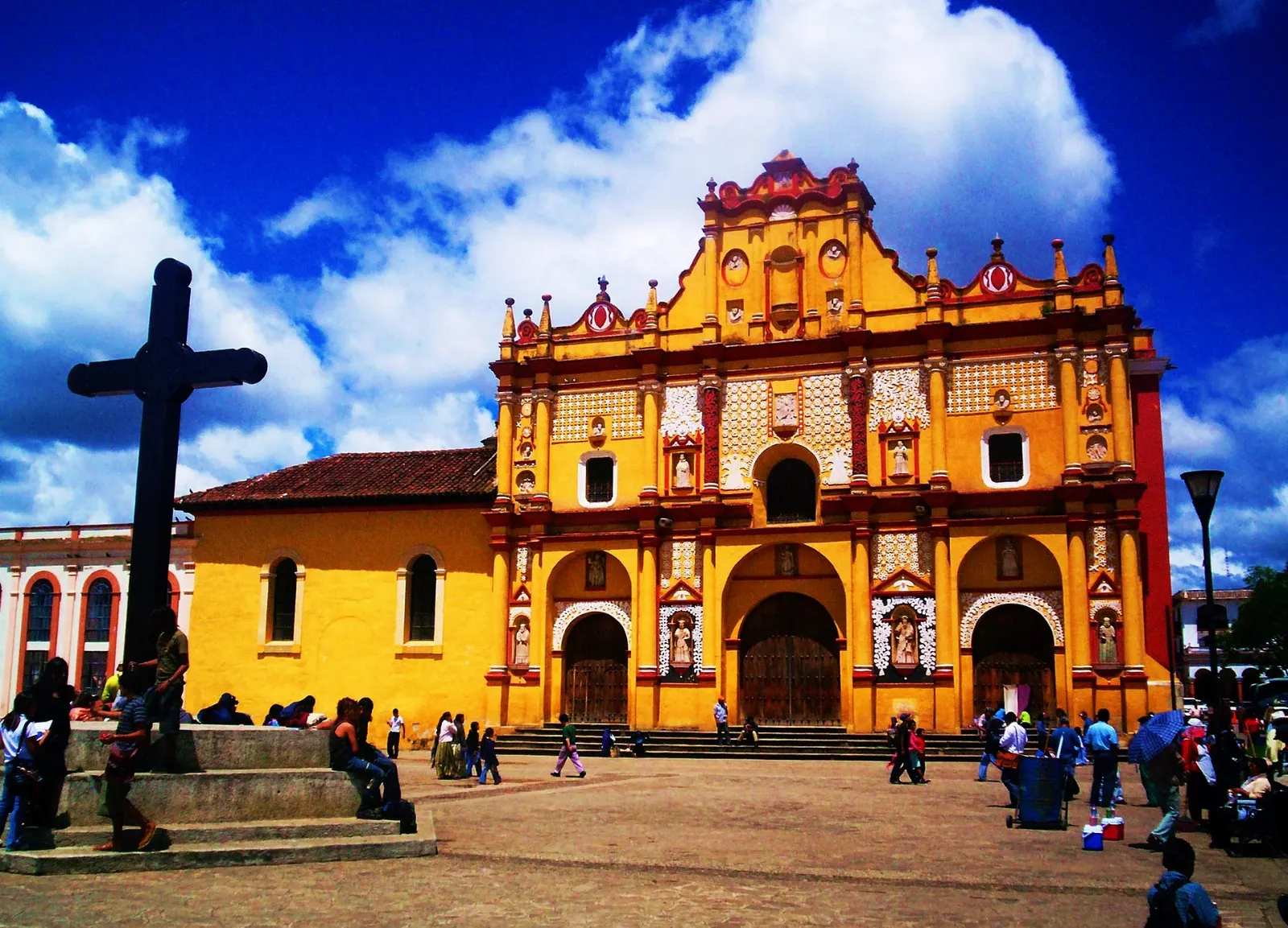
The cathedral on the north side of the Zócalo is the city's most emblematic landmark. Its yellow Baroque facade, finished in 1721, is arranged like an altarpiece with white stucco work, and it faces its own atrium rather than the plaza.
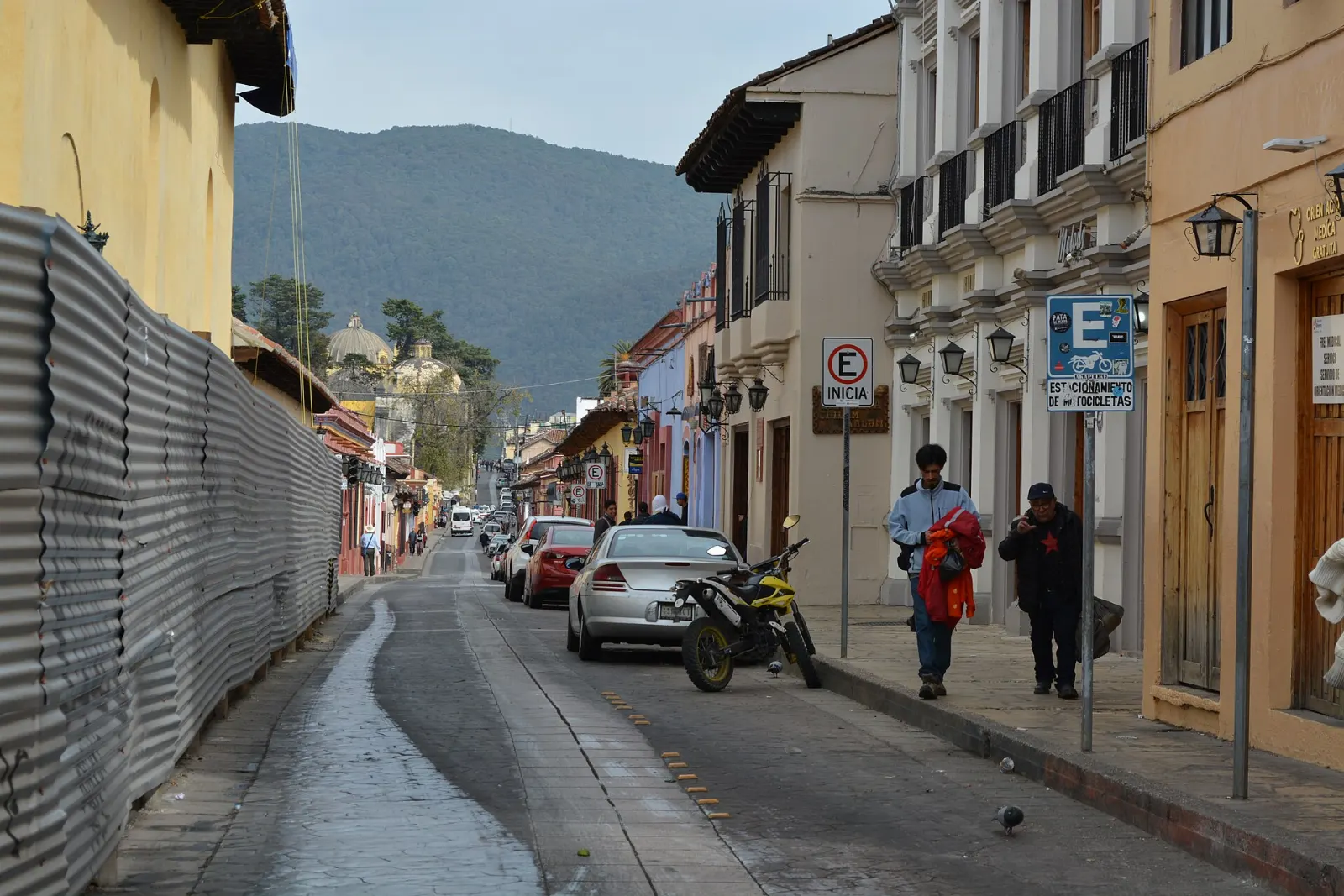
Templo de Santo Domingo
Built by the Dominicans in the sixteenth century, this church has one of the most ornate Baroque facades in Latin America and an interior covered in gilded altarpieces. The interior is especially beautiful in the evening by candlelight.
Museo de los Altos de Chiapas
Housed in the former Santo Domingo convent, this museum traces the history of Chiapas and includes the Centro de Textiles del Mundo Maya, a collection of historic and contemporary Maya textiles from Chiapas and Guatemala. Allow about an hour.
Museums with a local flavor
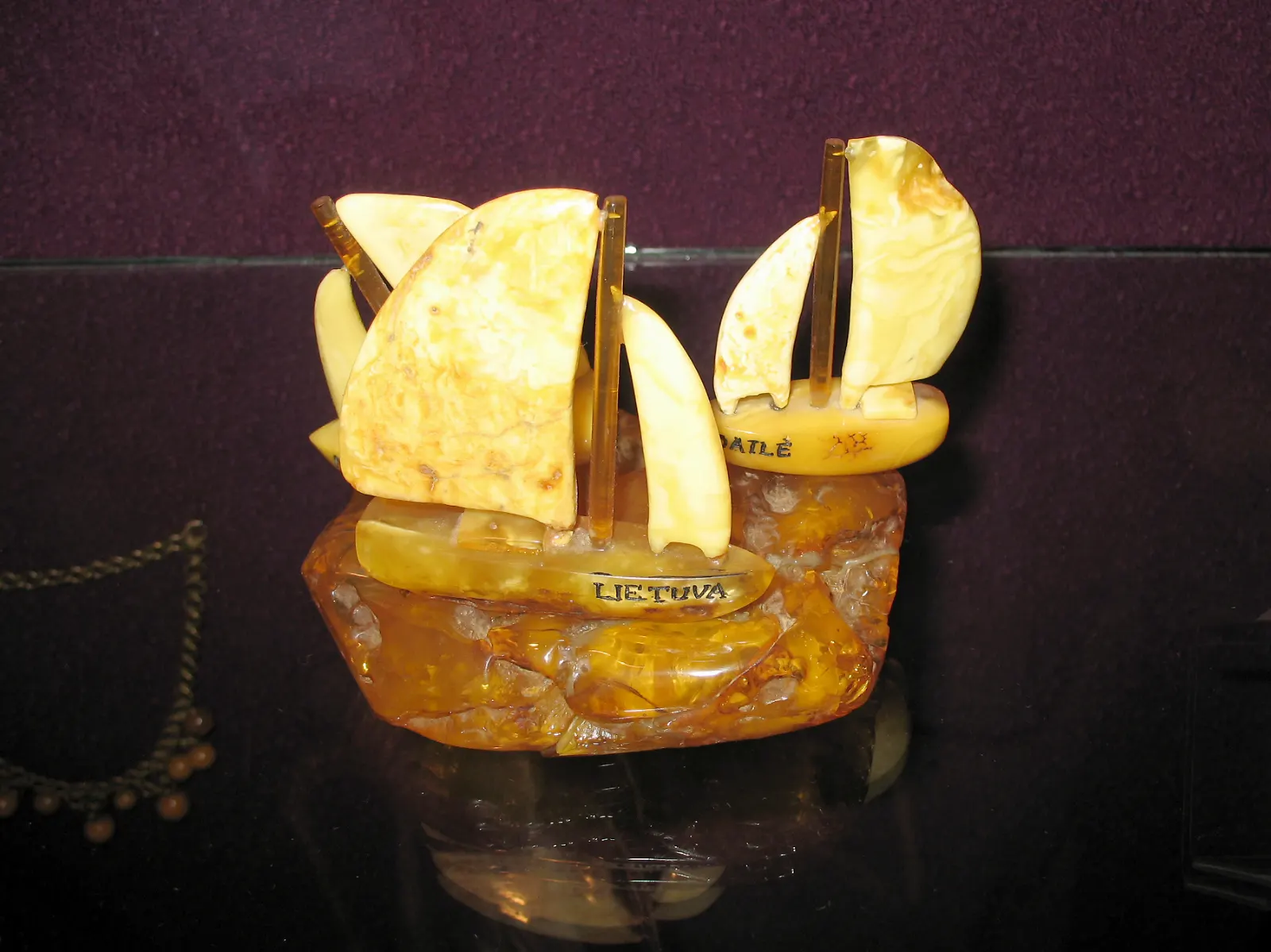
Museo del Ámbar
Chiapas is known for amber, and this small museum in the former Convento de la Merced displays hundreds of specimens and sells pieces.
Museo Na Bolom
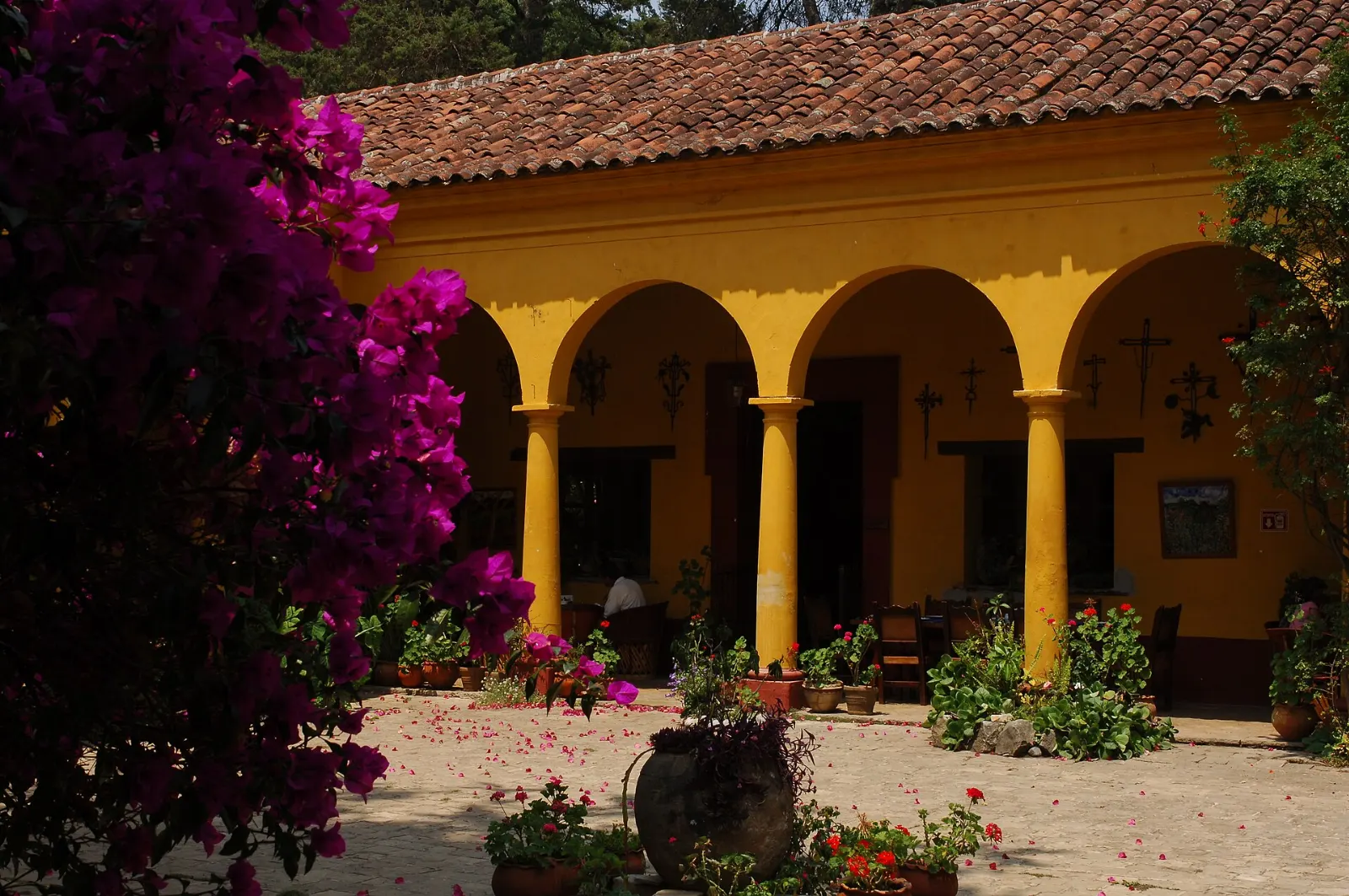
Na Bolom, in Barrio El Cerrillo, was the home of the Swiss photographer Gertrudis Duby Blom and her husband, the Danish archaeologist Frans Blom.
Museo de la Medicina Maya
Run by a collective of Indigenous healers and herbalists, this museum presents traditional Maya medicine with information in English and Spanish. It offers a respectful look at healing practices that remain part of daily life in the highlands.
Popular dishes to try in San Cristóbal de las Casas


 Planning a trip to San Cristóbal de las Casas?Compare hotels, flights and vacation rentals for San Cristóbal de las Casas on Expedia.Book now
Viewpoints, gardens and markets
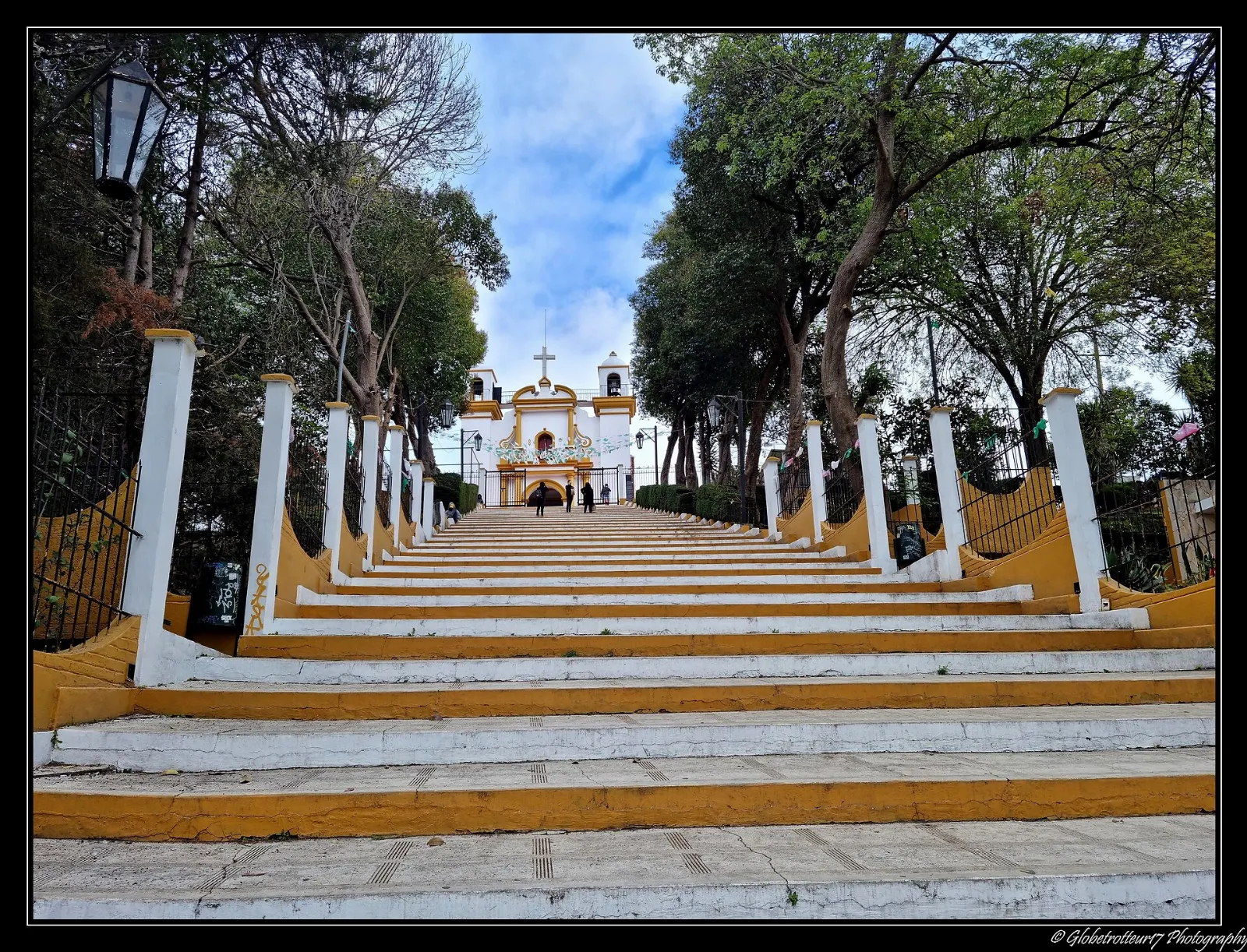
Templo de Guadalupe
This church sits at the top of a long flight of stairs on a hill east of the center and offers one of the best views over the red roofs.
Templo de San Cristóbalito
On a hill just southwest of the center, this small church gives a second view of the town below. It pairs well with Guadalupe if you enjoy short climbs.
Orquídeas Moxviquil
This garden grows orchids and other plants rescued from areas undergoing deforestation and aims to display every orchid native to Chiapas.
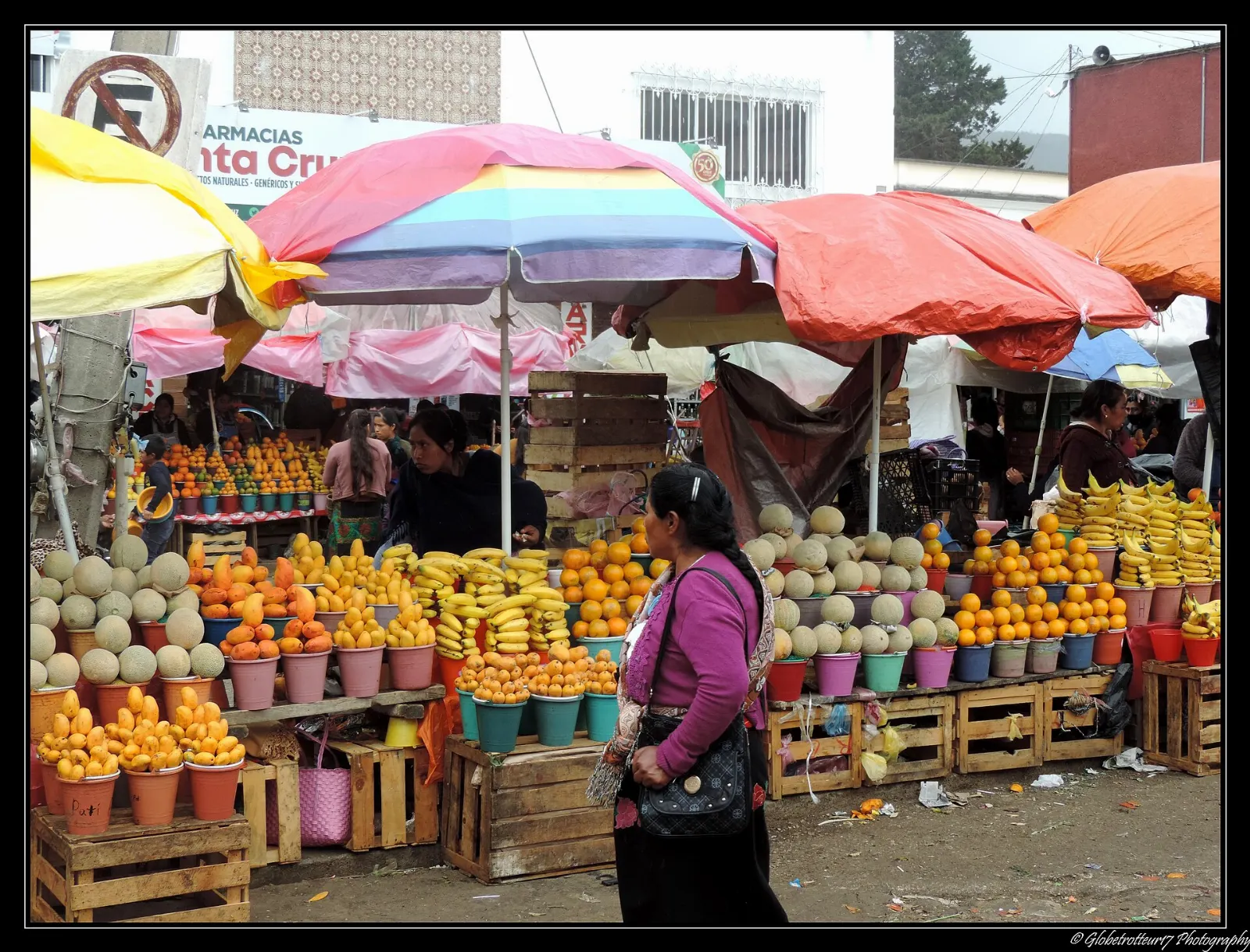
Mercado Municipal José Castillo Tielemans
At the daily market, people from nearby villages buy and sell herbs, dried fish, household goods and clothing. It is also a good place for regional food at street food prices.
Food and local flavors
San Cristóbal's cooking leans on corn, cured meats and gentle spices. Try sopa de pan, a flavored chicken broth with fried bread added at the last minute, popular at celebrations. Asado coleto is a traditional dish served at local markets, saffron tamales are a regional specialty, and posh is a drink made from sugar cane. The city is also known for cured ham and sausage, for the cazueleja, a roll stuffed with cheese, egg and cinnamon, and for sweets and breads that locals enjoy with coffee in the evening.
Where to stay in San Cristóbal
Centro suits first-time visitors who want to walk to the Zócalo, the cathedral, Santo Domingo and the best cafes.
Barrio de Guadalupe, on the east side of the center near the hill with the Templo de Guadalupe, suits travelers who want a quieter walkable base with a viewpoint close by.
Barrio El Cerrillo, near Santo Domingo and Na Bolom, suits culture lovers who want museums and the crafts market on their doorstep, with the center a short walk away.
Book early for Holy Week and the October festival, and read recent reviews, since quality varies between simple guesthouses and restored colonial houses.
Where to stay in San Cristóbal de las Casas


Best time to visit San Cristóbal
San Cristóbal is cool because of its altitude of about 2,200 meters. Summer highs are around 25 degrees Celsius with lows near 10, while winter days range from about 4 to 20 and nights can occasionally fall below freezing, so bring warm layers in any season.
April brings the Spring and Peace Fair, held with Holy Week, with crafts, music and the burning of Judas, and it is also when the orchids at Moxviquil are in bloom.
Getting there and getting around
The nearest airport is Ángel Albino Corzo International in Tuxtla Gutiérrez, about an hour and a quarter away by road, with taxis and shared shuttles to San Cristóbal timed around flights.
Buses are the main way in. OCC, part of Grupo ADO, connects San Cristóbal with Oaxaca, Tuxtla Gutiérrez, Palenque, Campeche, Mérida, Mexico City, Puebla and Villahermosa.
In the center you can walk almost everywhere. Taxis are easy to find, and colectivo minibuses run fixed routes with destinations painted on the windshield.
A suggested itinerary
First day
Start at the Zócalo, visit the cathedral, then walk to Santo Domingo and browse the crafts market.
Second day
Visit the Museo del Ámbar and the Museo de la Medicina Maya in the morning, then spend the afternoon at Na Bolom. Climb to the Templo de Guadalupe before sunset for the view over the roofs.
Third day
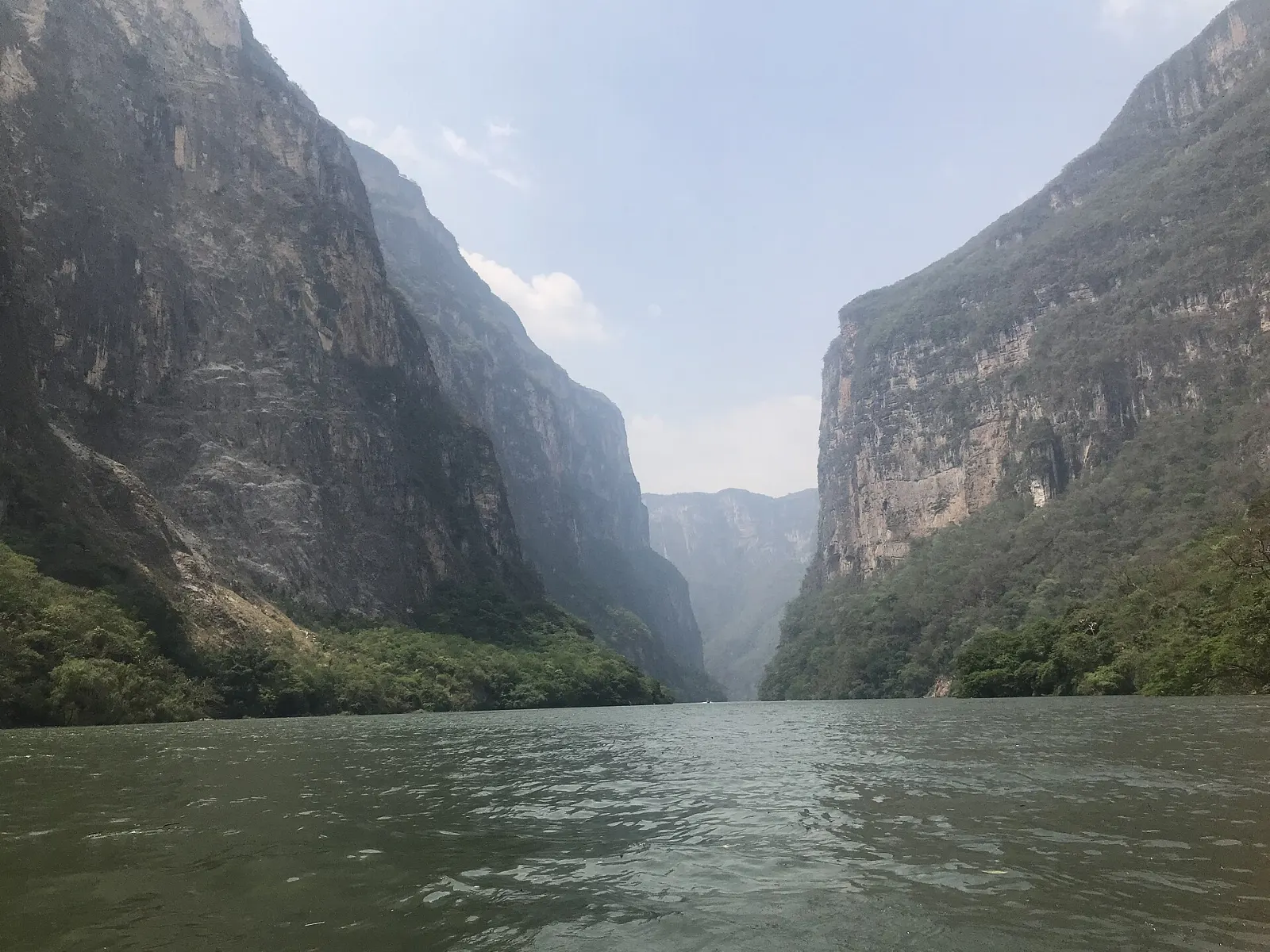
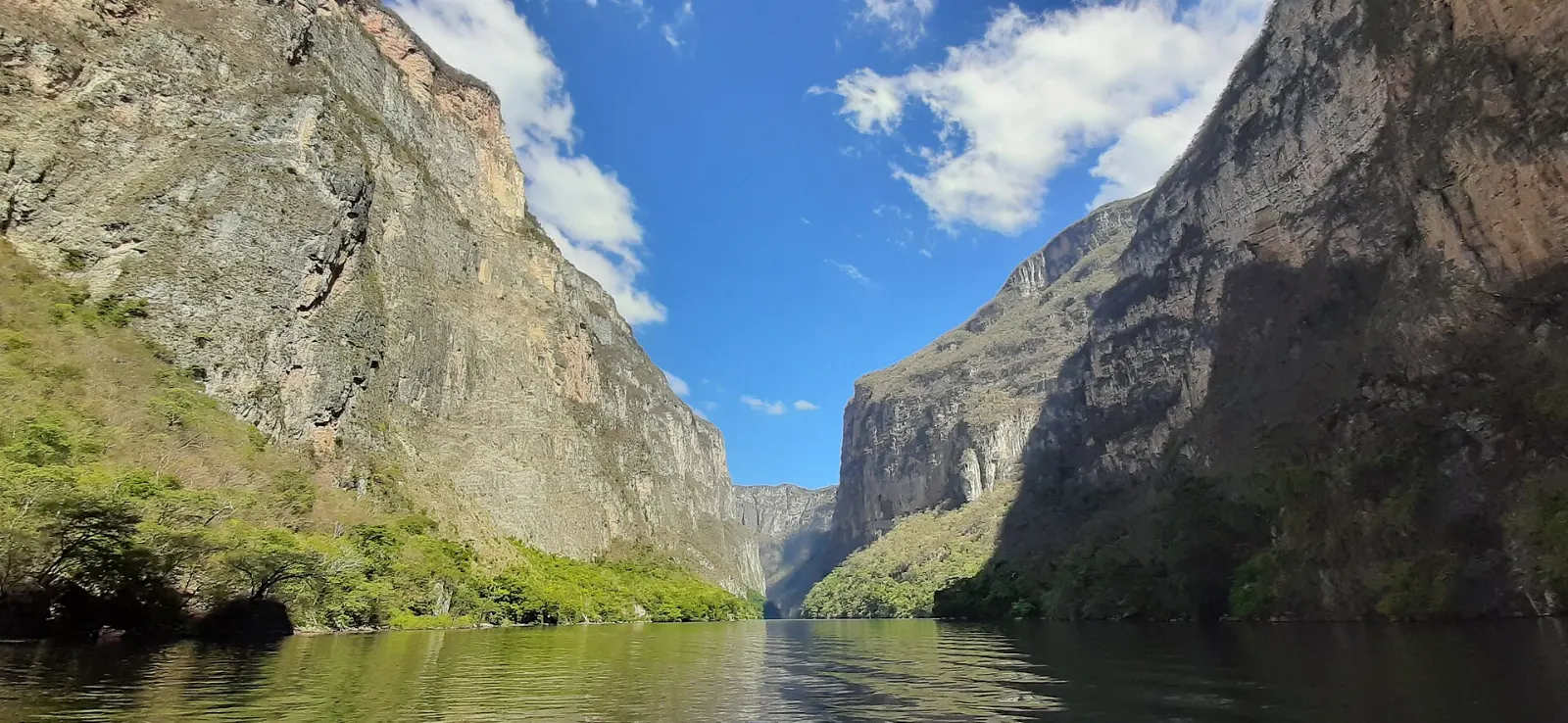
Spend the morning at Orquídeas Moxviquil, then browse the municipal market. Or join a day tour to the Cañón del Sumidero, a canyon with a boat trip of about two hours that tours often combine with viewpoints.
Practical tips
- Pack warm layers, since evenings are cool and most buildings lack central heating.
- Take it easy on your first day, as the altitude can tire you on hills and stairs.
- Ask the amber museum staff how to recognize real amber before you buy any.
- Buy crafts directly from makers or at the markets, and ask before photographing people.
- Climb the hill churches in daylight, when the views are clearest.
- Carry small bills and coins for markets and colectivos.