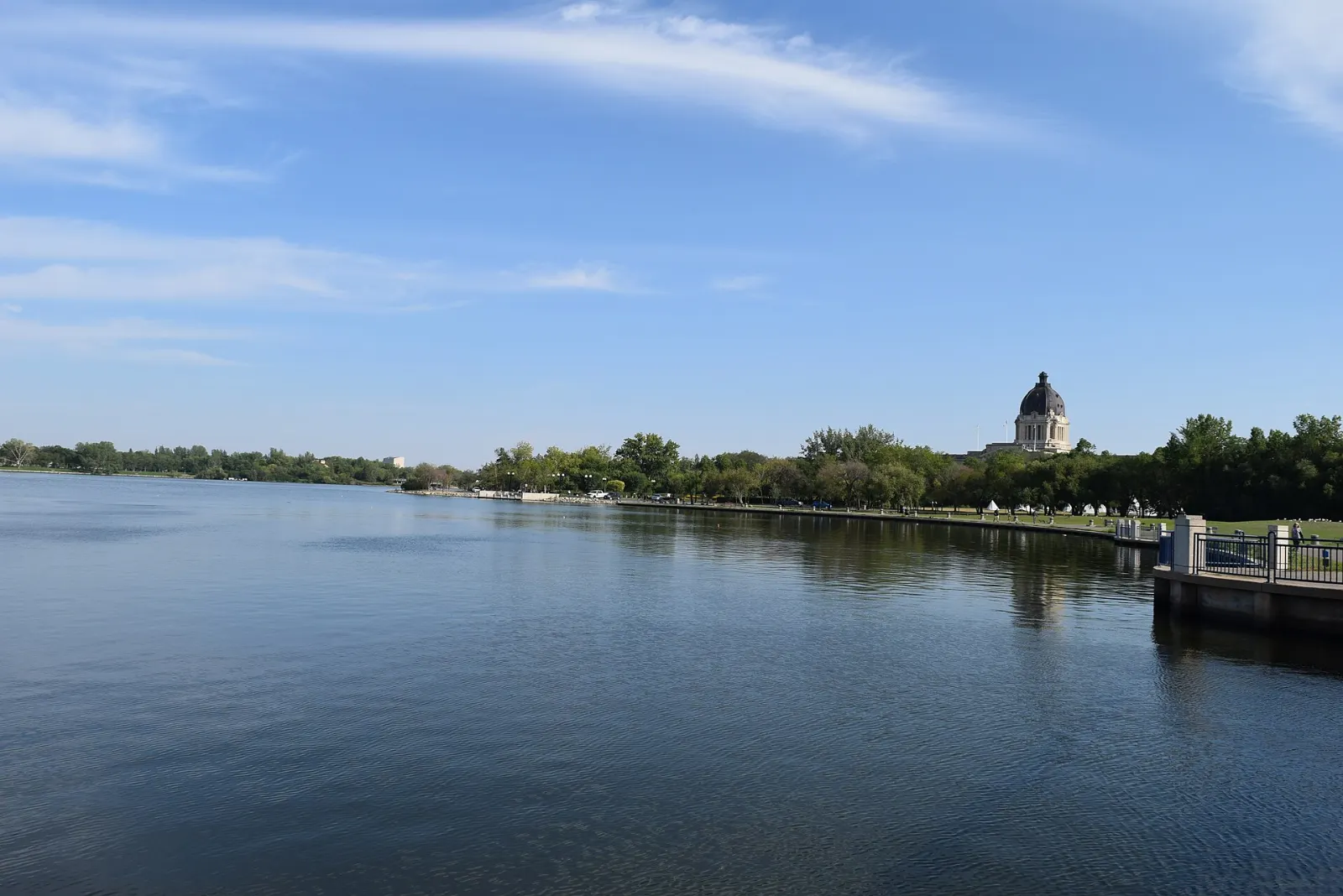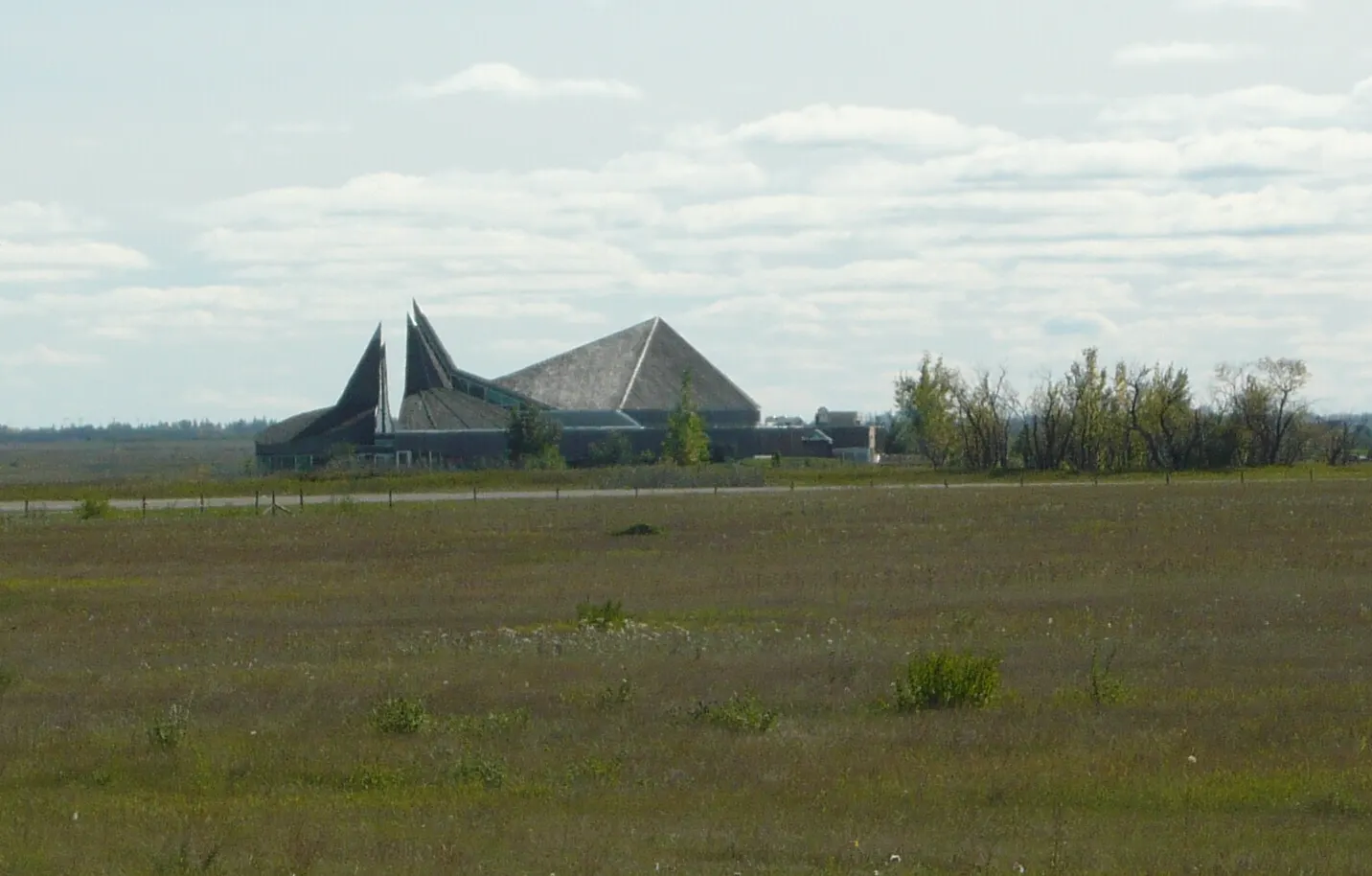
Wanuskewin Heritage Park is a National Historic Site only a few minutes north of Saskatoon, where Northern Plains peoples gathered for roughly 6,000 years to hunt bison, gather plants and shelter from winter winds. Its name comes from a Cree word meaning "being at peace with oneself".
AT A GLANCE
Best time
Visit from late spring to early autumn for trails, or in winter for quieter paths.
How long
Allow half a day at Wanuskewin and a second day for Saskatoon.
Getting there
Fly into Saskatoon, then drive a short way north to the park.
Why visit Wanuskewin
Wanuskewin protects an archaeological landscape within about 240 hectares near the South Saskatchewan River. It holds 19 sites that reflect the history of the Cree, Assiniboine, Saulteaux, Atsina, Dakota and Blackfoot peoples, including summer and winter camps, bison kill sites, tipi rings and artifacts.
It is led by First Nations people and opened in June 1992. It has been a National Historic Site since 1986, and the park has announced its intention to seek UNESCO World Heritage designation, which would be a first for Saskatchewan.
For travelers, that means a visit here is less about ticking off a landmark and more about understanding a landscape.
Inside the park
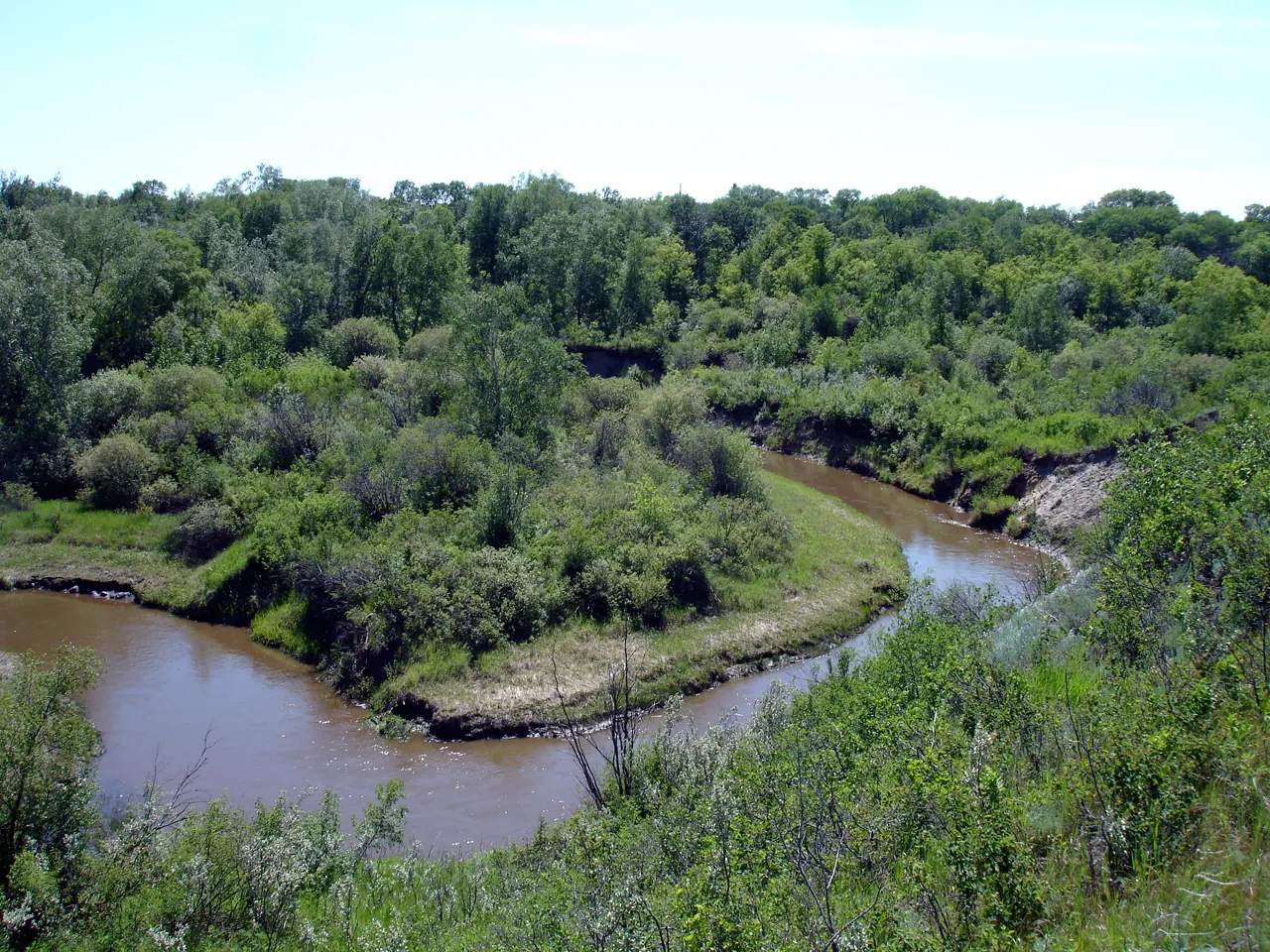
Opimihaw Creek valley
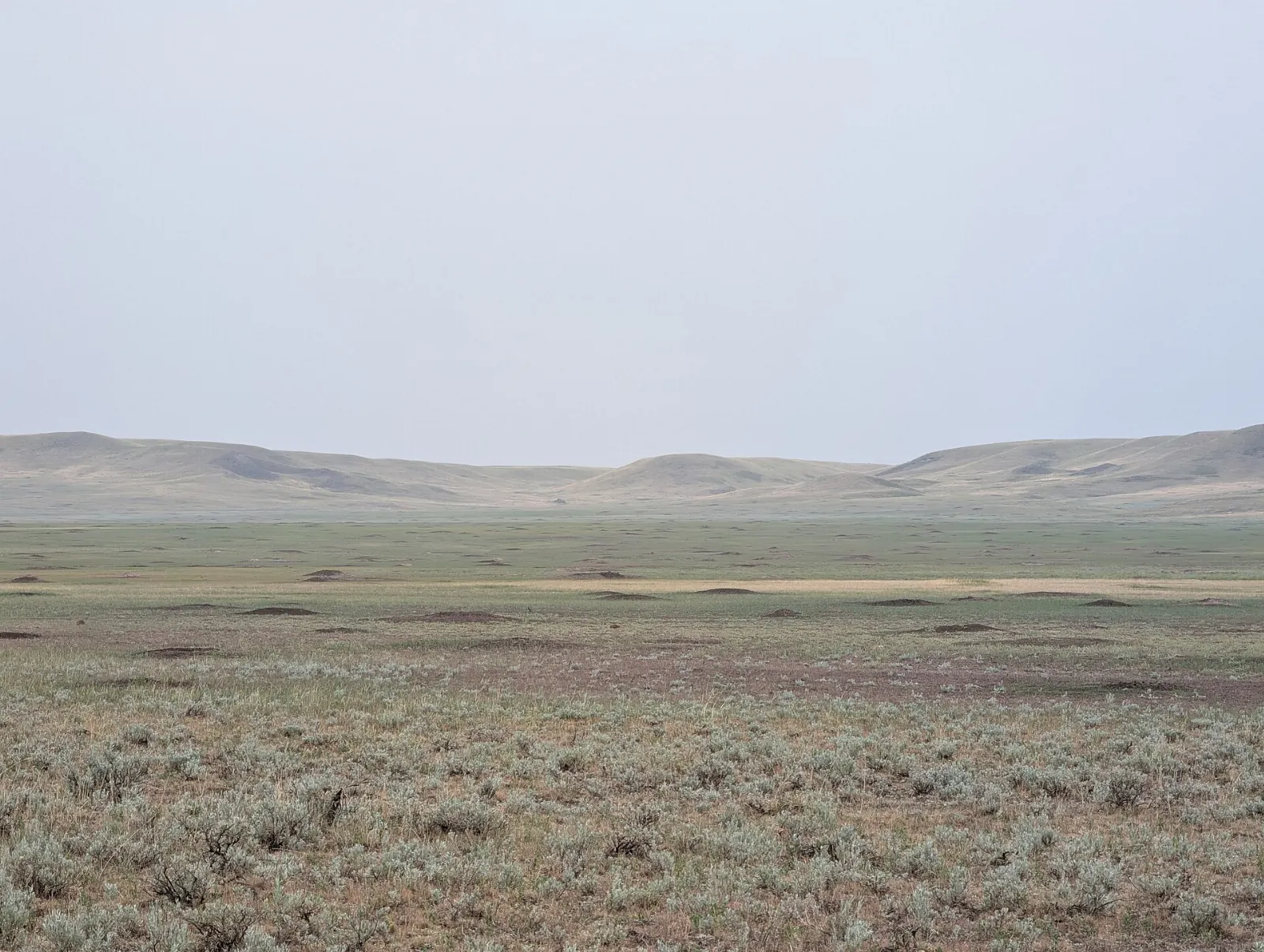
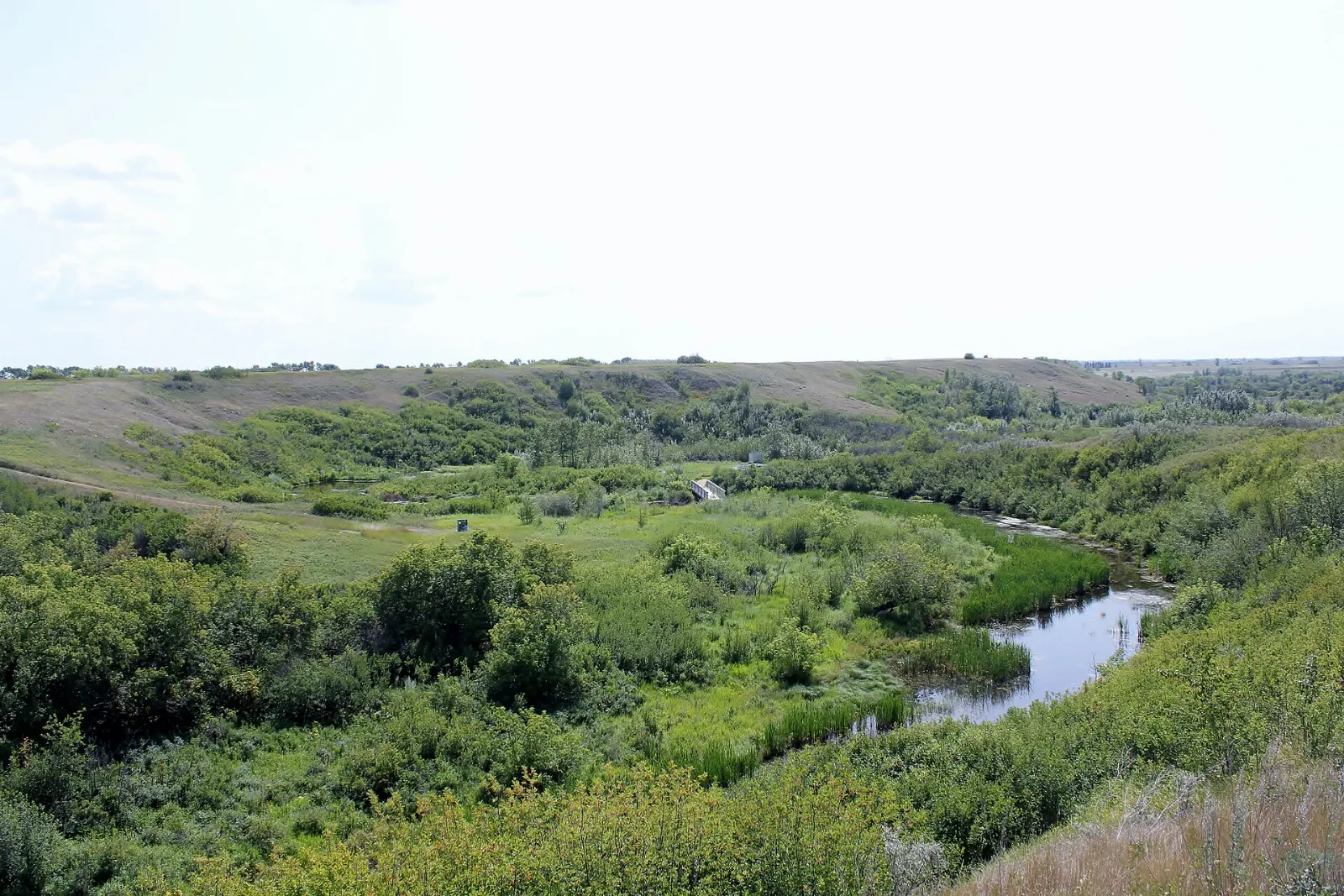
Opimihaw Creek is a small, swift creek that carves a valley into the river bank, and the valley is filled with wetland, grasses and wildlife. Many First Nations people used the valley as a buffalo jump, and it is an important archaeological site.
The medicine wheel
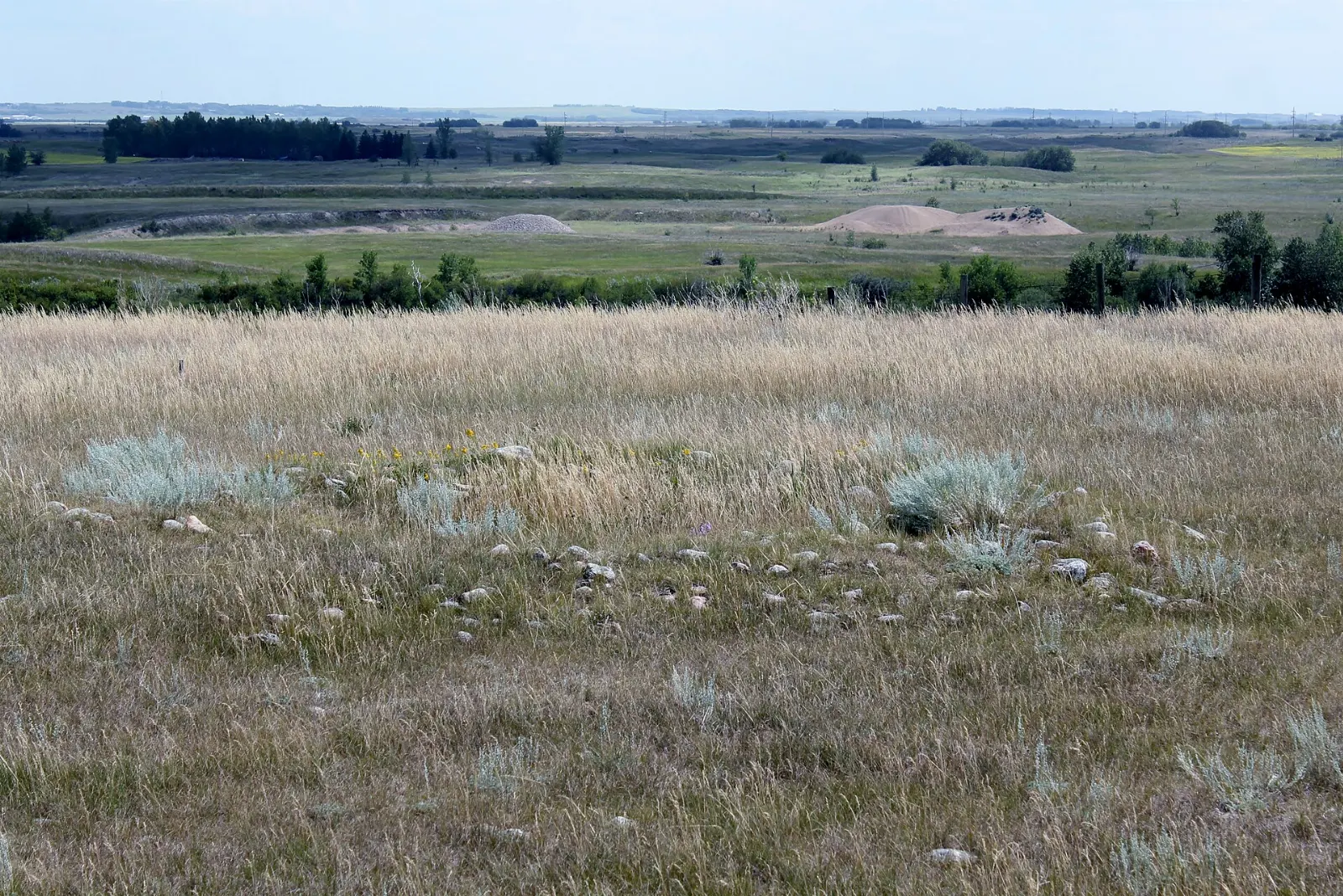
The park holds an arrangement of boulders called a medicine wheel, one of fewer than 100 that remain on the northern plains. Treat it as a sacred place: stay on the paths, do not move stones and follow any guidance posted by the park.
The bison herd
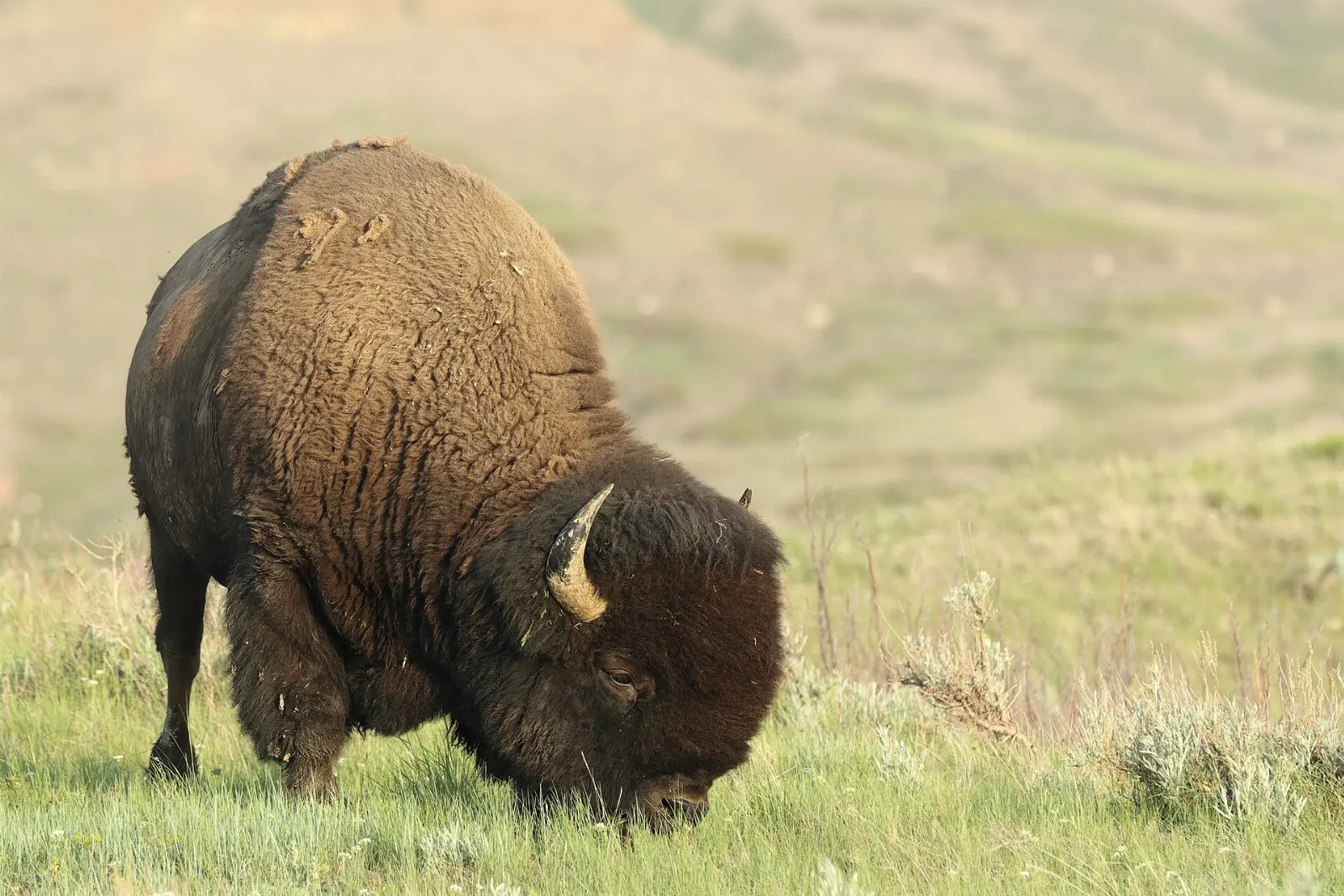
Plains bison returned to Wanuskewin in December 2019, when calves from Grasslands National Park arrived, followed by animals from South Dakota. The first calf was born on the property in April 2021, the first since 1876. The herd continues to grow, so ask staff where animals are grazing, and keep a respectful distance.
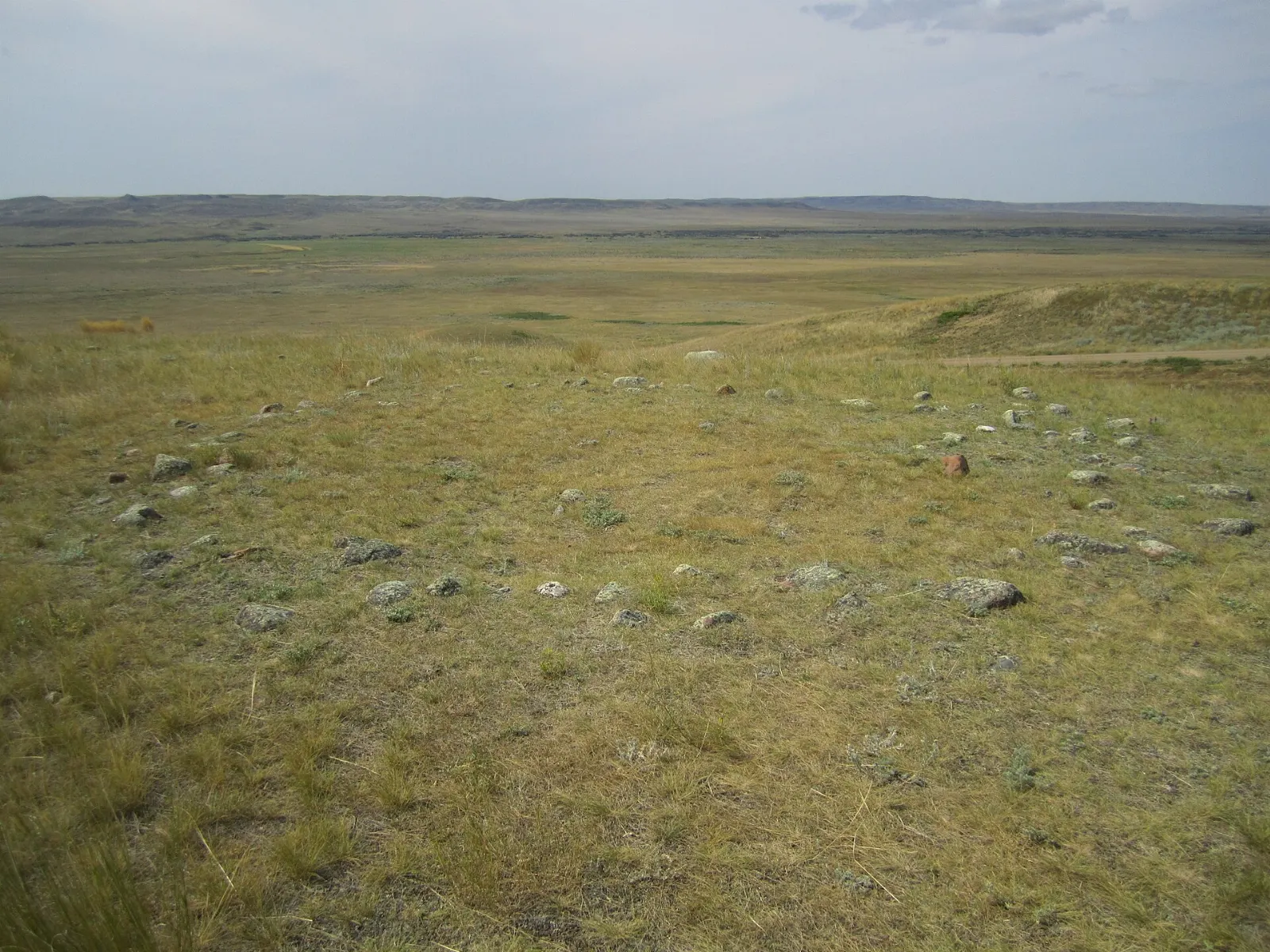
Archaeological sites and tipi rings
About 20 dig sites lie around the creek, some of them up to 6,400 years old, which is older than the Pyramids of Giza. The University of Saskatchewan runs an archaeological research program here, and visitors may encounter active digs in the summer.
Along the Saskatoon riverfront
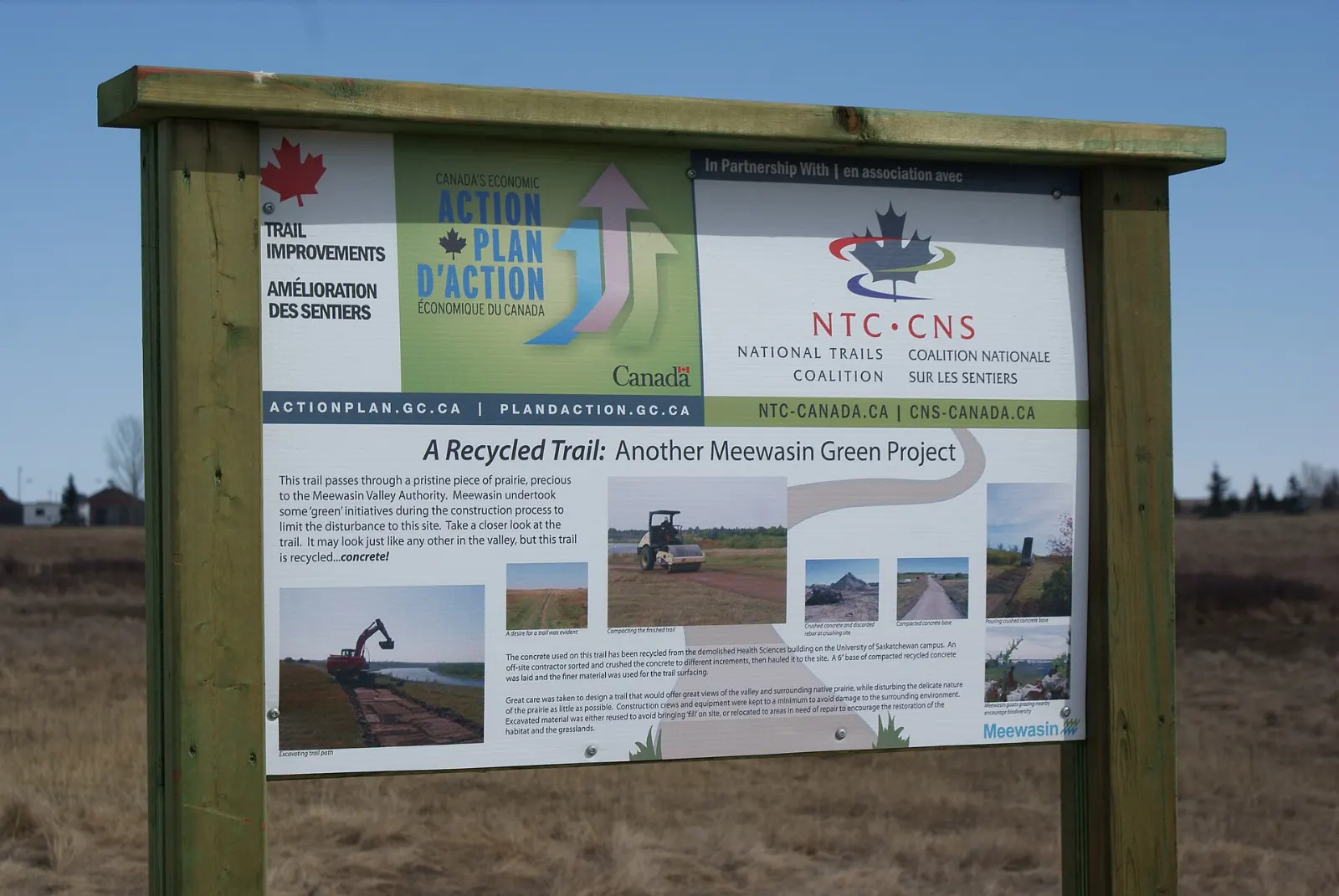
Meewasin Valley Trail
The Meewasin Valley Authority manages a conservation zone of about 60 kilometres along the river, with more than 100 kilometres of trail, of which over 20 are paved. It is ideal for walking, cycling or skating through the heart of the city.
Saskatoon bridges and downtown
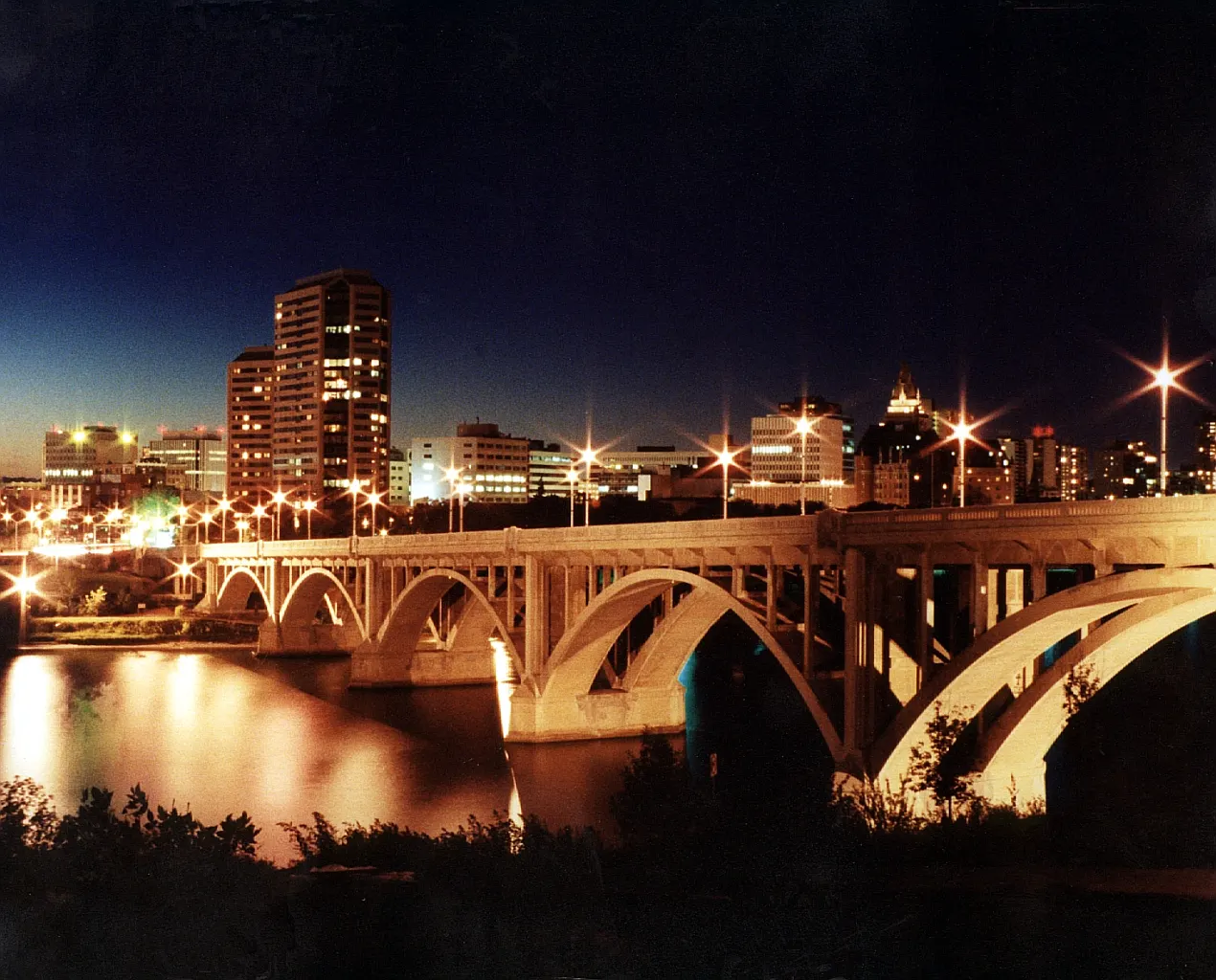
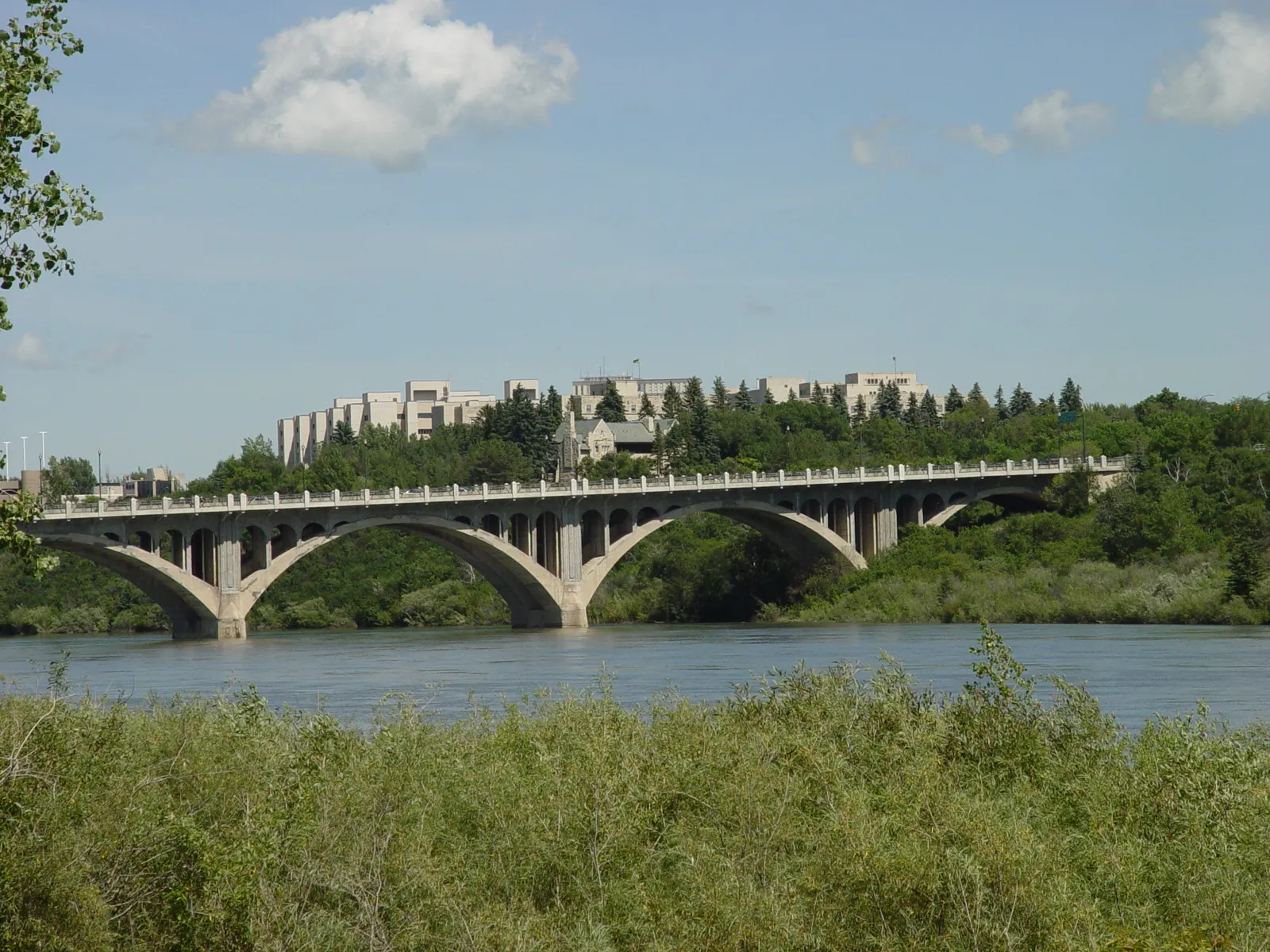
Saskatoon is nicknamed the Paris of the Prairies, and its riverfront parks and bridges give the city its charm. Walk or ride across one of the several bridges for views of the river and skyline. Early evening light is flattering.
Beaver Creek Conservation Area
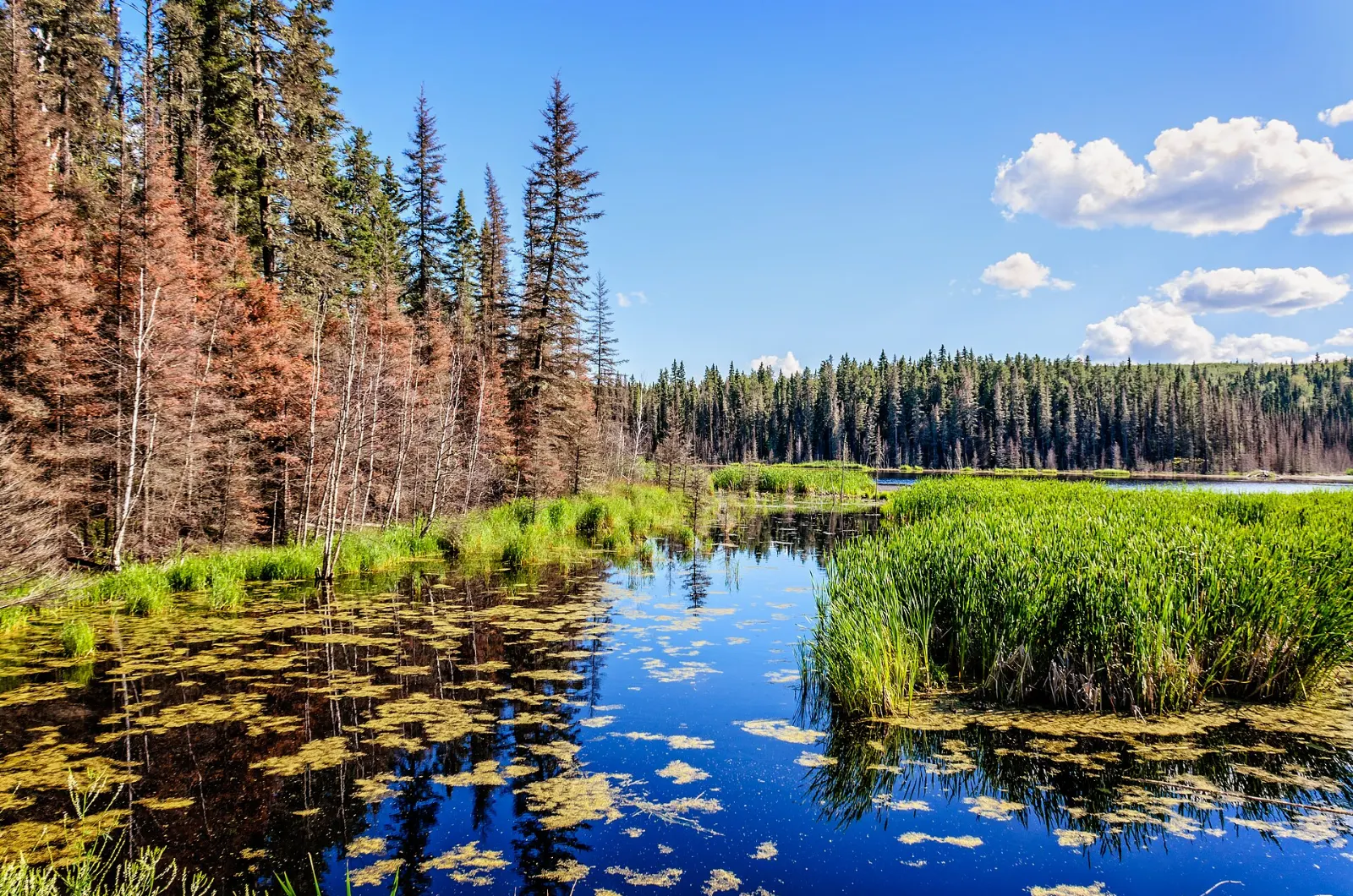
This Meewasin site offers a quieter nature walk and an interpretive centre. Plan a morning here if you have a car, and wear sturdy shoes. Check the Meewasin website for trail updates.
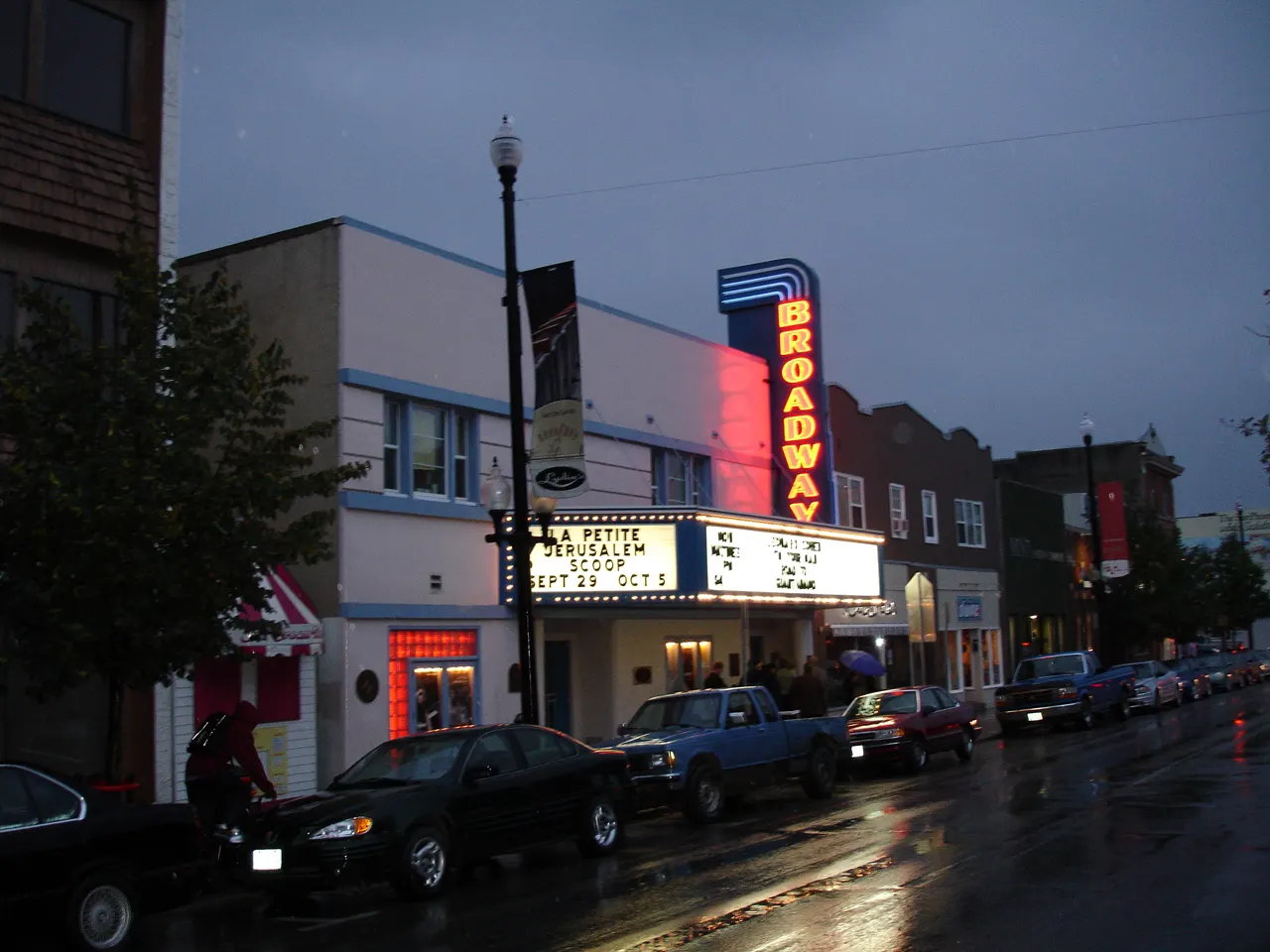
Broadway Avenue
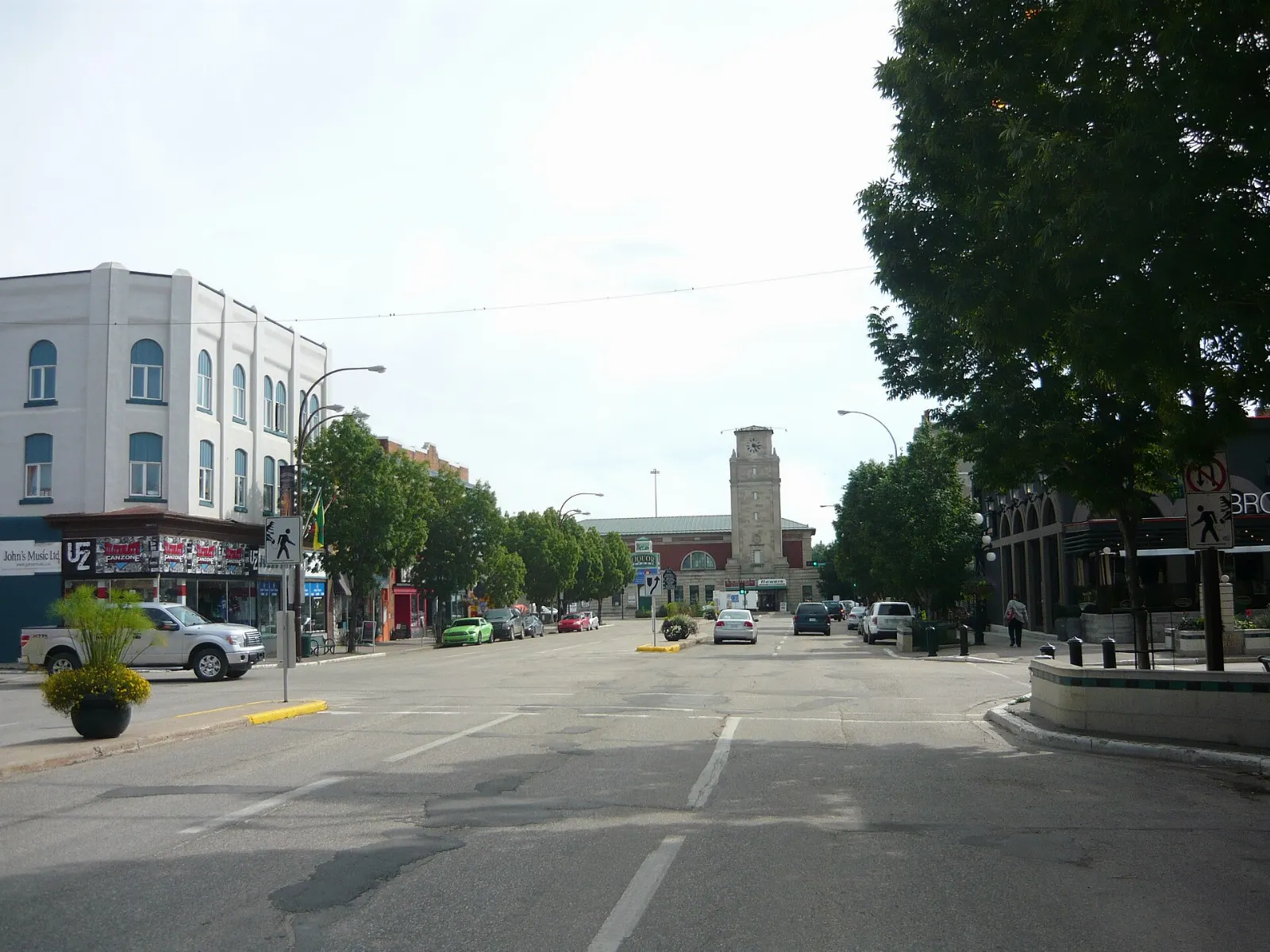
The Broadway Avenue district in Nutana is a pleasant place for cafes, shops and an evening stroll. It is easy to reach from the river and from the University Bridge.
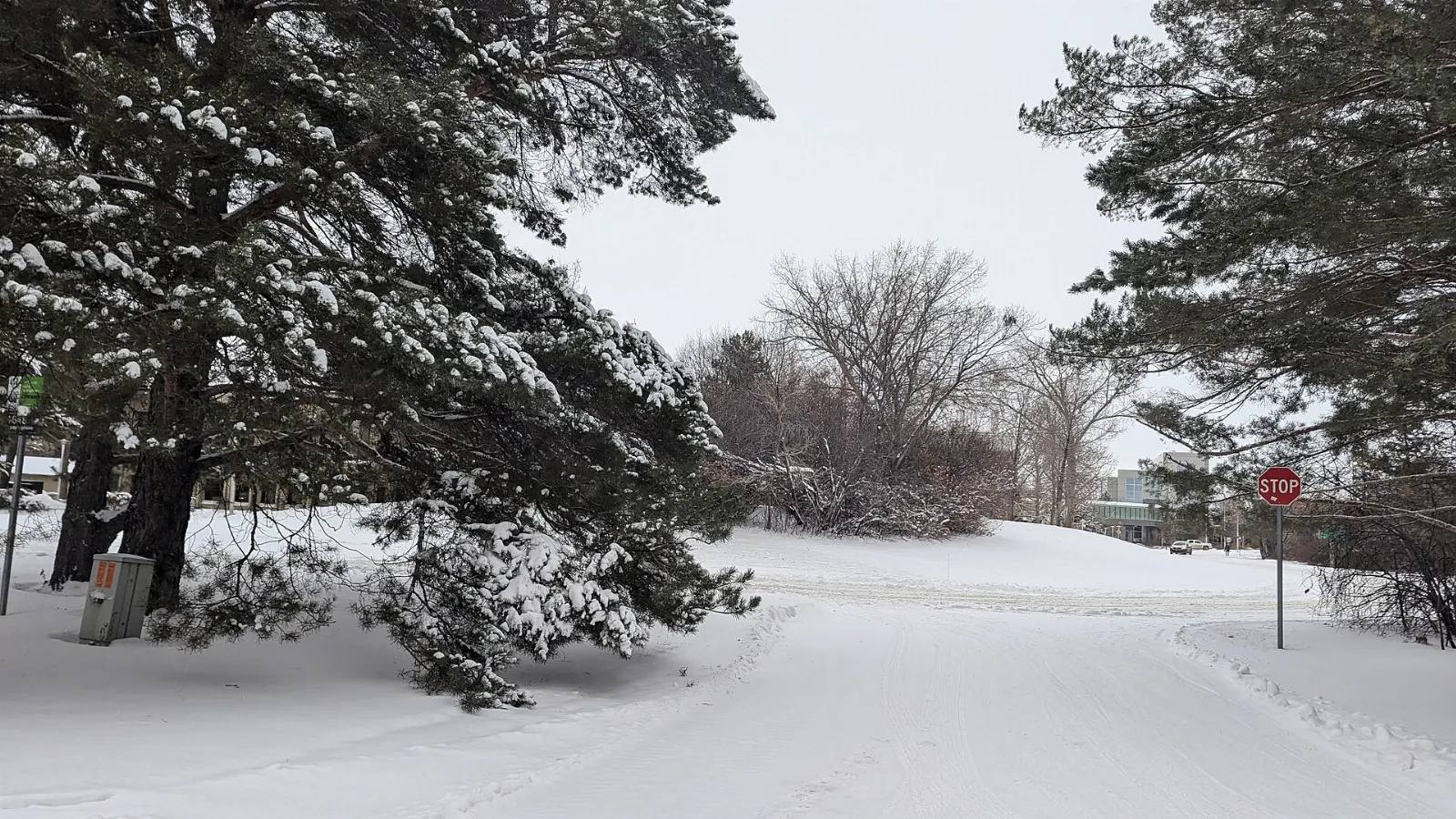
University of Saskatchewan
The campus lies just north of University Bridge and is home to the Canadian Light Source, Canada's only synchrotron. A wander through the stone buildings is a nice companion to a day at Wanuskewin.
 Planning a trip to Wanuskewin Heritage Park?Compare hotels, flights and vacation rentals for Wanuskewin Heritage Park on Expedia.Book now
Food and local flavors
Saskatchewan food draws on Indigenous traditions and the prairie harvest. Bannock, a pan-fried bread with deep roots in Indigenous cooking, is a classic to look for at cultural events.
Pemmican, a mix of dried meat, fat and sometimes berries, takes its name from a Cree word and was long a staple of Plains life. It is more often an item to learn about than a menu staple, so ask Indigenous food presenters or visit local shops to see how it is made today.
Popular dishes to try in Wanuskewin Heritage Park


Where to stay
Most visitors stay in Saskatoon, which is only a few kilometres south of the park.
Nutana is a leafy, walkable neighborhood east of the river, with parks, older homes and easy access to the Meewasin trail, and it suits couples and slow travelers. The Broadway Avenue district in Nutana has cafes and shops and is good for anyone who likes to eat out on foot.
Where to stay in Wanuskewin Heritage Park


Best time to visit
Summer is the most comfortable season for exploring the creek valley, joining guided walks and seeing the archaeology, and the University of Saskatchewan runs active digs here.
Saskatoon berries ripen in early summer, so June and July are a good time to look for berry treats. Check the park's website for festivals, powwows and cultural events, and book popular programs early.
Getting there and getting around
Wanuskewin lies about three kilometres north of Saskatoon on the west bank of the South Saskatchewan River, along Opimihaw Creek. Most visitors arrive by car from Saskatoon, which keeps travel to a short drive of a few minutes.
Within Saskatoon, you can walk or cycle the Meewasin Valley Trail between riverside sights, and the downtown and Nutana areas are easy to explore on foot. For the park, a car, taxi or ride service is the simplest choice.
A suggested itinerary
First day
Arrive in Saskatoon, walk the Meewasin Valley Trail along the river and enjoy Broadway Avenue for dinner.
Second day
Spend the morning at Wanuskewin, walking the Opimihaw Creek valley and visiting the medicine wheel.
Third day
Visit Beaver Creek Conservation Area or the University of Saskatchewan, and finish with a slice of Saskatoon berry pie.
Practical tips
- Check the park's website for current hours, programs and any seasonal closures.
- Wear sturdy shoes and bring water, sun protection and layers for changing prairie weather.
- Stay on marked paths and respect sacred places, including the medicine wheel.
- Keep a respectful distance from the bison.
- Ask before taking photos of people, ceremonies or sacred sites.
- Book guided walks and cultural programs in advance when possible.