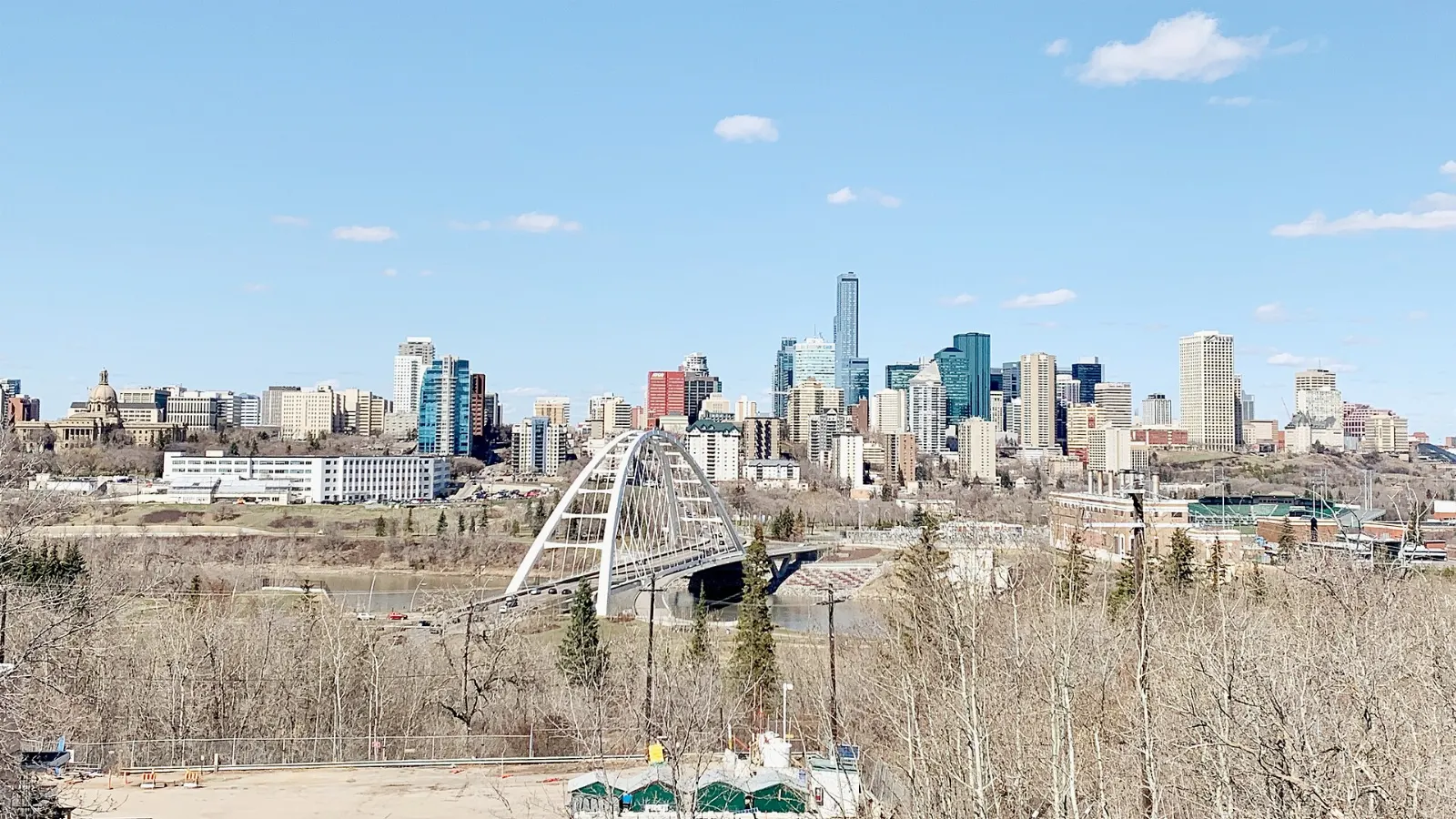
Edmonton is Alberta's capital, a river city of green valleys, big festivals and friendly neighbourhoods that surprises many first-time visitors. It sits in the middle of the province on the North Saskatchewan River, and it is the northernmost North American city with more than a million people.
AT A GLANCE
Best time
Late June to August brings the longest days and the busiest festivals, while winter suits snow sports and a quieter pace.
How long
Allow three days for the city itself and a fourth for a trip to Elk Island or the Ukrainian village.
Getting there
Fly into Edmonton International Airport, or drive in from Calgary in about three hours.
Why visit Edmonton
Edmonton rewards curious travellers. The North Saskatchewan River Valley is among the longest stretches of urban parkland in North America, with trails for walking, cycling and skiing that make it easy to forget you are in a city.
It is also an easy base. The Rocky Mountains at Jasper are about three and a half hours west, and buffalo, boreal forest and pioneer villages lie only a short drive east.
The river valley and downtown
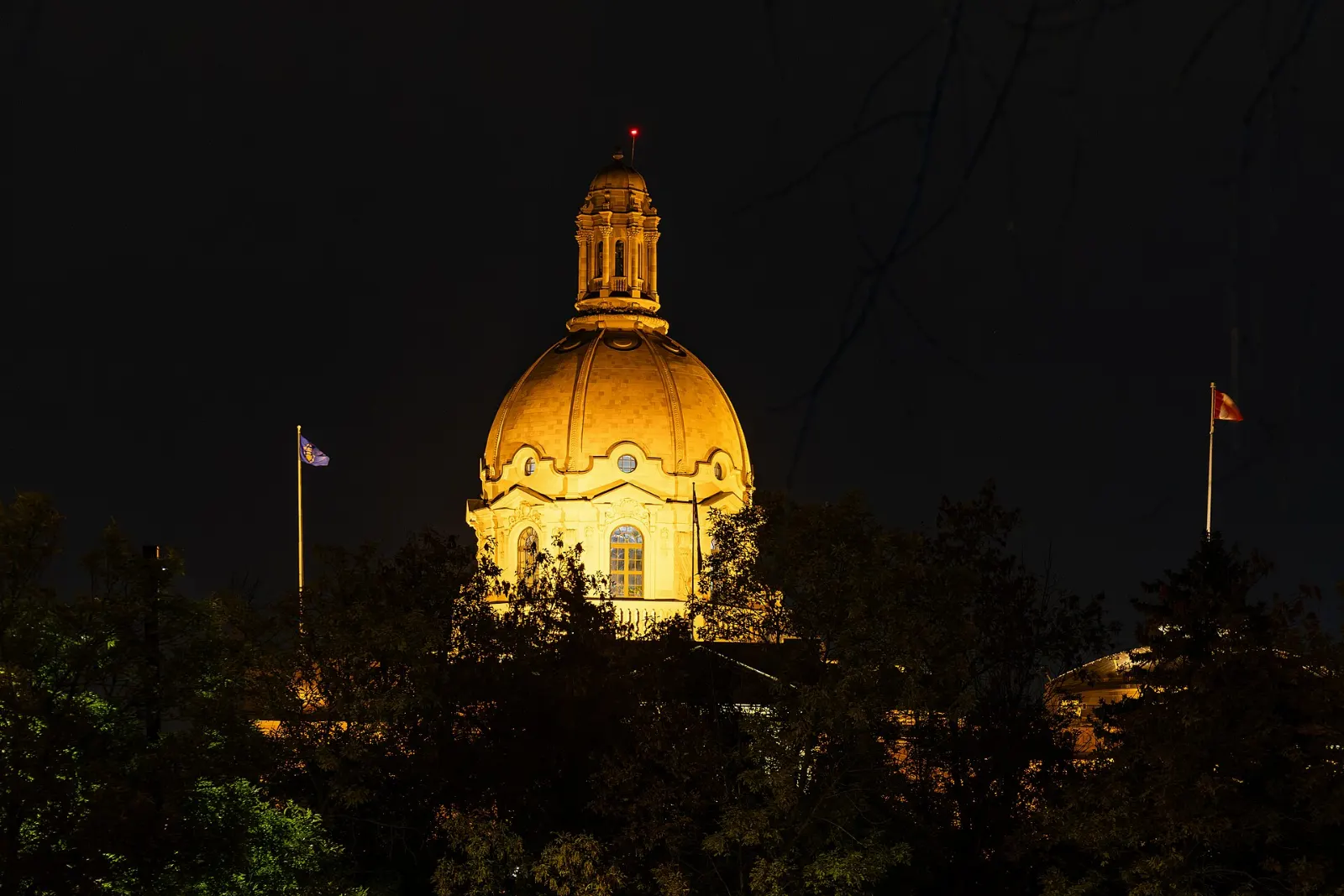
Alberta Legislature Building
The Beaux-Arts legislature dates from 1911 and stands on a promontory above the river, close to the spot where early Hudson's Bay Company forts once stood.
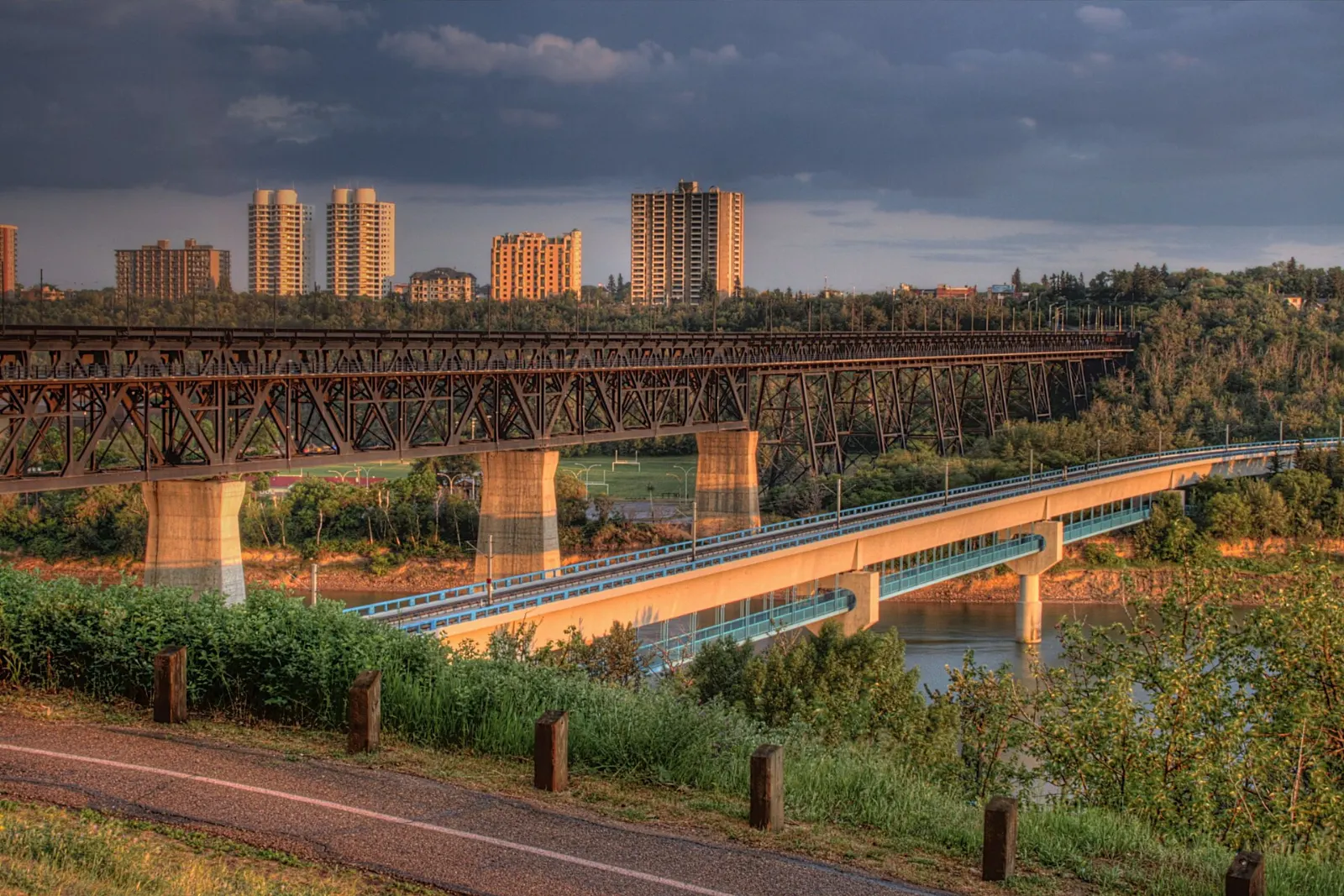
High Level Bridge and the streetcar
This 1913 bridge connects the legislature area with Old Strathcona and now carries walkers, cyclists and vehicles. From Victoria Day weekend to Thanksgiving in October a vintage streetcar crosses it on a limited schedule, so check the current timetable before you plan around it.
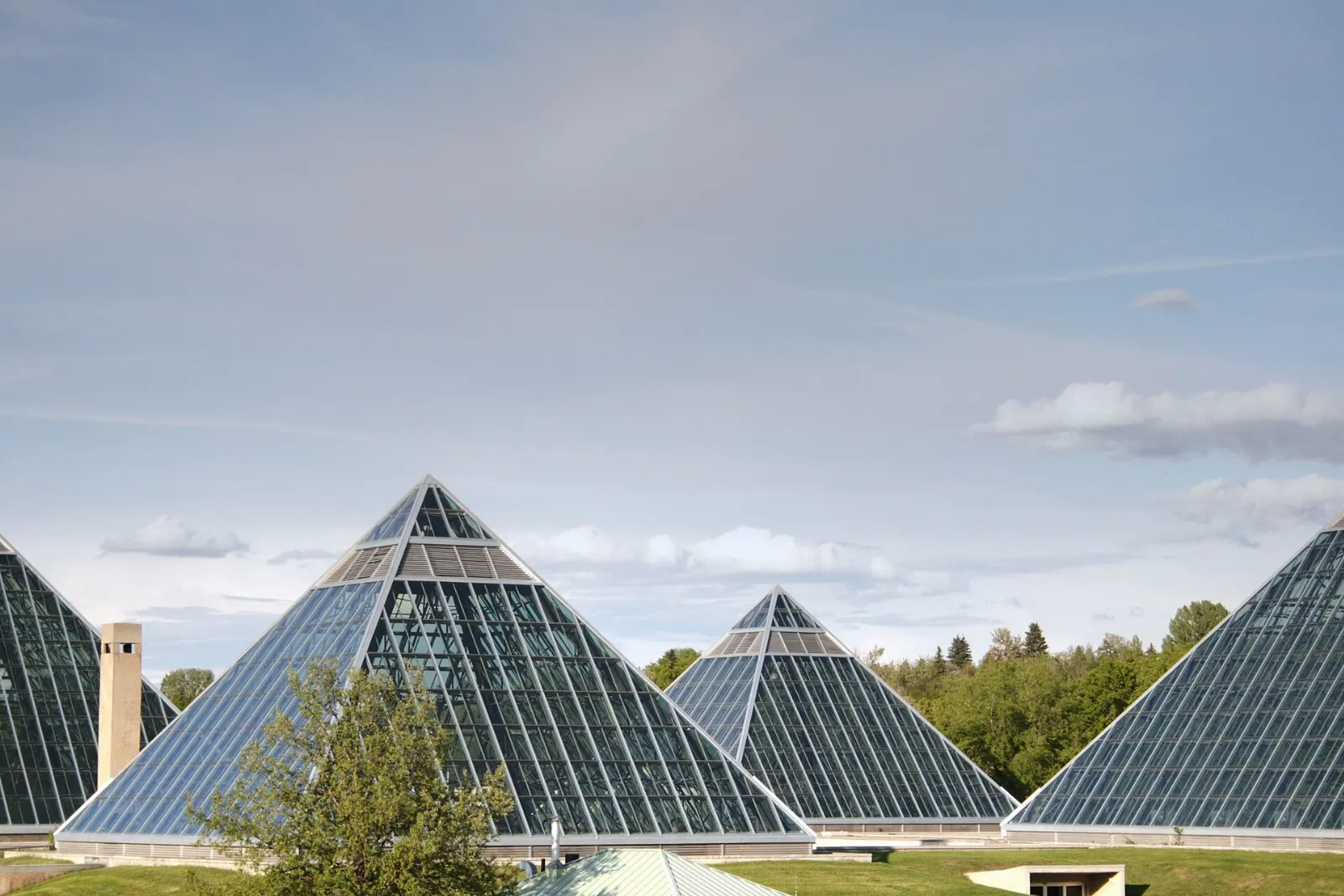
Muttart Conservatory
Four glass pyramids rise from the valley floor across from downtown, each holding a different climate zone or a seasonal display. It is a reliable choice on a cold or rainy day, and you can see everything in about an hour.
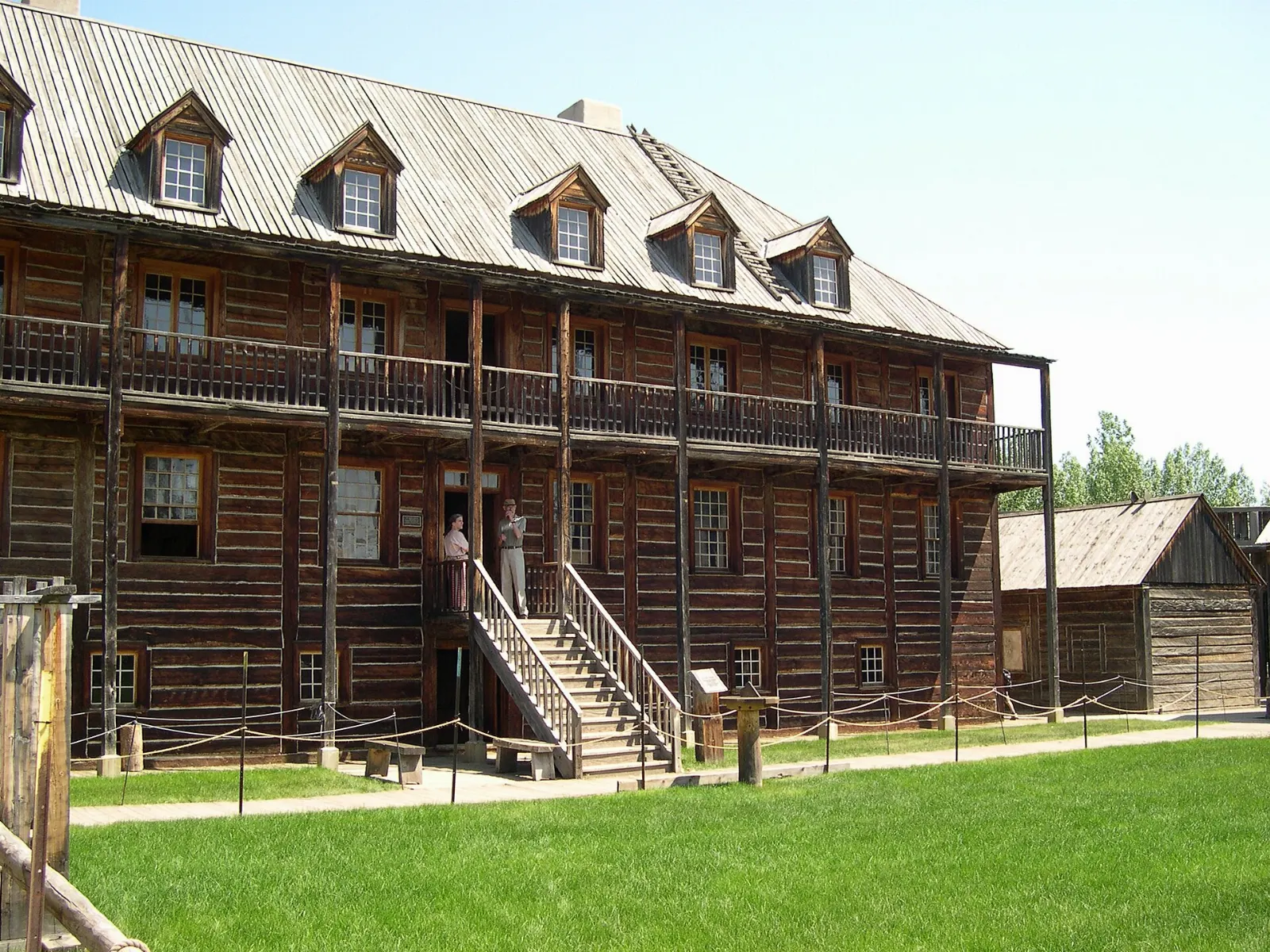
Fort Edmonton Park
The park recreates the 1846 fort and the streets of 1885, 1905 and 1920, with costumed interpreters bringing each era to life. It is the largest living history museum in Canada by area, so plan on most of a day and wear comfortable shoes.
Hawrelak Park
Just west of the university, this park wraps around a pond and hosts concerts and theatre in summer, then turns into a skating and cross-country skiing spot in winter.
Neighbourhoods, galleries and shopping
Old Strathcona and Whyte Avenue
Whyte Avenue is the heart of the city's independent shops, bookstores, theatres, cafes and pubs. The strip between Gateway Boulevard and 109 Street is the liveliest, and it is also the centre of the Fringe Theatre Festival each summer.

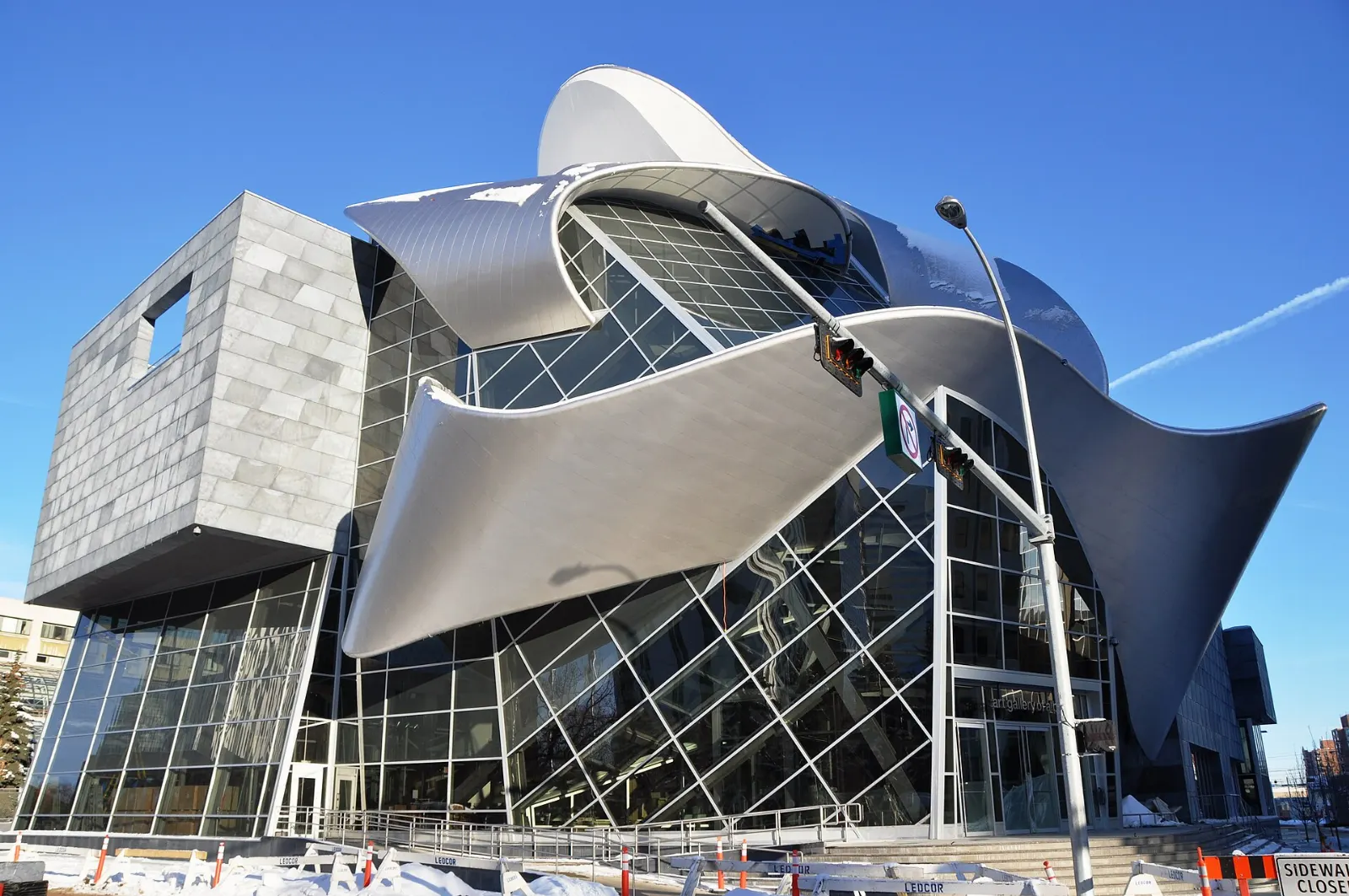
Art Gallery of Alberta
The gallery's sculptural building faces Sir Winston Churchill Square and shows Canadian and international art, along with touring exhibitions.
Royal Alberta Museum
The museum explores the province through natural history galleries and exhibits on Indigenous cultures, so it is a fine rainy-day option for families. Plan about two hours and check the website for current exhibitions.
West Edmonton Mall
Once the largest mall in the world, it still holds hundreds of shops plus an indoor amusement park, a wave pool and a replica Santa Maria ship.
Day trips east of the city
Elk Island National Park
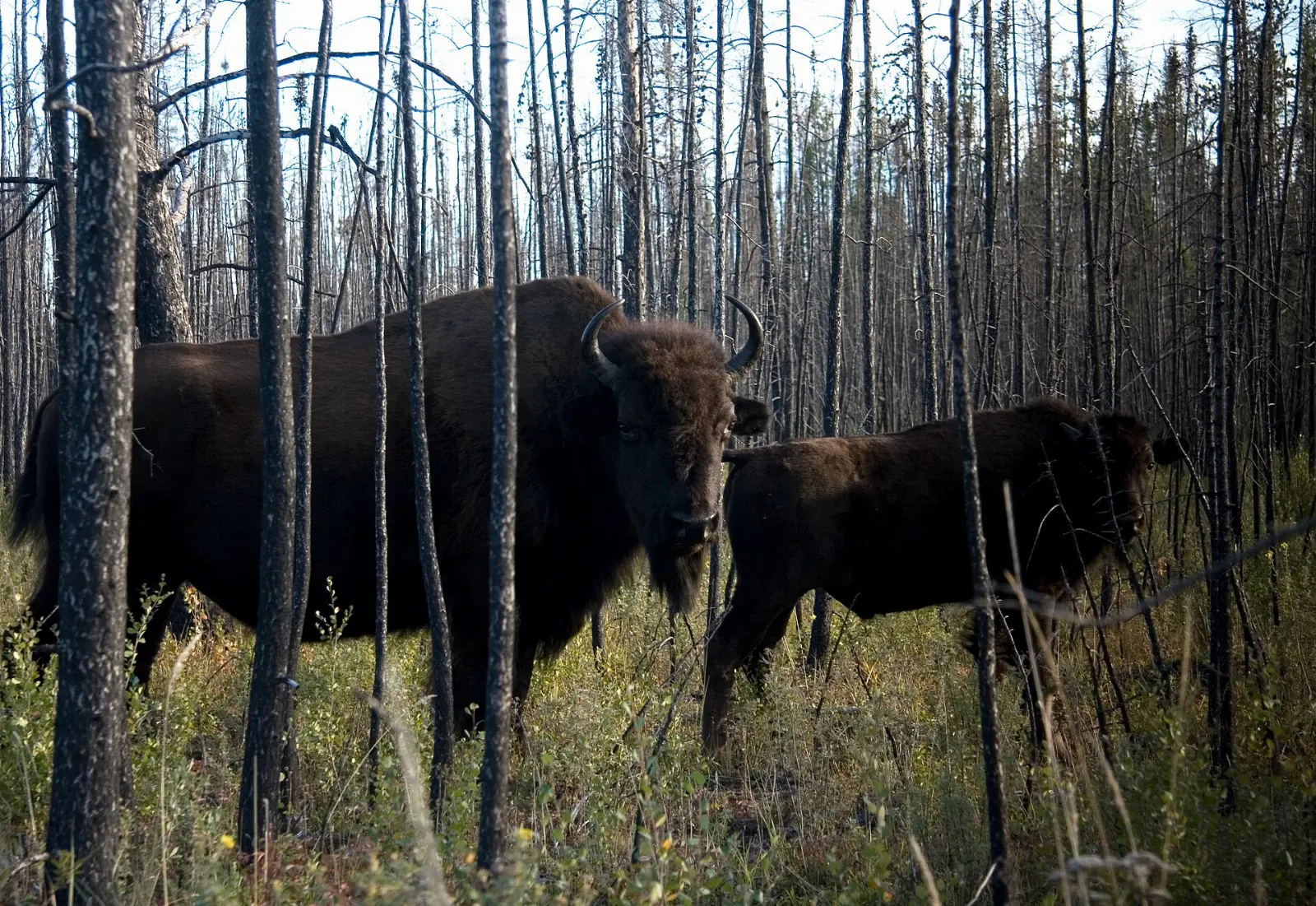
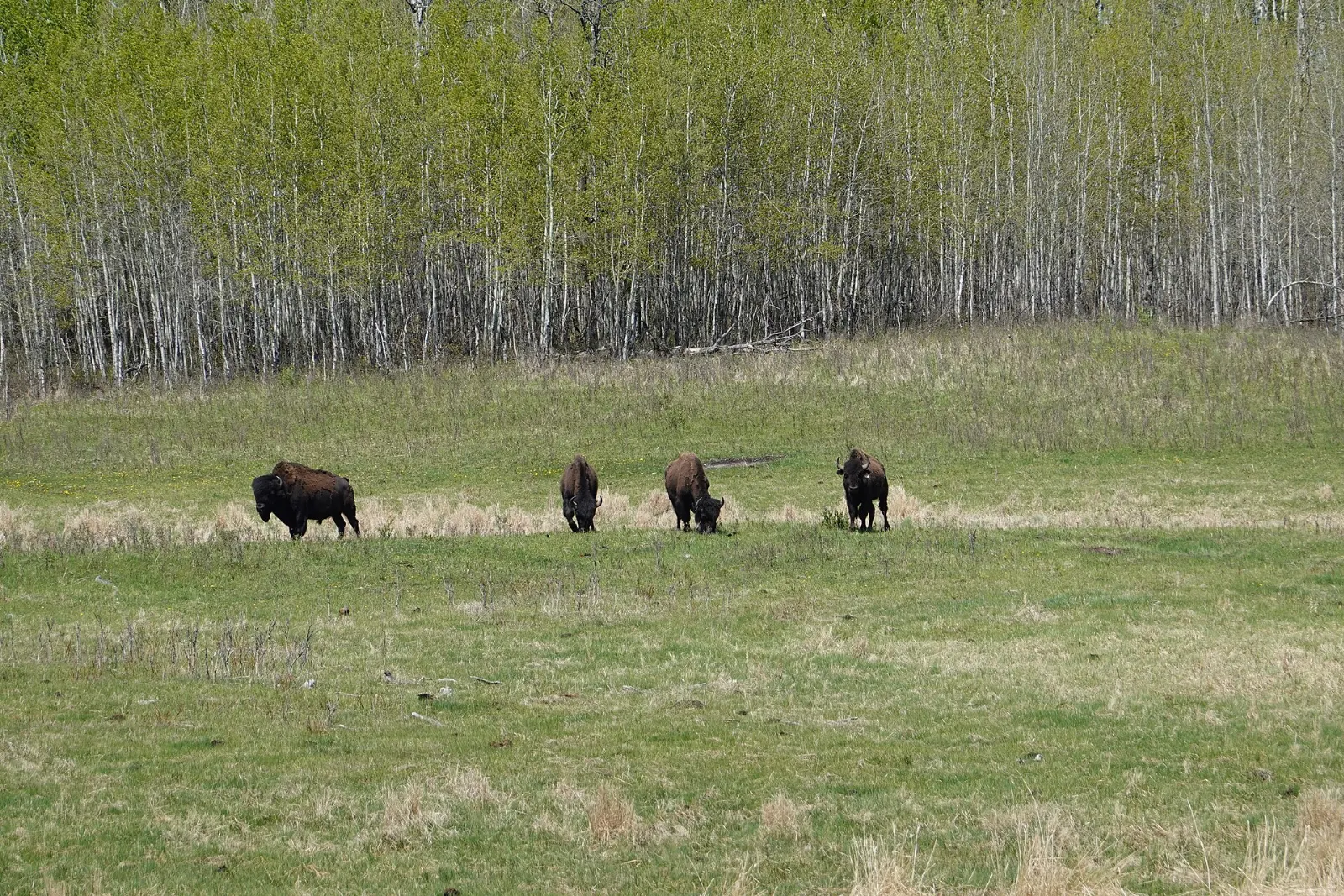
About 35 kilometres east of the city along the Yellowhead Highway, this fenced park is a leading conservation area for plains bison and also shelters wood bison. Trails wind through aspen parkland, lakes and meadows.
Ukrainian Cultural Heritage Village
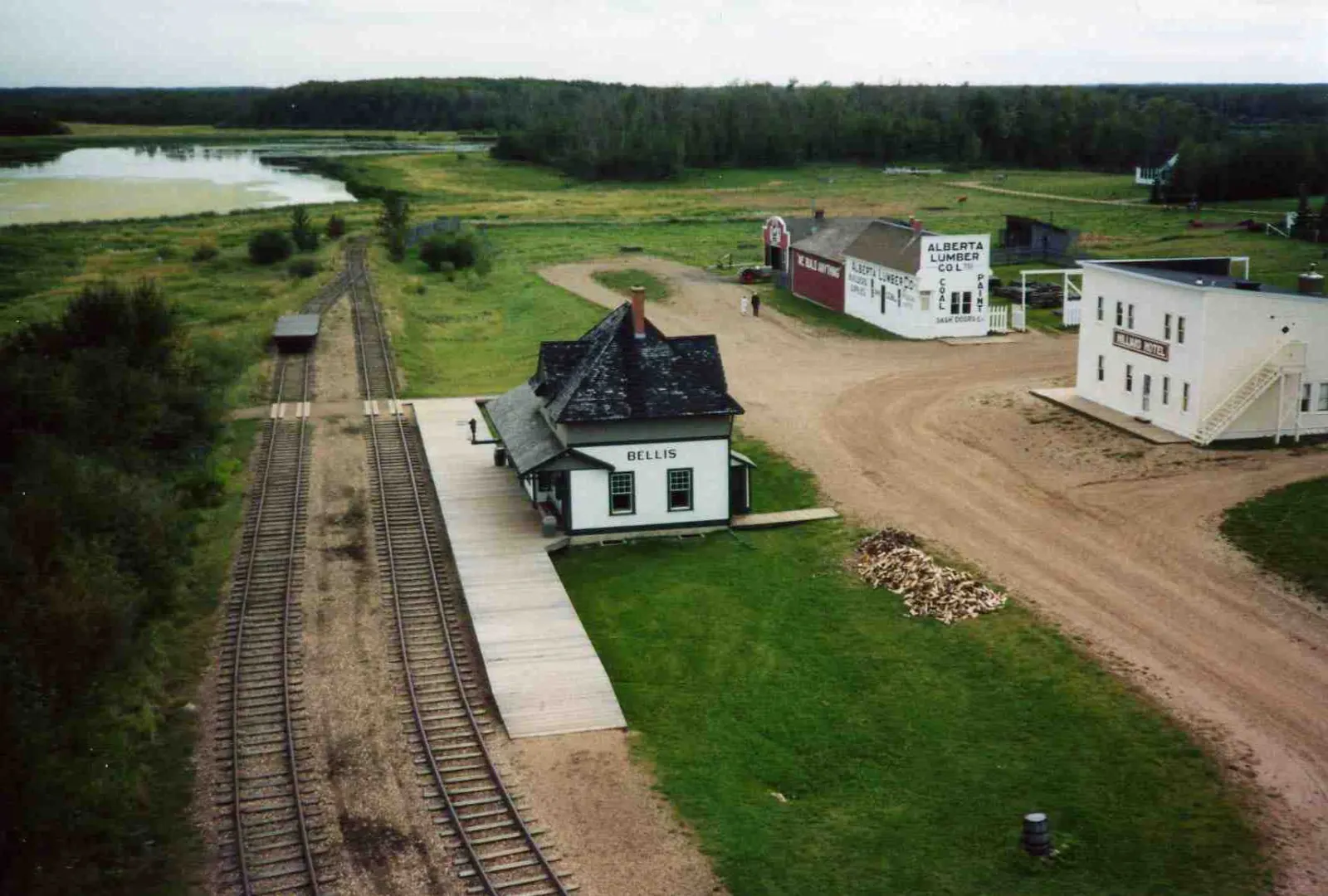
Northeast of Edmonton, this open-air museum moves historic buildings from surrounding communities into one site and shows how Ukrainian Canadian settlers lived between 1899 and 1930. Costumed interpreters stay in character, which makes conversations entertaining.
 Planning a trip to Edmonton?Compare hotels, flights and vacation rentals for Edmonton on Expedia.Book now
Food and local flavors
Edmonton's food reflects its Prairie roots and its many immigrant communities. Look for perogies, the Ukrainian filled dumplings that appear at festivals and family restaurants, often served with sour cream and fried onions. Alberta beef steak is a point of provincial pride and appears on menus across the city.
For wandering, Whyte Avenue and the downtown strip along 103 Street have the widest choice, while Chinatown, Little Italy and 124 Street each add their own flavour. Outside the city, St. Albert has a popular farmers market worth a stop on a summer weekend.
Popular dishes to try in Edmonton


Where to stay
Downtown is the practical choice for first-time visitors. You are close to the Alberta Legislature, the Art Gallery of Alberta, the river valley and the LRT, and the main restaurant streets are a short walk away.
Old Strathcona suits travellers who prefer a neighbourhood feel. Cafes, theatres and bookshops line Whyte Avenue, the High Level Bridge is nearby, and the university is close.
West Edmonton suits families and shoppers, because it puts you beside West Edmonton Mall and its attractions, with easy access to the ring road. Car travellers also like it for simple parking.
Where to stay in Edmonton


Best time to visit
Summer is the high season, with daytime highs around the mid twenties Celsius and more than 17 hours of daylight at the height of the season. This is when the festivals fill the calendar.
Autumn brings golden foliage in the river valley, while spring arrives late and cold snaps can still happen in May. Winter is long, with short daylight and spells of deep cold, but dry air, sunny skies and ice rinks make it enjoyable if you pack properly.
Getting there and getting around
Edmonton International Airport lies about 30 kilometres south of downtown in Leduc County, and the drive to the centre takes around half an hour. A transit bus links it with Century Park station on the LRT, and taxis, Uber and Lyft also run from the terminal.
Inside the city, streets run north to south and avenues east to west, so finding an address is simple. The Edmonton Transit Service operates buses and three LRT lines, and the seasonal High Level Bridge streetcar is a scenic extra. A car is useful for Fort Edmonton Park and the day trips.
A suggested itinerary
First day
Start at the Alberta Legislature and its grounds, then walk or ride across the High Level Bridge to Old Strathcona.
Second day
Spend the morning at Fort Edmonton Park, then visit the Muttart Conservatory and walk part of the river valley trails.
Third day
Choose between Elk Island National Park for bison and quiet trails, or the Ukrainian Cultural Heritage Village for a deep dive into pioneer history.
Fourth day
Keep the last day flexible for the Royal Alberta Museum or West Edmonton Mall, or take a drive west toward the Rockies if the weather is fine.
Practical tips
- Book rooms and festival tickets early for August, when the Folk Music Festival and Fringe draw large crowds.
- Check the current schedule for the High Level Bridge streetcar, because it runs only in the warm season.
- Pack layers and sun protection in summer, since evenings can cool quickly and daylight lasts late.
- In winter, wear insulated boots, a hat and mitts, and use moisturiser and lip balm to fight the dry air.
- Carry mosquito repellent for river valley walks in summer.
- Confirm opening dates for Fort Edmonton Park and the Ukrainian Cultural Heritage Village before you plan a visit.