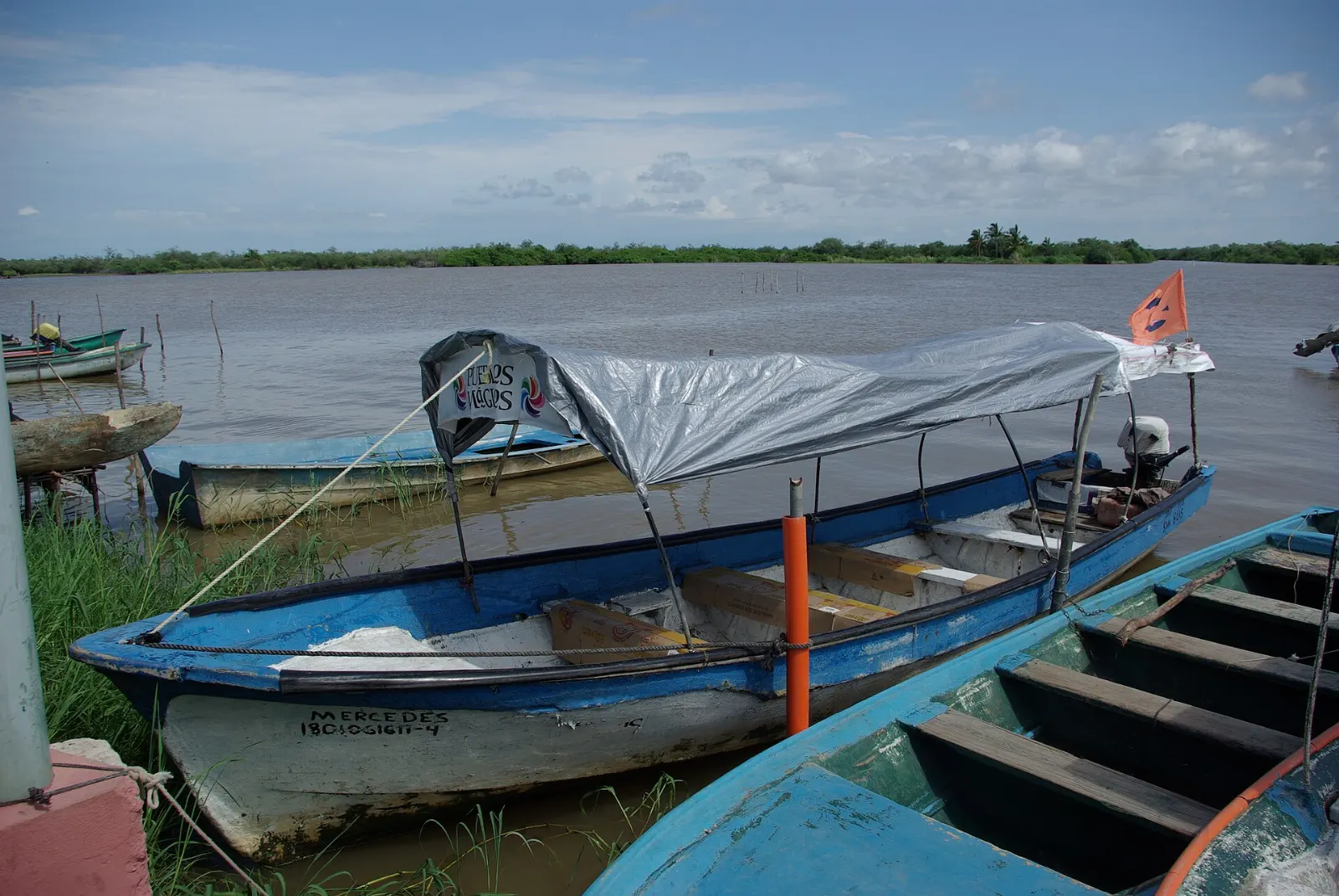
Mexcaltitán is a small, almost perfectly round island in a mangrove lagoon on the coast of Nayarit. Roughly 340 metres across, it has no cars, a ring of waterfront lanes and a long-running story that links it to Aztlán, the legendary homeland of the Mexica.
AT A GLANCE
Best time
The dry months from January to May keep the lanes walkable and the lagoon calm.
How long
One day is enough for most visitors, and a night on the island slows everything down.
Getting there
Drive or take a bus toward Villa Hidalgo, then cross by boat from Embarcadero La Batanga.
Why visit Mexcaltitán
Few places in Mexico feel as self-contained. The village occupies an artificial island in the Laguna Grande de Mexcaltitán, and you arrive by boat through a maze of mangrove channels.
The island is also a place of story. Aztec tradition says the Mexica left their ancestral home of Aztlán in 1091 and founded Tenochtitlan in 1325. Since the 1960s some historians have argued that Aztlán may have been Mexcaltitán, a theory that remains debated.
The lagoon and the waterfront
Embarcadero La Batanga
The journey starts at La Batanga, the main mainland dock, at the end of the road from Villa Hidalgo, about six kilometres from the island. Boat operators wait here, and collective boats leave when they fill, so allow time if you prefer the shared option.
The mangrove channels of Laguna Grande
The crossing takes around fifteen minutes on a good day and is a highlight in itself. The lagoon is shallow and mostly mangrove swamp, so keep your eyes open for waterbirds along the channel edges.
The island docks
Boats use two main landings, the J. Ma. Morelos dock on the western side and the Benito Juárez dock at the southern end. Porters with bikes or hand carts meet arrivals and will take luggage to a hotel.
Colorful houses and the ring road
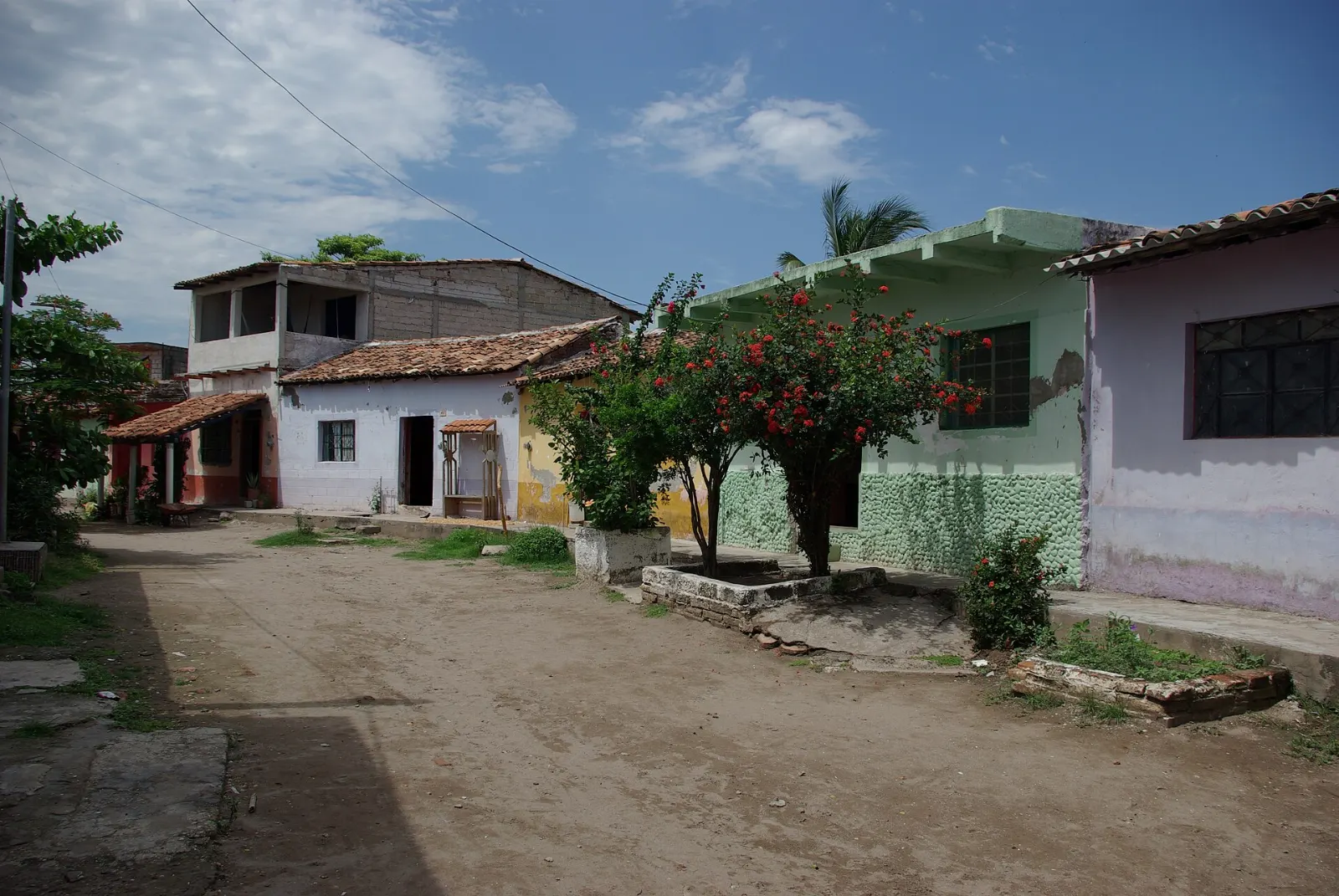
A ring road circles the island, with a tidy grid inside it and just two main streets running each way. Nothing is more than a few blocks from anything else, so wander without a plan.
In the village
Plaza Central
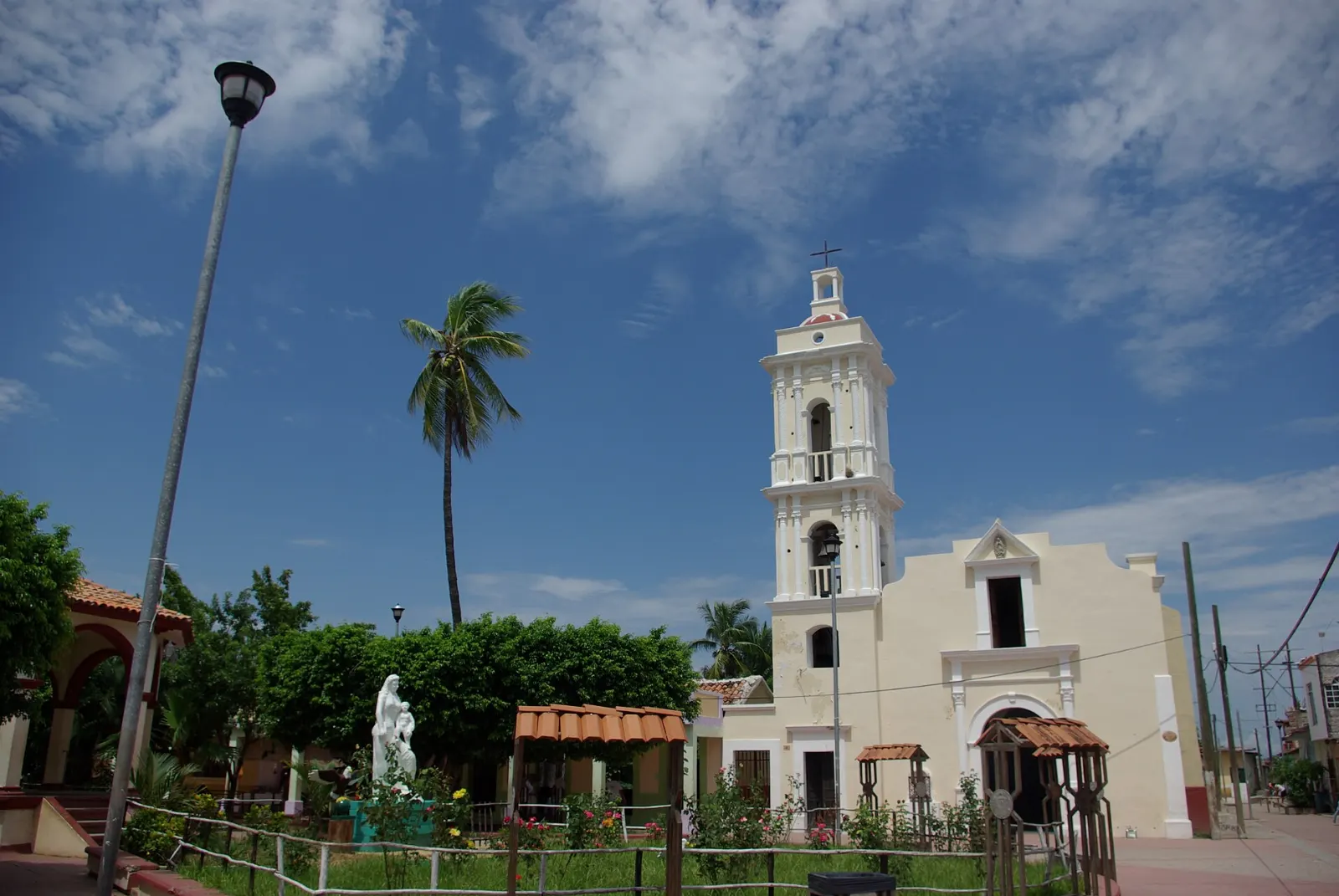
The main square is a neat park with wide paths, benches and a central gazebo, and it is where the island gathers in the evening.
Parroquia de San Pedro Apóstol
Right beside the plaza, this small parish church is closer to a chapel in size, with a frequently repainted exterior and a plain, unhurried interior. Allow ten or fifteen minutes.
Museo del Origen
The island museum is small but rewarding. Its sculptures, pottery and other finds from archaeological work on the island tell the story of Aztlán and the long migration to Tenochtitlan.
Parroquia de San Pedro y San Pablo
The second church sits at the lake end of Hidalgo street, similar in scale to the first but with the lagoon at its back. It makes a pleasant finish to a walk along the water, especially around sunset.
Nearby places on the mainland
Santiago Ixcuintla
The municipality that includes the island takes its name from this town, which lies roughly 36 kilometres from Mexcaltitán and is a practical stop for supplies, buses and a meal before the final stretch.
San Blas
On the coast to the northwest, San Blas offers a relaxed atmosphere with few condos or package crowds. It is also where some guided day tours to Mexcaltitán begin, which is useful if you would rather not manage the roads and boats yourself.

Food and local flavors
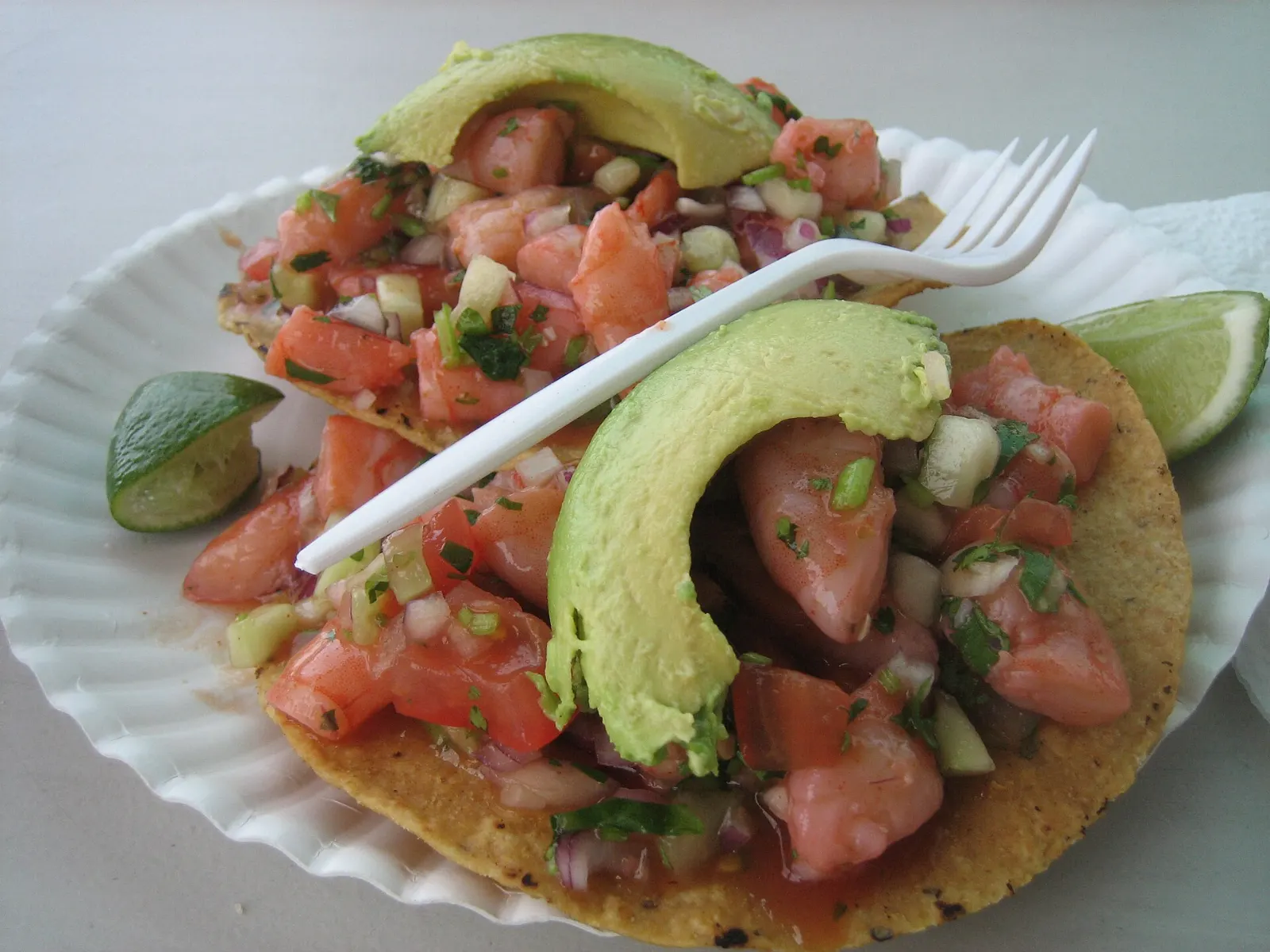
Shrimp from the lagoon are the island signature, and nearly every restaurant puts them at the center of the menu. Try tamales de camarón, shrimp soup known as sopa de camarón, and quesadillas with shrimp, then ask for pescado zarandeado, a fish cooked over a wood fire and a classic of the Nayarit coast.
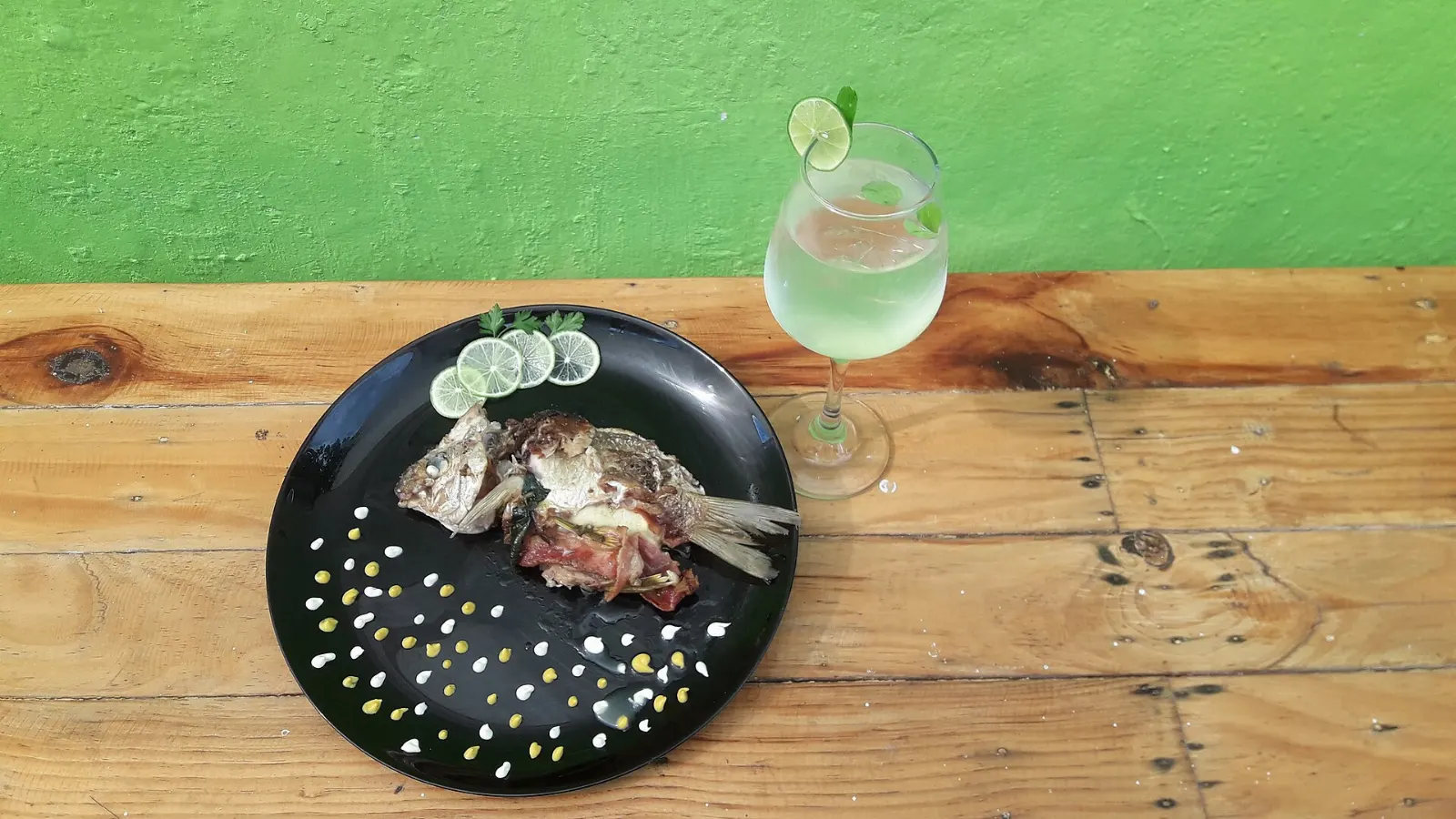
The island has no market hall, so the closest thing to a food street is Porfirio Díaz, where several casual seafood restaurants face the water, and more sit near the Venecia district. Most serve beer, but there are no bars.
Popular dishes to try in Mexcaltitán


 Planning a trip to Mexcaltitán?Compare hotels, flights and vacation rentals for Mexcaltitán on Expedia.Book now
Where to stay
Mexcaltitán itself offers a small number of basic guesthouses, enough for a night but not for luxury. Staying over lets you see the lanes after the day visitors leave and watch the lagoon change color at dusk.
Santiago Ixcuintla, the nearest city of any size, suits travelers who prefer more choice and a car park, and it keeps boat transfers short in the morning. San Blas is the right pick if you want beaches, birdwatching and a livelier evening scene, with a longer drive each way.
Where to stay in Mexcaltitán


Best time to visit
The dry season from January to May is the most comfortable window. Skies are clearer, the lanes are walkable and boat trips are easy to arrange.
Midday heat can build in the late spring, so start early and plan a shaded break. Weekends and Mexican holiday periods bring more domestic visitors, while weekdays are calmer. Check the local calendar for patron saint festivities around the churches, as dates can change year to year.
Getting there and getting around
The nearest major airports are Tepic, which has limited domestic service, and Puerto Vallarta, which has far more flights. From Tepic the island is about 100 kilometres away.
If you drive, the road from Villa Hidalgo to La Batanga is a nearly straight run in decent condition. You leave the car at the dock and cross by boat, either a private one or a shared one. On the island, walking is the only option.
A suggested itinerary
First day
Reach La Batanga in the morning, cross the lagoon and spend the first hours on the waterfront ring road.
Second day
If you stay the night, use the early morning for the quiet lanes and the second church by the lagoon. Cross back mid-morning and continue to San Blas for the coast, or return to Tepic for onward bus connections.
Practical tips
- Bring cash, because small restaurants and boat operators may not take cards.
- Agree on the boat fare for the round trip with the operator before you board.
- Wear light, quick-drying clothes and a hat, and carry insect repellent for the mangrove channels.
- Use sunscreen and bring water, since shade is limited on the lanes and docks.
- Pack light, as there are no vehicles and luggage has to travel by cart or bicycle.