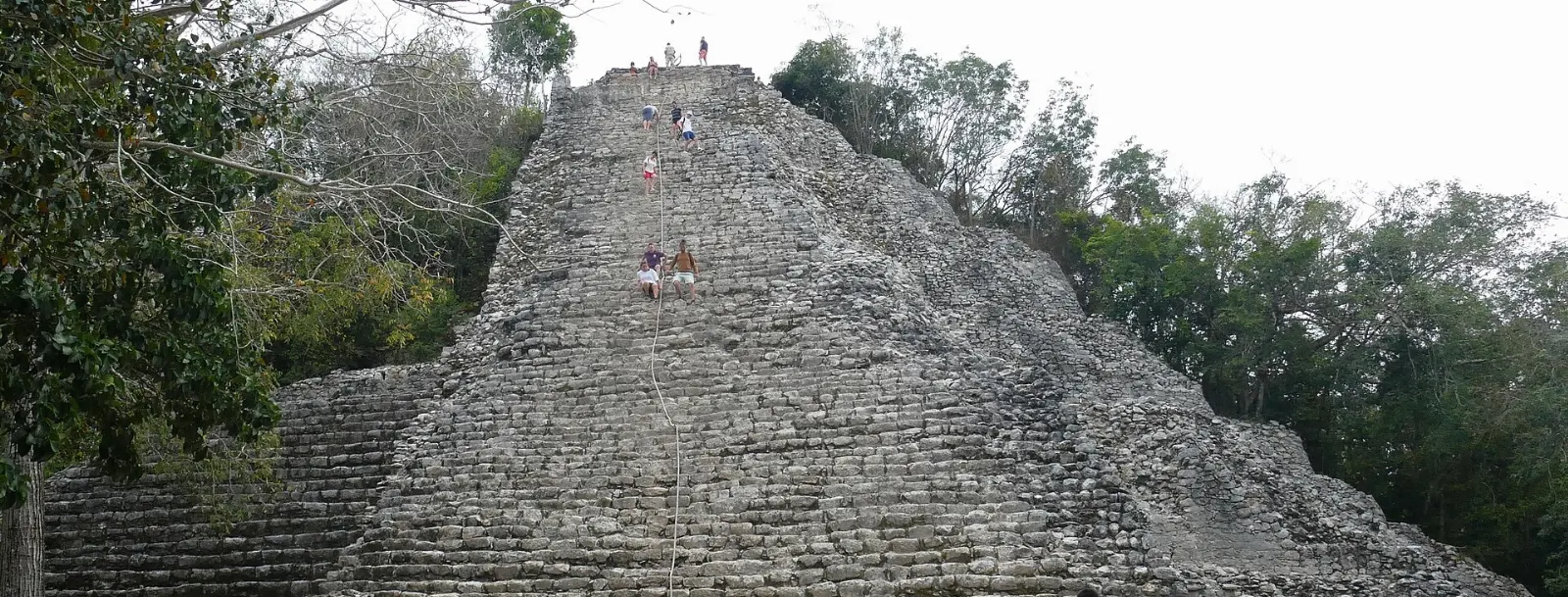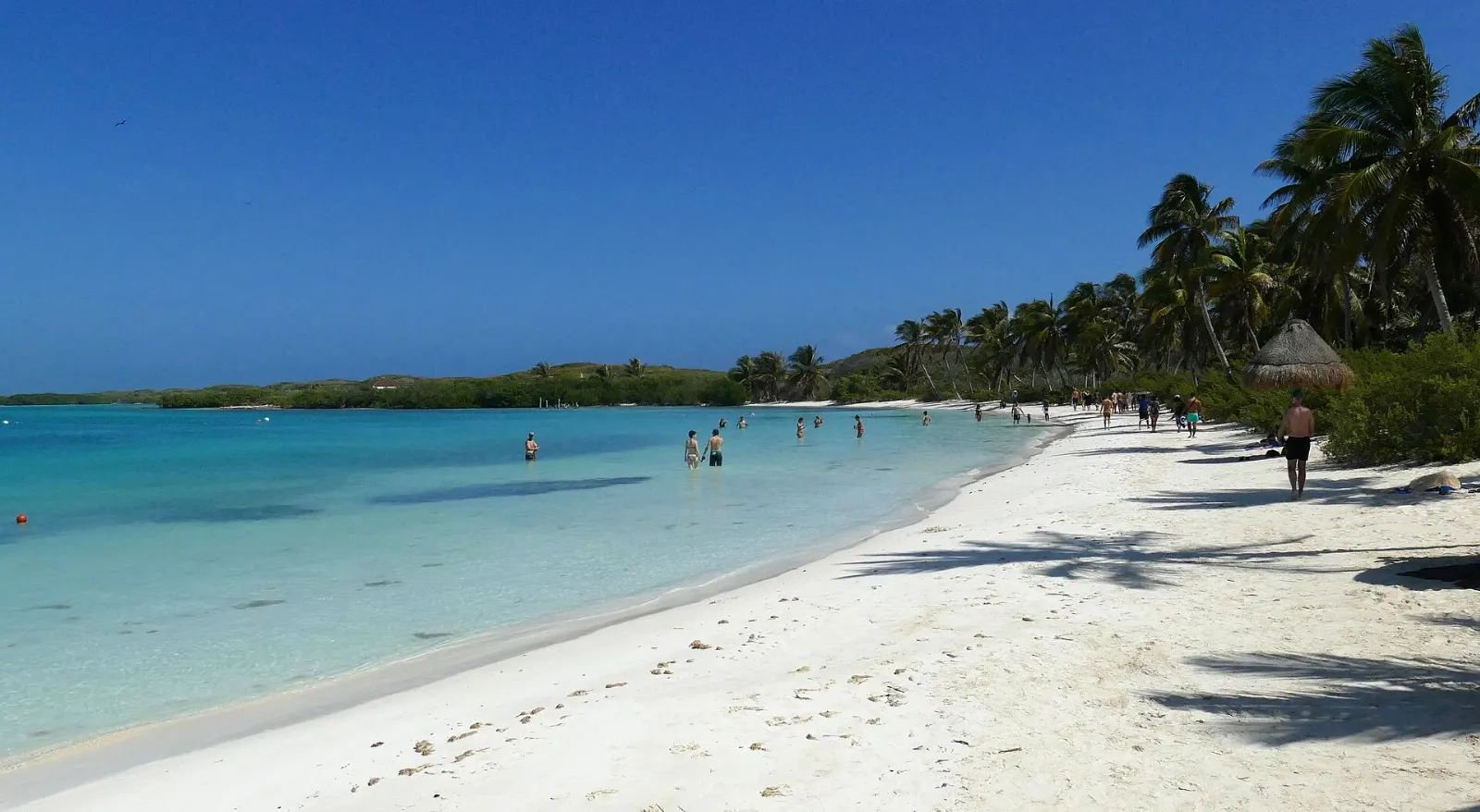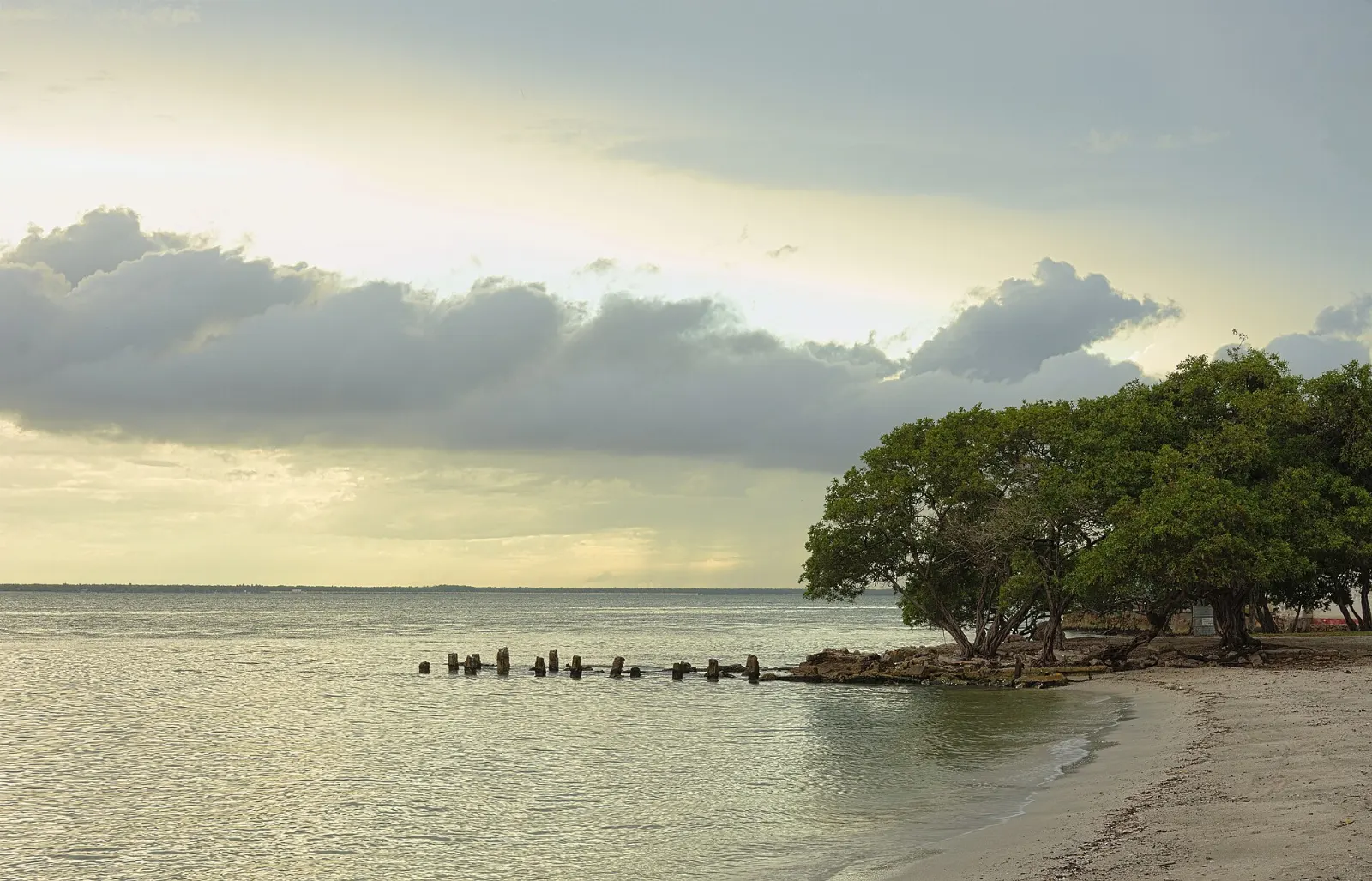
Playa del Carmen is a walkable beach town on the Riviera Maya with easy access to Cozumel, cenotes and Maya ruins.
AT A GLANCE
Best time
December to April brings the driest and sunniest weather.
How long
Plan three to four days for the town and day trips.
Getting there
Fly into Cancún and take an ADO bus or the Tren Maya.
Why visit Playa del Carmen
Playa del Carmen, often shortened to Playa, is a coastal town in Quintana Roo at the centre of the Riviera Maya. It sits roughly midway between Cancún and Tulum, and it faces the island of Cozumel across a short stretch of sea.
Playa is also a convenient base for day trips. Cenotes, Maya ruins, turtle snorkelling and reef dives are all close, and buses, shared vans and the Tren Maya link the town with the rest of the peninsula.
The town barely existed as a hamlet half a century ago, since it grew from the 1970s plan to develop the eastern Yucatán coast for tourism.
In town and on the beach
Quinta Avenida
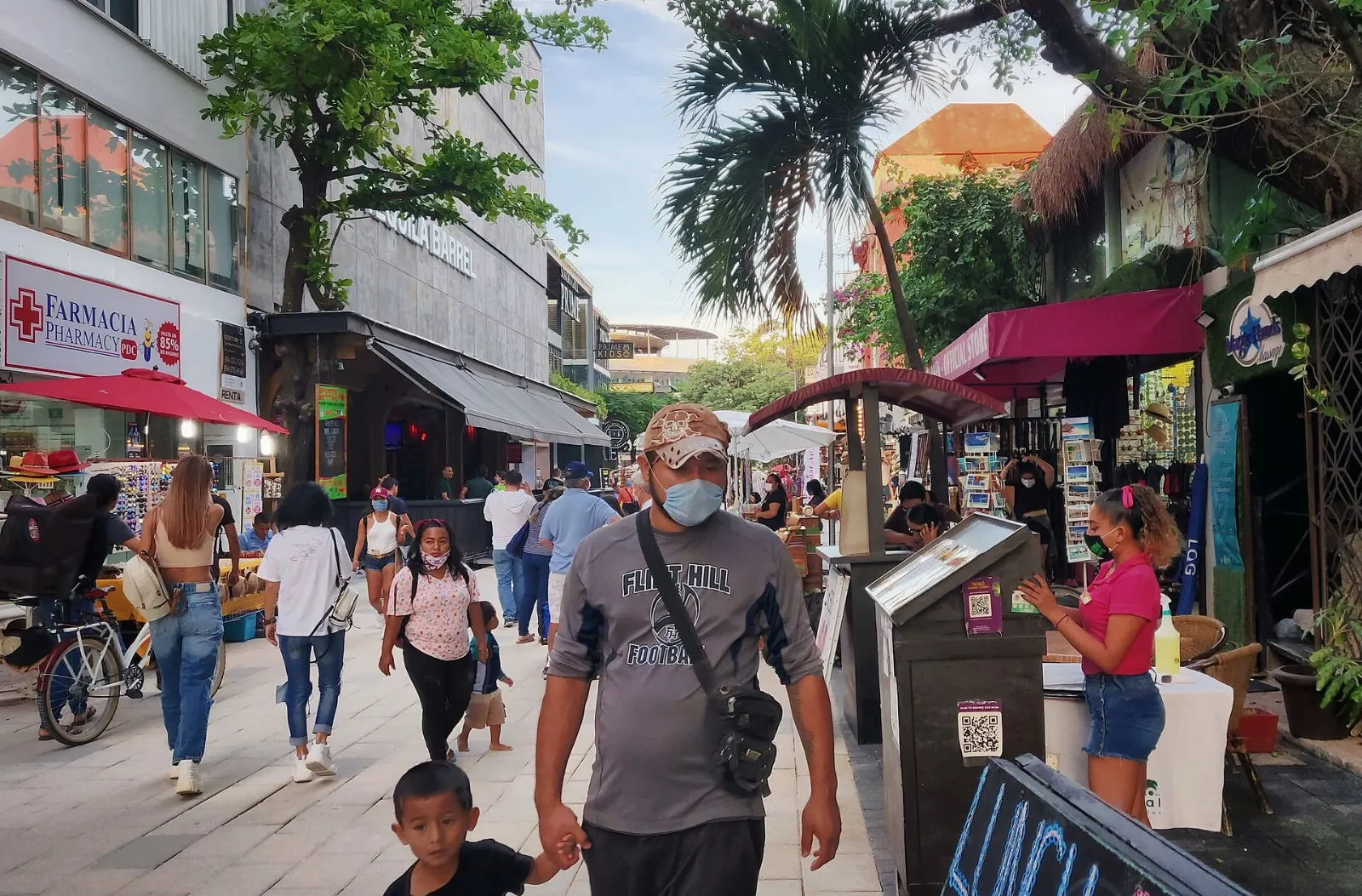
Quinta Avenida, or Fifth Avenue, is the pedestrian spine of Playa, a cobblestone street that runs about twenty blocks parallel to the sea. Restaurants, shops, bars and cafes line it, and nearly everything in town starts from here.
Portal Maya
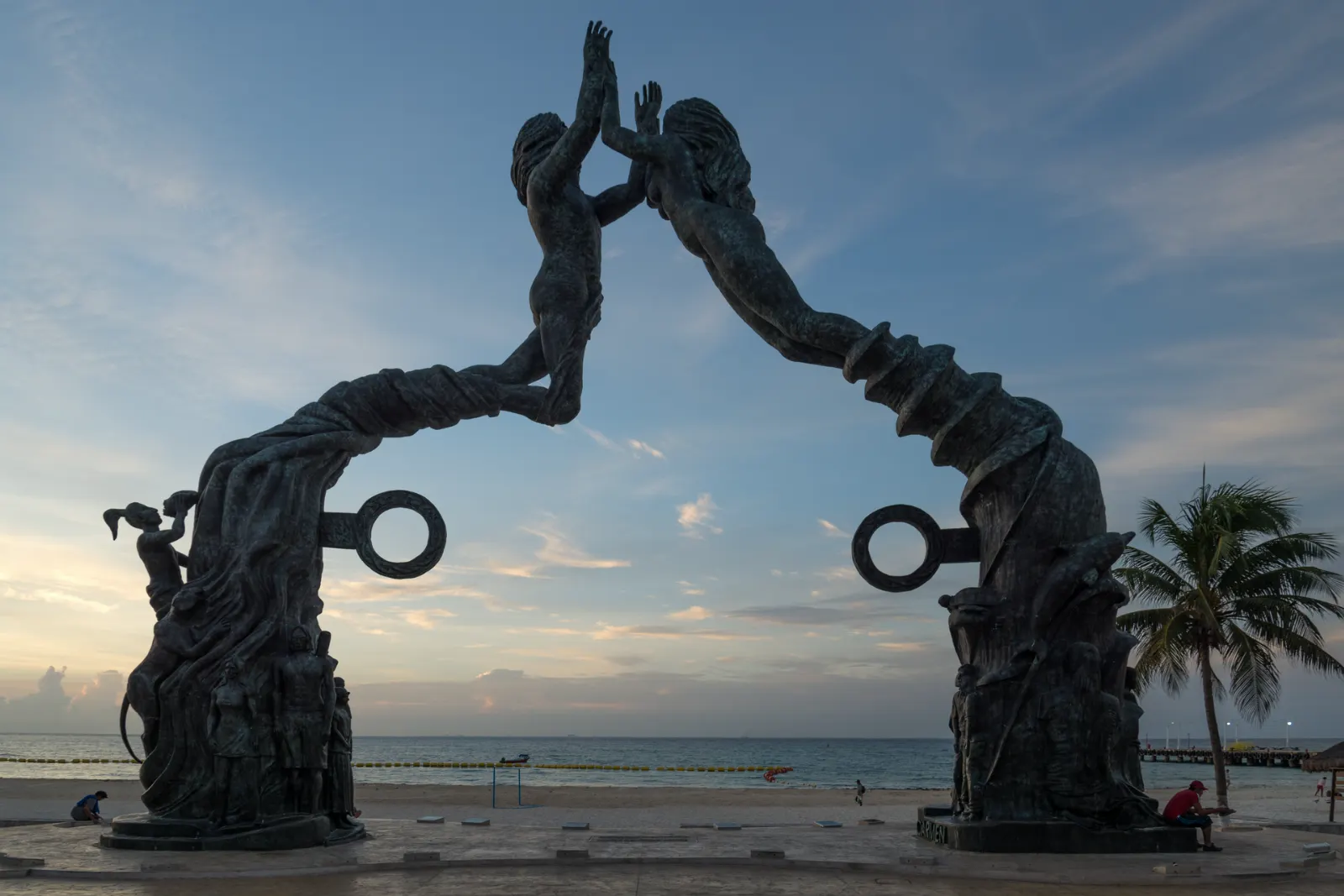
Portal Maya is an oceanfront archway with a bronze statue, set beside the beach near the main square. It is a favourite meeting point and a good place for sunrise photos.
El Zócalo and the Parroquia
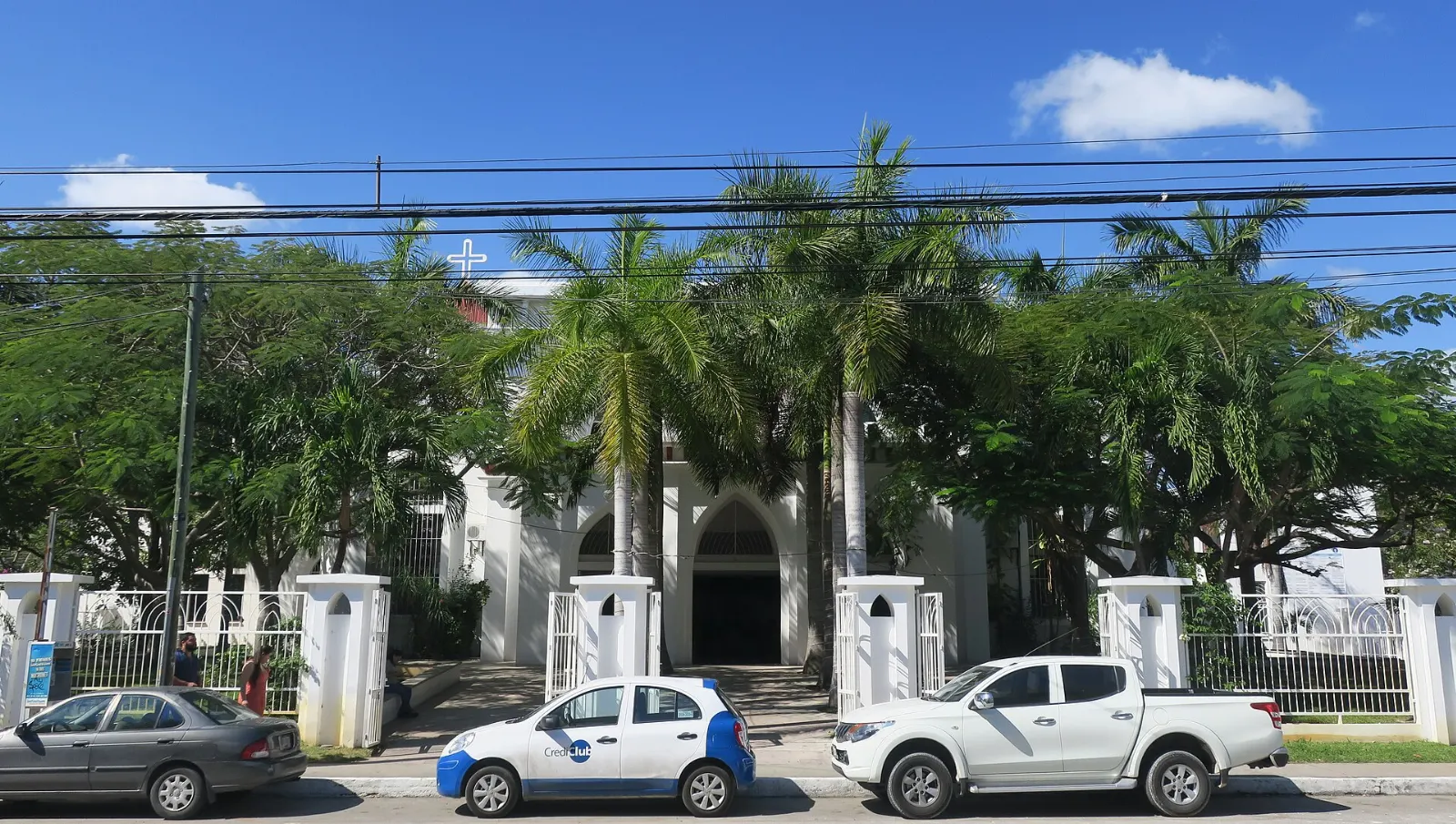
The town square, El Zócalo, sits close to the beach and the ferry dock. Nearby stands the Parroquia de Nuestra Señora del Carmen, the town's parish church, which gives Playa its name.
Parque La Ceiba and the lighthouse
Parque La Ceiba is a green pocket near the centre, and the Playa del Carmen lighthouse is another landmark that appears on most walking routes. Neither takes long, so combine them with a stroll along the beach and a stop for a cold drink.
Playacar
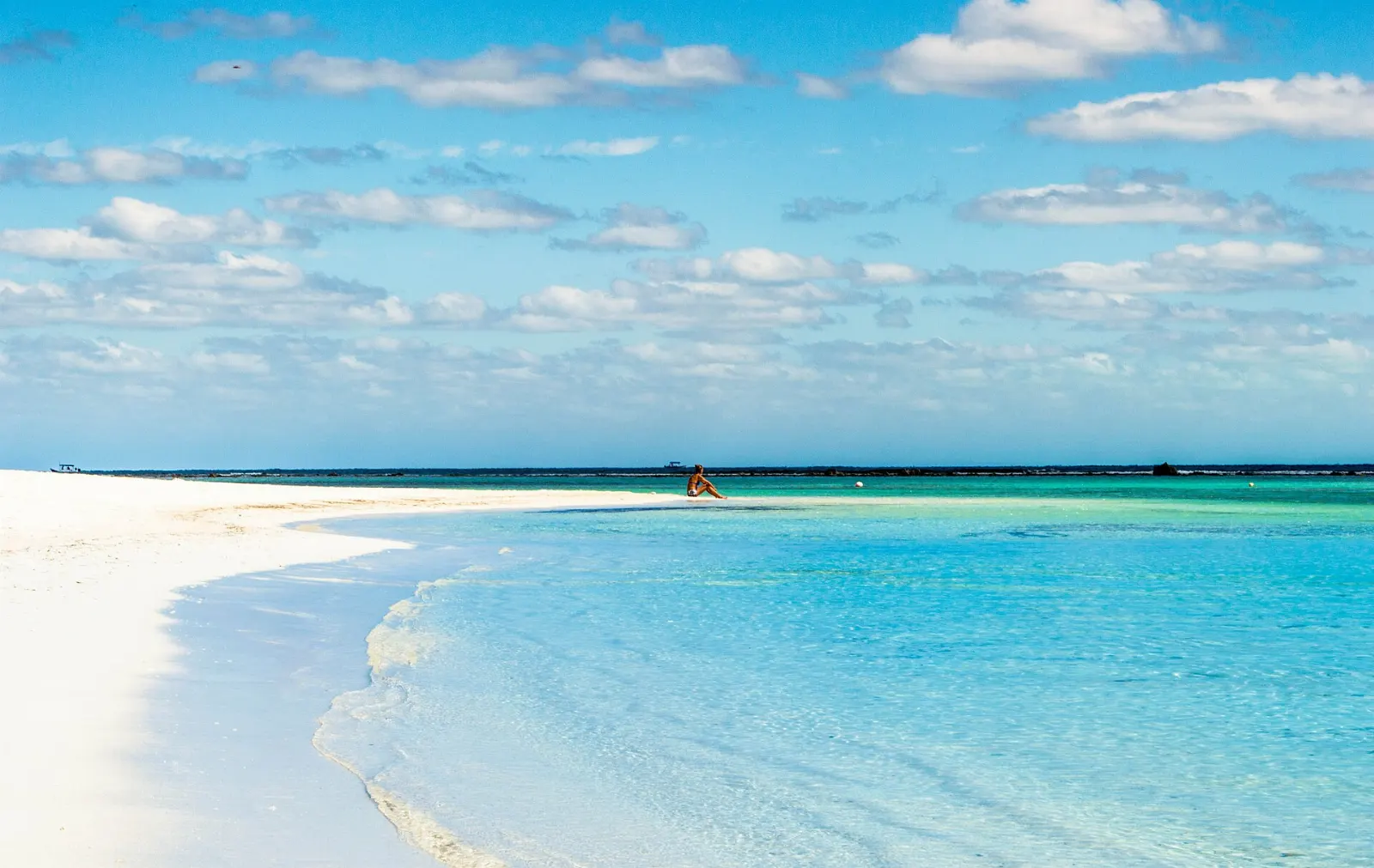
South of the main town lies Playacar, a gated resort area with quiet beaches and a golf course. Small Maya ruins are tucked in around the community, so bring a camera if you like quick archaeological stops.
Islands, parks and reefs
Cozumel
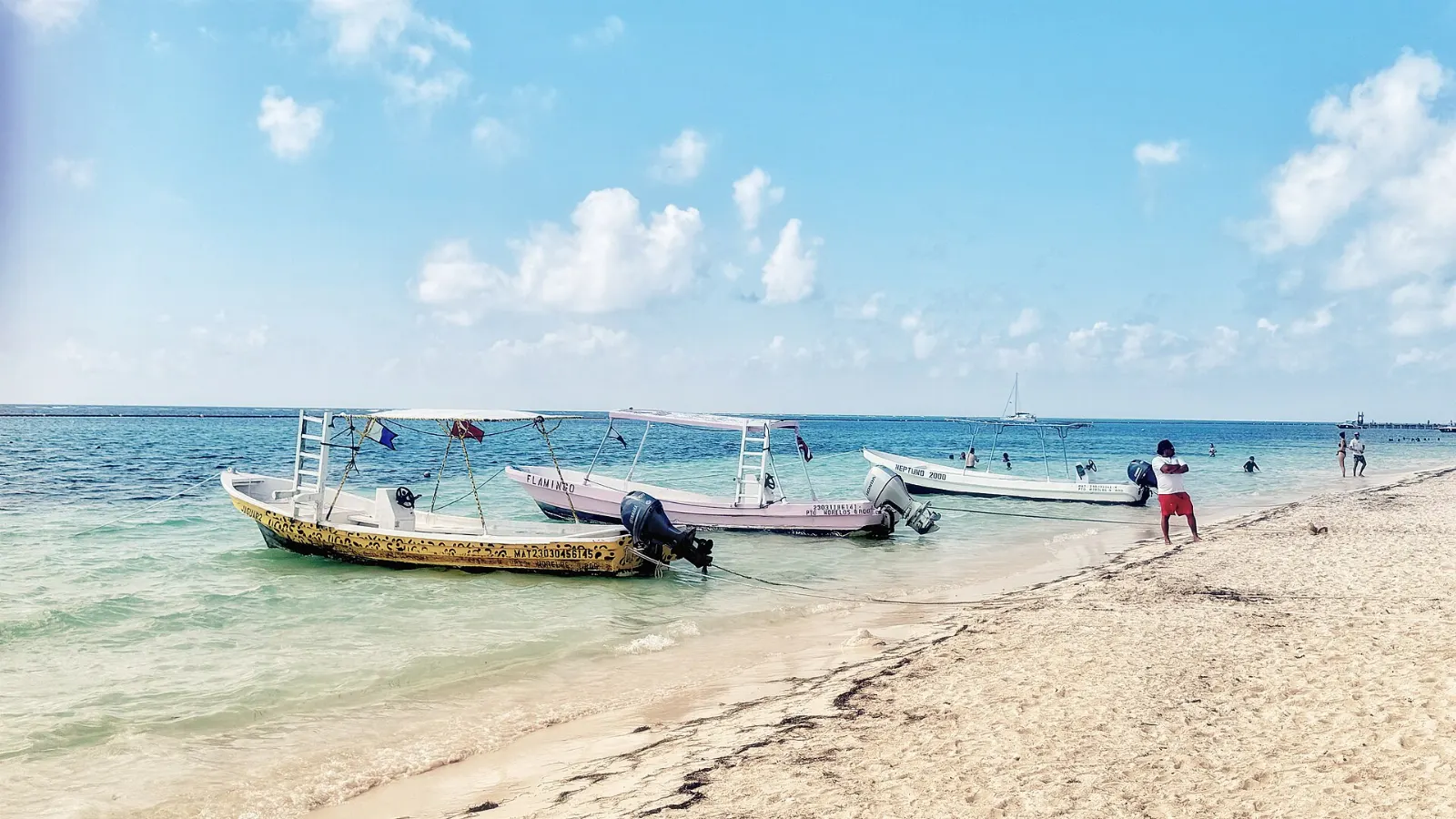
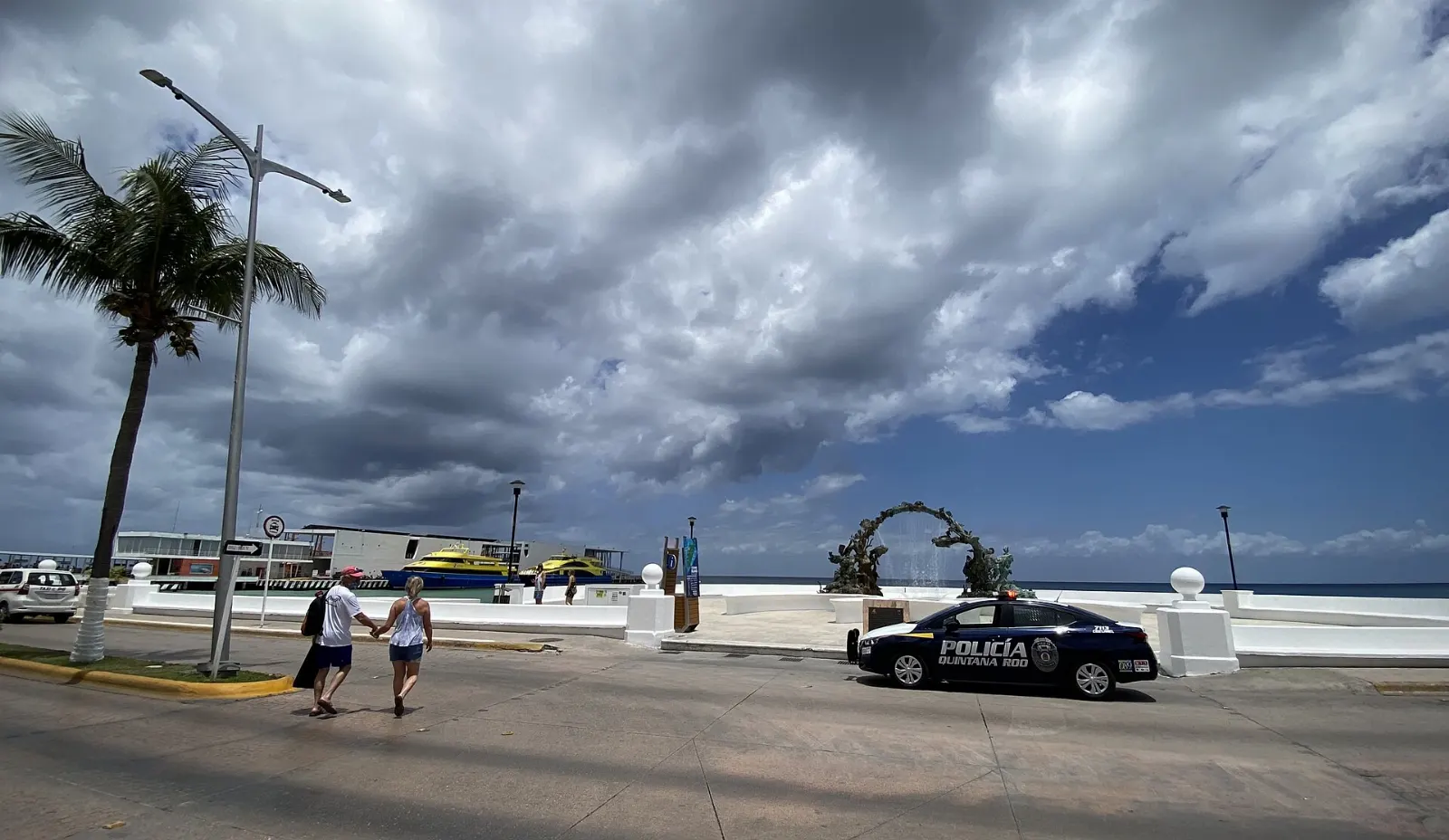
Ferries run to Cozumel hourly from the main dock in Playa, operated by competing companies, and the crossing takes about thirty minutes. Cozumel is famous for diving and snorkelling, and it lies within reach of Arrecifes de Cozumel National Park.
Xcaret
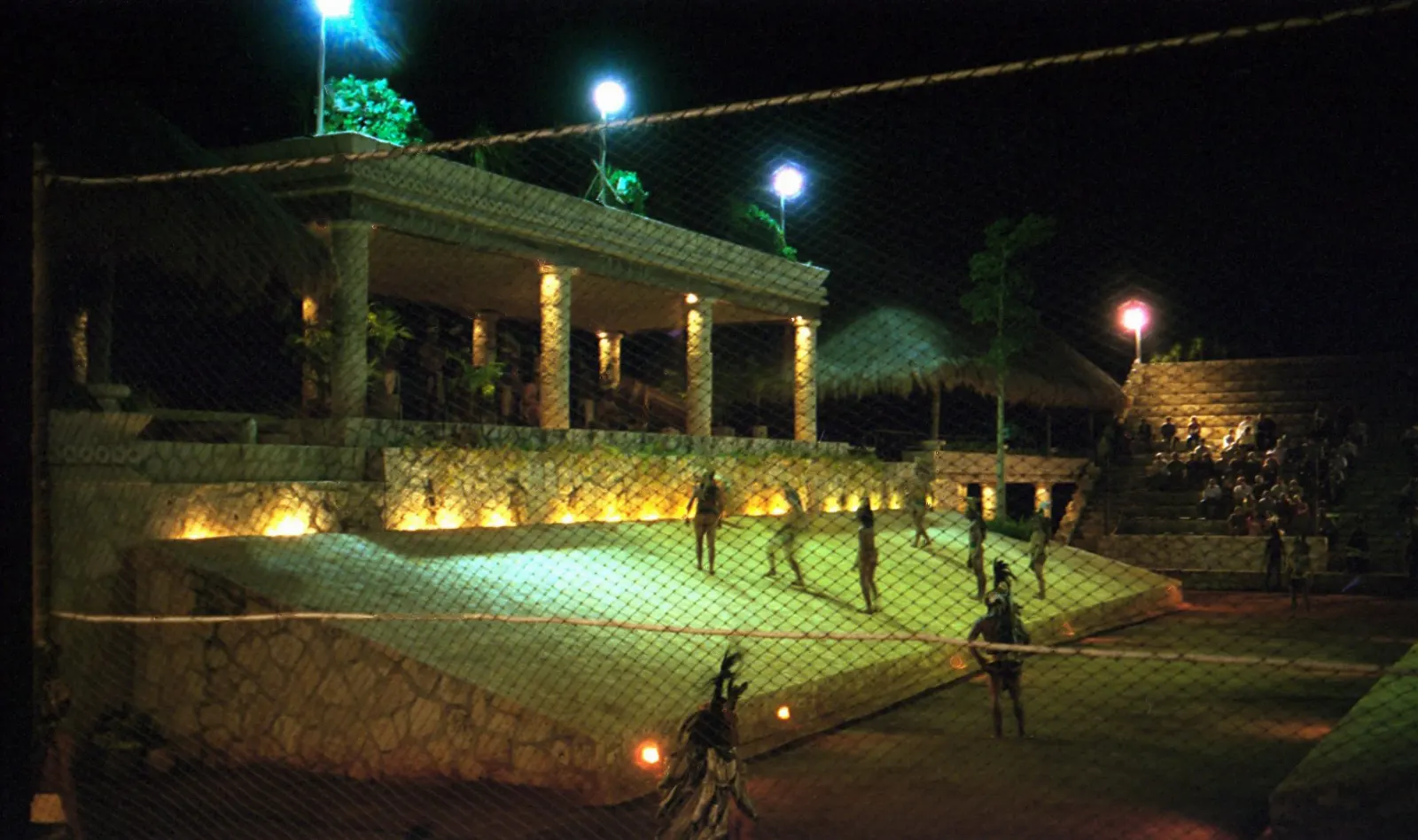
Xcaret was a Maya port and trading centre, and it is now part of a large private park on the coast south of Playa. The park combines nature, culture and shows, so plan a full day and take sun protection.
Akumal
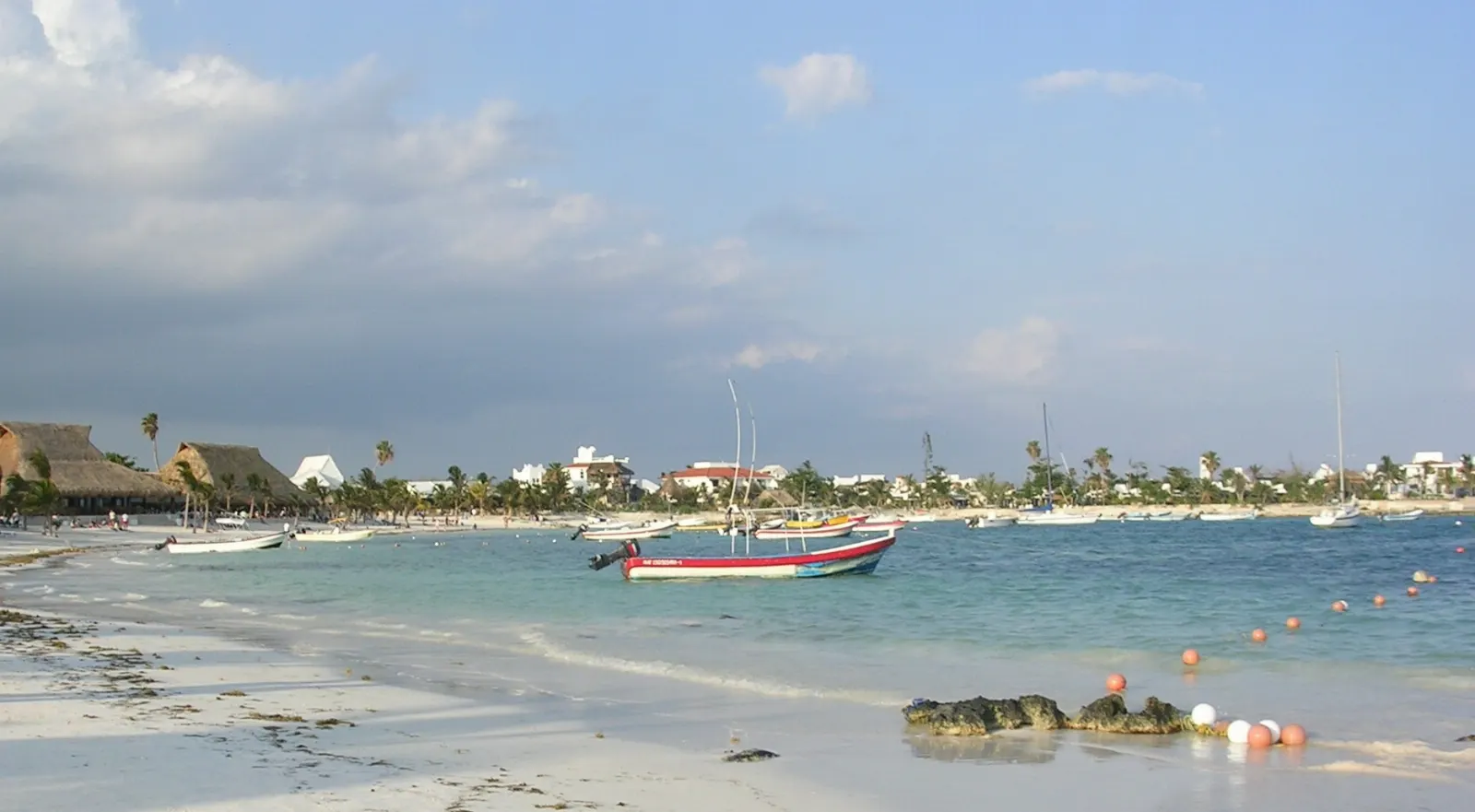
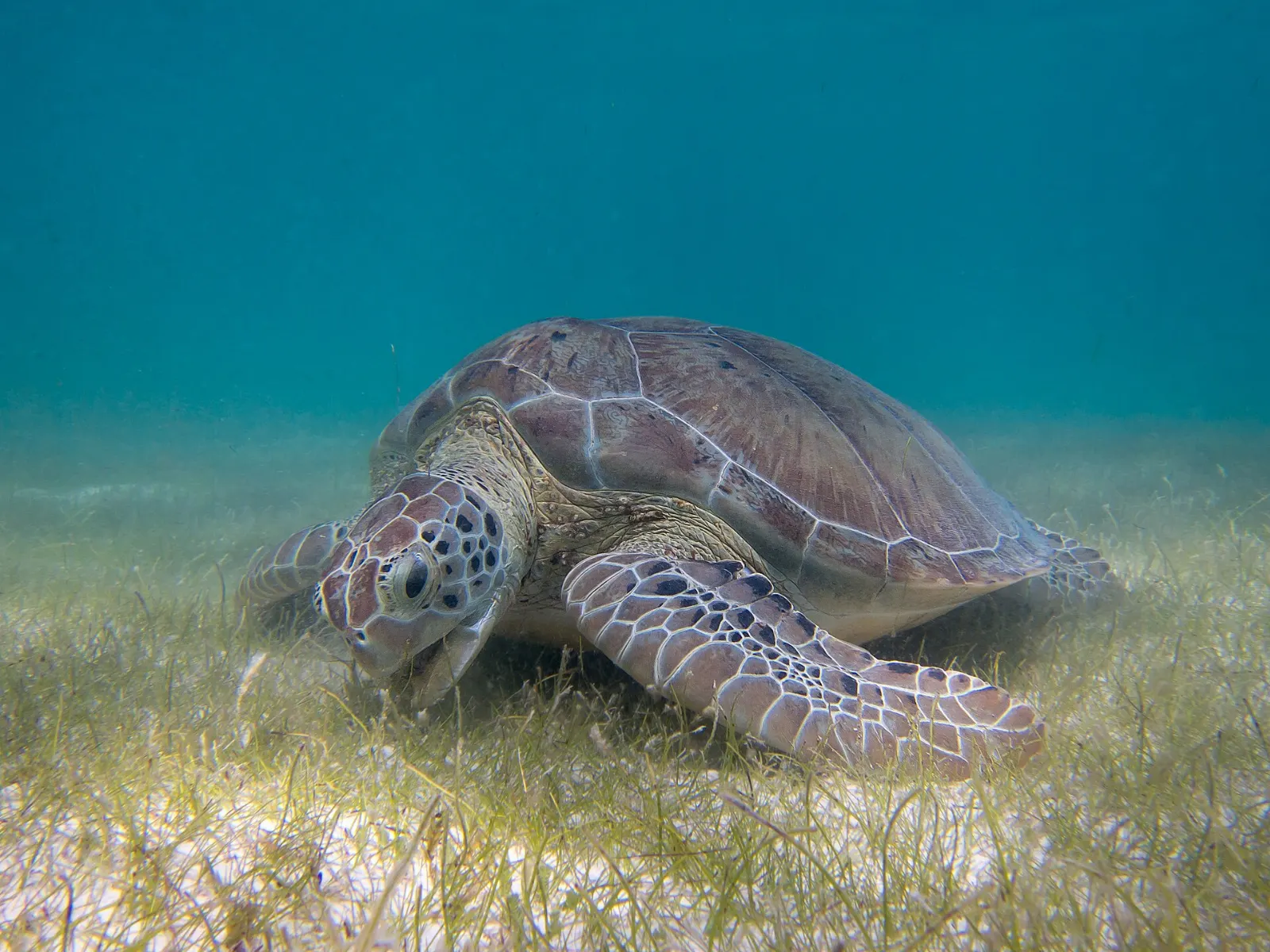
Akumal is a small beachfront community between Playa del Carmen and Tulum, known for snorkelling with green sea turtles in the bay.
Cenotes
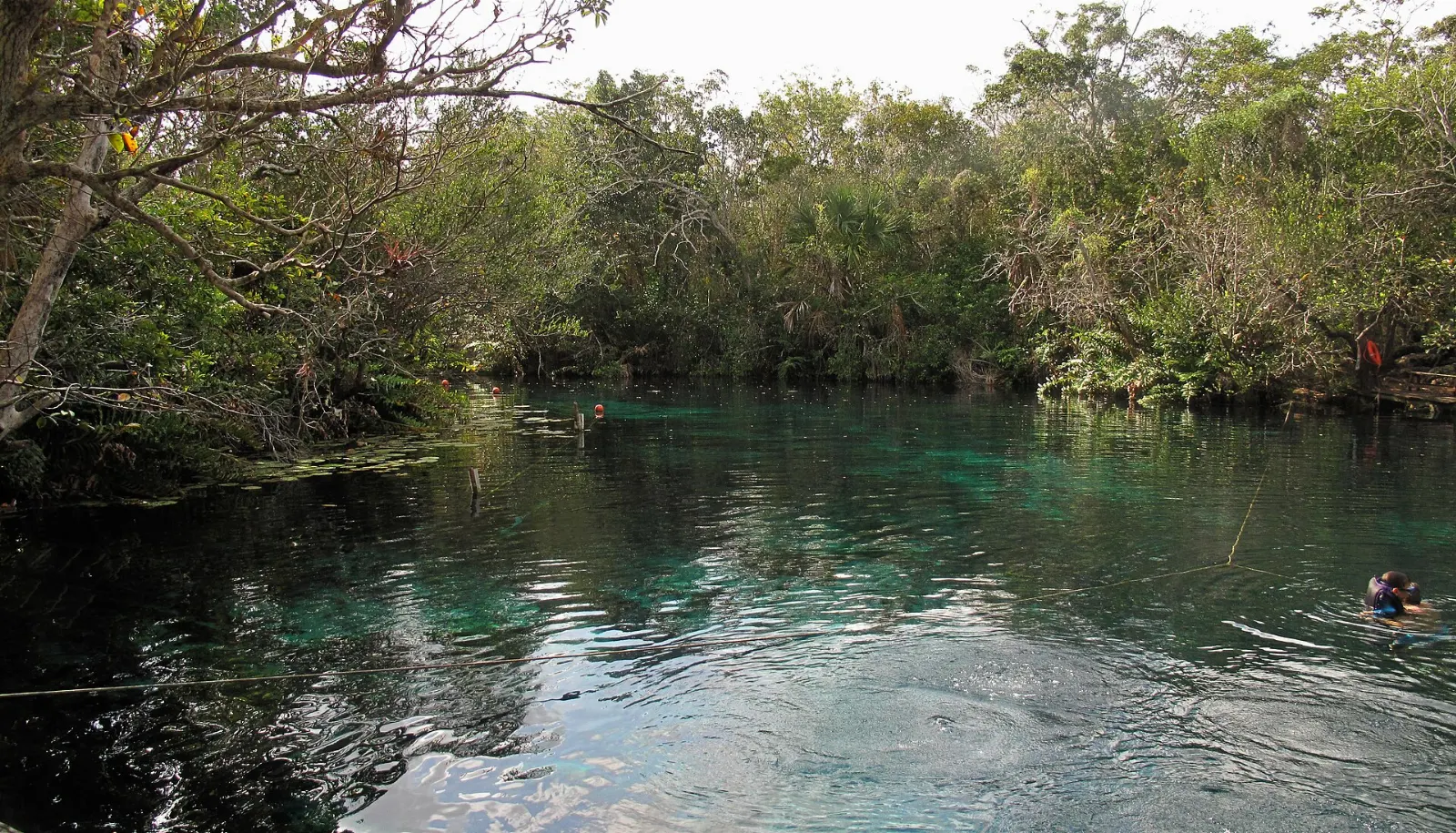
Cenotes are natural sinkholes where limestone has collapsed to reveal groundwater, and the Yucatán Peninsula has thousands of them. Several lie near Playa and offer swimming in clear, cool water.
Tulum and Puerto Aventuras
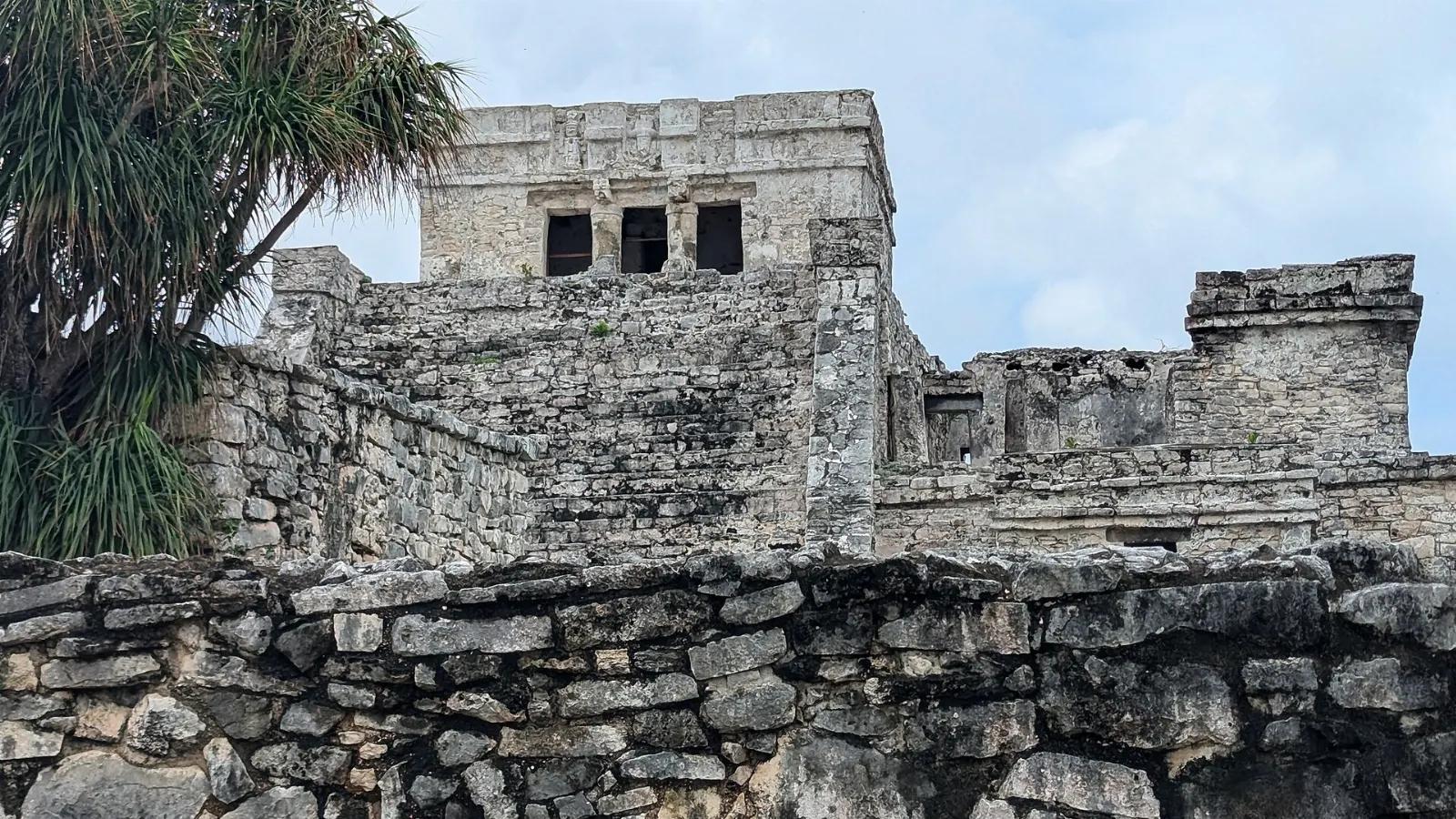
Tulum is a Maya walled city on cliffs above the sea, and it makes a rewarding half-day trip from Playa by bus or van. Puerto Aventuras, about ten kilometres south of town, has a calm marina where sport fishing charters depart.
If you enjoy the sea, remember that the offshore reef is part of the Mesoamerican Barrier Reef System, the second largest reef system in the world.
Food and local flavors
Playa is a good place to eat Yucatán classics. Cochinita pibil is slow roasted pork with achiote, usually served in tacos with pickled onion.
For a sweet treat, try marquesitas, rolled crepes filled with cheese or spreads that originated in Yucatán. Quinta Avenida has many restaurants, but if you walk a few avenues inland you will find more local taquerías and often lower crowds.
Popular dishes to try in Playa del Carmen


Where to stay
Staying near Quinta Avenida suits first-time visitors who want restaurants, shops and the beach within walking distance.
Playacar suits couples and families who want calm beaches, resort amenities and a green, planned setting. It is just south of the centre, and you can reach the town on foot or by a short ride.
Puerto Aventuras, farther south, suits travellers who want a marina and quiet seafront, and who are happy to use a car or a van to reach Playa.
Where to stay in Playa del Carmen


Best time to visit
The coast is warm all year, with a drier and sunnier stretch from December to April, which is also the busiest period. May and June can feel very hot, and afternoon showers become more common in summer.
Snorkelling and diving are possible year round, though sea conditions change with the weather. For a quieter visit, consider the shoulder months of late spring and early winter, and ask local tour operators about conditions before you book.
Getting there and getting around
Most visitors fly into Cancún International Airport, from where ADO buses run directly to Playa in about fifty minutes. Cozumel and Tulum have airports too, and the Tren Maya has a station in Playa.
Playa is an easy place to walk, since it is laid out as a grid with avenues counted in fives. Bikes are available for rent, and taxis wait on the main streets, though you should confirm the fare first.
A suggested itinerary
First day
Walk Quinta Avenida, visit Portal Maya, then sit in El Zócalo before spending the afternoon on the beach.
Second day
Take the ferry to Cozumel for snorkelling or a dive, and return for dinner on Quinta Avenida.
Third day
Choose a cenote swim in the morning and visit Tulum or Akumal in the afternoon.
Fourth day
Spend the day at Xcaret, or explore Playacar and Puerto Aventuras at a slower pace.
Practical tips
- Check your government's current travel advisory before you go.
- Buy one-way ferry tickets, as the two companies sell separate fares.
- Be skeptical of tour offers pitched on Quinta Avenida, since some are timeshare sales.
- Carry biodegradable sun protection for cenotes and reef swims.
- Agree a taxi fare before you get in.