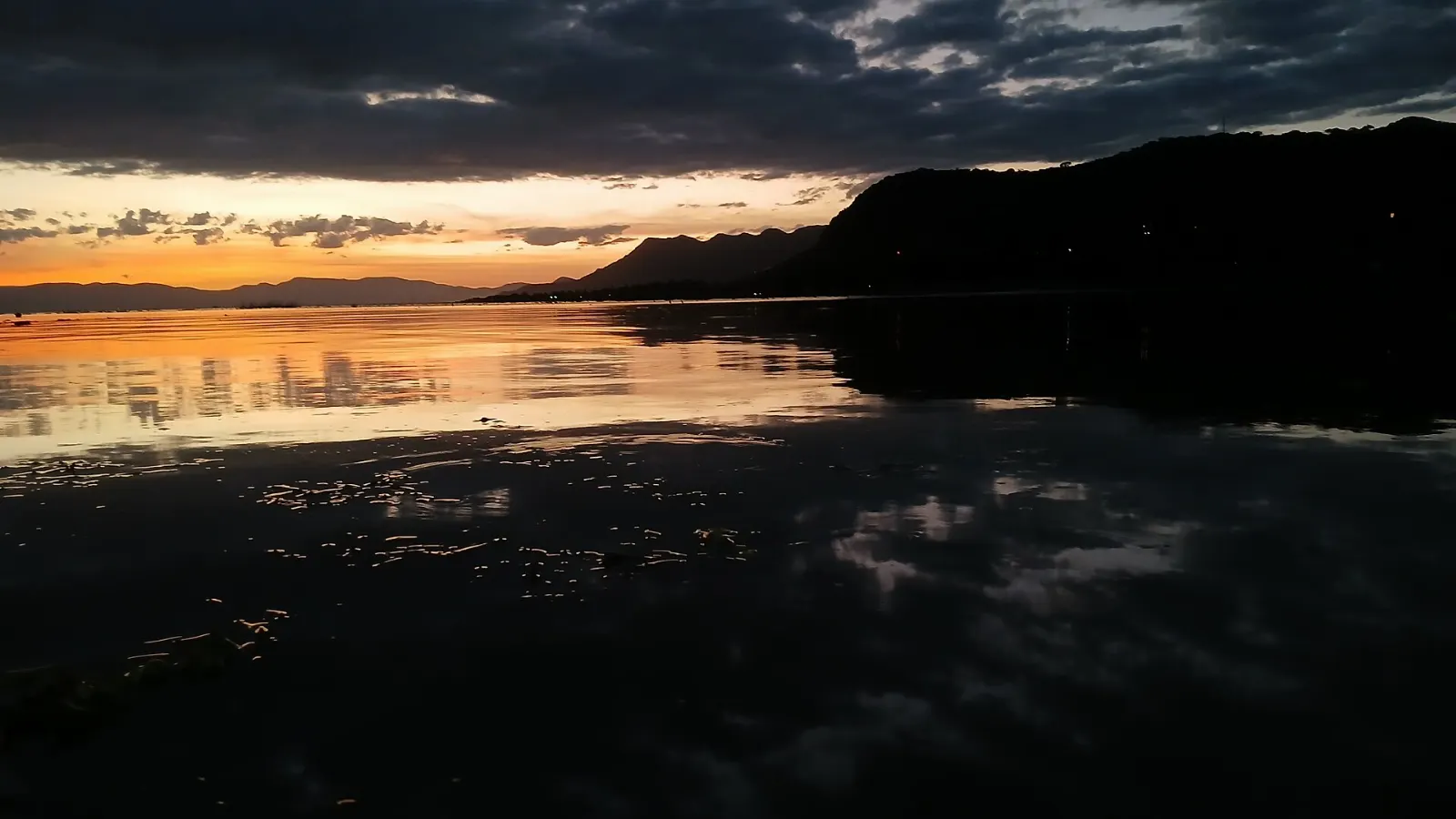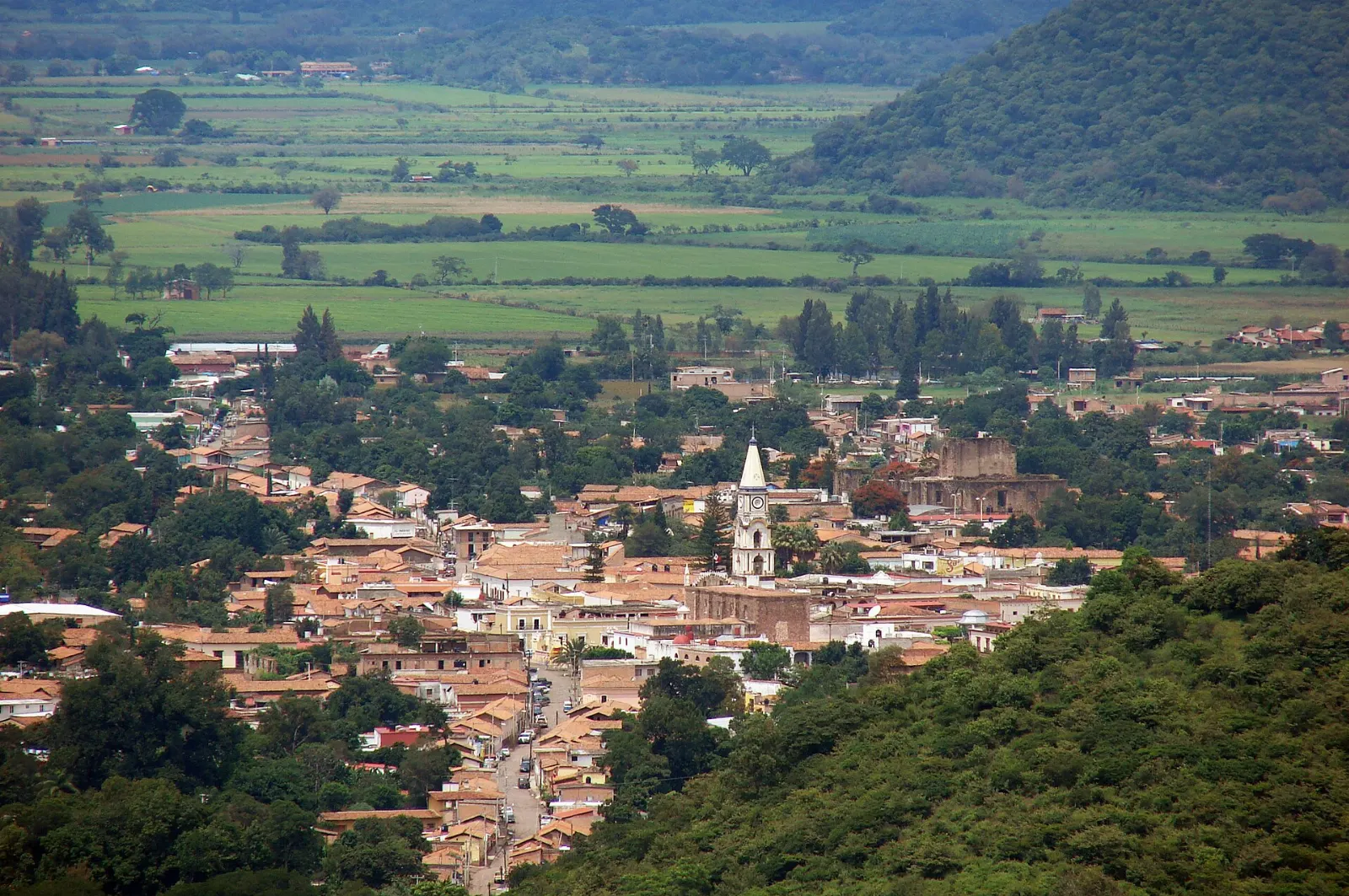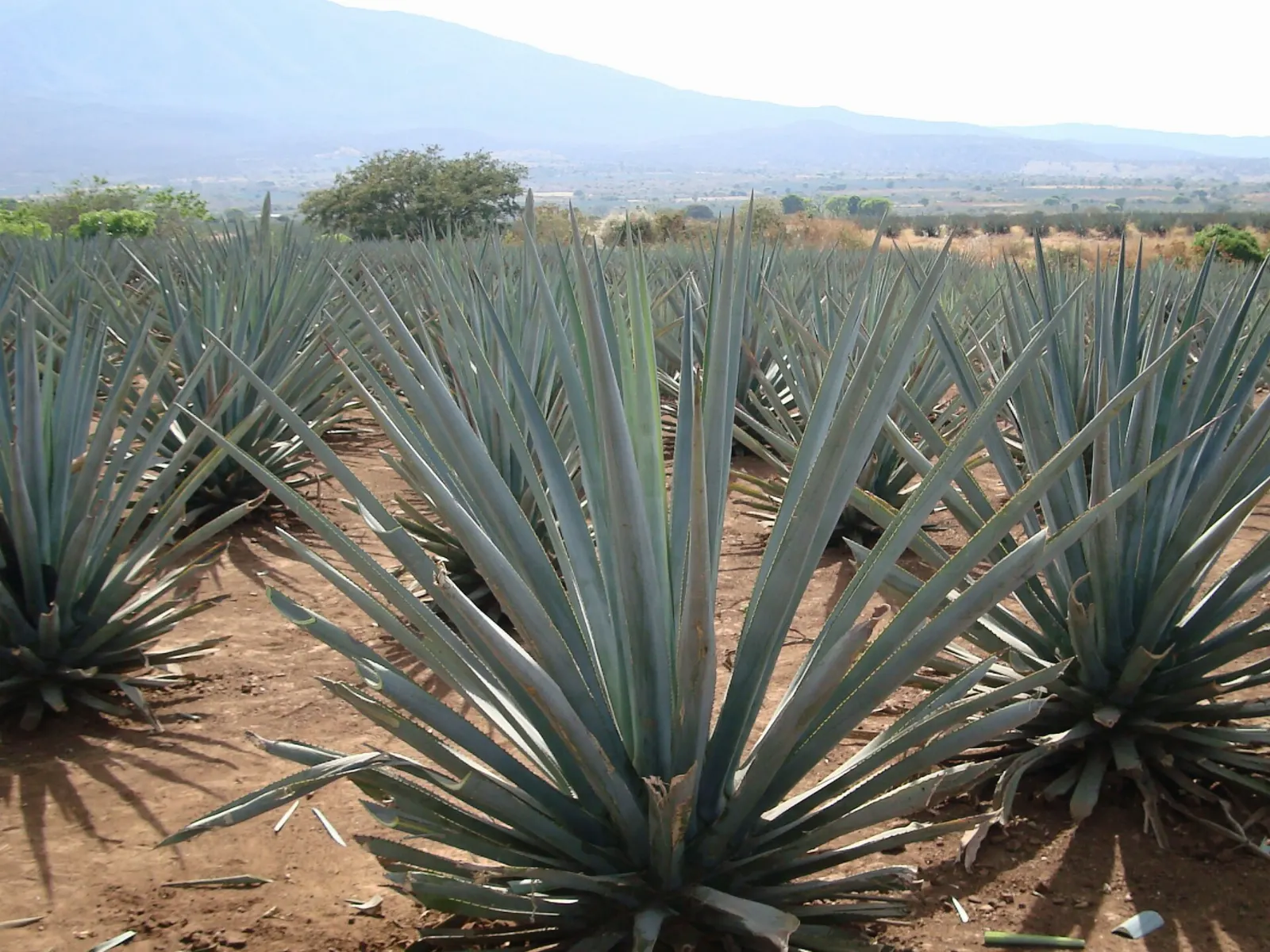
Tequila is a small town in Jalisco, about an hour from Guadalajara, where the drink that carries its name was born. Blue agave fields roll out to a volcano, distillery chimneys rise above the old streets, and the surrounding landscape is a UNESCO World Heritage site.
AT A GLANCE
Best time
Dry months from roughly November to May suit hikes, and the National Tequila Fair runs from late November.
How long
One full day covers the town, and two days add Amatitán, Los Azules and the volcano.
Getting there
Take a bus, a car or a tourist train from Guadalajara, about an hour away.
Why visit Tequila Jalisco
Tequila was founded in 1530 by Franciscan friars and became a Pueblo Mágico in 2003. Distilling grew here after 1600, when Pedro Sánchez de Tagle began making a large-scale spirit from the local agave.
The town is compact, so you can reach most distilleries and plazas on foot within about 15 minutes of the main square. Beyond it you can walk among agave plants, swim below a waterfall, hike a volcano and visit ceremonial circles built more than 1,500 years ago.
The town centre and its churches
Parroquia de Santiago Apóstol
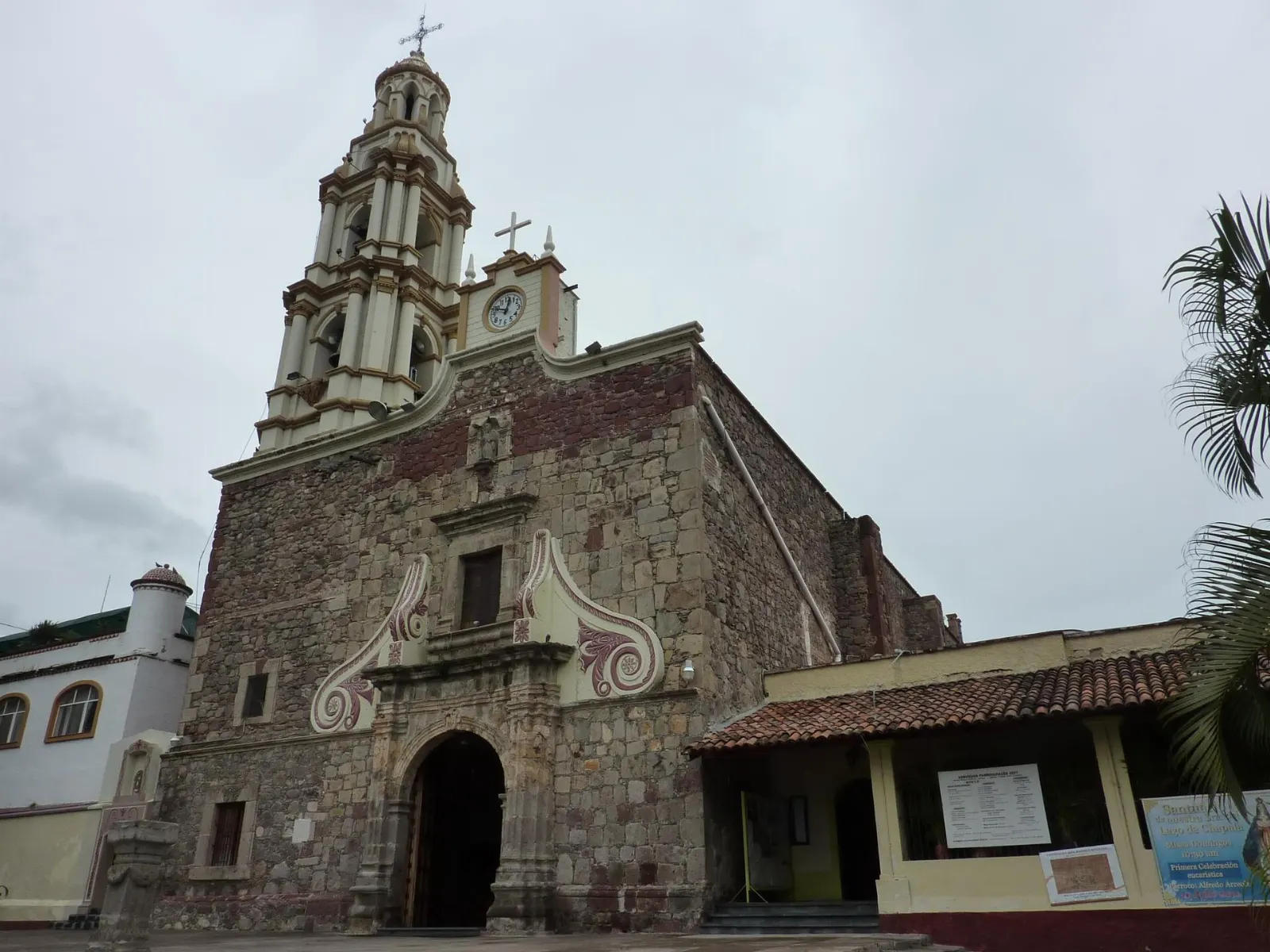
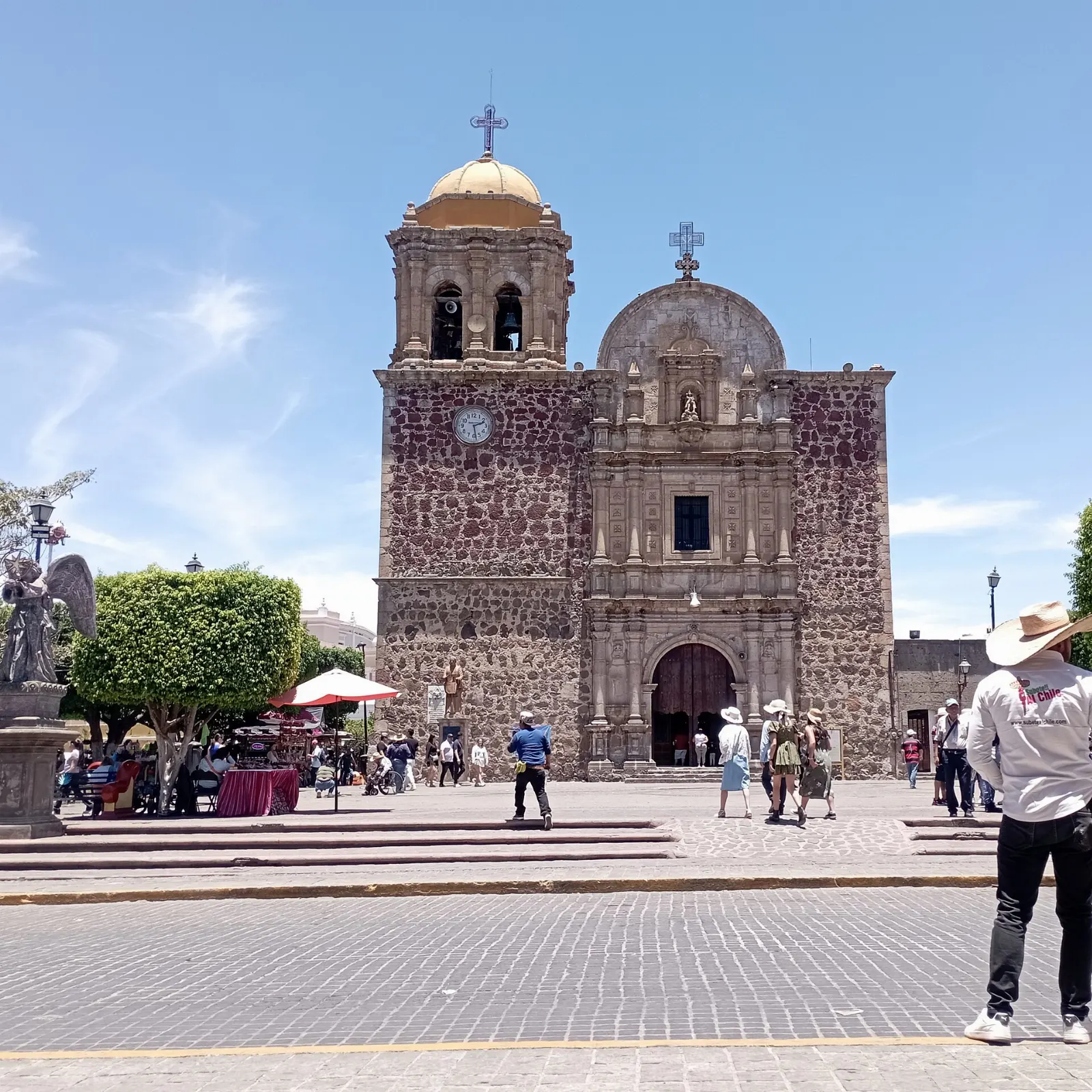
This historic church stands beside the main plaza. Its rugged stone facade gives way to an elegant white and gold interior, and it houses the remains of Saint Toribio Romo González, known as the patron saint of migrants.
Main plaza and Our Lady of the Purísima Concepción
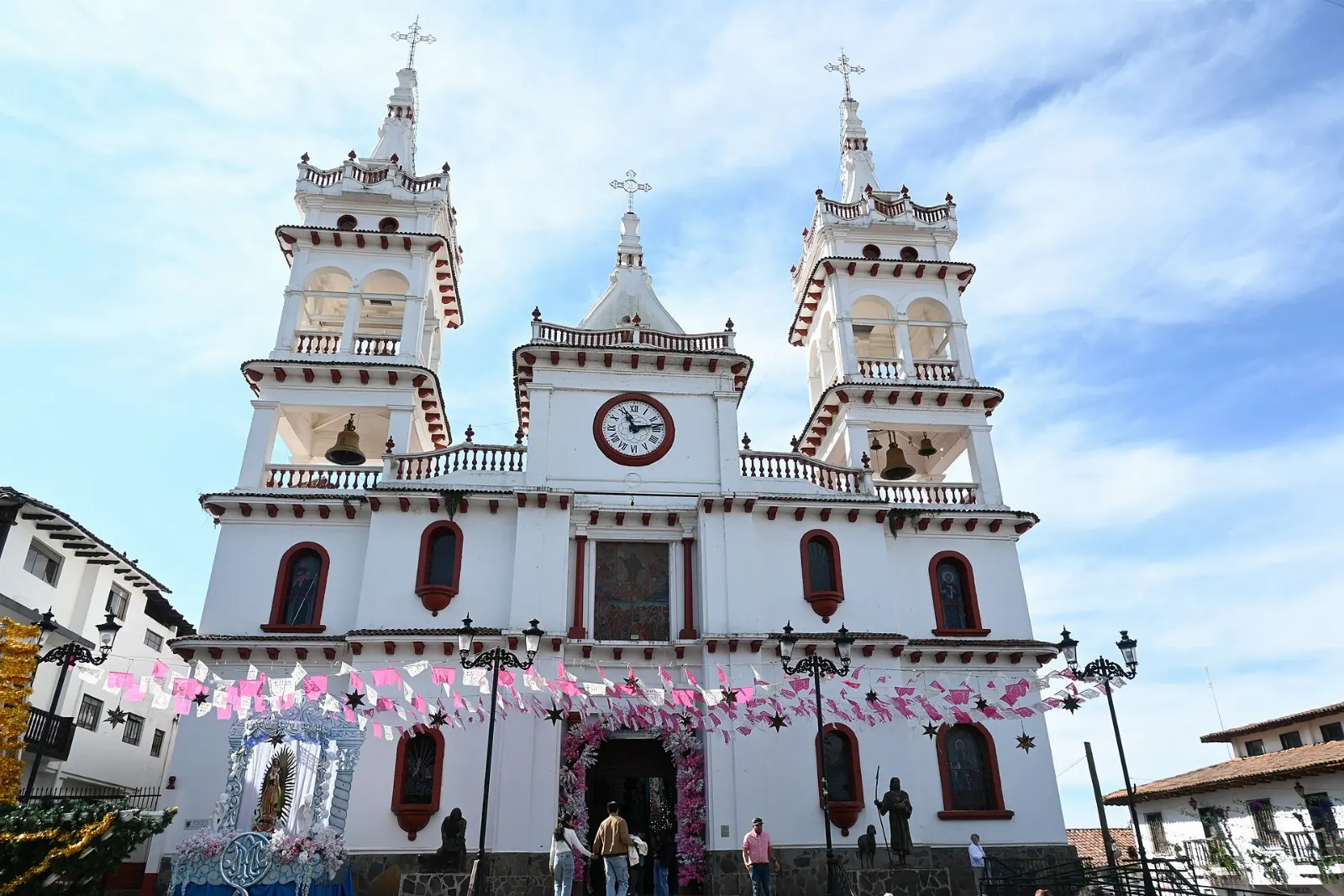
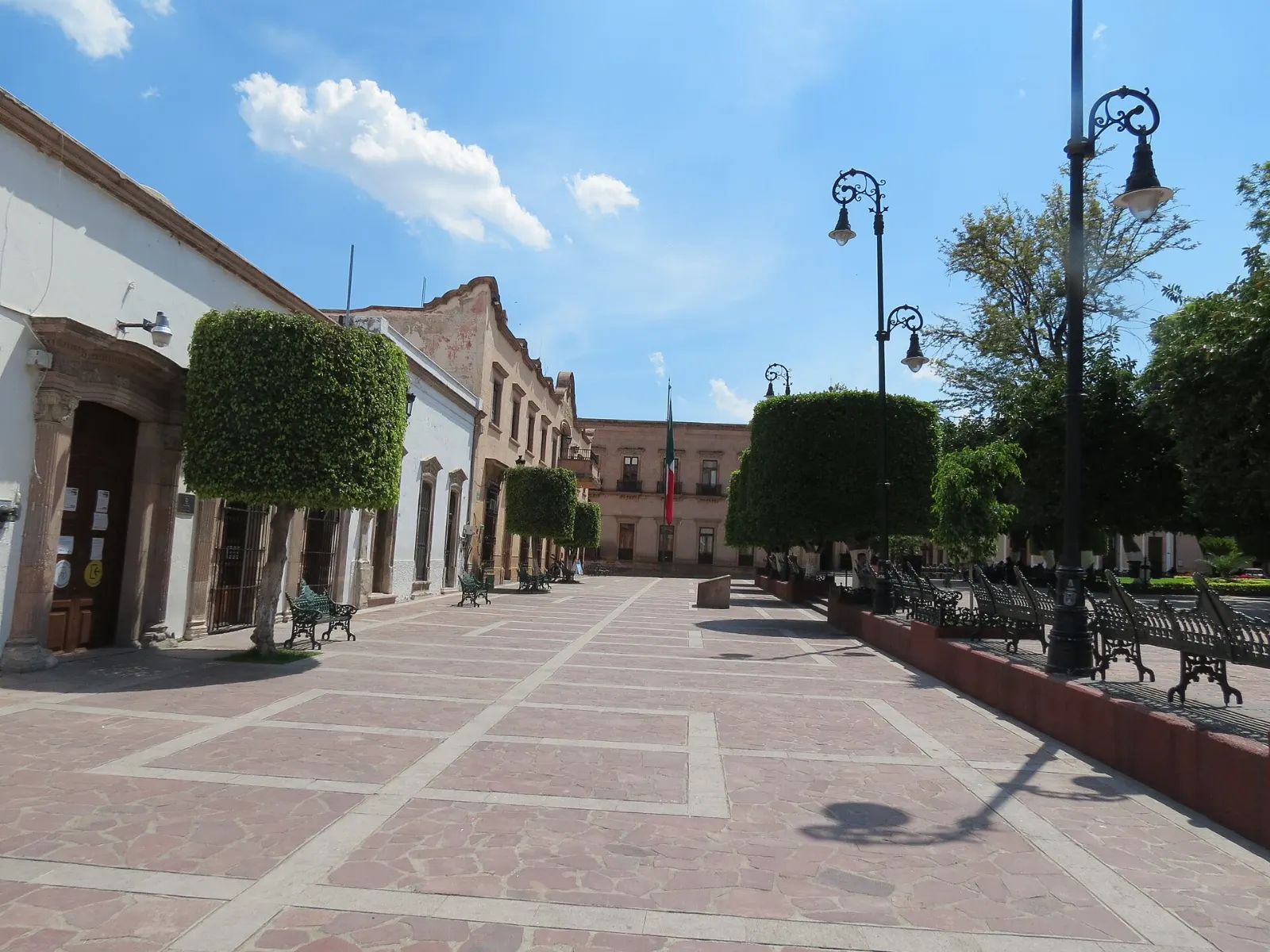
The plaza has a bandstand and monuments to Mexican heroes, and a small street market, a tianguis, sets up nearby. The parish church of Our Lady of the Purísima Concepción dates to the 18th century and has a stone facade, a bell tower and a Neoclassical altar inside.
Distilleries and museums
José Cuervo distillery
Cuervo is described as the first tequila maker, and the family received the first licence to produce it commercially.
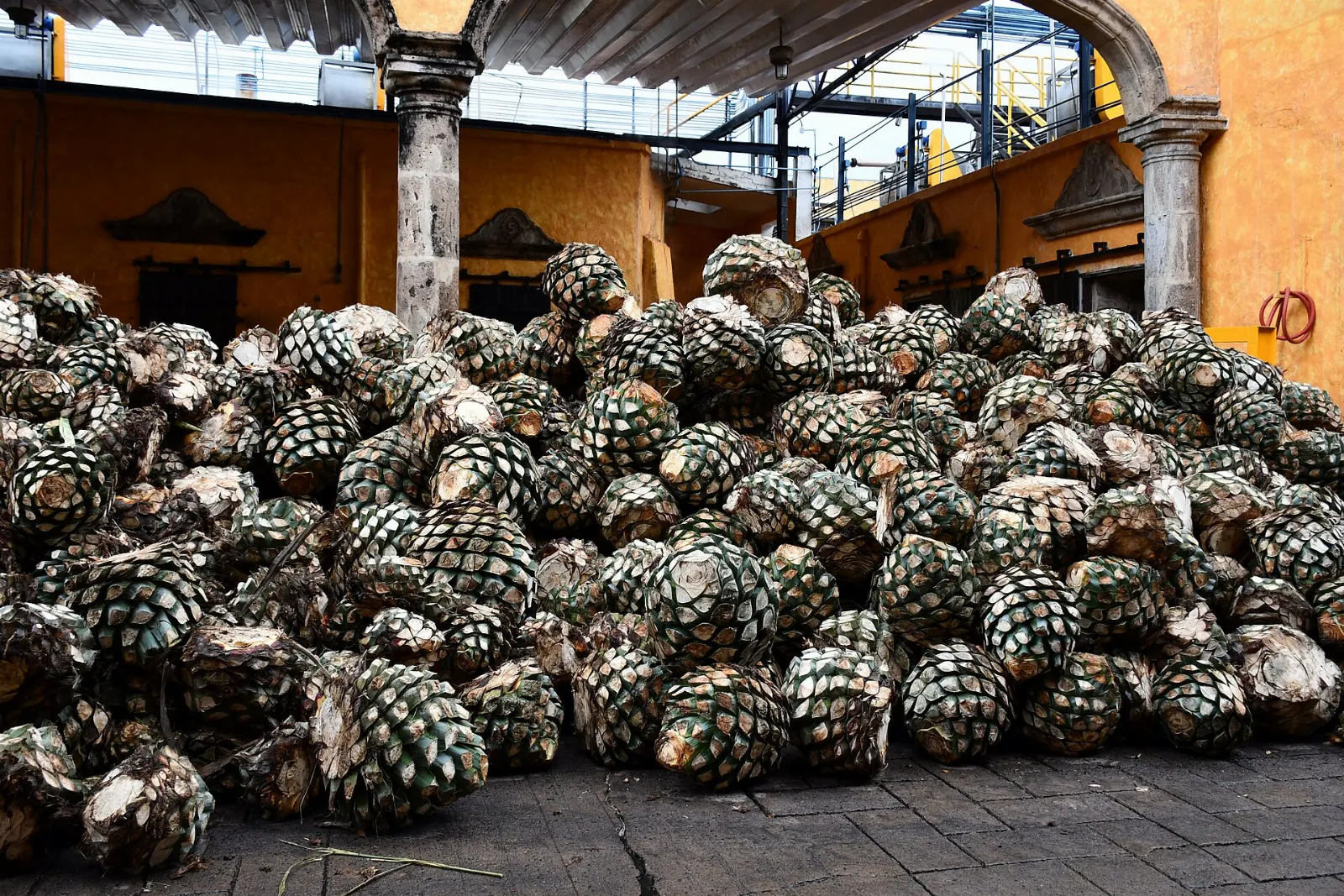
La Perseverancia, home of Sauza
This distillery in the La Villa district runs a guided tour that follows agave from field to bottle. Visitors often finish with a cantarito, and a large mural inside shows the making and drinking of tequila.
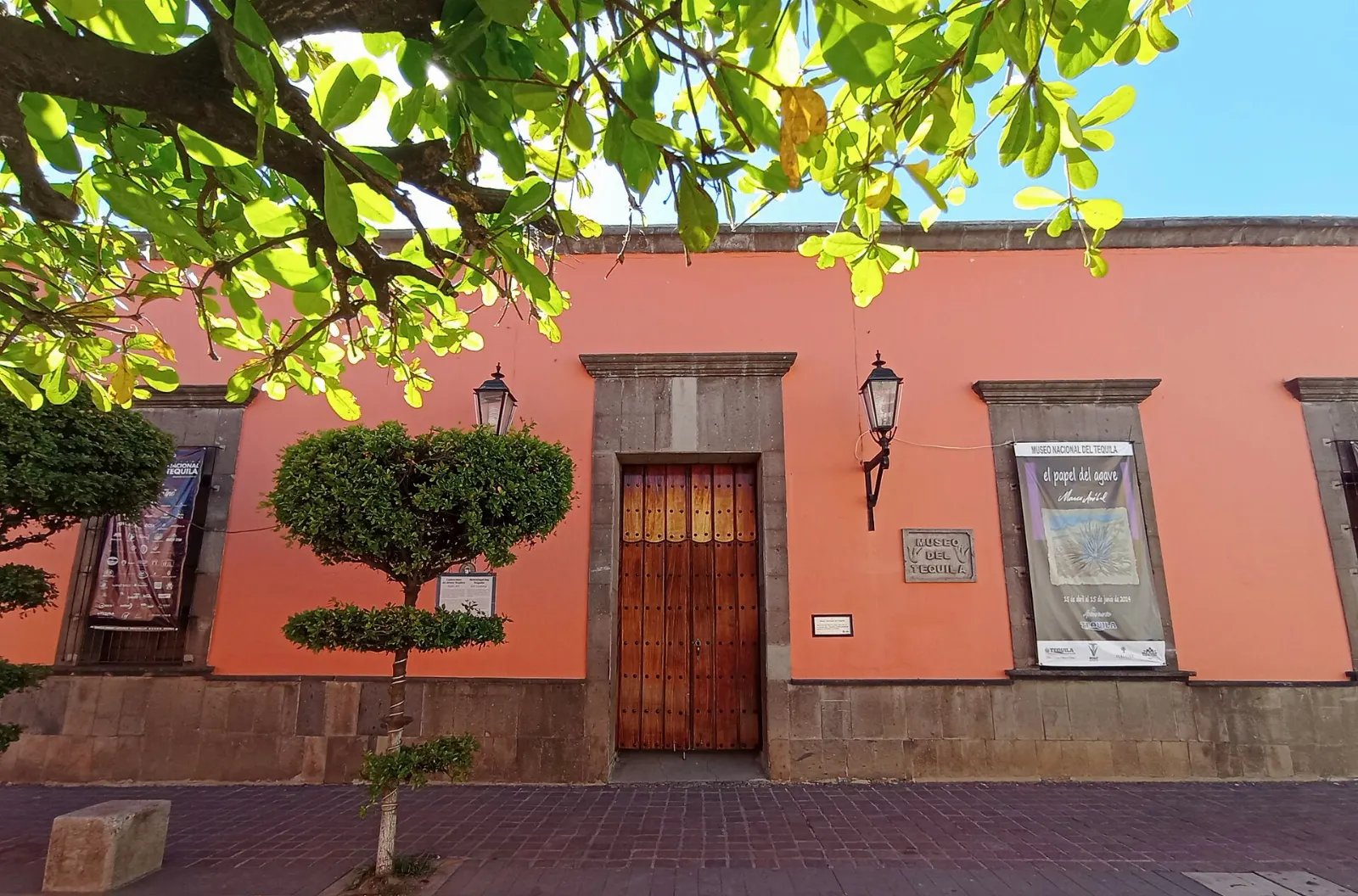
National Museum of Tequila
Known as MUNAT, this was the first museum in the world dedicated to the spirit. Galleries explain how tequila is made, marketed and consumed and show bottles, labels and advertising, and an old agave mill sits in the patio.
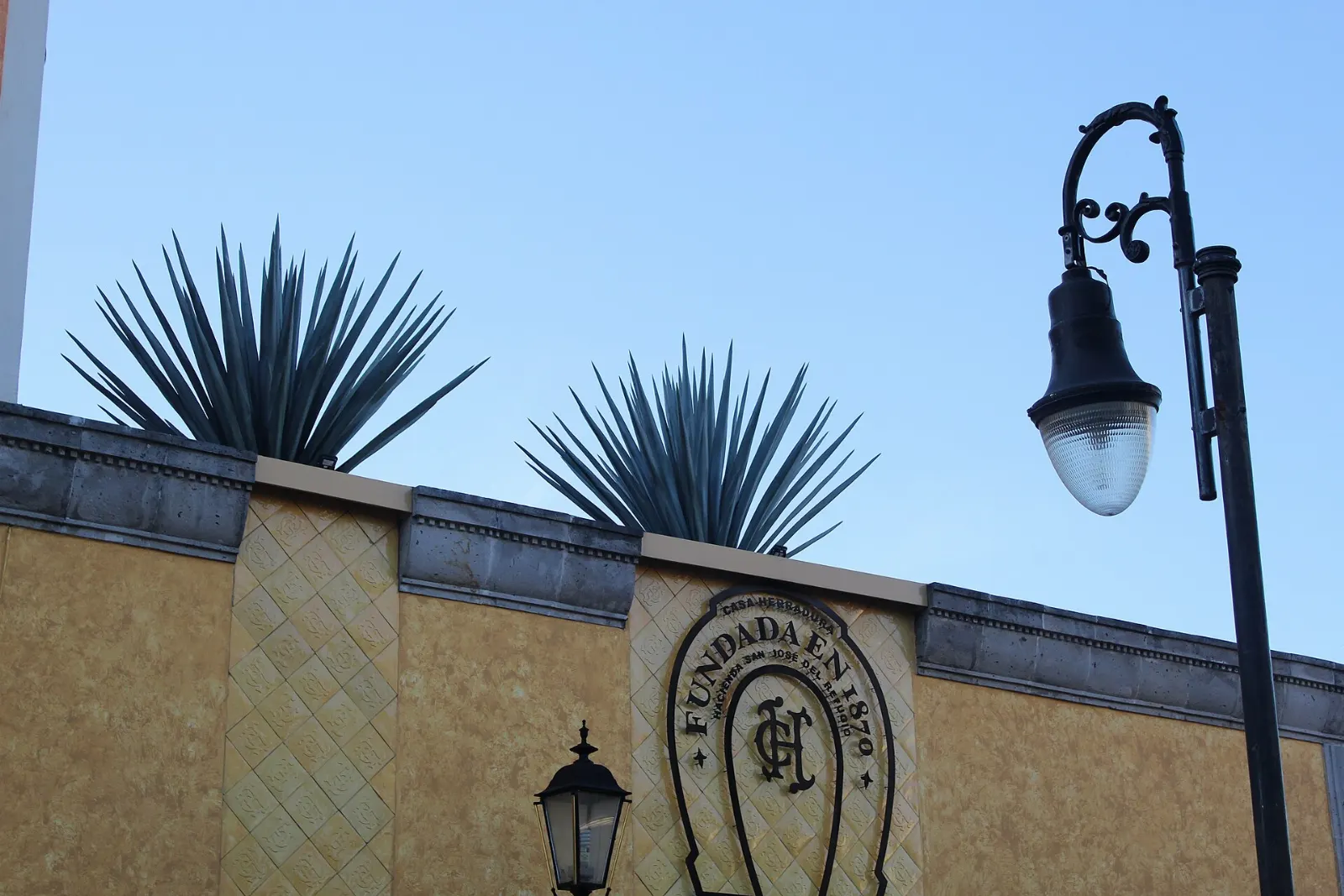
La Rojeña in Amatitán
In the nearby town of Amatitán, the Herradura distillery of La Rojeña, built in 1870, is described as the oldest operating distillery in the region. A tourist train from Guadalajara also runs here.
Agave fields, waterfall and volcano
The agave landscape
You can walk through the countryside outside town and see agave plants without joining a tour. Many visits include horseback rides or all-terrain excursions in the fields along the Tequila Trail.
Cascada Los Azules
This waterfall of about 70 metres is a short taxi ride from the main plaza. The path drops to the river in 30 to 45 minutes, and the climb back is longer, so wear sturdy shoes.
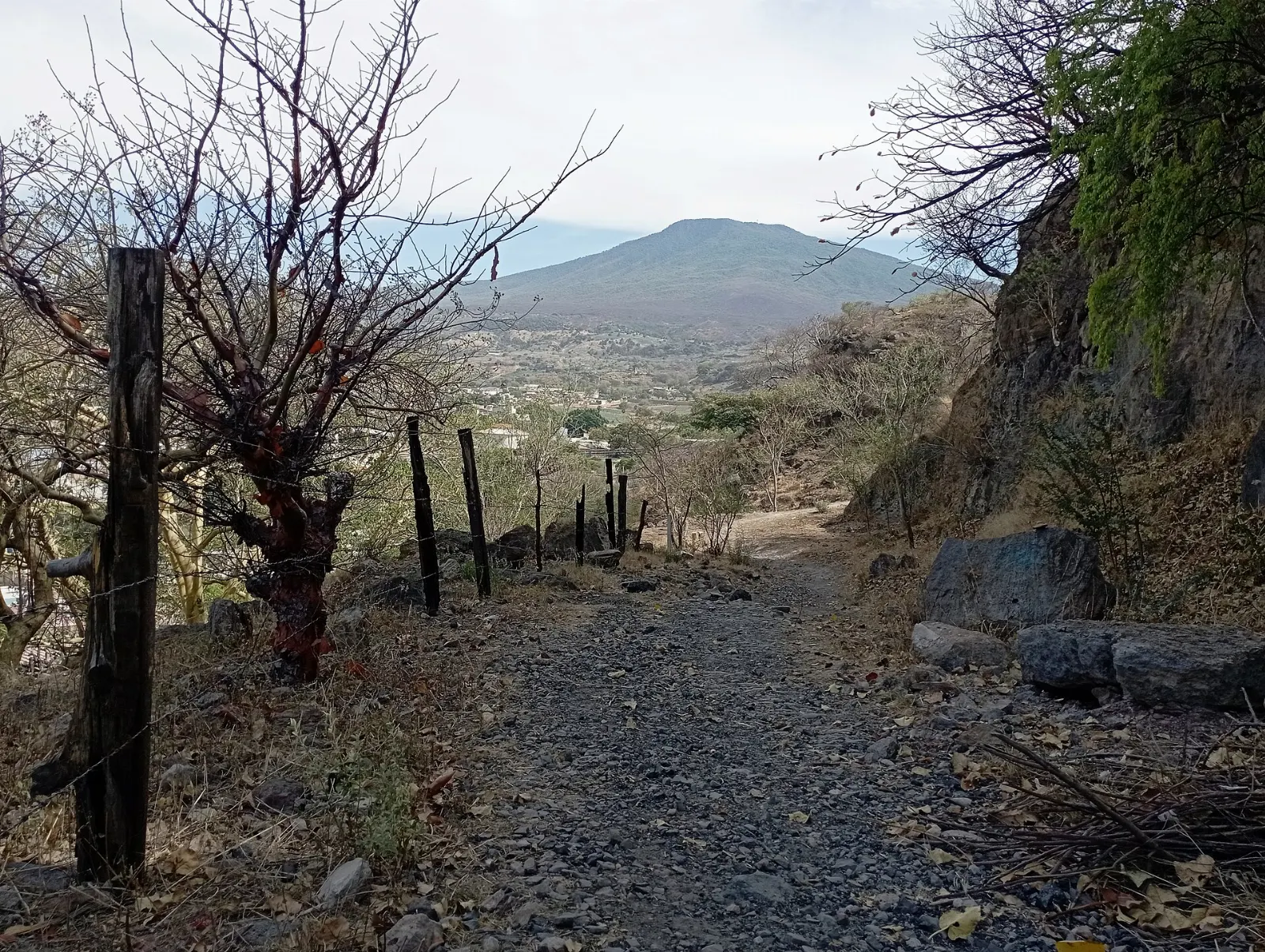
Volcán de Tequila
The 2,920-metre stratovolcano gives panoramic views over the valley. The main trail is a 19 kilometre out and back route, and a hike takes about eight hours in total, so start early.
Guachimontones archaeological zone
In Teuchitlán, this is the largest site of the Teuchitlán culture, known for its round, bulls-eye shaped temples.

 Planning a trip to Tequila?Compare hotels, flights and vacation rentals for Tequila on Expedia.Book now
Food and local flavors
Tequila, made only from blue agave and protected by a designation of origin, is the town's signature drink. Try a cantarito, a tequila highball with orange, lemon, lime and grapefruit juices served in a clay cup.
For food, look for birria, a western Mexican stew of goat, beef or lamb marinated in chile adobo and served with broth and tortillas. Tortas ahogadas, a Jalisco sandwich closely tied to Guadalajara, use crusty birote bread filled with pork and drowned in chile de árbol sauce.
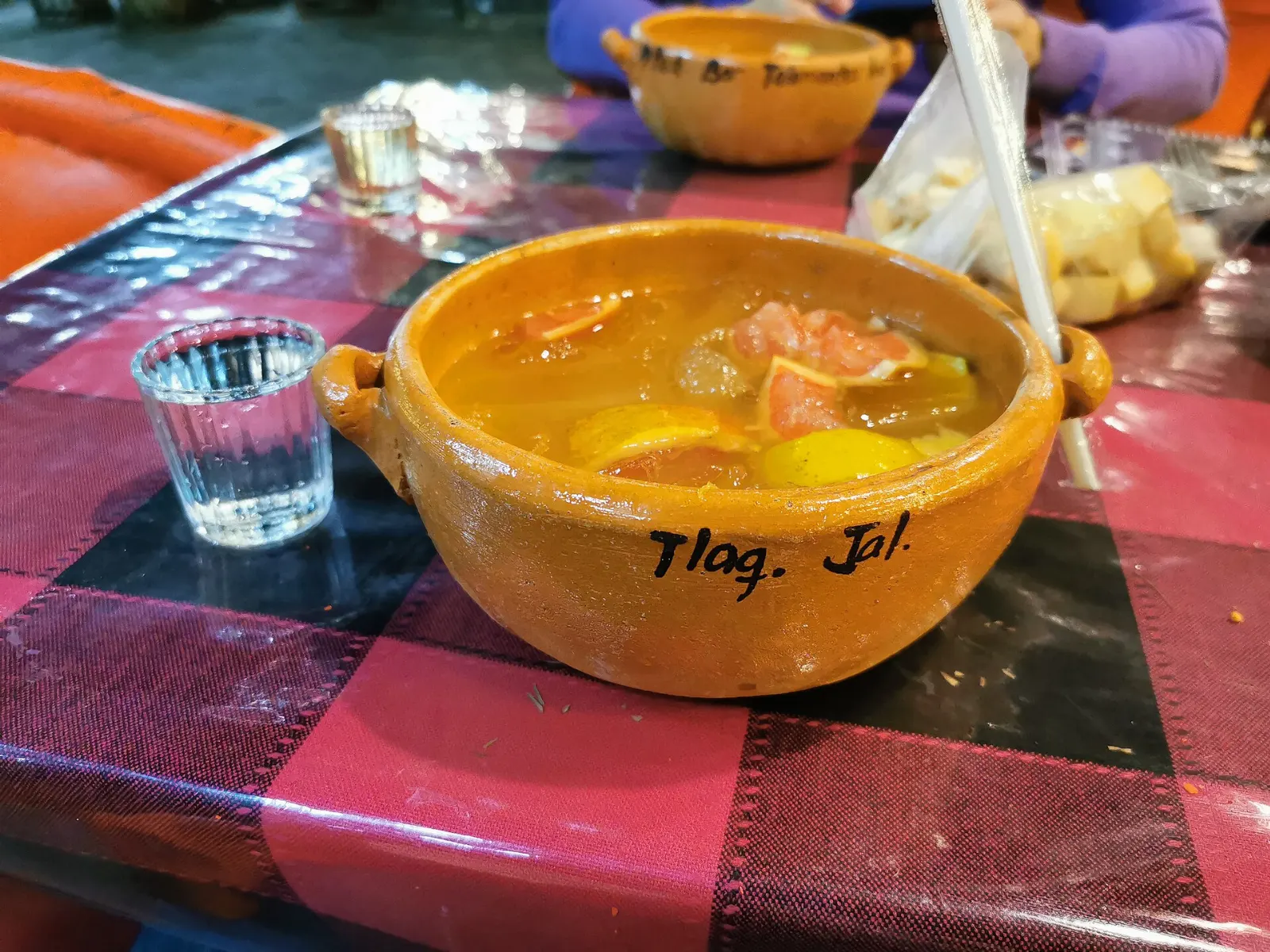
Popular dishes to try in Tequila


Where to stay
Centro has several hotels around the main square, so you can walk to the churches, the museum and most distilleries. It suits first-time visitors and anyone without a car.
La Villa sits near the Sauza distillery and the plaza and offers small colonial-style places a short walk from the town centre.
La Cofradía is a hacienda-style area on the grounds of a distillery, with barrel-shaped bungalows and horseback tours of the agave fields.
Where to stay in Tequila


Best time to visit
The rainy season in much of Jalisco runs from about June to October, so the drier months from November to May are the easiest for hiking the volcano and walking to Los Azules.
The National Tequila Fair runs from late November to mid December and coincides with the feast of the town's patron saint, Our Lady of the Purísima Concepción.
Getting there and getting around
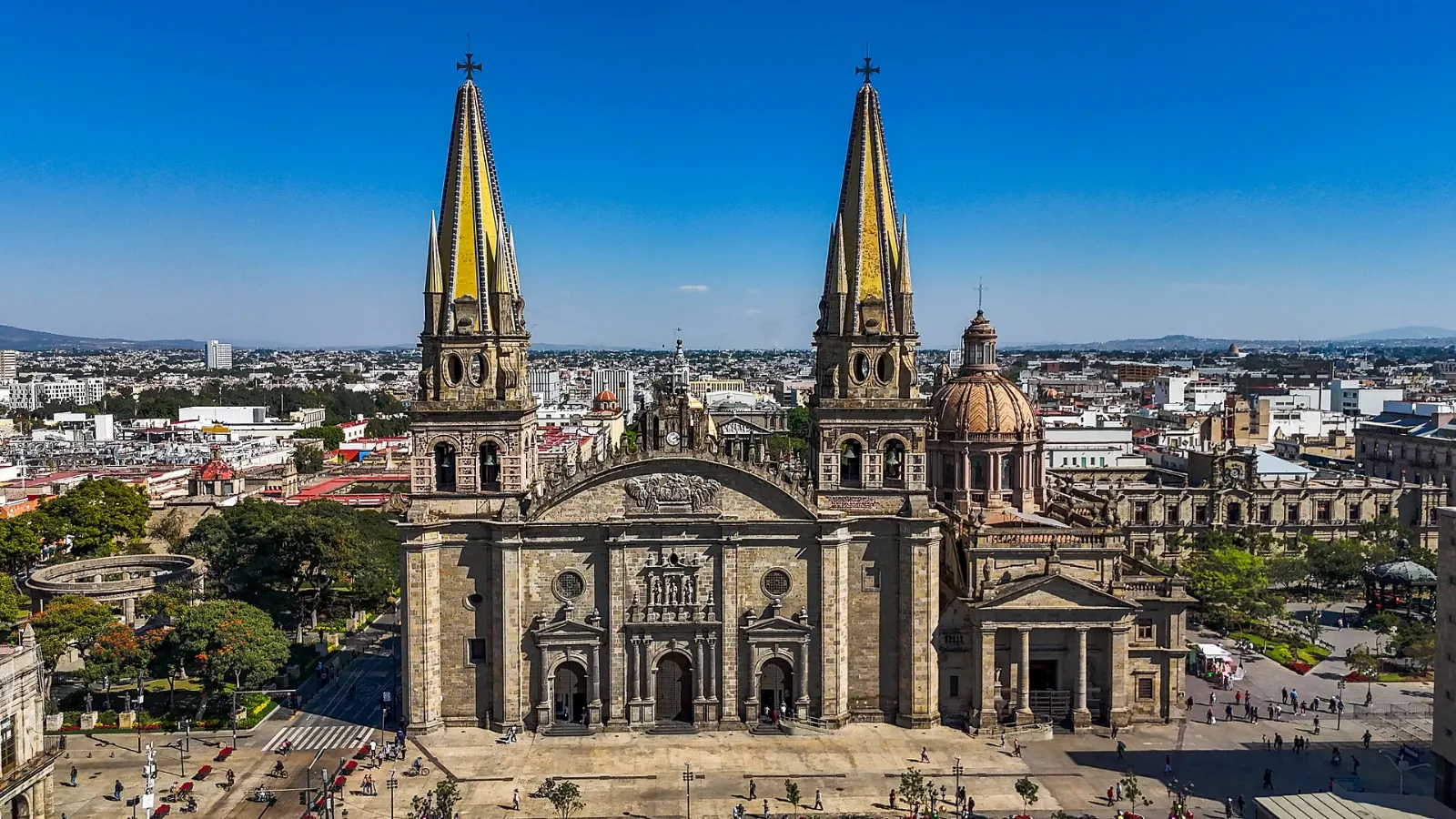
Fly into Guadalajara, then travel about an hour north-west. Buses leave regularly from the Central Camionera Vieja, the old bus station in Guadalajara, and arrive at the Terminal de Autobuses de Tequila a short walk from the centre.
Two tourist trains also run from Guadalajara. The Tequila Express runs on Saturdays and visits the Sauza distillery. The Jose Cuervo Express goes to the Cuervo distillery, and another train goes to Herradura in Amatitán.
A suggested itinerary
First day
Arrive in the morning, visit the Santiago church and the plaza, tour the Cuervo distillery and visit the National Museum of Tequila.
Second day
Visit La Perseverancia in the morning, then take a taxi to Cascada Los Azules and swim at the river.
Third day
Go to Amatitán for La Rojeña, or choose a long hike up the volcano or a visit to Guachimontones in Teuchitlán.
Practical tips
- Check your government's current travel advisory before you go.
- Book distillery tours ahead in busy seasons such as the National Tequila Fair.
- At 9 pm the parish priest blesses the town and many residents pause, so keep noise down.
- Wear sturdy shoes and carry water for Los Azules and the volcano because the climb back is long.
- Check museum and archaeological site days because Guachimontones is closed on Mondays and La Perseverancia on Sundays.