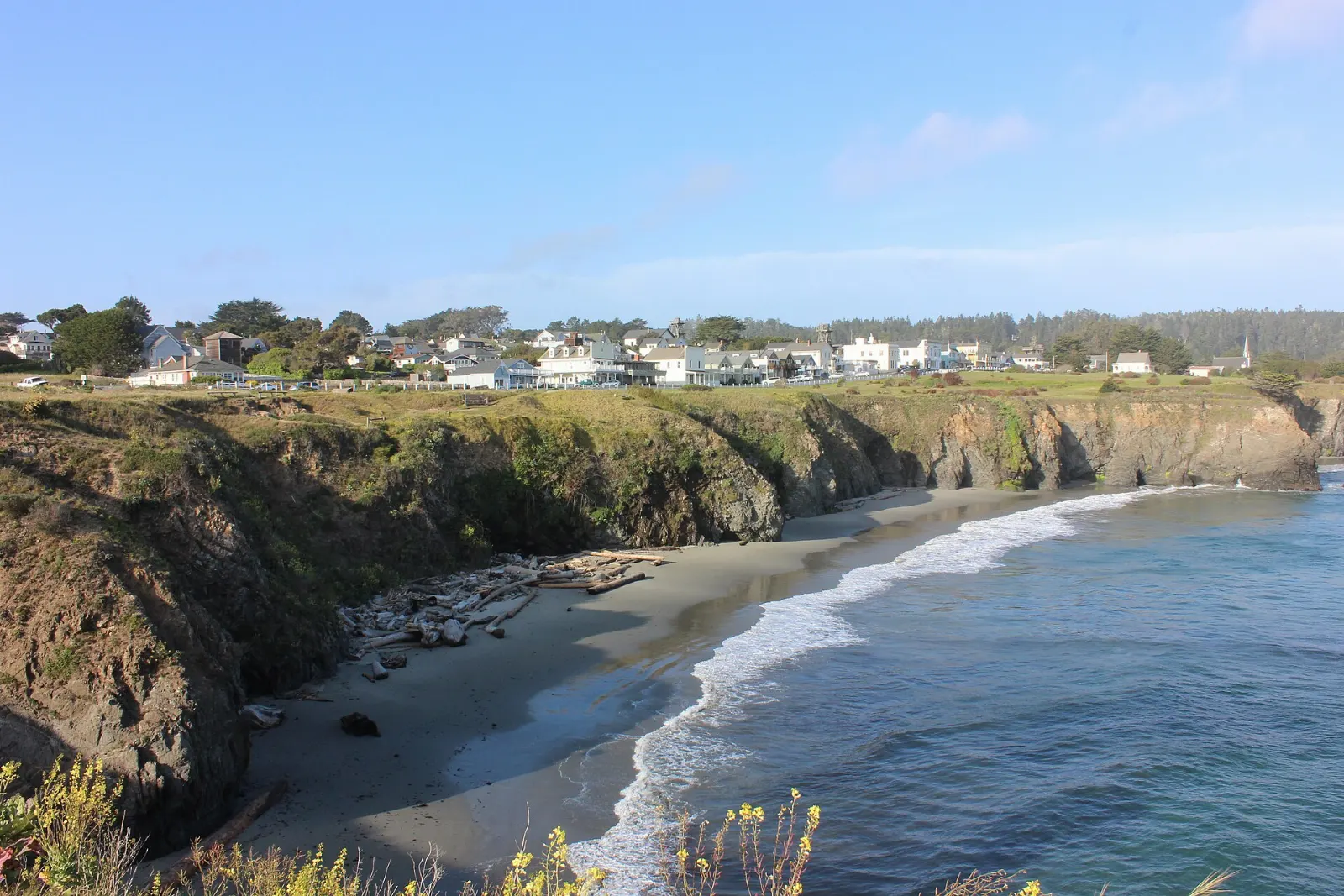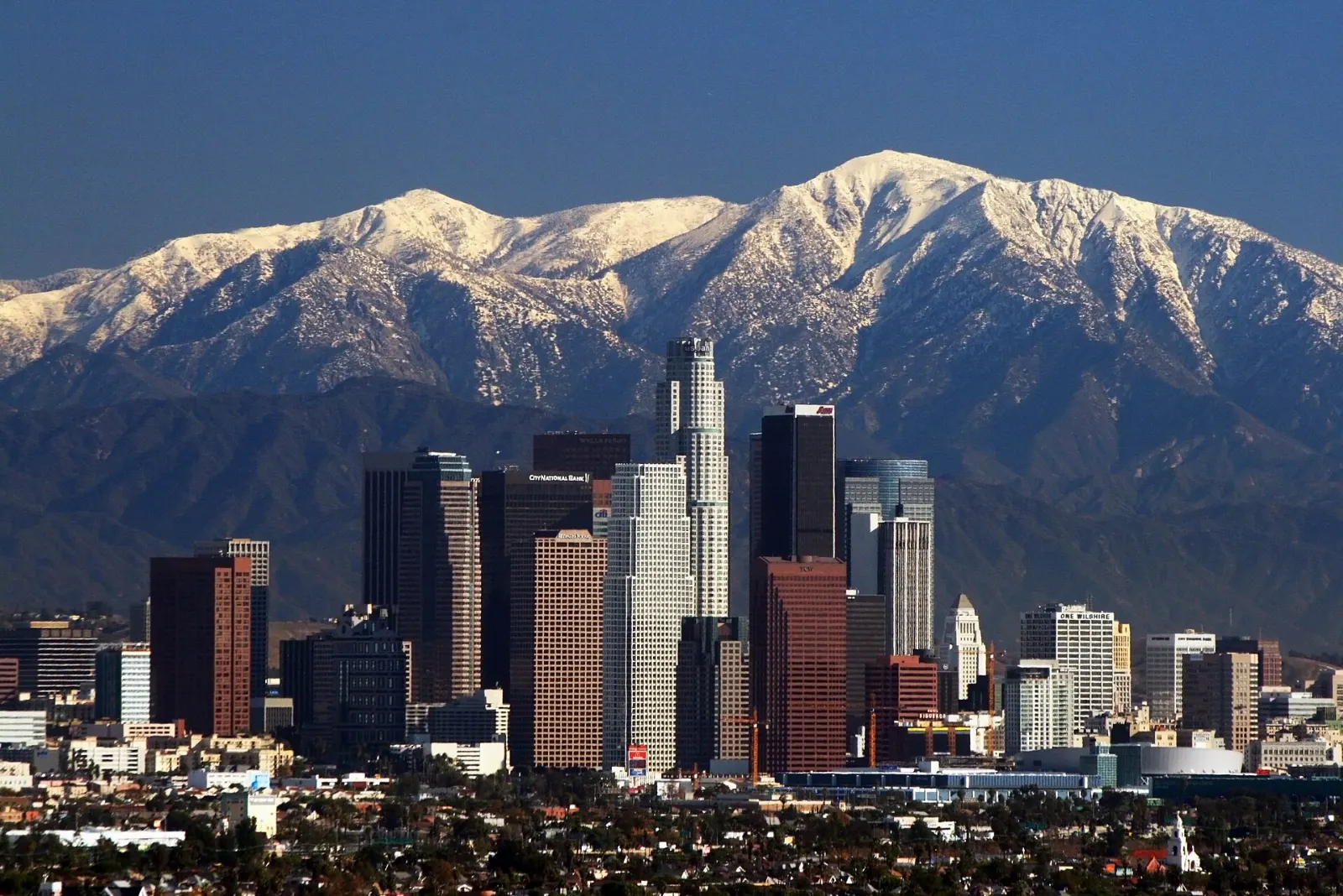
Los Angeles is less a single city than a patchwork of neighborhoods spread across a wide basin between the Santa Monica Mountains, the San Gabriel Mountains and the Pacific.
AT A GLANCE
Best time
March to May and September to November, when days are warm, skies are clearer and beaches are calmer.
How long
Four to five days covers Hollywood, downtown, the Westside and the beaches without rushing.
Getting there
Fly into LAX or Hollywood Burbank Airport, or arrive by Amtrak at historic Union Station downtown.
Why visit Los Angeles
Los Angeles has been the center of the American film, television and music industries for about a century, and that history is written all over the city, from studio backlots in Burbank to the Art Deco movie palaces of Broadway downtown.
The setting matters too. A Mediterranean climate brings mild winters and long dry summers, and you can move from mountain trails in Griffith Park to the sand at Santa Monica in under an hour when traffic cooperates.
Hollywood and Griffith Park
Griffith Observatory
Perched on the southern slope of Mount Hollywood, Griffith Observatory is the single best viewpoint in the city. Inside are free exhibits on astronomy, a historic Zeiss telescope that is opened to the public on clear evenings, and the Samuel Oschin Planetarium, which runs ticketed shows.
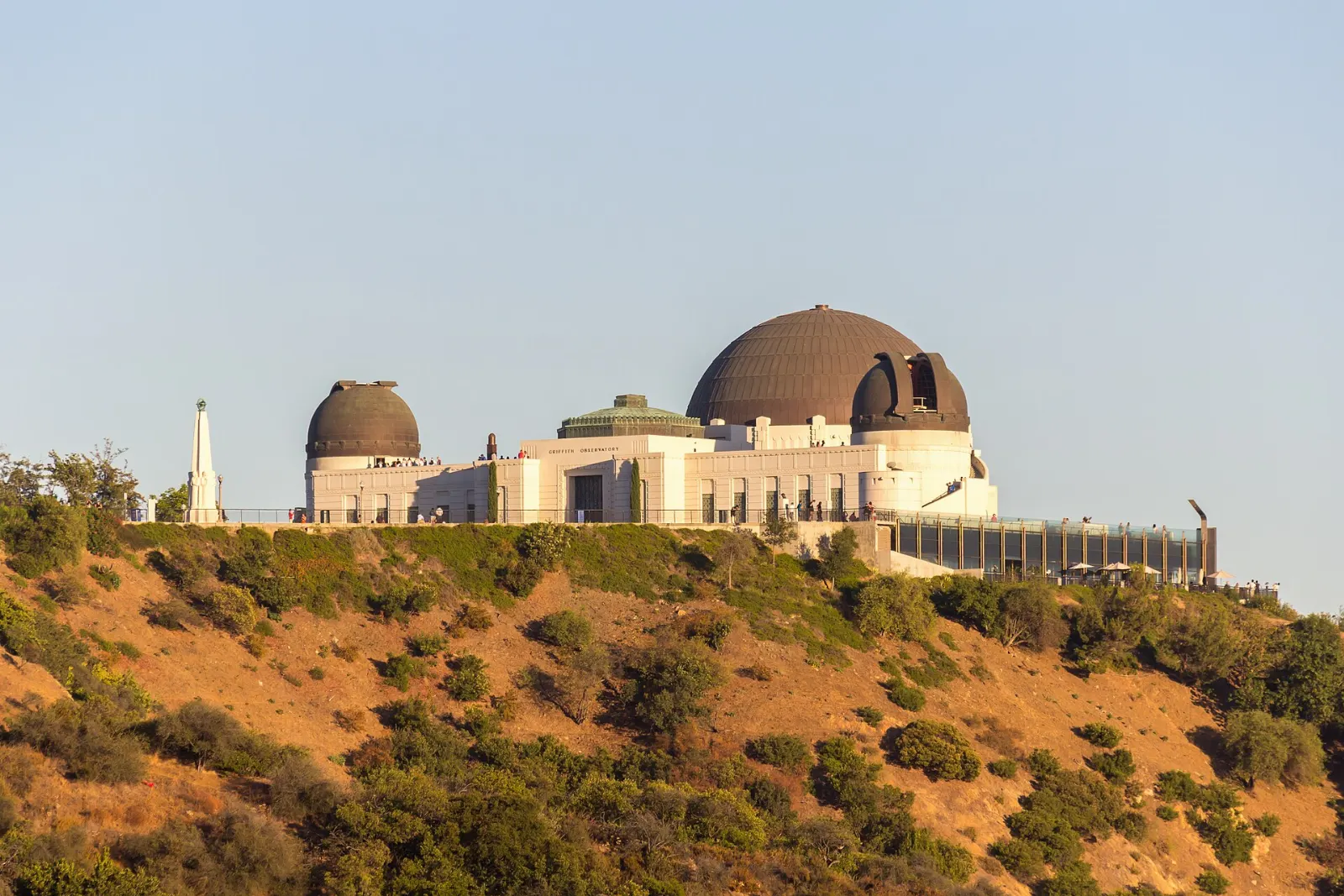
From the observatory, the Charlie Turner Trail climbs toward the summit of Mount Hollywood, a moderate hike with sweeping views of the Hollywood Sign. Bring water and avoid the midday heat in summer.
The Hollywood Sign
The sign on Mount Lee began in 1923 as an advertisement for a real estate development called Hollywoodland and lost its last four letters in 1949. You cannot legally walk up to the letters, which are fenced and monitored, but you can get excellent views from Griffith Observatory, from Lake Hollywood Park in the hills, and from the upper levels of the Ovation Hollywood shopping center at Hollywood and Highland.
Hollywood Walk of Fame and TCL Chinese Theatre
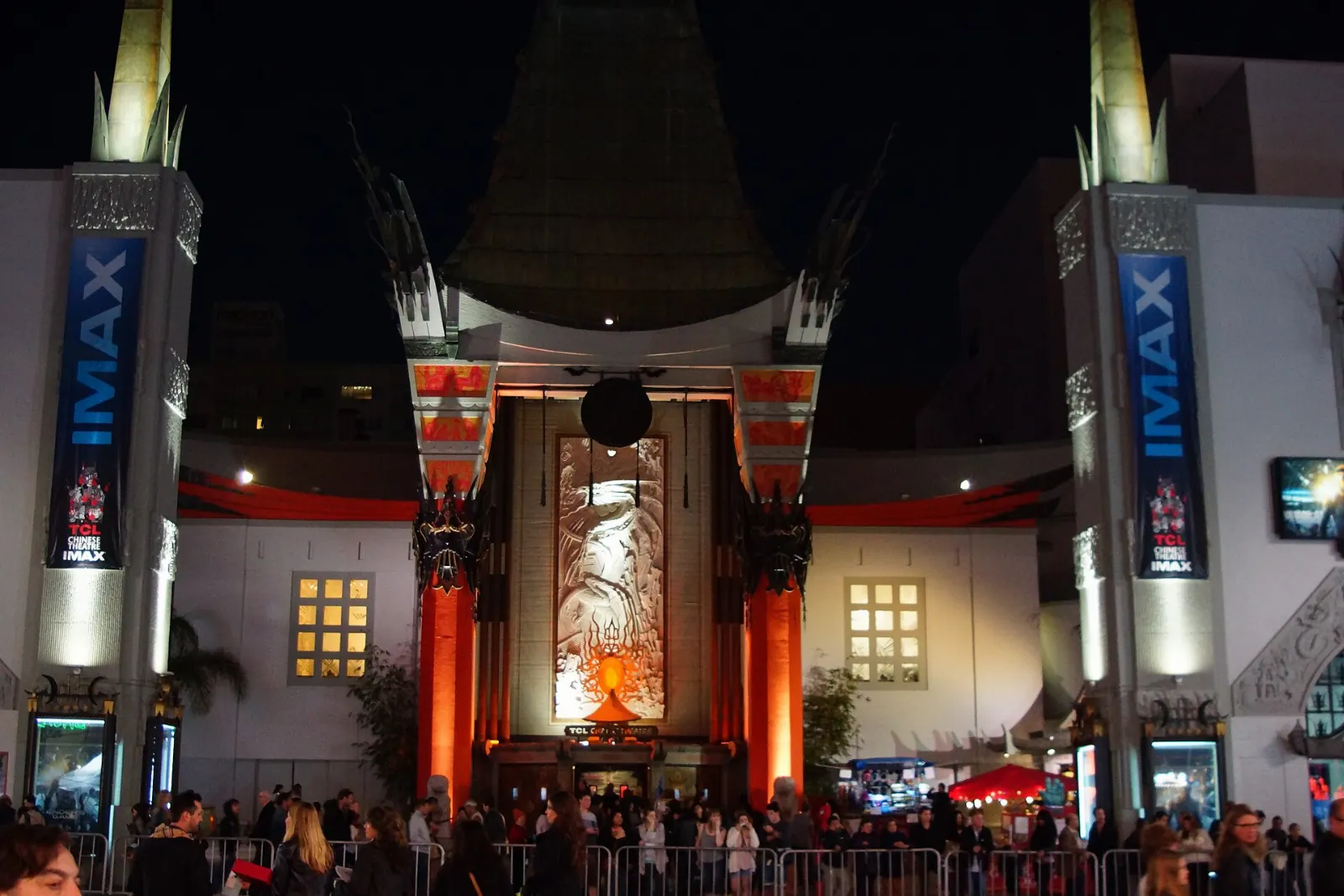
The Walk of Fame runs along Hollywood Boulevard and Vine Street, with more than two thousand brass-and-terrazzo stars set into the sidewalk. The most visited stretch is around the TCL Chinese Theatre, opened by Sid Grauman in 1927, whose forecourt holds the handprints, footprints and signatures of stars from the silent era onward.
Downtown and the historic core
Walt Disney Concert Hall and The Broad
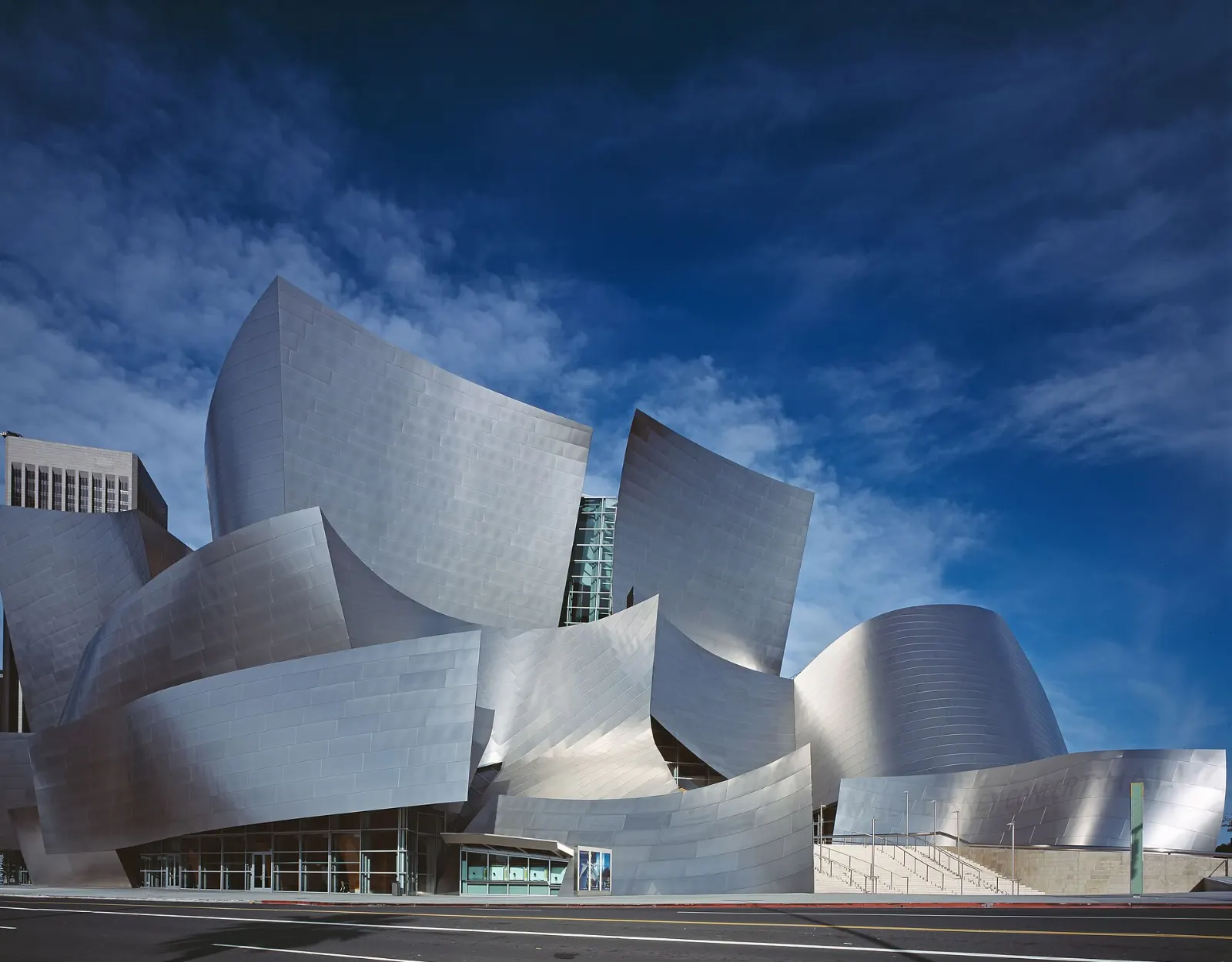
Grand Avenue on Bunker Hill is downtown's cultural spine. Frank Gehry's Walt Disney Concert Hall, home of the Los Angeles Philharmonic, wraps its stainless steel curves around a hidden rooftop garden you can usually wander for free.
El Pueblo and Olvera Street
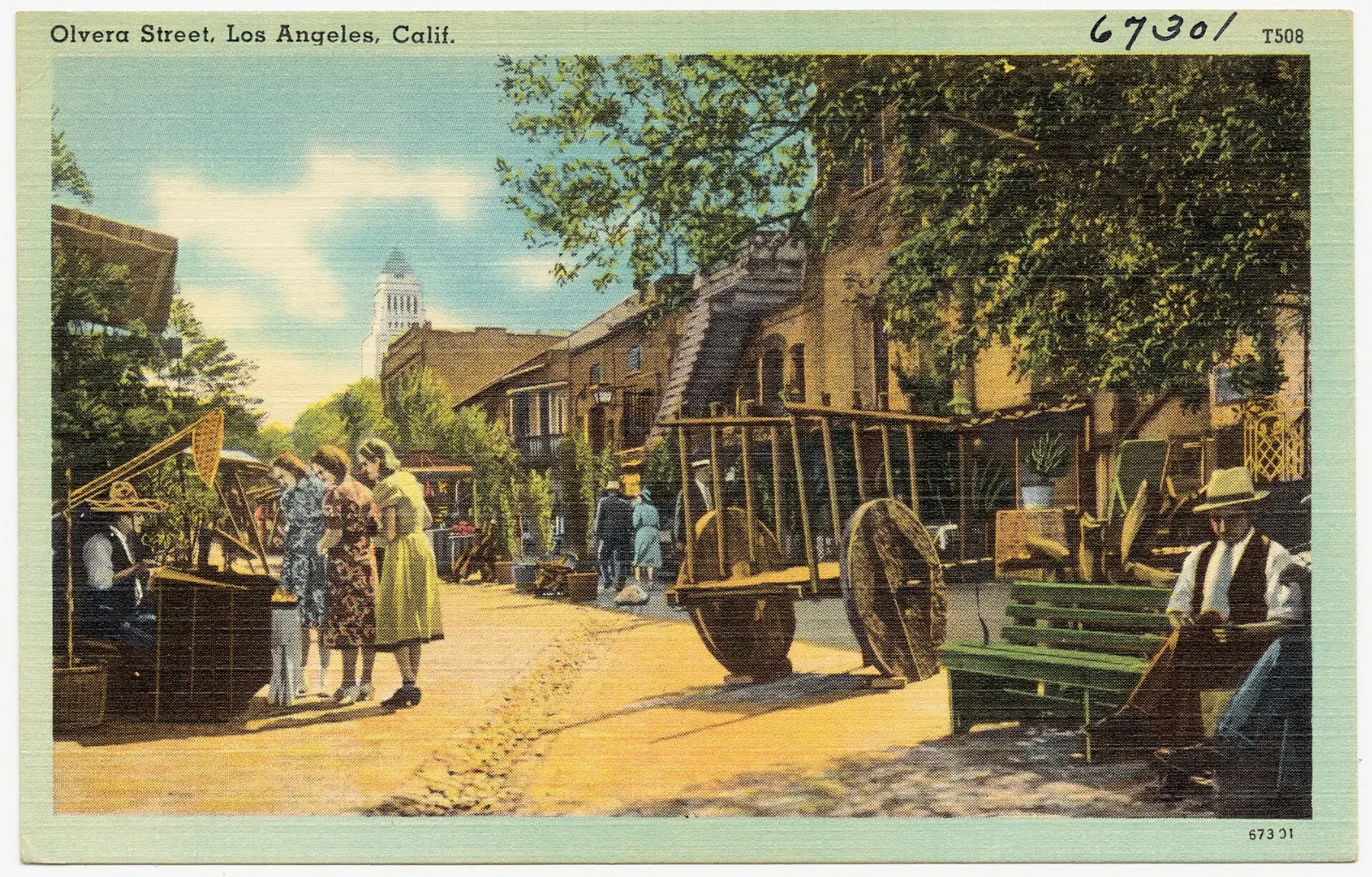
Los Angeles began here in 1781, when a group of settlers known as Los Pobladores founded a small farming village near the river. Today El Pueblo de Los Angeles Historical Monument preserves the Avila Adobe, believed to be the oldest standing house in the city, the old Plaza and the Plaza Church.
Grand Central Market and Broadway
Grand Central Market has fed downtown since 1917 and now mixes long-running produce and chile stalls with newer counters selling everything from pupusas to ramen. Across Hill Street, the short Angels Flight funicular climbs to Bunker Hill.
Museums of the Westside and the coast
Getty Center
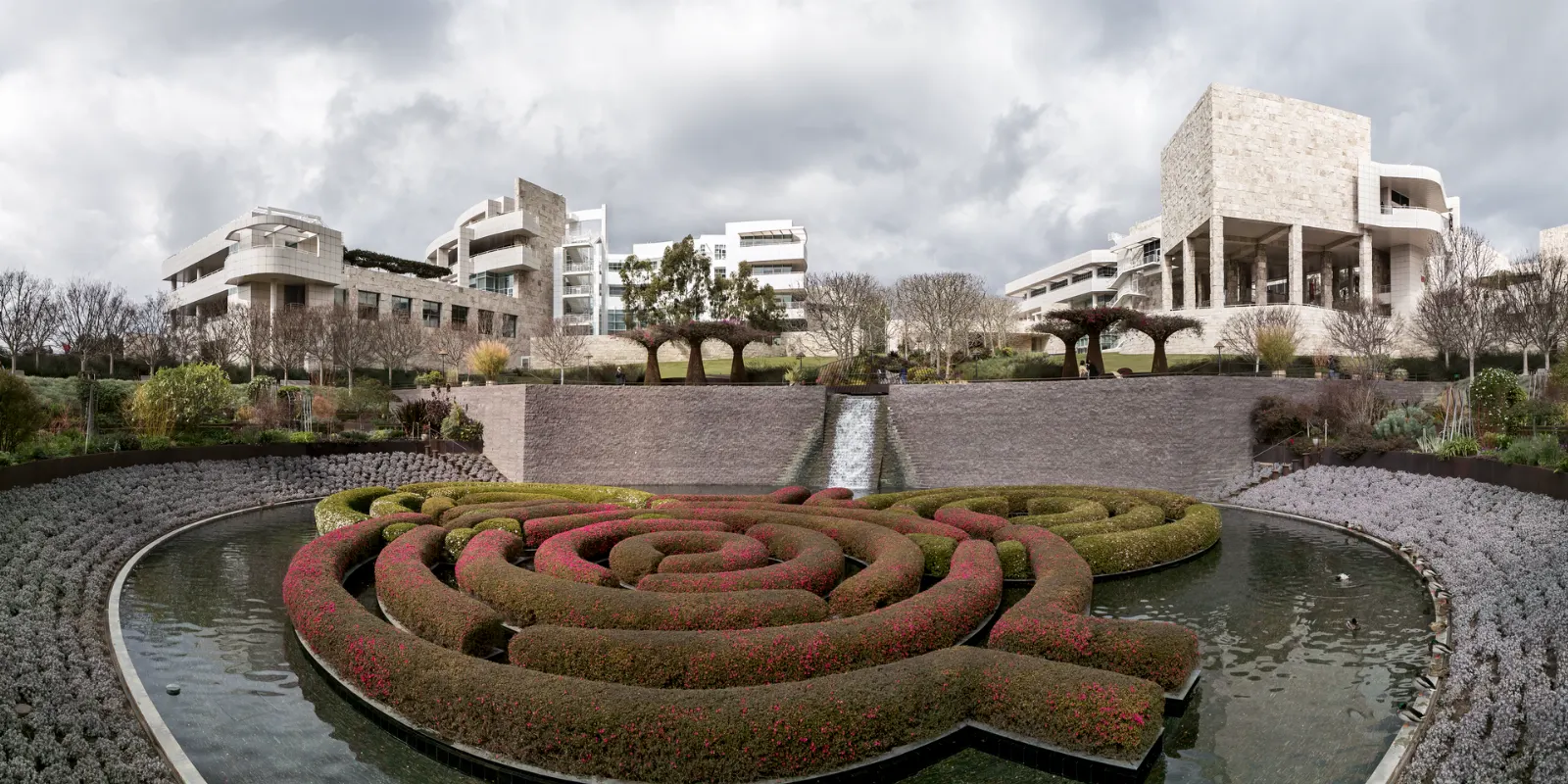
Set on a hilltop above the 405 freeway in Brentwood, the Getty Center combines Richard Meier's travertine architecture, Robert Irwin's Central Garden and a collection that includes European paintings, illuminated manuscripts and photography, with Van Gogh's Irises among its highlights. A driverless tram carries you from the parking garage to the top.
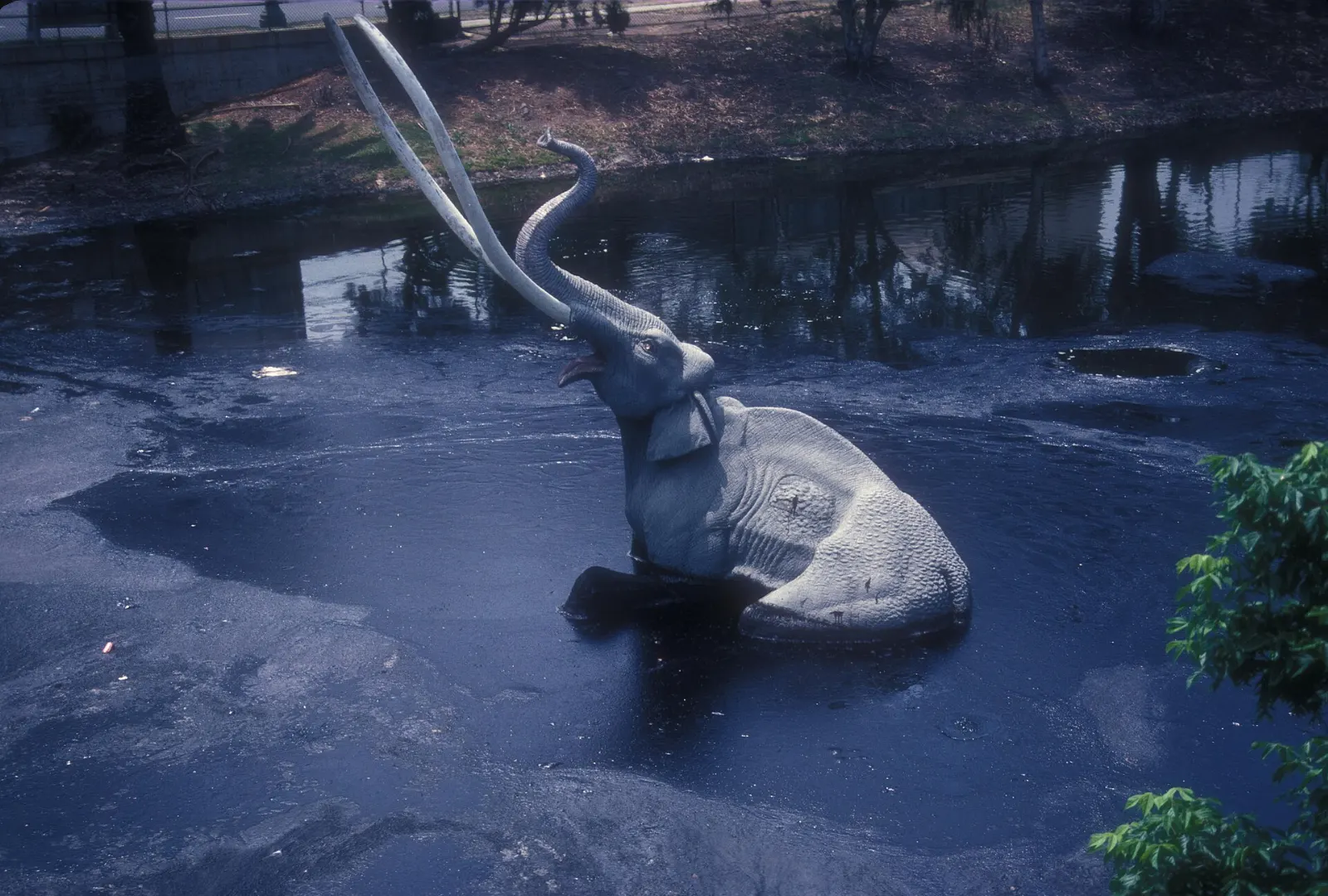
LACMA and the La Brea Tar Pits
On Wilshire Boulevard's Miracle Mile, the Los Angeles County Museum of Art is the largest art museum in the western United States. Its outdoor installation Urban Light, a grid of restored vintage streetlamps by Chris Burden, is one of the most photographed spots in the city.
Santa Monica Pier and Third Street Promenade
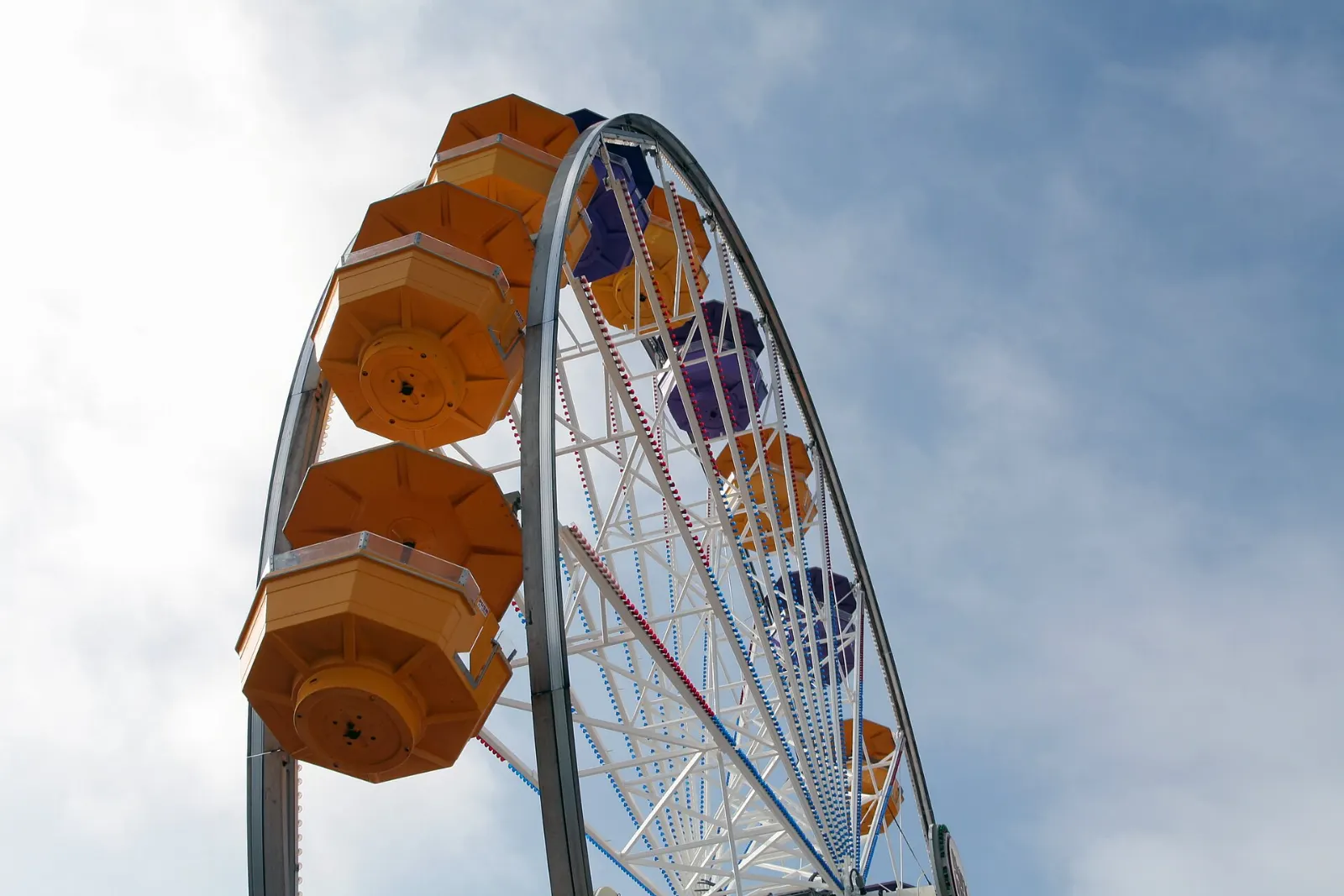
The Santa Monica Pier, with its small amusement park and solar-powered Ferris wheel, marks the symbolic end of Route 66. The beach to either side is wide and sandy, and the paved Marvin Braude bike path runs south along the shore toward Venice and beyond. A few blocks inland, Third Street Promenade is a pedestrian shopping street.
Venice Beach and the Venice Canals
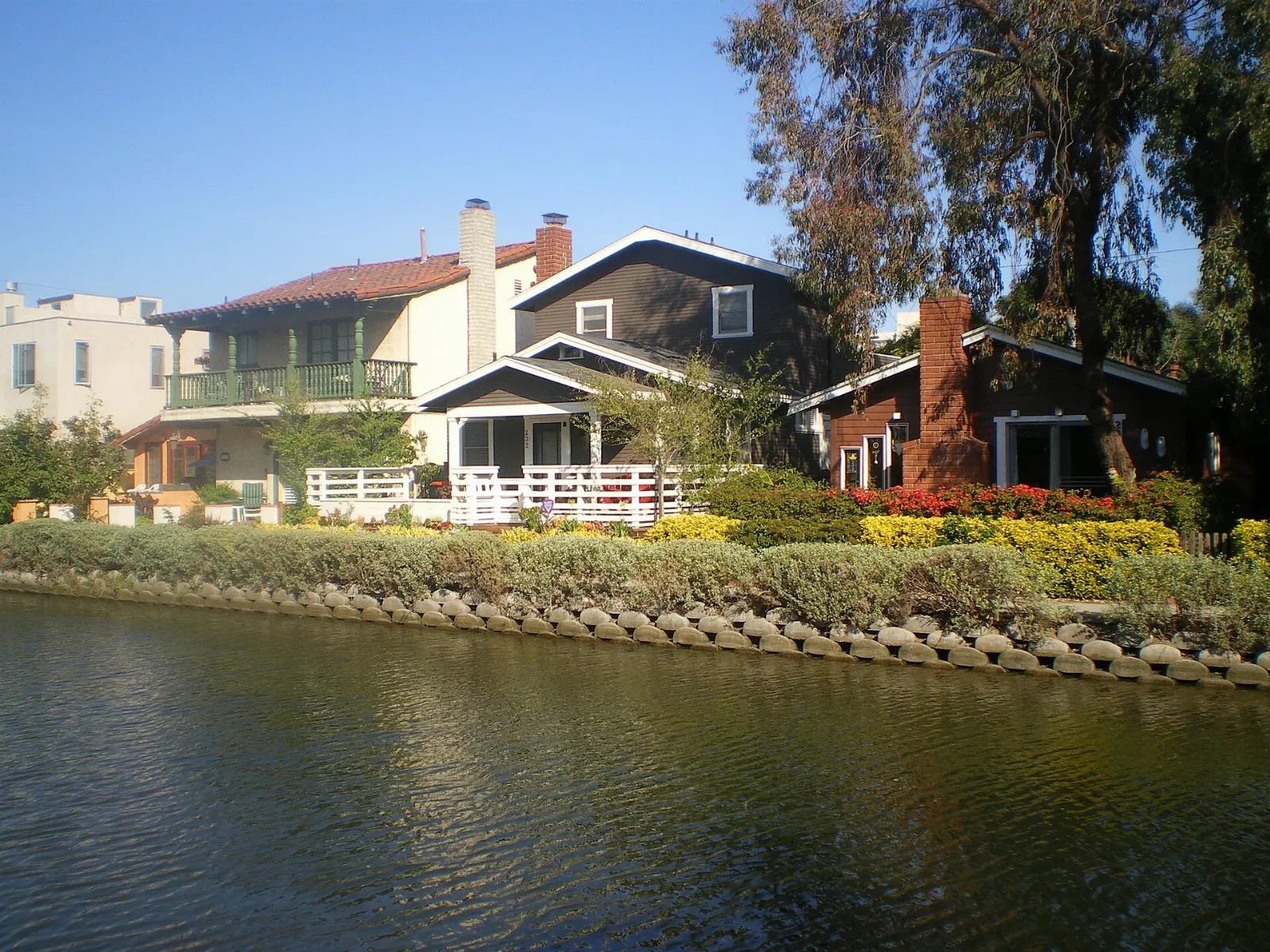
Venice was built in 1905 by developer Abbot Kinney as a seaside resort modeled loosely on its Italian namesake. The Ocean Front Walk boardwalk is a carnival of street performers, skaters, murals and the outdoor gym at Muscle Beach.
Food and local flavors
Eating well in Los Angeles is about neighborhoods rather than famous dining rooms. Tacos are the city's everyday food, from al pastor carved off a spit at a street stand to fish tacos influenced by Baja California.
For a classic, Philippe the Original near Union Station has been serving its French dip sandwiches since the early twentieth century.
Popular dishes to try in Los Angeles


 Planning a trip to Los Angeles?Compare hotels, flights and vacation rentals for Los Angeles on Expedia.Book now
On WiserMap
Local businesses in Los Angeles

West LA Computer Expert
West LA Computer service is a computer repair and network support business serving Los Angeles, California, providing PC help, network setup, virus removal, and...
Lake House Builders
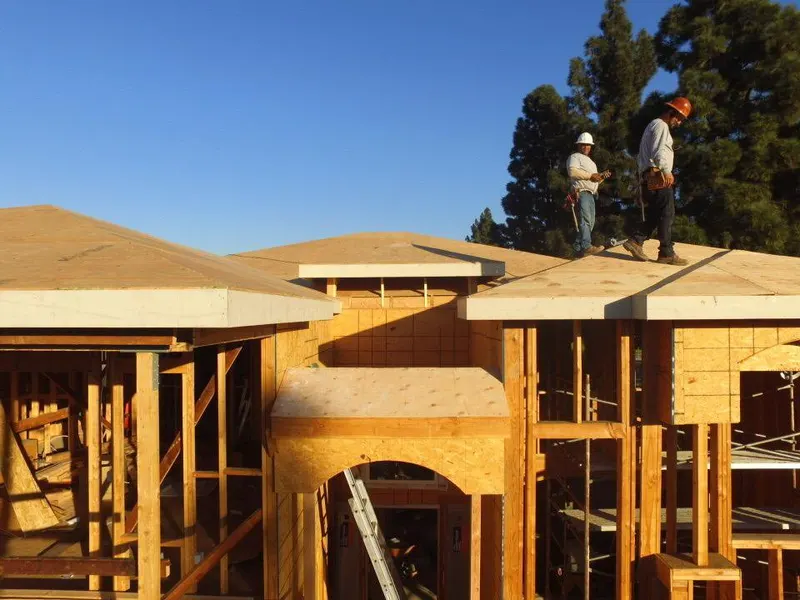
Lake House Builders is a construction business offering residential and commercial building services with a focus on quality craftsmanship and innovative soluti...

Peter's PC Repair
Peter's PC Repair is a Los Angeles-based business providing affordable drop off and onsite technical support for individuals and small businesses with over 18 y...
Where to stay
Because Los Angeles is so spread out, where you sleep shapes your whole trip. Santa Monica suits first-time visitors who want walkable streets, the beach and a direct rail line to downtown; it is one of the pricier bases.
Downtown works well for museum lovers, concertgoers and anyone using transit, with good connections from Union Station. Pasadena, at the foot of the San Gabriel Mountains, is calmer and charming, with an old town of restored brick buildings and quick rail access downtown.
Where to stay in Los Angeles


Best time to visit
Spring and fall are the sweet spots.
Notable events include the Tournament of Roses Parade in Pasadena on New Year's Day, the Los Angeles Marathon in spring, and Día de los Muertos celebrations around Olvera Street and in Boyle Heights in early November.
Getting there and getting around
Los Angeles International Airport (LAX) is the main gateway, with Hollywood Burbank Airport a smaller, easier alternative for Hollywood and the valleys, and Long Beach Airport serving the south.
Metro rail is more useful than its reputation suggests. The B Line runs from Union Station through Hollywood to Universal City and North Hollywood, the E Line links downtown with Santa Monica, and the A Line reaches Pasadena and Long Beach.
A suggested itinerary
First day
Start downtown at El Pueblo and Olvera Street, then step into Union Station.
Second day
Take the Metro to Hollywood and Highland for the Walk of Fame and the TCL Chinese Theatre in the morning.
Third day
Spend the morning at the Getty Center, then drive or ride to the coast. Walk the Santa Monica Pier, cycle the beach path south to Venice, stroll the canals and finish with dinner on Abbot Kinney Boulevard.
Fourth day
Visit the La Brea Tar Pits and LACMA on the Miracle Mile, snack at the Original Farmers Market, then spend the evening in Koreatown for barbecue.
Practical tips
- Group sights by area each day; crossing the city at rush hour can take far longer than the map suggests.
- Reserve timed tickets for The Broad and the Getty, and check the official websites for current hours and fees.
- Pack layers, since the coast can be cool and foggy while inland valleys are hot.
- Never leave bags or valuables visible in a parked car, especially at trailheads and beaches.
- Carry water and sun protection on Griffith Park trails and check for fire-related closures in dry months.
- Tip around twenty percent at sit-down restaurants and a little for bartenders and drivers.
Find local businesses in Los Angeles on WiserMap
Looking for a taqueria near your hotel, a bike rental in Santa Monica or a repair shop before a road trip?