WiserMap — Choose wisely. Connect locally.Choose wisely. Connect locally.Add your business
Mendocino, California · Travel guide

Mendocino California Headland Trails and the Skunk Train

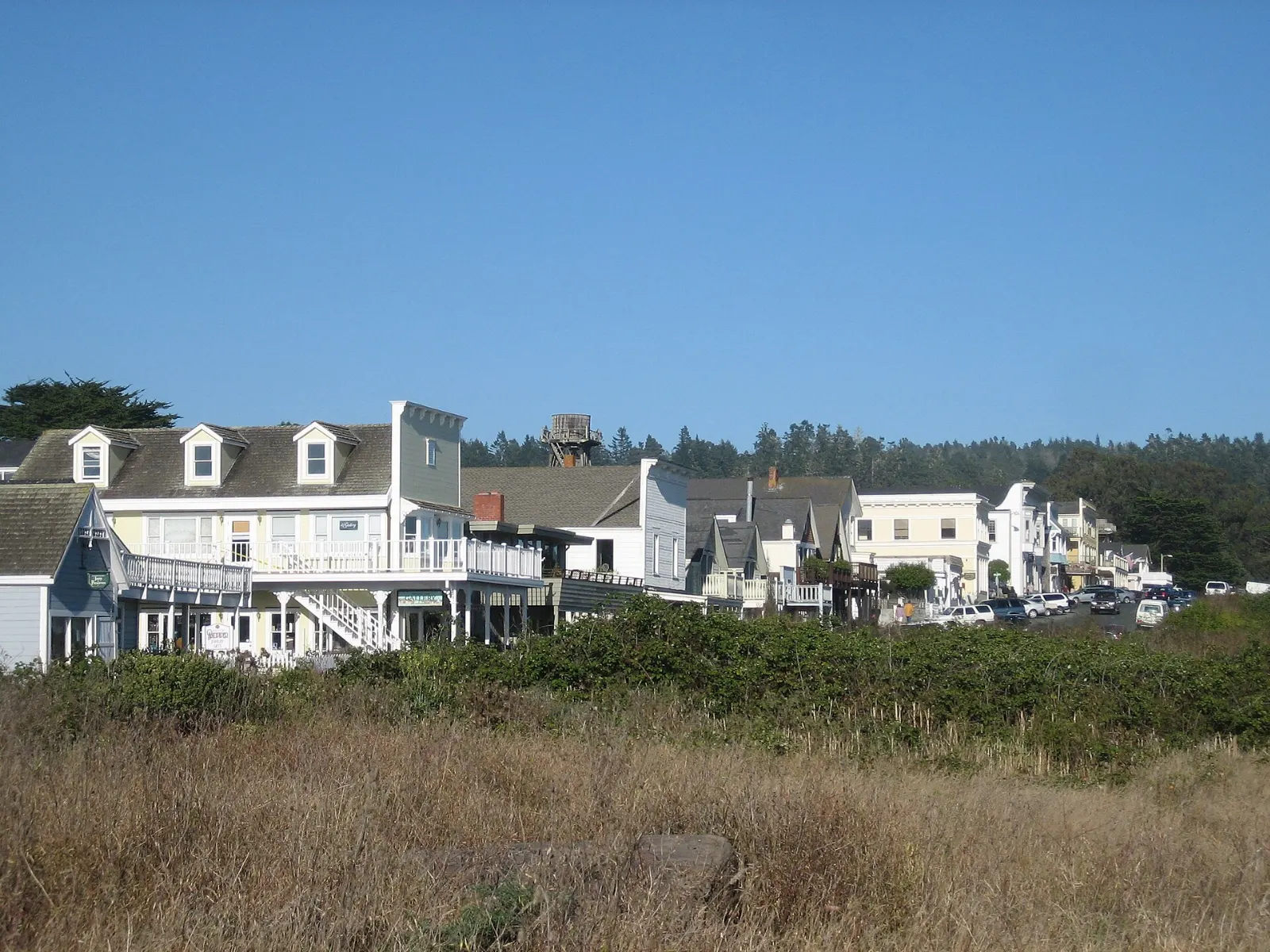
Mendocino is a small village of weathered wooden houses, water towers and picket fences on a headland above the Pacific, about three and a half to four hours north of San Francisco.

By WiserMap TravelUpdated October 2026 9 places10 min read
FacebookXLinkedIn

This guide covers the best places to visit in and around Mendocino, from the headland trails in town to lighthouses, redwood canyons and the harbor town of Fort Bragg, with practical tips on timing, where to stay, what to eat and how to plan a relaxed few days.

At a glance Mendocino
  1. Best timeSeptember and October for clear skies; December to April for migrating gray whales.
  2. How longTwo or three nights covers the village, nearby parks and Fort Bragg at an easy pace.
  3. Getting thereDrive from the Bay Area via Highway 1 along the coast or Highway 128 through the Anderson Valley.

Why visit Mendocino

Few places on the California coast combine so much protected shoreline with such a walkable town. You can step out of a bakery onto blufftop trails, watch harbor seals in the coves below, and be among redwoods and ferns ten minutes later.

The pace is slow by design. There are no chain stores in the village, the evenings are quiet, and the main entertainment is walking, reading, eating well and watching the weather roll in.

Mendocino village and the headlands

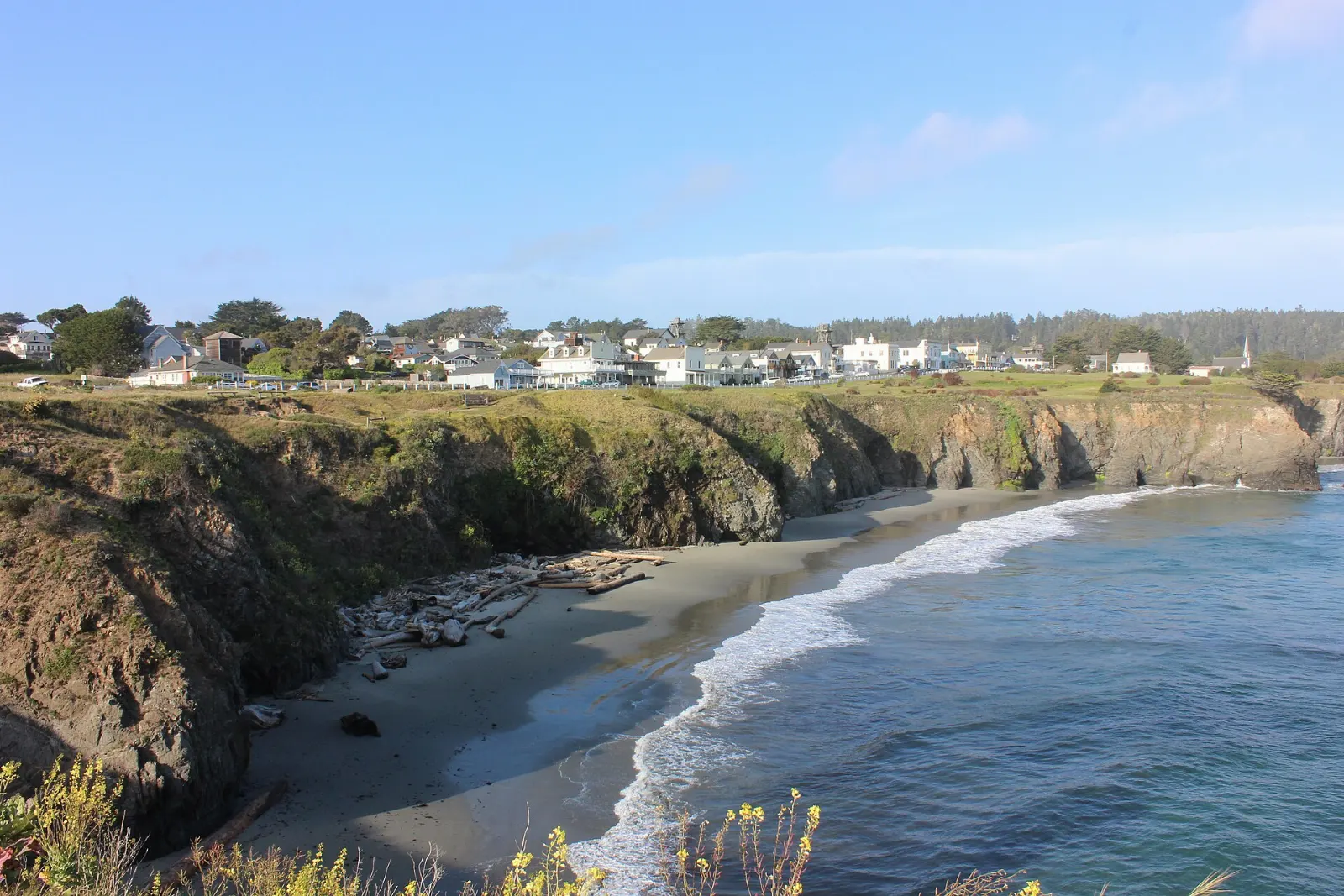
A rocky sea arch and coves below the grassy bluffs of the Mendocino Headlands, California

Mendocino Headlands State Park

The park wraps around the village on three sides, with an easy network of trails along the bluffs between Big River Beach and the north end of town. Along the way you will see sea arches, blowholes, hidden coves and seabird colonies, and in spring the grass is dotted with wildflowers.

Waves have carved arches, coves and sea stacks along the bluffs of Mendocino Headlands State Park. Photo: Stephen Colebourne, Wikimedia Commons, CC BY 2.0
Ford House and the Kelley House Museum

The Ford House on Main Street, built in the 1850s for the town's lumber mill superintendent, serves as the visitor center for the state parks and has exhibits on Mendocino's logging past, including a scale model of the village as it looked in the 1890s.

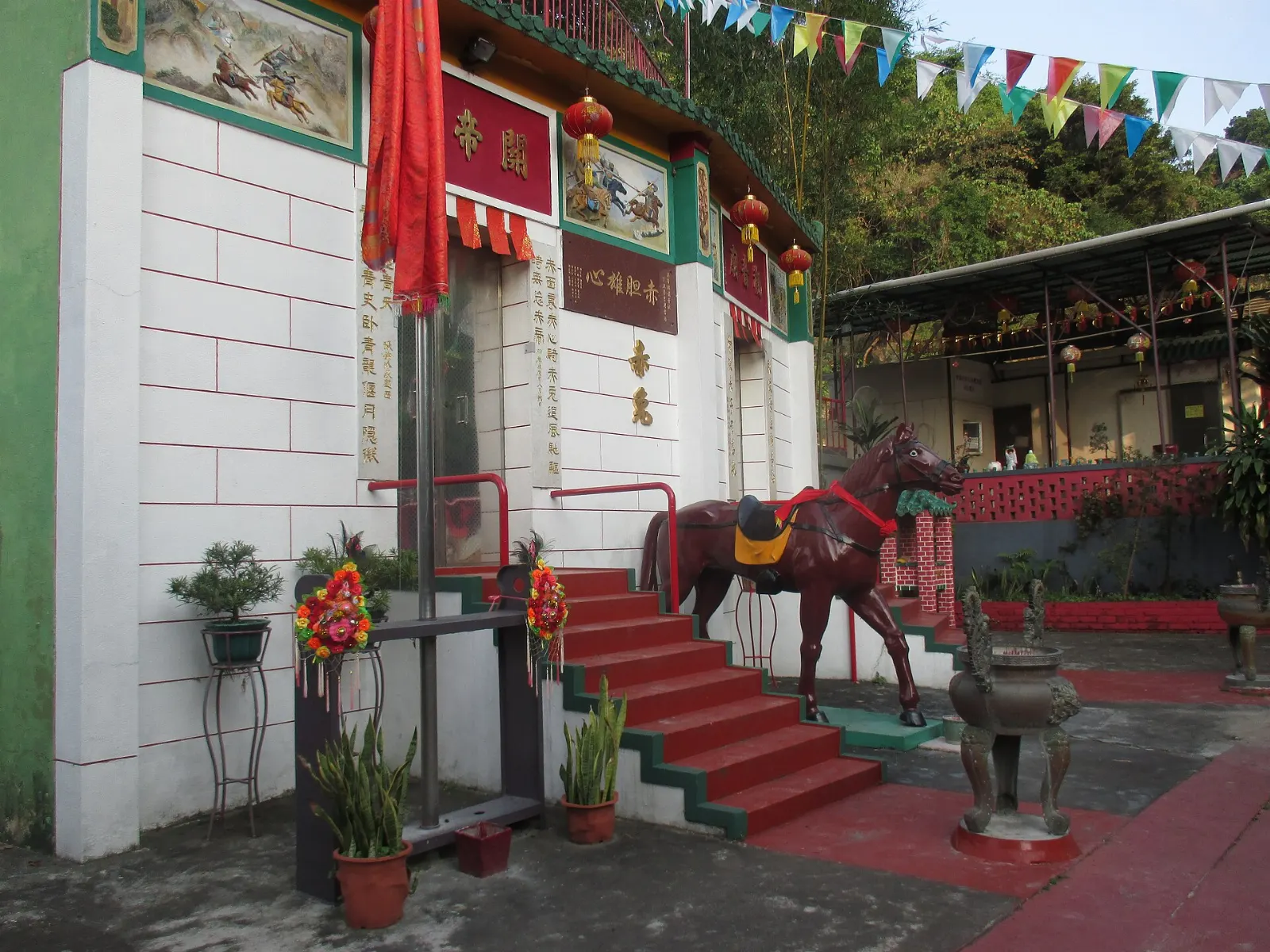
A small red and green wooden temple on Albion Street in Mendocino, California

Temple of Kwan Tai

This small red and green redwood building on Albion Street is one of the oldest Chinese temples in California still in use, built for the hundreds of Chinese immigrants who worked in the lumber trade and town businesses in the nineteenth century.

The Temple of Kwan Tai, built of local redwood in the nineteenth century, is California Historical Landmark number 927. Photo: Underwaterbuffalo, Wikimedia Commons, CC BY-SA 4.0

Lighthouses, gulches and forests

A white lighthouse with a red roof on the bluffs at Point Cabrillo, Mendocino, California

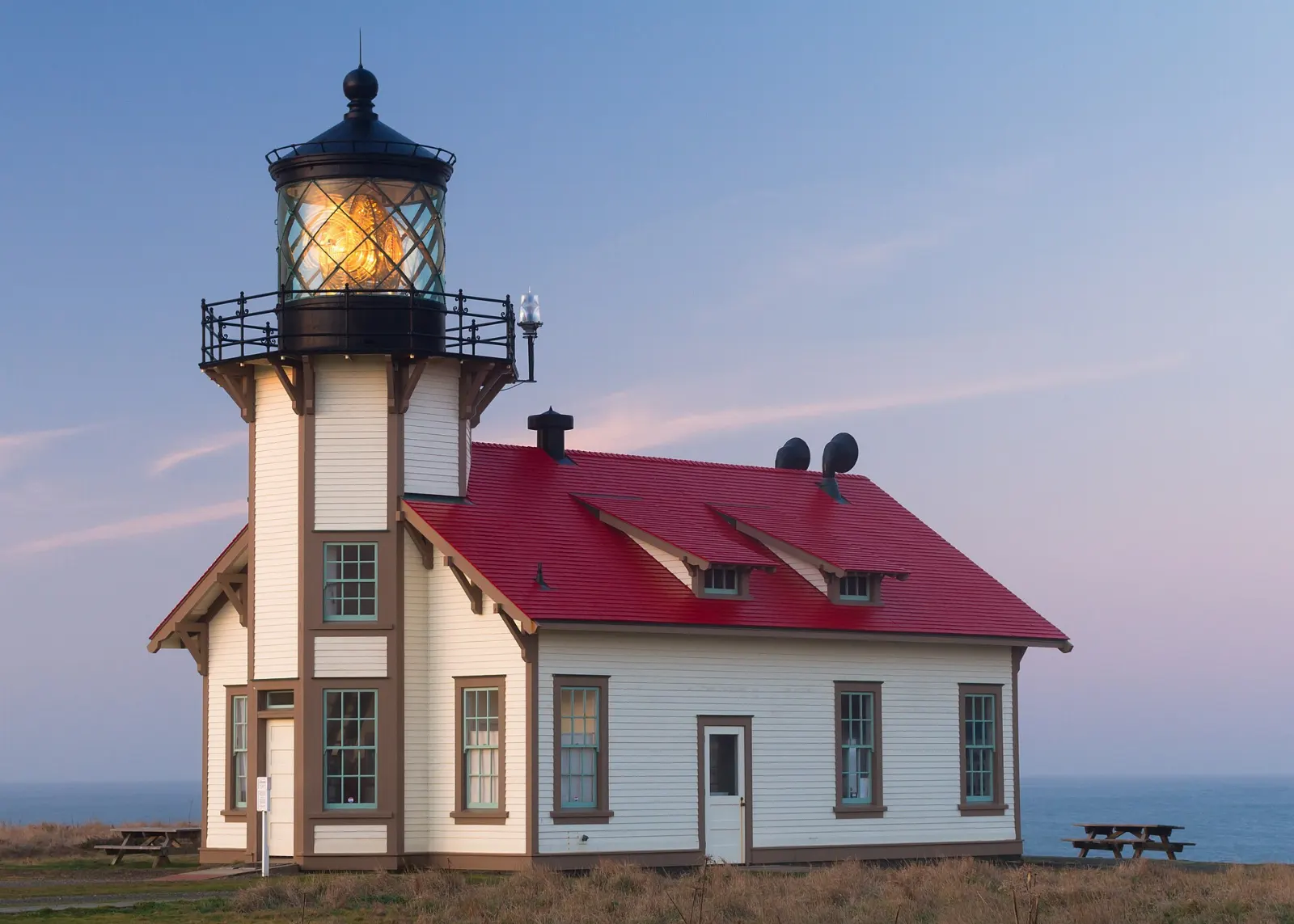
Point Cabrillo Light Station

About a mile and a half north of the village, Point Cabrillo Light has been an aid to navigation since 1909 and is considered one of the most complete historic light stations in the country. Its original third-order Fresnel lens, made by an English firm and shipped around Cape Horn, still turns in the tower.

Point Cabrillo Light has guided ships along the Mendocino coast since 1909. Photo: Frank Schulenburg, Wikimedia Commons, CC BY-SA 3.0

A concrete arch bridge spanning a forested gulch above a small beach, Mendocino, California

Russian Gulch State Park

Just north of town, Highway 1 crosses Russian Gulch on a concrete arch bridge built in 1940. On the ocean side, the headland holds the Devil's Punchbowl, a collapsed sea cave where waves surge in through a tunnel.

Highway 1 crosses Russian Gulch on a concrete arch bridge completed in 1940. Photo: Frank Schulenburg, Wikimedia Commons, CC BY-SA 4.0

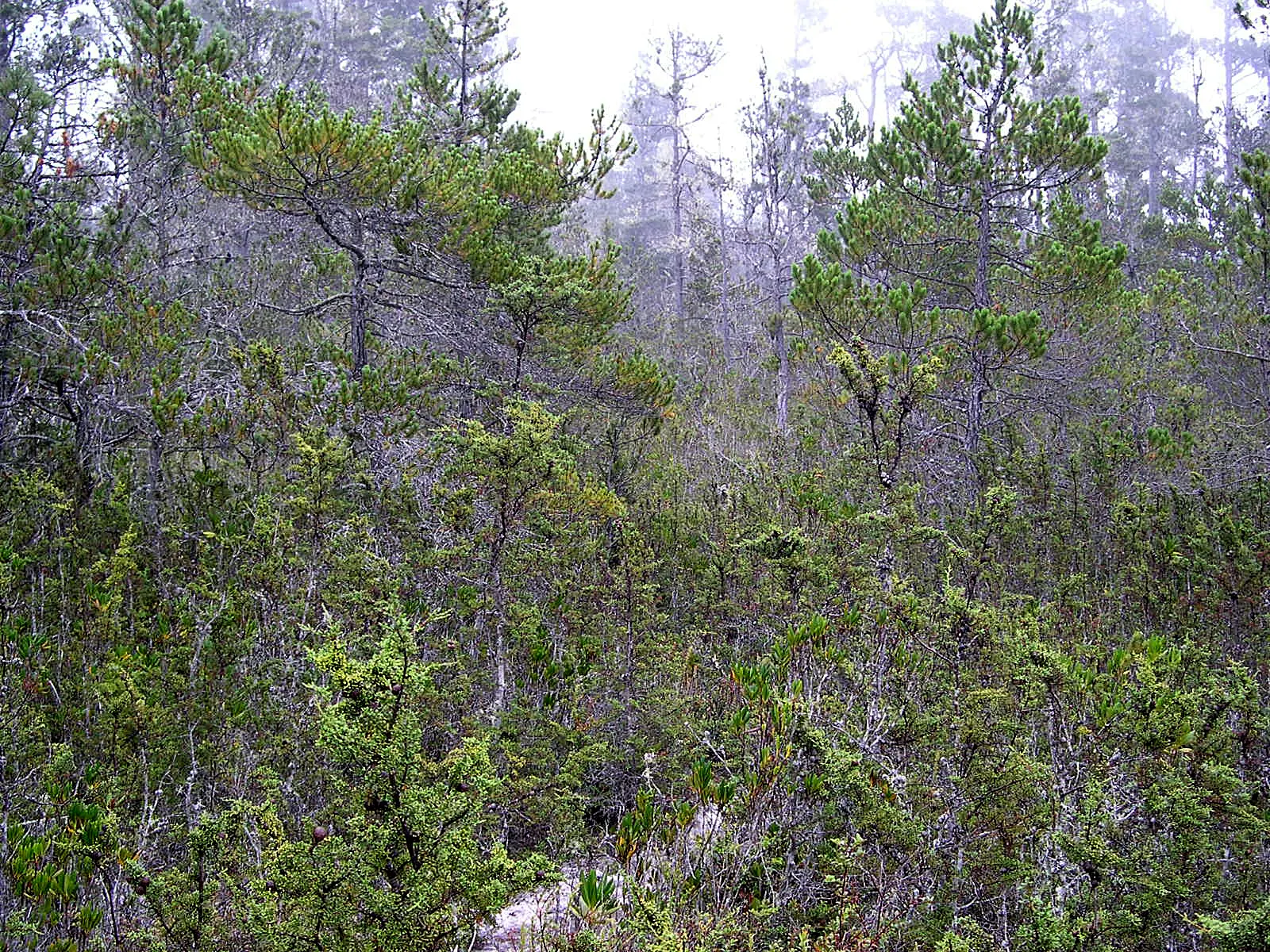
A boardwalk winding through stunted cypress and pine trees in the pygmy forest, Mendocino, California

Van Damme State Park

A few miles south of the village near Little River, this park stretches from a small beach popular with kayakers up a lush canyon.

A boardwalk trail in Van Damme State Park leads through a pygmy forest of stunted cypress and pine. Photo: Jason Sturner, Wikimedia Commons, CC BY 2.0

A calm tidal river lined with forested hills near Mendocino, California

Big River

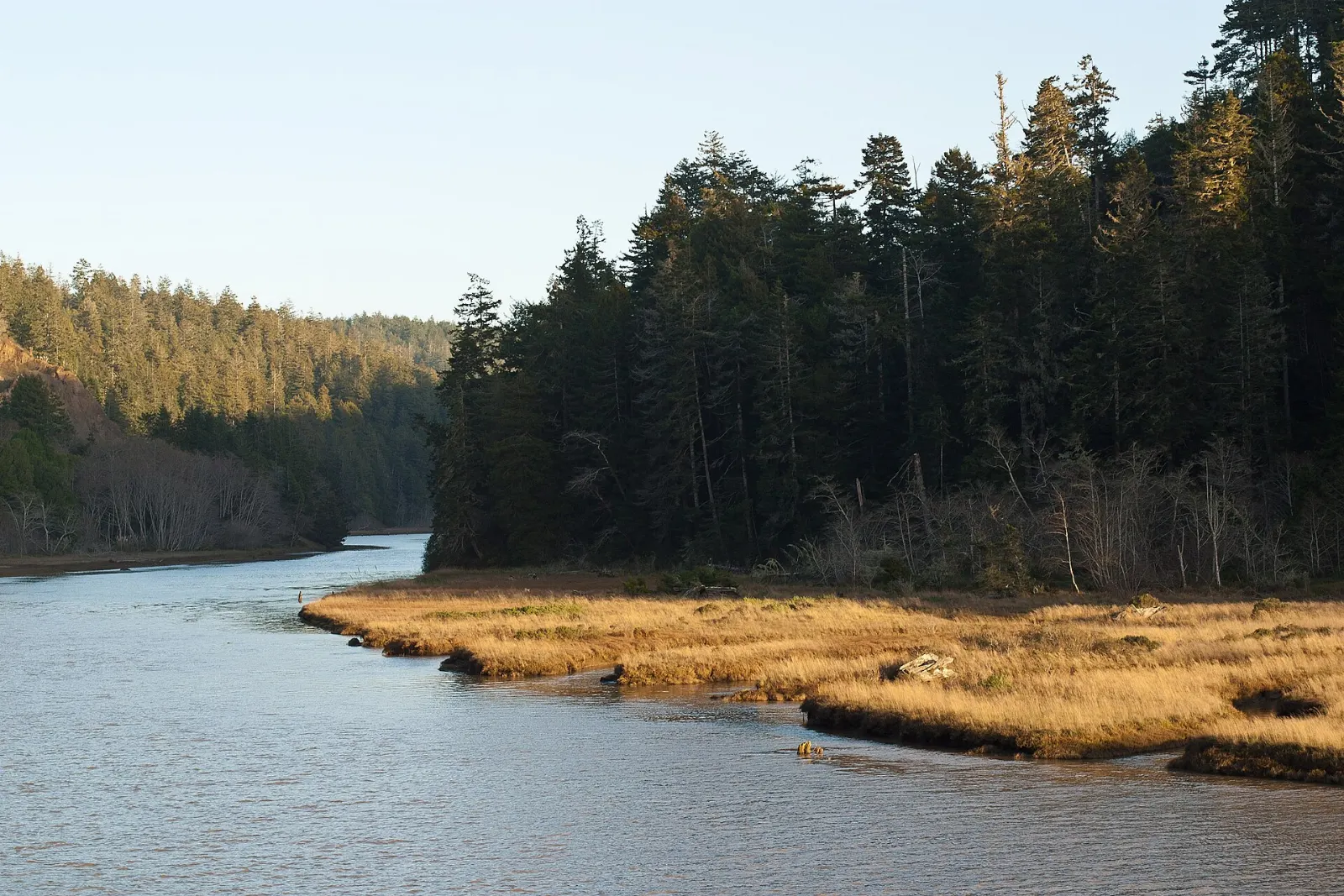
Big River meets the ocean at the south edge of the village, and its estuary winds inland for miles between forested hills with no road along most of it. Renting a canoe or kayak to paddle upstream on the incoming tide is one of the most peaceful experiences on the coast, with harbor seals, river otters and herons for company.

Big River meets the ocean just south of Mendocino village, with a long, quiet estuary upstream. Photo: David Eppstein, Wikimedia Commons, CC BY-SA 2.5

Fort Bragg and the north coast

Flowering rhododendrons along a garden path that leads toward the ocean, Mendocino, California

Mendocino Coast Botanical Gardens

On the southern edge of Fort Bragg, these gardens run from sheltered woodland down to open ocean bluffs.

The Mendocino Coast Botanical Gardens stretch from forest to ocean bluffs just south of Fort Bragg. Photo: Missvain, Wikimedia Commons, CC BY 4.0

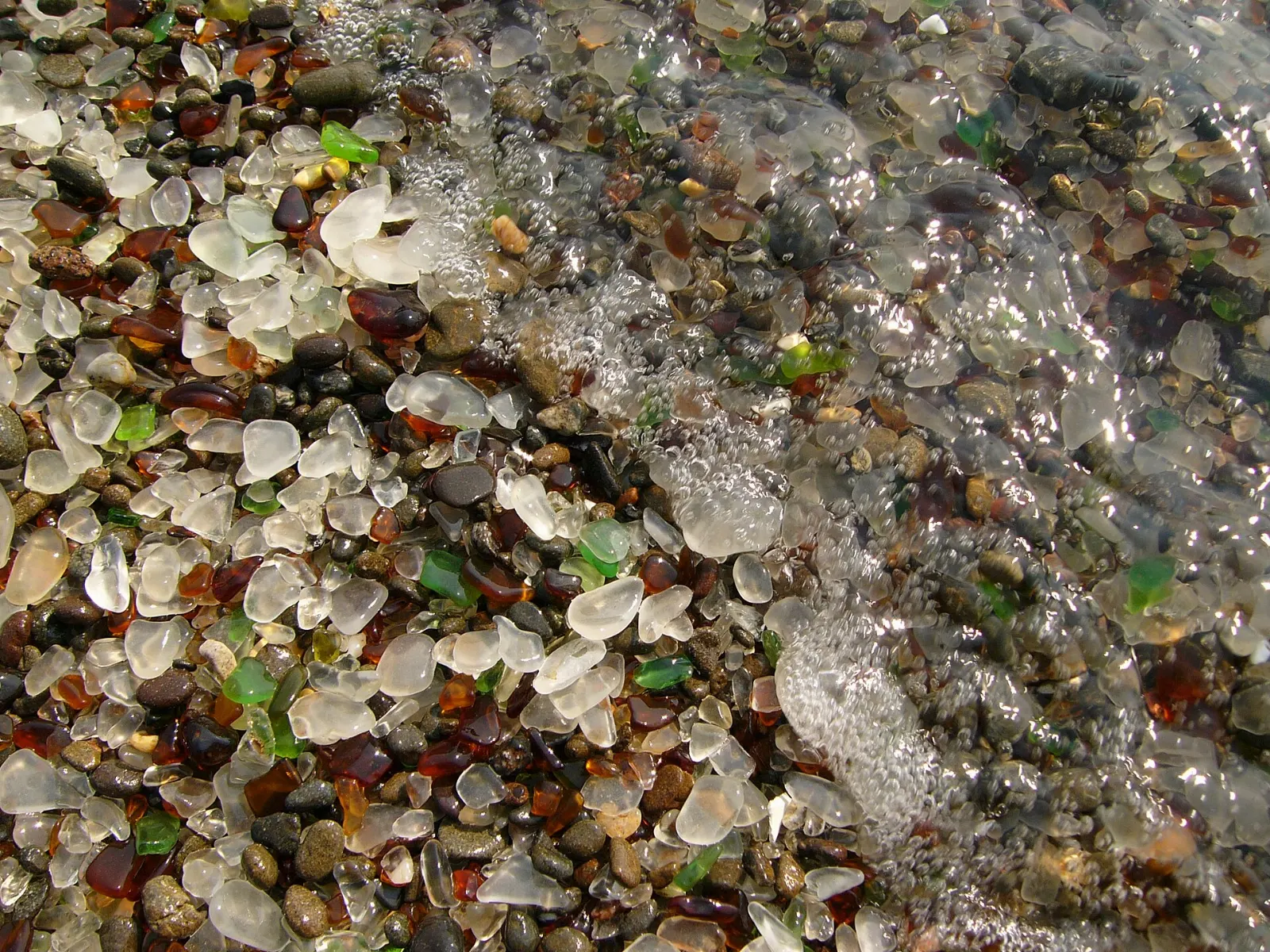
Rounded pieces of colored sea glass among pebbles on Glass Beach, Mendocino, California

Glass Beach

For decades residents of Fort Bragg dumped household waste at sites along the shore. The dumps were closed and cleaned up, and the ocean has since worn the leftover glass into smooth, colorful pebbles.

Glass Beach in Fort Bragg is scattered with sea glass worn smooth from old dump sites. Photo: Jef Poskanzer, Wikimedia Commons, CC BY 2.0

A vintage train waiting at the Fort Bragg depot, Mendocino, California

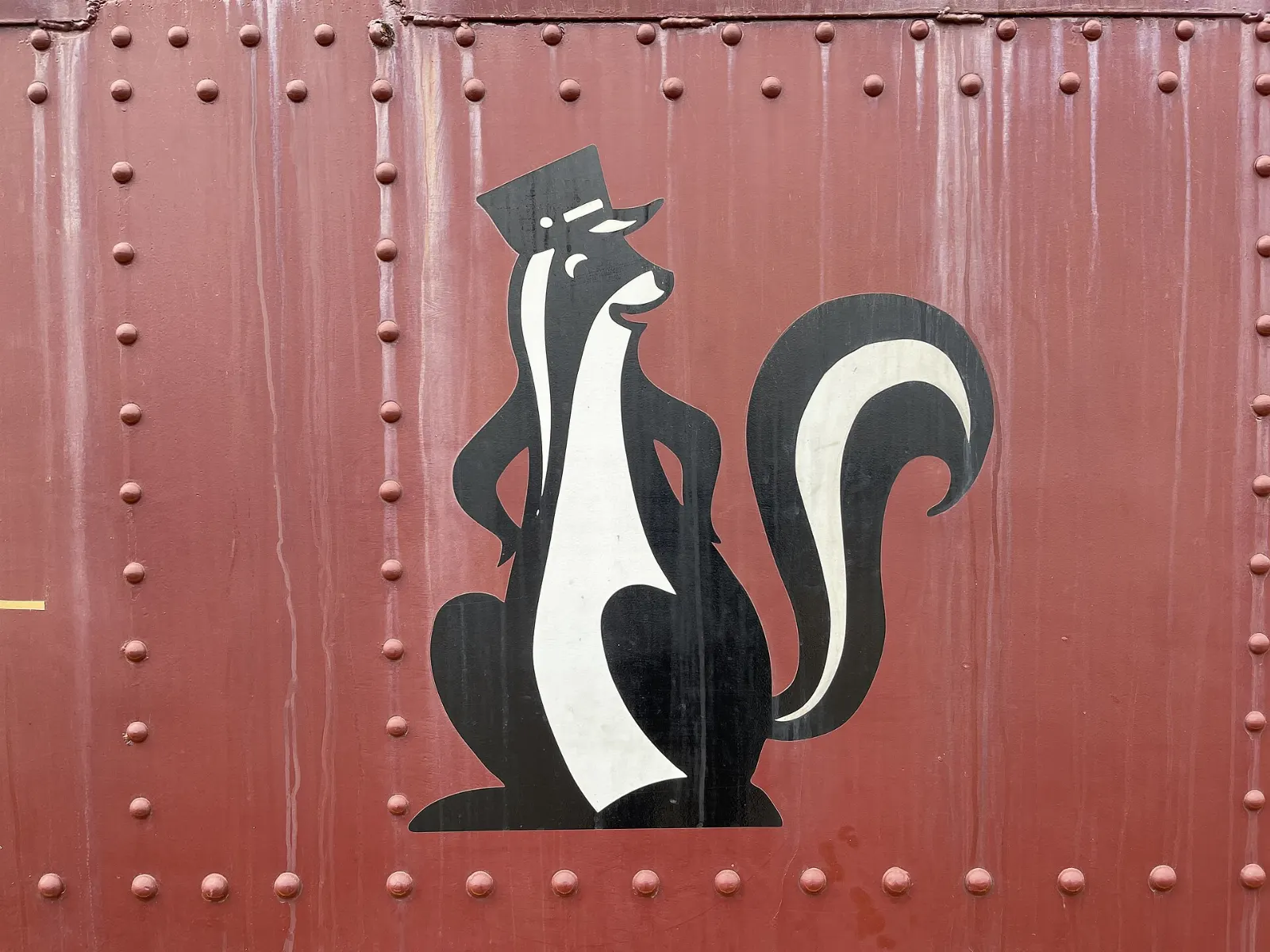
The Skunk Train

The California Western Railroad began in 1885 hauling redwood logs from the forests along the Noyo River to the mill at Fort Bragg. Passenger motorcars nicknamed Skunks, for the smell of their early engines, gave it its famous name.

Back in Fort Bragg, Noyo Harbor is a working fishing port with sea lions, fishing boats and casual seafood spots along the water, and the long MacKerricher shoreline north of town is ideal for walks and spotting harbor seals at Laguna Point.

The California Western Railroad, known as the Skunk Train, has run from Fort Bragg since the late nineteenth century. Photo: Missvain, Wikimedia Commons, CC BY 4.0

Food and local flavors

The Mendocino coast eats from the ocean and the farms behind it. Look for local rockfish and salmon in season, and Dungeness crab during the winter season, along with chowders and fish tacos at Noyo Harbor.

Inland, the Anderson Valley along Highway 128 is known for cool-climate pinot noir, sparkling wines, Alsatian-style whites and apple orchards, with tasting rooms between Boonville and Navarro.

Popular dishes to try in Mendocino

Dungeness crab in Mendocino, California
Dungeness crab Look for local rockfish and salmon in season, and Dungeness crab during the winter season, along with chowders and fish tacos at Noyo Harbor.Photo: Missvain, Wikimedia Commons, CC BY 4.0
Wild mushrooms in Mendocino, California
Wild mushrooms Wild mushrooms gathered in the coastal forests appear on menus in autumn and winter, and many restaurants in the village build their menus around nearby farms and gardens.Photo: Wild Mushroom, Wikimedia Commons, CC BY-SA 2.0
Pinot noir in Mendocino, California
Pinot noir Inland, the Anderson Valley along Highway 128 is known for cool-climate pinot noir, sparkling wines, Alsatian-style whites and apple orchards, with tasting rooms between…Photo: Vegan Feast Catering, Wikimedia Commons, CC BY 2.0

Where to stay

Staying in Mendocino village suits couples and anyone who wants to walk everywhere; it is known for historic inns and bed and breakfasts in restored Victorian houses, many with ocean views and fireplaces.

Fort Bragg, about ten miles north, has a wider range of motels and larger lodgings, a real working-town feel and easier parking, which makes it a good choice for families and budget travelers.

Where to stay in Mendocino

Albion, Mendocino, California
Albion Little River and Albion, a few miles south, offer quieter inns and cottages on the bluffs, closer to Van Damme and the Navarro River.Photo: Robert Hsiao, Wikimedia Commons, CC0
Van Damme, Mendocino, California
Van Damme State park campgrounds at Russian Gulch, Van Damme and MacKerricher fill quickly in summer, so reserve well ahead.Photo: Krzysztof Ziarnek, Kenraiz, Wikimedia Commons, CC BY-SA 4.0
Navarro River, Mendocino, California
Navarro River Little River and Albion, a few miles south, offer quieter inns and cottages on the bluffs, closer to Van Damme and the Navarro River.Photo: Clinton Steeds from Los Angeles, USA, Wikimedia Commons, CC BY 2.0
Russian Gulch, Mendocino, California
Russian Gulch State park campgrounds at Russian Gulch, Van Damme and MacKerricher fill quickly in summer, so reserve well ahead.Photo: Frank Schulenburg, Wikimedia Commons, CC BY-SA 4.0

Best time to visit

The coast has a mild climate year-round, rarely hot and rarely freezing.

Gray whales migrate past the coast from roughly mid-December into spring, heading south to their calving lagoons in Baja California and returning north with their calves, and towns along the coast hold whale festivals in early spring.

Getting there and getting around

Mendocino is about 165 miles north of San Francisco. San Francisco International is the main long-haul airport, with Oakland and Sacramento as alternatives, while Charles M. Schulz Sonoma County Airport in Santa Rosa is the closest commercial airport.

The village itself is easily walkable, but a car is essential for the parks and Fort Bragg. Mendocino Transit Authority buses link the coast towns on a limited schedule. Parking in the village is mostly free on the street but tight on summer weekends.

A suggested itinerary

First day

Arrive via Highway 128, stopping for tastings or apples in the Anderson Valley.

Second day

Visit the Ford House and the Temple of Kwan Tai in the morning, then paddle Big River on the tide. In the afternoon, hike the Fern Canyon Trail and the pygmy forest boardwalk at Van Damme State Park.

Third day

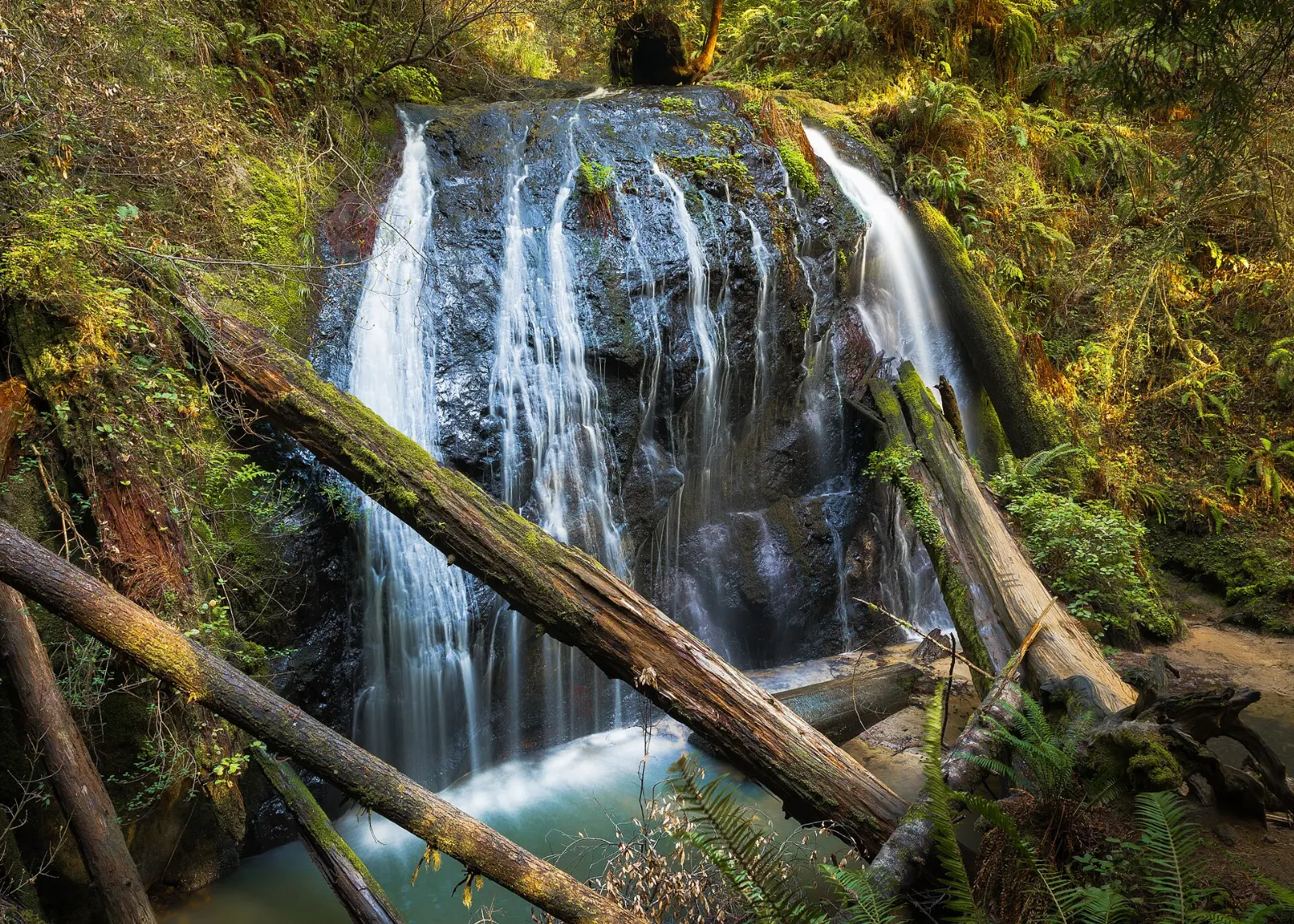
Drive north to Point Cabrillo Light Station, hike to the waterfall at Russian Gulch, then continue to Fort Bragg for the botanical gardens, Glass Beach and an early dinner at Noyo Harbor.

Practical tips

  • Never turn your back on the ocean; sneaker waves can sweep people off rocks and beaches without warning.
  • Pack warm layers and a rain jacket in every season, since fog and wind keep the coast cool even in summer.
  • Book inns and campsites early for summer, holidays and whale season weekends.
  • Check tide tables before tide pooling or paddling, and go at low tide for the best sea life.
  • Leave sea glass, shells and tide pool creatures where you find them; state park rules protect them.
  • Fill your tank before long stretches of Highway 1 and download offline maps for areas without signal.

Find local businesses in Mendocino on WiserMap

Need a kayak rental, a bakery for an early breakfast or a mechanic before the drive home along Highway 1?

Explore local businesses

MendocinoWISERMAP PLACEMendocino: photos, reviews & things to doSee traveler photos and reviews, or share your own →

More places to visit

All travel guides →