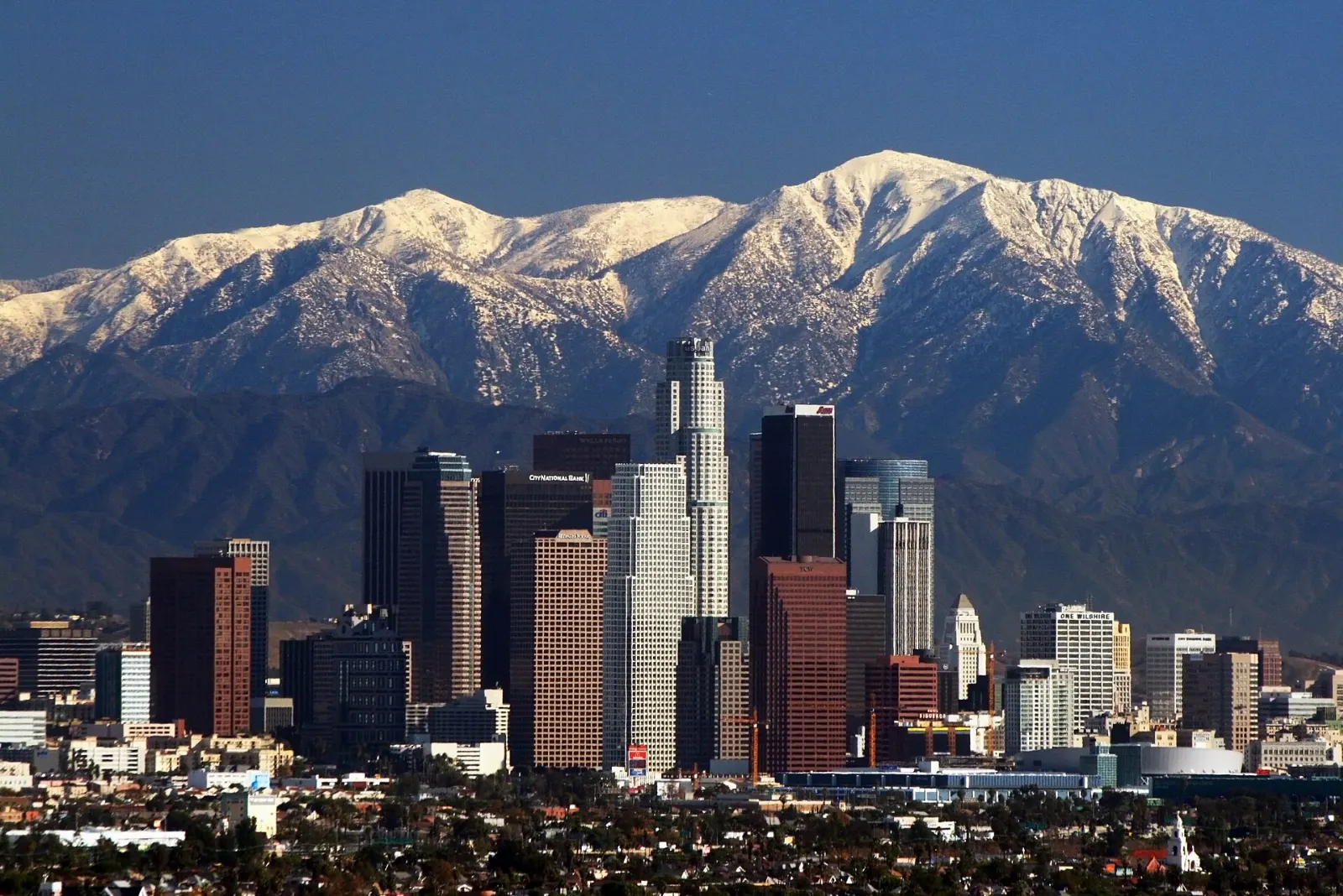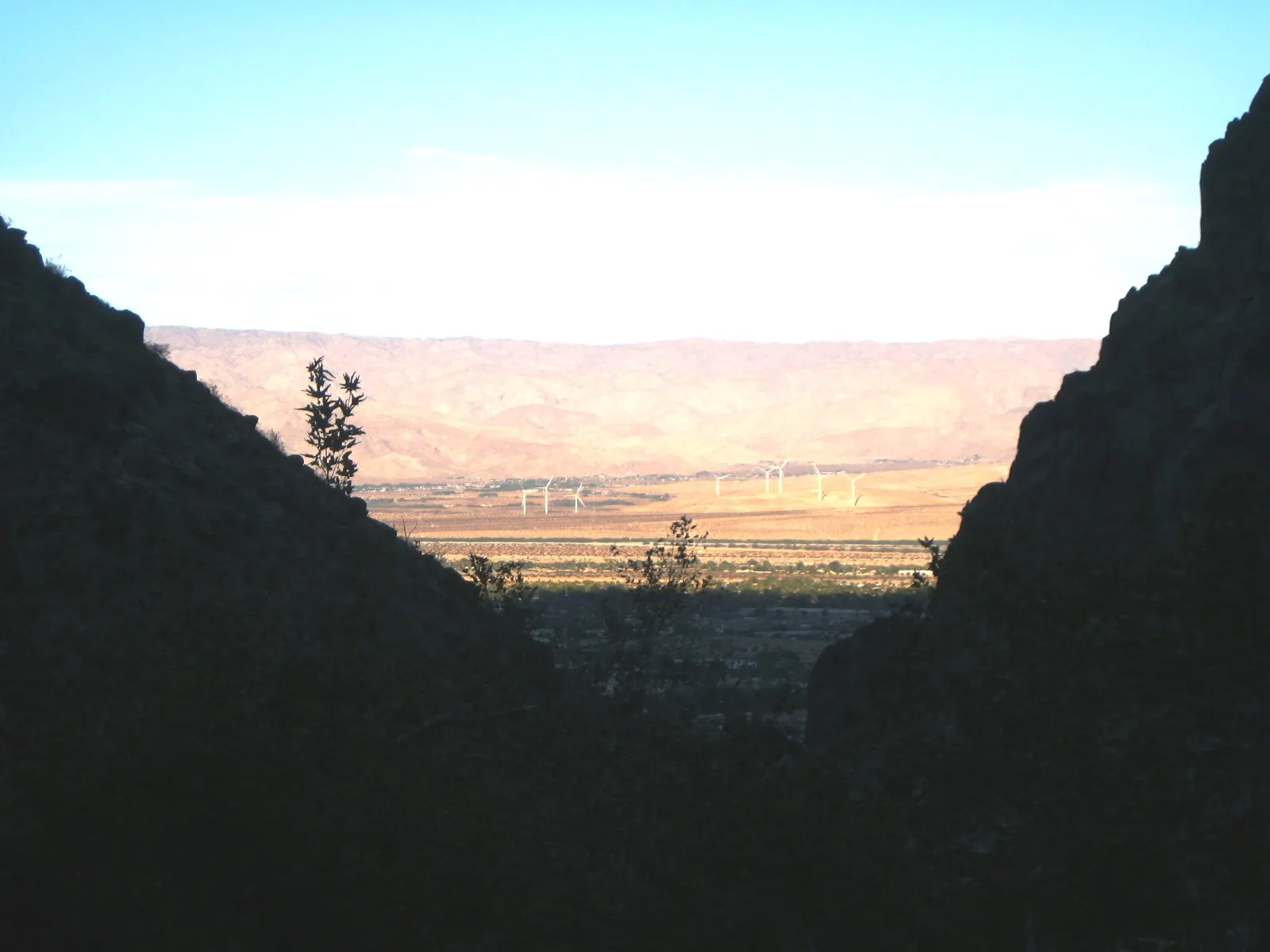
Palm Springs is a desert resort town that never quite lost its mid-century swagger.
AT A GLANCE
Best time
October through April, with February and March the sweet spot for warm days and wildflowers.
How long
Three days for the highlights; a week if you add Joshua Tree and the wider valley.
Getting there
Fly into Palm Springs International, or drive about two hours east from Los Angeles on Interstate 10.
Why visit Palm Springs
Few places in the American West pack so much contrast into such a compact area. The town sits in the Colorado Desert at the western end of the Coachella Valley, where summer highs regularly pass 105 degrees Fahrenheit, yet the top of the aerial tramway can be dusted with snow in winter.
Those stars left behind an extraordinary collection of modernist architecture. Architects such as Albert Frey, E. Stewart Williams, Richard Neutra and William Krisel designed homes, banks, gas stations and civic buildings that still define the look of the town, and the annual Modernism Week in February turns the whole city into an open-house festival.
The mountain, the tramway and the canyons
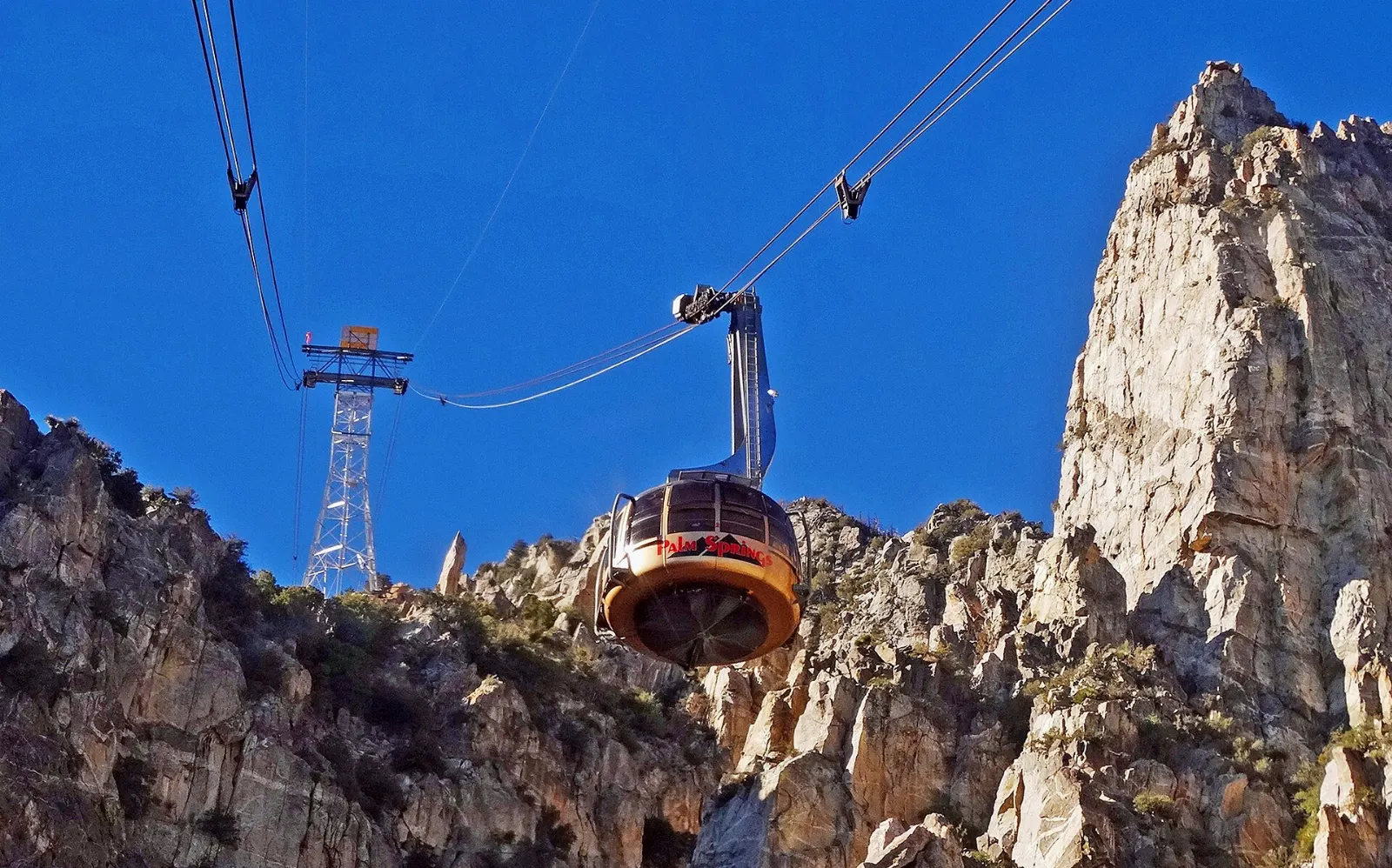
Palm Springs Aerial Tramway
If you only have time for one thing, make it the tramway. Opened in 1963 and built with the help of helicopters that flew in materials for four of its five towers, it carries you from the Valley Station at about 2,640 feet to the Mountain Station at about 8,500 feet.
Allow at least three hours including the drive up Tramway Road, queues and time at the top. A practical tip: go early on a weekday for the shortest lines, or ride up in the late afternoon and come down after dark to watch the lights of the valley spread beneath you.
Mount San Jacinto State Park
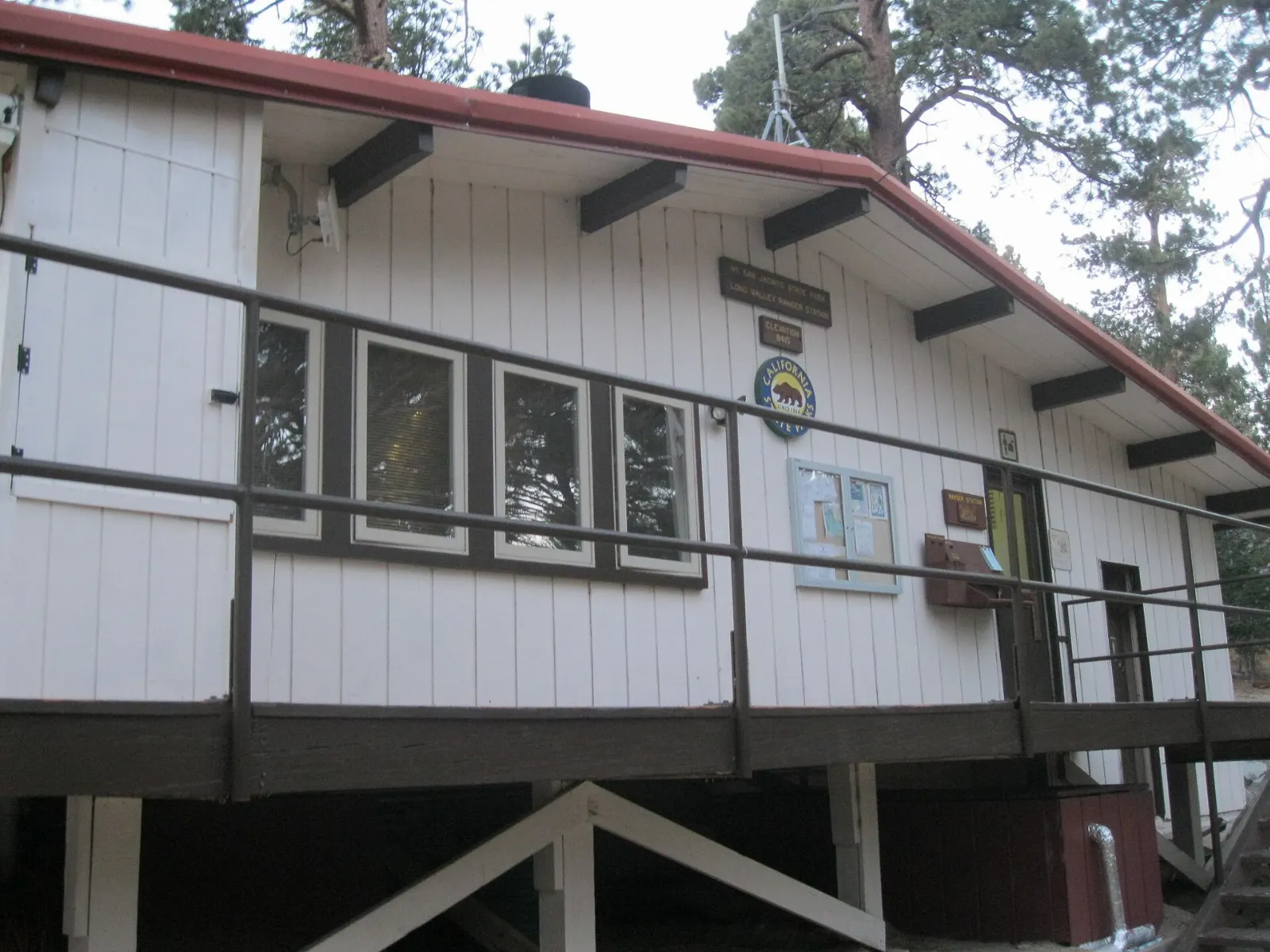
The Mountain Station opens onto Long Valley and the wilderness of Mount San Jacinto State Park, a world of Jeffrey pines, granite slabs and meadows that feels nothing like the desert below.
Plan a half day for gentle walks or a full day for the summit.
Indian Canyons
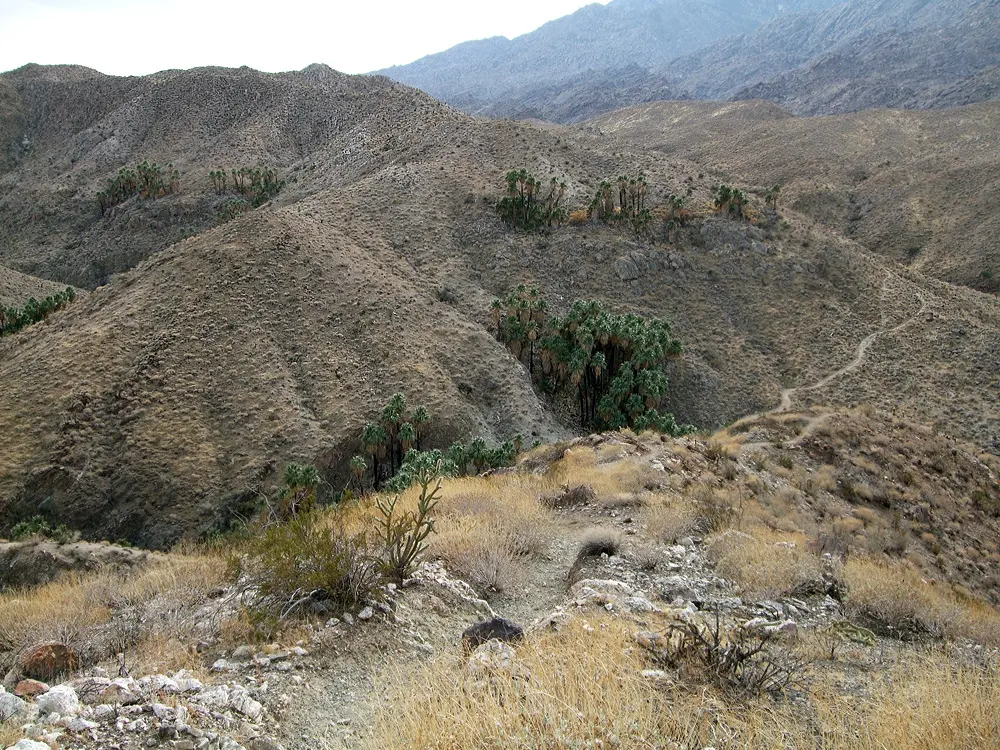
South of town, the Agua Caliente Band of Cahuilla Indians manages the Indian Canyons, a group of streams that tumble out of the San Jacinto Mountains. Palm Canyon is the centerpiece, holding a long, shady grove of California fan palms along a running creek.
Allow two to four hours to explore two of the canyons at a gentle pace.
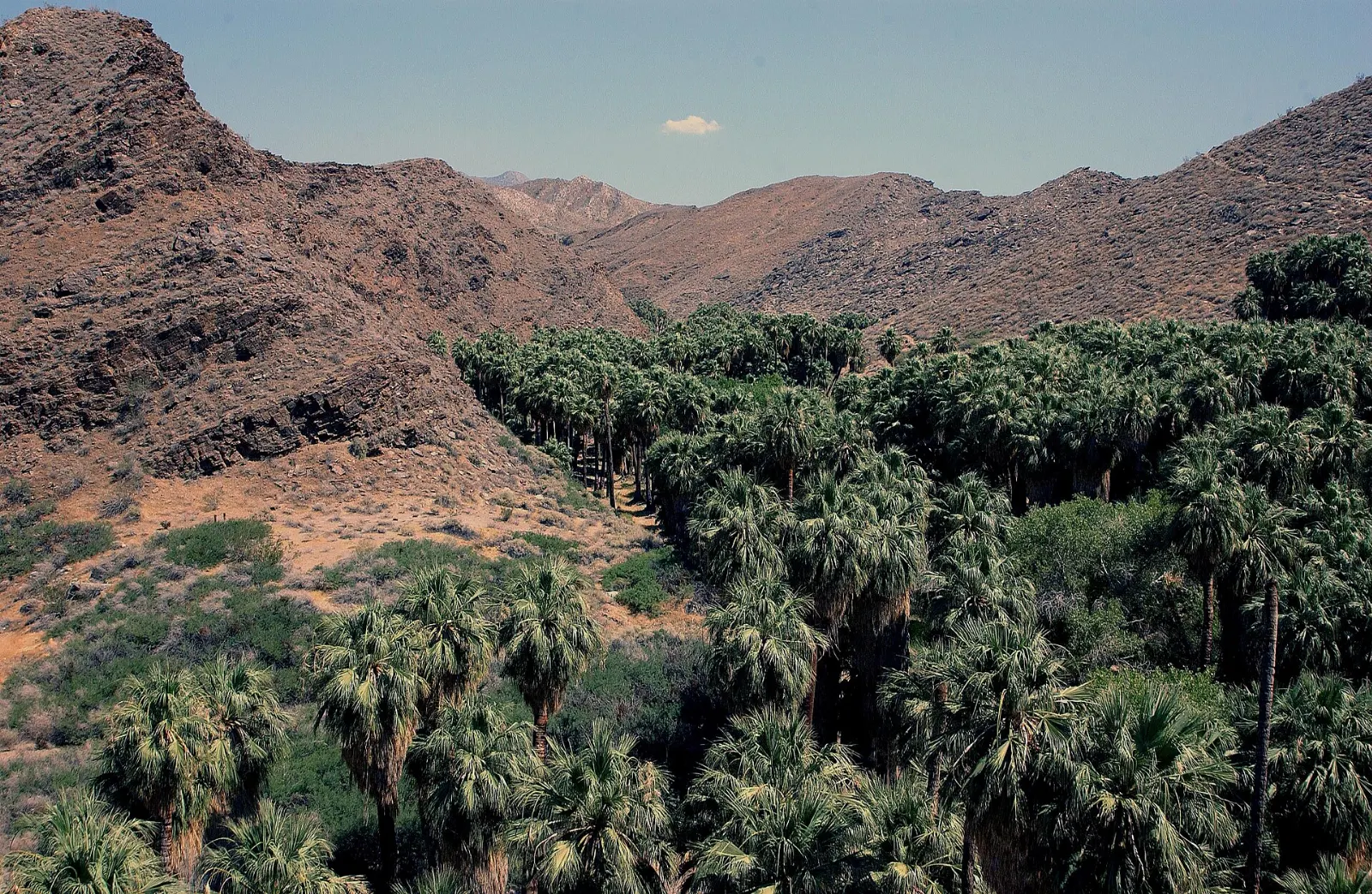
Tahquitz Canyon
Tahquitz Canyon, on the west edge of town, was home to Cahuilla people for at least 5,000 years and features in the tribe's stories of Tahquitz, a powerful figure said to dwell in the canyon.
Give yourself two hours. The trail involves stone steps and uneven ground, so wear proper shoes.
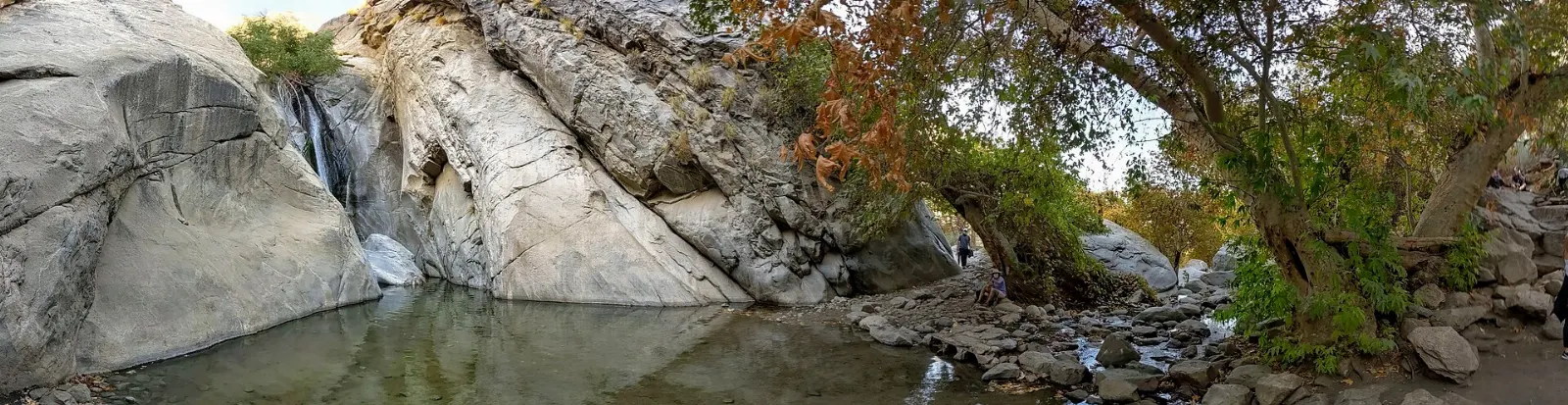
Downtown, Uptown and the modernist landmarks
Palm Canyon Drive and the Uptown Design District
Palm Canyon Drive is the spine of town, lined with galleries, boutiques, cafes and patios that fill up as the heat fades each evening.
Allow a relaxed half day, ideally split between a morning browse and an evening stroll.
Palm Springs Art Museum
Founded as a desert museum in 1938 and focused on contemporary art and design since 2004, the Palm Springs Art Museum occupies a striking modernist building by E. Stewart Williams at the foot of the mountain.
Plan on two hours for the main museum and another hour for the design center. Check the official website for current hours and fees, and look out for free-admission evenings.
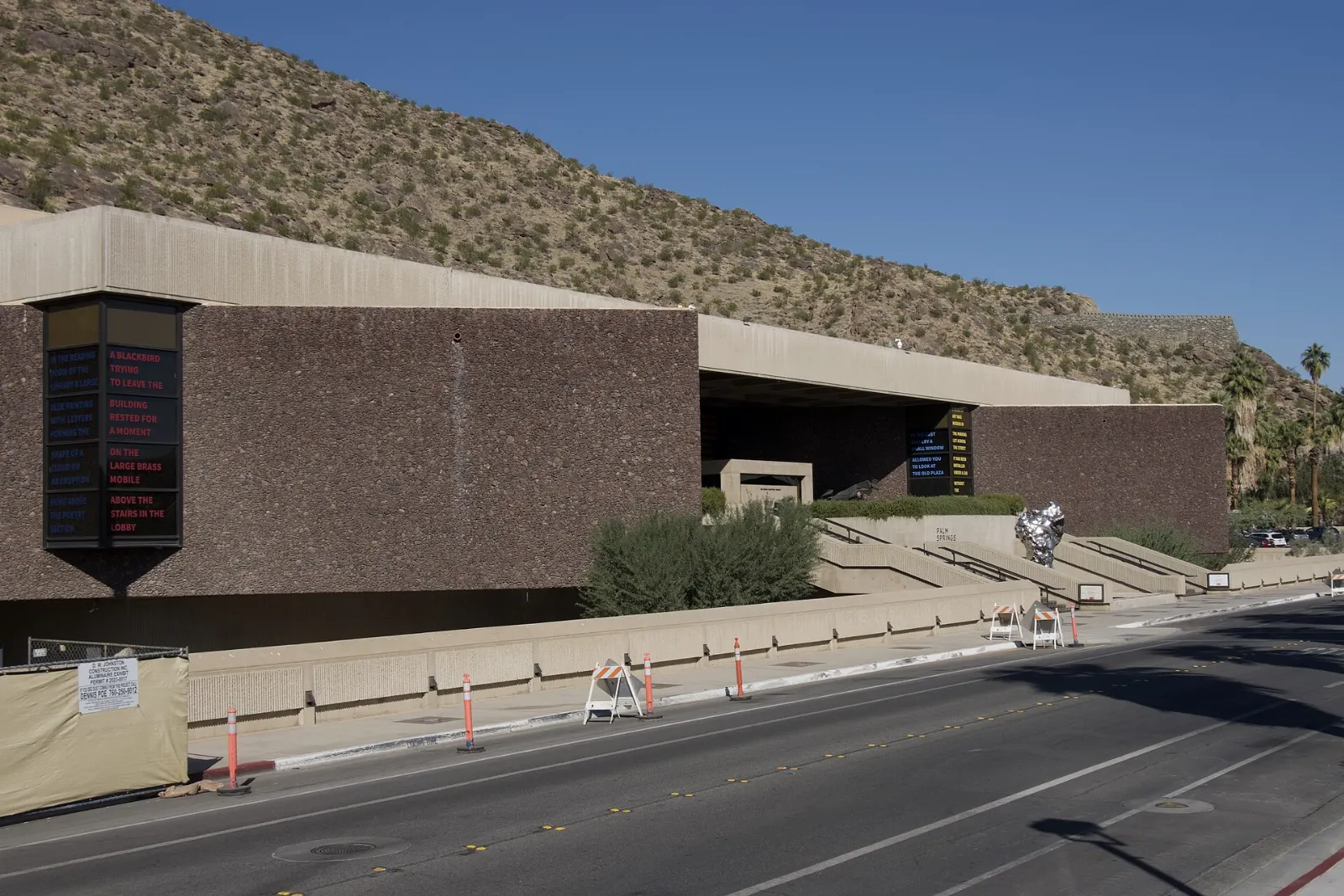
Agua Caliente Cultural Museum
The tribe that has lived around the area's hot mineral spring for centuries tells its own story at the Agua Caliente Cultural Museum downtown.
Allow about an hour and a half, and check the official website for current exhibits and hours.
Palm Springs Visitor Center and the architecture trail
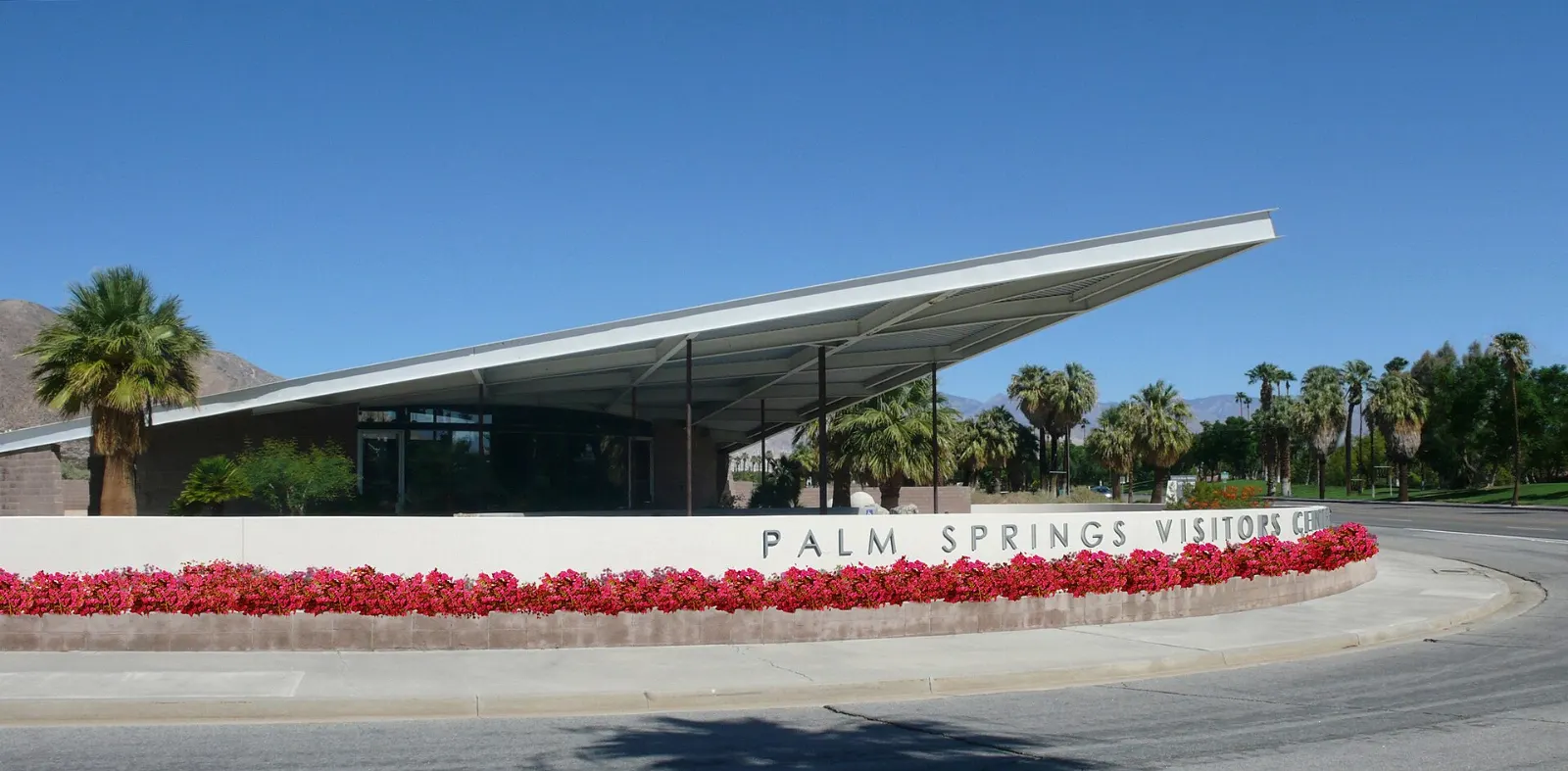
Even the visitor center is a design landmark. At the bottom of Tramway Road, the former Tramway Gas Station, designed by Albert Frey and Robson Chambers in 1965, has a dramatic upswept roof and now hands out maps, including self-guided architecture tours.
Give the architecture loop half a day. Almost all of these homes are private, so admire them from the street and never walk onto driveways.
Kaufmann Desert House
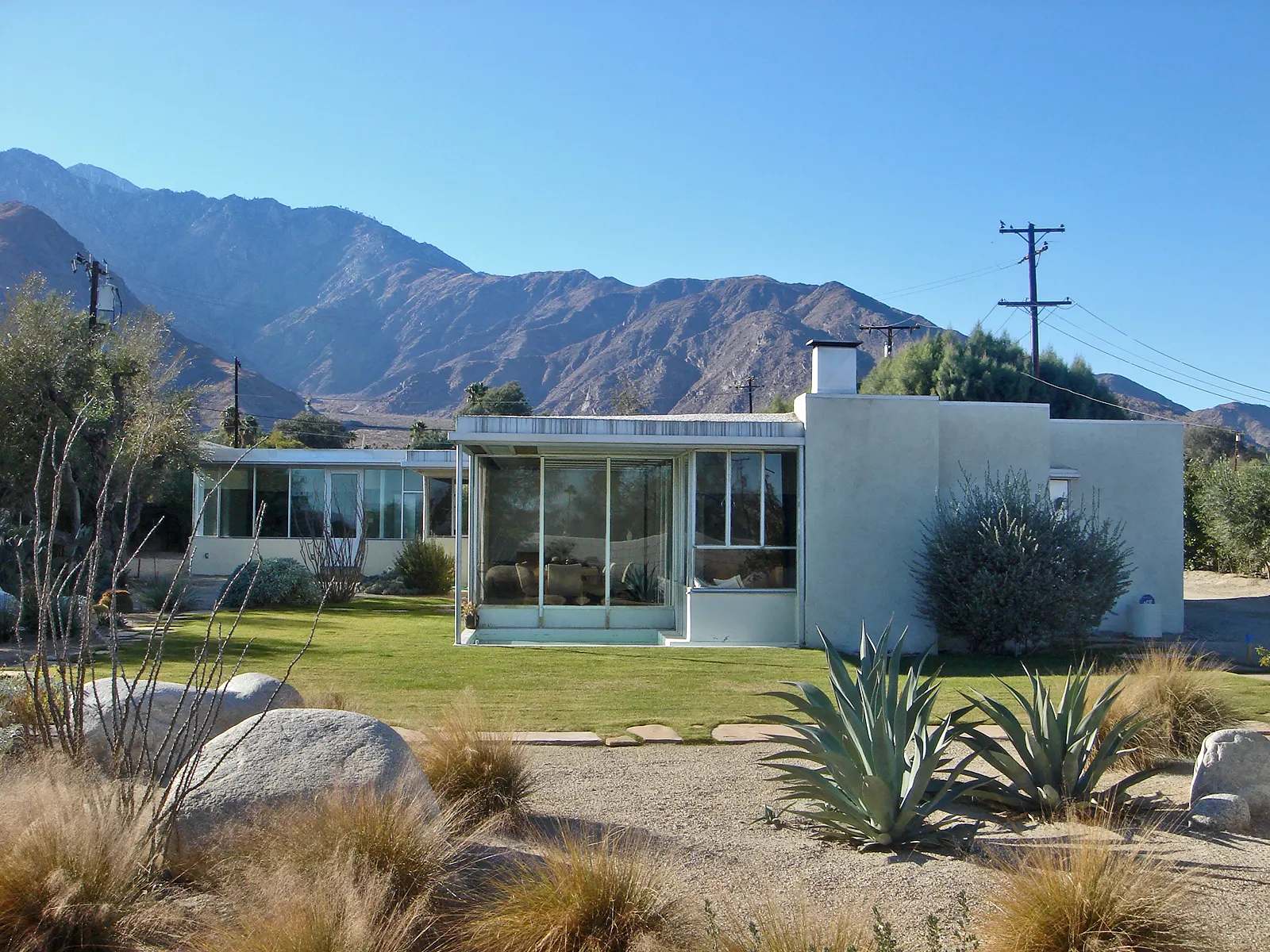
The most famous of the private houses is the Kaufmann Desert House, designed by Richard Neutra in 1946 for the Pittsburgh department store owner Edgar J. Kaufmann, who also commissioned Frank Lloyd Wright's Fallingwater. Its glass walls, flat planes and long horizontal lines helped define desert modernism.
Gardens, aircraft and the wider valley
Moorten Botanical Garden
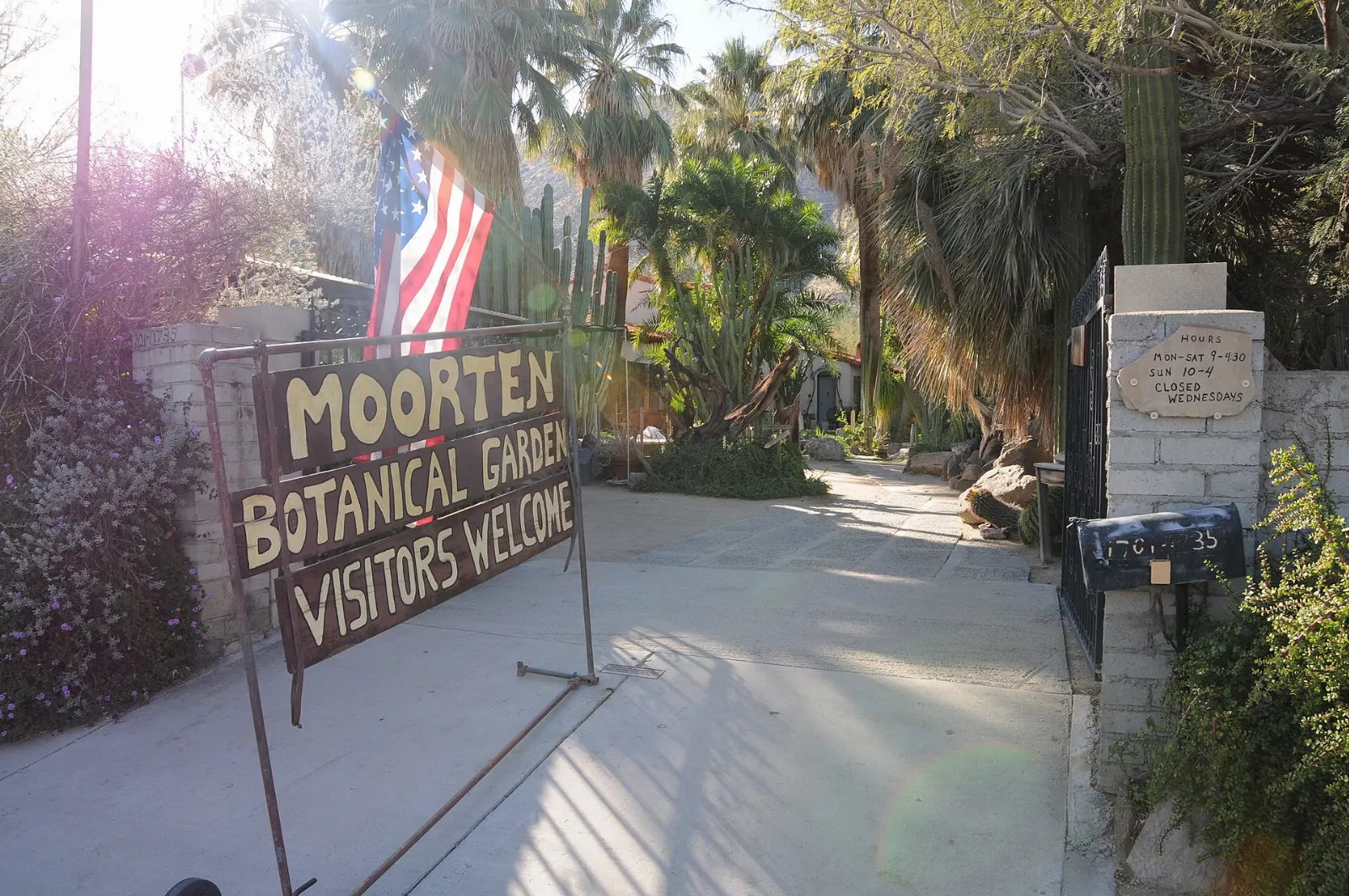
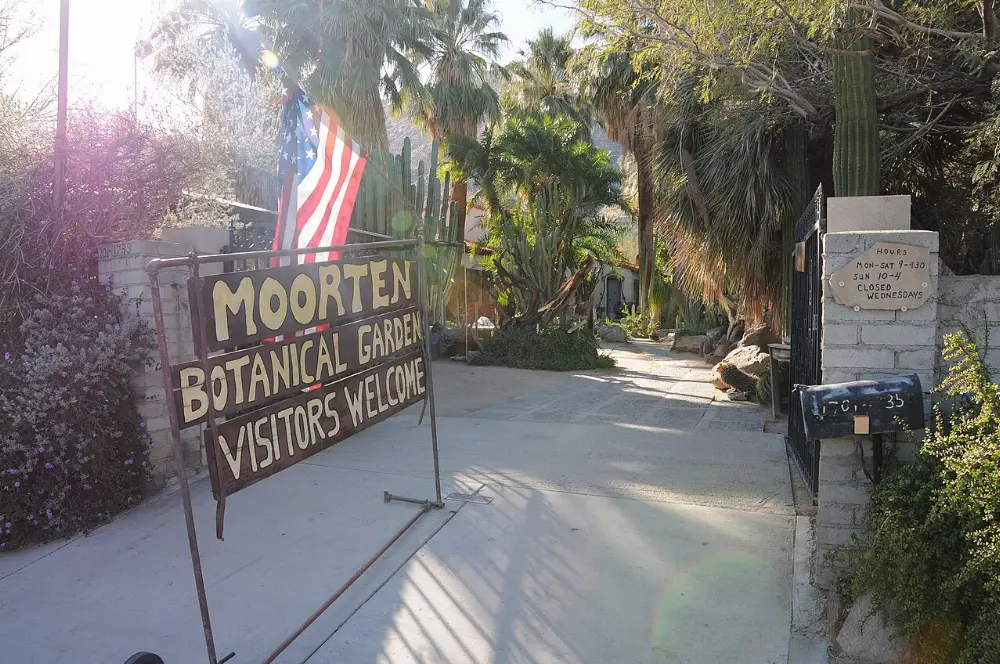
This small, family-run garden on South Palm Canyon Drive began as a cactus nursery founded in 1939 by Patricia and Chester Moorten, a former Keystone Cop known as Cactus Slim.
An hour is enough. Visit in the morning when the light is soft and the garden is quiet.
Palm Springs Air Museum
Next to the airport, five themed hangars hold World War II and later warbirds, many still airworthy. Allow two hours; it is a good choice for a hot afternoon.
Sunnylands Center and Gardens
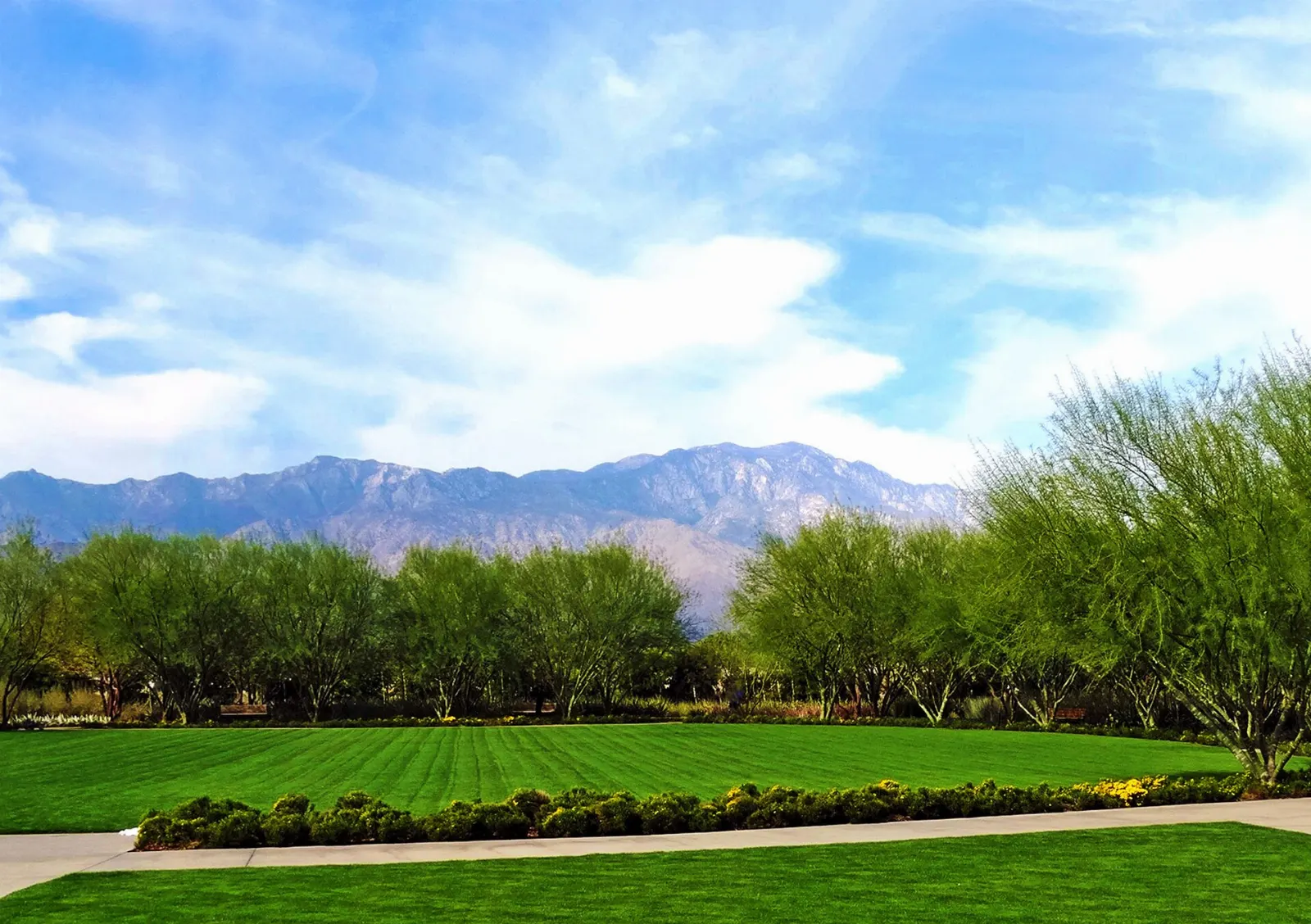
In neighboring Rancho Mirage, Sunnylands was the winter estate of Walter and Leonore Annenberg, designed by A. Quincy Jones and famous for its pink roof and guest list.
 Planning a trip to Palm Springs?Compare hotels, flights and vacation rentals for Palm Springs on Expedia.Book now
Food and local flavors
The Coachella Valley is the heart of date farming in the United States, and you should not leave without a date shake: a thick blend of chopped dates, milk and ice cream that tastes like caramel.
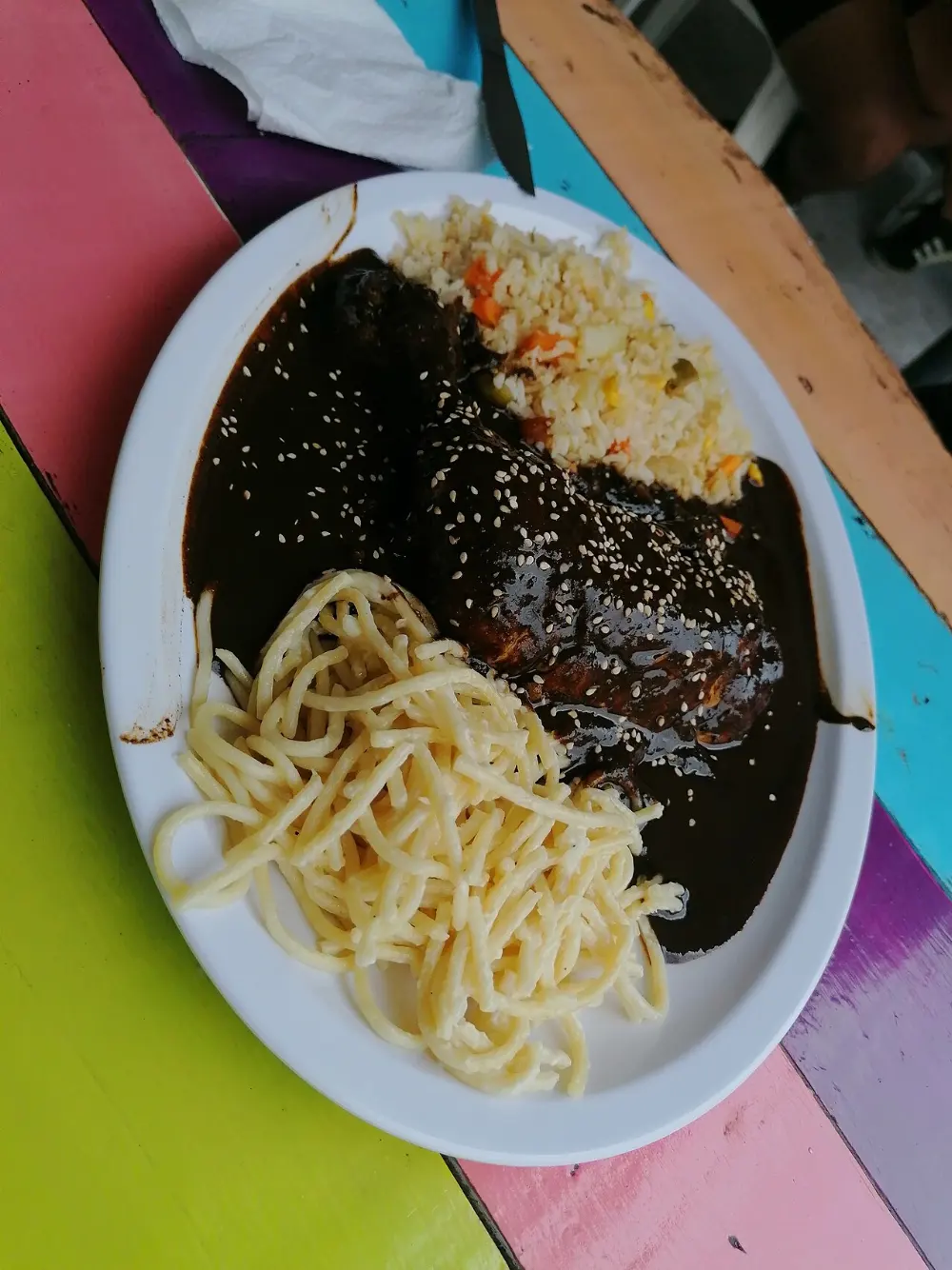
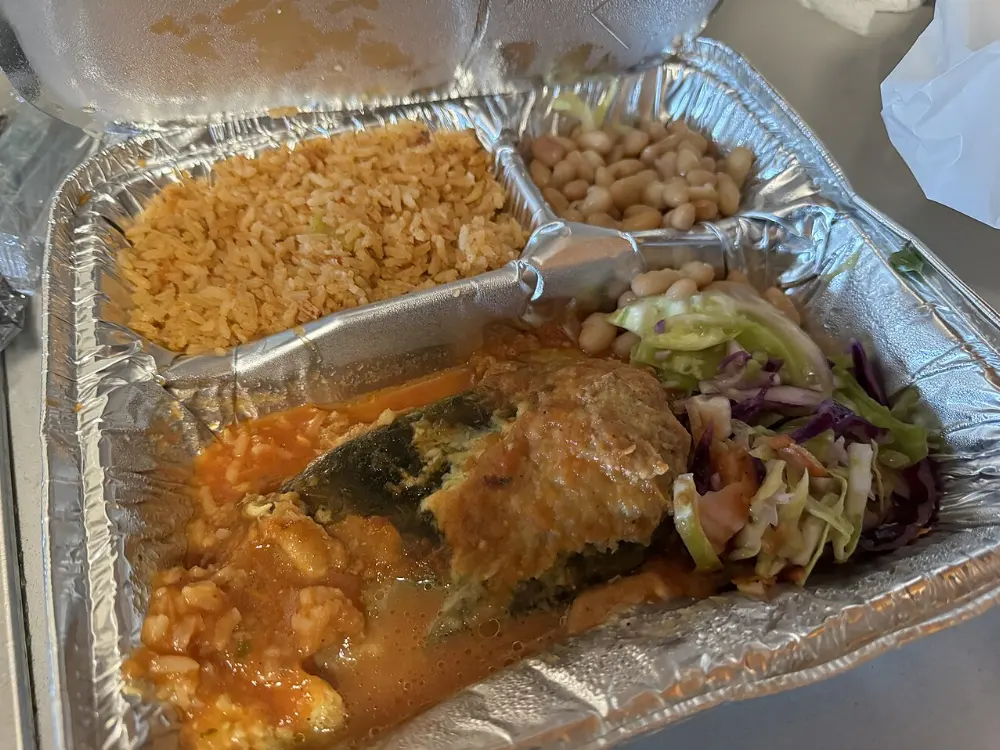
Mexican cooking is deeply rooted here, from family-run taquerias to restaurants serving mole and chile rellenos.
Popular dishes to try in Palm Springs

Where to stay
Downtown suits first-time visitors and anyone without a car.
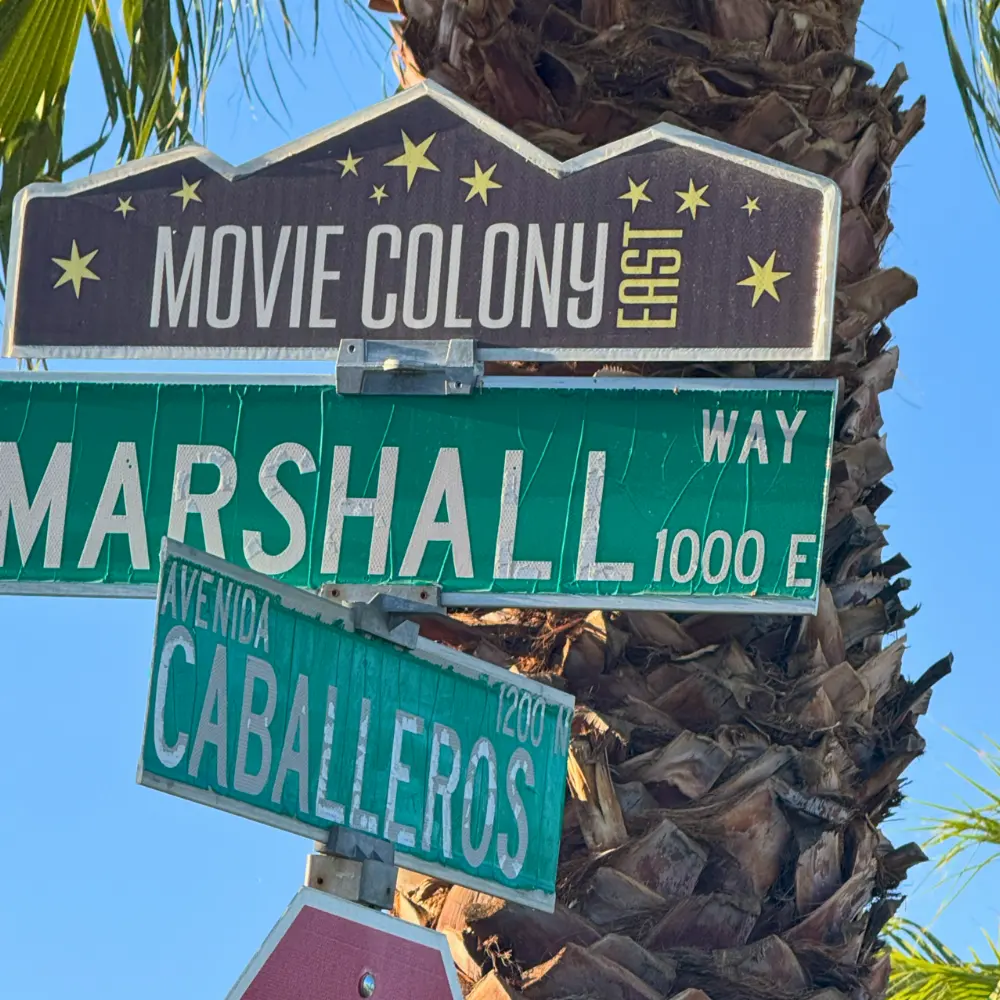
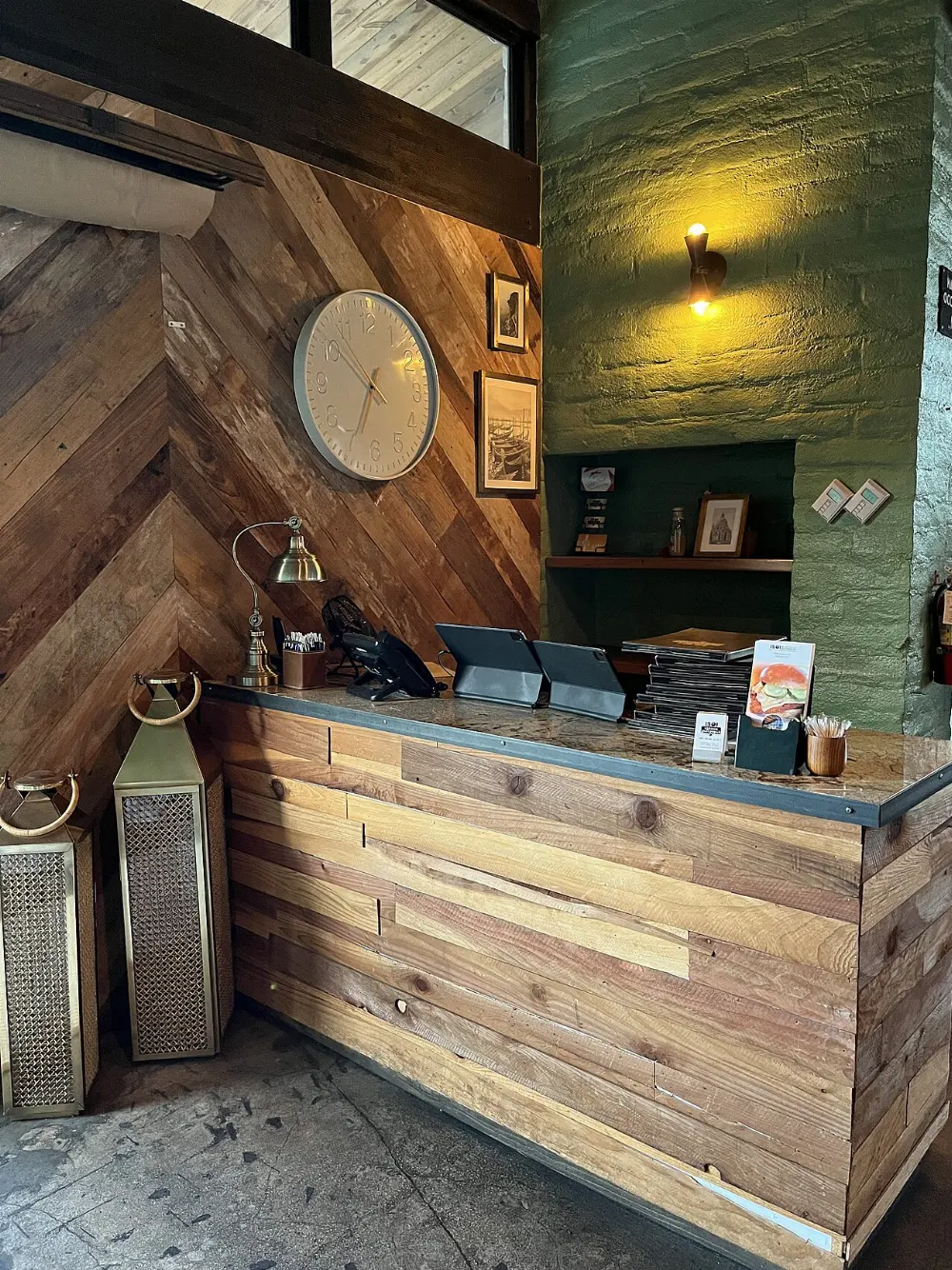
Uptown and the Movie Colony suit design lovers and couples, with restored midcentury motels and boutique inns built around pools, plus easy walks to Uptown shops.
South Palm Springs is quieter and residential, close to the Indian Canyons and Moorten Botanical Garden, and often has vacation rental homes with private pools that work well for families and groups.
Rancho Mirage, Palm Desert and the rest of the valley suit golfers and anyone wanting a large resort with multiple pools, though you will drive into Palm Springs for dinner.
Where to stay in Palm Springs
Best time to visit
The main season runs from October to April. Days in winter are usually sunny and mild, perfect for hiking, while nights can drop to near freezing and the tramway's upper station may have snow.
April and May are warm but still manageable, with fewer crowds and good hotel rates.
Getting there and getting around
Palm Springs International Airport is unusually close to downtown, with an open-air concourse and seasonal flights from many US and Canadian cities.
Amtrak's Sunset Limited stops at an unstaffed platform north of town several times a week, and Amtrak Thruway buses and FlixBus serve downtown.
A car is the most practical way to reach the tramway, the canyons and the wider valley.
A suggested itinerary
First day
Start at the Agua Caliente Cultural Museum to learn the story of the land, then spend late morning at the Palm Springs Art Museum.
Second day
Head to the Indian Canyons early and walk Palm Canyon and Andreas Canyon before the heat builds. Have a slow lunch, then rest by the pool.
Third day
Take a guided walk in Tahquitz Canyon in the morning. In the afternoon, drive to Rancho Mirage for the gardens at Sunnylands, then continue to the date gardens farther down the valley for a date shake.
Practical tips
- Drink more water than you think you need, wear a hat and start hikes early, even in spring.
- Pack a warm jacket for the tramway; the top can be dramatically colder than town.
- Book hotels and restaurants well ahead for January through March, especially during Modernism Week and the film festival.
- The Indian Canyons and Tahquitz Canyon are tribal lands with their own rules, fees and seasonal hours, so check their official website before you go.
- Most midcentury homes are private; view them from the street and keep noise down in residential areas.
- Wilderness hikes from the top of the tramway need a free permit from the ranger station.
Find local businesses in Palm Springs on WiserMap
Looking for a café before your canyon hike, a bike rental, a spa or a place for dinner on Palm Canyon Drive?