WiserMap — Choose wisely. Connect locally.Choose wisely. Connect locally.Add your business
Carmel-by-the-Sea, California · Travel guide

Carmel-by-the-Sea California Point Lobos and Cottages

Carmel-by-the-Sea is a small village on the southern edge of the Monterey Peninsula, about a square mile of cottages, courtyards and pine-shaded lanes that slope down to a white-sand beach.

By WiserMap TravelUpdated October 2026 8 places10 min read
FacebookXLinkedIn

Beyond the village, you have some of the finest coastline in California within a short drive, from the granite coves of Point Lobos to the cypress-lined 17-Mile Drive and the start of Big Sur. This guide covers the best places to see, how much time to give each one, where to stay and how to plan around fog, crowds and parking.

At a glance Carmel-by-the-Sea
  1. Best timeSeptember and October for sunshine and warmer days; spring for wildflowers and fewer crowds.
  2. How longTwo to three days for the village, Point Lobos and a drive to Big Sur or Carmel Valley.
  3. Getting thereFly into Monterey, or drive from San Jose or San Francisco via Highway 1.

Why visit Carmel-by-the-Sea

Carmel is a rare combination of a walkable village and wild coast. In one day you can browse galleries in courtyards that look like European lanes, walk barefoot on a broad beach framed by cypress trees and watch sea otters in a protected reserve.

The town also has deep history. The Carmel Mission, founded in 1771, served as headquarters for the chain of Spanish missions across Alta California and is the burial place of Father Junipero Serra.

Finally, Carmel is a strong base. Monterey's Cannery Row and aquarium are about ten minutes away, Carmel Valley wineries are a short drive inland, and Highway 1 heads south from town into Big Sur.

The village and the beach

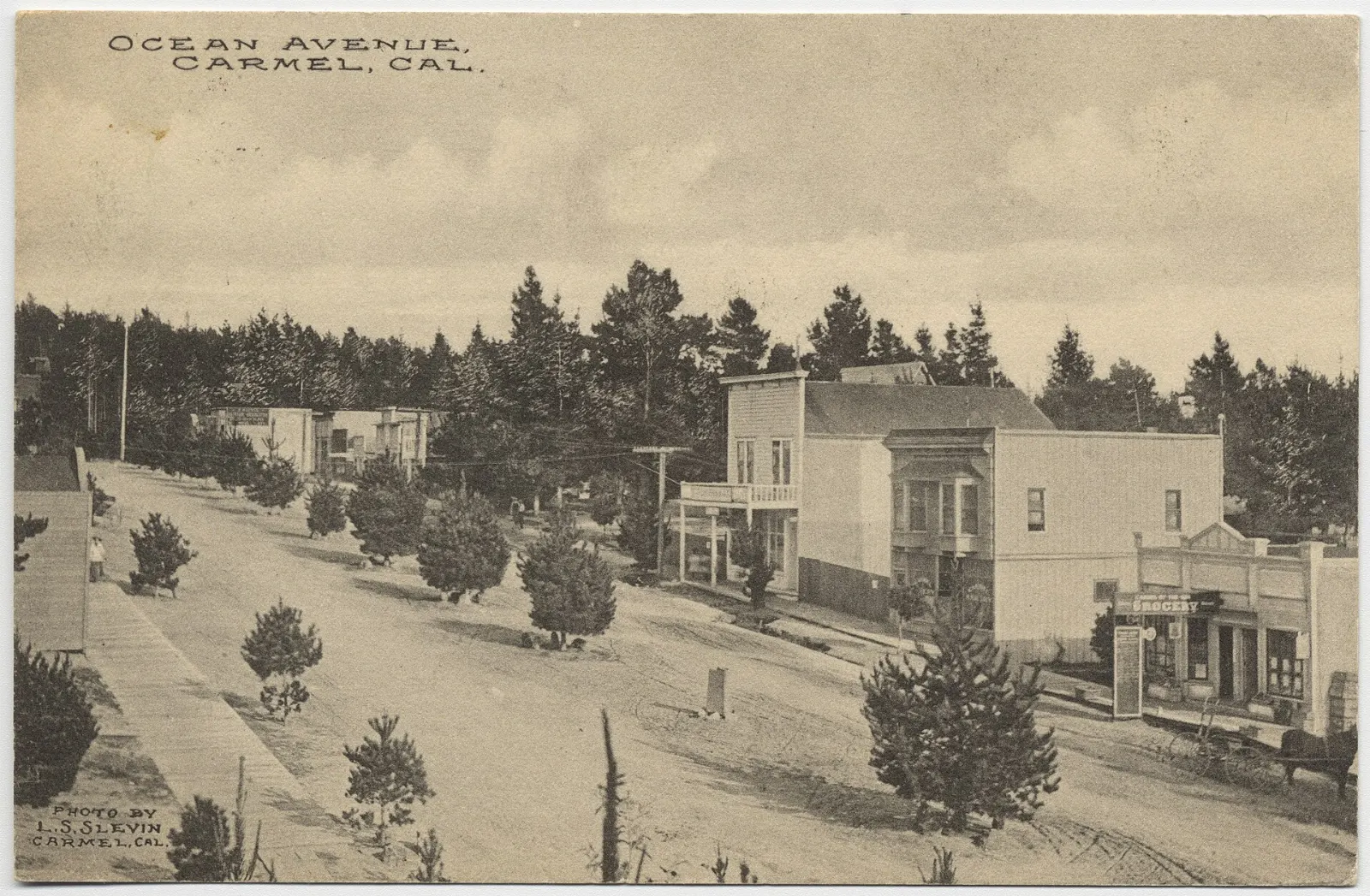
Shops and trees along Ocean Avenue in downtown Carmel-by-the-Sea, California

Carmel Beach

At the foot of Ocean Avenue, Carmel Beach is a long arc of fine white sand facing Carmel Bay, with views south to Point Lobos and north to the Pebble Beach golf links.

Ocean Avenue is the main street of Carmel-by-the-Sea, sloping down toward the beach. Photo: Louis S. Slevin, Wikimedia Commons, Public domain
Ocean Avenue and the courtyards

Ocean Avenue is the spine of the village, lined with galleries, bookshops, wine tasting rooms and cafes. The real pleasure is ducking off it into the courtyards and passageways that link the side streets, such as the Court of the Golden Bough and the shops around Dolores Street.

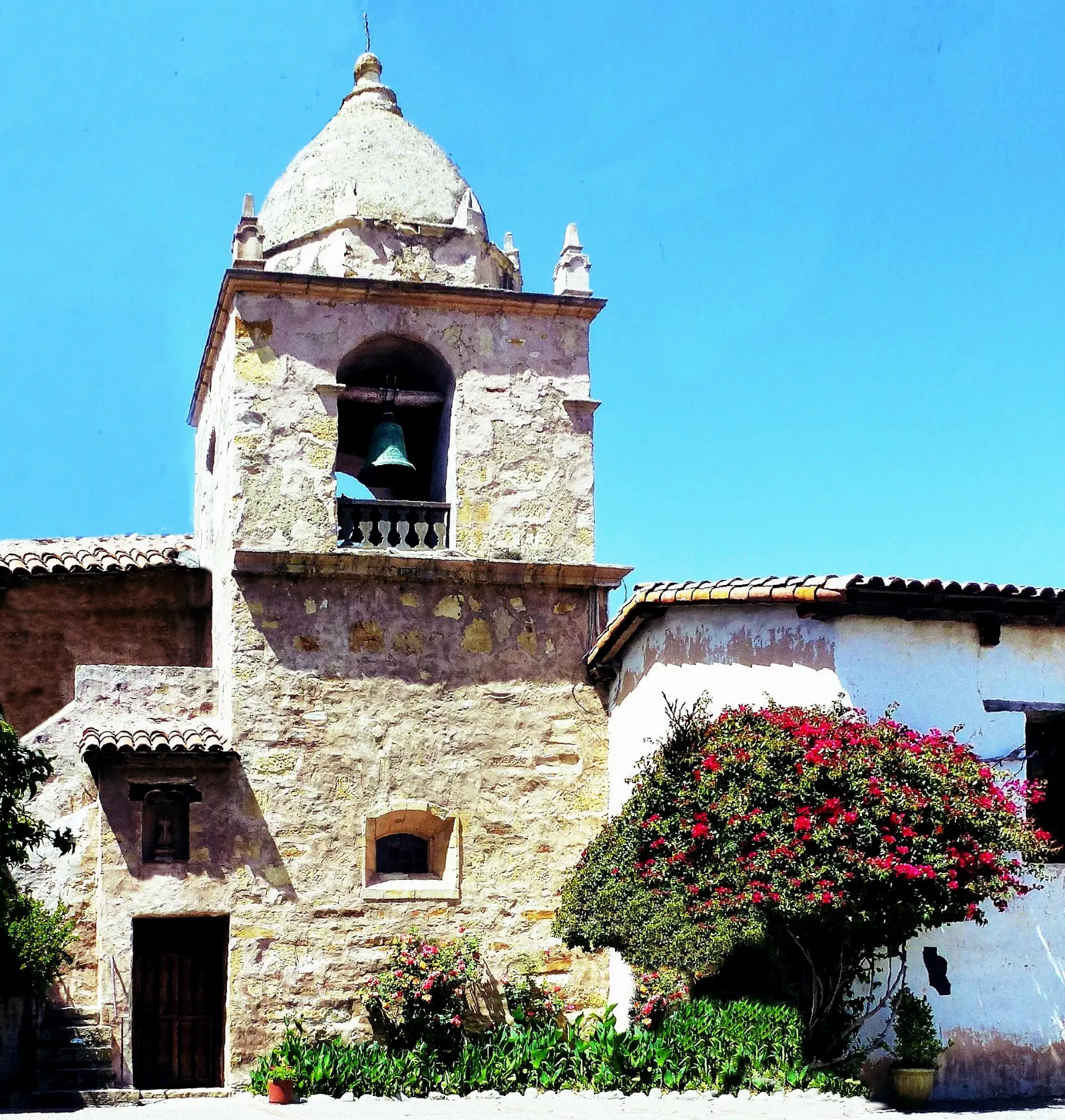
Stone facade and bell tower of the Carmel Mission basilica, Carmel-by-the-Sea, California

Storybook cottages

In the 1920s, builder Hugh Comstock designed a series of whimsical cottages with steep, uneven roofs, rough stone chimneys and arched doors. The first, known as the Hansel cottage, sits on Torres Street between Fifth and Sixth avenues, and others are scattered around the streets to the east of downtown.

The Carmel Mission was the headquarters of the California missions under Junipero Serra. Photo: Pierre André Leclercq, Wikimedia Commons, CC BY-SA 4.0

Scenic Road and Carmel Point

Scenic Road runs south from Ocean Avenue along the bluffs above the beach, with a paved footpath, benches and staircases down to the sand. Walk it all the way to Carmel Point, where homes perch above rocky coves and you can watch surfers and seabirds.

Missions, poets and history

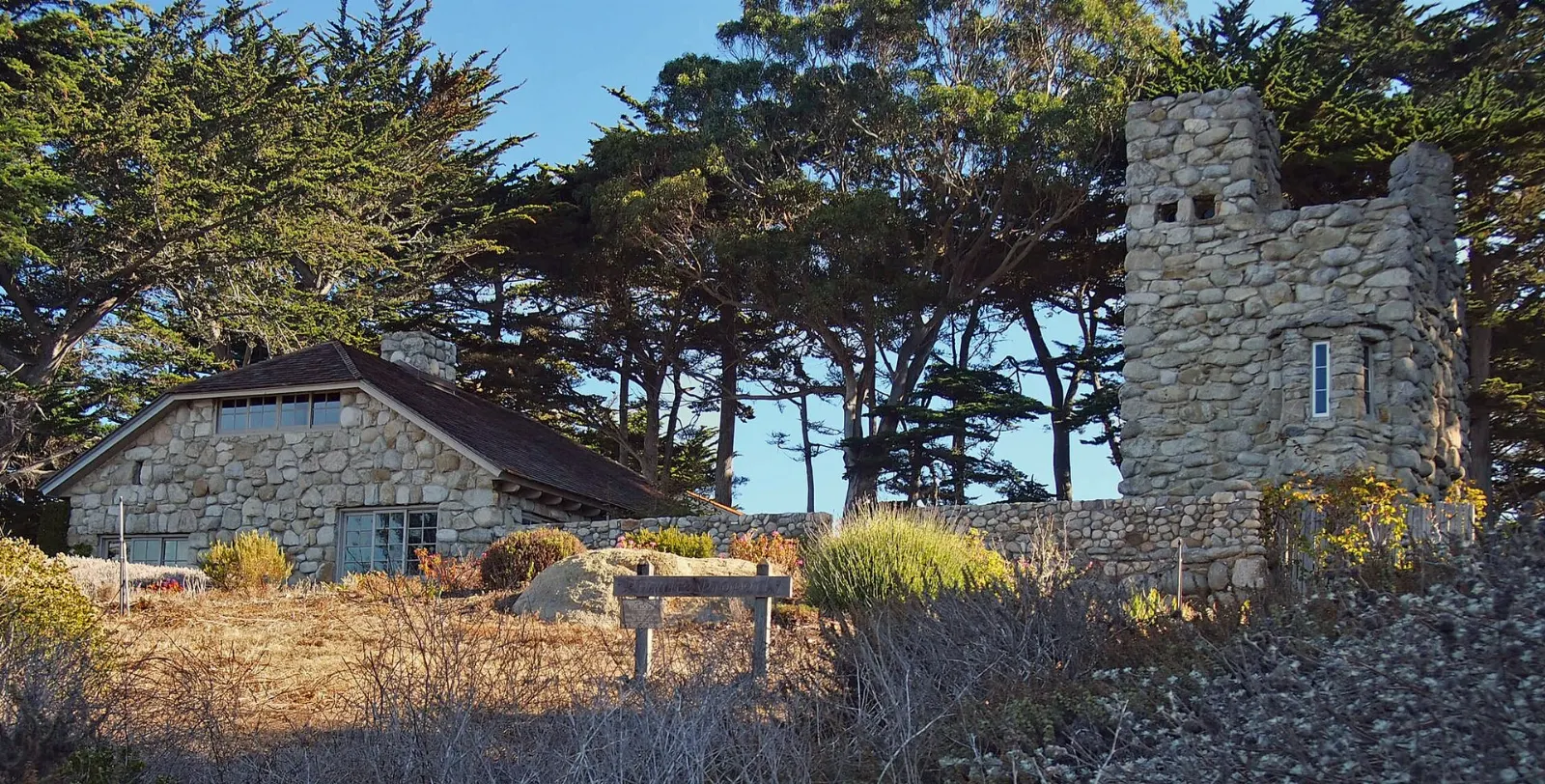
Granite Tor House and Hawk Tower built by poet Robinson Jeffers, Carmel-by-the-Sea, California

Carmel Mission Basilica

Mission San Carlos Borromeo de Carmelo is a short drive or a pleasant walk south of downtown. Its stone church, with a Moorish-style bell tower and star window, was completed in the 1790s and restored in the twentieth century after years of decline.

Poet Robinson Jeffers built Tor House and Hawk Tower from granite boulders gathered at the shore. Photo: McGhiever, Wikimedia Commons, CC BY-SA 4.0

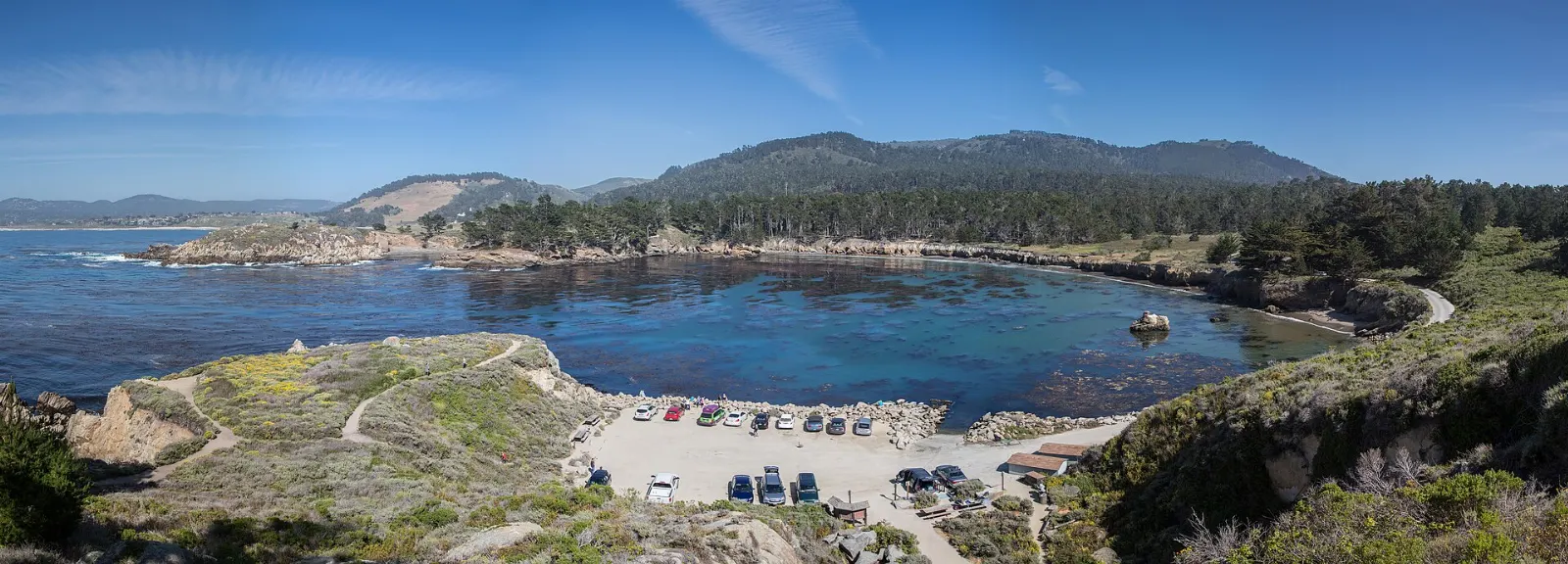
Rocky coves and cypress trees at Point Lobos State Natural Reserve, Carmel-by-the-Sea, California

Tor House

On Carmel Point, poet Robinson Jeffers built Tor House and the adjoining Hawk Tower by hand from granite boulders hauled up from the shore, beginning in 1919.

Point Lobos protects rugged headlands, coves and one of two native groves of Monterey cypress. Photo: Diliff, Wikimedia Commons, CC BY-SA 3.0

Mission Ranch

Just behind the mission, Mission Ranch is a historic farm property that Clint Eastwood bought and restored in the 1980s. Its restaurant and lawns look out over pastures with grazing sheep, wetlands and Point Lobos beyond.

Point Lobos, 17-Mile Drive and the coast

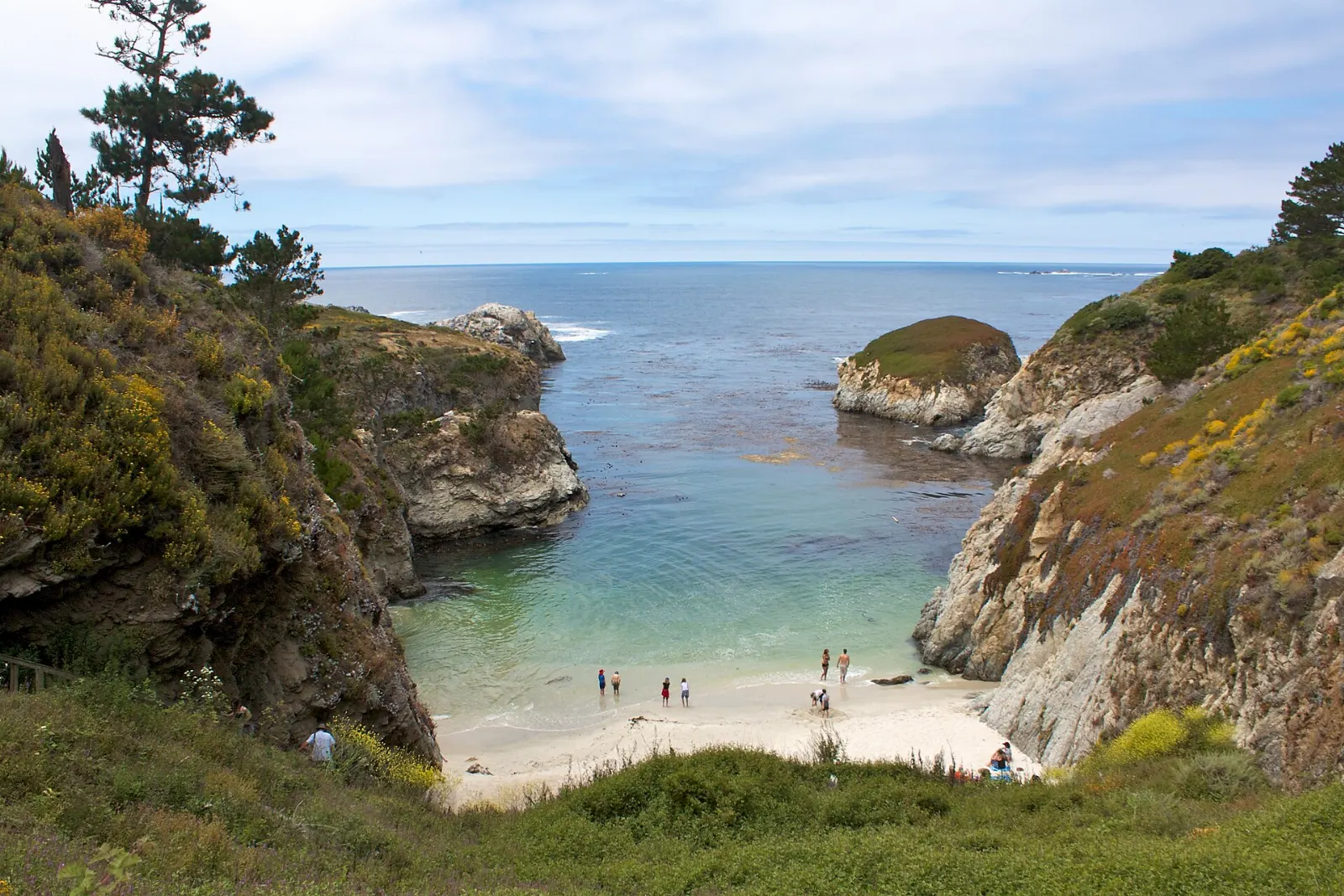
Emerald water and a small sandy cove at China Cove, Carmel-by-the-Sea, California

Point Lobos State Natural Reserve

About three miles south of town on Highway 1, Point Lobos is often called the crown jewel of the California state park system. Its trails follow headlands and coves where you may see harbor seals, sea lions, sea otters and, in season, migrating gray whales.

Parking inside the reserve is limited and fills early on weekends, so arrive soon after opening. If the lot is full, you can park along Highway 1 and walk in, following posted signs.

China Cove at Point Lobos is known for its clear green water and granite walls. Photo: Jay Galvin, Wikimedia Commons, CC BY 2.0

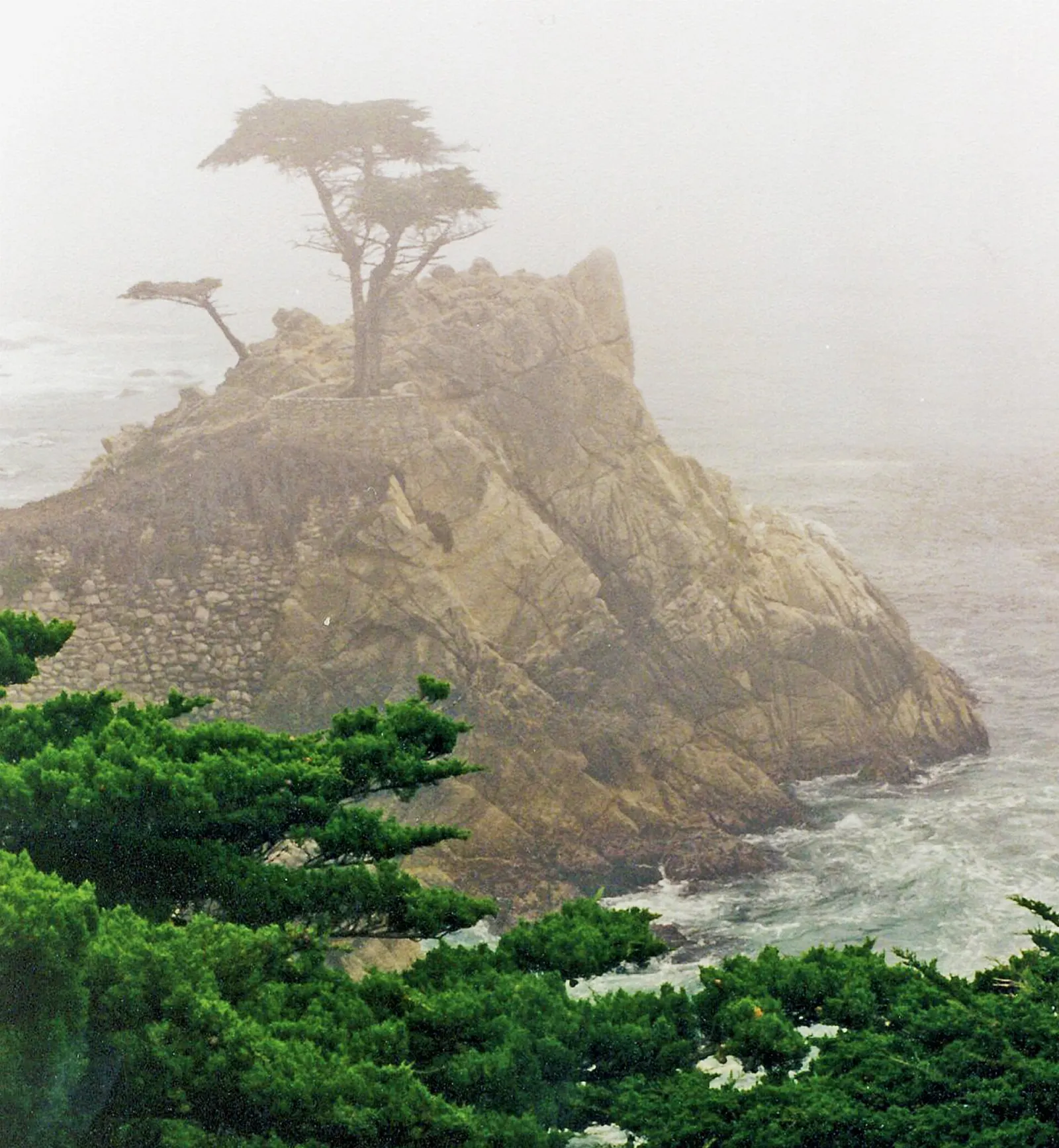
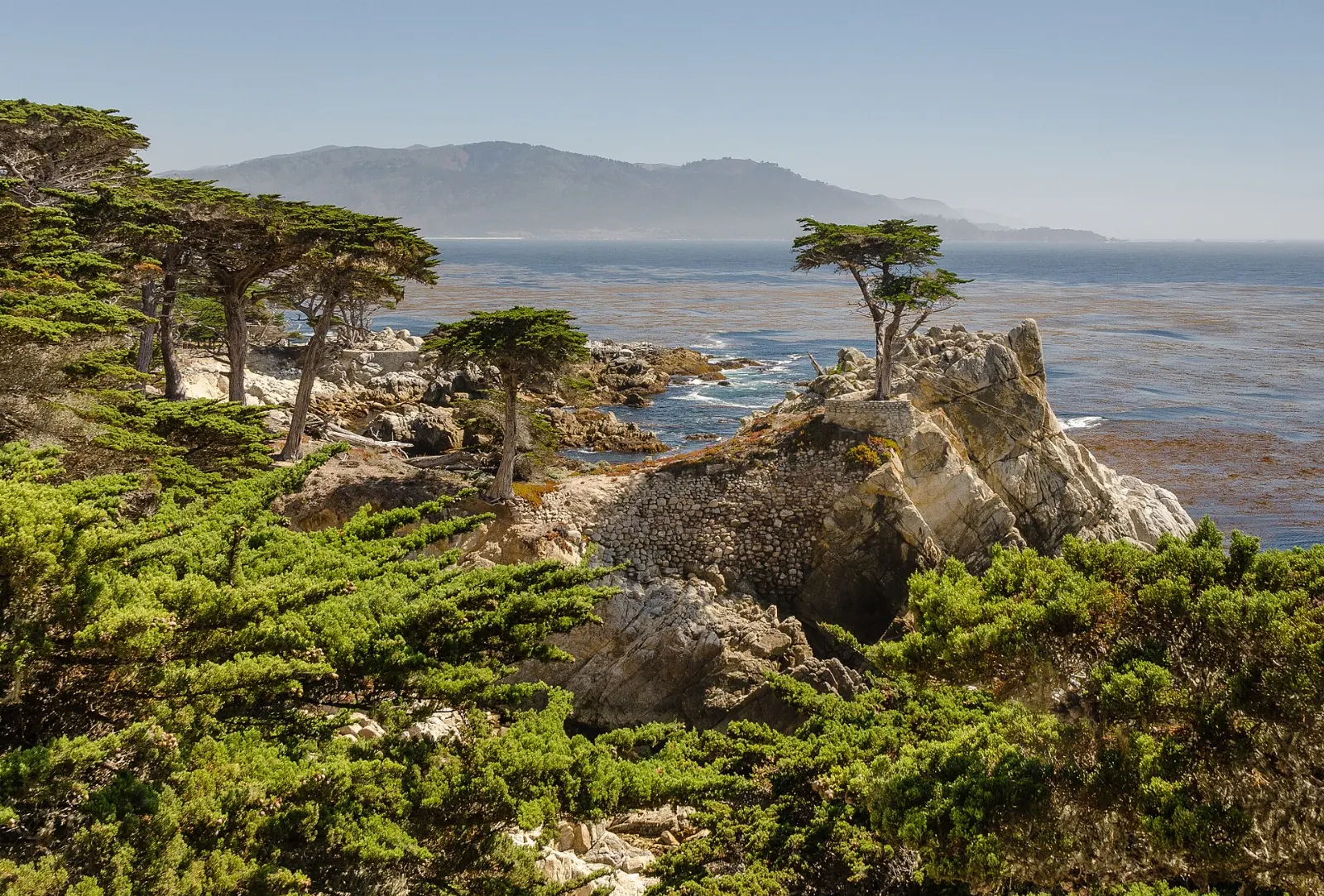
The Lone Cypress growing on a granite outcrop above the Pacific, Carmel-by-the-Sea, California

China Cove and Gibson Beach

On the southern side of Point Lobos, China Cove is a tiny inlet with startlingly green water and white sand, seen from the Bird Island Trail. Stairs lead down to Gibson Beach nearby.

The Lone Cypress on 17-Mile Drive is one of the most photographed trees in the West. Photo: Tuxyso, Wikimedia Commons, CC BY-SA 3.0

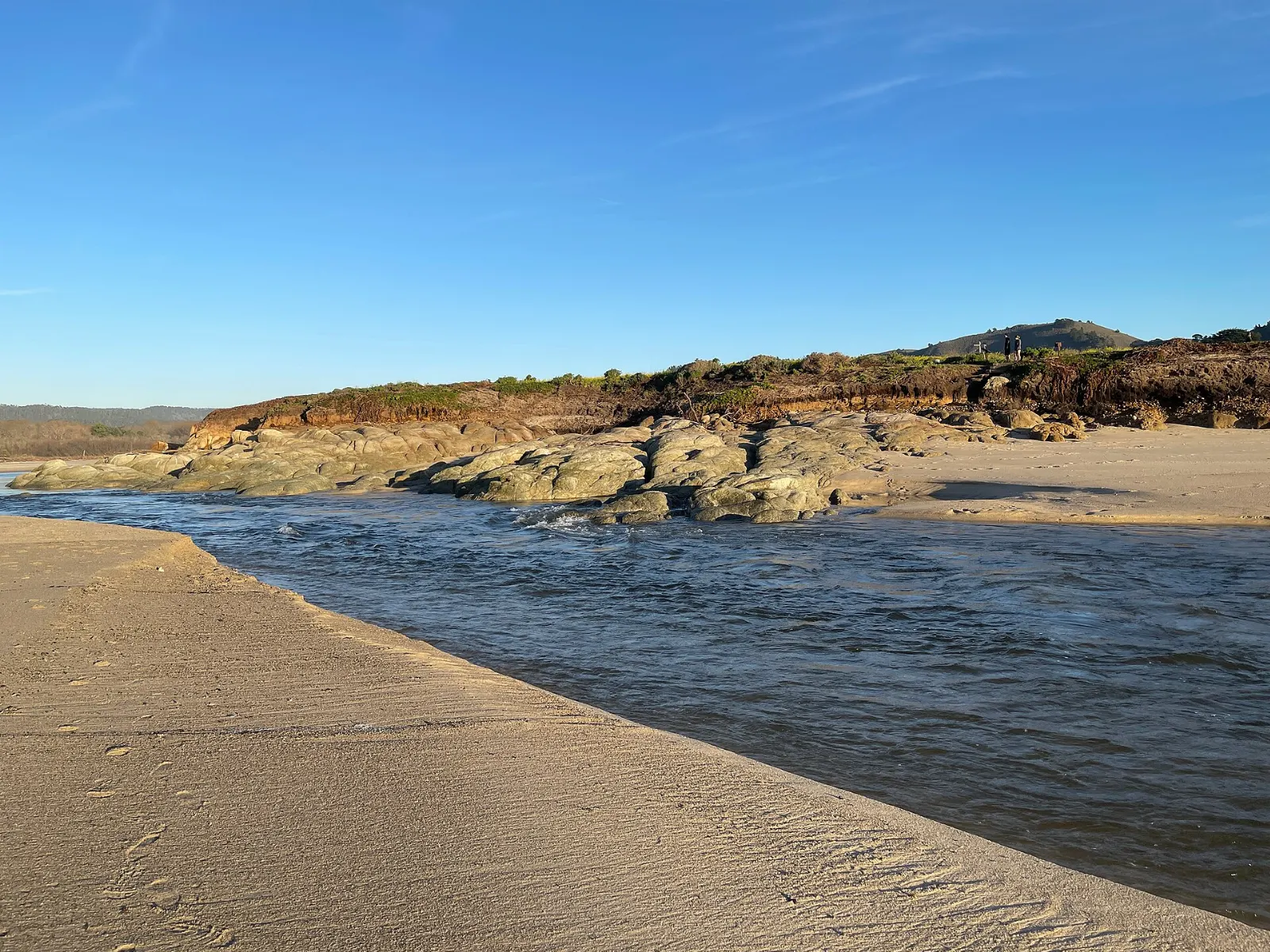
Carmel River lagoon meeting the ocean at Carmel River State Beach, Carmel-by-the-Sea, California

The 17-Mile Drive

The scenic toll road through the private community of Pebble Beach links Carmel with Pacific Grove.

At Carmel River State Beach, the river forms a lagoon that attracts herons, egrets and other birds. Photo: Gregory Ford Henderson, Wikimedia Commons, CC BY-SA 4.0

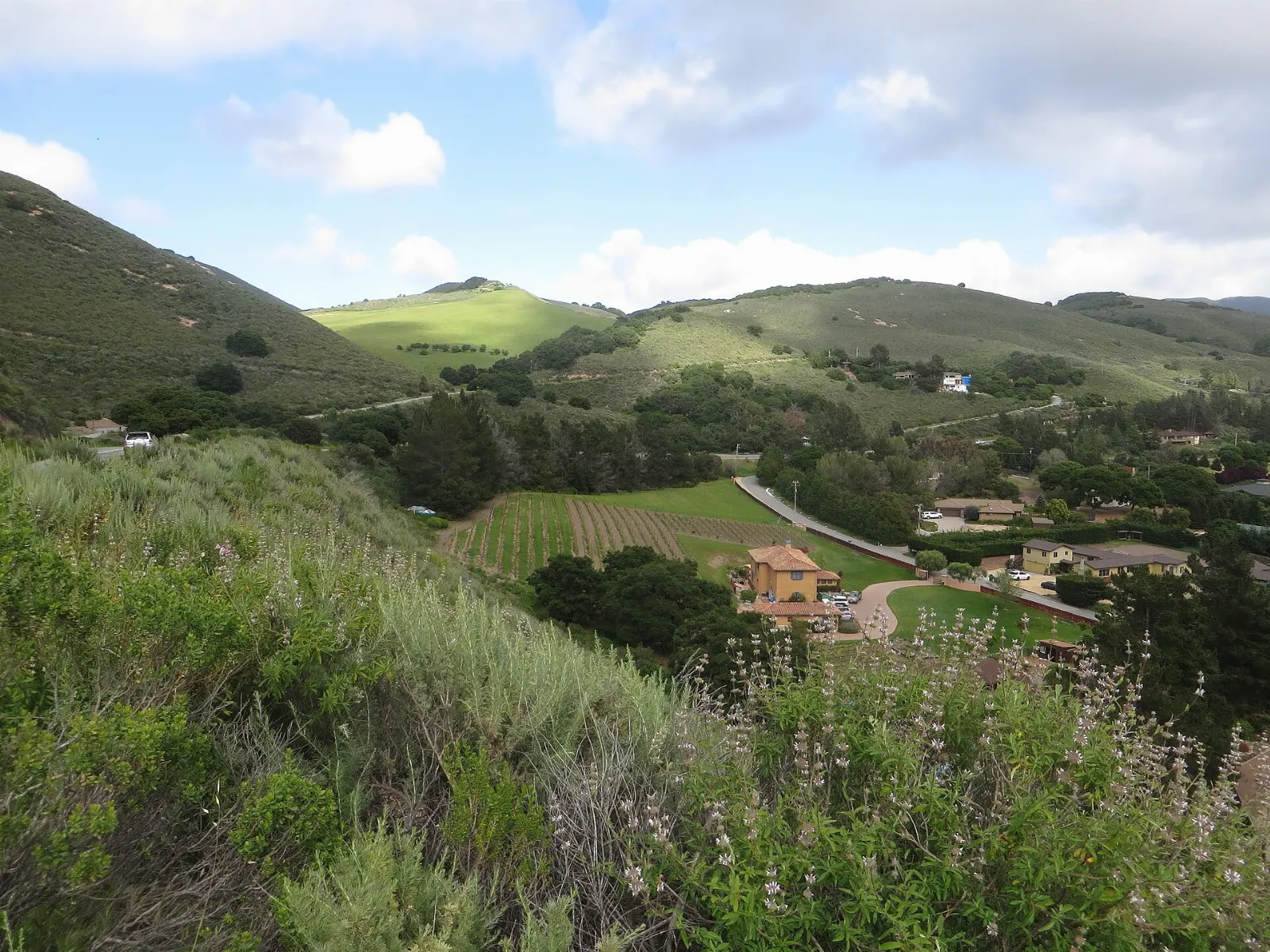
Main street of Carmel Valley Village with oak-covered hills behind, Carmel-by-the-Sea, California

Carmel River State Beach

South of Carmel Point, this state beach includes a freshwater lagoon where the Carmel River meets the sea, a good spot for birdwatching. Farther south, Monastery Beach is popular with scuba divers but has steep drop-offs and dangerous surf, so do not swim there.

Carmel Valley Village is home to many tasting rooms for wines from the surrounding hills. Photo: Ken Lund, Wikimedia Commons, CC BY-SA 2.0

Carmel Valley Village

Drive about twenty minutes inland on Carmel Valley Road and the fog often gives way to sunshine. Carmel Valley Village is a relaxed main street with many wine tasting rooms pouring Chardonnay, Pinot Noir and Cabernet from the valley and the nearby Santa Lucia Highlands.

Food and local flavors

Carmel's food scene leans on the produce and seafood of the Monterey Bay region.

Wine is a big part of the experience. Downtown Carmel has a cluster of tasting rooms within walking distance, many representing small producers from Carmel Valley, the Santa Lucia Highlands and Monterey County.

The village has a strong cafe and bakery culture, with European-style pastries and breakfast spots that fill up on weekend mornings.

Popular dishes to try in Carmel-by-the-Sea

Artichoke in Carmel-by-the-Sea, California
Artichoke Artichokes from nearby Castroville, the self-described Artichoke Center of the World, appear grilled, fried or in soup.Photo: Keagiles, Wikimedia Commons, CC BY-SA 3.0
Dungeness crab in Carmel-by-the-Sea, California
Dungeness crab Look for Monterey Bay seafood such as local rockfish, Dungeness crab in season and calamari, a long-time favorite of the area's fishing community.Photo: Missvain, Wikimedia Commons, CC BY 4.0
Wine in Carmel-by-the-Sea, California
Wine Wine is a big part of the experience.Photo: A.Savin, Wikimedia Commons, CC BY-SA 3.0

Where to stay

Downtown Carmel suits first-time visitors and anyone who wants to walk everywhere.

Near the beach and Scenic Road is ideal for couples and dog owners who want sunset walks on the sand.

Carmel Valley offers sunnier weather, ranch-style resorts and easy access to wineries and hiking.

Pebble Beach is a high-end option for golfers and those planning around events such as the Concours d'Elegance in August.

Where to stay in Carmel-by-the-Sea

Ocean Avenue, Carmel-by-the-Sea, California
Ocean Avenue Small inns and cottage-style lodgings sit within a few blocks of Ocean Avenue and the beach.Photo: Louis S. Slevin, Wikimedia Commons, Public domain
Scenic Road, Carmel-by-the-Sea, California
Scenic Road Near the beach and Scenic Road is ideal for couples and dog owners who want sunset walks on the sand.Photo: Gregory Ford Henderson, Wikimedia Commons, CC BY-SA 4.0
Pacific Grove, Carmel-by-the-Sea, California
Pacific Grove Monterey and Pacific Grove provide more options and often lower rates, with Cannery Row, the aquarium and the coastal recreation trail close by.Photo: Louis S. Slevin, Wikimedia Commons, Public domain
Best time to visit

Carmel has a mild climate all year, but the seasons matter.

June through August can surprise visitors with cool, foggy mornings and afternoons, especially near the water, while Carmel Valley stays sunny and warm.

Winter, from November to March, brings rain storms, big surf and some of the quietest, most affordable stays of the year.

Getting there and getting around

Monterey Regional Airport is the closest airport, a short drive from Carmel, with flights from several West Coast hubs. Many travelers instead fly into San Jose, about an hour and a half away by car, or San Francisco, around two and a half hours away depending on traffic.

Once you arrive, walk. The village is compact and most sights are within a twenty-minute stroll, though the hills are steep in places.

A suggested itinerary

First day

Start with coffee downtown, then wander Ocean Avenue and the courtyards. After lunch, follow a walking map past the Comstock cottages, then walk down to Carmel Beach and continue along Scenic Road to Carmel Point.

Second day

Arrive at Point Lobos early and walk the Cypress Grove, Sea Lion Point and Bird Island trails. Return for the Carmel Mission in the afternoon and a stroll at Carmel River State Beach, then have dinner downtown.

Third day

Drive 17-Mile Drive in the morning, stopping at Bird Rock and the Lone Cypress.

Practical tips

  • Pack layers year-round; fog and wind can make the coast cool even in summer.
  • Arrive at Point Lobos early, especially on weekends, and never park where signs prohibit it.
  • Book Tor House tours well ahead, as group sizes are small.
  • Bring a flashlight for evening walks, since many residential streets have little street lighting.
  • Wear sturdy flat shoes; sidewalks are uneven and tree roots lift the pavement.
  • Keep dogs leashed downtown and pick up after them on the beach.

Find local businesses in Carmel-by-the-Sea on WiserMap

Looking for a bakery, a gallery, a pet-friendly inn or a local guide?

Explore local businesses

Carmel-by-the-SeaWISERMAP PLACECarmel-by-the-Sea: photos, reviews & things to doSee traveler photos and reviews, or share your own →

More places to visit

All travel guides →