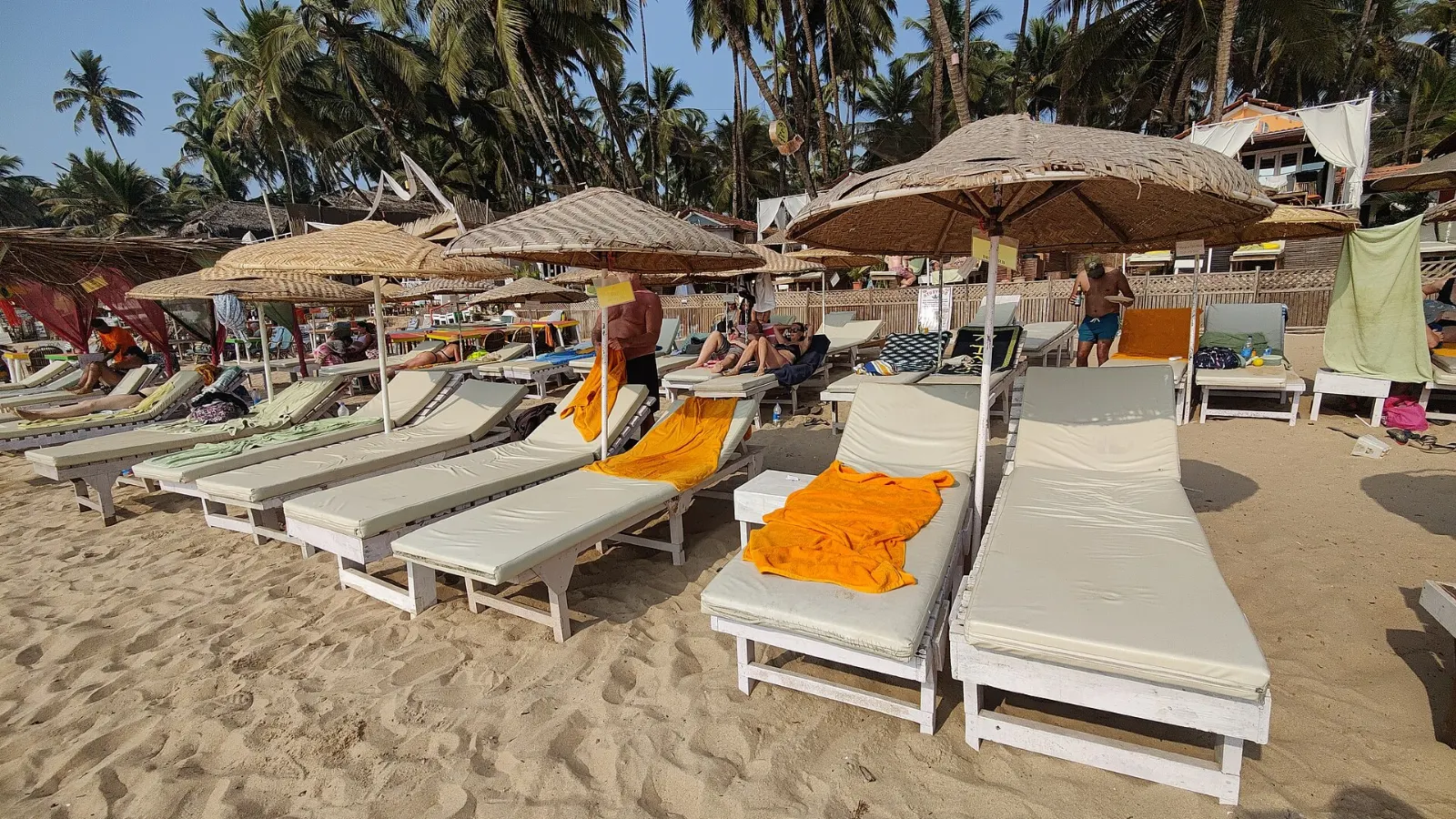
Goa is India's smallest state, yet it packs in long golden beaches, whitewashed churches, Portuguese-era towns, spice farms, waterfalls and some of the country's most distinctive food.
AT A GLANCE
Best time
November to February, with dry, sunny weather and calm seas; October and March are quieter shoulder months.
How long
Five days covers Panaji, Old Goa and a mix of north and south beaches; a week lets you slow down.
Getting there
Fly into Dabolim (GOI) or Manohar International at Mopa (GOX), or take the Konkan Railway to Madgaon or Thivim.
Why visit Goa
Goa's coastline stretches for roughly a hundred kilometers along the Arabian Sea, with very different moods from north to south. North Goa is lively, with beach clubs, markets and nightlife, while South Goa has quieter bays, fishing villages and a slower rhythm.
History is everywhere. The churches and convents of Old Goa, once a major Portuguese capital in Asia, form a UNESCO World Heritage Site.
Old Goa and Panaji
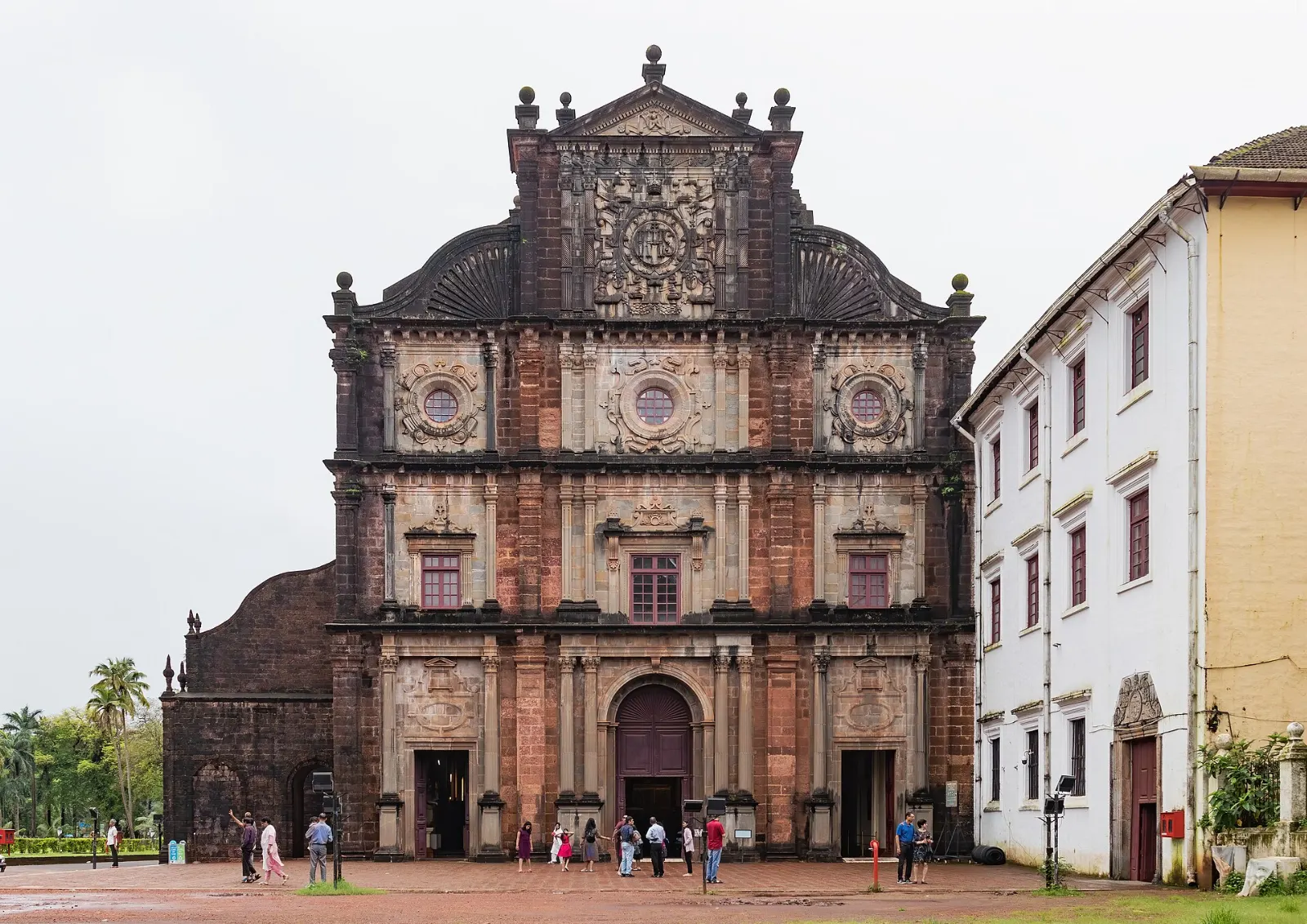
Basilica of Bom Jesus
Old Goa, about ten kilometers east of Panaji, was once a thriving colonial city.
Se Cathedral and the Old Goa churches
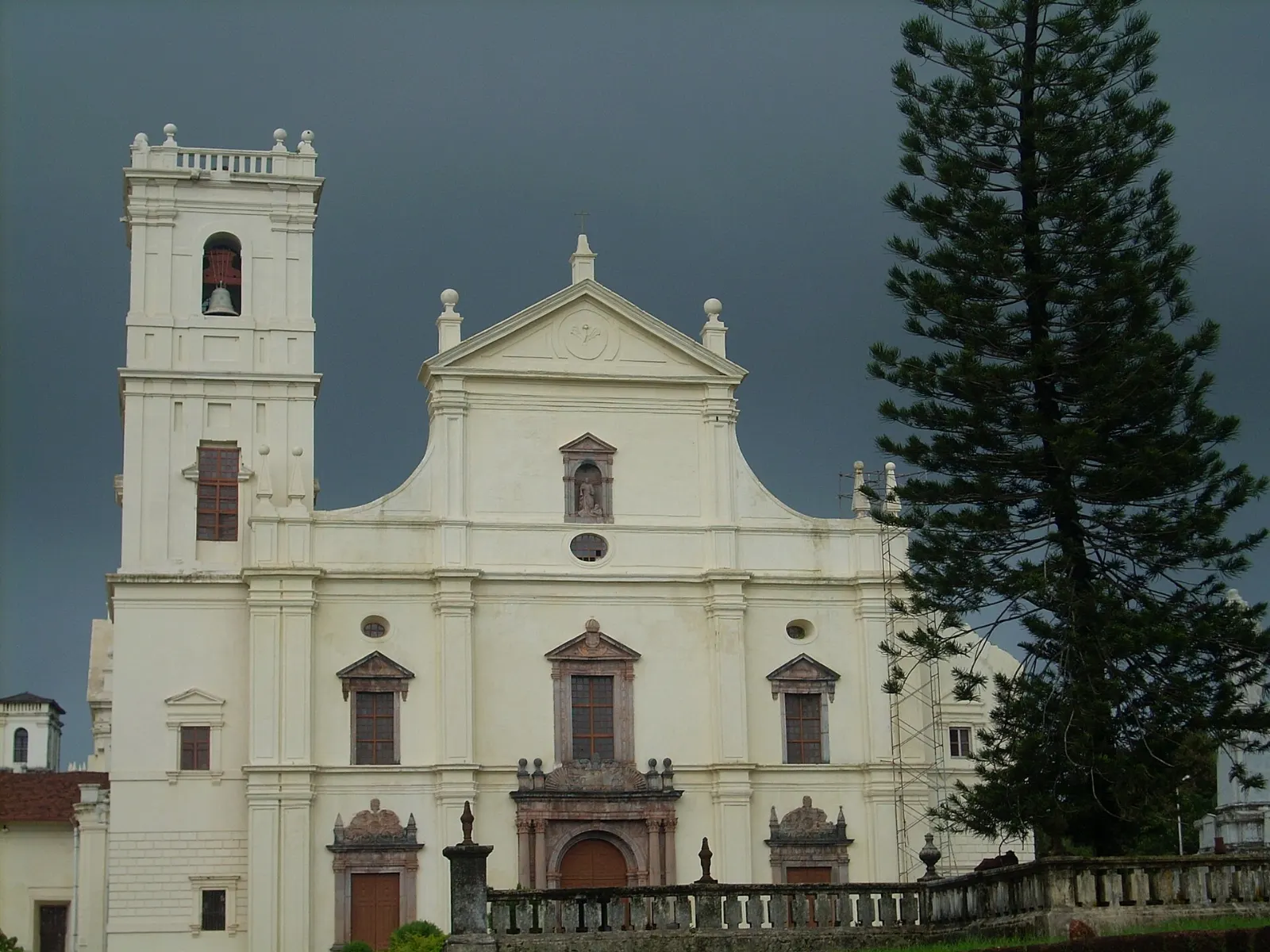
Across the road, the Se Cathedral is one of the largest churches built by the Portuguese in Asia, known for its whitewashed facade and its large Golden Bell.
Fontainhas
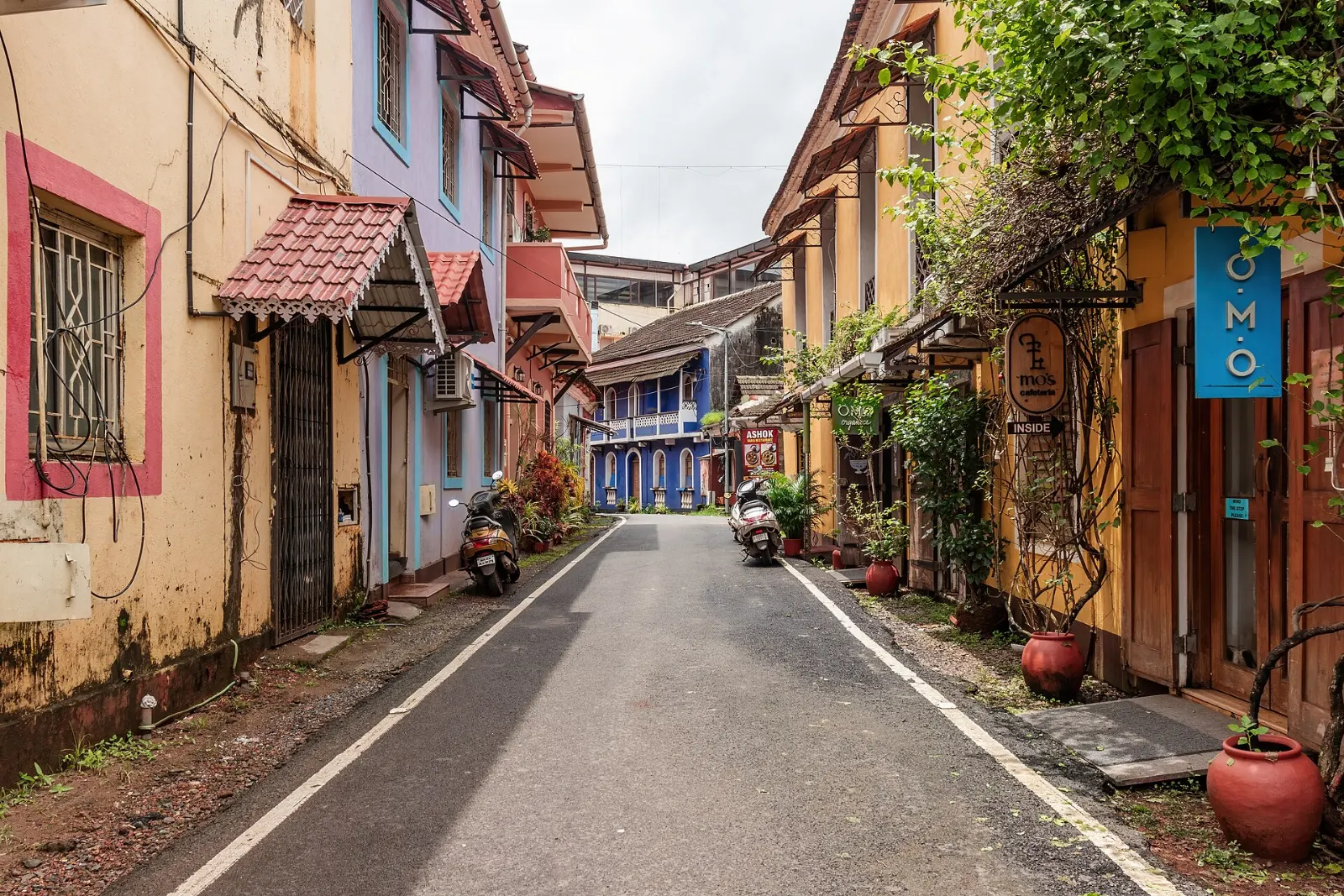
Panaji, also called Panjim, is Goa's capital, set on the Mandovi River. Its old Latin Quarter, Fontainhas, is a neighborhood of narrow lanes lined with colorful Portuguese-era houses, tiled name plates, small chapels, cafes and art galleries.
Church of Our Lady of the Immaculate Conception
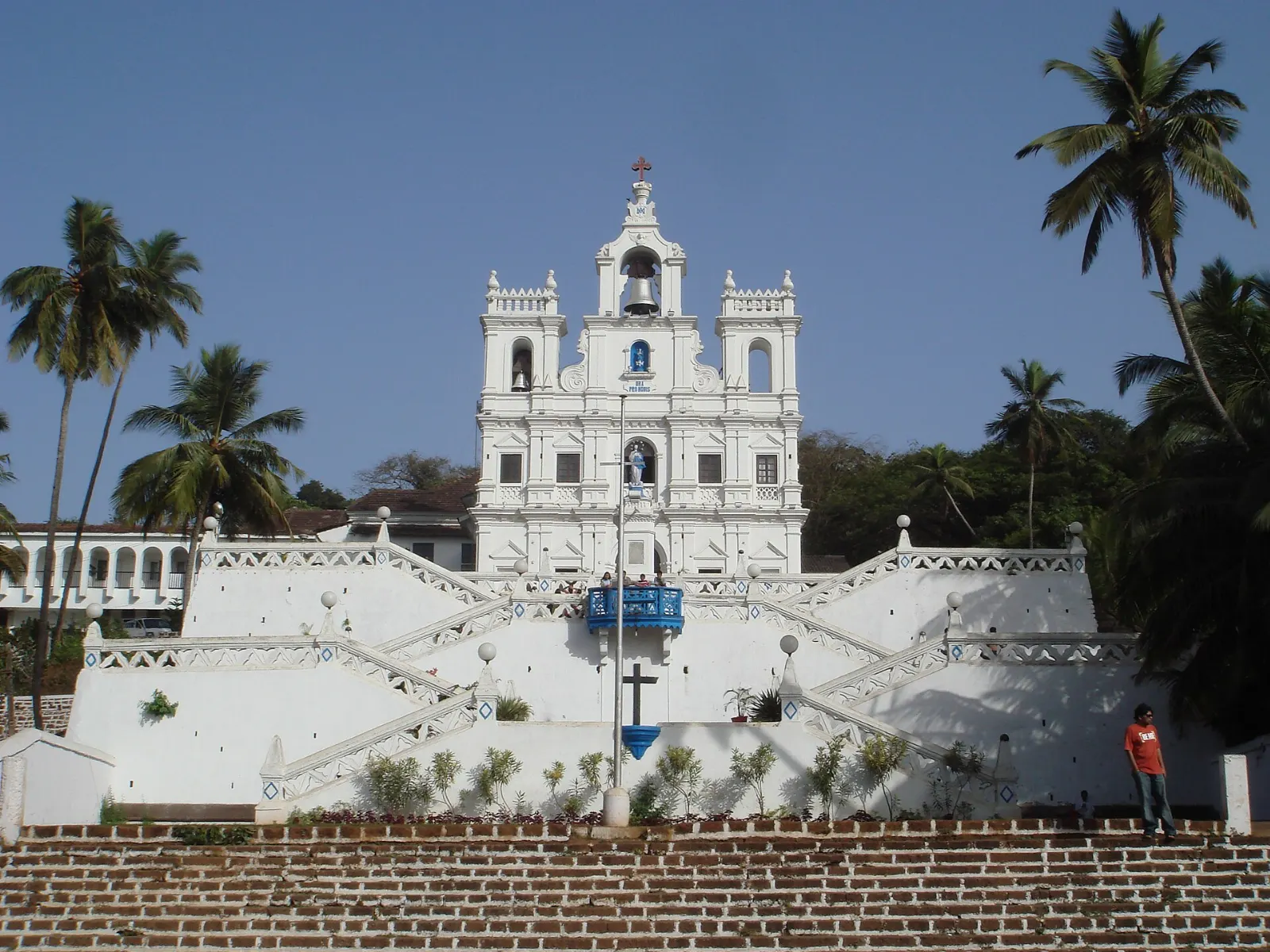
This bright white church, dating in its current form to the early nineteenth century with older origins, sits above central Panaji on a dramatic zigzag staircase.
Divar Island
A short free car ferry ride from Old Goa, Divar Island is a peaceful world of paddy fields, village houses and hilltop chapels. Rent a scooter or bicycle and spend a slow half day exploring, especially in the green months after the monsoon.
North Goa beaches, forts and markets
Fort Aguada
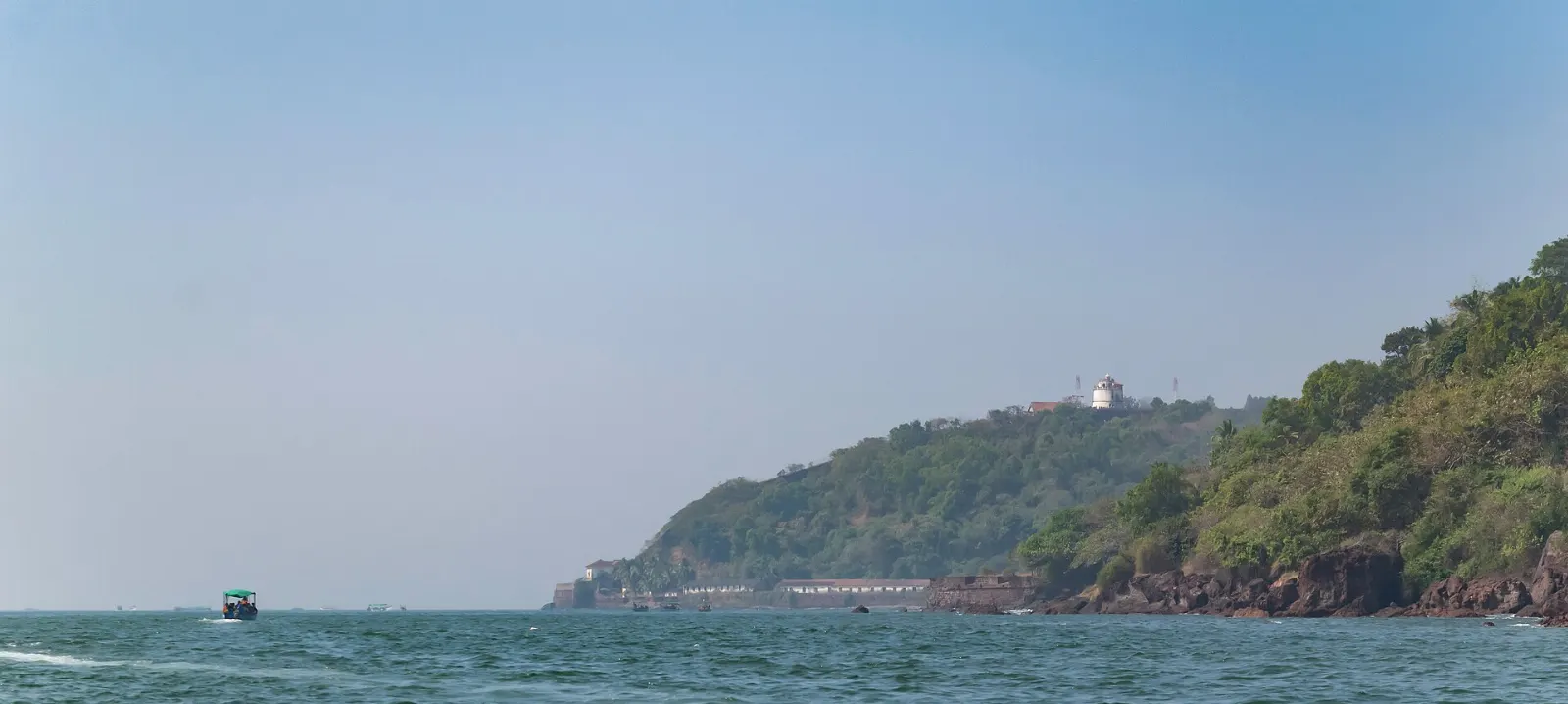
Built by the Portuguese in the early seventeenth century, Fort Aguada guarded the mouth of the Mandovi River and supplied fresh water to passing ships.
Calangute, Baga and Candolim
This stretch of coast is the busiest in Goa, with long sandy beaches lined with shacks, water sports operators and restaurants. Candolim is a little calmer, while Baga is known for its nightlife.
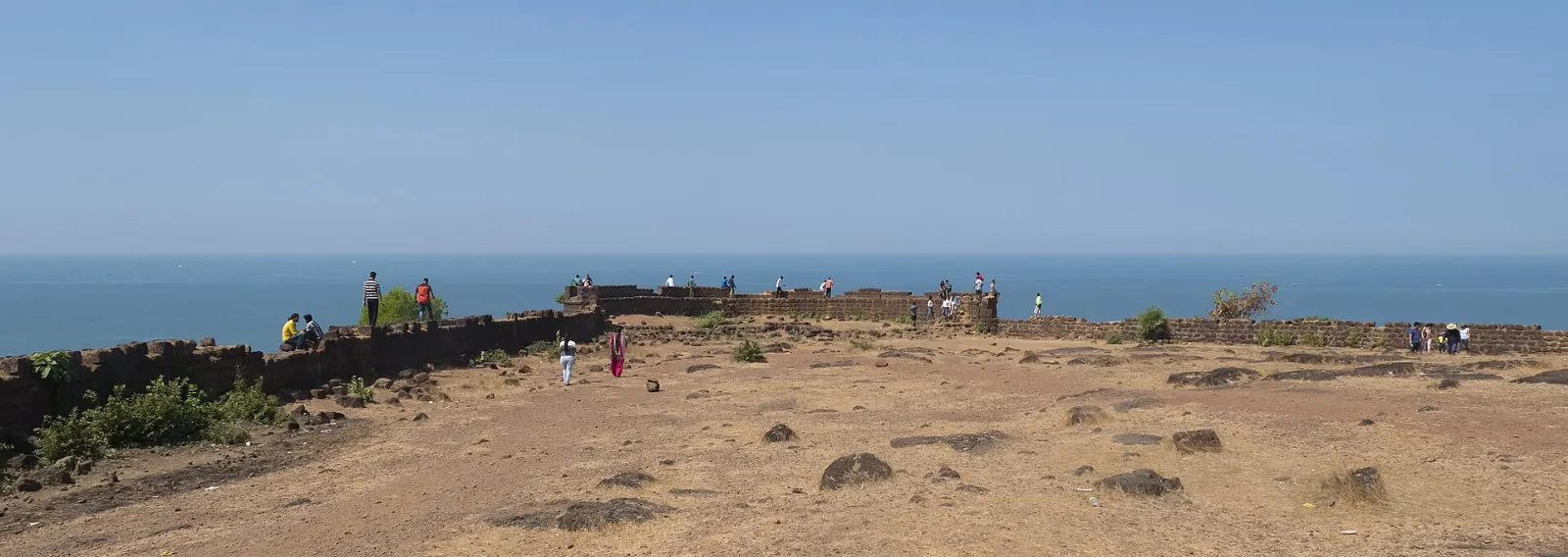
Anjuna, Vagator and Chapora Fort
Anjuna has rocky coves and a long-running Wednesday flea market in season, selling clothes, jewelry and crafts.
Night and village markets
The Saturday Night Market near Arpora runs in the main tourist season with food stalls, live music and shopping.
Mandrem, Ashvem and Morjim
Farther north, these beaches are calmer and popular for yoga retreats and long walks. Morjim is known as a nesting site for olive ridley sea turtles in the winter months, when parts of the beach may be protected.
South Goa and the inland hills
Palolem and Agonda
Palolem is a curved bay backed by coconut palms, with calm water in season that suits swimming and kayaking. Boat trips run from here to nearby coves.
Cabo de Rama Fort
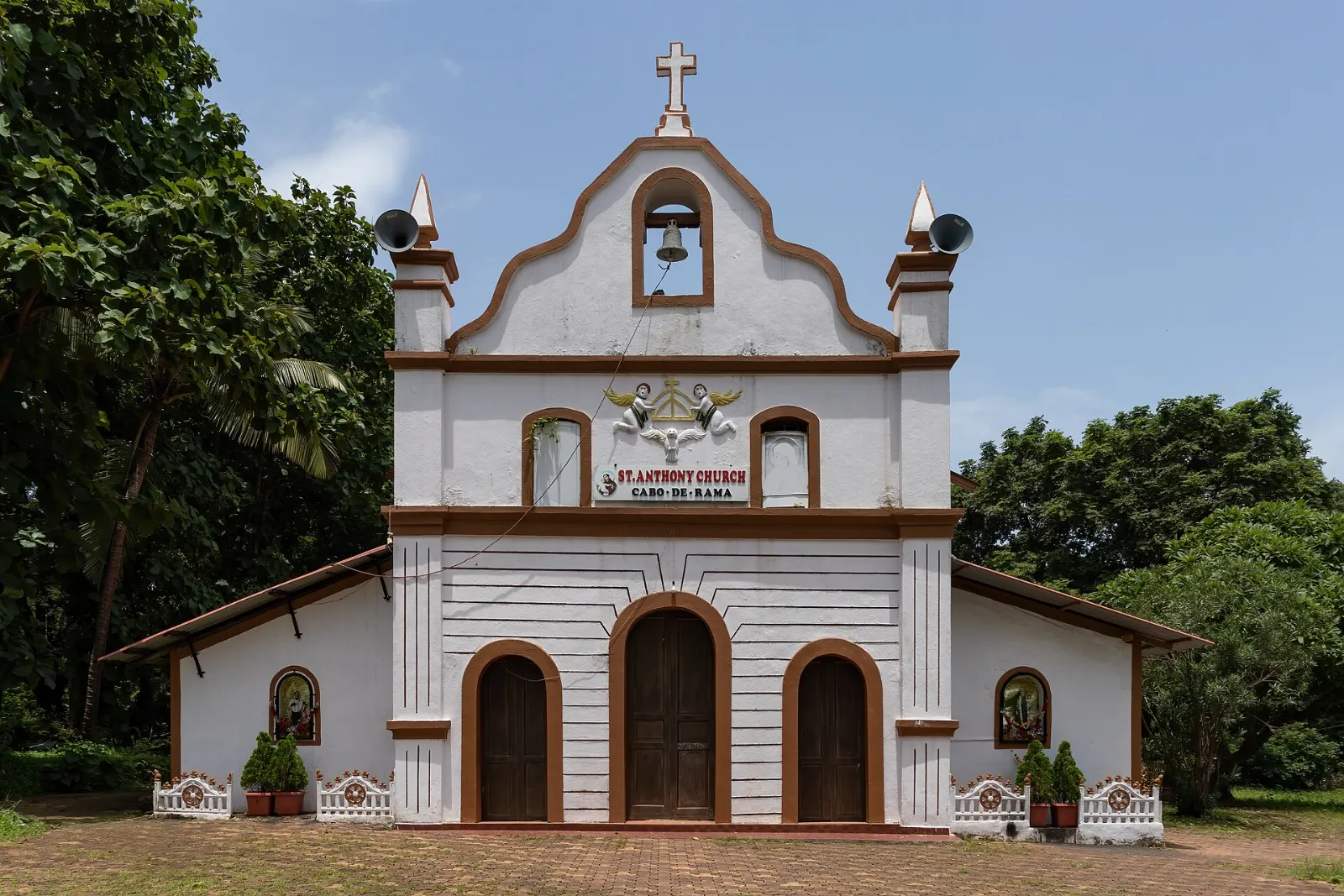
Perched on a headland between Agonda and Colva, this old fort has crumbling walls, a small church still in use and sweeping views down to secluded beaches.
Chandor and Loutolim
These villages near Margao are known for grand Portuguese-era mansions with tiled floors, carved furniture and family chapels. Some, such as the Braganza House in Chandor, are open to visitors, often guided by family members.
Ponda temples and spice farms
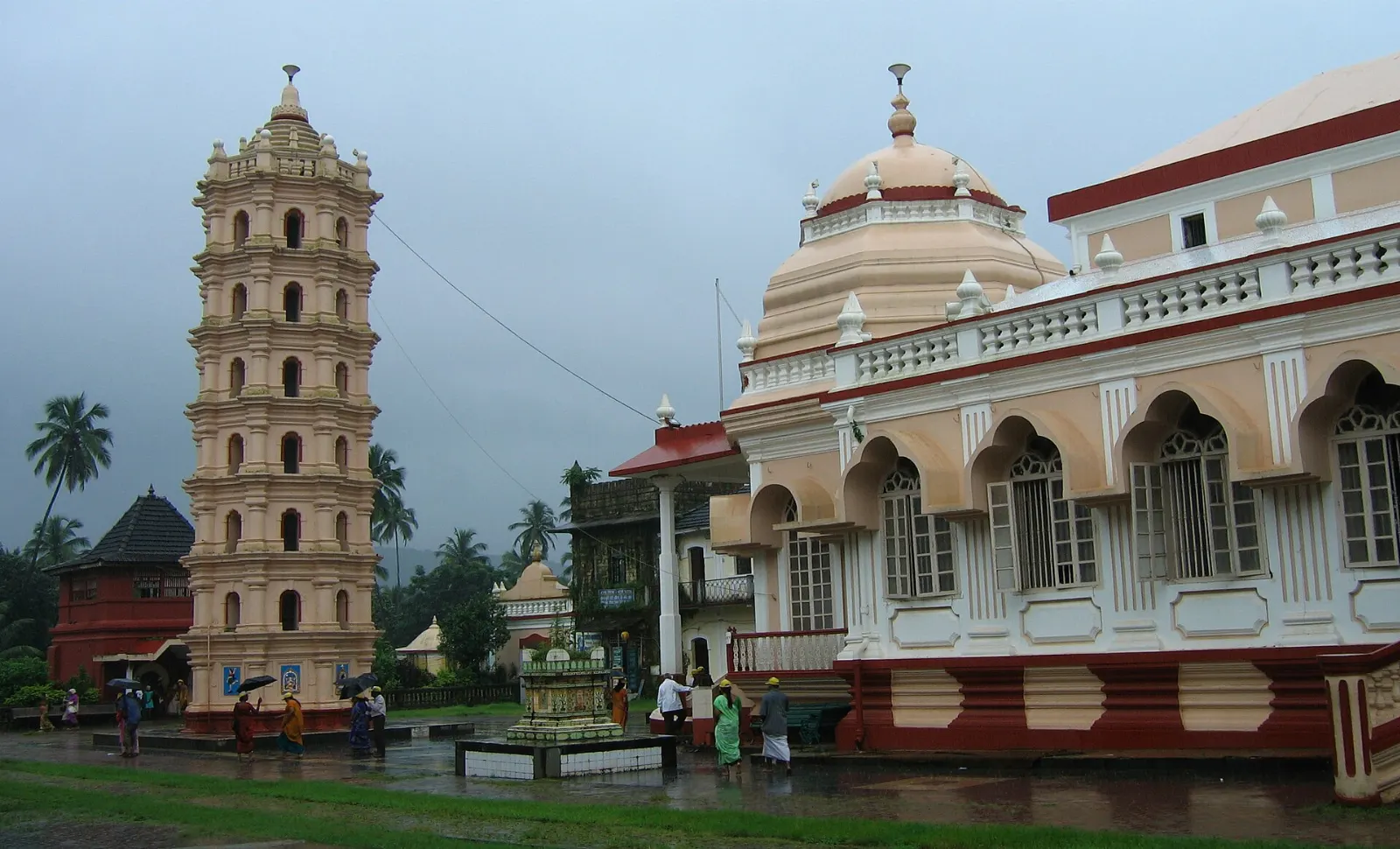
Around Ponda, in central Goa, several important Hindu temples were built or rebuilt away from the coast during the colonial period.
Dudhsagar Falls
On the border with Karnataka, Dudhsagar Falls plunges in tiers down a forested cliff inside the Bhagwan Mahavir Wildlife Sanctuary, with a railway bridge crossing its face.

 Planning a trip to Goa?Compare hotels, flights and vacation rentals for Goa on Expedia.Book now
Food and local flavors
Goan food reflects centuries of mixing. The everyday staple is fish curry rice, a coconut-based curry soured with kokum or tamarind and served with red rice.
Look for fresh poi bread from local bakers in the morning, and finish meals with bebinca, a layered coconut and egg dessert.
Popular dishes to try in Goa


Where to stay
Panaji suits culture-focused travelers who want heritage guesthouses, good restaurants and easy access to Old Goa, with beaches a short drive away.
Candolim and Calangute suit first-time visitors and groups who want lots of restaurants, beach shacks and activities close by.
Anjuna, Vagator and Assagao appeal to younger travelers and those interested in cafes, markets and nightlife.
Mandrem and Ashvem suit couples and wellness travelers looking for calmer beaches and yoga.
Where to stay in Goa


Best time to visit
November to February is the peak season, with sunshine, low humidity and calm seas.
March to May grows steadily hotter and more humid, but it brings fewer crowds and seasonal festivals.
June to September is the monsoon, when heavy rain turns the landscape intensely green.
October is a shoulder month, as businesses reopen and the weather dries out.
Getting there and getting around
By air: Goa has two airports.
By train: The Konkan Railway runs along the coast, linking Goa with Mumbai and Mangaluru.
Getting around: Distances are short but public transport is limited. Many visitors rent scooters or cars; helmets are compulsory on two-wheelers, and you need a valid license.
A suggested itinerary
First day
Settle into Panaji, walk through Fontainhas, visit the Church of Our Lady of the Immaculate Conception and end with a sunset on the Mandovi riverfront.
Second day
Spend the morning in Old Goa at the Basilica of Bom Jesus and the Se Cathedral, then take the ferry to Divar Island.
Third day
Explore North Goa: Anjuna in the morning, the Wednesday flea market if it is running, then Vagator and Chapora Fort at sunset.
Fourth day
Drive inland to the Ponda temples and a spice plantation tour with lunch, then continue south toward Palolem or Agonda.
Fifth day
Relax on the beach, take a boat trip from Palolem and visit Cabo de Rama Fort in the late afternoon.
Practical tips
- Book stays early for Christmas, New Year and Carnival, when prices rise and rooms fill.
- Swim only near lifeguards, obey red flags and stay out of the sea during the monsoon.
- Drinking alcohol in public places, including open beaches, can bring fines; drink at licensed shacks and restaurants instead.
- Wear a helmet on scooters, carry your license and avoid driving after drinking.
- Dress modestly at churches and temples, covering shoulders and knees.
- Carry some cash for markets and small vendors, though digital payments are common.
- Use strong sun protection and drink plenty of water, especially from March onward.