Edzná is a Maya city in the north of Campeche, easy to reach from the walled port of Campeche and quiet enough to explore at your own pace. Its stepped temples face a wide plaza, and its builders dug canals and raised fields that shaped the whole landscape.
AT A GLANCE
Best time
Go early, in cooler hours, and check the site for any closures.
How long
Half a day at the ruins, or a full day with Campeche.
Getting there
Take a combi, train or car from Campeche, about 52 kilometres away.
Why visit Edzná
Edzná dates from around 400 BC and was once a major Maya city-state. It is known for an ingenious water system of canals, aqueducts and terraced gardens that let the city grow larger and faster than its neighbours.
The site is well kept, with clear paths and good signs, and it is easy to navigate on foot, with cleared foliage and comfortable trails.
The main plaza
Great Acropolis
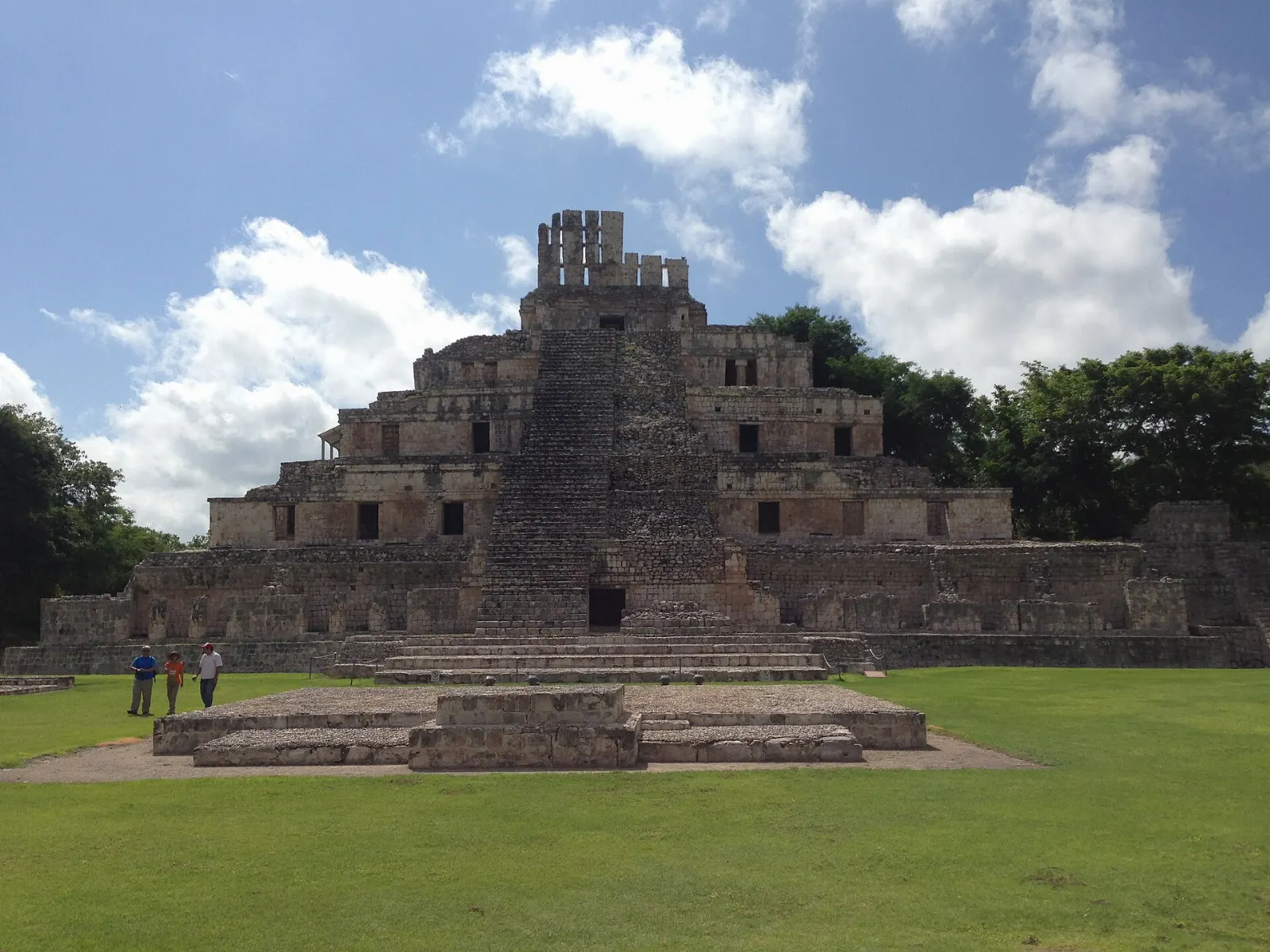
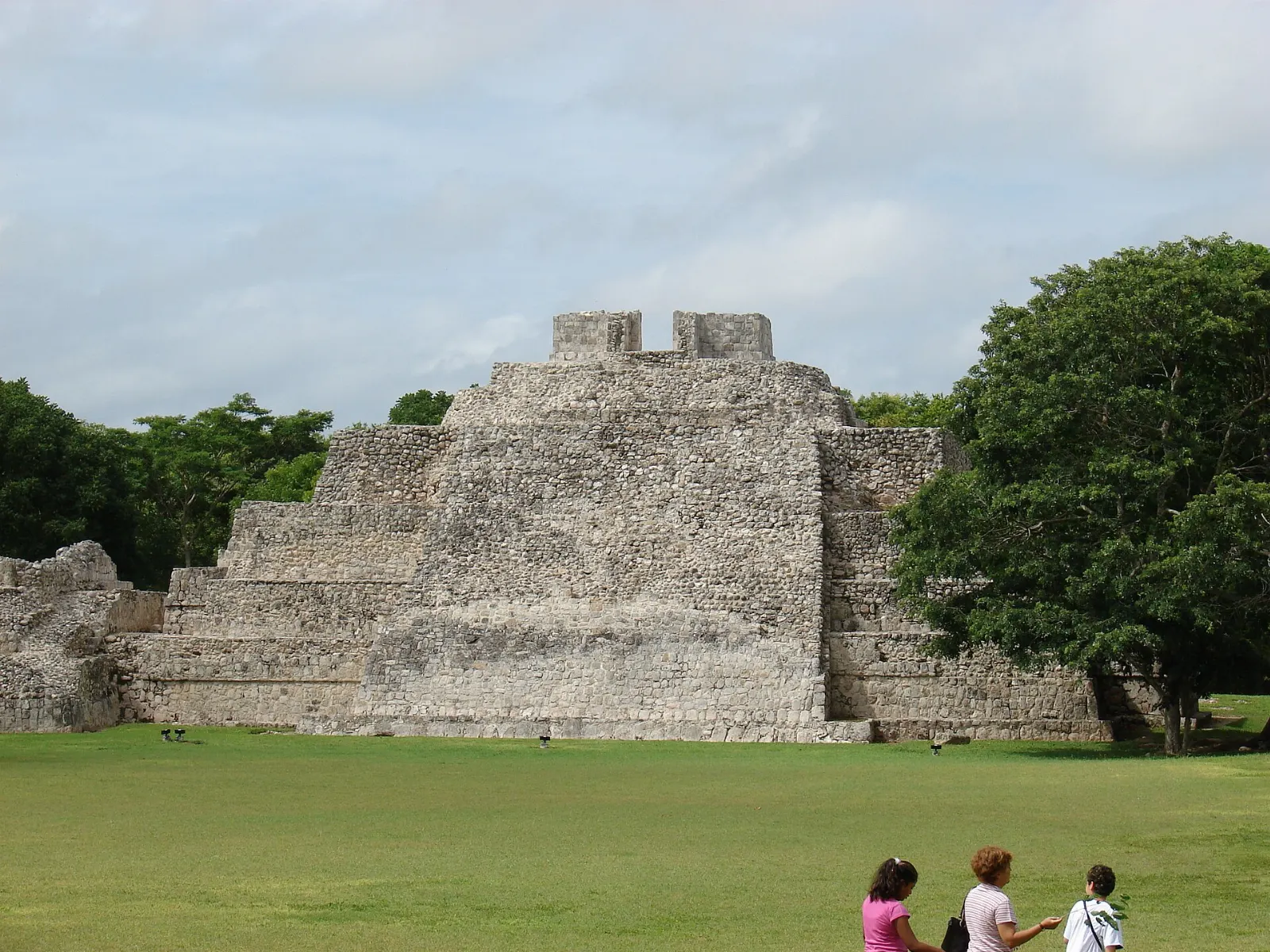
This large plaza is ringed by the most important buildings at the site, including the Building of Five Stories, the House of the Moon and the Puuc Patio.
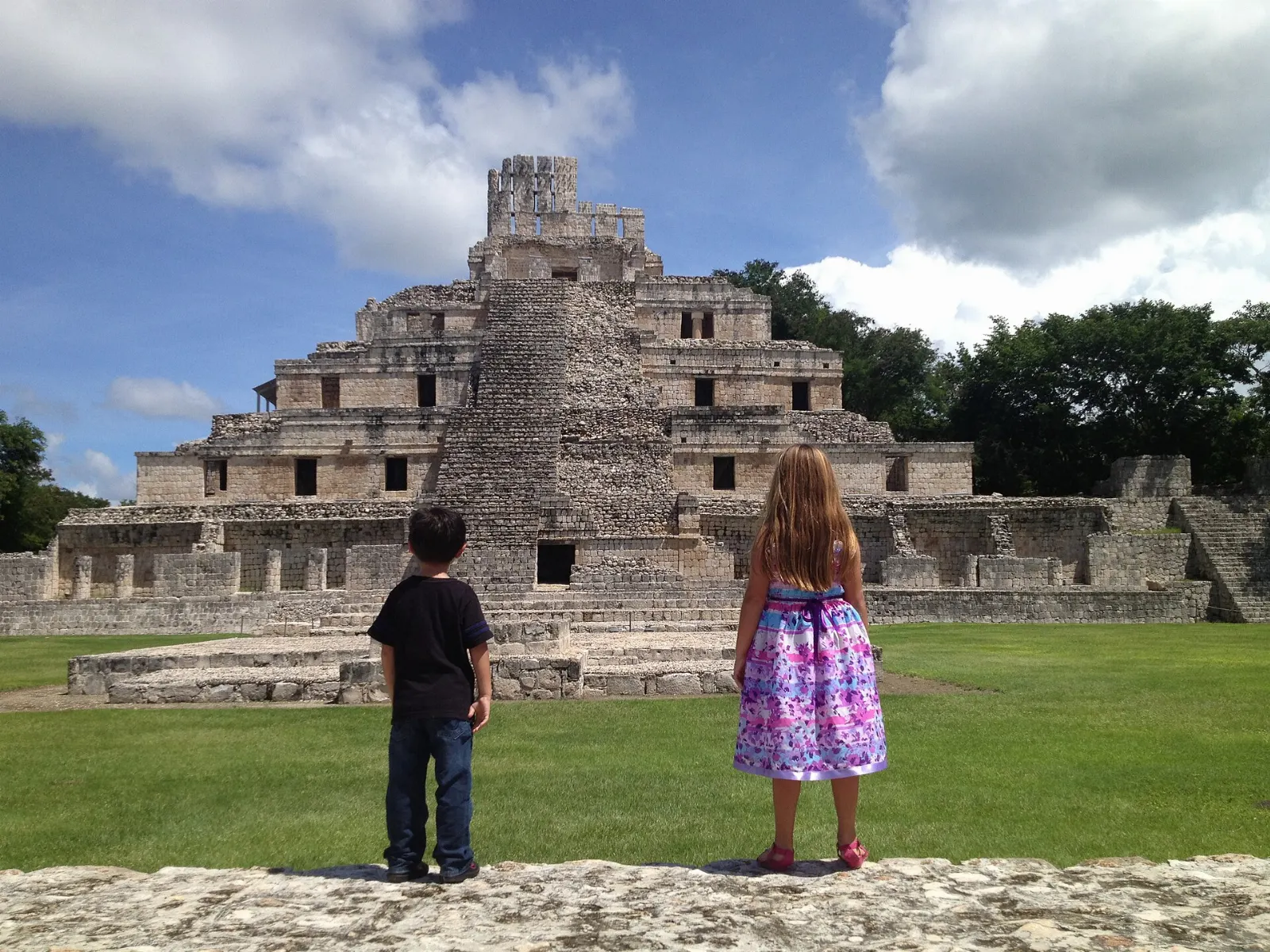
Building of Five Stories
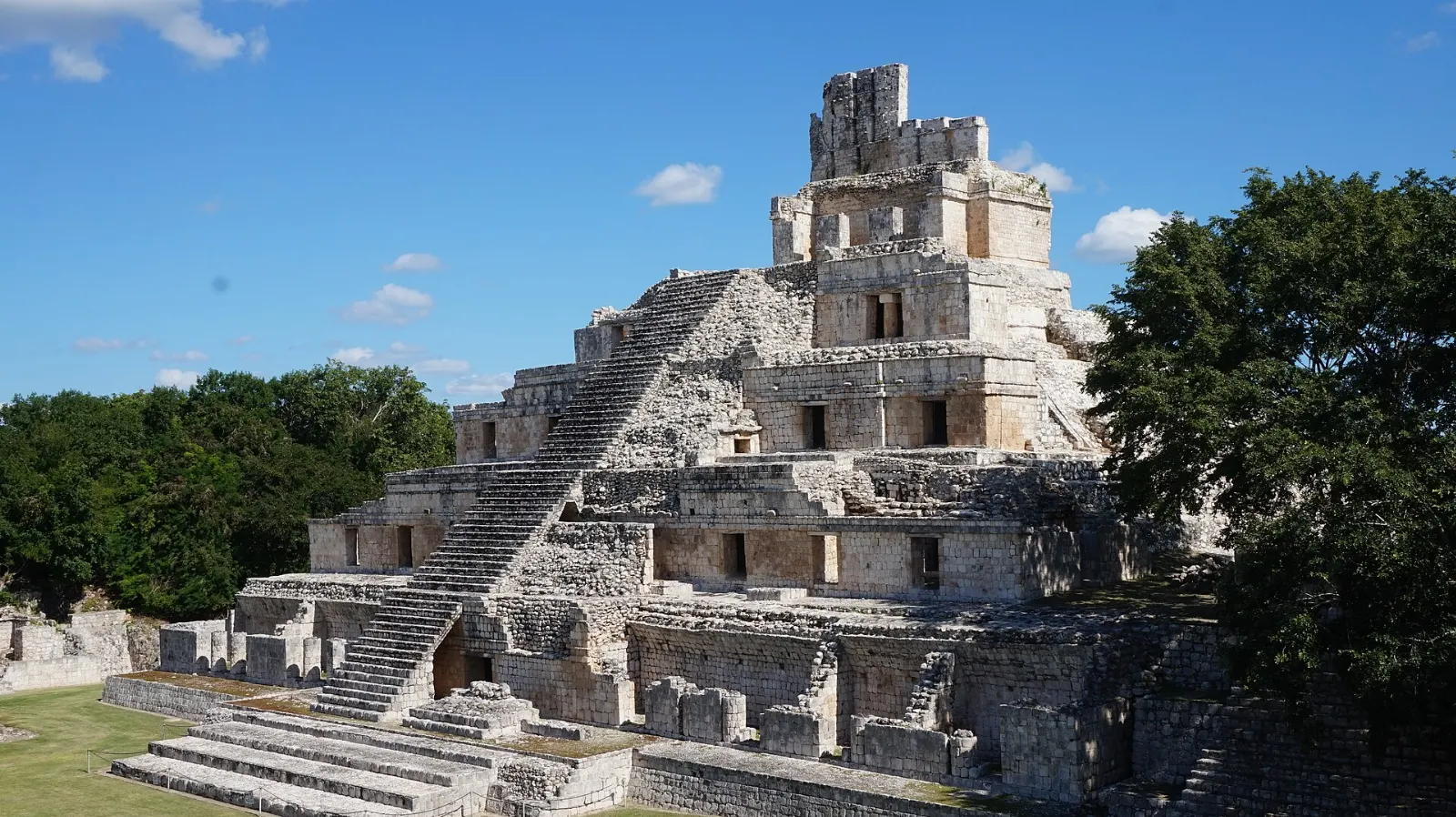
The tallest and most impressive building at Edzná rises in tiers above the plaza. Look closely at the stairs, because glyphs are carved into the steps.
Puuc Patio
A restored temple here contains several stelae. The best known is Stela 21 from the eighth century, which shows a ruler in elaborate dress.
Little Acropolis
This low platform, about five metres high, is surrounded by four temples. It is smaller than the main plaza but easy to take in, and it helps explain how the city was organised around raised platforms.
Around the site
Platform of the Knives
On your left as you enter, this residential area takes its name from the many obsidian knives found there.
Temple of the Masks
A stairway here is flanked by stucco masks representing the sun god, some dating back to about 150 AD.
Ballcourt
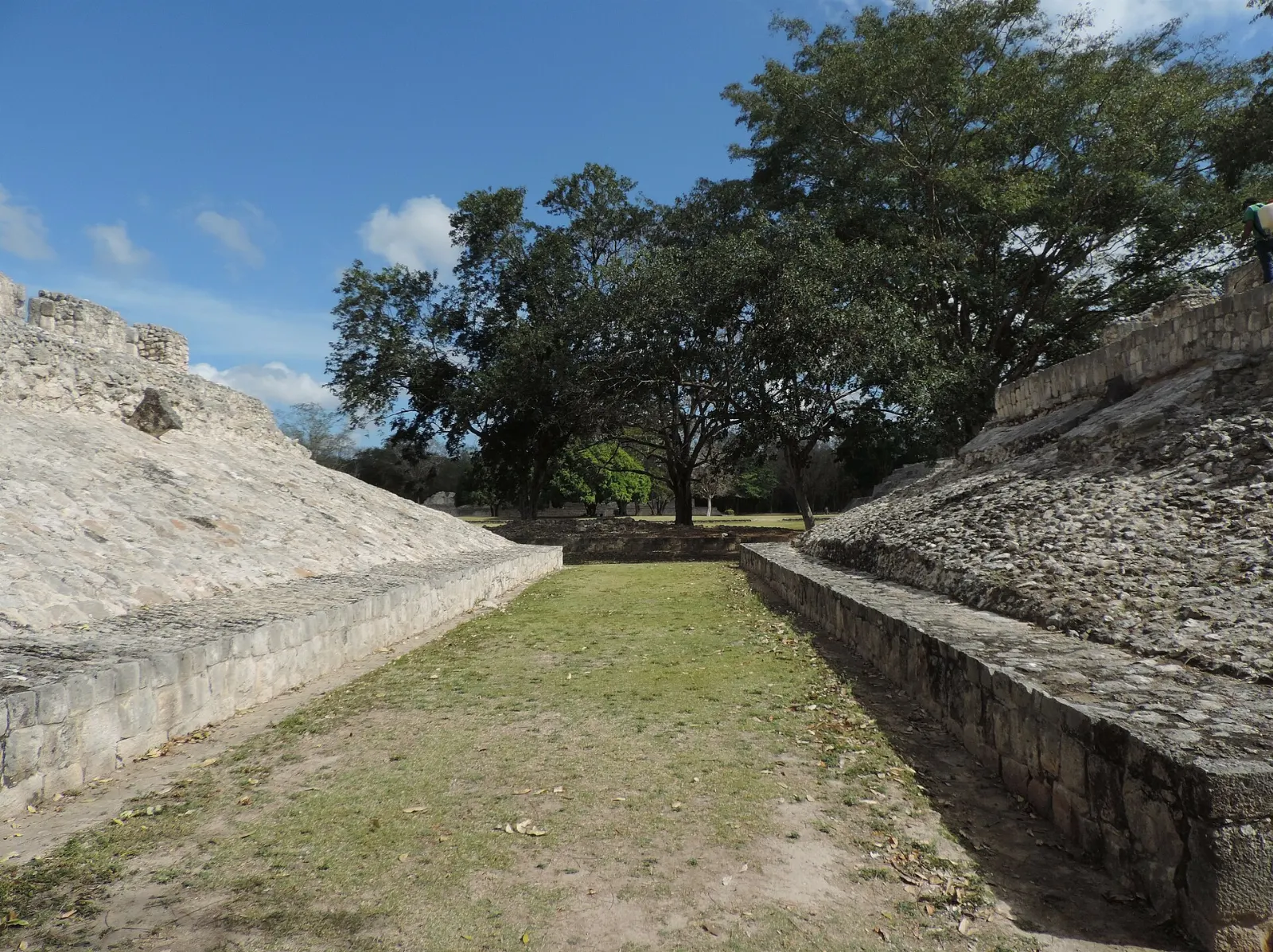
Near the South Temple, the ballcourt has been partly restored and one ring is still in place. It is a short stop, but it adds a sense of the games and ceremonies held here.
Cerro de la Bruja
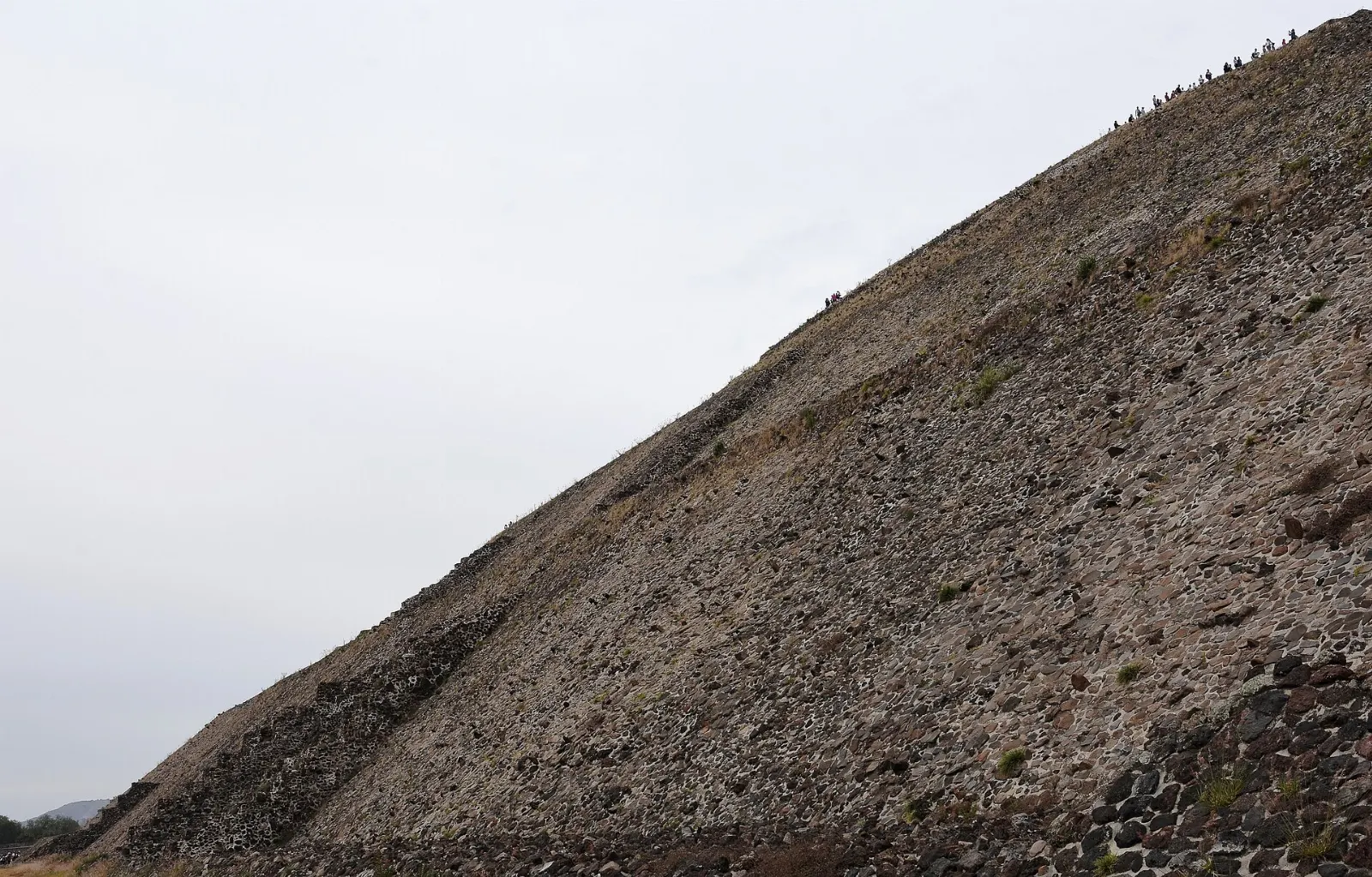
A few hundred metres from the main group, this beautiful pyramid is almost as big as the Building of Five Stories. The walk is short and the setting is quieter, which makes it a good last stop before heading back.
Sacbeob and canals
Two raised limestone roads, or sacbeob, radiate from the Great Acropolis, and canals once carried water for many kilometres. Archaeologists found that the irrigation system covered far more land than first thought, so look for the traces of channels as you walk.
Beyond Edzná
Campeche historic center
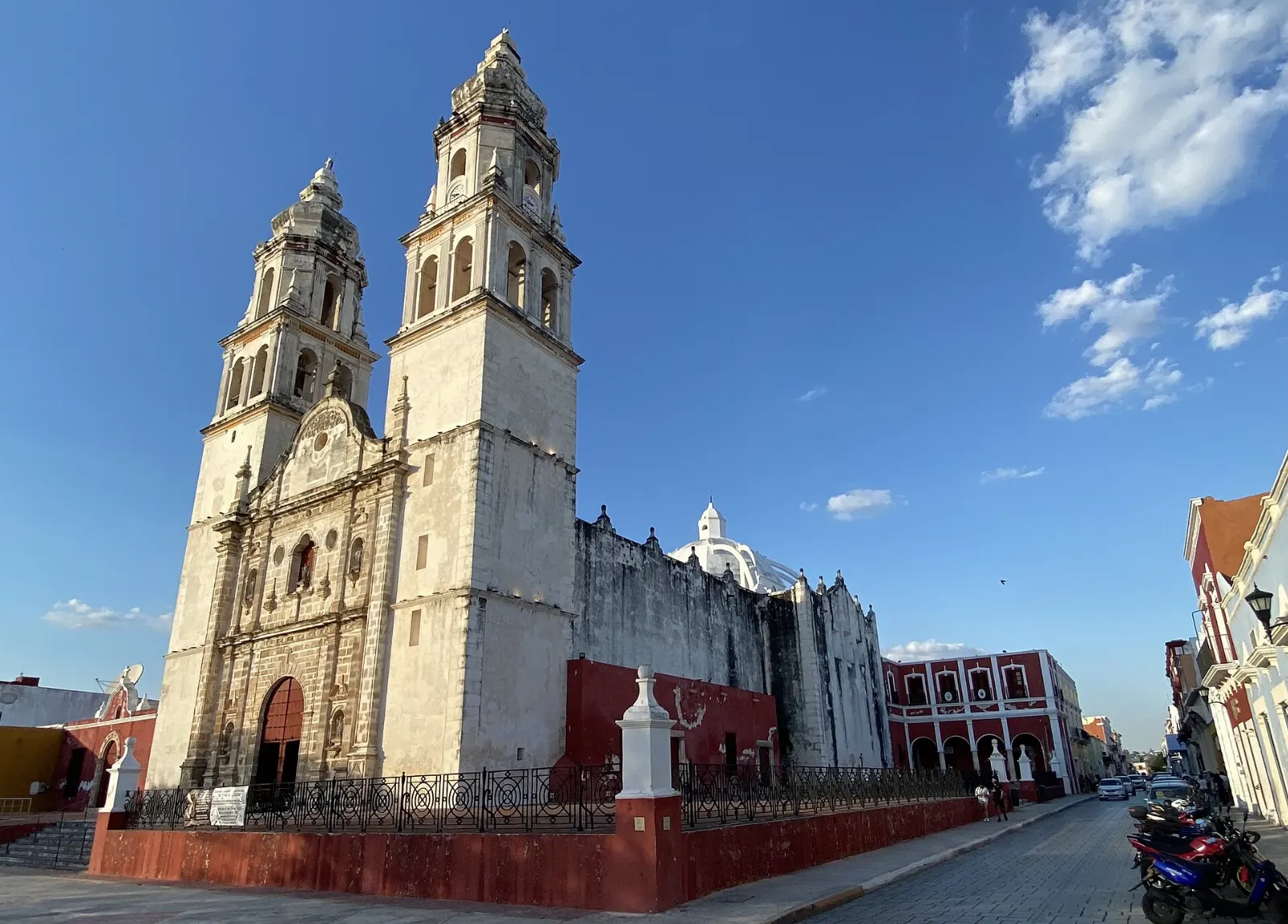
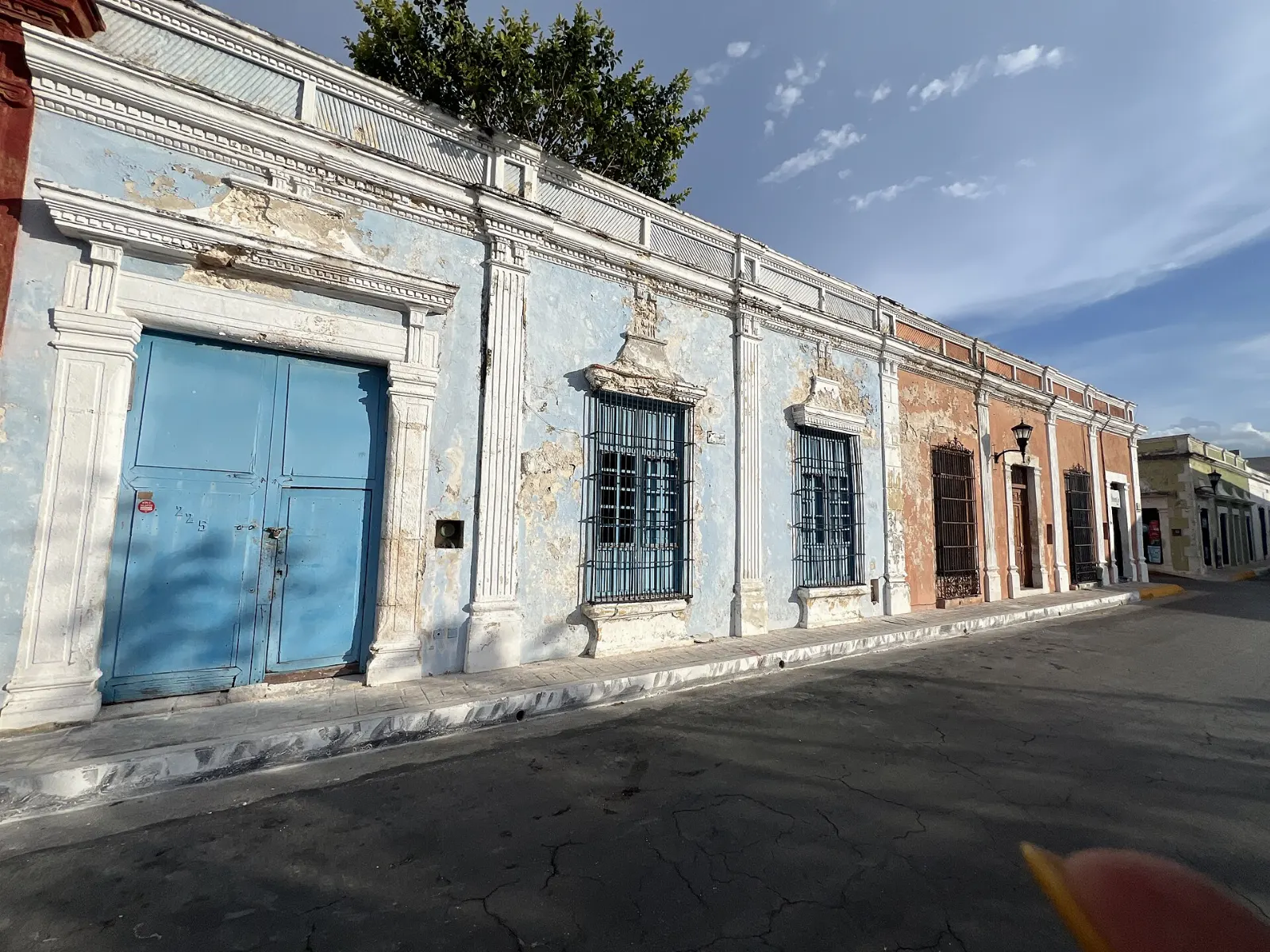
The state capital was founded in 1540 and became the leading port of the peninsula, with walls and forts built against pirates. Much of the old wall survives, and the city has been a World Heritage Site since 1999.
Alfredo Bonfil
This small village is about seven kilometres south of the site entrance and has the closest restaurants and stores. It is the place to stop for a meal after the ruins, because there are no restaurants at the site itself.
 Planning a trip to Edzná?Compare hotels, flights and vacation rentals for Edzná on Expedia.Book now
Food and local flavors
Campeche is well known for seafood, especially shrimp and shark. The signature dish is pan de cazón, layers of tortilla with shredded shark, black beans and a spiced tomato sauce with habanero.
In Alfredo Bonfil, locals recommend the pollo en adobo at a large palapa-style restaurant, and a roadside stand sells barbacoa, pork cooked slowly in a pit. Back in Campeche, the seafood bars at the northern end of the waterfront serve very fresh shrimp and fish for lunch.
Popular dishes to try in Edzná


Where to stay
Most visitors stay in Campeche and take a day trip to Edzná. The Campeche historic center is the best base, with restaurants, colonial streets and the walls close at hand.
Uayamón lies along the road toward the ruins and has a historic hacienda property for travellers who want a quieter, more atmospheric night closer to the site.
Alfredo Bonfil is the nearest village to the ruins. It is mainly known for its meals, so check what lodging is open before planning to stay and treat it as a lunch stop otherwise.
Where to stay in Edzná


Best time to visit
Heat and humidity dominate most of the year around Campeche, so plan to reach the ruins early, when the light is soft and paths are cooler.
Rain falls mainly in summer across the southern Yucatán Peninsula, and mosquitoes are more active in wet weather. The drier months are more comfortable for climbing, though the heat can still build by midday.
Getting there and getting around
Edzná is about 52 kilometres southeast of Campeche. By car, leave the city on the road toward China and Hool, continue about 45 kilometres to federal highway 188, then turn east for about six kilometres and follow the signs.
The Tren Maya also has a station for Edzná on highway 188, about four kilometres west of Tixmucuy, with transport to the archaeological zone. Once inside the site, you will be walking on well-kept trails. Hire a guide at the entrance gate, and wear comfortable shoes with good grip for the stairs.
A suggested itinerary
First morning
Leave Campeche early, arrive at Edzná as the site opens and walk the Platform of the Knives, the Great Acropolis and the Building of Five Stories before the heat builds.
Midday
Visit the Temple of the Masks, the ballcourt and the Little Acropolis, then walk to Cerro de la Bruja.
Afternoon
Return to Campeche and walk the old walls toward Baluarte San Francisco for the view over the rooftops, then finish with seafood near the waterfront.
Practical tips
- Hire a local guide at the entrance to understand the carvings and the water system.
- Bring at least one litre of water for a small site and two for a long visit.
- Wear sunscreen, a hat, sunglasses and insect repellent.
- Do not lift or move rocks, because snakes and scorpions can hide beneath them.
- Take food with you or plan lunch in Alfredo Bonfil, since the site has only vending machines.