Real del Monte Mexico Little Cornwall and Silver Mines
Real del Monte, also called Mineral del Monte, is a former silver mining town high in the Sierra de Pachuca in Hidalgo. Cornish miners arrived in the 1820s and left behind pitched roofs, a cemetery, a Methodist tradition and the paste, a Mexican cousin of the Cornish pasty.
By WiserMap TravelUpdated October 20266 places11 min read
Best timeDry season months suit walking, but expect cool air and mist all year.
How longOne full day covers the museums and cemetery, and two days add nearby towns.
Getting thereTake a bus to Pachuca, then a shared wagon or taxi up the mountain road.
Ad
Why visit Real del Monte
The town is a Pueblo Mágico with steep streets, stairways and small squares lined with low buildings, some dating back to the colonial period. At about 2,700 metres, it is the highest town in Hidalgo, and the cool, damp air gives it a character quite unlike lowland Mexico.
Silver mining shaped everything here. Mines in the Pachuca and Real del Monte district produced a large share of the world's silver over five centuries, and the town is also associated with the first major labour strike in North America, in 1766. Cornish engineers and miners then arrived in the 1820s, and their influence still shows in the houses, the football history and the food.
The result is a compact destination with real depth. You can visit working-class mine sites in the morning, eat a Mexican reinterpretation of a Cornish classic at midday, and spend the evening in cool mountain air. Because it lies close to Pachuca, Mineral del Chico and Huasca de Ocampo, it also works as a base for a longer Hidalgo trip.
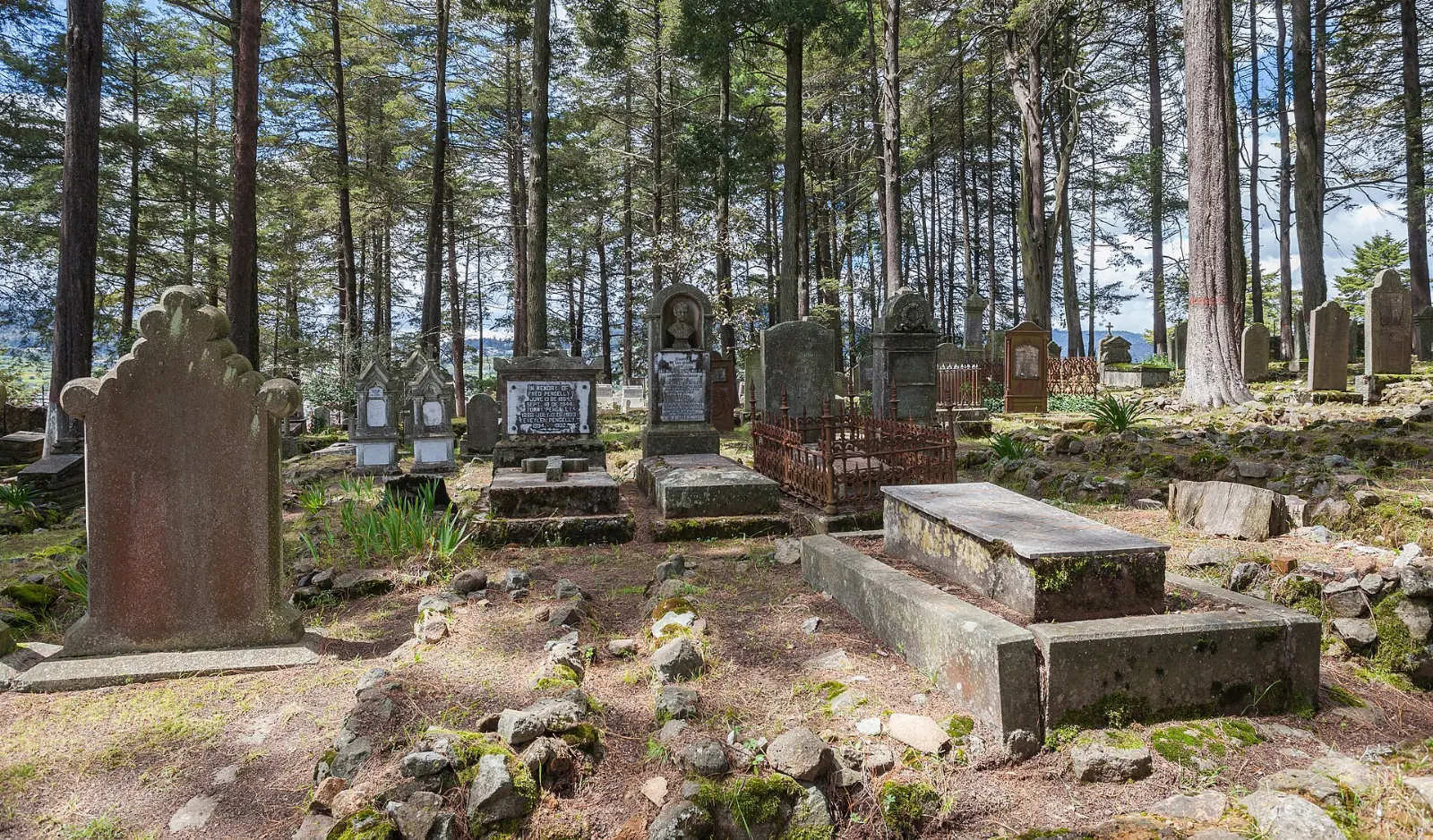
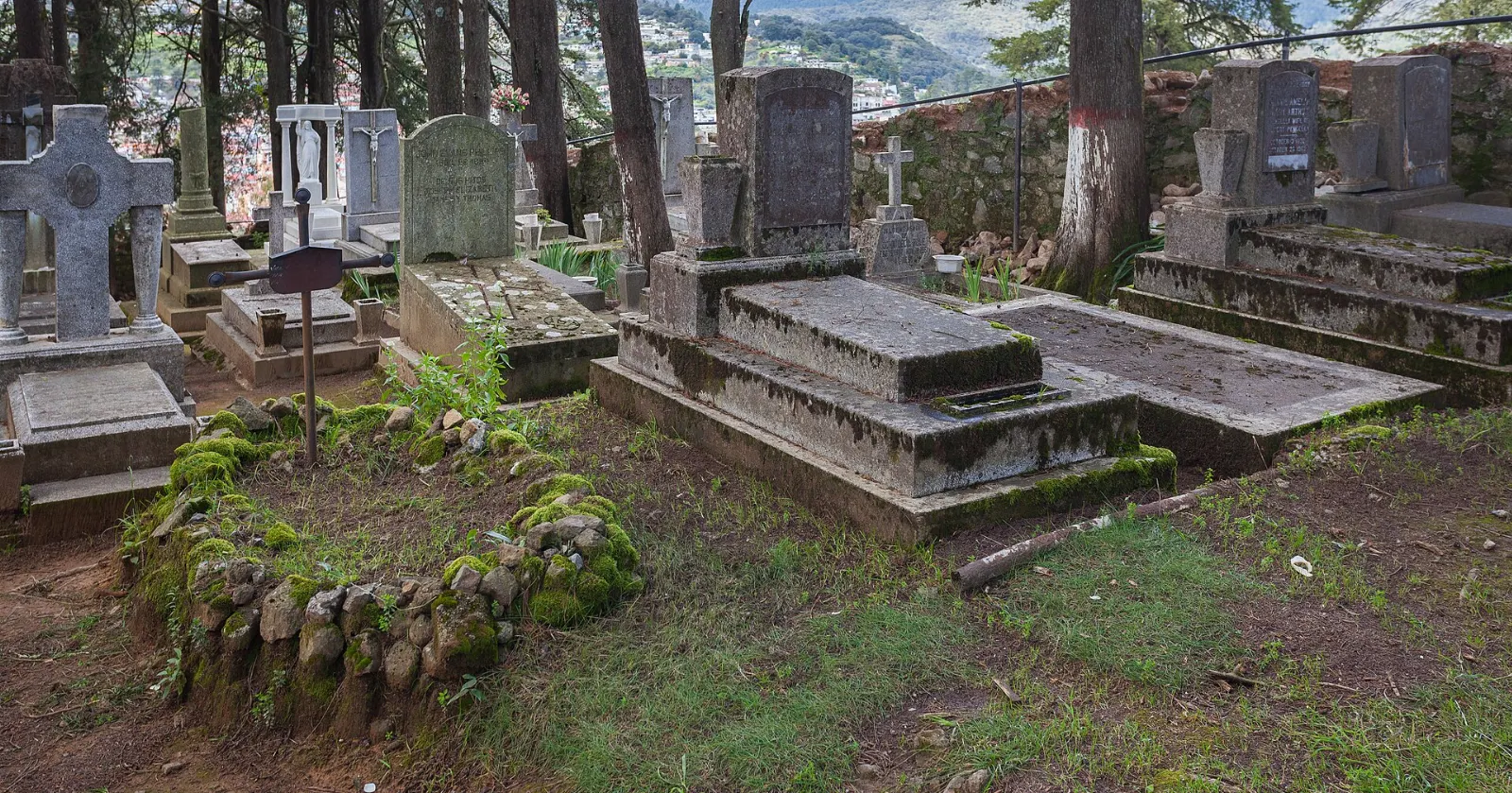
The English Cemetery holds the graves of hundreds of Cornish miners.Photo: Diego Delso, Wikimedia Commons, CC BY-SA 3.0
Mining and Cornish heritage
Start with the places that explain how the town grew. Most are small enough to see on foot, though the slopes can be tiring at this altitude.
Panteón Inglés
The English Cemetery holds the graves of hundreds of Cornish miners and their families, and is one of the clearest reminders of the Cornish presence. It was being restored after storm damage in 2016, so check access locally. Allow about an hour for a quiet walk among the headstones.
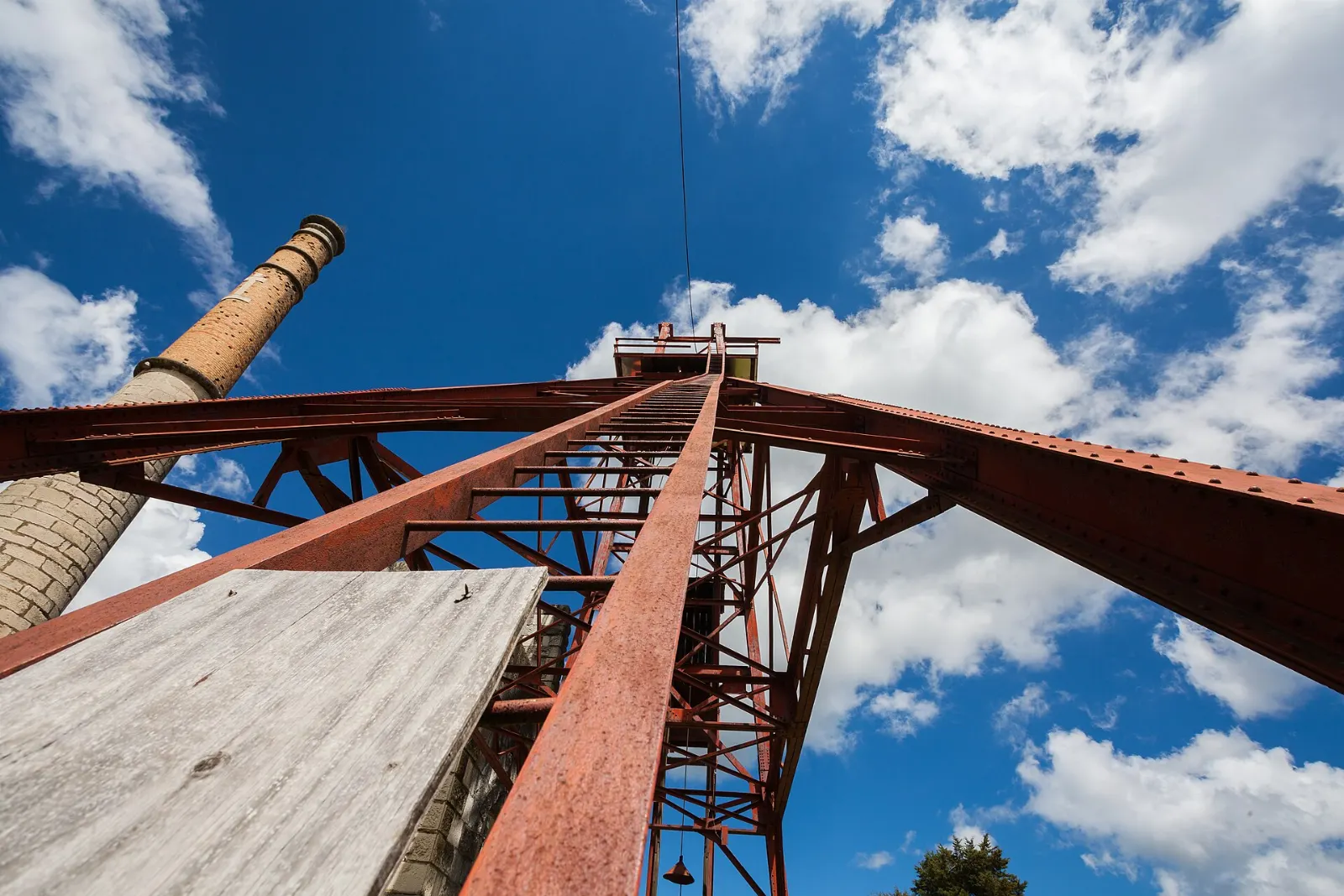
The Acosta mine has one of the two surviving mine engine houses in the municipality. Photo: Diego Delso, Wikimedia Commons, CC BY-SA 3.0
Mina de Acosta
The Acosta mine has a site museum and one of the two surviving mine engine houses in the municipality. Guided tours show how the silver was worked underground. Check the museum's current schedule before you go, since closing days change.
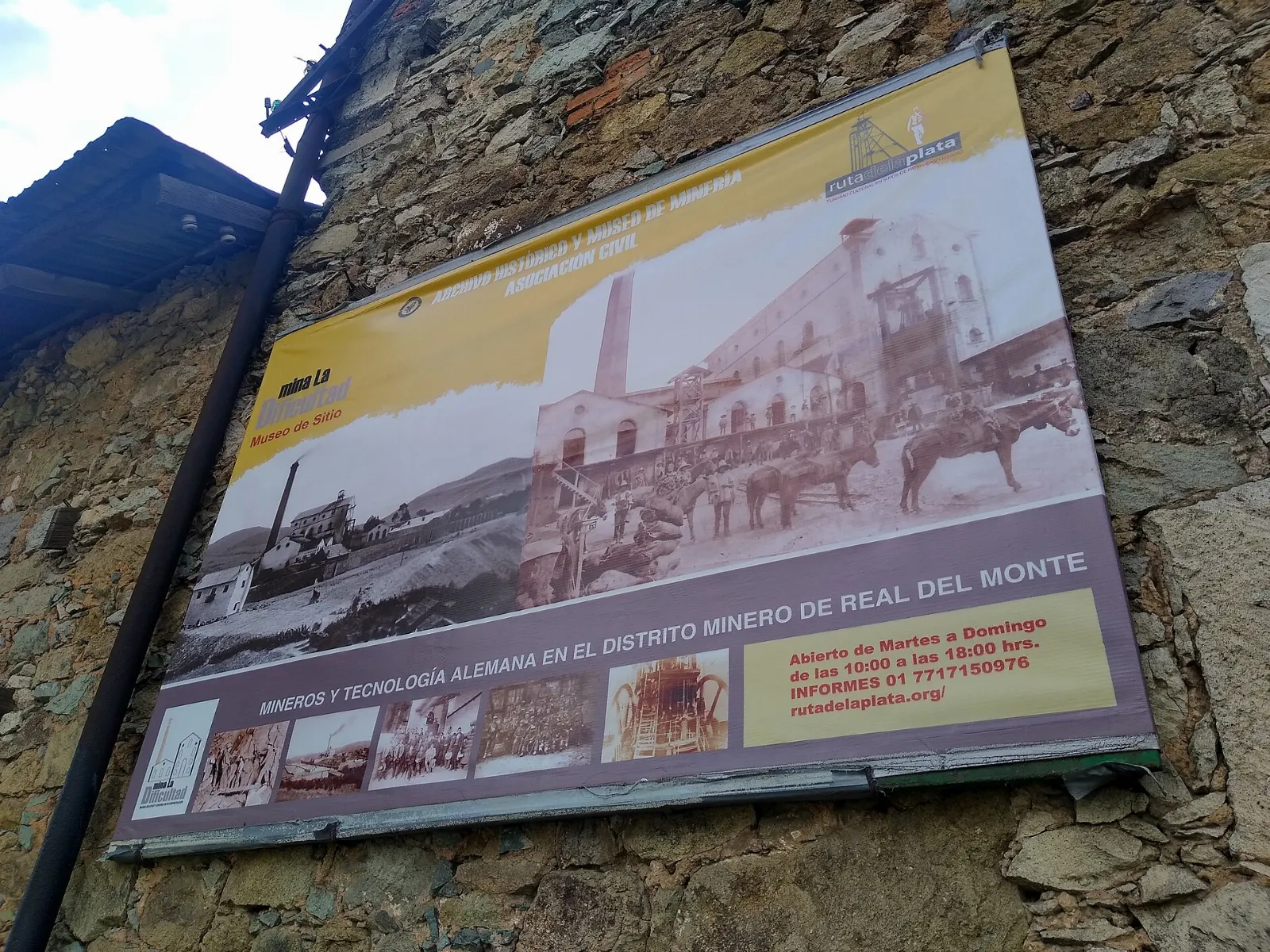
Mina La Dificultad
La Dificultad is another former mine turned into an interpretation centre. It offers a mine tour, displays of mineral specimens and original buildings. Pair it with Acosta if you want a full picture of the mining story, and wear layers because mines are cool.
La Dificultad is a former mine now used as a site museum. Photo: Isaacvp, Wikimedia Commons, CC BY-SA 4.0
Museo de Medicina Laboral
This museum looks at the old days of medicine for workers, with small, sometimes startling displays about how miners were treated. It is short and easy to combine with the other mining sites. Allow under an hour.
Museo del Paste
A museum devoted to the paste opened in 2011, and it tells the story of how the Cornish pasty became a Mexican snack. It is a natural stop before lunch. Ask locally about its current opening days.
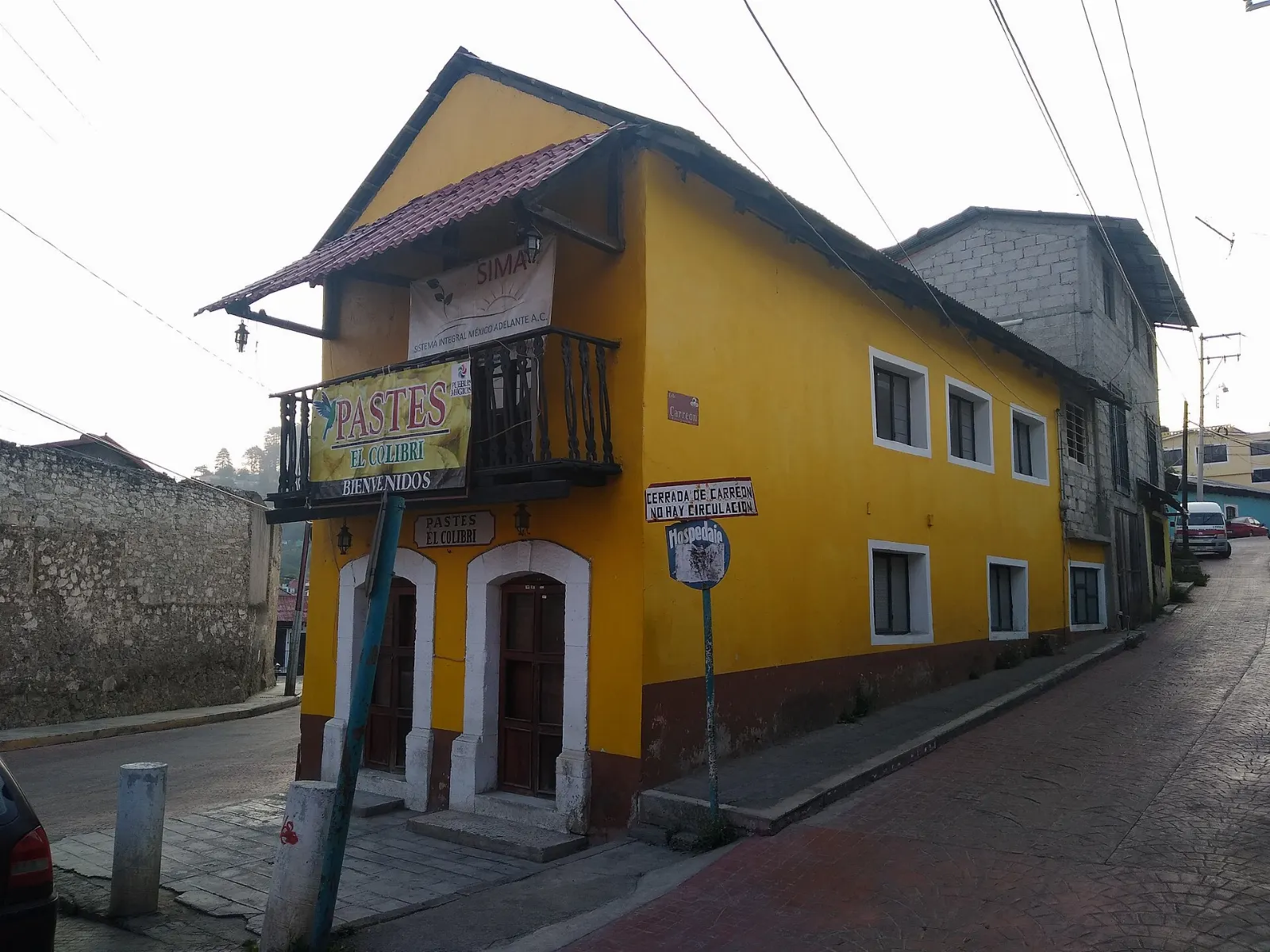
Pastes arrived with Cornish miners and are now a speciality of Real del Monte. Photo: Isaacvp, Wikimedia Commons, CC BY-SA 4.0
Ad
Around the town centre
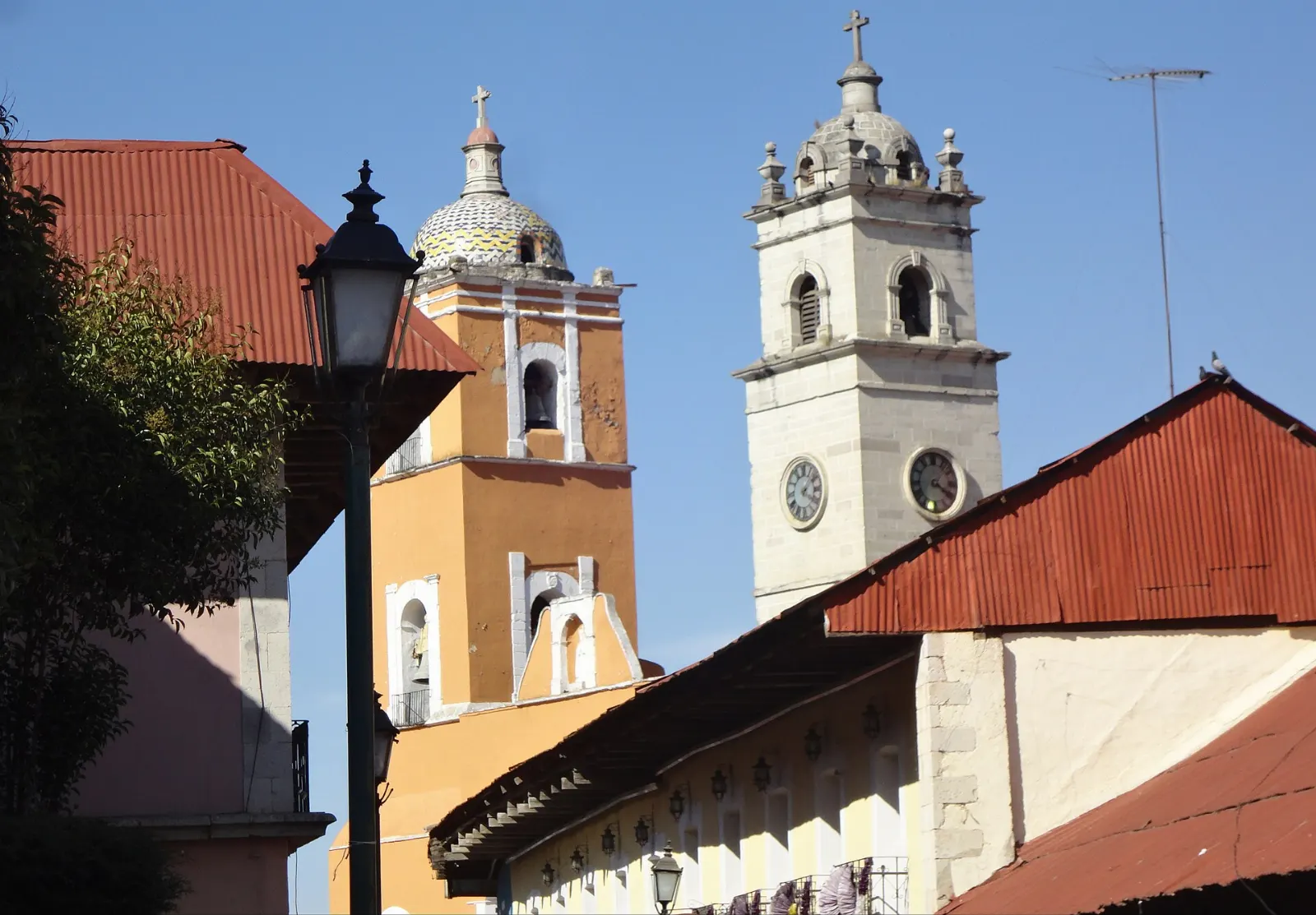
Parroquia de Nuestra Señora del Rosario
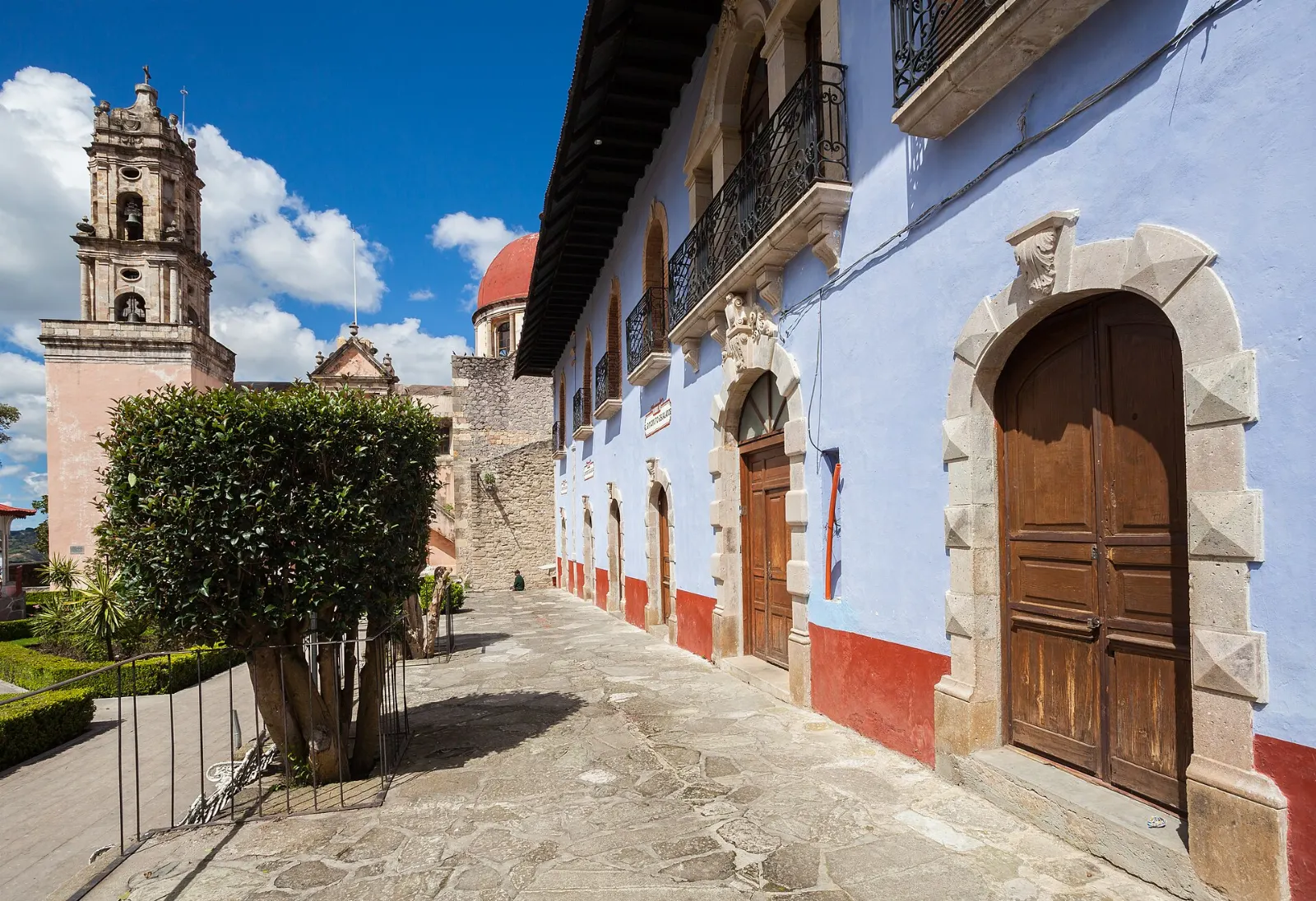
The parish church anchors the centre of town and is a good place to start a stroll. The streets around it are steep, so take your time. A short visit is enough, and photographs of the rooftops are best from the higher lanes.
Santuario del Señor de Zelontla
This very old church is worth a short stop if you enjoy colonial-era architecture. Dress modestly and be quiet during services.
The main street holds the Miners' Monument and many of the paste shops. Wander slowly, compare fillings and watch the town's mix of colonial and Cornish-style buildings. Mornings are calmer than weekends.
Day trips from Real del Monte
Mineral del Chico
Mineral del Chico is a mountain town founded in 1569 and named a Pueblo Mágico in 2011. Its parish church dates to 1725 and was remodelled in 1819. It is a good half day for a gentler pace and the mountain scenery nearby.
Pachuca
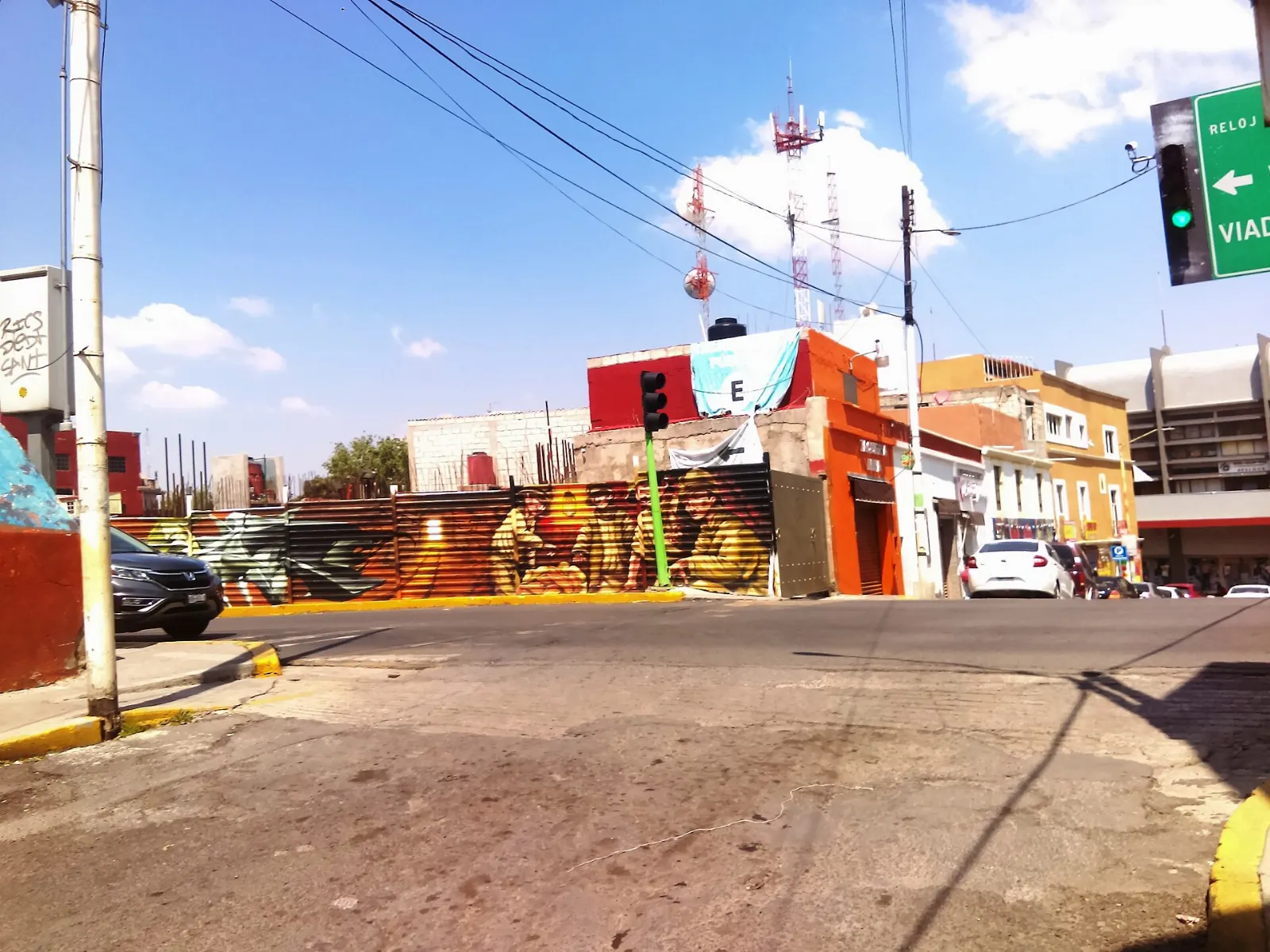
Pachuca, the state capital, is about 17 km away and is known for its colonial centre and mining heritage. It is also tied to the story of football in Mexico. Use it for transport connections or a city afternoon.
Mineral del Chico was named a Pueblo Mágico in 2011. Photo: Diego Delso, Wikimedia Commons, CC BY-SA 3.0
Huasca de Ocampo and the Prismas Basálticos
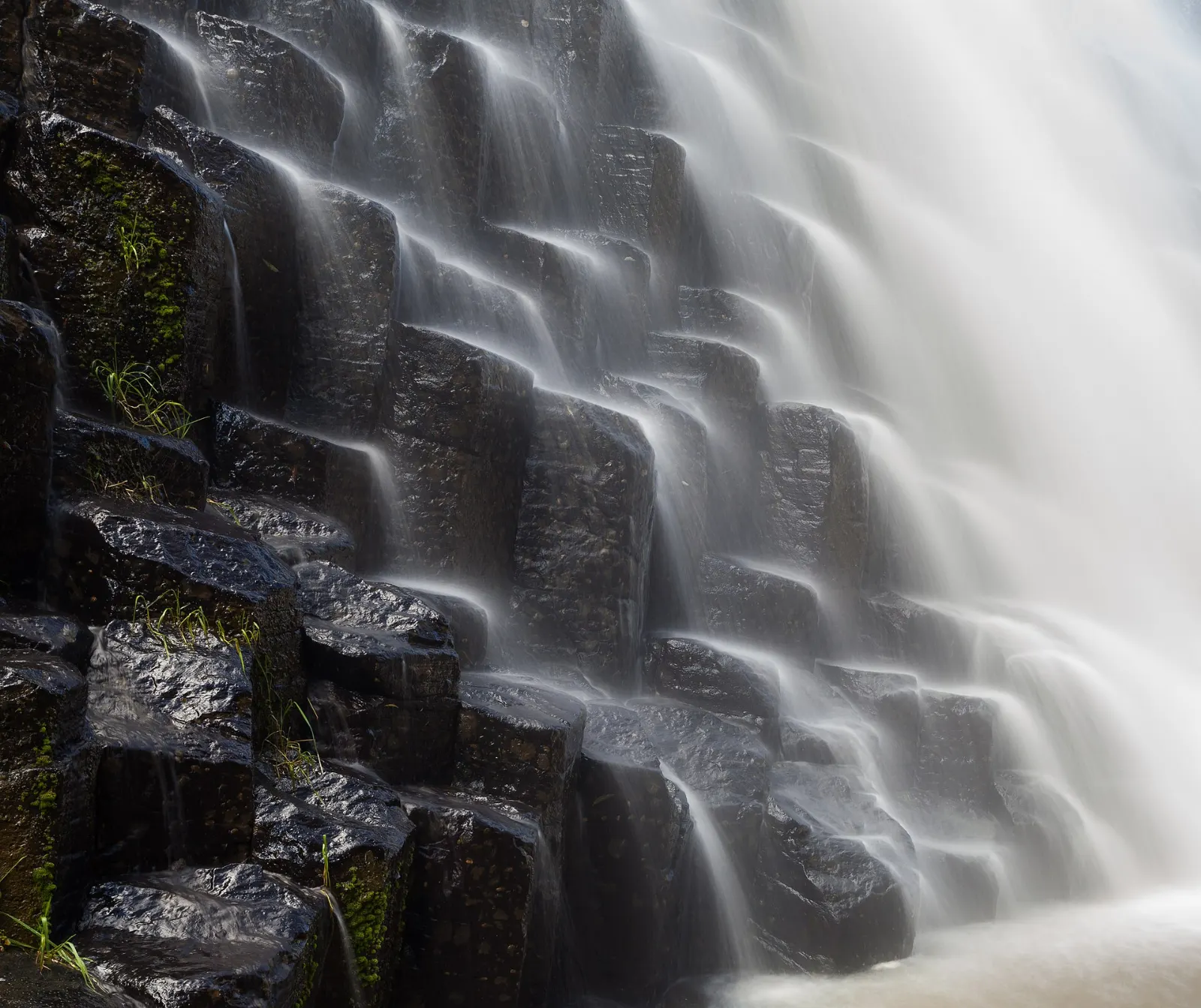
Huasca is roughly 16 km from Real del Monte, and the Basaltic Prisms of Santa María Regla are columns of basalt, tens of metres high, beside waterfalls. Stairs, walkways and hanging bridges help you reach them. Allow half a day and check conditions after rain.
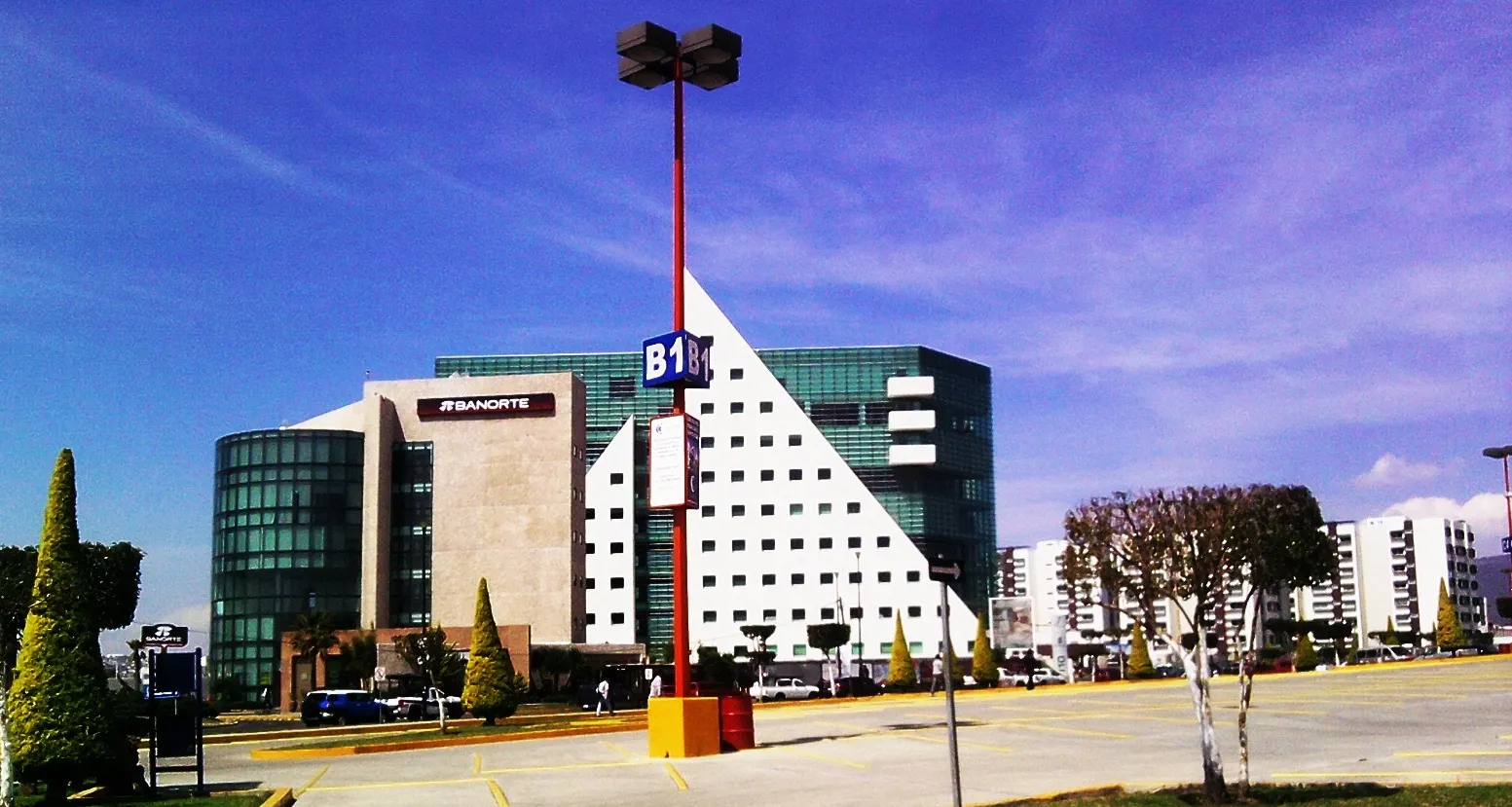
Pachuca, the state capital, lies about 17 km from Real del Monte. Photo: RubeHM, Wikimedia Commons, CC BY-SA 4.0
Ad
Food and local flavors
The paste is the star. About 30 producers make it in town, filled with meat and potato, black bean, shredded chicken or sausage, and often with chile, plus sweet versions with fruit. Barbacoa is the state dish of Hidalgo, traditionally meat wrapped in maguey leaves, and mixiote is another central Mexican speciality. Pulque, a fermented agave drink, is also traditional in central Mexico.
Go to the main street for pastes and ask what filling is best that day. Barbacoa is a sit-down meal, so give it time. The October International Pasty Festival has run in town since 2009; check dates with the municipality.
The basalt prisms of Santa María Regla are a short drive from Real del Monte.Photo: Diego Delso, Wikimedia Commons, CC BY-SA 3.0
Popular dishes to try in Real del Monte
Paste Food and local flavorsThe paste is the star.Photo: Jon Sullivan, Wikimedia Commons, Public domainBarbacoa Barbacoa is the state dish of Hidalgo, traditionally meat wrapped in maguey leaves, and mixiote is another central Mexican speciality.Photo: Equipo 9mkt, Wikimedia Commons, CC BY-SA 3.0Mixiote Barbacoa is the state dish of Hidalgo, traditionally meat wrapped in maguey leaves, and mixiote is another central Mexican speciality.Photo: Thelmadatter, Wikimedia Commons, CC BY-SA 3.0Pulque Pulque, a fermented agave drink, is also traditional in central Mexico.Photo: Proyecto Hunab Ku, Wikimedia Commons, CC BY-SA 4.0
Where to stay
Staying in Real del Monte suits anyone who wants to wander the steep streets in the evening and eat pastes on foot. Pachuca has the widest choice of lodging, bus links and restaurants, and it suits travellers who want city facilities and an easy base. Mineral del Chico is smaller and quieter, and it appeals to travellers who want a calm base in the mountains.
The mountain climate is cold and wet, so choose a place with good heating. Book ahead for holiday weekends and during the pasty festival, because Mexico City visitors fill small towns on weekends.
Where to stay in Real del Monte
Real del Monte Where to stayStaying in Real del Monte suits anyone who wants to wander the steep streets in the evening and eat pastes on foot.Photo: Diego Delso, Wikimedia Commons, CC BY-SA 3.0Pachuca Pachuca has the widest choice of lodging, bus links and restaurants, and it suits travellers who want city facilities and an easy base.Photo: MONICA from MEXICO, D.F., MEXICO, Wikimedia Commons, CC BY 2.0Mineral del Chico Mineral del Chico is smaller and quieter, and it appeals to travellers who want a calm base in the mountains.Photo: Diego Delso, Wikimedia Commons, CC BY-SA 3.0Real del Monte old town One of the best areas to base yourself in Real del Monte.Photo: Federico de Madrazo y Kuntz, Wikimedia Commons, Public domain
Ad
Best time to visit
Real del Monte is cold and wet, with snow possible at times, so come prepared for an alpine feel at any time of year. Dry months offer clearer days for walking and day trips, while the rainy season brings mist and slippery cobbles.
Weekends are busier than weekdays. The International Pasty Festival is held in October, and the Cornish links are celebrated each year. Pack a rain jacket and warm layers whenever you go.
Getting there and getting around
Real del Monte is about 17 km northeast of Pachuca. By car from Mexico City, take the Mexico-Pachuca highway and then the Pachuca-Real del Monte road. By bus, travel to Pachuca from the Central de Autobuses Norte in Mexico City, then take a shared wagon from the Hidalgo Market. Direct buses also run from the Mexico City airport and from AIFA to Pachuca, so check current services.
The town is small enough to explore on foot, although altitude and slopes can be strenuous. Taxis and wagons connect nearby towns. To reach Mineral del Chico, Huasca and the surrounding area comfortably, a car or a taxi for the day is the easiest option. Park on the edge and walk in.
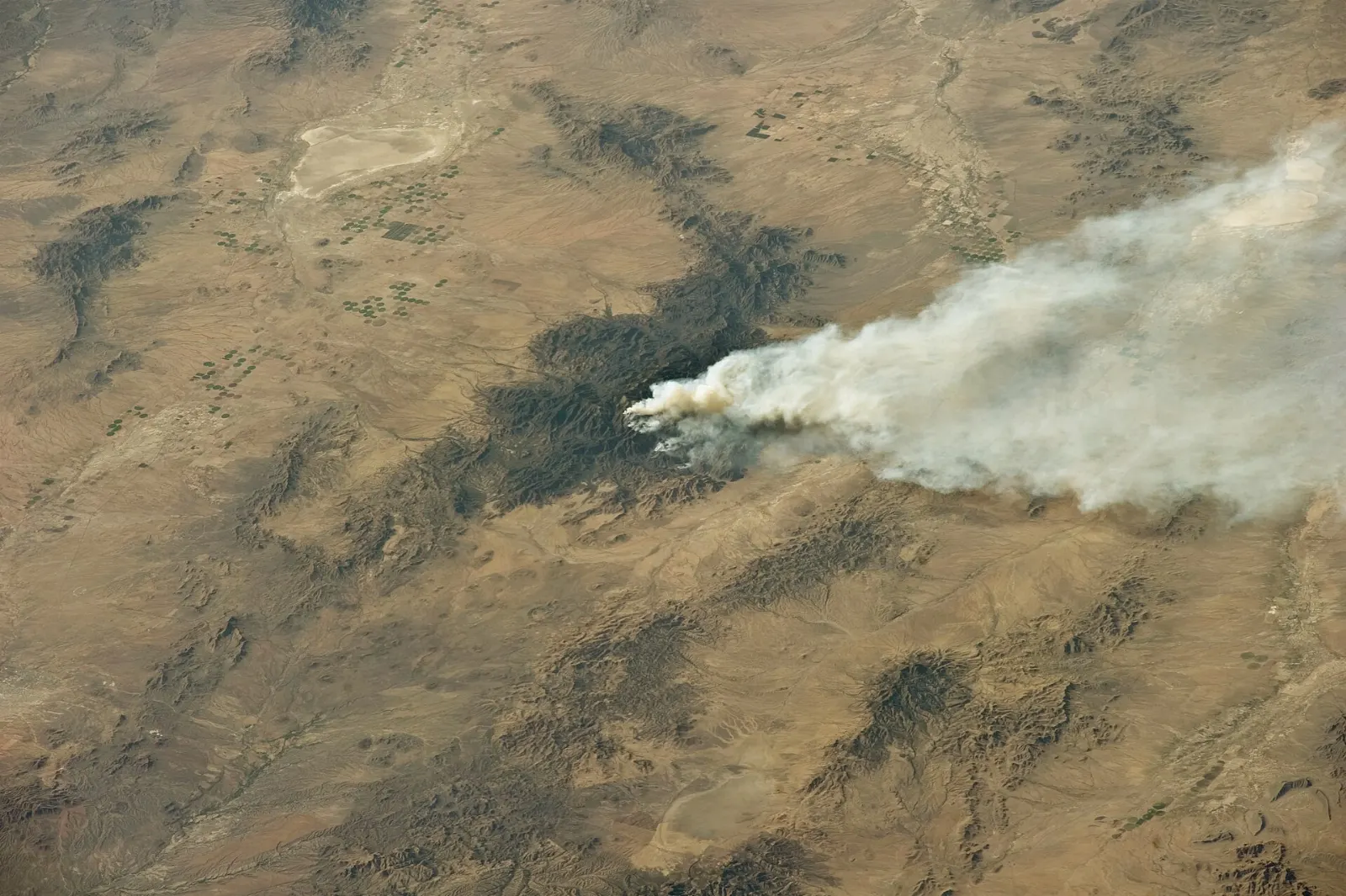
The forest west of town still carries the old name El Hiloche.Photo: ISS Expedition 27 crew, Wikimedia Commons, Public domain
Ad
A suggested itinerary
First day
Walk to the English Cemetery in the morning while the streets are quiet, then tour the Acosta and La Dificultad mines. Eat pastes for lunch and visit the paste museum in the afternoon before a slow loop through the centre.
Second day
Head to Mineral del Chico for its parish church, small streets and mountain setting, and enjoy a quiet lunch. Return to Real del Monte in the afternoon for a final stroll along the main street and a last stop at the church.
Third day
Travel to Huasca de Ocampo for the basalt prisms and waterfalls, taking time on the stairs and bridges. Continue to Pachuca in the late afternoon for a short look at the colonial centre and the bus back to Mexico City.
Practical tips
Bring warm layers and a rain jacket because the mountain climate is cold and wet.
Wear sturdy shoes for the steep, cobbled streets.
Check opening days for the mine museums before you travel because closing days change.
Allow time to adjust to the altitude of about 2,700 metres and drink plenty of water.
Buy pastes from several shops and compare fillings.
Carry some cash for small shops and pastes, since smaller businesses may not take cards.
Check your government's current travel advisory before you go.