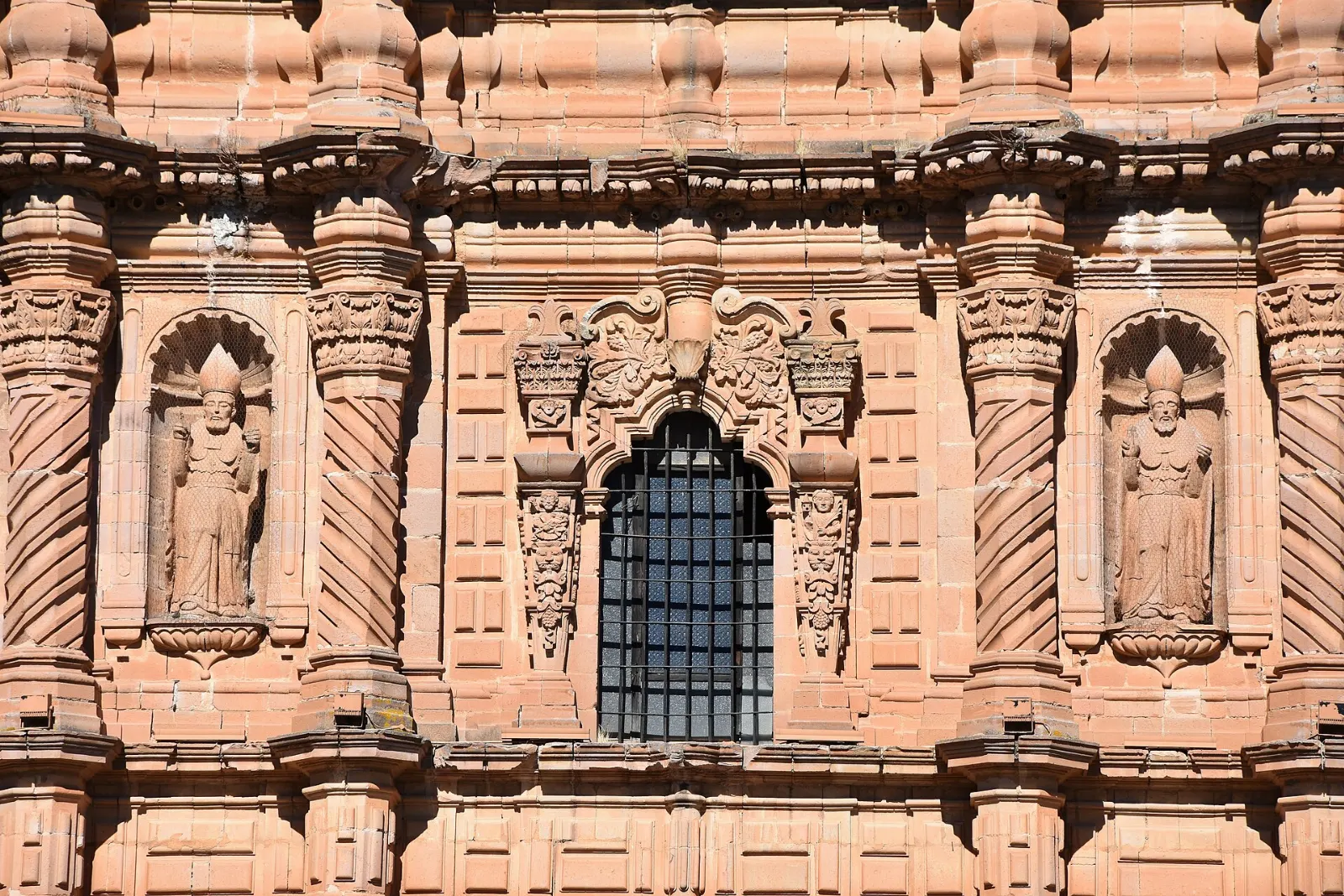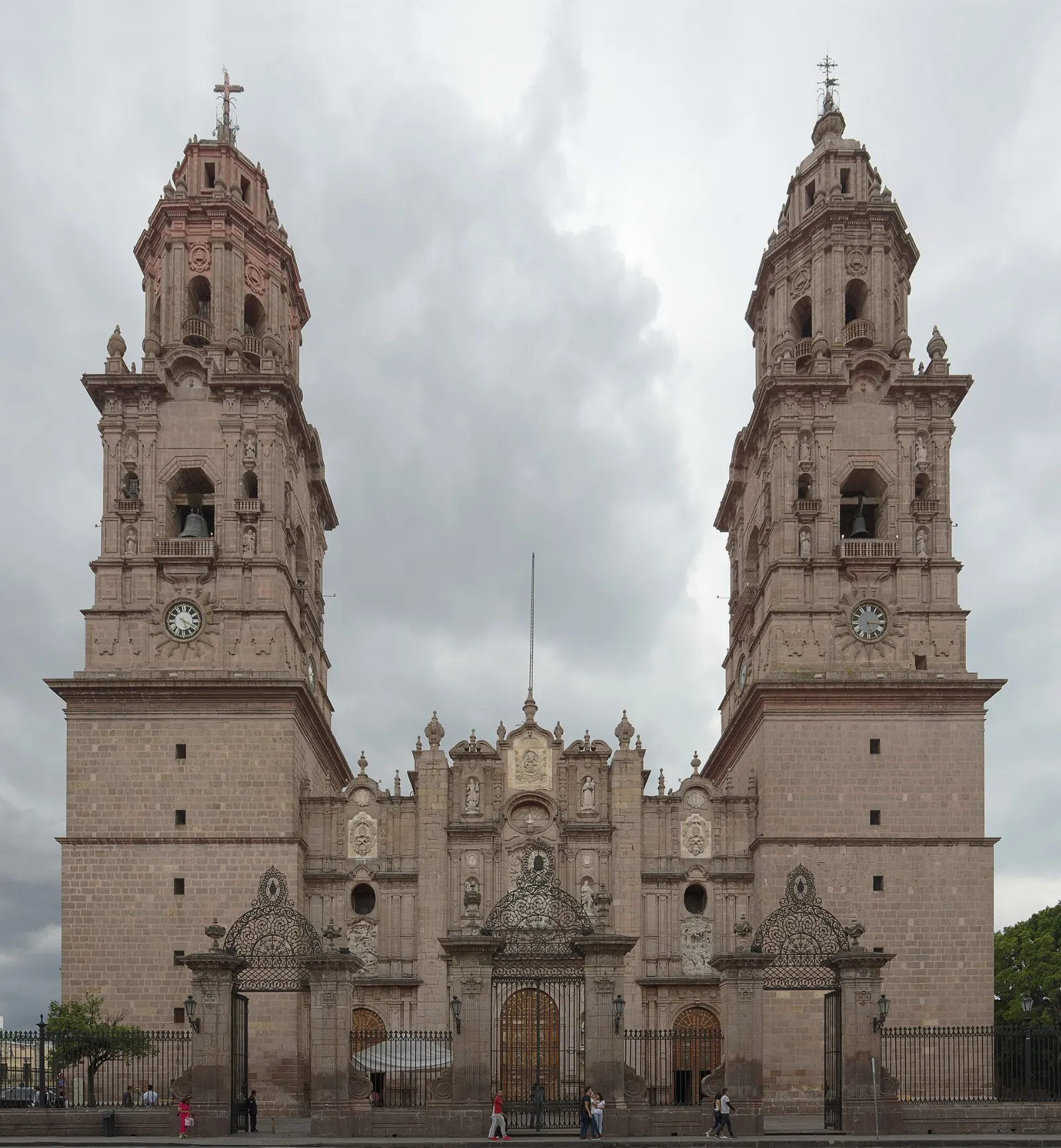
Morelia is one of the most beautiful colonial cities in Mexico. Its historic center is built of rosy cantera stone, with a towering cathedral, long arcades and shaded plazas that you can explore entirely on foot.
AT A GLANCE
Best time
October to May for dry weather, or late October for film and Day of the Dead events.
How long
Plan three days, with a fourth for a day trip to Pátzcuaro.
Getting there
Fly into Morelia, or take a bus or drive from Mexico City or Guadalajara.
Why visit Morelia
The city was founded in 1541 as Nueva Ciudad de Michoacán, later became Valladolid and took the name Morelia in 1828 in honour of the independence hero José María Morelos, who was born here.
Morelia is not as crowded with international tourists as some other colonial cities, so you can walk the plazas in comfort. Almost every major attraction sits within walking distance of the cathedral, and good restaurants, cafes and cultural venues are never far away.
The best places to visit in the historic center
Morelia Cathedral
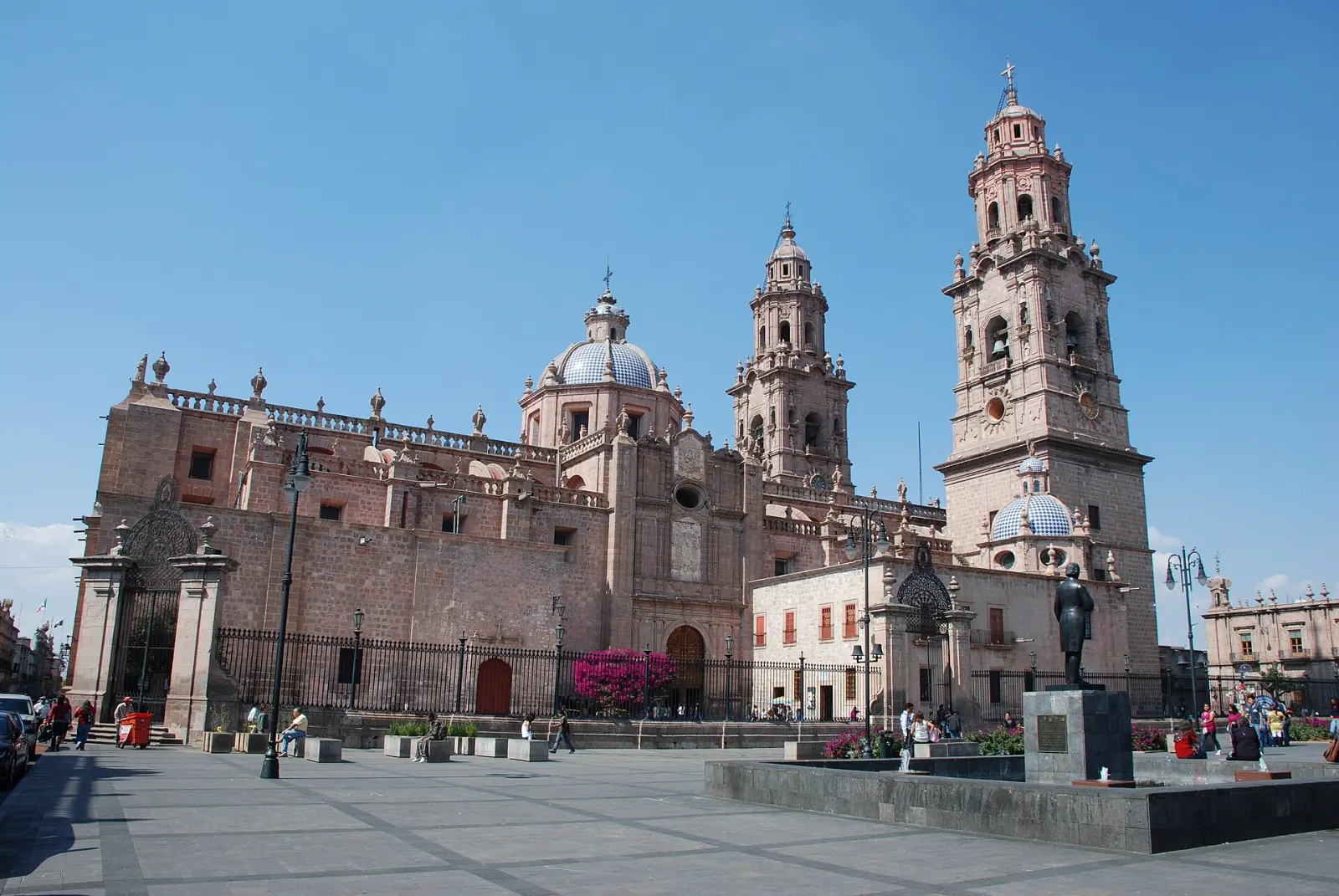
The baroque cathedral covers more than two city blocks and was built in pink quarry stone between 1660 and 1744. Its two towers rise about 67 metres, and inside you will find a monumental organ with about 4,600 pipes.
Plaza de Armas and the Palacio de Gobierno
The cathedral faces the Plaza de Armas, also called Plaza de los Mártires, which is surrounded by arcades with cafes. Nearby, the Palacio de Gobierno was built in the eighteenth century and has courtyards, fountains and large murals about Mexican independence and the life of Morelos.
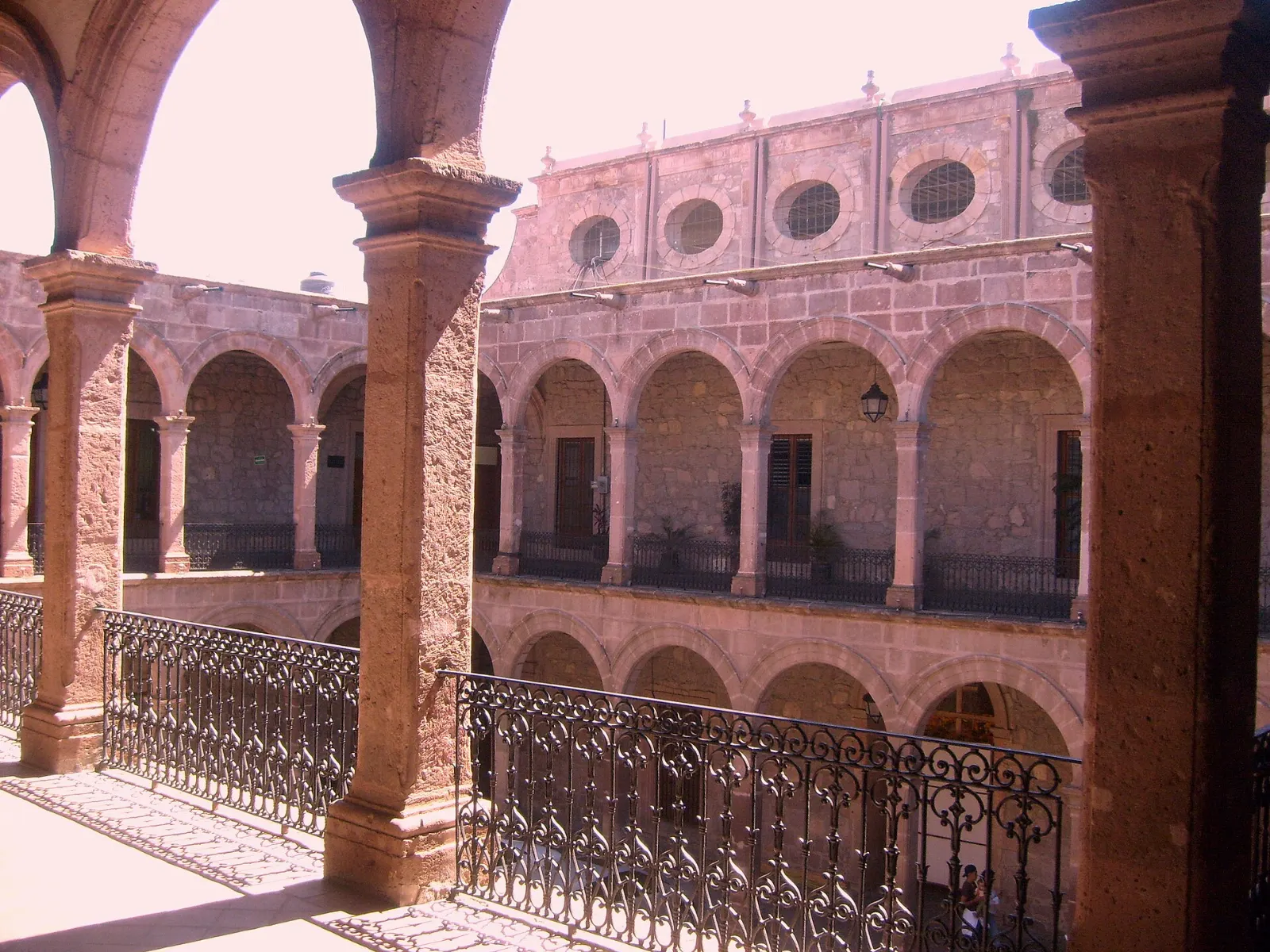
Palacio Clavijero
The Palacio Clavijero is a colonial palace with galleries around a central courtyard and fountain. The exhibitions range from historic indigenous works to modern and contemporary art.
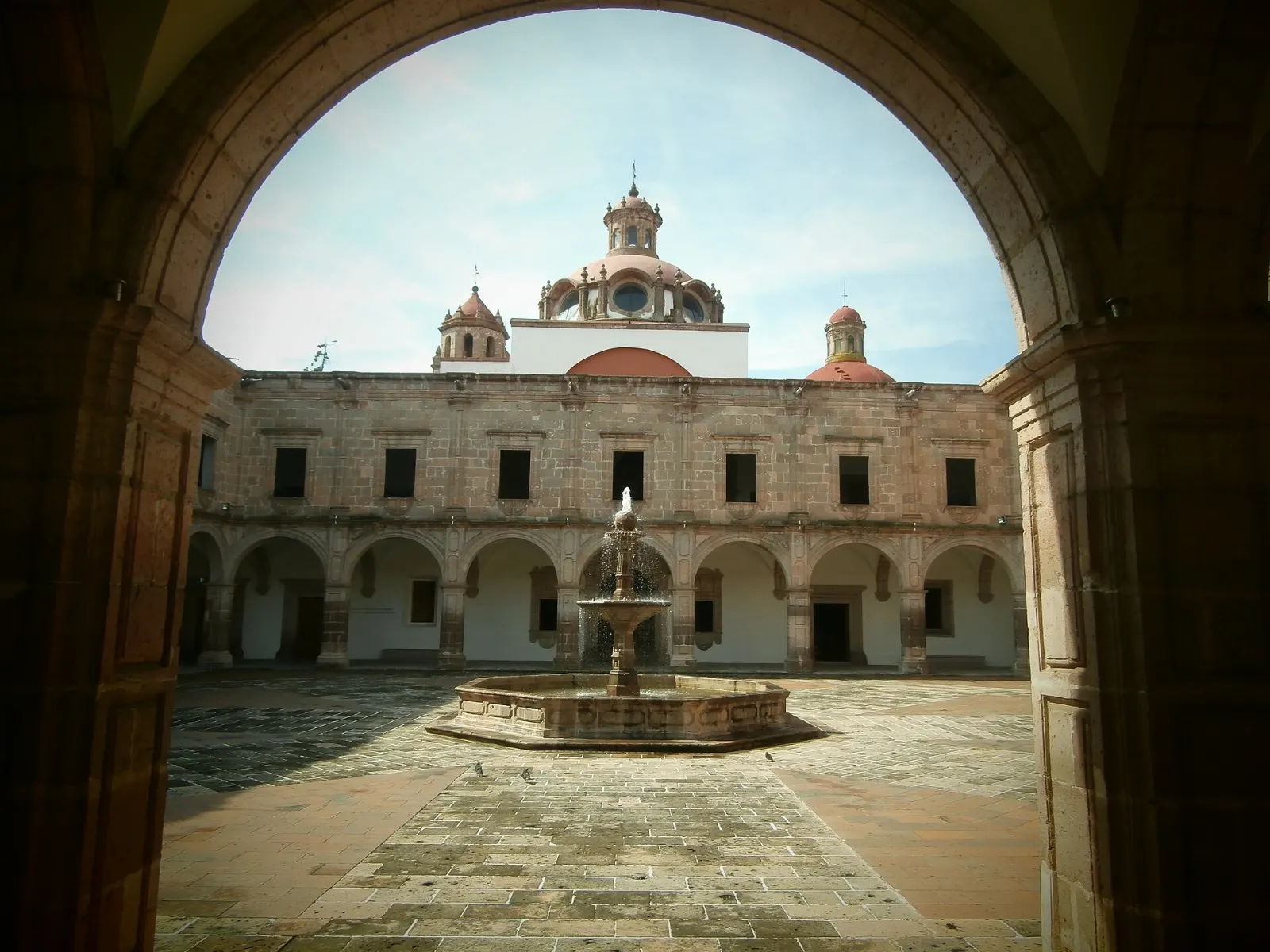
Casa Natal de Morelos
José María Morelos, a hero of the independence struggle, was born and raised in Morelia, and two historic houses in the city tell his story as museums. The Casa Natal de Morelos presents his life and his role in the war he helped lead.
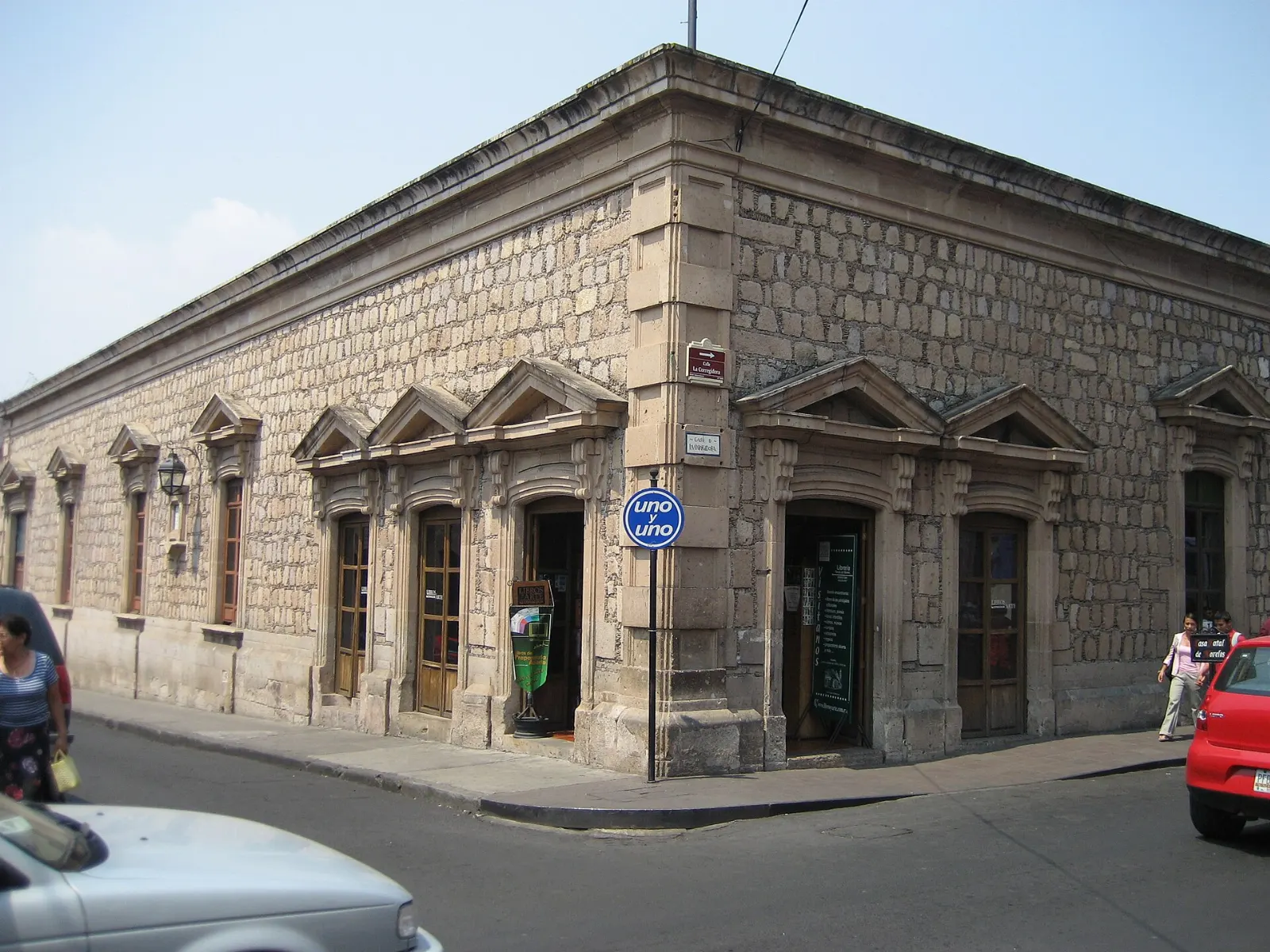
Museo del Dulce
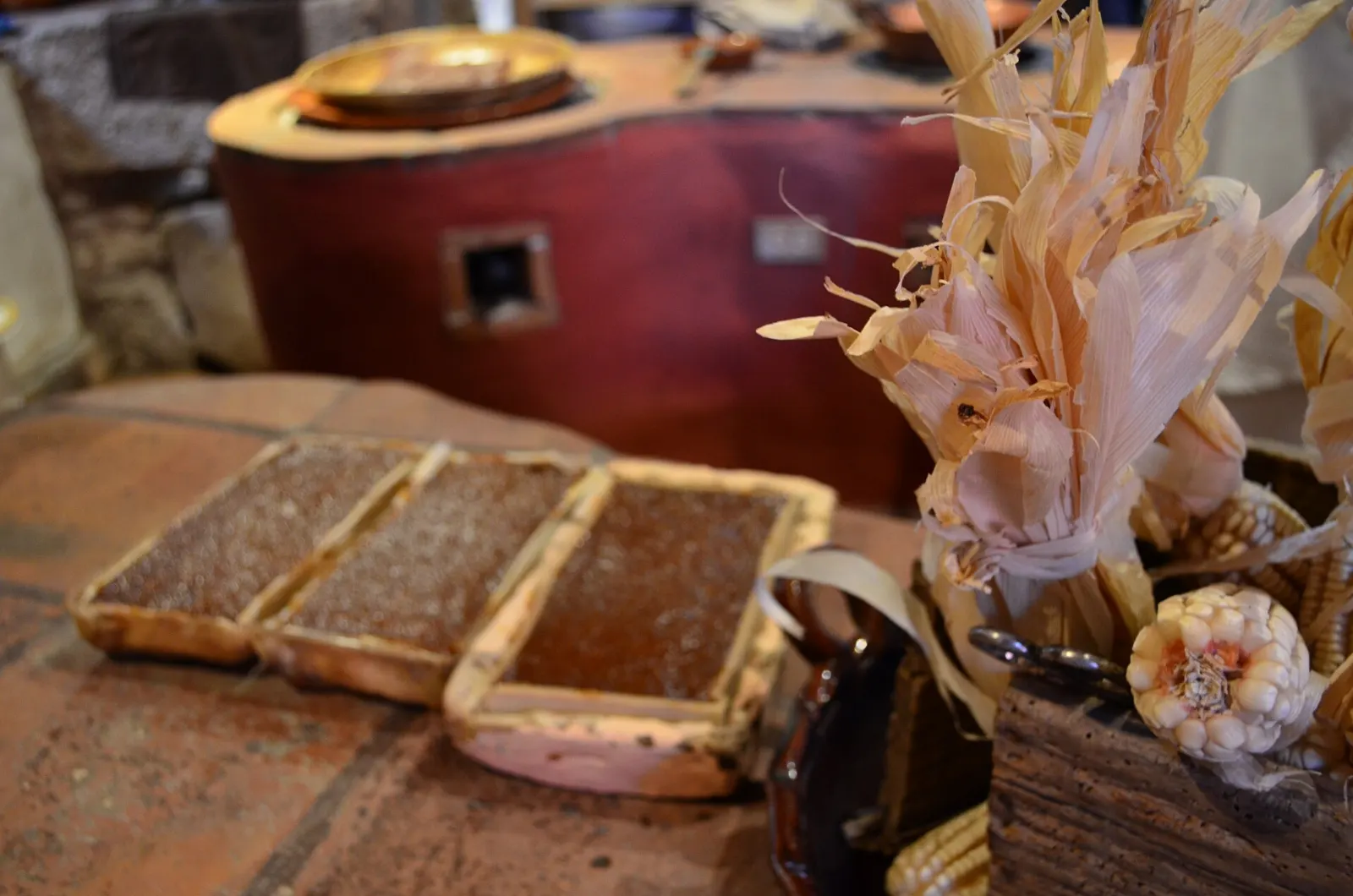
On Avenida Madero between the cathedral and the Tarascan fountain, this candy museum doubles as a shop and cafe and offers demonstrations of candy making. Michoacán is known for sweets, and the museum is a fun way to taste them.
Gardens, churches and the aqueduct
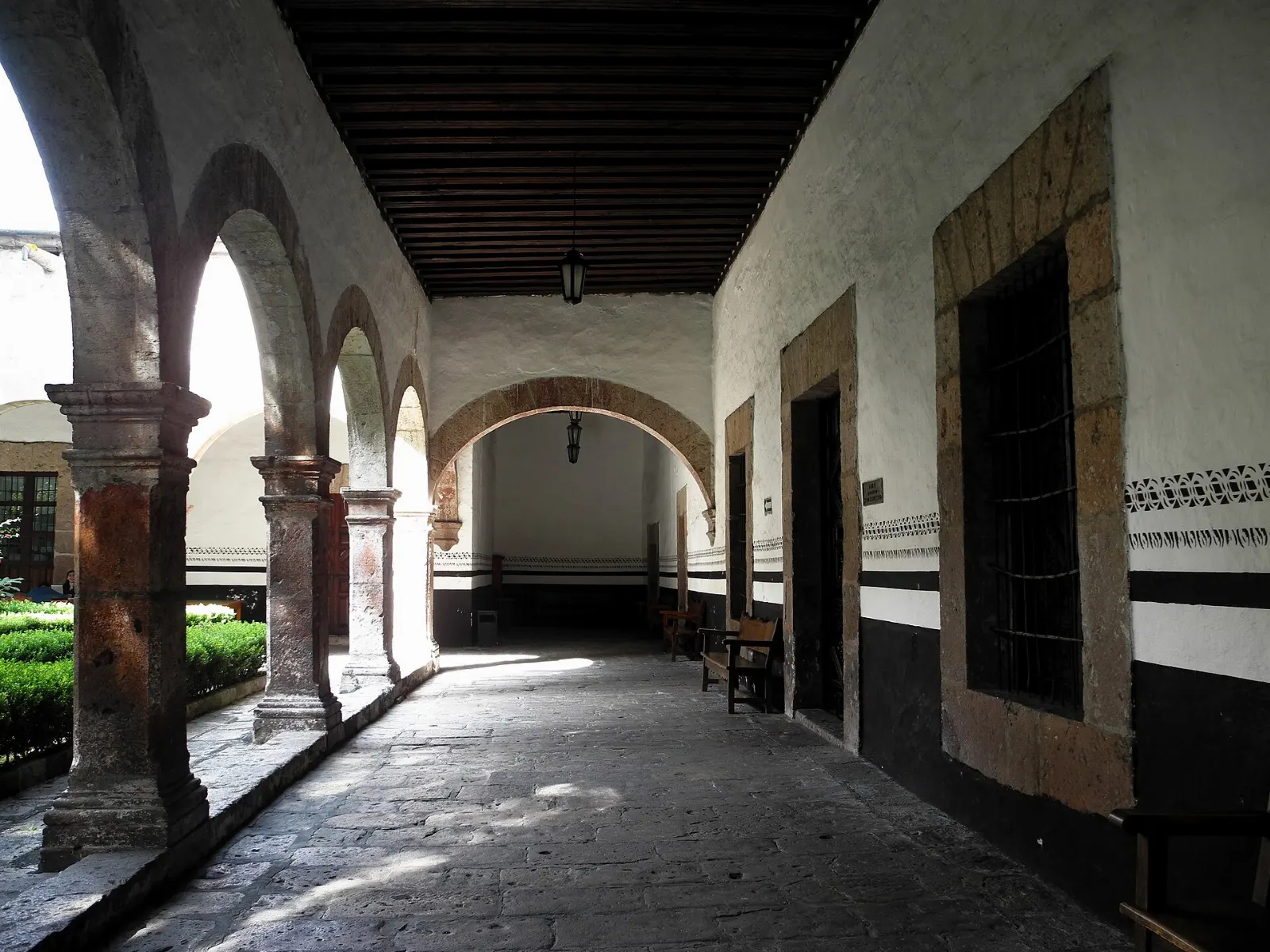
Conservatorio de las Rosas
The conservatory is in a historic monastery built in 1594, and its music school traces its roots to a girls' school founded in 1743. The Morelia Boys Choir performs here, and a concert in the cloister is a highlight.
Santuario de Guadalupe
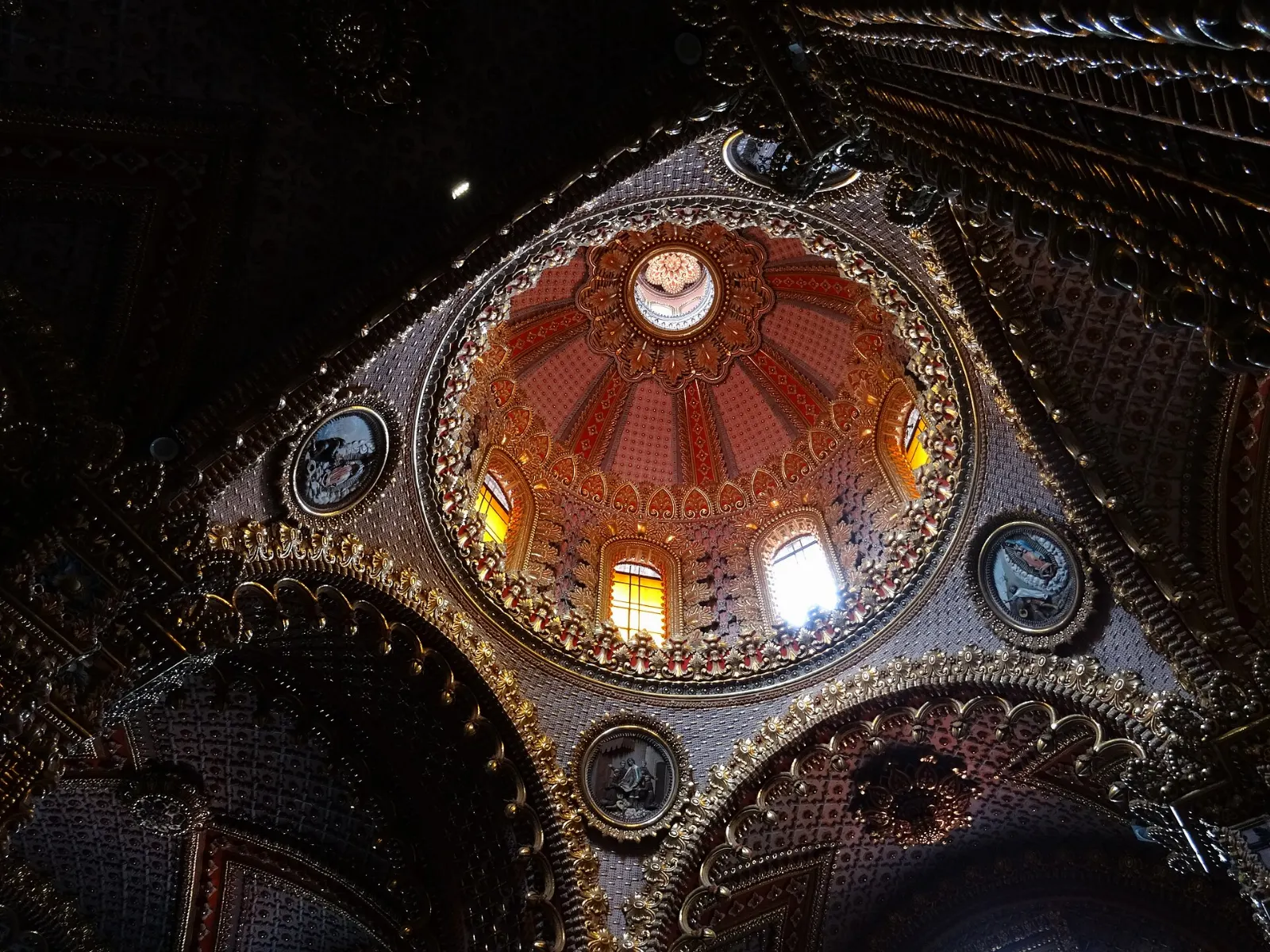
This church is one of the loveliest in the city, adorned in soft pink and white with gold trim. Inside are seventeenth century paintings about the Spanish mission to the region.
The Aqueduct and the Fuente de las Tarascas
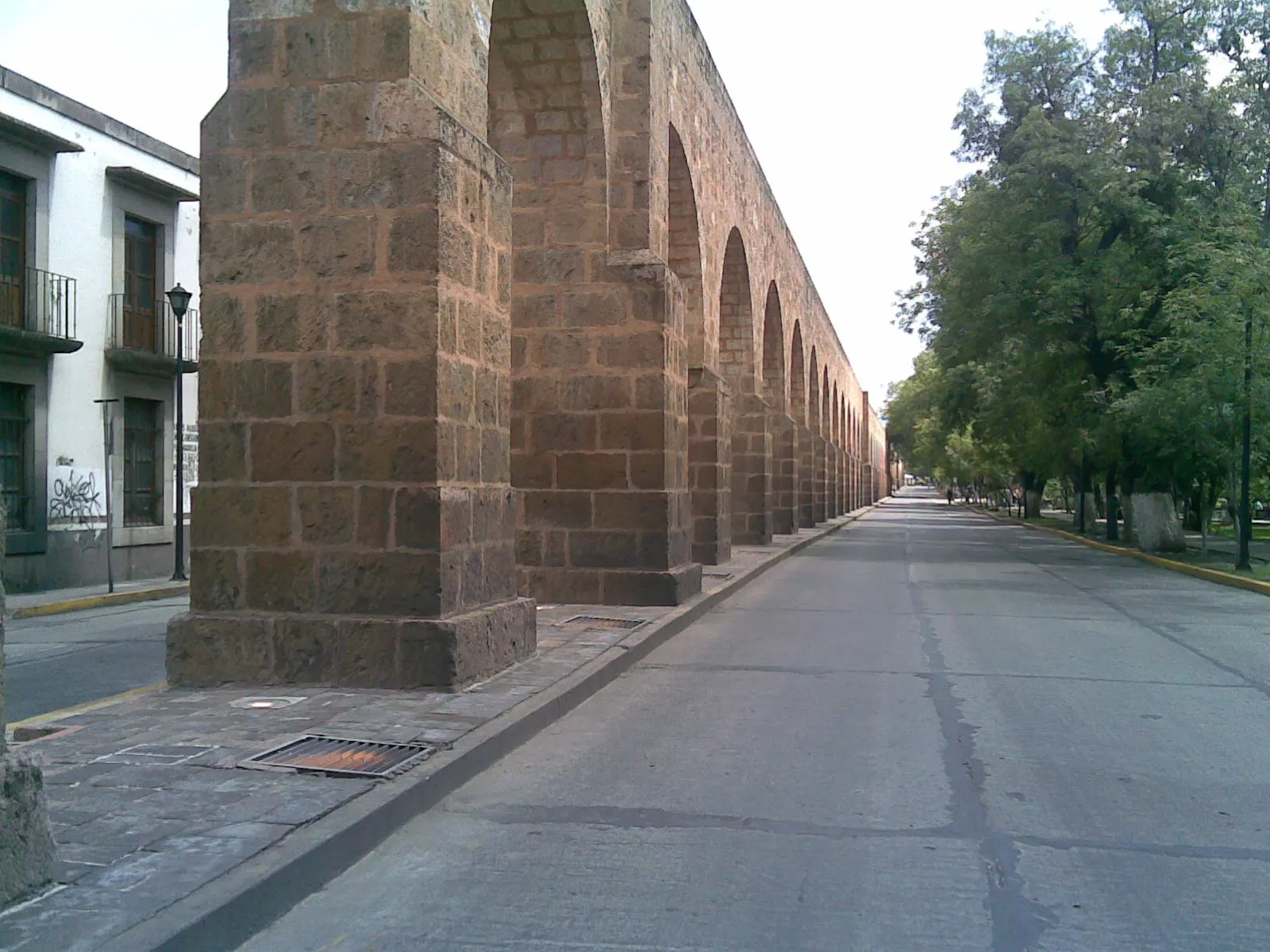
Built in the seventeenth century, the aqueduct runs down the center of Avenida Acueducto and is one of Morelia's best known images. The Fuente de las Tarascas, a bronze fountain of three Purépecha women holding a fruit bowl, sits at its base along with manicured flower beds.
Bosque Cuauhtémoc
This park near the center is home to the natural history museum, with preserved plant and animal specimens and exhibits for children. The museum can be seen in about an hour and is free.
 Planning a trip to Morelia?Compare hotels, flights and vacation rentals for Morelia on Expedia.Book now
Day trips from Morelia
Pátzcuaro
The artistic town of Pátzcuaro is about an hour away by bus and is worth a full day.
Parque Nacional Insurgente José María Morelos
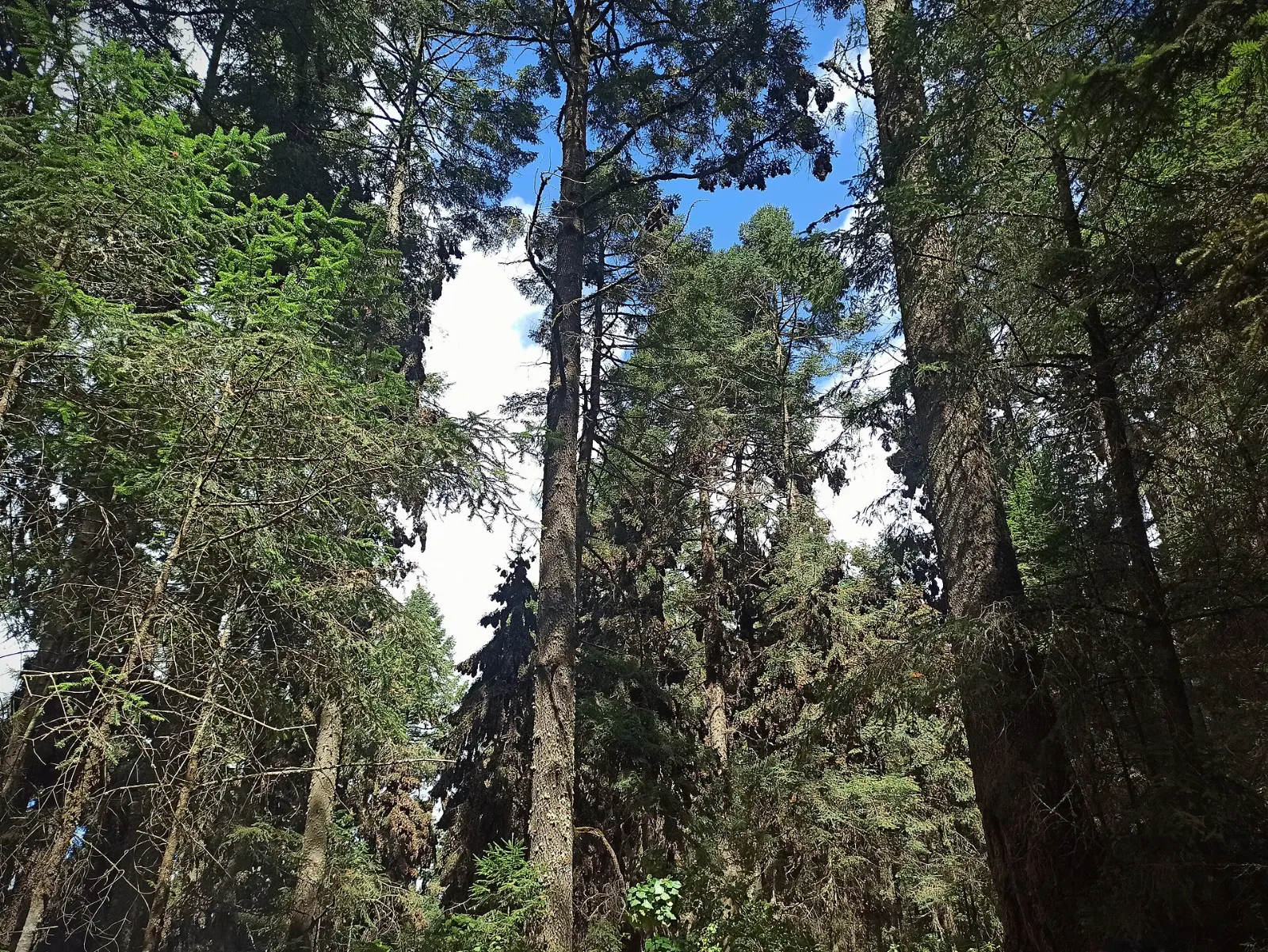
About 23 kilometres east of the city on federal highway 15, this large forested park has pine, cedar and oak, springs, hiking trails and picnic areas. It suits a half day when you want fresh air.
Monarch butterfly reserves
Millions of monarch butterflies arrive in the forests of Michoacán each November and leave around March, and several reserves lie within a four hour drive of Morelia. Book a guided trip through your hotel or a local agency, and wear sturdy shoes for the walking involved.
Food and local flavors
Morelia is an excellent place to try Michoacán cooking. Start with sopa tarasca, a smooth bean soup spiced with dried pasilla chiles and topped with a swirl of sour cream. Enchiladas morelianas are filled with chicken and potatoes and get their deep red color and gentle heat from guajillo chiles. For breakfast, order uchepos, soft tamales made from sweet fresh corn and served with cream and fresh cheese, and try corundas, another corn based tamal.
Popular dishes to try in Morelia


Where to stay
The Centro Histórico is the best choice for first time visitors, because the cathedral, plazas, museums and restaurants are all within walking distance, and many historic buildings have been converted into lodging. Ask for a room away from the street, since horns are common downtown. Camelinas is an upscale neighborhood with restaurants and a quieter, residential feel, which suits travellers with a car who prefer modern comforts. Altozano is a modern district with shopping, dining and open space on the edge of the city, with easy access for drivers.
Where to stay in Morelia


Best time to visit
Morelia has a mild highland climate, with warm days and cool nights through the year. Most rain falls during the summer monsoon from June to September, so the drier months from October to May are easier for walking. Festivals fill the calendar, including the Organ Festival in the first two weeks of May, the International Music Festival in late July and early August, and the Morelia International Film Festival in the second week of October.
Getting there and getting around
Morelia International Airport sits at the edge of the city and has domestic and international flights, so check current routes. The Terminal de Autobuses Morelia is on the northwest side of town on the Periférico and handles first class and second class buses, with Mexico City about four hours away and Guadalajara around four and a half. By car, a modern toll road brings you in roughly three and a half hours from either city. In town, combis, buses and taxis are plentiful, and ride sharing apps work.
A suggested itinerary
First day
Start at the cathedral and the Plaza de Armas, then visit the Palacio de Gobierno and the Palacio Clavijero.
Second day
Visit the Casa Natal de Morelos and the Museo de Arte Colonial in the morning.
Third day
Take a bus to Pátzcuaro for the plazas and markets, or head to Morelos National Park for a hike. In season, arrange a monarch butterfly tour instead.
Practical tips
- Check your government's current travel advisory before you go.
- Carry some local cash for small shops, markets and taxis, since not every vendor takes cards.
- Ask for a hotel room away from the street to avoid traffic noise.
- Confirm museum days before you walk over, since several close on Mondays or have limited hours.
- Agree on a taxi fare before you set off, or use a ride sharing app.