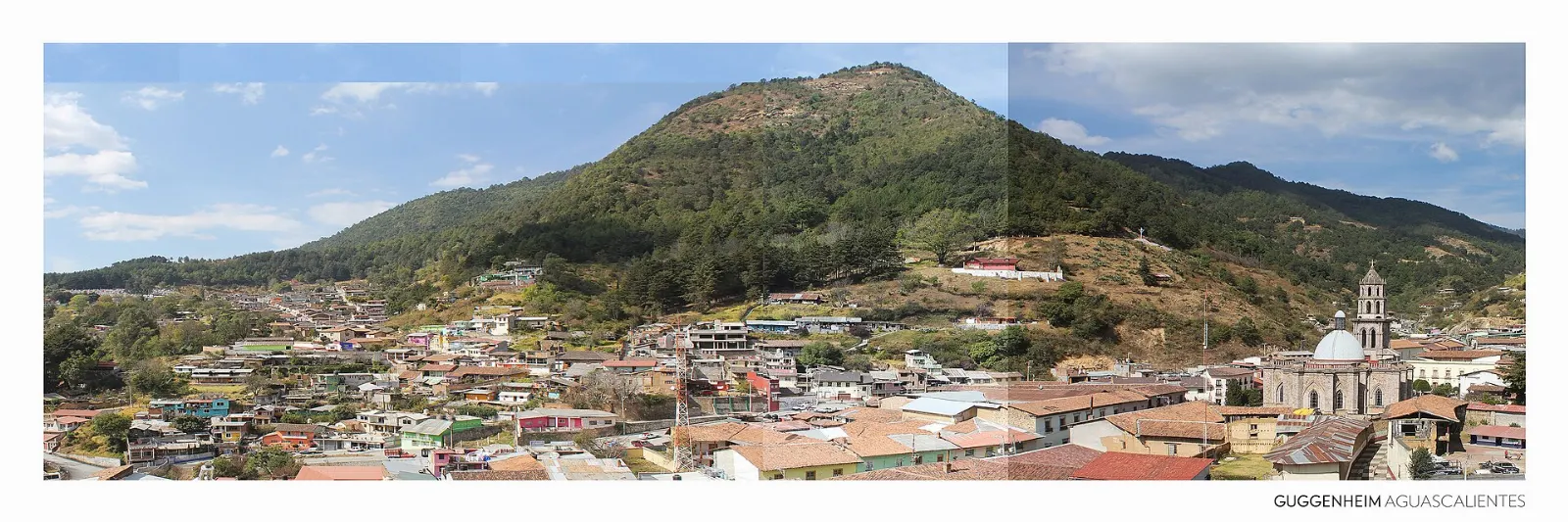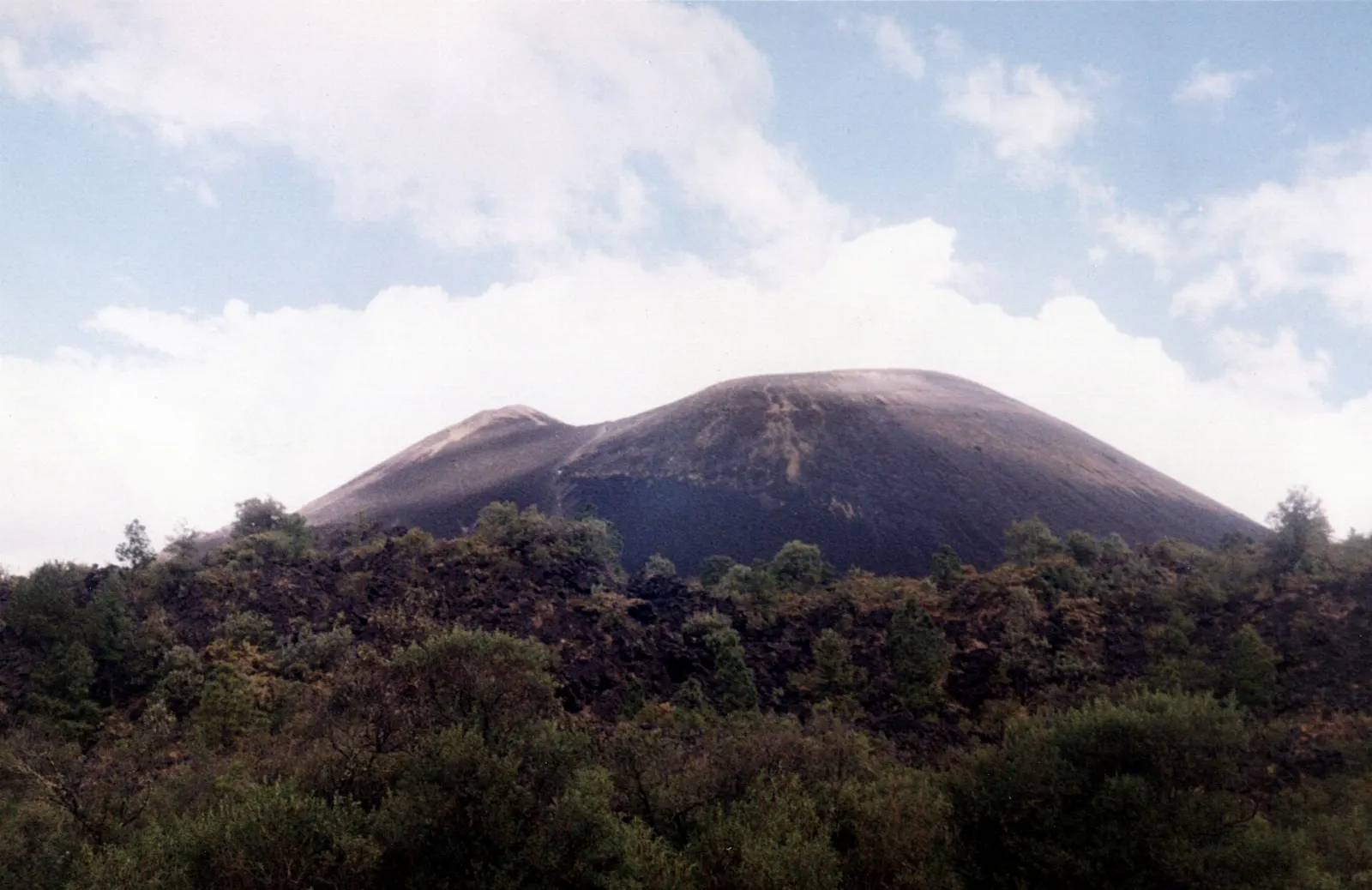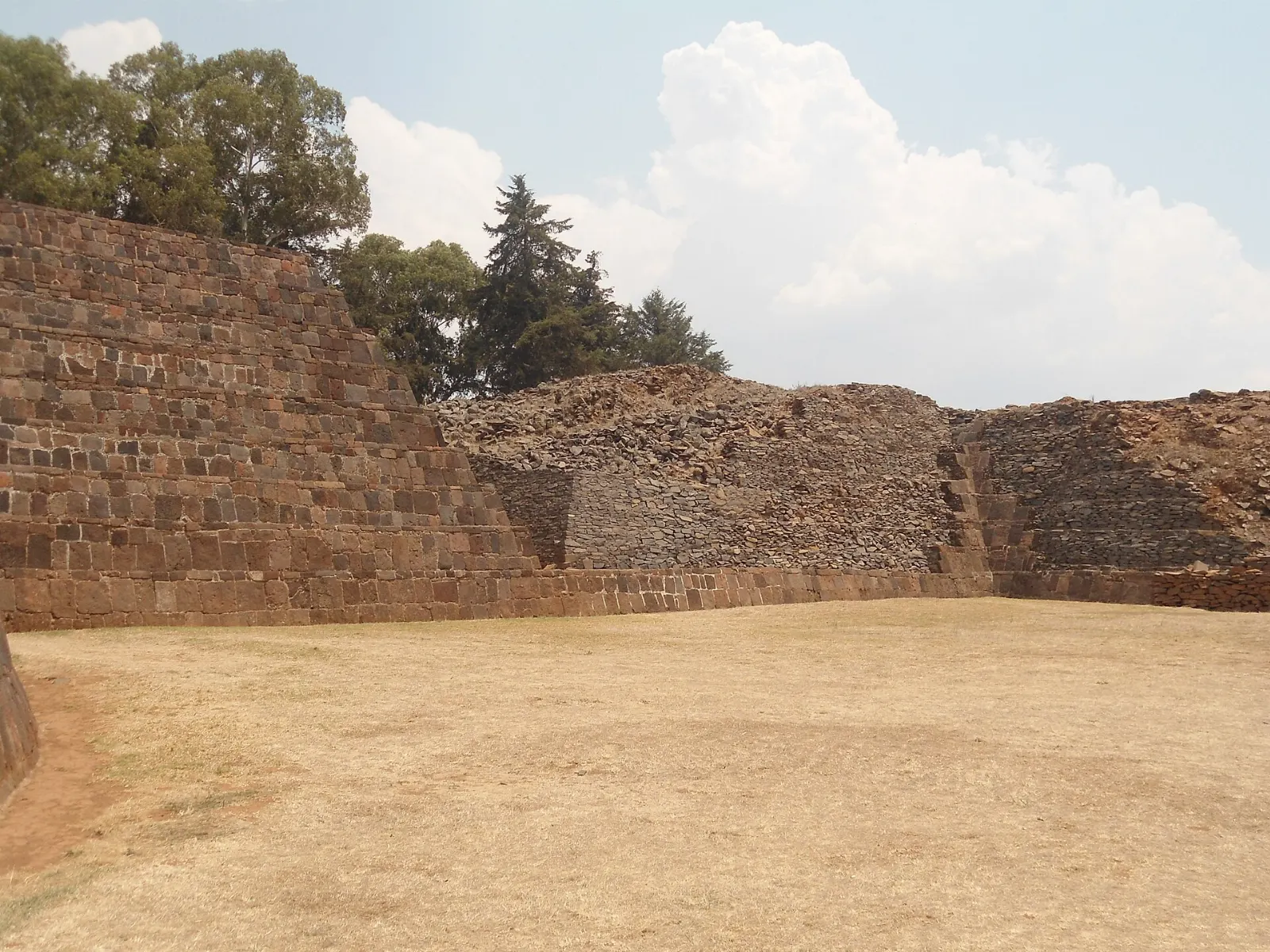
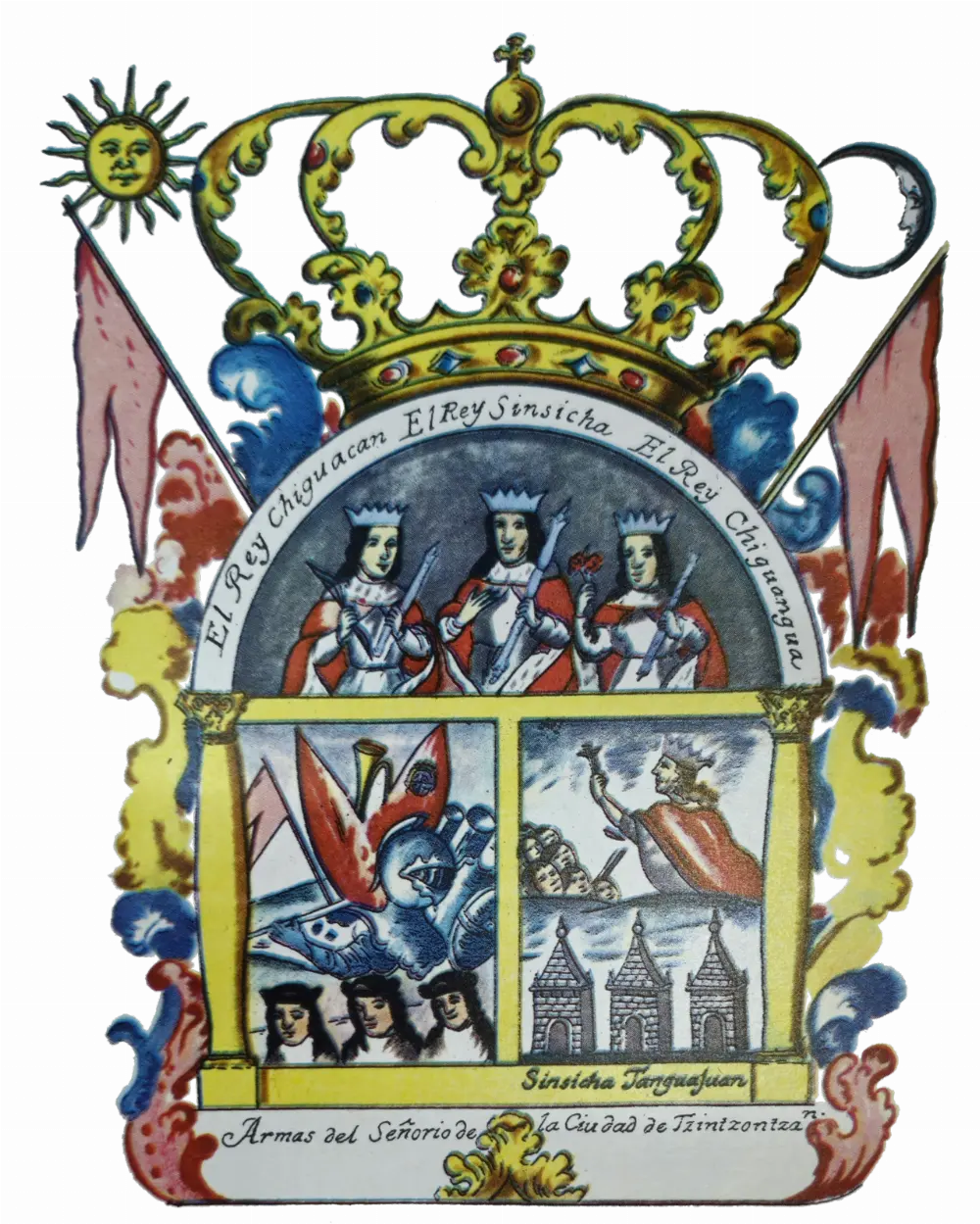
Tzintzuntzan, a Purépecha name meaning place of the hummingbirds, sits on the northeast shore of Lake Pátzcuaro in Michoacán. Before the Spanish arrived in the 1520s it was the capital of the Purépecha Empire, and today it is a small lakeside town with two big draws: a ceremonial center of rounded pyramids and a Franciscan monastery built partly from their stones.
AT A GLANCE
Best time
The dry months from November to April are the most comfortable, and Night of the Dead on 1 and 2 November is the busiest moment.
How long
Half a day covers the pyramids and monastery, while a full day adds Ihuatzio and the lakeshore.
Getting there
Take a bus or drive from Pátzcuaro, about 17 km away, or from Morelia, about 53 km away.
Why visit Tzintzuntzan
Few places in Mexico show the Purépecha story as clearly as this one.
The setting helps. The pyramids look out over a wide basin of water and volcanic hills, the old monastery sits in a calm atrium of olive trees, and the town keeps a lively handicraft tradition and some of Michoacán's best festivals.
The ancient Purépecha capital
Yácatas archaeological zone
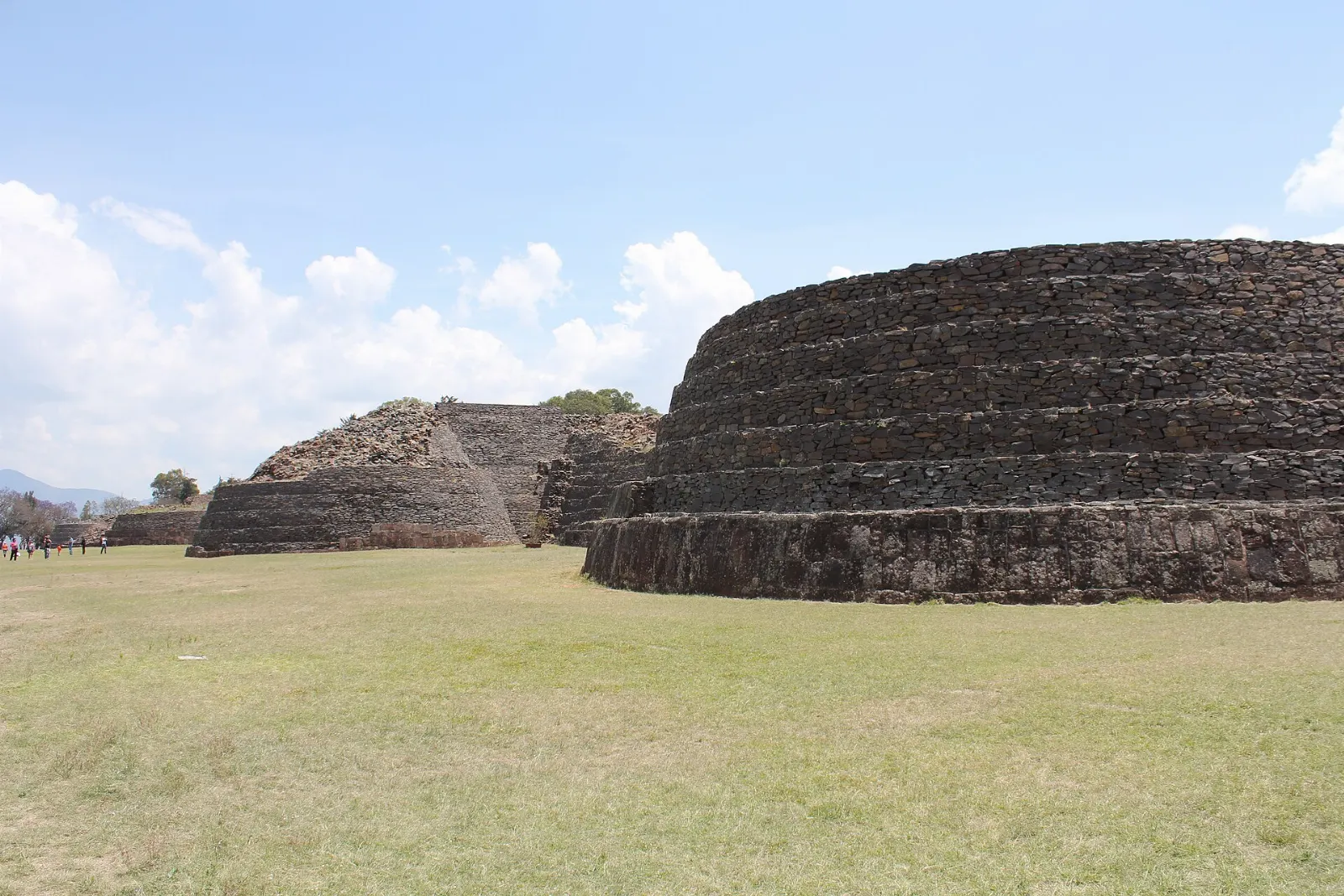
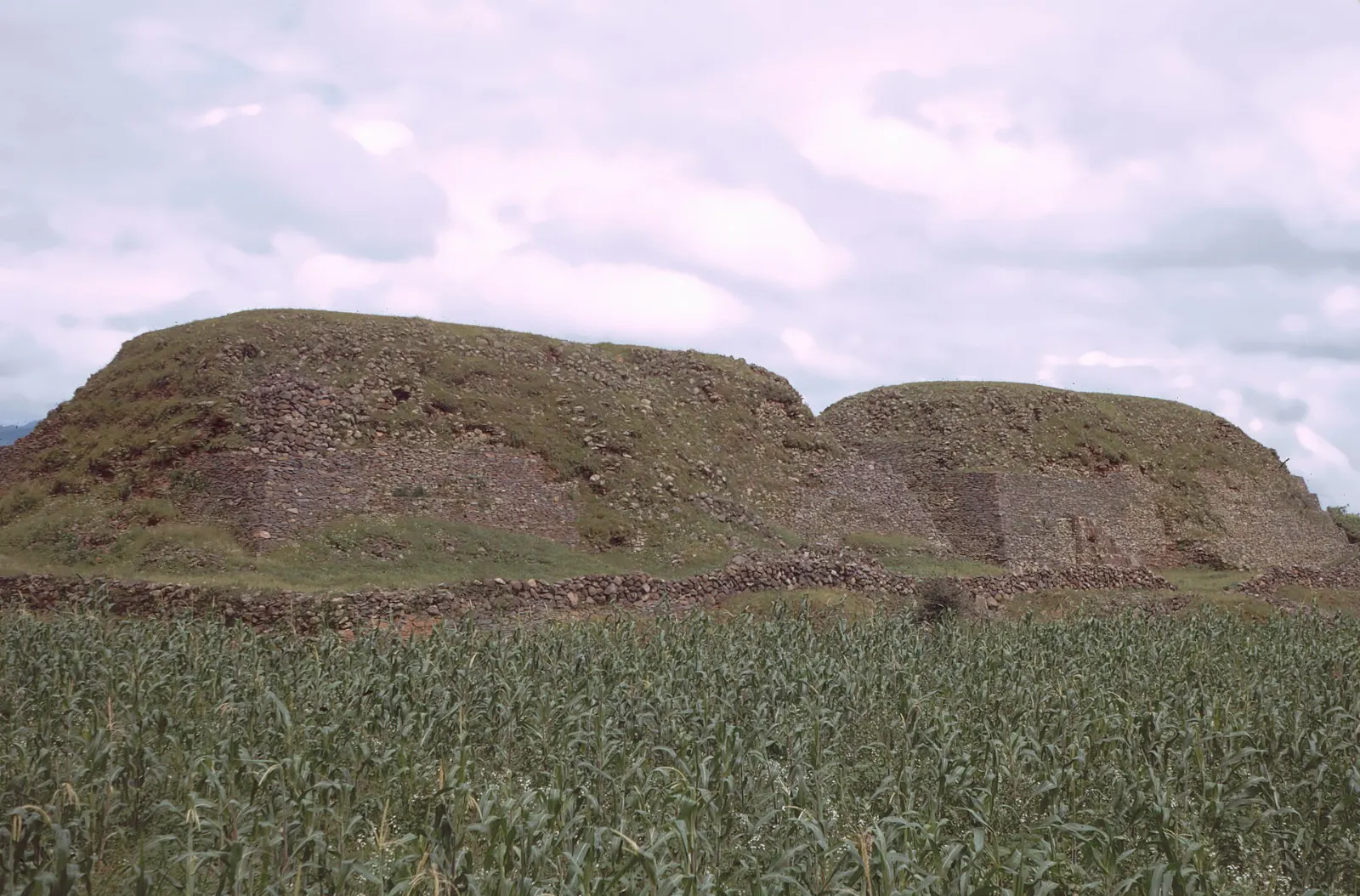
The main attraction is a row of five yácatas, unusual rounded pyramids shaped like keyholes and faced with fitted stone slabs. They stand on the hillside above town and look straight out over Lake Pátzcuaro.
The Grand Platform
The yácatas rest on a huge platform cut into Yahuarato hill, with a broad plaza behind them and the remains of a palace and priests' quarters nearby. Walk the full length to see how the ceremonial center called Tariaran, or House of the Wind, was laid out.
Site museum
A small museum at the entrance displays objects from the excavations, along with maps and panels on the Purépecha rulers.
The monastery and the town
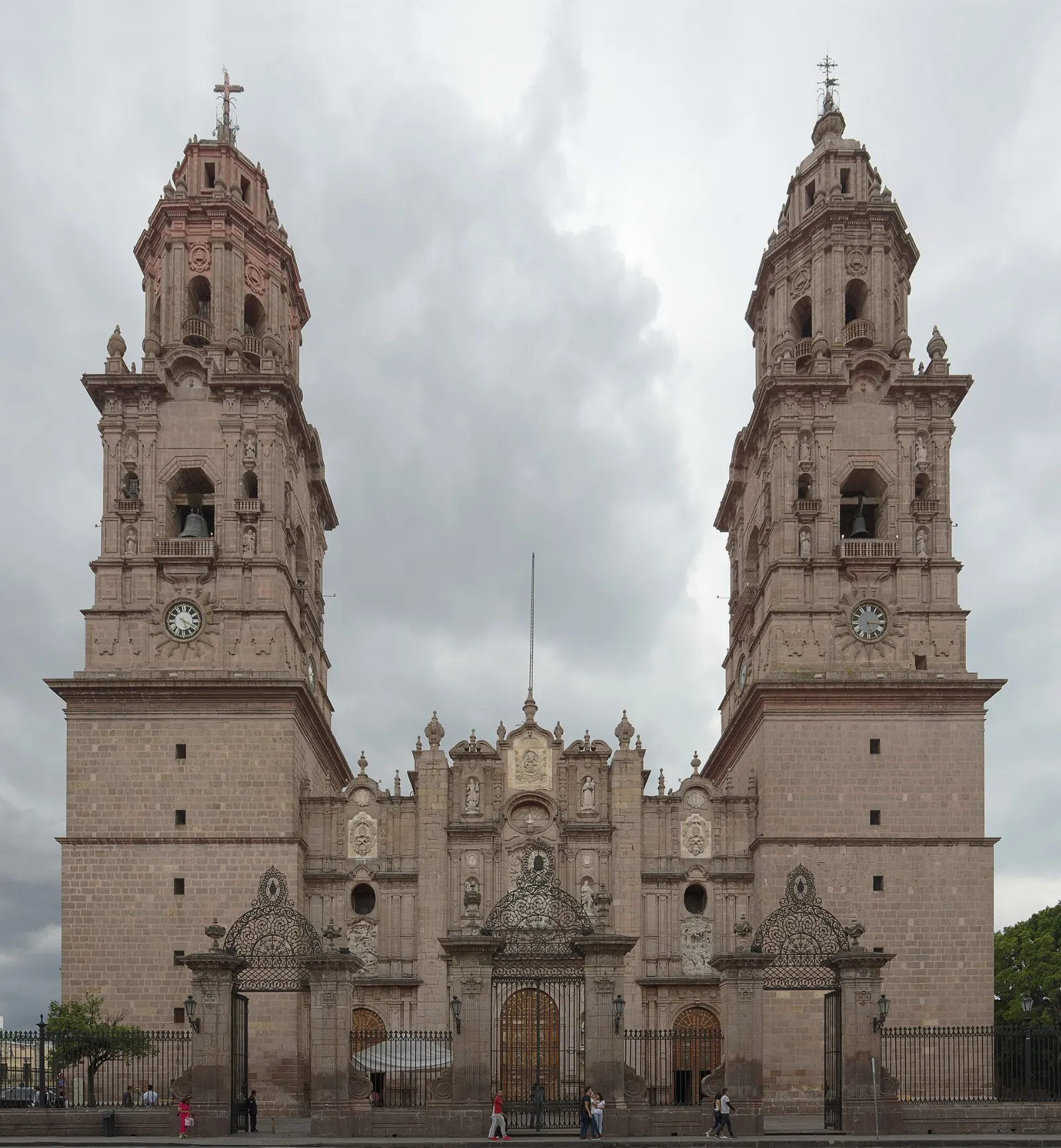
Former San Francisco monastery
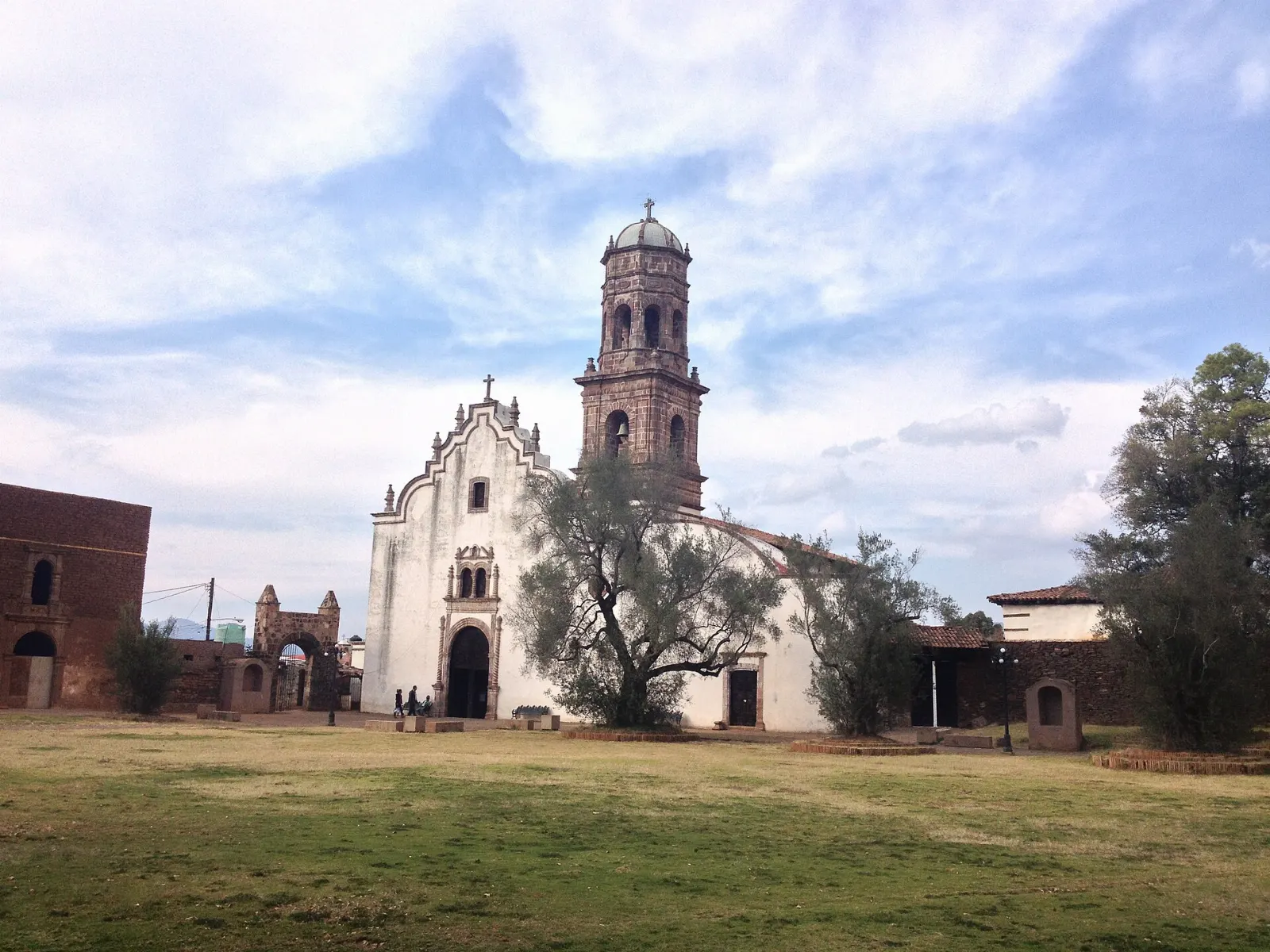
The complex was designed in 1530 by the Franciscan friar Pedro de Pila, and much of its stone came from the pyramids above.
The olive atrium
The large park-like atrium is planted with old, twisted olive trees credited to Vasco de Quiroga, the bishop who shaped much of Michoacán in the 1500s. Locals say they have never borne fruit.
La Soledad church and the Santo Entierro
Inside the church of La Soledad lies the Santo Entierro, a figure of Christ in a glass coffin. Folk belief says its arms and legs keep growing, and the coffin has been extended to hold its feet.
Cloister and craft stalls
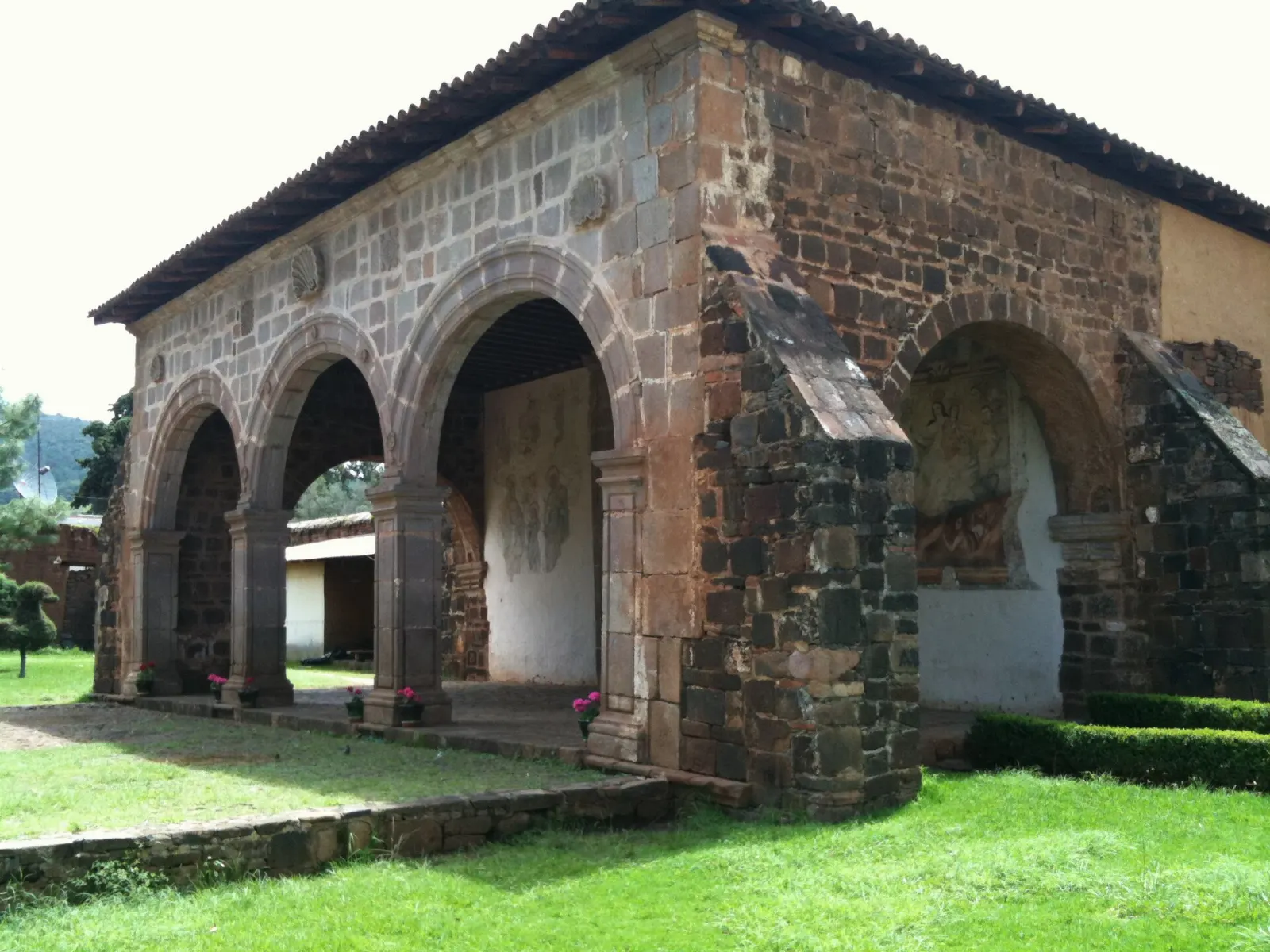
The cloister, mostly built in the seventeenth century, has painted walls from several periods and a carved wooden relief. Outside, the streets near the monastery fill with stalls selling handicrafts of the lake region, so leave time to browse and ask the makers about their work.
Around Lake Pátzcuaro
Ihuatzio
Within the same municipality, Ihuatzio is another important Purépecha site, with yácatas and a large plaza. It is quieter than Tzintzuntzan, so it suits anyone who likes ruins without crowds.
Lake Pátzcuaro
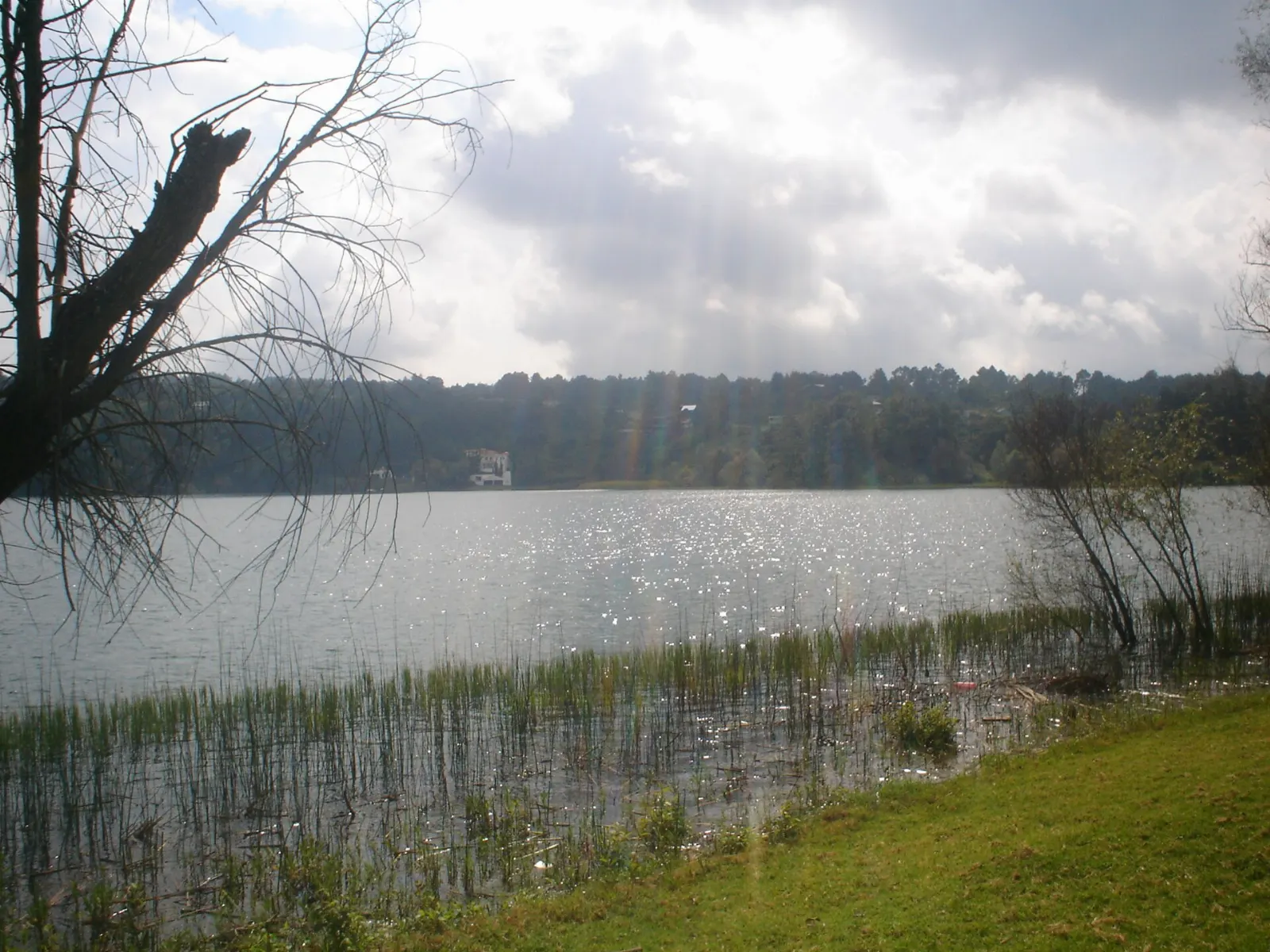
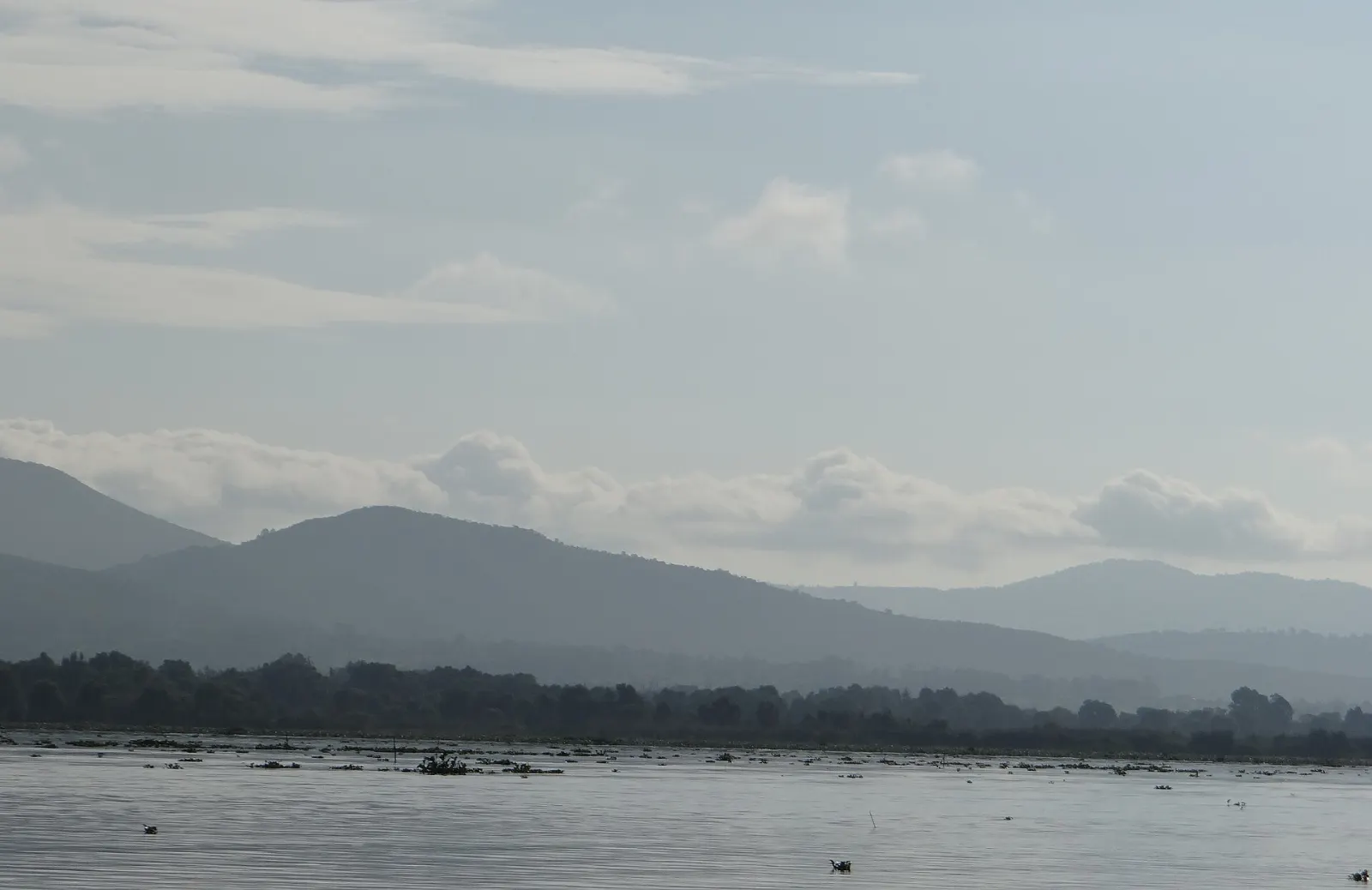
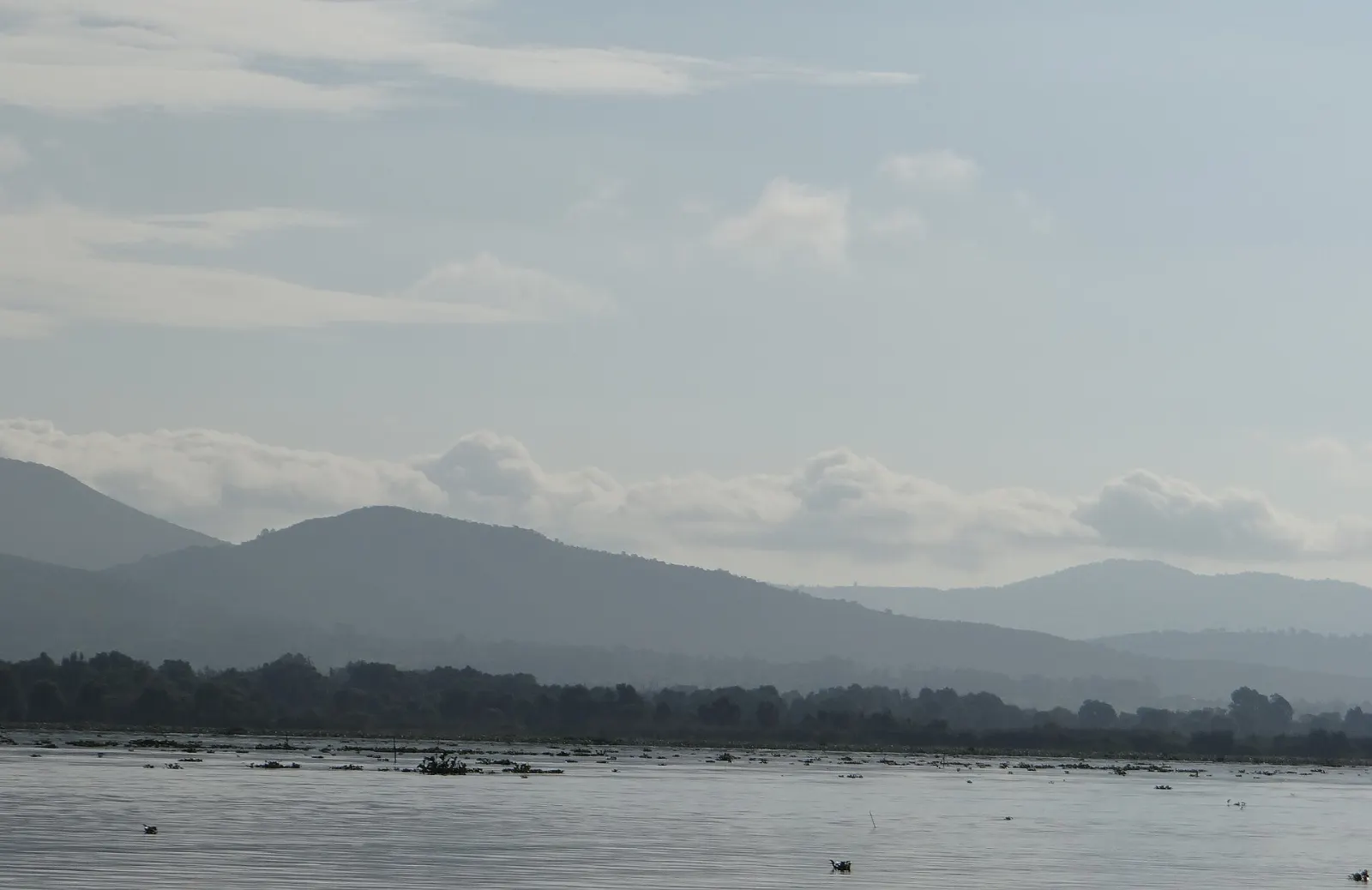
The lake lies at roughly 2,035 metres in a volcanic basin, and its wetlands are a recognized bird habitat.
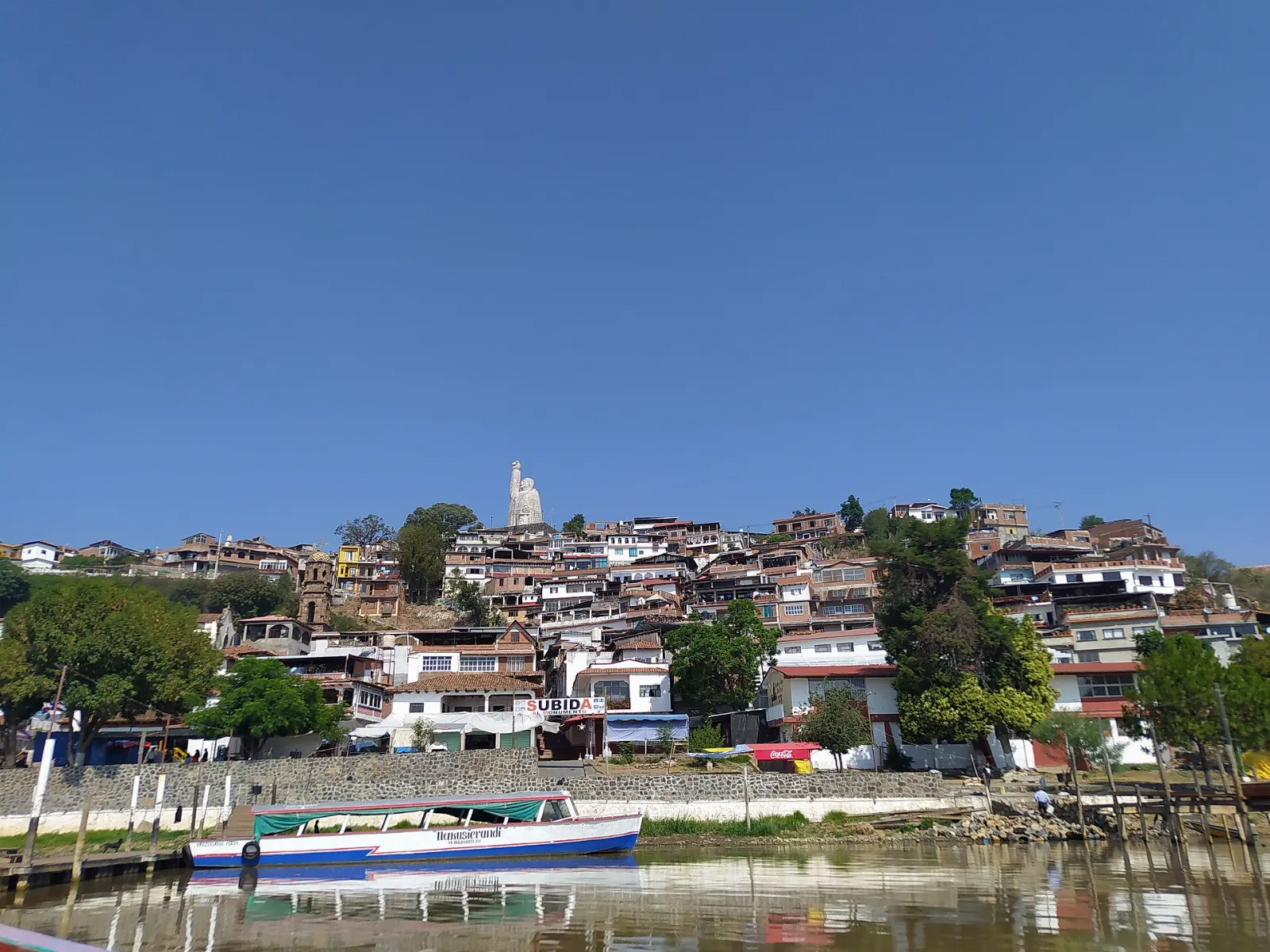
Janitzio
Of the lake's islands, Janitzio has the most visitor facilities.
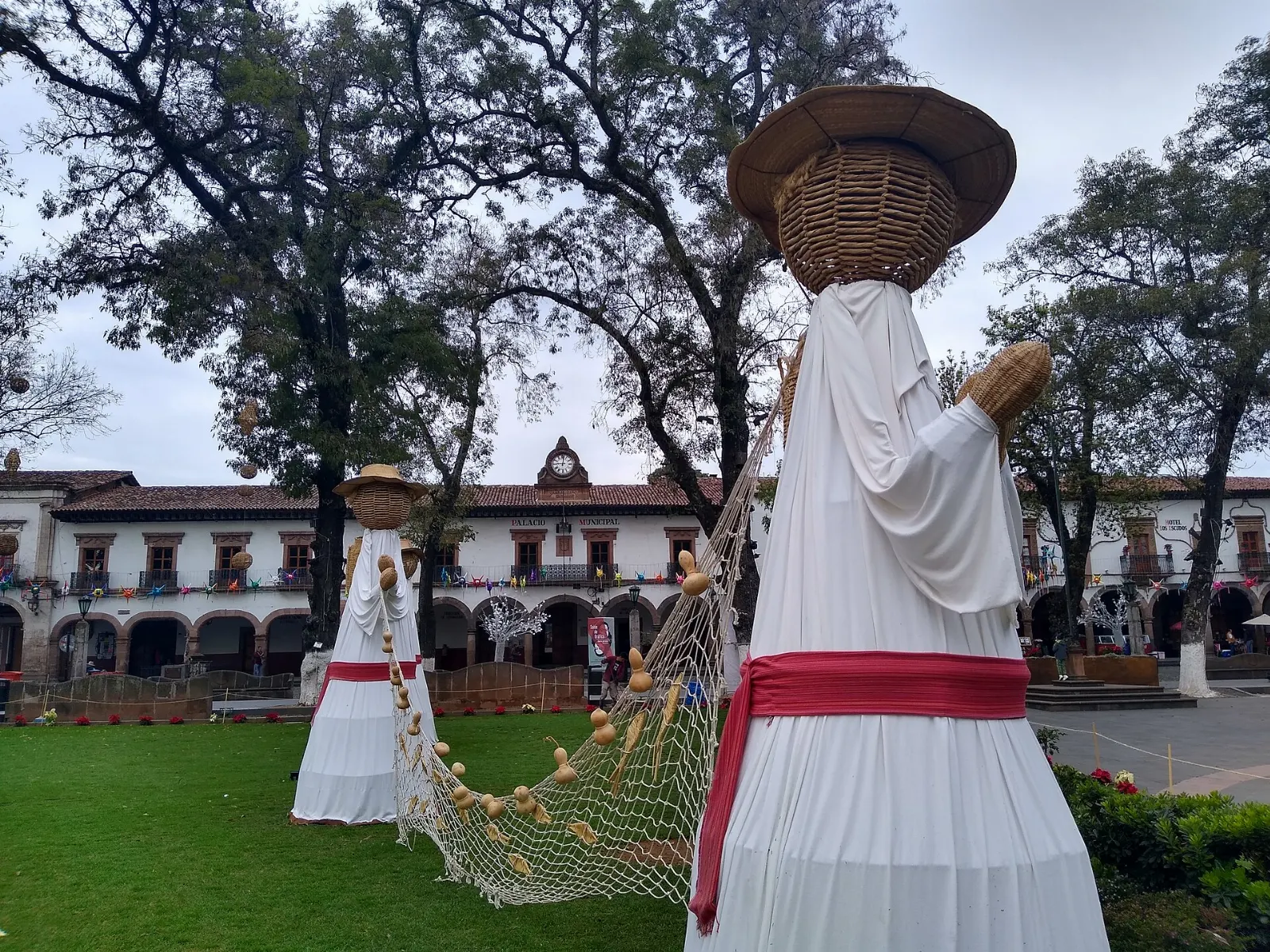
Pátzcuaro
The nearest big town is a Pueblo Mágico with a colonial center and a long history as a Purépecha ceremonial site.
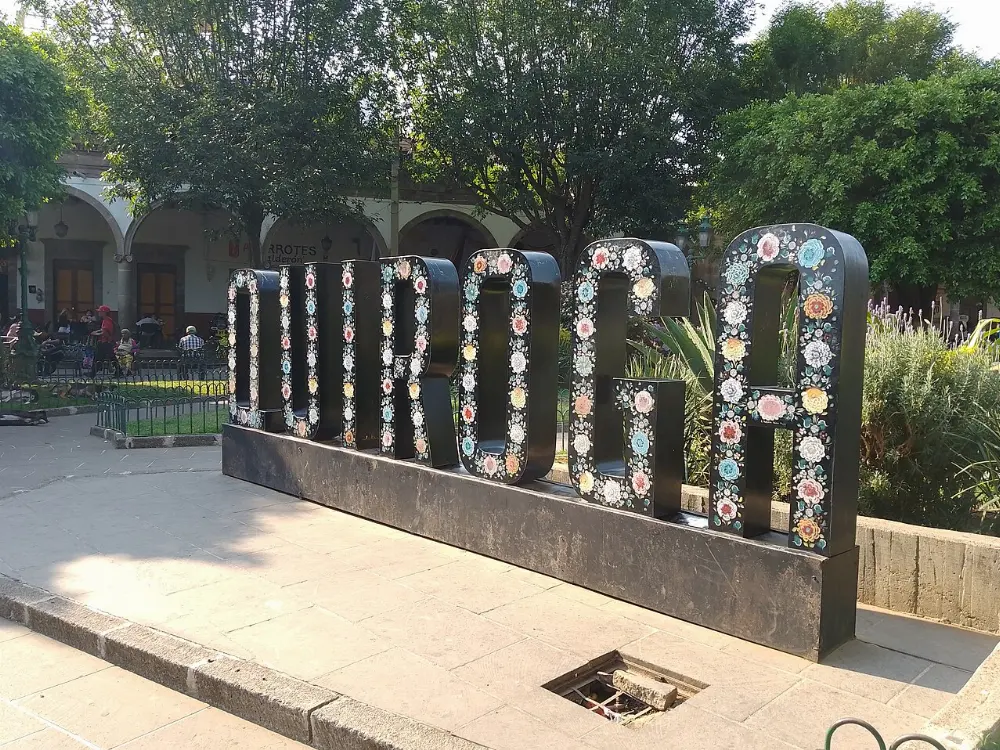
Quiroga
This lakeshore market town is known for trade and crafts. It is easy to combine with Tzintzuntzan on a loop around the north shore.
Food and local flavors
Michoacán cooking is built on maize. Try corundas, soft tamales wrapped in a long leaf and folded into a triangle, usually served with cream and red salsa.
For something heartier, order carnitas, pork braised until tender and served with tortillas, onion and salsa. Pátzcuaro and the lake towns have busy markets where you can sample these dishes in one sitting, and the fish of the lake appears on many menus.
Popular dishes to try in Tzintzuntzan


Where to stay
Most visitors base themselves in Pátzcuaro, which has the widest choice of guesthouses and restaurants within a walkable colonial center.
Tzintzuntzan itself has a few simple places to sleep and is ideal if you want the pyramids at opening time and a quiet evening by the monastery. It suits slow travelers and photographers.
Quiroga, on the north shore, is a practical and less touristy base with a working market.
Book early for Night of the Dead and for the festival days before Lent.
Where to stay in Tzintzuntzan

Best time to visit
The dry season, from about November to April, brings clear skies and comfortable days, though nights at this altitude are cool. Summer is the rainy season, so expect afternoon showers and greener hills.
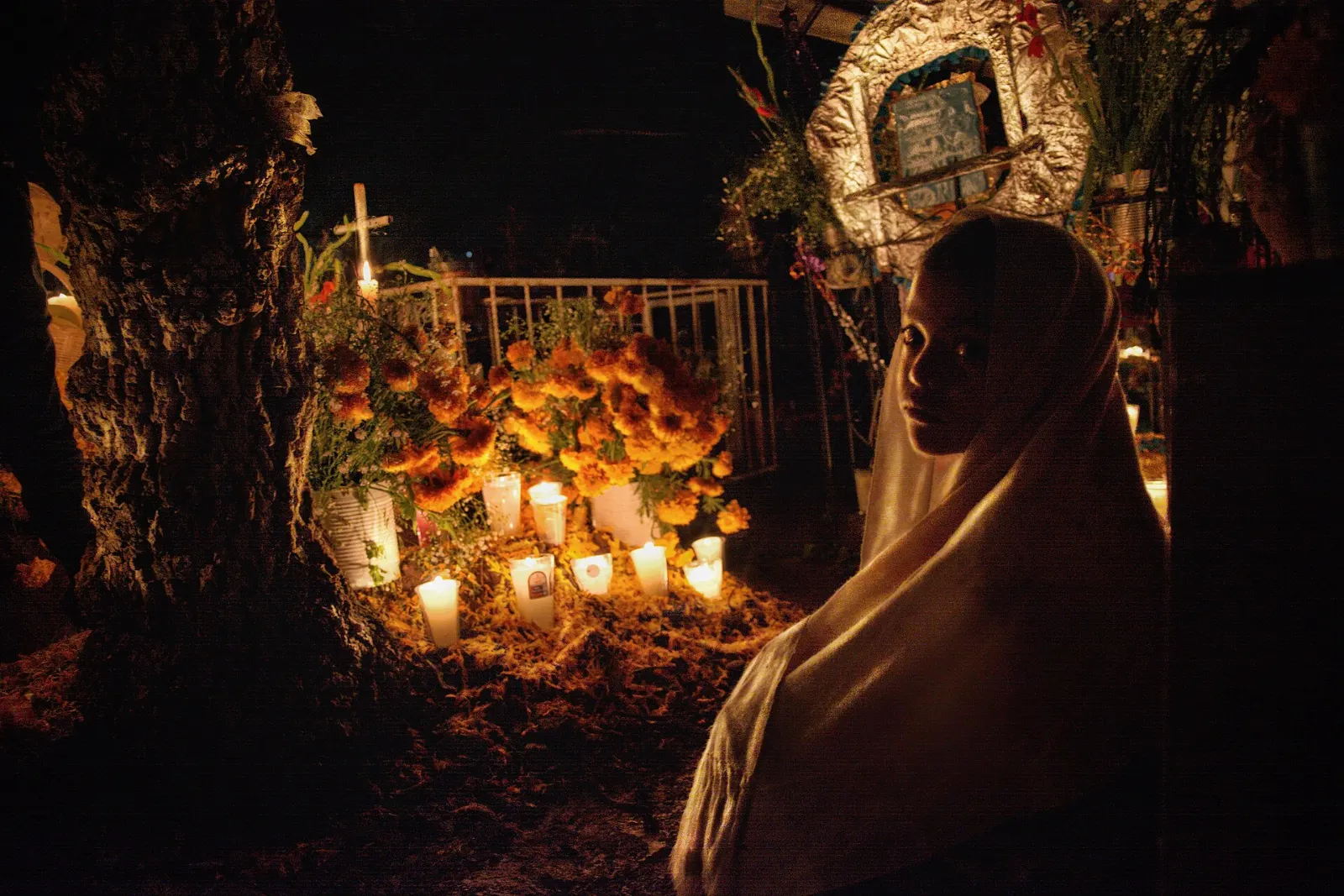
Festivals shape the calendar. The Festival of the Señor del Rescate falls around Carnival time, just before Ash Wednesday, and brings pilgrims and dancers. Night of the Dead vigils begin on the night of 1 November and continue into the morning of the 2nd.
Getting there and getting around
The closest large airport is in Morelia, about 53 km away, with national flights and road links through the state. Mexico City and other cities connect by long-distance bus to Morelia and Pátzcuaro.
From Pátzcuaro, Tzintzuntzan is roughly 17 km along the lake road, and local buses and shared transport run regularly.
Within Tzintzuntzan, everything important is walkable. The archaeological site lies about one kilometre east of the town center, up a gentle hill, and parking is available near the entrance.
A suggested itinerary
First day
Arrive in Pátzcuaro and spend the morning in its plazas and market. Continue to Tzintzuntzan after lunch for the monastery, the olive atrium and La Soledad, then end the day at the lakeshore.
Second day
Start at the yácatas when the site opens, then visit the museum.
Practical tips
- Bring sun protection and sturdy shoes, because the archaeological site has little shade and uneven steps.
- Carry small change for market stalls and entrance fees, which are not always card friendly.
- Dress modestly and keep your voice low inside the churches.
- Ask permission before photographing people, especially during religious festivals.
- Book lodging well ahead for Night of the Dead and the days before Lent.