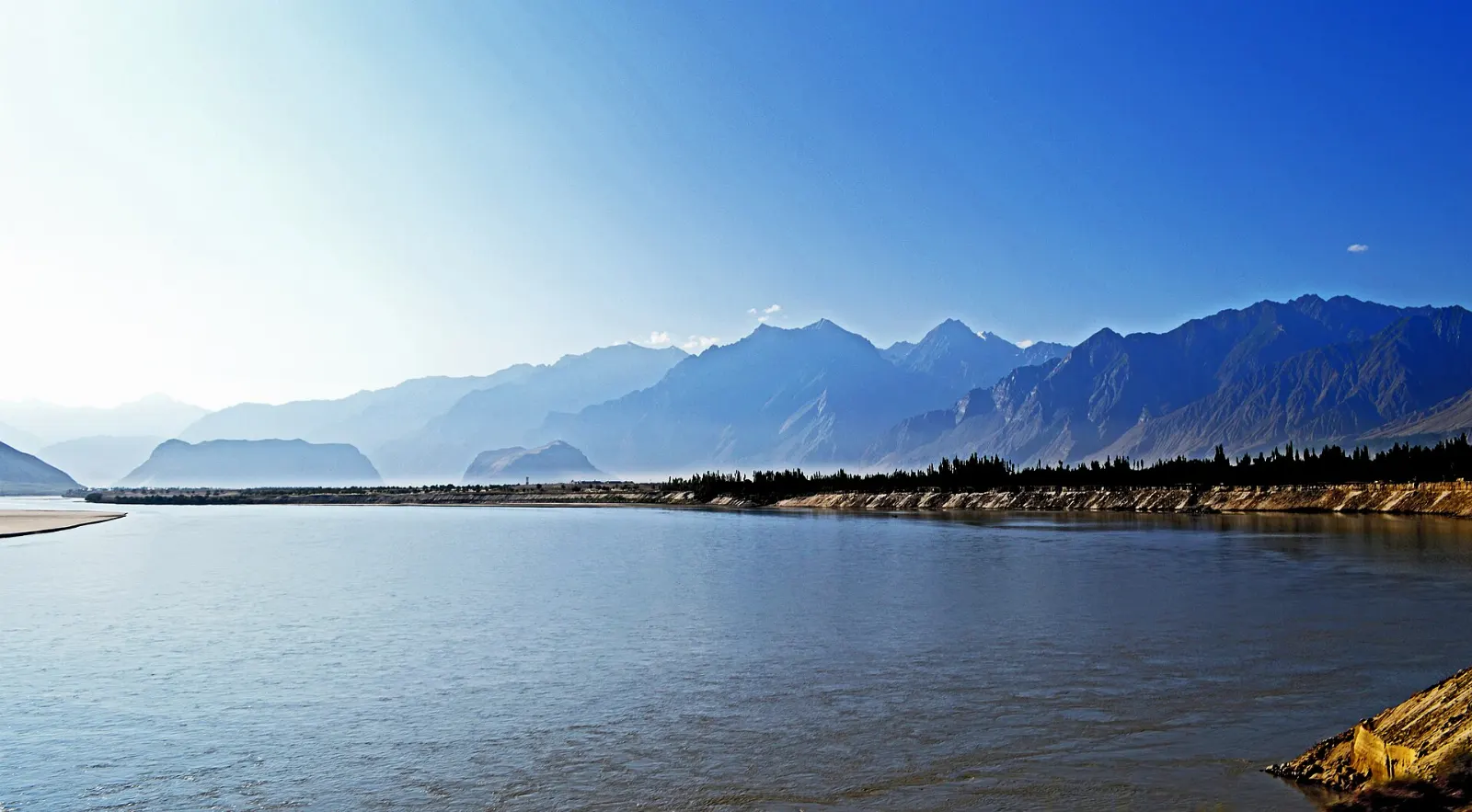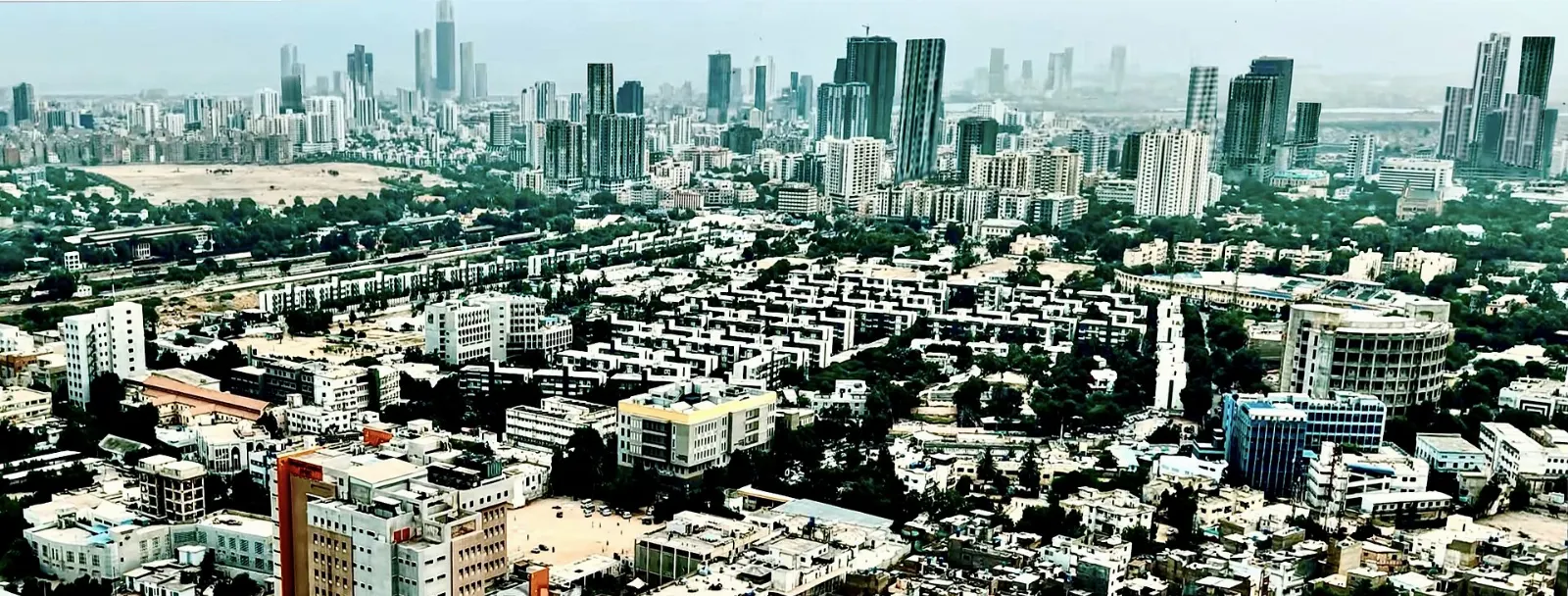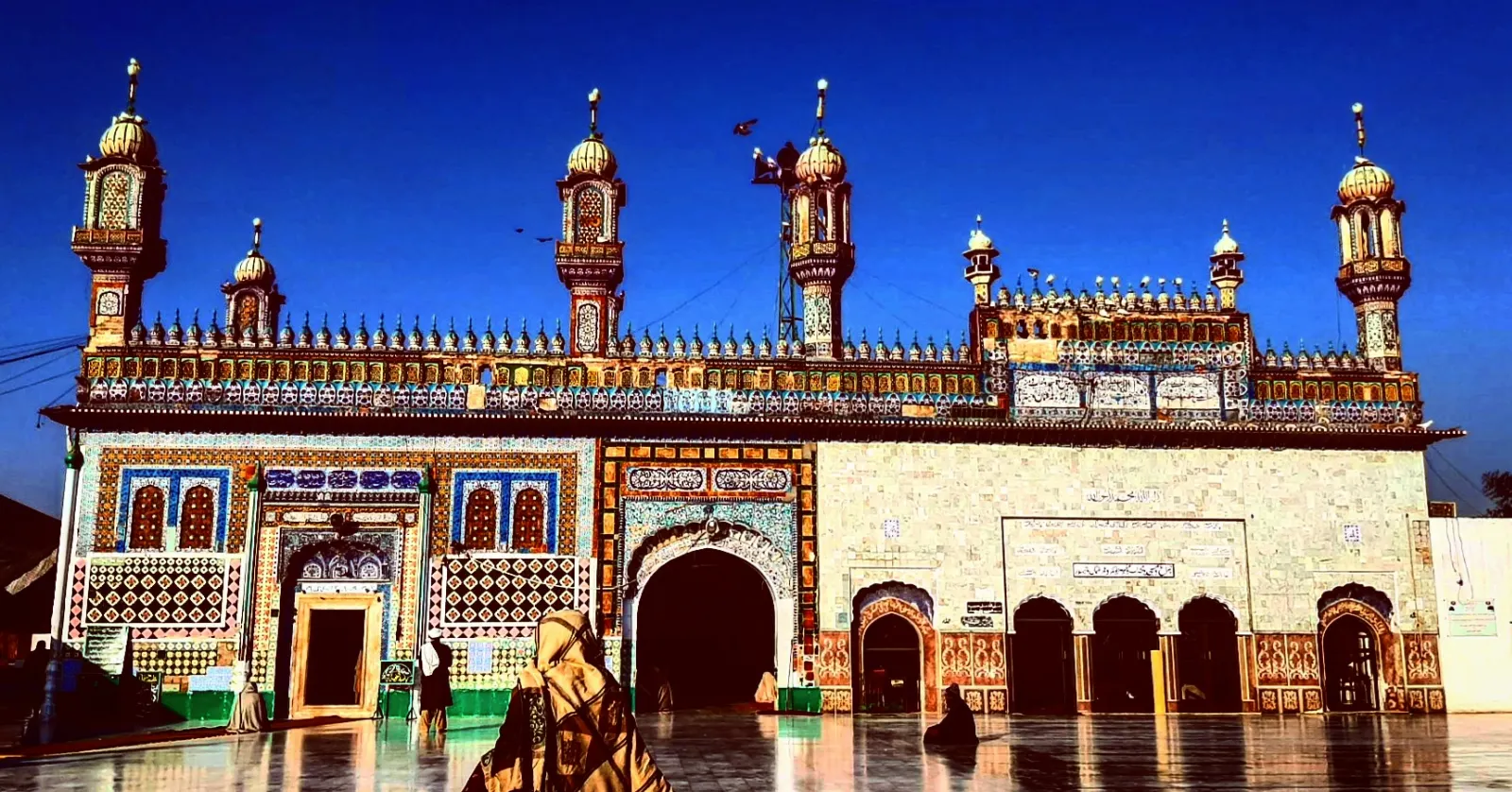
Jhang is a historic city on the Chenab River in central Punjab, best known as the resting place of the legendary lovers Heer and Ranjha and for its Sufi shrines and riverside landscapes.
AT A GLANCE
Best time
November to March brings cool, dry and comfortable days.
How long
One full day for the city, a second day for the shrines and rivers.
Getting there
Drive from Faisalabad in about two hours or take a train to Jhang Sadar.
Why visit Jhang
Founded in the thirteenth century by Rai Sial, Jhang has deep roots in Punjabi history and folklore. The city is the setting of Heer Ranjha, one of the great tragic romances of Punjab, and the wider district holds important Sufi shrines, river barrages and lively bazaars that few travelers ever see.
Heritage and shrines
Tomb of Heer and Ranjha
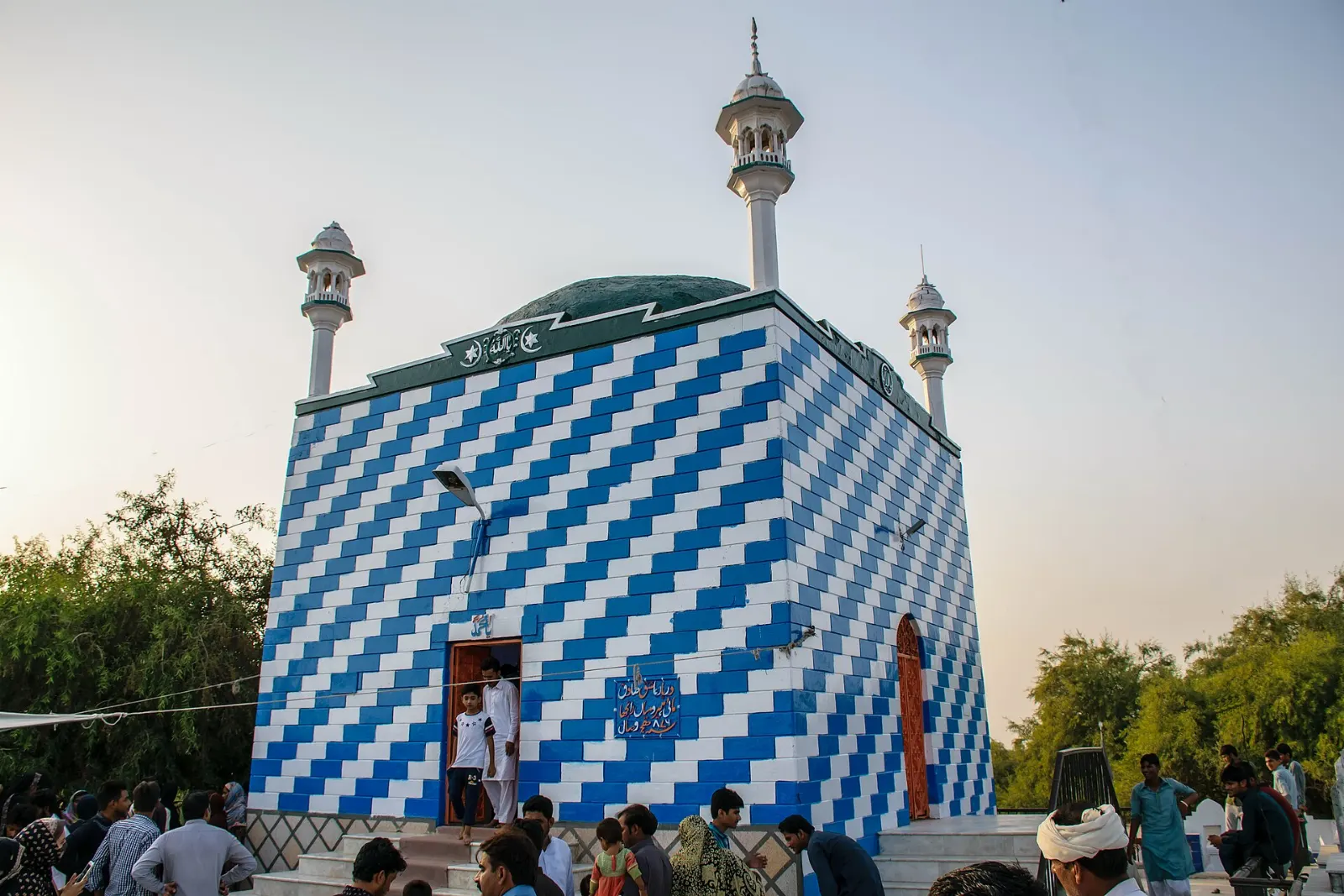
The best known landmark in Jhang is the tomb of Heer and Ranjha, whose story was retold by the poet Waris Shah in his famous epic. Couples and families visit to pay their respects, and the site is busiest on Fridays and holidays. Dress modestly and allow about an hour.
Shrine of Shah Jeewna
The shrine of Shah Jeewna, linked to the Qalandari Sufi tradition, is a peaceful place with colorful tile work and devotional music on special occasions. Remove your shoes before entering and keep photography respectful.
Shrine of Sultan Bahu
The Sufi poet Sultan Bahu is remembered at his shrine south of the city near Garh Maharaja. It makes a rewarding half day trip, especially during the annual gathering when pilgrims fill the grounds.
On WiserMap
Local businesses in Jhang
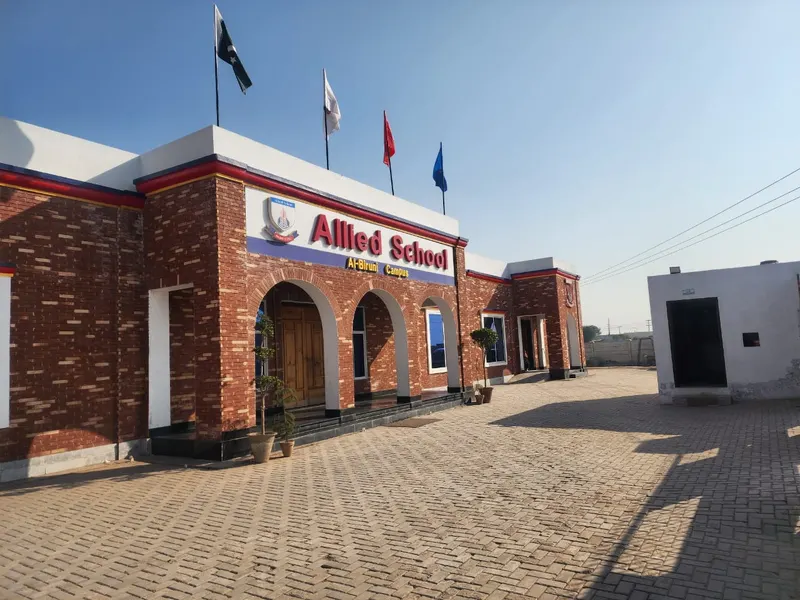
Allied School Al-Biruni Campus
Allied School Unlocking the Potential of Every Student.

Jinnah Officers Academy
We teach every subject to students of prep to intermediate.

TAWAQ CAFE
TAWAQ CAFE is a Japanese Steakhouse located in Jhang. with an average rating of 4.5 stars based on 71 customer reviews.
Rivers and countryside
The Chenab riverfront
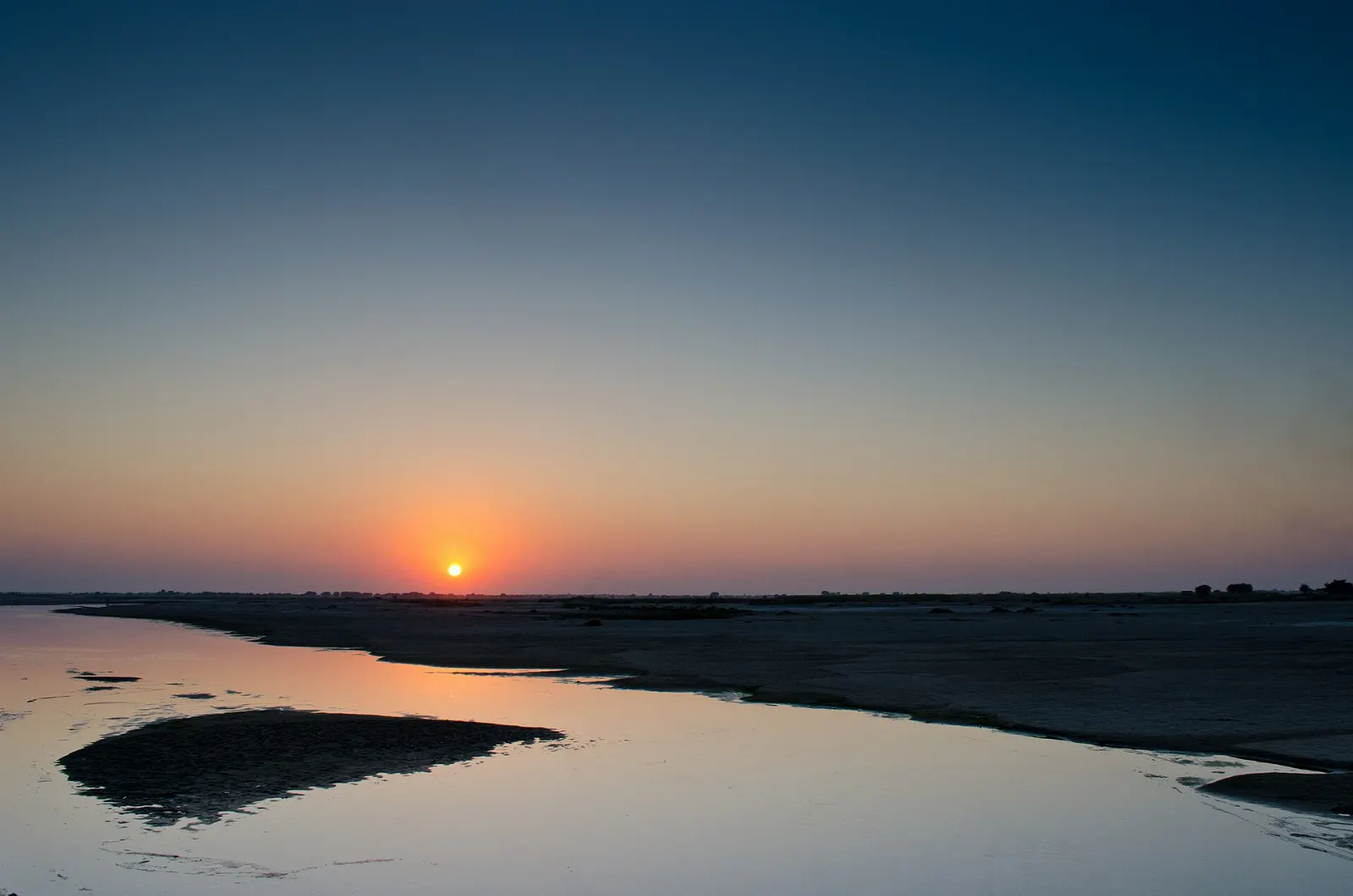
Jhang sits on the east bank of the Chenab, and the riverbanks are a calm escape from the busy streets. Boating and fishing are popular in the cooler months, and late afternoon light over the water is the best time for photos.
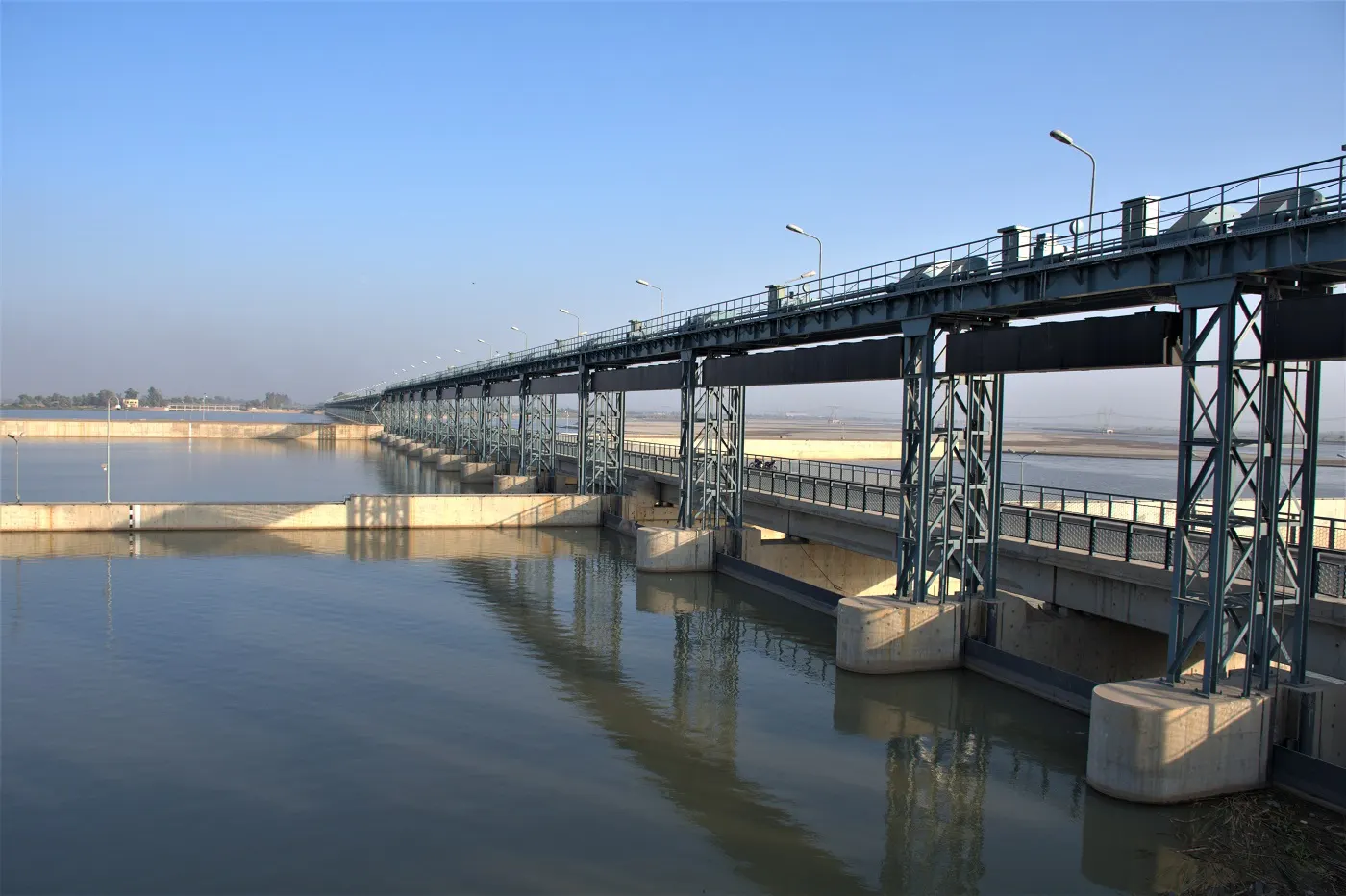
Trimmu Barrage
South of the city, Trimmu Barrage stands near the meeting point of the Chenab and Jhelum rivers. The wide views of water and farmland make it a favorite outing for local families.
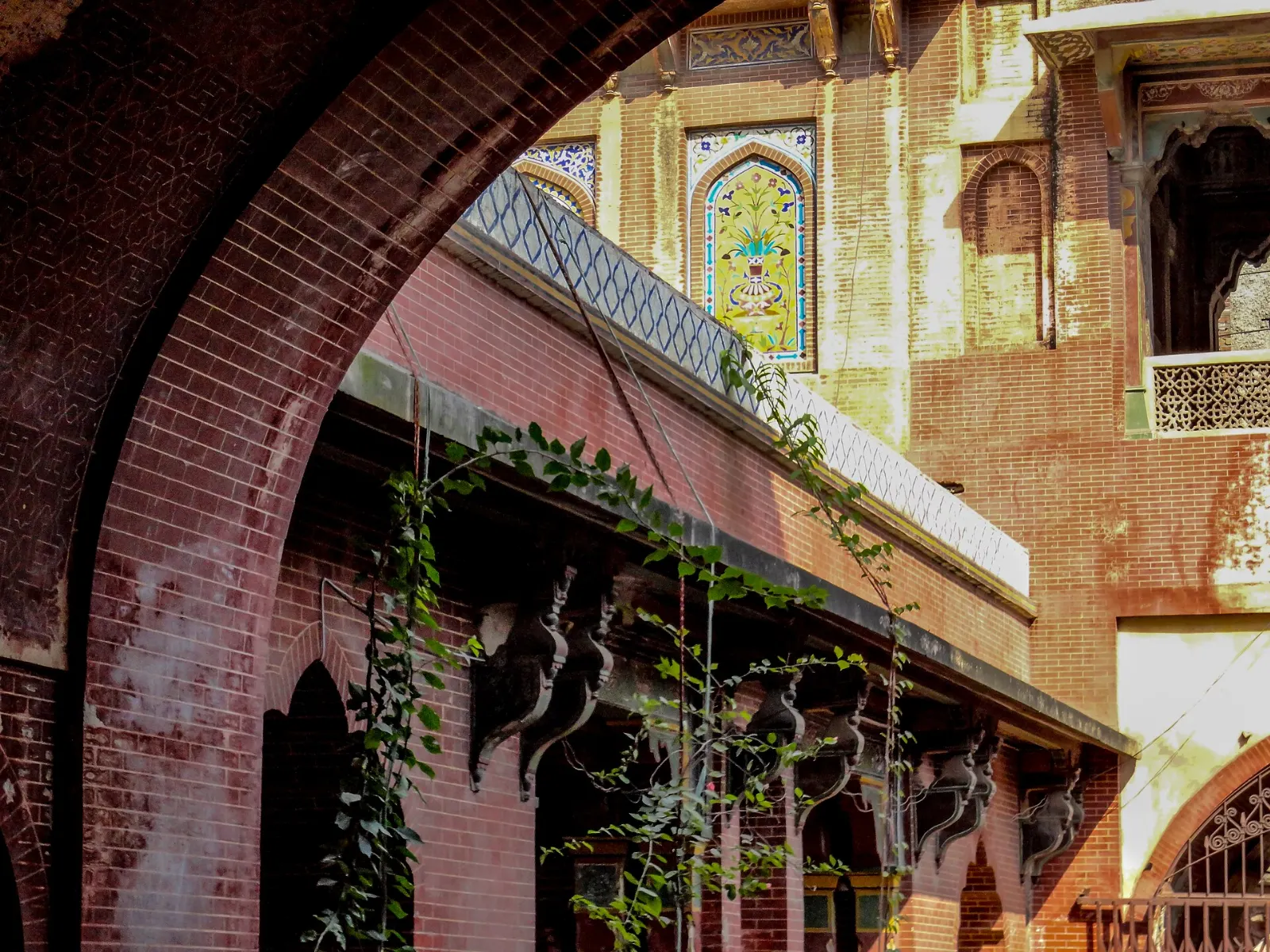
Jhang Sadar railway station
Dating from the nineteenth century, Jhang Sadar is one of the older railway stations in Pakistan. Even if you arrive by road, the old station building is worth a quick look.
Bazaars and local crafts
City bazaars
The bazaars of Jhang are crowded with fabric sellers, sweet shops and street food stalls. Come in the evening when the markets are at their liveliest.
Khussa and paranda
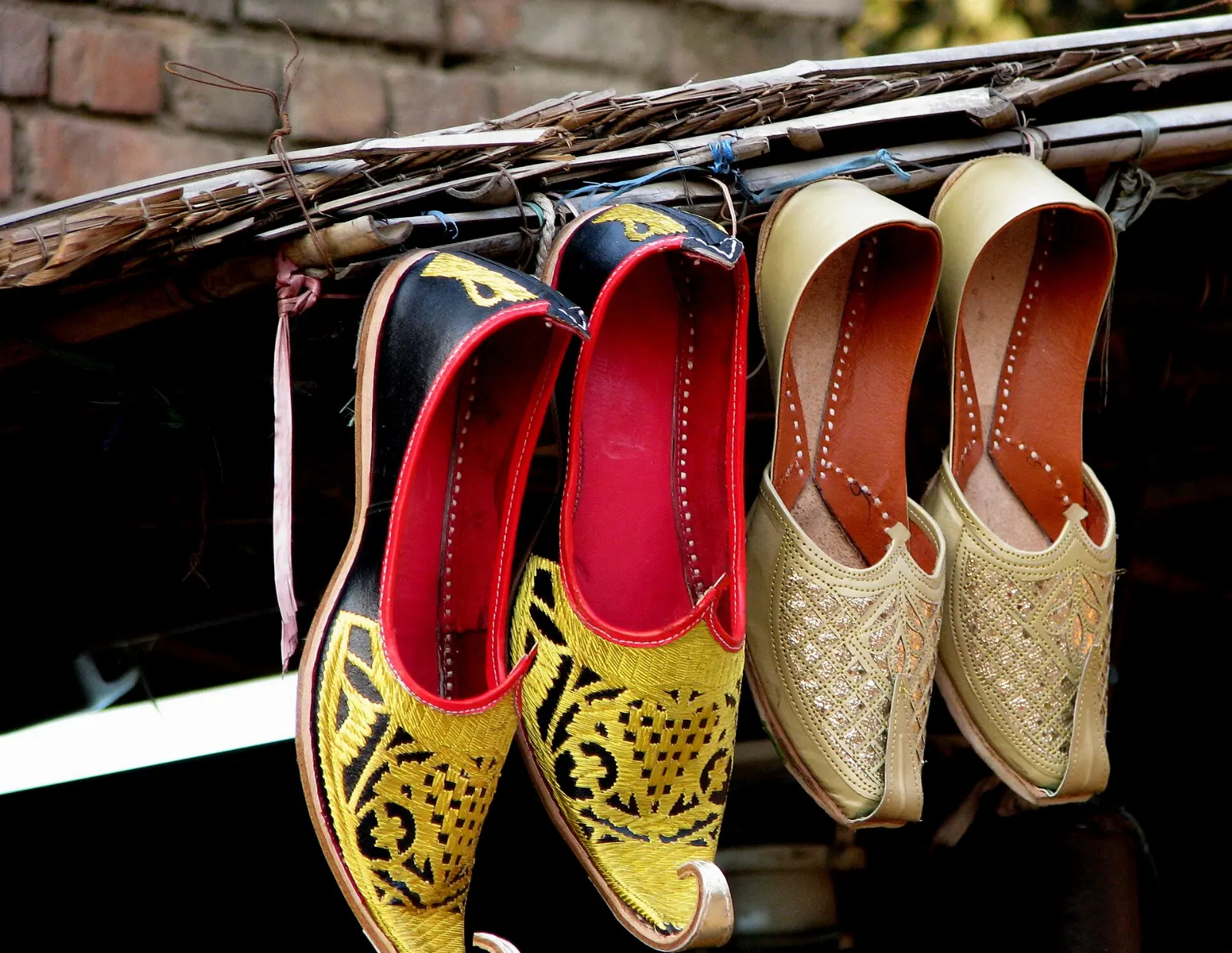
Look for hand embroidered khussa shoes and colorful paranda hair tassels, both classic Punjabi crafts that make easy gifts to carry home.
Food and local flavors
Jhang loves its street food. Try dahi bhalla topped with yogurt and chutney, a plate of murgh pulao and warm doodh jalebi on a cool evening. In summer, a tall glass of lassi is the local way to beat the heat, and sweet shops across the city sell fresh halwa.
Popular dishes to try in Jhang


 Planning a trip to Jhang?Compare hotels, flights and vacation rentals for Jhang on Expedia.Book now
Top rated
Trusted by locals in Jhang
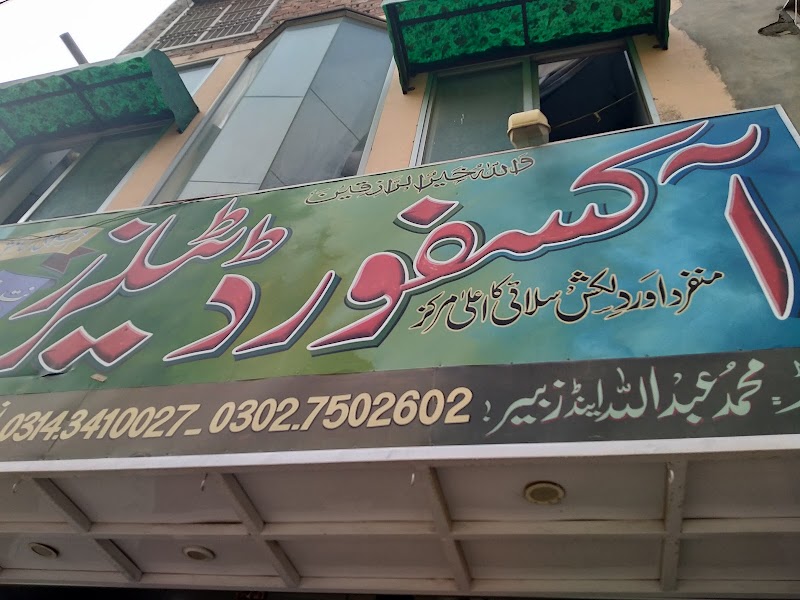
Oxford Tailors Jhang
Oxford Tailors Jhang is a Farrier Service located in Jhang. with an average rating of 4.4 stars based on 56 customer reviews.

Modern Beauty salon
Modern Beauty salon is a Hair Extension Technician located in Jhang. with an average rating of 4.8 stars based on 203 customer reviews.
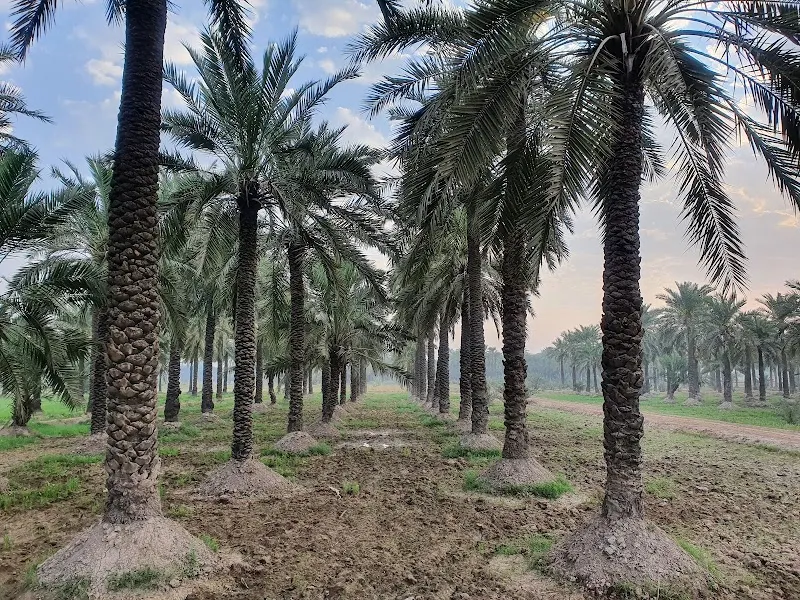
Dates Farm
Dates Farm is a Genealogist located in Jhang. with an average rating of 4.4 stars based on 81 customer reviews.
Where to stay
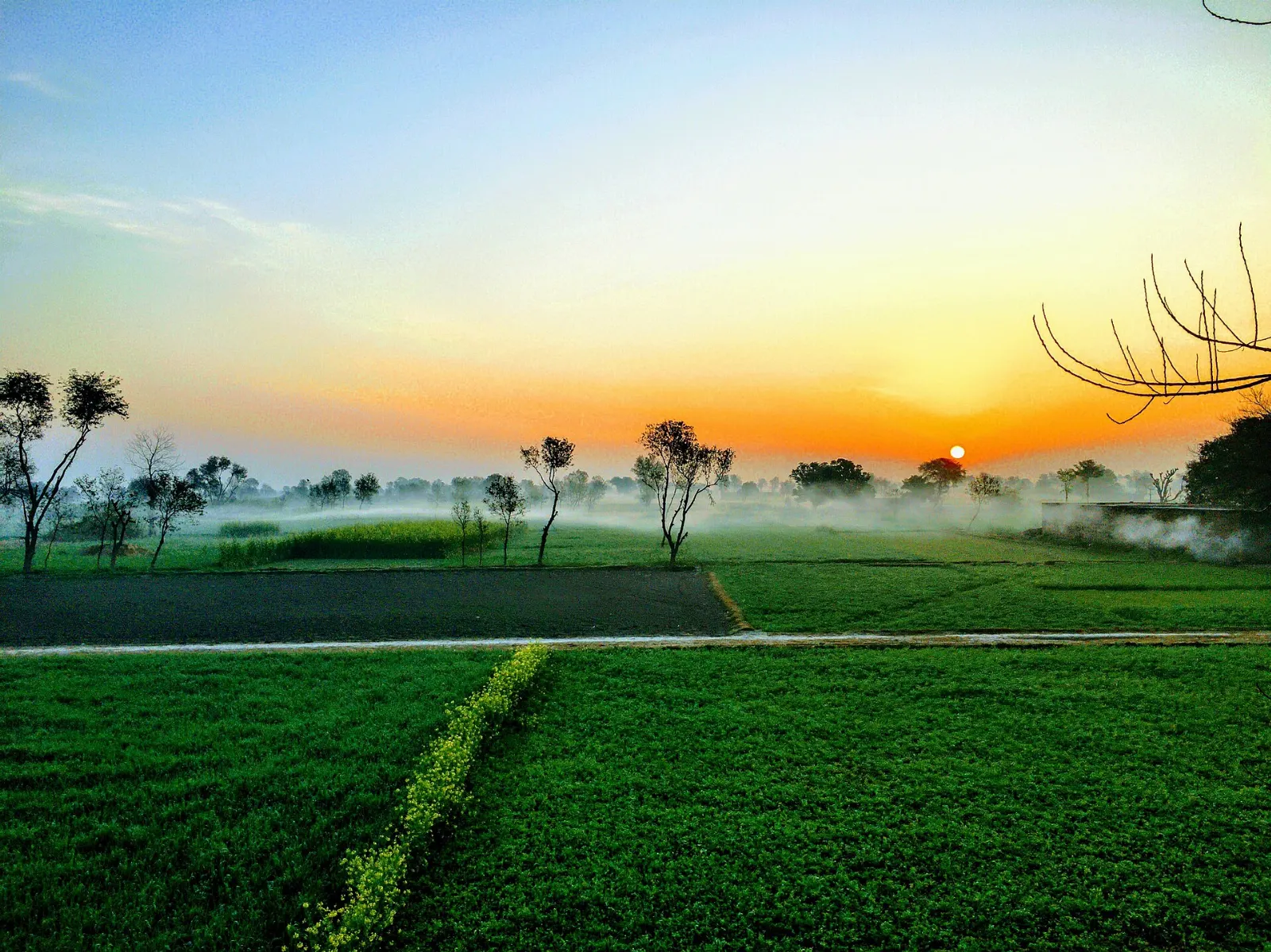
Jhang Saddar, the main city area, is the most convenient base, close to the railway station, markets and restaurants. Maghiana, the older town on the higher ground nearby, is quieter and good for travelers who prefer a calmer stay. Many visitors also stay in Faisalabad, which has more hotel choices, and visit Jhang on a day trip.
Where to stay in Jhang


Best time to visit
The cool season from November to March is the most pleasant, with mild days and cool nights. Summers are very hot, and the monsoon brings humidity and occasional river flooding. Shrine anniversaries draw big crowds, so check dates before you travel.
Getting there and getting around
Faisalabad International Airport is the closest airport, about a two hour drive away. Jhang is well connected by road to Faisalabad, Chiniot and Lahore, and trains call at Jhang Sadar station. In town, rickshaws are the easiest way to get around, while a car with a driver is best for the shrines and the barrage. On the road, Khalid Mazari Petroleum in Jhamra, listed on WiserMap, is a handy place to refuel before longer drives around the district.
Before you go
More to discover in Jhang
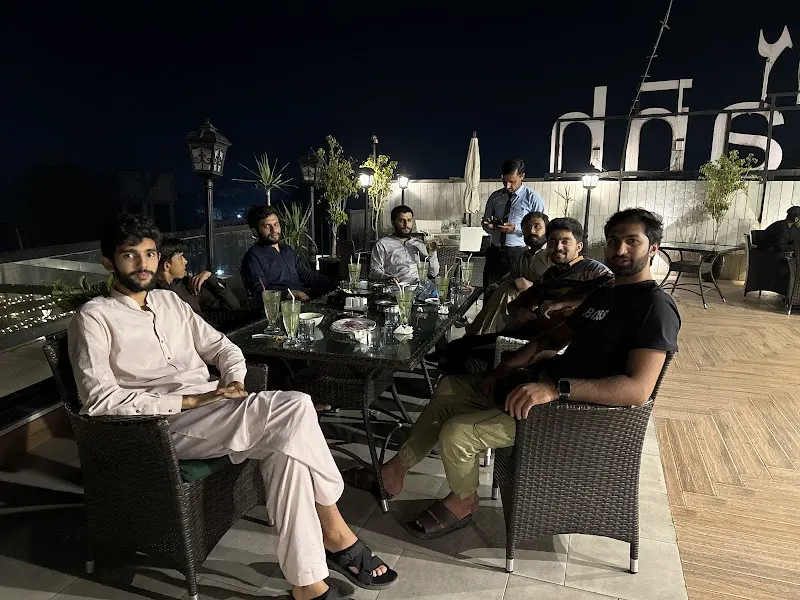
Baranh Jhang
Baranh Jhang is a Kerala Restaurant located in Jhang. with an average rating of 4.9 stars based on 8576 customer reviews.
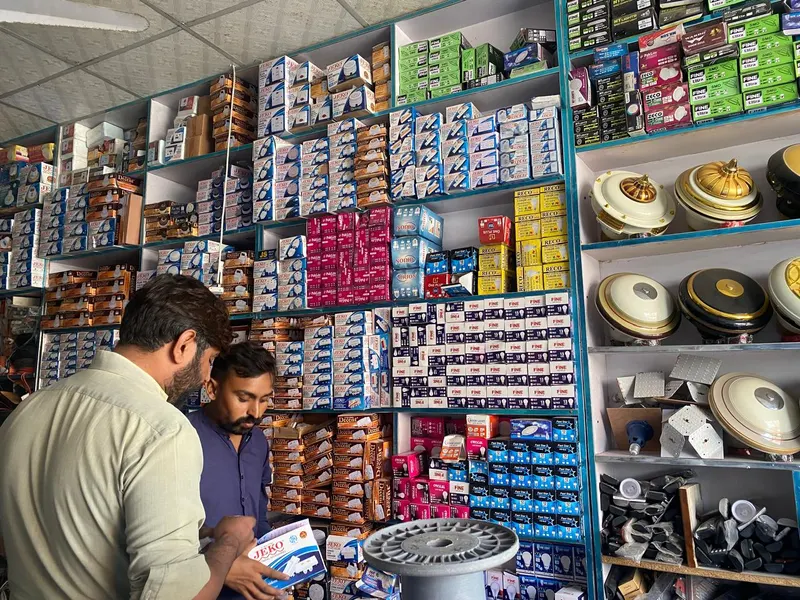
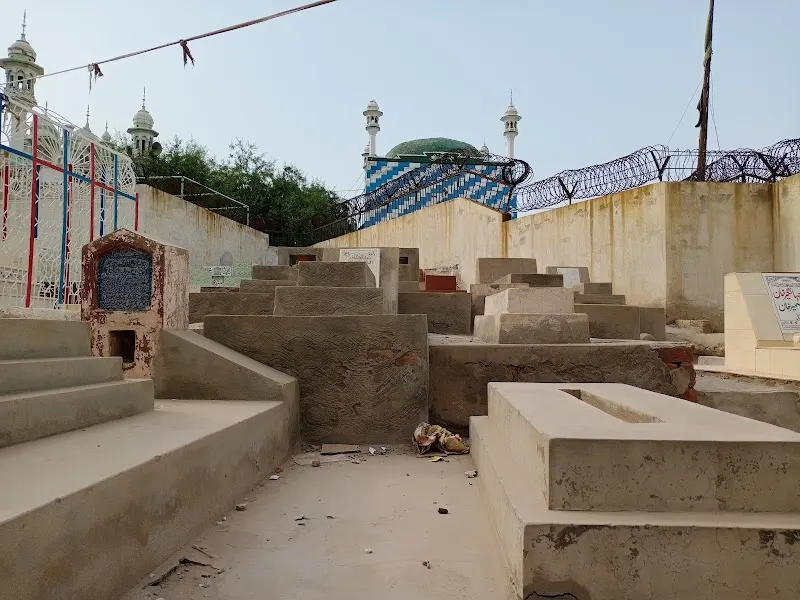
Mai Heer Shrine
Mai Heer Shrine is a Farrier Service located in Jhang. with an average rating of 4.4 stars based on 549 customer reviews.
A suggested itinerary
First day
Visit the tomb of Heer and Ranjha in the morning, explore the bazaars at lunchtime and end the day by the Chenab with street food at sunset.
Second day
Fill up the car, drive to Trimmu Barrage and continue to the shrine of Sultan Bahu, stopping at the shrine of Shah Jeewna on the way back.
Practical tips
- Dress modestly, especially at shrines, and remove your shoes where asked.
- Carry cash, since many small shops and stalls do not take cards.
- Refuel before rural drives, as fuel stations are spaced out between towns.
- Dial Rescue 1122 for emergency help anywhere in Punjab.
- Check your government's current travel advisory before you go.