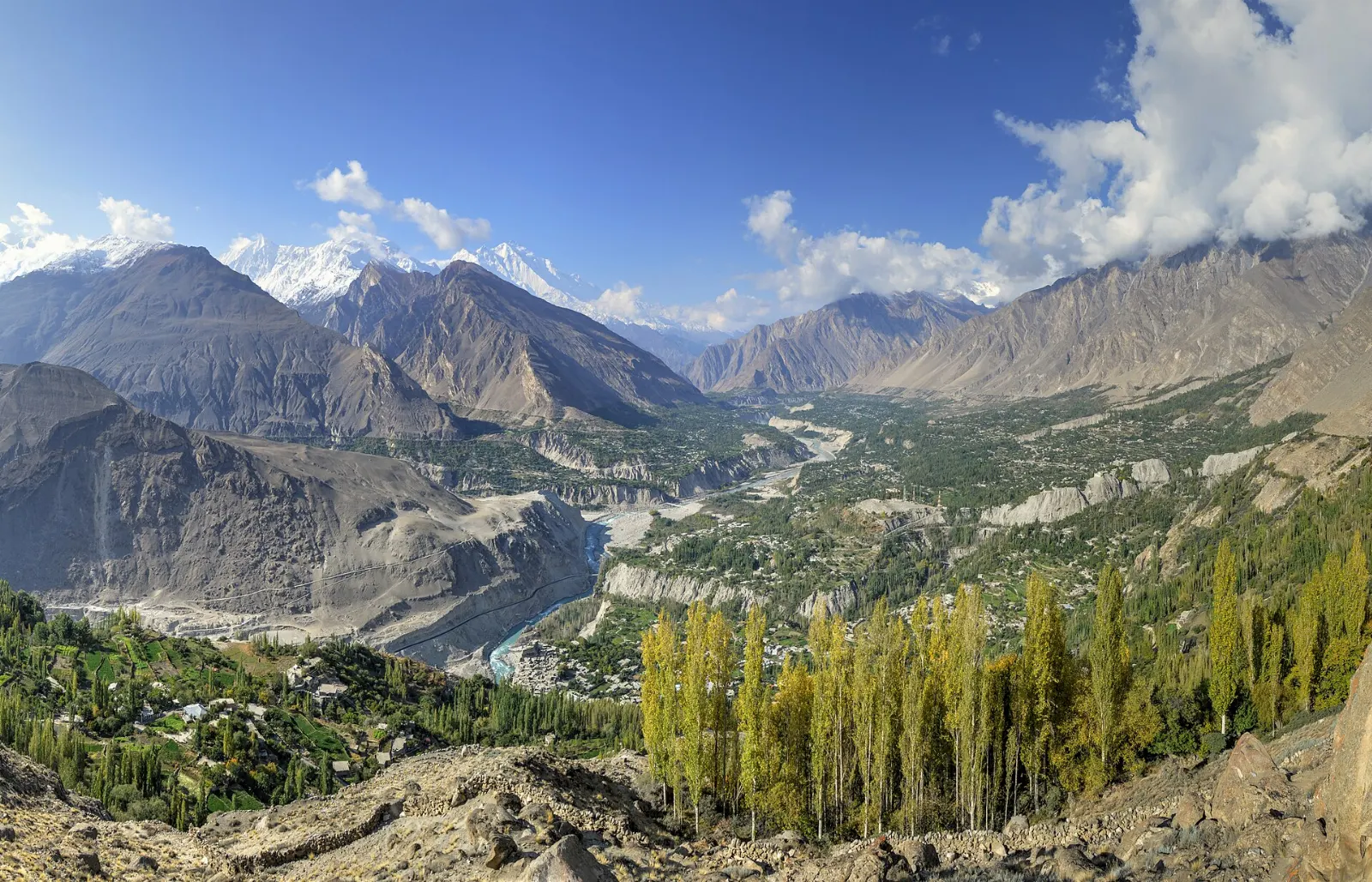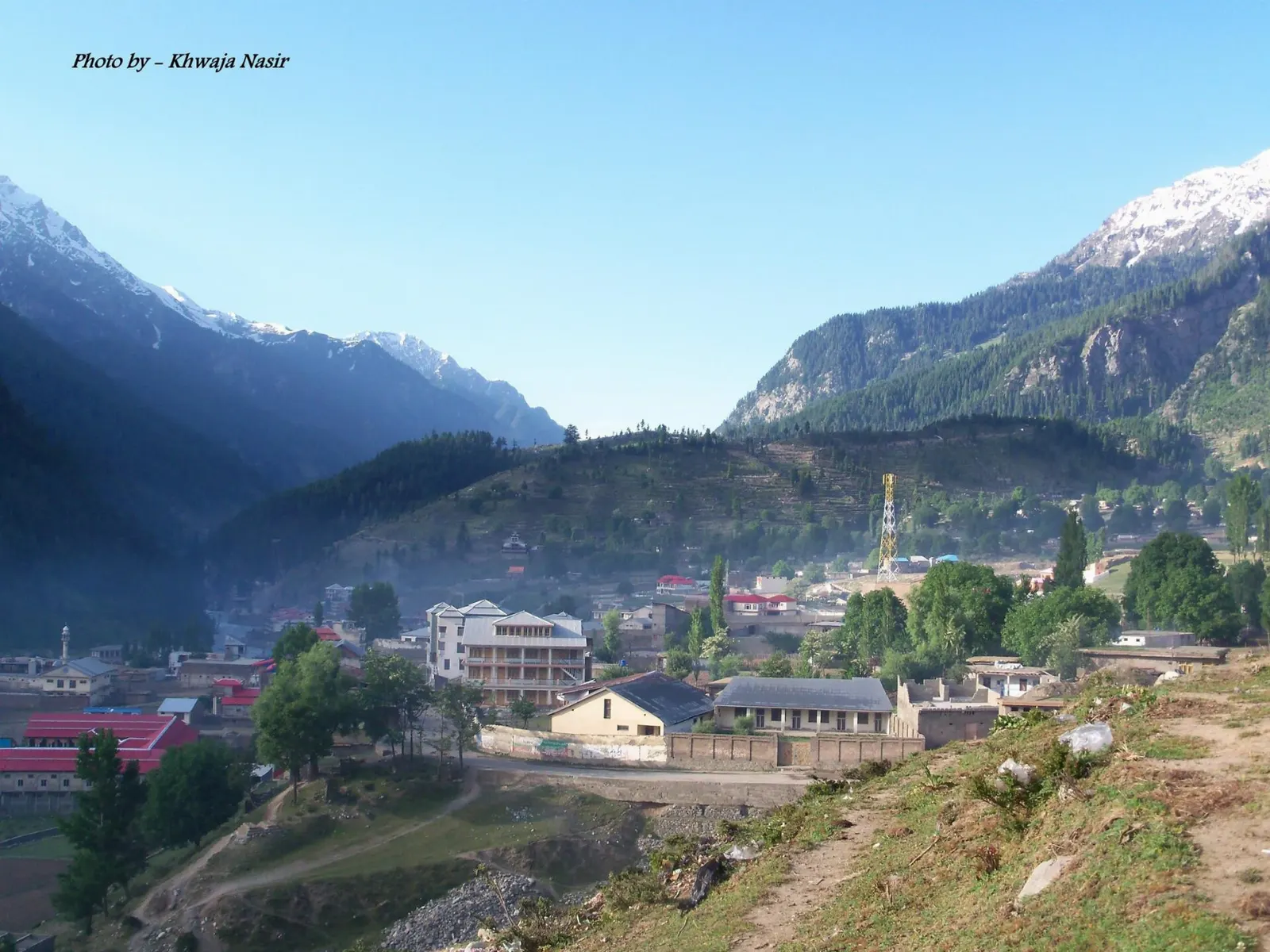
Swat Valley, in Pakistan's Khyber Pakhtunkhwa province, follows the Swat River from the Malakand hills north into the high Hindu Kush. For centuries it has been celebrated for its orchards, forests and alpine lakes, and long before that it was a heartland of Gandharan Buddhism, scattered with stupas and monasteries whose ruins still stand on its hillsides.
AT A GLANCE
Best time
May to October for upper Swat and the lakes; January and February for snow at Malam Jabba.
How long
Four to six days for Mingora's heritage sites, Malam Jabba and Kalam.
Getting there
By road from Islamabad or Peshawar via the Swat Expressway; check advisories before you travel.
Why visit Swat Valley
Swat combines layers of history with some of the greenest mountain scenery in Pakistan. The ancient kingdom known as Uddiyana was a major center of Buddhist learning, and Chinese pilgrims wrote of hundreds of monasteries here.
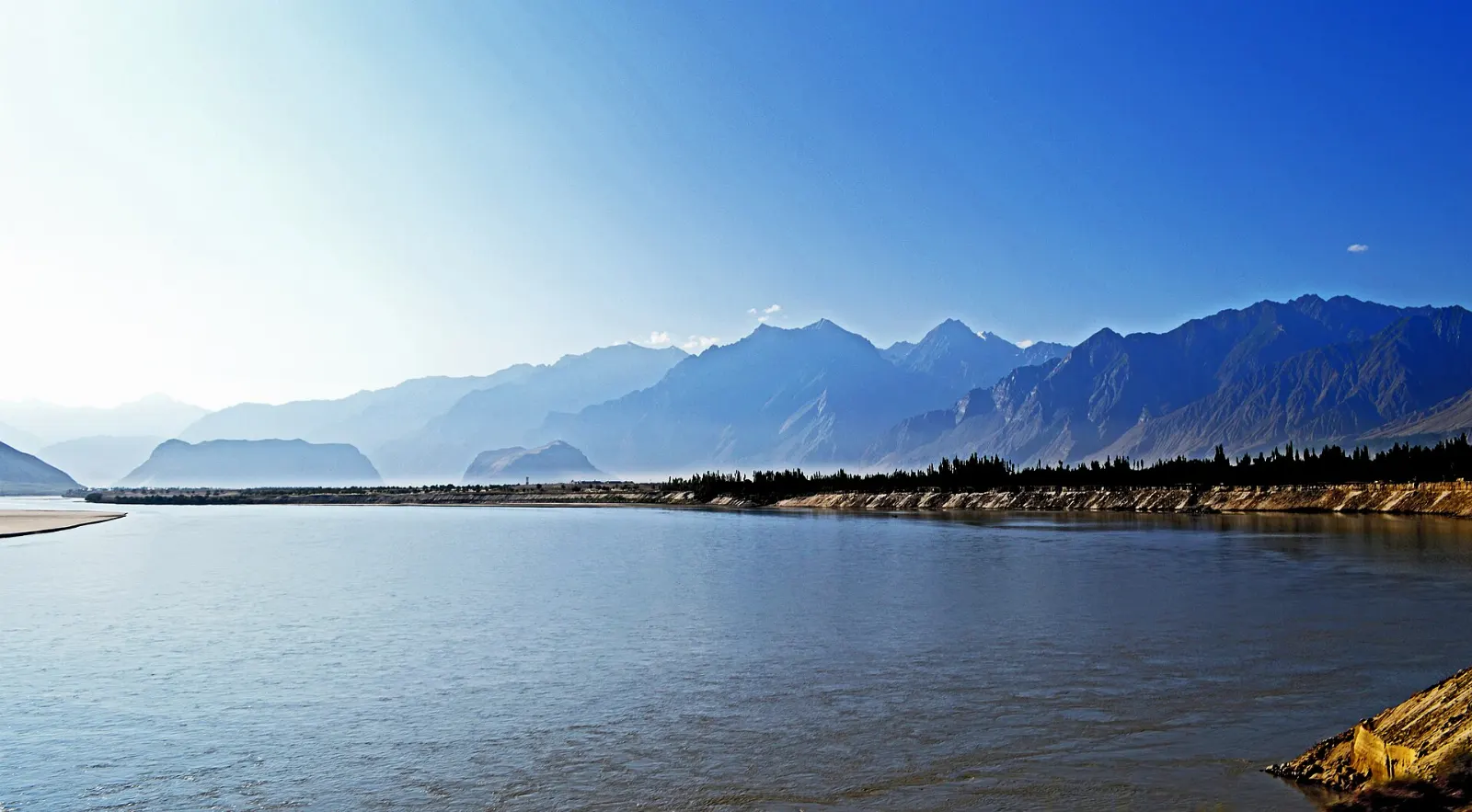
The scenery changes as you travel north. Around Mingora the valley is wide and farmed, with peach and persimmon orchards. Beyond Madyan and Bahrain the river narrows into a rushing torrent between forested slopes, and above Kalam meadows and glacial lakes appear beneath snowy peaks.
Mingora, Saidu Sharif and the Buddhist heritage of lower Swat
Swat Museum
In Saidu Sharif, the twin town of Mingora, the Swat Museum holds a fine collection of Gandharan sculpture, friezes and relics recovered from sites across the valley, many excavated by the Italian archaeological mission that has worked in Swat since the 1950s.
Butkara Stupa
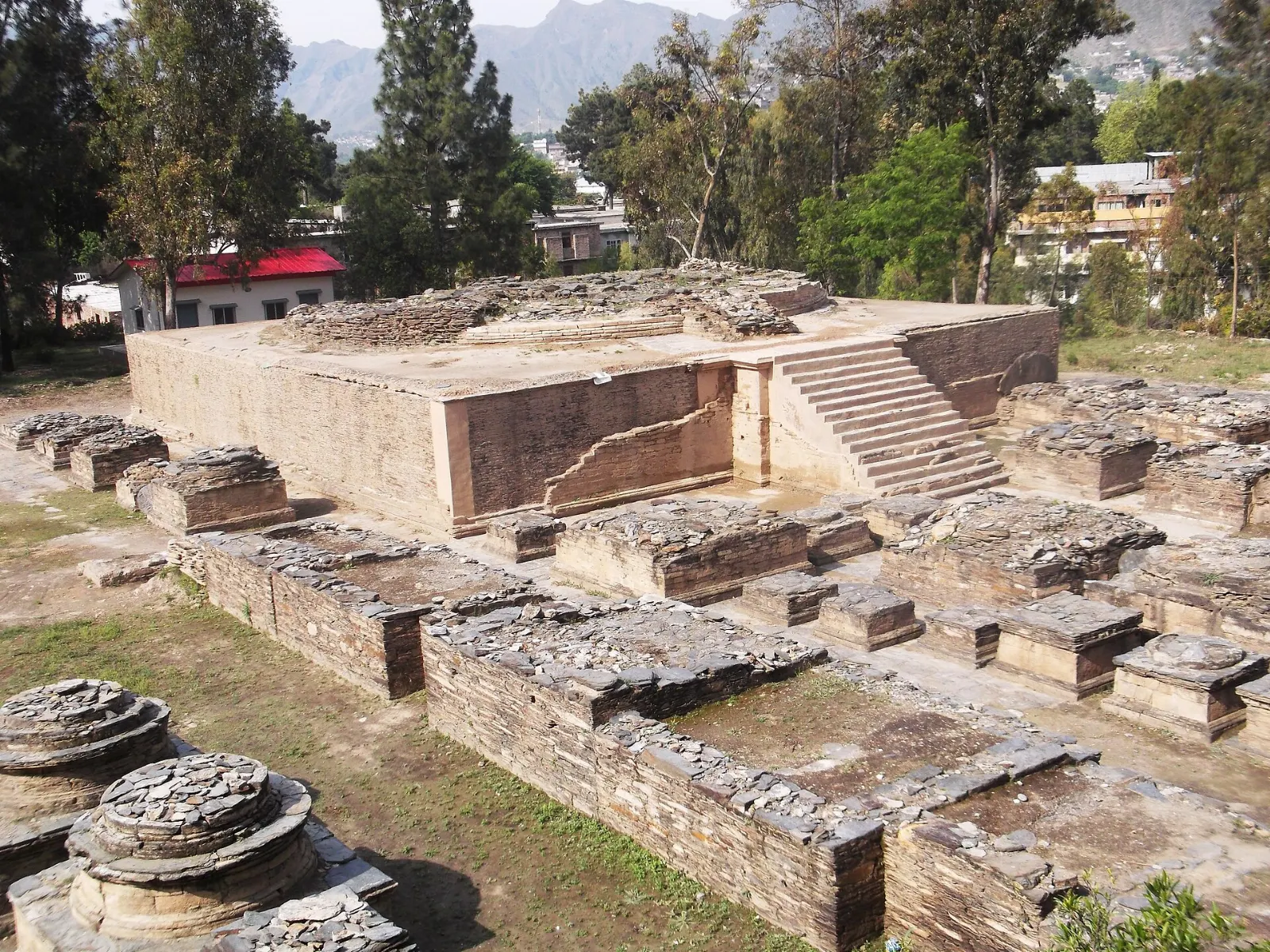
On the edge of Mingora, the Butkara complex was one of the most important Buddhist sanctuaries of ancient Gandhara. Excavations revealed a great stupa that was enlarged several times over centuries, surrounded by many smaller stupas, columns and shrines.
Udegram
A short drive southwest of Mingora, Udegram is often identified with the ancient town of Ora mentioned in accounts of Alexander the Great's campaign.
Jahanabad Buddha
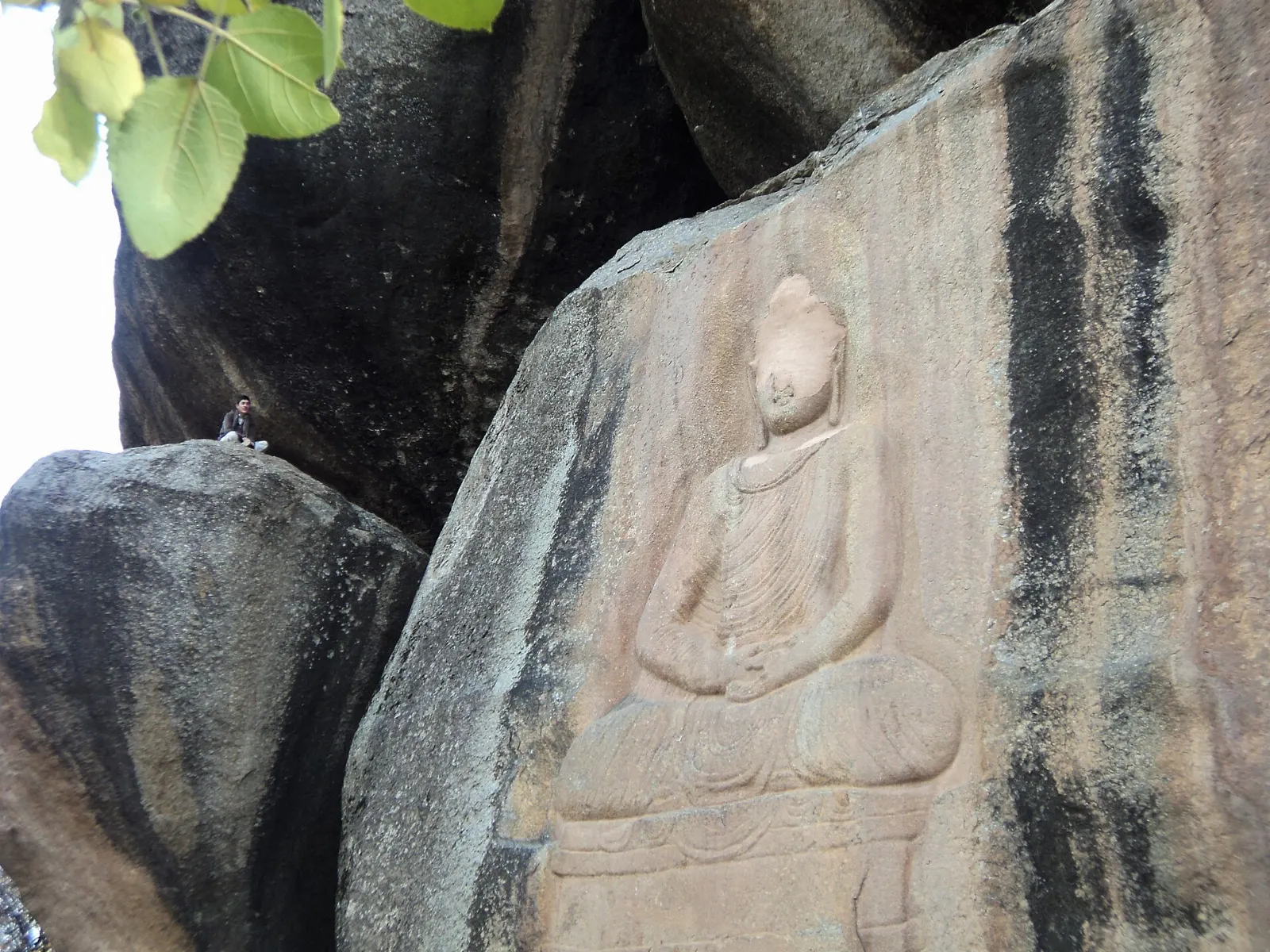
Near the village of Jahanabad, a large seated Buddha is carved into a granite cliff above the valley, one of the largest rock carvings of its kind in South Asia. Militants damaged its face in 2007, and Italian and Pakistani conservators later restored it.
White Palace, Marghazar
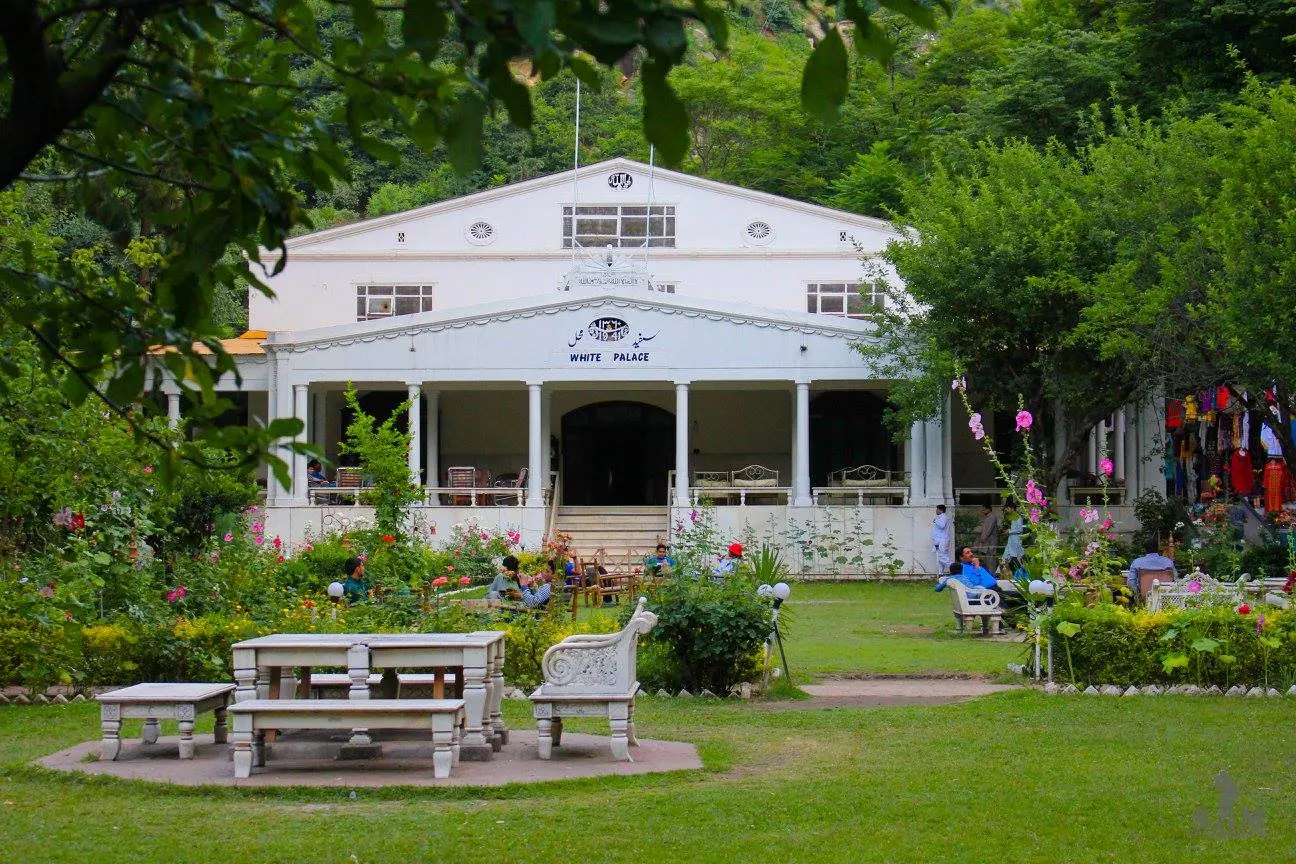
In the Marghazar side valley south of Saidu Sharif, the White Palace was built in the early twentieth century as a summer retreat for the first Wali of Swat, faced with white marble and set among gardens and pine trees.
Malam Jabba, Madyan and Bahrain
Malam Jabba
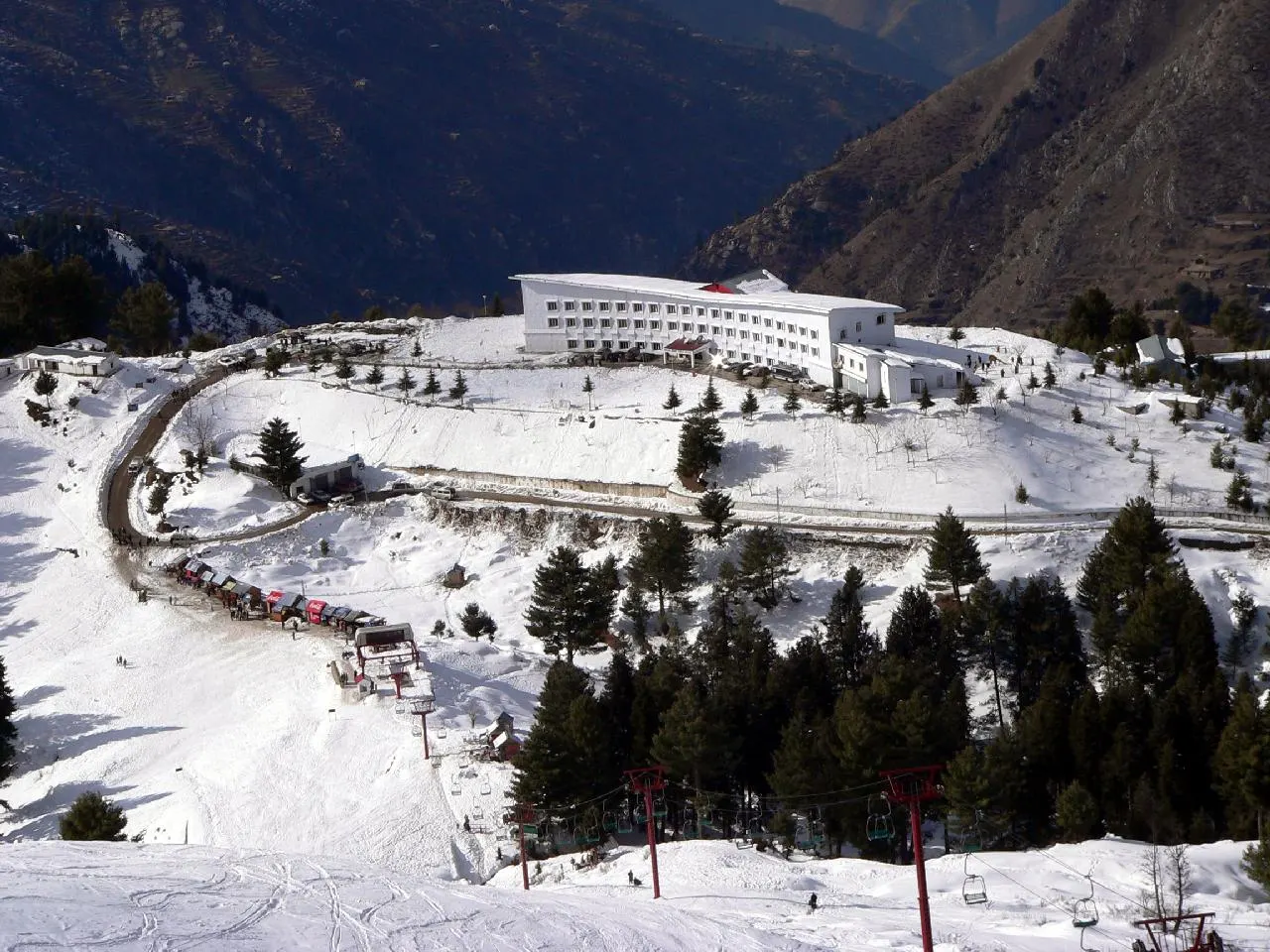
Northeast of Mingora, a winding road climbs to Malam Jabba, one of Pakistan's few ski resorts. In winter it has groomed slopes and ski lessons, and in summer the chairlift, zip lines and hiking trails draw visitors looking for cool air and views across the Swat hills.
Madyan and Bahrain
As you continue up the main valley, Madyan and then Bahrain mark the transition to the mountains. Bahrain sits where the Daral stream meets the Swat River, and its bazaar sells local woodwork and woolen goods.
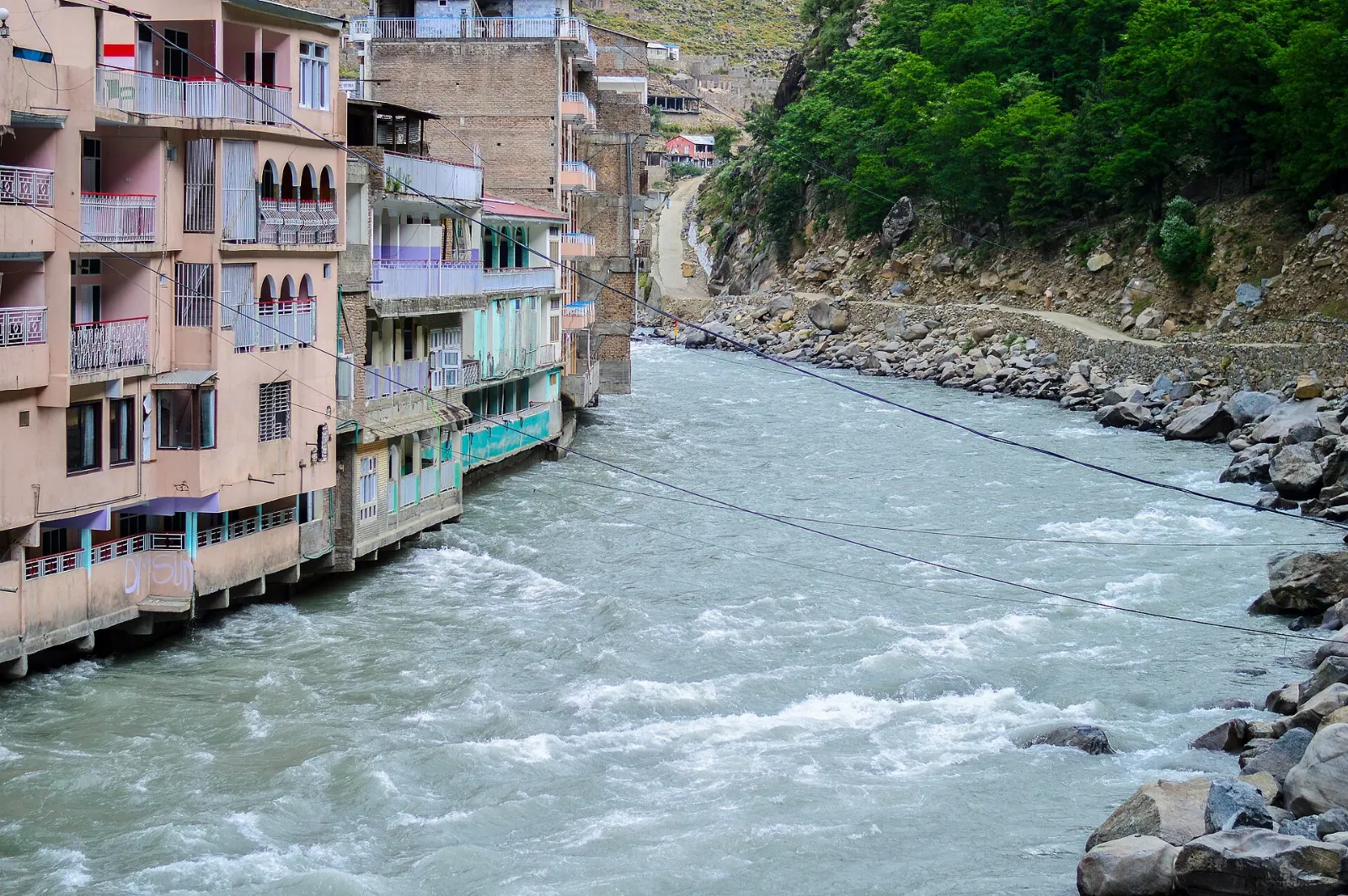
Kalam and the lakes of upper Swat
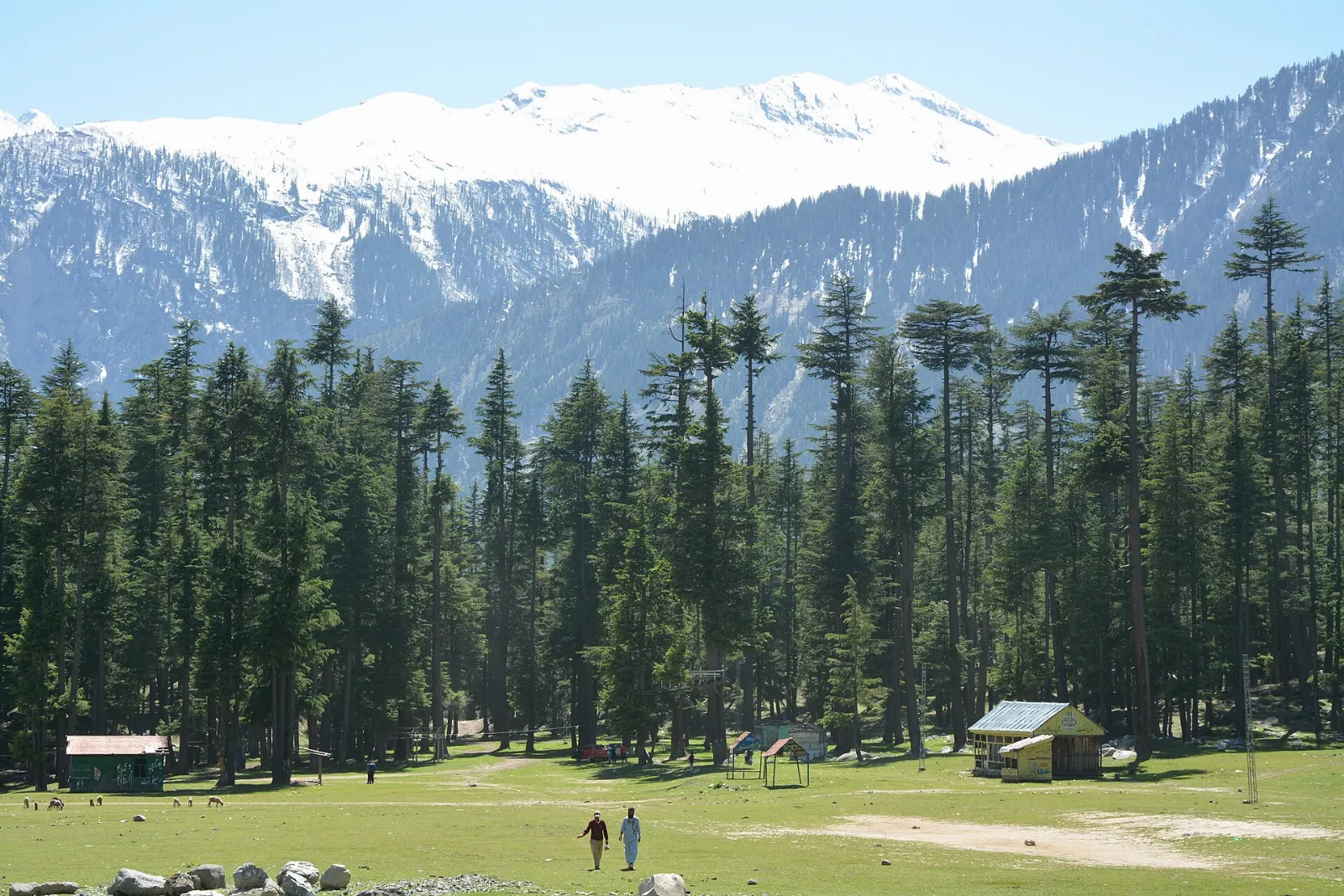
Kalam and the Ushu Forest
Kalam, at around two thousand meters, is the main hill town of upper Swat, where the Ushu and Gabral rivers join to form the Swat River. Just above town, the Ushu Forest is a stand of tall deodar and pine where you can walk among the trees.
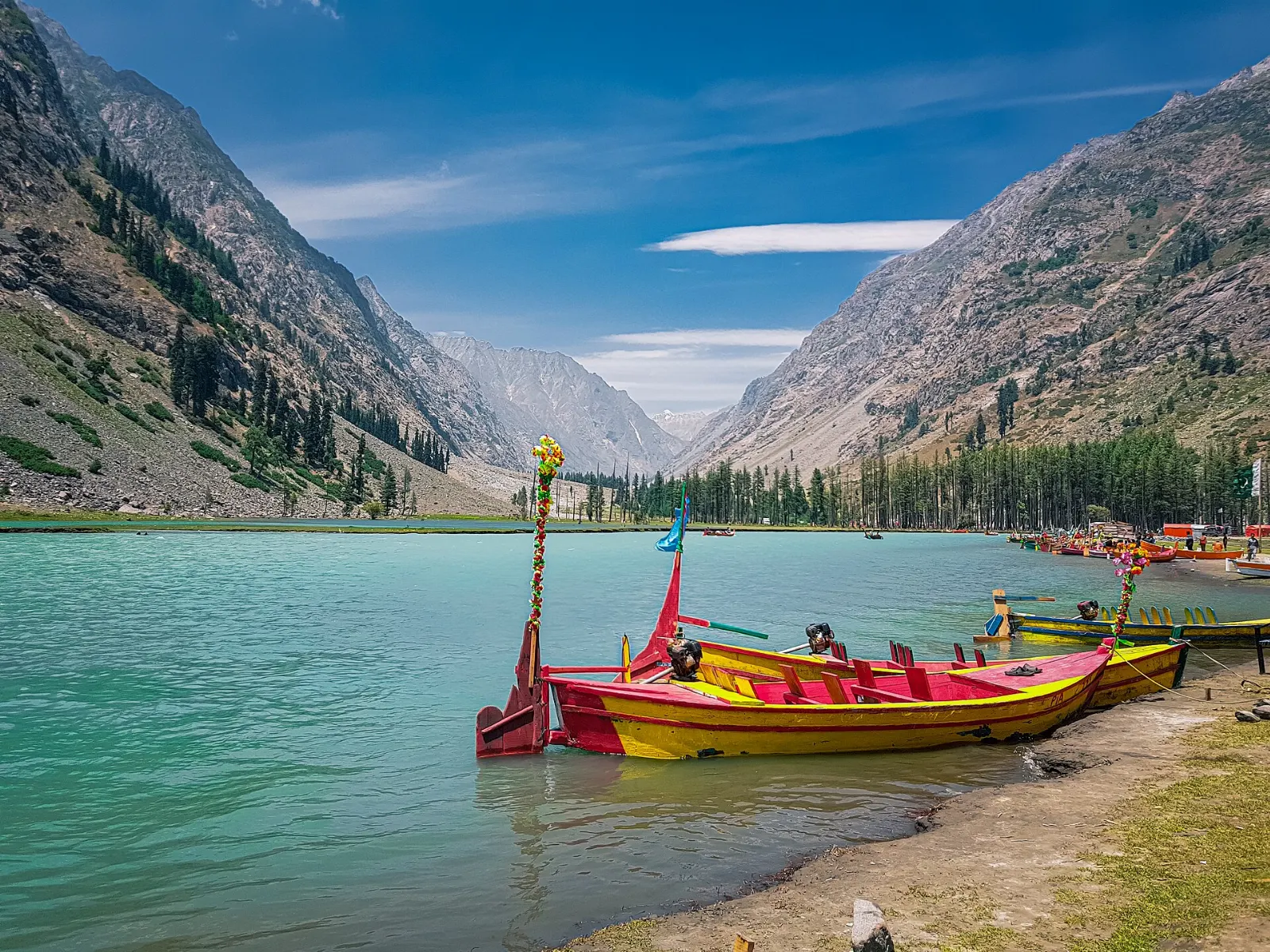
Mahodand Lake
About forty kilometers north of Kalam up the Ushu Valley, Mahodand Lake lies in a broad meadow ringed by mountains. The jeep track passes forests, waterfalls and summer settlements of herders, and at the lake you can walk the shore or take out a small boat.
Kundol Lake and Utror
West of Kalam, the Utror Valley leads toward Kundol Lake, reached by jeep and then a hike through forest and meadows. It is quieter than Mahodand and rewards those willing to walk.
 Planning a trip to Swat Valley?Compare hotels, flights and vacation rentals for Swat Valley on Expedia.Book now
Food and local flavors
Swat's food reflects its Pashtun culture and its rivers. Trout is the regional specialty, and riverside restaurants in Madyan, Bahrain and Kalam serve it fried or grilled.
The valley's orchards are famous across Pakistan. Look for Swat peaches in summer, apples and pears in late summer, and persimmons and walnuts in autumn, along with local honey.
Popular dishes to try in Swat Valley


Where to stay
Mingora and Saidu Sharif are the most practical bases for the museum and archaeological sites, with the widest range of guesthouses and the best transport links, though they are busy commercial towns. Marghazar offers a calmer setting close to Saidu Sharif.
Madyan and Bahrain suit travelers who want a riverside atmosphere halfway up the valley, with easier access to both Mingora and Kalam.
Where to stay in Swat Valley


Best time to visit
Spring, from late March to May, brings blossoms in the orchards around Mingora, while higher areas may still have snow.
September and October are often the most pleasant months, with clear skies, harvest season and autumn color in upper Swat. Winter, from December to February, brings snow to Kalam and Malam Jabba, where skiing is possible; higher roads close and temperatures fall well below freezing.
Getting there, permits and safety
Most travelers reach Swat by road. From Islamabad or Peshawar, the M-1 motorway connects to the Swat Expressway, which runs north to Chakdara, from where the road continues to Mingora; the drive from Islamabad typically takes several hours.
Security is the most important planning factor. The US State Department rates Pakistan as reconsider travel and lists Khyber Pakhtunkhwa as do not travel because of terrorism and kidnapping, and the UK advises against all travel to Swat.
Foreign visitors need a valid Pakistani visa. Carry your passport and several photocopies of it and your visa, as you will pass multiple police and army checkpoints.
A suggested itinerary
First day
Travel by road from Islamabad via the Swat Expressway, arriving in Mingora by the afternoon, and visit the Swat Museum before it closes.
Second day
Explore the Buddhist heritage of lower Swat with a guide, visiting Butkara in the morning and Udegram's castle ruins and mosque later.
Third day
Drive to Malam Jabba for the chairlift and mountain views, then return to the main valley and continue north to Madyan or Bahrain for the night.
Fourth day
Continue to Kalam, walk in the Ushu Forest in the afternoon and settle in for the night.
Fifth day
Take a jeep up the Ushu Valley to Mahodand Lake for most of the day, then return to Kalam before dark, leaving the following day for the journey south.
Practical tips
- Read your government's latest travel advice before booking and again before departure, and confirm whether your insurance covers Swat.
- Travel with a licensed local tour operator who can arrange a driver, monitor security and handle any police registration or escort requirements.
- Stay well back from the Swat River and its tributaries; flash floods can arrive within minutes, especially during monsoon rain.
- Carry photocopies of your passport and visa for checkpoints, and keep originals secure.
- Dress conservatively, with arms and legs covered; women should carry a headscarf, especially in villages and at religious sites.
- Ask before photographing people, particularly women, and do not photograph checkpoints, military sites or bridges.