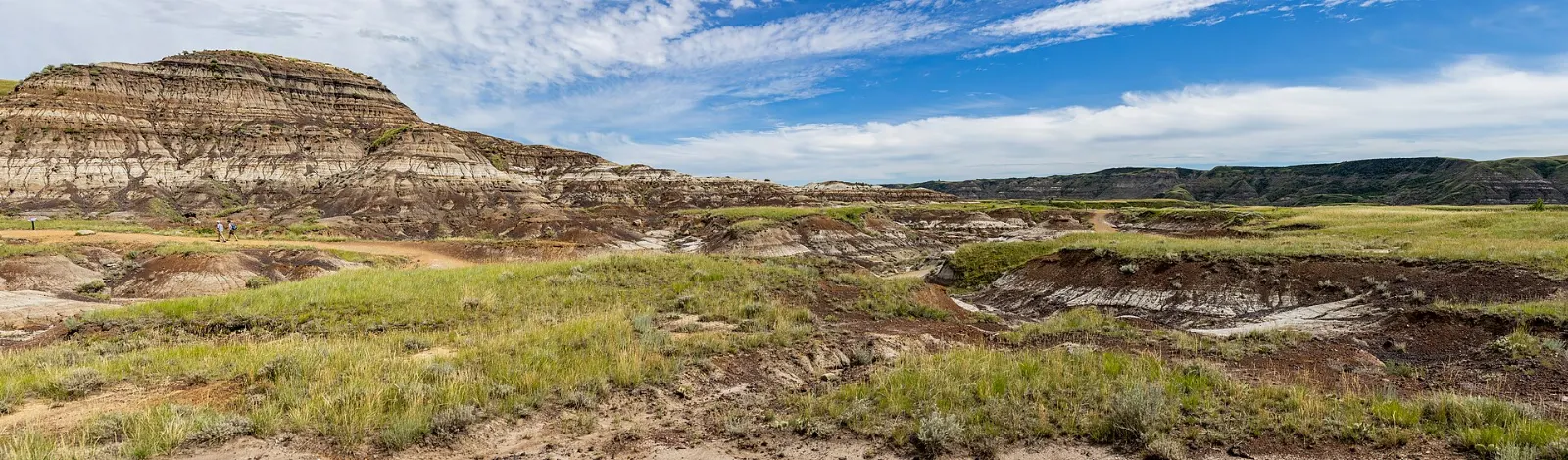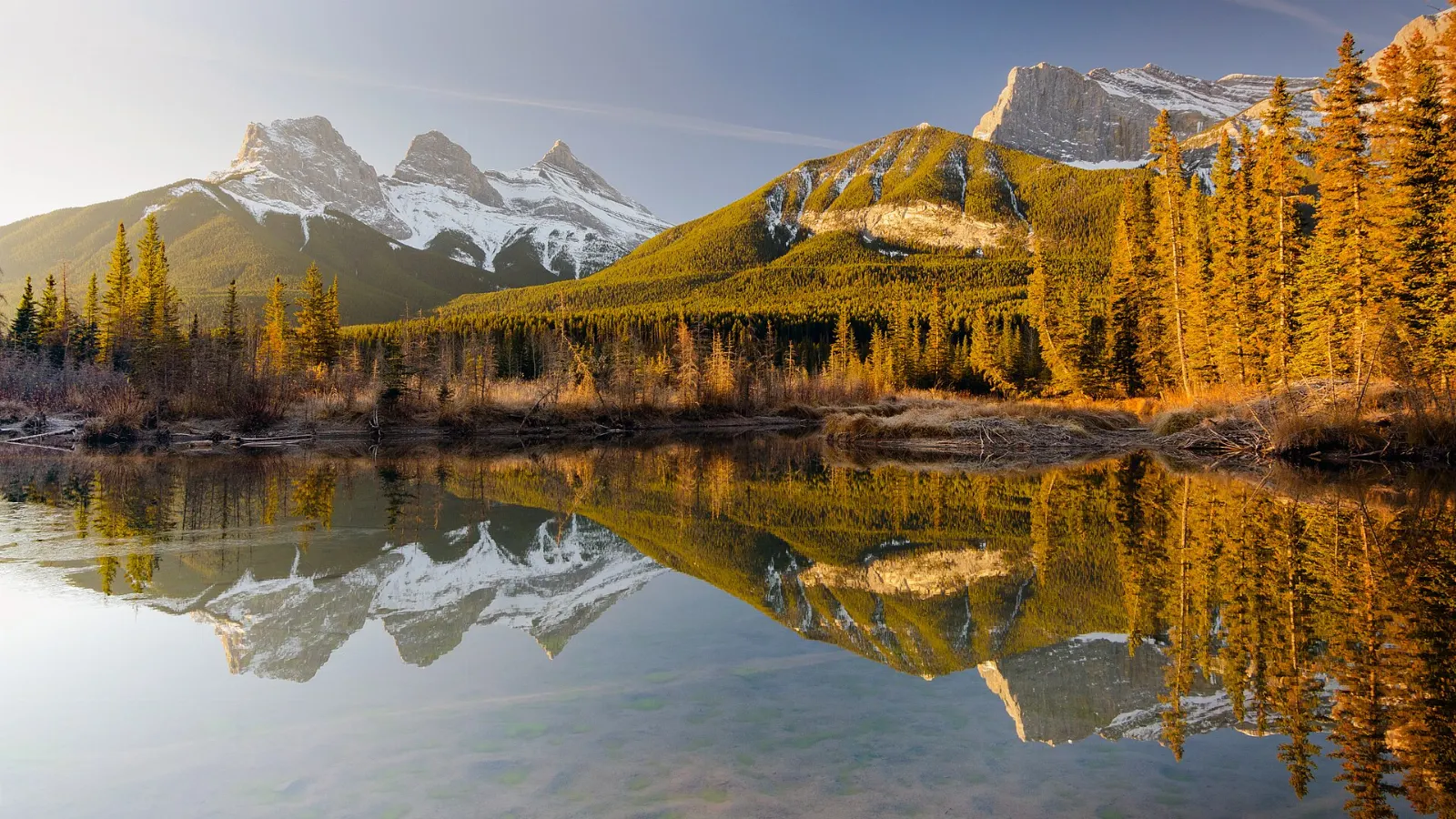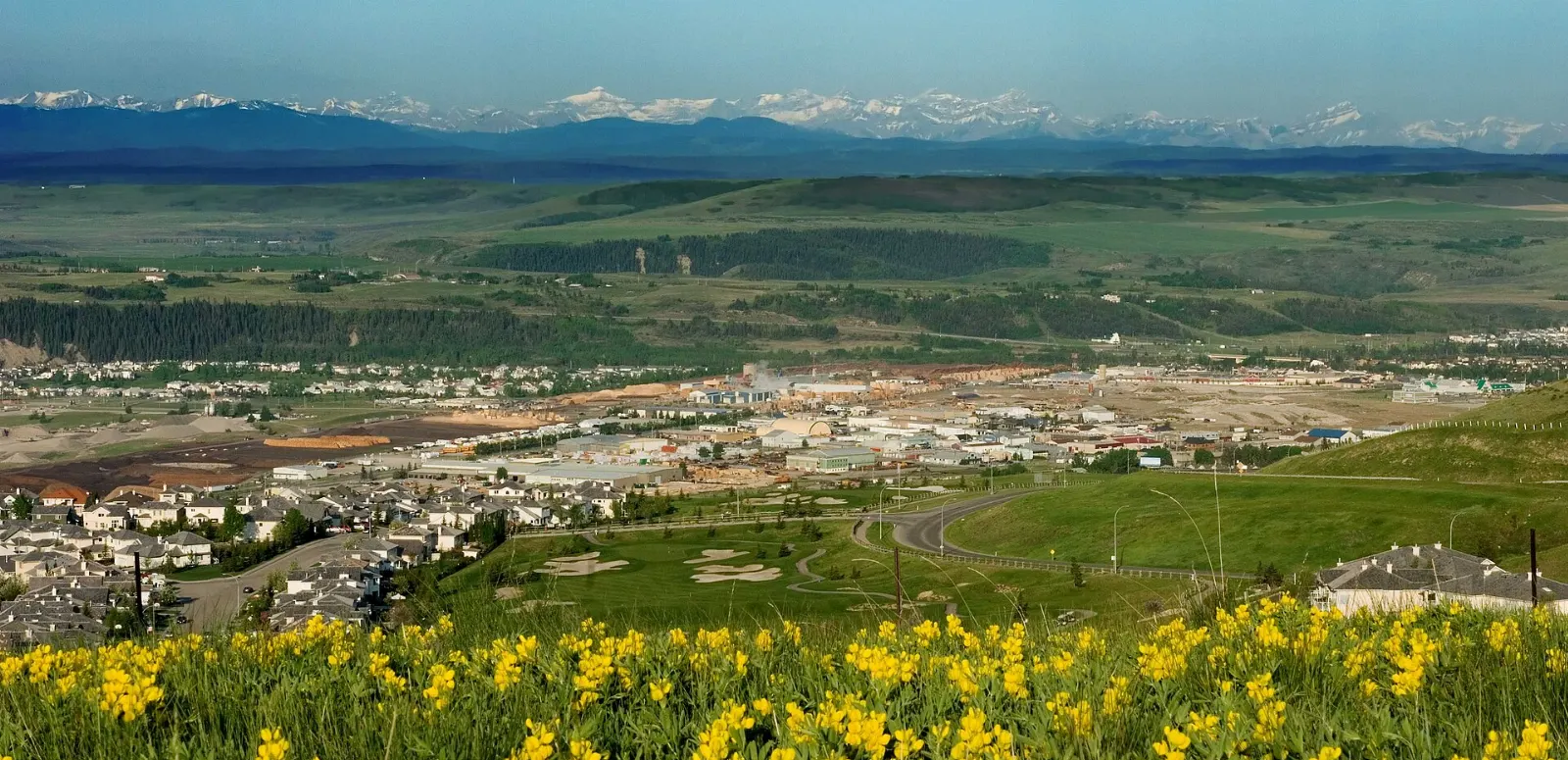
Cochrane is a western-flavoured town in the Bow River valley at the foothills of the Canadian Rockies, a short drive west of Calgary. It began as a ranch in 1881 and still wears its cowboy heritage on its main street, where locals queue for ice cream and stroll past wooden storefronts.
AT A GLANCE
Best time
Summer for patios, pathways and events, or October for the pumpkin lantern festival.
How long
One full day covers the town, or stay two days to add the parks and lakes.
Getting there
Drive about 30 kilometres northwest of Calgary on Highway 1A, or take a shuttle.
Why visit Cochrane
Cochrane takes its name from Matthew Henry Cochrane, the rancher who established the Cochrane Ranche in 1881. It became a village in 1903 and a town in 1971, and today more than 32,000 people live here, making it one of the fastest-growing communities in Canada.
For visitors, the appeal is simple: a walkable downtown, a famous ice cream shop, river pathways and views toward the mountains. The surrounding foothills hold parks, waterfalls and lakes that are easy to reach by car.
In and around town
First Street downtown
Cochrane's reputation for western culture is easiest to see on First Street, where small shops, cafes and a historic hotel line the road. Spend an hour walking it, and look for events such as the Outhouse Races or the Labour Day parade.
MacKay's ice cream
Since 1948, MacKay's has been the reason many Calgarians drive to Cochrane. Locally made flavours range from familiar to unusual, such as dill pickle, ginger with candied ginger, sticky toffee pudding and spotted cow.
Cochrane Ranche Historic Site
This is where the town began, and the 1954 National Film Board documentary Corral was filmed here. The Ranchehouse holds the Bert Sheppard Stockmen's Foundation Library and Archives, with more than 13,000 books on western culture and a complete run of Alberta brand books.
Bow River pathways
About 30 kilometres of pathways link parks and neighbourhoods, and they are suitable for walking, cycling and a morning jog. The route beside the Bow River is the most scenic, with wide valley views.
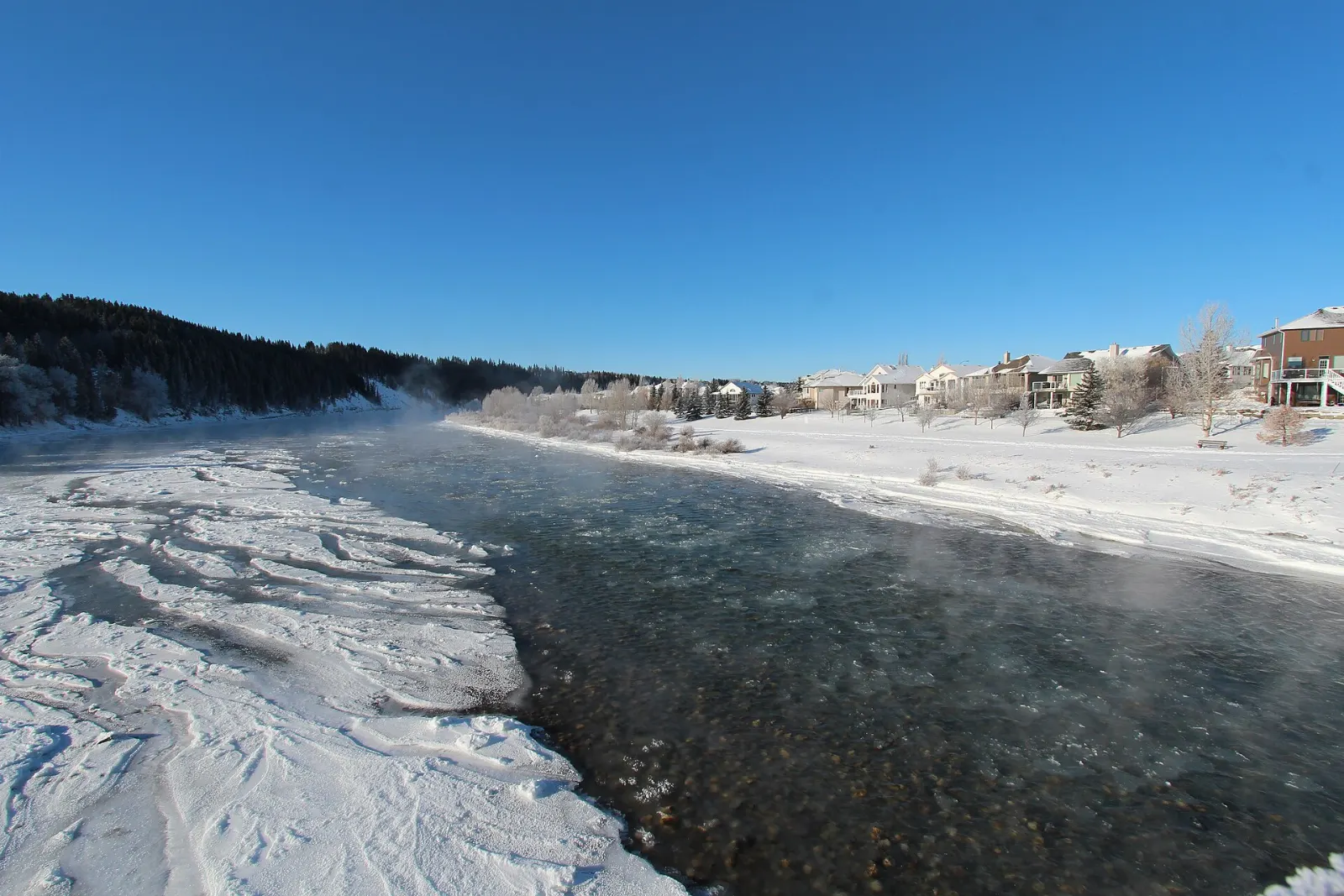
Big Hill
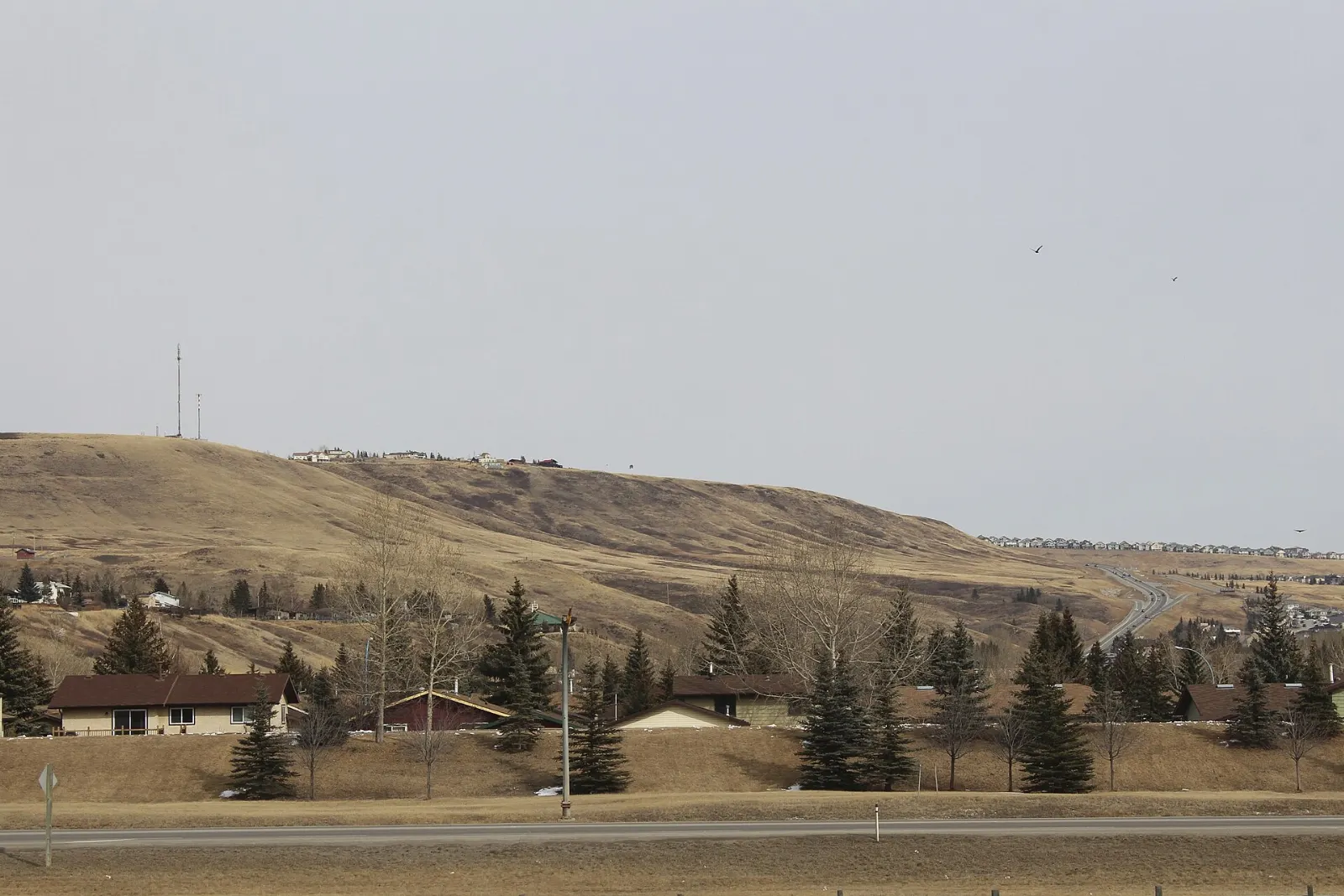
The hill above town has a grade of about 7 percent over 3.5 kilometres, which makes it a well-known training climb for cyclists. It is also a centre for paragliding instruction.
Parks, lakes and mountain roads
Glenbow Ranch Provincial Park
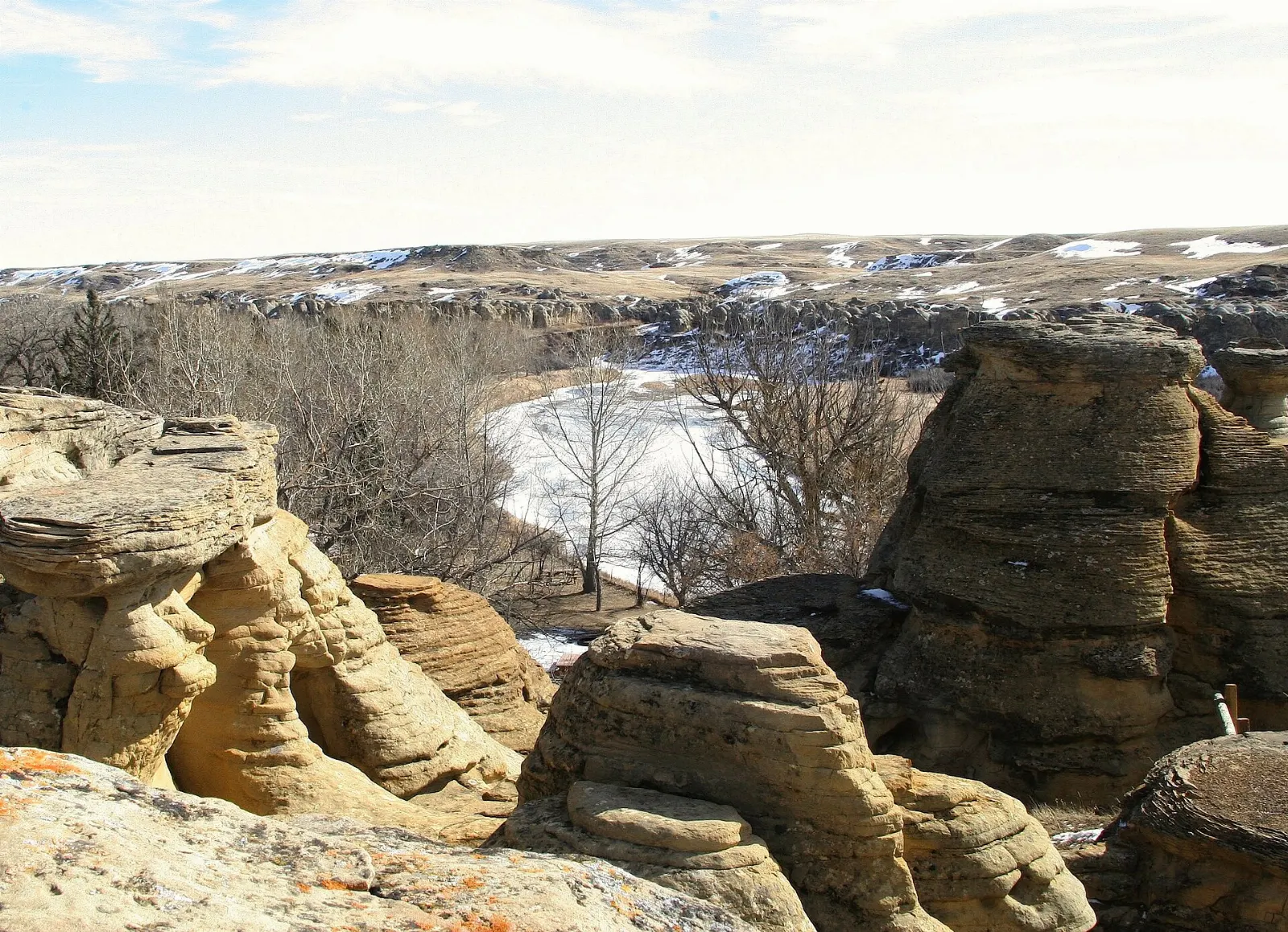
The park lies on the north bank of the Bow River, with its western edge reaching the town of Cochrane.

Big Hill Springs Provincial Park
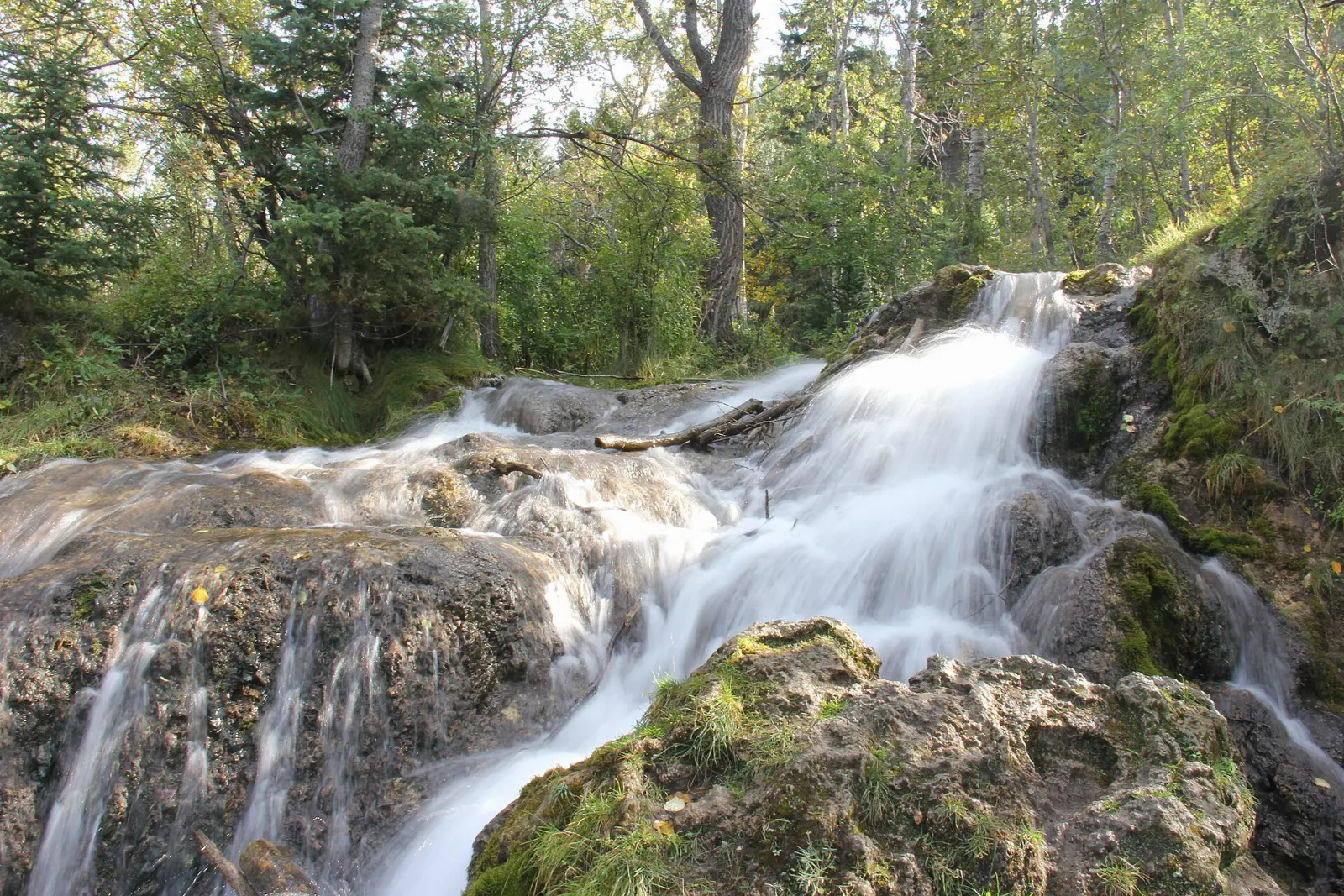
About 10 kilometres north of Cochrane, springs feed a small stream that flows over mossy tufa terraces in a series of low waterfalls, all year round.
Ghost Lake
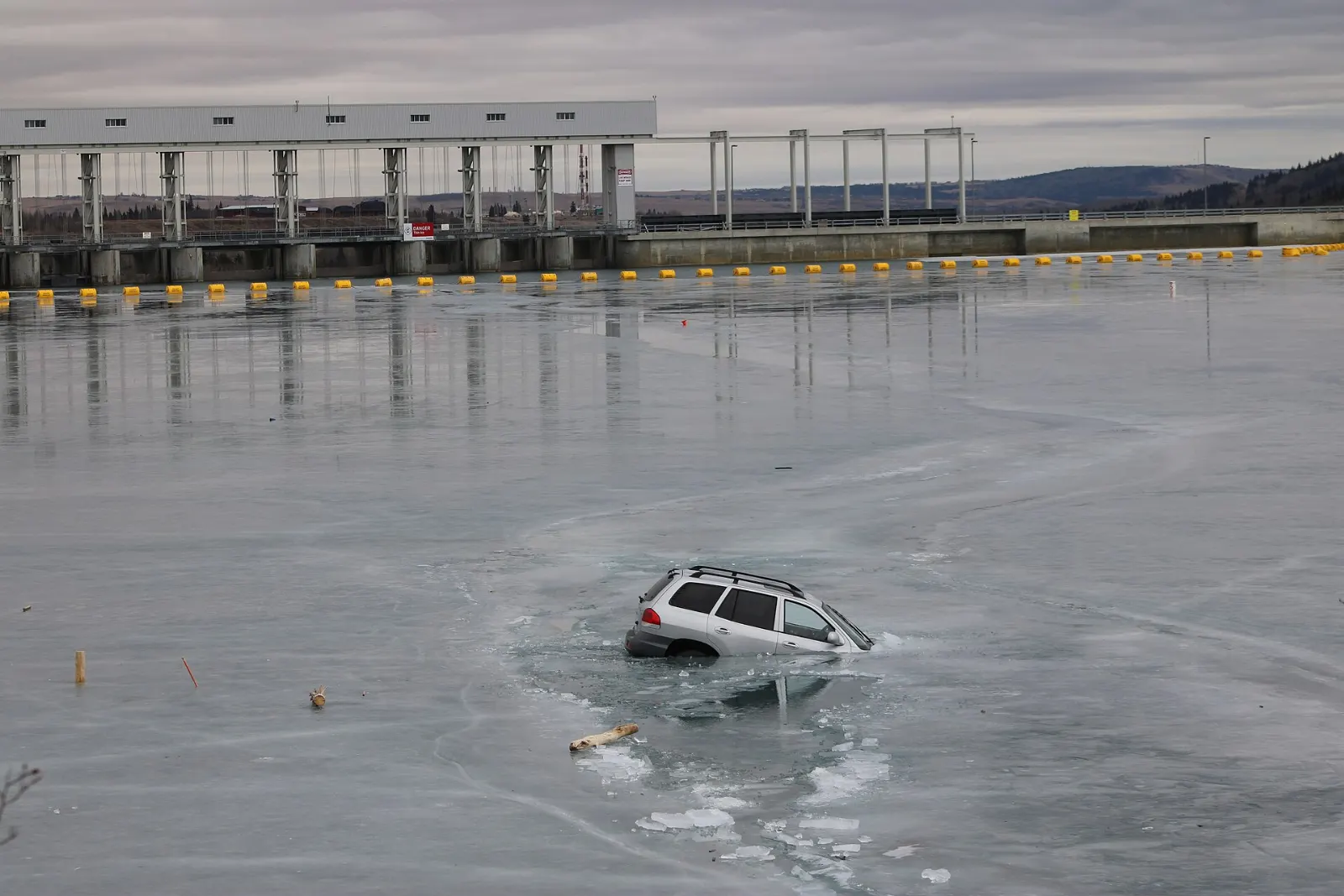
Around 23 kilometres west on Highway 1A, this Bow River reservoir was formed by the Ghost Dam in 1929. It is popular for sailing in summer and for iceboating and ice fishing in winter.
Kananaskis Country
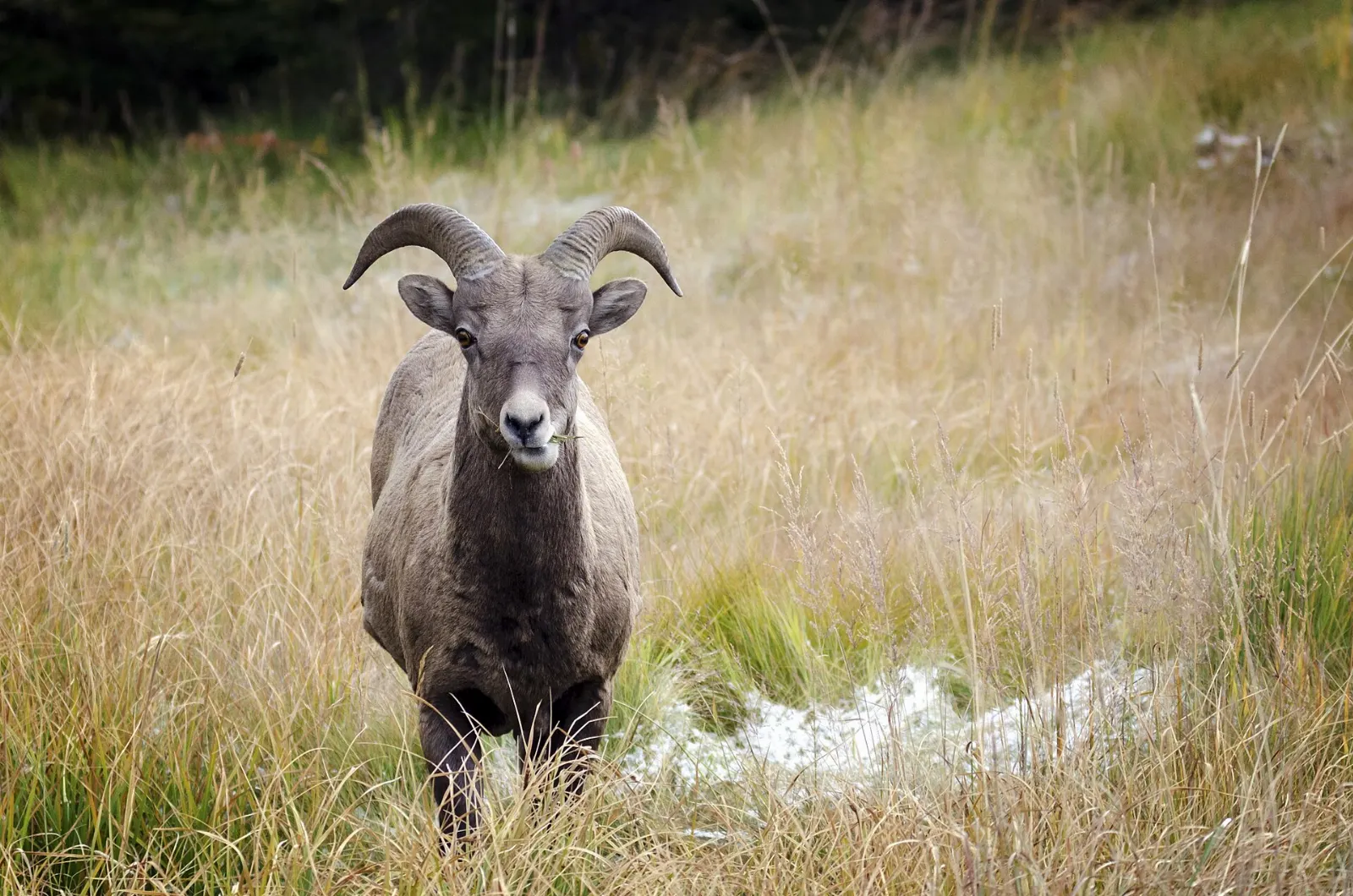
A network of wilderness parks on the eastern slopes of the Rockies, Kananaskis is the usual next stop for travellers who want mountain hiking and a less crowded alternative to Banff.
The Cowboy Trail
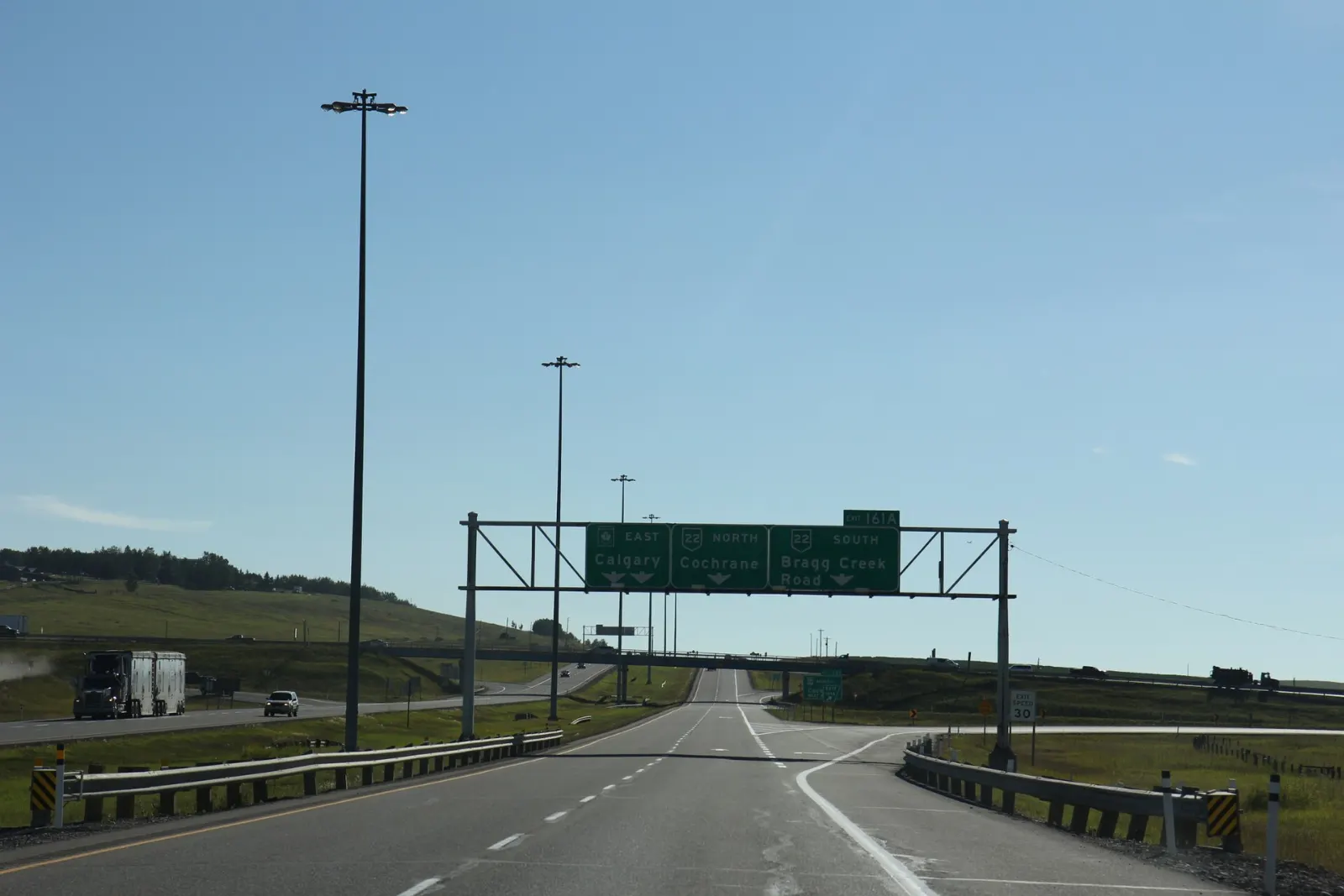
Highway 22, known as the Cowboy Trail, crosses Highway 1A at Cochrane. Driving north or south through ranch country makes a scenic loop, with pullouts for photographs.
 Planning a trip to Cochrane?Compare hotels, flights and vacation rentals for Cochrane on Expedia.Book now
Food and local flavors
Start with MacKay's ice cream, the town's signature treat, and try one of its offbeat flavours. Alberta beef is the regional pride, so steak and burgers feature on many menus. Saskatoon berry pie, made with a native prairie fruit, is the classic dessert of the province.
Ginger beef, developed in Calgary in the 1970s, consists of crisp strips of beef in a sweet, gingery sauce, and it turns up on Chinese Canadian menus across the region. Cochrane's farmers' market runs in summer on Saturday mornings in the Ranche parking lot, and local bakeries and cafes line First Street.
Popular dishes to try in Cochrane


Where to stay
Downtown Cochrane puts you within walking distance of First Street, MacKay's and the pathways.
Westside Drive, near the highway junction, has motels and chain hotels with easy parking and quick access to Calgary. It suits families, road-trippers and anyone arriving late.
Calgary is the alternative if you want more dining and nightlife. Staying there and driving out for the day works well for travellers who arrive by air and prefer big-city options.
Where to stay in Cochrane


Best time to visit
Summer is the busiest season, with farmers' market Saturdays, patios and events such as Canada Day and the Labour Day Rodeo and Parade. September brings the Terry Fox Run, and October brings the pumpkin lantern festival.
Winter is quiet but lively in its own way. Cochrane WinterFest takes place in early March, and Ghost Lake draws iceboaters and ice anglers.
Getting there and getting around
Cochrane lies about 30 kilometres northwest of Calgary on Highway 1A, where it meets Highway 22, the Cowboy Trail. The Trans-Canada Highway passes a short distance south. Calgary International Airport is the nearest major airport, and rental cars are the easiest way to explore.
Shuttle services run from Calgary, but the town's own public transport is limited. Cochrane On-demand Local Transit (COLT) is an app-based bus service with fixed stops and no set routes. The town is also compact, with pathways for walking and cycling.
A suggested itinerary
First day
Walk First Street in the morning, visit the Ranche Historic Site and the library, then take an ice cream break. Spend the afternoon on the Bow River pathways and finish with dinner downtown.
Second day
Drive north to Big Hill Springs for the waterfalls, then spend the afternoon hiking at Glenbow Ranch Provincial Park.
Third day
Head west to Ghost Lake for a picnic, then continue to Kananaskis Country for a mountain hike before returning to Cochrane or Calgary.
Practical tips
- Visit MacKay's on a weekday or mid-morning to avoid the longest lines.
- Check farmers' market and event dates before you plan a summer weekend.
- Carry water and sun protection for Glenbow Ranch, where shade is limited.
- Bring layers, since foothill weather changes quickly even in summer.
- Keep wildlife at a distance on trails and never feed animals.
- Check road and weather conditions in winter before driving to the parks.