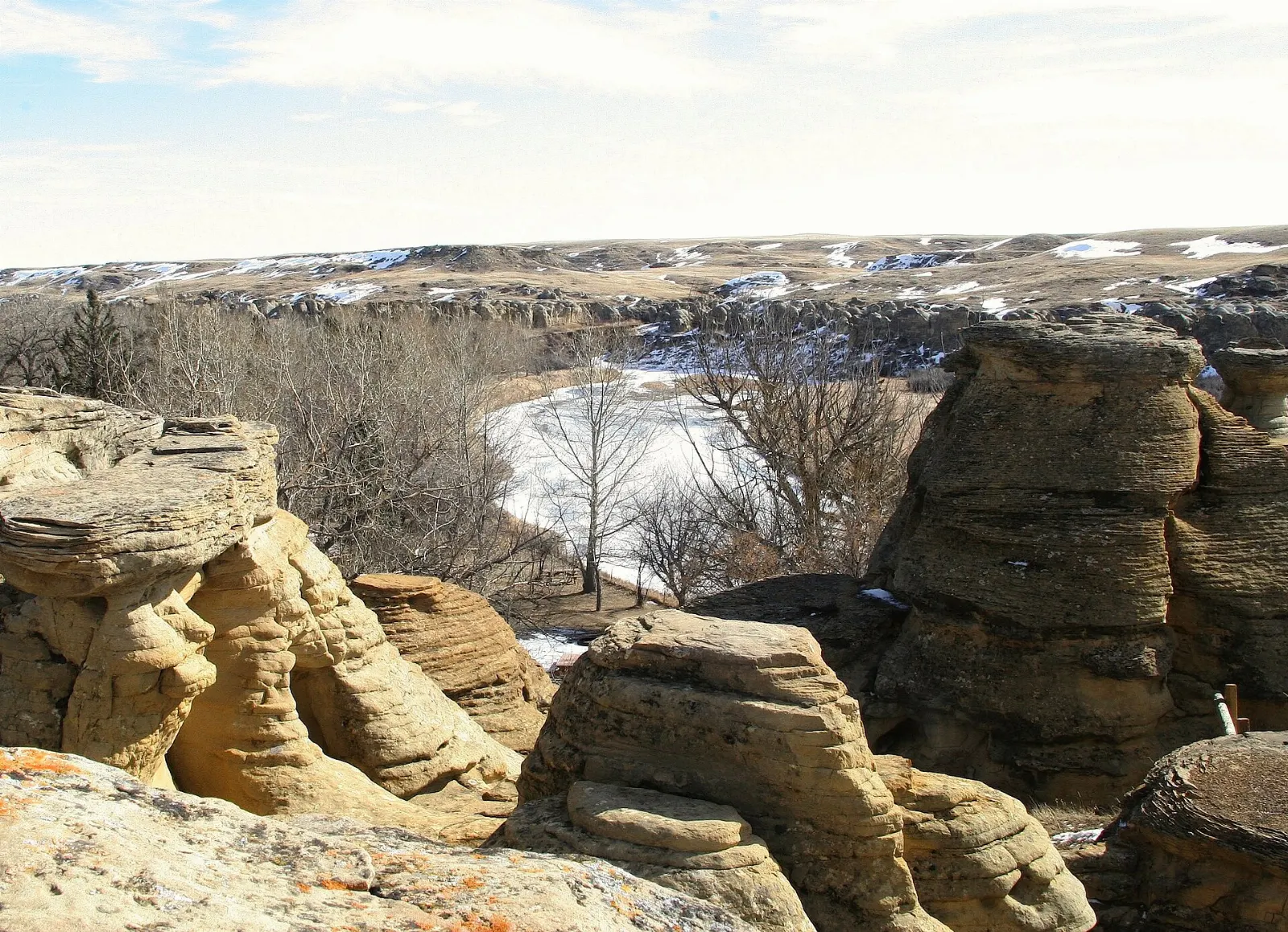
Writing-on-Stone Provincial Park, known in the Blackfoot language as Áísínaʼpi, protects a stretch of prairie along the Milk River in southern Alberta. Sandstone hoodoos, cliffs and thousands of carvings make it one of the most important rock art landscapes on the Great Plains.
AT A GLANCE
Best time
Late spring to early autumn offers the best access, with summer best for river time.
How long
Plan a full day, or stay a night at the campground.
Getting there
Drive from Lethbridge on Highway 4 to Milk River, then east on Highway 500.
Why visit Writing-on-Stone
The park lies about 100 km southeast of Lethbridge and 44 km east of the town of Milk River, straddling the Milk River itself. It is one of the largest protected prairie areas in Alberta, and it is sacred to the Blackfoot and other Indigenous peoples, who regarded the cliffs and hoodoos as the homes of powerful spirits.
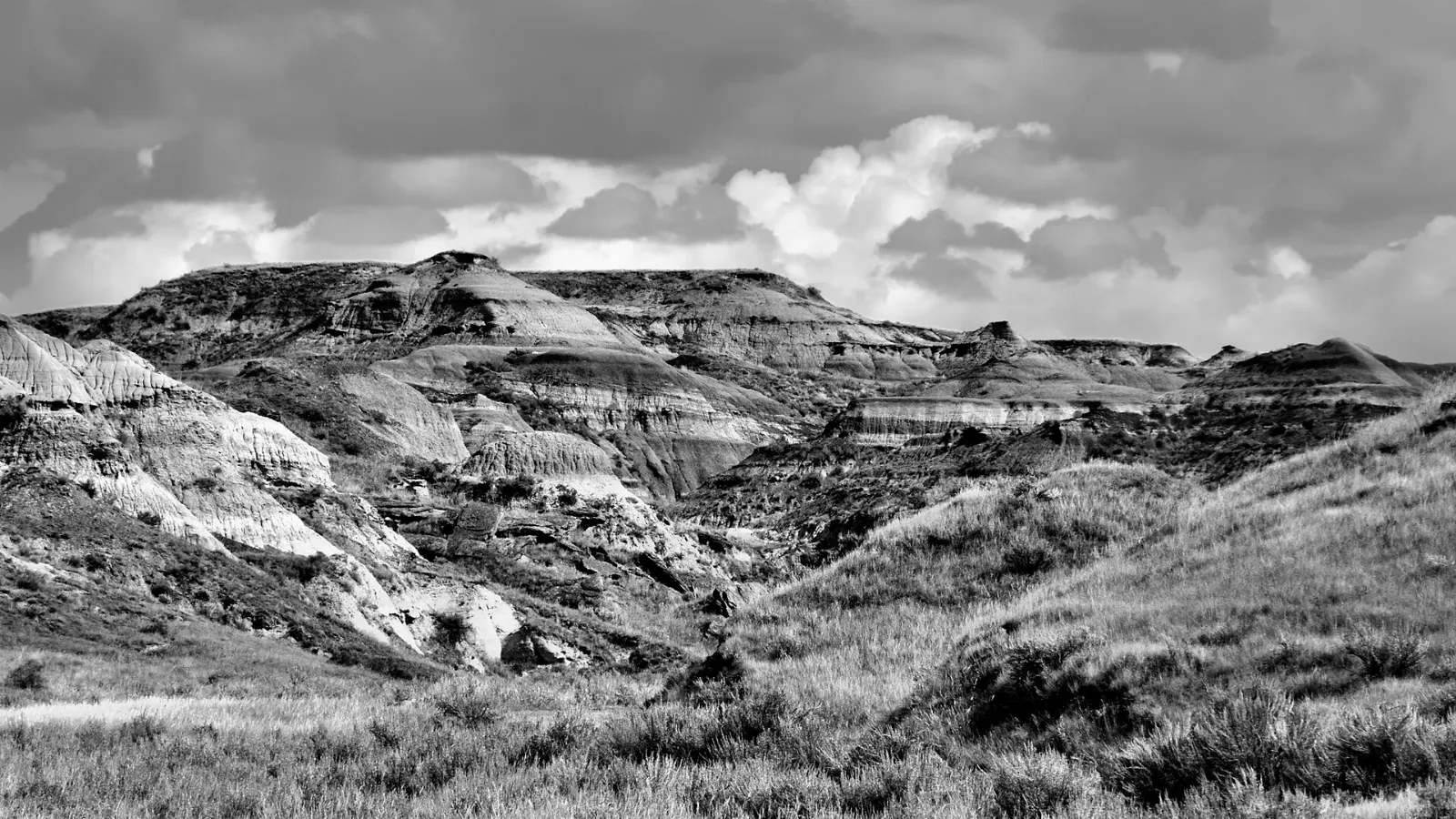
Writing-on-Stone, also called Áísínaʼpi, was inscribed as a UNESCO World Heritage Site on 6 July 2019. The name means it is pictured or it is written. The sandstone belongs to the Milk River Formation, laid down about 84 million years ago along the edge of an inland sea, and water, ice and wind later carved it into the hoodoos and cliffs you see today.
Rock art and trails
Visitor centre
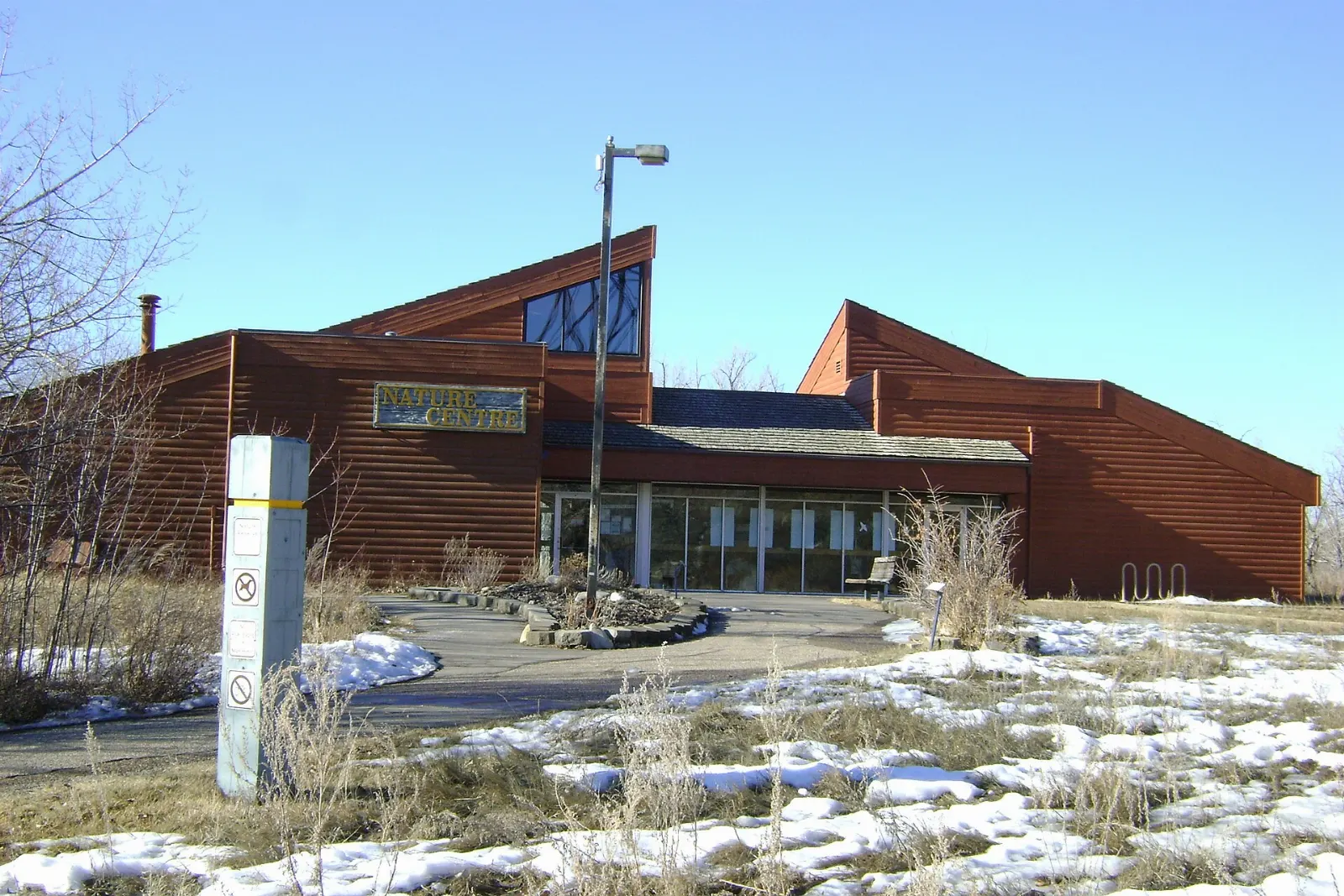
Start at the visitor centre for information, tour details and the park gift shop. Some rock art can be seen from a public walkway, but most sites can only be visited on a guided tour.
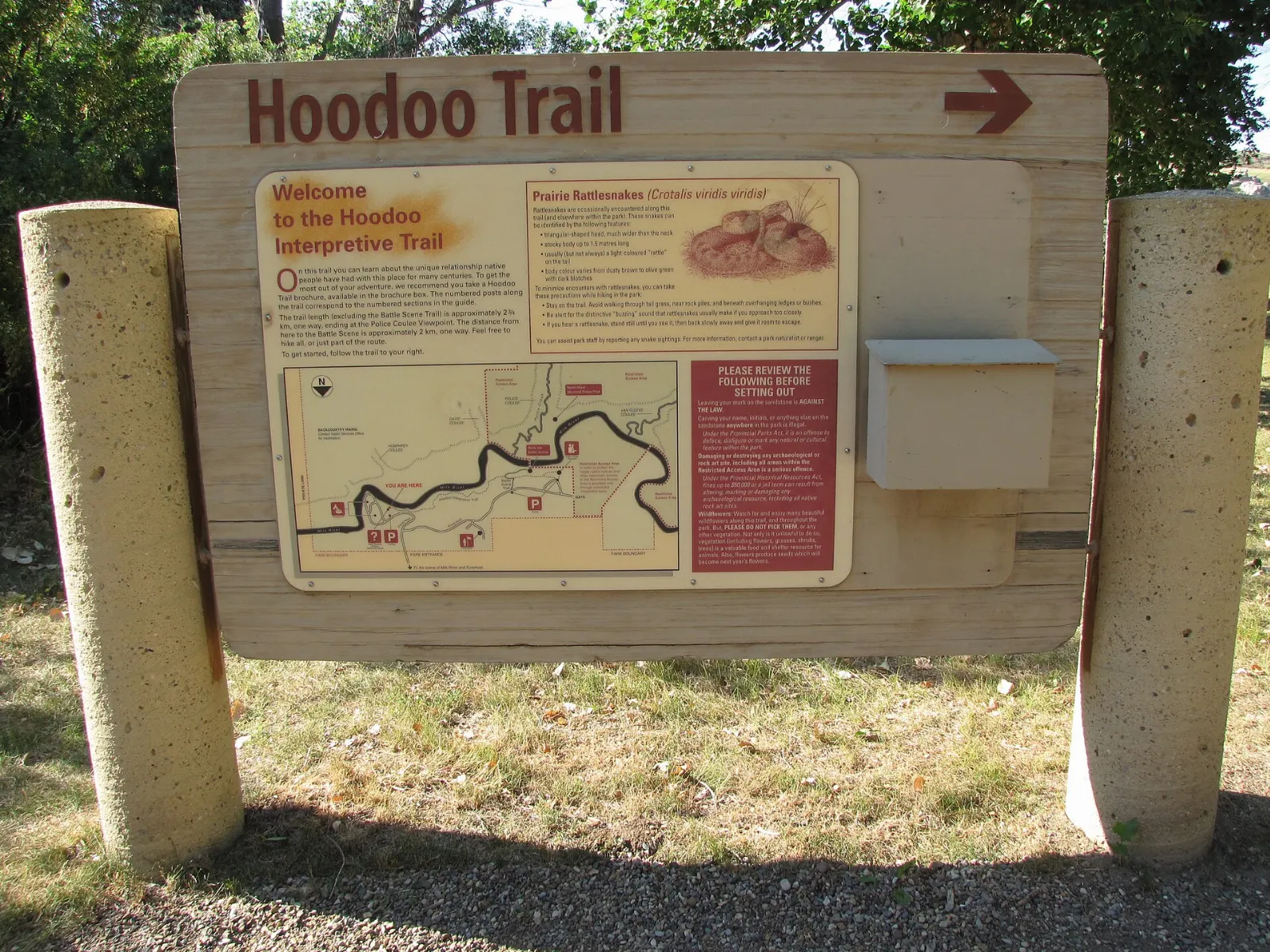
Hoodoo Trail
This trail of about 2.2 km winds through hoodoos, sandstone cliffs and rock art, upland prairie and the Milk River valley. Allow an hour or more, and carry water because shade is scarce.
Rock art sites
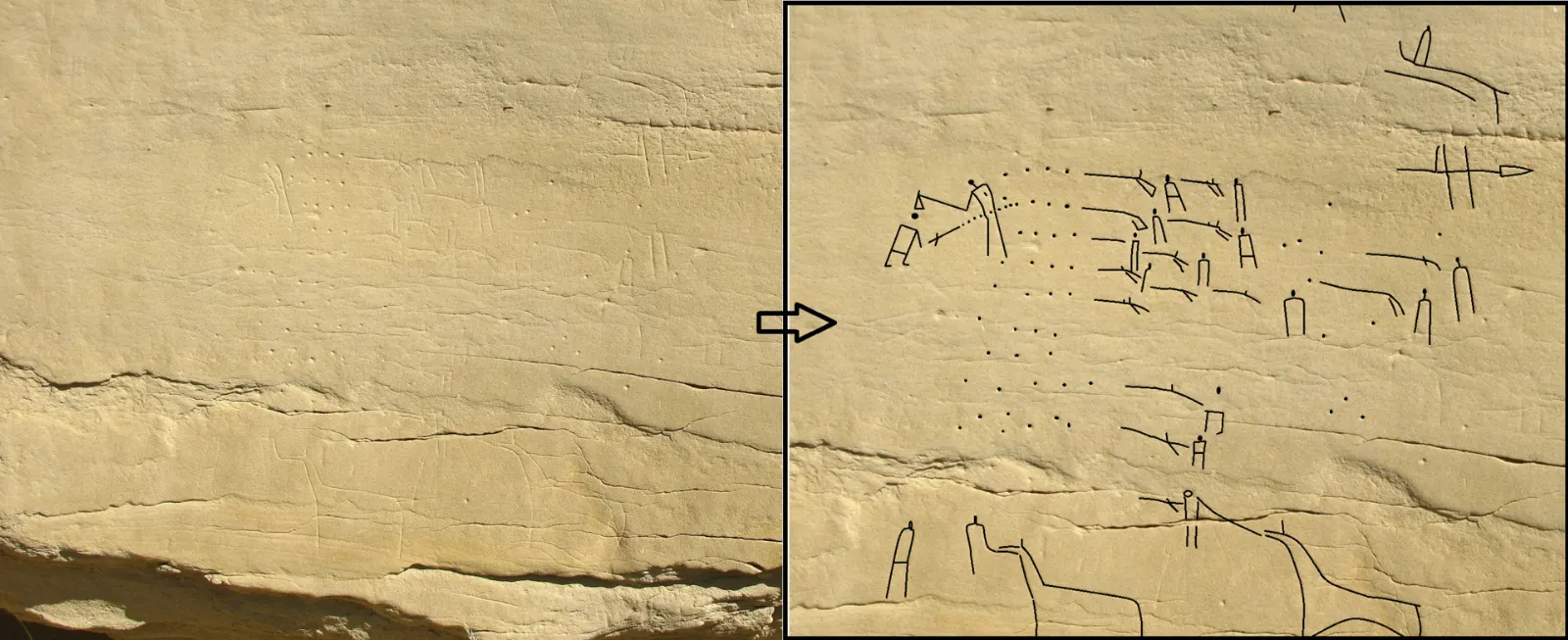
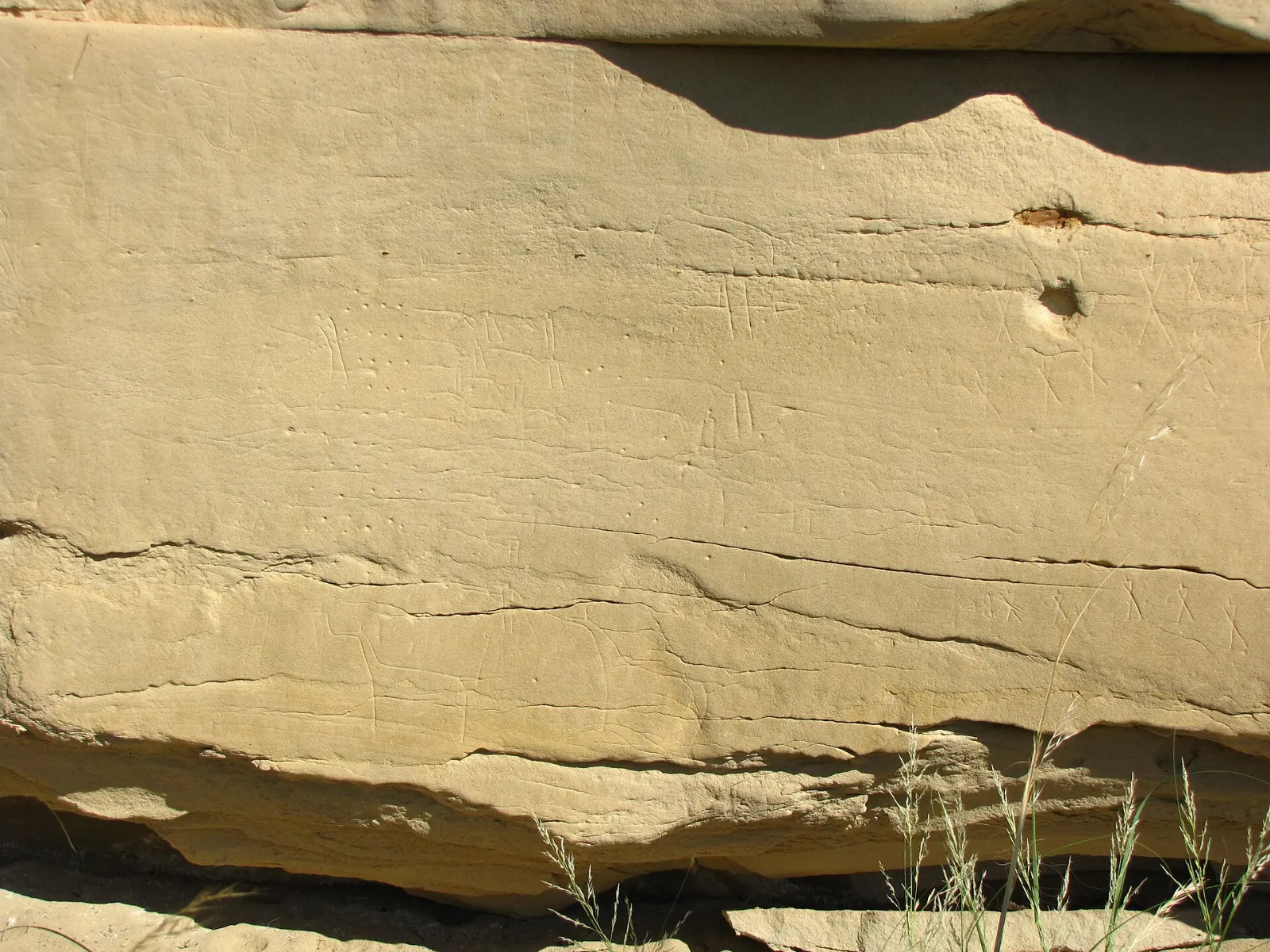
The petroglyphs show war honors, horse raids, battles and spirit beings. After about 1730, hunters on horseback and warriors without body shields began to appear in the art.
Battle Scene Trail
A short trail of about 0.5 km leads to the well-known Battle Scene panel. It takes little time, so combine it with a visit to the visitor centre.
Visitor Centre Trail
The very short Visitor Centre Trail, about 0.34 km, is an easy first walk for families and anyone who wants to stretch their legs. Take your time, read the signs and listen to the prairie wind.
River, prairie and outpost
North-West Mounted Police outpost
A police camp was set up here in 1887 to curb whisky smuggling and horse raiding, though the officers spent most of their time fighting grass fires and patrolling the border.
Milk River paddling
Swimming, canoeing, kayaking and tubing are possible on the Milk River. Check river conditions with park staff, since levels change through the season.
Backcountry hiking zone
A 930-hectare backcountry area of grassland, hoodoo fields and narrow canyons has no developed trails, only game paths. Reaching it requires wading the river at your own risk.
Birds and wildlife
More than 160 bird species have been recorded, including prairie falcons and great horned owls. Pronghorn graze the prairie, and mule deer and bobcats live in the area.
Milk River town
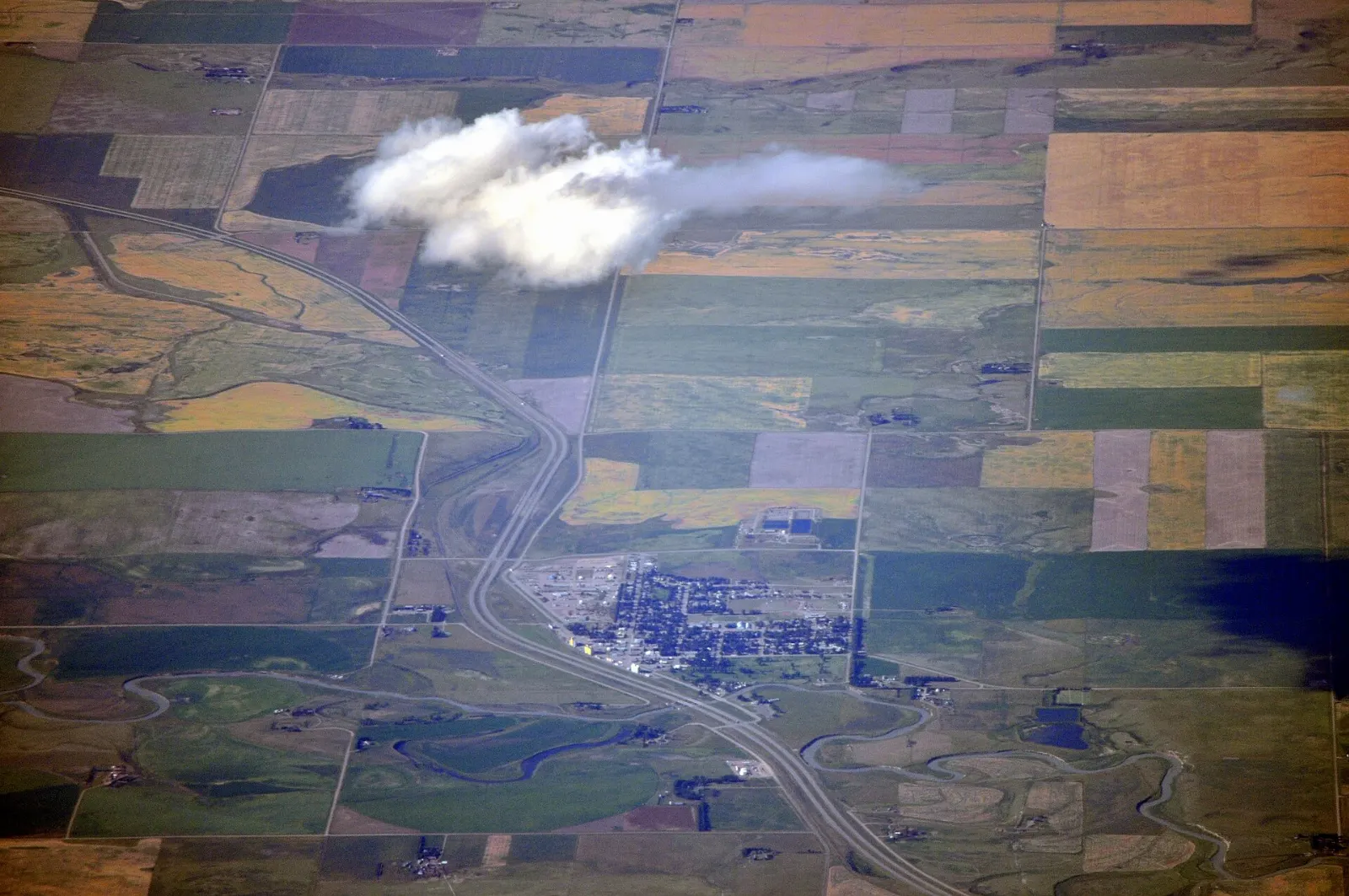
The town of Milk River, about 44 km west, uses the motto Under Eight Flags for the governments that have claimed the area.
Lethbridge
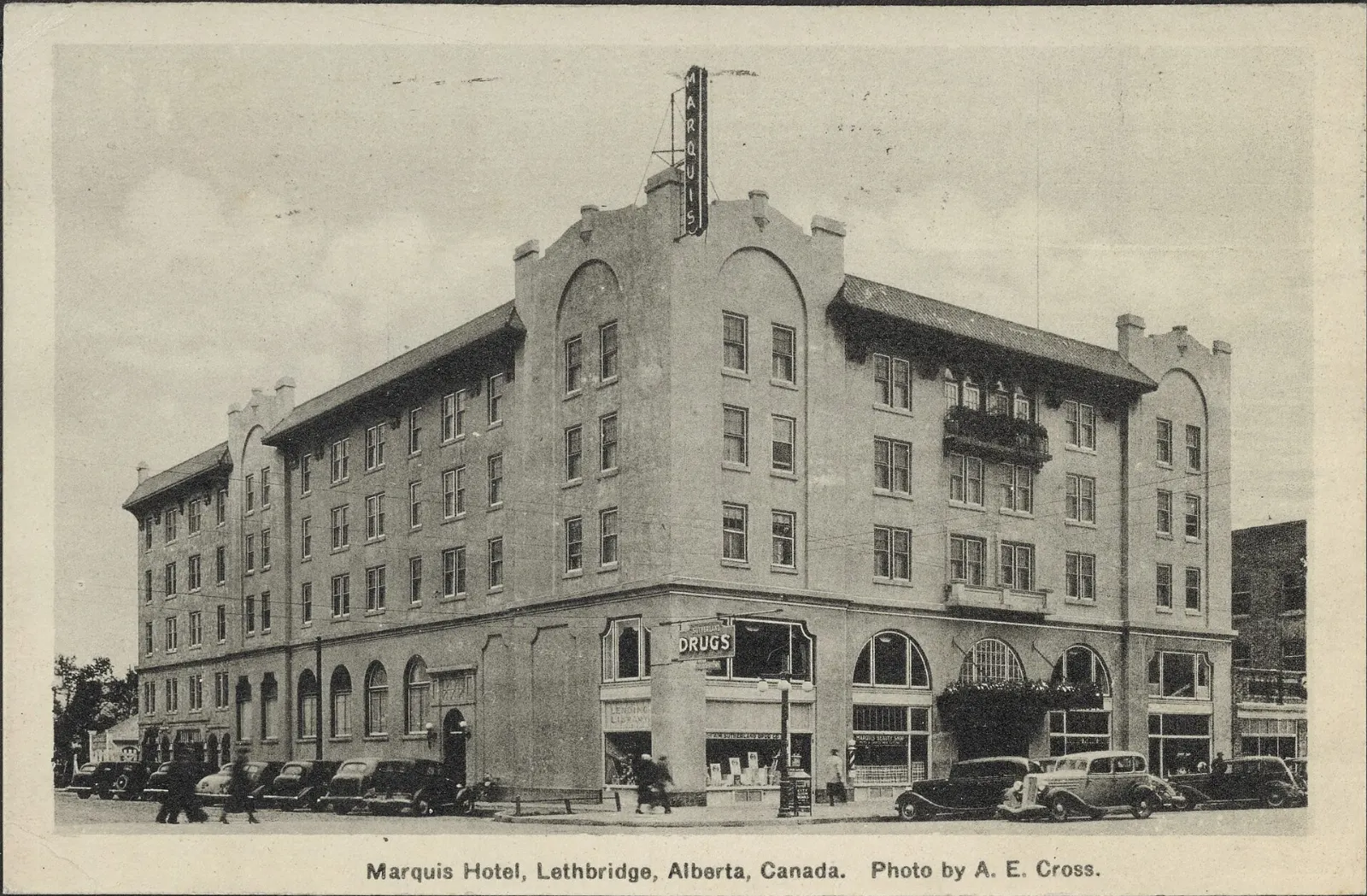
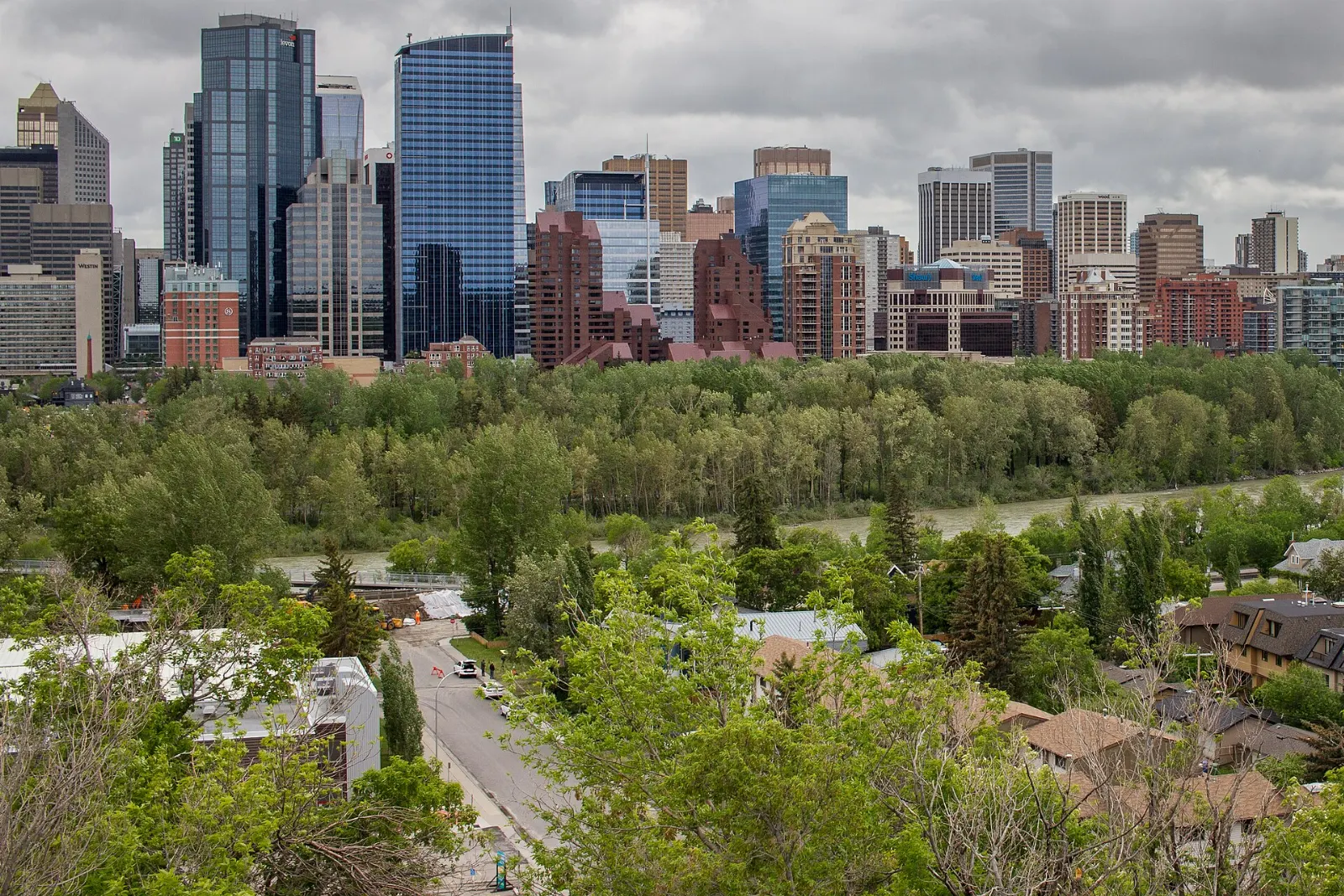
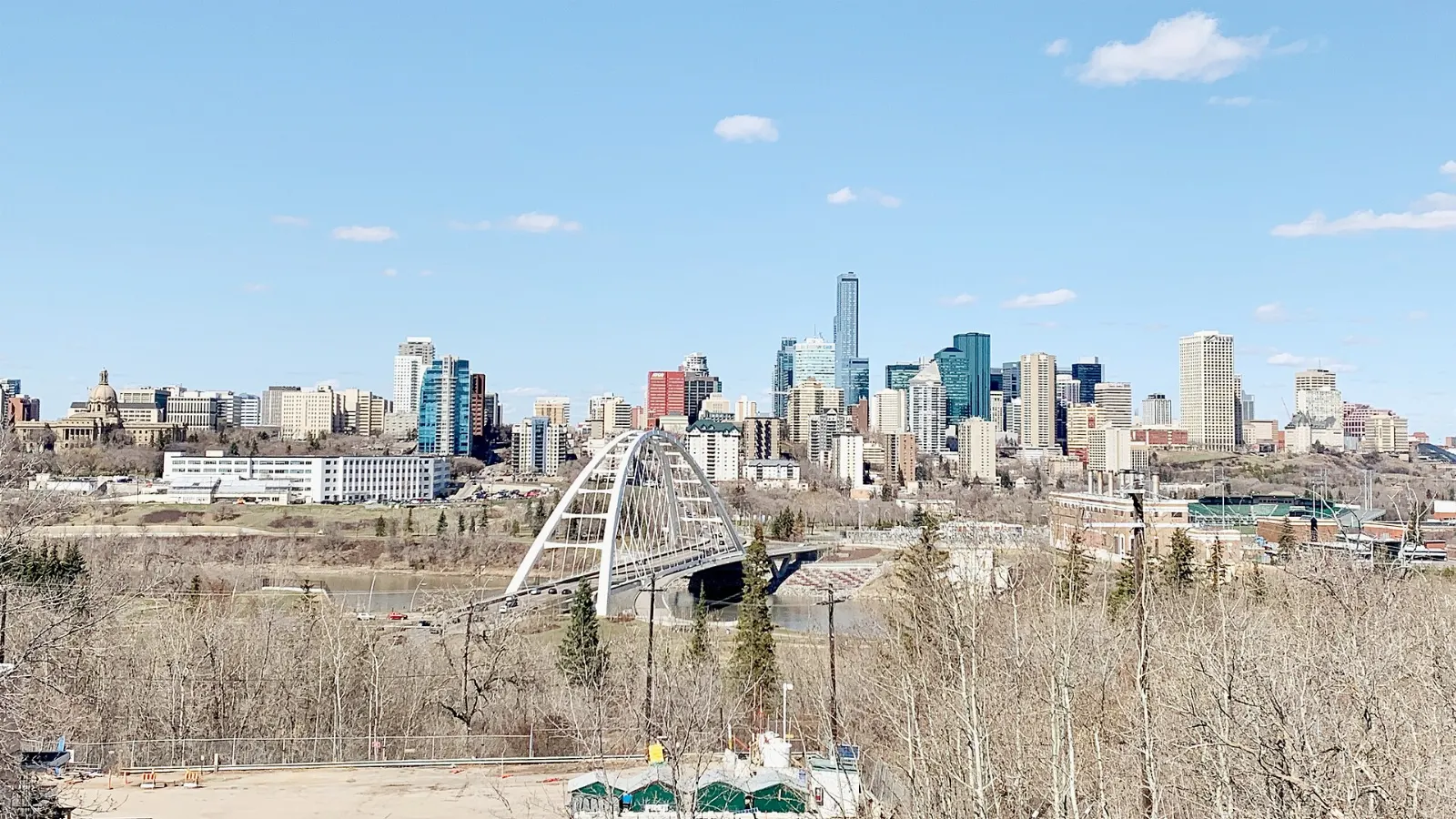
Lethbridge is the nearest large city, with coulees, the Oldman River valley and a mix of Japanese, German, Ukrainian, Dutch and Hutterite influences. It makes a good starting point and a place to stock up before the park.
 Planning a trip to Writing-on-Stone Provincial Park?Compare hotels, flights and vacation rentals for Writing-on-Stone Provincial Park on Expedia.Book now
Food and local flavors
Bring your own food, since the visitor centre has a gift shop but no restaurant. Pack a picnic of local items from Lethbridge or Milk River before heading in.
Saskatoon shrubs grow in the park, and their purple berries are baked into saskatoon berry pie across the prairies.
In Lethbridge, look for restaurants that reflect the city's mix of cultures. In small prairie towns, a diner or bakery counter is often the best place to try local pie.

Popular dishes to try in Writing-on-Stone Provincial Park


Where to stay
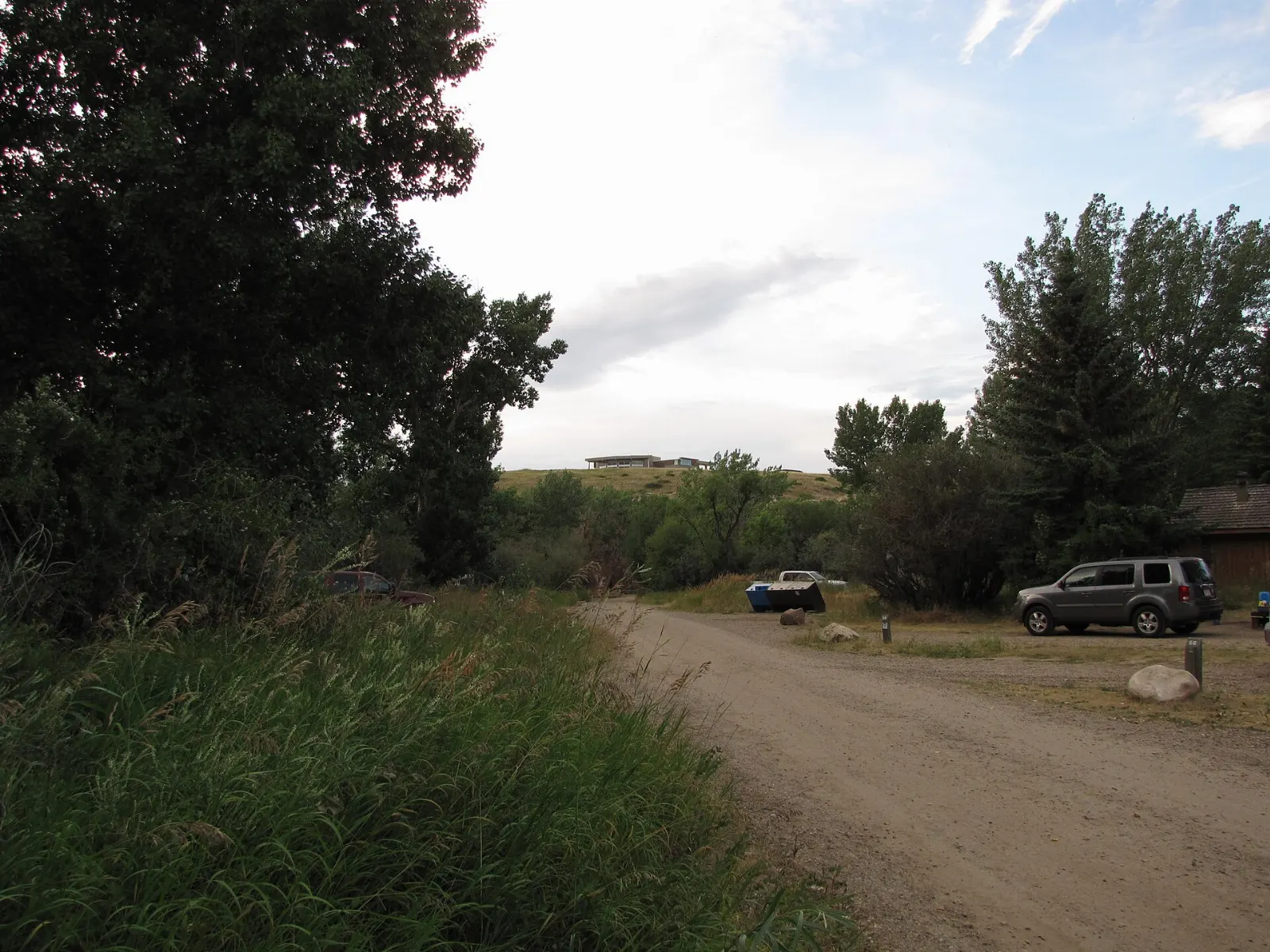
Writing-on-Stone Campground has 43 sites for tents and RVs, many with electrical service. It suits campers and families who want to wake up among the hoodoos.
Milk River is the closest community, about 44 km west, and works well for travelers who prefer a bed, a meal and simple services.
Lethbridge, about 100 km northwest, has more choice for lodging, food and shopping.
In every case, book early for long weekends and summer holidays.
Where to stay in Writing-on-Stone Provincial Park


Best time to visit
Summer is the main season, with visitor centre hours extended on weekends in July and August.
Late spring and early autumn bring cooler days and fewer people, though weather changes quickly on the prairie. Wind is common in southern Alberta, and warm chinook winds can interrupt winter cold.
For the grasses and wildflowers, aim for early summer. Photographers often prefer the soft light of morning and evening on the cliffs.
Getting there and getting around
The nearest city is Lethbridge, and Calgary is the main airport for most visitors.
There is no public transport to the park, so a car is essential. Fuel up in Lethbridge or Milk River, since services are limited near the park.
Inside the park, getting around means hiking. The main trails are short and easy, and guided tours of the rock art depart from the visitor centre.
A suggested itinerary
First day
Drive from Lethbridge to Milk River for lunch and supplies, then continue east to the park.
Second day
Join your guided tour in the morning, then walk the Battle Scene Trail and visit the reconstructed outpost.
Third day
Explore the backcountry zone with advice from park staff, or watch birds along the river, before heading back toward Lethbridge.
Practical tips
- Book rock art tours and campsites early in summer, since both can fill up.
- Never touch, trace or mark the carvings, because damaging cultural resources can bring heavy penalties.
- Watch for prairie rattlesnakes and avoid long grass, ledges and crevices.
- Bring all food, water, sunscreen and a hat, since shade and services are limited.
- Check river conditions with staff before swimming, paddling or wading.
- Check the park's official website for current tour times, closures and fire restrictions.