Montmorency Falls Quebec Suspension Bridge and Cable Car
Montmorency Falls is one of the most accessible big waterfalls in Canada, a dramatic drop right beside Quebec City. A suspension bridge, staircases and a cable car make it easy to see from every angle, and nearby sights add a canyon, a basilica, a historic island and the old city. This guide covers what to see, where to eat and how to plan.
By WiserMap TravelUpdated October 20269 places12 min read
Best timeSummer is easiest, while winter adds a huge ice cone.
How longHalf a day covers the falls and a full day adds nearby sights.
Getting thereDrive or take a bus about 12 kilometers from Old Quebec.
Ad
Why visit Montmorency Falls
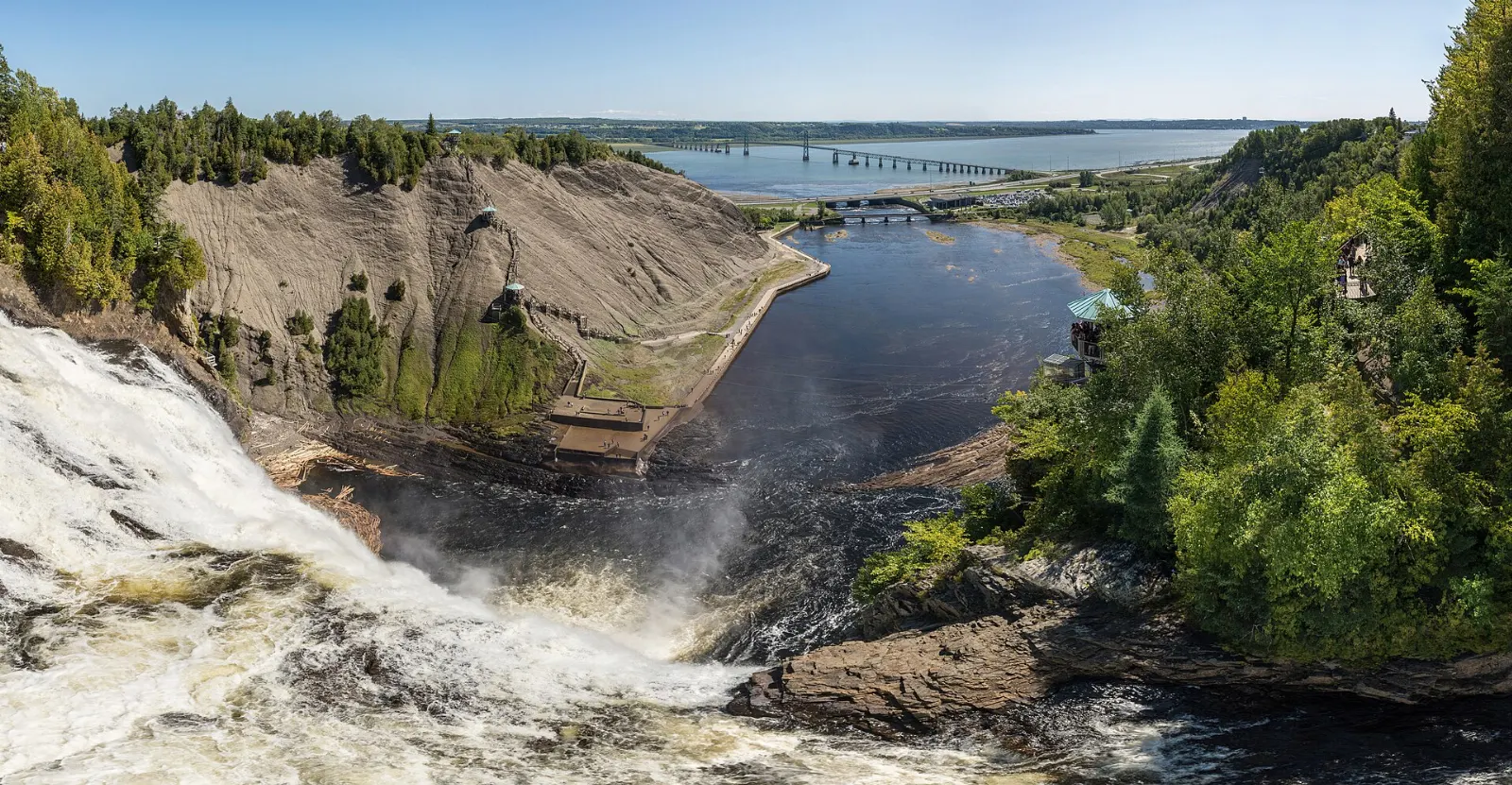
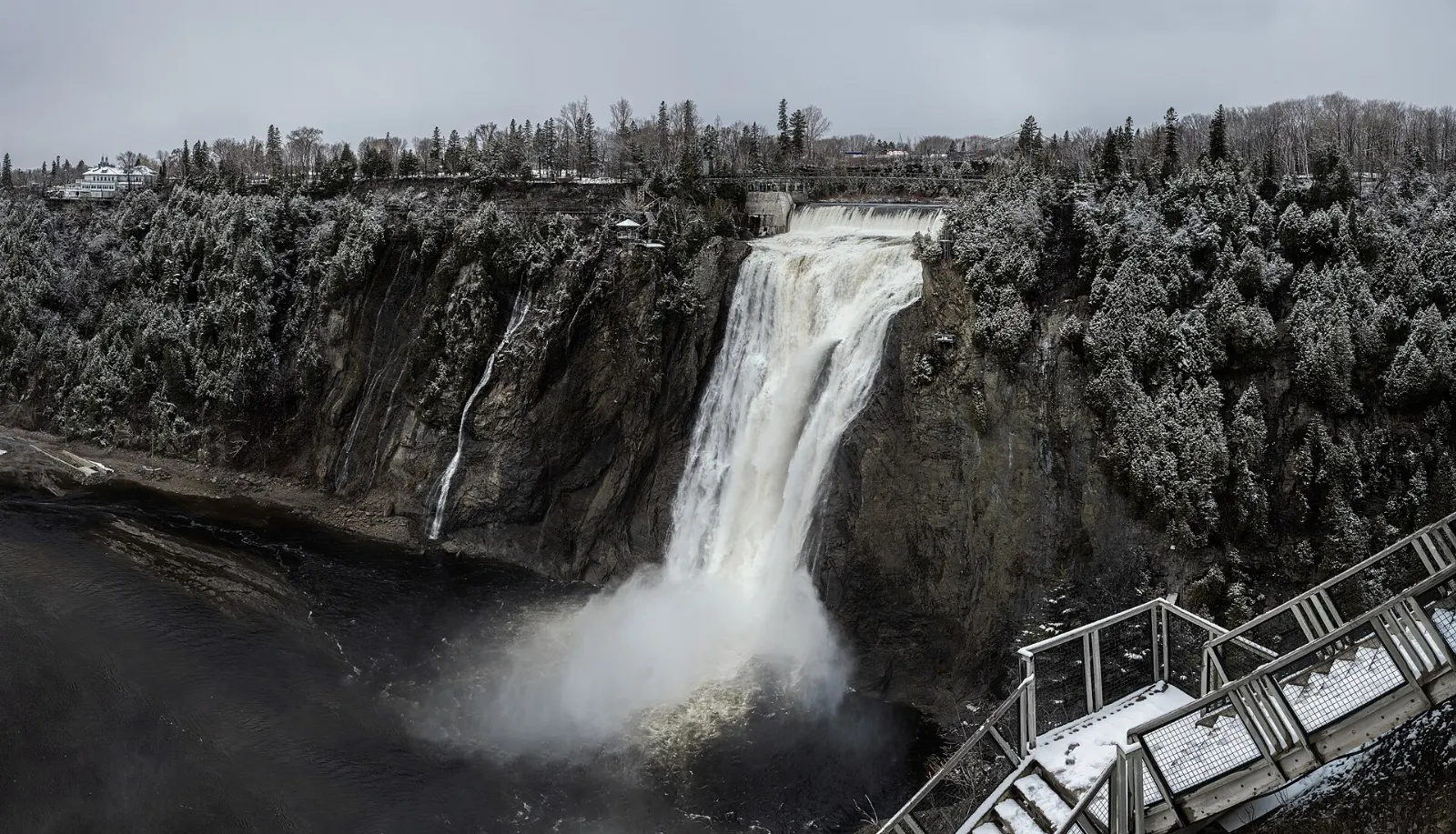
Montmorency Falls drops 83 meters where the Montmorency River meets the St. Lawrence, which makes it about 30 meters taller than Niagara Falls. The site lies on the boundary between the Beauport borough and Boischatel, roughly 12 kilometers from the center of Old Quebec City, and the protected area around it is the Parc de la Chute-Montmorency.
The falls draw close to a million visitors a year because they are so easy to reach and so varied. You can cross a suspension bridge above the crest, climb staircases beside the cascade, ride a cable car and watch fireworks in summer. A short drive east or west adds a canyon, a pilgrimage basilica, a historic island and Old Quebec itself.
At the falls
The suspension bridge
A suspension bridge crosses right over the crest of the falls and links both sides of the park. Standing on it, you feel the spray and watch the river tip over the cliff below your feet. It is the signature experience of the park, so come early in the day to avoid a line. Allow 20 to 30 minutes, and hold on to hats and phones.
A suspension bridge crosses over the crest of the falls and links both sides of the park. Photo: Wilfredor, Wikimedia Commons, CC0
The staircases and viewpoints
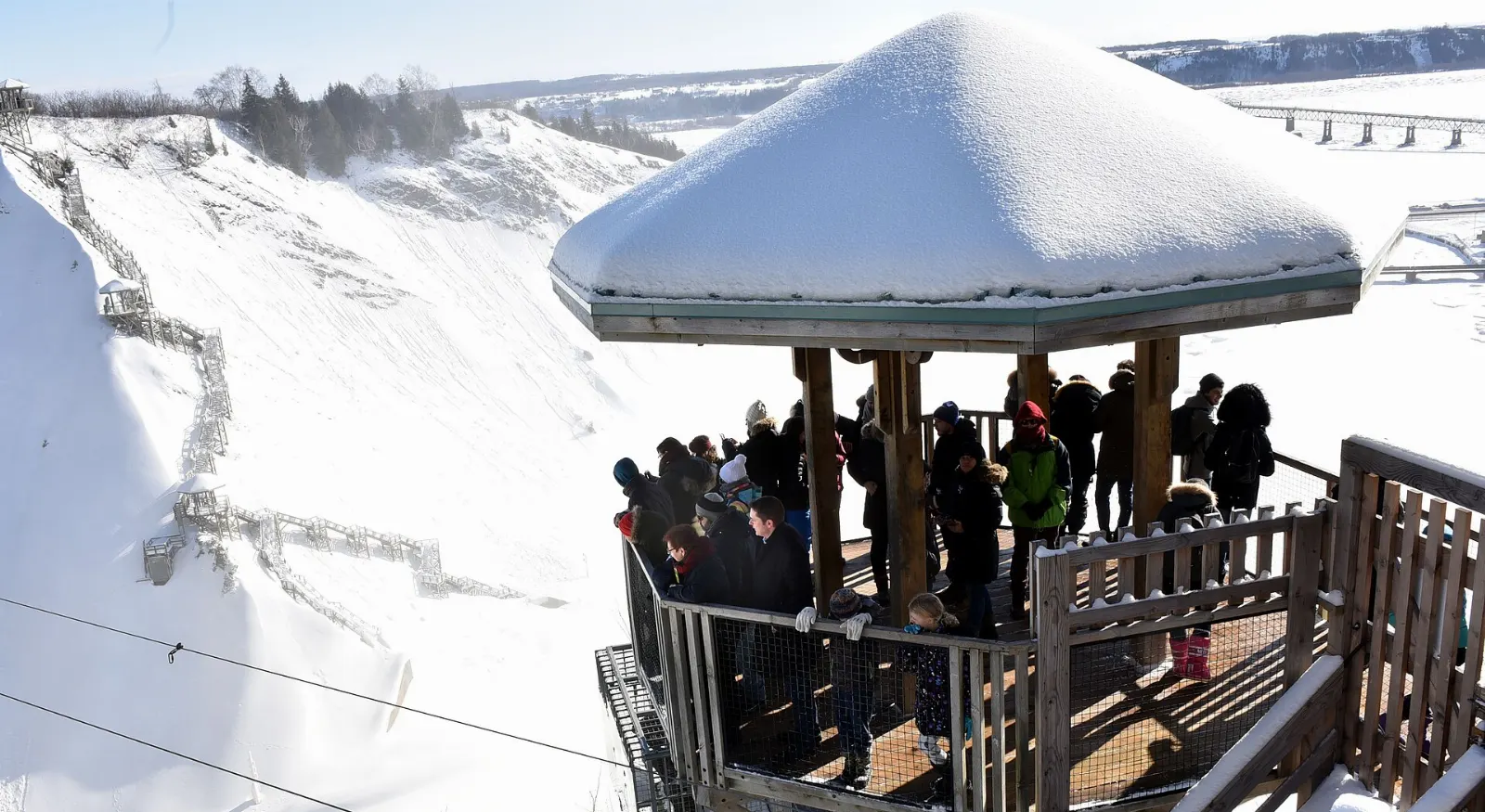
Long staircases climb beside the falls and give views from several angles, from the base near the river mouth to platforms close to the top. The climb is steady but tiring, so plan about an hour if you walk both ways. In summer the water has a yellowish glow because of the iron in the riverbed. Wear shoes with grip, because the steps are wet near the spray.
Staircases give views of the falls from several angles. Photo: Andrew Scheer, Wikimedia Commons, CC0
The cable car
A funitel, a type of cable car, carries passengers between the base and the top of the falls, which saves your legs and adds a view of the St. Lawrence and the Île d'Orléans. Many visitors walk up the stairs and ride down, or the reverse. Plan about 15 minutes, and check the park website for seasonal operating days.
A funitel carries passengers between the base and the top of the falls. Photo: Wilfredor, Wikimedia Commons, CC0
The manor house
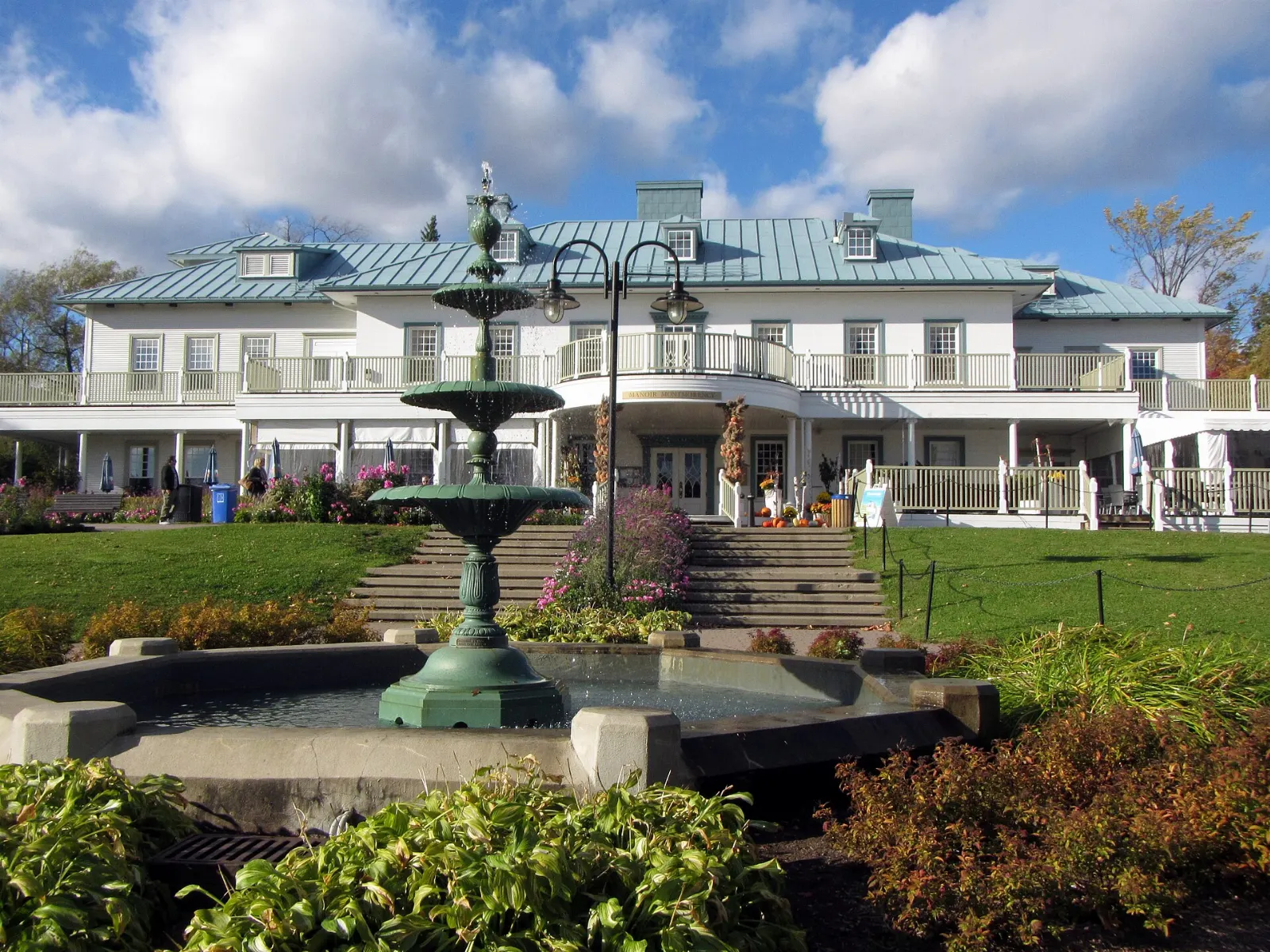
A historic manor house stands above the falls and now serves as a visitor and dining spot with a terrace over the St. Lawrence. It is a calm place for a break after the bridge and the trails. The area is also tied to the 1759 clash between British and French forces during the siege of Quebec, so a short stop here adds some history to the views.
A historic manor house stands on the cliff above the falls. Photo: Bohao Zhao, Wikimedia Commons, CC BY 3.0
The winter ice cone
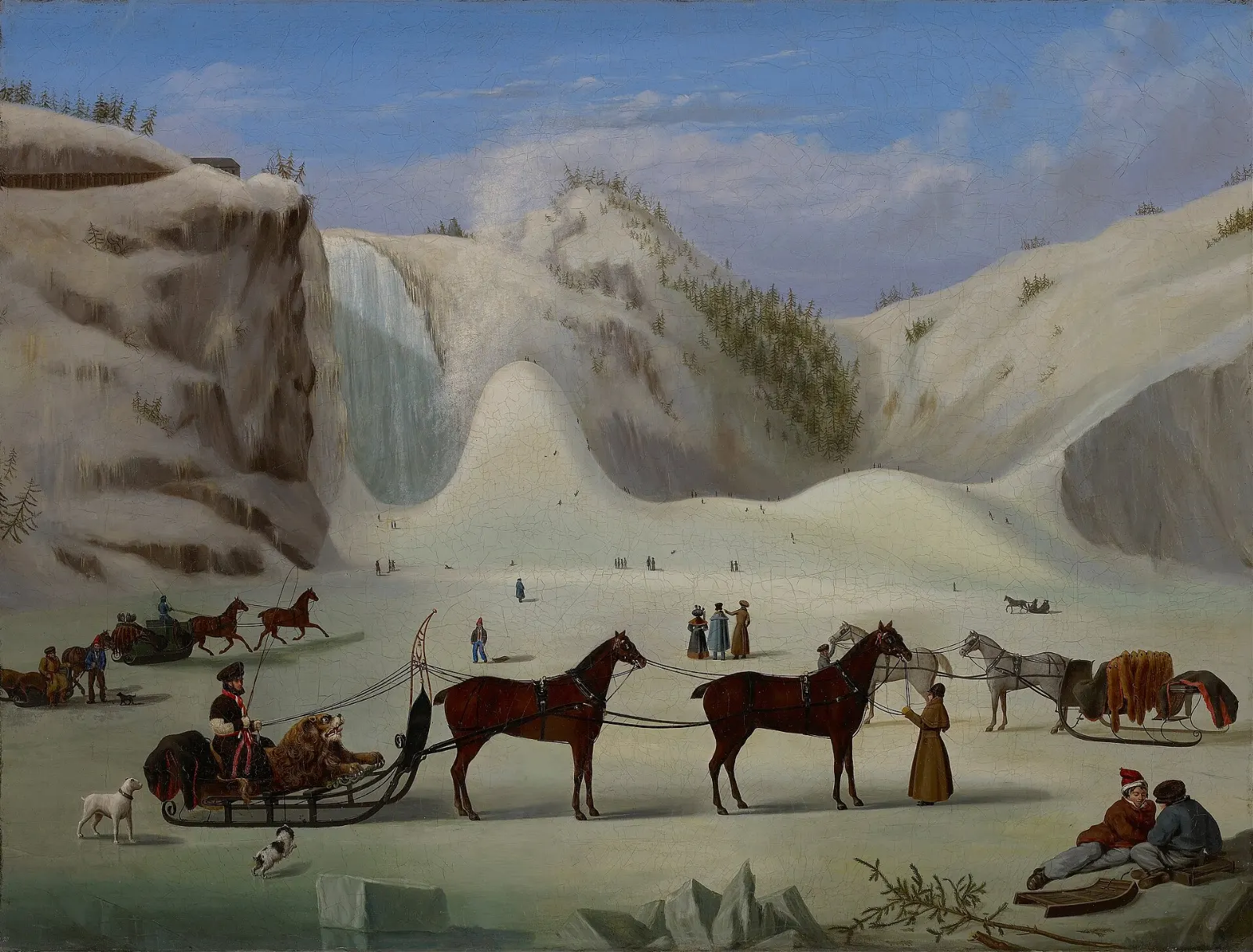
In cold months spray freezes at the base of the falls into a large cone of ice, a sight people have enjoyed since at least the nineteenth century, when sleighing on the frozen falls was recorded in verse. The Ice Hotel stood here in 2001, its first year. Winter visits feel quiet and dramatic, but bring warm boots because paths can be icy.
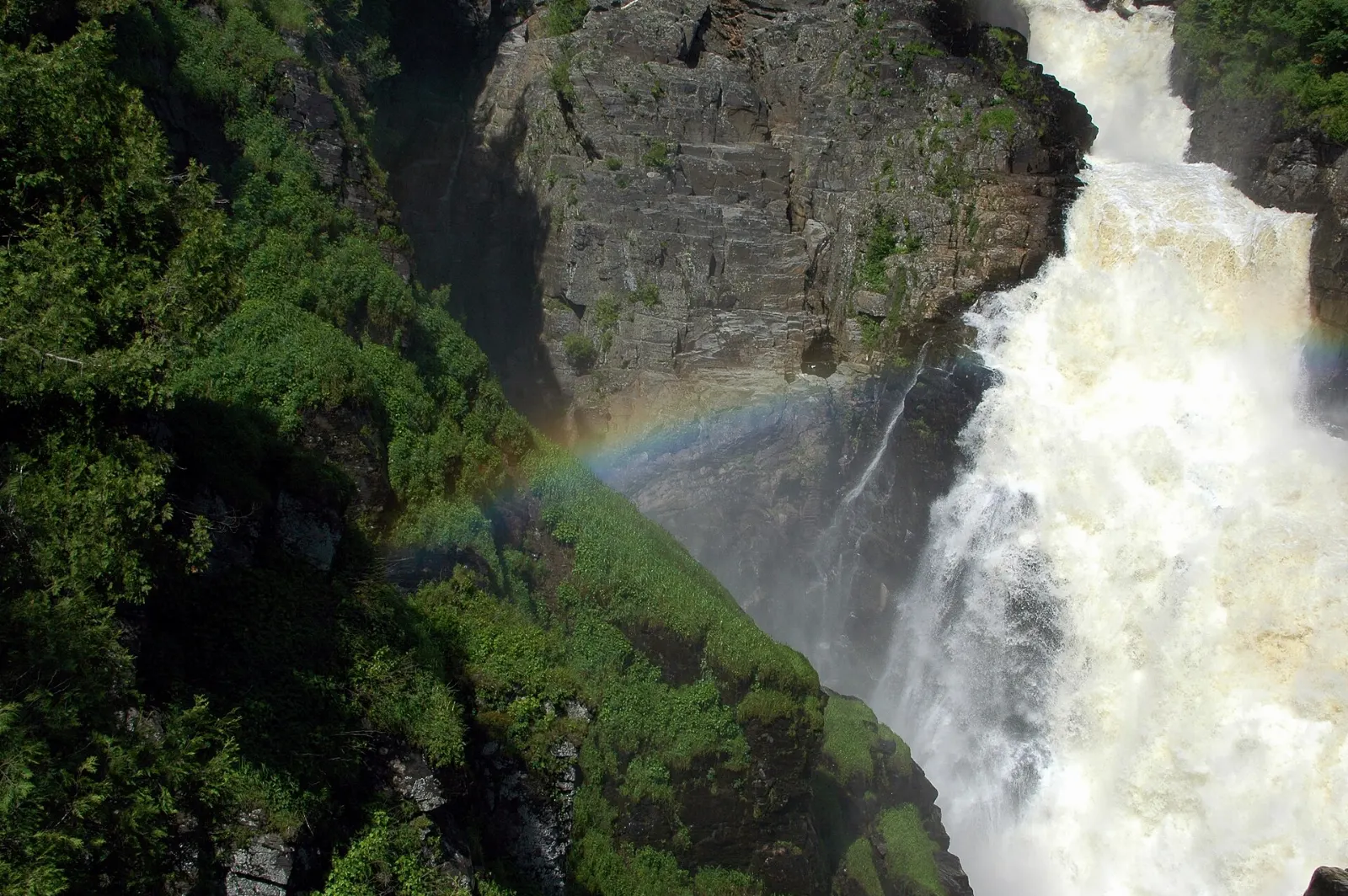
A steep gorge carved by the Sainte-Anne-du-Nord River lies about 25 to 30 minutes east of Quebec City. A 74-meter waterfall drops inside it, and three suspension footbridges cross the canyon, one of them 60 meters above the river. The site also offers a via ferrata, the first installed in Canada, with supervision. It is open from May to October, so confirm dates before you plan a trip, and allow two to three hours.
Canyon Sainte-Anne has a 74-meter waterfall and three suspension footbridges. Photo: Amerune, Wikimedia Commons, CC BY 2.0
Basilica of Sainte-Anne-de-Beaupré
Farther east, the shrine and pilgrimage center of Sainte-Anne-de-Beaupré has drawn visitors for generations and sits near the canyon and the ski resort. Walk through the large church for the interior decoration and the quiet atmosphere. Allow an hour, and check service times if you want to visit without disturbing worshippers.
The basilica at Sainte-Anne-de-Beaupré is a pilgrimage center east of Quebec City. Photo: Pierre André, Wikimedia Commons, CC BY-SA 4.0
Cap Tourmente and Mont Sainte-Anne
The same stretch of coast also holds the Cap Tourmente National Wildlife Reserve and the Mont Sainte-Anne ski resort. The reserve is known for birdwatching on the St. Lawrence shore, while the mountain is a base for hiking in summer and skiing in winter. Choose one of them rather than trying to fit everything into the same day.
Island and city on the way back
Île d'Orléans
The island sits opposite the falls and is reached by a bridge from the north shore. It is a rural place of farms, orchards and village churches, and many visitors drive the loop road with stops for local produce. Allow half a day. Spring and autumn offer a calm time to go, and a stop at an ice cider producer fits well.
Île d'Orléans lies in the St. Lawrence opposite Montmorency Falls. Photo: Wilfredor, Wikimedia Commons, CC0
Old Quebec
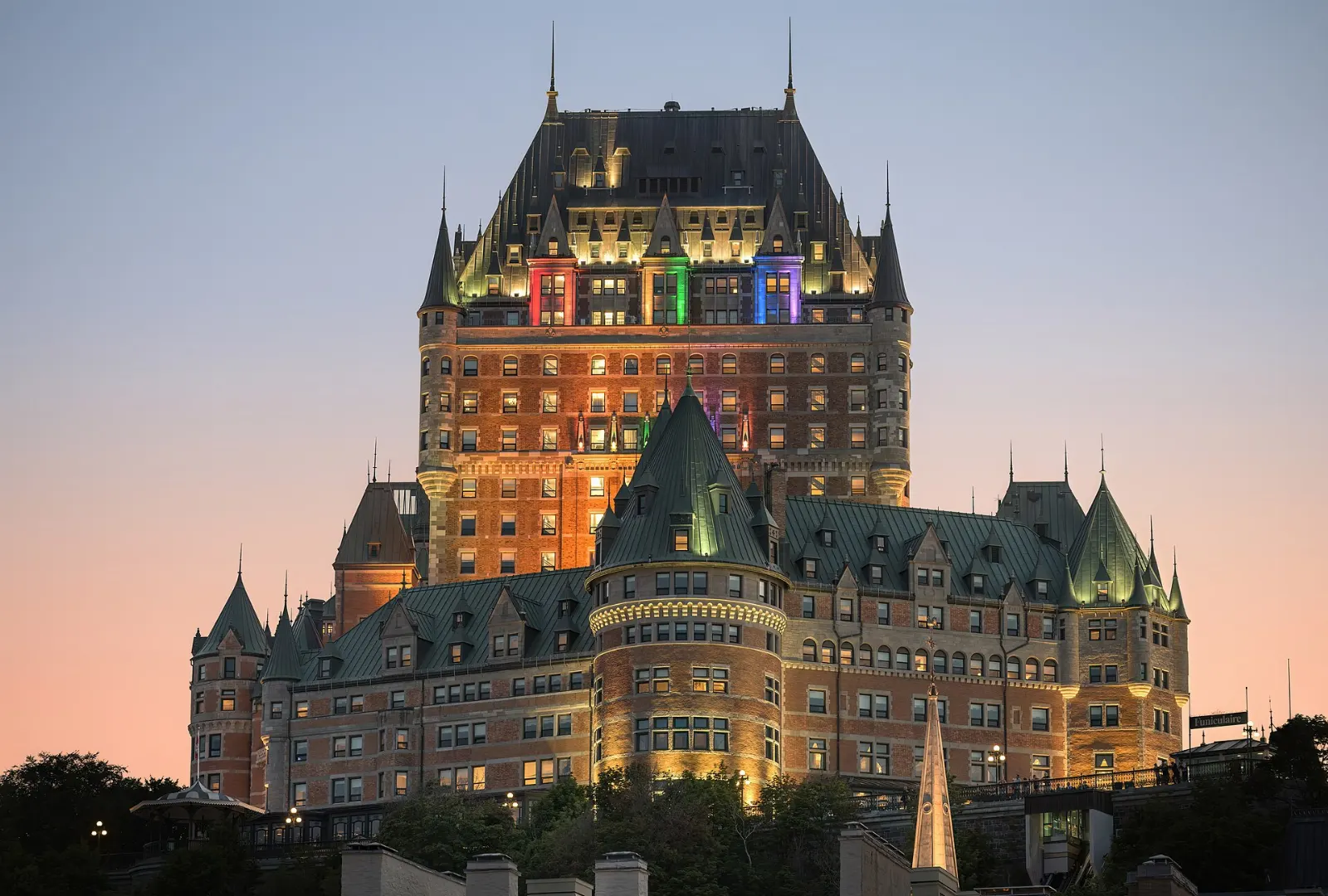
Old Quebec is a UNESCO World Heritage Site and one of only a few cities in North America that still has its original city walls. The upper and lower towns, the Château Frontenac and the narrow lanes make a rewarding half day or more. It is easy to combine with the falls, since the park is about 12 kilometers away. Wear comfortable shoes for the hills and stairs.
Old Quebec is a UNESCO World Heritage Site with its original city walls. Photo: Wilfredor, Wikimedia Commons, CC0
Wendake
The Huron-Wendat community of Wendake lies inside the Quebec City area and offers a chance to learn about Wendat history and crafts. Visit the community website to see current museum and cultural offerings before you plan the trip.
Ad
Food and local flavors near Montmorency Falls
Quebec cooking is warm and hearty. Tourtière is a savory meat pie, traditionally served around Christmas and New Year, while tarte au sucre, a sugar pie that is often made with maple syrup, is a classic dessert. Tire d'érable, also called tire sur la neige, is maple taffy poured onto snow and lifted with a stick, and it is part of the traditional culture of the region, especially in late winter.
To drink, look for cidre de glace, or ice cider, a sweet drink made from frozen apples that was first created in Quebec. Orchards on the Île d'Orléans and around Quebec City often sell it. The park has a restaurant at the manor, and nearby villages along the shore offer casual cafes and bakeries. Local markets are good for maple products.
Popular dishes to try in Montmorency Falls
Tourtière Tourtière is a savory meat pie, traditionally served around Christmas and New Year, while tarte au sucre, a sugar pie that is often made with maple syrup, is a classic dessert.Photo: El Mono Español, Wikimedia Commons, CC BY-SA 4.0Tarte au sucre Tourtière is a savory meat pie, traditionally served around Christmas and New Year, while tarte au sucre, a sugar pie that is often made with maple syrup, is a classic dessert.Photo: Arnaud 25, Wikimedia Commons, Public domainTire d'érable Tire d'érable, also called tire sur la neige, is maple taffy poured onto snow and lifted with a stick, and it is part of the traditional culture of the region, especially in…Photo: John Barnett, Wikimedia Commons, CC BY-SA 4.0Cidre de glace To drink, look for cidre de glace, or ice cider, a sweet drink made from frozen apples that was first created in Quebec.Photo: Cidre & Co, Wikimedia Commons, CC BY-SA 4.0
Where to stay
Most visitors base themselves in Old Quebec, the walled historic district. It gives you history on your doorstep, plenty of restaurants and an easy starting point for a trip to the falls by car, bus or taxi. It suits first-time visitors and anyone who wants to walk to the major sights in the evening.
Beauport, the borough that contains the falls, is quieter and much closer to the park. It is a practical choice for families and for travelers with a car who want an early start at the bridge before the crowds arrive.
The Côte-de-Beaupré, the coast east of the falls, suits those who plan to see Canyon Sainte-Anne, the basilica and the ski area. Smaller inns here give a more rural stay along the St. Lawrence, and it is a practical option in winter if you plan to ski. Book ahead for summer weekends and for the winter carnival season in Quebec City.
Where to stay in Montmorency Falls
Old Quebec Where to stayMost visitors base themselves in Old Quebec, the walled historic district.Photo: Wilfredor, Wikimedia Commons, CC0Beauport Beauport, the borough that contains the falls, is quieter and much closer to the park.Photo: Wilfredor, Wikimedia Commons, CC0Côte-de-Beaupré The Côte-de-Beaupré, the coast east of the falls, suits those who plan to see Canyon Sainte-Anne, the basilica and the ski area.Photo: Catalogne, Gédéon de (1662-1729). Cartographe Pontchartrain, Louis …, Wikimedia Commons, Public domainMontmorency Falls old town One of the best areas to base yourself in Montmorency Falls.Photo: Photographe inconnu, Archives de la Ville de Québec, Q-C1-14-N001668., Wikimedia Commons, Public domain
Ad
Best time to visit
Summer is the easiest season, with all park services running and long days for the stairs, bridge and cable car. The falls also host an international fireworks competition in summer, which adds an evening show. Autumn brings fall color along the river and cooler air, and it is a good time to avoid the largest crowds.
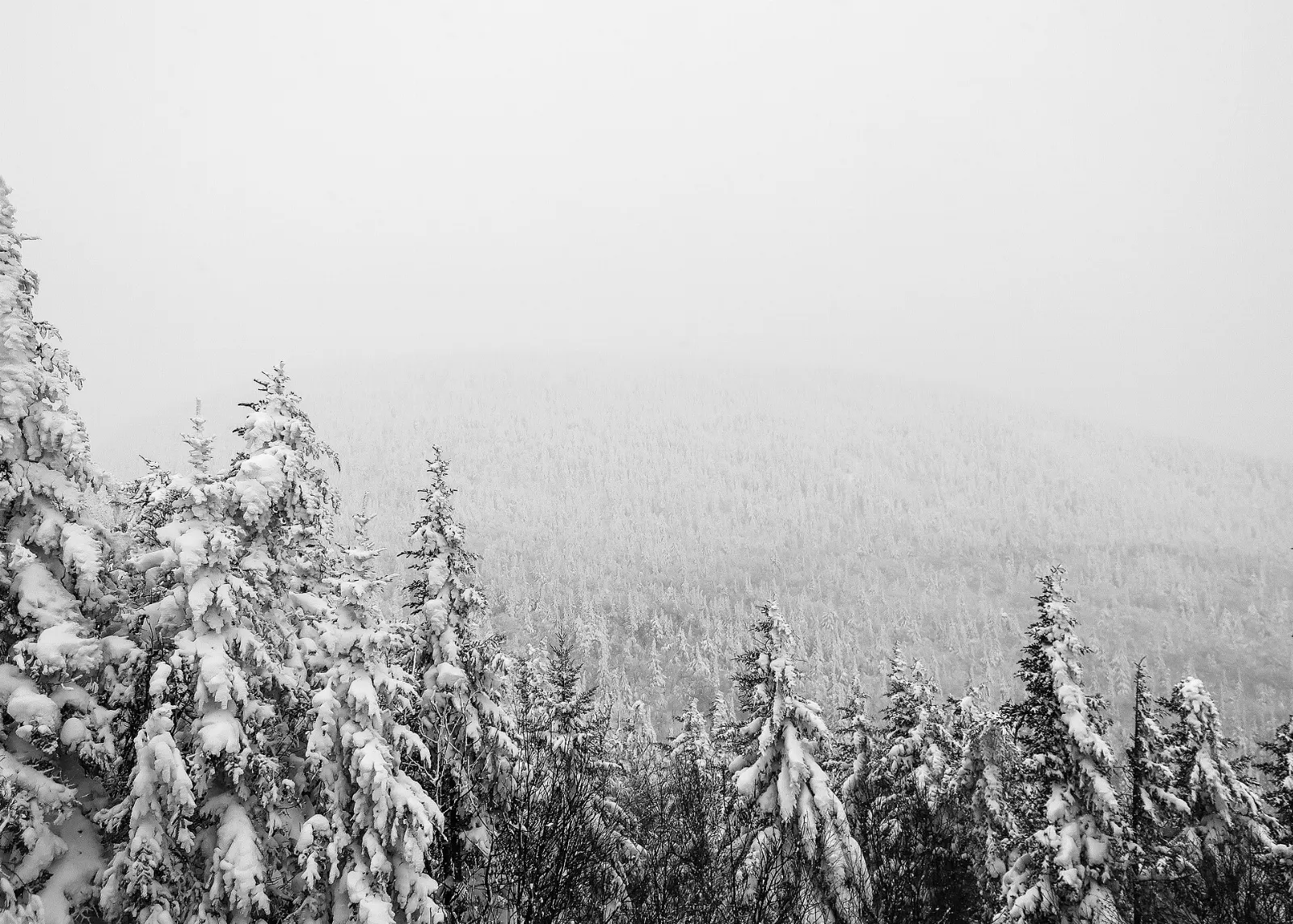
Winter is cold, snowy and striking, and the frozen spray forms the famous ice cone at the base of the falls. The Quebec Winter Carnival in Quebec City, usually held in late winter, fits well with a visit. Some services run on reduced schedules in the off-season, so check the park website for current hours and seasonal closures before you travel.
Getting there and getting around
Quebec City Jean Lesage International Airport is the nearest airport, and the falls are about 12 kilometers from the heart of the old city. By car, follow the highway along the north shore toward Beauport and watch for signs to the park. Parking is available at the top and at the base, and fees apply, so check the current arrangements.
Buses connect Quebec City with the area, and city transit lines serve the falls, so ask at your hotel for the best current route. Intercity buses also operate between Quebec City and the Beaupré coast, including Sainte-Anne-de-Beaupré. Taxis and ride services are another easy way to reach the site.
To visit Canyon Sainte-Anne and the basilica, a car is the most flexible option, since they lie 25 to 30 minutes east of the city. In winter, check road conditions and allow extra time for snow.
Ad
A suggested itinerary
First day
Reach the falls early, cross the suspension bridge, then climb the stairs and ride the cable car. Have lunch at the manor terrace, and spend the afternoon in Old Quebec before staying for dinner.
Second day
Drive east to Canyon Sainte-Anne for the bridges and the waterfall, then visit the basilica of Sainte-Anne-de-Beaupré. Return along the coast and finish with an evening drink of ice cider.
Third day
Spend a relaxed day on the Île d'Orléans, visiting orchards and villages, and add a stop in Wendake if you have time.
Practical tips
Arrive early in the day to avoid lines at the bridge and the cable car.
Wear shoes with good grip because stairs and platforms are wet near the spray.
Bring a light rain jacket in summer and warm waterproof boots in winter.
Check the park website for seasonal operating days of the cable car and other services.
Confirm Canyon Sainte-Anne dates, because it is open only from May to October.
Keep phones and cameras secure on the suspension bridge.
Allow extra time on summer weekends and fireworks evenings when roads and parking fill up.