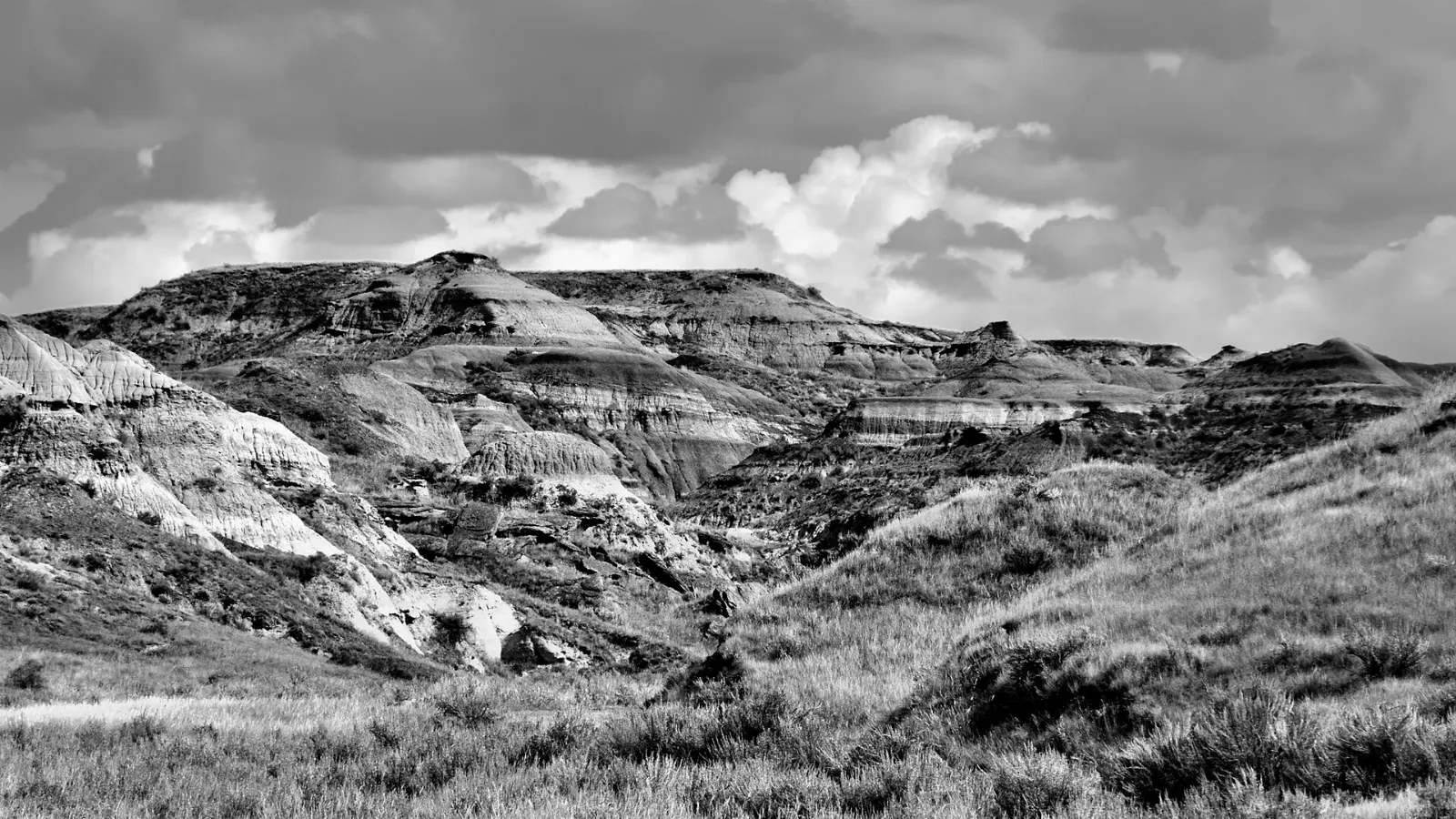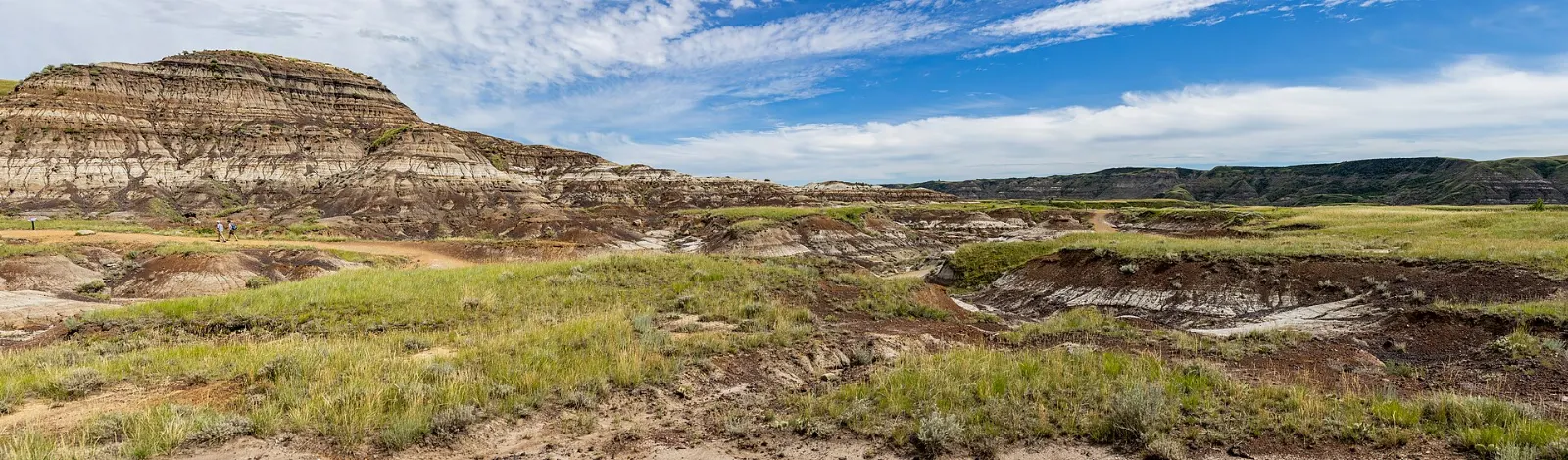
Drumheller is a small Alberta town in a deep badlands valley, and it is one of the best places in the world to learn about dinosaurs. The Red Deer River has cut through the prairie here, exposing layers of rock rich in fossils and leaving a landscape of canyons, hoodoos and old coal mines.
AT A GLANCE
Best time
Late May to early September has the fullest opening hours, while many attractions close or cut back from October to April.
How long
Allow two days to see the museum, the canyons and the mining sites without rushing.
Getting there
Drive about an hour and three quarters northeast from Calgary on Highway 9.
Why visit Drumheller
Drumheller's fame comes from its fossils. The valley is a hub for palaeontology in Canada, and the Royal Tyrrell Museum draws hundreds of thousands of visitors each year.
It is also easy to reach, which makes it a popular road trip from Calgary. Stay overnight and you gain time for the quieter canyons, the hoodoos and the small prairie villages that lie along the valley roads.
Dinosaurs and the town
Royal Tyrrell Museum of Palaeontology
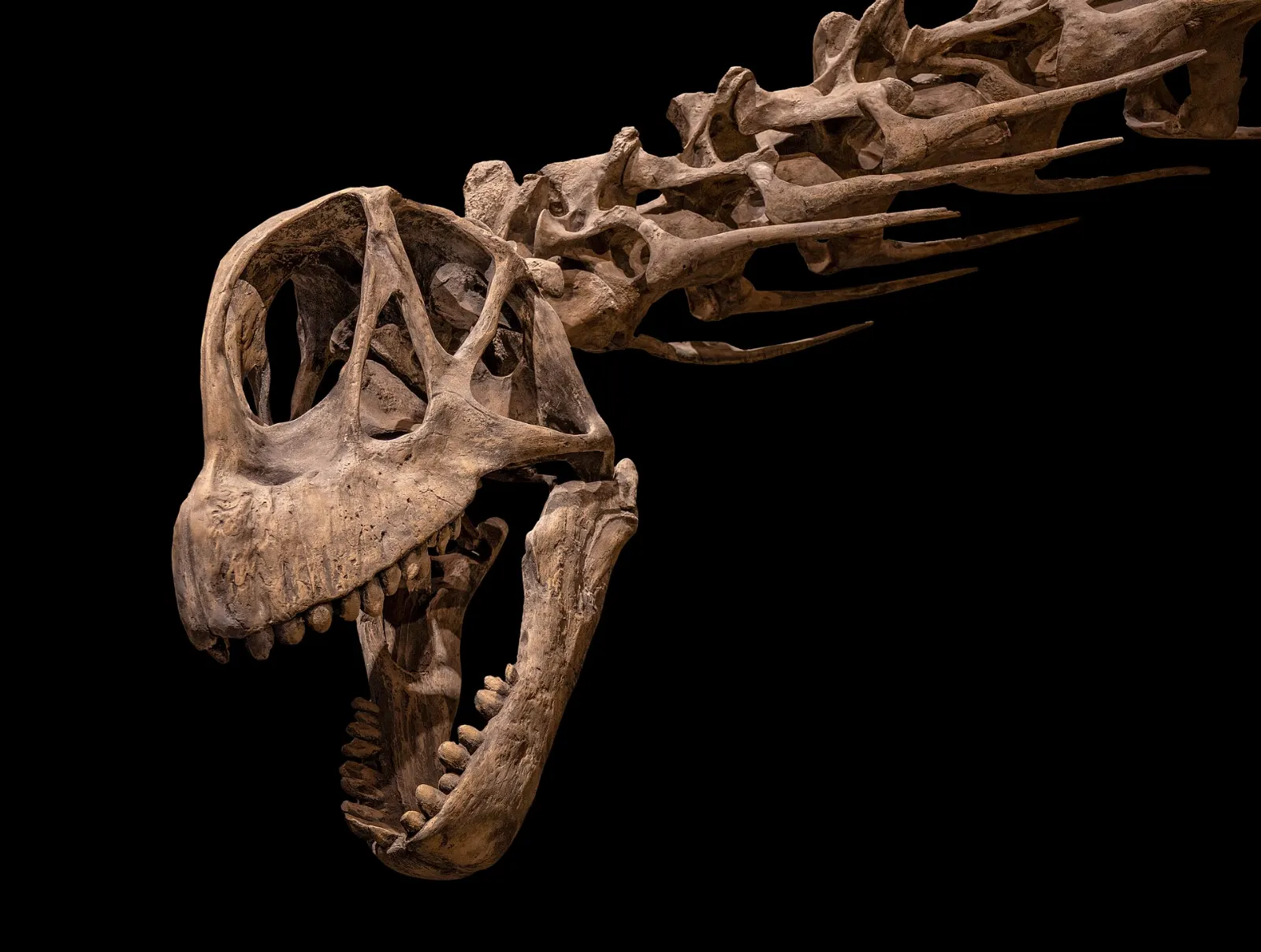
The museum opened in 1985 and holds more than 160,000 catalogued fossils, the largest collection in Canada. Its halls take you from the earliest life through the age of dinosaurs and beyond, and trails outside introduce the badlands geology.
World's Largest Dinosaur
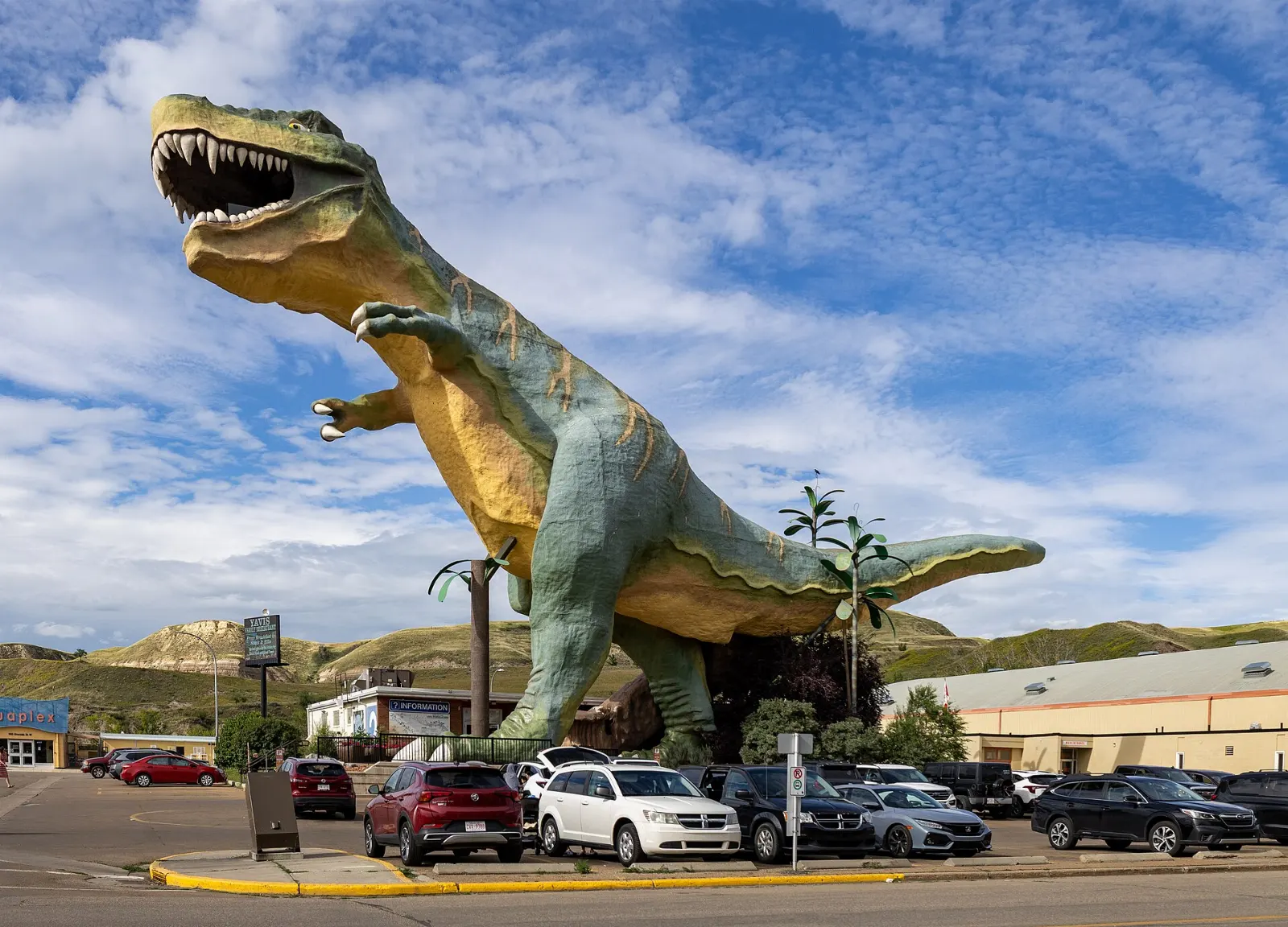
Beside the visitor centre near the river bridge stands an 86 foot fibreglass Tyrannosaurus rex that you can climb inside for a view over the valley.
Midland Provincial Park
The museum stands on the site of an old coal mine in Midland Provincial Park, which has day use areas and short walks among badlands slopes. These are free to enjoy, and clear paths with signs explain the geology.
Homestead Antique Museum
This collection of Victorian and Edwardian artifacts includes a complete house that was bought from a mail-order catalogue. It is an easy rainy-day stop of an hour or so, usually open in the main tourist season.
Canyons, hoodoos and the Dinosaur Trail
Horseshoe Canyon
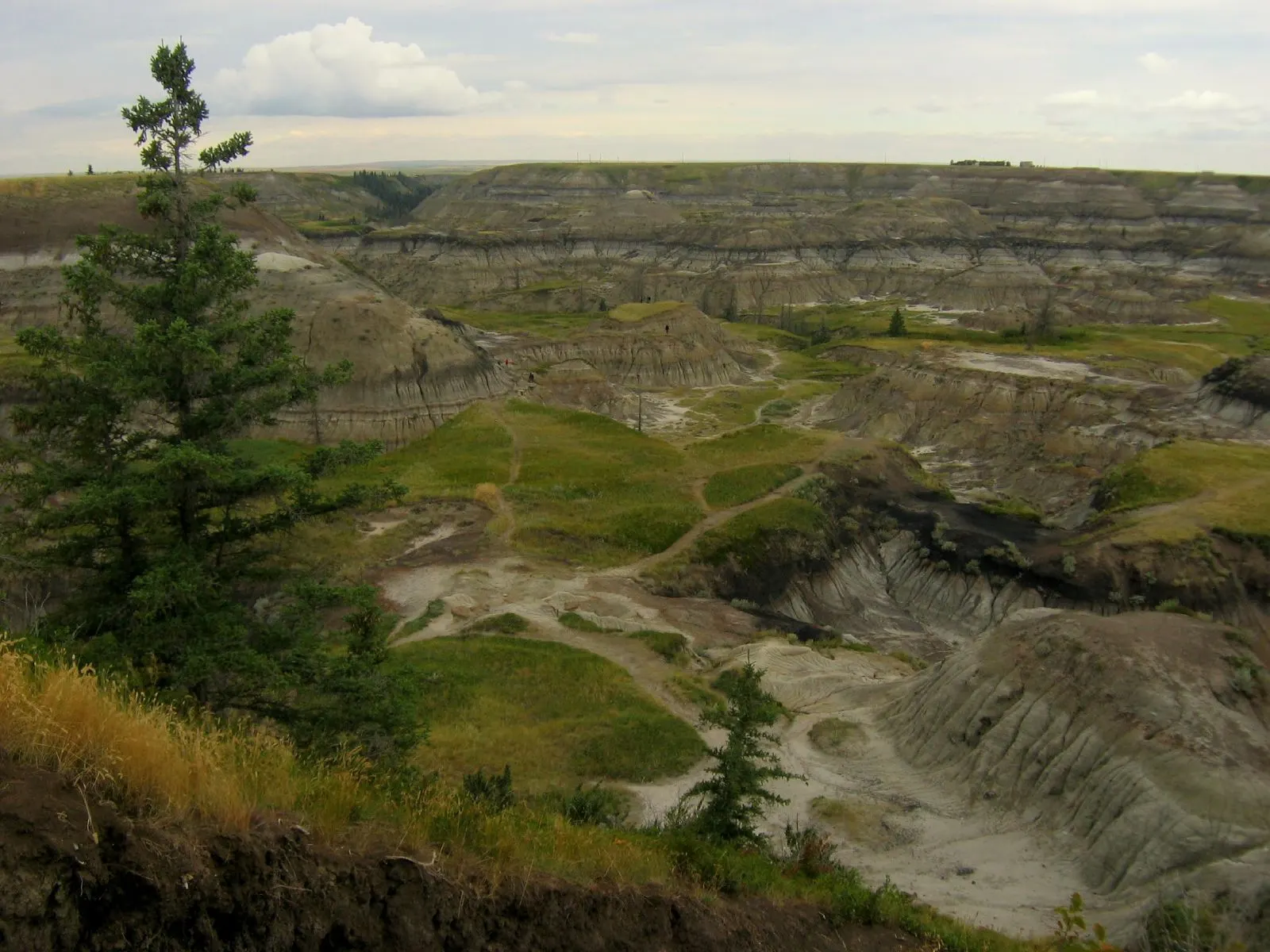
About 23 kilometres southwest of town on Highway 9, this classic badlands canyon has banded walls and trails you can walk down into. It is lovely in the late afternoon light.
Horsethief Canyon
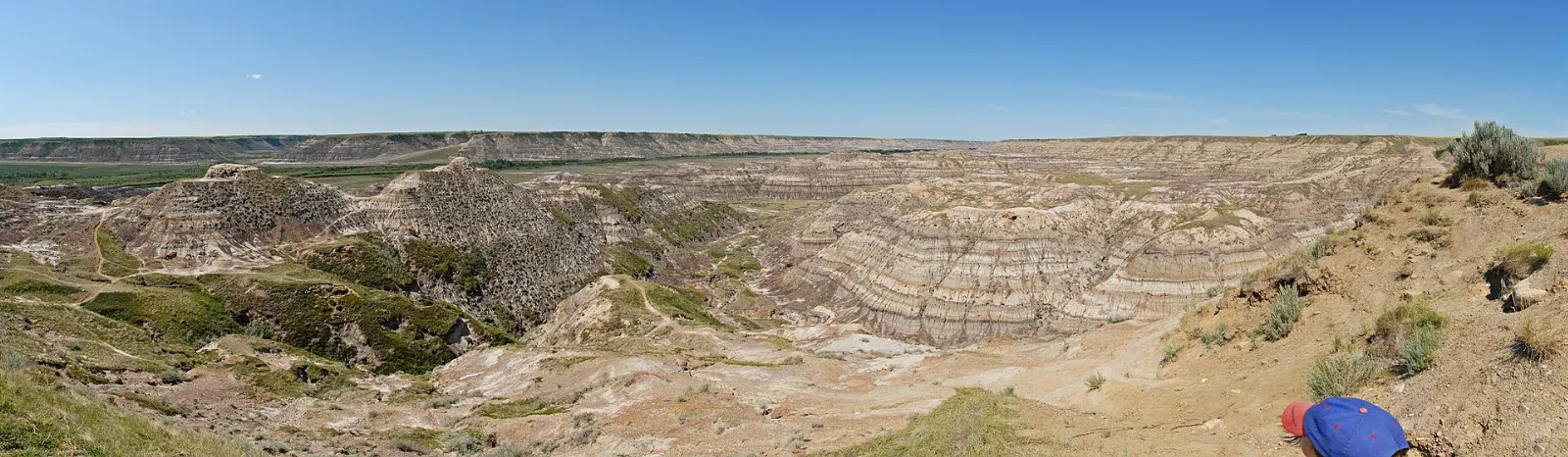
North of town on the Dinosaur Trail, this lookout gives a wide view of the river valley and the hills beyond. It combines well with the museum, and a short visit of 30 to 45 minutes is plenty.
Hoodoos Trail
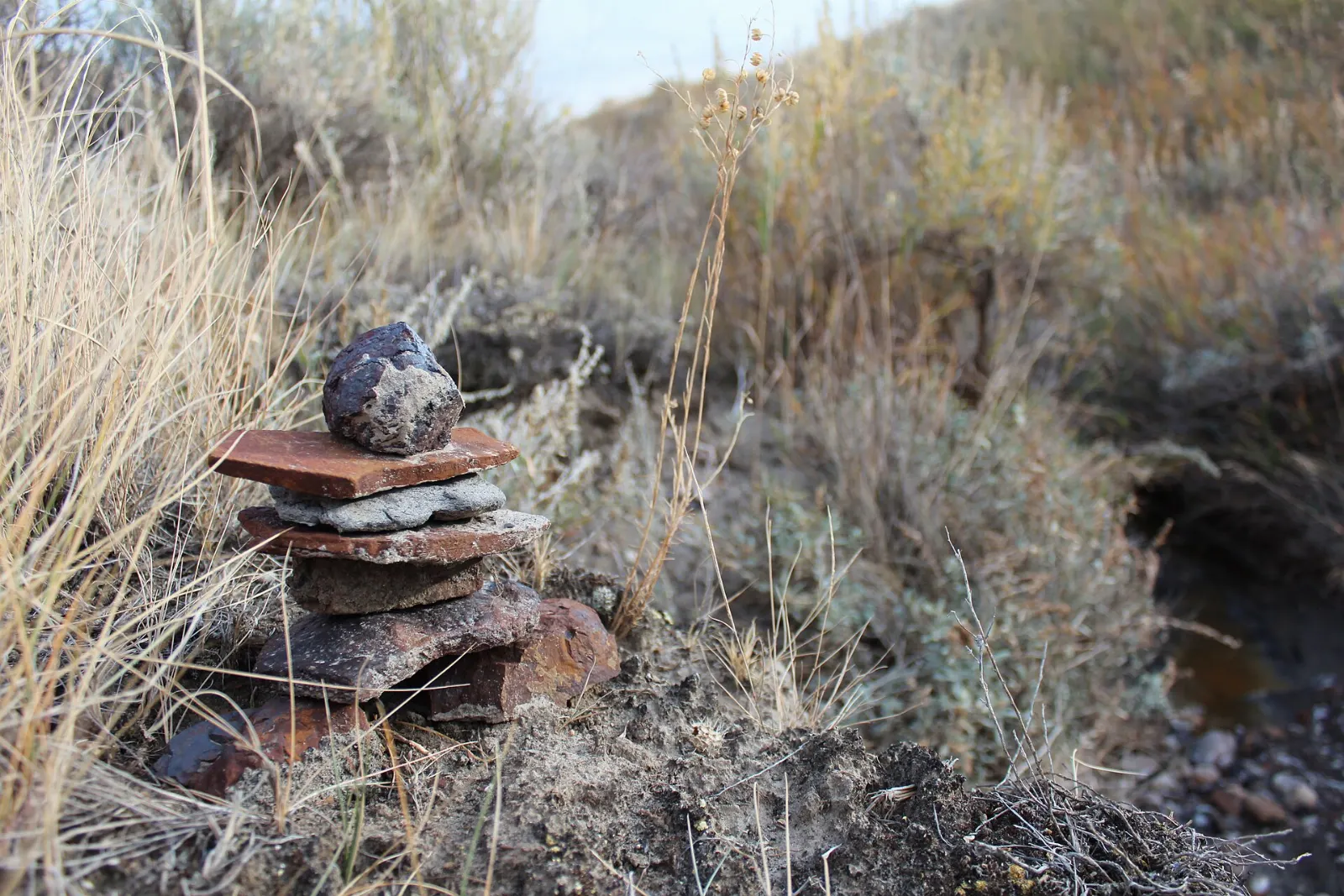
Southeast of Drumheller along Highway 10, near Cambria and the road to East Coulee, a short loop trail visits a group of hoodoos, the stone columns with harder caps.
Dinosaur Trail loop and Bleriot Ferry
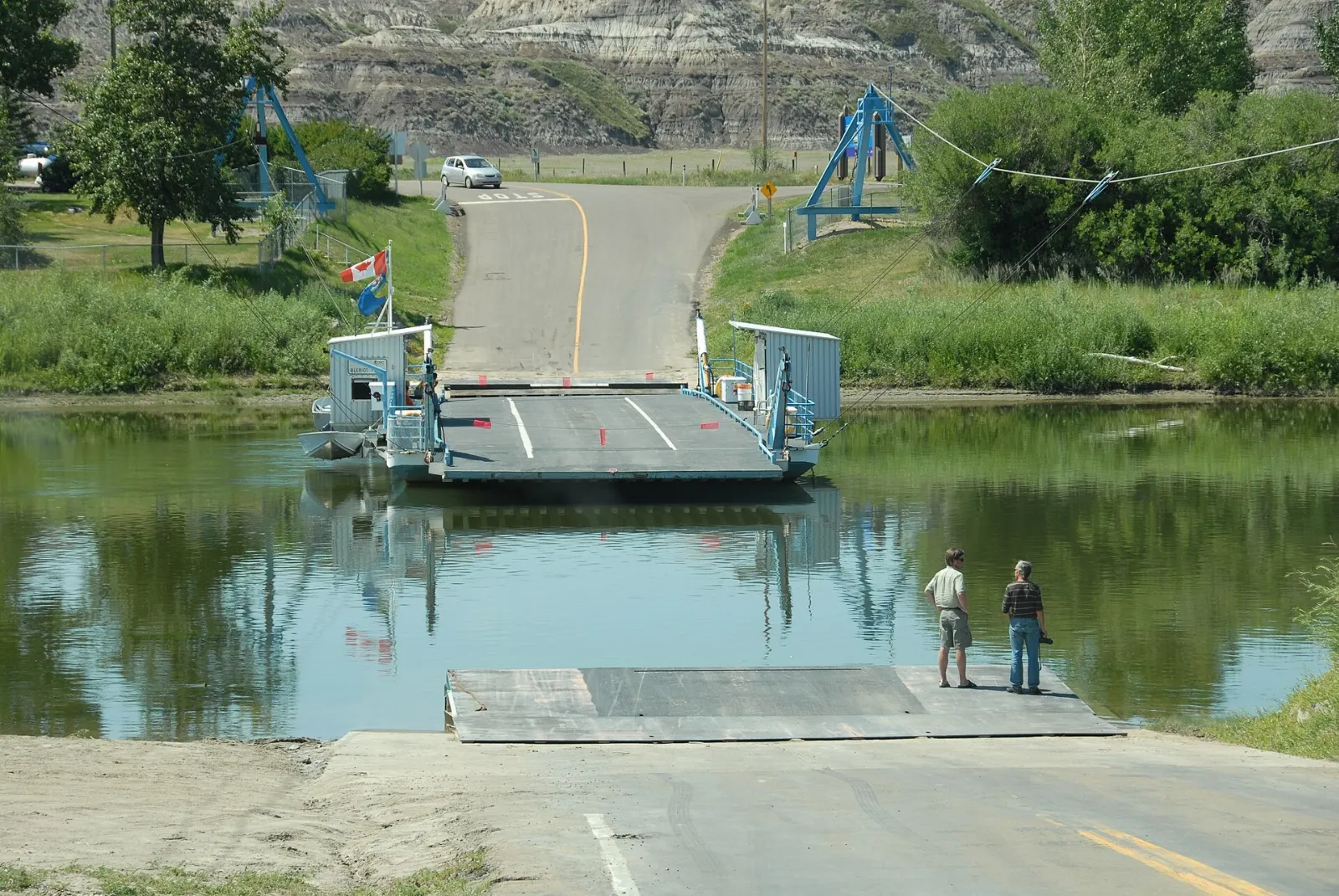
The 48 kilometre loop follows Highway 838 northwest past the museum and Horsethief Canyon, crosses the Red Deer River on the small Bleriot Ferry, then returns along the west bank.
Mining heritage and nearby stops
Atlas Coal Mine National Historic Site
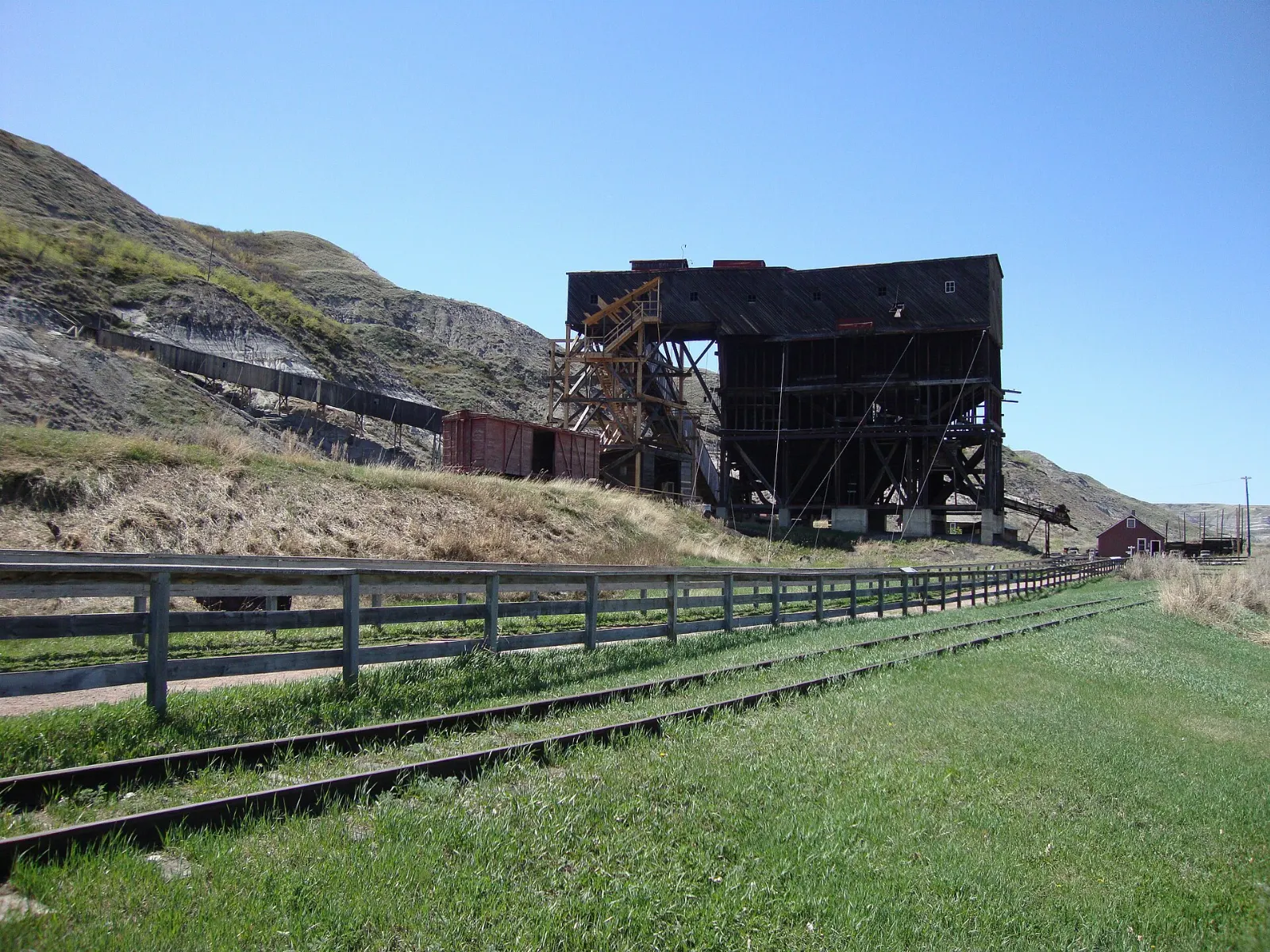
In East Coulee, about 20 kilometres southeast, this former mine operated from 1936 to 1979 and keeps Canada's last standing wooden coal tipple. Tours show how miners worked and what the machinery did.
Rosebud
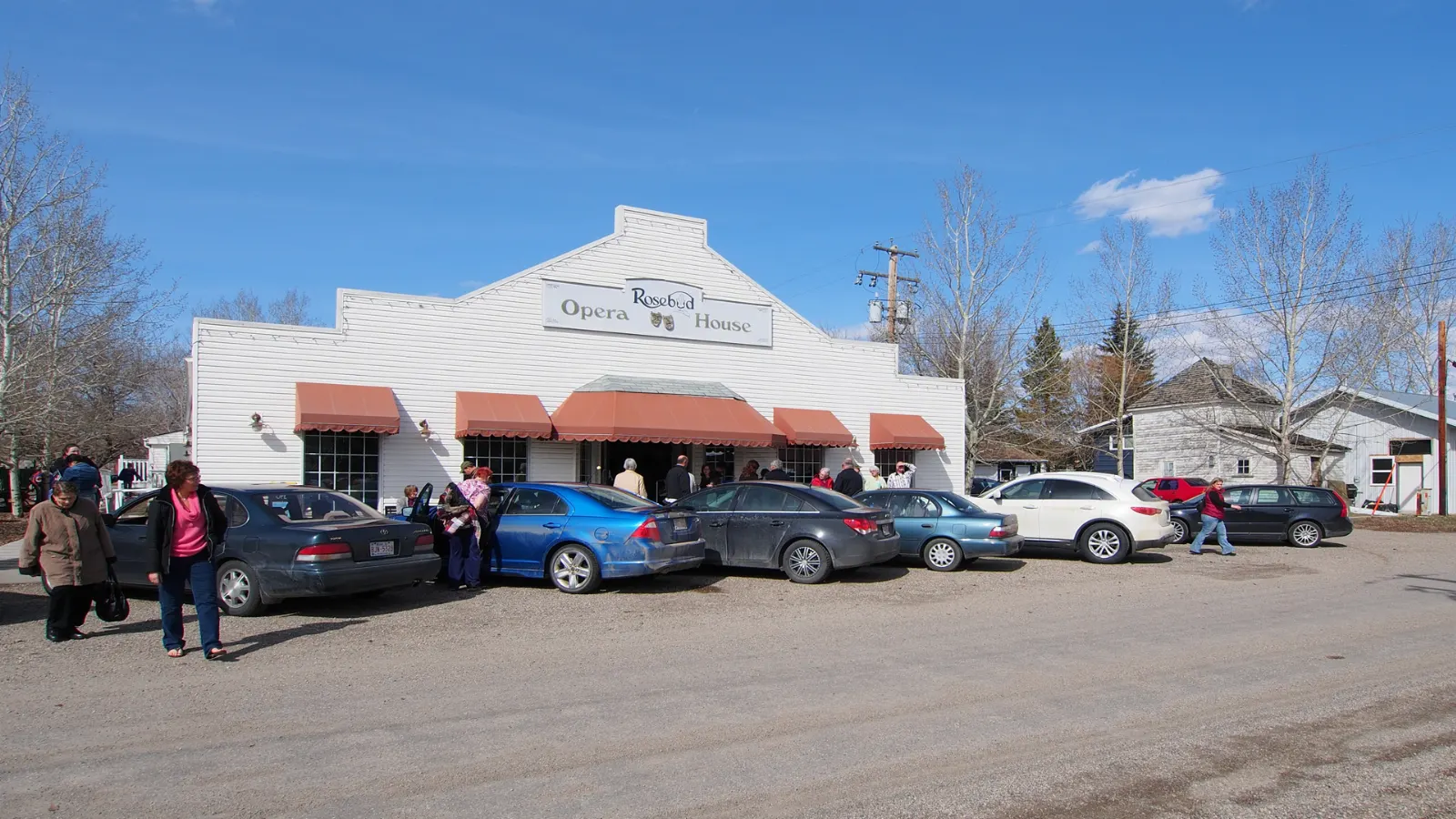
The small village of Rosebud lies about 35 kilometres southwest and is known for its professional theatre in a heritage setting.
Dinosaur Provincial Park
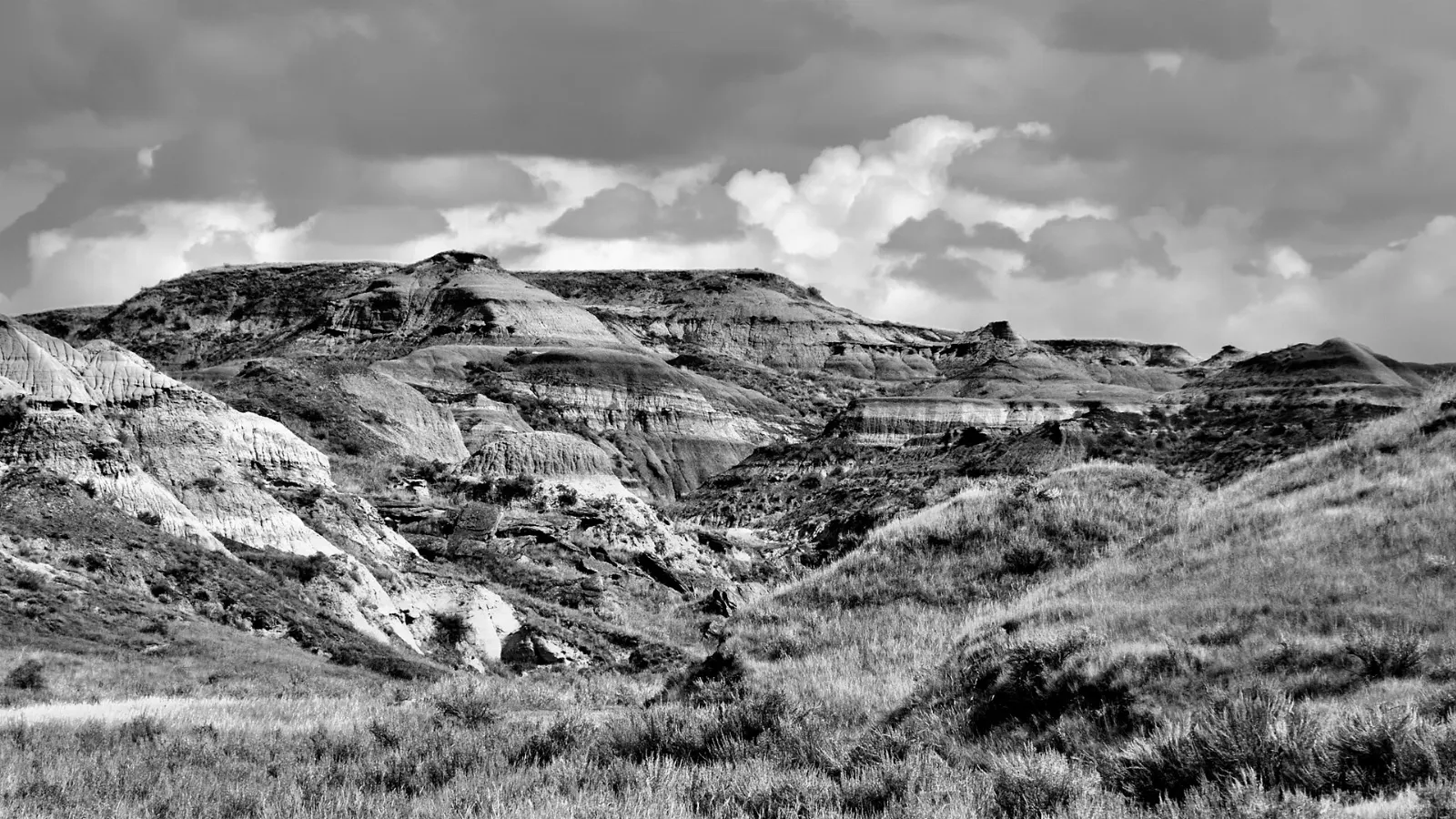
Near Brooks, about two hours by car, this UNESCO World Heritage Site is one of the richest fossil areas in the world and complements the museum well.
 Planning a trip to Drumheller?Compare hotels, flights and vacation rentals for Drumheller on Expedia.Book now
Food and local flavors
Drumheller's food is simple prairie fare. Look for Alberta beef on local menus, usually as a steak or a burger, since this is cattle country. Many places also serve a bison burger, a leaner and slightly sweeter alternative.
Most restaurants, pubs and cafes are clustered downtown around Railway Avenue and Centre Street, within a short walk of the river bridge. Summer weekends can be busy, so eat a little earlier than usual.
Popular dishes to try in Drumheller


Where to stay
Downtown Drumheller is the easiest base for most visitors.
Highway 9 South has a cluster of motels and larger hotels with pools, which suits families who want facilities and easy parking. A car is needed here.
East Coulee suits travellers who want a quieter setting near the mine and the hoodoos, with fewer services and a peaceful evening landscape.
Rosebud suits visitors planning a night at the theatre, and it feels very different from the main tourist strip.
Where to stay in Drumheller


Best time to visit
Drumheller's tourism is strongly seasonal. From late May to early September attractions have their longest hours and the Dinosaur Trail loop is in full swing.
From October to April many attractions close or open for limited hours, and winters are very cold in this semi-arid valley. If you visit then, confirm hours first. Spring and autumn are quieter and cooler, and are good for hiking if the trails are dry.
Getting there and getting around
Drumheller lies at the meeting point of several provincial highways, including 9, 10, 56, 575 and 576. From Calgary, the usual route follows Highway 1 east to Highway 9 and then north and east to town, a drive of roughly an hour and three quarters.
The downtown core is compact and walkable, but you will need a car for the museum, canyons and mining sites. Roads between sights are scenic and well signed. Bicycles are possible but hot in summer, and bike lanes are limited.
A suggested itinerary
First day
Start with the Royal Tyrrell Museum and its outdoor trails, then drive on to Horsethief Canyon.
Second day
Drive southeast along Highway 10 to the hoodoos and Atlas Coal Mine in East Coulee.
Optional third day
Take the Dinosaur Trail loop and Bleriot Ferry, or continue to Dinosaur Provincial Park near Brooks.
Practical tips
- Check seasonal opening hours before you travel, because many sites close or cut back from October to April.
- Carry plenty of water and sun protection, since summer days are hot and shade is scarce.
- Bring insect repellent, as mosquitoes are common by the river.
- Wear sturdy shoes and avoid canyon trails after rain, when the rock is slippery.
- Stay on marked trails and do not remove fossils or climb on hoodoos.
- Ask at the visitor centre for the Bleriot Ferry schedule before you plan the Dinosaur Trail.