Head-Smashed-In Buffalo Jump, Alberta · Travel guide
Head-Smashed-In Buffalo Jump Alberta Blackfoot History
Head-Smashed-In Buffalo Jump is a museum of Blackfoot culture set on a sandstone cliff where the foothills of the Rocky Mountains begin to rise from the prairie. For about 5,500 years, people drove bison over this edge, and today the site is a UNESCO World Heritage Site.
By WiserMap TravelUpdated October 20266 places8 min read
Best timeSummer has the longest opening hours and the cultural events, while quieter seasons suit those who prefer solitude.
How longAllow half a day at the site, or a full day with Fort Macleod.
Getting thereDrive about 18 km west of Fort Macleod, reached from Highway 2 by Highway 785.
Ad
Why visit Head-Smashed-In Buffalo Jump
Head-Smashed-In sits about 18 km west of Fort Macleod, Alberta, and is a UNESCO-listed buffalo jump in the foothills. Its Blackfoot name is Estipah-skikikini-kots, and the English name comes from a story about a young man who stood below the cliff to watch the hunt and was buried under falling animals.
What makes the visit special is the way the story is told. Exhibits present the ecology, mythology, lifestyle and technology of the Blackfoot from both Indigenous and archaeological viewpoints, and the setting lets you stand where it all happened.
At the buffalo jump
The interpretive centre
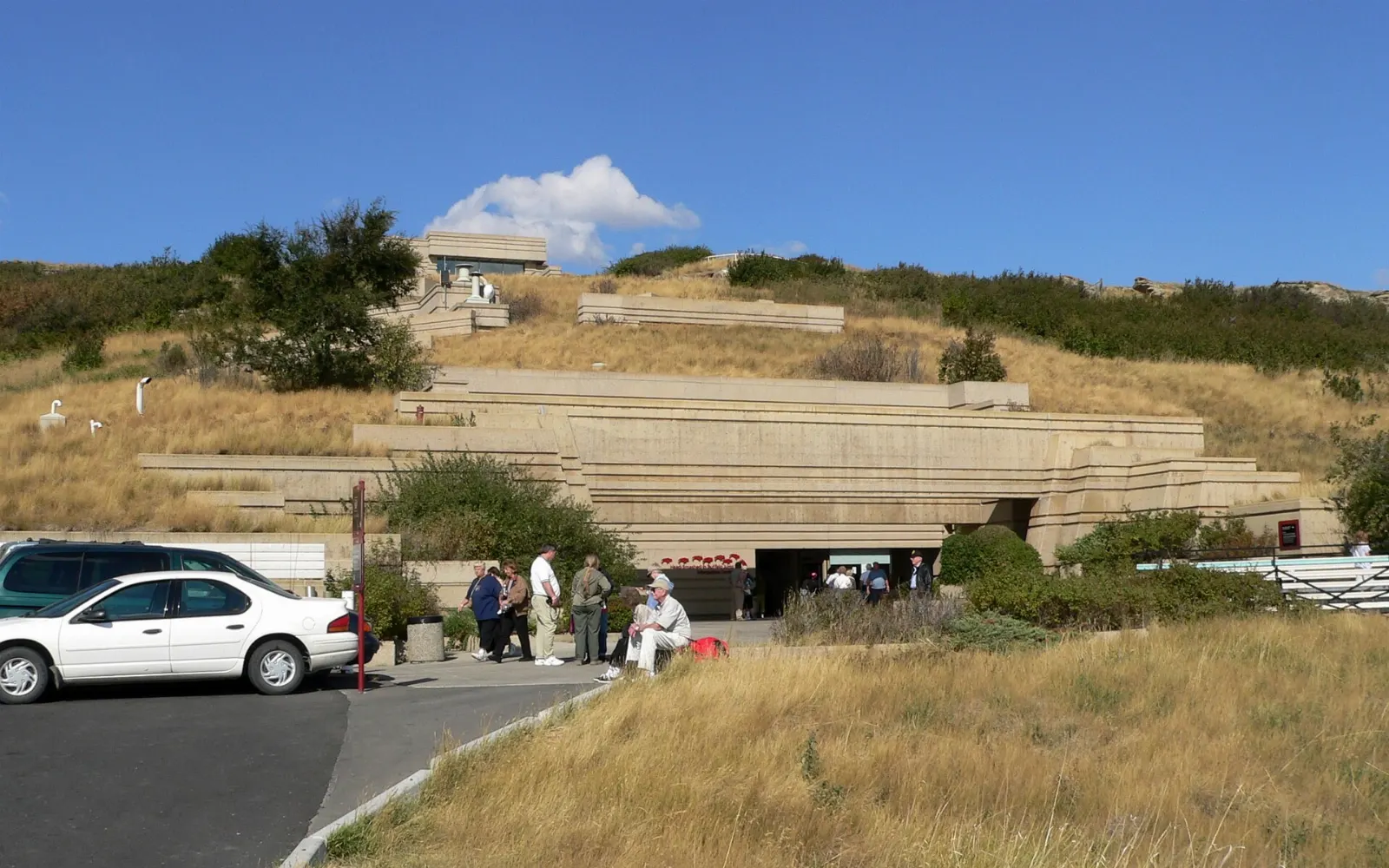
Opened in 1987, the centre is built naturally into the sandstone cliff and has five levels covering ecology, mythology, lifestyle and technology. It received the Governor General's gold medal for architecture in 1990.
The interpretive centre opened in 1987 and is built into the cliff itself. Photo: Ken Thomas, Wikimedia Commons, Public domain
The cliff and drive lanes
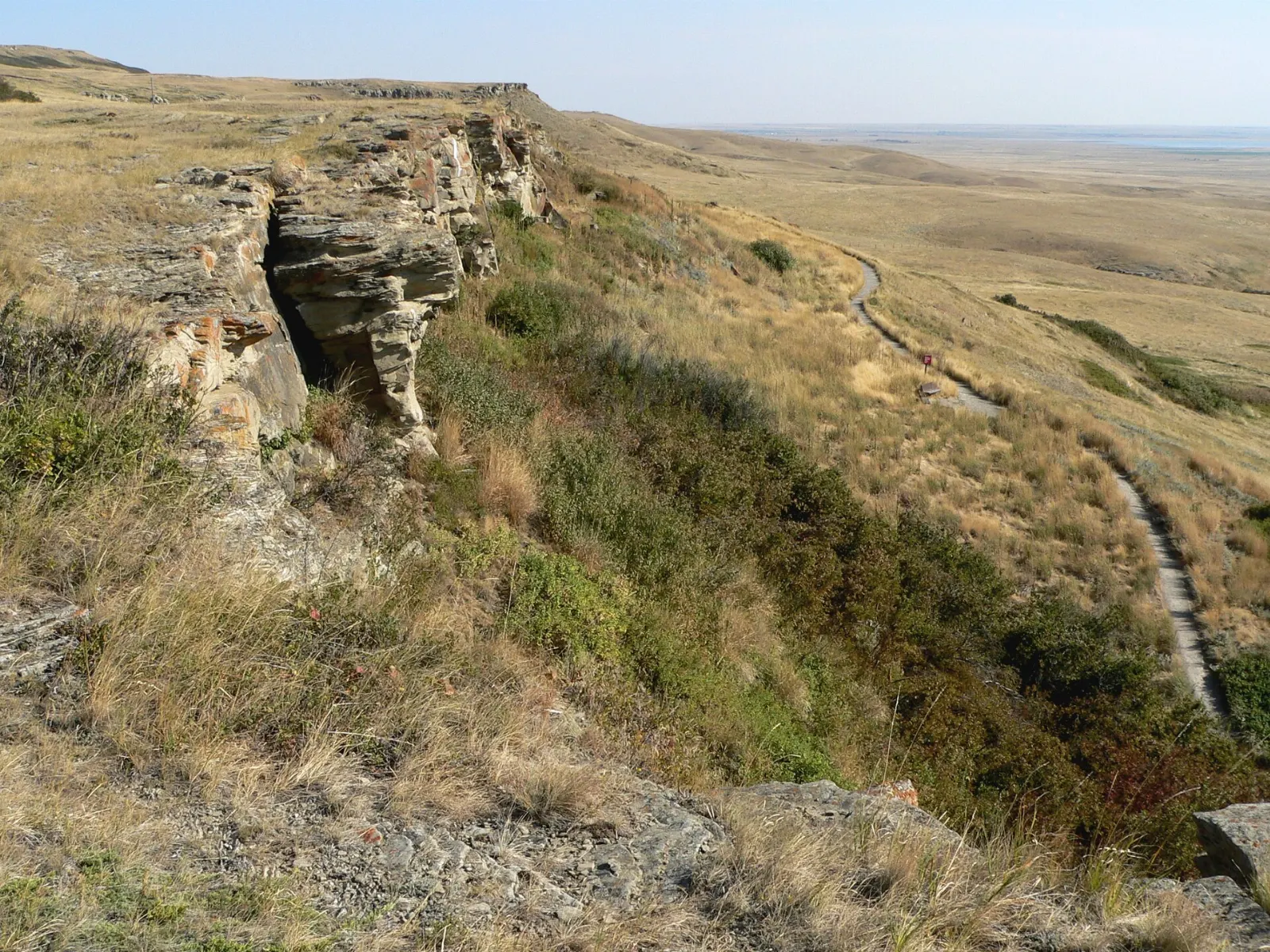
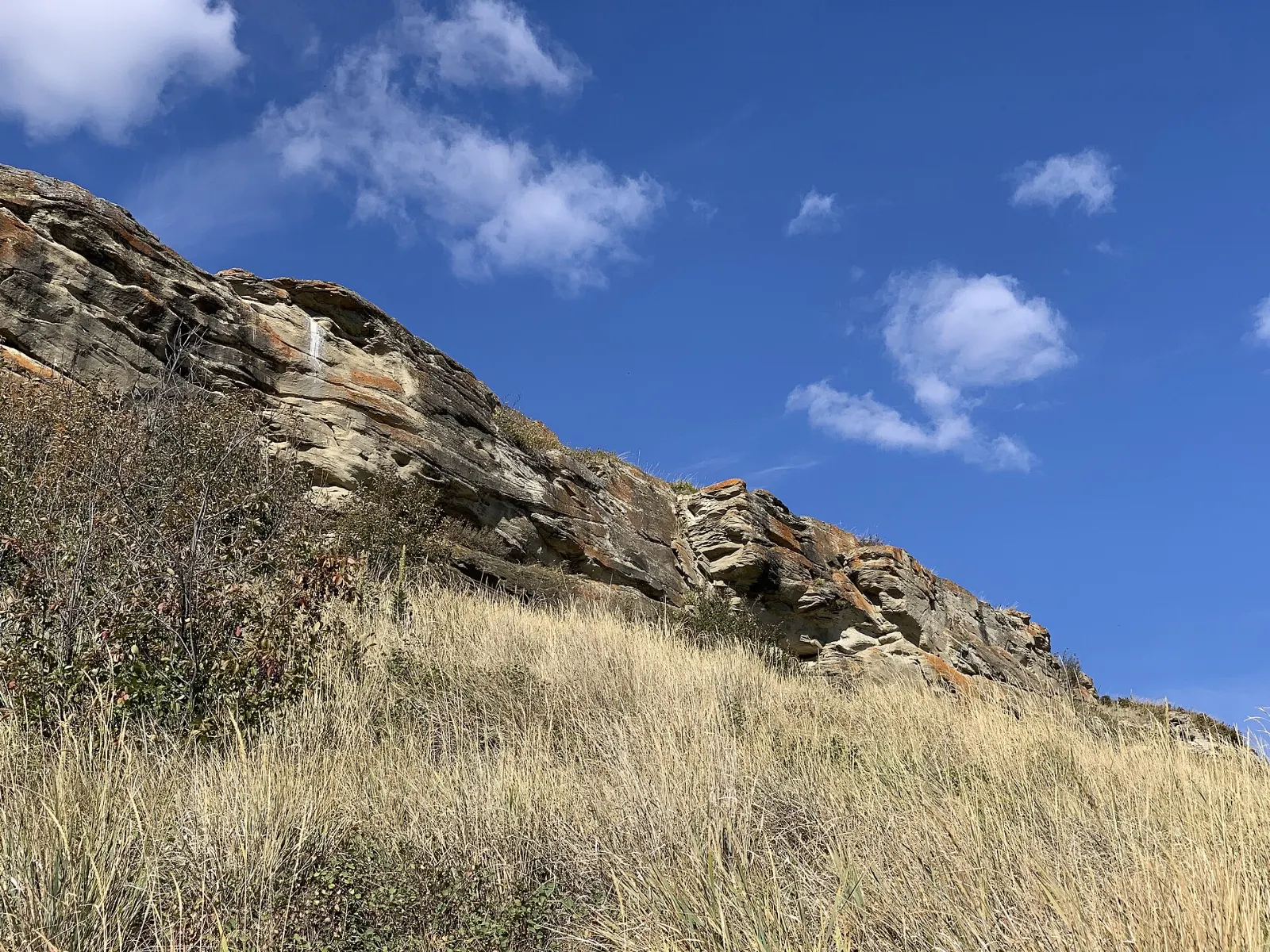
Walk the trails around the cliff to understand how the hunt worked. The cliff is about 300 meters long and drops around 10 meters, with bone deposits that reach roughly 12 meters deep.
Bison were driven over this cliff for about 5,500 years. Photo: Pazakui, Wikimedia Commons, CC BY 4.0
The Porcupine Hills approach
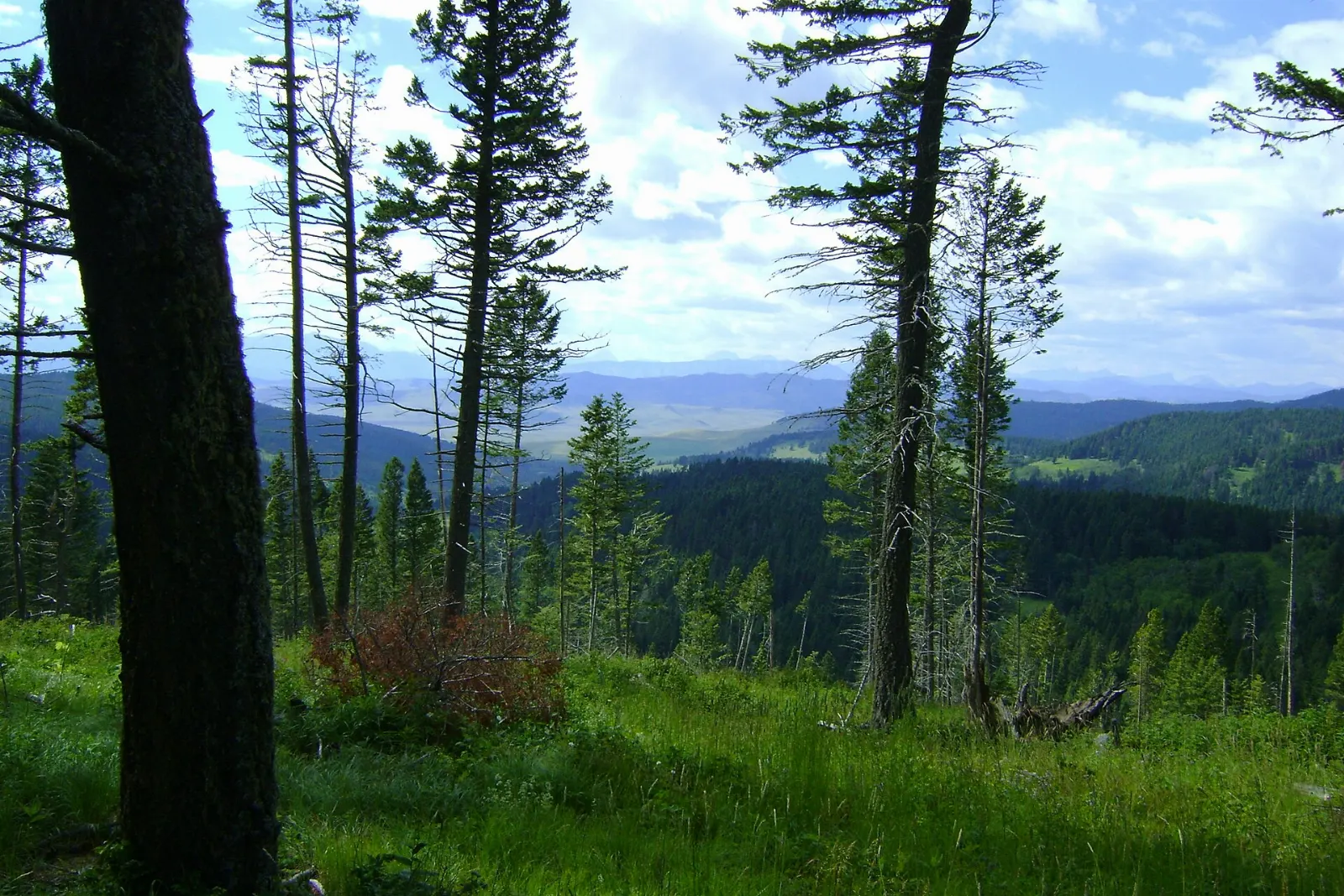
The hunt began in the Porcupine Hills, roughly 3 km west of the cliff. Young men, known as buffalo runners, dressed as coyotes and wolves to guide bison into the drive lanes before the use of horses.
Drive lanes marked with cairns funnelled bison toward the cliff. Photo: Tiado, Wikimedia Commons, CC BY-SA 3.0
Events and demonstrations
The centre hosts special events, including Buffalo Harvest Days, when First Nations artists and craftspeople show jewelry, clothing, art and crafts.
The Joe Crowshoe Sr. Lodge
The lodge honors Joe Crowshoe Sr., a ceremonial elder of the Piikani Nation who was instrumental in developing the site. He dedicated his life to preserving Aboriginal culture and relationships between peoples.
Ad
Fort Macleod and Pincher Creek
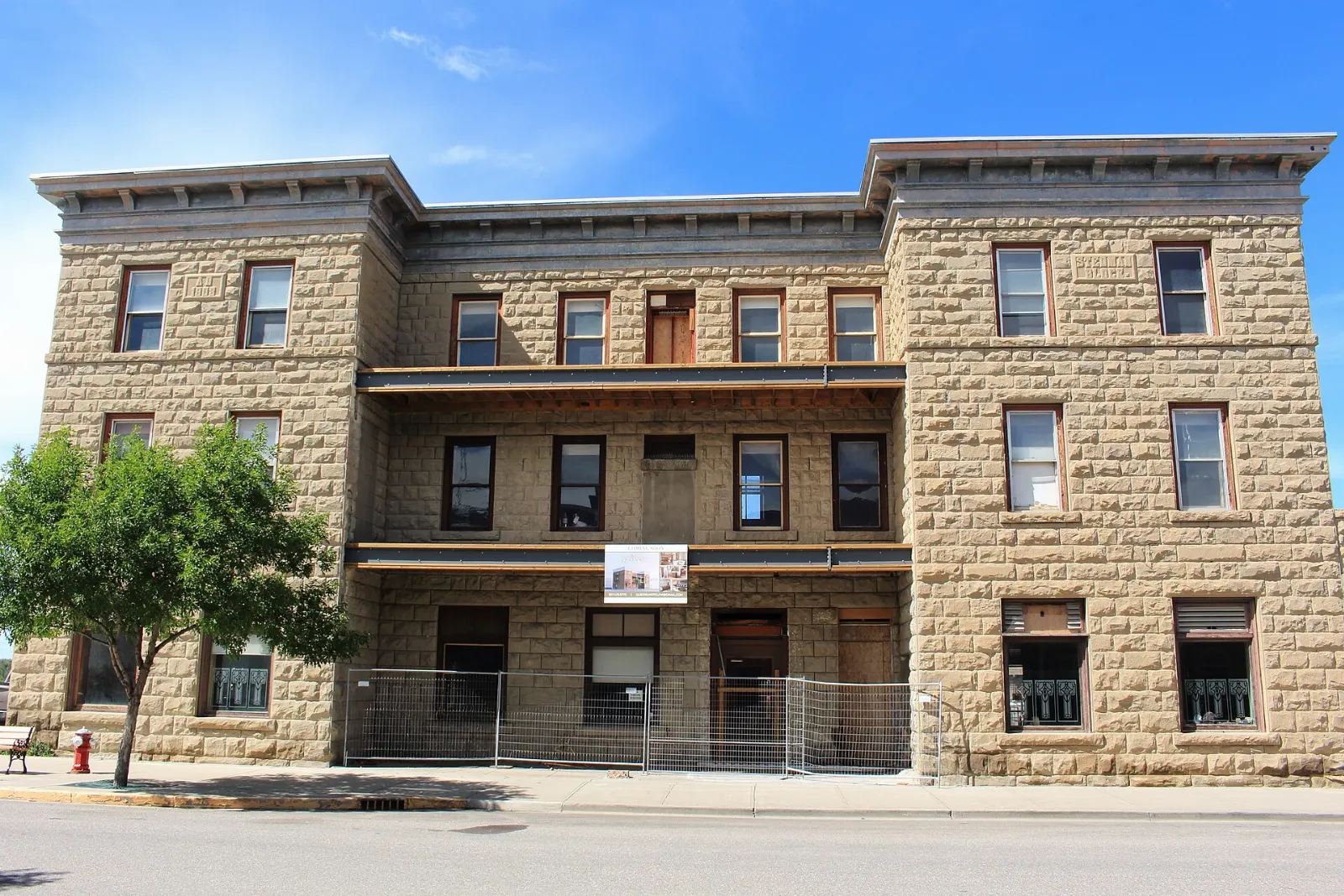
Fort Macleod historic downtown
The town grew around a North-West Mounted Police fort built in 1874 and moved to its present site in 1884.
This museum explores how the Mounted Police brought British authority to the Canadian plains in the 19th century. Summer brings horseback riding demonstrations, though opening times change by season.
Empress Theatre
The Empress Theatre on Main Street is a historic venue that still hosts performances. See what is on during your stay, as an evening show makes a pleasant end to a day outdoors.
Kootenai Brown Pioneer Village
In Pincher Creek, about 100 km west of Lethbridge, this village has 27 heritage cabins and two museum buildings, along with the visitor information centre.
Kootenai Brown Pioneer Village has heritage cabins in Pincher Creek. Photo: Royalbroil, Wikimedia Commons, CC BY-SA 4.0
Heritage Acres Farm Museum
Heritage Acres features more than 50 relocated and restored buildings, including barns, a schoolhouse, a church and a blacksmith shop. It is open seasonally, so confirm dates before visiting.
Oldman River Dam
The dam lies about 14 km northeast of Pincher Creek, where the Oldman, Crowsnest and Castle river systems converge. It was completed in 1991 and gives an easy stop for views of the reservoir.
The Oldman River Dam stands where the Oldman, Crowsnest and Castle systems meet. Photo: Tiado, Wikimedia Commons, CC BY-SA 3.0
Food and local flavors
The plains kitchen is built around bison, berries and flatbread. Pemmican is a mixture of dried meat, rendered fat and sometimes dried saskatoon berries, an Indigenous food of the plains that became a staple for fur traders.
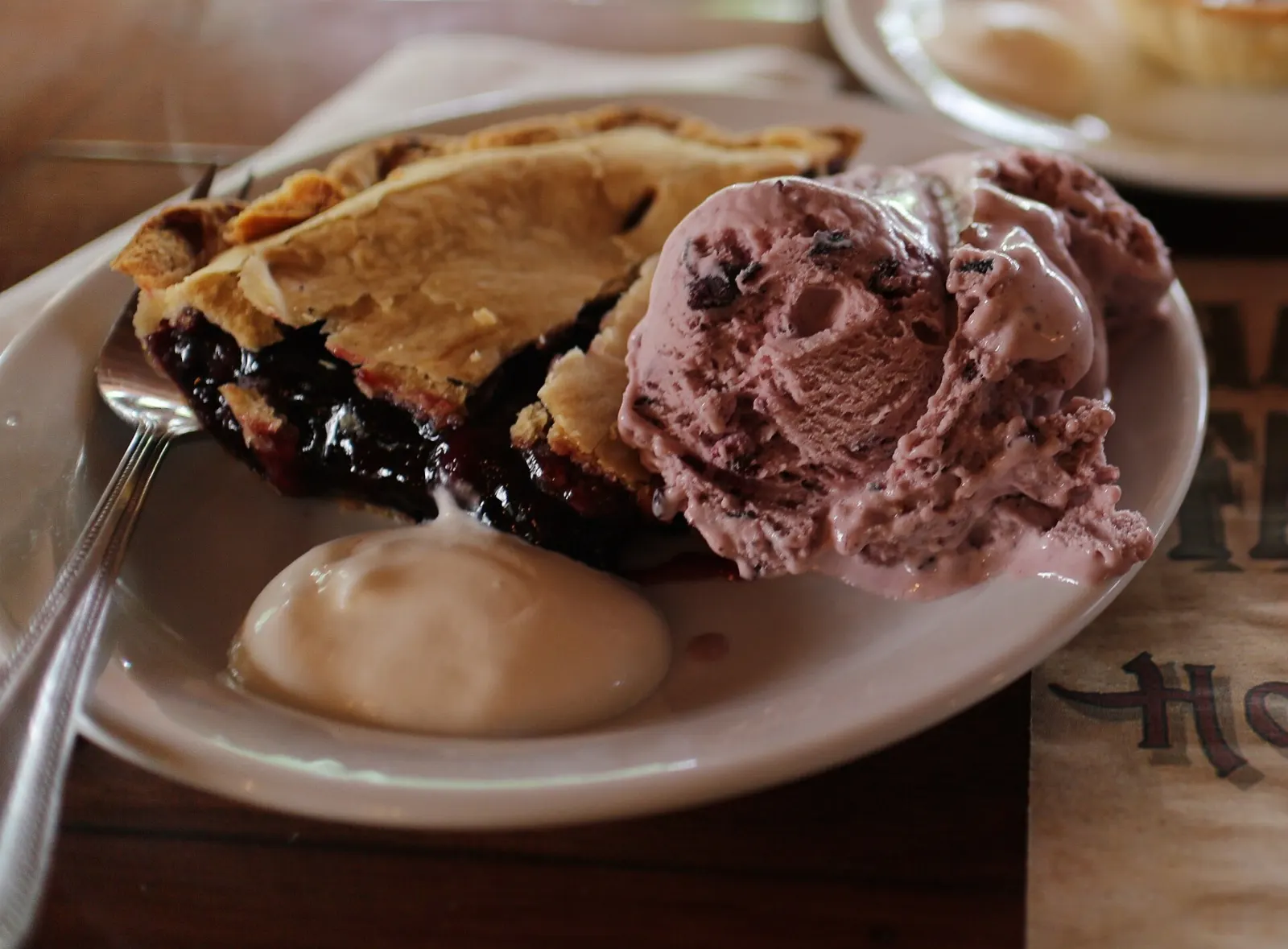
Look for bison stew on menus around southern Alberta, and finish with saskatoon berry pie, made from the purple fruit that grows in prairie coulees.
Fort Macleod's Main Street has cafes and shops, and Lethbridge offers a wider range, shaped by Japanese, German, Ukrainian, Dutch, Mormon and Hutterite influences.
Popular dishes to try in Head-Smashed-In Buffalo Jump
Pemmican Pemmican is a mixture of dried meat, rendered fat and sometimes dried saskatoon berries, an Indigenous food of the plains that became a staple for fur traders.Photo: Jen Arrr, Wikimedia Commons, CC BY 2.0Saskatoon berry pie Look for bison stew on menus around southern Alberta, and finish with saskatoon berry pie, made from the purple fruit that grows in prairie coulees.Photo: Jonathan Schilling, Wikimedia Commons, CC BY-SA 4.0Bannock Bannock is a pan-fried or baked bread, widely enjoyed as a native delicacy.Photo: Skorp, Wikimedia Commons, CC0
Ad
Where to stay
Fort Macleod is the closest base, roughly 18 km from the site, with a historic downtown and easy access to Highways 2 and 3.
Pincher Creek lies in the foothills and is a good base for exploring provincial parks and heritage sites.
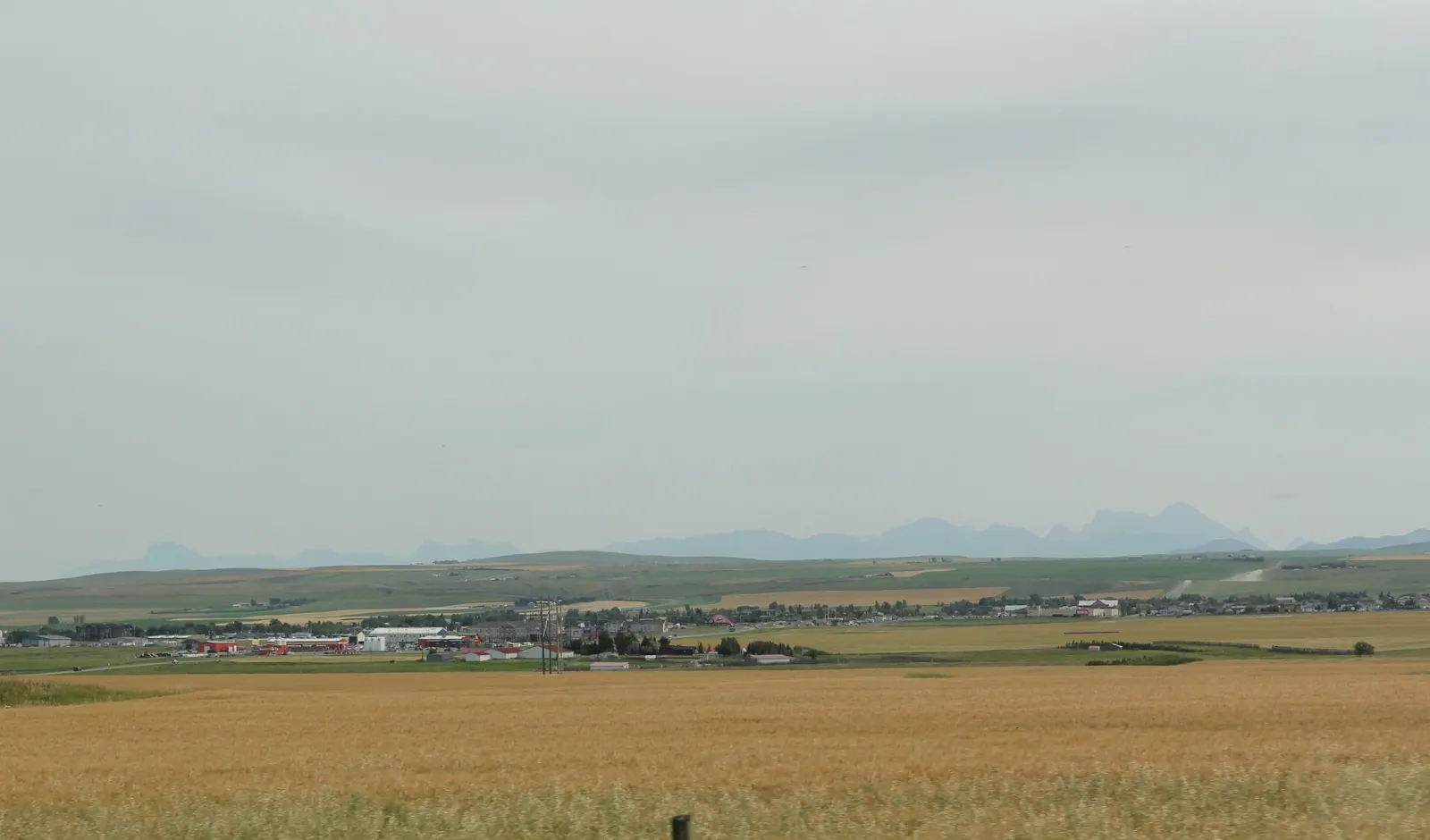
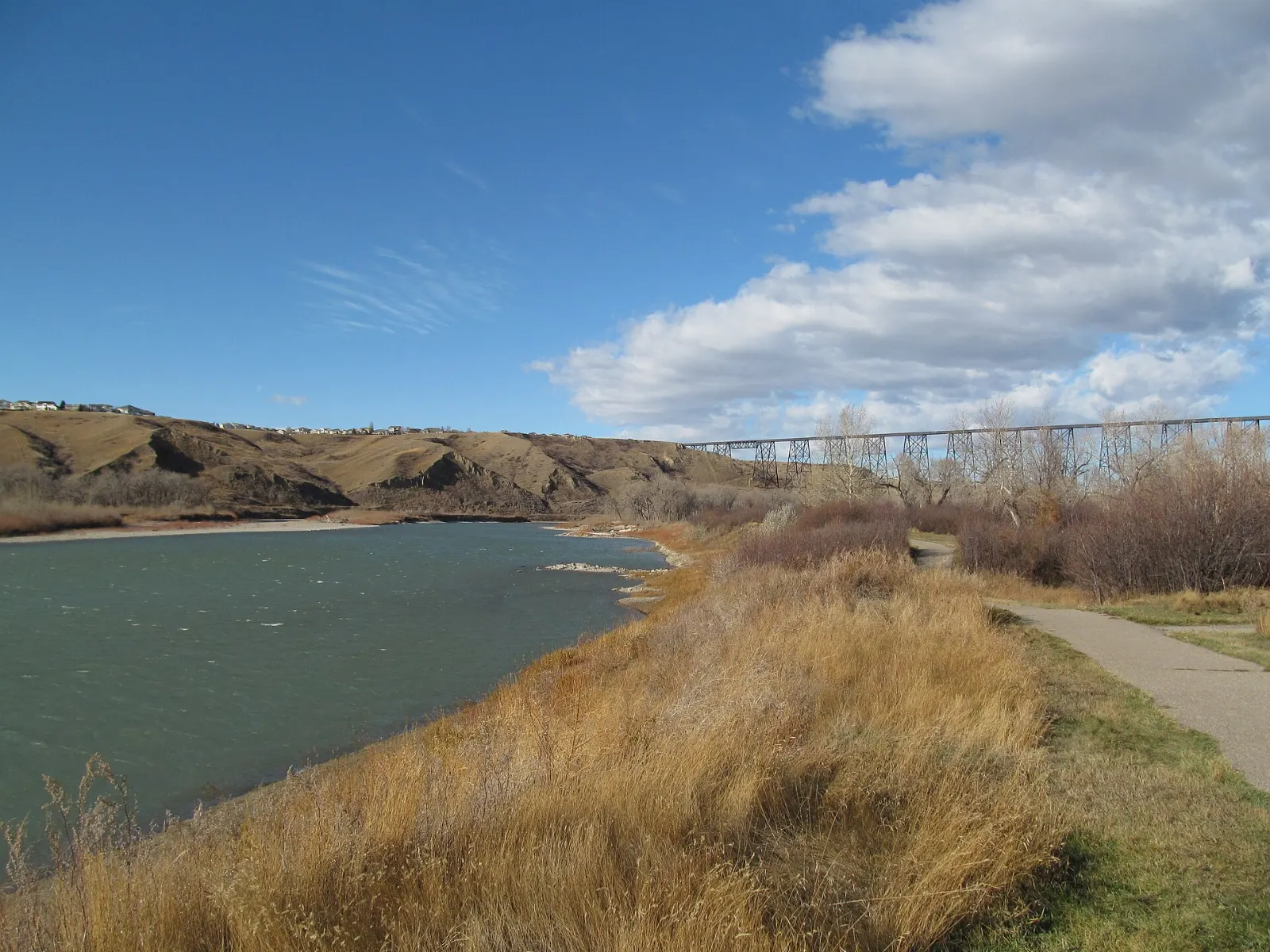
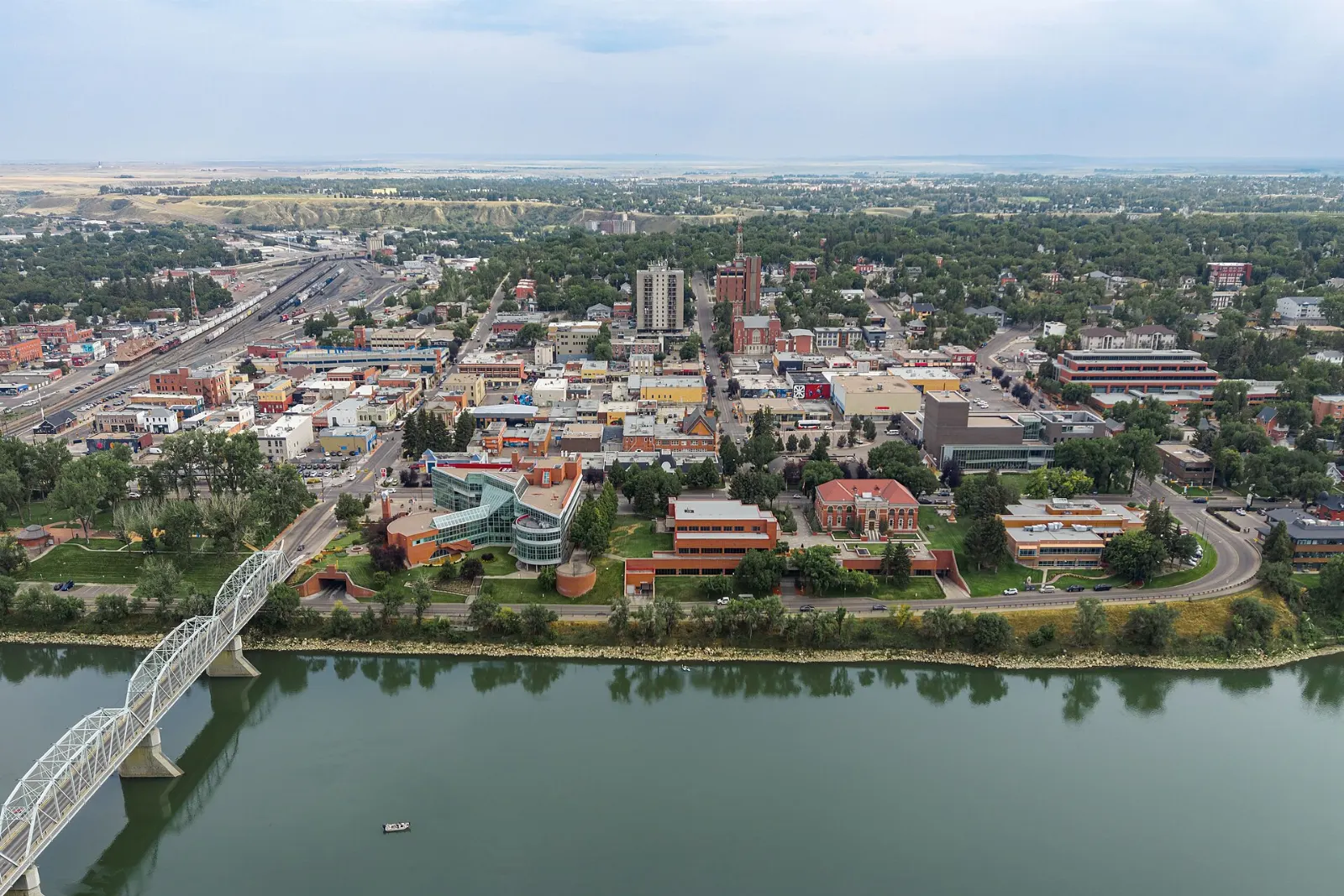
Lethbridge is a larger commercial hub with more restaurants and services. Stay here if you prefer a city setting, and enjoy the coulees and the Oldman River valley before or after your visit.
Book early for summer weekends, since smaller towns have limited rooms.
Fort Macleod Where to stayFort Macleod is the closest base, roughly 18 km from the site, with a historic downtown and easy access to Highways 2 and 3.Photo: David Stanley from Nanaimo, Canada, Wikimedia Commons, CC BY 2.0Pincher Creek Pincher Creek lies in the foothills and is a good base for exploring provincial parks and heritage sites.Photo: Royalbroil, Wikimedia Commons, CC BY-SA 4.0Lethbridge Lethbridge is a larger commercial hub with more restaurants and services.Photo: Kmsiever, Wikimedia Commons, Public domain
Best time to visit
Summer offers the longest hours, the warmest weather and special events, including drumming and dancing demonstrations on summer Wednesdays. Winter hours are shorter, and the prairie can be cold and windy, but the landscape is quieter and visits are less crowded.
Southern Alberta is known for wind in every season, and warm chinook winds can bring mild spells in winter. Bring layers whatever the month.
Ad
Getting there and getting around
Most visitors fly into Calgary International Airport and drive south on Highway 2 to Fort Macleod. Scheduled flights to Lethbridge have been cut back, so Calgary is usually the easier choice.
From the junction of Highways 2 and 3 at Fort Macleod, go about 1 km north on Highway 2, turn west onto Highway 785 and follow the signs for roughly 15 km.
Buses reach Fort Macleod from Calgary, Edmonton, Lethbridge, Medicine Hat and Regina, but the site itself is off the highways.
A suggested itinerary
First day
Arrive in Fort Macleod, walk the historic downtown and visit the Fort Museum of the North West Mounted Police.
Second day
Drive to Head-Smashed-In for the opening of the interpretive centre, then walk the cliff trails.
Third day
Head west to Pincher Creek for Kootenai Brown Pioneer Village and Heritage Acres, with a stop at the Oldman River Dam on the way back to Lethbridge or Calgary.
Ad
Practical tips
Check the official website for current opening hours, programs and any seasonal changes.
Wear sturdy shoes and bring a hat, sunscreen and water, since the prairie has little shade.
Prepare for strong wind and for sudden weather changes in any season.
Treat the site respectfully, because it remains important to Blackfoot peoples.
Pack a picnic or snacks, and confirm what food service is available on the day.
Fuel up in Fort Macleod before driving west on Highway 785.