Elk Island National Park is a small, fenced island of aspen forest, wetlands and grassland just east of Edmonton, and it holds some of the most famous herds of wild bison in Canada. You do not need a long drive or a mountain backdrop here.
AT A GLANCE
Best time
Late spring to early autumn for wildlife and paddling, and winter for skiing and snowshoeing.
How long
One full day covers the park, and a second day adds the nearby heritage village and trails.
Getting there
Drive east from Edmonton on the Yellowhead Highway, or take a summer Parkbus day trip.
Why visit Elk Island National Park
Elk Island is Canada's only entirely fenced national park, covering about 194 square kilometres of rolling hills, ponds and forest. More than 40 kinds of free-roaming mammals live here, and over 250 bird species have been recorded, so the park rewards slow, patient visitors.
It is also one of the easiest national parks to reach from a big city. The Yellowhead Highway runs straight through it, which makes it a natural half-day or full-day outing from Edmonton.
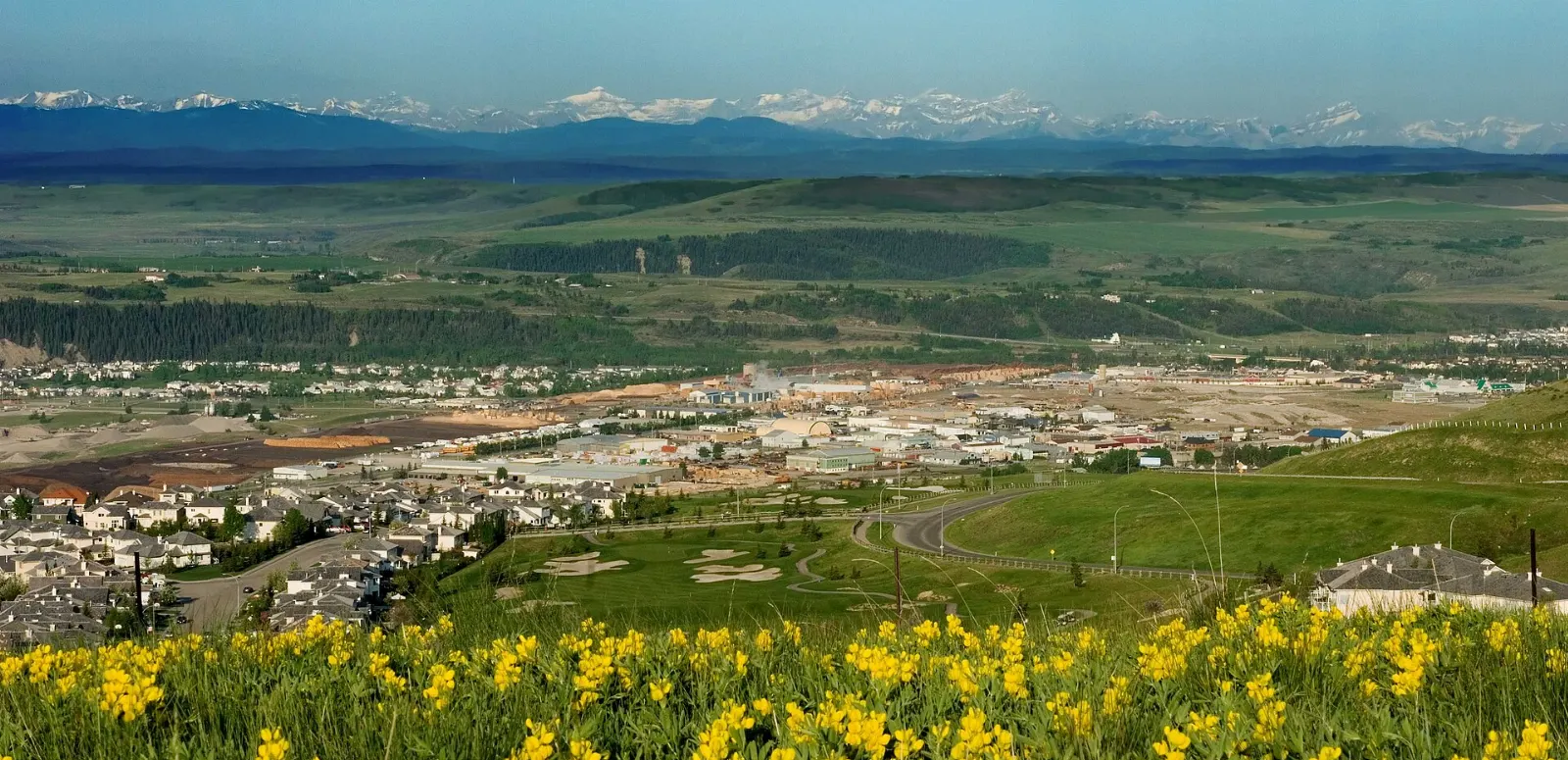
The landscape is what geologists call knob and kettle, a pattern of small hills and shallow ponds left behind when glaciers melted.
Wildlife and lakes inside the park
Plains bison north of the highway
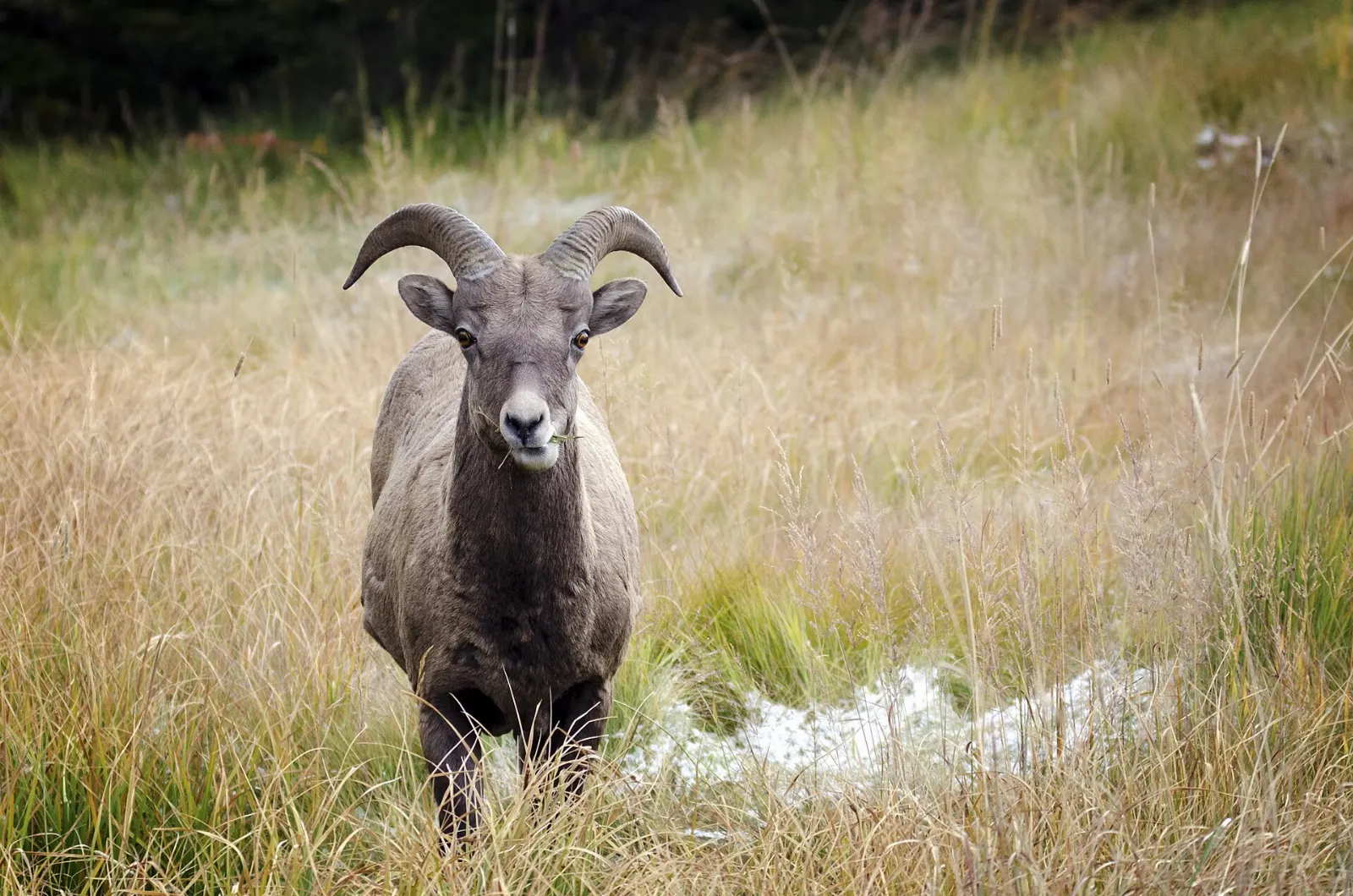
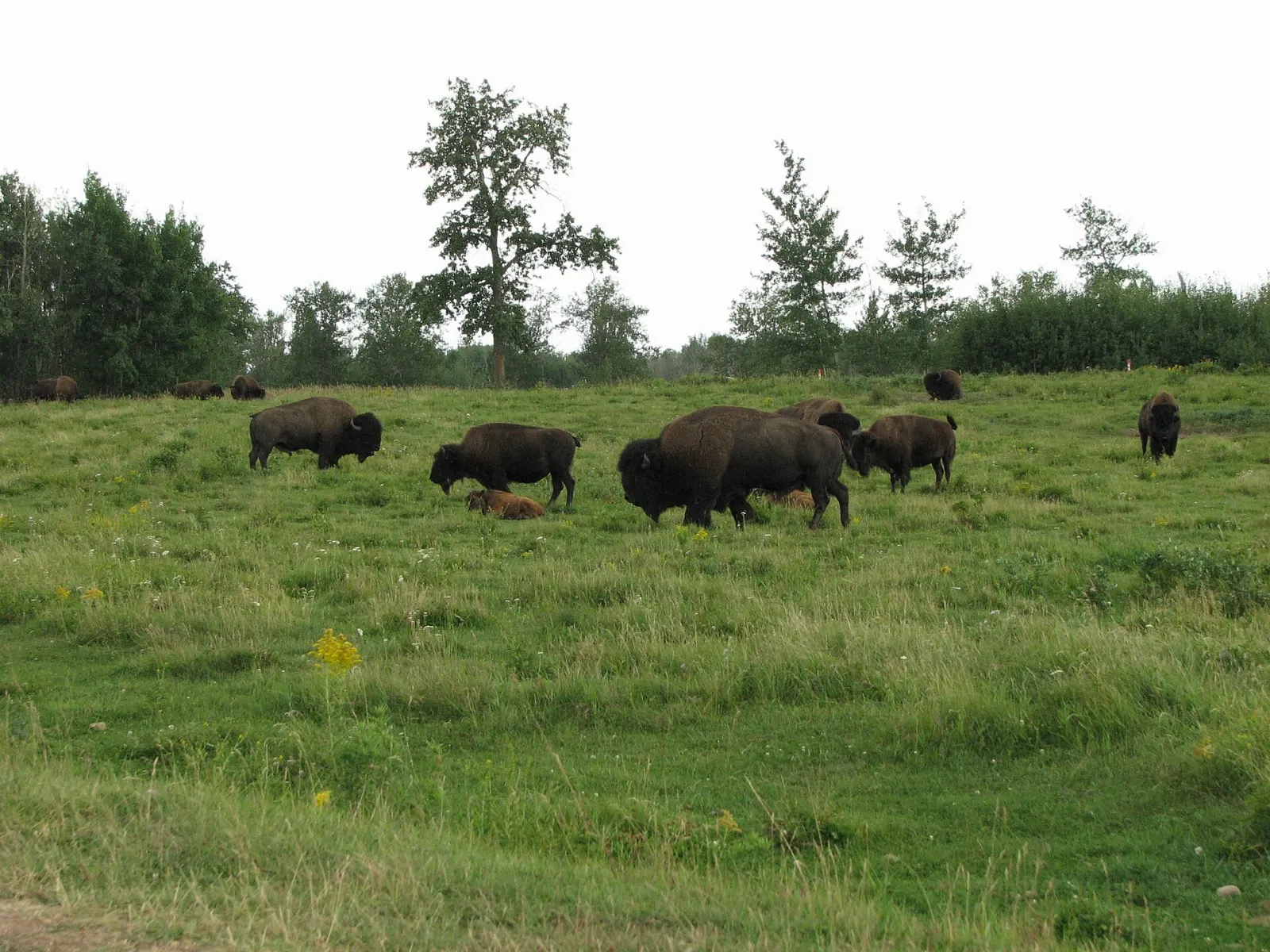
The park's fame began in 1907, when a herd of plains bison bought in Montana was held here temporarily and some animals escaped recapture. Their descendants roam the northern half of the park today.
Wood bison south of the highway
The second herd lives on the south side. These wood bison descend from animals moved here in 1965 from Wood Buffalo National Park, and the park keeps them apart from the plains herd with fences and the highway to protect their genetic purity.
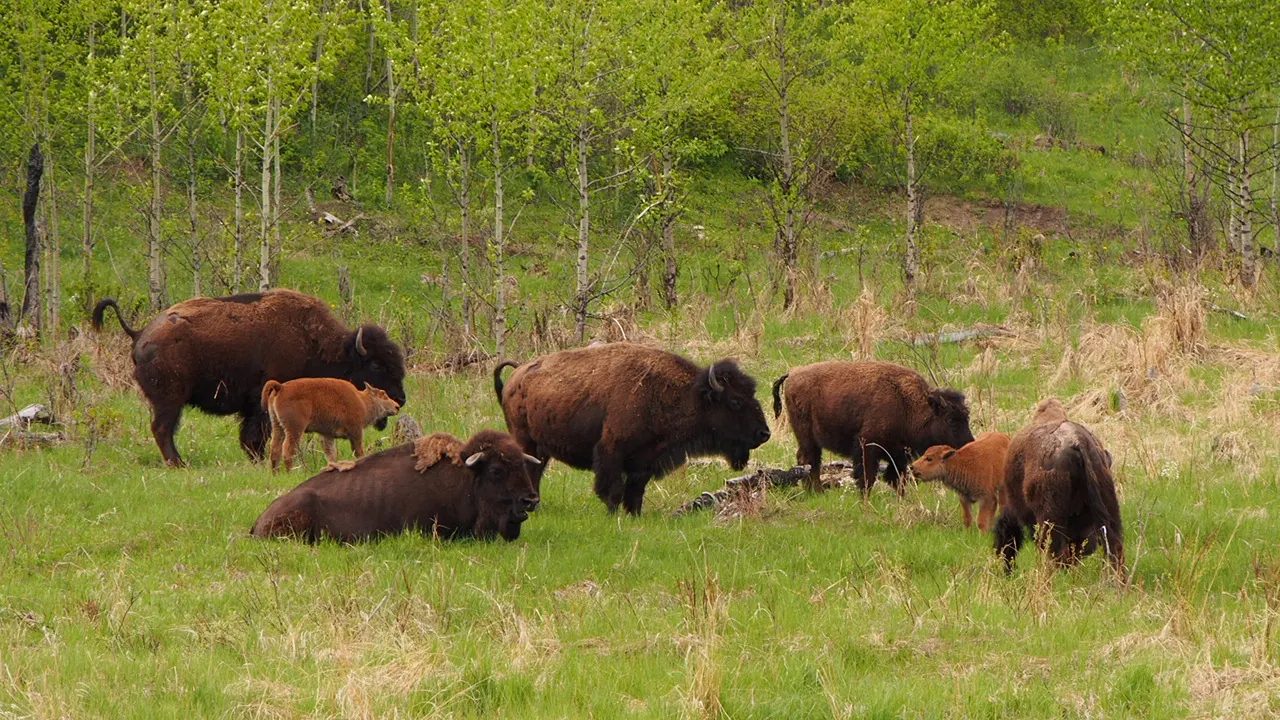
Astotin Lake
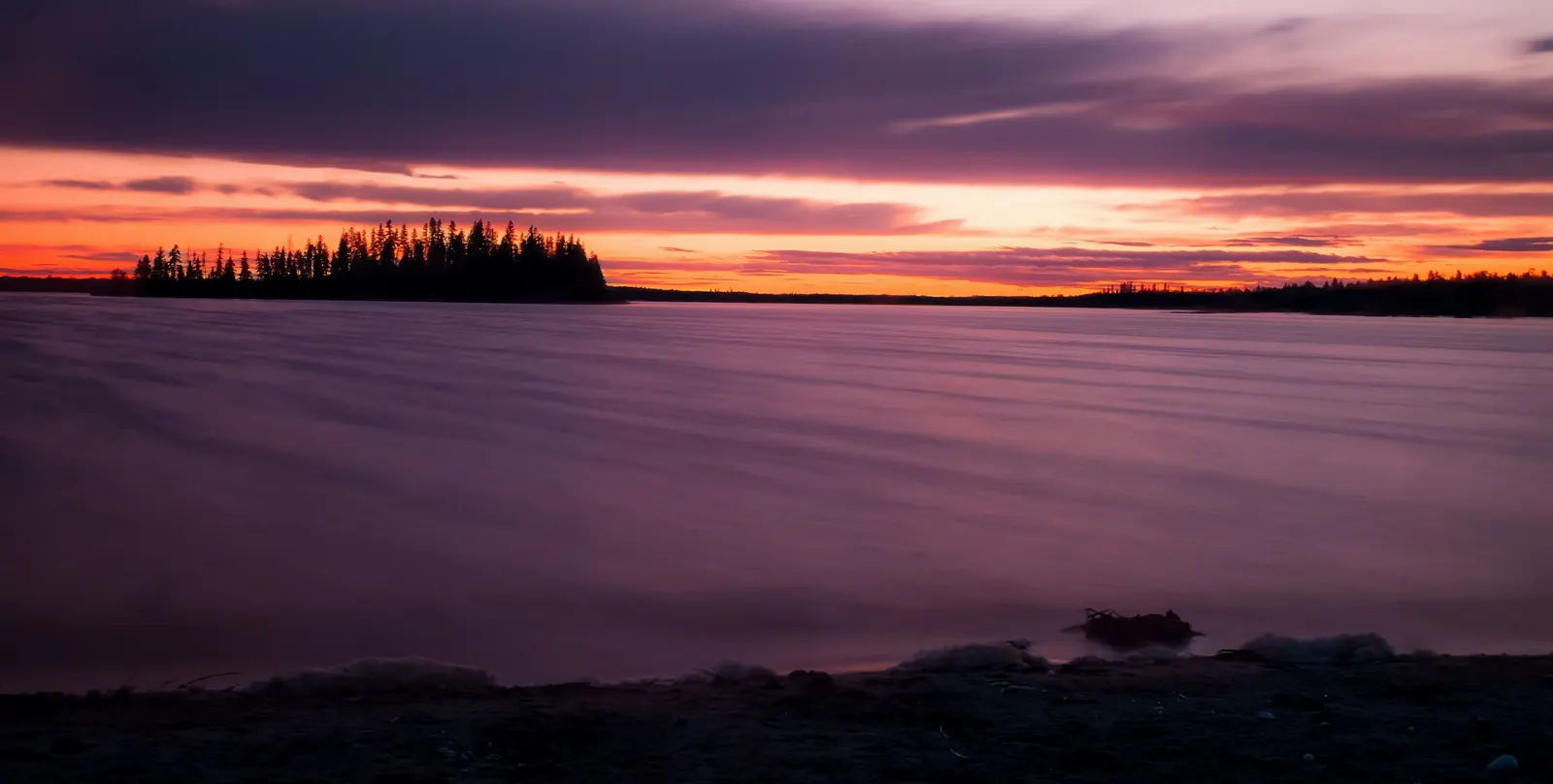
Astotin Lake, near the north end of the park, is its largest lake and the hub for visitor activity. You can walk the shoreline, rent a canoe from the seasonal operator at the lake, or catch a summer program at the Astotin Theatre.
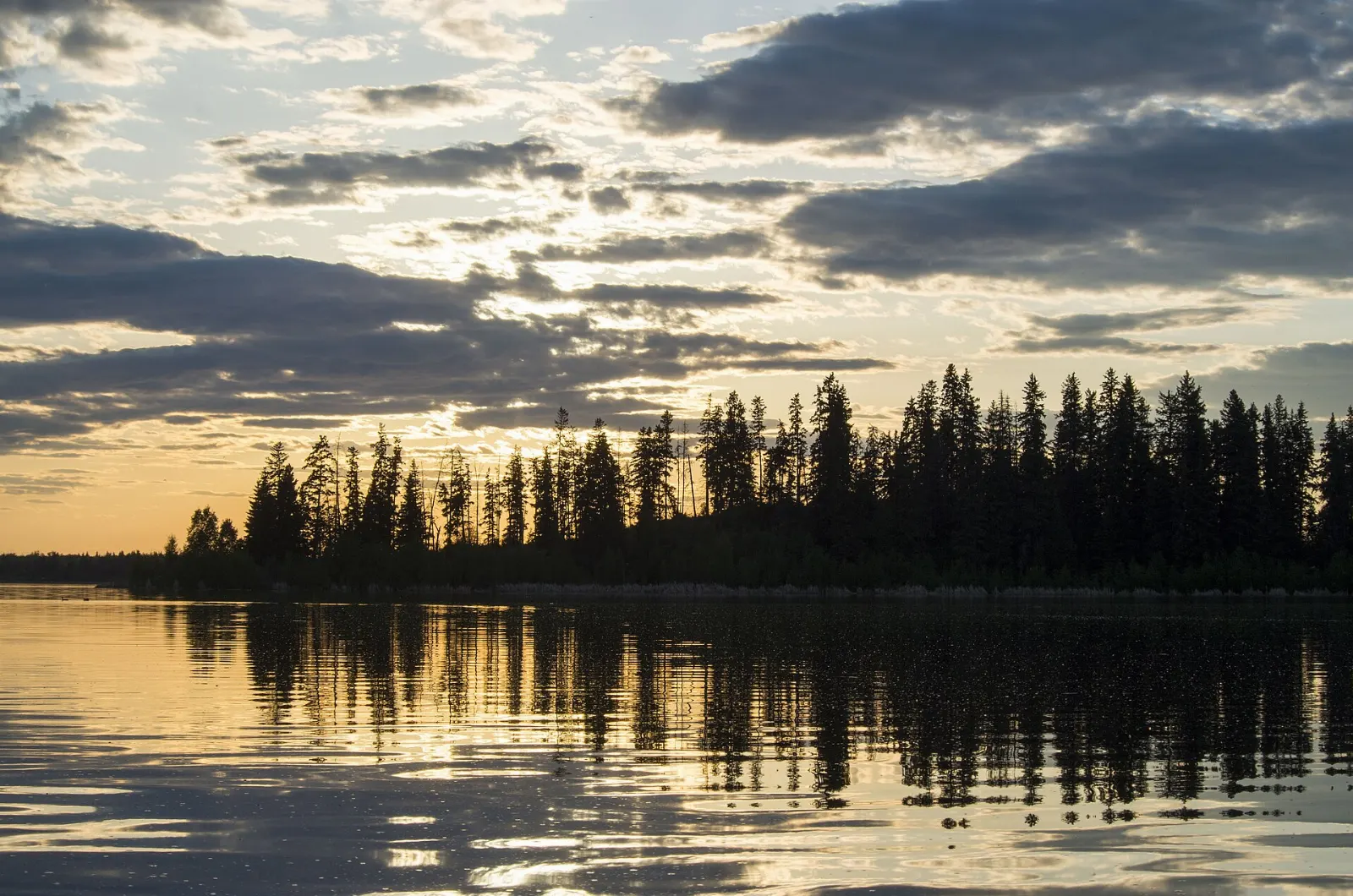
Tawayik Lake and the short trails
The Tawayik Lake Recreation Area has a parking lot and trailhead for the Tawayik Lake, Shirley Lake and Simons trails. Most park trails take between one and three hours, which makes them easy to combine in a single day.
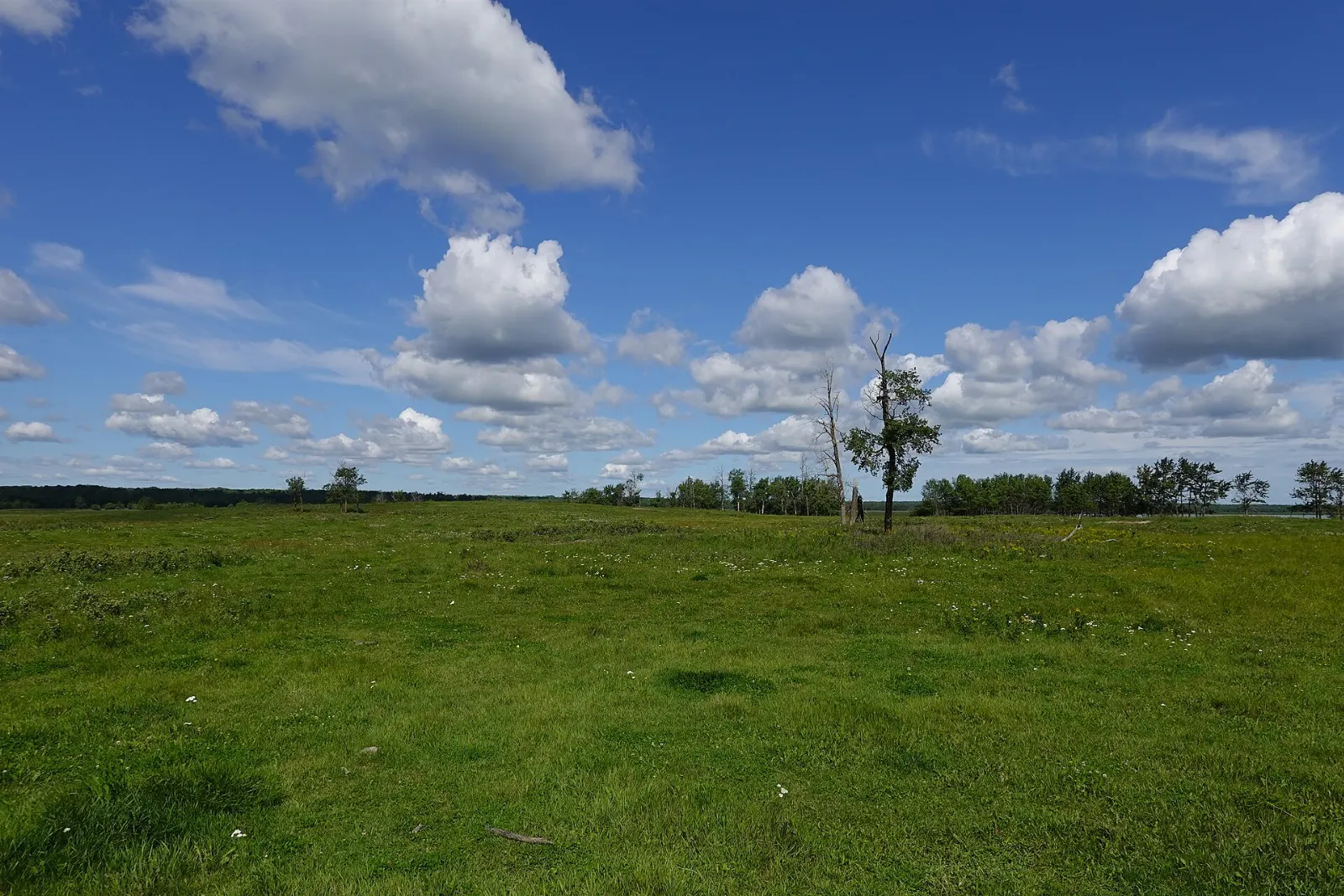
Elk Island Golf Course
The nine-hole course is fenced off from the bison wandering around it, which gives a round of golf an unusual twist. Even if you do not play, the surrounding meadows are good for watching wildlife.
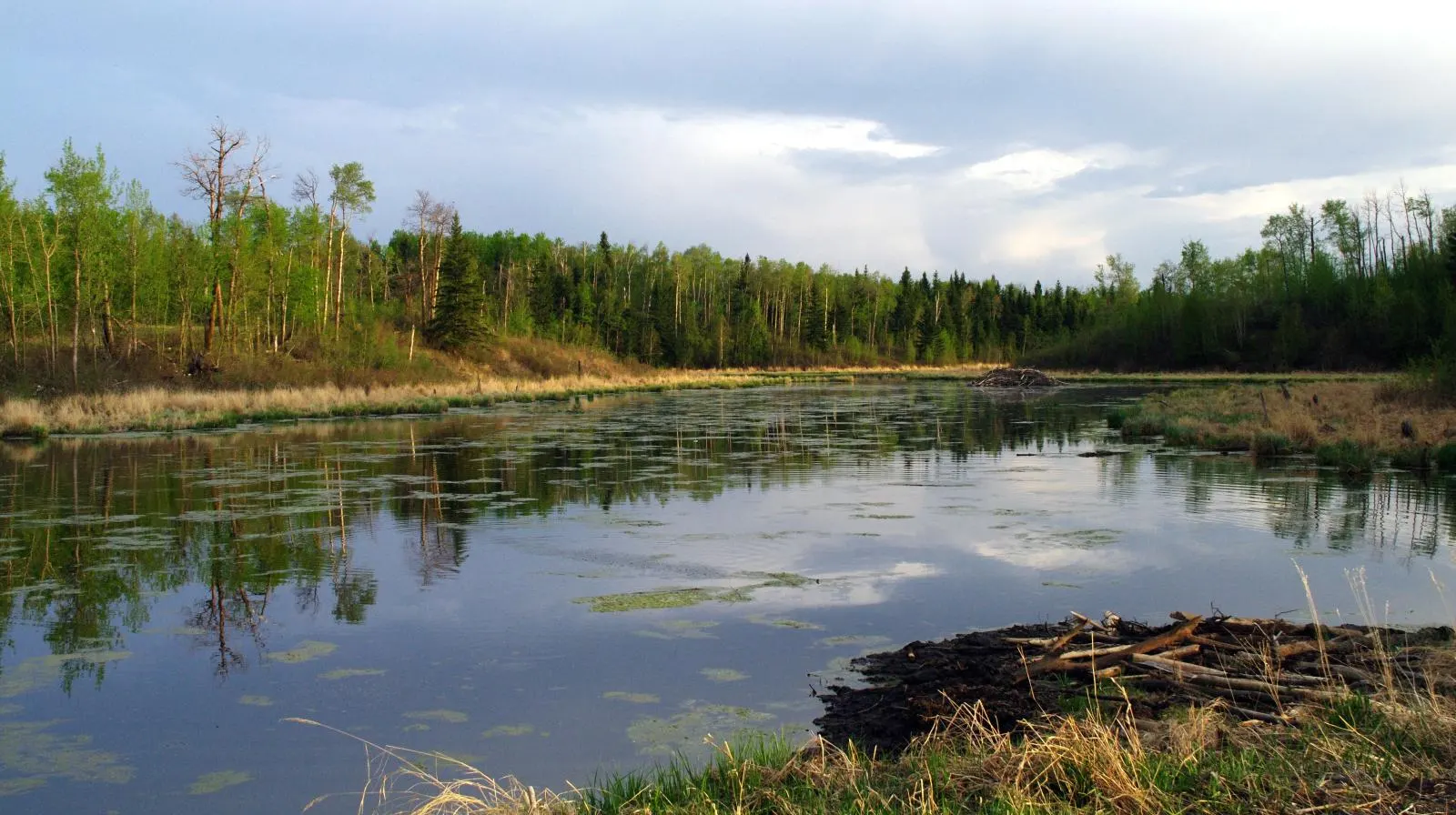
Trails and nearby natural areas
Cooking Lake-Blackfoot Recreation Area
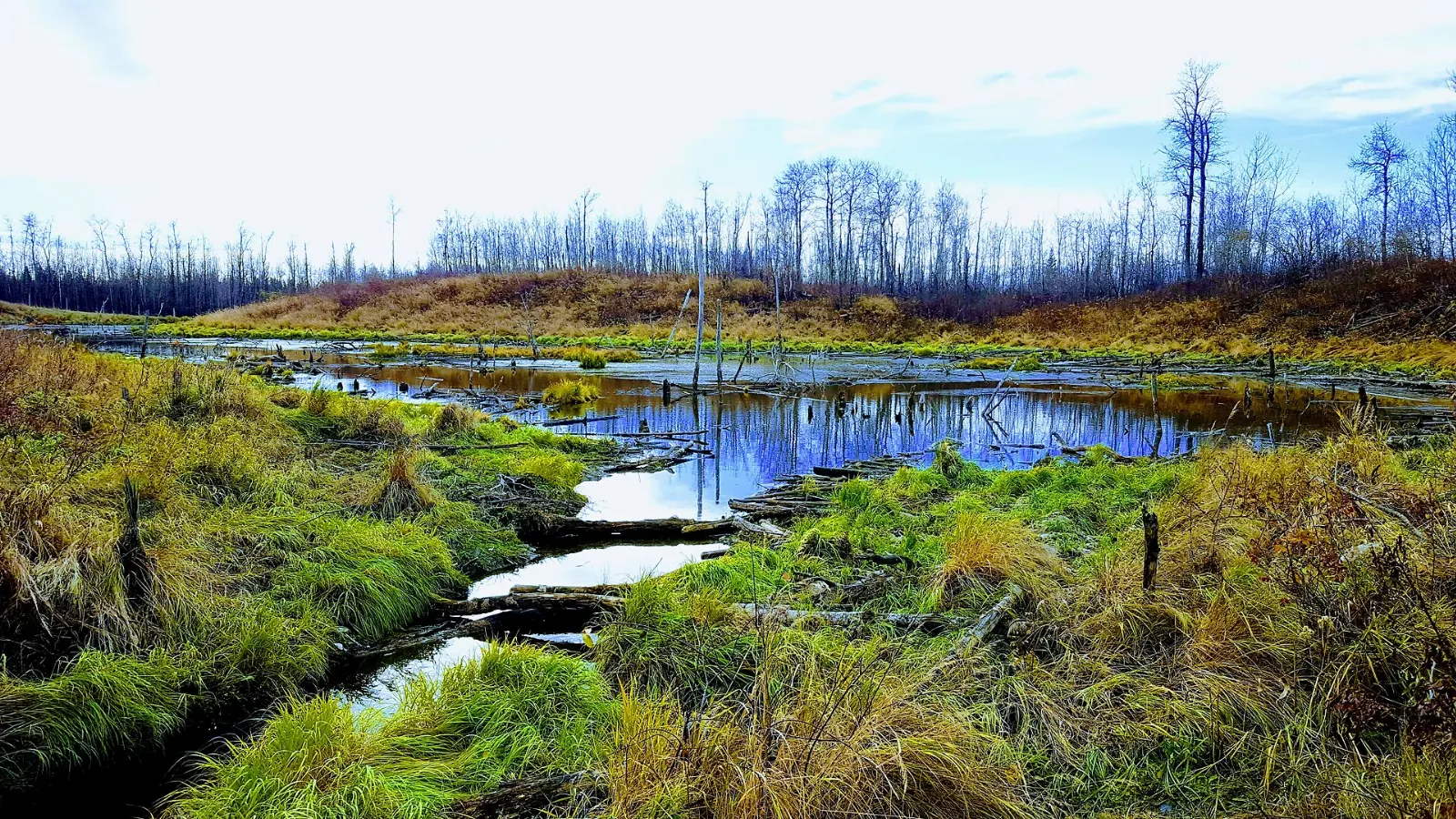
Just south of the national park, this recreation area has three main parking areas that serve as trailheads: Waskahegan, Blackfoot Lake and Islet Lake. Locals like it because the trails do not require a national park admission, and some trails also allow horses or snowmobiles.
Strathcona Wilderness Centre
Near Sherwood Park, this nature centre is best known for cross-country ski trails that double as easy summer hikes. It also has disc golf and a small amount of overnight lodging.
Miquelon Lake Provincial Park
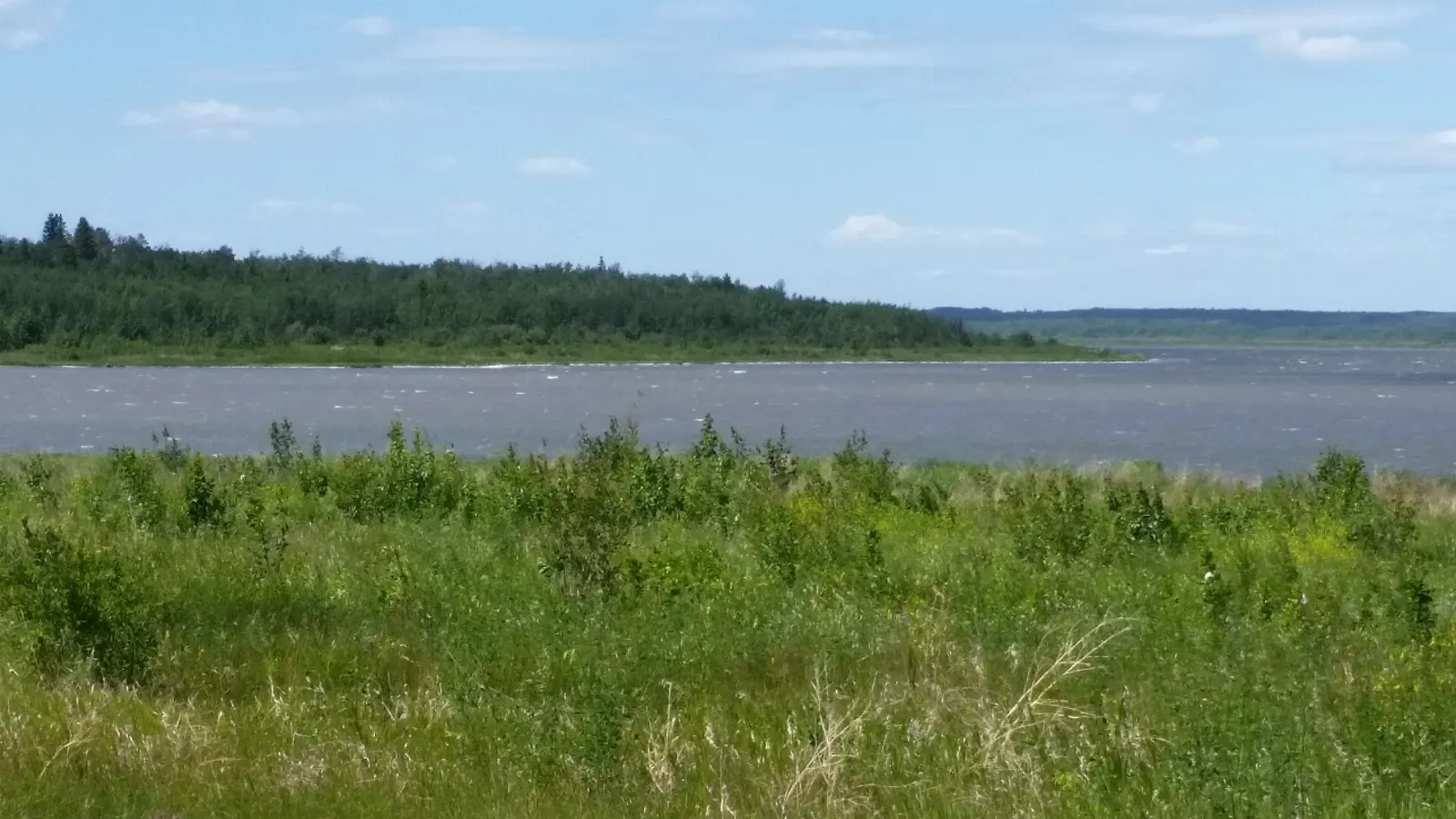
Miquelon Lake is part of the wider Beaver Hills Biosphere Reserve, which UNESCO recognized in 2016. The wildlife is similar to Elk Island apart from the bison, so it works well for birdwatching and a lakeside picnic.
Ukrainian heritage close to the park
Ukrainian Cultural Heritage Village
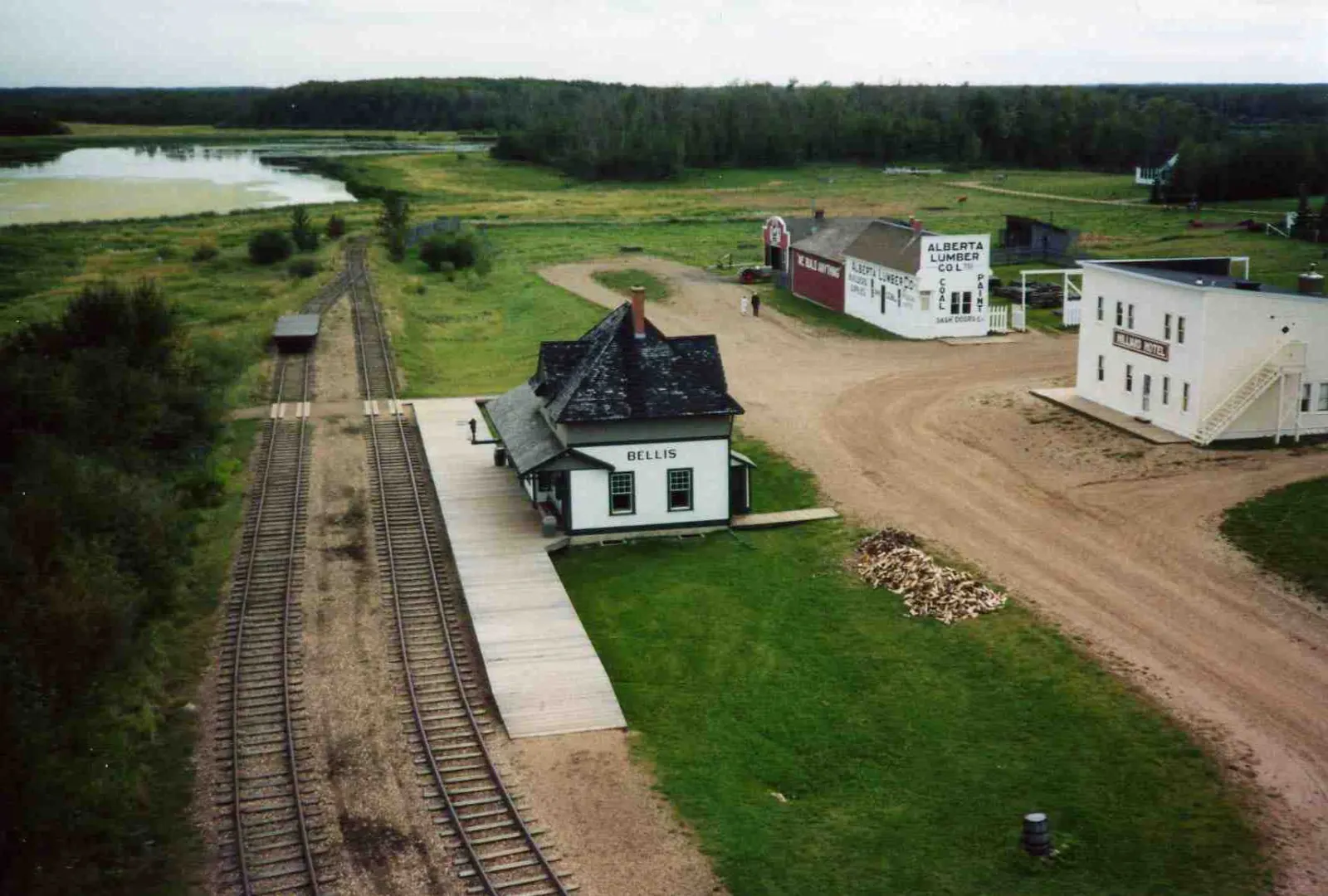
This open-air museum sits on Highway 16, about 3 kilometres east of the national park entrance. More than 30 historic buildings include three churches, a working grain elevator, a blacksmith shop and a sod hut, and costumed interpreters stay in character to bring the 1899 to 1930 settler era to life.
 Planning a trip to Elk Island National Park?Compare hotels, flights and vacation rentals for Elk Island National Park on Expedia.Book now
Food and local flavors
Inside the park, food is limited to picnics, so pack a lunch. The region's flavors come from Ukrainian settlers who farmed east of Edmonton. Look for perogies, the filled dumplings served with sour cream and fried onions, and cabbage rolls, which are rolled parcels of cabbage with a savory filling. Borscht, the beet-based soup, is a staple of Ukrainian kitchens, and saskatoon berry pie is a prairie favorite made with a native purple berry.
Popular dishes to try in Elk Island National Park


Where to stay
There are no towns inside the Beaver Hills Biosphere Reserve, so lodging is mostly camping, cabins and short-term rentals. Sherwood Park is the closest full-service community and suits families who want restaurants and shops.
Ardrossan is a hamlet of commuter homes with a repair shop, a practical base for drivers. Cooking Lake, with its lakeside cabins and rentals, appeals to quiet-seeking travelers who like water views.
Where to stay in Elk Island National Park


Best time to visit
The park is open all year, and the climate is continental, usually a degree or two cooler than Edmonton.
Summer is the busiest season, especially on weekends, and the Ukrainian Cultural Heritage Village runs only from the May long weekend to Labour Day. Bison are visible in every season, but dawn and dusk give the best chances.
Getting there and getting around
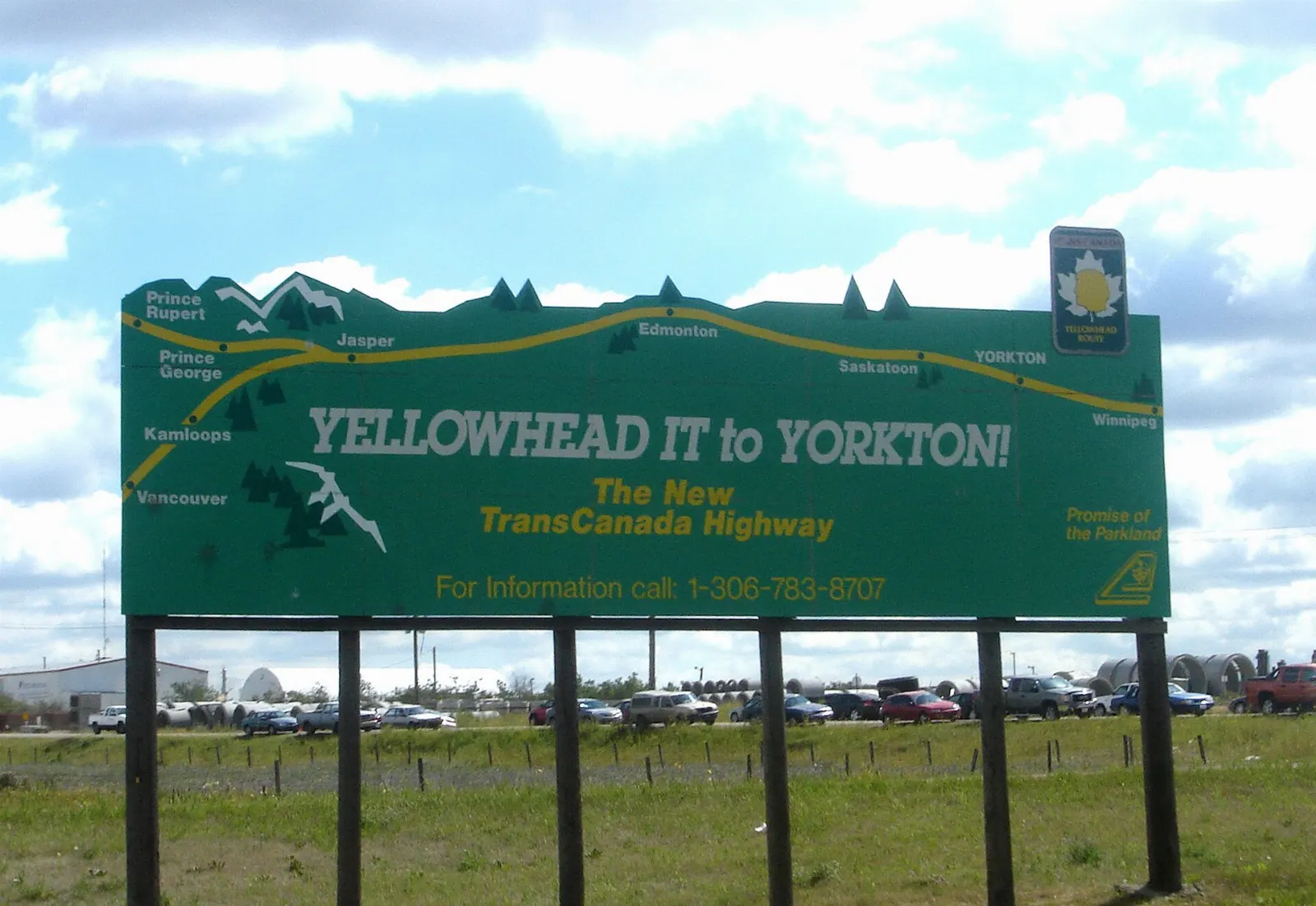
Elk Island lies about 35 kilometres east of Edmonton, less than an hour by car on Highway 16, the Yellowhead Highway. Edmonton International Airport is the nearest major airport, and Edmonton is also served by intercity buses.
Plan your car carefully, because no car rentals are available in the biosphere reserve. One Y-shaped road serves the northern half of the park, so it is hard to get lost.
A suggested itinerary
First day
Arrive early at Wahkotowin Visitor Information Centre, then drive the northern loops for plains bison. Spend midday at Astotin Lake for a paddle and a picnic, and walk one of the short Tawayik Lake trails in the afternoon.
Second day
Head south of the highway for a longer walk to look for wood bison.
Practical tips
- Keep a safe distance from bison and never feed or approach any wildlife.
- Pack insect repellent, a hat and layers, because weather shifts quickly on the prairies.
- Bring food, water and binoculars, since services inside the park are limited.
- Fill your fuel tank before leaving Edmonton or Sherwood Park.
- Check Parks Canada for current admission rules, trail closures and camping bookings.