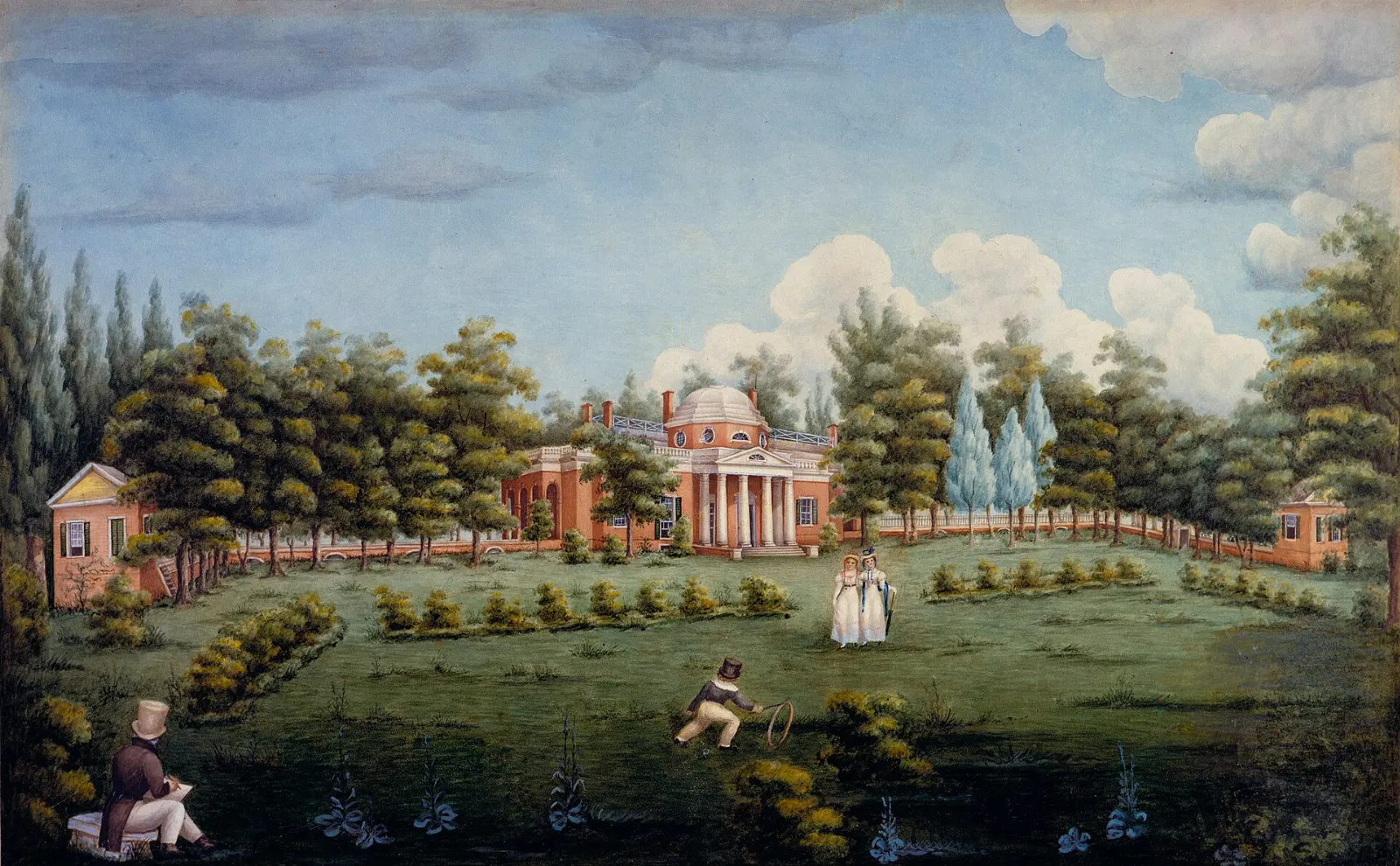
Charlottesville is a small city in the rolling Piedmont of central Virginia with an outsized place in American history. Thomas Jefferson built his home, Monticello, on a mountaintop just outside town, and designed the original grounds of the University of Virginia, which together form a UNESCO World Heritage Site.
AT A GLANCE
Best time
April to May for blossoms and gardens; late September to early November for fall color and harvest.
How long
Two to three days for Monticello, the university, downtown and a winery or mountain drive.
Getting there
Charlottesville Albemarle Airport, Amtrak trains, or a drive of about two hours from Washington, DC.
Why visit Charlottesville
Few places let you step so directly into the mind of a founding figure. At Monticello you see the house Jefferson designed and redesigned over decades, the gardens where he experimented with plants, and the quarters where enslaved families lived.
Beyond history, Charlottesville is simply pleasant to spend time in. The Downtown Mall is one of the most successful pedestrian streets in the country, with outdoor dining under the trees and theaters in restored buildings. Within half an hour you can be tasting wine at a vineyard with mountain views, picking apples on Carter Mountain or hiking a ridge on the Blue Ridge Parkway.
The University of Virginia and West Main
The university calls its campus the Grounds, and the oldest part, known as the Academical Village, is free to explore on foot.
The Rotunda and the Lawn
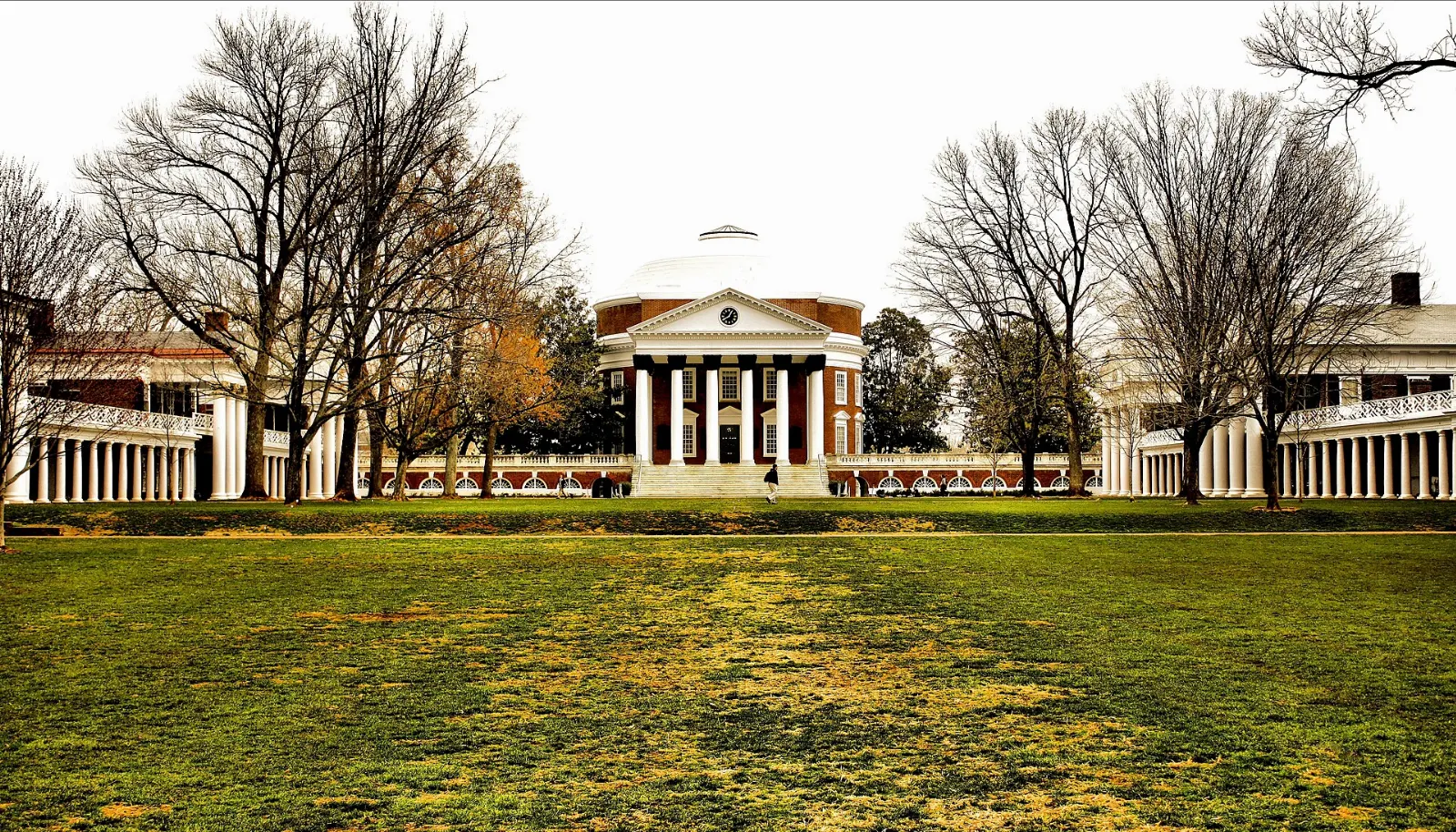
Jefferson modeled the Rotunda on the Pantheon in Rome and placed it at the head of the Lawn, a long terraced green flanked by ten pavilions and rows of student rooms.
Pavilion gardens and serpentine walls
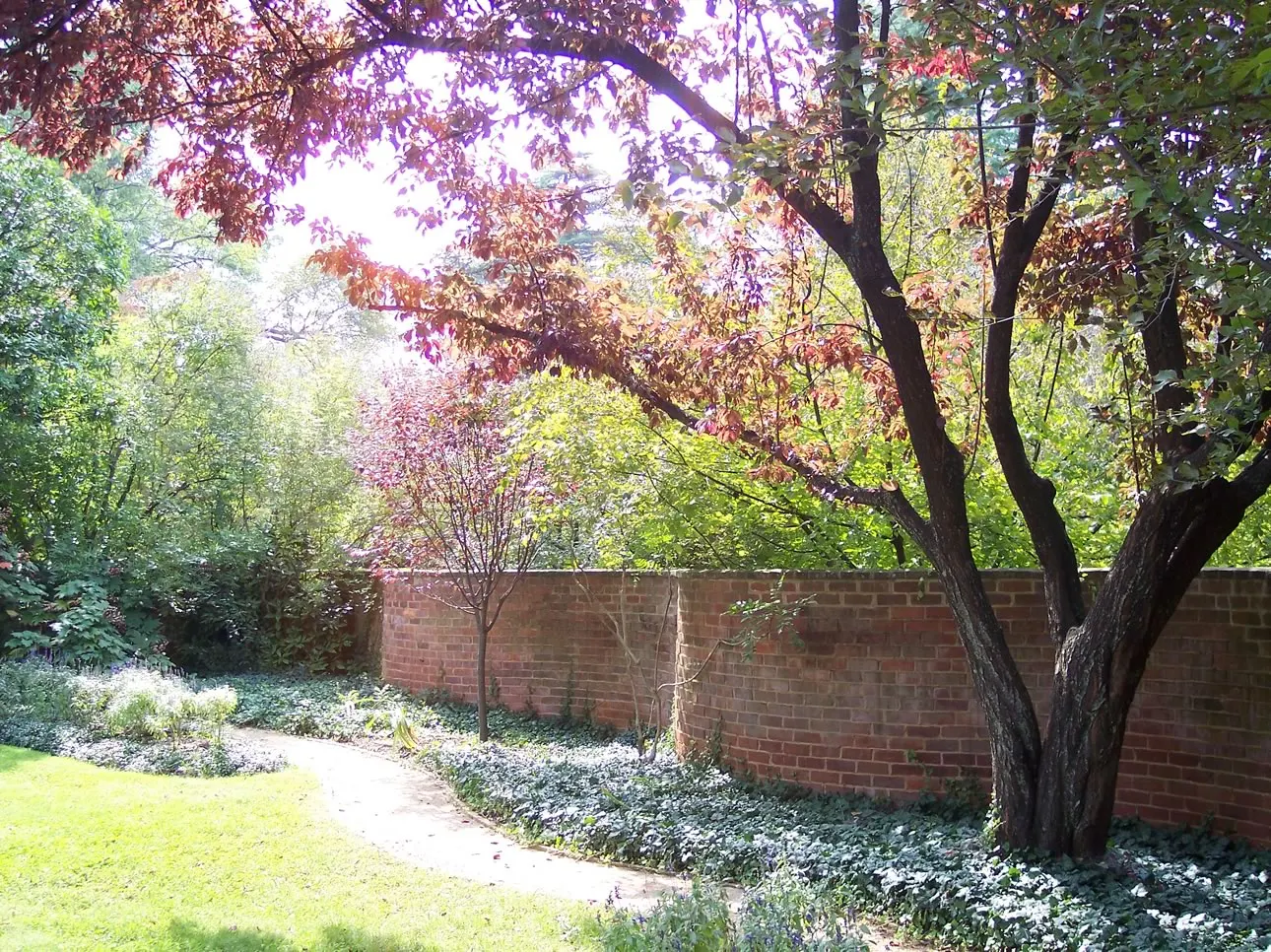
Behind the pavilions, a series of walled gardens is enclosed by Jefferson's famous serpentine walls, curving brick walls only one brick thick that gain strength from their wave shape.
University museums and the Corner
The Fralin Museum of Art, near the Grounds, holds rotating exhibitions from its collections of American, European and Asian art, and the Kluge-Ruhe Aboriginal Art Collection is one of the most significant collections of Australian Aboriginal art outside Australia. Both are worth an hour each.
Monticello and the presidential countryside
Southeast of downtown, Thomas Jefferson Parkway climbs toward Monticello, with Michie Tavern, Highland and Carter Mountain all nearby.
Monticello
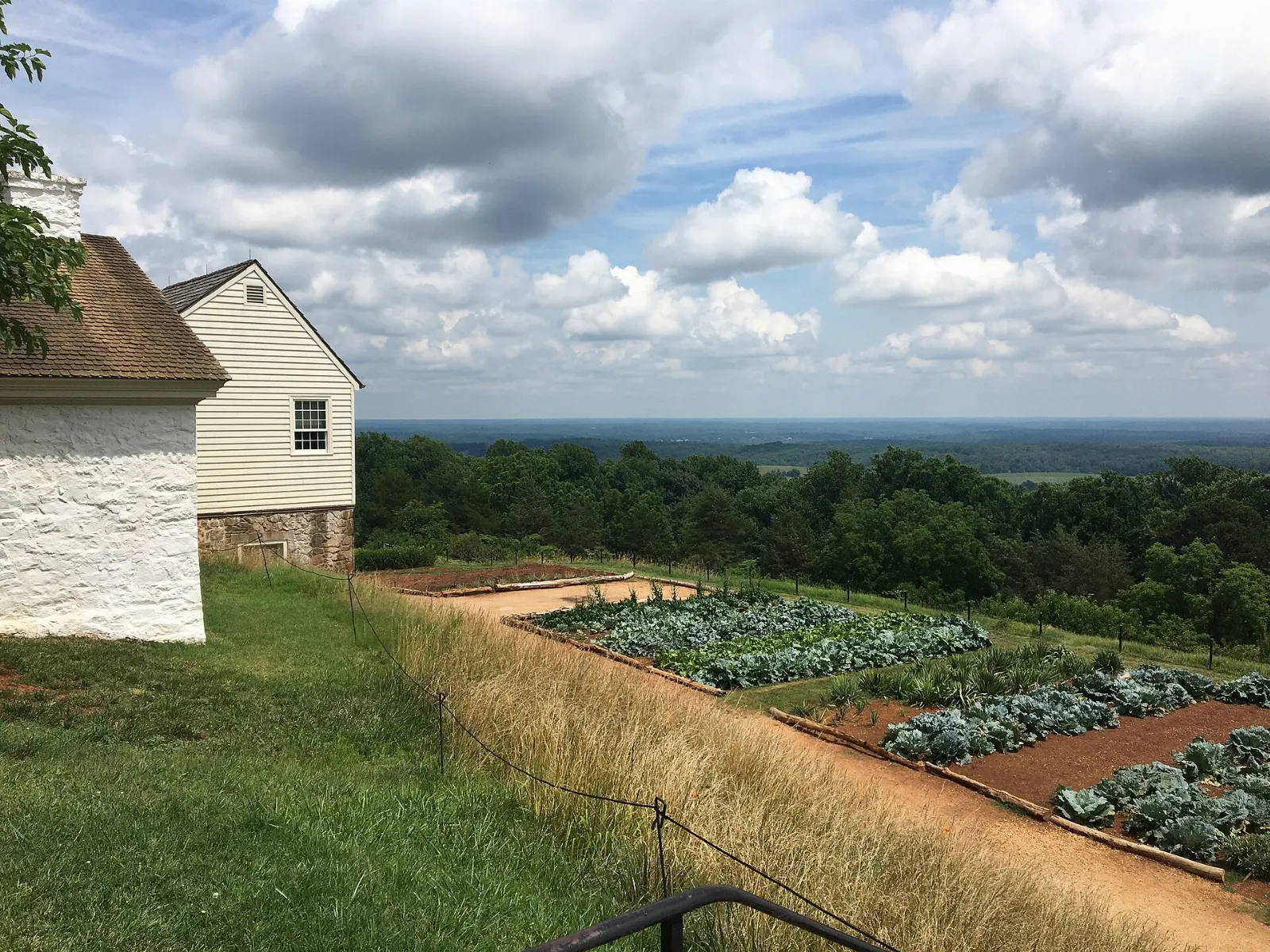
Jefferson's mountaintop home is the region's essential sight. Tours of the house leave on a timed schedule from the visitor center, where shuttles take you up the mountain.
Saunders-Monticello Trail
If you like to walk, the Saunders-Monticello Trail climbs through forest from Kemper Park at the base of the mountain to the Monticello visitor center, along a gentle, well-graded path with boardwalk sections.
Michie Tavern
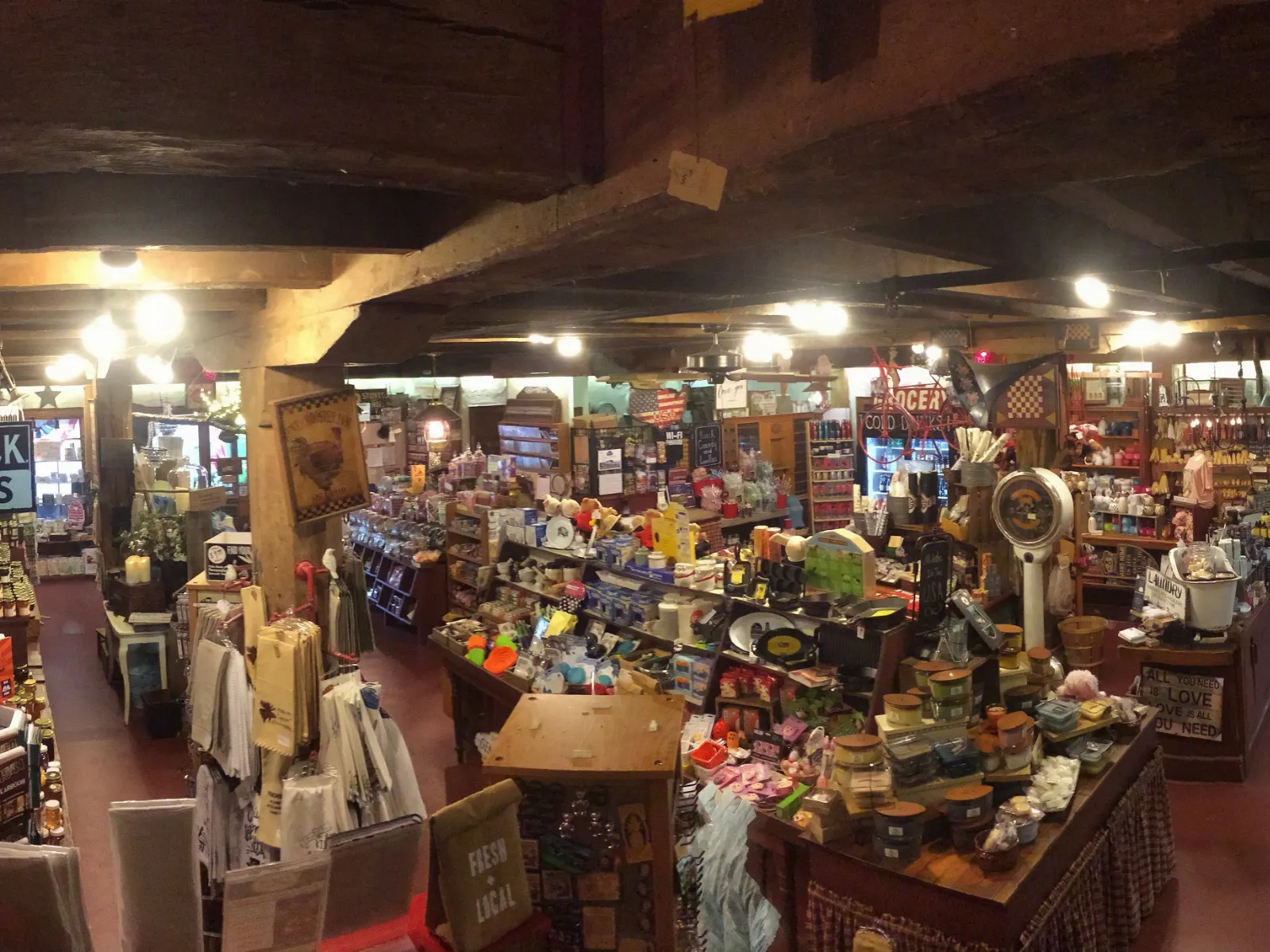
Built in 1784 by William Michie and moved to its present site below Monticello in 1927, Michie Tavern is now a museum and long-running restaurant.
James Monroe's Highland
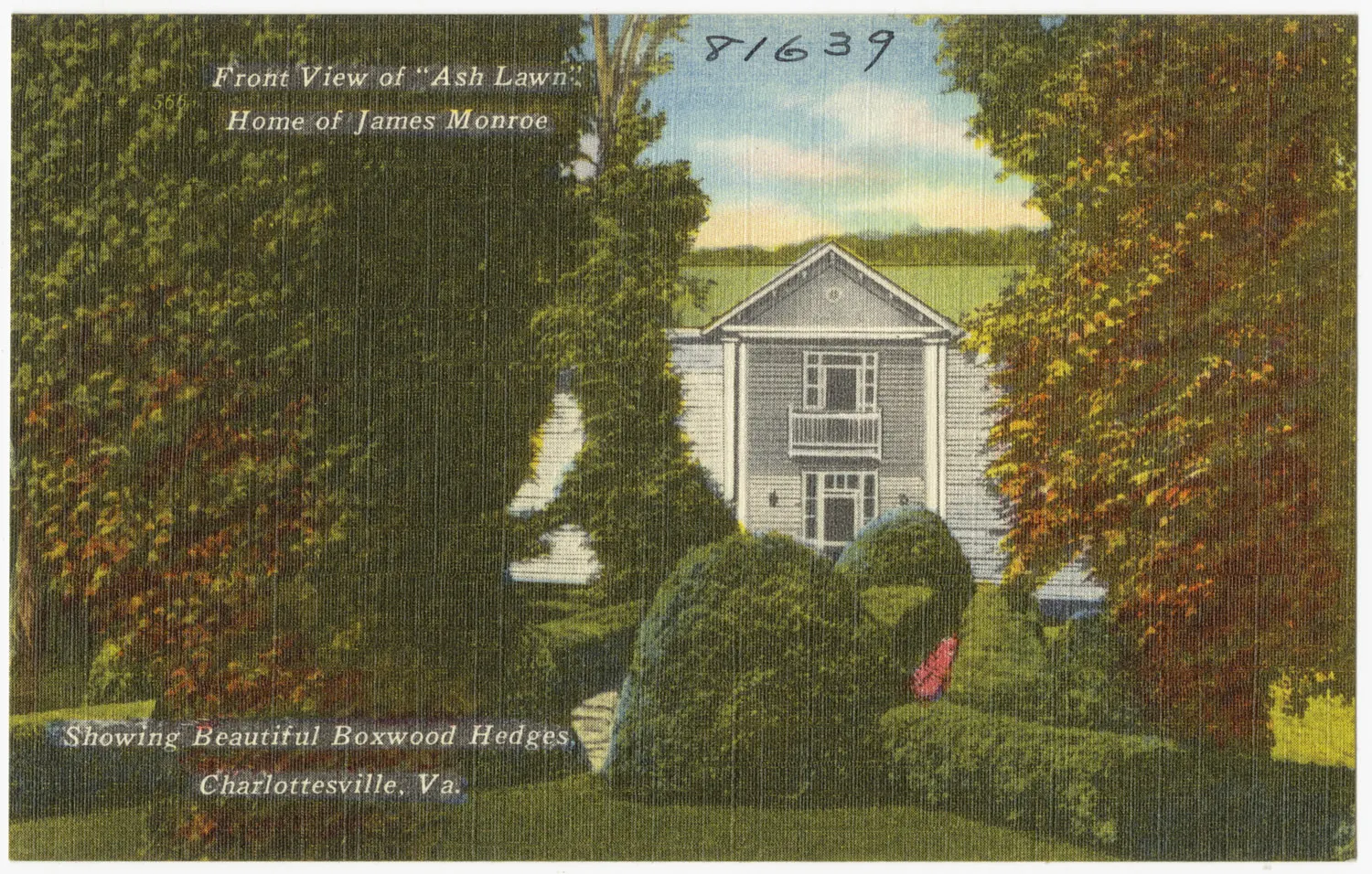
A short drive from Monticello, Highland was the home and plantation of the fifth president. Guided tours explore the house, the archaeology that revealed the remains of Monroe's original larger home, and the lives of the people enslaved here.
Carter Mountain Orchard
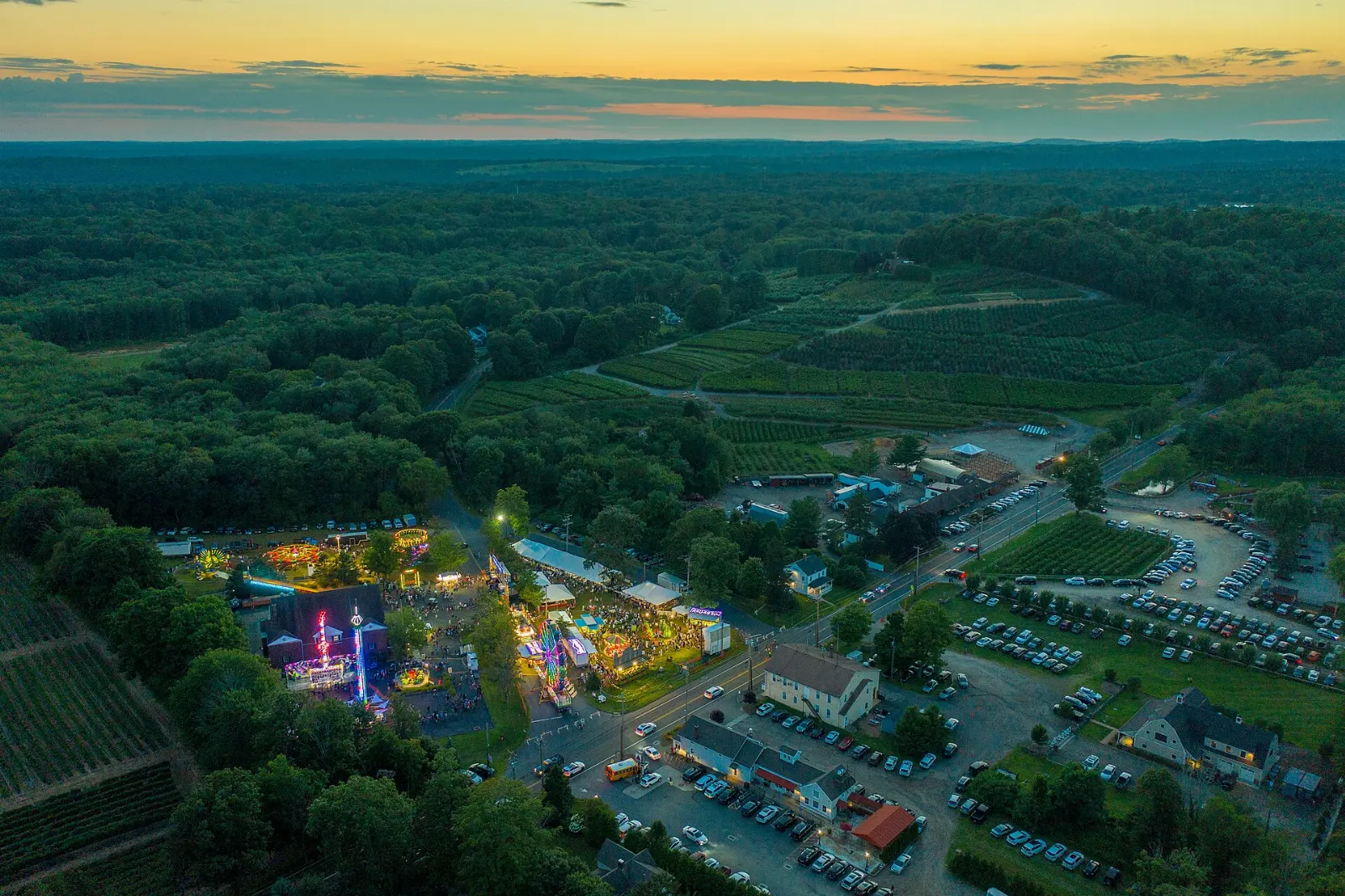
On the same ridge as Monticello, Carter Mountain Orchard grows peaches in summer and apples in late summer and fall, and its hilltop store sells cider, apple cider donuts and local goods. The views over Charlottesville and toward the Blue Ridge are among the best in the area.
Downtown, the arts and the mountains
The Downtown Mall
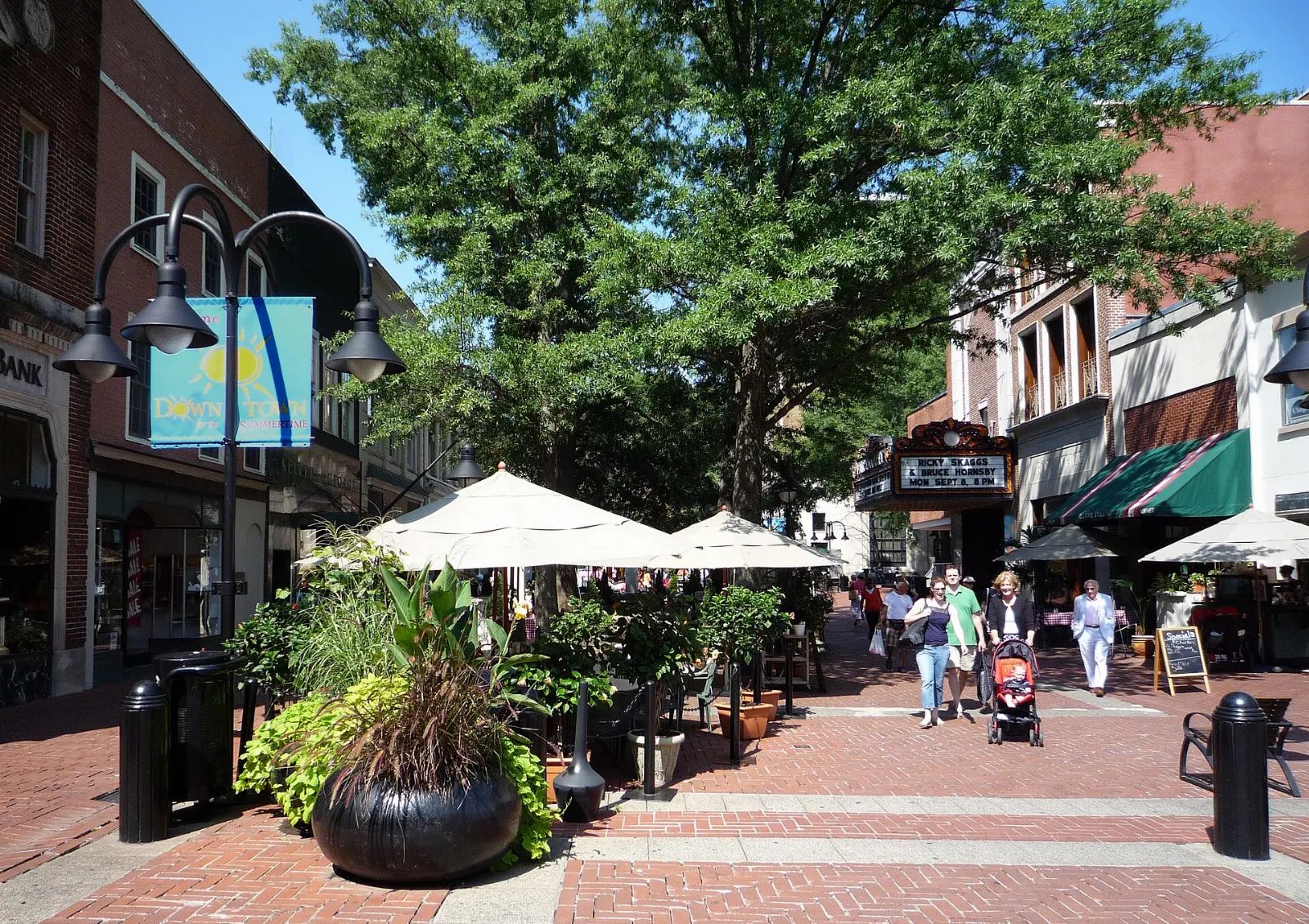
Several blocks of historic Main Street have been closed to traffic and paved with brick, creating the Downtown Mall, a tree-shaded pedestrian street of bookstores, boutiques, galleries, coffee shops and restaurants with outdoor tables. Street musicians play on warm evenings, and the outdoor amphitheater at the east end hosts concerts.
Paramount Theater and IX Art Park
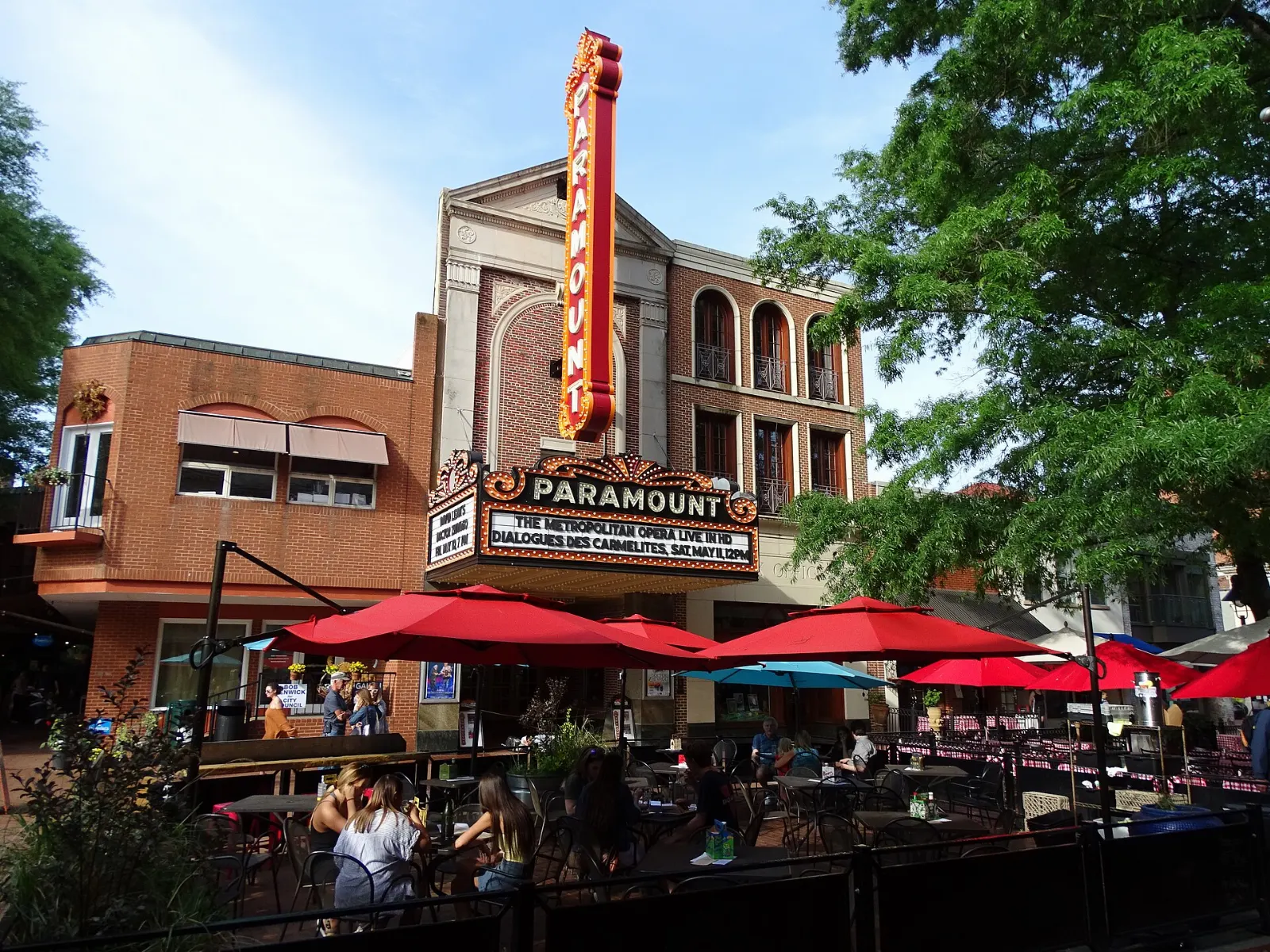
The Paramount Theater, a restored 1930s movie palace on the Mall, stages concerts, comedy, film screenings and touring shows; check what is playing before your visit.
Shenandoah National Park and the Blue Ridge Parkway
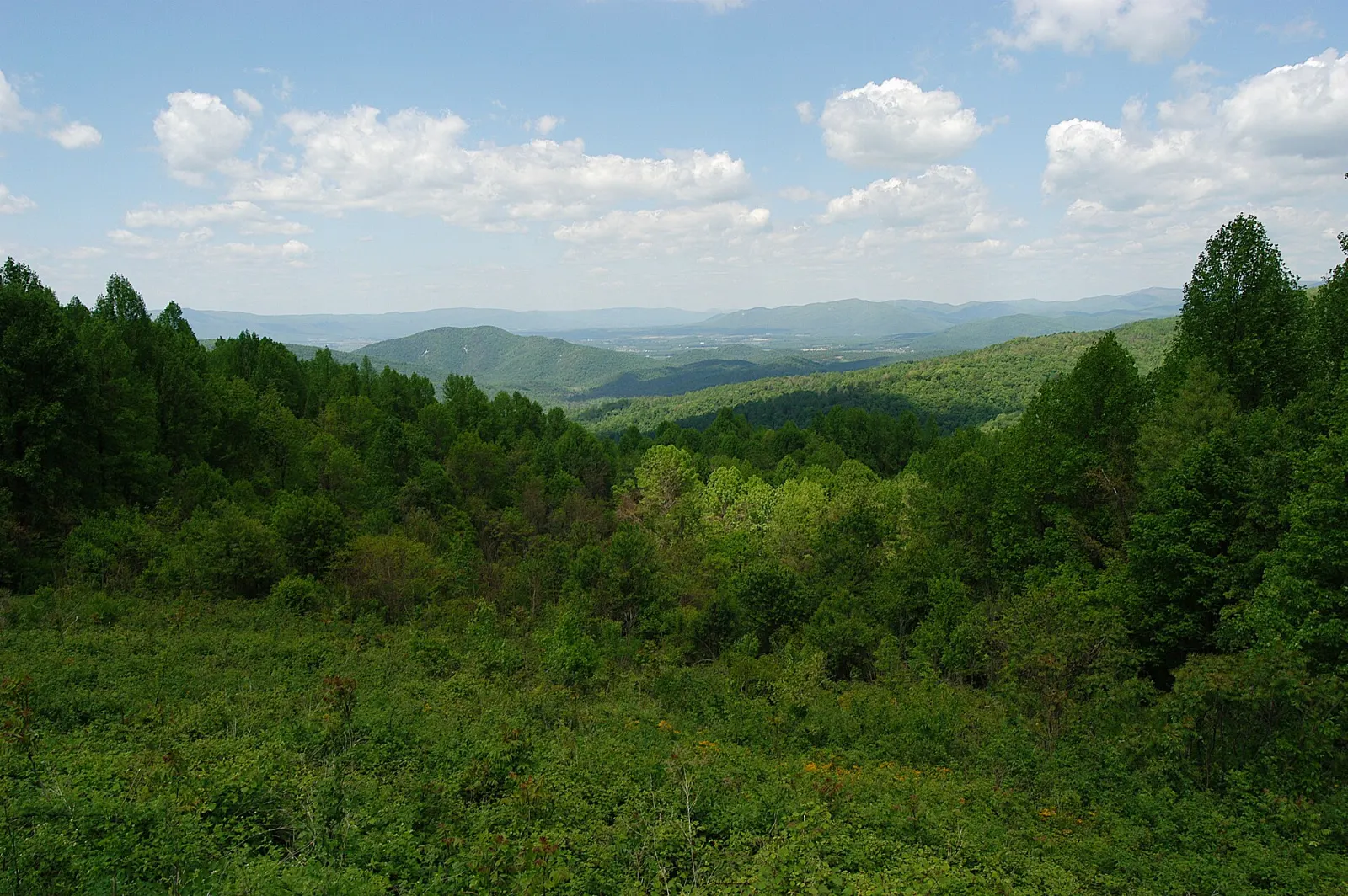
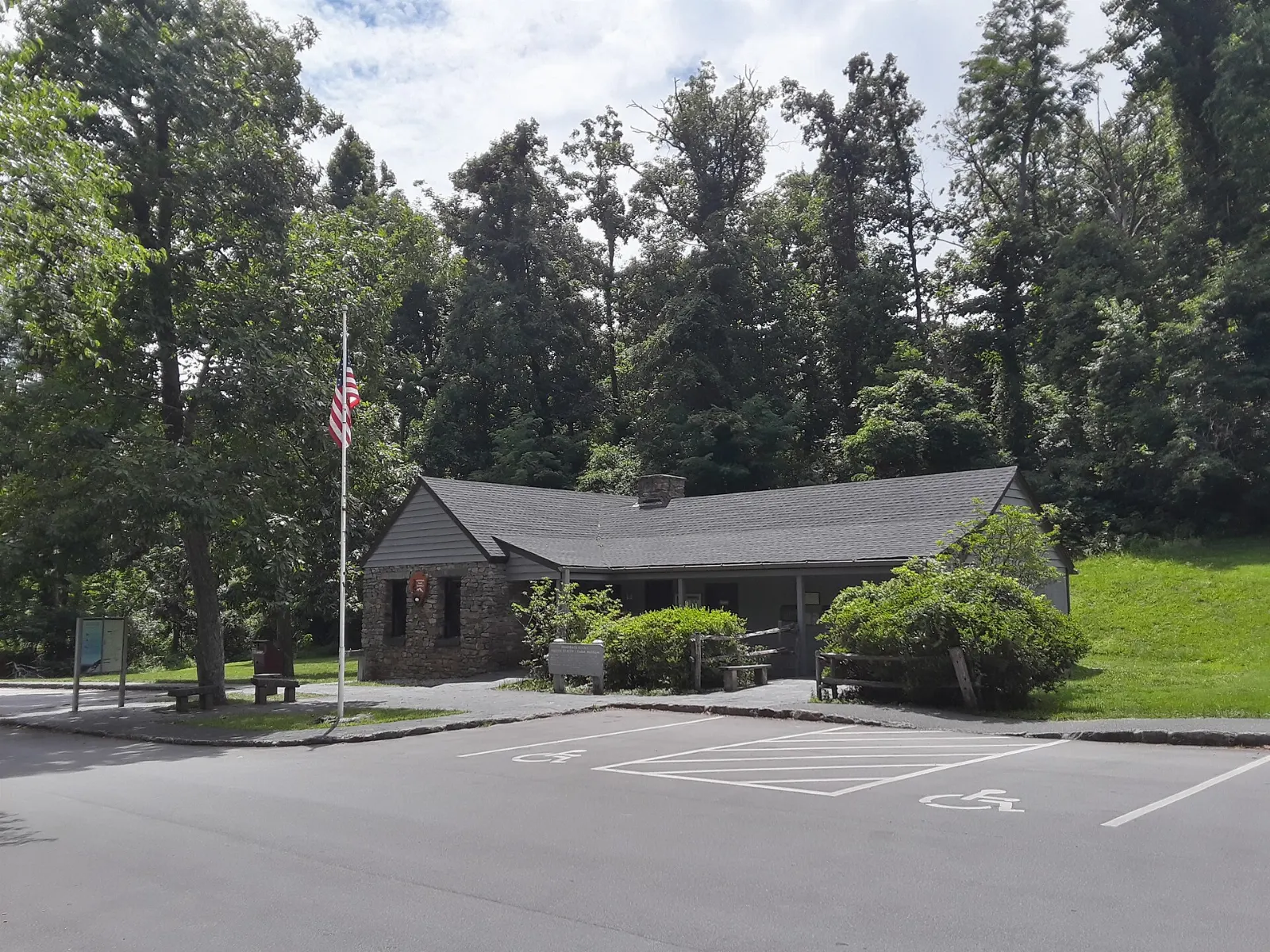
About half an hour west on Interstate 64, Rockfish Gap is the southern entrance to Skyline Drive in Shenandoah National Park and the northern start of the Blue Ridge Parkway.
The Monticello Wine Trail
Jefferson dreamed of making fine wine in Virginia, and today dozens of wineries around Charlottesville belong to the Monticello Wine Trail. Look for Viognier, Cabernet Franc and Petit Manseng, varieties that do well in the local climate.
Food and local flavors
Charlottesville eats well for a city of its size. Farm-to-table cooking draws on the surrounding countryside, so menus change with the seasons: ramps and asparagus in spring, peaches and tomatoes in summer, apples, squash and game in fall.
The Downtown Mall and the streets around it hold the densest cluster of restaurants, from casual cafes to fine dining.
Popular dishes to try in Charlottesville


 Planning a trip to Charlottesville?Compare hotels, flights and vacation rentals for Charlottesville on Expedia.Book now
On WiserMap
Local businesses in Charlottesville

Albemarle Heating & Air
Albemarle Heating & Air is a full-service heating, air conditioning, and plumbing business serving Charlottesville, VA. It provides heating and AC repair, maint...
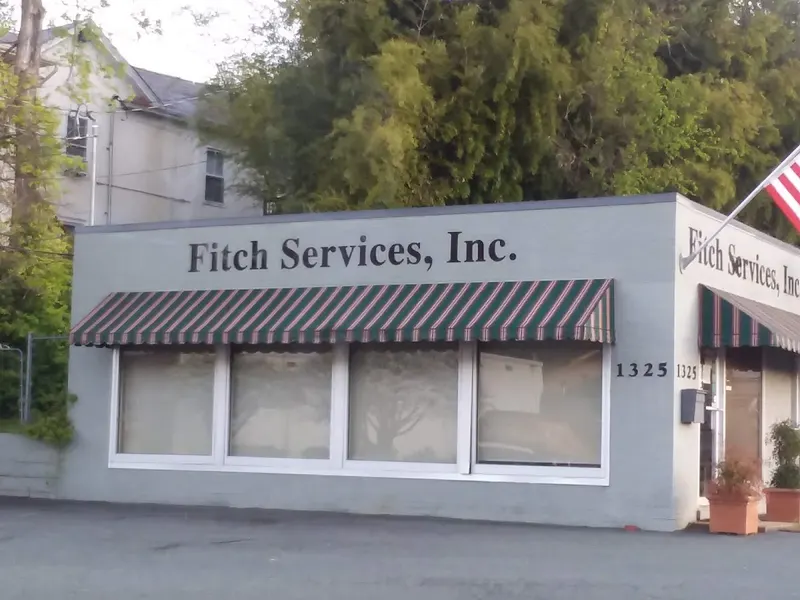
Fitch Services
Fitch Services is a full-service HVAC, plumbing, and electrical company serving Charlottesville, VA. Established in 1983, Fitch Services offers heating and air...
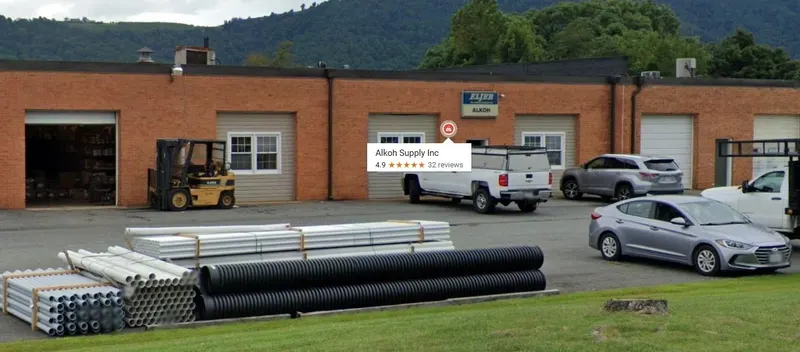
Alkoh Supply Inc
Alkoh Supply Inc is a plumbing supplies business serving central Virginia. Alkoh Supply Inc provides pipes, valves, fittings, and plumbing materials for residen...
Where to stay
Downtown is the best base for most visitors. You can walk to the Mall's restaurants, theaters and shops, and Monticello is a short drive away.
The university area, including West Main Street and the Corner, suits visitors with business at UVA, parents and anyone who wants to explore the Grounds early. Pantops, east of downtown along US 250, has larger chain properties with easy parking and quick access to Monticello and Interstate 64, a practical choice for families and road trippers.
Where to stay in Charlottesville


Best time to visit
Spring, from April to May, is lovely: dogwoods and redbuds bloom, the Monticello gardens come alive and the Dogwood Festival brings a parade and carnival.
Fall is the high season for good reason. From late September into early November, the leaves turn on the Blue Ridge, apple picking peaks on Carter Mountain and wineries hold harvest events.
Getting there and getting around
Charlottesville Albemarle Airport, about eight miles north of downtown, has connecting flights from several major hubs. Washington Dulles is about two hours away by car and has far more flights.
Within town, a free trolley runs between downtown and the university, and city buses cover other neighborhoods.
A suggested itinerary
First day
Take an early timed tour of Monticello, then walk Mulberry Row and the gardens. Have the midday meal at Michie Tavern and visit James Monroe's Highland in the afternoon.
Second day
Spend the morning at the university: the Rotunda, the Lawn, the pavilion gardens and the Memorial to Enslaved Laborers, followed by an hour at the Fralin Museum.
Third day
Drive west to Rockfish Gap and hike Humpback Rocks in the cool morning.
Practical tips
- Book Monticello timed tickets in advance, especially on weekends, holidays and in the fall.
- Check the university calendar; graduation and football weekends fill hotels and raise prices.
- Wear comfortable shoes for the hilly Monticello grounds and the brick paths on the Grounds.
- Be quiet and respectful on the Lawn, where students live in the historic rooms.
- Plan a designated driver or a guided tour for wine tasting; drunk driving laws are strictly enforced.
- Check road status for Skyline Drive and the Blue Ridge Parkway, which can close in winter weather or fog.
Find local businesses in Charlottesville on WiserMap
Searching for a farm-to-table restaurant, a wine tour company, a bookshop or a coffee stop near the Downtown Mall?