Williamsburg sits on a narrow peninsula between the James and York rivers in southeastern Virginia, and few places in the United States let you step so completely into the eighteenth century. As the capital of the Virginia colony for most of that century, it was where George Washington, Thomas Jefferson and Patrick Henry debated the ideas that led to independence.
AT A GLANCE
Best time
April to early June and mid September to November; December for holiday events.
How long
Three days for Colonial Williamsburg, Jamestown and Yorktown; add a day for theme parks.
Getting there
Drive via Interstate 64, take Amtrak to Williamsburg, or fly into Newport News, Richmond or Norfolk.
Why visit Williamsburg
Williamsburg offers history you can walk through rather than read about. In the 1920s, the Reverend W. A. R. Goodwin persuaded John D. Rockefeller Jr. to fund a restoration of the old capital.
Around this core, the wider area gives you the full arc of early American history in one compact region, from the struggles of the first colonists at Jamestown to the final great battle of the Revolution at Yorktown.
Colonial Williamsburg's Historic Area
Duke of Gloucester Street
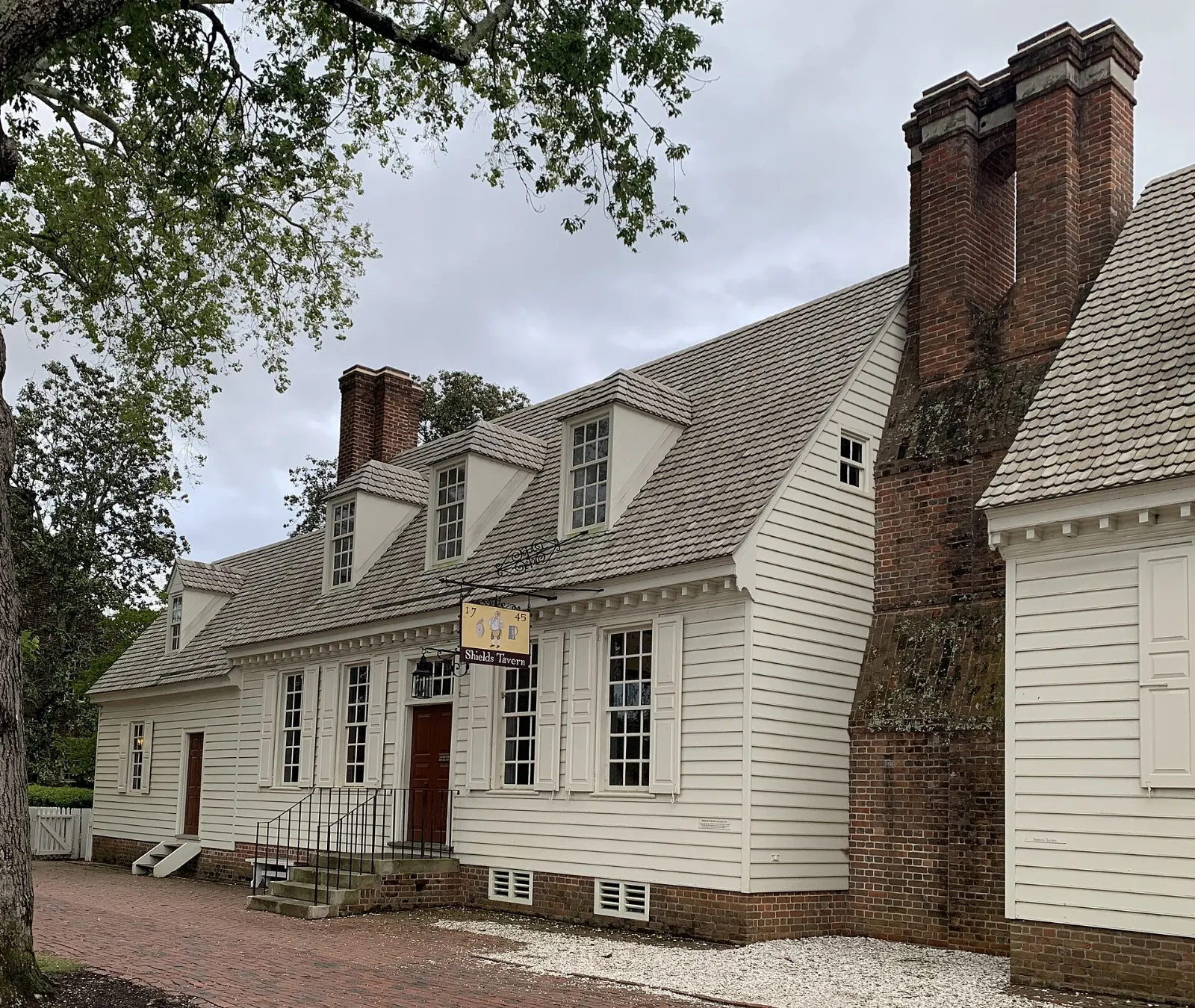
The main street of the Historic Area runs for about a mile from the Capitol to the College of William & Mary, and it is closed to cars. Along it you will find trade shops, taverns, homes, the Courthouse and the Magazine, where the colony stored its arms.
Governor's Palace
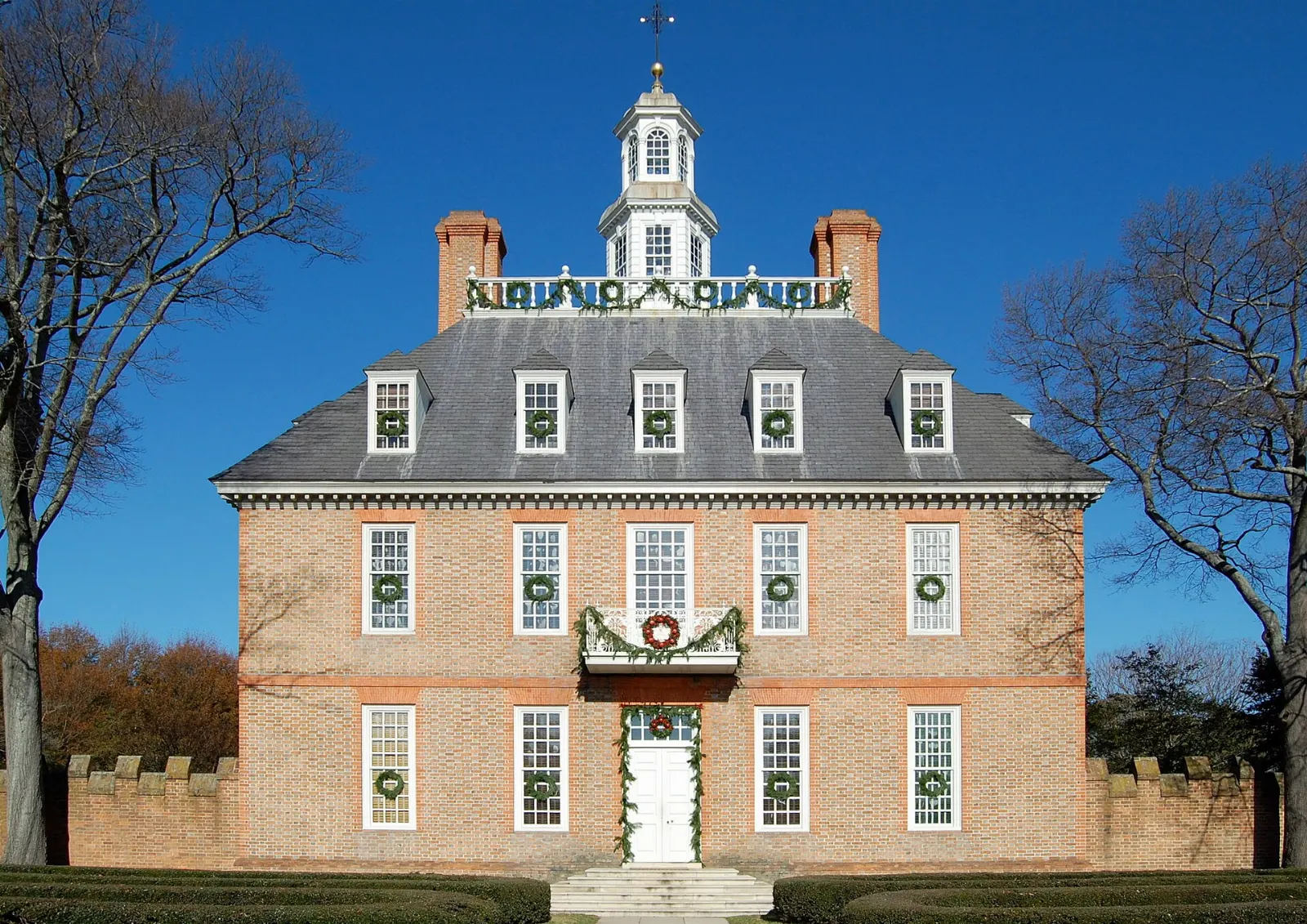
At the head of the long Palace Green, the Governor's Palace was home to seven royal governors and then to the first two governors of the independent Commonwealth, Patrick Henry and Thomas Jefferson. The reconstructed building is famous for its entrance hall, where hundreds of muskets and swords are arranged in decorative patterns, as well as its formal gardens, holly maze and canal.
The Capitol
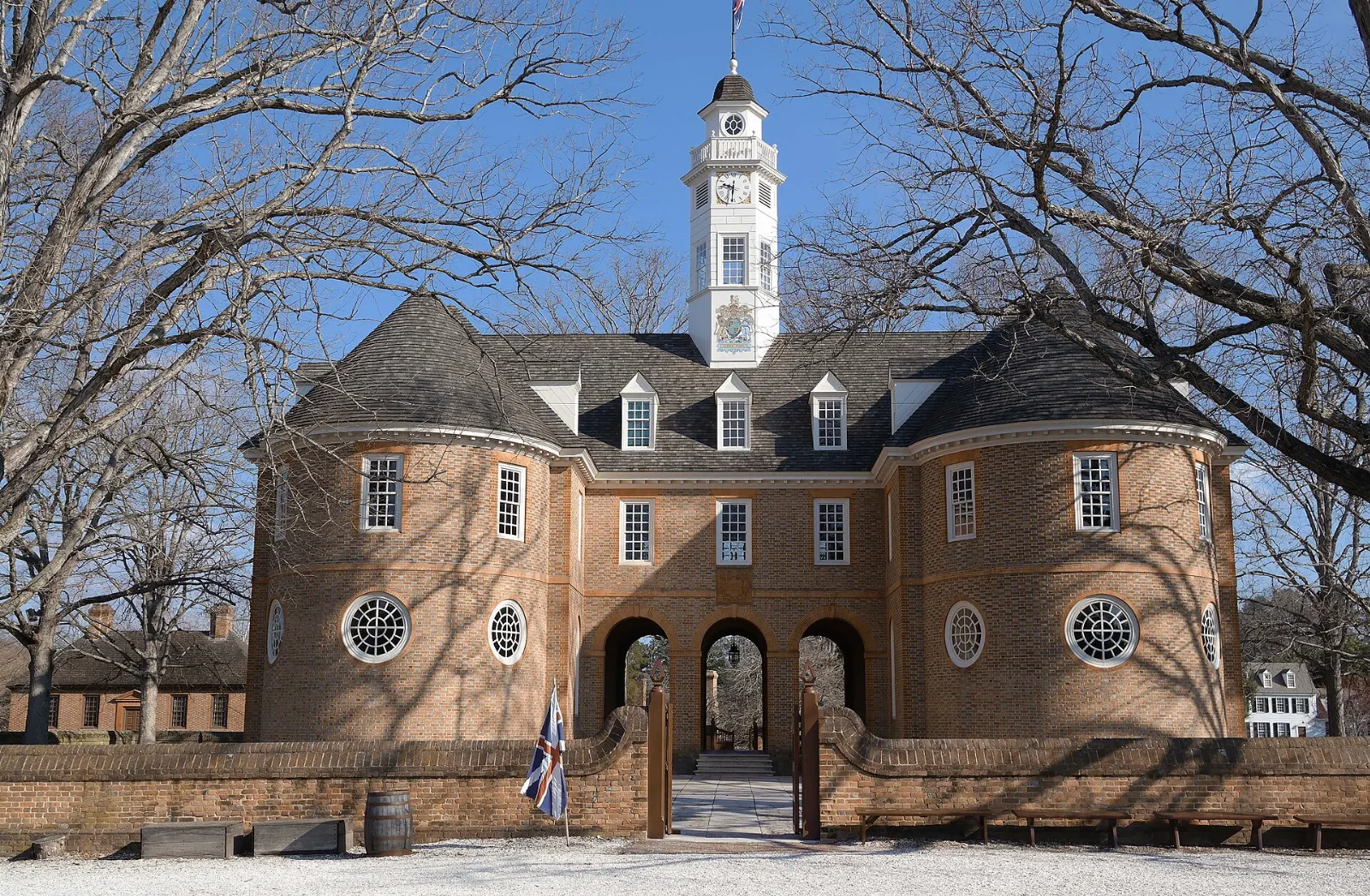
At the eastern end of Duke of Gloucester Street, the reconstructed Capitol housed the House of Burgesses and the colonial courts. In May 1776, the Virginia Convention meeting in Williamsburg instructed its delegates in Congress to propose independence, and Virginia adopted its Declaration of Rights that June.
Bruton Parish Church
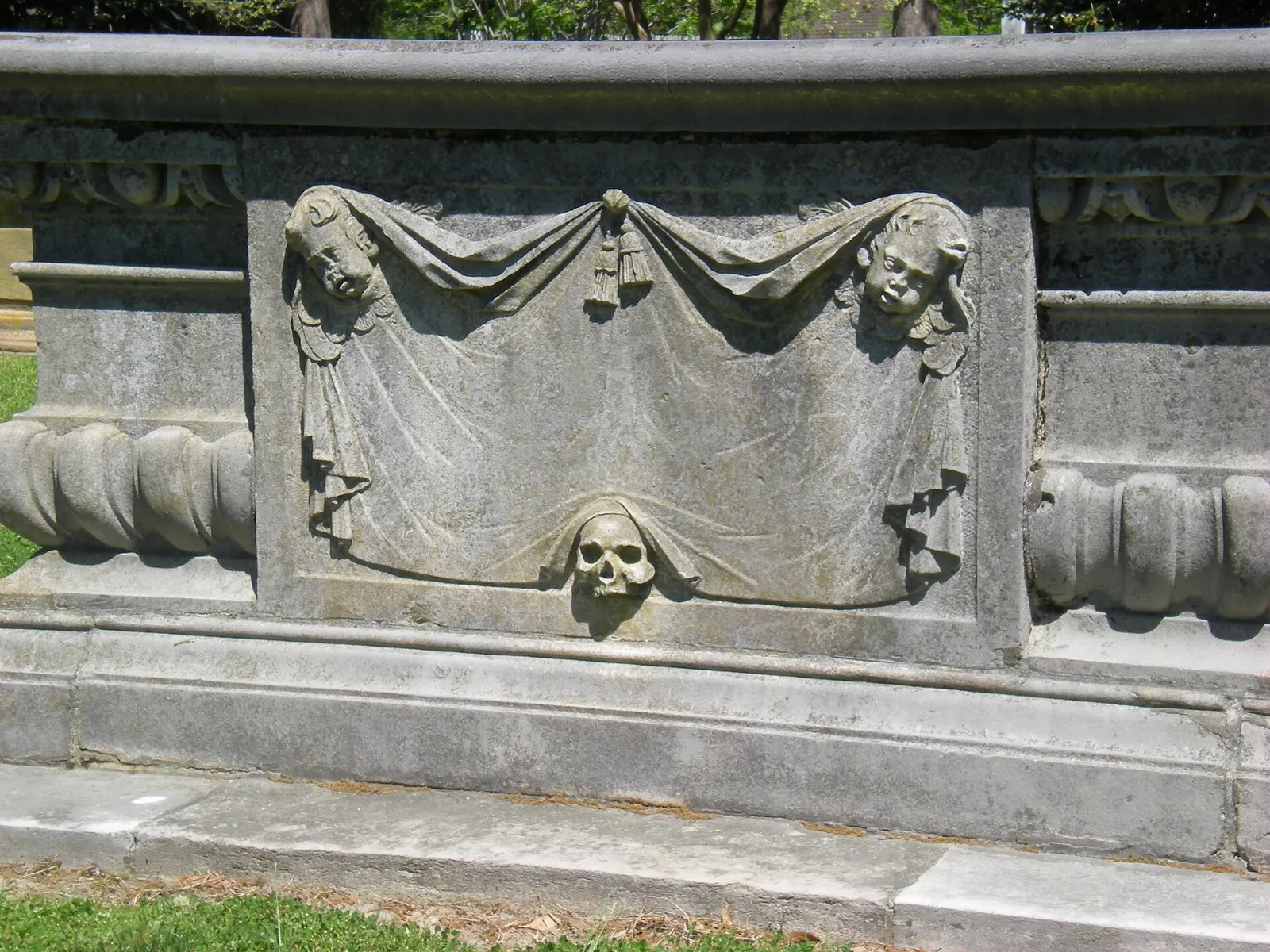
Bruton Parish Church, completed in 1715, is an original building and still an active Episcopal parish. Many members of the colonial government worshipped here, and its churchyard holds graves from the colonial era.
Art Museums of Colonial Williamsburg
Entered through the reconstructed Public Hospital, the first public hospital in America built for the treatment of mental illness, the Art Museums house two collections: the Abby Aldrich Rockefeller Folk Art Museum and the DeWitt Wallace Decorative Arts Museum. Expect furniture, silver, textiles, portraits and outstanding American folk art.
The College of William & Mary and the Wren Building
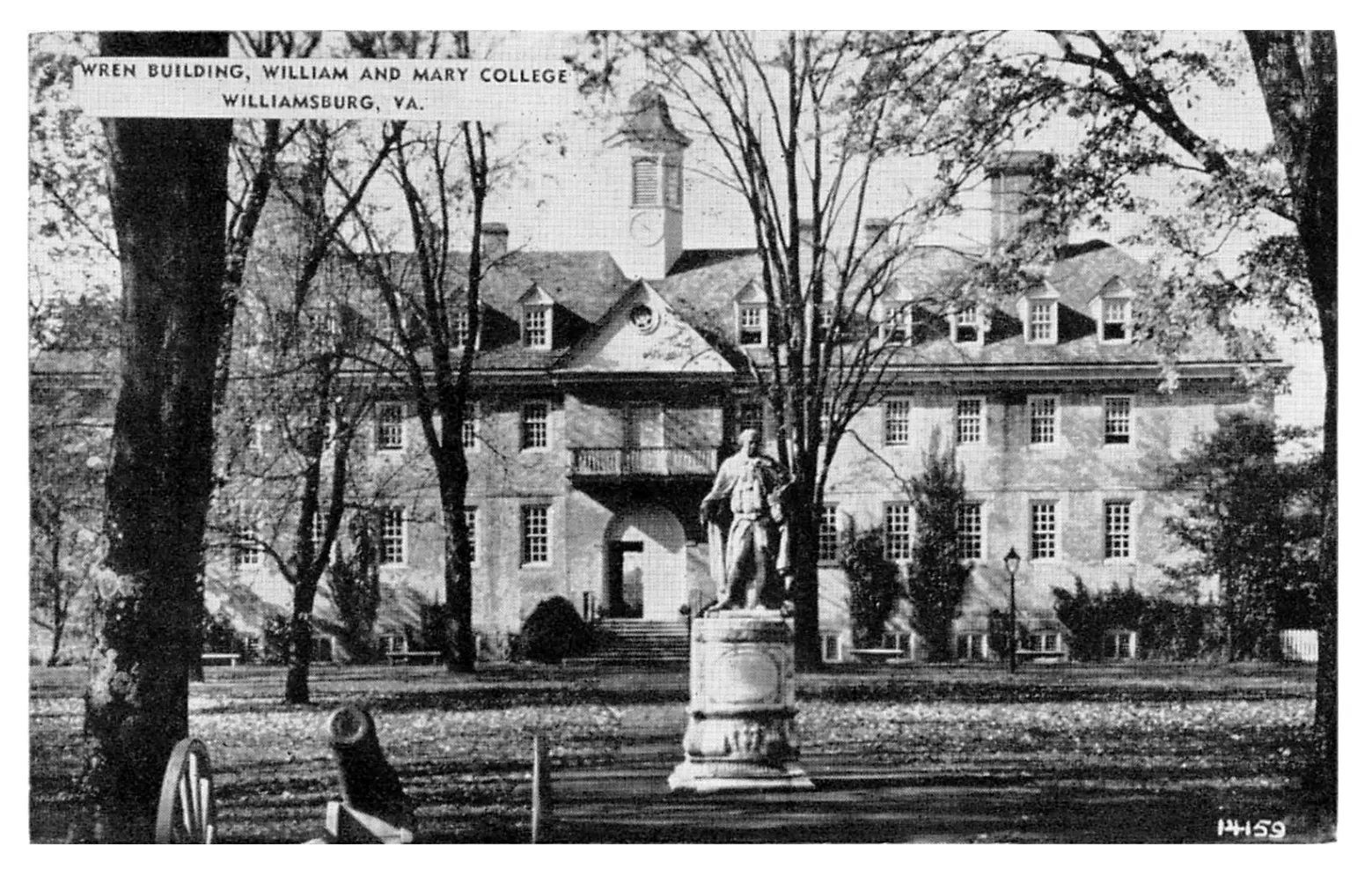
At the western end of Duke of Gloucester Street, the College of William & Mary was chartered in 1693, making it the second-oldest college in the United States. Thomas Jefferson studied here.
Jamestown, Yorktown and the Historic Triangle
Historic Jamestowne
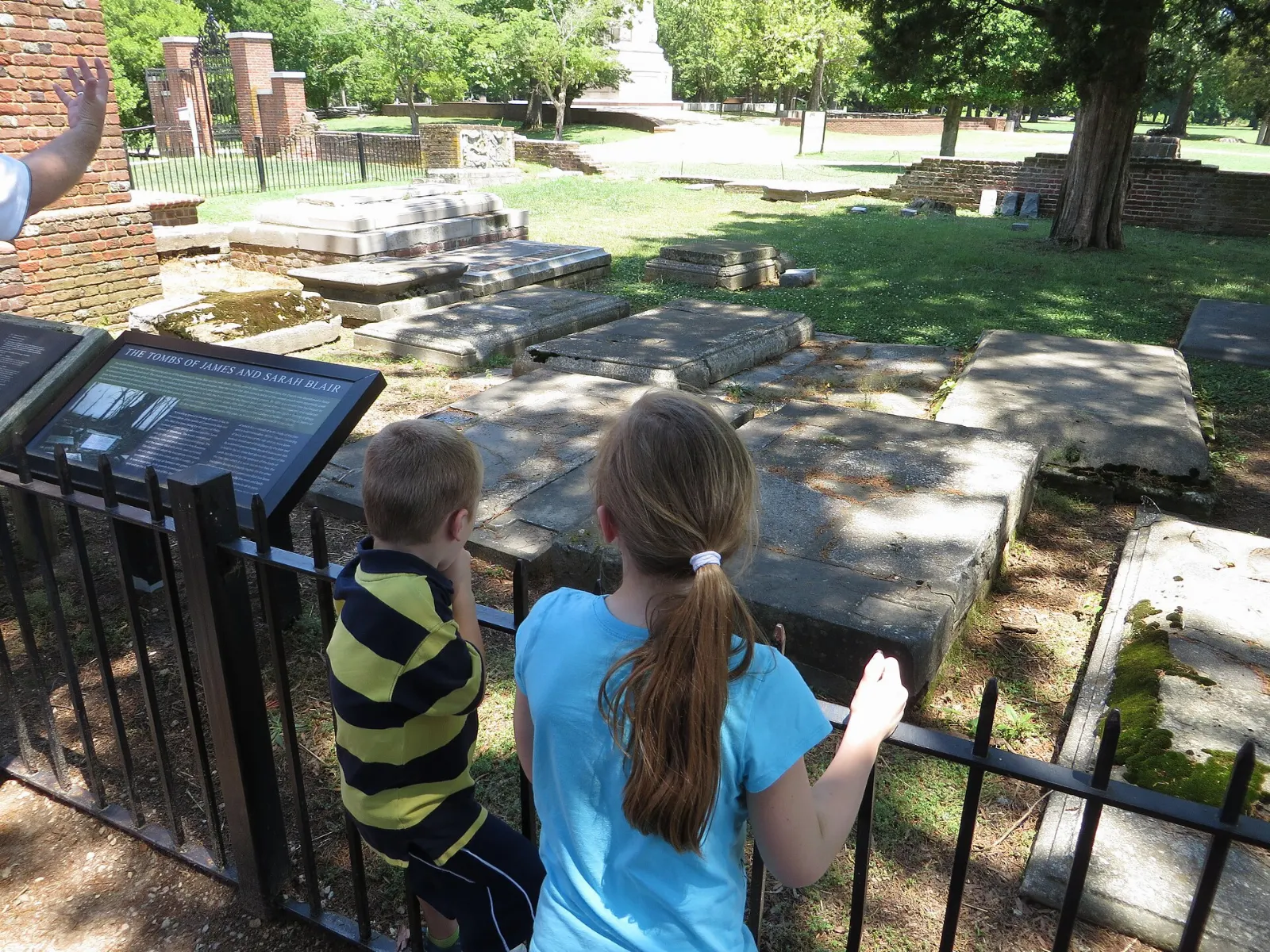
On an island in the James River, Historic Jamestowne is the actual site of the 1607 English settlement, managed jointly by the National Park Service and Preservation Virginia. Archaeologists rediscovered the remains of the original James Fort in the 1990s, and excavations continue.
Jamestown Settlement
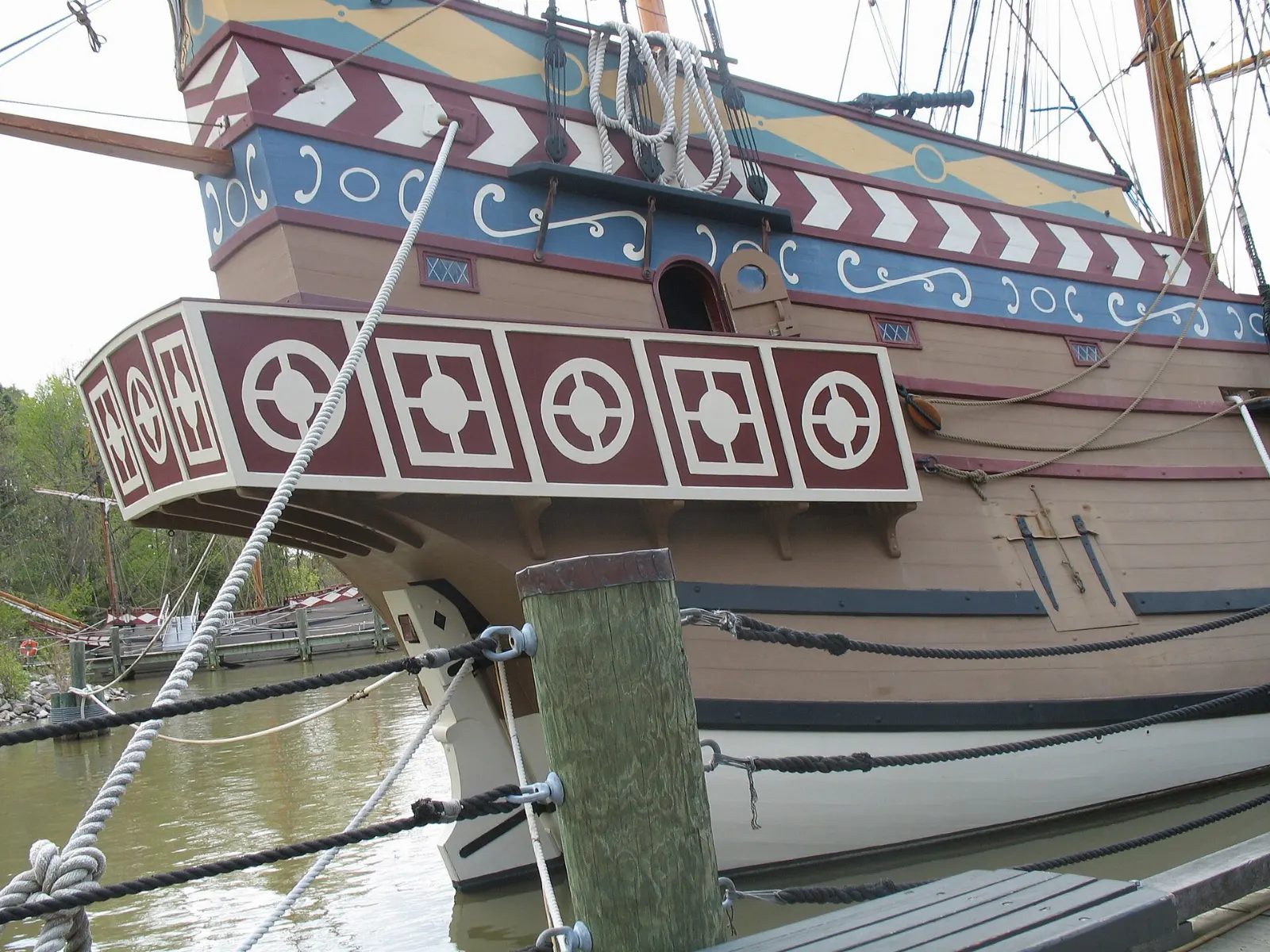
Next to the entrance of Historic Jamestowne, Jamestown Settlement is a separate living history museum run by the Commonwealth of Virginia. It has galleries on the Powhatan people, the English and the Africans who shaped early Virginia, plus re-creations of a Powhatan village, a colonial fort and full-size replicas of the three ships that arrived in 1607.
Yorktown Battlefield
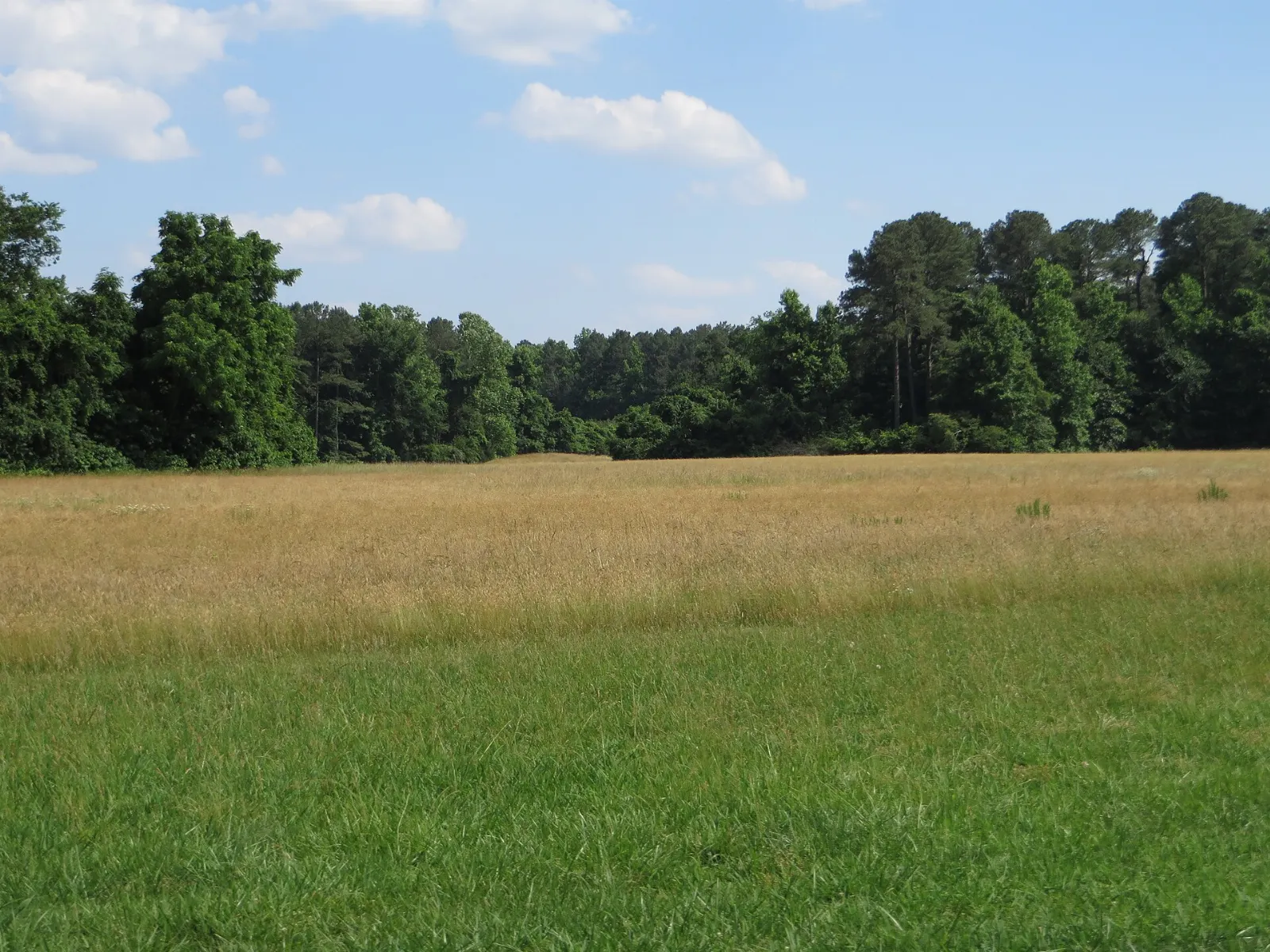
In the autumn of 1781, American and French forces under George Washington and the Comte de Rochambeau besieged General Cornwallis's British army here, and his surrender effectively ended the major fighting of the Revolutionary War. The National Park Service site has a visitor centre, preserved earthworks, the Moore House where surrender terms were negotiated and Surrender Field.
Yorktown village and the American Revolution Museum
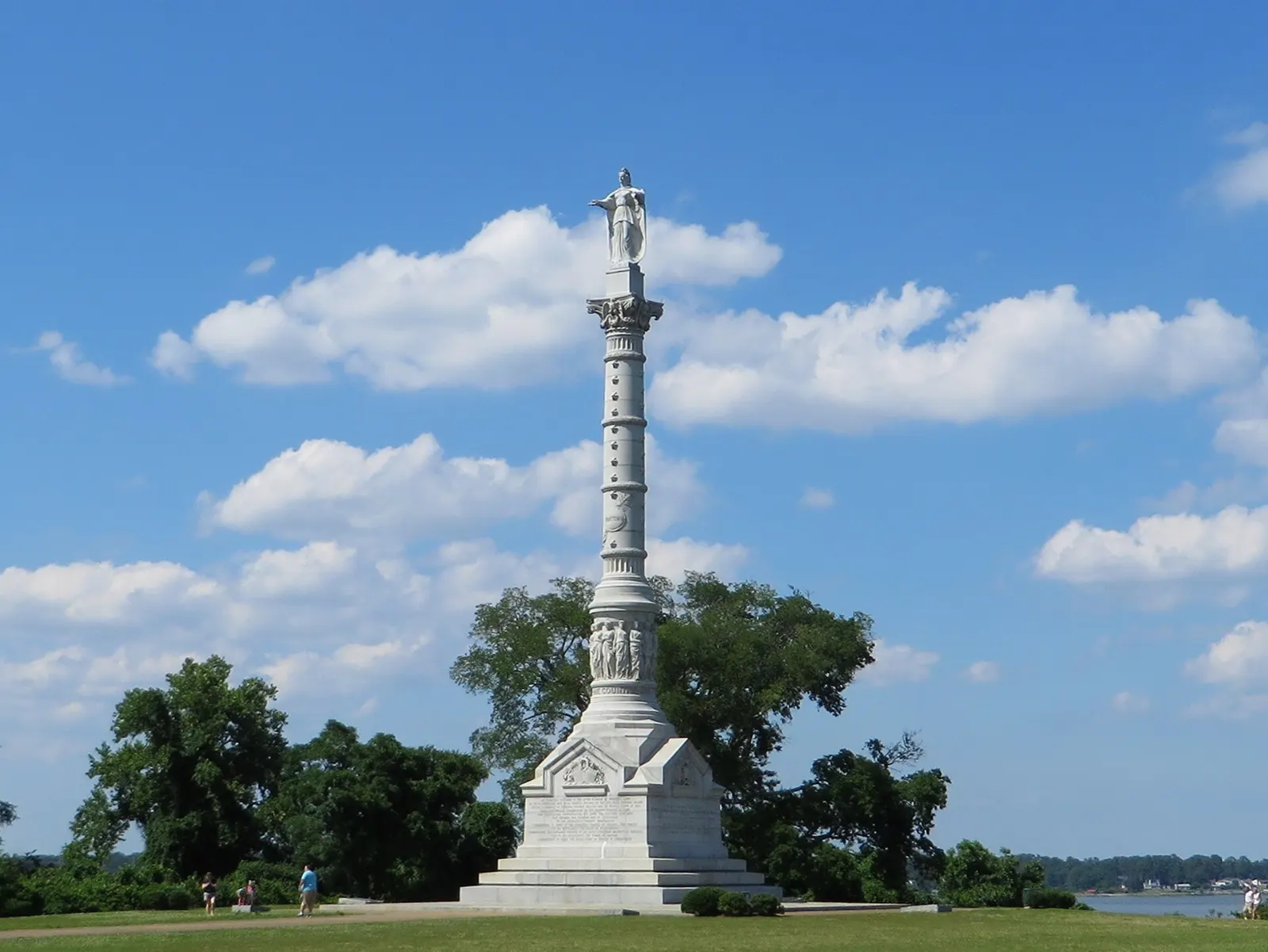
The small town of Yorktown sits above the York River, with the tall Victory Monument, historic houses, a sandy beach and Riverwalk Landing, a waterfront area with shops and restaurants.
Busch Gardens Williamsburg and Water Country USA
Southeast of town, Busch Gardens Williamsburg is a large theme park with European-themed villages, major roller coasters, shows and animal habitats, while nearby Water Country USA is a summer water park. Allow a full day for Busch Gardens.
 Planning a trip to Williamsburg?Compare hotels, flights and vacation rentals for Williamsburg on Expedia.Book now
Food and local flavors
Virginia's culinary traditions run deep here. Look for salty, dry-cured Virginia ham, often served in biscuits, as well as Brunswick stew, spoonbread and peanut soup, a dish with roots in colonial and African American cooking.
Merchants Square has cafés, bakeries and casual restaurants within easy walking distance of the Historic Area, while Richmond Road and the New Town area west of the centre offer a wider choice.
Popular dishes to try in Williamsburg


Where to stay
Staying at the edge of the Historic Area lets you walk everywhere, enjoy the streets in the quiet early morning and join evening programmes without driving; it suits couples and history enthusiasts.
The Richmond Road corridor west of the centre has many mid-range chain hotels, outlet shopping and family restaurants, and is good value for families.
Where to stay in Williamsburg


Best time to visit
Spring and autumn are ideal. From April to early June, gardens and dogwoods bloom and temperatures are comfortable for walking; Historic Garden Week in late April opens private gardens across Virginia.
December is a special time in Colonial Williamsburg. Buildings are decorated with natural greenery, and the Grand Illumination in early December starts the season with lights and celebrations.
Getting there and getting around
Interstate 64 connects Williamsburg with Richmond to the northwest and Newport News, Hampton and Norfolk to the southeast. Route 5 from Richmond is a slower, more scenic option past the James River plantations.
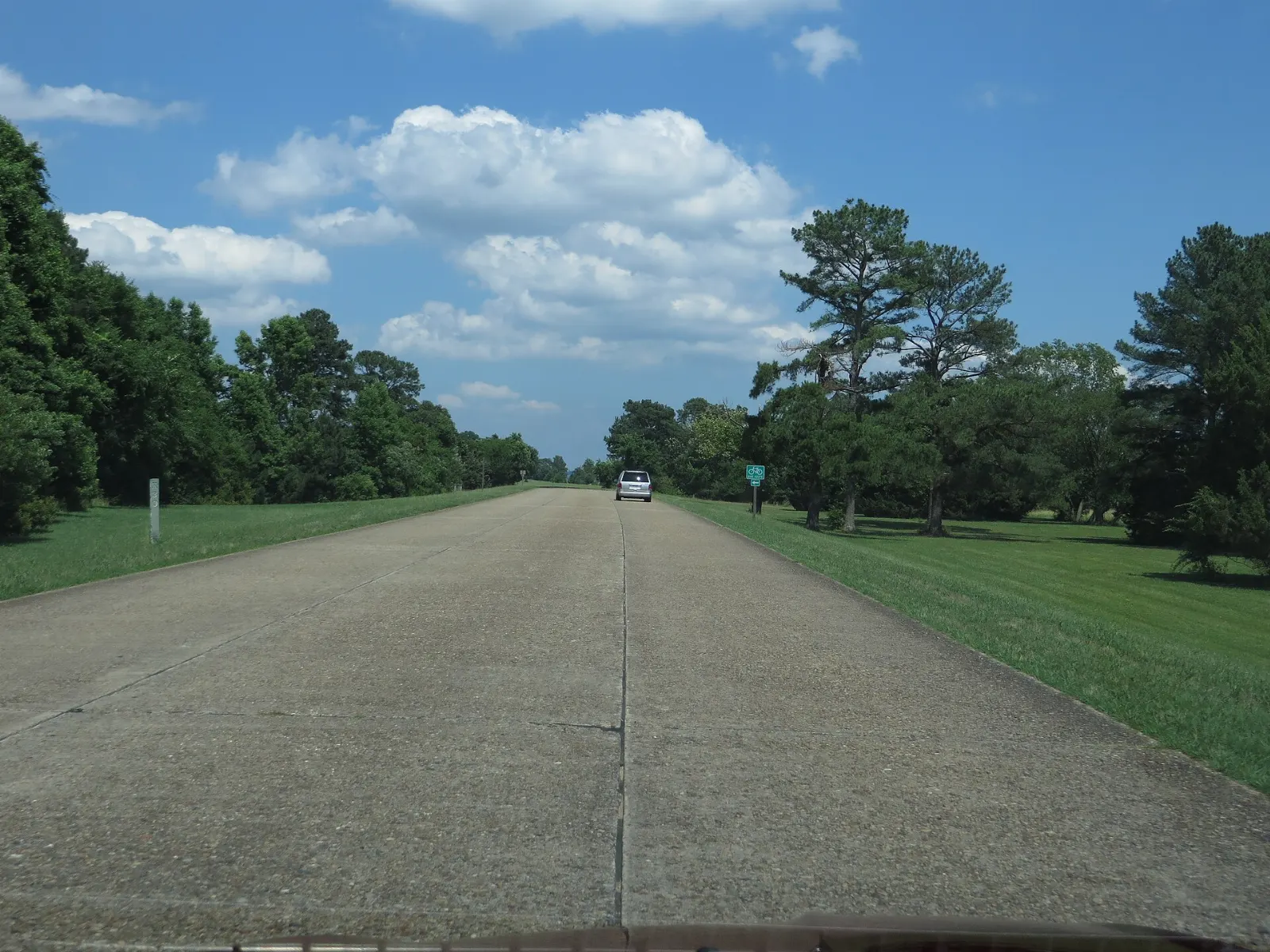
A car is the easiest way to explore the Historic Triangle. The Colonial Parkway, a scenic road managed by the National Park Service, links Jamestown, Williamsburg and Yorktown along the rivers, with pull-offs for views.
A suggested itinerary
First day
Buy your ticket at the Visitor Center and walk into the Historic Area.
Second day
Drive the Colonial Parkway to Jamestown. Spend the morning at Historic Jamestowne and the afternoon at Jamestown Settlement.
Third day
Follow the parkway to Yorktown. Tour the battlefield in the morning, have lunch at Riverwalk Landing and spend the afternoon at the American Revolution Museum.
Practical tips
- Check the official websites for current hours and fees, as schedules vary by season and day.
- Reserve timed tours, such as the Governor's Palace, when you buy your Colonial Williamsburg ticket.
- A National Park Service pass covers both Historic Jamestowne and Yorktown Battlefield; the state-run museums are ticketed separately.
- Wear comfortable shoes, as Historic Area streets are unpaved or uneven.
- Carry water, sunscreen and a hat in summer; shade can be limited on the battlefields.
- Use insect repellent near the rivers and marshes, especially at Jamestown in summer.
Find local businesses in Williamsburg on WiserMap
From cafés near Merchants Square to shops, services and places to stay along Richmond Road, Williamsburg has plenty of local businesses ready to make your trip easier.