
Galveston Texas Victorian Mansions and Seawall Beaches
Galveston is a barrier island on the Texas Gulf Coast, roughly an hour's drive southeast of downtown Houston, and it packs far more history than most beach towns. In the late 1800s it was the richest city in Texas and its busiest cotton port, and the brick warehouses, iron-front storefronts and Victorian mansions from that boom still stand.
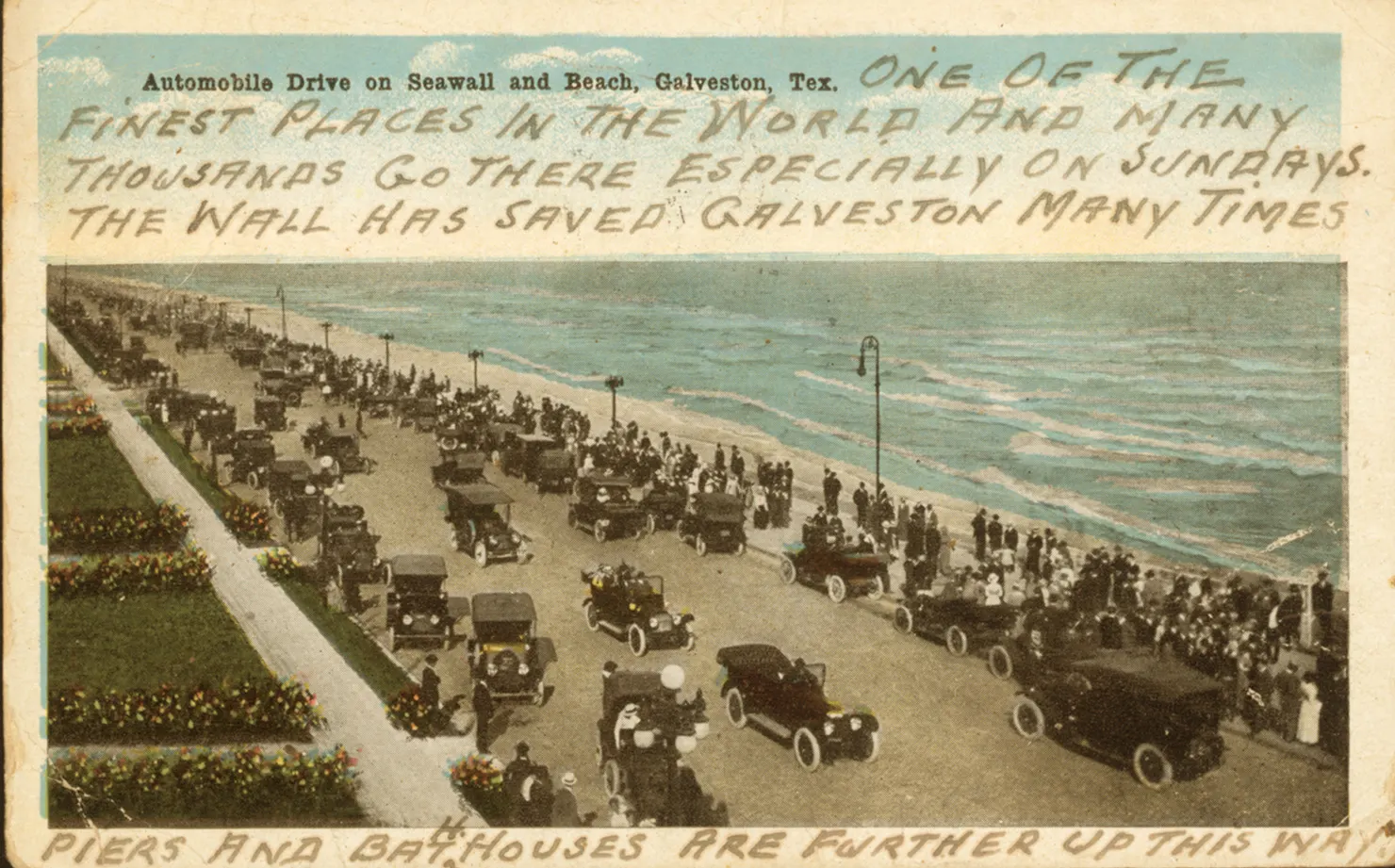
Today you can spend a morning aboard a nineteenth-century tall ship, an afternoon on the sand and an evening eating Gulf shrimp a few steps from the water.
- Best timeSpring (March to May) and fall (October and November) for warm water and lighter crowds.
- How longTwo to three days covers the historic core, the beaches and Moody Gardens.
- Getting thereFly into Houston Hobby or Bush Intercontinental, then drive south on Interstate 45.
Why visit Galveston
Few places on the Gulf Coast combine beach time with this much architecture and story. The island was named for Bernardo de Galvez, served briefly as a base for the privateer Jean Lafitte and grew into a port that shipped cotton around the world.
Galveston also has roughly thirty miles of Gulf shoreline, from busy beaches along the seawall to quieter stretches on the West End and at the state park.
Historic downtown and the harbor
Start on the bay side of the island, where Galveston's commercial wealth was concentrated. Most of these sights sit within a few blocks of each other, so park once and explore on foot.
The Strand Historic District
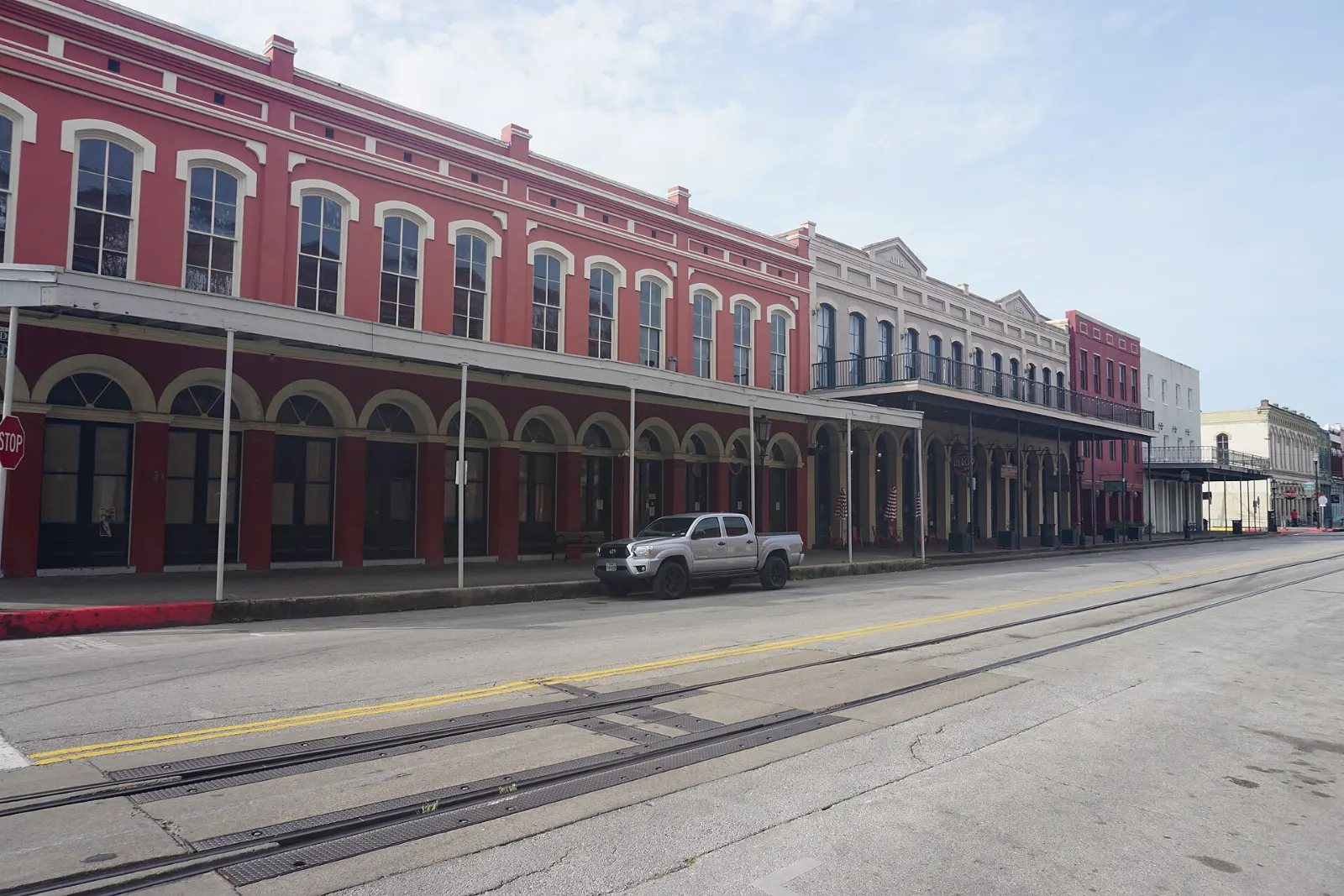
The Strand and the parallel Postoffice and Mechanic streets form one of the finest collections of Victorian commercial buildings in the country.
Texas Seaport Museum and the Elissa
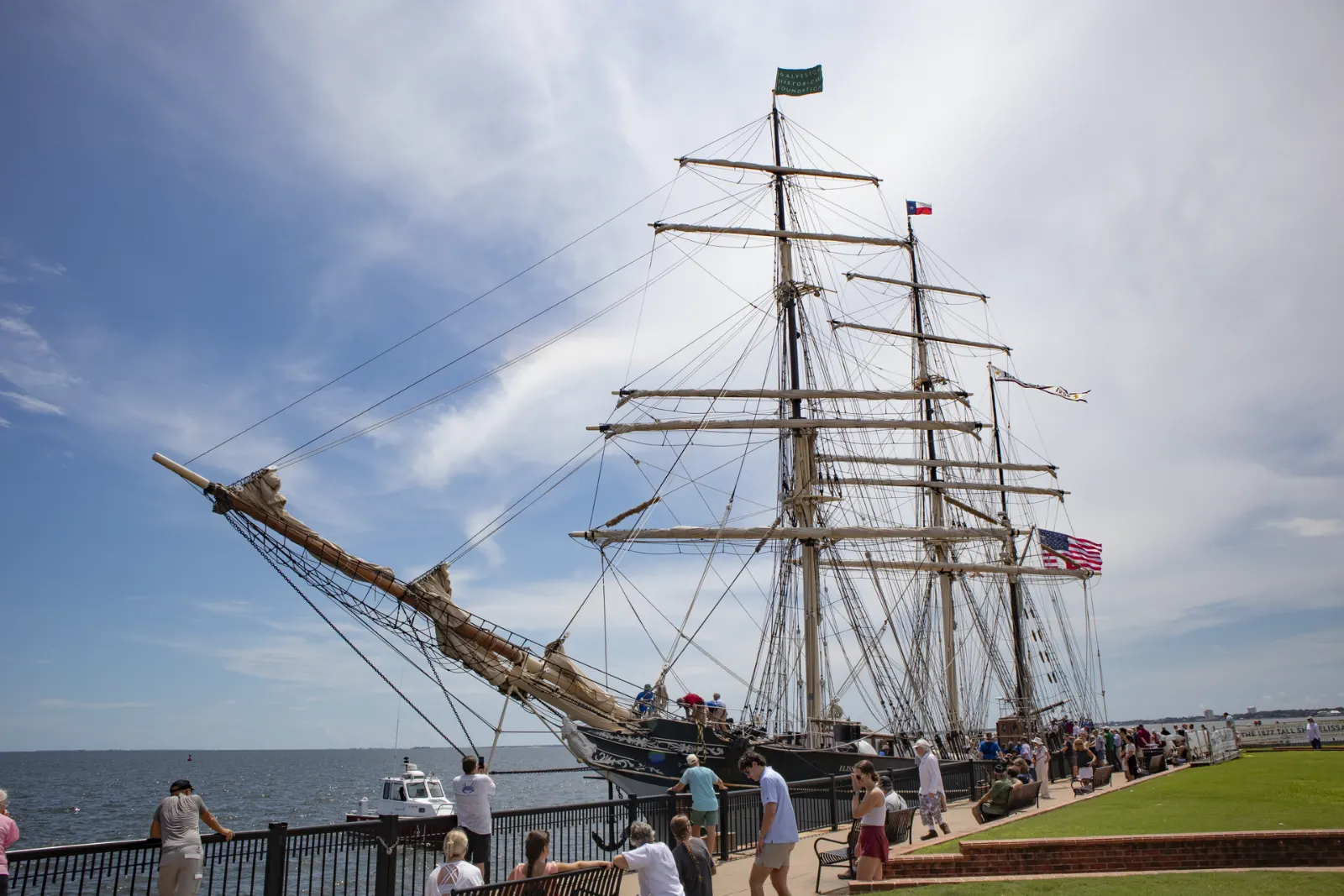
At Pier 21 you can board the Elissa, an iron-hulled barque launched in Scotland in 1877 that once called at Galveston carrying cargo. Lovingly restored, she still sails occasionally, and you can walk her decks, peer into the cargo hold and study the maze of rigging.
Galveston Railroad Museum
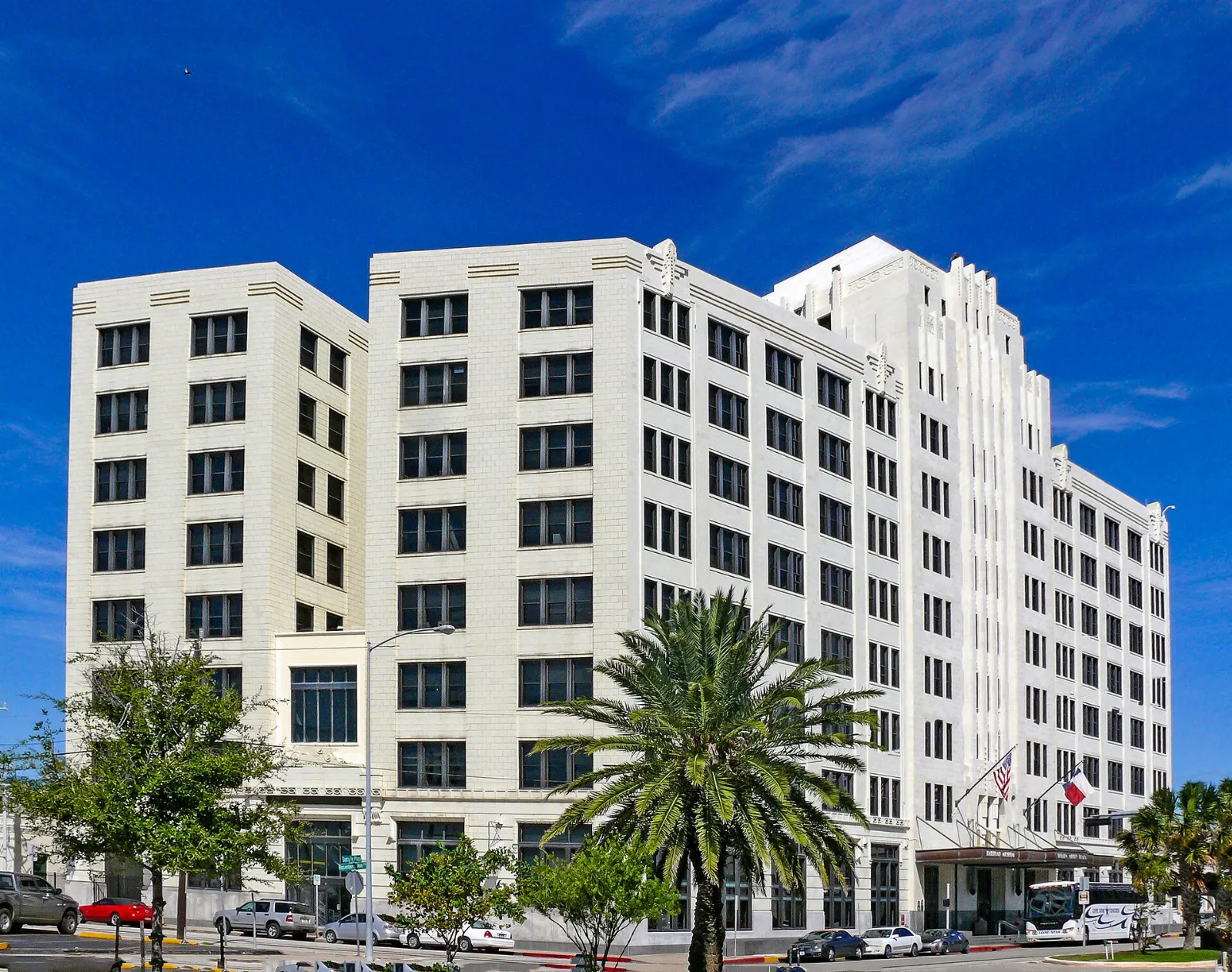
Housed in the former Santa Fe Union Station at the west end of The Strand, this museum displays a large collection of historic rail cars outside and a waiting room filled with life-size sculptures of travelers frozen in the 1930s.
Ocean Star Offshore Drilling Rig and Museum
Next to the harbor, a retired jack-up drilling rig has become a museum about the offshore oil and gas industry. Exhibits explain drilling, exploration and life on a platform, and the outdoor decks give you good views over the harbor.
Broadway mansions and the East End
Broadway, the oak-shaded boulevard that carries traffic from the causeway into town, was where Galveston's wealthiest families built their homes. Several are open for tours.
Bishop's Palace
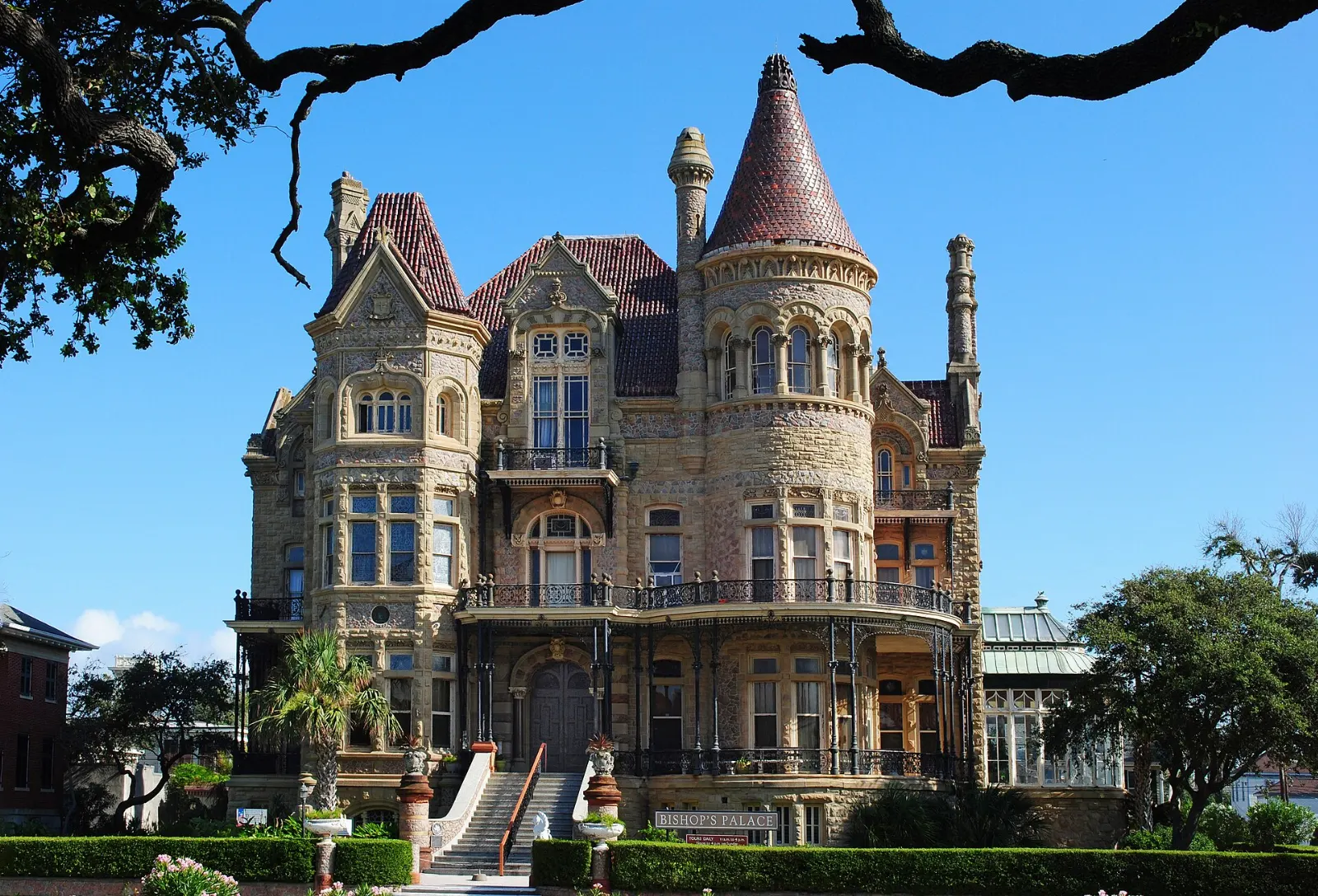
Completed in 1892 for lawyer and politician Walter Gresham, this stone mansion is one of the most celebrated Victorian houses in the United States.
Moody Mansion
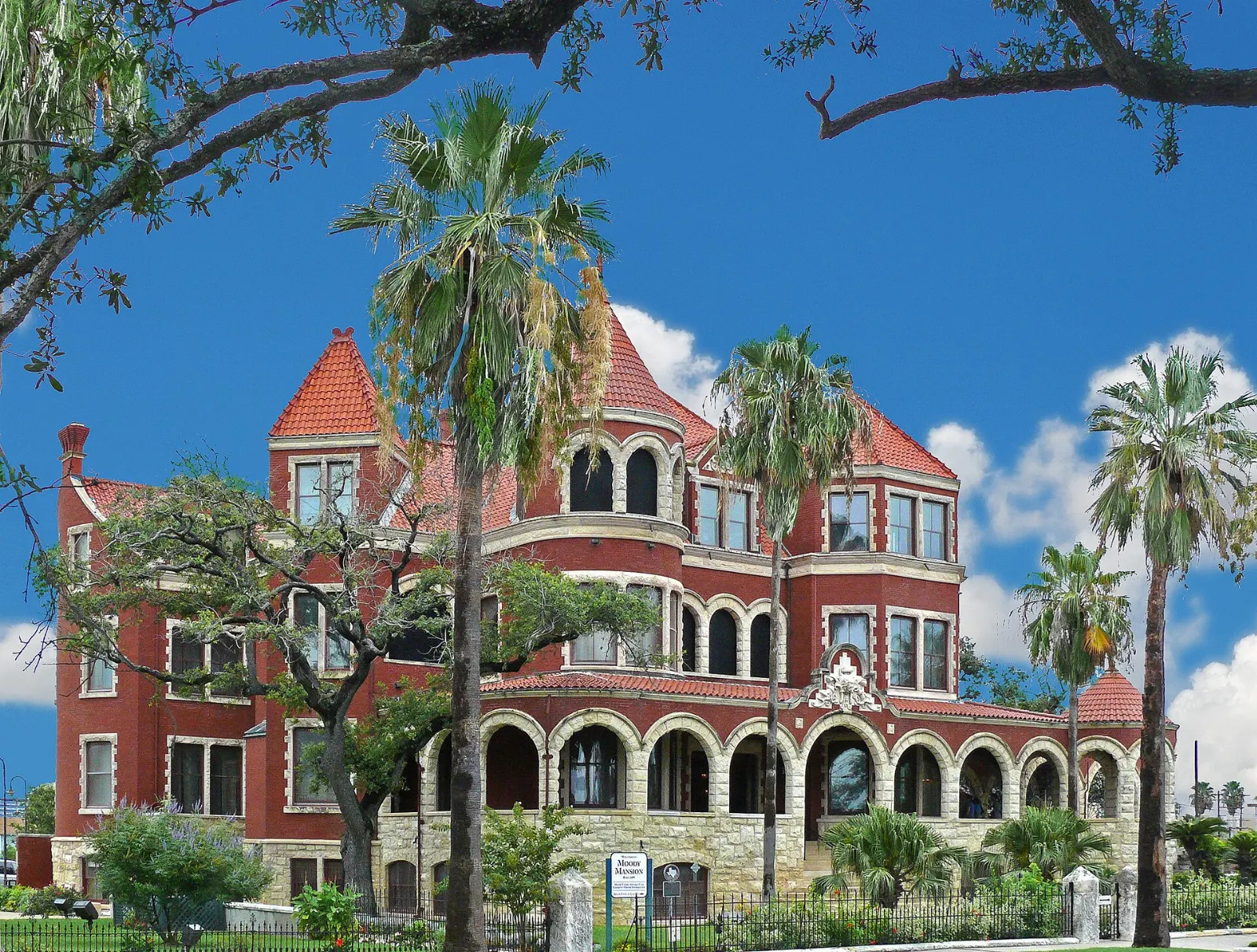
A few blocks west on Broadway stands the red brick and limestone home of the Moody family, whose businesses in banking, insurance and cotton shaped the island. Rooms are furnished with original family pieces, giving a vivid picture of how the city's elite lived in the early twentieth century.
The Bryan Museum and the East End
The Bryan Museum, in a historic former orphans' home, holds a large private collection of artifacts, documents and art from Texas and the American West, from saddles to maps. Allow one to two hours.
Seawall, beaches and island attractions
The Gulf side of the island is where most visitors spend their beach time. The water here is often brown-green rather than turquoise because of river sediment, but the sand is wide and the surf is usually gentle.
Seawall Boulevard and the Pleasure Pier
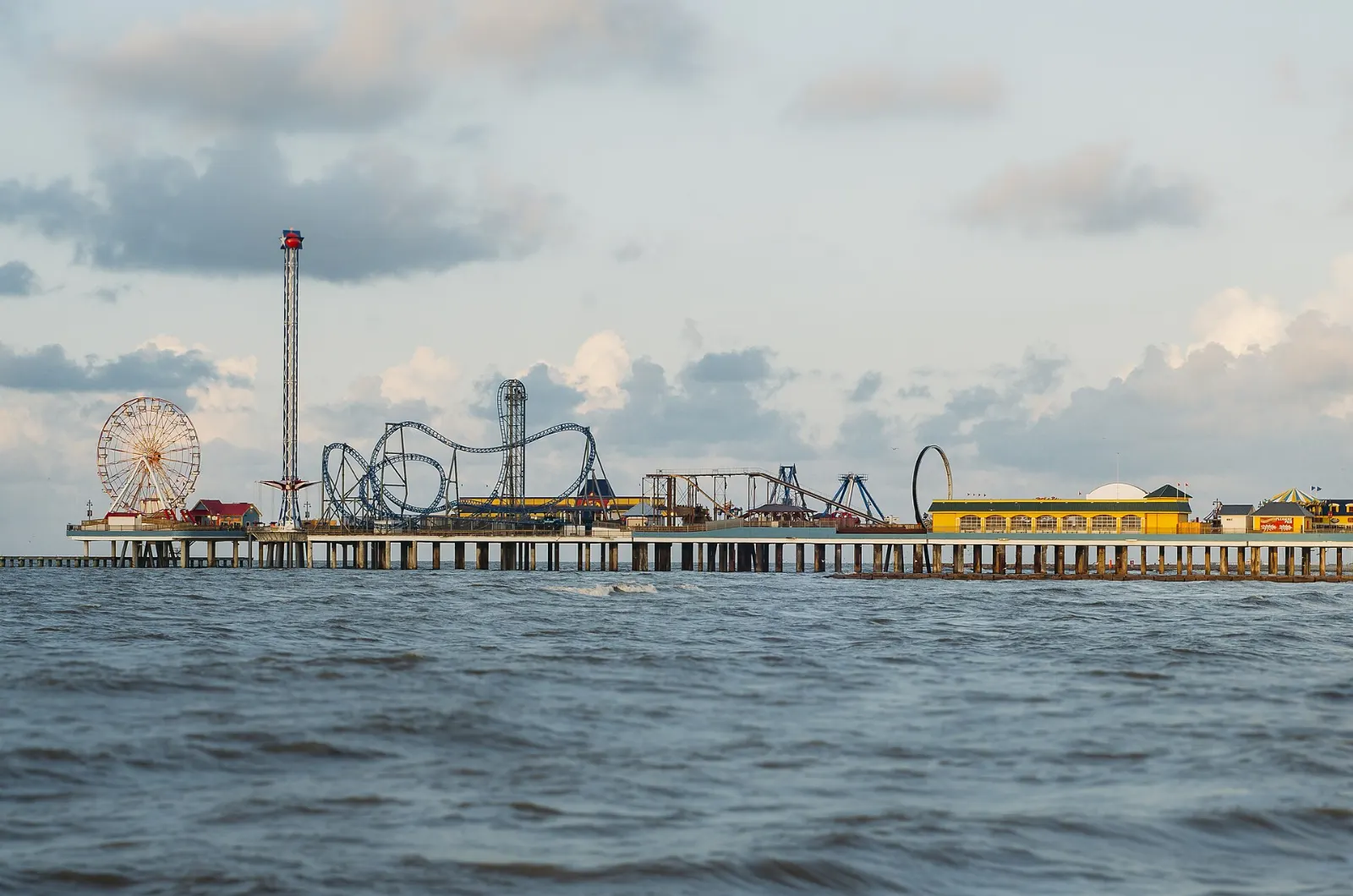
The seawall runs for about ten miles along the Gulf, with a wide sidewalk on top that suits walking, cycling and rented surreys.
East Beach and the West End
East Beach, at the island's eastern tip near the jetties, is the largest and most social stretch of sand, popular with groups and families.
Moody Gardens
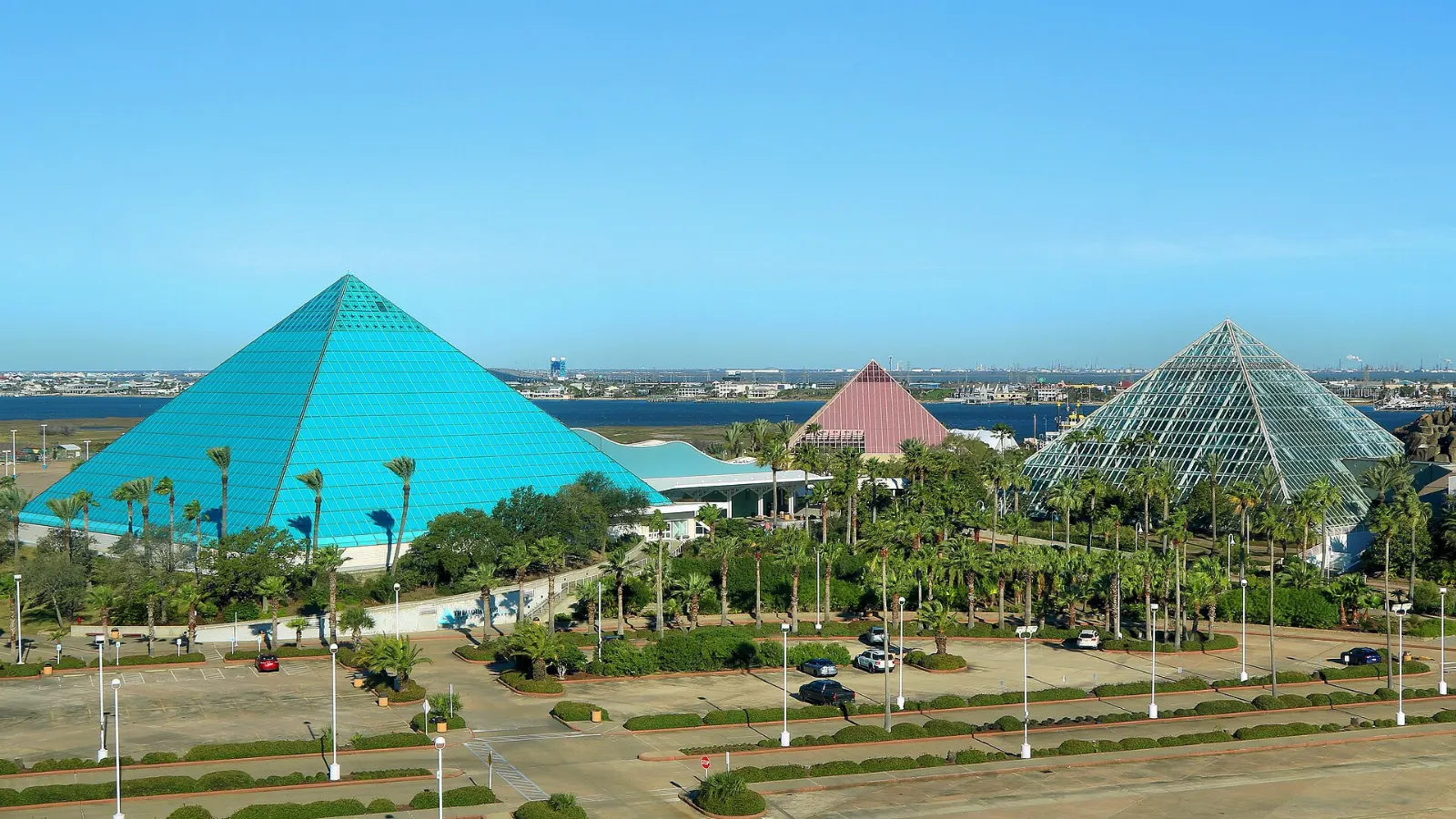
Three large pyramids on the west side of town hold an indoor rainforest, an aquarium and a science discovery center, and the complex adds a seasonal water park area, films and a paddlewheel boat. Allow most of a day with children.
Seawolf Park on Pelican Island
Across a short causeway on Pelican Island, Seawolf Park displays the submarine USS Cavalla and the destroyer escort USS Stewart, both from the Second World War.
The Bolivar ferry
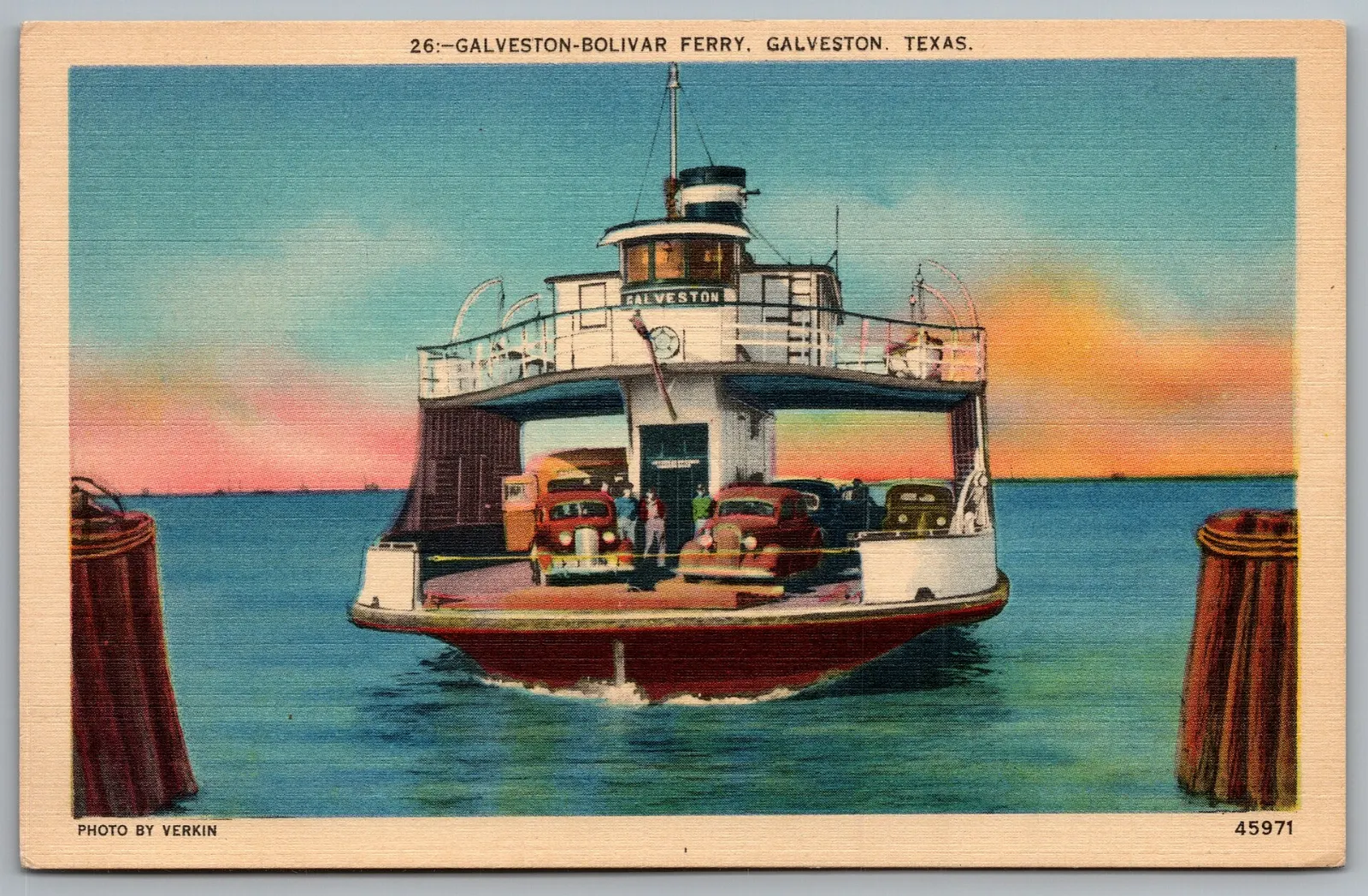
The state-run ferry between Galveston and Port Bolivar is free for cars and walk-on passengers, and the crossing takes about twenty minutes. Dolphins often surface in the channel, gulls follow the stern and the views of ships and the island skyline are excellent.
Food and local flavors
Seafood rules in Galveston. Look for Gulf shrimp served fried, boiled or grilled, fresh oysters from the bay when they are in season, blackened redfish, snapper and crab.
Gaido's on Seawall Boulevard has served seafood to island visitors since 1911 and remains a local institution.
Popular dishes to try in Galveston


Where to stay
Seawall Boulevard suits beach-focused trips and families, with large hotels and motels facing the Gulf and the pier within walking distance. Downtown and The Strand suit travelers who want history, restaurants and nightlife on foot, and they are convenient for cruise departures.
Where to stay in Galveston


Best time to visit
Galveston has a humid subtropical climate. Spring brings warm days, blooming oleanders and the arrival of migrating birds, which makes the state park and the island's sanctuaries busy with birders in April.
Two festivals anchor the calendar.
Getting there and getting around
The nearest commercial airport is William P. Hobby in Houston, about forty-five minutes away by car via Interstate 45. George Bush Intercontinental is farther north and usually takes at least ninety minutes.
On the island, a car is the easiest way to reach the West End, Moody Gardens and Seawolf Park. Downtown and the seawall are walkable and bikeable, and Island Transit runs buses plus replica heritage trolleys on a downtown and seawall route.
A suggested itinerary
First day
Spend the morning at the Texas Seaport Museum and aboard the Elissa, then walk The Strand and Postoffice Street, stopping for lunch.
Second day
Tour the Bishop's Palace and Moody Mansion in the morning, then walk the East End Historic District.
Third day
Choose Moody Gardens for a family morning or Galveston Island State Park for birding and quiet beaches. In the late afternoon, visit Seawolf Park, then ride the Bolivar ferry around sunset to watch for dolphins.
Practical tips
- Book rooms early for summer weekends, Mardi Gras, Dickens on The Strand and cruise departure days.
- Check the official websites for current hours and fees, since many museums close on certain weekdays.
- Pay attention to beach flags and rip current warnings, especially near the rock groins along the seawall.
- Use strong sunscreen, a hat and plenty of water; summer heat and humidity are intense.
- Expect seaweed, called sargassum, to wash ashore in some summers; it is natural and usually patchy.
- Download the city's parking app before you arrive so you can pay for street and beach parking quickly.
Find local businesses in Galveston on WiserMap
Looking for a seafood spot, a bike rental, a beach shop or a local service during your stay?
WISERMAP PLACEGalveston: photos, reviews & things to doSee traveler photos and reviews, or share your own →
More places to visit
All travel guides →
San Antonio, Texas
San Antonio Texas The Alamo River Walk and Missions
Fredericksburg, Texas
Fredericksburg Texas German Heritage and Enchanted Rock
Dallas, Texas
Dallas Texas Deep Ellum Arts District Tex-Mex and Barbecue
Austin, Texas
Austin Texas Barton Springs Bats Barbecue and Live Music
Charlotte, North Carolina
Charlotte North Carolina NASCAR Hall of Fame and South End
Lake Tahoe, California and Nevada