Finnish Lapland Finland Northern Lights and Midnight Sun
Finnish Lapland covers almost a third of Finland, stretching from the shores of the Bothnian Bay to the borders of Sweden, Norway and Russia far above the Arctic Circle.
By WiserMap TravelUpdated October 20268 places11 min read
This guide covers the best places to visit in Finnish Lapland, from the regional capital Rovaniemi to the ski fells of the west and the Sámi heartland around Lake Inari, with practical advice on seasons, transport and how to make the most of this vast region.
At a glance Finnish Lapland
Best timeLate February to April for snow and daylight; September for autumn color and aurora without deep cold.
How longA week lets you combine Rovaniemi with one fell resort or Inari; longer if you plan to hike.
Getting thereFly to Rovaniemi, Kittilä or Ivalo, or take the overnight train from Helsinki to Rovaniemi or Kolari.
Ad
Why visit Finnish Lapland
People come to Lapland for nature rather than monuments. Much of the region is protected as national parks and wilderness areas, crossed by well-marked trails and dotted with open wilderness huts, and Finland's everyman's right lets you walk, ski and pick berries freely across most land.
Lapland is also the traditional homeland of the Sámi, the only Indigenous people of the European Union, whose reindeer herding, crafts and languages remain very much alive in the northernmost municipalities. History here is recent and dramatic: during the Lapland War of 1944 and 1945, retreating German troops burned most towns, including almost all of Rovaniemi, which is why the region's buildings are largely modern.
Rovaniemi and southern Lapland
Rovaniemi is the regional capital, the main transport hub and the starting point for most visitors. It sits at the confluence of the Kemijoki and Ounasjoki rivers, just south of the Arctic Circle.
Arktikum
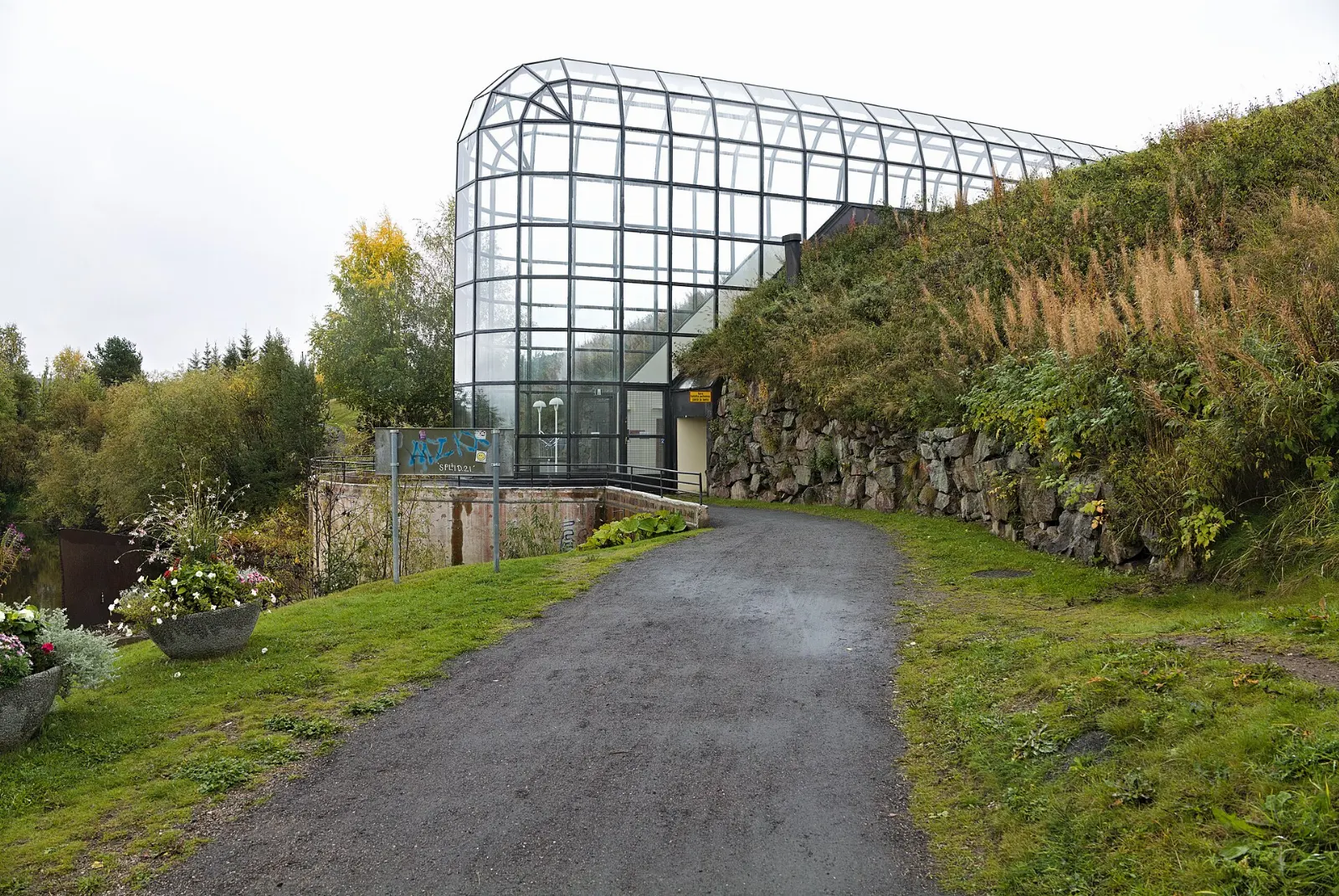
On the riverbank near the city center, Arktikum combines the Arctic Centre's science exhibition with the Regional Museum of Lapland.
Arktikum in Rovaniemi, opened in 1992, houses the Arctic Centre science exhibition and the Regional Museum of Lapland. Photo: Leonhard Lenz, Wikimedia Commons, CC0
Santa Claus Village and the Arctic Circle
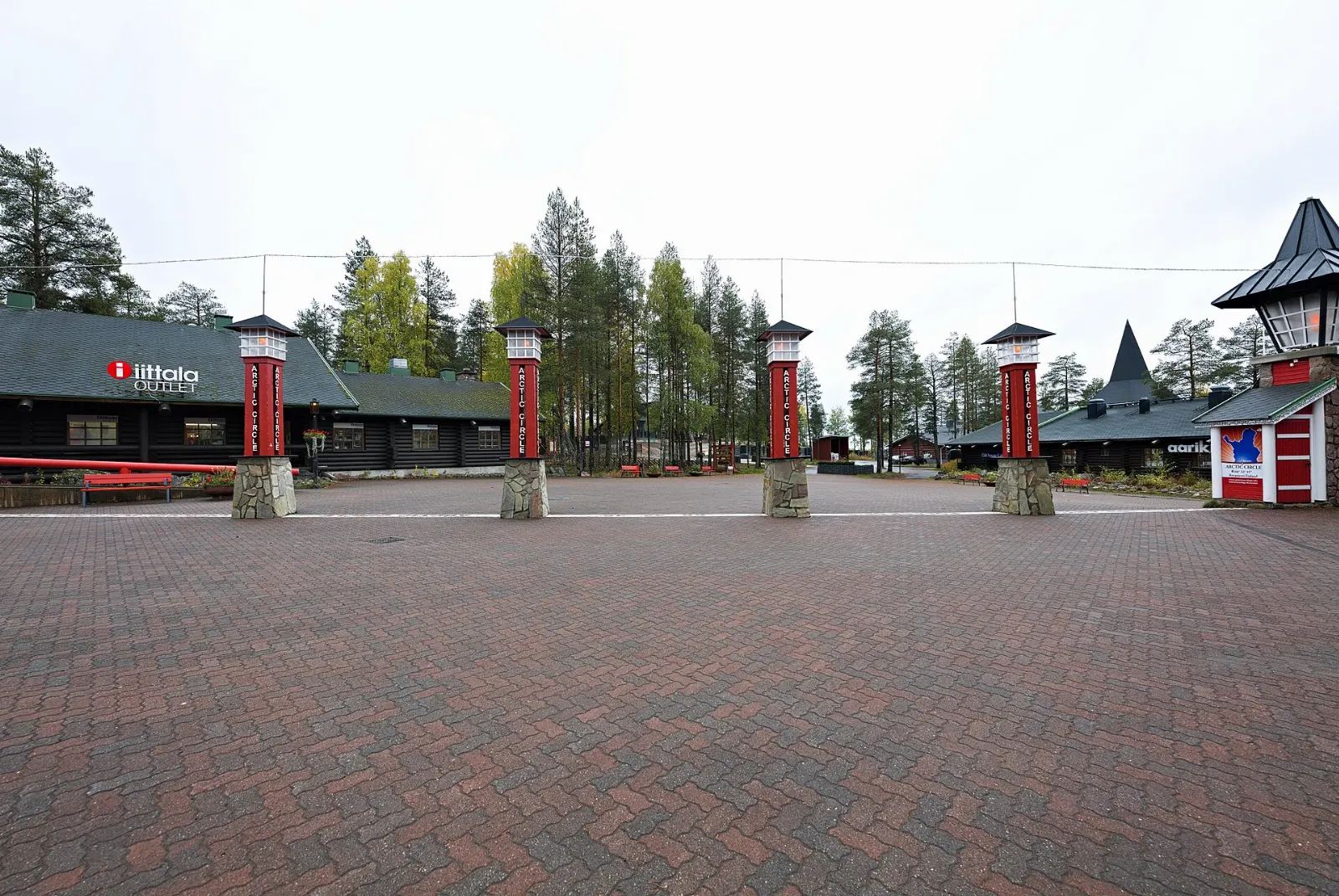
About eight kilometers north of the center, near Rovaniemi Airport, Santa Claus Village straddles the Arctic Circle.
Santa Claus Village, opened in 1980, sits on the Arctic Circle just north of Rovaniemi. Photo: Leonhard Lenz, Wikimedia Commons, CC0
Ounasvaara and the riverside
Ounasvaara, the forested hill across the river east of the center, has ski slopes, cross-country tracks and hiking paths with views over the city. The riverside promenade and the distinctive Lumberjack's Candle Bridge are pleasant on a summer evening under the midnight sun.
Ranua Wildlife Park
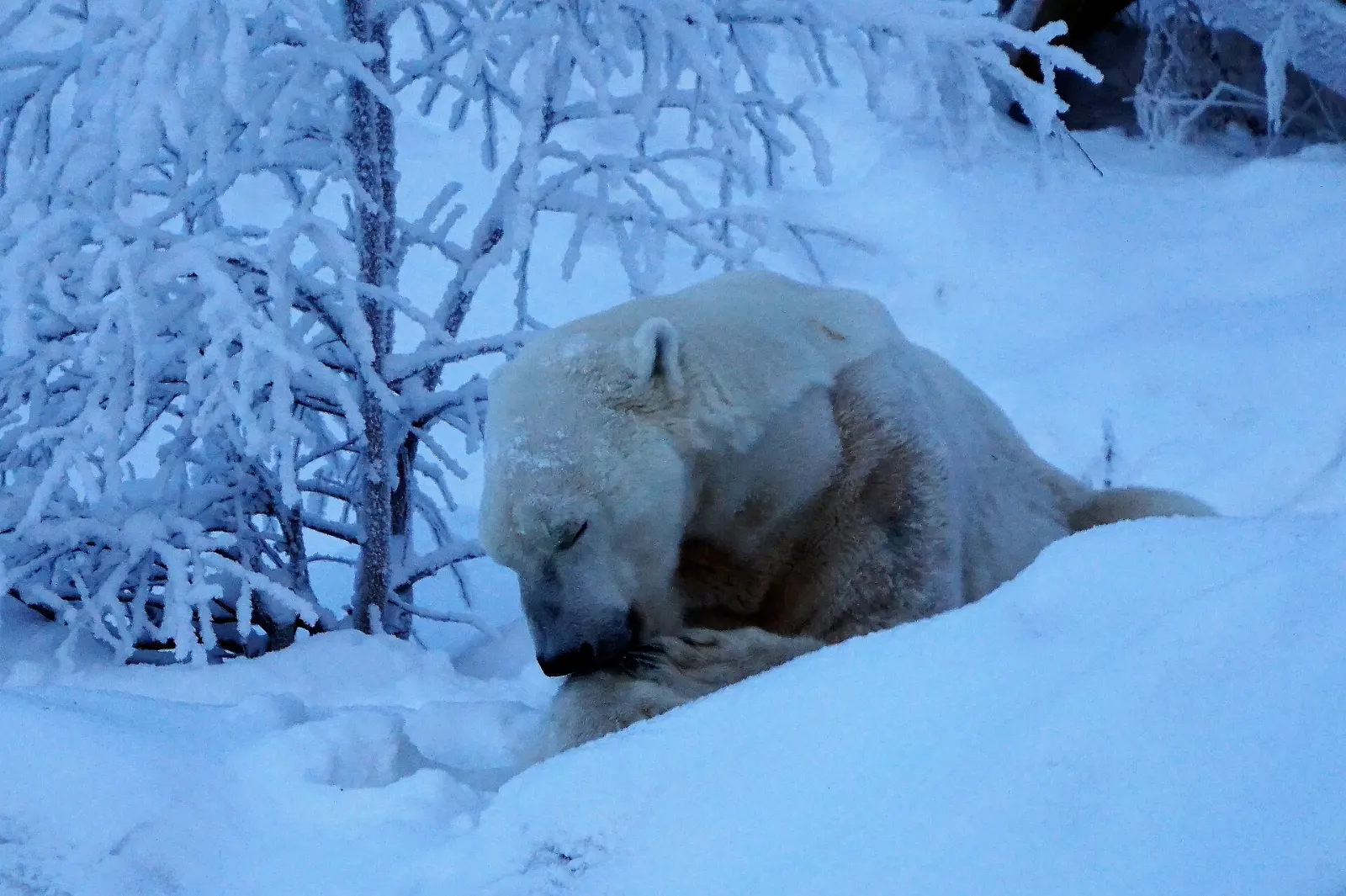
About an hour's drive south of Rovaniemi, Ranua Wildlife Park keeps around fifty Arctic and northern species, including brown bears, lynx, wolves, wolverines, moose and the only polar bears in Finland. A walkway of several kilometers winds through forest enclosures.
Ranua Wildlife Park is the only place in Finland where you can see polar bears. Photo: Alyunina, Wikimedia Commons, CC BY 4.0
Ad
The western fells: Levi, Ylläs, Pallas and Kilpisjärvi
Northwest of Rovaniemi the forest gives way to chains of rounded fells, home to Finland's largest ski resorts and its most popular national park.
Levi
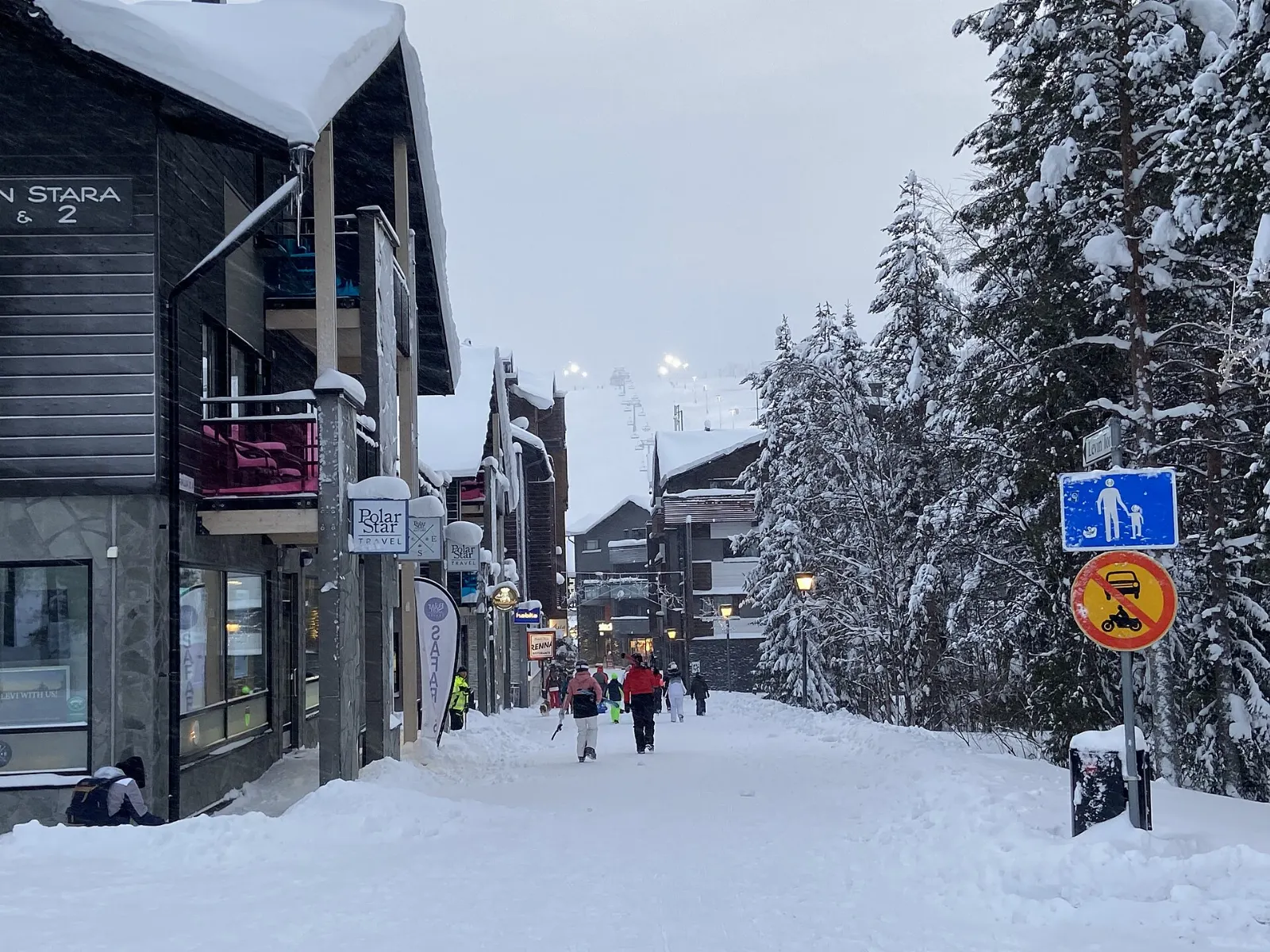
Levi, near the village of Sirkka in Kittilä, is the largest ski resort in Finland, with dozens of slopes, many floodlit for the dark months, two gondolas and a lively village of restaurants and shops.
Levi, in the municipality of Kittilä, is the largest ski resort in Finland. Photo: DanielMichaelPerry, Wikimedia Commons, CC0
Ylläs and Äkäslompolo
South of Levi, the resorts of Ylläs and the village of Äkäslompolo cluster around Yllästunturi fell. The atmosphere is quieter than Levi, the cross-country skiing network is excellent, and the fell marks the southern end of the national park.
Pallas-Yllästunturi National Park
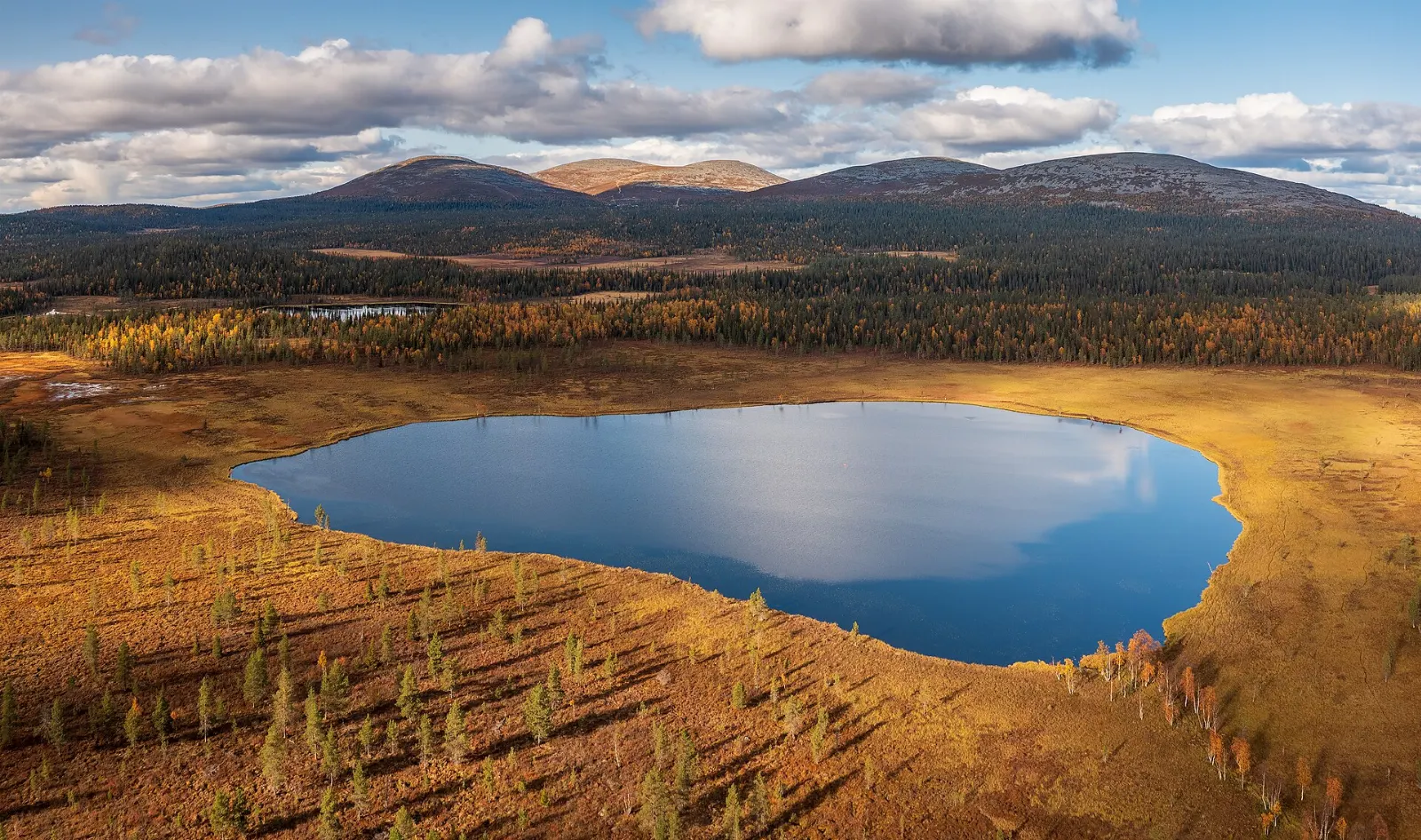
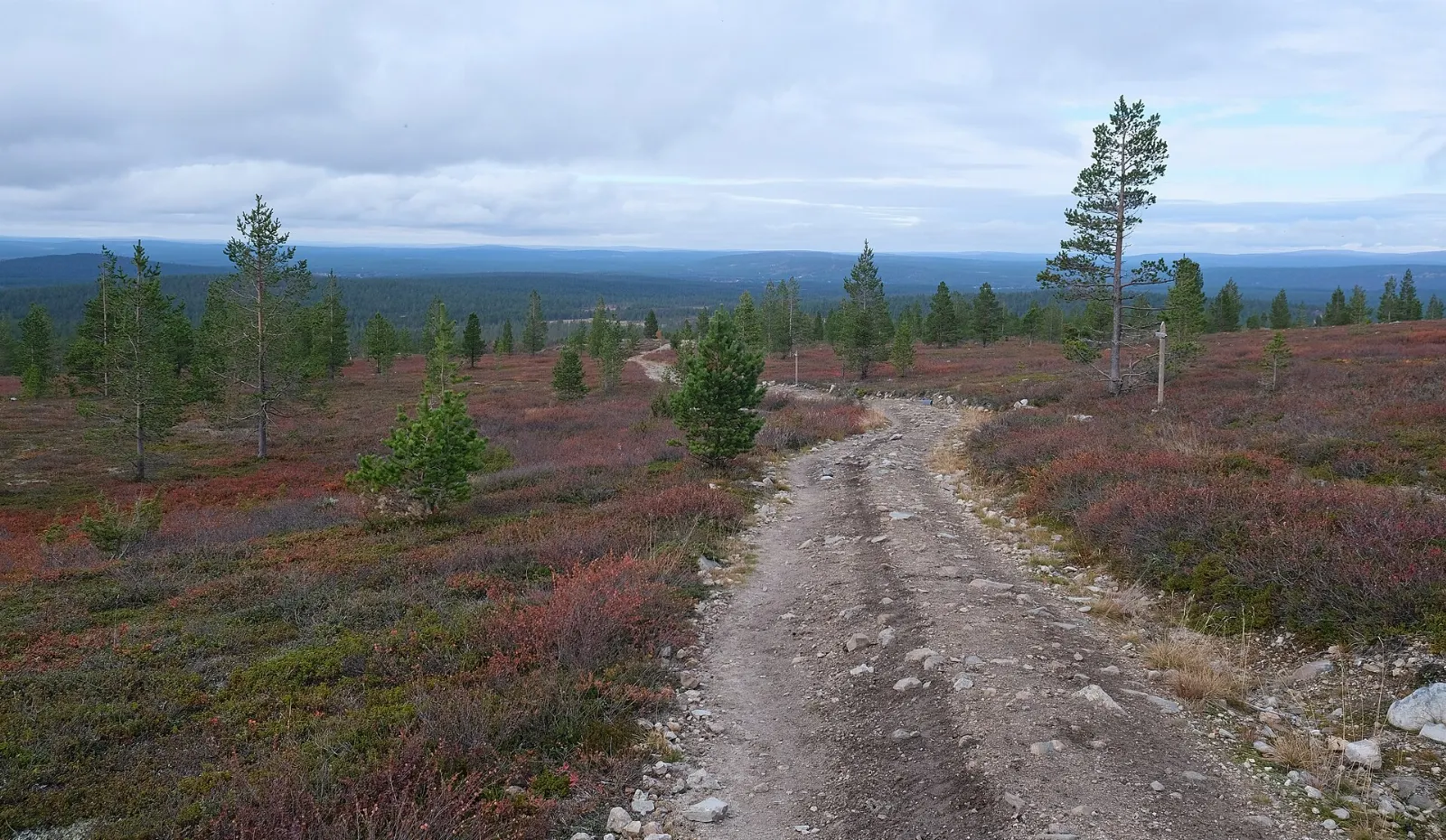
Finland's most visited national park covers a chain of fells roughly a hundred kilometers long, from Ylläs in the south to Hetta in the north, with boreal forest between the bare summits. The Pallastunturi fells are designated a Finnish national landscape.
Pallas-Yllästunturi is the most visited national park in Finland, with a chain of fells about a hundred kilometers long. Photo: kallerna, Wikimedia Commons, CC BY-SA 4.0
Kilpisjärvi and Saana
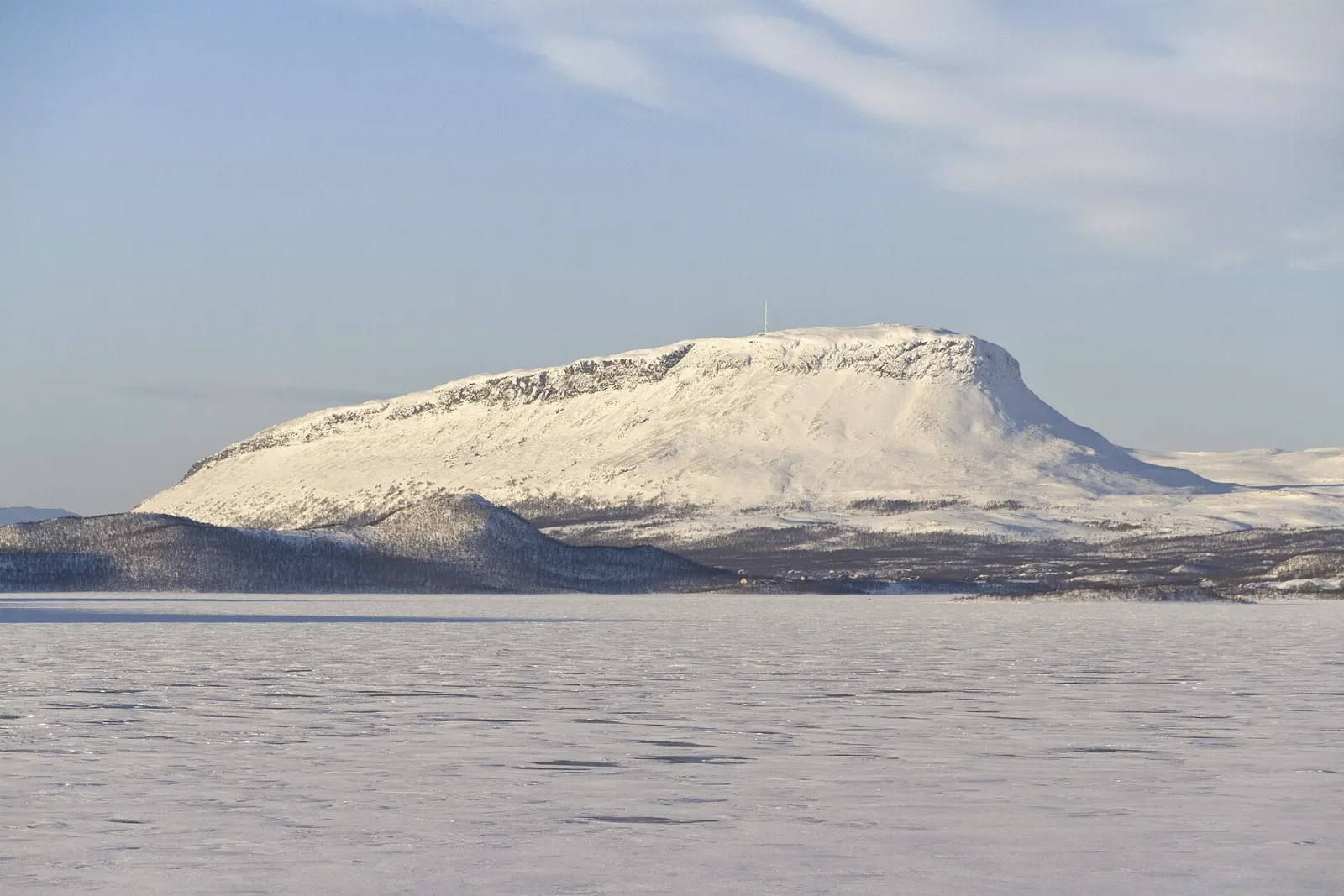
In the far northwestern arm of Finland, near the meeting point of Finland, Sweden and Norway, the village of Kilpisjärvi sits beneath Saana, a steep fell that rises 1,029 meters above sea level.
Saana fell rises 1,029 meters above sea level beside Lake Kilpisjärvi in the far northwest of Finland. Photo: Ximonic (Simo Räsänen), Wikimedia Commons, CC BY-SA 3.0
Inari, Saariselkä and the Sámi north
The northeastern corner of Lapland is the heart of the Sámi homeland, with vast wilderness areas around Lake Inari.
Siida and Inari village
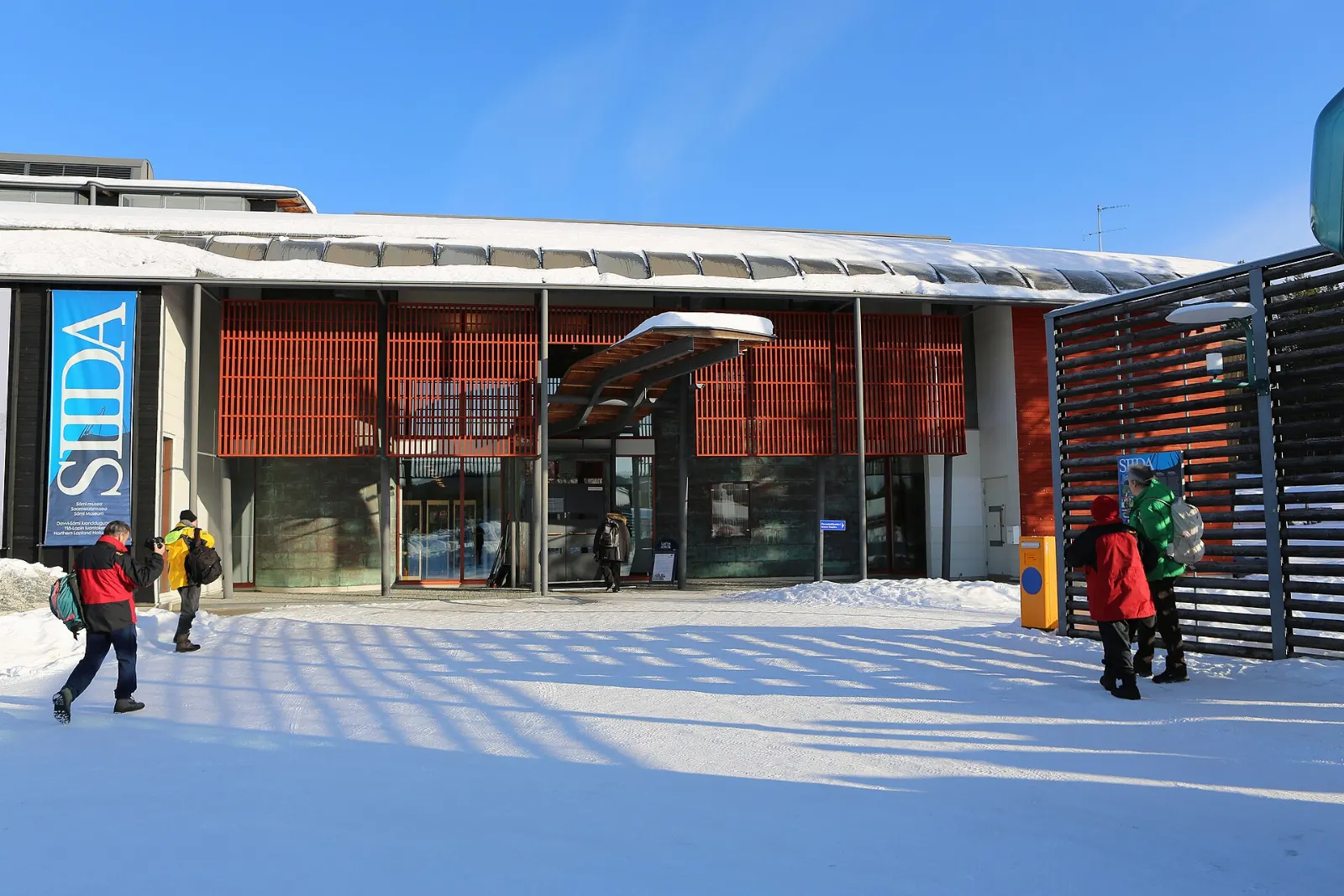
In the small village of Inari, Siida houses the Sámi Museum and the Northern Lapland Nature Centre. Exhibitions trace Sámi history, crafts, reindeer herding and the yearly cycle of nature in the north, and an open-air museum displays traditional dwellings and storehouses.
Siida in Inari is home to the Sámi Museum and the Northern Lapland Nature Centre. Photo: Manfred Werner - Tsui, Wikimedia Commons, CC BY-SA 3.0
Lake Inari
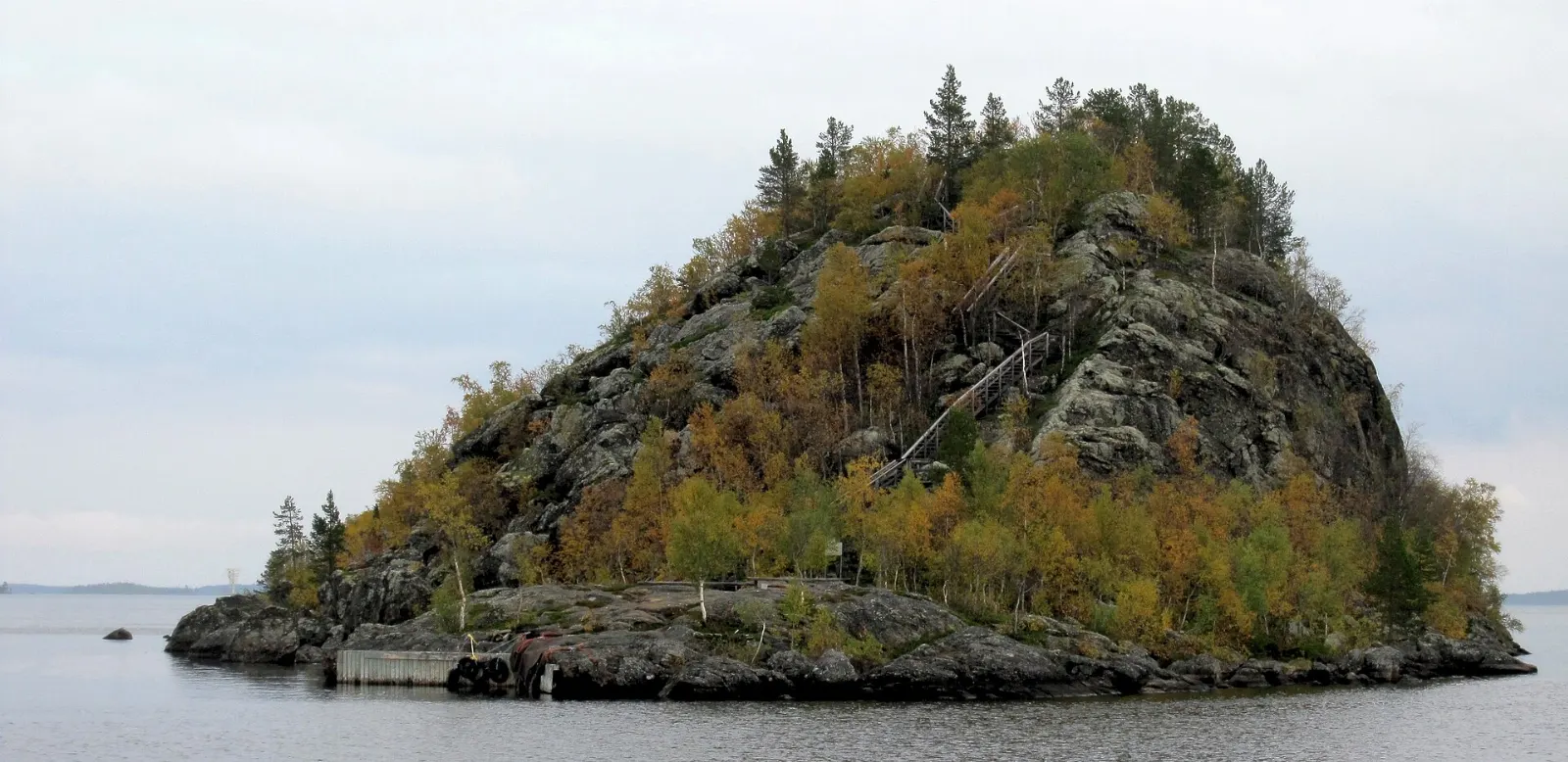
Lake Inari is the largest lake in Sápmi and the third largest in Finland, with more than three thousand islands.
Saariselkä is a compact fell resort with downhill slopes, extensive ski trails and easy access to Urho Kekkonen National Park, one of the largest protected areas in Finland.
Lemmenjoki National Park
West of Inari, Lemmenjoki is Finland's largest national park, named after a river about eighty kilometers long that winds through a deep valley. In summer, riverboats carry hikers upstream toward old gold-digging grounds where a few prospectors still work claims.
Ad
Food and local flavors
Lappish cooking is built on reindeer, fish and forest berries.
Cloudberries, the golden Arctic berries that ripen in late summer, are served with warm squeaky cheese, known locally as leipäjuusto or juustoleipä, while bilberries and lingonberries appear in pies, porridges and juices.
Popular dishes to try in Finnish Lapland
Sautéed reindeer The best-known dish is sautéed reindeer, thin shavings of meat cooked in butter and served with mashed potatoes and lingonberries.Photo: JIP, Wikimedia Commons, CC BY-SA 4.0Leipäjuusto Cloudberries, the golden Arctic berries that ripen in late summer, are served with warm squeaky cheese, known locally as leipäjuusto or juustoleipä, while bilberries and…Photo: Tiia Monto, Wikimedia Commons, CC BY-SA 4.0
Where to stay
Rovaniemi suits first-time visitors, families and anyone without a car, with the widest range of accommodation, tours and transport connections.
Saariselkä and Inari suit travelers interested in wilderness and Sámi culture, with cabins and lodges near national parks and lakes.
Kilpisjärvi and Hetta appeal to hikers and backcountry skiers who want remote fell landscapes, with fewer services and simpler cabins.
Where to stay in Finnish Lapland
Santa Claus Village Lodgings near Santa Claus Village and on the forested outskirts include glass-roofed cabins designed for aurora watching.Photo: Timo Newton-Syms from Helsinki, Finland and Chalfont St Giles, Buck…, Wikimedia Commons, CC BY-SA 2.0Ylläs Levi and Ylläs are best for skiers, active travelers and groups, with chalets, apartments and resort hotels close to slopes and trails.Photo: Ximonic (Simo Räsänen), Wikimedia Commons, CC BY-SA 3.0Inari Saariselkä and Inari suit travelers interested in wilderness and Sámi culture, with cabins and lodges near national parks and lakes.Photo: Ximonic (Simo Räsänen), Wikimedia Commons, CC BY-SA 4.0Sámi Saariselkä and Inari suit travelers interested in wilderness and Sámi culture, with cabins and lodges near national parks and lakes.Photo: Sot.virk. Oswald Hedenström, Wikimedia Commons, Public domain
Ad
Best time to visit
December and January bring the polar night, called kaamos, when the sun barely rises in the north. It is the most popular time for Christmas trips, but temperatures can drop far below freezing.
Summer brings the midnight sun, mild temperatures and the hiking season, but also swarms of mosquitoes from late June through July, so pack strong repellent.
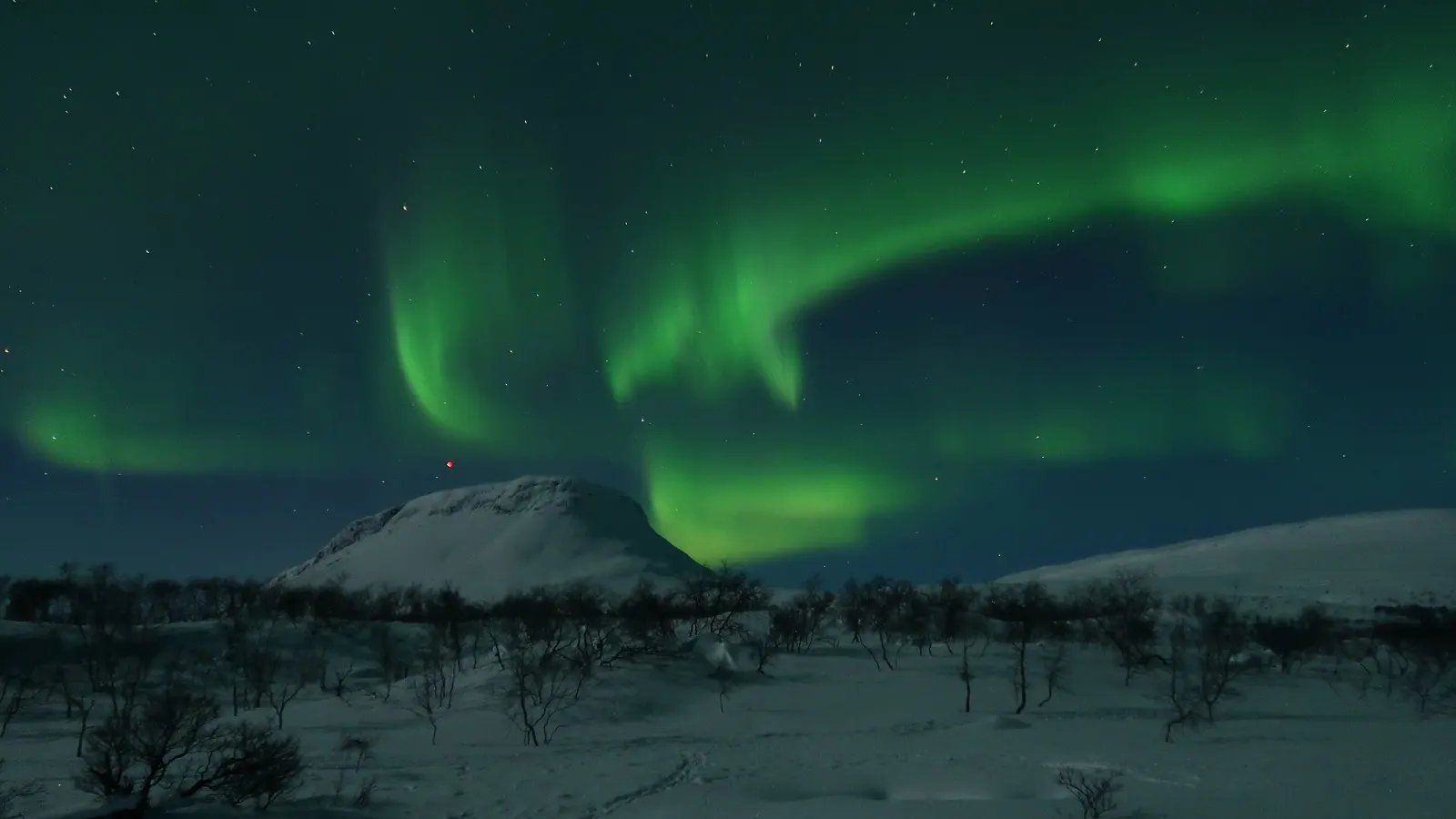
Northern lights are visible across Finnish Lapland on clear, dark nights from late August to early April.Photo: WikiLucas00, Wikimedia Commons, CC BY-SA 4.0
Getting there and getting around
Lapland has commercial airports at Rovaniemi, Kittilä, Ivalo, Kemi and Enontekiö, with most flights connecting through Helsinki and extra seasonal and charter flights from other European cities in winter.
Distances are long and public transport is sparse outside the main routes, so renting a car gives you the most flexibility.
Ad
A suggested itinerary
First day
Arrive in Rovaniemi and spend the afternoon at Arktikum.
Second day
Visit Santa Claus Village and cross the Arctic Circle in the morning, then join a husky or reindeer safari in the afternoon.
Third day
Take a day trip to Ranua Wildlife Park, or ski and walk on Ounasvaara.
Fourth day
Travel north to Levi or Ylläs by bus or car.
Fifth day
Drive to the Pallas area for a fell walk or ski tour in Pallas-Yllästunturi National Park, returning to your resort for a sauna.
Sixth day
Continue northeast to Inari, visit Siida and explore the village and lakeshore.
Seventh day
Join a snowmobile or boat trip on Lake Inari, then head to Saariselkä and fly home from nearby Ivalo.
Practical tips
Dress in layers of wool and synthetic fabrics, with insulated boots, mittens and a hat; many tour operators lend thermal overalls.
Book Christmas trips, safaris and glass-roofed cabins well in advance.
Use an aurora forecast app and look for clear skies away from lights; patience is essential.
Carry strong mosquito repellent and a head net for summer hikes.
Respect Sámi culture: choose Sámi-owned businesses where possible and buy handicrafts with authenticity labels.
Do not approach or feed reindeer, which belong to herders even when they roam freely.