Sault Ste. Marie, known locally as the Soo, sits on the St.
AT A GLANCE
Best time
Late September and early October bring autumn colour, while February suits winter festivals.
How long
Allow two to three days, plus a full day if you ride the Agawa Canyon train.
Getting there
Fly into Sault Ste. Marie Airport or drive Highway 17 along the lake shores.
Why visit Sault Ste. Marie
The Ojibwe called this place Baawitigong, meaning place of the rapids, and for centuries it was a meeting place where whitefish were harvested in autumn. Later it became a fur trade crossroads and then a canal and steel town.
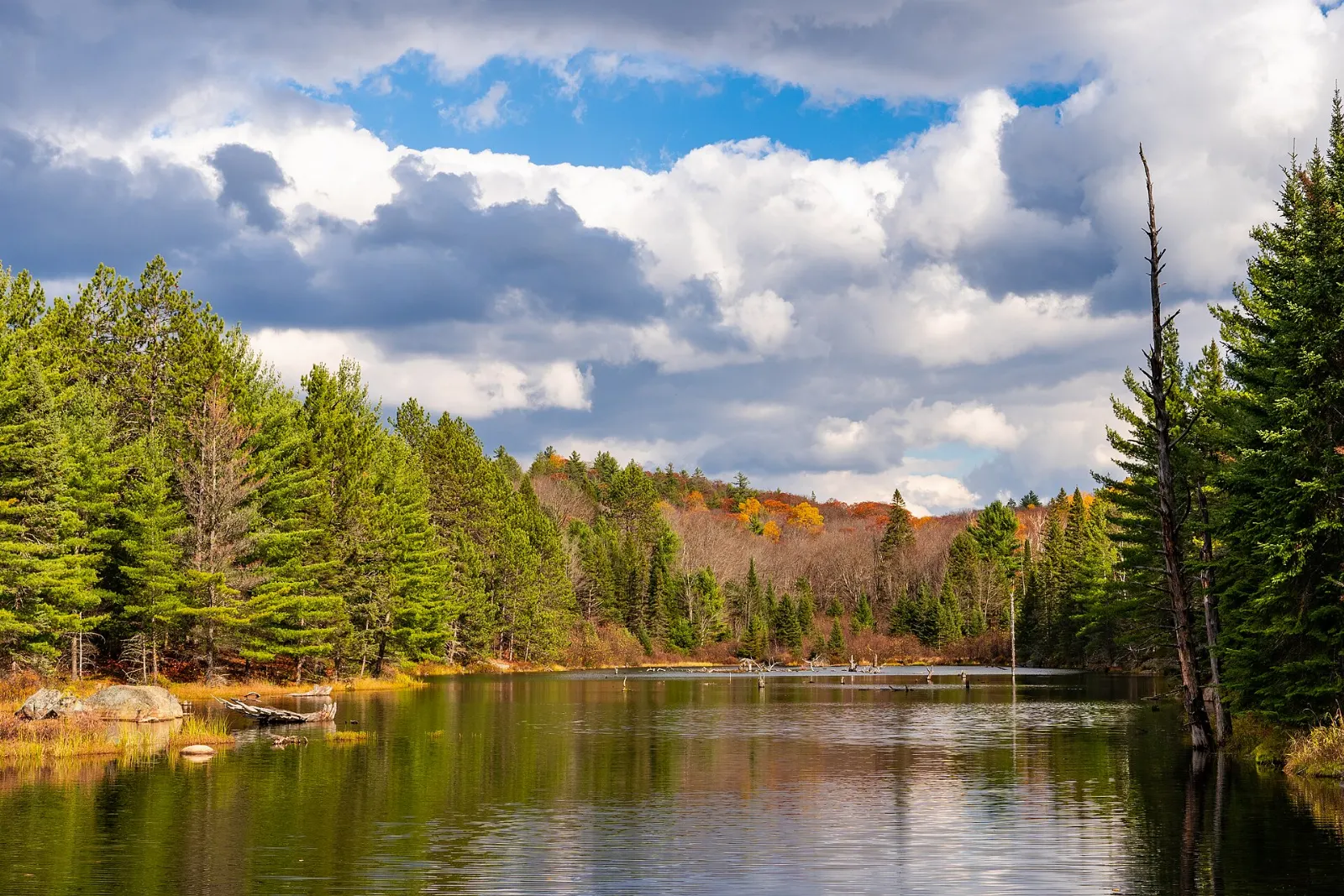
Today you can follow that story along the waterfront on foot, then head north into the Algoma wilderness that inspired members of the Group of Seven.
The best places to visit along the waterfront
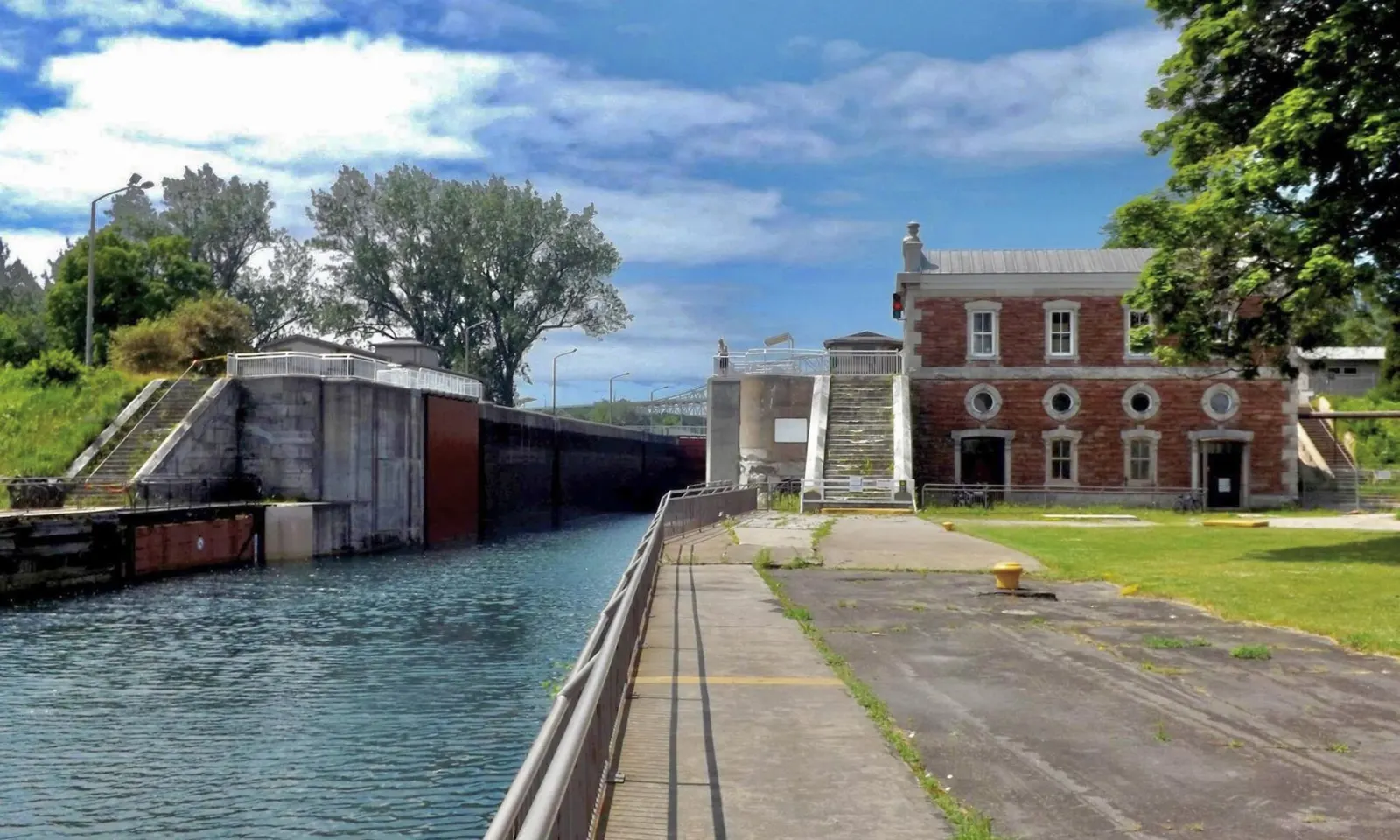
Sault Ste. Marie Canal National Historic Site
Built in 1895, this canal bypasses the rapids and was once the largest lock in the world and the first to be electrically operated.
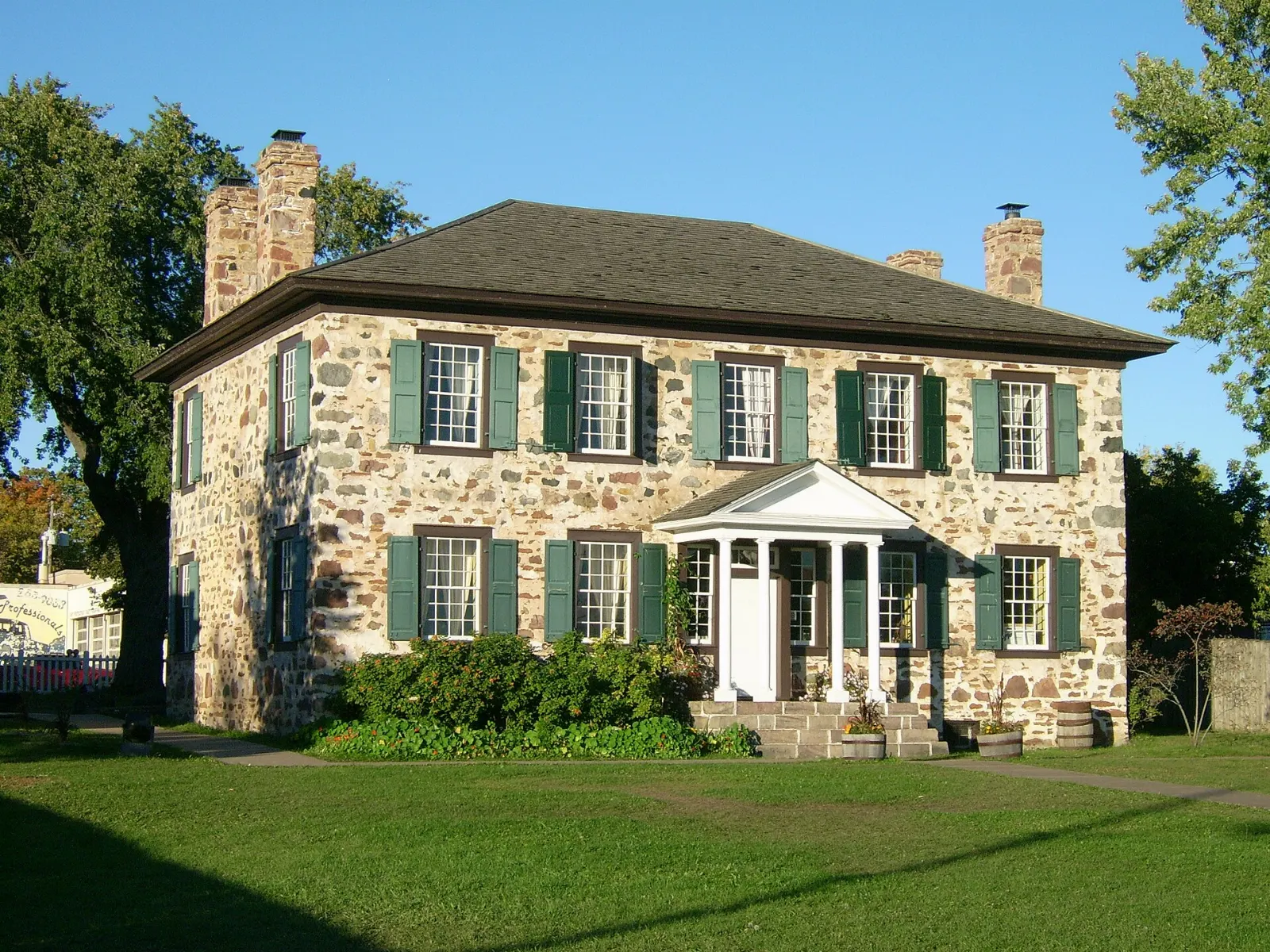
Ermatinger-Clergue National Historic Site
The Old Stone House is restored to show the home and business life of fur trader Charles Oakes Ermatinger between 1808 and 1870, and the Clergue Blockhouse recalls the industrialist Francis Clergue, who reshaped the city from 1894.
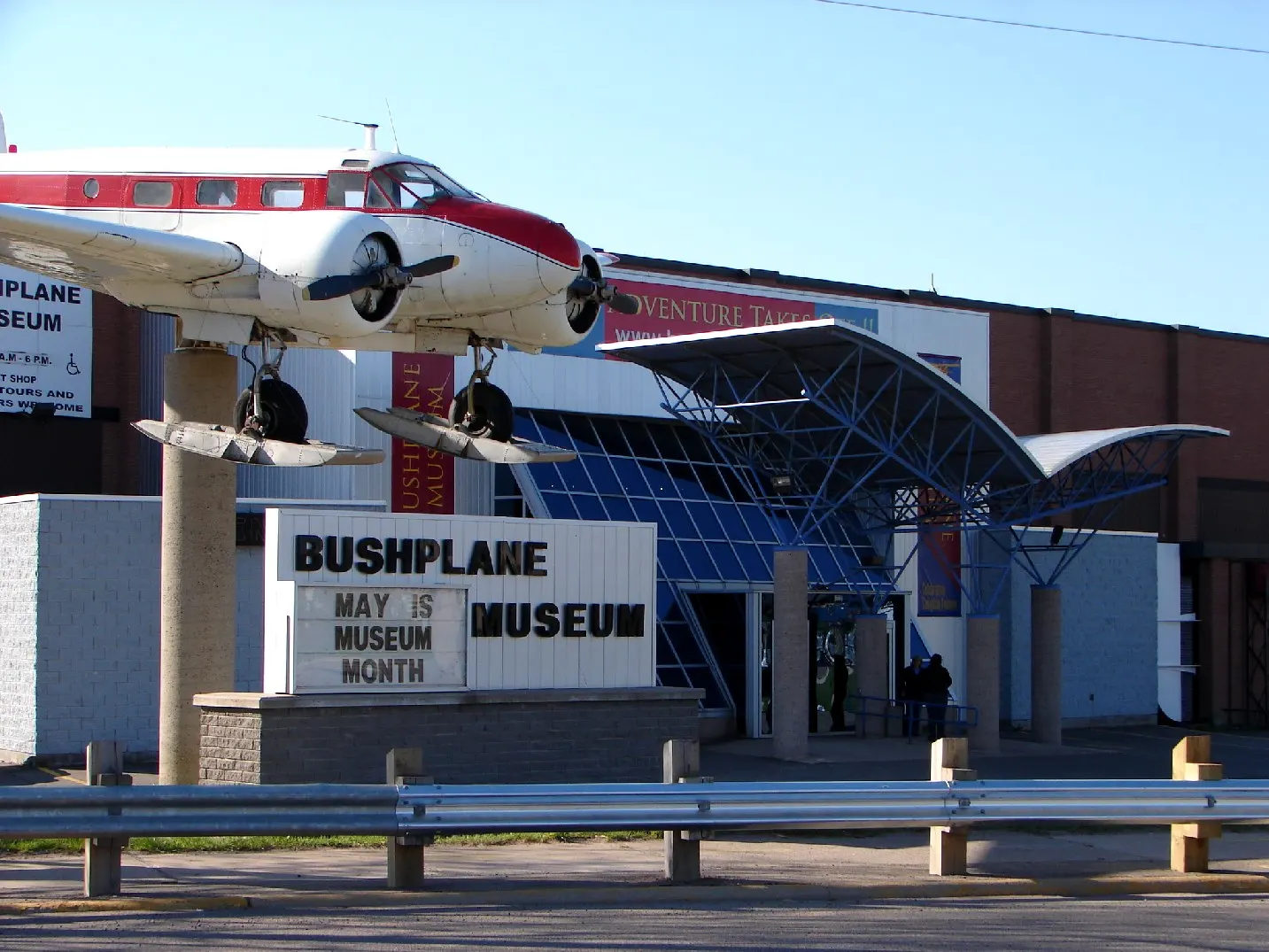
Canadian Bushplane Heritage Centre
On the riverfront, this museum preserves the story of bush flying and forest firefighting in Canada from an air base established in 1924.
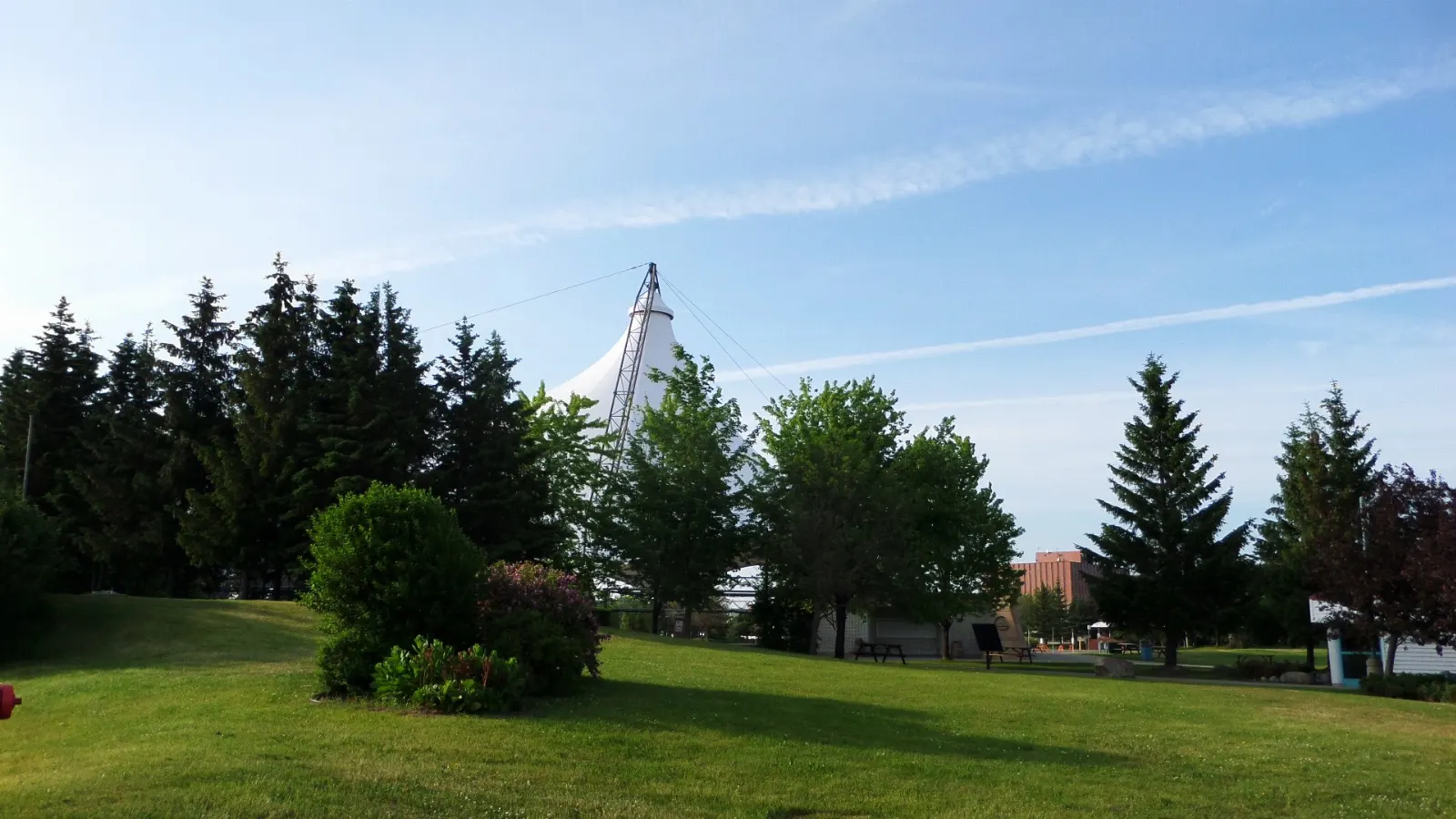
The boardwalk and Roberta Bondar Park
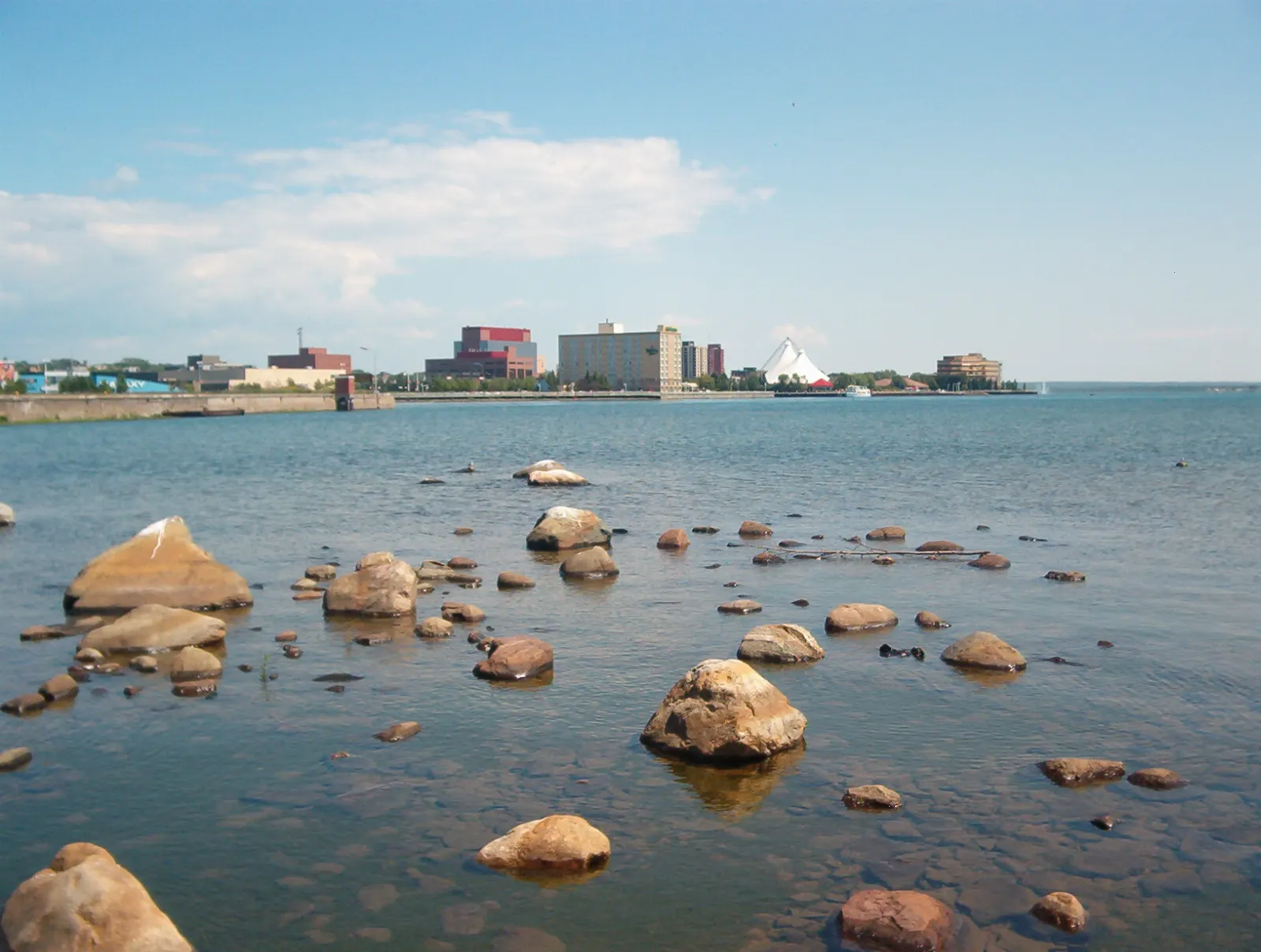
A well-lit boardwalk follows the river with views of the rapids and lake steamers. Roberta Bondar Park, named for Canada’s first female astronaut, is a waterfront space for concerts and festivals and has a statue of her.
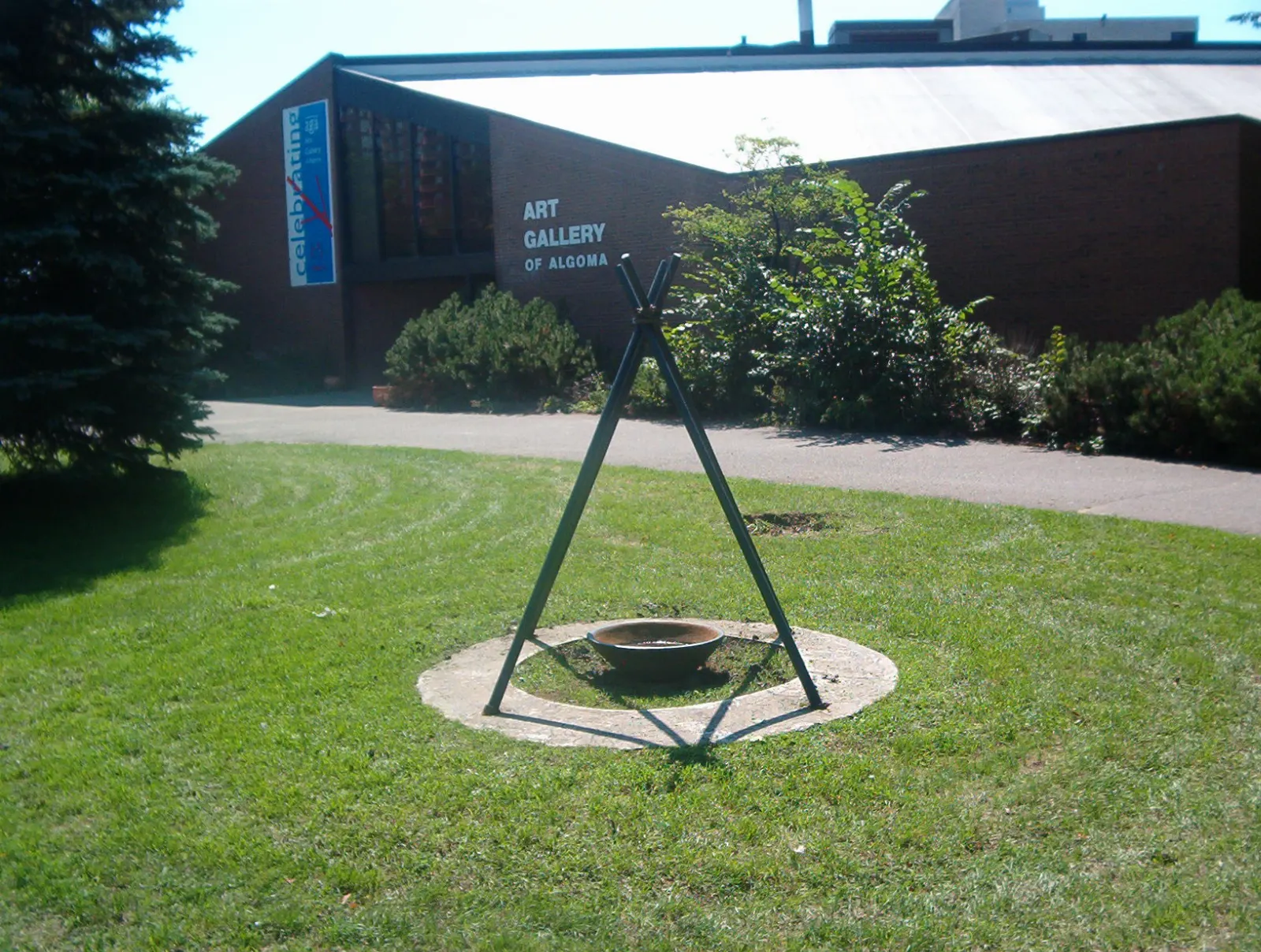
Art Gallery of Algoma
On the St. Marys River, the gallery shows local, national and international artists and holds a permanent collection of more than 4,000 works. It pairs well with the boardwalk walk, and it is a good choice on a cold day.
Sault Ste. Marie Museum
This local history museum on Queen Street East covers the community’s past in a compact space. Visit if you want a fuller picture of the Ojibwe, French, British and industrial eras.
Trains, canyons and the outdoors
The Agawa Canyon Tour Train
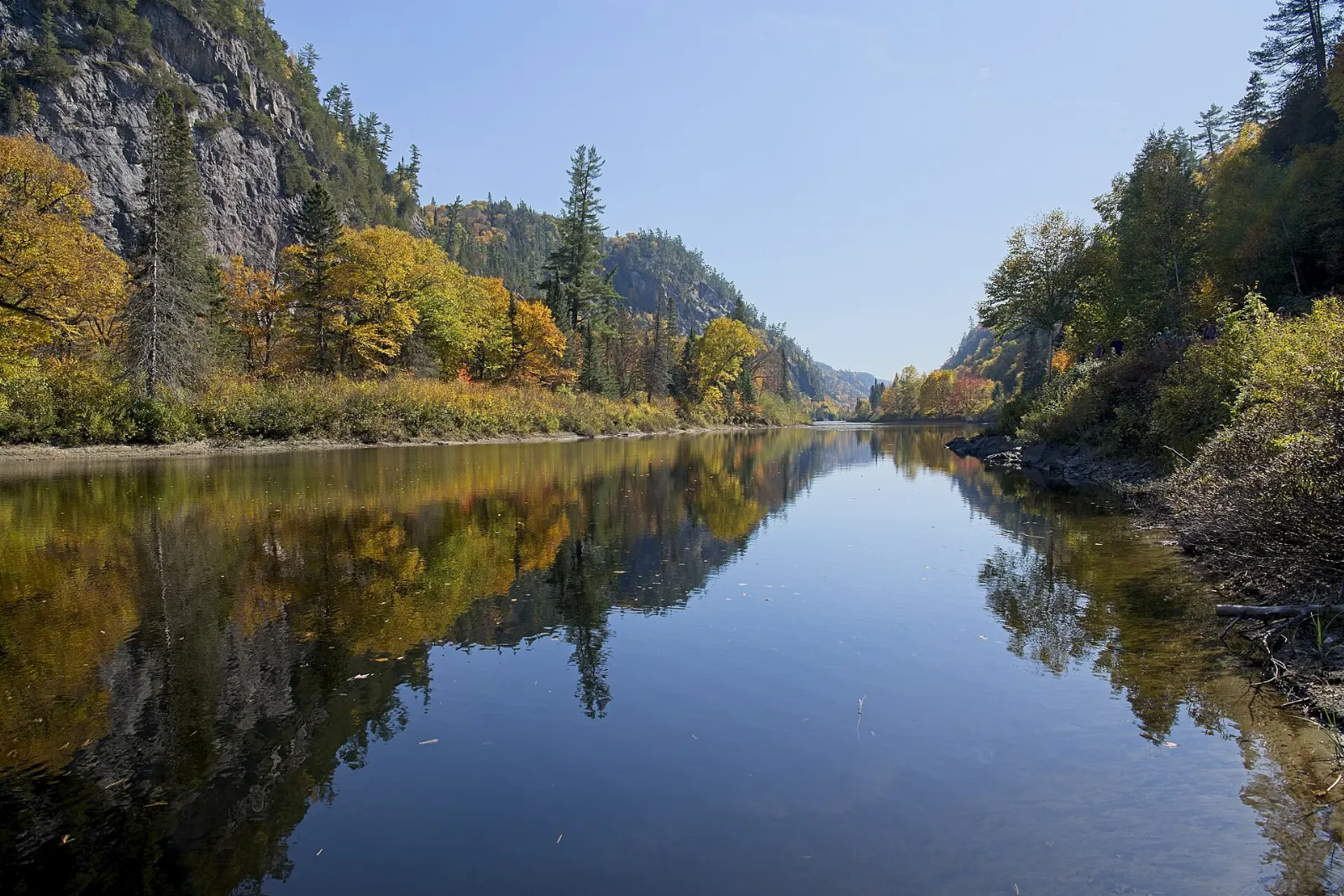
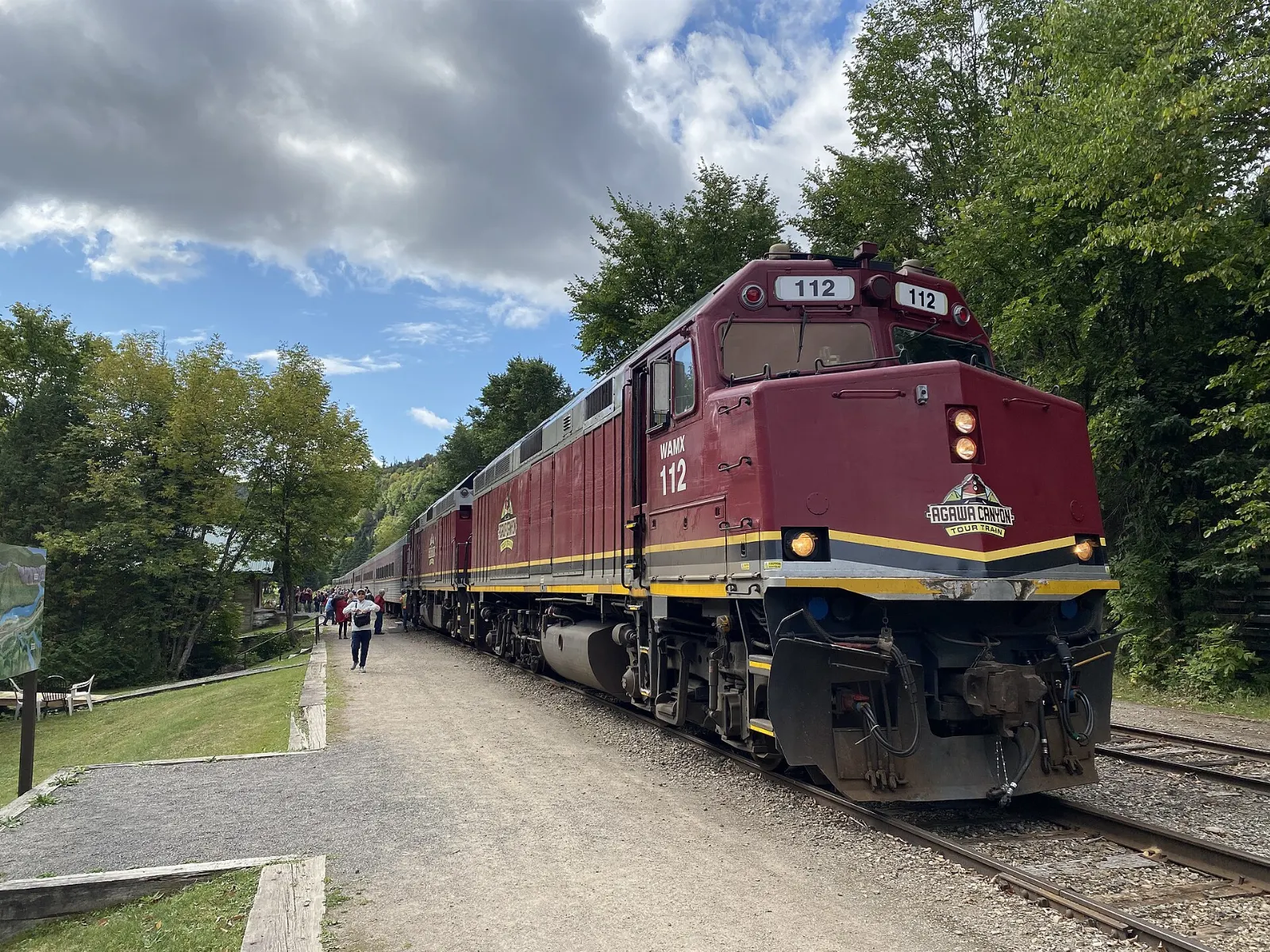
The Algoma Central Railway line runs 114 railway miles north to Agawa Canyon, where a long stopover lets you hike short trails and climb 372 steps to a lookout about 76 metres above the tracks. The ride is most popular during autumn colour.
Group of Seven country
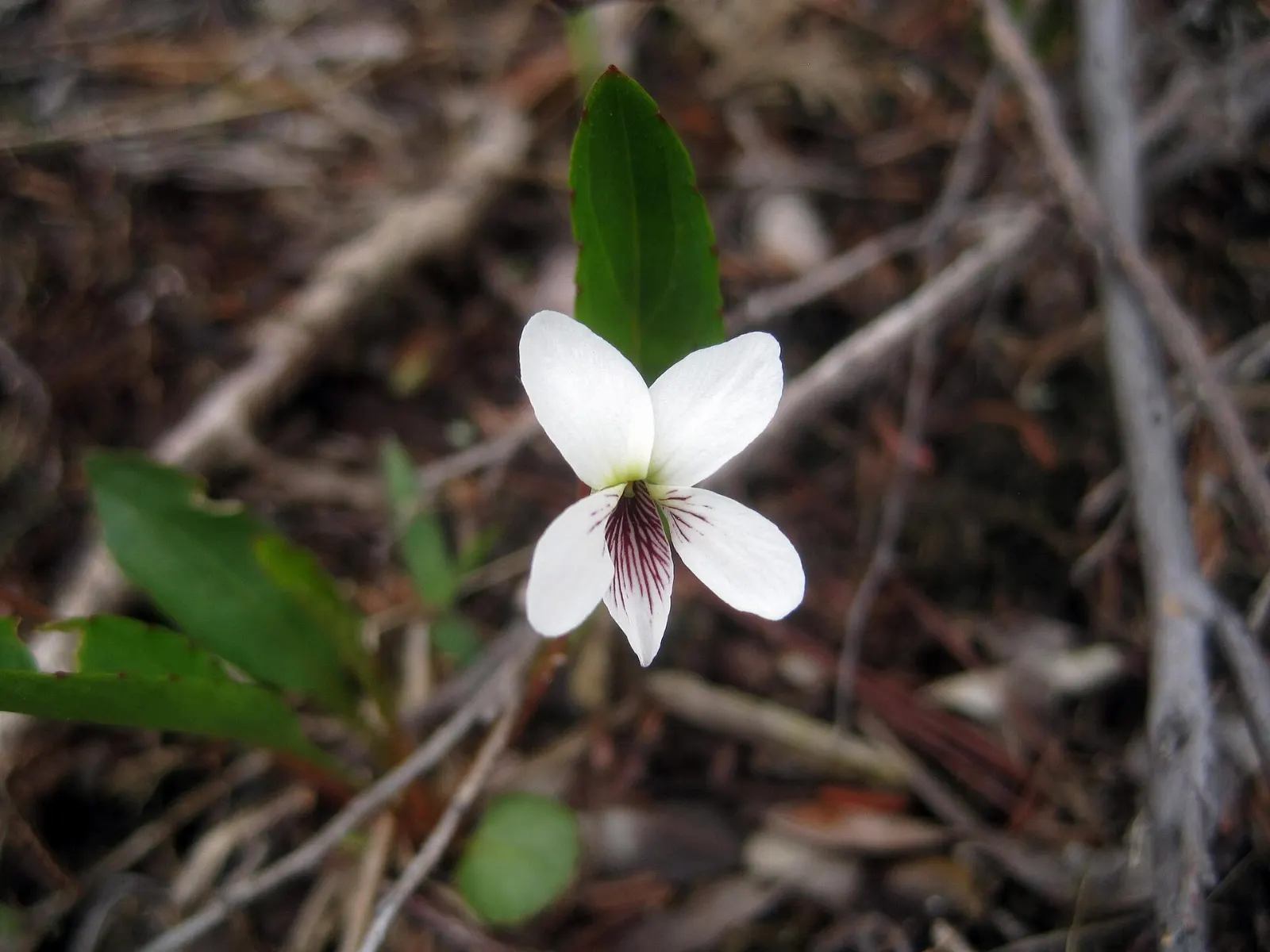
Between 1918 and 1923 several Group of Seven painters worked in Algoma, using a railway boxcar as a mobile cabin. The canyon and its four waterfalls, including Bridal Veil Falls, show why they came.
Searchmont and Hiawatha Highlands
In winter, Searchmont Resort offers downhill skiing, while Hiawatha Highlands and Stokely Creek Lodge are known for cross-country skiing. The Bon Soo Winter Carnival in early February adds ice sculptures and a polar bear swim.
The International Bridge and the Michigan side
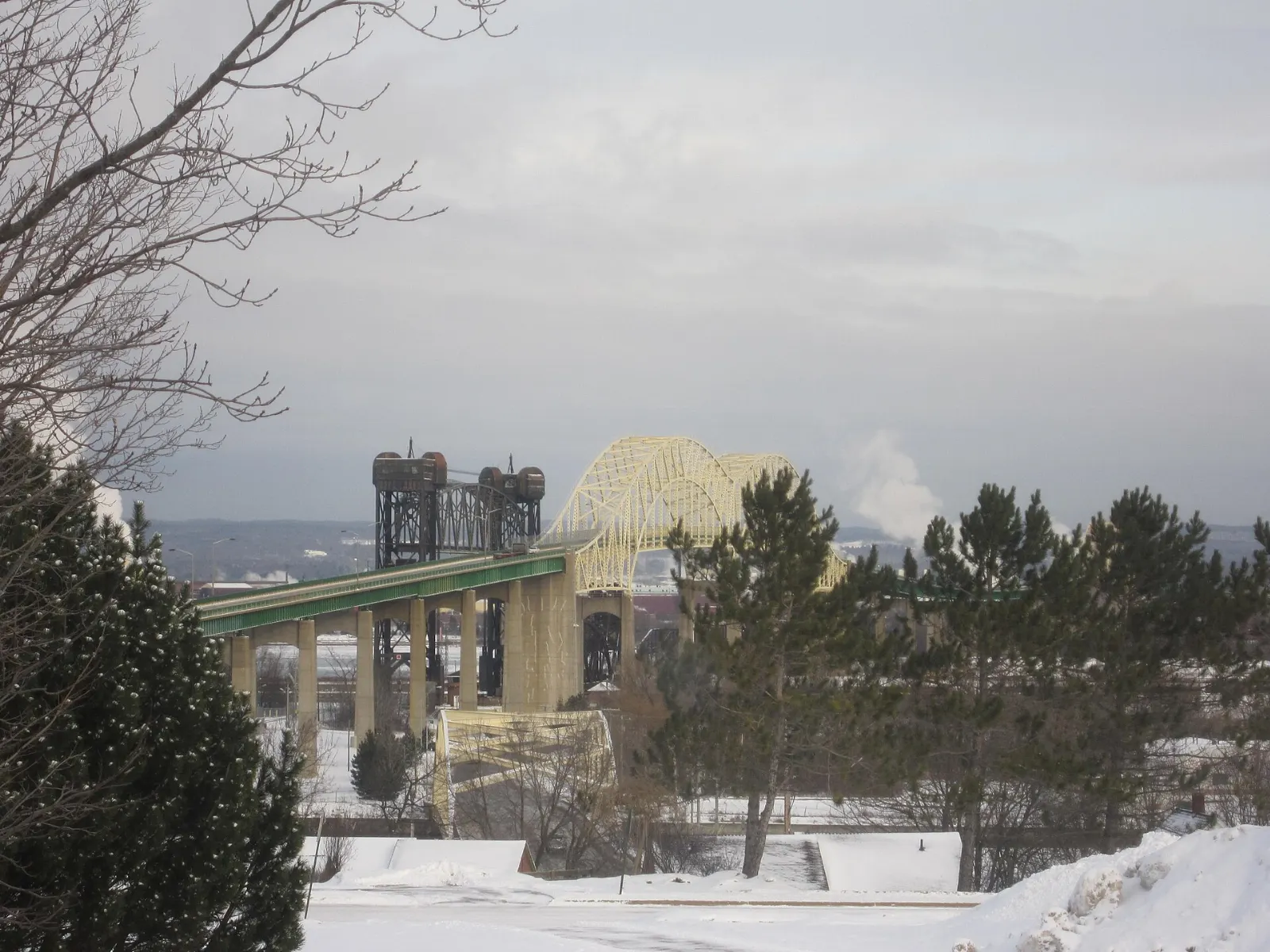
The International Bridge crosses the river to Sault Ste. Marie, Michigan, where the Soo Locks handle the big lake freighters.
 Planning a trip to Sault Ste. Marie?Compare hotels, flights and vacation rentals for Sault Ste. Marie on Expedia.Book now
Food and local flavors
The Soo’s restaurant scene has long been shaped by Italian-Canadian families, and newer arrivals have added Middle Eastern and other cuisines. Look for porketta, the Italian-style roast pork sold at deli counters, and try Queen Street for independent cafes.
Lake whitefish is the traditional fish of this river, which Ojibwe families harvested every autumn, and the fish is still known as Sault whitefish in some places. Order it grilled or smoked when you see it.
Popular dishes to try in Sault Ste. Marie


Where to stay
Downtown Sault Ste. Marie around Queen Street and Bay Street is the best base for walking to the canal, the boardwalk, the Old Stone House and restaurants.
Great Northern Road, the highway strip, holds most motels and many chain hotels with easy parking, so it works for road trippers and families.
The St. Marys River waterfront has a few hotels with river views near the Bondar park and the canal, which makes it a good choice for special occasions or short visits.
Where to stay in Sault Ste. Marie


Best time to visit
Summer is warm and the riverfront is lively, with boating at the canal and beaches around the city.
Winter is long and snowy, but it has its own festivals and sports. The Bon Soo Winter Carnival runs for ten days in early February, and the Algoma Fall Festival marks the autumn calendar.
Getting there and getting around
Sault Ste. Marie Airport is about 20 kilometres west of downtown and has flights from Toronto, Sudbury and Thunder Bay, each taking around an hour and a quarter. There is no bus from downtown to the airport, so plan on a taxi or a rental car.
Intercity buses link the city with Sudbury and Thunder Bay. Local transit runs from a central terminal, and taxis and local ride share services also operate; the major international apps do not. Downtown is walkable and easy to drive, with little traffic.
A suggested itinerary
First day
Start at the canal and the Ermatinger-Clergue site, then take lunch downtown on Queen Street.
Second day
Ride the Agawa Canyon train for the full day if it is operating, hiking the short trails and climbing to the lookout during the stopover.
Third day
Visit the Art Gallery of Algoma and the museum in the morning, then head to Searchmont or Hiawatha Highlands in winter, or to a beach and the Voyageur Trail in summer.
Practical tips
- Book the canyon train as early as possible for autumn dates, and confirm the operator and season.
- Carry a passport if you plan to cross to Michigan, and check border rules in advance.
- Do not leave valuables or bikes unattended, since property crime is the main concern for visitors.
- In winter, allow extra time and check road reports before driving north on Highway 17.
- Cell coverage is weak outside the city and along Highway 17, so download maps before you go.