Real de Asientos is a small mining town in the north of Aguascalientes state, perched at about 2,168 metres above sea level. Silver built its churches, tunnels and old houses, and the town was named a Pueblo Mágico in 2006.
AT A GLANCE
Best time
October to April for mild days, with festivals in January, July and November.
How long
One long day, or an overnight stay to see it slowly.
Getting there
Drive or take a taxi north from the city of Aguascalientes.
Why visit Real de Asientos
Most visitors to Aguascalientes stay in the capital, and only a few explore the former mining towns in the north. That is part of the appeal.
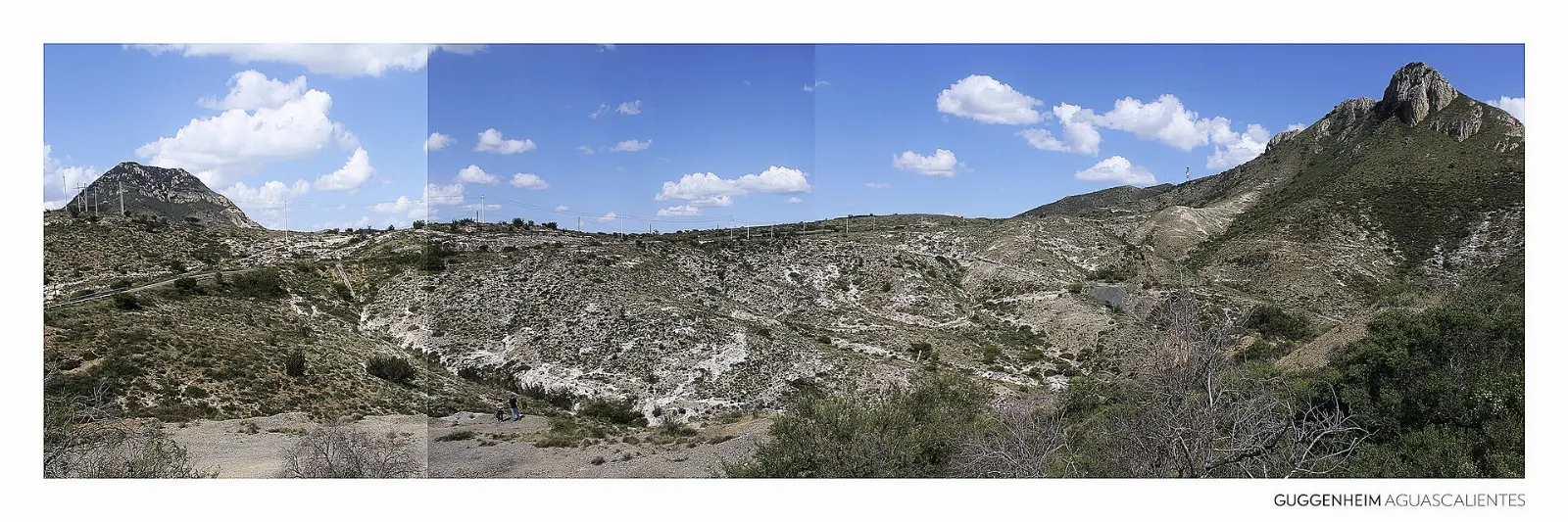
The setting is semi-desert, so cacti and open skies frame the village. You can see the main sights on foot, taste traditional food and still be back in the capital for dinner.
Churches and colonial heritage
Parroquia de Nuestra Señora de Belén
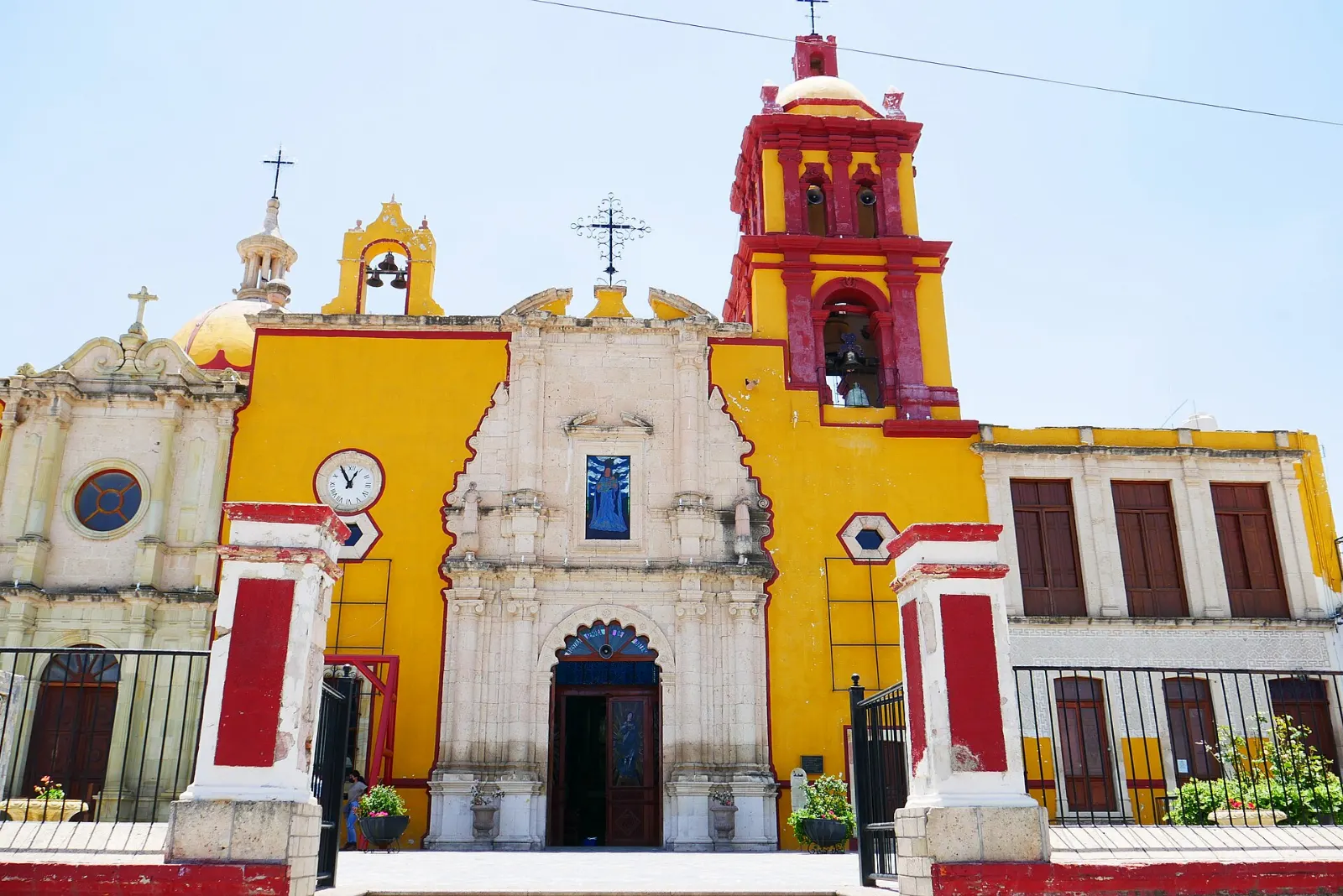
The parish church of Nuestra Señora de Belén dates from 1705 and anchors the town centre. It honors the town's patron, whose festival falls on the fourth Sunday of January.
Pinacoteca Parroquial
The parish gallery holds colonial paintings, including works by Miguel Cabrera such as Circuncisión del Niño Jesús and Virgen de la Tristeza. Cabrera was one of the leading painters of colonial Mexico, so this small collection is a real treat for art lovers.
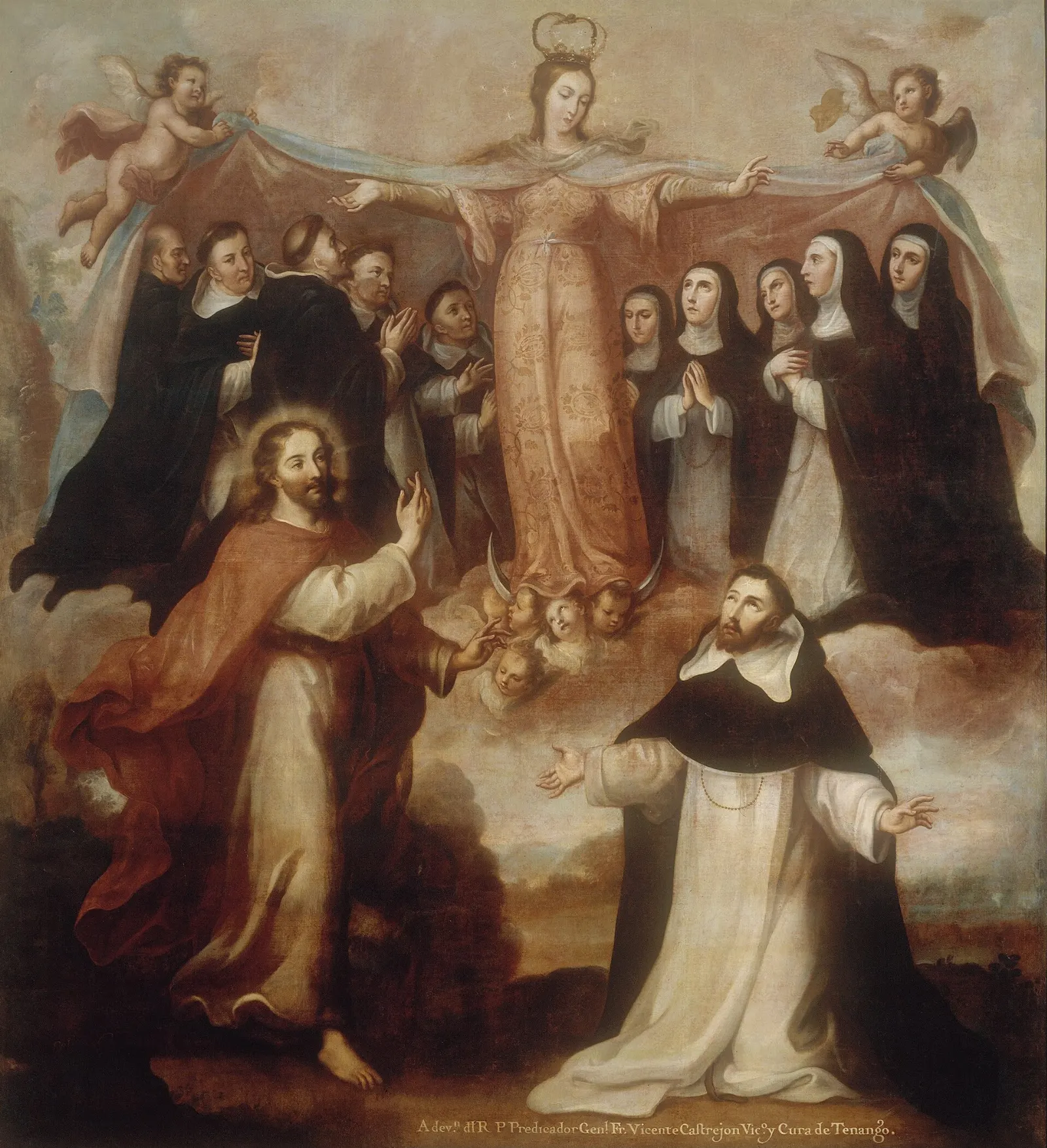
Ex-Convento del Señor del Tepozán
On the edge of town, the former convent and sanctuary of the Señor del Tepozán was founded in 1620. Its festival takes place on the first Sunday of July and draws pilgrims and families.
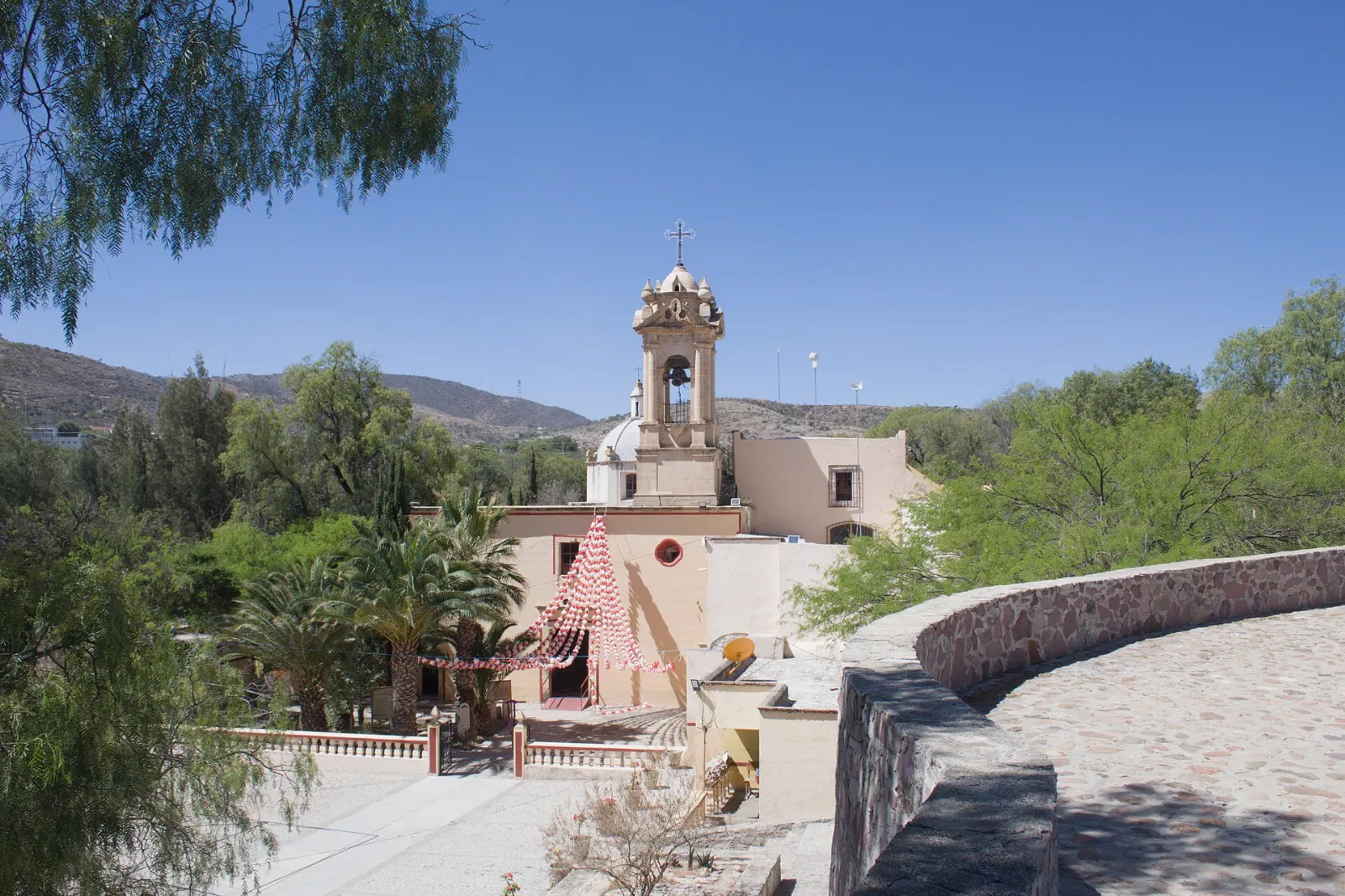
Templo de Guadalupe
The Templo de Guadalupe is another historic church in town, a calm place to rest in the shade after climbing the hilly streets. Look at the stonework and the quiet courtyard.
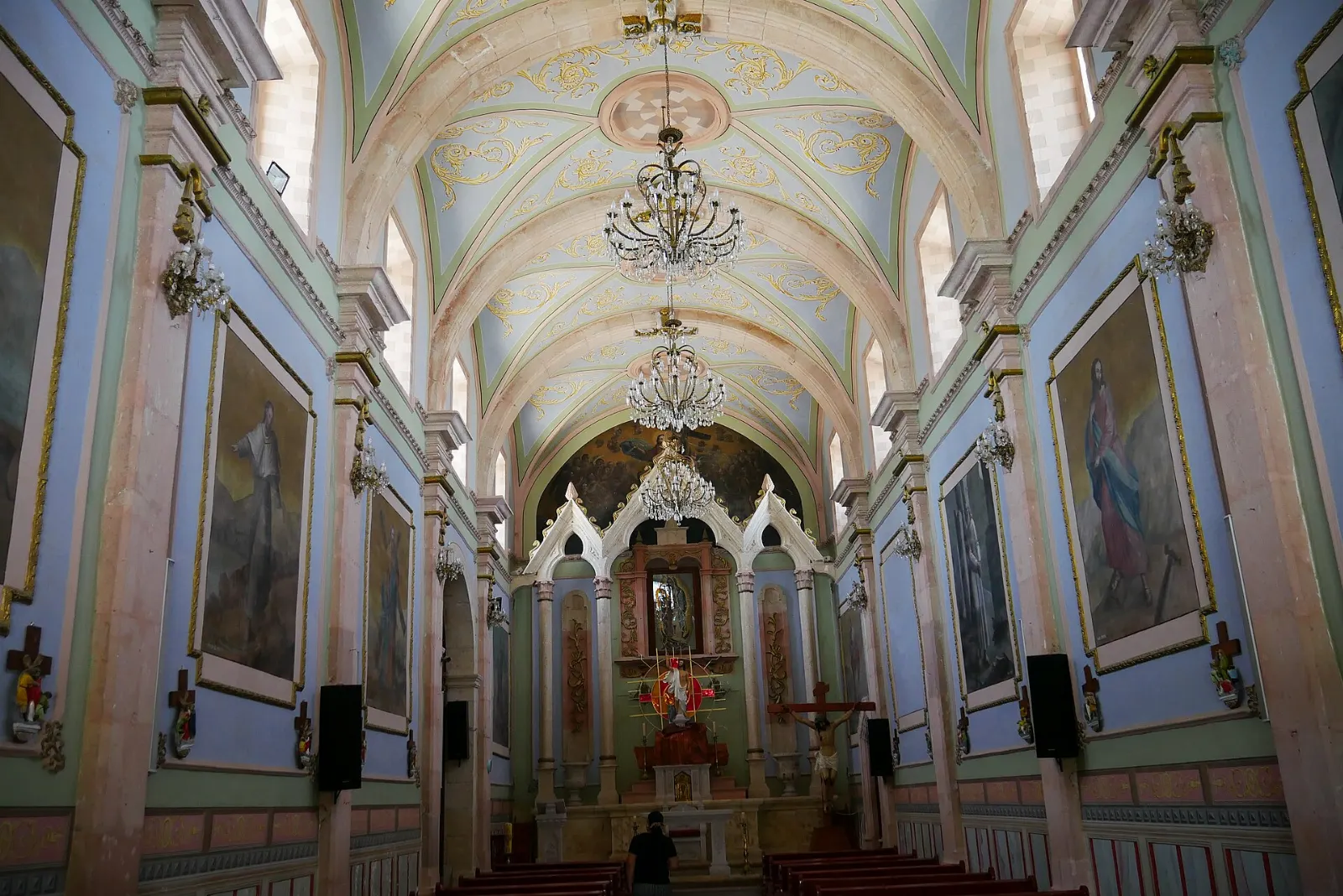
Panteón de Guadalupe
The Panteón de Guadalupe is described as the oldest cemetery in the state. Old tombs and carved markers speak of mining families and the town's long history.
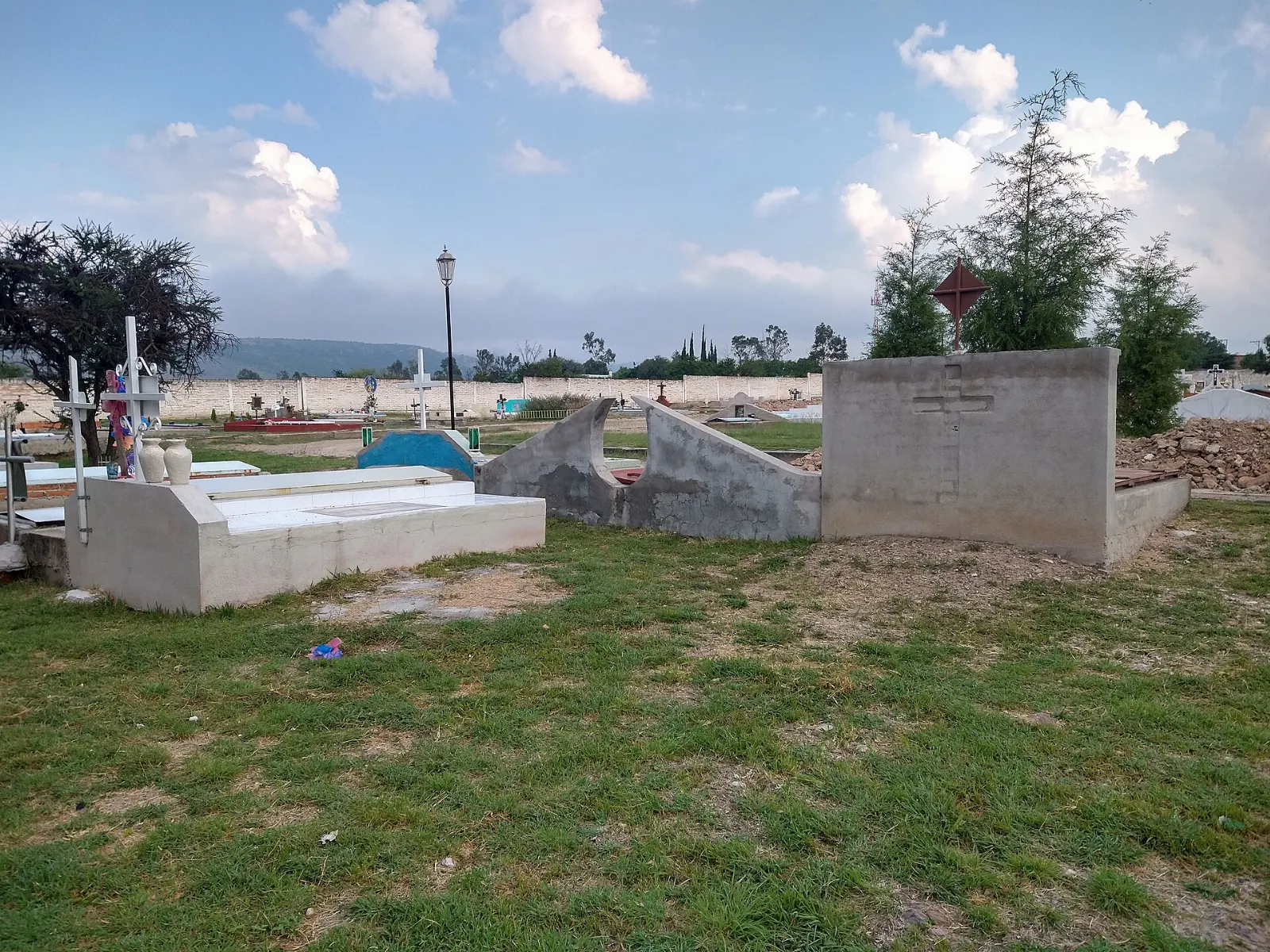
Mining, museums and the desert
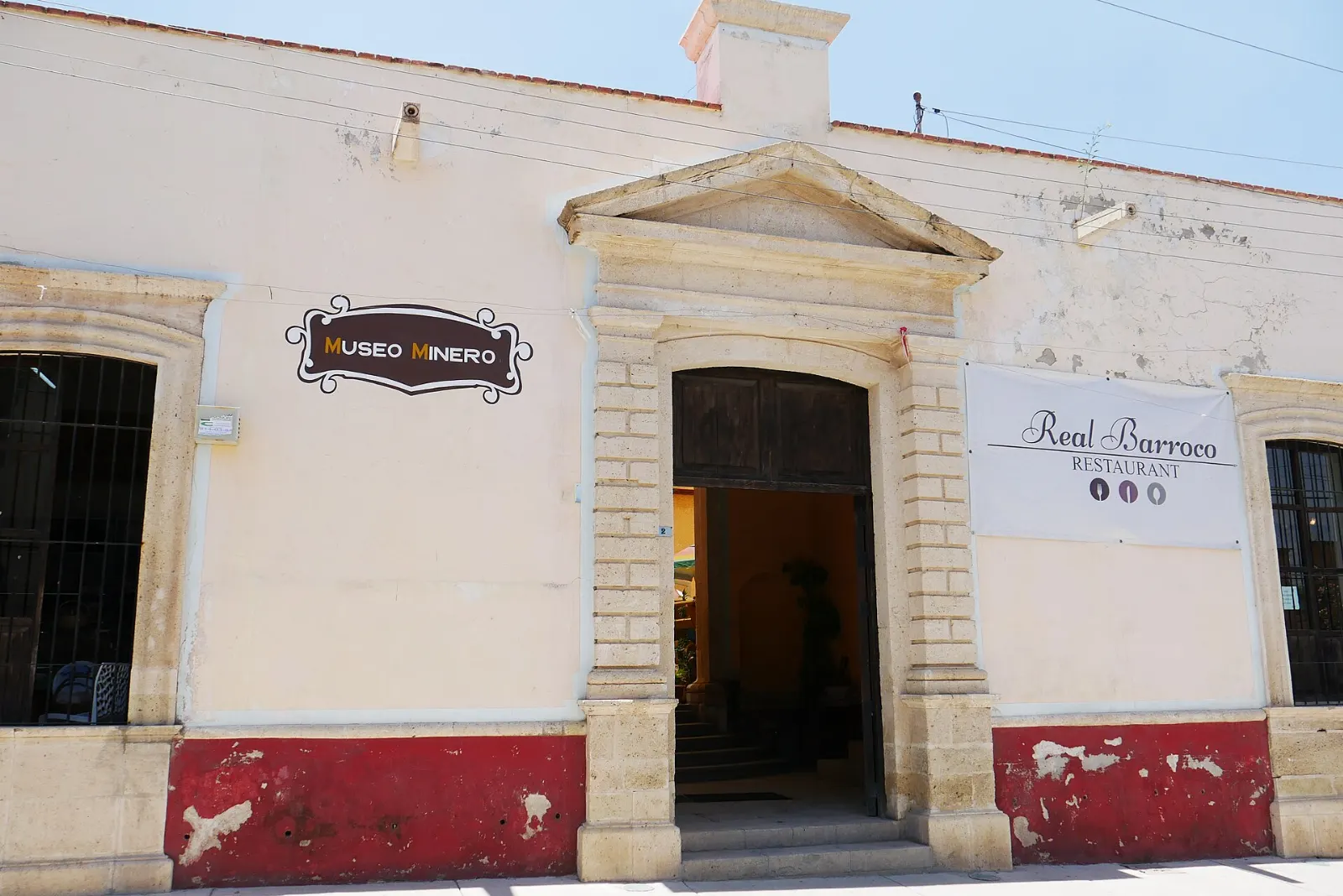
Museo del Minero
The Museo del Minero explains how silver shaped the village, with tools and stories from the mines. It is the best place to understand why a town this small has such grand churches.
Tunnels and hydraulic works
Eighteenth century tunnels, part of a hydraulic system, are among the town's most unusual sights. Their purpose was tied to mining and water, and a raised hidden aqueduct is another part of this heritage.
Tren El Piojito
A small tourist train called El Piojito runs around the town and is a relaxed way to get oriented. It suits families with children and anyone who wants an overview before walking.
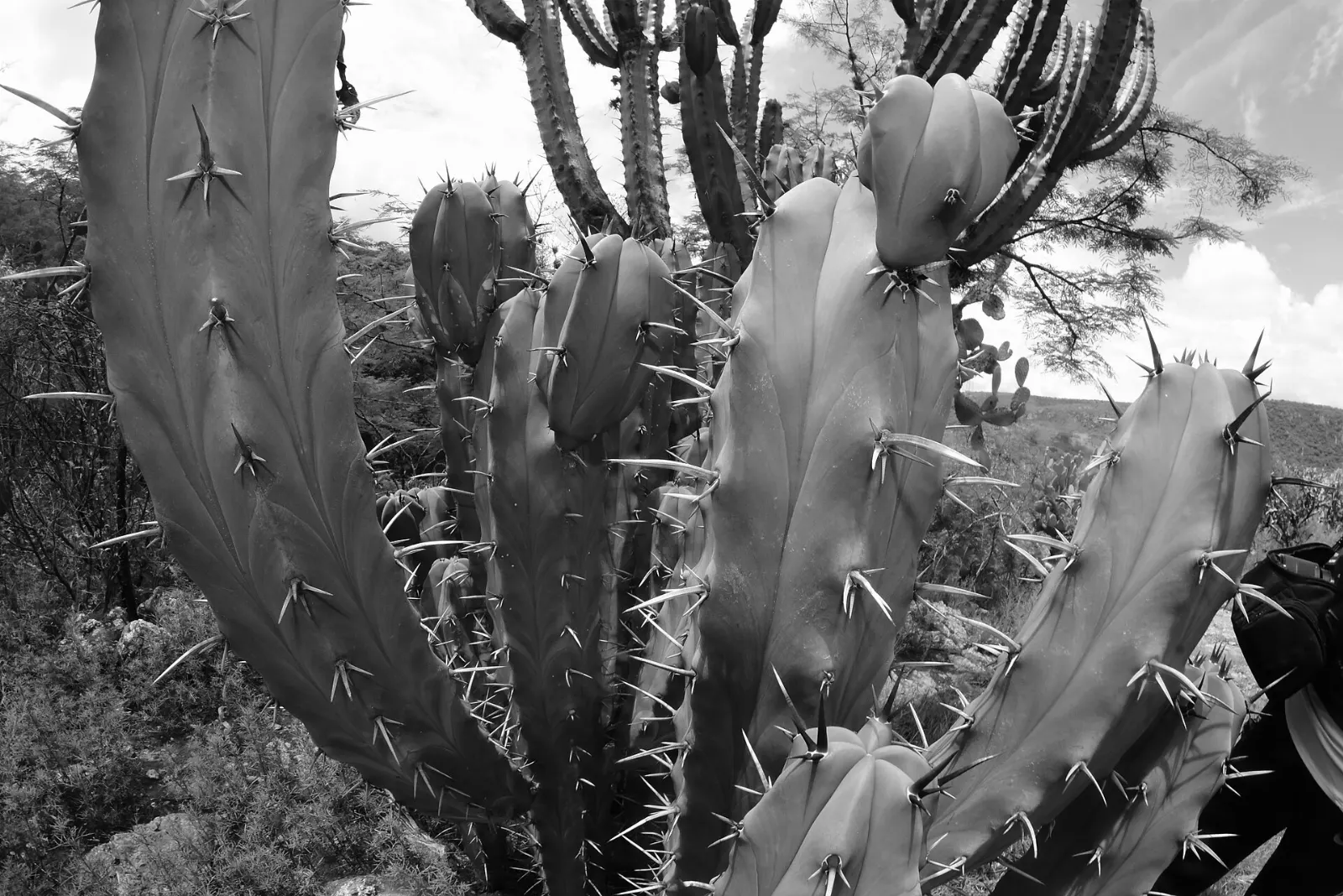
Museo Plantas Cactáceas
Because Asientos sits in semi-desert country, the cactus museum fits the landscape perfectly. Expect a range of species, from small round plants to tall columnar cacti.
Casa Larrañaga and Galerón de las Momias
Casa Larrañaga is a historic house in the center, and the Galerón de las Momias, as its name suggests, concerns mummified remains. Both reflect local history in different ways.
Pairing the town with Aguascalientes city
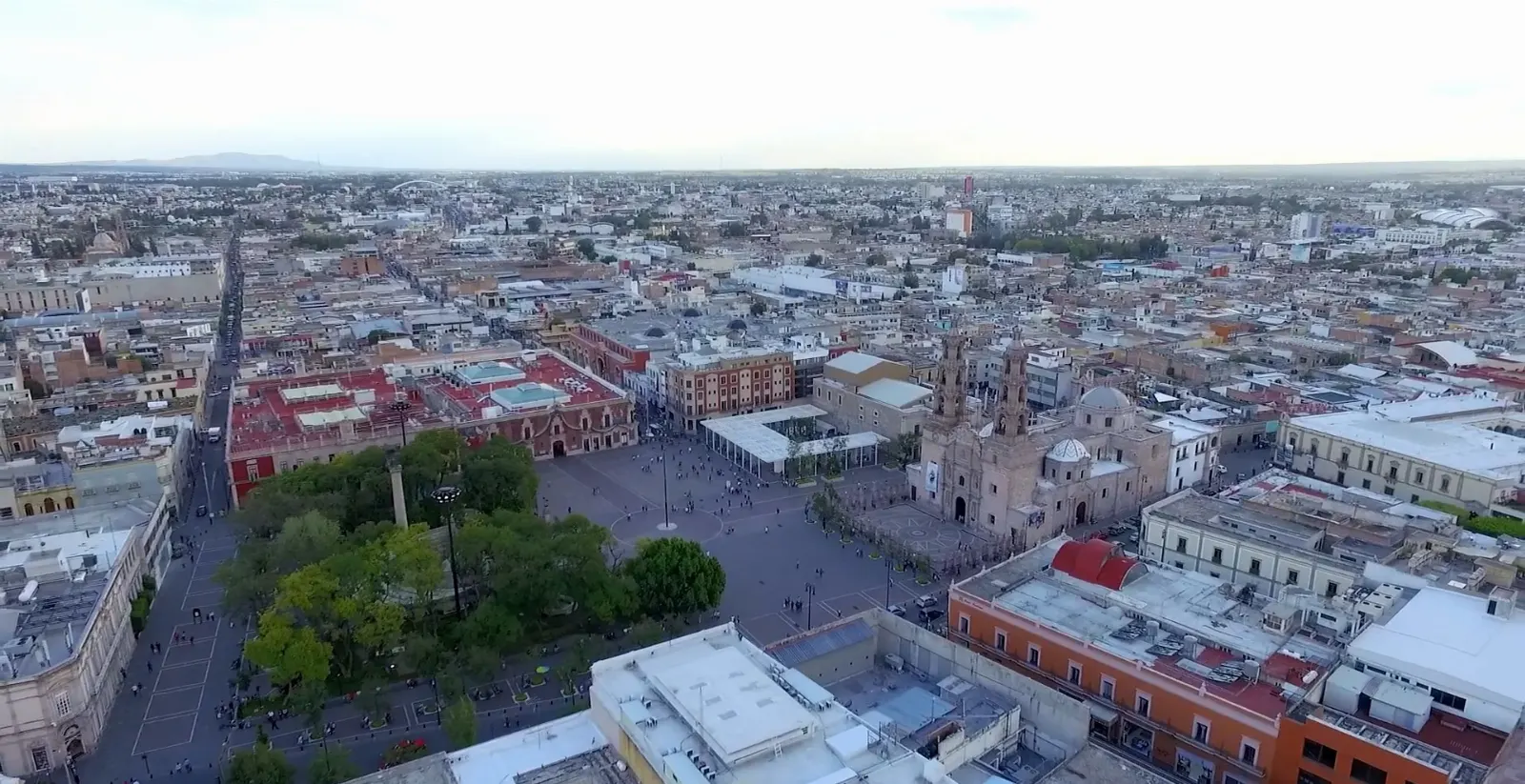
Plaza Patria
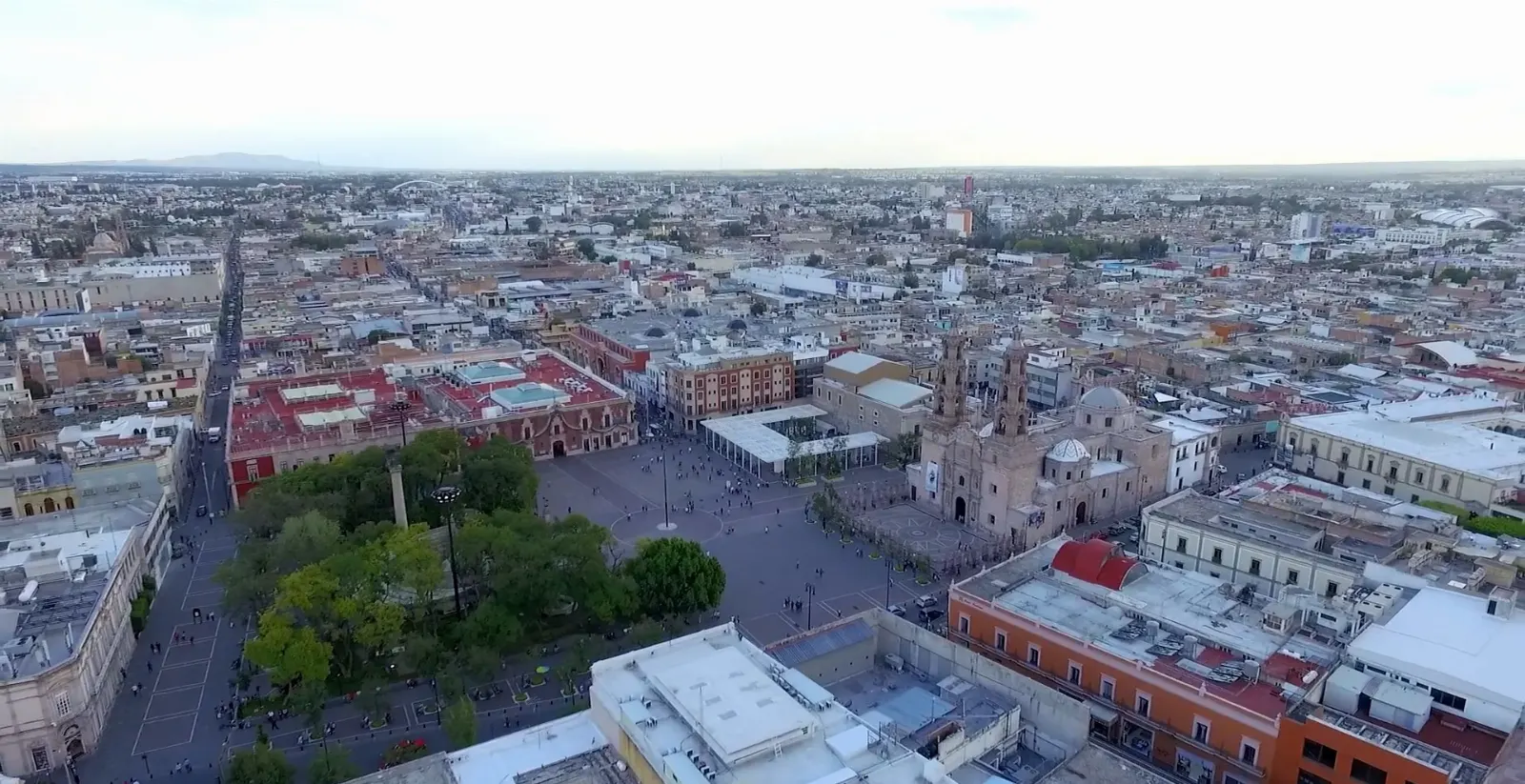
Most trips begin in the state capital, where Plaza Patria sits beside the baroque cathedral and the red stone Palacio de Gobierno. It is a pleasant place for coffee and a stroll before you head north.
The capital also has museums devoted to the engraver José Guadalupe Posada and to the Day of the Dead tradition, which pair well with the mining story you find in Asientos.
Food and local flavors
Aguascalientes has its own flavors, and several are easy to find around Asientos. Barbacoa de olla is slow-cooked meat prepared in a pot, often served with tortillas and salsa.
Taco lovers can time a visit for the Festival del Taco on 20 November. Markets and small family restaurants around the main square are the best places to eat, since they offer regional dishes at ordinary neighborhood tables.
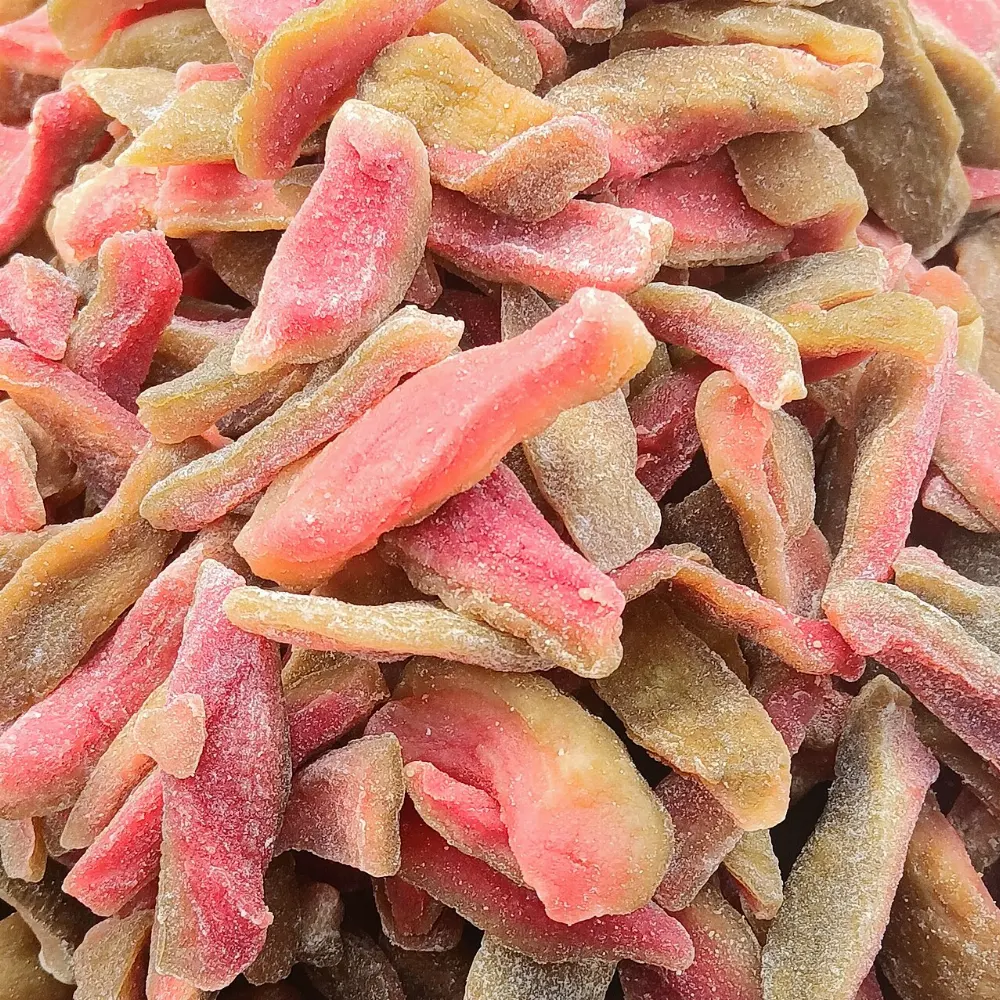
Popular dishes to try in Real de Asientos

Where to stay
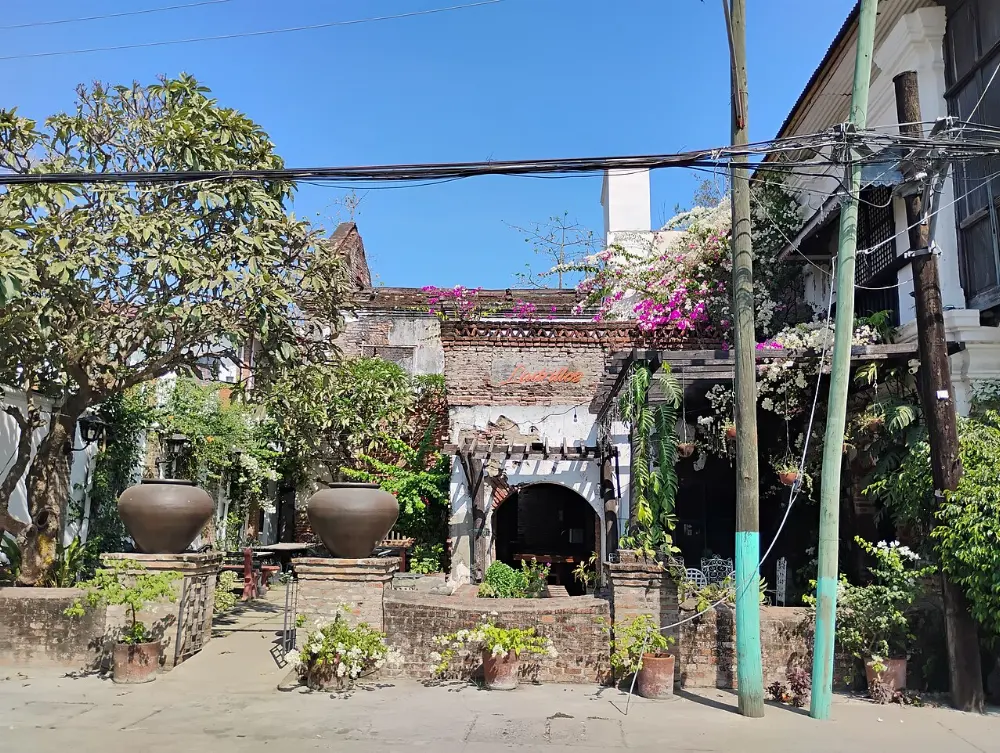
Centro is the best choice if you want to wake up in the Pueblo Mágico.
Aguascalientes city is the practical base for most travelers. It has many hotels, restaurants, an airport and bus station, and you can reach Asientos by car or taxi for a day trip.
Calvillo, another Pueblo Mágico on the western side of the state, works for those who plan to see both towns on a longer Aguascalientes trip, although it is a separate drive in a different direction.
Where to stay in Real de Asientos


Best time to visit
The region is warm and dry for much of the year, with the rainy season from May to November, usually brief afternoon storms. At this altitude evenings can feel cool, so bring a light jacket.
October to April is comfortable for walking. Festival dates add color: Nuestra Señora de Belén on the fourth Sunday of January, the Vía Crucis Viviente on Good Friday, the Señor del Tepozán on the first Sunday of July, the town founding celebration on the fourth Sunday of July, and the Festival de Magia y Calaveras around 2 November.
Getting there and getting around
The closest major gateway is Aguascalientes International Airport, with domestic flights and some connections from the United States. From Mexico City, buses take about six hours, and driving via Querétaro takes at least five hours.
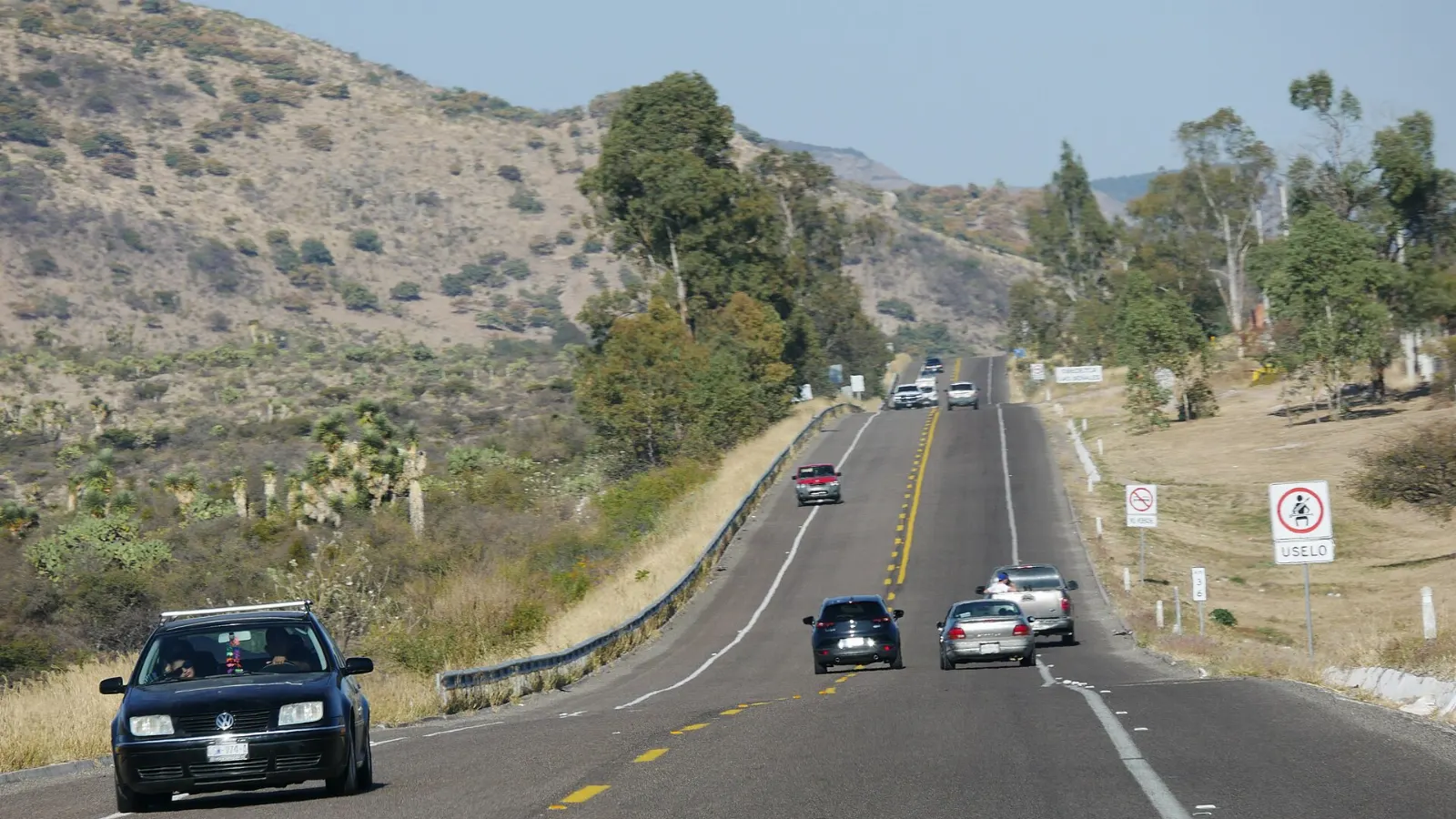
Real de Asientos lies north of the capital, and the simplest way to get there is by rental car or taxi. Check the current drive time before you set out, and ask about return transport if you use a taxi.
A suggested itinerary
First day
Arrive from Aguascalientes in the morning and start at the parish of Nuestra Señora de Belén and its painting gallery.
Second day
Visit the Museo del Minero, ride the little train and look for the tunnels.
Optional third day
Return to Aguascalientes city for Plaza Patria and the museums, or drive west to Calvillo to add a second Pueblo Mágico with its guava orchards, reservoirs and old haciendas before you leave the state.
Practical tips
- Check your government's current travel advisory before you go.
- Confirm museum and tunnel access locally, because arrangements can change.
- Carry cash for small shops, markets and taxis.
- Wear comfortable shoes for steep cobbled streets.
- Bring sun protection, since the altitude and dry air make the sun strong.