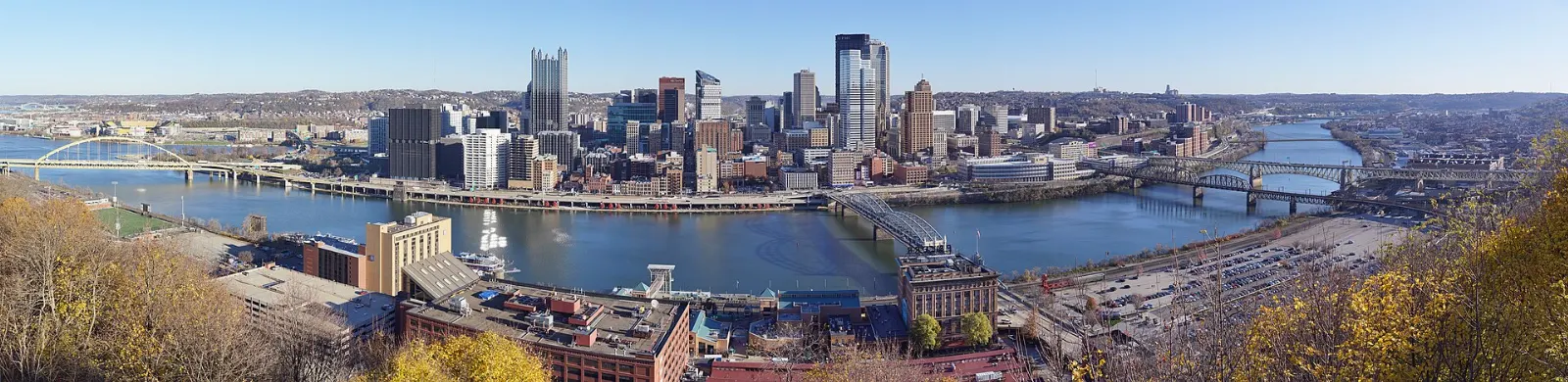
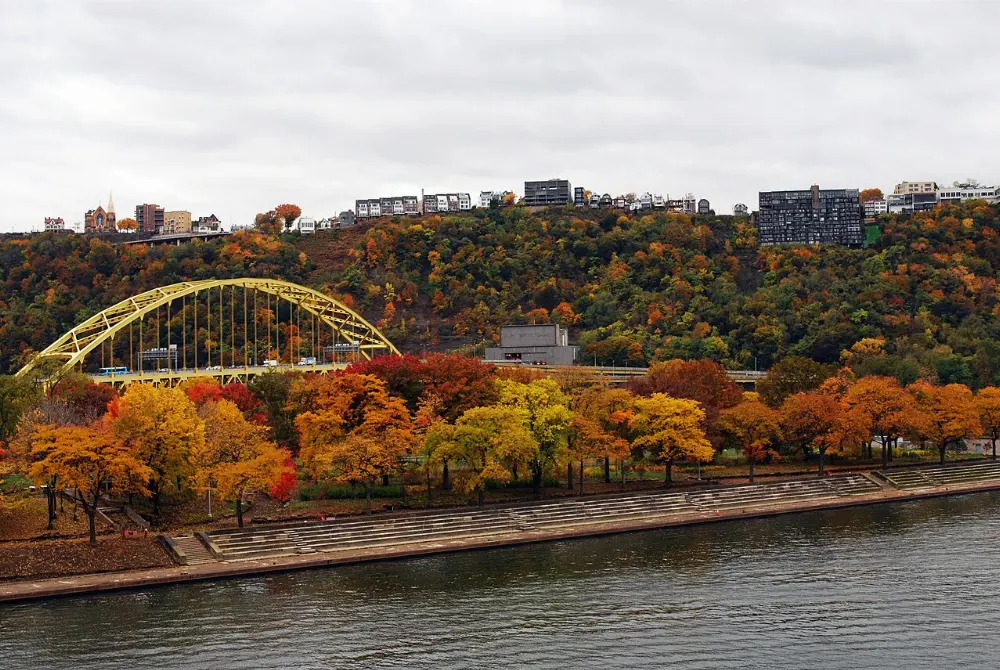
Pittsburgh sits where the Allegheny and Monongahela rivers meet to form the Ohio, its skyline wedged onto a triangle of land and framed by steep green hills.
AT A GLANCE
Best time
May to June and September to October for mild weather, festivals and fall color.
How long
Three days covers the highlights; add a day for Fallingwater or the Laurel Highlands.
Getting there
Fly into Pittsburgh International, about 20 miles west; the 28X bus links it to Downtown and Oakland.
Why visit Pittsburgh
Few American cities have such dramatic geography. The rivers carve the city into distinct pieces, and the hills between them are covered with houses that seem to cling to the slopes, connected by public staircases and hundreds of bridges.
History is everywhere. The site at the Point was fought over by France and Britain during the French and Indian War, and Fort Pitt gave the city its name.
Pittsburgh is also a city of neighborhoods. Immigrants from Central and Eastern Europe, Italy and beyond, and African Americans who arrived during the Great Migration, shaped distinct communities with their own churches, foods and traditions.
Downtown, the Point and Mount Washington
Start where Pittsburgh began, at the tip of downtown, then cross the river and ride up the hillside for the view.
Point State Park
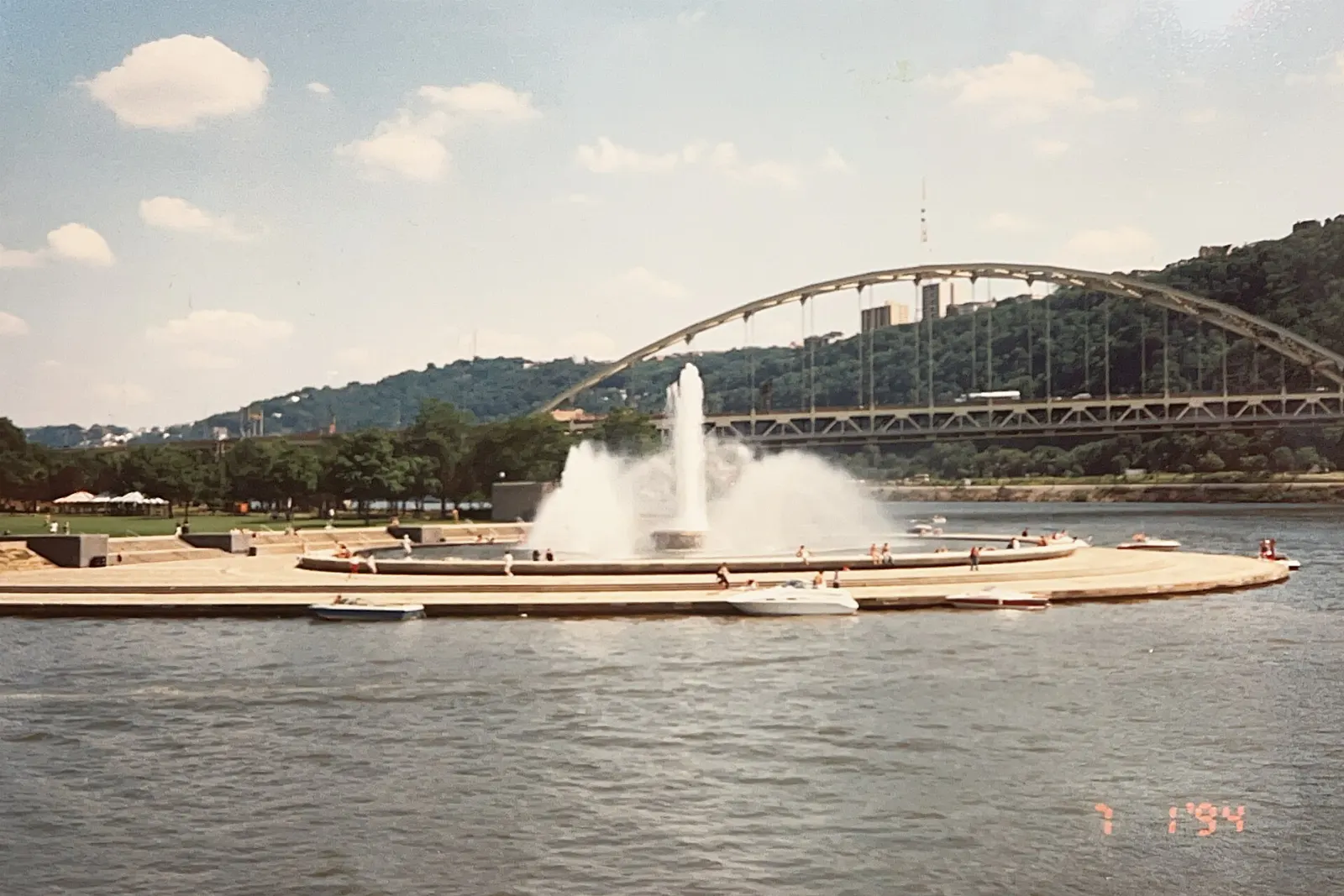
At the tip of downtown, this 36-acre state park sits exactly where the Allegheny and Monongahela meet. Its large fountain, completed in 1974, shoots water high above the confluence, and paths along both rivers connect to the Three Rivers Heritage Trail.
Duquesne and Monongahela Inclines
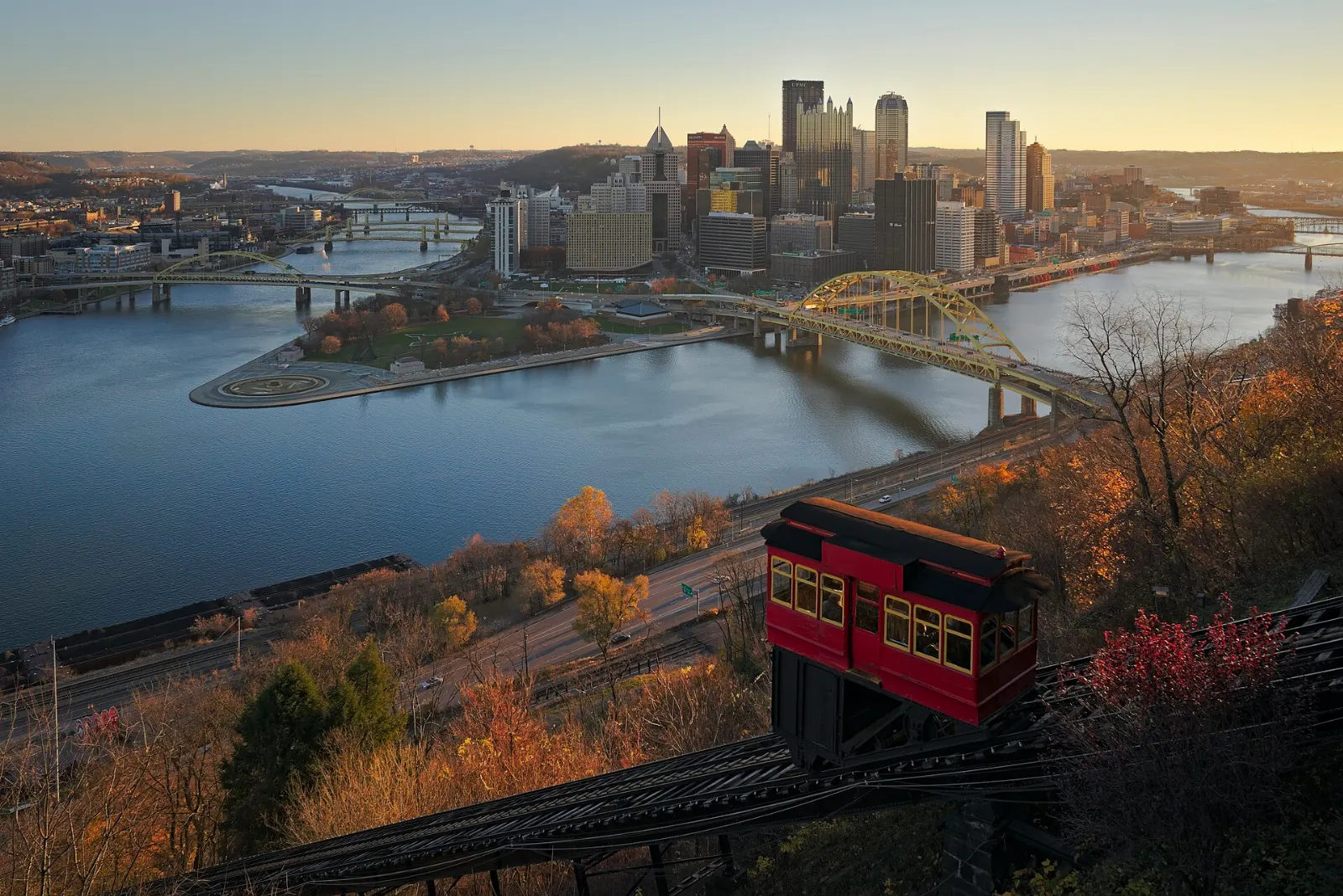
Pittsburgh once had seventeen passenger inclines, and two survive. The Duquesne Incline climbs about 400 feet up Mount Washington at a 30-degree angle, and its upper station has a small museum and an observation deck.
Heinz History Center
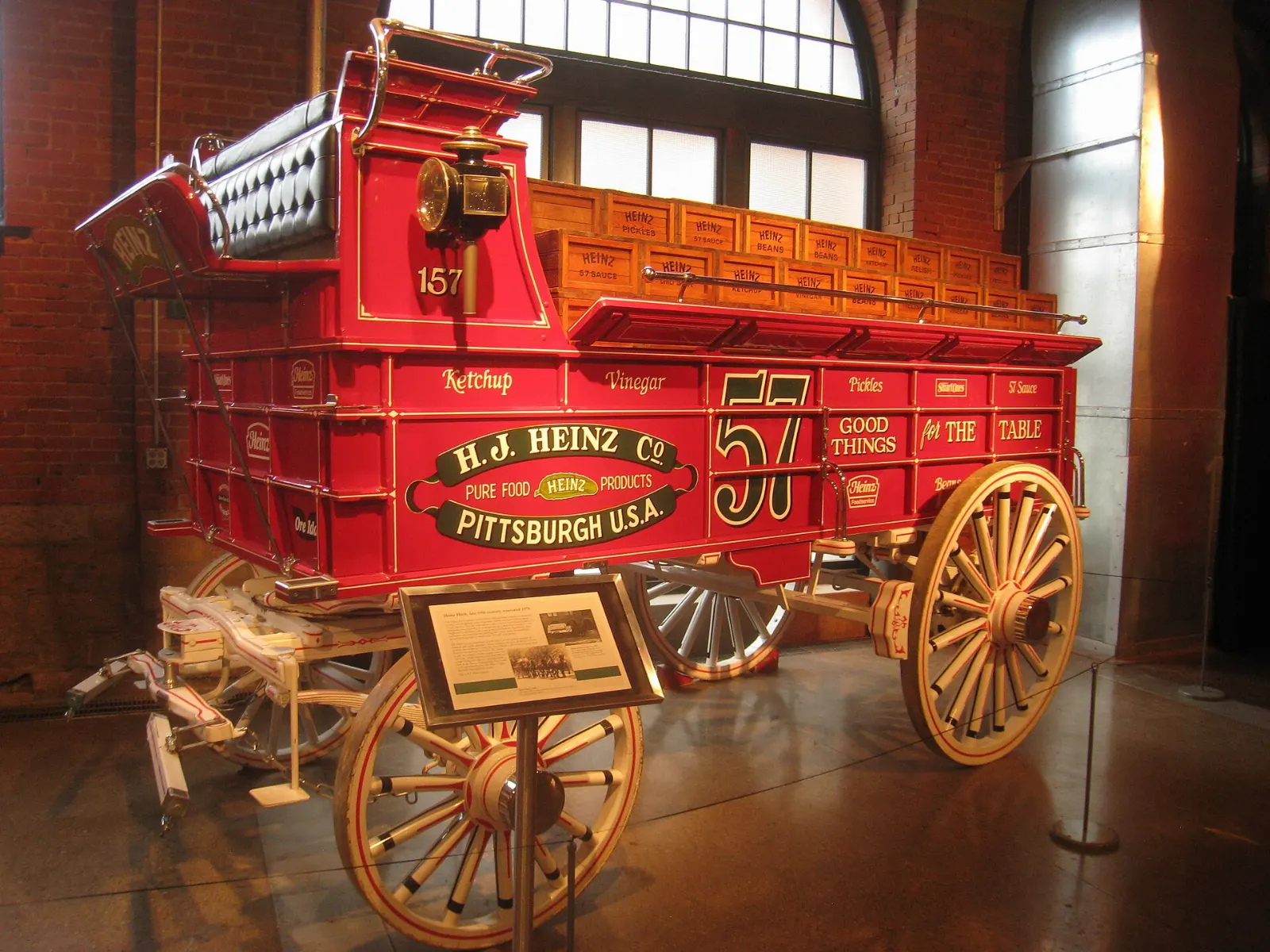
Housed in a former ice warehouse on the edge of the Strip District, the Senator John Heinz History Center is the largest history museum in Pennsylvania and an affiliate of the Smithsonian. Exhibits cover the region's industrial history, its inventions and its famous names, including pieces from the set of Mister Rogers' Neighborhood, which was produced in Pittsburgh.
The Strip District and the North Shore
Just upriver from downtown, the Strip District is the city's food hub, while across the Allegheny the North Shore and the Mexican War Streets hold stadiums and two of the city's most distinctive museums.
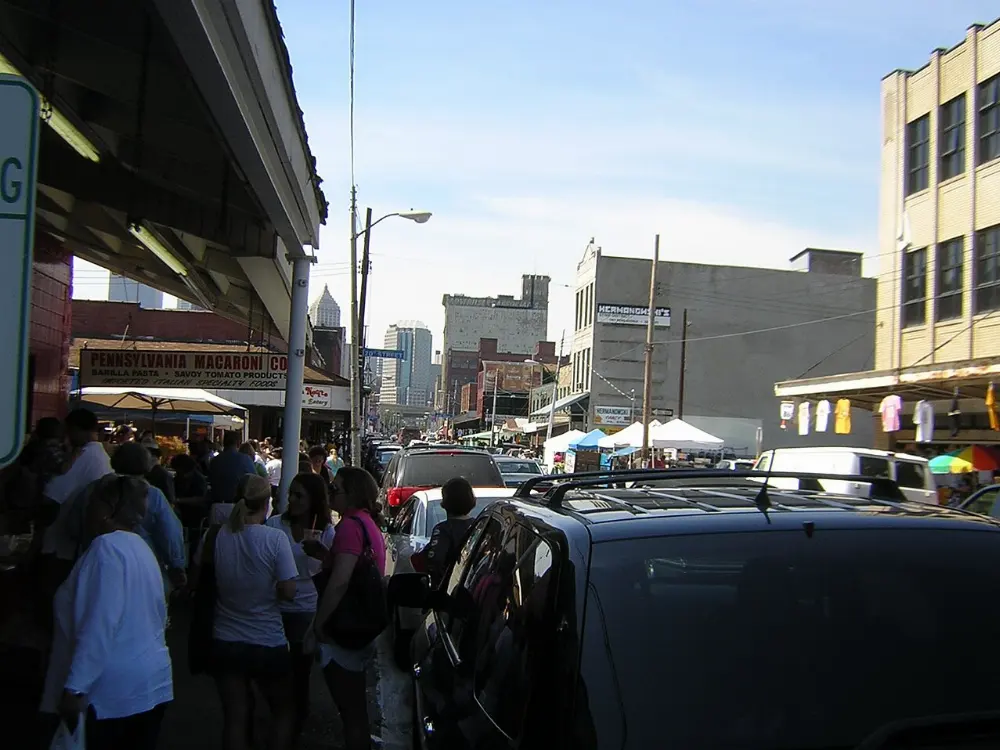
The Strip District
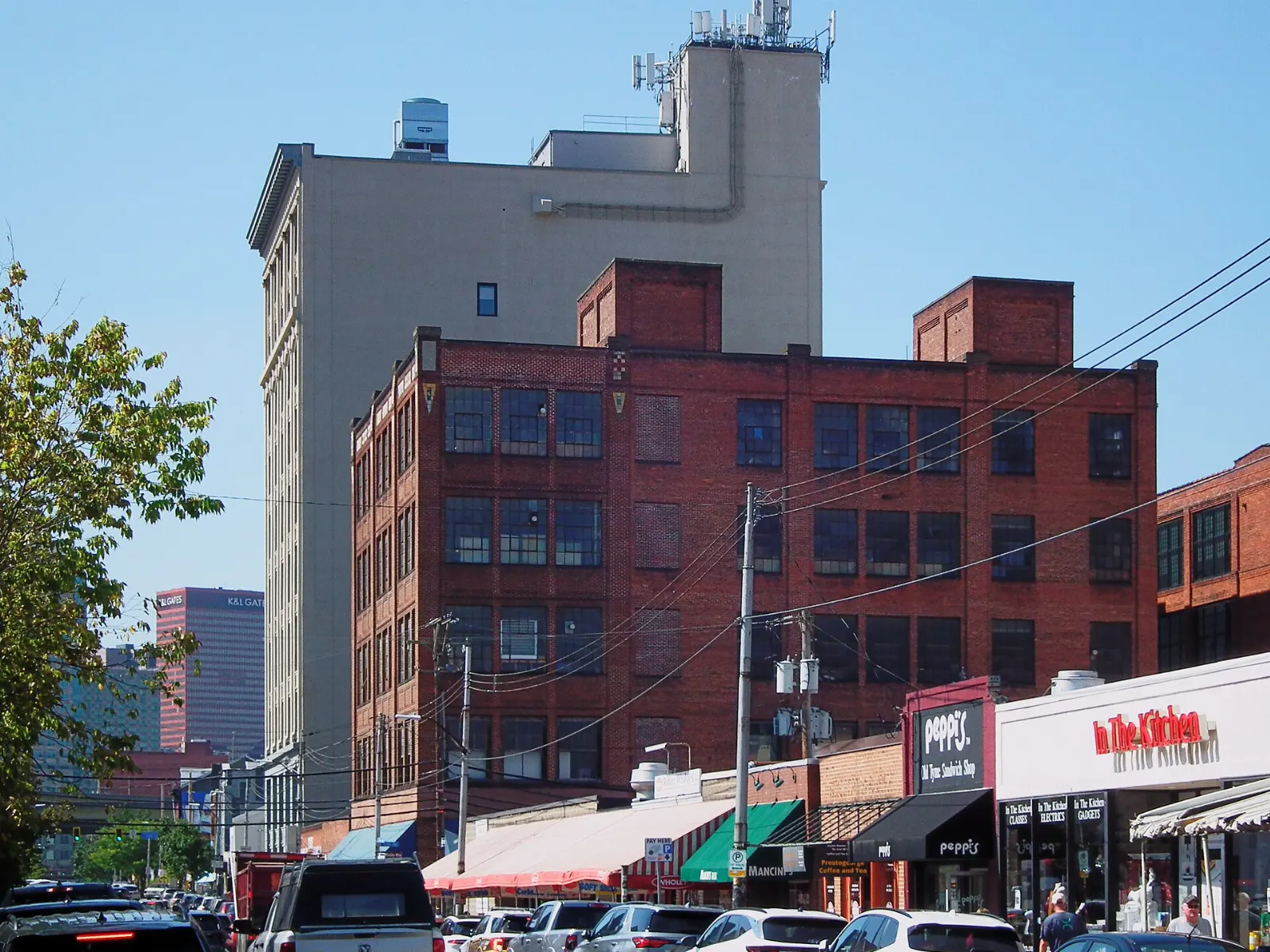
This half-square-mile neighborhood along the Allegheny River was once full of mills and warehouses. Today Penn Avenue and Smallman Street are lined with produce stands, bakeries, cheese and fish markets, coffee roasters, Italian and Asian groceries, and shops selling Steelers, Pirates and Penguins gear.
The Andy Warhol Museum
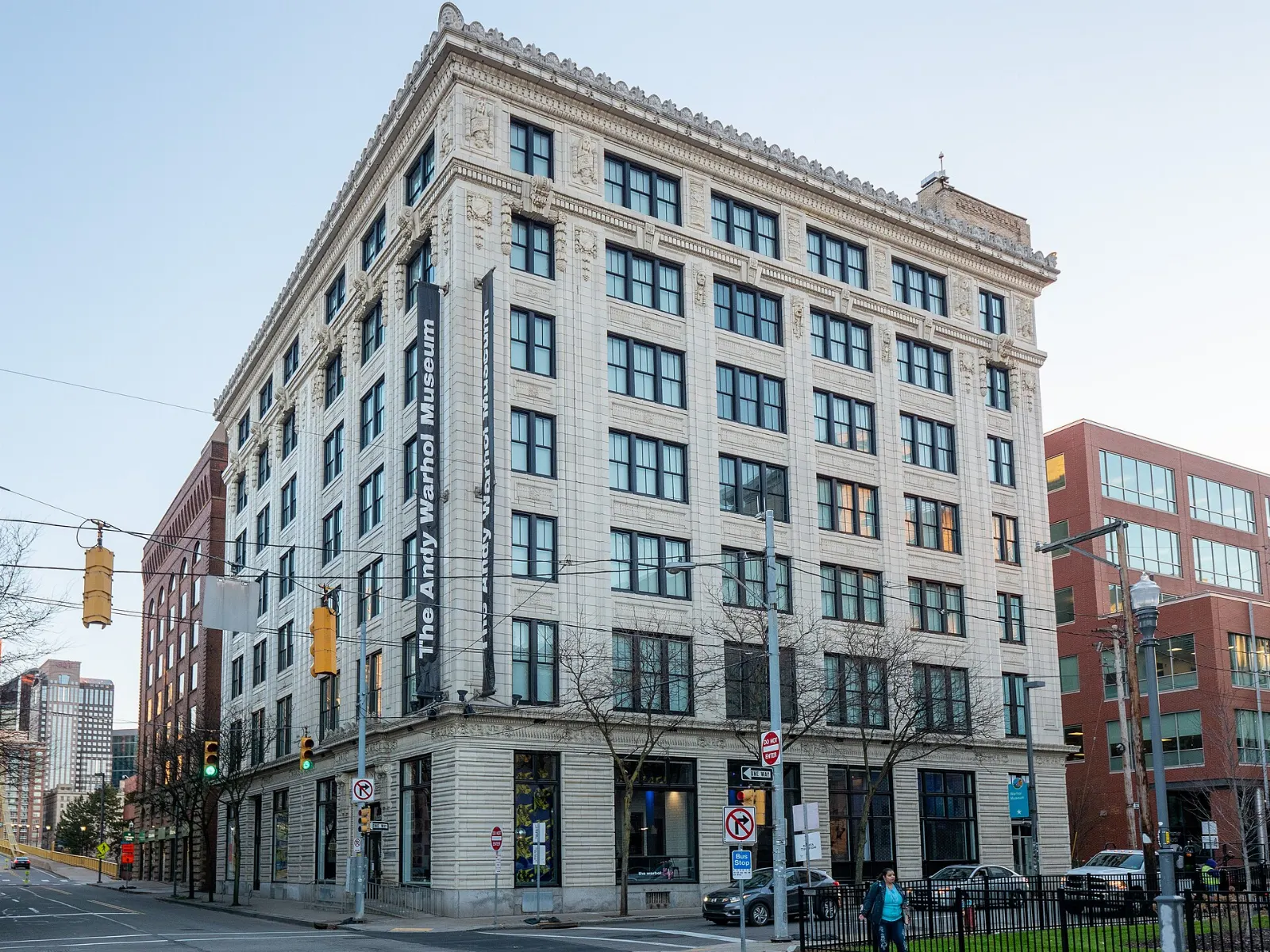
Andy Warhol was born in Pittsburgh, and this seven-floor museum on the North Shore holds an enormous collection of his paintings, prints, drawings, photographs, films and archives. It is the largest museum in North America dedicated to a single artist.
Mattress Factory and the Mexican War Streets
In a former mattress warehouse on the North Side, the Mattress Factory pioneered site-specific installation art, with permanent rooms by Yayoi Kusama and James Turrell.
PNC Park and the North Shore riverfront
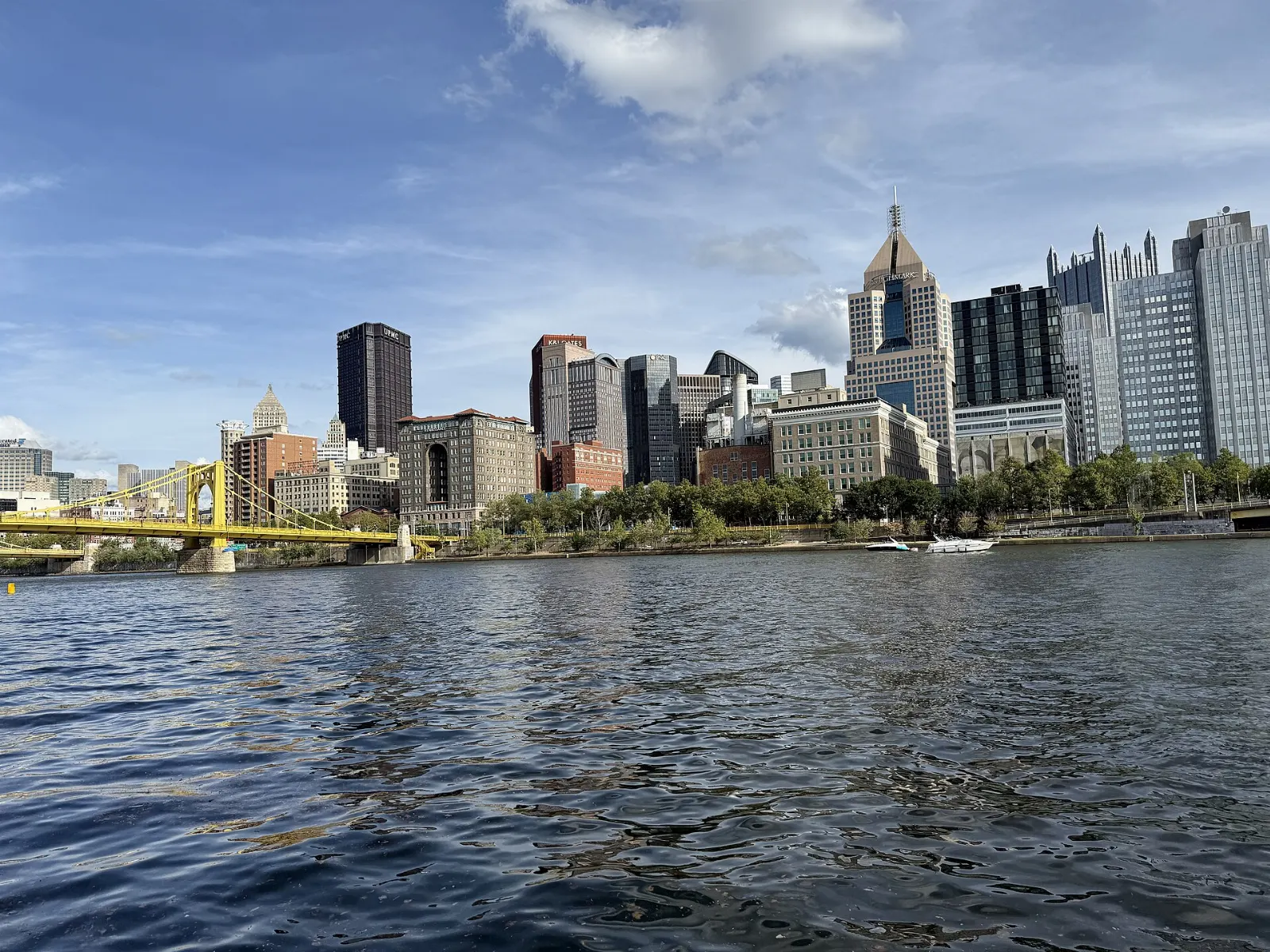
Home of the Pittsburgh Pirates, PNC Park is often praised as one of the best ballparks in baseball, thanks to its view across the river to the skyline and the yellow Roberto Clemente Bridge.
Oakland: museums, universities and parks
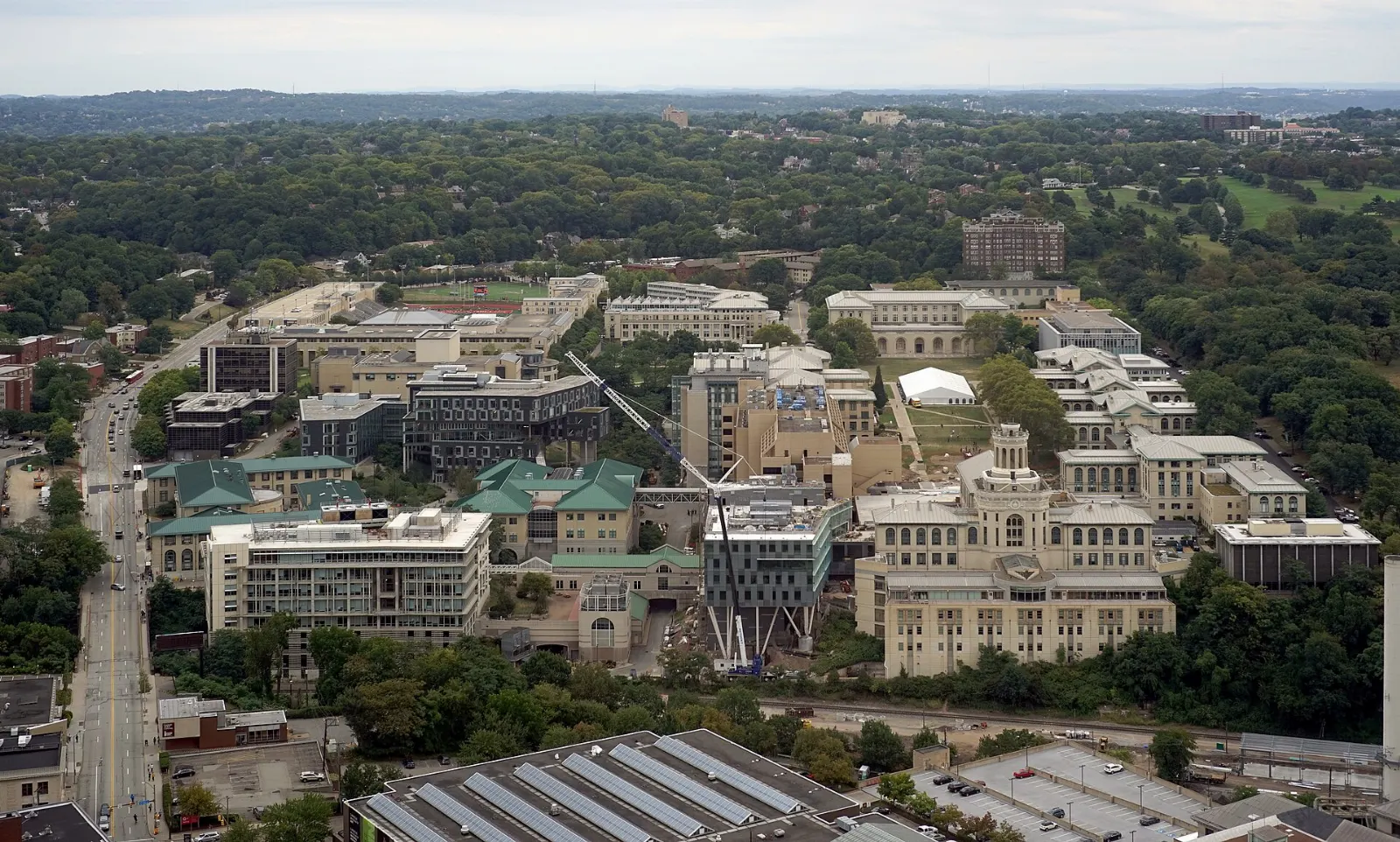
About three miles east of downtown, Oakland is Pittsburgh's academic and cultural center, home to the University of Pittsburgh, Carnegie Mellon University and some of the city's best museums.
Cathedral of Learning
Rising 42 stories and 535 feet, the University of Pittsburgh's Cathedral of Learning is the tallest educational building in the Western Hemisphere.
Carnegie Museums of Natural History and Art
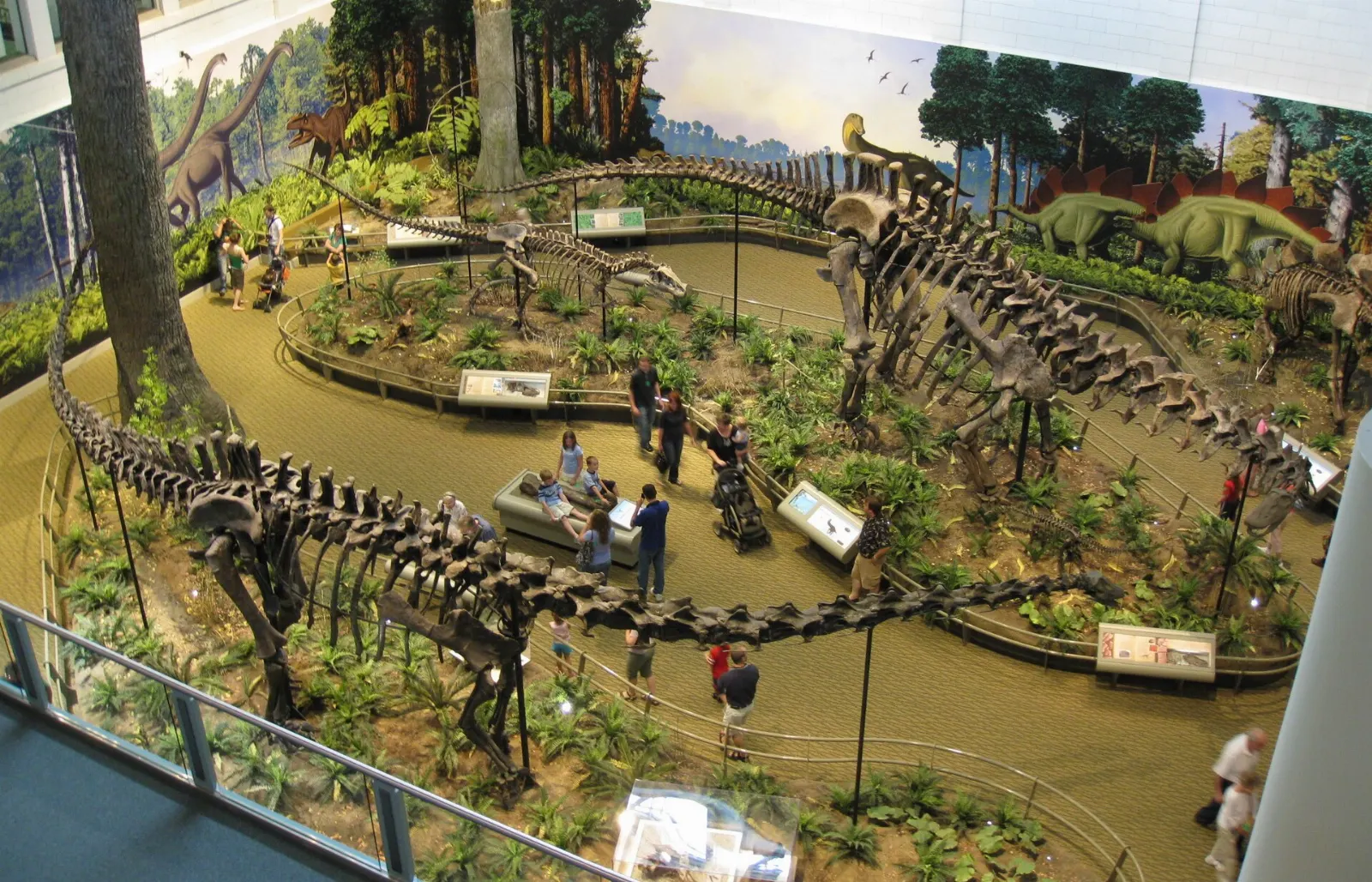
Founded by Andrew Carnegie, these two museums share a single grand building on Forbes Avenue. The Museum of Natural History is famous for its dinosaur hall, including the Diplodocus carnegii, along with gems, minerals and wildlife dioramas.
Phipps Conservatory and Schenley Park
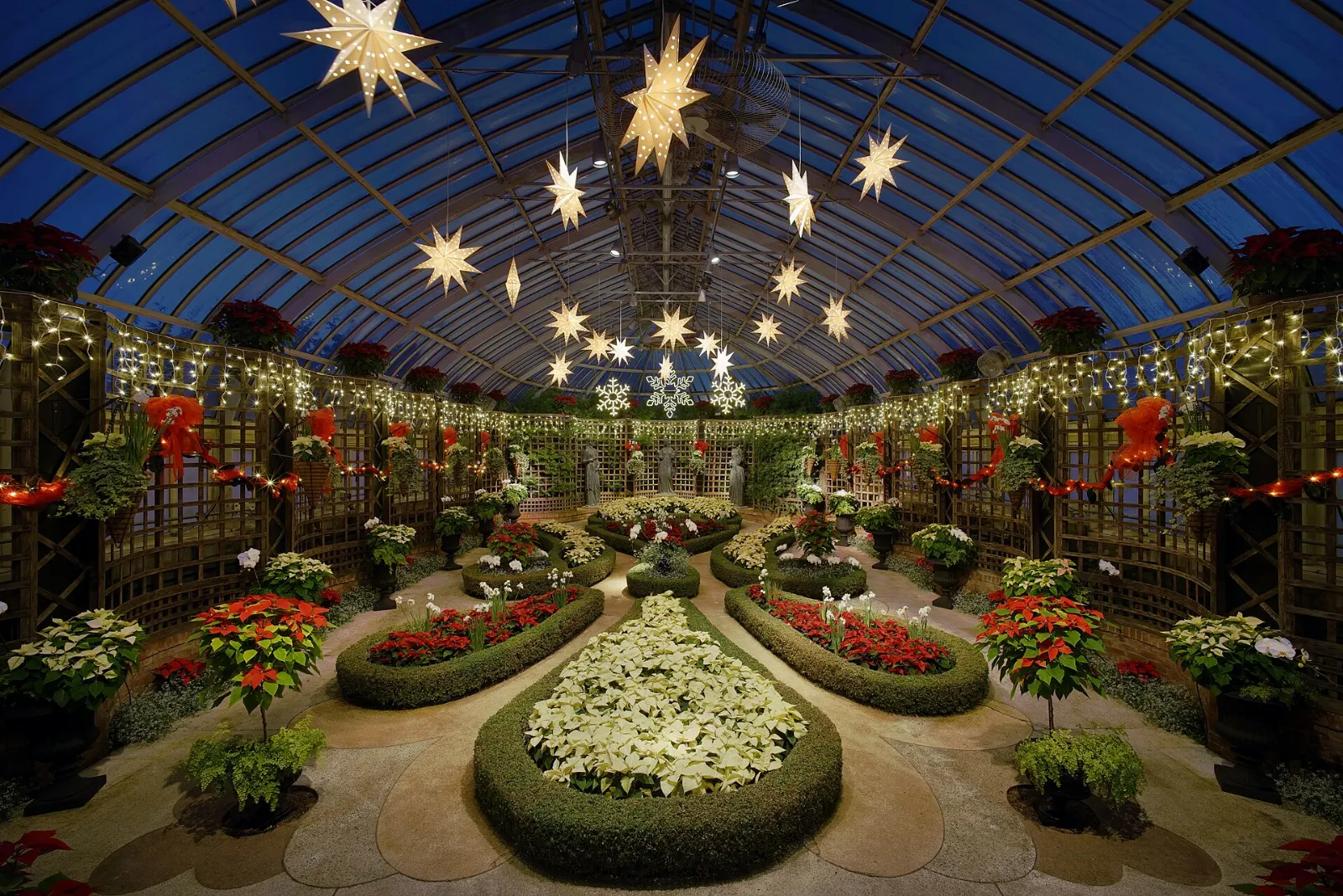
Founded in 1893 by industrialist Henry Phipps, this Victorian glasshouse in Schenley Park holds more than a dozen rooms of palms, orchids, desert plants and seasonal flower shows, along with outdoor gardens. Schenley Park itself has trails, a lake and wide lawns.
On WiserMap
Local businesses in Pittsburgh
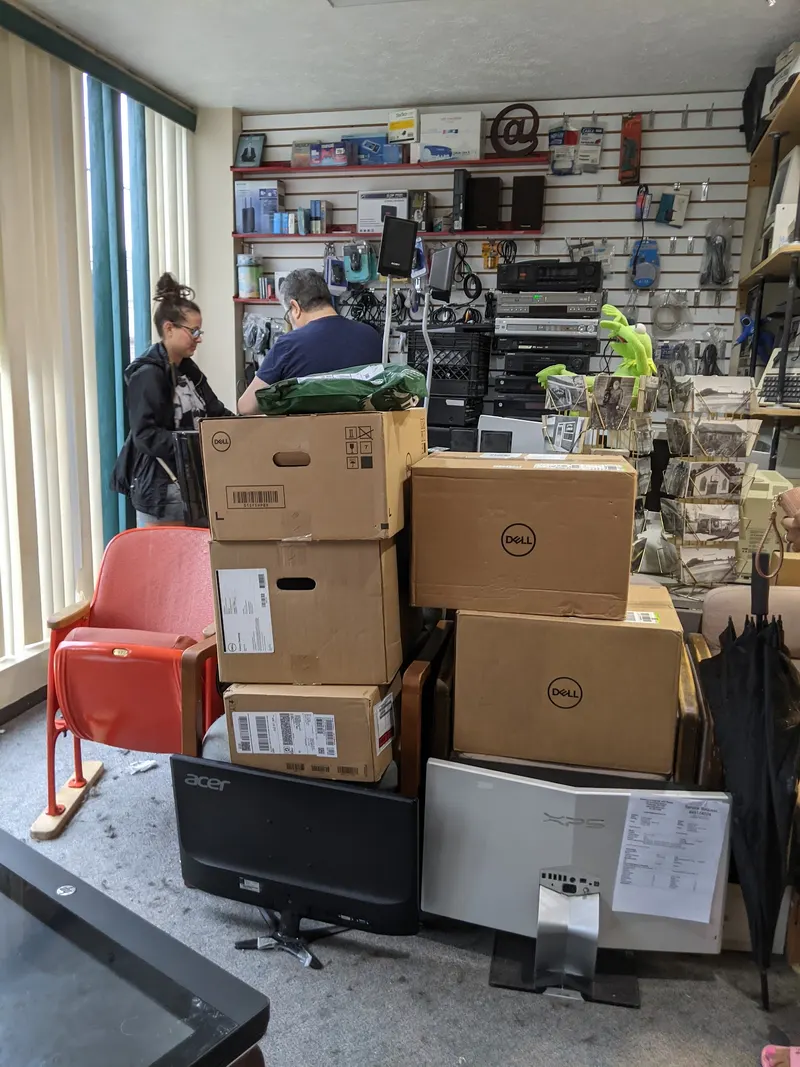
Kevin's Computer & Photo
Kevin's Computer & Photo is a computer repair and custom PC building business serving Pittsburgh, Pennsylvania. It offers system repair, upgrades, networking, a...
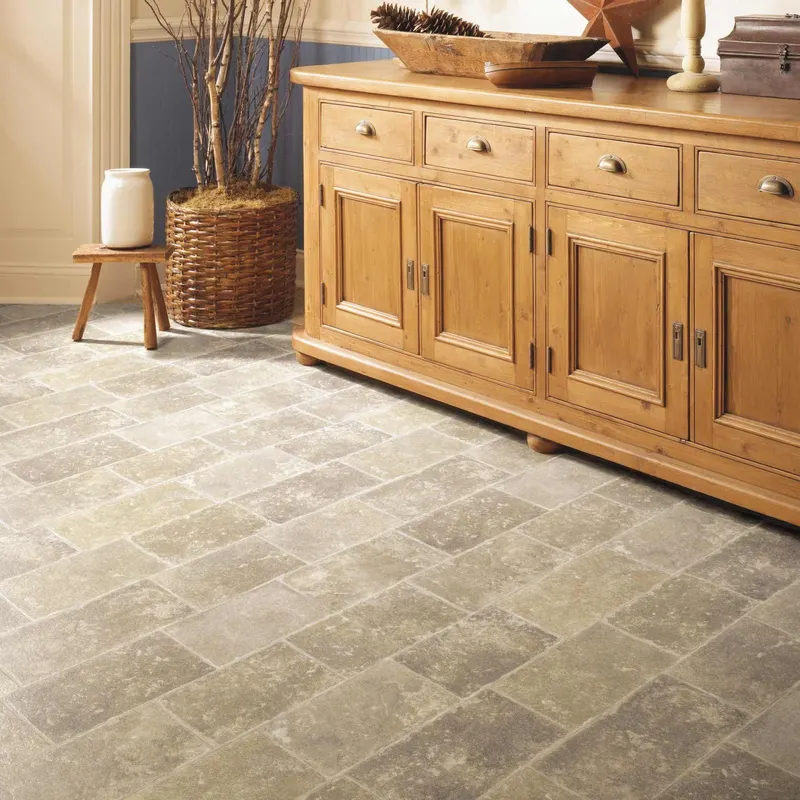
Molyneaux Home
Molyneaux Home is a flooring and home improvement business serving Pittsburgh and surrounding areas. Molyneaux Home provides carpet, hardwood, laminate, vinyl,...
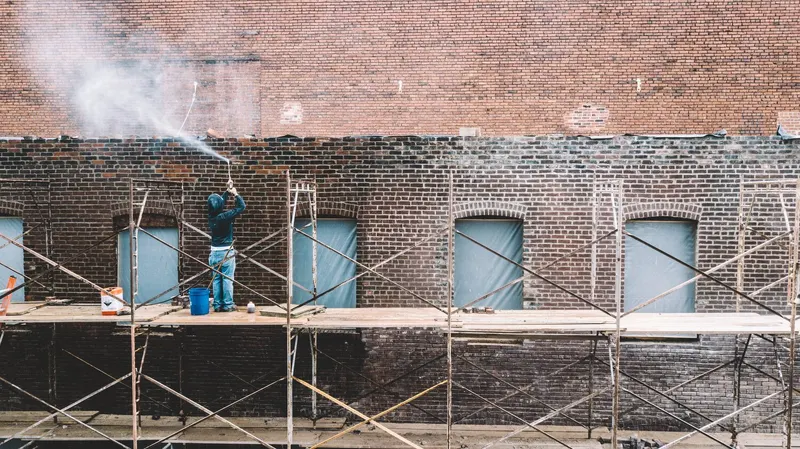
Escajeda Masonry
Escajeda Masonry is a masonry contractor in Pittsburgh, PA, specializing in residential, commercial, and historical masonry restoration and new construction ser...
 Planning a trip to Pittsburgh?Compare hotels, flights and vacation rentals for Pittsburgh on Expedia.Book now
Food and local flavors
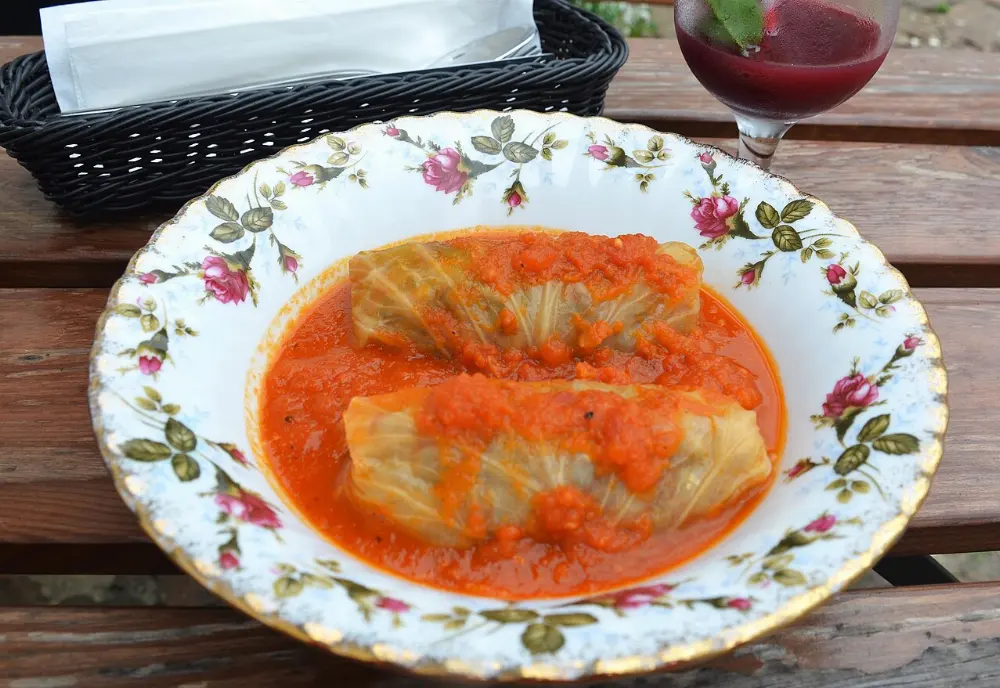
Pittsburgh's food reflects its immigrant roots and working-class history.
For the widest choice, head to the Strip District for markets and casual eats, Lawrenceville and East Liberty for newer restaurants and breweries, and the South Side for bars and late-night food.
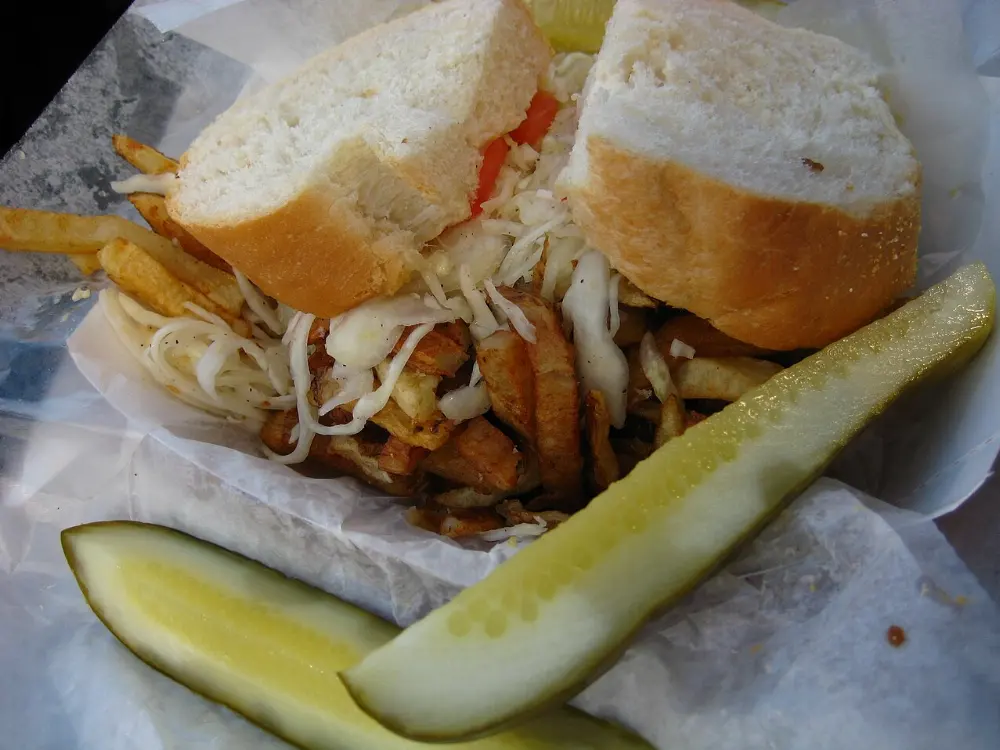
Popular dishes to try in Pittsburgh

Where to stay
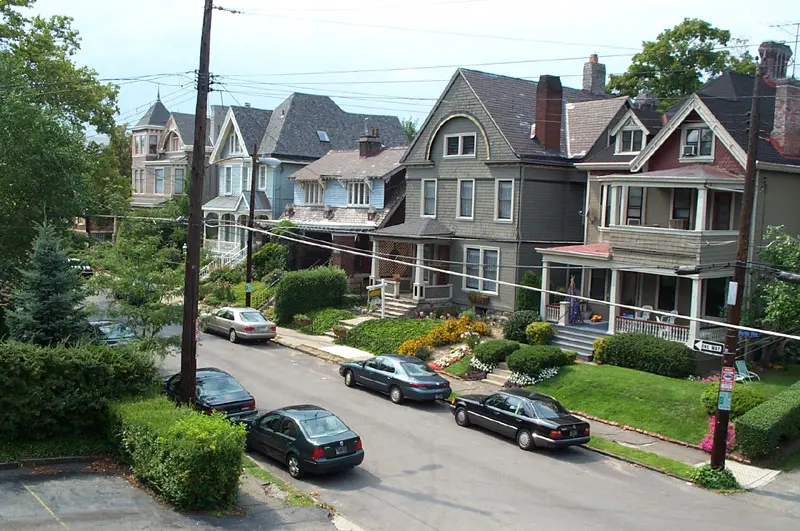
Downtown is the most convenient base for first-time visitors, close to the Point, the Cultural District's theaters and the light rail. The North Shore suits sports fans and families, with stadiums, the Warhol Museum and riverfront trails at the door.
Oakland and Shadyside work well if you are visiting the universities or museums, with tree-lined streets, shops on Walnut Street and quick bus links downtown.
Where to stay in Pittsburgh
Best time to visit
Spring, April to June, brings blooming parks, baseball season and the Three Rivers Arts Festival in early June.
Fall, September to November, is many locals' favorite season.
Winter, December to March, is cold and gray, with some snow.
Getting there and getting around
By air: Pittsburgh International Airport lies about 20 miles west of downtown.
By train and bus: Amtrak serves Pittsburgh from New York, Philadelphia, Washington and Chicago, and intercity buses stop downtown.
Getting around: Pittsburgh Regional Transit runs buses, the light rail known as the T, and both inclines.
By car: Driving is useful for trips outside the city, but expect steep, narrow streets, tunnels that create rush-hour backups, and complicated interchanges.
Top rated
Trusted by locals in Pittsburgh
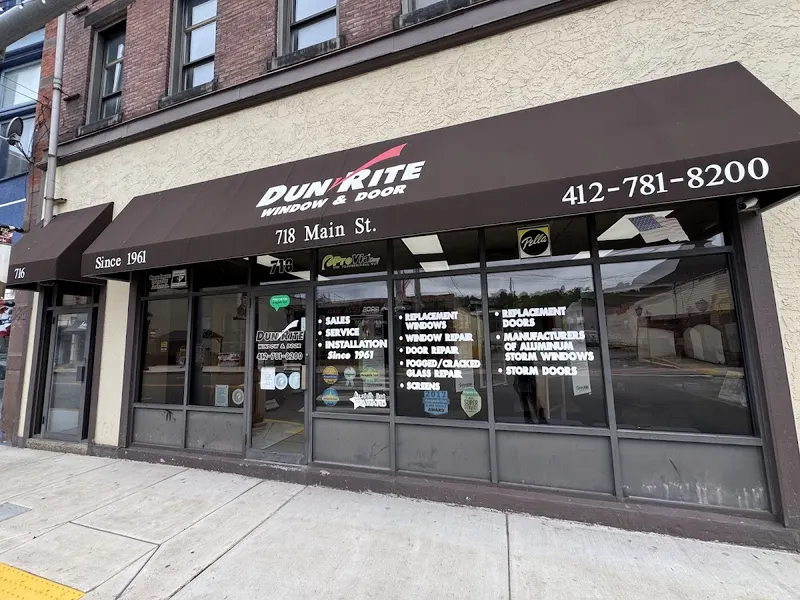
Dun-Rite Window & Door
Dun-Rite Window & Door is a family-owned window and door installation and repair business serving Pittsburgh, PA and the surrounding Tri-state area since 1961.
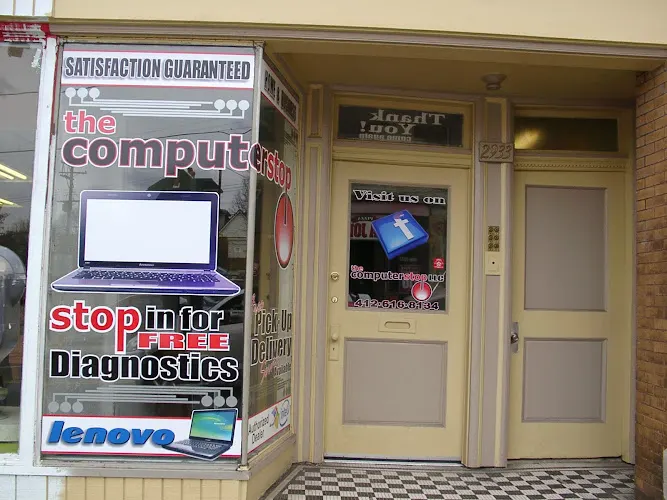
The Computer Stop LLC
The Computer Stop LLC is a computer repair business serving Pittsburgh, PA, offering hardware and software troubleshooting, virus removal, custom gaming PCs, an...
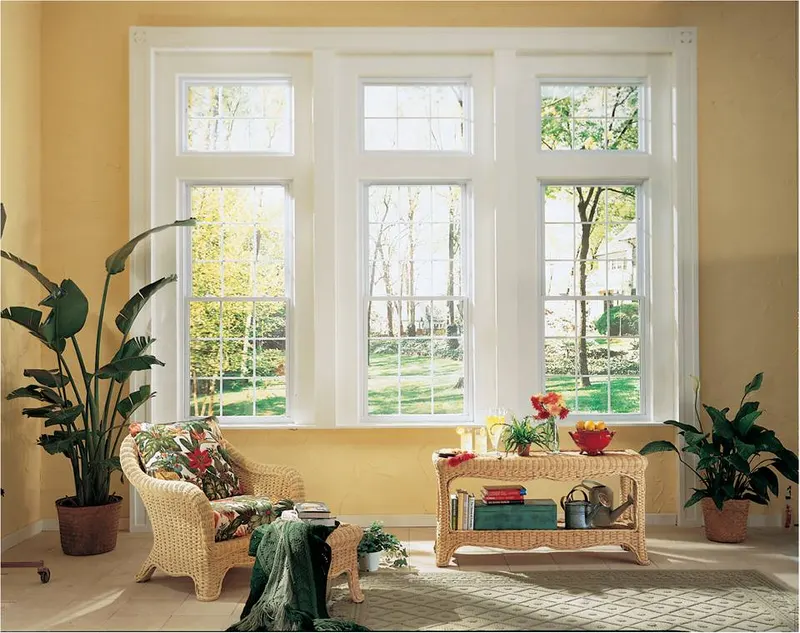
Zen Windows Pittsburgh
Zen Windows Pittsburgh is a window installation and replacement business serving the Pittsburgh area. Zen Windows Pittsburgh provides window replacement and ins...
A suggested itinerary
First day
Start at Point State Park and the Fort Pitt Museum, then walk into the Strip District for lunch and market browsing.
Second day
Cross to the North Shore for the Andy Warhol Museum, then explore the Mattress Factory and the Mexican War Streets.
Third day
Spend the day in Oakland: the Cathedral of Learning and its Nationality Rooms in the morning, the Carnegie Museums at midday and Phipps Conservatory in the afternoon.
Fourth day
If you have more time, drive about an hour and a half southeast to Frank Lloyd Wright's Fallingwater in the Laurel Highlands, booking your tour well in advance.
Practical tips
- Check sports schedules before booking, as Steelers, Pirates and Penguins games affect traffic, parking and hotel rates.
- Bring comfortable shoes; many neighborhoods involve steep hills and public staircases.
- Plan to ride the inclines at dusk for the best skyline views, but expect lines on busy evenings.
- Use the 28X bus from the airport to save on transport into the city.
- Check the official website for current hours and fees at museums, many of which close one day a week.
- Learn a little local slang: yinz means you all, and the locally famous dialect is known as Pittsburghese.
Find local businesses in Pittsburgh on WiserMap
From Strip District bakeries to neighborhood bars and local guides, discover restaurants, shops and services across Pittsburgh's neighborhoods before and during your trip.