Guadalajara is the capital of Jalisco and the cultural heart of western Mexico, a city of about 1.4 million people at the center of a metro area of more than 5 million. It is the home of mariachi, tequila and birria, and its historic center is full of colonial buildings, plazas and the murals of José Clemente Orozco.
AT A GLANCE
Best time
The dry months from late autumn through spring suit walking, while summer brings afternoon rain.
How long
Allow three days for the center and craft towns, plus one for Tequila or Lake Chapala.
Getting there
Fly to Guadalajara airport, about 18 km south of the center, or arrive by long-distance bus or Highway 15.
Why visit Guadalajara
Guadalajara has a more relaxed feel than Mexico City, yet it offers just as much culture. Its residents are known as Tapatíos, and the city hosts the Guadalajara International Film Festival and the Guadalajara International Book Fair, both important events in Latin America.
Most of what visitors want is close together in the Centro Histórico, with craft towns, markets and agave country a short ride away.
The Centro Histórico
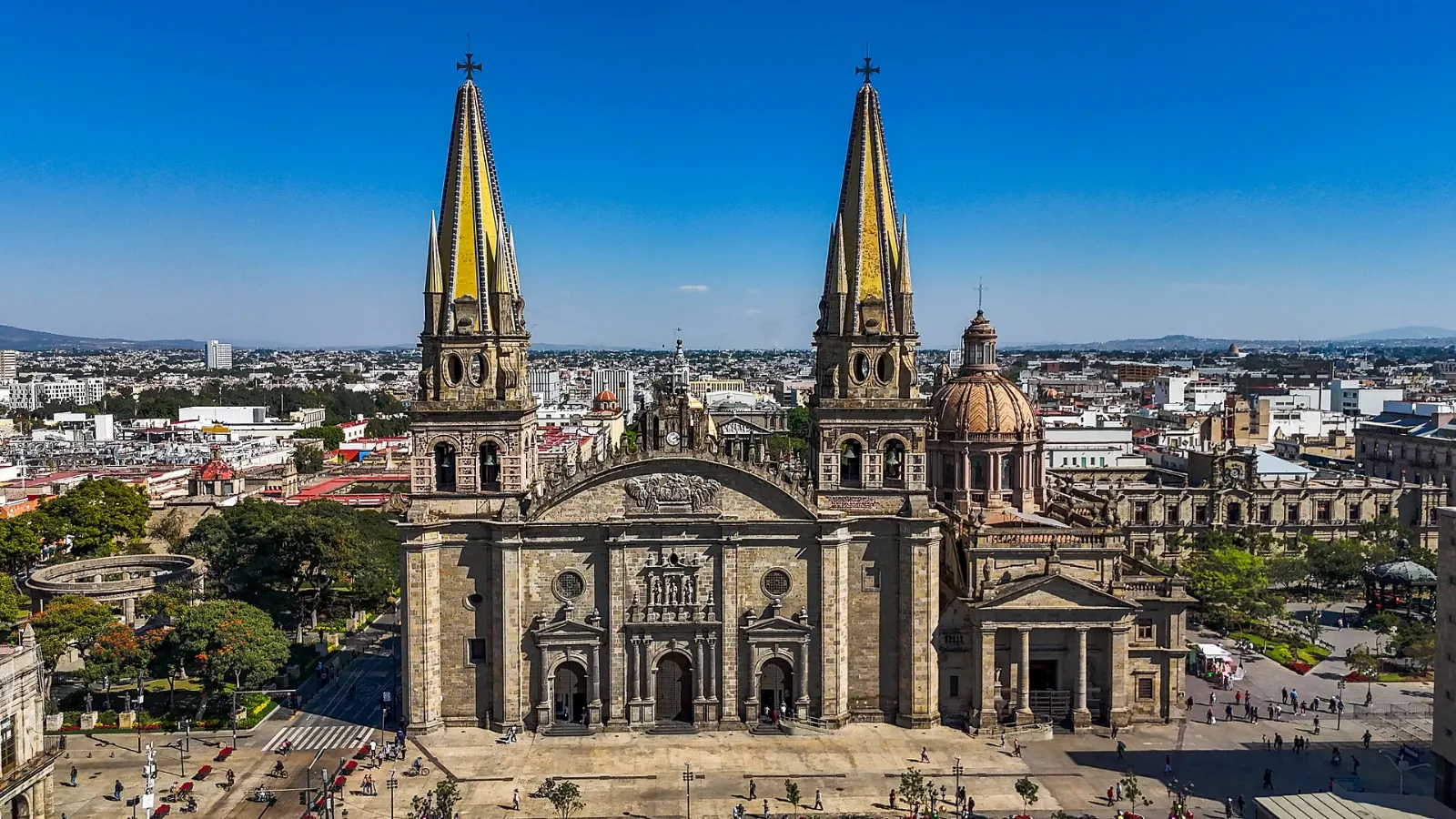
Catedral de Guadalajara
The cathedral is among the oldest in the Americas. It was built in the Spanish Renaissance style, with neo-Gothic spires added in the nineteenth century.
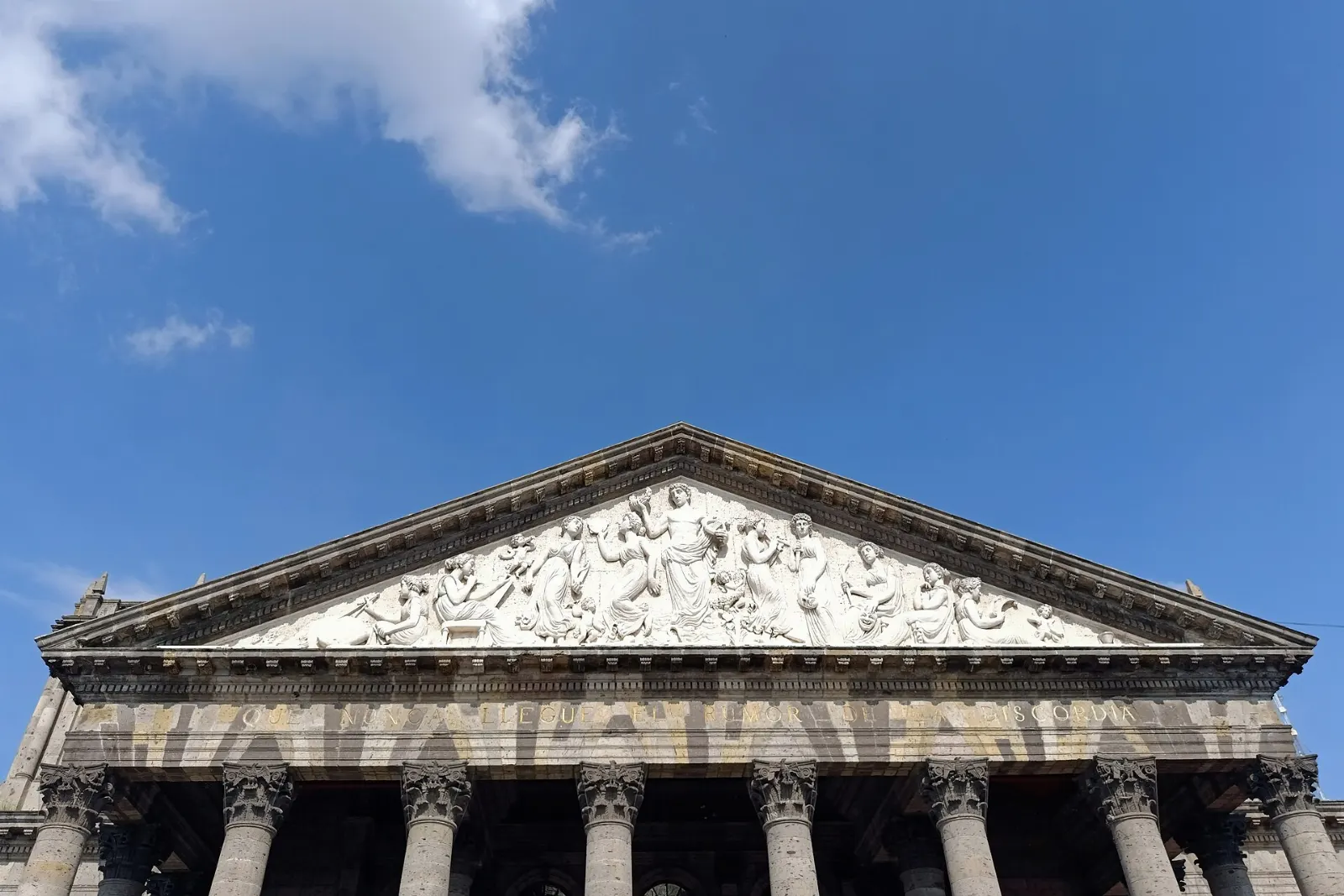
Teatro Degollado
This neoclassical theatre was inaugurated in 1866 and is a major landmark between Hidalgo and Morelos avenues. It hosts dance, opera and concerts, so check the calendar for an evening show.
Plaza Tapatía
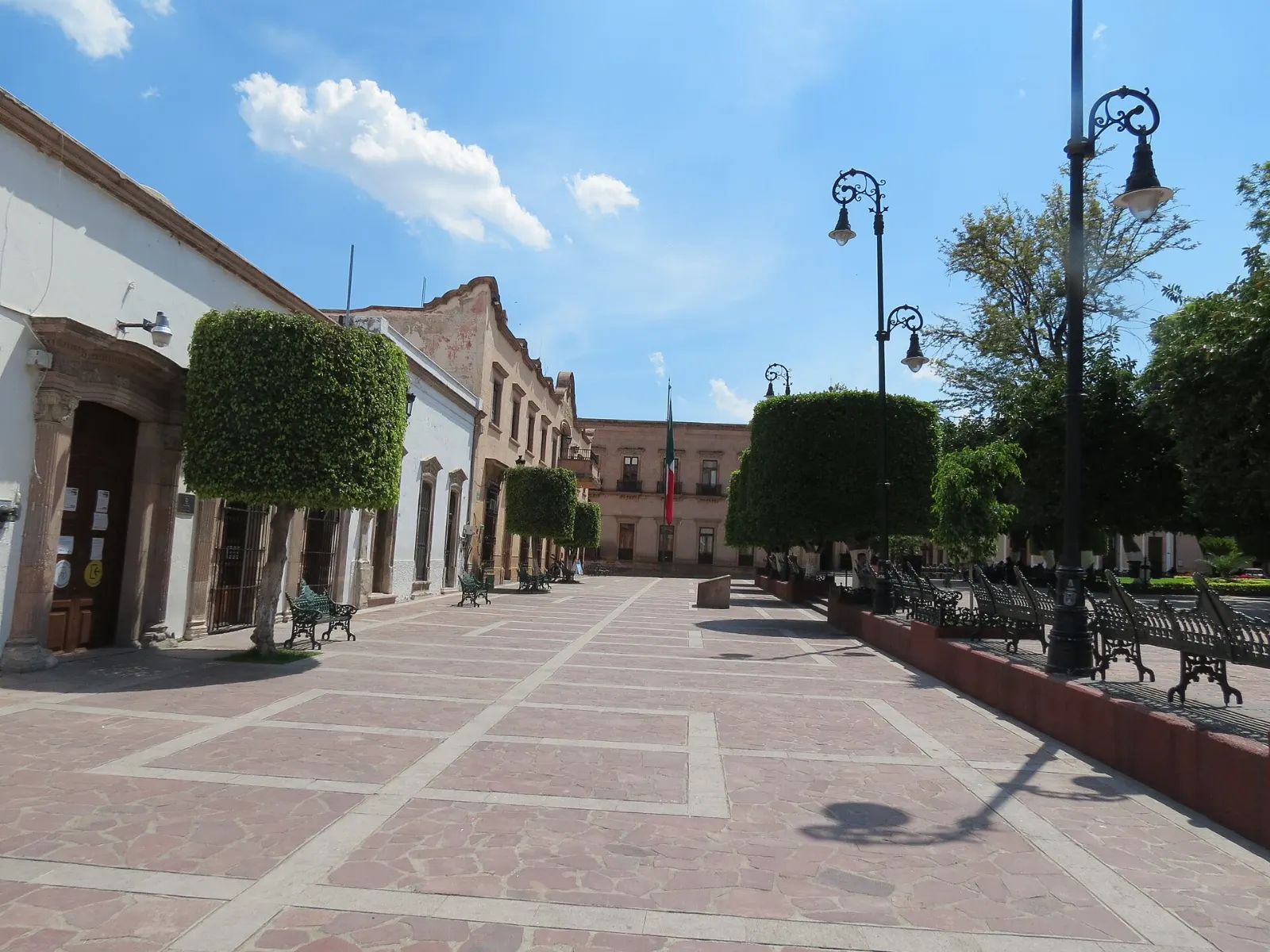
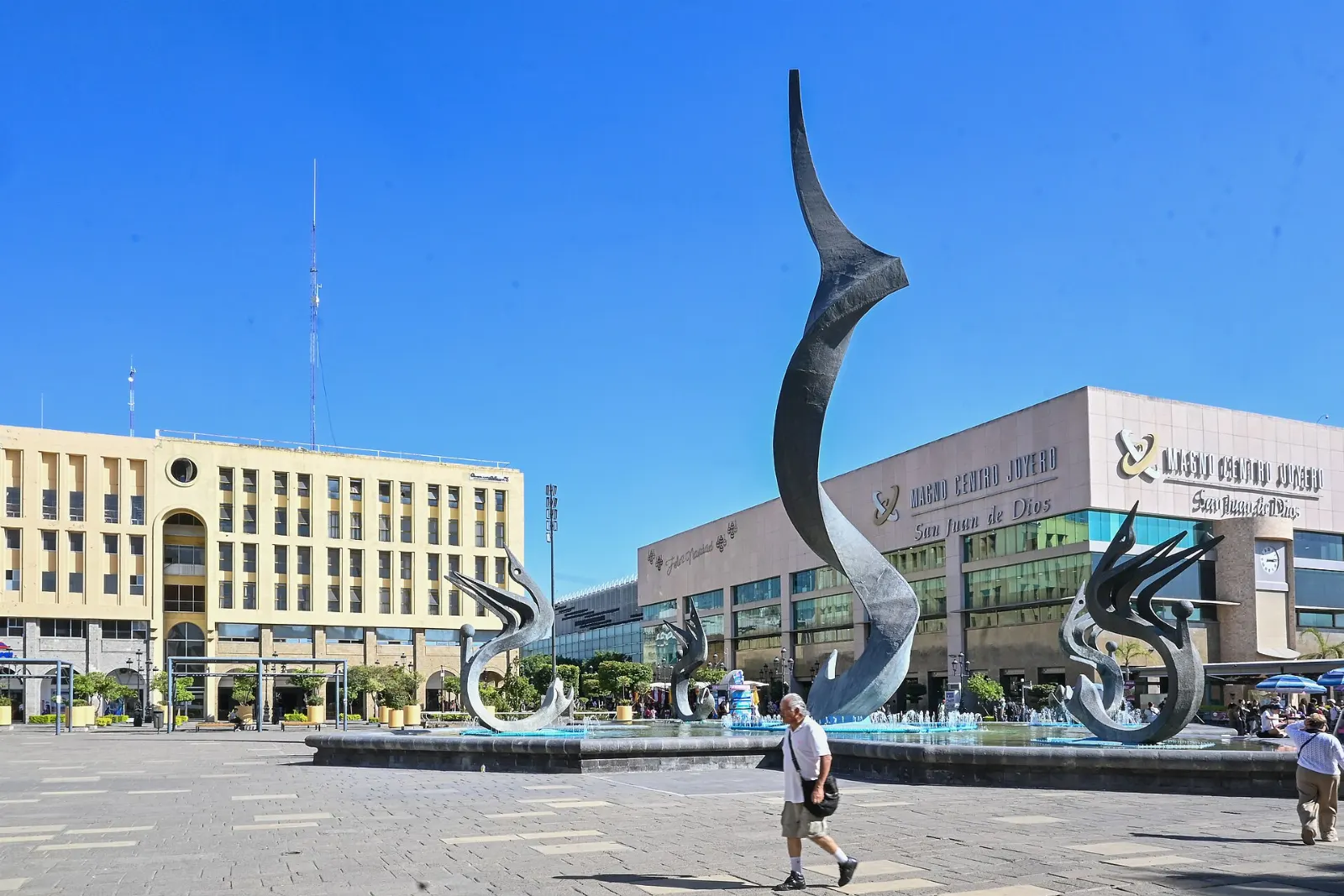
A series of linked squares and walkways leads from the cathedral area toward the Hospicio Cabañas, with the Inmolación de Quetzalcóatl fountain as its centerpiece.
Hospicio Cabañas
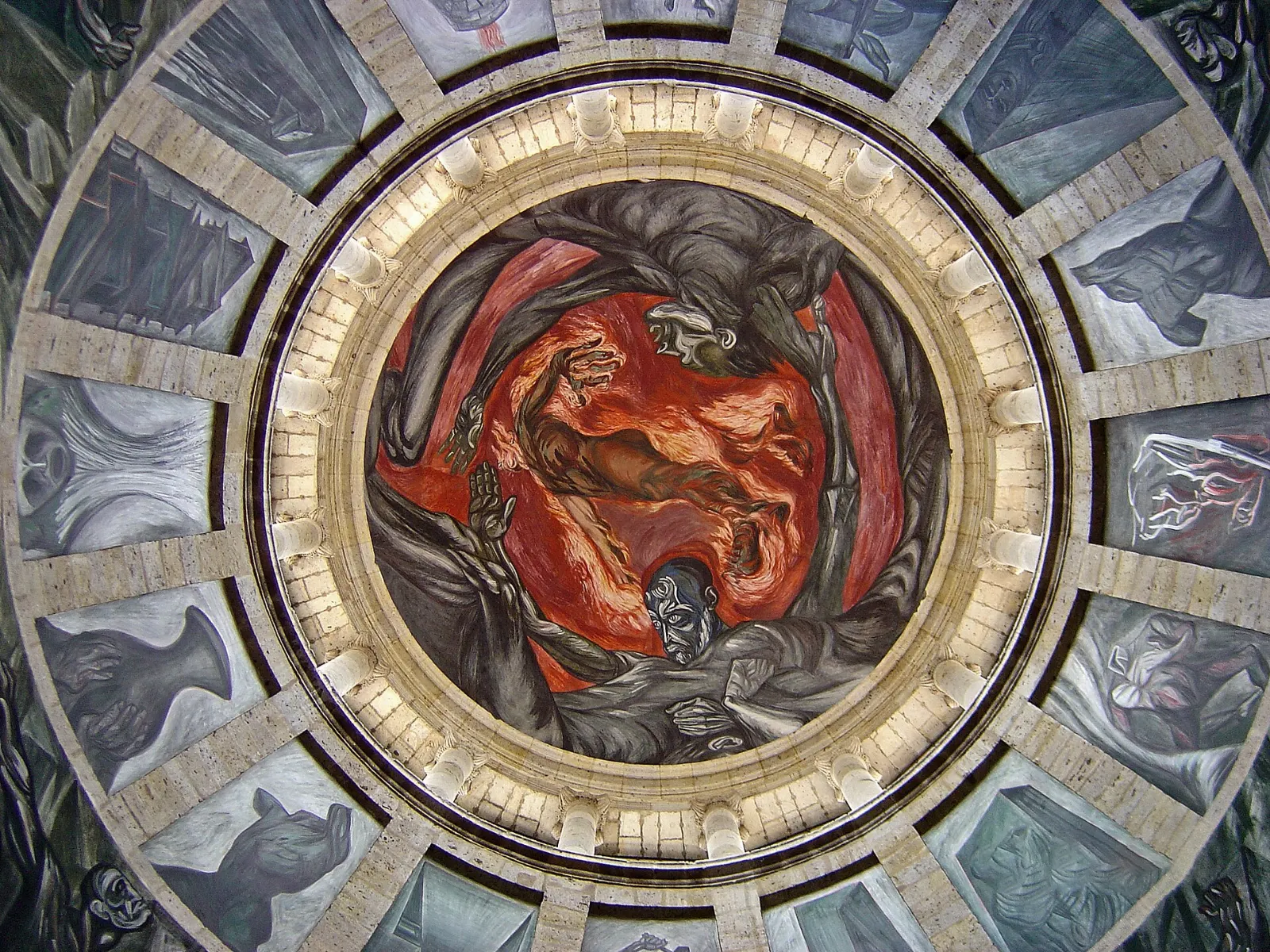
Founded in 1810 as an orphanage, hospital and workhouse and designed by Manuel Tolsá, this UNESCO World Heritage Site is now a museum. Its main hall holds the great frescoes of José Clemente Orozco, which are the main reason to visit.
Plaza de los Mariachis
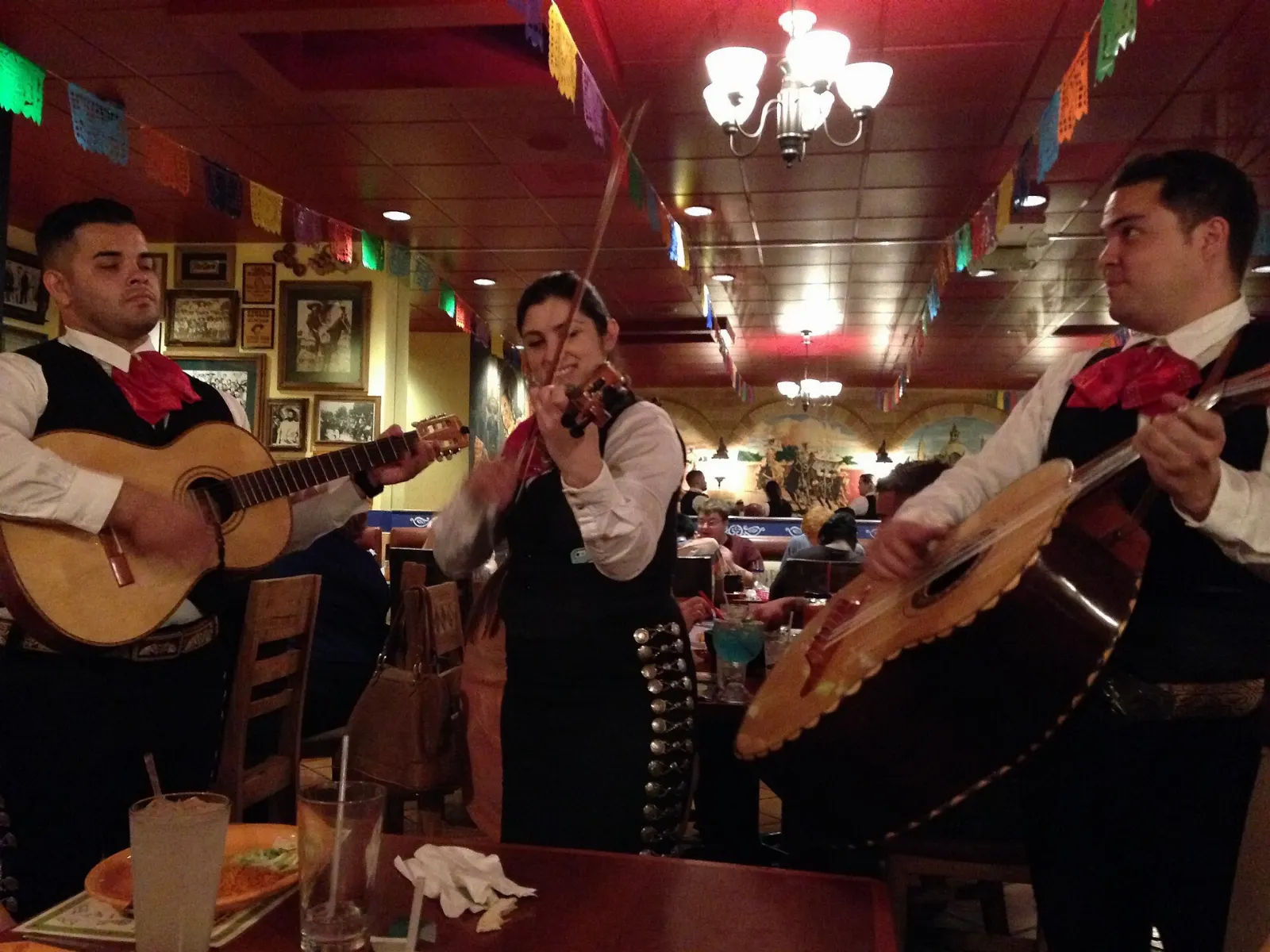
The plaza is a gathering point for mariachi groups, whose music is recognized by UNESCO as intangible heritage and is closely tied to Guadalajara. Visit in the evening for the liveliest atmosphere, and agree on the song and the terms before you sit down.
Mercado Libertad
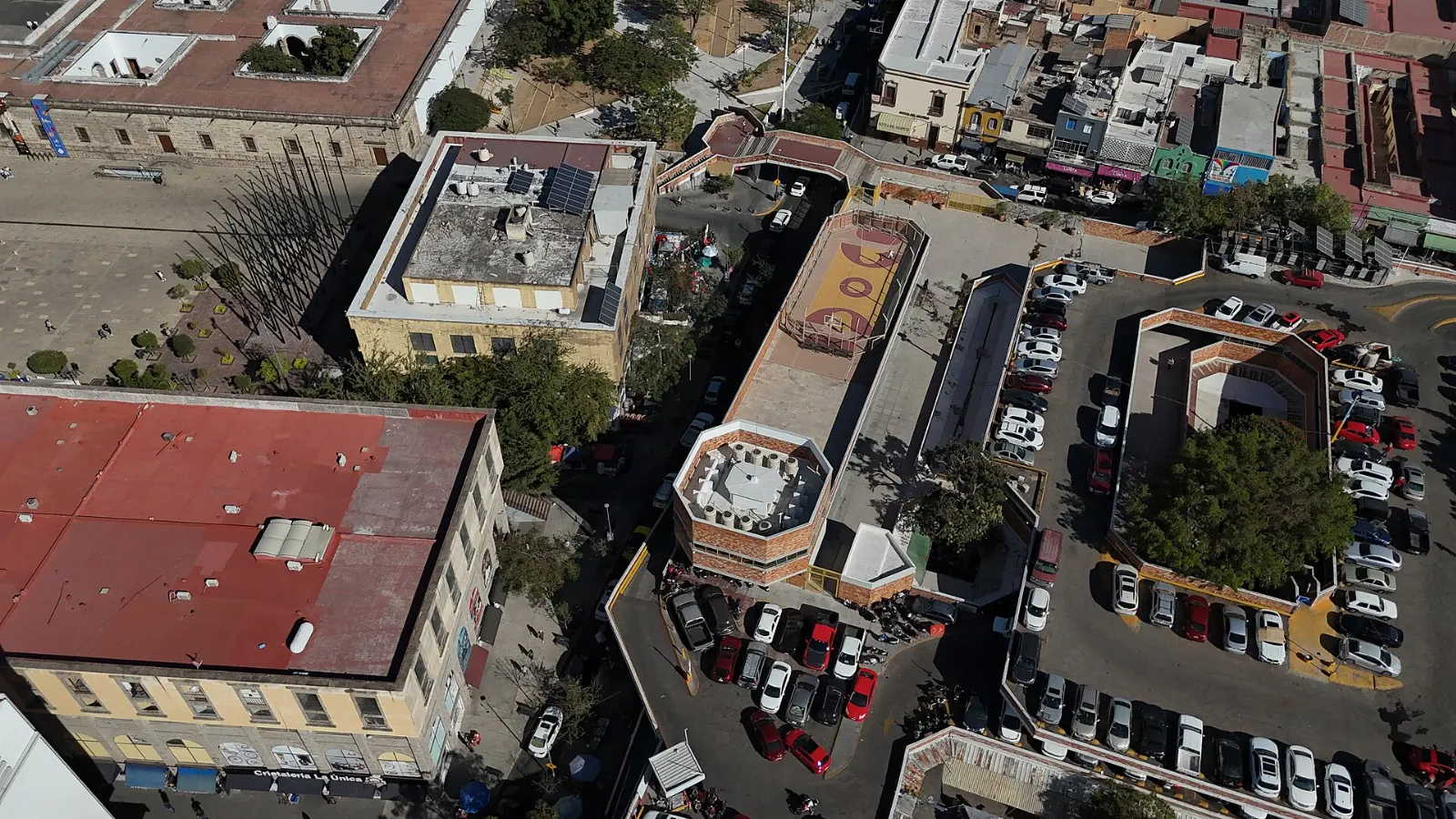
Also called San Juan de Dios, this is a traditional market near the Plaza de los Mariachis. Walk the stalls for local food, crafts and everyday goods, and try something at a food counter.
Craft towns and suburbs
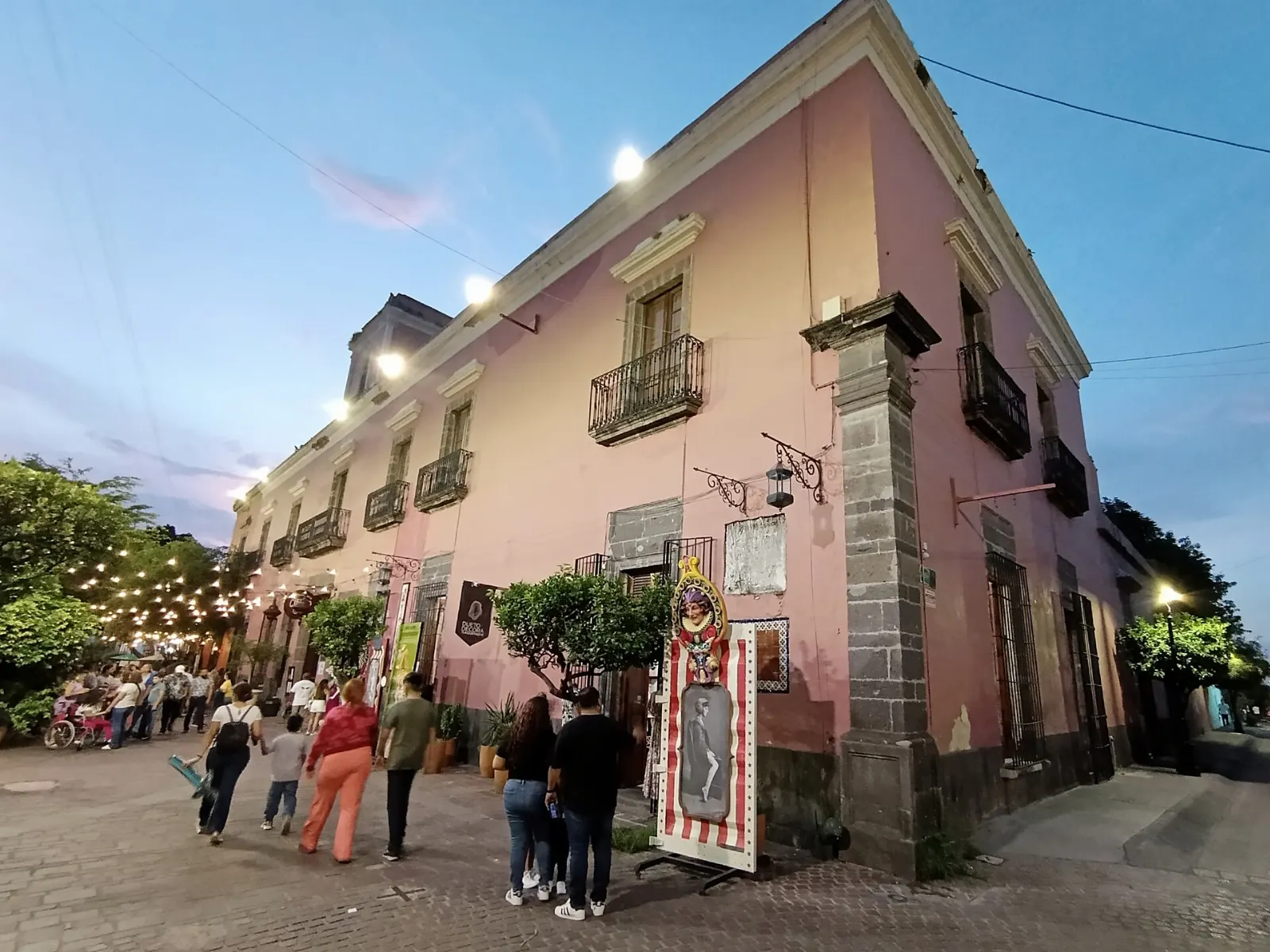
Tlaquepaque
About half an hour by car southeast of the Centro, Tlaquepaque is an arts and crafts center with pottery shops, galleries, restaurants and a ceramics museum.
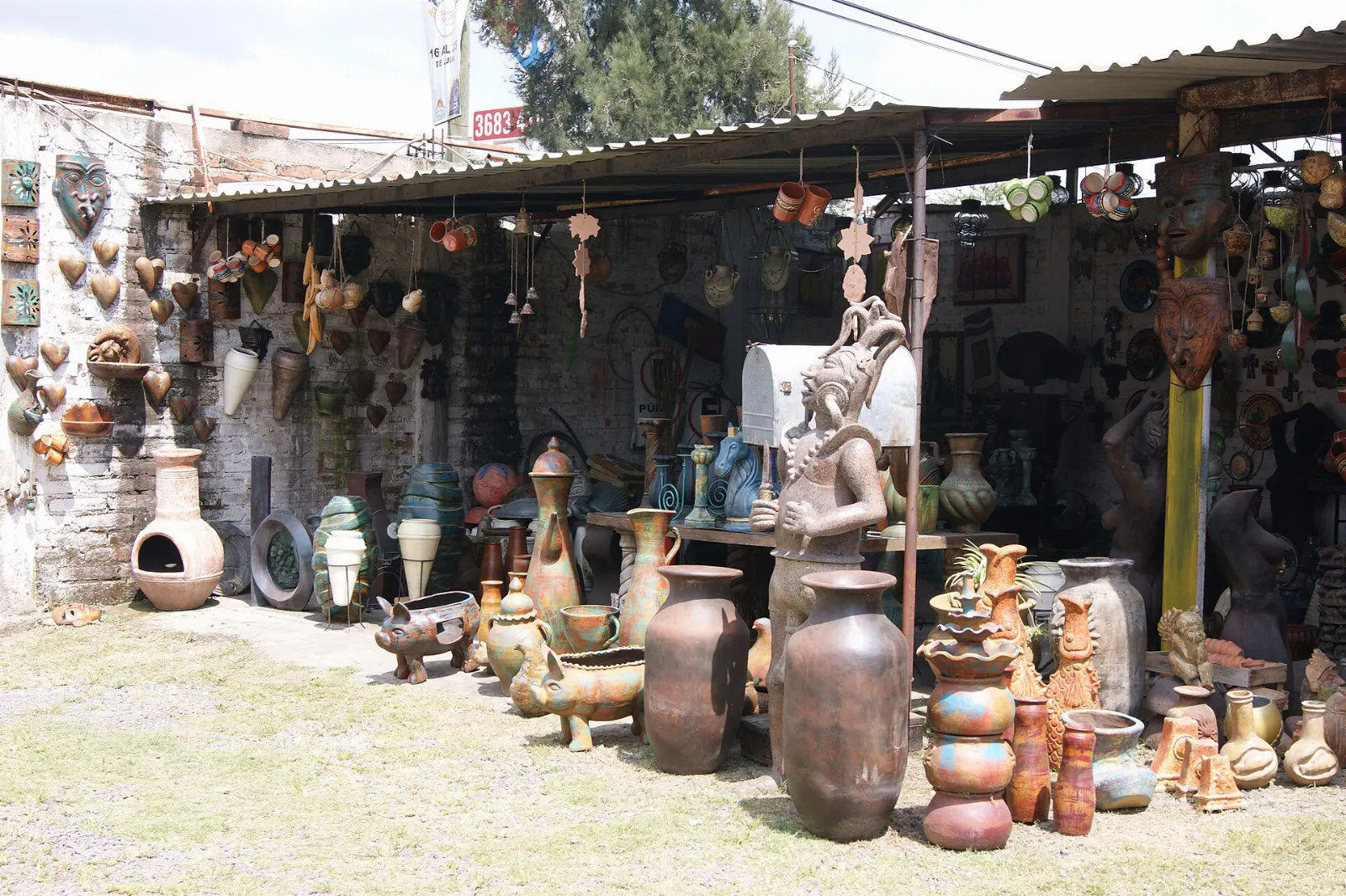
Tonalá
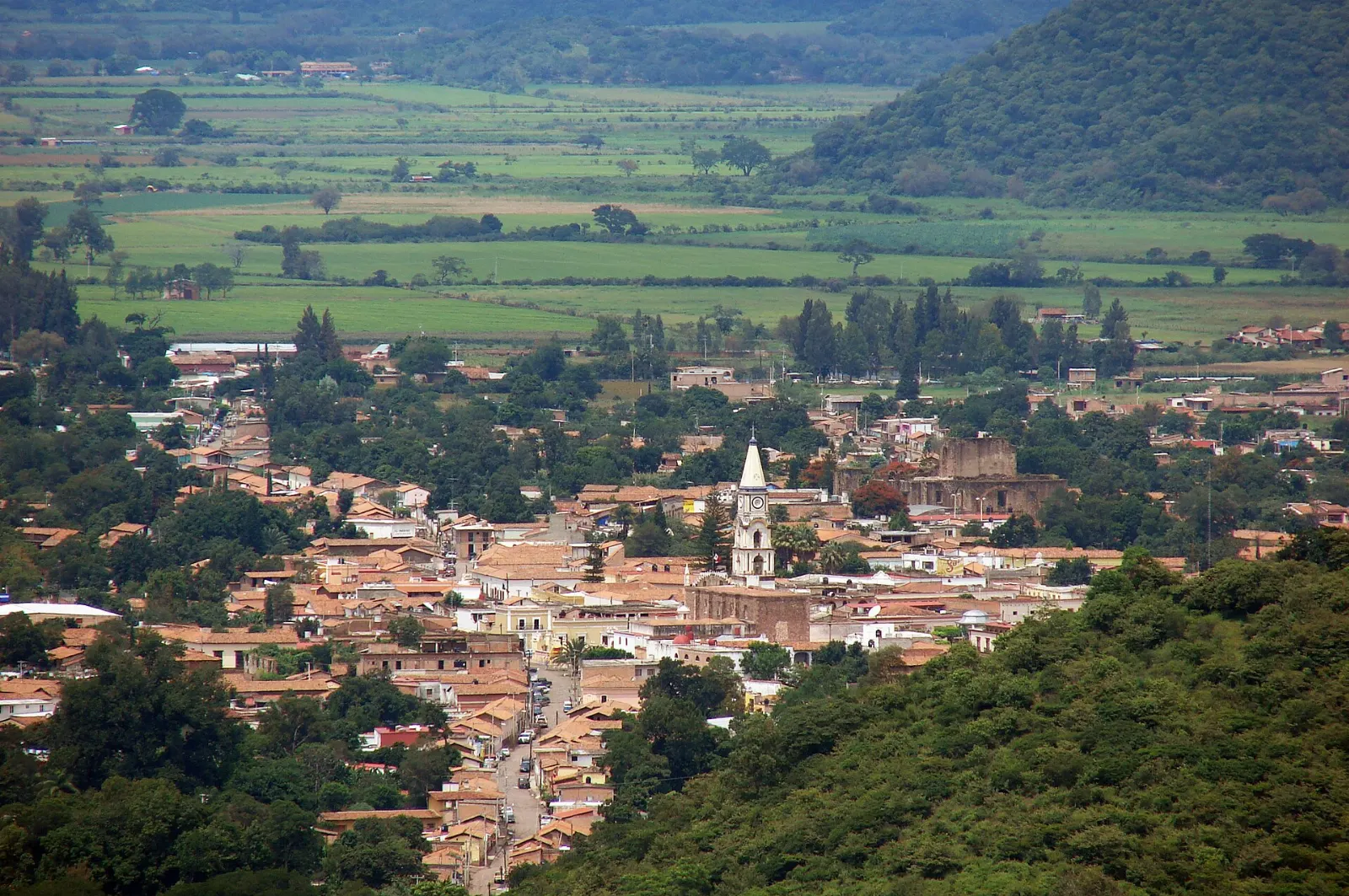
Just east of Tlaquepaque, Tonalá is best known for pottery and handcrafts, with a very large street market on Thursdays and Sundays. The municipal palace has a clock tower and tile decorations.
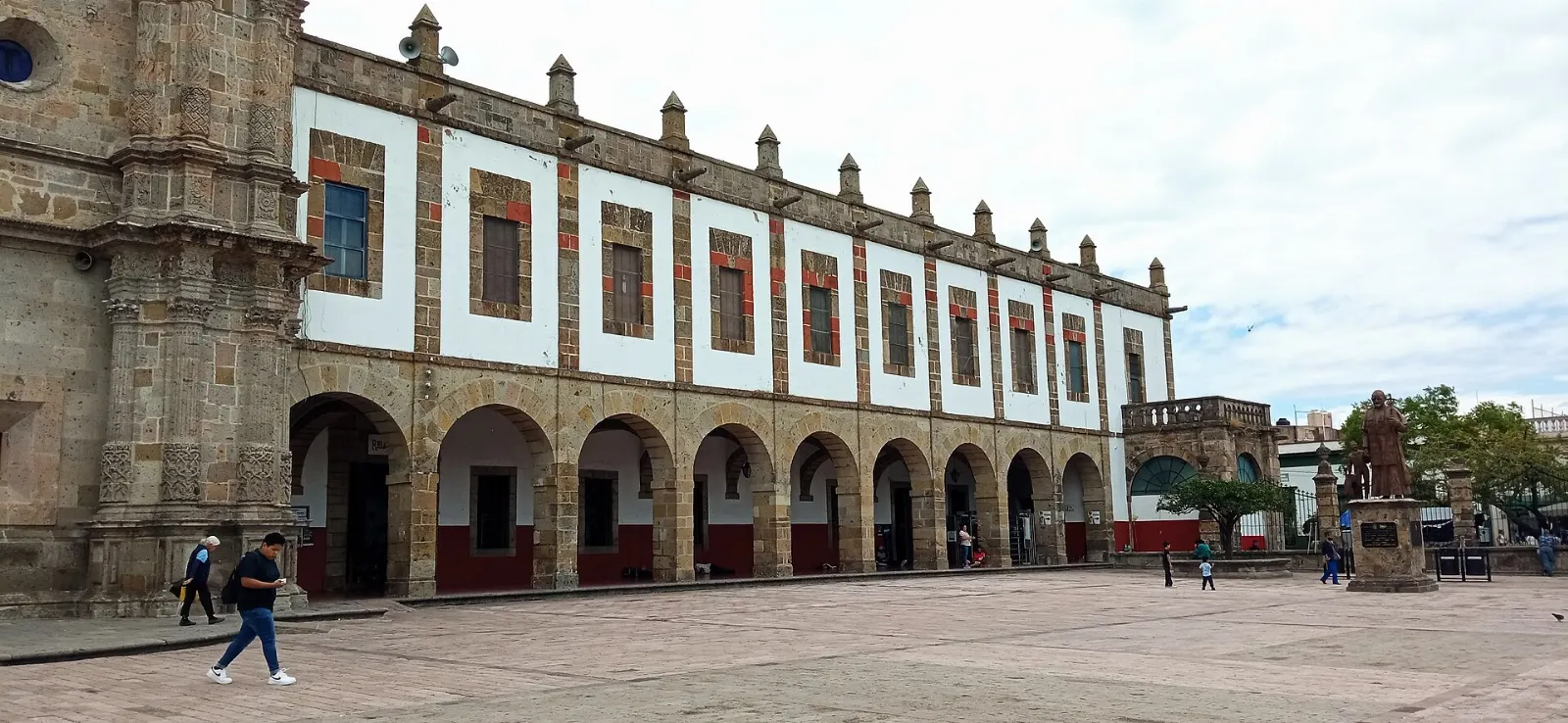
Basílica de Zapopan
In the suburb of Zapopan, this seventeenth-century Franciscan sanctuary holds a wooden Virgin that is considered a valuable relic, and the Huichol Museum is inside the complex. It is one of the most visited sanctuaries in western Mexico, so go early for quiet.
Day trips from Guadalajara
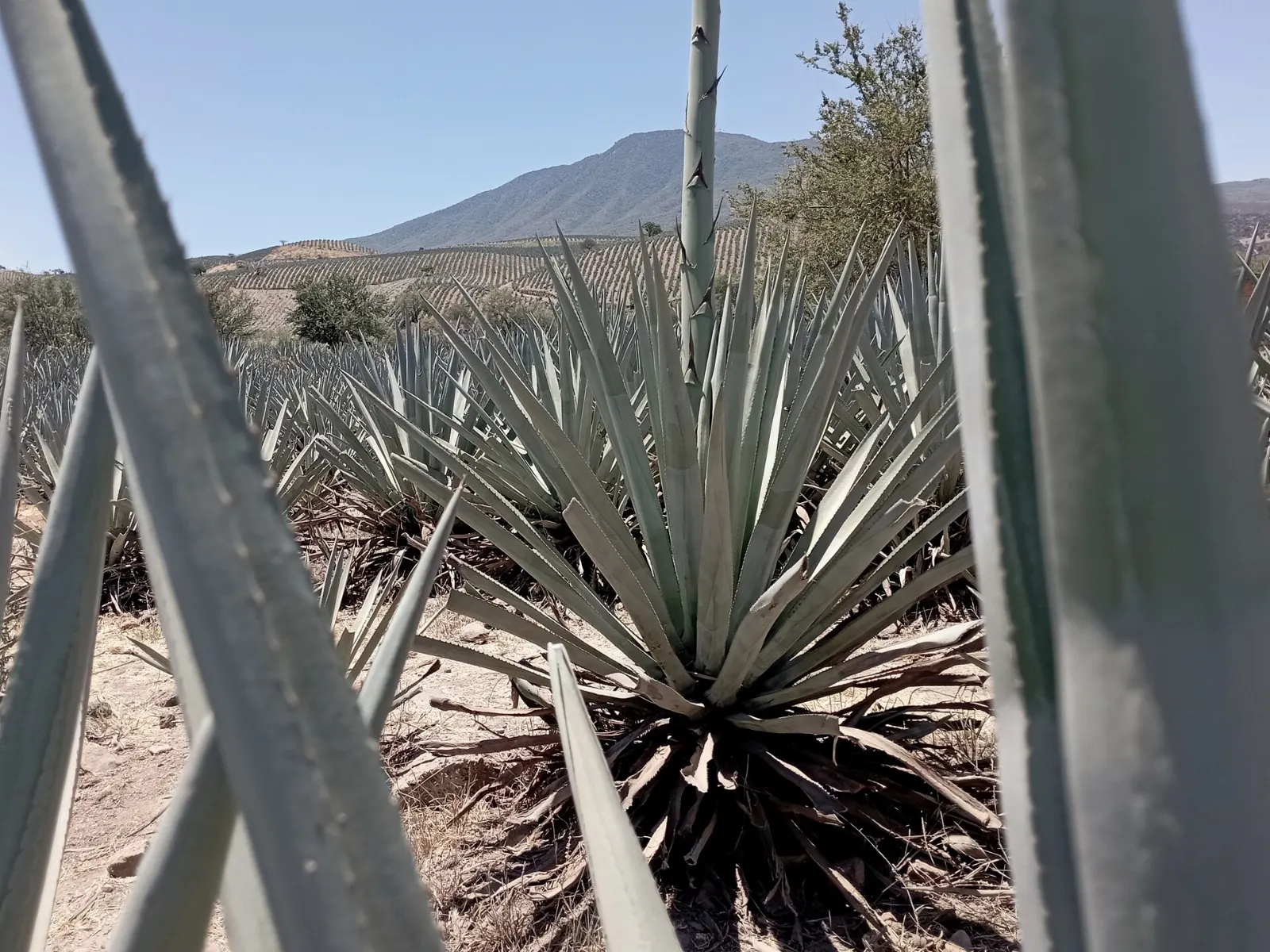
Tequila
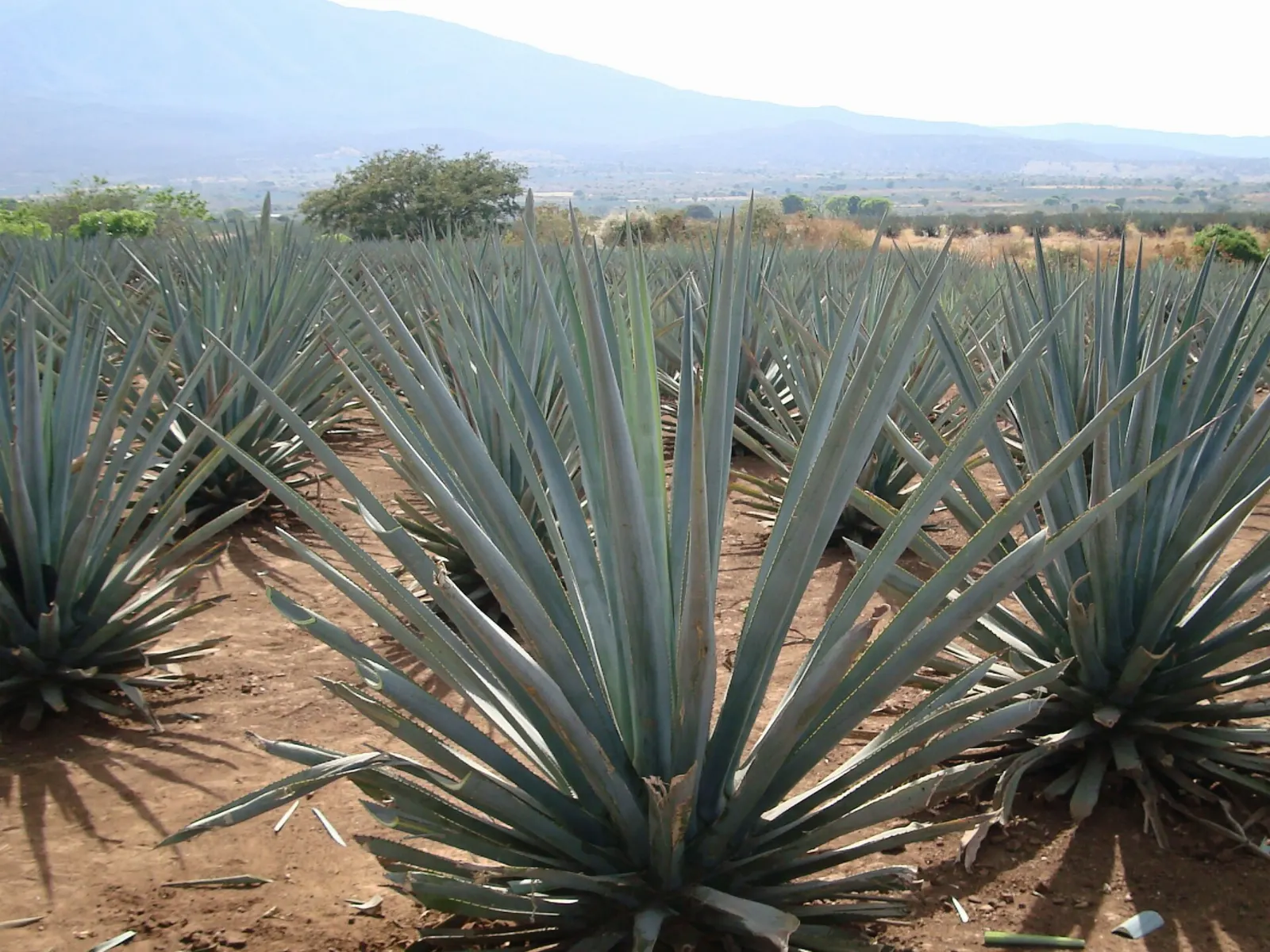
About 60 km from the city, the town of Tequila is the birthplace of the drink that carries its name, made from blue agave. The agave landscape is a World Heritage Site and the town is a Pueblo Mágico.
Lake Chapala
About 45 km southeast of Guadalajara, Lake Chapala is the largest freshwater lake in Mexico. The shoreline towns are easy places to relax, with lakeside walks and fresh fish.
 Planning a trip to Guadalajara?Compare hotels, flights and vacation rentals for Guadalajara on Expedia.Book now
Food and local flavors
Guadalajara is the home of birria, a western Mexican stew of goat, beef or lamb marinated in chilies and spices and served with tortillas, onion and lime. The city's classic sandwich is the torta ahogada, a roll drowned in a sauce of vinegar, cumin and chile de árbol.
Tequila is the regional spirit, so ask for a good sipping bottle or a cocktail. For market eating, head to Mercado Libertad and the stalls around the Centro.
Popular dishes to try in Guadalajara


Where to stay
The Centro Histórico is best for first-time visitors who want to walk to the cathedral, theatre and museums, and it has the widest range of restaurants and lodging.
Zapopan, northwest of the city, offers an old-fashioned downtown, nightlife and large green spaces, and it is a good choice for longer stays or families.
Tlaquepaque is calmer and charming, ideal for craft lovers and anyone who prefers a village feel to a city center.
Where to stay in Guadalajara


Best time to visit
The climate is semi-dry, with a dry winter and spring and warm temperatures through most of the year, averaging around 20 degrees Celsius.
Mornings are pleasant and afternoons can be warm, so plan outdoor sights early. Cultural events add color through the year, including the Guadalajara International Film Festival and the Guadalajara International Book Fair, so check dates before booking.
Getting there and getting around
Guadalajara International Airport lies about 18 km south of the center on the Chapala highway and has many flights from Mexico and North America. Federal Highway 15 connects the city with Mexico City.
The Centro is best explored on foot, since most sights lie within a compact area. For longer trips, use the MiTren metro, city buses, taxis or ride-hailing apps such as Uber, Cabify and Didi. The Mi Bici rental bikes are handy in the city.
A suggested itinerary
First day
Explore the cathedral, Teatro Degollado and Plaza Tapatía, visit the Hospicio Cabañas, and end the evening at Plaza de los Mariachis.
Second day
Spend the morning at Mercado Libertad, then head to Tlaquepaque for lunch and craft shopping, followed by Tonalá if it is a market day.
Third day
Visit the Basílica de Zapopan and the old downtown, then relax in one of Zapopan's parks before dinner.
Fourth day
Take a day trip to Tequila for a distillery tour, or to Lake Chapala for a lakeside lunch.
Practical tips
- Check your government's current travel advisory before you go.
- Walk the Centro in the morning and save museums for the heat of the day.
- Carry small bills for markets, buses and street food.
- Confirm museum opening days before you set out.
- Use an organized tour or a designated driver for tequila tastings.