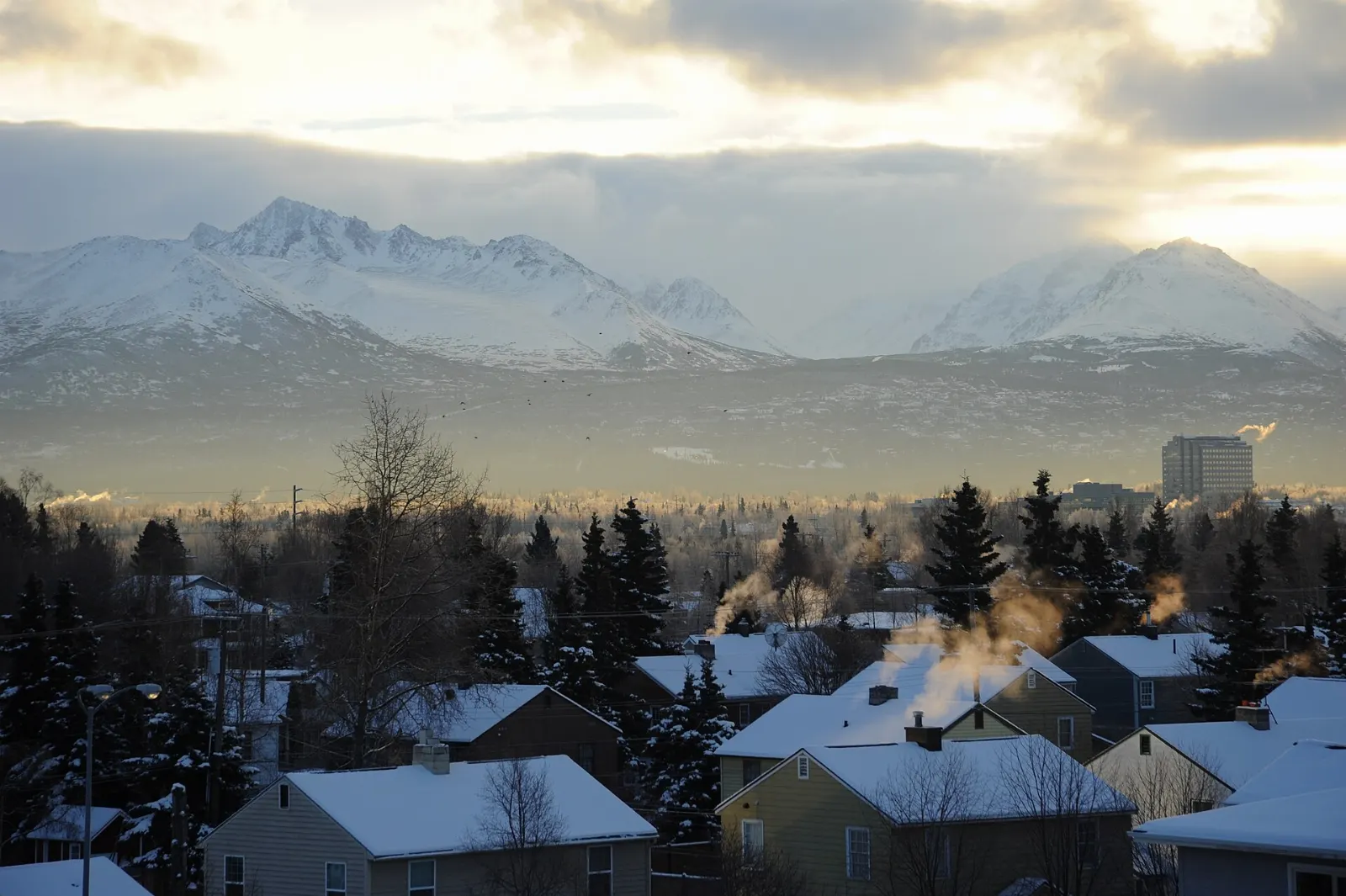
Anchorage is the kind of city where a moose can wander across a bike path a few blocks from a downtown museum, and where you can finish a morning of galleries and coffee by hiking above the tree line before dinner.
AT A GLANCE
Best time
June to August for long days and hiking; February and March for snow, festivals and northern lights.
How long
Two to three days for the city, plus a day for Turnagain Arm or Girdwood.
Getting there
Fly into Ted Stevens Anchorage International Airport, about five miles from downtown.
Why visit Anchorage
No other American city puts wild country this close. Chugach State Park covers close to half a million acres on the city's eastern edge, and trailheads are a short drive from neighborhoods. In summer, salmon swim up a creek beside downtown, floatplanes buzz overhead from the busiest seaplane base in the country, and beluga whales sometimes follow the tides up Turnagain Arm.
Anchorage is also the best place in Alaska to understand the state before you head into it. The Anchorage Museum and the Alaska Native Heritage Center explain the land, the people who have lived here for thousands of years and the forces, including the Great Alaska Earthquake of 1964, that shaped the modern city.
Downtown museums and culture
Anchorage Museum
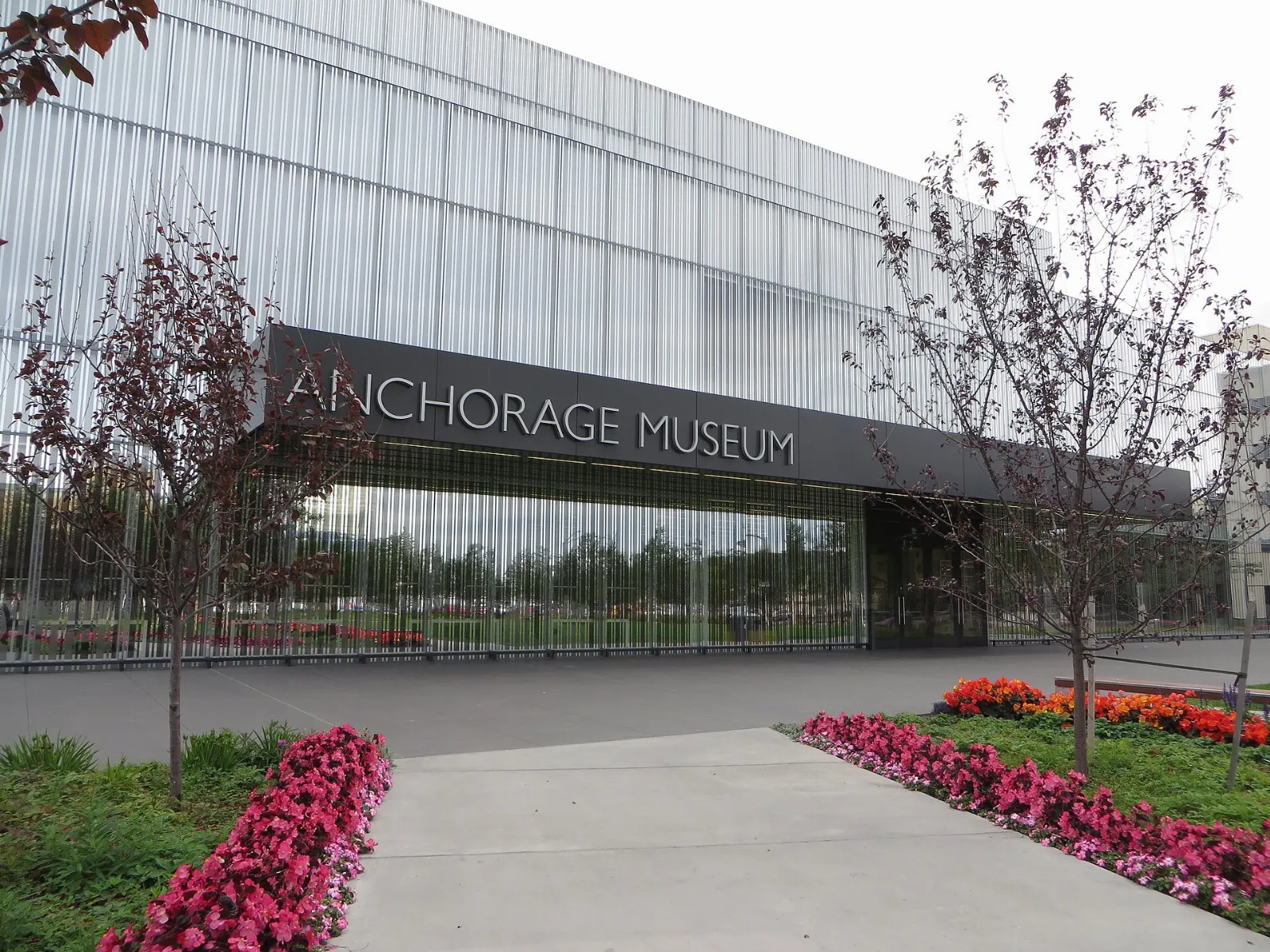
The largest museum in the state brings together art, history and science under one roof. Highlights include galleries on Alaska history and the Smithsonian Arctic Studies Center, which displays hundreds of Alaska Native objects on loan from the Smithsonian, from carved masks to clothing made of gut and fur.
Log Cabin Visitor Information Center and Fourth Avenue
The sod-roofed log cabin at Fourth Avenue and F Street is the place to pick up maps and ask about events, summer concerts and free shuttles.
Alaska Native Heritage Center
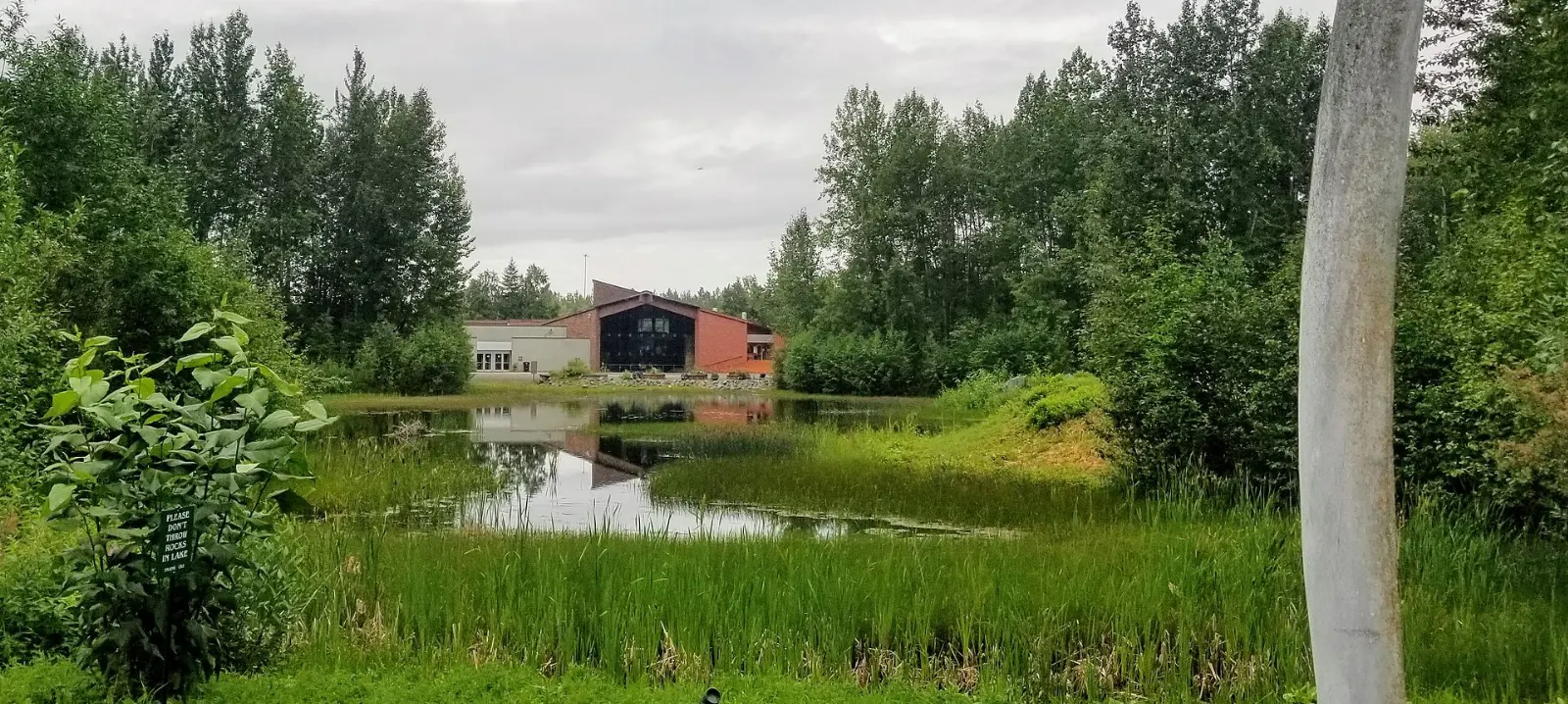
On the city's east side, this cultural center shares the traditions of Alaska's major Native cultural groups, from the Inupiaq of the Arctic to the Tlingit and Haida of the southeast.
The Coastal Trail, parks and the waterfront
Tony Knowles Coastal Trail
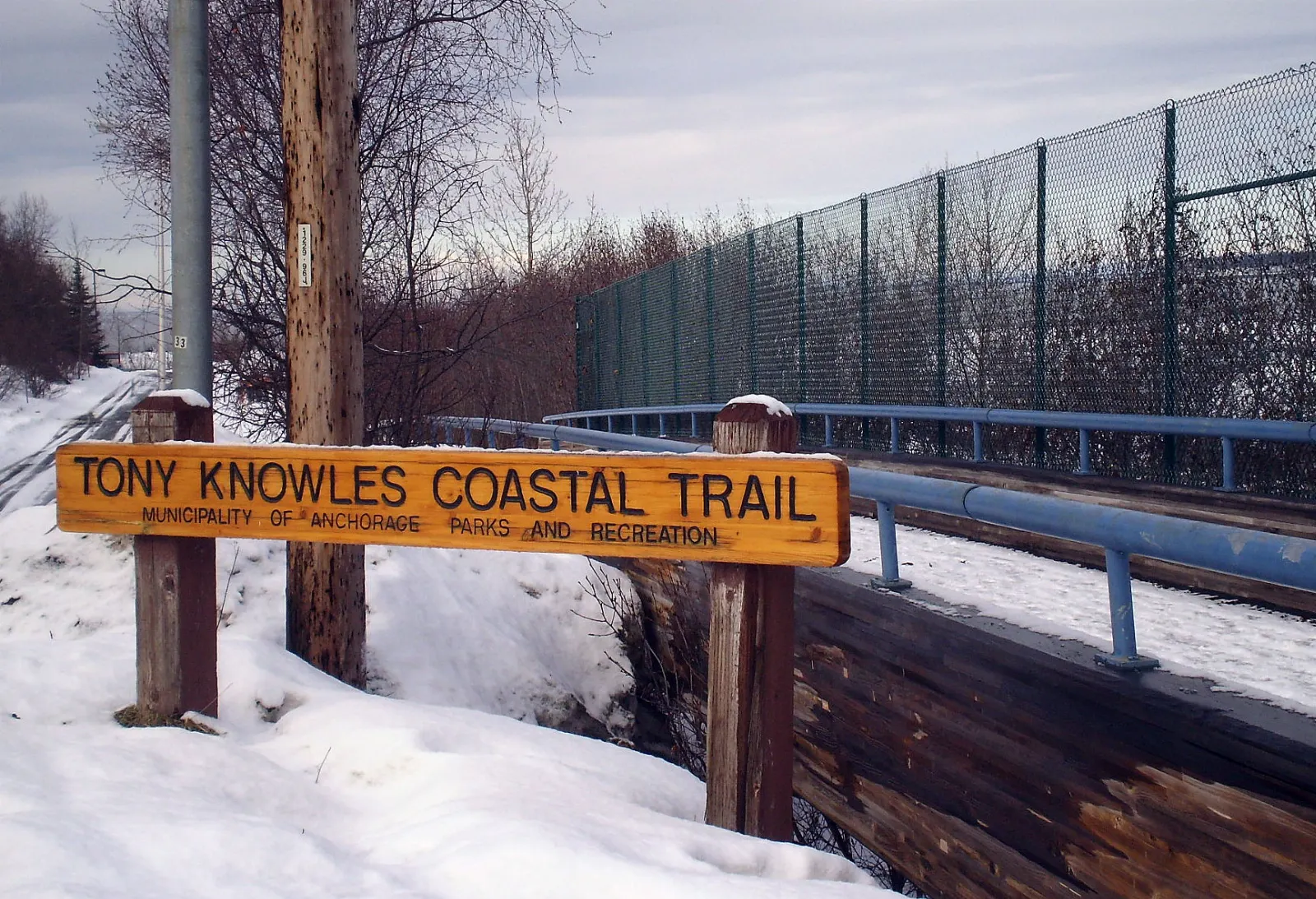
This paved path runs about 11 miles from Second Avenue downtown along the shore of Cook Inlet to Kincaid Park, with views of the mudflats, Sleeping Lady (Mount Susitna) and, on clear days, Denali far to the north.
Earthquake Park
On March 27, 1964, the strongest earthquake recorded in North America, magnitude 9.2, struck Southcentral Alaska. Here, along the Coastal Trail, a residential area slid toward the sea.
Kincaid Park
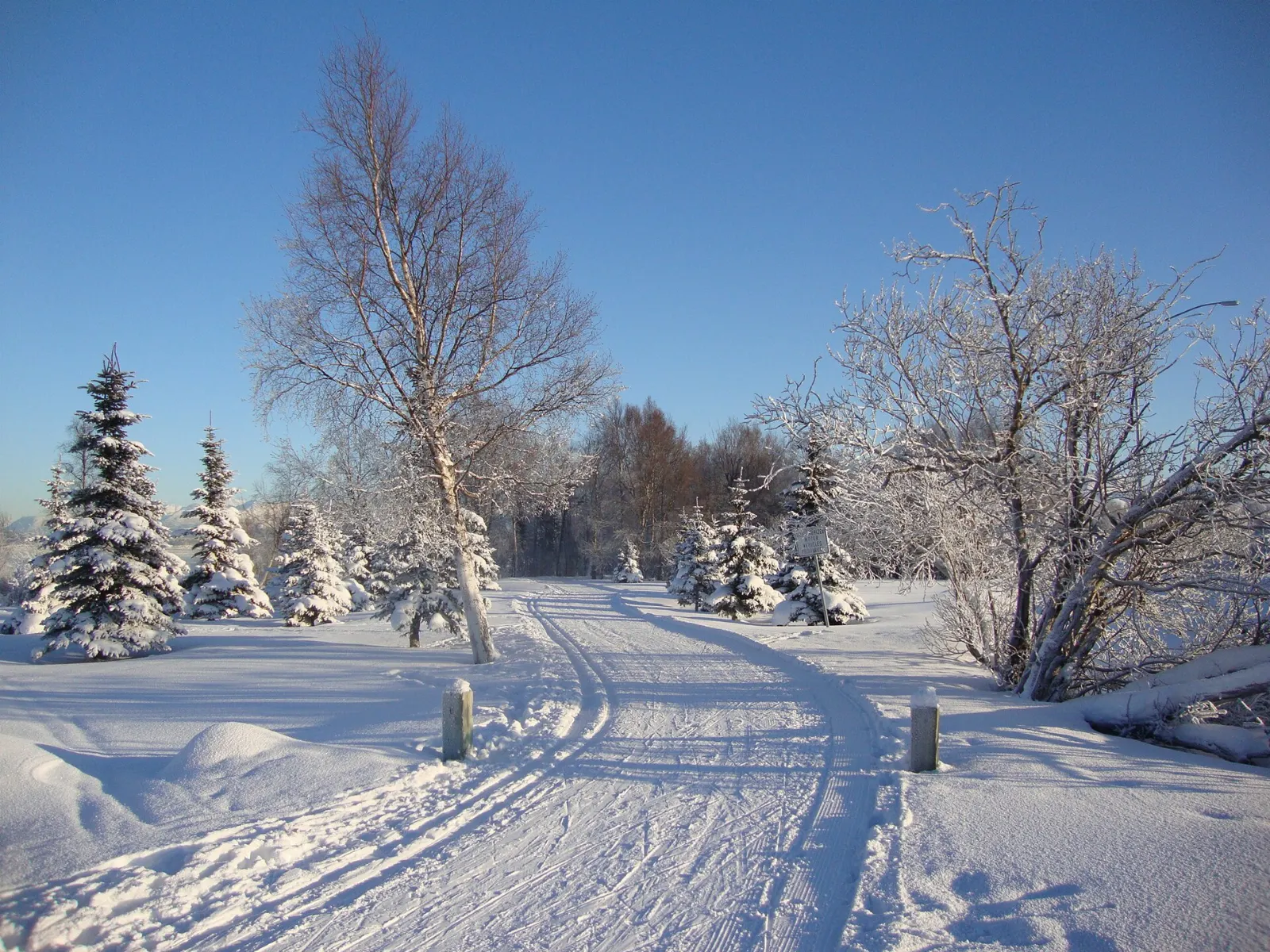
At the end of the Coastal Trail, this large park offers forested trails for hiking and mountain biking in summer and a famous network of groomed cross-country ski trails in winter. Bluffs overlook Cook Inlet toward the volcanoes on the far shore.
Ship Creek
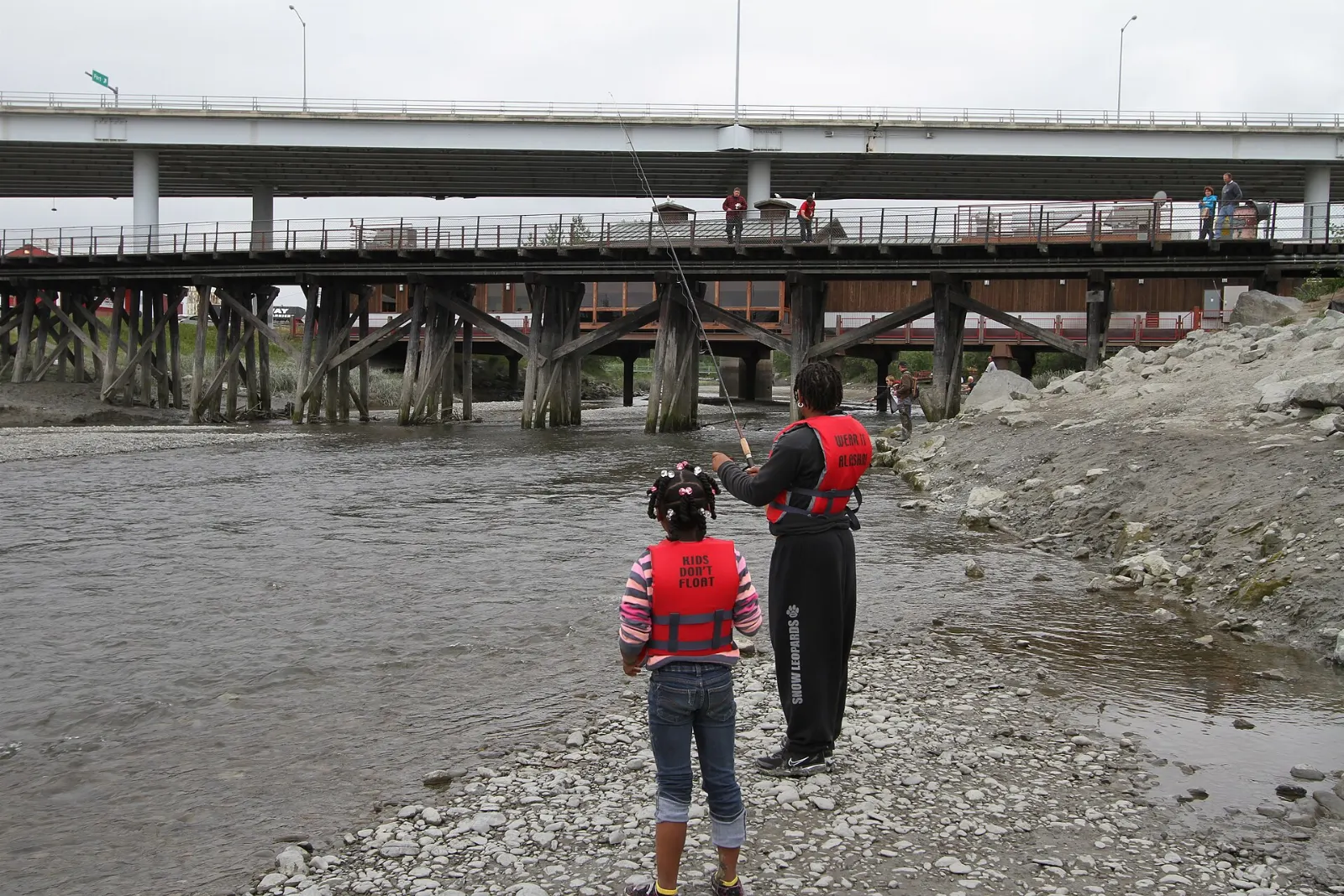
Just north of downtown near the Alaska Railroad depot, Ship Creek hosts runs of king salmon in early summer and silver salmon later in the season, and anglers line the banks within sight of office towers. Even if you do not fish, watching the action is fun.
On WiserMap
Local businesses in Anchorage
Alaska Professional Auto
Alaska Professional Auto is a full-service auto and truck repair business serving Anchorage, AK. It provides diagnostics, engine, brake, tire, alignment, and cl...

Payless Service
Payless Service is a full-service automotive repair and maintenance center serving Anchorage, AK. Payless Service provides collision repair, mechanical care, de...
A-1 Lawn & Landscaping
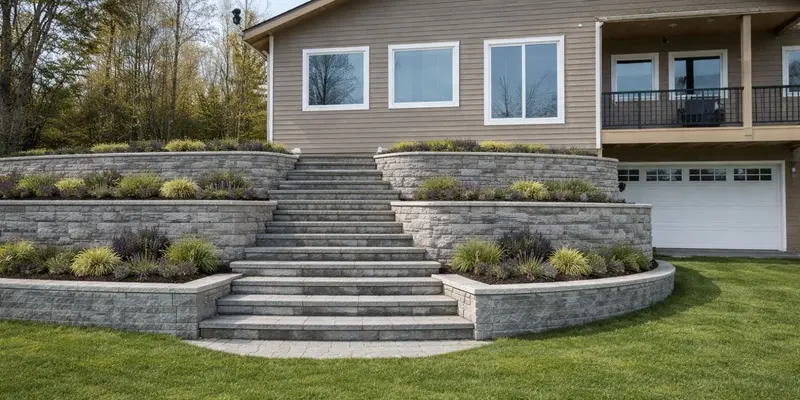
A-1 Lawn & Landscaping is a landscaping business serving Anchorage and the Mat-Su Valley. It provides lawn maintenance, landscaping, retaining walls, fences, de...
Floatplanes, mountains and Turnagain Arm
Lake Hood Seaplane Base
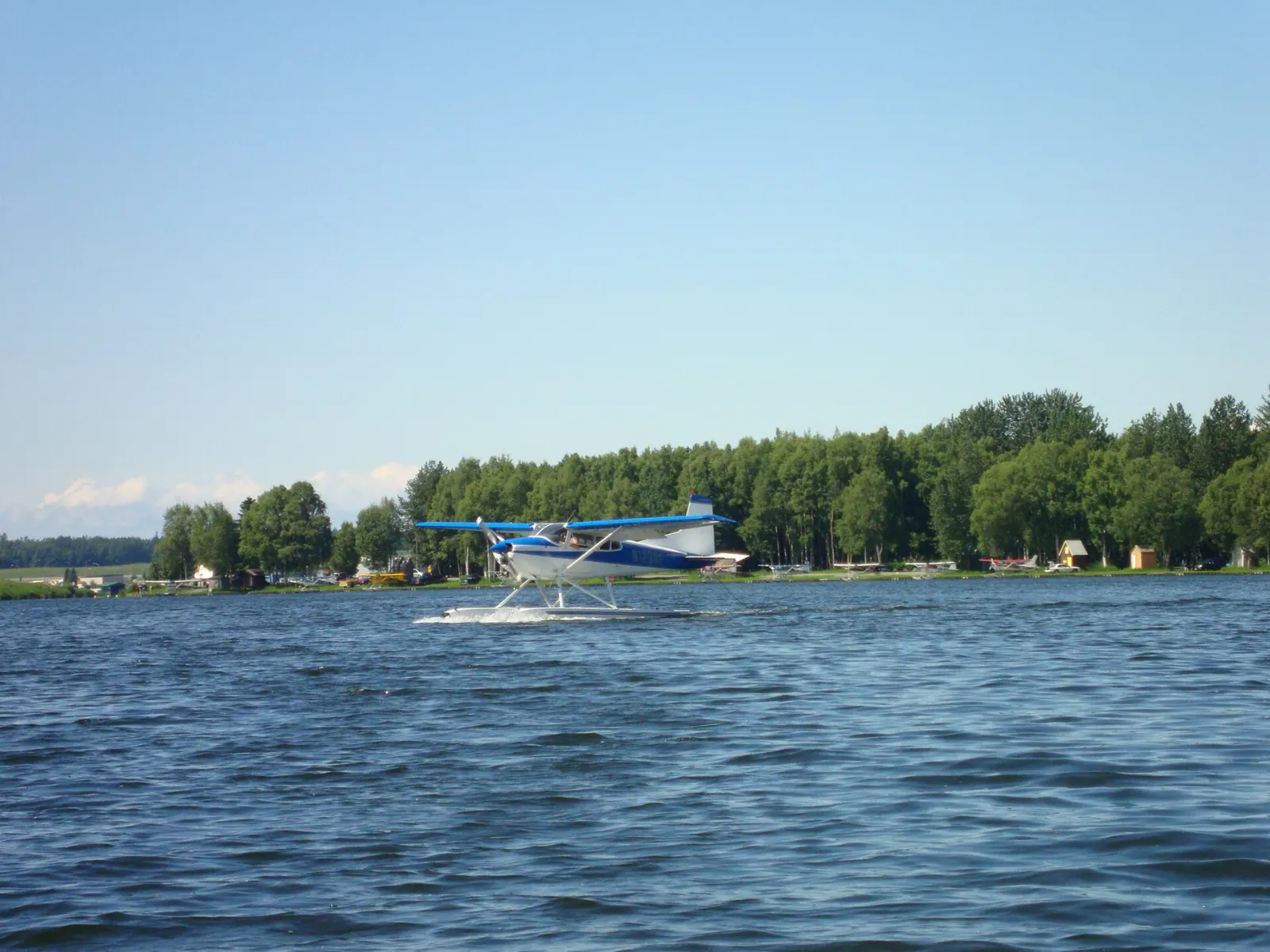
Next to the international airport, Lakes Hood and Spenard form one of the busiest seaplane bases in the world, with close to two hundred flights on a typical day.
Flattop Mountain
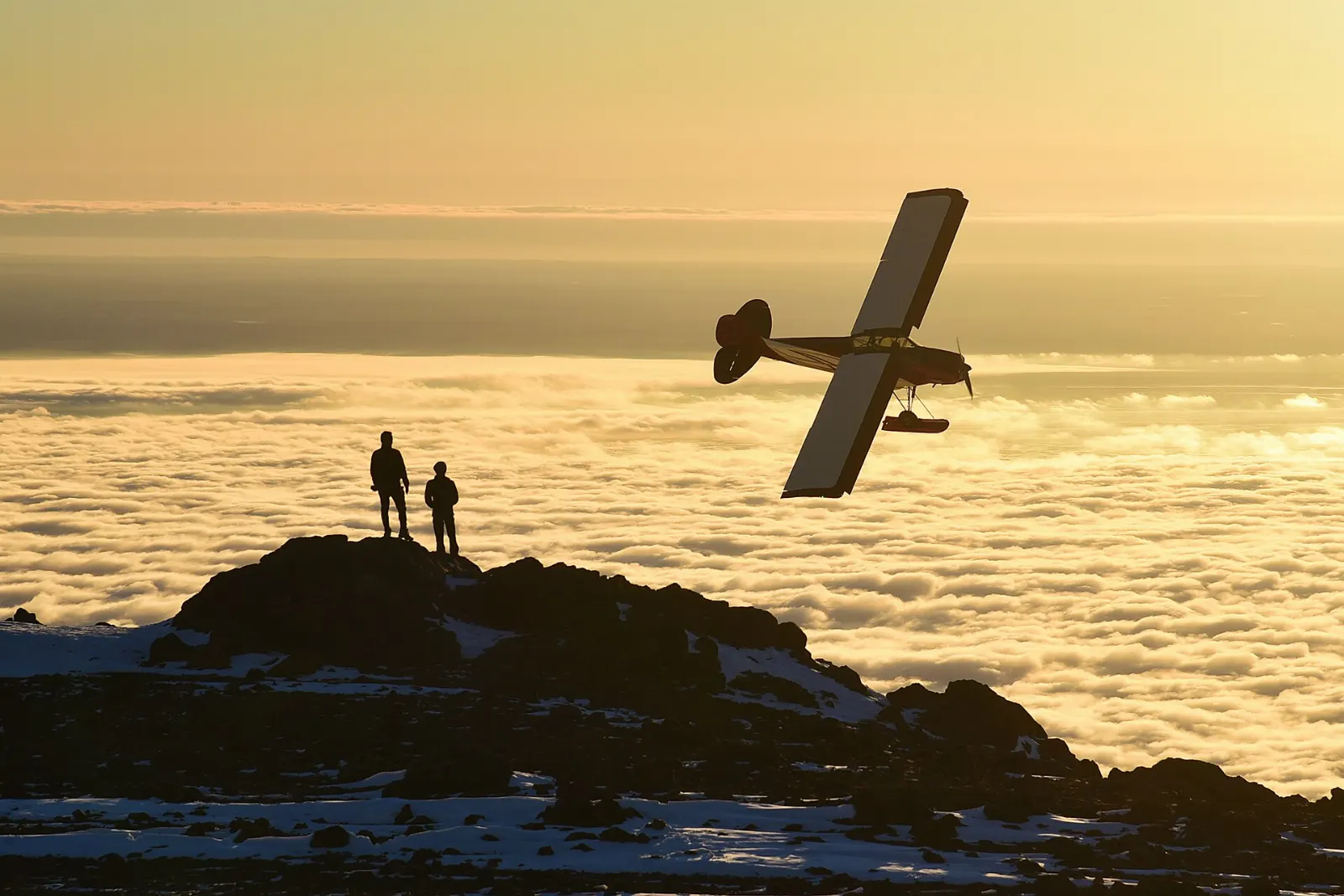
From the Glen Alps trailhead in Chugach State Park, a trail of about a mile and a half climbs roughly 1,300 feet to the summit plateau at 3,510 feet. The final stretch is a steep scramble over rock, but the reward is a sweeping view over the city, Cook Inlet and the Alaska Range.
Potter Marsh
At the southern end of the city along the Seward Highway, a boardwalk crosses this wetland, part of the Anchorage Coastal Wildlife Refuge. Look for nesting birds, spawning salmon in the creek in summer and the occasional moose.
Beluga Point and Turnagain Arm
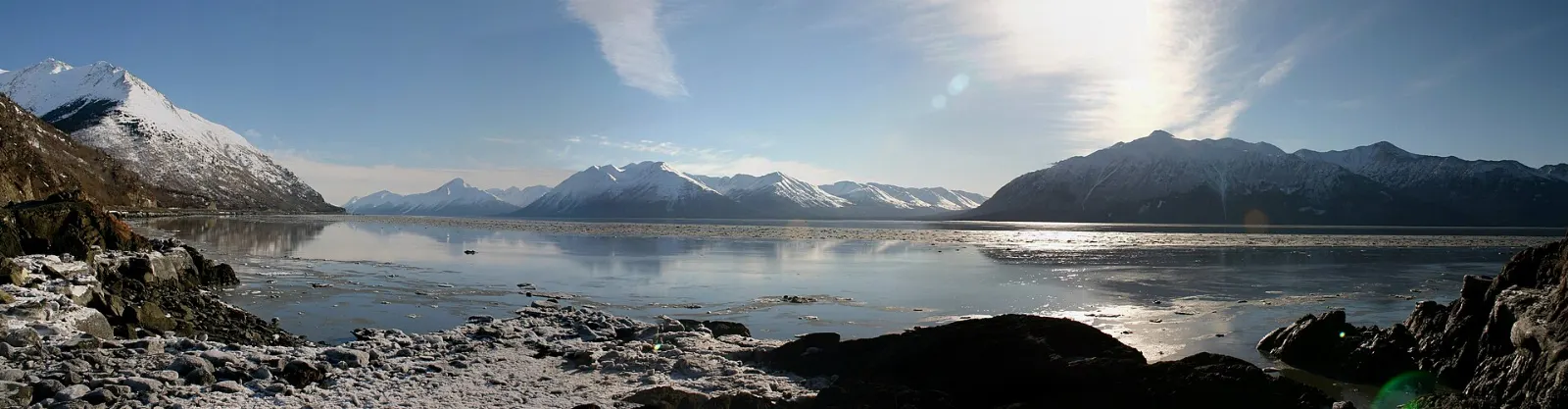
South of Potter Marsh, the Seward Highway hugs the shore of Turnagain Arm, a narrow inlet with one of the largest tidal ranges in North America. Pullouts like Beluga Point offer views of the water and peaks, and in summer you may spot beluga whales chasing fish on the incoming tide.
 Planning a trip to Anchorage?Compare hotels, flights and vacation rentals for Anchorage on Expedia.Book now
Food and local flavors
Seafood is the star. In summer, look for fresh wild salmon, especially sockeye and king, along with halibut served as fish and chips or grilled, and Alaska king crab legs.
Wild berries grow everywhere in late summer, so watch for blueberry and salmonberry desserts, jams and syrups, as well as birch syrup made from local trees.
Popular dishes to try in Anchorage


Where to stay
Downtown: the most convenient base for first-time visitors, within walking distance of the museum, the Coastal Trail, restaurants and the railroad depot.
Midtown: more practical than scenic, with a wide range of chain lodging, shopping and restaurants.
Spenard and the airport area: handy for early flights and close to Lake Hood, with an eclectic, local feel and plenty of places to eat.
Hillside: bed-and-breakfasts and rentals in the foothills put you closer to Chugach State Park trailheads and views over the city, ideal for hikers.
Where to stay in Anchorage


Top rated
Trusted by locals in Anchorage
AAA Fence, Inc.
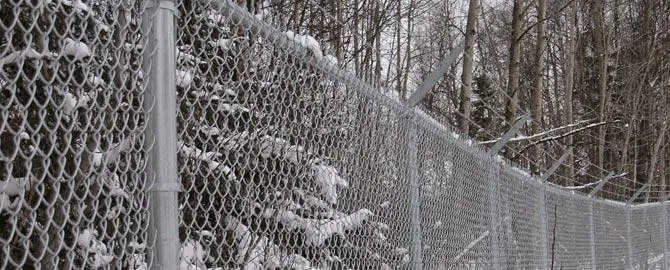
AAA Fence, Inc. is a fencing contractor serving all of Alaska since 1985, providing commercial, residential, and government fencing solutions including gates an...
Reliable Appliance
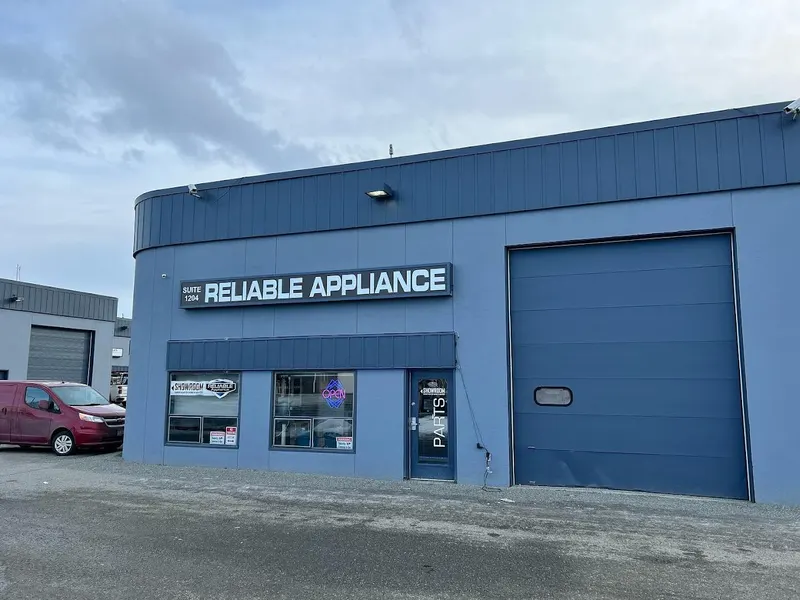
Reliable Appliance is an appliance service and sales business serving Anchorage, Wasilla, and Fairbanks, Alaska since 1995, offering repairs, parts, and commerc...

DogWatch of Alaska
DogWatch of Alaska is a local business in Anchorage, AK, specializing in hidden dog fences to keep pets safe with reliable underground containment systems.
Best time to visit
Summer, from June through August, is peak season. Days are very long, with more than 19 hours of daylight around the June solstice, trails are clear of snow, salmon are running and every tour operates.
September is a lovely shoulder month, with gold birch leaves, fewer crowds and the first chances to see the northern lights as nights darken. Winter is cold and dark but surprisingly lively.
Getting there and getting around
Ted Stevens Anchorage International Airport, about five miles southwest of downtown, has direct flights from many US cities, with more routes in summer. Taxis, shuttles, rideshares and rental cars are available, and People Mover bus route 40 links the airport with the downtown transit center.
Downtown is compact and walkable, and the Coastal Trail makes cycling easy in summer. For trailheads, Turnagain Arm and Lake Hood, a car is the most practical option.
A suggested itinerary
First day
Start at the Log Cabin Visitor Information Center, then spend the late morning at the Anchorage Museum.
Second day
Visit the Alaska Native Heritage Center in the morning, timing your arrival for a performance. In the afternoon, drive up to Glen Alps and hike Flattop Mountain.
Third day
Drive the Seward Highway south, stopping at Potter Marsh and Beluga Point, then continue to Girdwood for a hike or the aerial tram up the mountain.
Before you go
More to discover in Anchorage
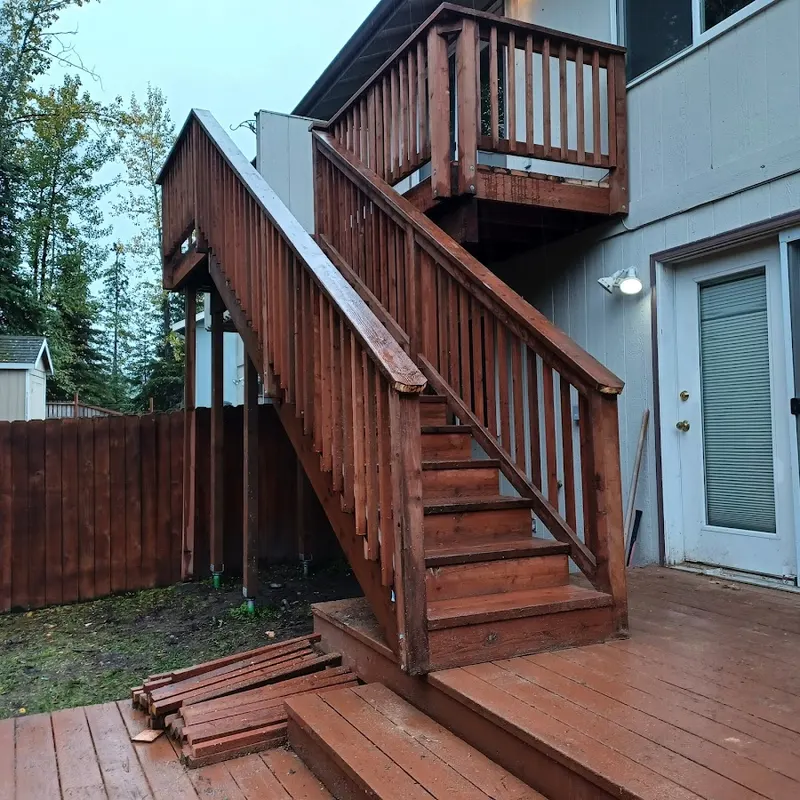
Deck Masters AK
Deck Masters AK is a deck builder in Anchorage, AK, specializing in custom deck design, construction, repairs, and replacements with expertise in Trex and compo...
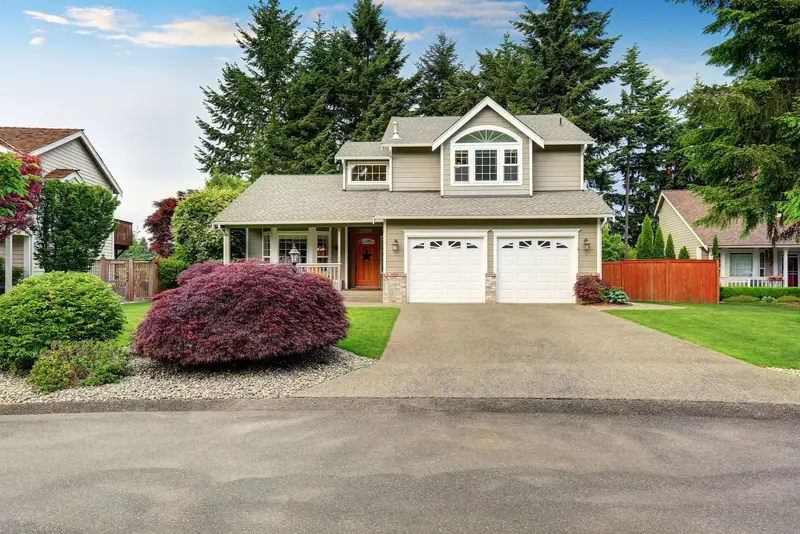
Alaska Hydro Wash
Alaska Hydro Wash is a roof and exterior cleaning business serving Anchorage, AK and nearby areas. It provides moss removal, roof cleaning, gutter cleaning, and...
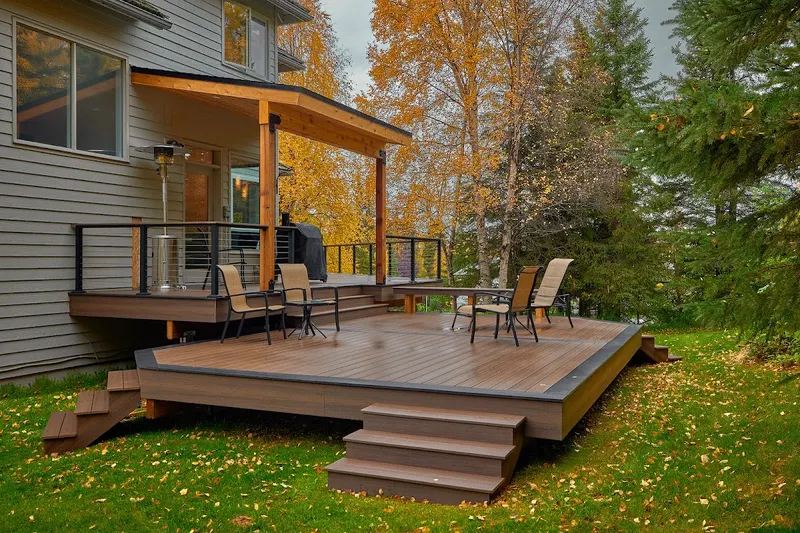
FWD Construction
FWD Construction is an Anchorage-based deck building company specializing in custom composite decks and patios using modern techniques and materials.
Practical tips
- Book rental cars, railroad seats and summer lodging months in advance; supply runs short in peak season.
- Give moose at least 50 feet of space, and more if they lower their ears or raise their hackles. They injure more people in Alaska than bears do.
- Carry bear spray on trails outside the city center and make noise in thick brush.
- Stay off the mudflats of Cook Inlet and Turnagain Arm at all times.
- Pack layers and rain gear year-round; summer days can swing from warm to cool quickly.
- Bring an eye mask for the bright summer nights, and good boots and traction devices in winter.
Find local businesses in Anchorage on WiserMap
From bike rentals and fishing outfitters to cafes and Alaska Native art galleries, find independent Anchorage businesses that can help you plan and enjoy your stay.