Denver Colorado Red Rocks RiNo Murals and Union Station
Denver is a city where you can spend the morning in a world-class art museum, the afternoon walking among red sandstone fins in the foothills, and the evening at a brewery in a converted warehouse.
By WiserMap TravelUpdated October 20269 places10 min read
This guide covers the neighborhoods, museums, parks and outdoor sights worth your time, along with food, where to base yourself, the best seasons to visit and how to get around without a headache. Most of the central sights are close together, so you can see a lot in a few days if you plan by area.
At a glance Denver
Best timeLate May to early October for warm days and concerts; September for clear skies and fewer crowds.
How longThree to four days for the city, plus a day for Red Rocks or the mountains.
Getting thereFly into Denver International Airport and take the A Line train to Union Station.
Ad
Why visit Denver
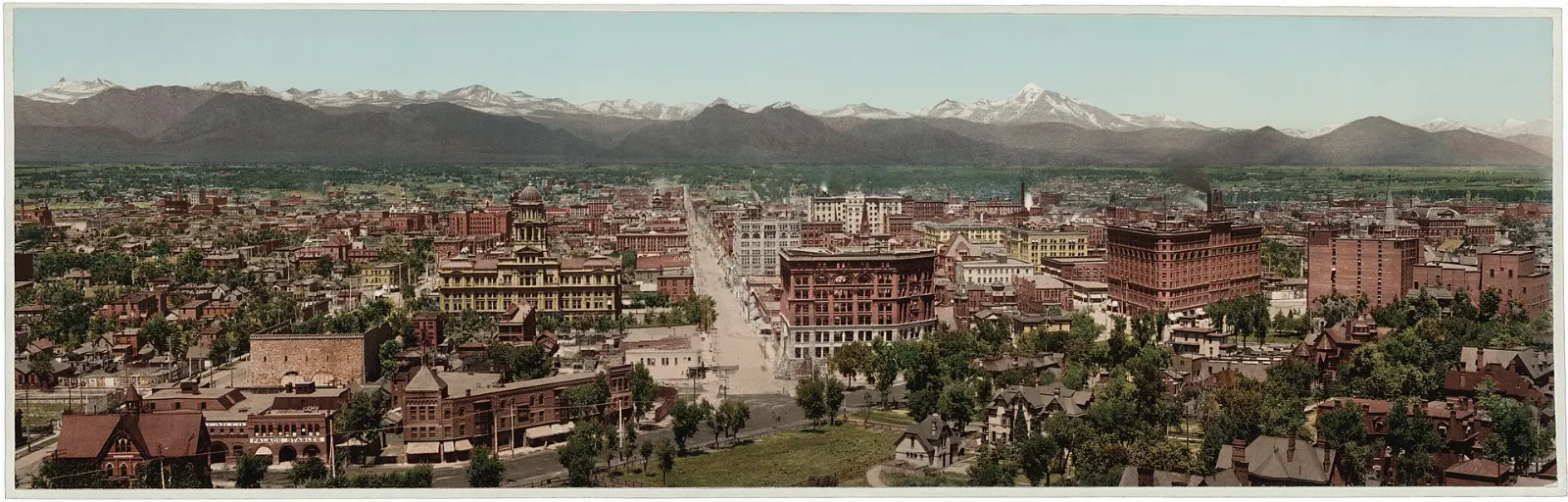
Few American cities pair urban culture and outdoor access as easily as Denver. The downtown core is walkable, with a cluster of museums in the Golden Triangle, a restored rail station that doubles as a social hub, and historic streets that date to the gold rush era of the late 1850s.
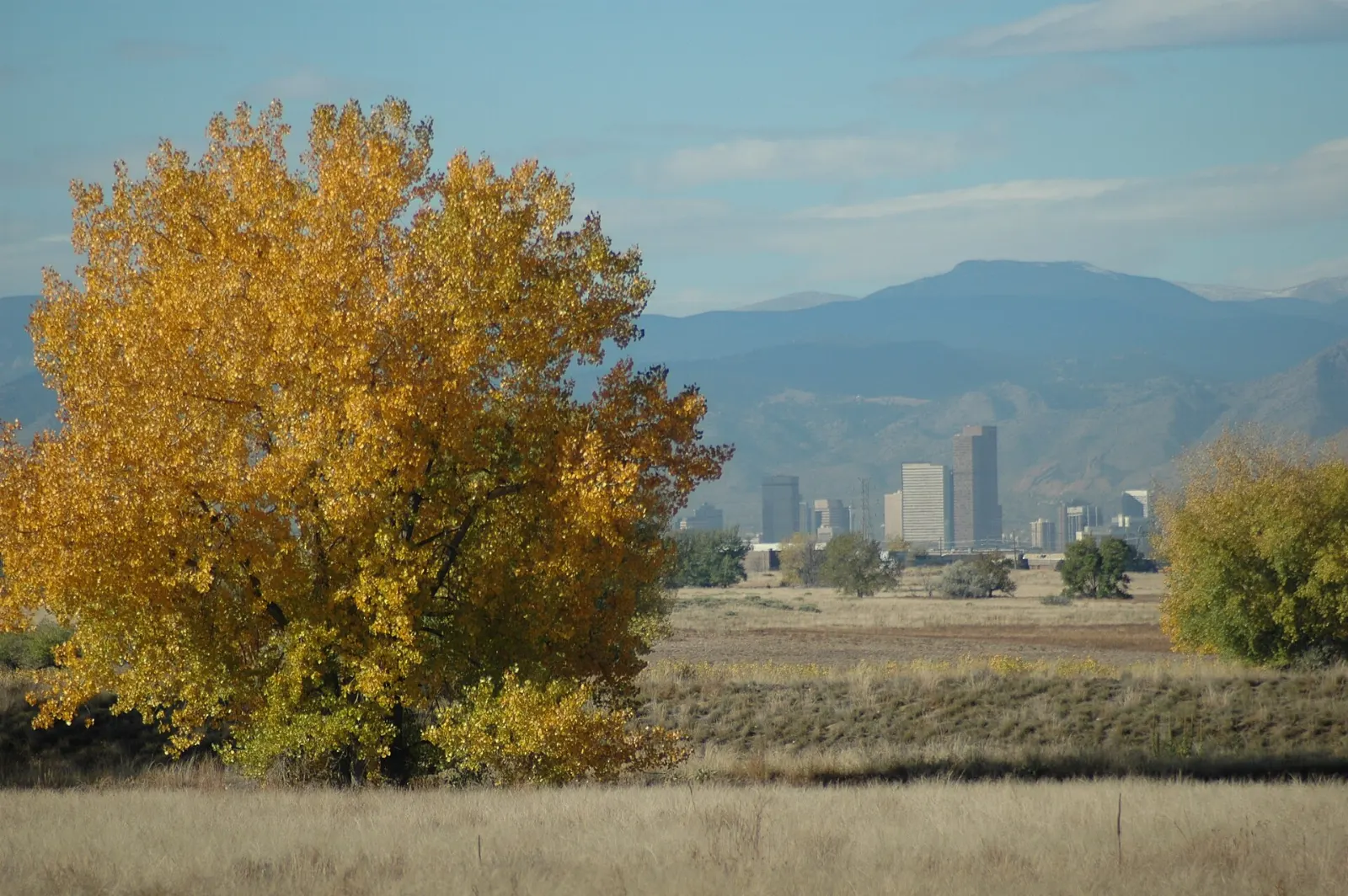
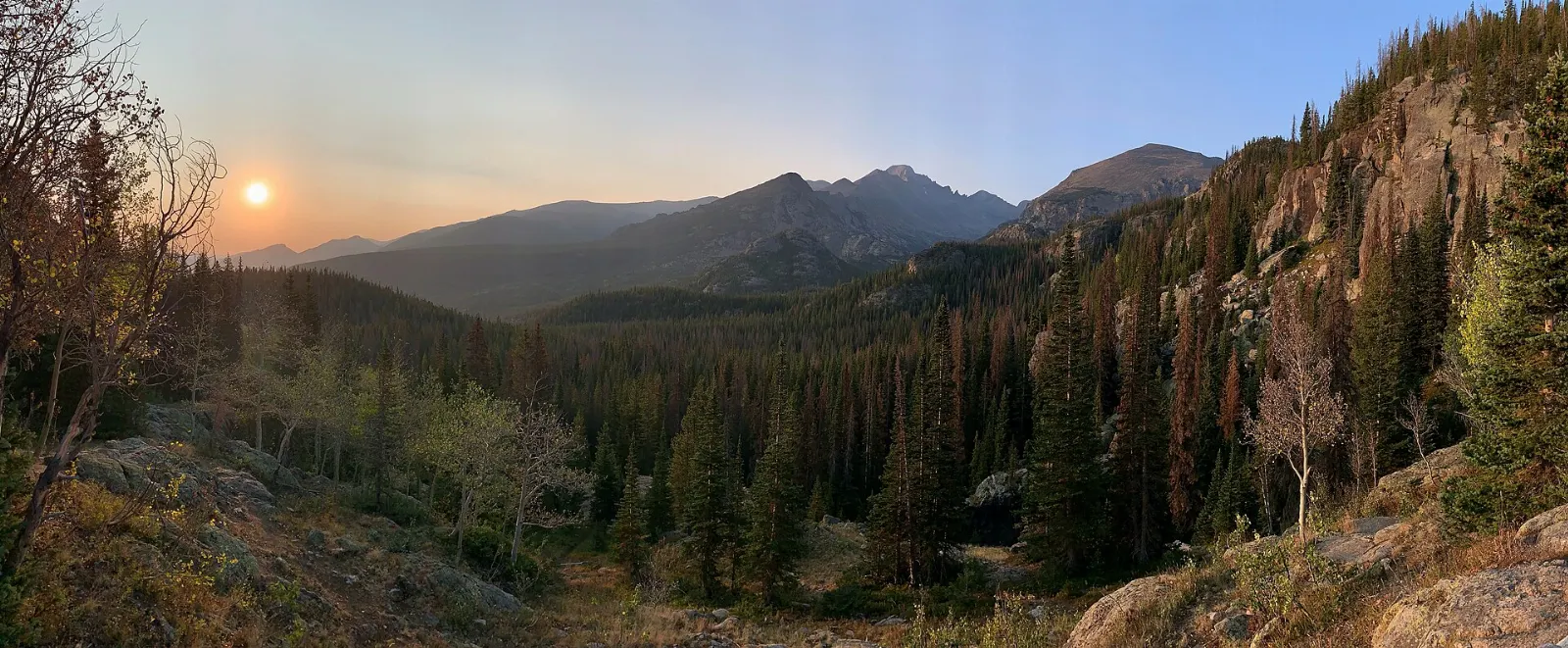
Then there is the setting. On clear days the Front Range is visible from almost everywhere in the city, and you can be in the foothills in under forty minutes by car. Denver also has an extensive network of city parks and paved trails along Cherry Creek and the South Platte River, so it is easy to stay active even without leaving town.
Civic Center and the Golden Triangle
The area just south of downtown holds Denver's main civic buildings and its densest cluster of museums. It is a good place to start your trip because everything is within a few blocks of Civic Center Park.
Colorado State Capitol
The gold-domed Capitol overlooks Civic Center Park from the east. Look for the step on the west entrance that is marked as one mile above sea level; surveys over the years moved the official mark, so you will see more than one marker.
The Colorado State Capitol has a dome covered in Colorado gold leaf and a step marked at one mile above sea level. Photo: William Henry Jackson, Wikimedia Commons, Public domain
Denver Art Museum
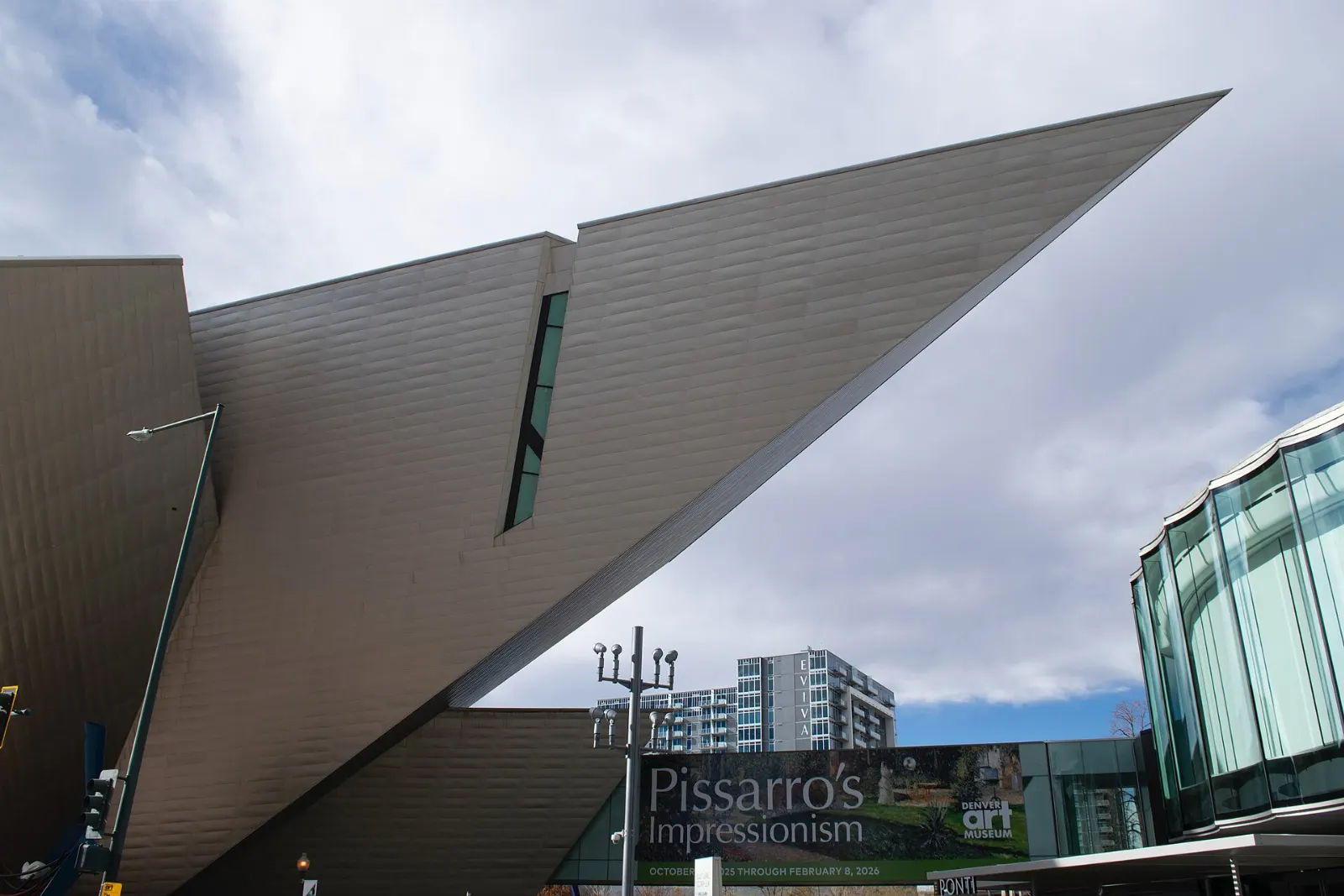
The Denver Art Museum is known for its strong collection of Indigenous arts of North America, along with Western American art, textiles and modern works.
The Hamilton Building, designed by Daniel Libeskind, is the most recognizable part of the Denver Art Museum campus. Photo: Daniel Hartwig, Wikimedia Commons, CC BY 4.0
Clyfford Still Museum and History Colorado Center
Next door to the Art Museum, the Clyfford Still Museum is devoted to a single abstract expressionist painter and is a quiet, concrete-walled contrast to the busier galleries nearby.
Ad
LoDo, Union Station and RiNo
Lower Downtown, known as LoDo, is the historic warehouse district that grew up around the railroad.
Denver Union Station
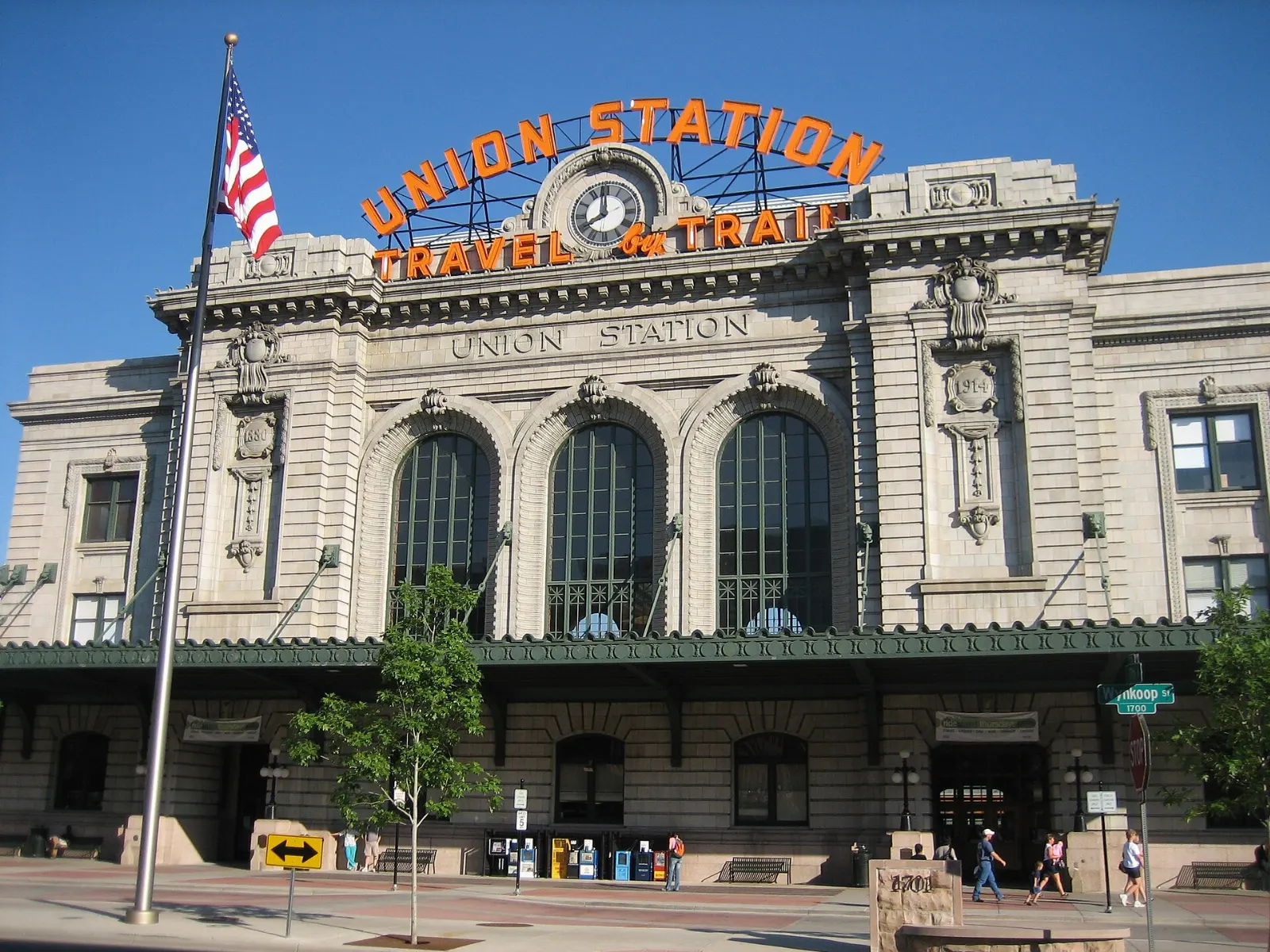
Opened in its current form in 1914 and restored in the 2010s, Union Station is both a working transit hub and a gathering place.
Denver Union Station is a restored Beaux-Arts rail terminal that serves as the hub for trains to the airport. Photo: Darkshark0159 at English Wikipedia, Wikimedia Commons, Public domain
Larimer Square
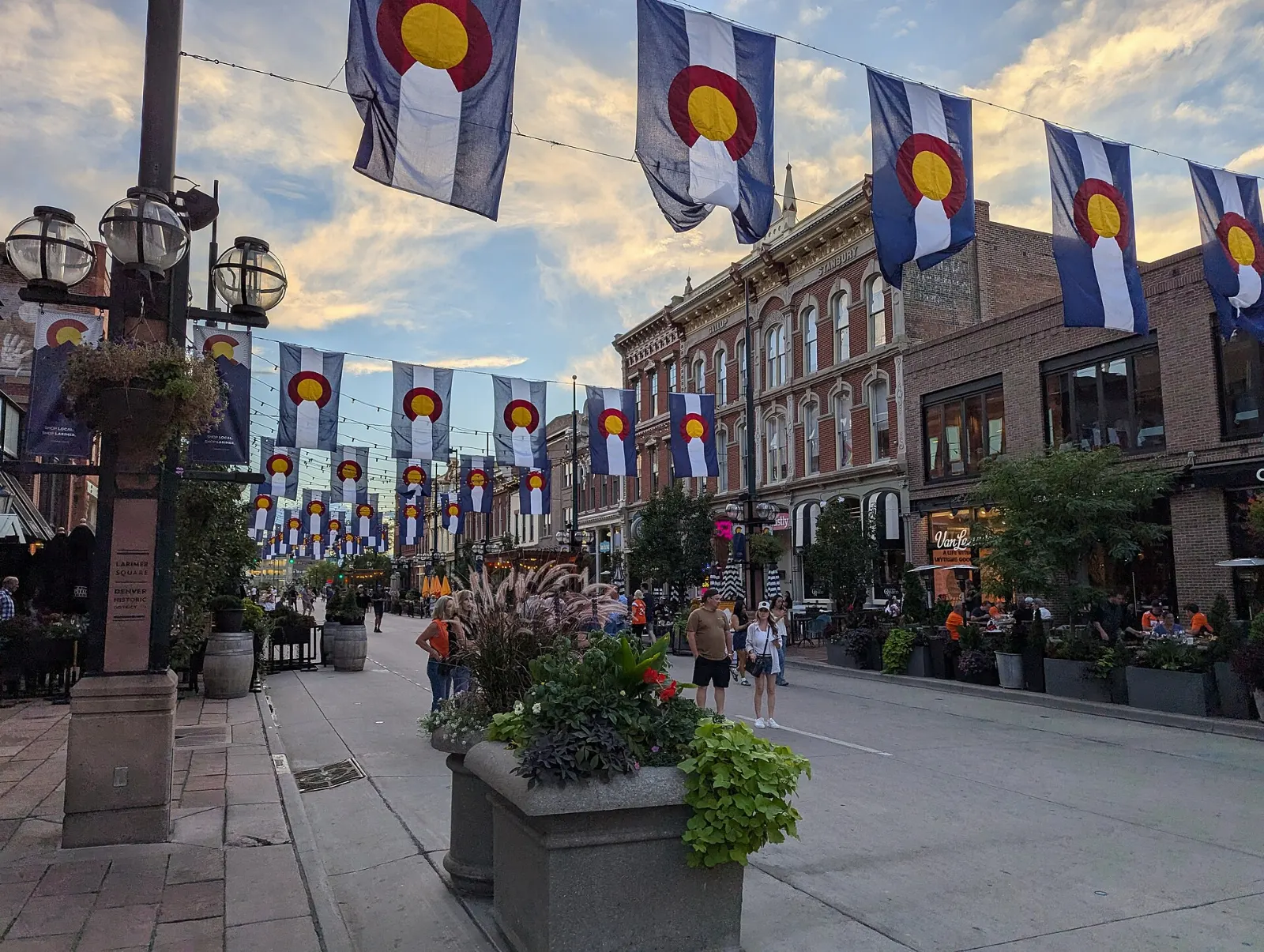
Larimer Square is a single preserved block of Larimer Street lined with Victorian buildings, independent shops and restaurants. Strings of lights crisscross the street, and in warm months parts of it close to traffic for outdoor dining.
Larimer Square preserves a block of Victorian commercial buildings on Denver's oldest street. Photo: Sdkb, Wikimedia Commons, CC BY-SA 4.0
River North Art District
Known as RiNo, this former industrial area northeast of downtown is packed with large-scale murals, galleries, breweries, food halls and design studios. Walk Larimer Street and the side alleys between roughly 25th and 38th Streets for the densest concentration of street art.
The River North Art District is known for building-sized murals on former warehouses. Photo: Alice Reynolds, Wikimedia Commons, Public domain
Meow Wolf Convergence Station
Just west of downtown near the Interstate 25 and Colfax Avenue interchange, Meow Wolf Convergence Station is a multi-story immersive art installation filled with hidden passages, surreal rooms and a loose science fiction storyline. Most visitors spend two to three hours.
Parks, gardens and the foothills
Denver has a long tradition of large urban parks, and the foothills just west of the city add some of the most dramatic scenery you will find this close to a major American downtown.
Denver Botanic Gardens
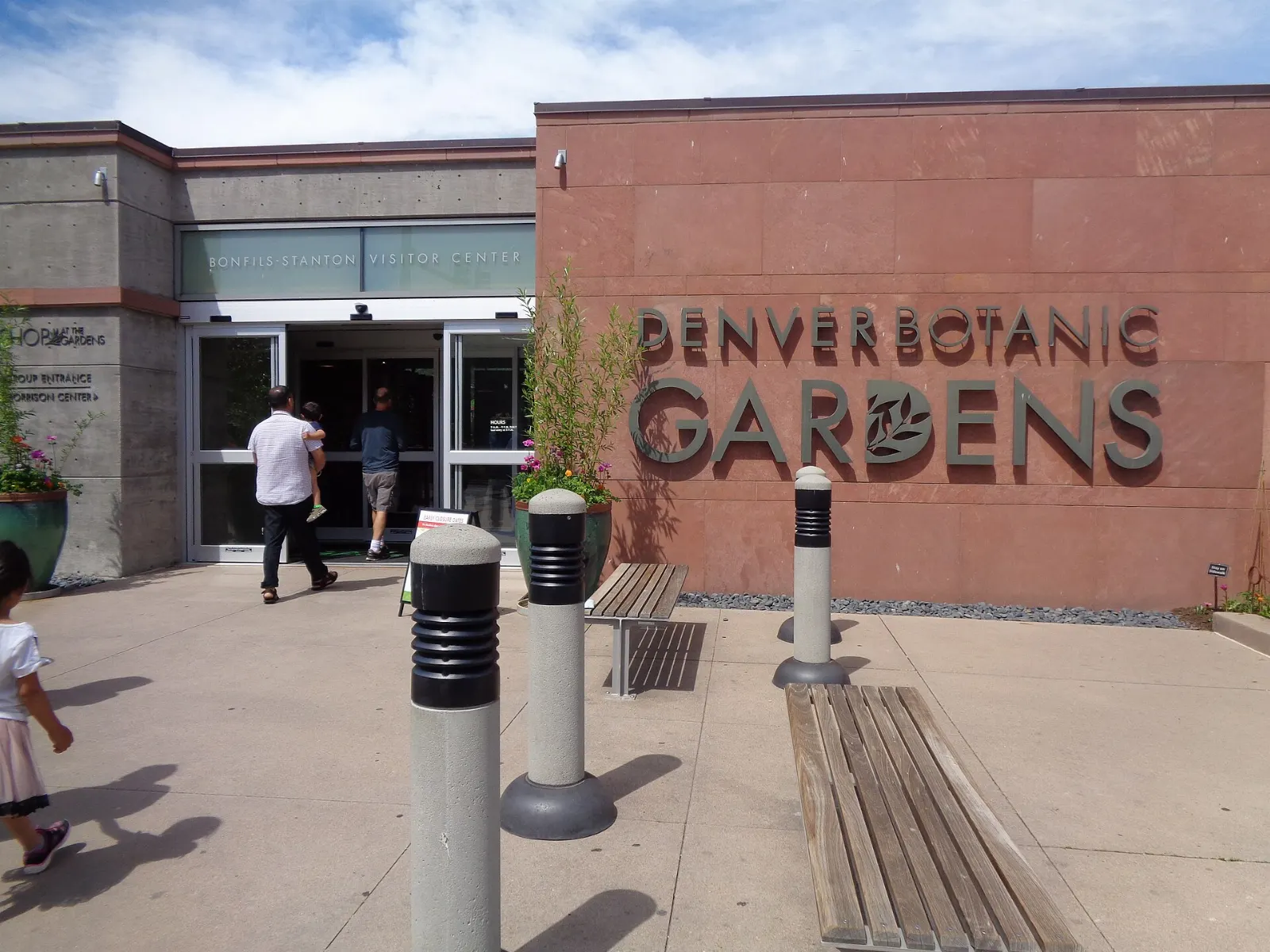
The York Street gardens cover a compact but varied site with water gardens, a Japanese garden, a tropical conservatory, and plantings that show off plants suited to the dry, high-elevation climate of the West. Two hours is about right.
The Denver Botanic Gardens on York Street grow plants from high plains, alpine and desert habitats. Photo: Sarbjit Bahga, Wikimedia Commons, CC BY-SA 4.0
City Park and the Denver Museum of Nature and Science
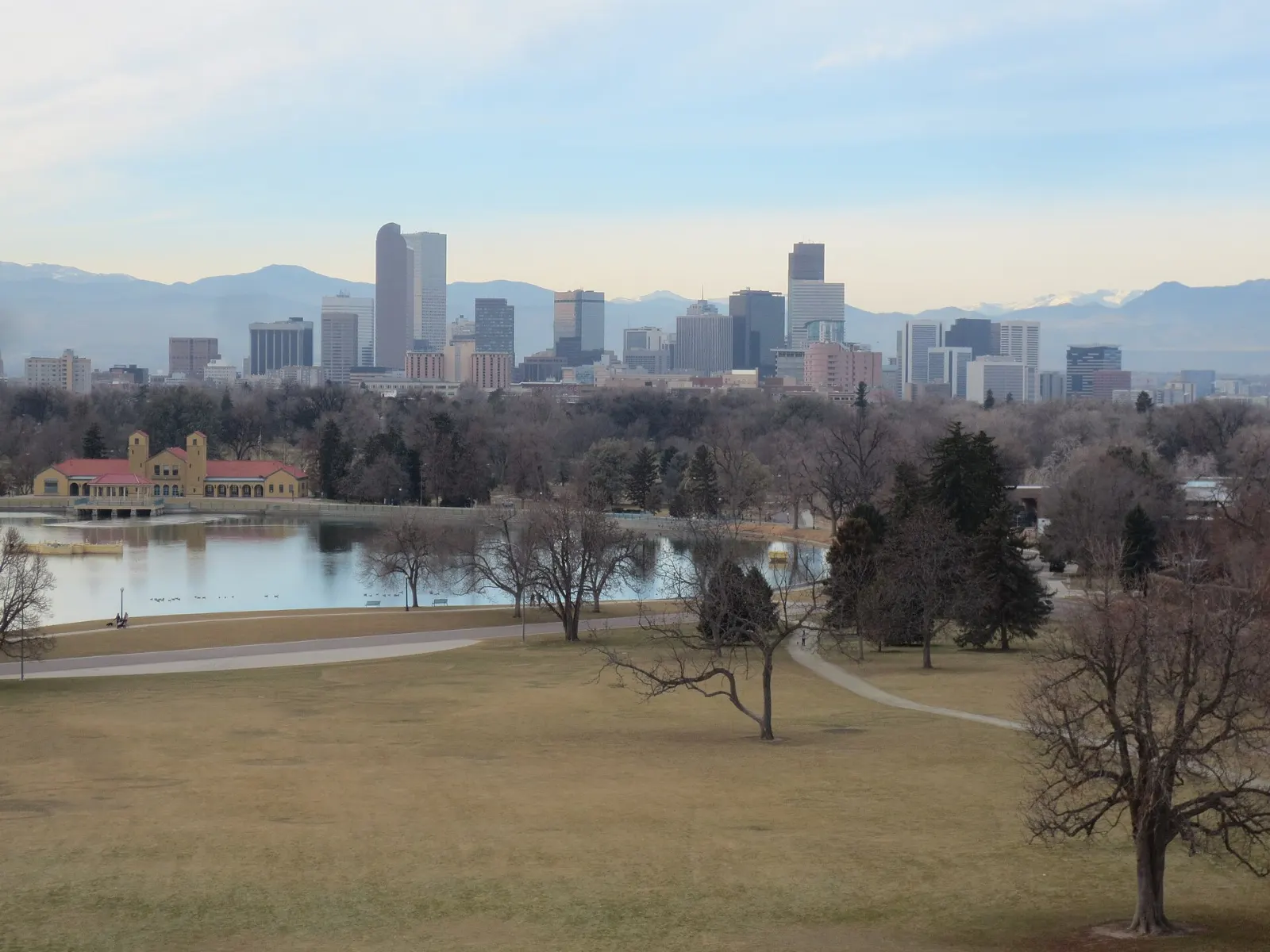
City Park is Denver's largest central park and home to the Denver Zoo and the Denver Museum of Nature and Science. The museum has dinosaur fossils, gem and mineral halls, wildlife dioramas and a planetarium.
City Park offers one of Denver's classic views of downtown with the mountains beyond. Photo: Ari Armstrong, Wikimedia Commons, CC BY-SA 4.0
Red Rocks Park and Amphitheatre
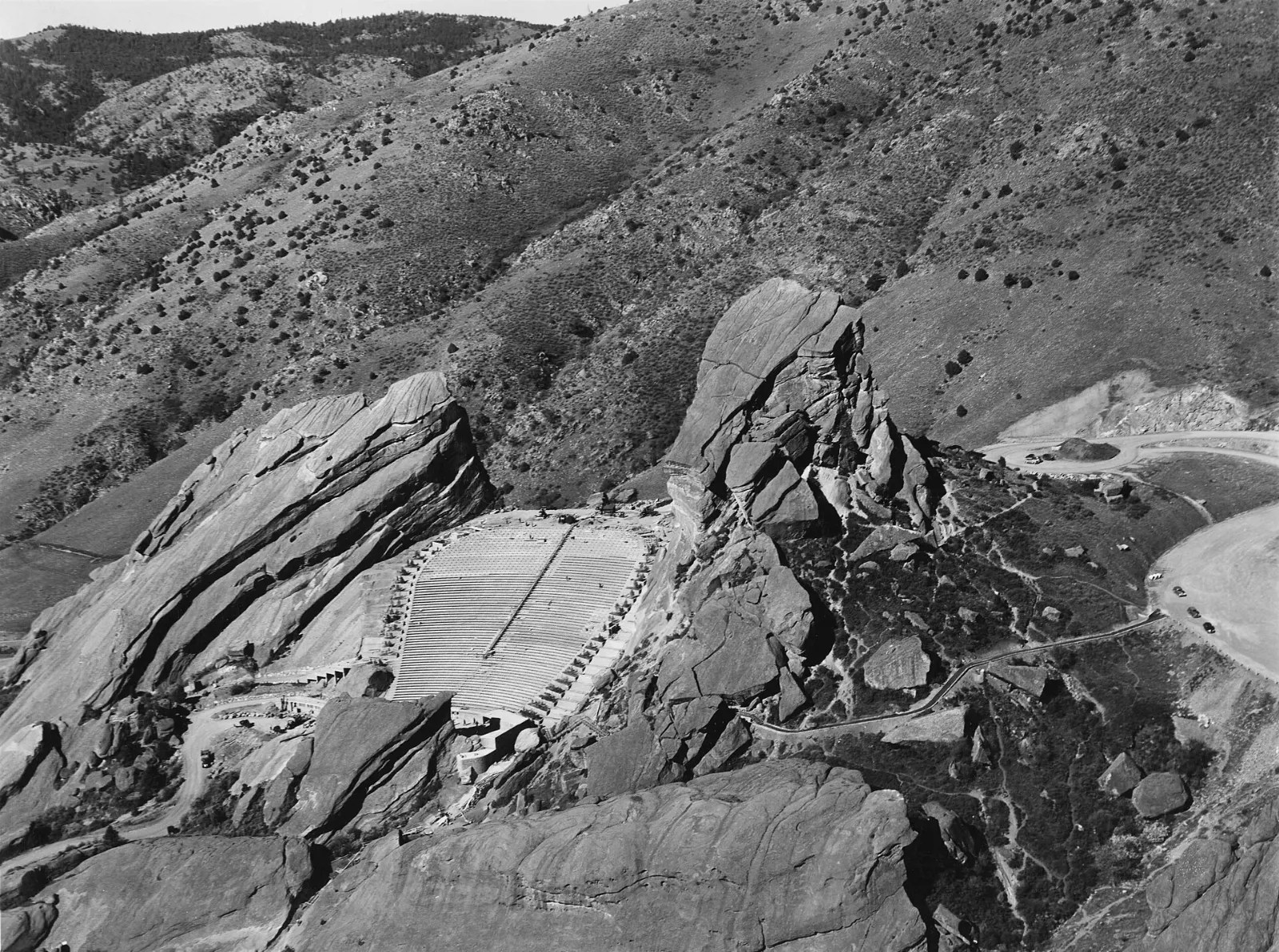
About fifteen miles west of downtown near the town of Morrison, Red Rocks Amphitheatre is a concert venue built between two enormous sandstone monoliths.
Red Rocks Amphitheatre sits between giant sandstone formations in the foothills west of Denver. Photo: Unknown author, Wikimedia Commons, Public domain
Washington Park
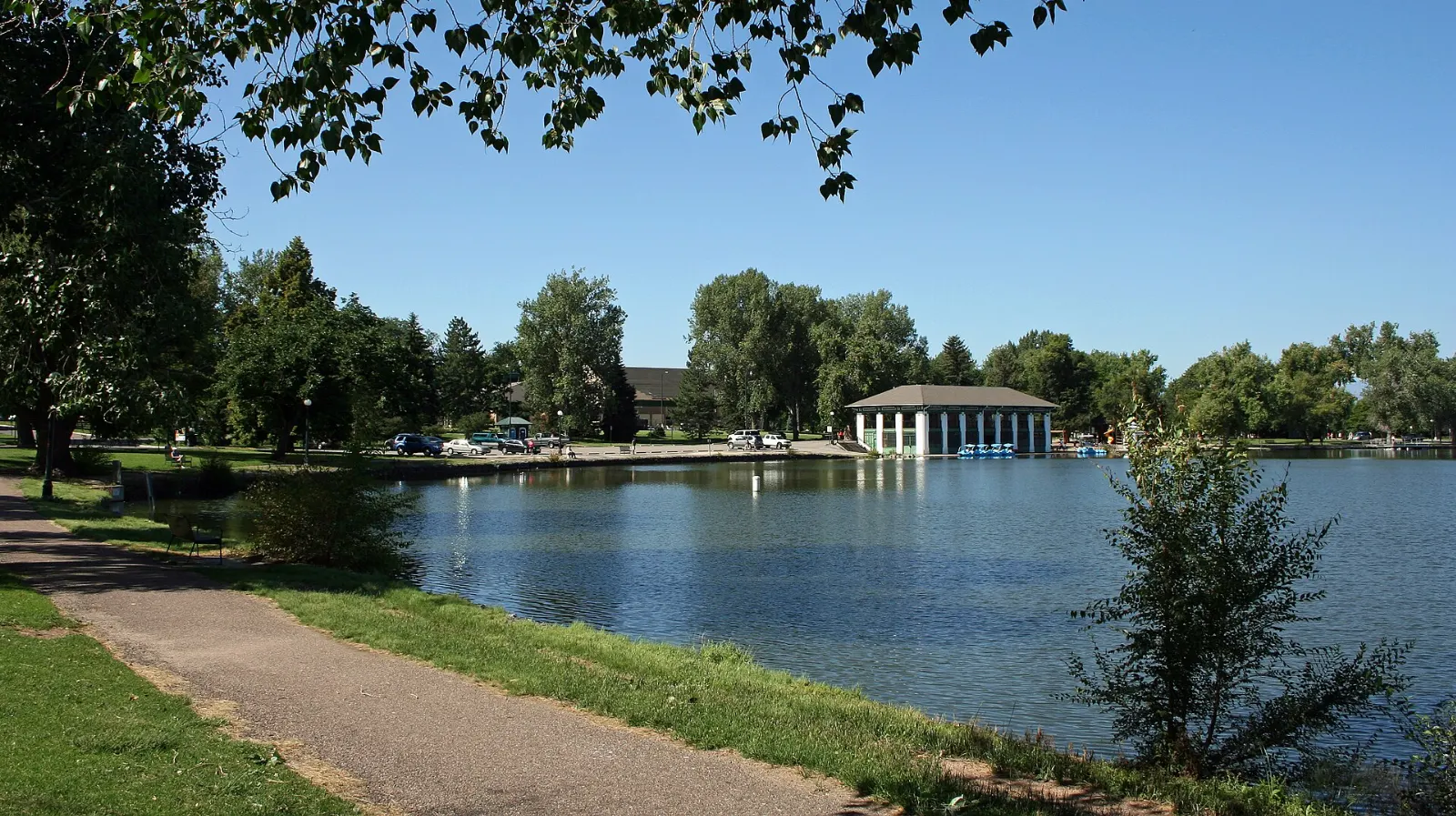
South of downtown, Washington Park is a favorite local spot for running, picnics, lawn games and paddling. It has two lakes, formal flower gardens and a replica of Martha Washington's garden at Mount Vernon.
The boathouse on Smith Lake is a landmark of Washington Park, one of Denver's most popular green spaces. Photo: Jeffrey Beall, Wikimedia Commons, CC BY-SA 3.0
Ad
Food and local flavors
Denver's signature dish is green chile, a pork-studded stew built on roasted chiles that you will find smothering burritos, served in bowls or ladled over breakfast plates. Colorado-grown Pueblo chiles are prized in late summer, when you may smell roasting drums outside markets.
Food halls are a big part of the dining scene. Denver Central Market in RiNo and Avanti Food and Drinks in LoHi are good places to sample several kitchens in one stop.
Popular dishes to try in Denver
Green chile Food and local flavorsDenver's signature dish is green chile, a pork-studded stew built on roasted chiles that you will find smothering burritos, served in bowls or ladled over…Photo: Carly & Art, Wikimedia Commons, CC BY-SA 2.0Rocky Mountain oysters For a novelty, some old-school spots still serve Rocky Mountain oysters, which are not seafood at all.Photo: Vincent Diamante from Los Angeles, CA, USA, Wikimedia Commons, CC BY-SA 2.0Craft beer Craft beer is everywhere; the Great American Beer Festival is held in Denver each fall, and RiNo alone has dozens of taprooms.Photo: Benoît Prieur, Wikimedia Commons, CC0
Where to stay
LoDo and Union Station suit first-time visitors and anyone arriving by train from the airport. You can walk to restaurants, Coors Field and Larimer Square, and evenings are lively. Central downtown near the convention center is practical for business travelers and close to the Golden Triangle museums. RiNo appeals to travelers who want breweries, murals and a creative atmosphere, and it has a stop on the A Line.
Where to stay in Denver
Larimer Square You can walk to restaurants, Coors Field and Larimer Square, and evenings are lively.Photo: Sdkb, Wikimedia Commons, CC BY-SA 4.0Golden Triangle Central downtown near the convention center is practical for business travelers and close to the Golden Triangle museums.Photo: Xnatedawgx, Wikimedia Commons, CC BY-SA 4.0Highland LoHi and Highland, across the river from downtown, offer a quieter residential feel with good restaurants and skyline views.Photo: Jesse James, Wikimedia Commons, CC BY 4.0Golden If you plan several mountain day trips, staying on the west side of the city or in Golden cuts down on driving time.Photo: yogma, Wikimedia Commons, CC BY 2.0
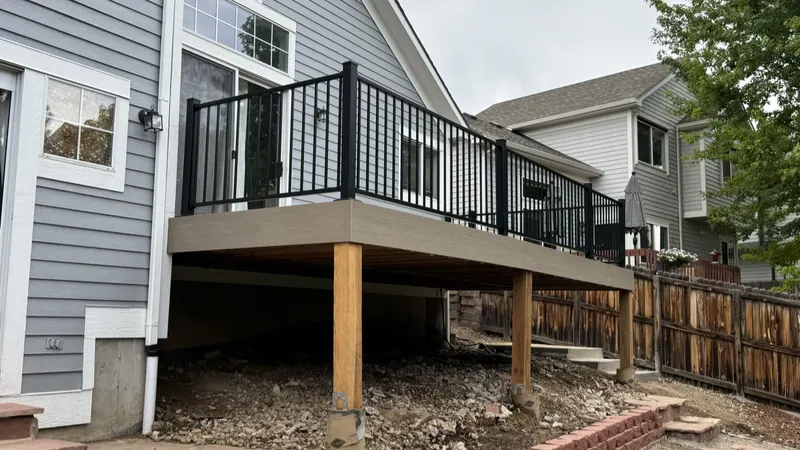
JOB Home Services is a home improvement business serving Denver and surrounding areas. JOB Home Services provides service deck building, painting, fence work, a...
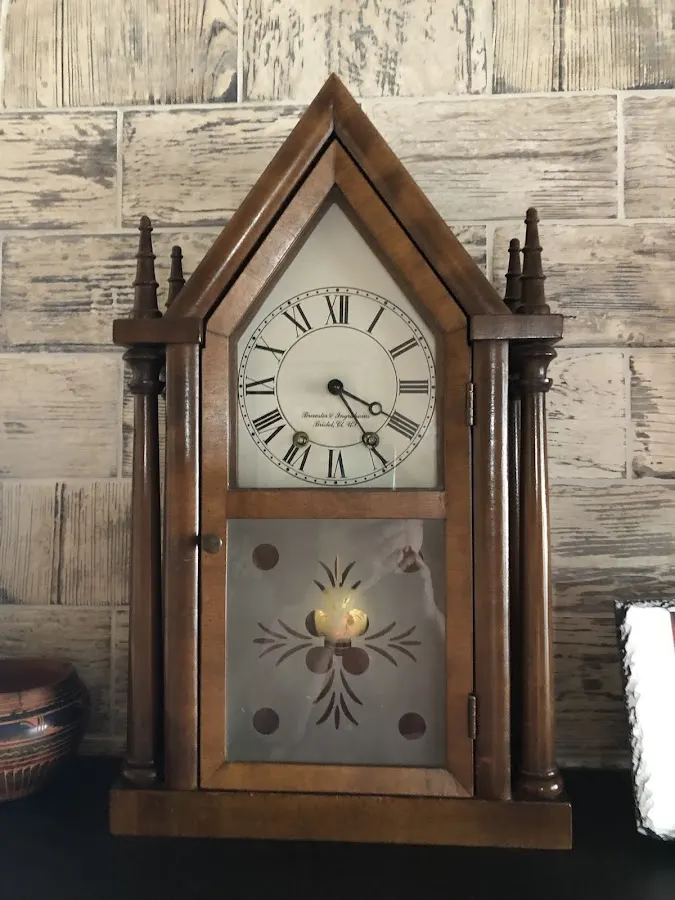
All Time Clock Repair is a clock repair business serving Denver, CO, specializing in antique and various types of clocks with factory-authorized service centers...
GamesPXN is a computer store and video game repair business serving the United States, specializing in fast, affordable repairs for tablets, laptops, game conso...
Wireless Image is a cell phone repair business serving Denver, Colorado. Wireless Image provides unlocking, repairing, and prepaid wireless service payment cent...
Summer, from June through August, brings warm to hot days, frequent afternoon thunderstorms, the Red Rocks concert season and the busiest crowds.
Winter in the city itself is milder than many expect. Snow falls but often melts within a day or two in the strong sun, and Denver is the main gateway to Colorado ski resorts.
Getting there and getting around
Denver International Airport is about 25 miles northeast of downtown and is one of the busiest airports in the country. The RTD A Line commuter train runs between the airport and Union Station, with a stop in RiNo, and takes around 37 minutes.
Downtown is compact and easy to explore on foot. RTD buses and light rail cover the wider metro area, and bike share and scooters are widely available.
Ad
A suggested itinerary
First day
Start at the Colorado State Capitol, then spend the late morning and early afternoon in the Golden Triangle at the Denver Art Museum and the Clyfford Still Museum.
Second day
Visit the Denver Botanic Gardens in the morning, then cross to City Park for the Denver Museum of Nature and Science. Stay for sunset over Ferril Lake.
Third day
Drive west to Red Rocks Park in the morning to walk the amphitheater and the Trading Post Trail before the heat builds.
Fourth day
Slow down with a morning loop around Washington Park and brunch on Old South Gaylord Street.
Practical tips
Drink extra water and go easy on alcohol for your first day or two; the altitude affects many visitors with headaches and fatigue.
Use strong sunscreen, sunglasses and a hat even on cool days, as the sun is intense at this elevation.
Pack layers: temperatures can swing widely between afternoon and night, and summer storms roll in quickly.
Reserve tickets early for Red Rocks concerts, Meow Wolf and garden events, which often sell out.
Avoid driving Interstate 70 west on Saturday mornings and east on Sunday afternoons if you can.
In summer, plan outdoor hikes for the morning to avoid afternoon lightning.
Ad
Find local businesses in Denver on WiserMap
Looking for a coffee shop near Union Station, a mechanic before a mountain drive or a gear store for your hike?