Kandy Sri Lanka Temple of the Tooth and Tea Country
Kandy was the last royal capital of Sri Lanka, a mountain kingdom that held out against Portuguese and Dutch control for centuries before it finally came under British rule in 1815. Today it is the cultural center of the island's Sinhalese Buddhist tradition, home to the Temple of the Sacred Tooth Relic and to one of the most spectacular festivals in Asia.
By WiserMap TravelUpdated October 20268 places10 min read
This guide covers the temple and lakeside heart of the city, the gardens and viewpoints that ring it, and the temples, tea estates and mountains within an easy day trip.
At a glance Kandy
Best timeJanuary to April for drier weather; July or August for the Esala Perahera.
How longTwo to three days for the city, gardens and a temple or tea day trip.
Getting thereDrive from Bandaranaike International Airport near Colombo in roughly three to four hours.
Ad
Why visit Kandy
Kandy matters to Sri Lankans in a way few cities do. The tooth relic of the Buddha, kept here since the late sixteenth century, was long seen as a symbol of the right to rule the island, and the temple that houses it still draws pilgrims from across the country every day.
The city also makes a natural gateway to the hill country. Sitting at a moderate elevation, it is cooler than Colombo but warm enough to be comfortable year-round, and within an hour you can reach tea estates, medieval temples, botanical gardens and the cloud forests of the Knuckles Range.
The temple, the lake and the city center
Temple of the Sacred Tooth Relic
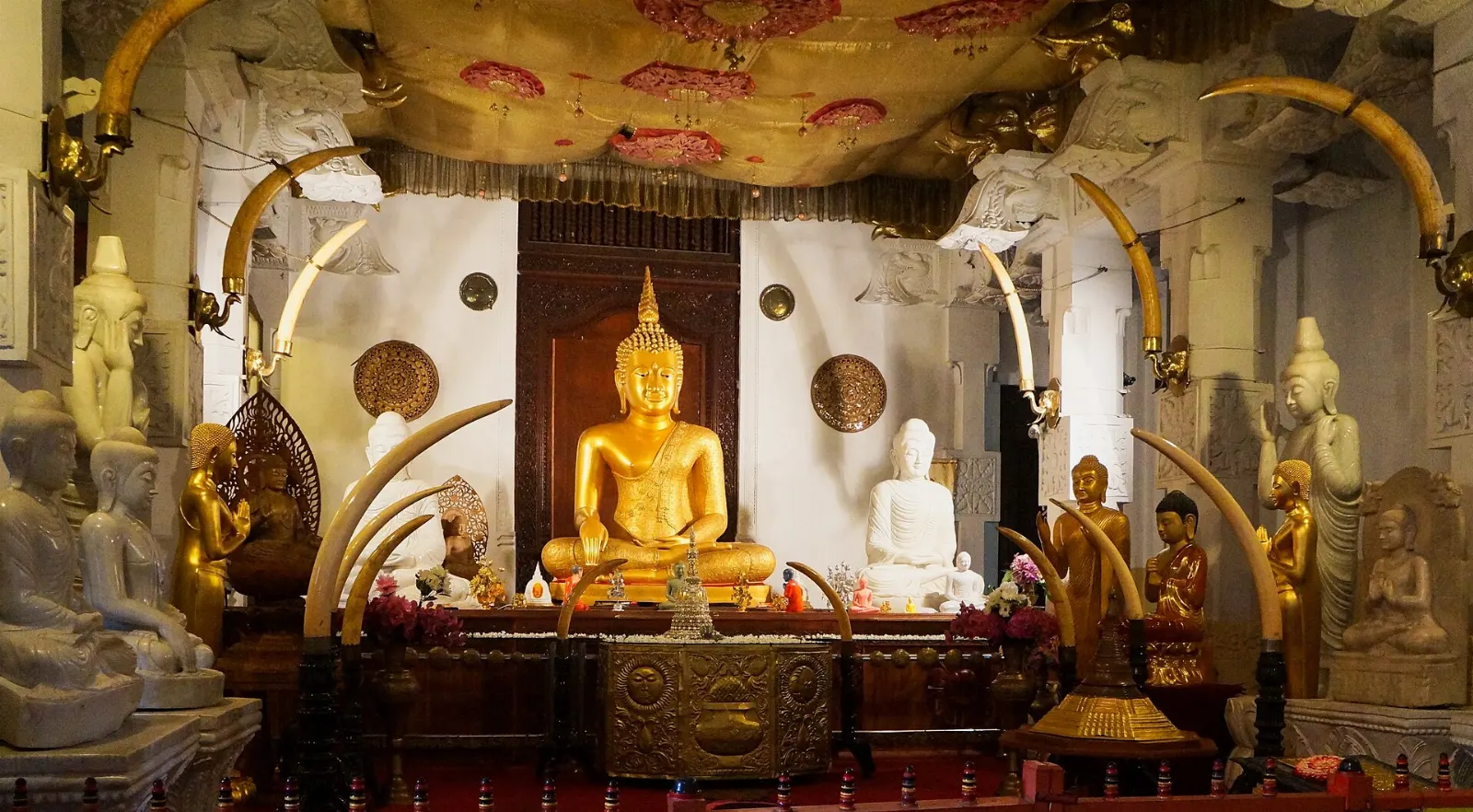
Sri Dalada Maligawa stands beside the lake within the former royal palace complex. The relic itself is kept inside a series of golden caskets in an inner shrine and is not shown to the public except on rare occasions, but you can view the shrine room during the daily rituals, called thevava, when drummers play and the doors of the inner chamber open.
The Temple of the Sacred Tooth Relic, Sri Dalada Maligawa, enshrines what Buddhists revere as a tooth of the Buddha. Photo: Pierre André Leclercq, Wikimedia Commons, CC BY-SA 4.0
Kandy Lake
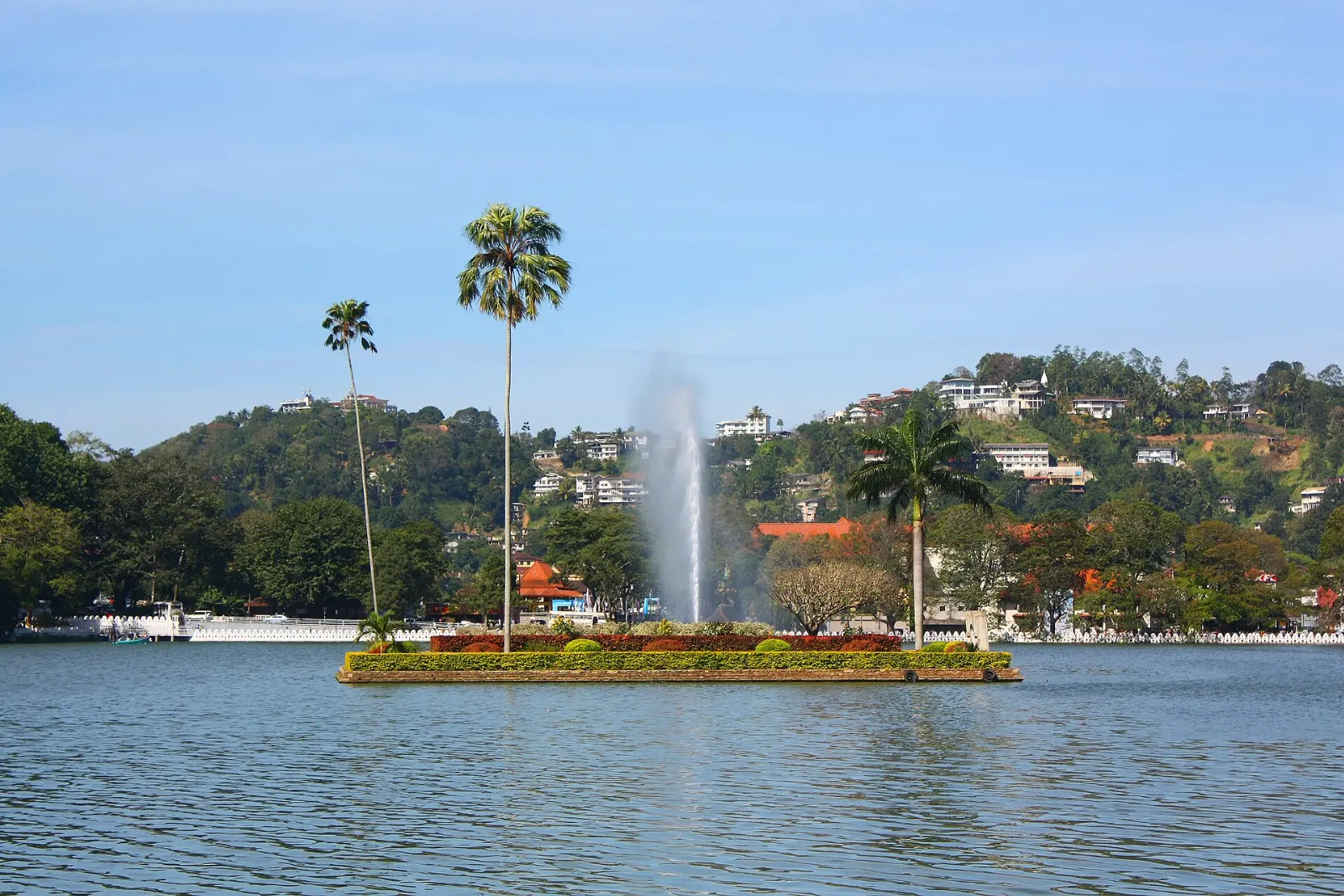
The lake at the center of town was created in the early nineteenth century by Sri Vikrama Rajasinha, the last king of Kandy.
Kandy Lake was created in the early nineteenth century under Sri Vikrama Rajasinha, the last king of Kandy. Photo: AntanO, Wikimedia Commons, CC BY-SA 4.0
Kandyan dance performances
Kandyan dance, with its acrobatic leaps, elaborate silver headdresses and thunderous drumming, is one of Sri Lanka's classical dance forms. Several halls near the lake stage shows for visitors most evenings, often finishing with a fire-walking display.
Udawattakele Forest Reserve
Rising directly behind the temple, this forest was once reserved for the kings of Kandy and is now a protected sanctuary. Shaded trails wind past a small pond, giant lianas and old trees, and you have a good chance of seeing toque macaques, purple-faced langurs and many bird species.
Udawattakele was once a royal forest behind the palace and is now a protected reserve in the middle of Kandy. Photo: Manelka Jayasundara, Wikimedia Commons, CC BY-SA 4.0
Bahirawakanda Vihara
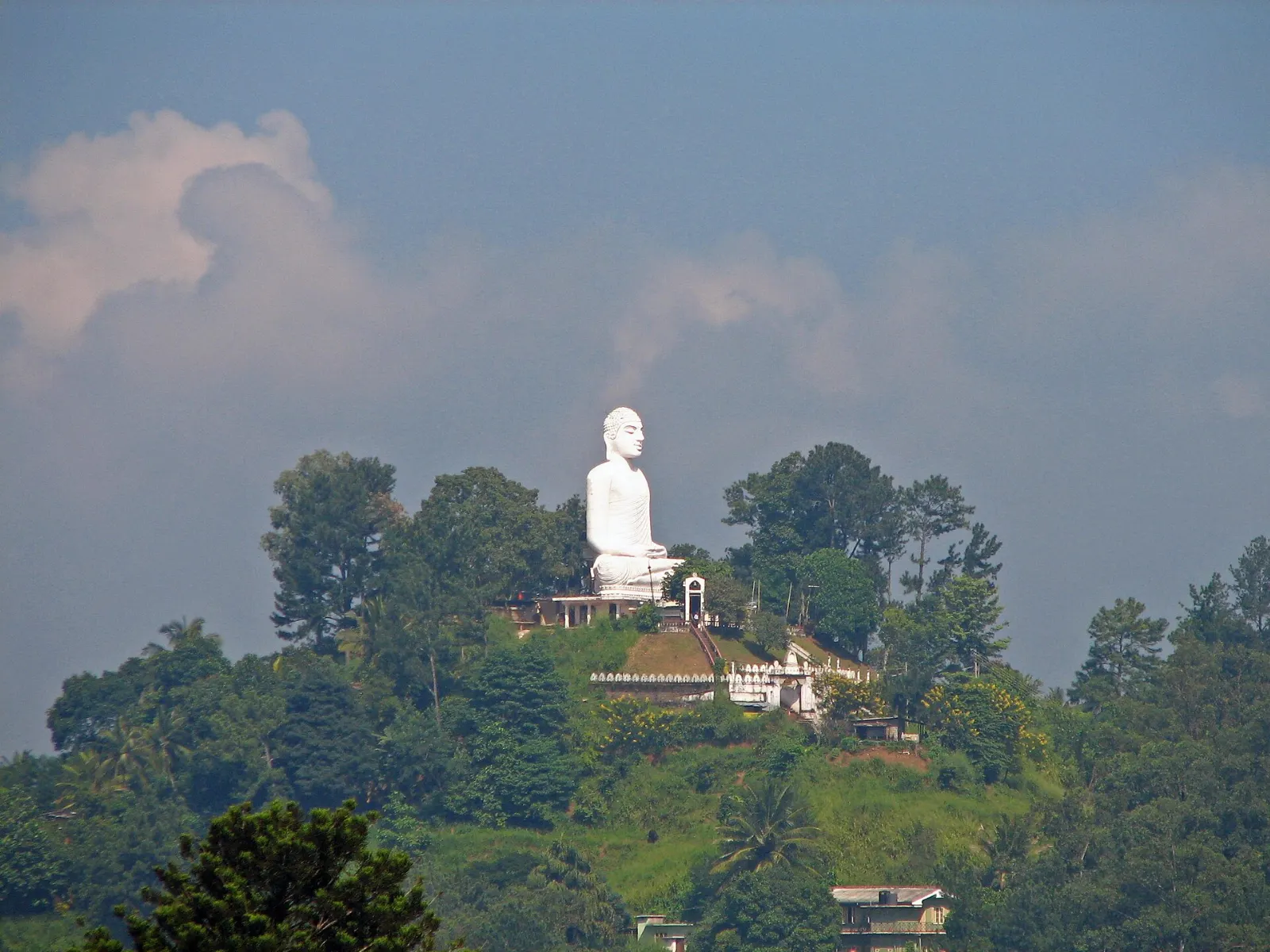
A large white Buddha statue sits on top of a hill west of the center and can be seen from much of the city. A short but steep climb or a tuk-tuk ride brings you to the temple at its base, where you can enjoy wide views over Kandy and its lake.
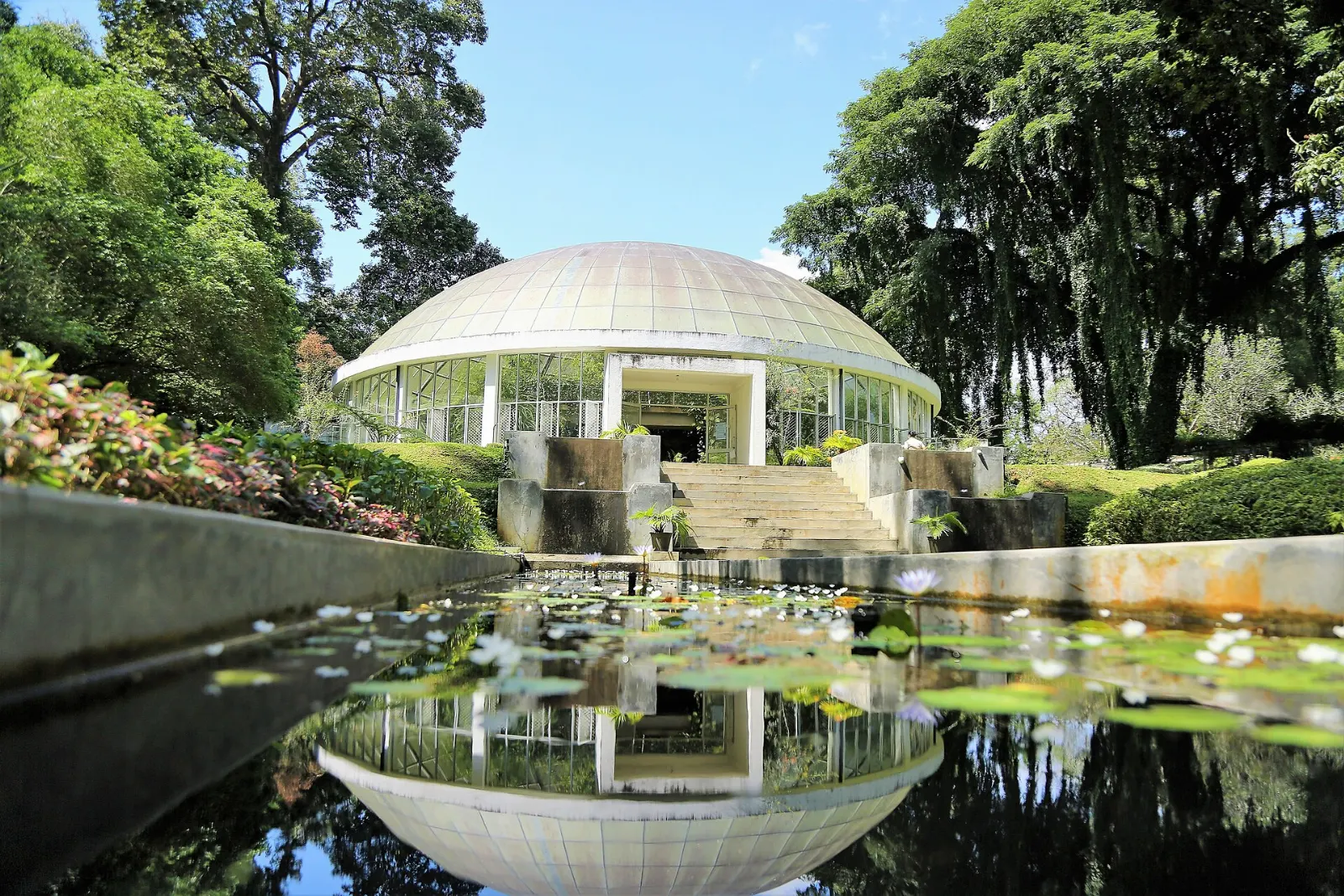
A few kilometers west of the center beside the Mahaweli River, Peradeniya is the largest botanical garden in Sri Lanka.
The Royal Botanical Gardens at Peradeniya are known for their palm avenues, orchid house and giant fig tree. Photo: Royal Botanic Gardens, Peradeniya, Wikimedia Commons, CC BY-SA 4.0
Ceylon Tea Museum
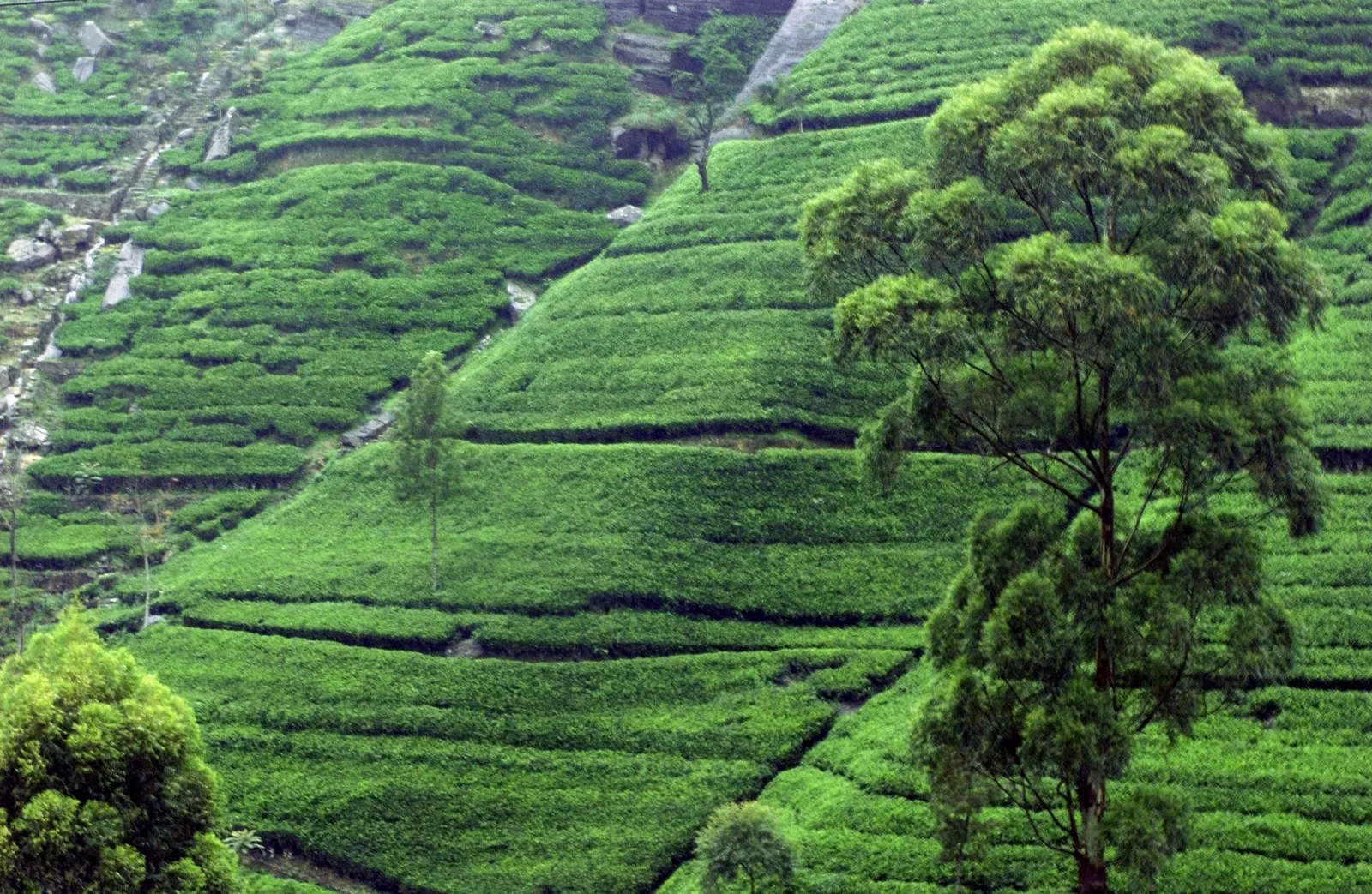
In the hills of the Hantana range south of Kandy, the Ceylon Tea Museum occupies a former tea factory and displays the machinery, history and pioneers of the island's tea industry, including James Taylor, who established the first commercial tea plantation in the 1860s.
The Ceylon Tea Museum occupies the former Hantane tea factory in the hills south of Kandy. Photo: Colby Otero from Brooklyn, USA, Wikimedia Commons, CC BY 2.0
Knuckles Mountain Range
Northeast of Kandy, the Knuckles Range is a rugged area of cloud forest, grassland and small villages that forms part of the Central Highlands World Heritage Site. Trails range from easy village walks to strenuous ridge treks, and many routes require permits and a registered guide.
The three temples loop
West of Kandy, three temples from the Gampola period of the fourteenth century can be visited in a half-day loop by tuk-tuk or car.
Embekke Devalaya
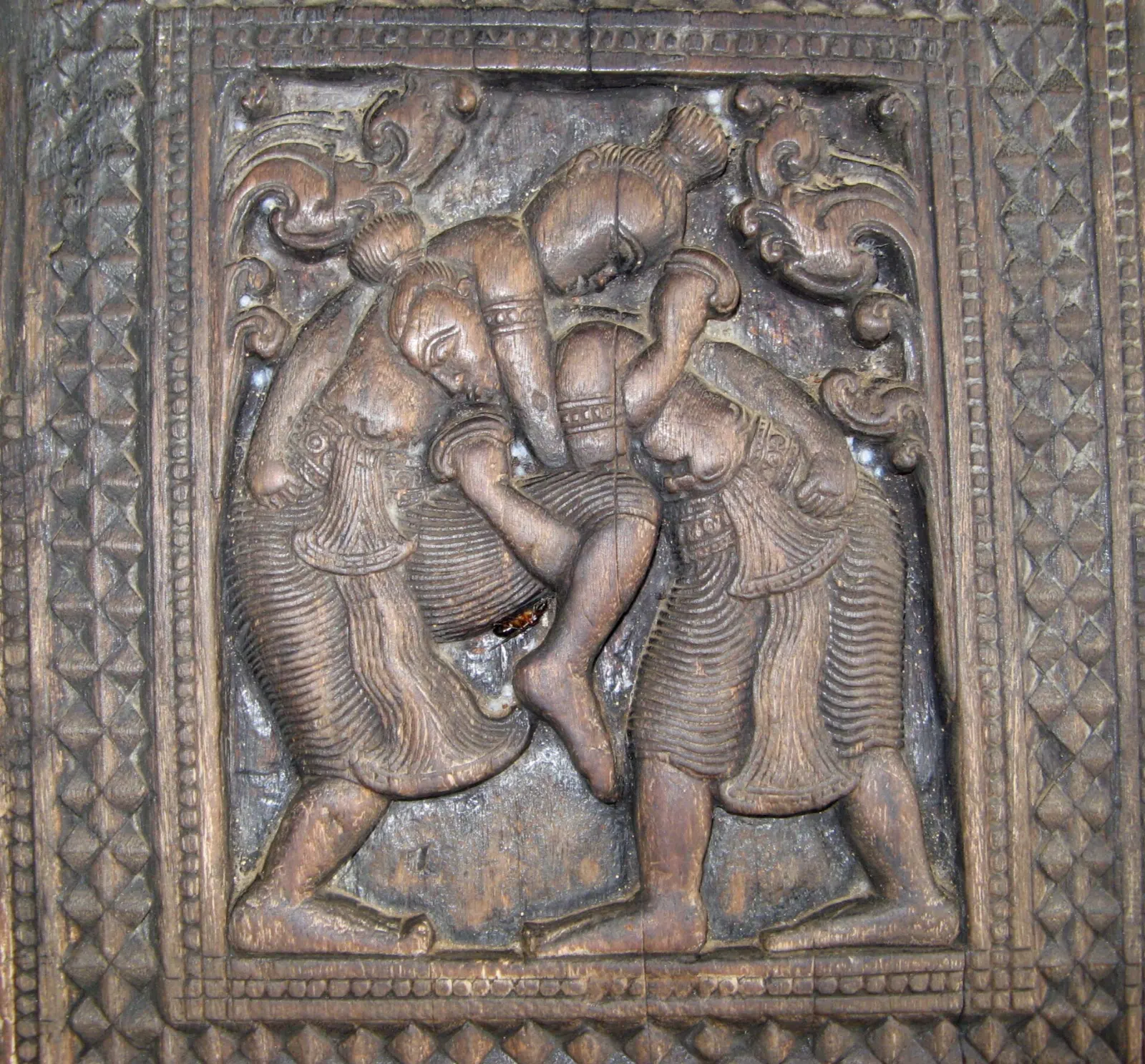
This shrine to the deity Kataragama is renowned for its drummers' hall, whose wooden pillars are covered with intricate carvings of dancers, wrestlers, mythical birds, double-headed eagles and lotus flowers.
Embekke Devalaya is famous for the detailed wood carvings on the pillars of its drummers' hall. Photo: Michael Gunther, Wikimedia Commons, CC BY-SA 4.0
Gadaladeniya Vihara
Built on a broad rock platform, this temple shows South Indian architectural influence in its stone image house.
Lankatilaka Vihara
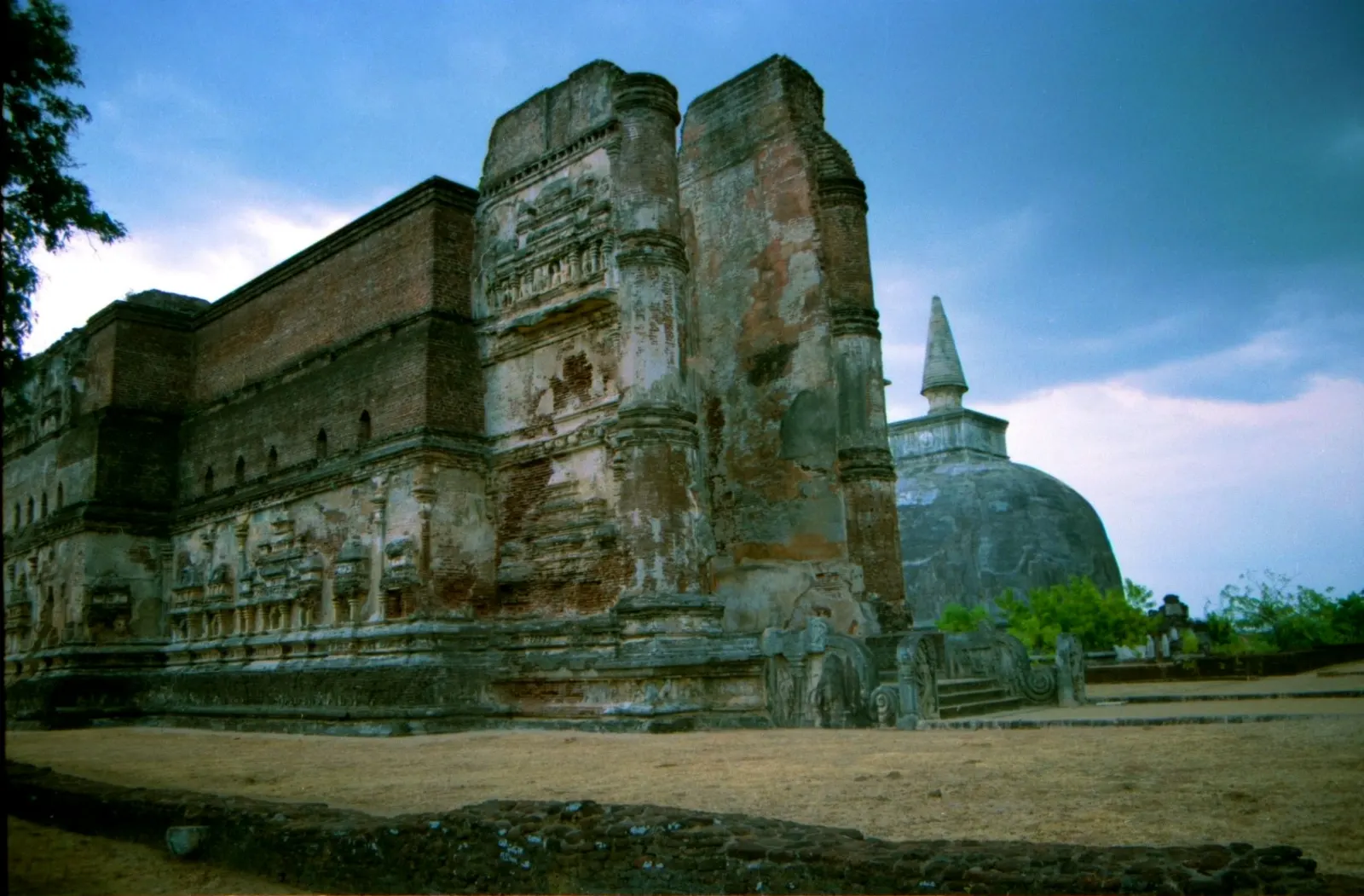
Standing on a rocky hilltop, Lankatilaka is a tall, whitewashed image house that combines Buddhist and Hindu shrines under one roof.
Lankatilaka Vihara, dating from the fourteenth century, stands on a rock outcrop west of Kandy. Photo: R Barraez D´Lucca, Wikimedia Commons, CC BY 2.0
Ad
Food and local flavors
The everyday meal in Kandy, as across Sri Lanka, is rice and curry: a plate of rice surrounded by several small curries of vegetables, dhal, fish or chicken, with coconut sambol and crisp papadams.
Try short eats, such as fish buns, vegetable rolls and patties, sold in bakeries and cafes around the center. Kandy's central market near the clock tower is the place to see tropical fruits, spices and vegetables piled high.
Popular dishes to try in Kandy
Rice and curry Food and local flavorsThe everyday meal in Kandy, as across Sri Lanka, is rice and curry: a plate of rice surrounded by several small curries of vegetables, dhal, fish or…Photo: https://onlybestrecipes.com/egg-curry-recipeegg-curry-recipe/, Wikimedia Commons, CC BY-SA 4.0Hoppers For breakfast or dinner look for hoppers, bowl-shaped crepes made from fermented rice flour and coconut milk, often with an egg cooked in the center, and string hoppers,…Photo: Honeplus, Wikimedia Commons, CC BY-SA 3.0Kottu In the evening, the rhythmic clatter of kottu roti being chopped on a hot griddle is a sound you will hear on many street corners.Photo: Chamal N, Wikimedia Commons, CC BY-SA 3.0
Where to stay
Around Kandy Lake: Staying near the lake puts you within walking distance of the temple, dance shows, the market and restaurants.
The hills above the lake: Guesthouses and small hotels on the slopes above the lake offer cooler air, quiet nights and views over the city.
Peradeniya and the western outskirts: Areas near the botanical gardens and the university are calmer and convenient for the three temples loop, suiting travelers with their own transport.
Where to stay in Kandy
Kandy Lake Where to stayAround Kandy Lake: Staying near the lake puts you within walking distance of the temple, dance shows, the market and restaurants.Photo: AntanO, Wikimedia Commons, CC BY-SA 4.0Temple of the Tooth One of the best areas to base yourself in Kandy.Photo: Pierre André Leclercq, Wikimedia Commons, CC BY-SA 4.0Knuckles Mountain Range One of the best areas to base yourself in Kandy.Photo: Patali, Wikimedia Commons, CC BY-SA 3.0Peradeniya Peradeniya and the western outskirts: Areas near the botanical gardens and the university are calmer and convenient for the three temples loop, suiting travelers with their own…Photo: Pierre André Leclercq, Wikimedia Commons, CC BY-SA 4.0
Ad
Best time to visit
Kandy is warm all year, with cooler evenings than the coast. The driest and most comfortable months are generally January to April.
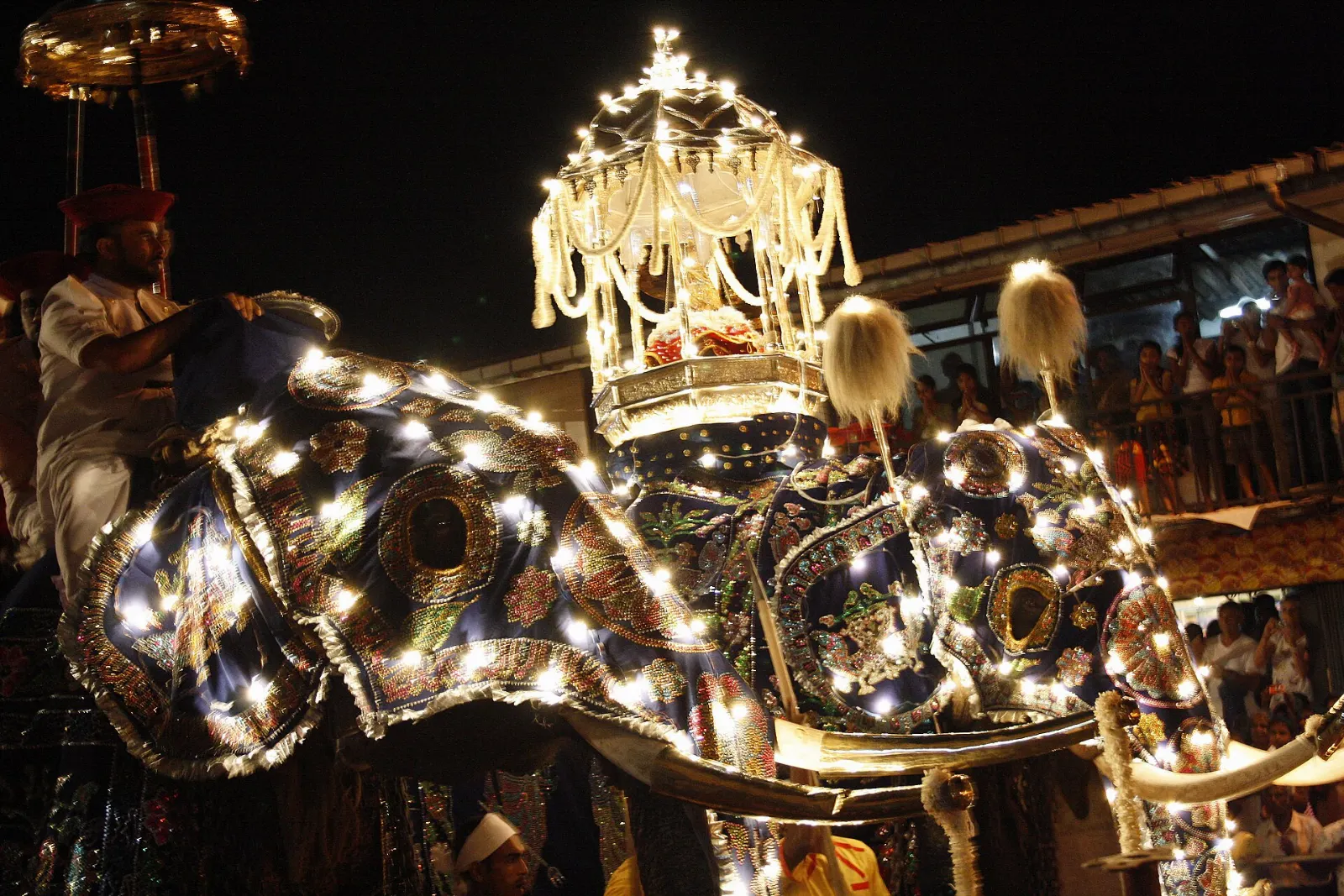
The Kandy Esala Perahera is held over about ten nights in July or August, ending on the Esala full moon. Processions of costumed elephants, drummers, dancers, whip-crackers and fire performers parade through the streets in honor of the tooth relic.
Richly costumed elephants lead the night processions of the Kandy Esala Perahera.Photo: Daniel Liabeuf, Wikimedia Commons, CC BY-SA 3.0
Getting there and getting around
Most international travelers arrive at Bandaranaike International Airport at Katunayake, north of Colombo.
The scenic railway between Colombo and Kandy was badly damaged by Cyclone Ditwah in late 2025, and repairs on the steep section through the hills were still underway in 2026.
Within Kandy, tuk-tuks are everywhere; use a metered tuk-tuk or a ride-hailing app such as PickMe, or agree on a fare before setting off.
Ad
A suggested itinerary
First day
Start with a morning walk around Kandy Lake, then explore the Udawattakele Forest Reserve before the heat builds.
Second day
Spend the morning at the Royal Botanical Gardens in Peradeniya.
Third day
Head into the hills for the Ceylon Tea Museum and a working tea factory, or take a guided day hike in the Knuckles Range.
Practical tips
Wear clothing that covers your shoulders and knees at temples; white or light colors are appreciated at the Temple of the Tooth.
Never pose for photos with your back to a Buddha image, and keep any tattoos of the Buddha covered, as they can cause serious offense.
Leave shoes at the temple shoe stalls and wear socks in the midday heat, since stone floors get very hot.
Book accommodation and seats well ahead if you plan to see the Esala Perahera.
Check Sri Lanka Railways for the latest status of the Colombo to Kandy line before planning a train trip.
Carry small notes in Sri Lankan rupees for tuk-tuks, temple donations and markets.
Keep bags closed and food hidden around monkeys in Udawattakele and at hill temples.