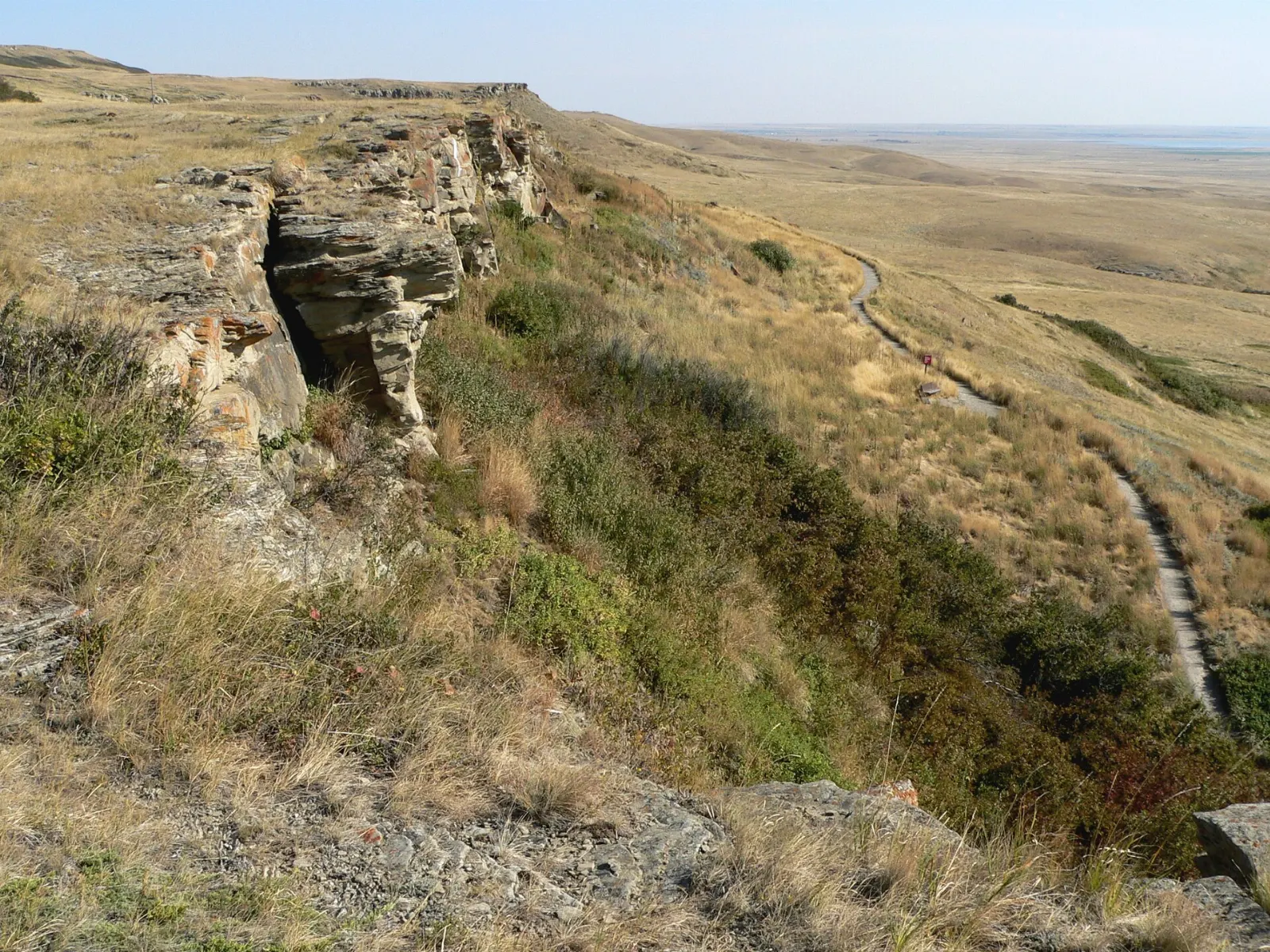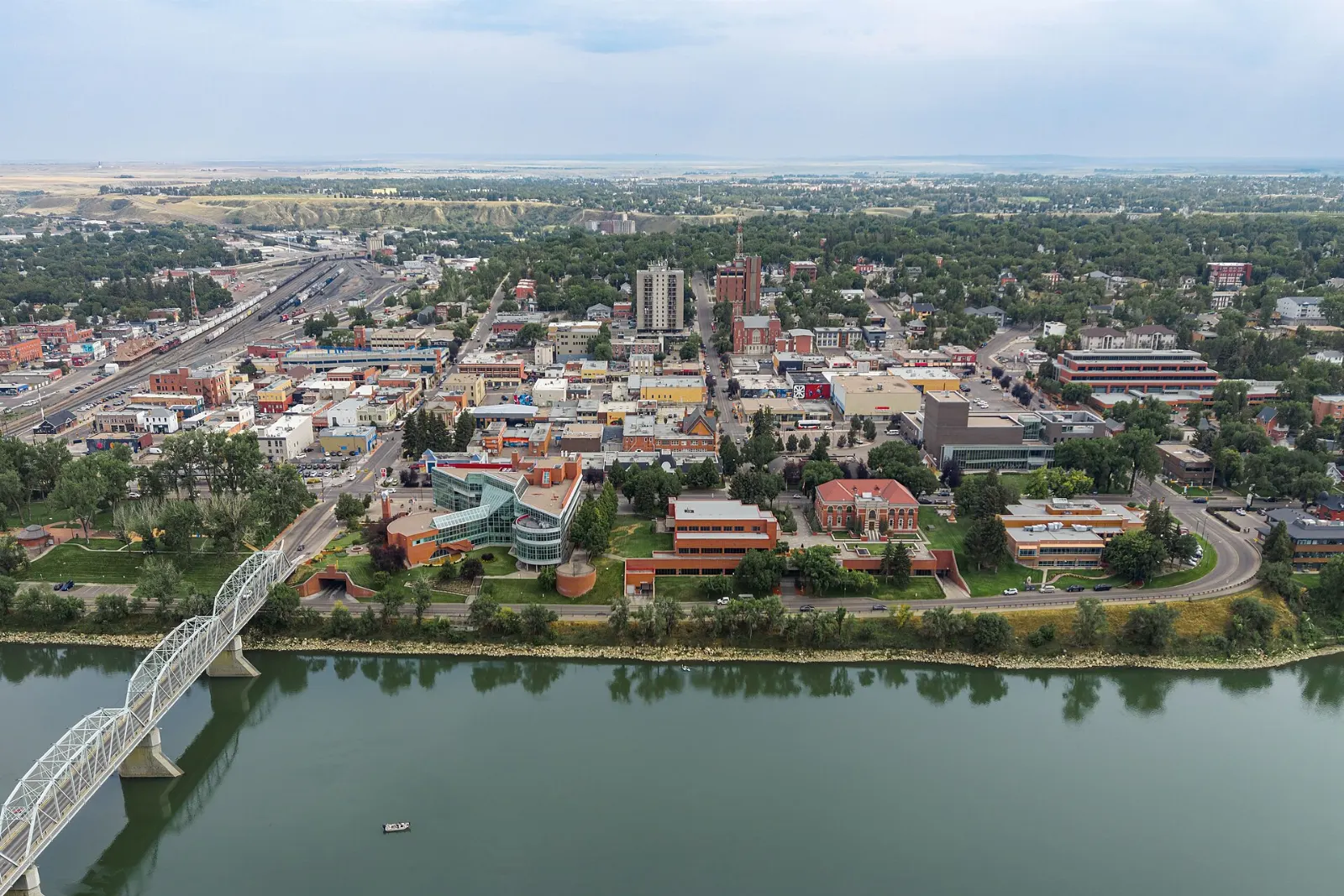
Lethbridge is a calm, friendly prairie city in southern Alberta, built around the deep coulees of the Oldman River. It surprises visitors with a traditional Japanese garden, one of the longest railway trestle bridges anywhere, a replica whisky fort and miles of trails with big-sky views.
AT A GLANCE
Best time
Late May to September for gardens and festivals, with mild winters thanks to Chinook winds.
How long
A weekend covers the highlights, and a third day adds the surrounding countryside.
Getting there
About 215 kilometres southeast of Calgary by road, or by FlixBus or Ebus.
Why visit Lethbridge
The city grew from coal mining in the late 1800s and became the commercial heart of southern Alberta. The Blackfoot people lived here long before, and the area was also the site of Fort Whoop-Up, a notorious whisky trading post.
Wartime history added Japanese Canadian and German influences, which blend with Ukrainian, Dutch, Mormon, Indigenous and Hutterite cultures. The result is a welcoming small city with surprising variety.
The setting matters too. The Oldman River has carved a valley of eroded coulees through the prairie, and the city sits at about 929 metres above sea level, close enough to the Rockies to enjoy cooler summers than much of the Prairies.
Gardens and culture downtown
Nikka Yuko Japanese Garden
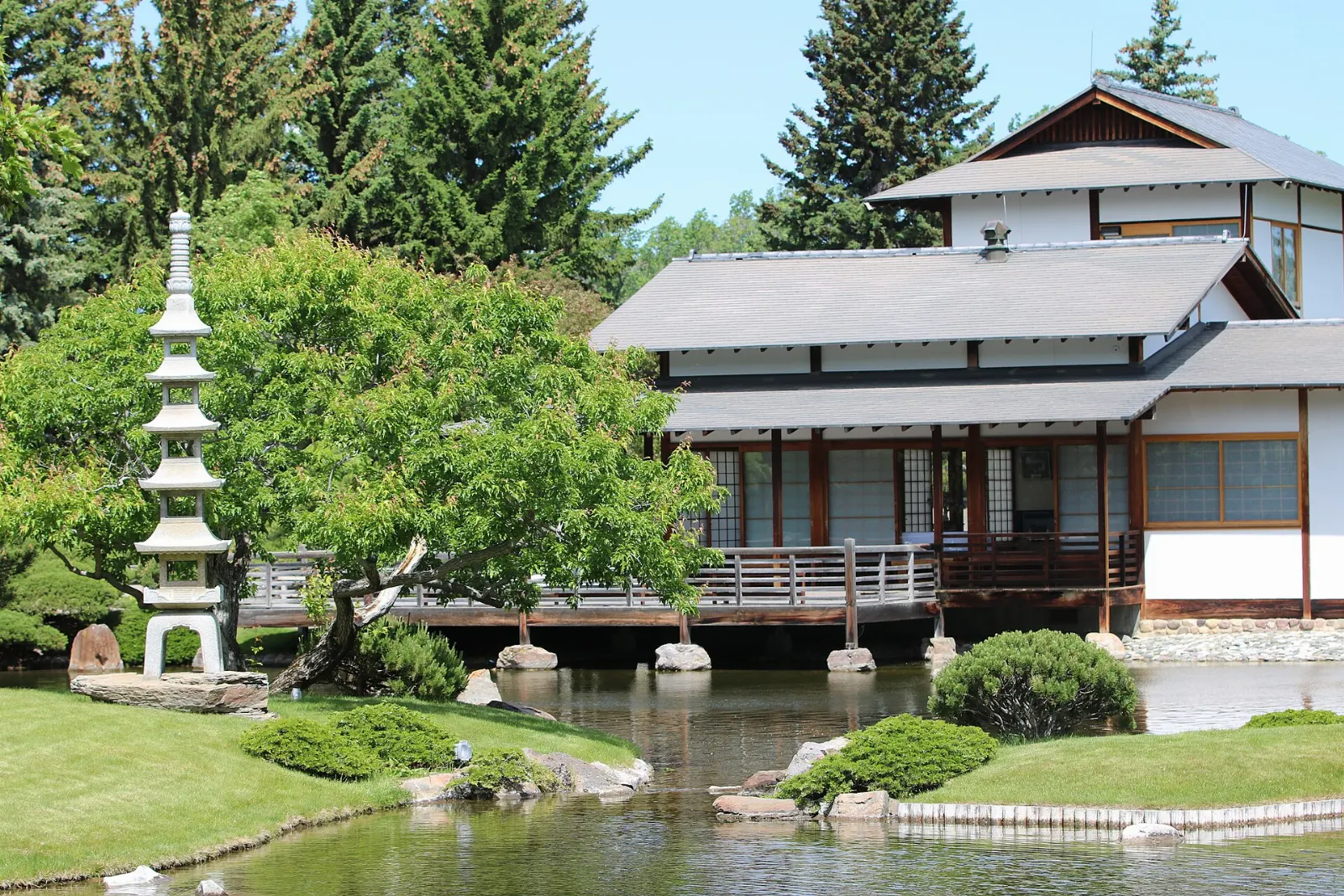
This traditional Japanese garden sits beside Henderson Lake and was designed by two professors from Osaka. The pavilion, shelter, bridges and gates were built in Kyoto and reassembled here by five artisans.
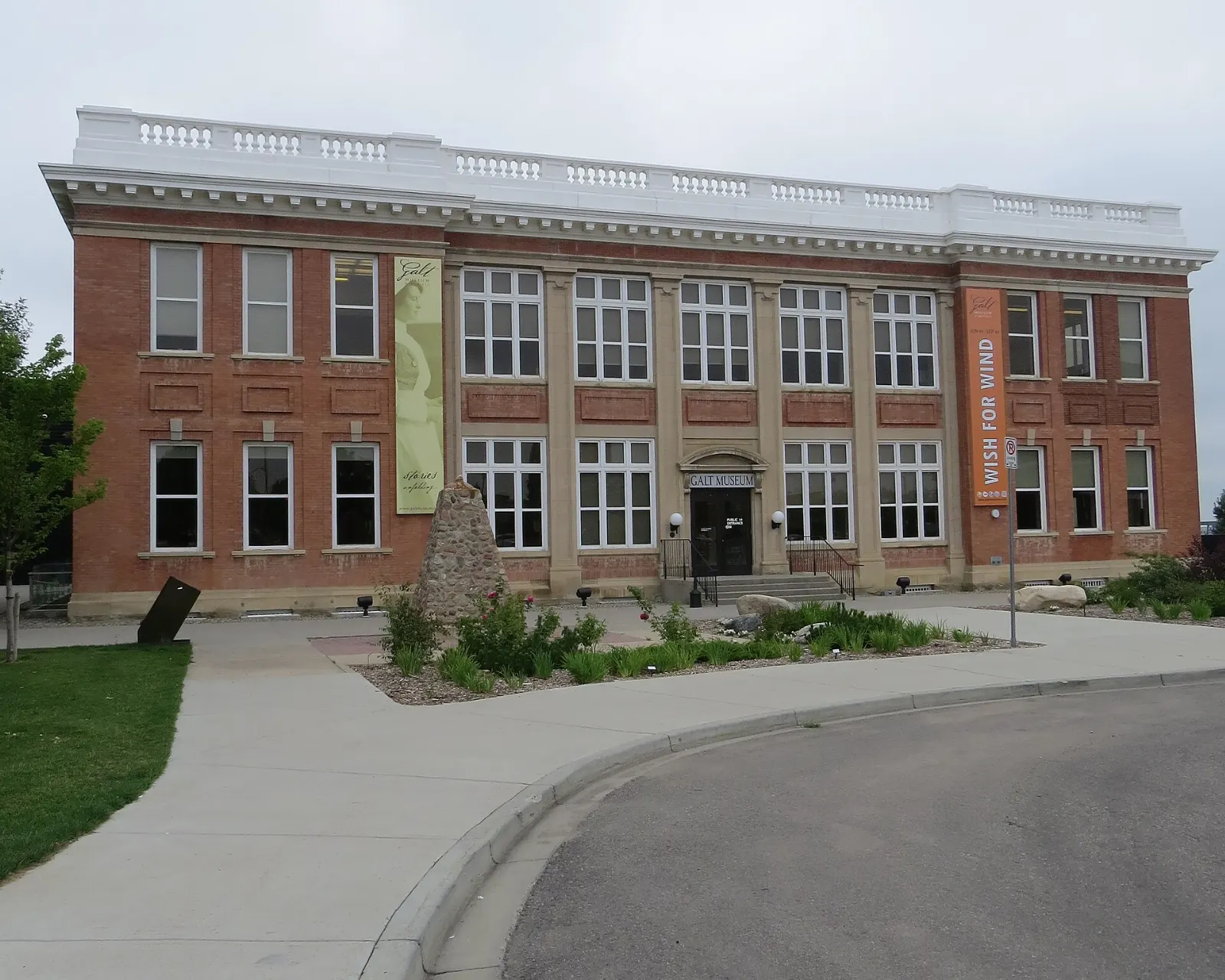
Galt Museum and Archives
The museum, built as a hospital, tells the story of Lethbridge and southern Alberta through exhibits on coal mining, Indigenous history and early settlers.
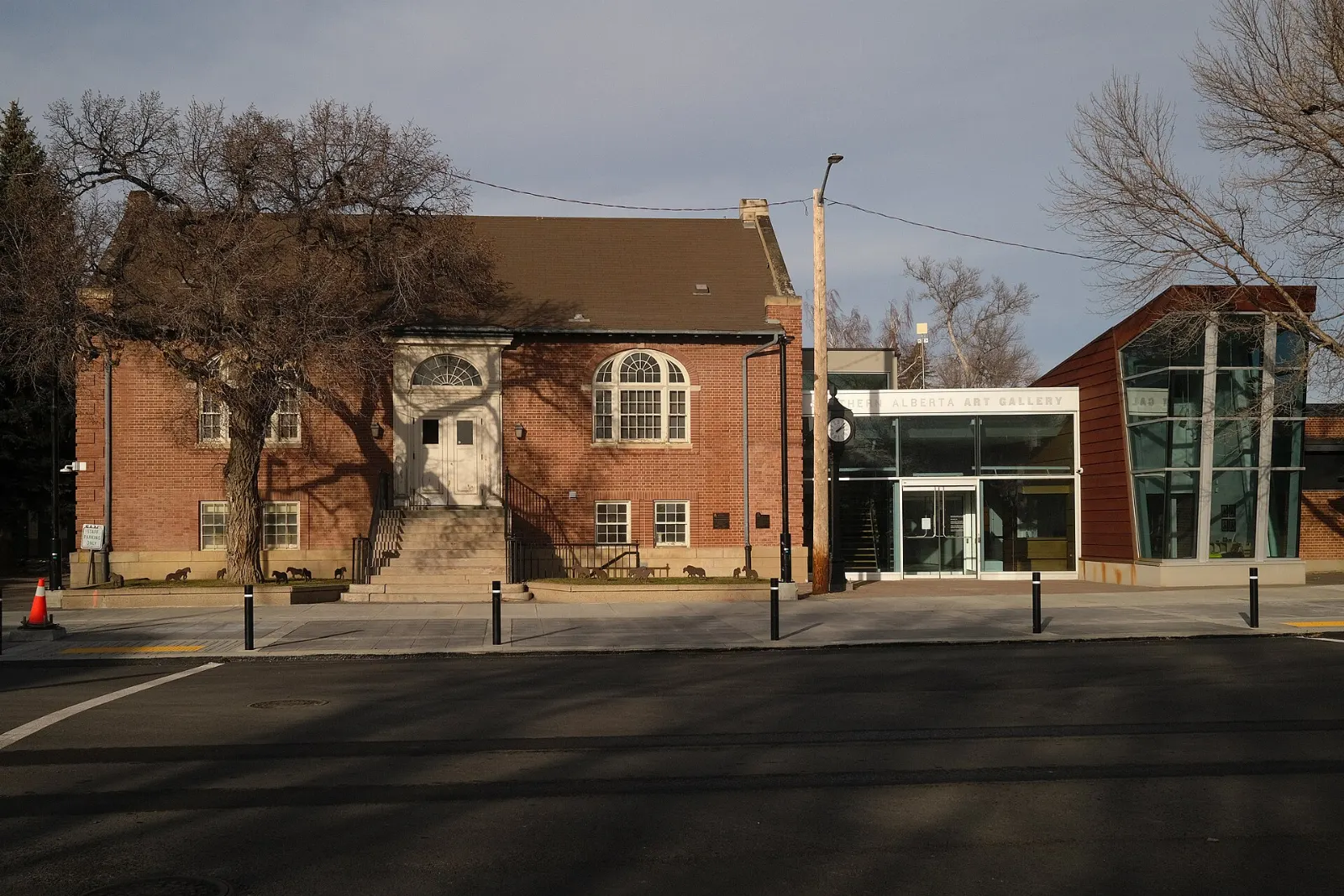
Southern Alberta Art Gallery
The gallery shows work from local contemporary artists and is surrounded by Galt Gardens, a downtown park. It makes a good pairing with a stroll along the shopping streets.
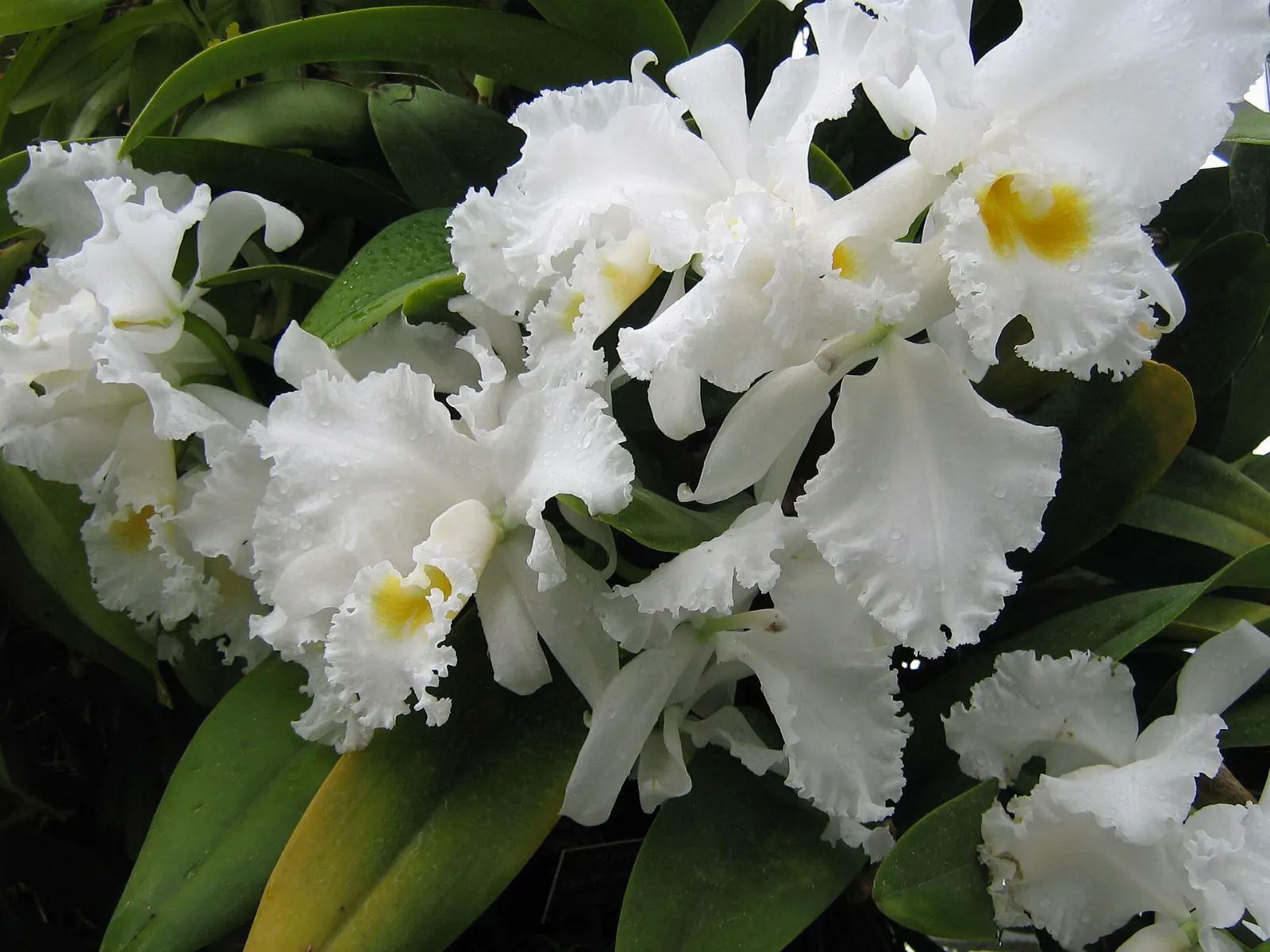
Brewery Gardens
These ornamental flower gardens change with the season or a current event, and they look best in summer. You cannot walk through them, but you can admire the colors from the edge.
The coulees and river valley
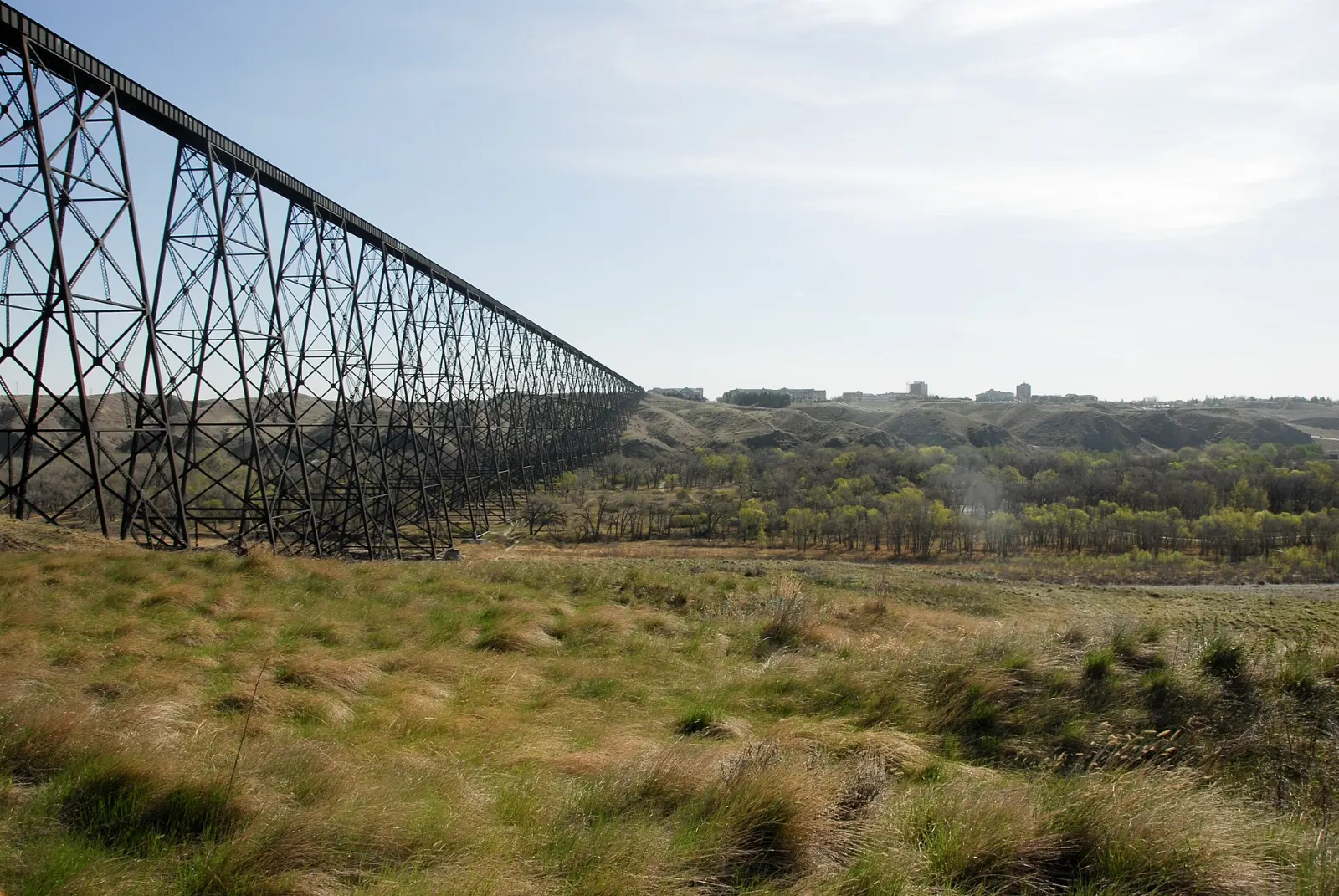
High Level Bridge
The Lethbridge Viaduct is one of the city's best known landmarks. Built in 1908 and 1909, it crosses the coulees at about 1.6 kilometres long and 96 metres high, and trains still use it every day.
Fort Whoop-Up
This near-exact replica of the original whisky fort stands in Indian Battle Park. In the 1870s, American traders sold illegal whisky here, with harmful effects on the Blackfoot, and the trade helped prompt the creation of the North-West Mounted Police.
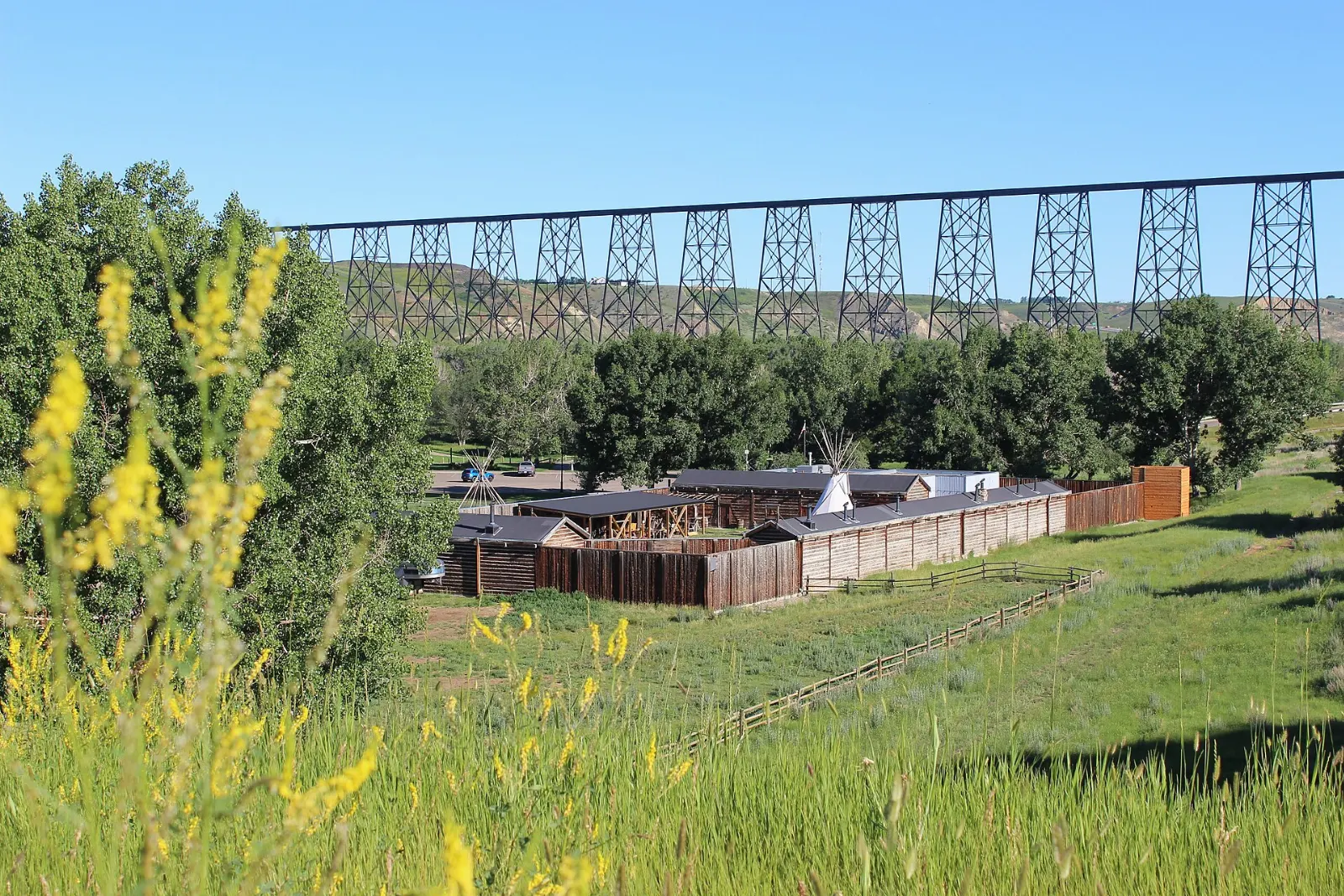
Indian Battle Park
The park is part of the Oldman River valley park system, one of the largest urban park systems in North America.
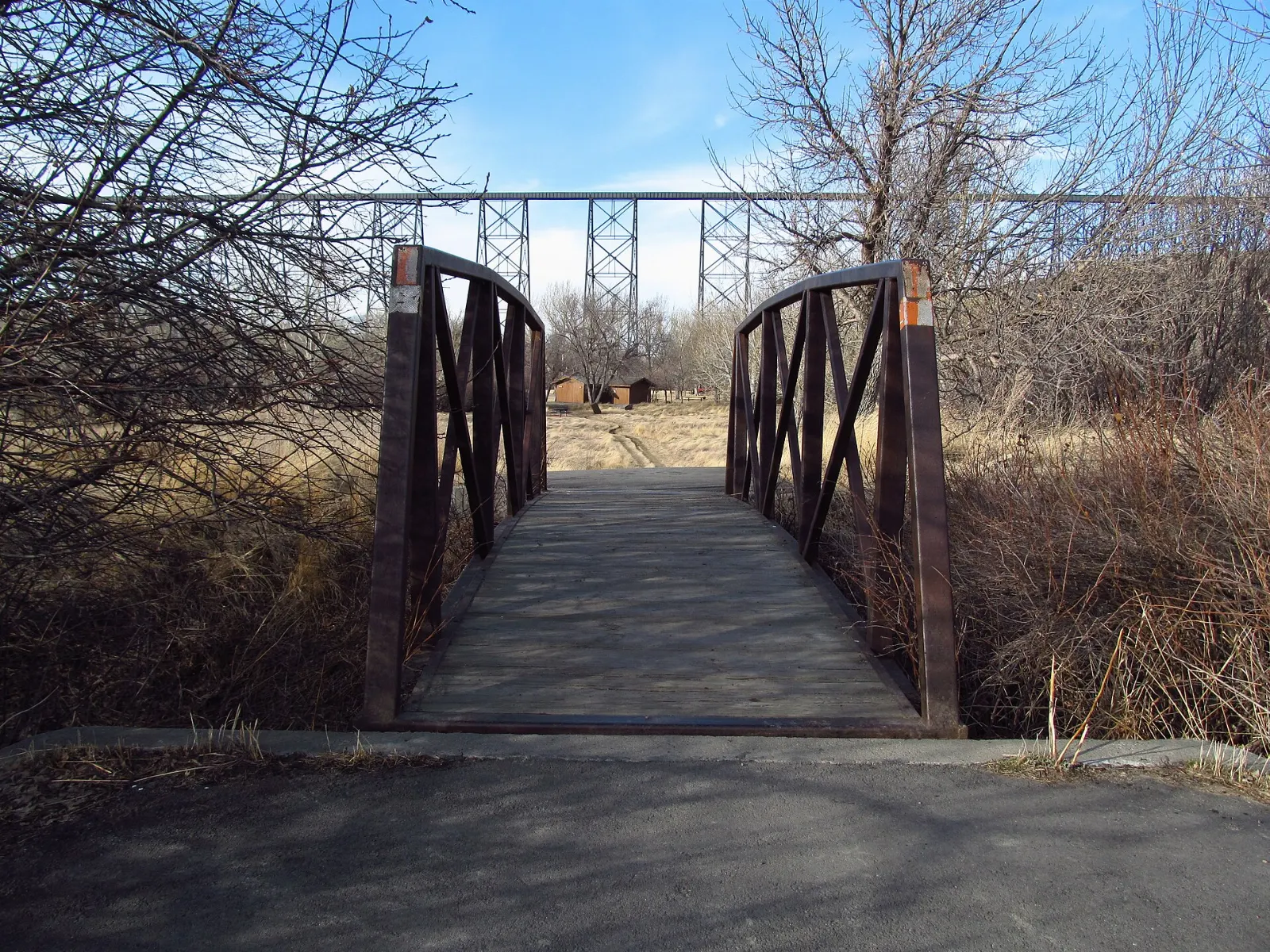
Helen Schuler Nature Centre
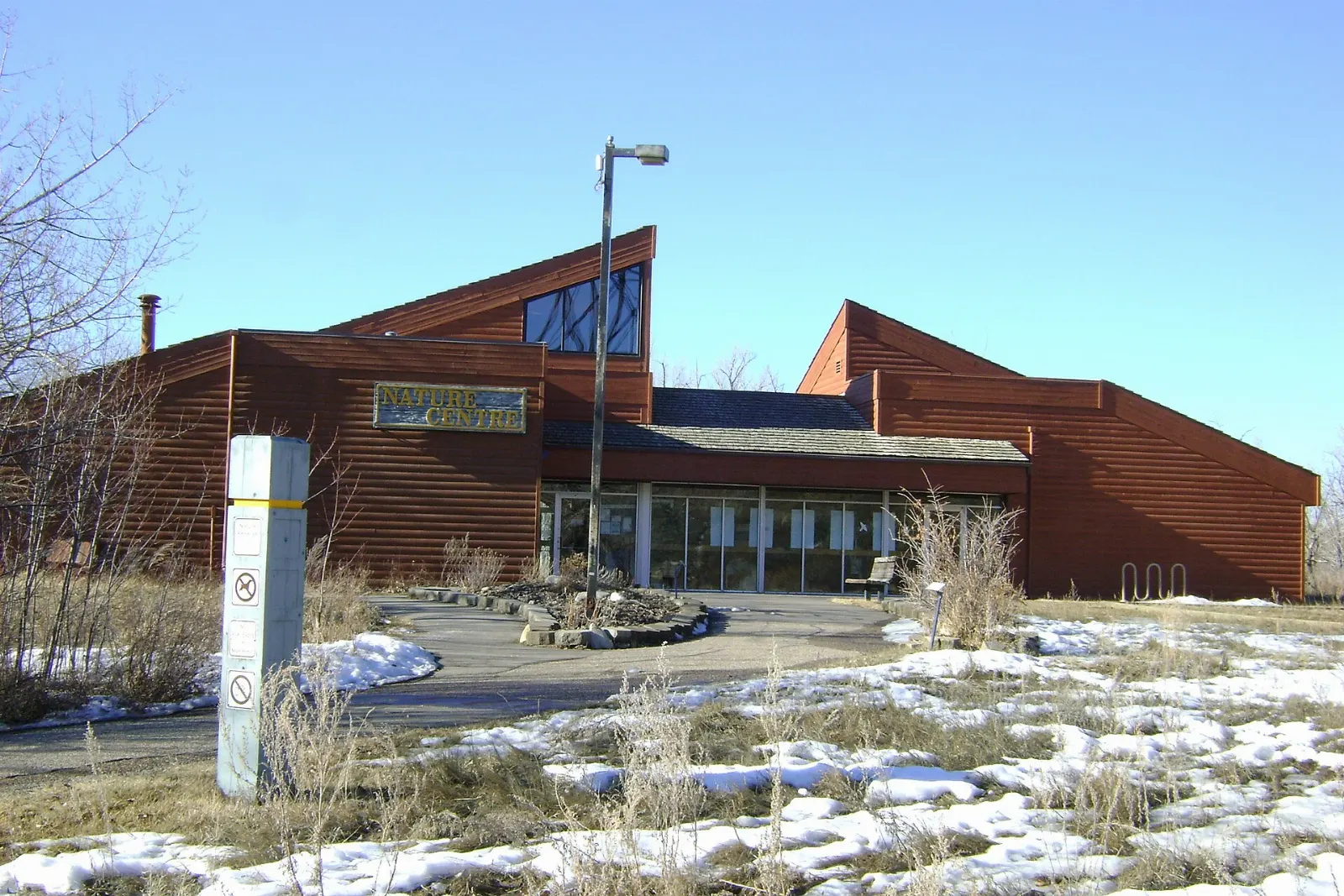
This small centre has displays on the coulee ecosystem and books guided walks into the valley. It is especially good for families with children.
 Planning a trip to Lethbridge?Compare hotels, flights and vacation rentals for Lethbridge on Expedia.Book now
Parks, trails and events
Henderson Lake Park
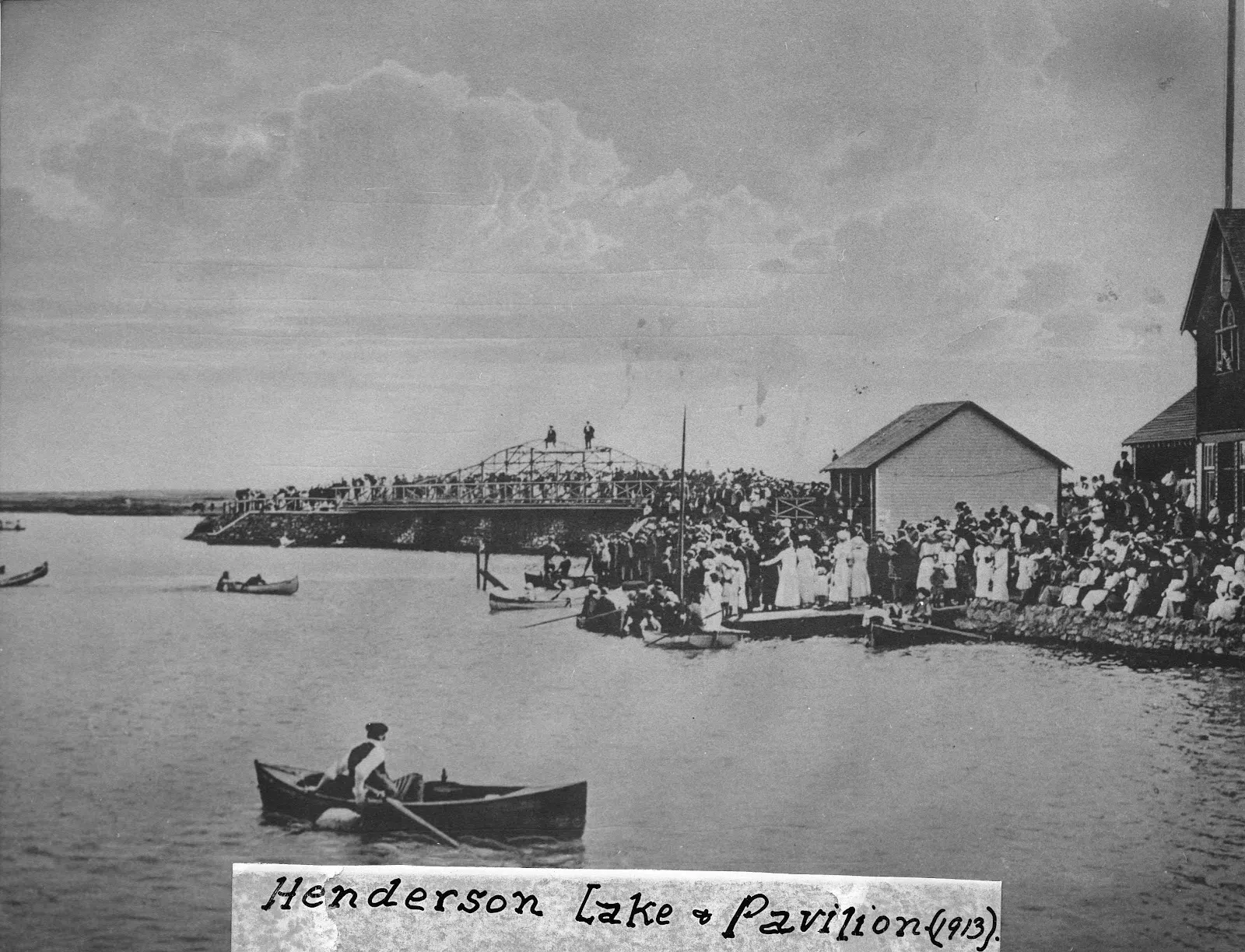
The park around Henderson Lake has paths for walking and cycling beside the Japanese garden and the exhibition grounds. It is a pleasant place for a picnic after the garden.
Popson Park and other trails
Lethbridge has many more places for a hike, including Popson Park, Alexander Wilderness Park and Nicholas Sheran Park. The terrain is open prairie and coulee, so there is little shade, and wind can be strong.
Whoop-Up Days
Held in the last full week of August, this five-day exhibition and rodeo includes a parade, concerts, bull riding and a midway. Pancake breakfasts and barbecues pop up around the city.
Downtown shopping
Downtown Lethbridge has many locally owned shops selling clothing, gifts and everyday goods, and it is a good place to spend a few unhurried hours between sights.
Food and local flavors
Lethbridge sits in cattle country, so Alberta beef is a staple on steakhouse menus. Ginger beef, a deep-fried beef dish in a sweet, tangy sauce, is a signature Albertan version of Chinese-Canadian cooking, and the city has long-running Chinese restaurants, including one open since 1942. Saskatoon berry pie is a prairie classic made with a native purple berry, and it appears in bakeries and cafes.
Popular dishes to try in Lethbridge


Where to stay
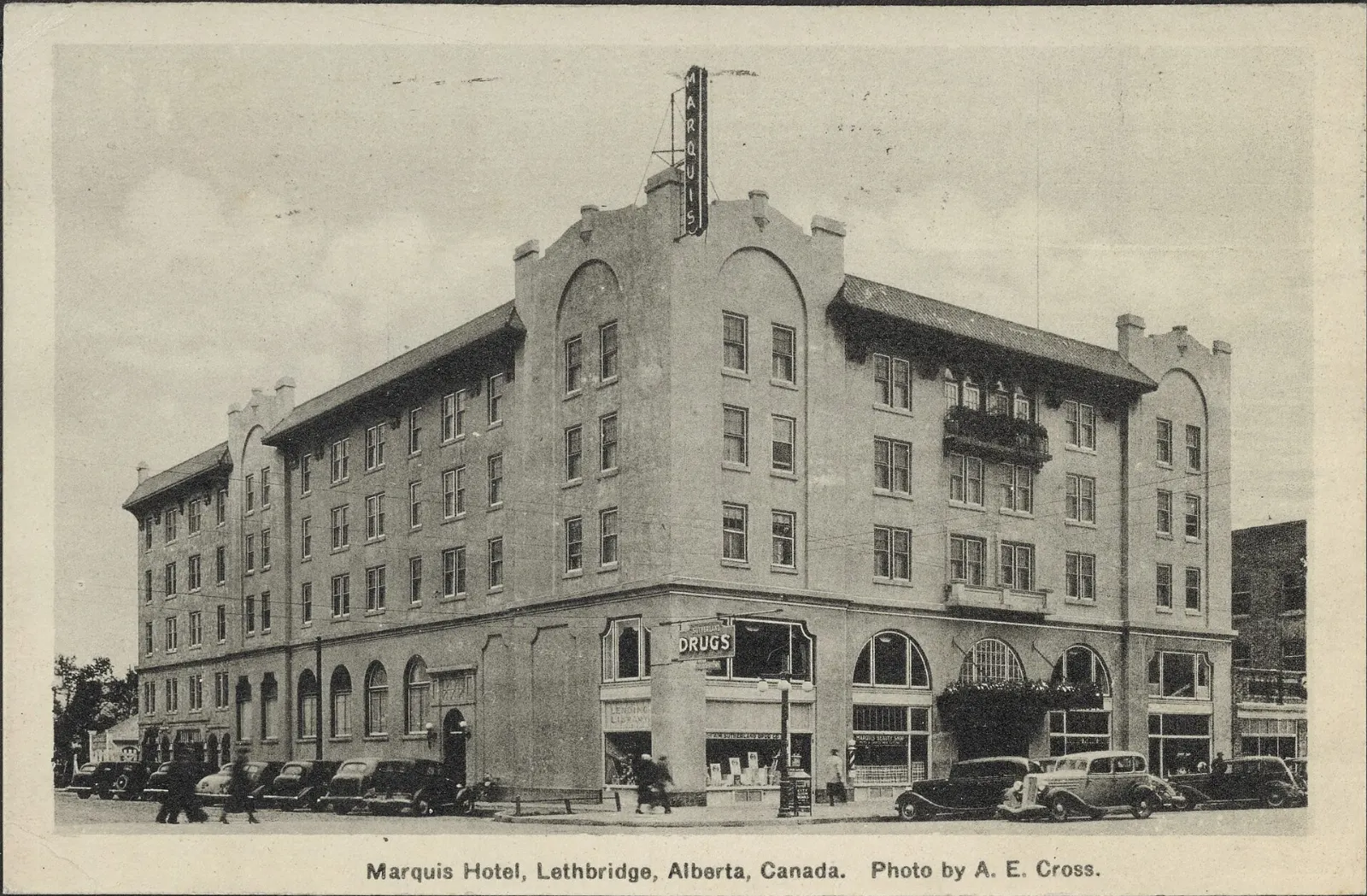
Lethbridge is divided into north, south and west areas by the Oldman River and the railway. Downtown Lethbridge puts you near the Galt Museum, shops, restaurants and the coulee trails, and suits visitors who want to explore on foot.
South Lethbridge is the commercial heart of the city, with most retail and hospitality, and works well for drivers who want easy parking and quick road access.
Where to stay in Lethbridge


Best time to visit
Lethbridge has a semi-arid climate with warm summers and some of the mildest winters on the Prairies, helped by Chinook winds. Late May to September is best for gardens, trails and events.
Wind is a feature year round, so bring a light jacket even in July. Whoop-Up Days in late August brings crowds and a festive mood.
Getting there and getting around
Lethbridge lies about 215 kilometres southeast of Calgary. Highway 3, the Crowsnest Highway, runs through the city, and Highway 2 and Highway 4 link it to Calgary and the Montana border.
A car is the easiest way around because the main sights are spread across the city. Lethbridge Transit has 16 routes, and walking works well downtown and along the coulee trails.
A suggested itinerary
First day
Start at the Galt Museum, walk into the coulees, then see the High Level Bridge and Fort Whoop-Up. Have lunch downtown, then spend the afternoon at the Nikka Yuko Japanese Garden and Henderson Lake.
Second day
Visit the Helen Schuler Nature Centre in the morning for a guided walk, then explore Popson Park or Alexander Wilderness Park.
Practical tips
- Pack layers and a windbreaker, since wind is common in every season.
- Check seasonal opening dates for Nikka Yuko and Fort Whoop-Up before you go.
- Wear sturdy shoes for the coulee trails, which have steep slopes.
- Carry water and sunscreen on open prairie walks.
- Watch for school-zone signs and photo radar when driving.
- Book lodging early for Whoop-Up Days in late August.