Kouchibouguac National Park spans 238 square kilometres of the Northumberland Strait coast in eastern New Brunswick, and its mix of barrier islands, long dunes, lagoons, salt marshes, bogs and forest gives it a calm, wide-open feeling. You come for the beaches, the birds, the seals and the quiet waterways, and you leave knowing more about the Acadian and Mi'kmaq people whose story runs through the land.
AT A GLANCE
Best time
July and August are peak season for beach days, and spring and autumn are quieter.
How long
Plan two days in the park plus a day for nearby Acadian towns.
Getting there
The park is about an hour by car north of Moncton, with no public transit into it.
Why visit Kouchibouguac National Park
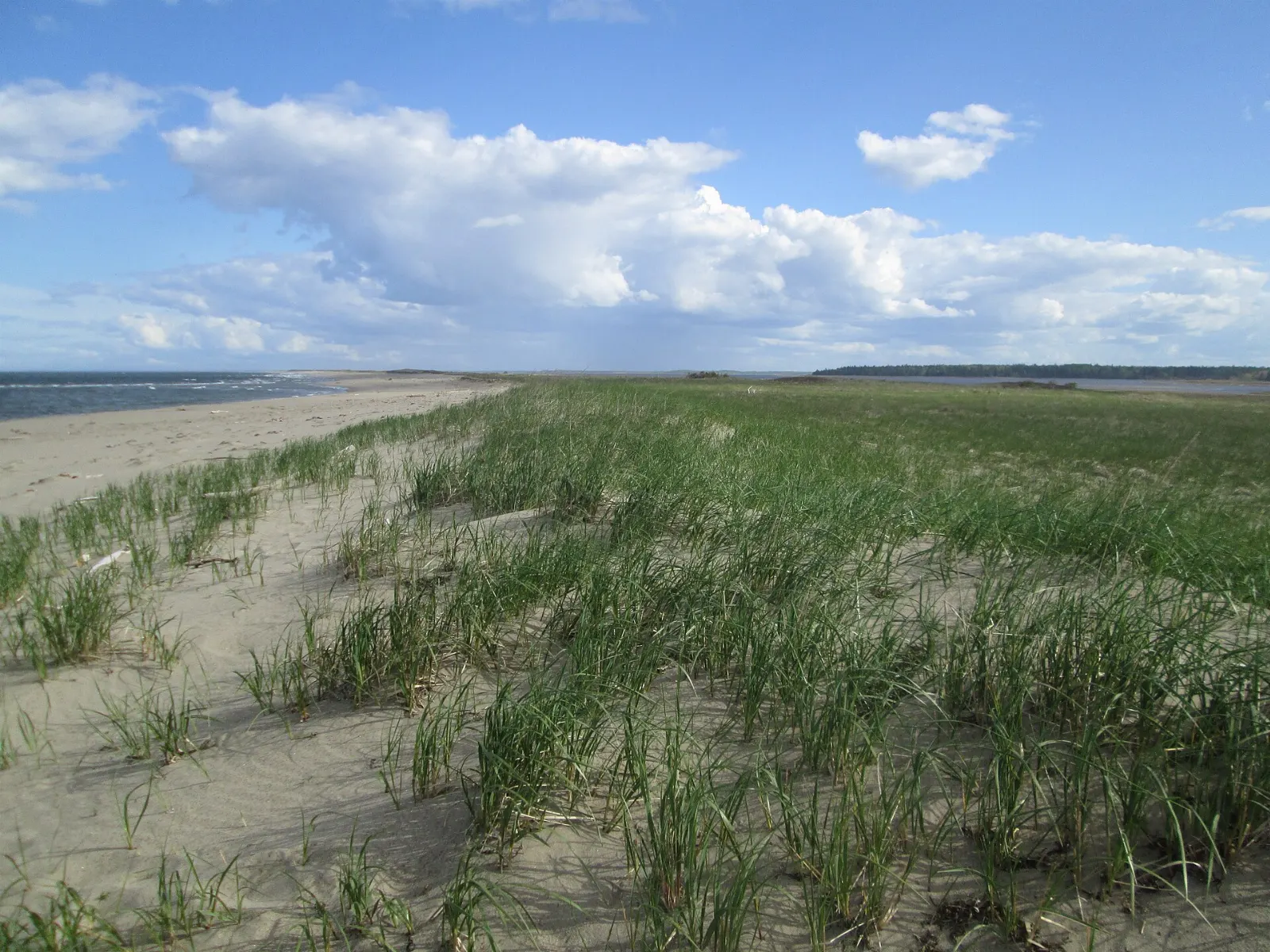
This is a park built around water and sand. It was established in 1969 to protect sensitive dunes and bogs, and today it shelters about 50 species protected under Canada's Species at Risk Act, including the endangered piping plover and the second largest tern colony in North America. Harbour and grey seals gather along its 25 kilometres of dunes.
The name comes from the Mi'kmaq word for the river of the long tides. The park also carries a painful history, because about 215 families in seven Acadian and other communities were moved out when it was created. Learning that story gives the beautiful setting more depth.
The scenery rewards slow travel. Plan to walk, cycle or paddle rather than rush from one viewpoint to the next, and you will notice the details: terns working the shoreline, seals hauled out on the sand, and the wide skies over the lagoons. Families, birdwatchers, cyclists and photographers will all find something to do here.
The best places to visit inside the park
Visitor Centre
Begin at the visitor centre, where a permanent exhibit tells the story of the former residents who were removed to create the park. It is a good place to pick up trail information and ask about interpretation programs, including seal watching and talks on Mi'kmaq governance. Allow an hour to see the exhibit and plan your days.
Kelly's Beach
Kelly's Beach is the best known spot in the park, a very long sand dune with a wide beach beside the shallow strait. It is the place for swimming, walking and watching the light change over the water. Bring shoes for the boardwalk and plan at least half a day in warm weather.
Kouchibouguac River
The Kouchibouguac River suits a slow paddle, and the park offers river trips in a voyageur-style canoe. Moving quietly on the water is also the best way to spot birds such as osprey and bald eagles. Reserve guided outings in advance in summer.
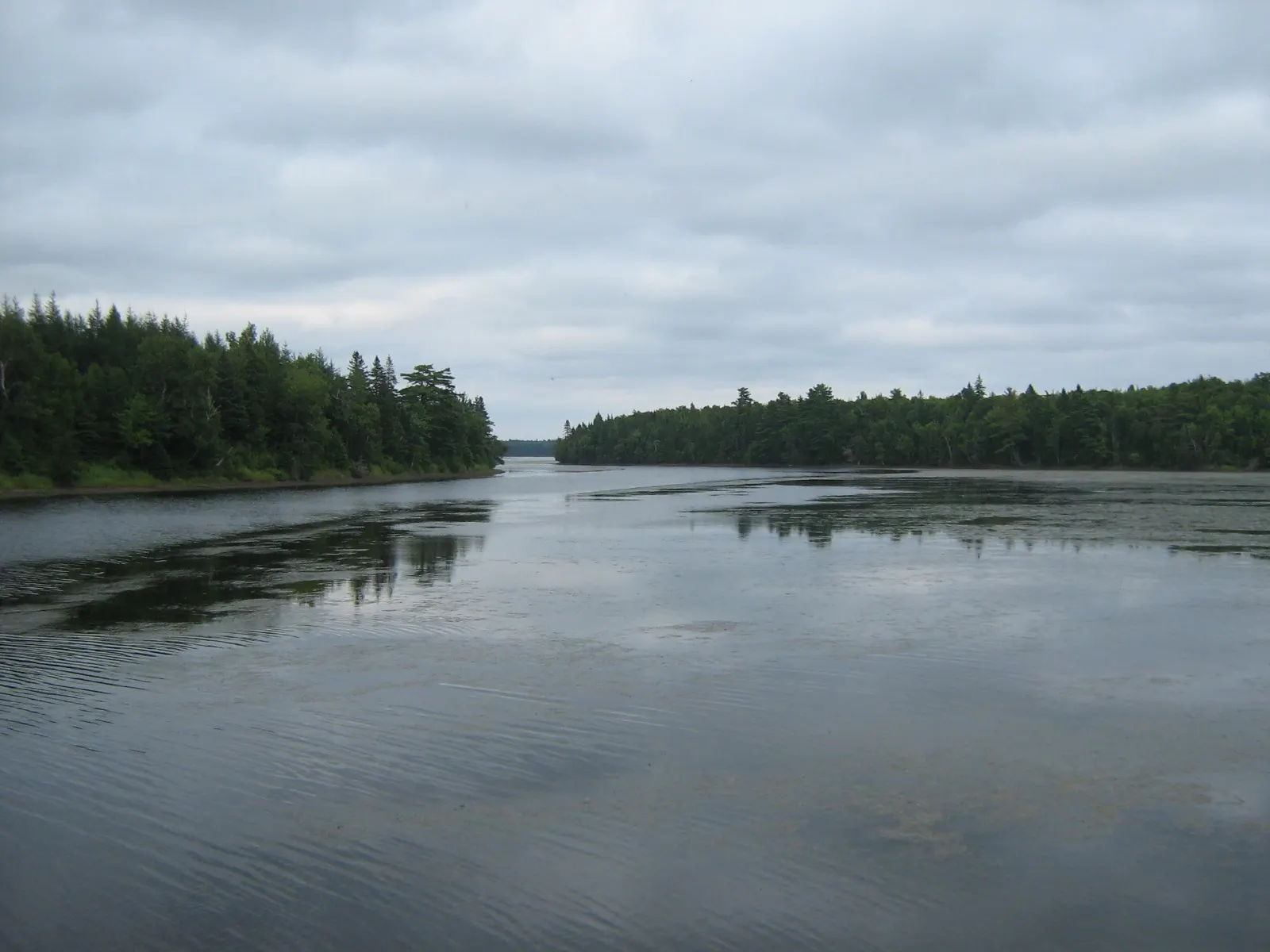
Cap-St-Louis
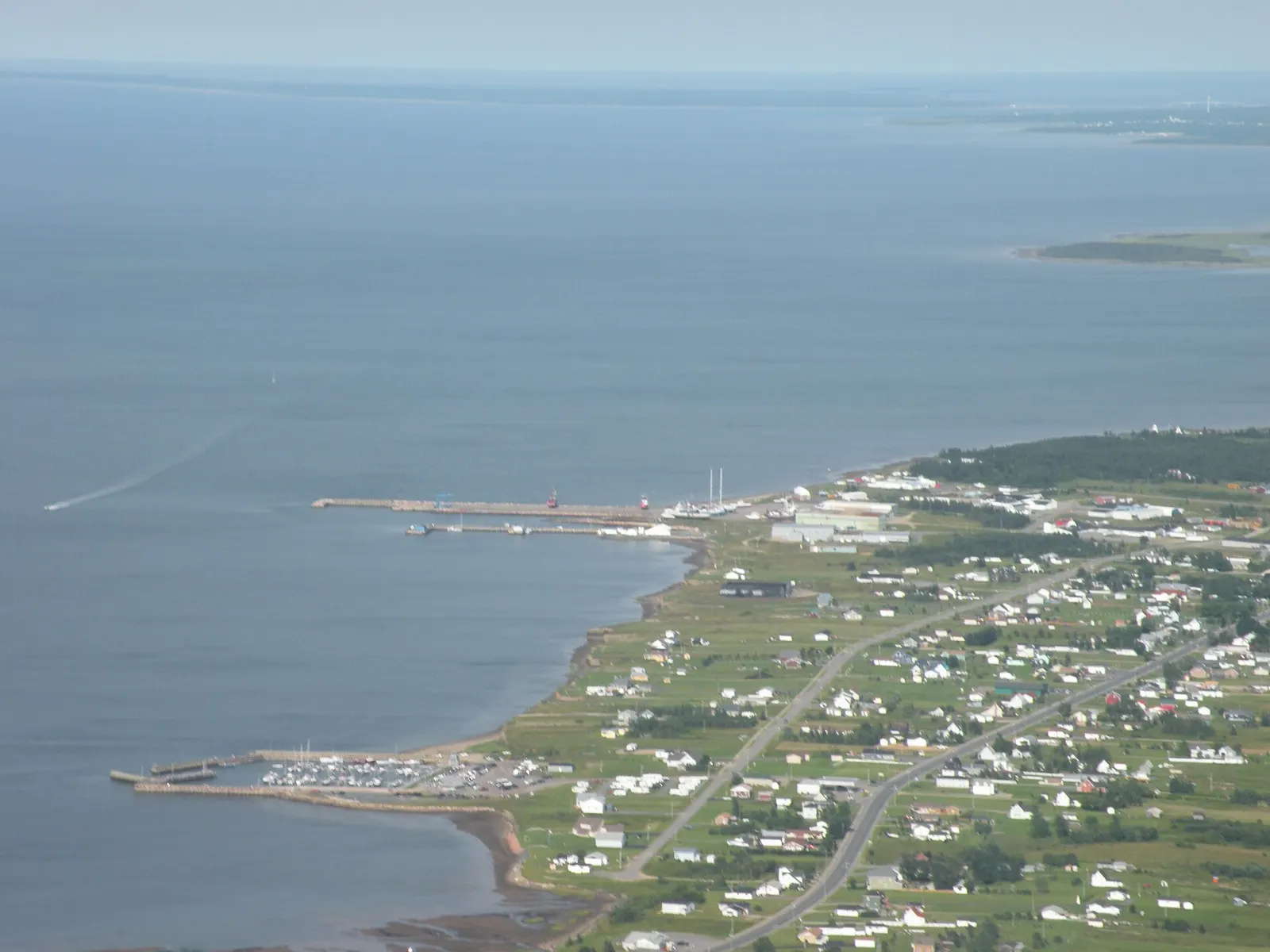
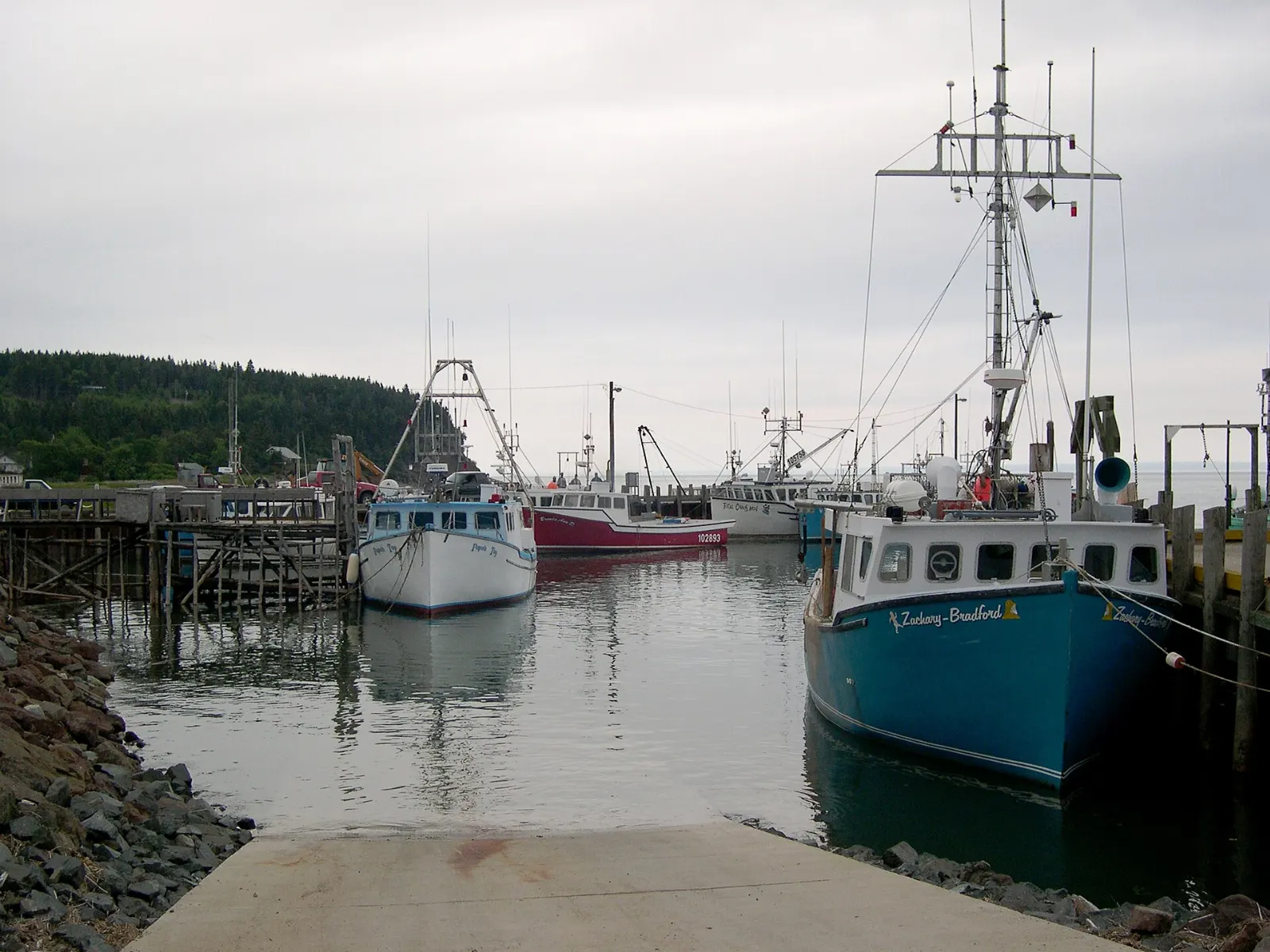
Cap-St-Louis is a working fishing port inside the park, and it gives a glimpse of the coastal life that continues around the edges of the protected land. Stand on the wharf and watch the boats come and go. It is a short stop, perfect between a beach visit and dinner.
Bogs and boardwalk trail
One of the park's boardwalk trails crosses wetland and peat bog, and eight hiking trails in total let you explore forest, marsh and shore. Pick a short loop if you are travelling with children. Wear insect repellent in summer, because the wetlands are home to plenty of insects.
Barrier islands and seal watching
The barrier islands protect the park's lagoons and host the grey seals and terns that the park is known for. Join an organised seal-watching outing or scan the dunes from the shore with binoculars. Keep your distance from nesting birds and resting seals, and follow all posted closures.
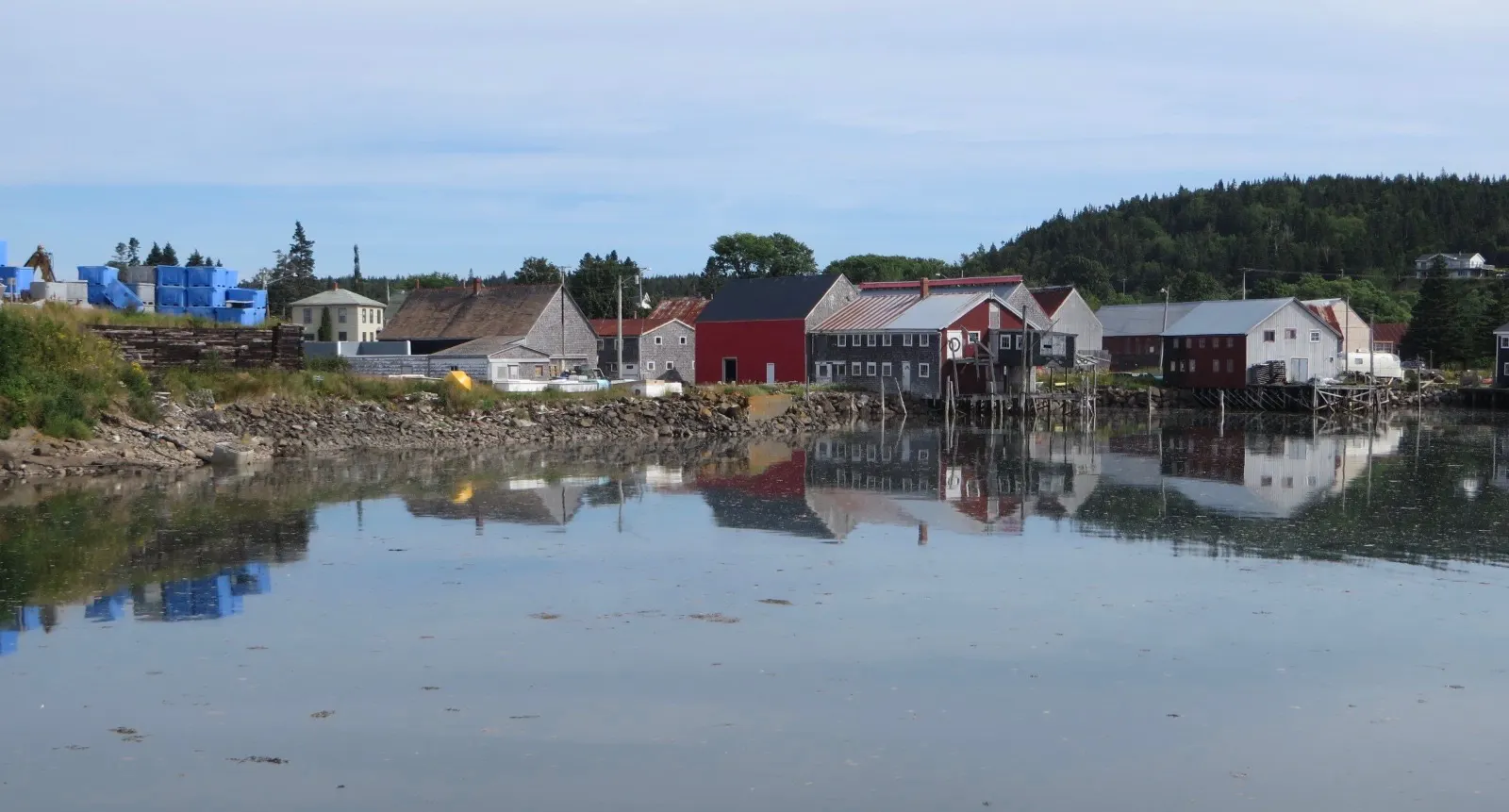
Côte-à-Fabien and South Kouchibouguac
The park has two campgrounds. South Kouchibouguac is the main one, with unserviced and electrical sites as well as oTENTik cabin-tents, and Côte-à-Fabien is a simpler summer camping area. Book early for July and August.
The best places to visit along the Acadian coast
La Dune de Bouctouche
About 40 kilometres northeast of Moncton, La Dune de Bouctouche is a ridge of sand roughly 9.7 kilometres long. A boardwalk through the Irving Eco-Centre lets you walk beside it without damaging the fragile dune. Plan about two hours.
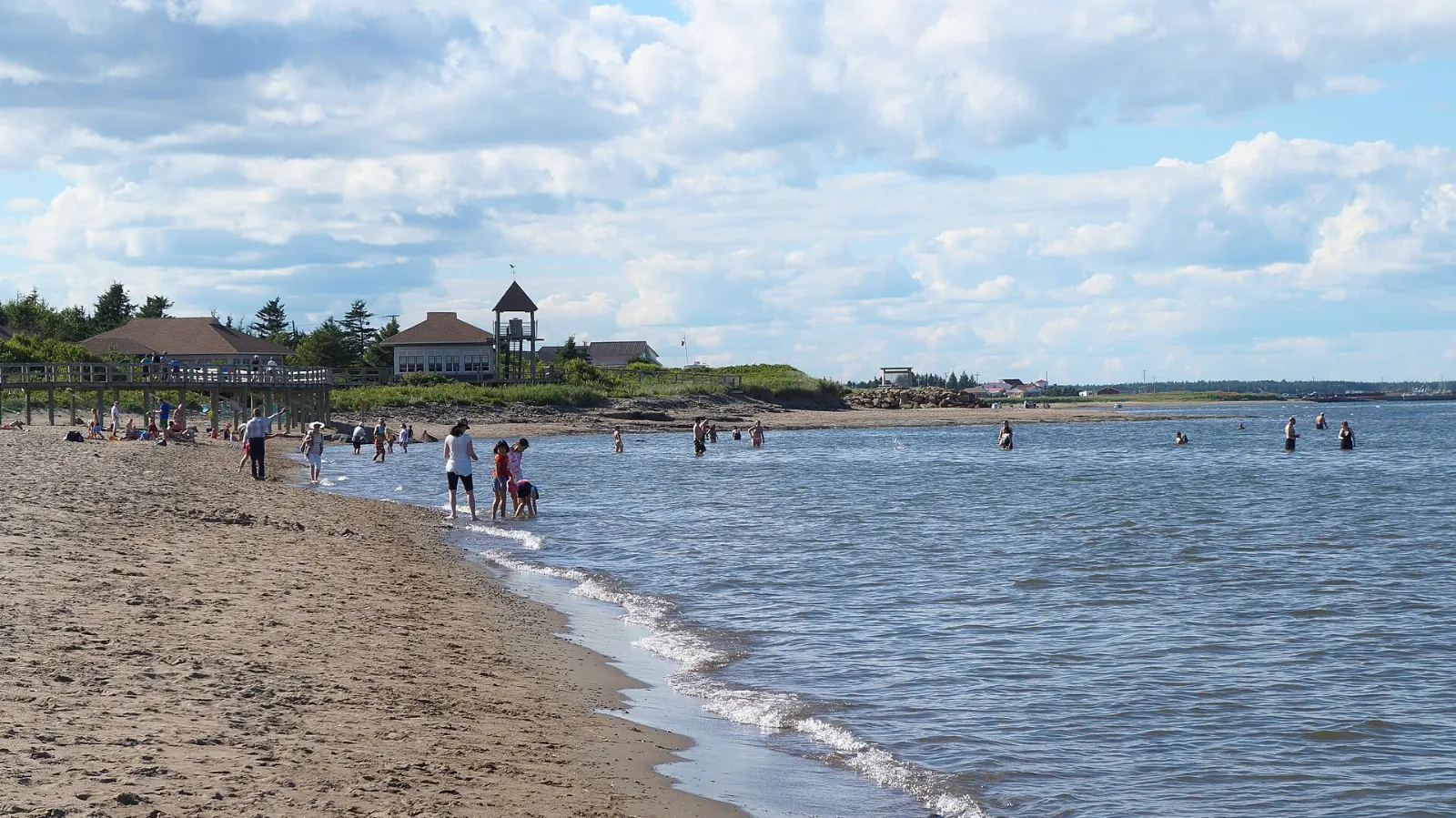
Le Pays de la Sagouine
Le Pays de la Sagouine is an Acadian theme village based on the book La Sagouine by Antonine Maillet. It offers live performances, history and food. Check its opening dates before you go.
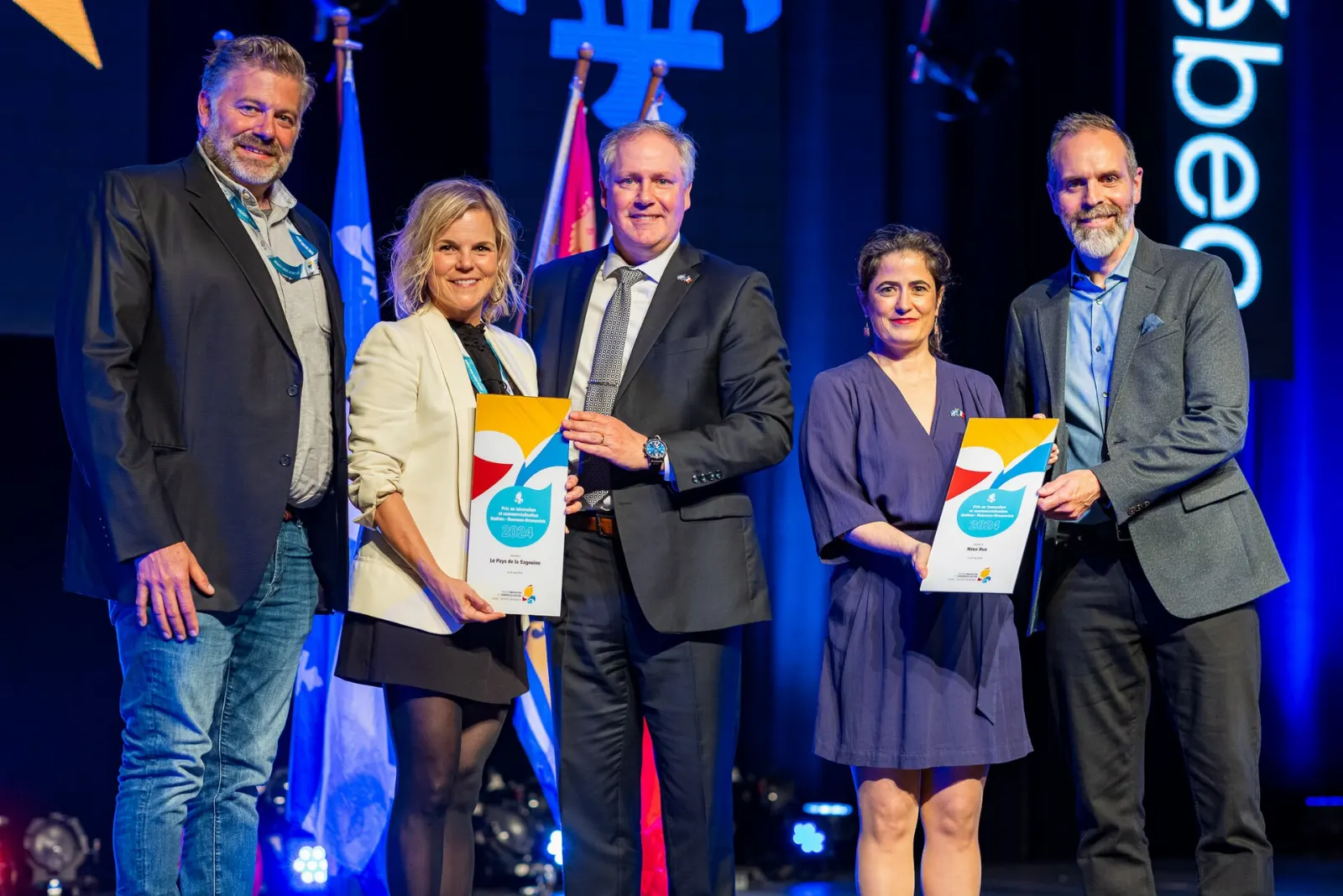
Richibucto
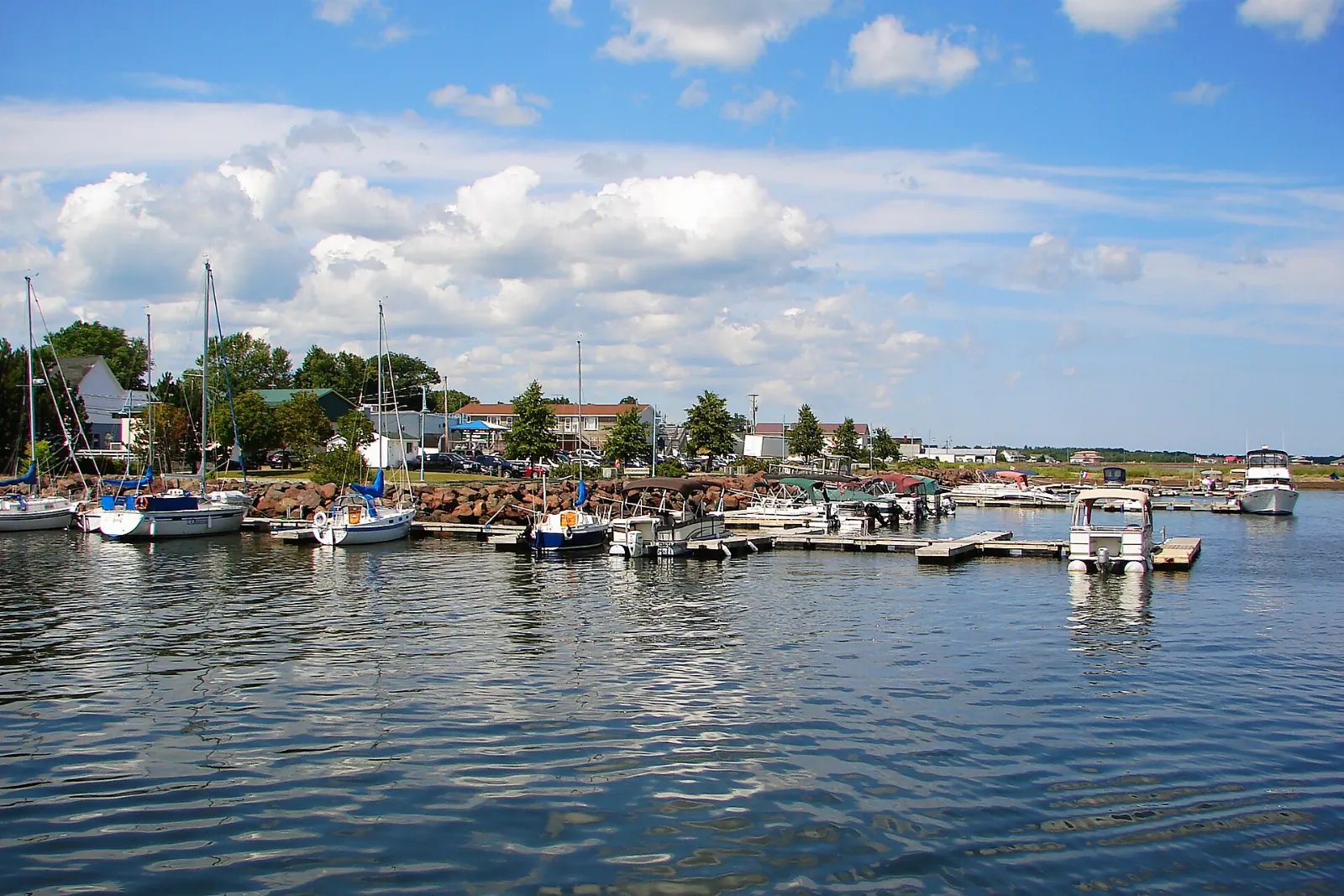
Richibucto sits at the mouth of the Richibucto River, and its downtown has commercial fishing wharves, restaurants and local shops. The local economy depends on lobster and deep sea fishing. Stop for a walk along the water and a seafood lunch.
 Planning a trip to Kouchibouguac National Park?Compare hotels, flights and vacation rentals for Kouchibouguac National Park on Expedia.Book now
Food and local flavors
Acadian cooking in this corner of New Brunswick puts seafood and potatoes at the centre. Poutine râpée is a boiled potato dumpling with a pork filling, often served with sugar, maple syrup or fruit preserves, and it is a traditional holiday dish. Fricot is a comforting stew of potatoes, onions and meat topped with dumplings.
For dessert, look for tarte au sucre acadienne, Acadian sugar pie. Along the coast, lobster is the signature seafood, whether it comes boiled or in a sandwich. Ask in Richibucto and Bouctouche about local restaurants and seasonal markets, and sample fiddleheads in spring if you visit then.
Popular dishes to try in Kouchibouguac National Park


Where to stay
The main choice is whether to sleep in the park or in a nearby town.
South Kouchibouguac is the campground in the park, with tent sites, electrical sites and oTENTik cabin-tents. It suits families, cyclists and anyone who wants to be near the dunes at dawn.
Richibucto is a quiet fishing town just outside the park, a good fit for travellers who want a bed, a restaurant and harbour views.
Bouctouche is the best base for Acadian culture, with the dune and Le Pays de la Sagouine close by.
Moncton is about an hour south and offers the widest choice of hotels, restaurants and the nearest major airport. It works well if you are arriving or leaving by air.
Where to stay in Kouchibouguac National Park


Best time to visit
Peak season runs through July and August, when swimming, cycling and canoe trips are at their best and campgrounds are busy. Spring from April to late June and autumn from September to the end of November are shoulder seasons, with fewer visitors and cooler weather. Services may be limited then, so check the Parks Canada website.
In winter the park keeps about 28 kilometres of trails for cross-country skiing. The park has also been a Dark Sky Preserve since 2009, so clear nights are a good time for stargazing in any season. Breeding birds are most active in summer, which makes it a good time for birdwatching.
Getting there and getting around
The closest major airport is Greater Moncton Roméo LeBlanc International Airport. From Moncton, drive Highway 15 to Shediac and then Highway 11 north, or take the slower and more scenic Acadian Coastal Drive. The park is about an hour north of Moncton, about two and a half hours northeast of Fredericton, and about four hours from the Quebec border.
Coming from the north, drive south from Miramichi on Highway 11 or follow the coastal route. There is no public transit directly into the park, so a rental car is the easiest option.
Inside the park, a network of cycling trails connects the main sites, and bike rental is a pleasant way to see Kelly's Beach. A Parks Canada entry fee or pass is required, so check the official website for current details.
A suggested itinerary
First day
Arrive at the visitor centre, see the exhibit and walk a short boardwalk trail. Spend the afternoon on Kelly's Beach and return after dark if the sky is clear for stargazing.
Second day
Paddle the Kouchibouguac River in the morning and visit Cap-St-Louis before lunch. In the afternoon join a seal-watching outing or cycle part of the trail network.
Third day
Drive south along the coast through Richibucto to Bouctouche, walk the dune boardwalk and finish with an Acadian meal.
Practical tips
- Check the Parks Canada website for current trail conditions, fees and closures before you arrive.
- Reserve campsites and guided outings early for July and August.
- Bring insect repellent in summer, as the marshes and bogs attract insects.
- Keep your distance from seals and nesting birds, and stay on marked trails to protect the dunes.
- Rent a car, since there is no public transit into the park.
- Pack a warm layer for evenings, because sea breezes cool the beach after sunset.
- Take binoculars for seals, terns and other seabirds.
- Allow time at the visitor centre exhibit, because it helps you understand the landscape you are about to explore.