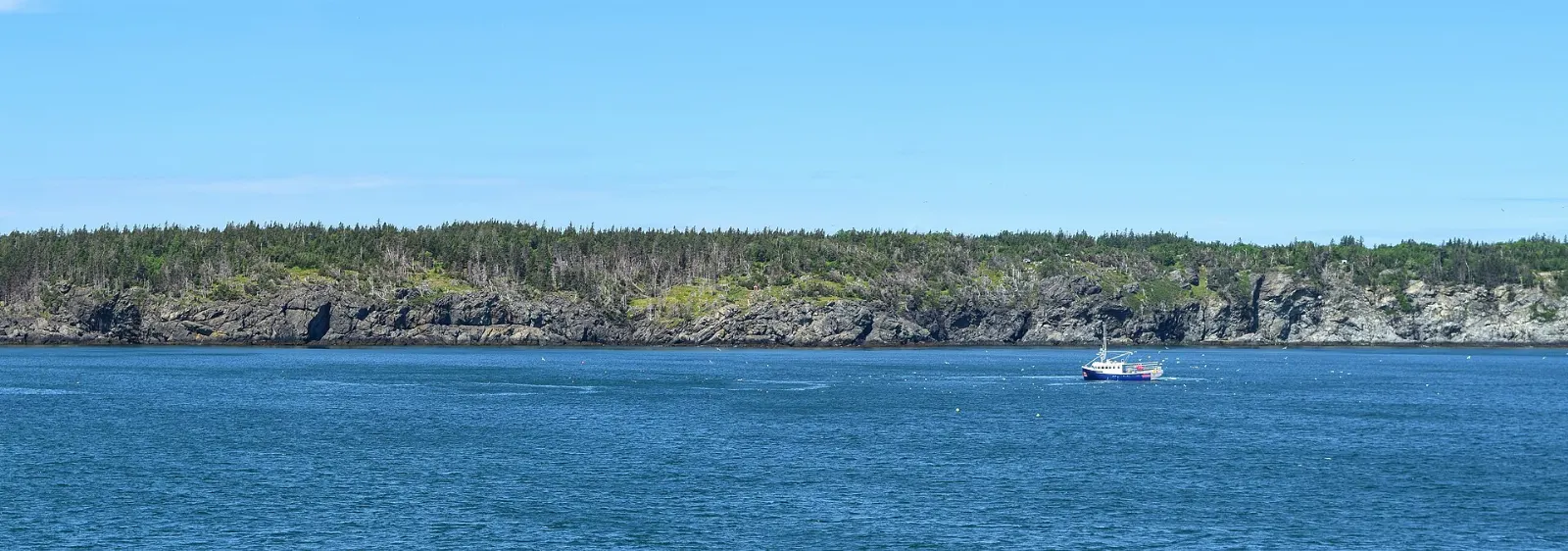
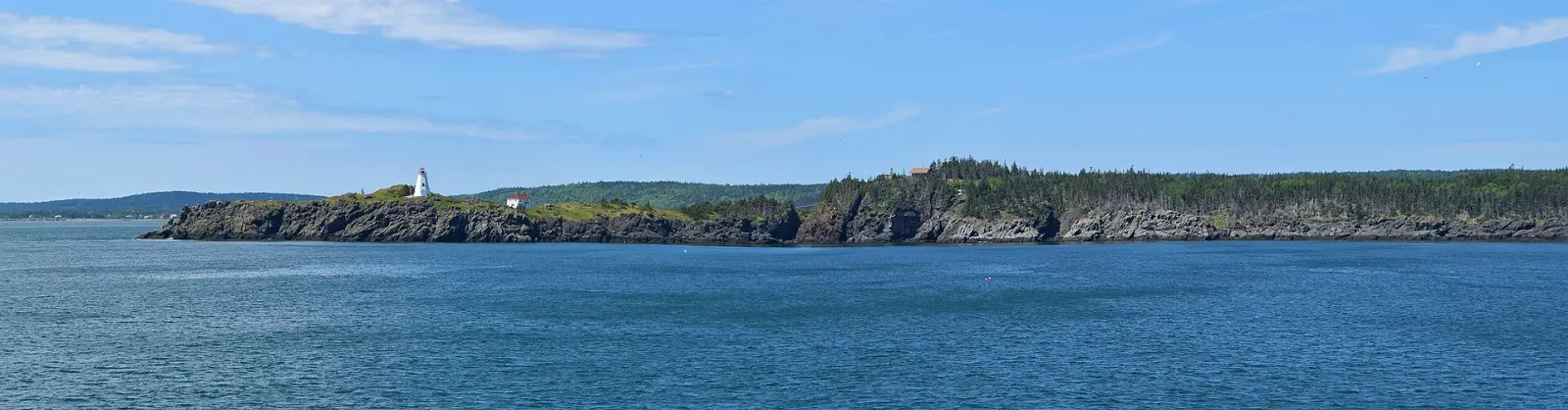
Grand Manan is the largest of the Fundy Islands, a 34 kilometre long island in the Bay of Fundy about 32 kilometres from the mainland at Blacks Harbour. Its eastern shore is a string of fishing harbours and its western side is a wall of cliffs up to 90 metres high, almost without roads or houses.
AT A GLANCE
Best time
Summer is the easiest season for trails and boat trips, with August the driest month.
How long
Stay at least two nights so the ferry does not eat your whole trip.
Getting there
A year-round ferry runs from Blacks Harbour to North Head, and car access on the island is useful.
Why visit Grand Manan Island
The island is quiet, walkable in pockets and rich in wildlife. As many as 275 bird species can be seen here, and the whole area lies within a migratory bird sanctuary created in 1931. Its sea cliffs, rocky coves and lighthouses reflect a long maritime history of fishing, smoked herring, shipwrecks and dulse harvesting.
Grand Manan also feels different from the mainland. About 177 days a year are frost-free, the highest figure in New Brunswick, and most residents live along the sheltered eastern shore. The wilder western side has high winds and few people, so every trip has both cosy village moments and big, empty views.
The island is easy to plan around three themes. Lighthouses and maritime history fill the east side, birds and quiet trails fill the parks and marshes, and the west coast and the open water offer the wildest scenery. Give each theme half a day and you will leave with a clear sense of what makes Grand Manan special.
The best places to visit on the east side
Swallowtail Lighthouse
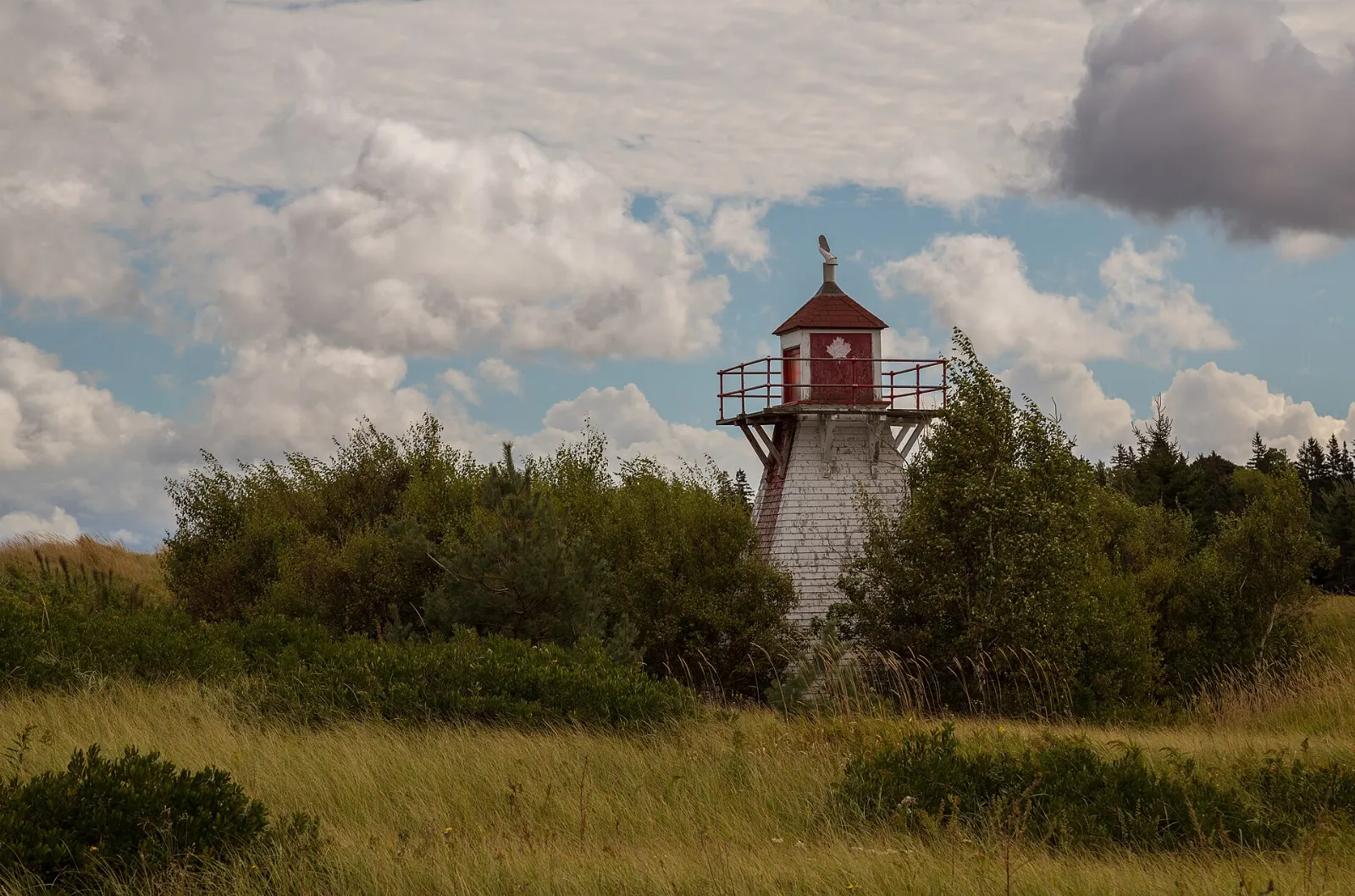
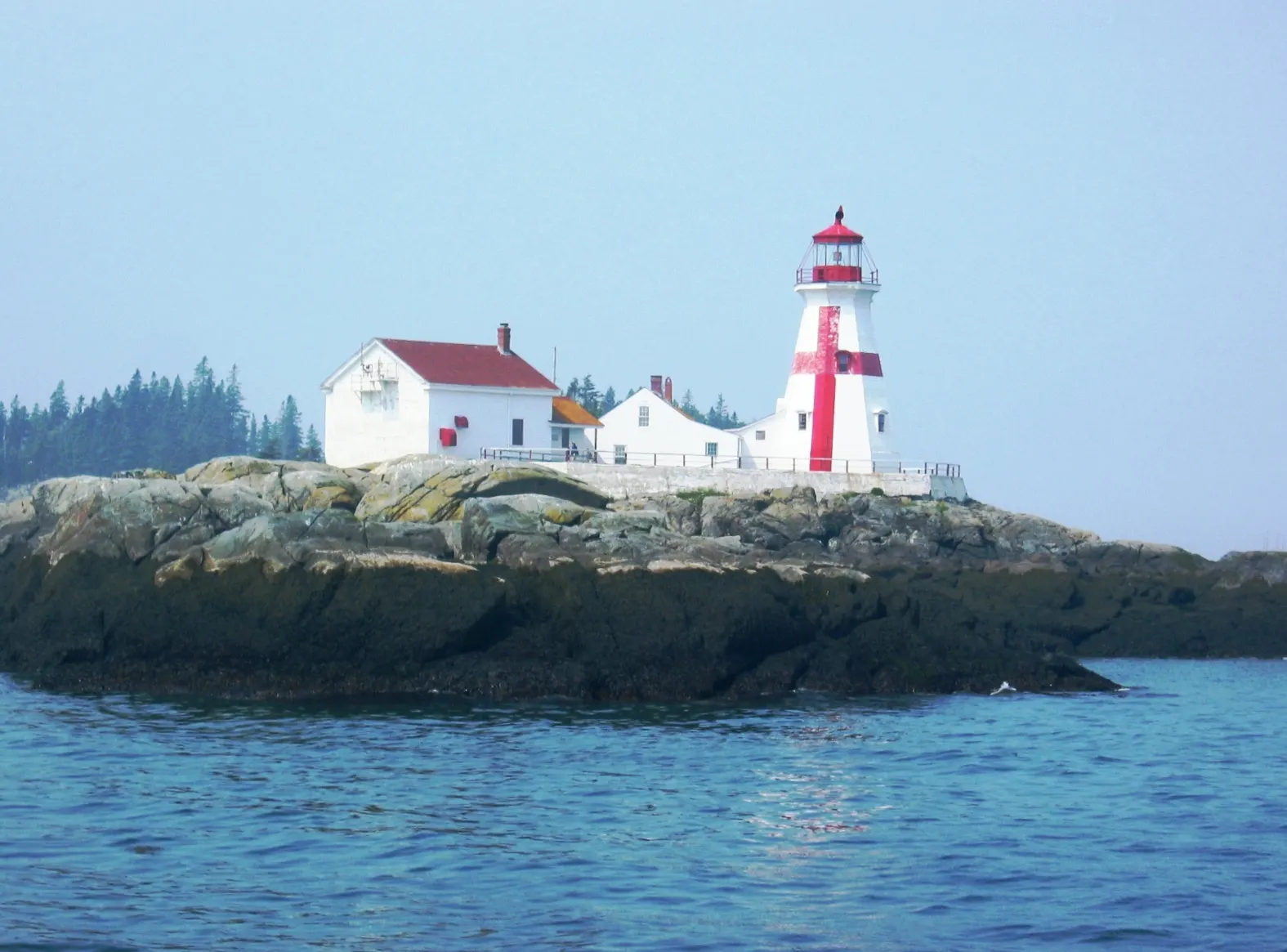
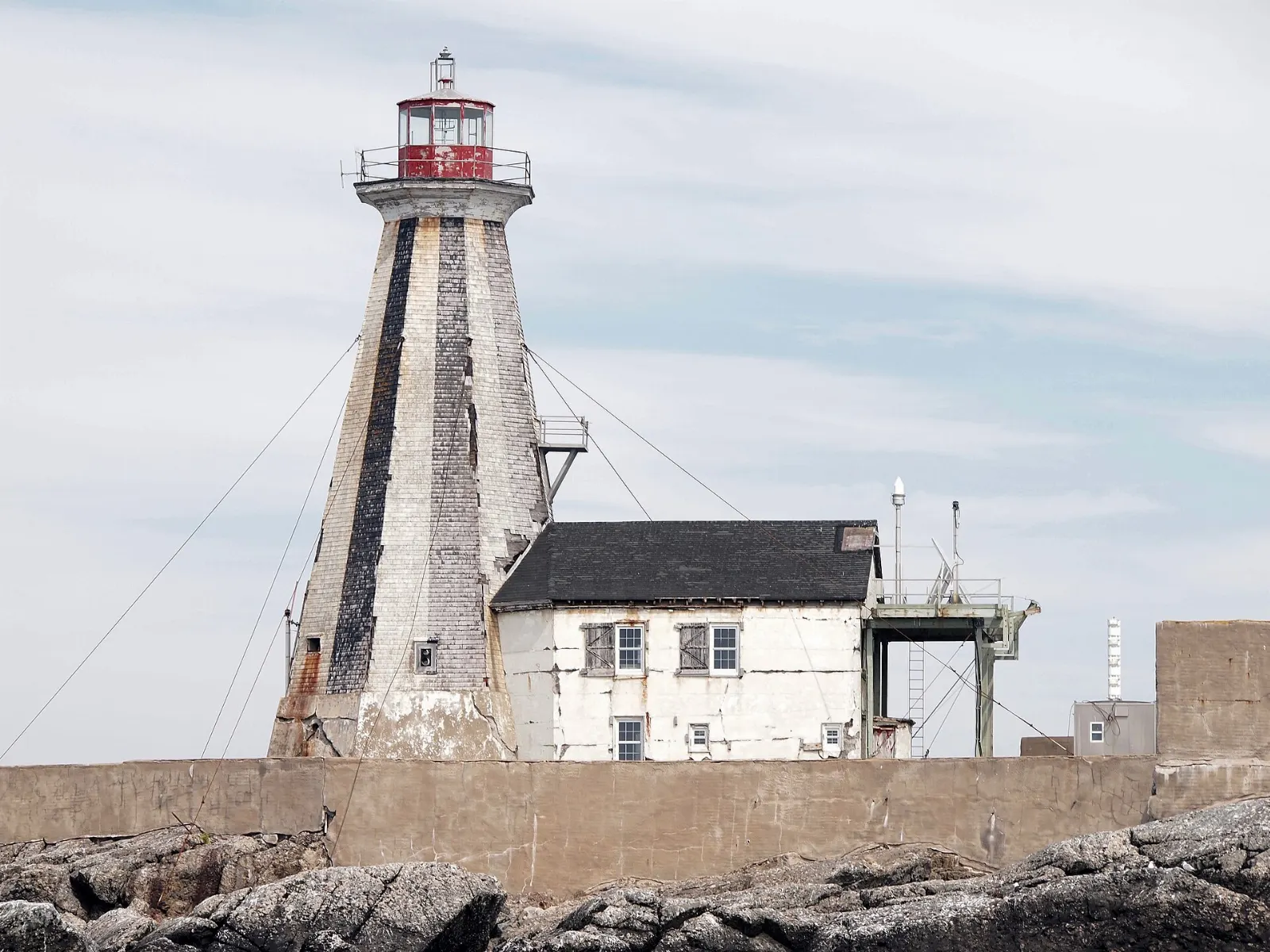
Swallowtail Lighthouse stands on a headland called the Swallow's Tail near the harbour at North Head, and it is the island's signature view. It was first lit in July 1860 after the wreck of the Lord Ashburton in 1857, and you can see it from the ferry as you arrive. Walk the footbridge and boardwalk for photographs and allow an hour.
Grand Manan Museum
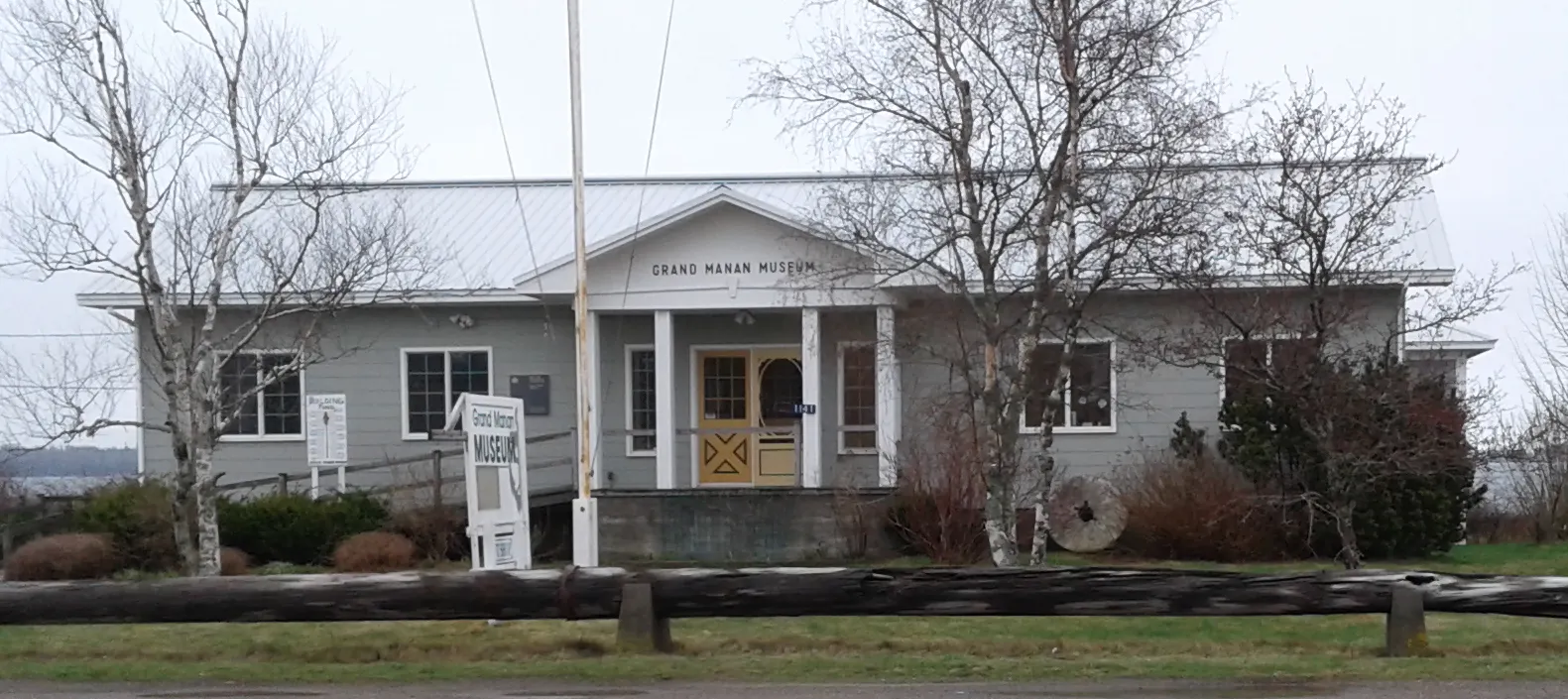
The Grand Manan Museum in Grand Harbour tells the story of the island with more than 18 permanent exhibits. Its Allan Moses gallery has over 300 taxidermy birds, and the marine gallery is built around the large lens from Gannet Rock Lighthouse. Another exhibit covers the writer Willa Cather, who spent summers on the island. It makes a good rainy-day stop.
Anchorage Provincial Park
Anchorage Provincial Park sits between Grand Harbour and Seal Cove, about 24 kilometres south of the ferry terminal on Route 776. It has hiking and cycling trails, including the wheelchair-accessible Red Point Trail boardwalk, plus bird-viewing blinds. It also has the island's only provincial campground. Check the park's current status and operator before you go.
Castalia Marsh and Thomas Munro Memorial Shoreline
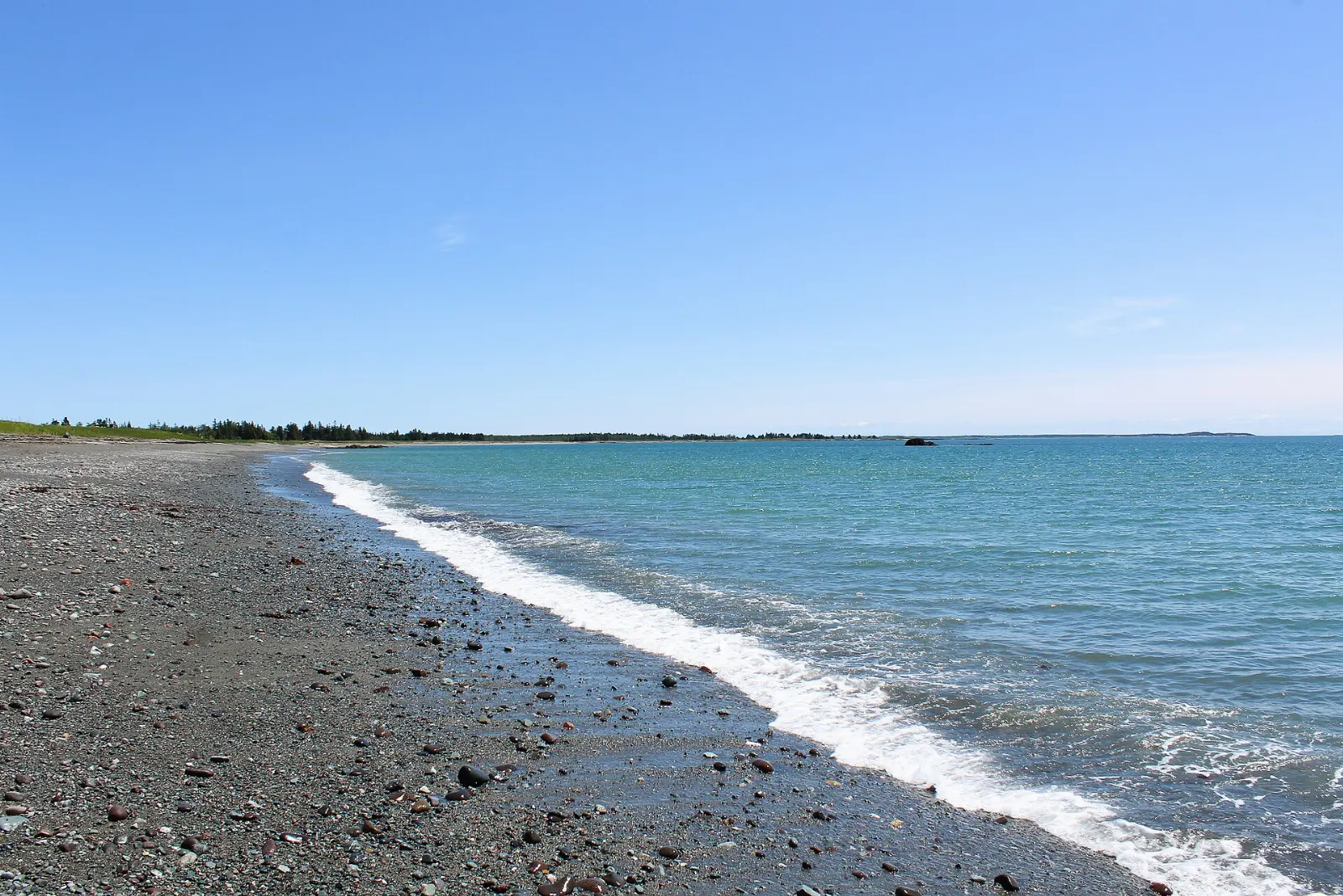
These two places are recommended for birdwatching beyond the park. Castalia Marsh is a quiet wetland where you can walk and watch, and the Thomas Munro Memorial Shoreline is a stretch of coast with views over the water. Bring binoculars and go in the early morning.
Henderson's Point
Henderson's Point is a coastal stretch of land beside the provincial park inside the bird sanctuary. It is now protected by the Nature Conservancy of Canada, which bought it in 2017. It is a calm place to watch the sea and the birds without a crowd.
The best places to visit on the west coast and at sea
Dark Harbour
Dark Harbour on the western side is tied to the island's dulse tradition. In the 1920s and 1930s two brothers, known as the Dark Harbour Hermits, harvested dulse here and entertained visitors. Allow at least half a day, and check road conditions locally before you set out.
Seven Days Work
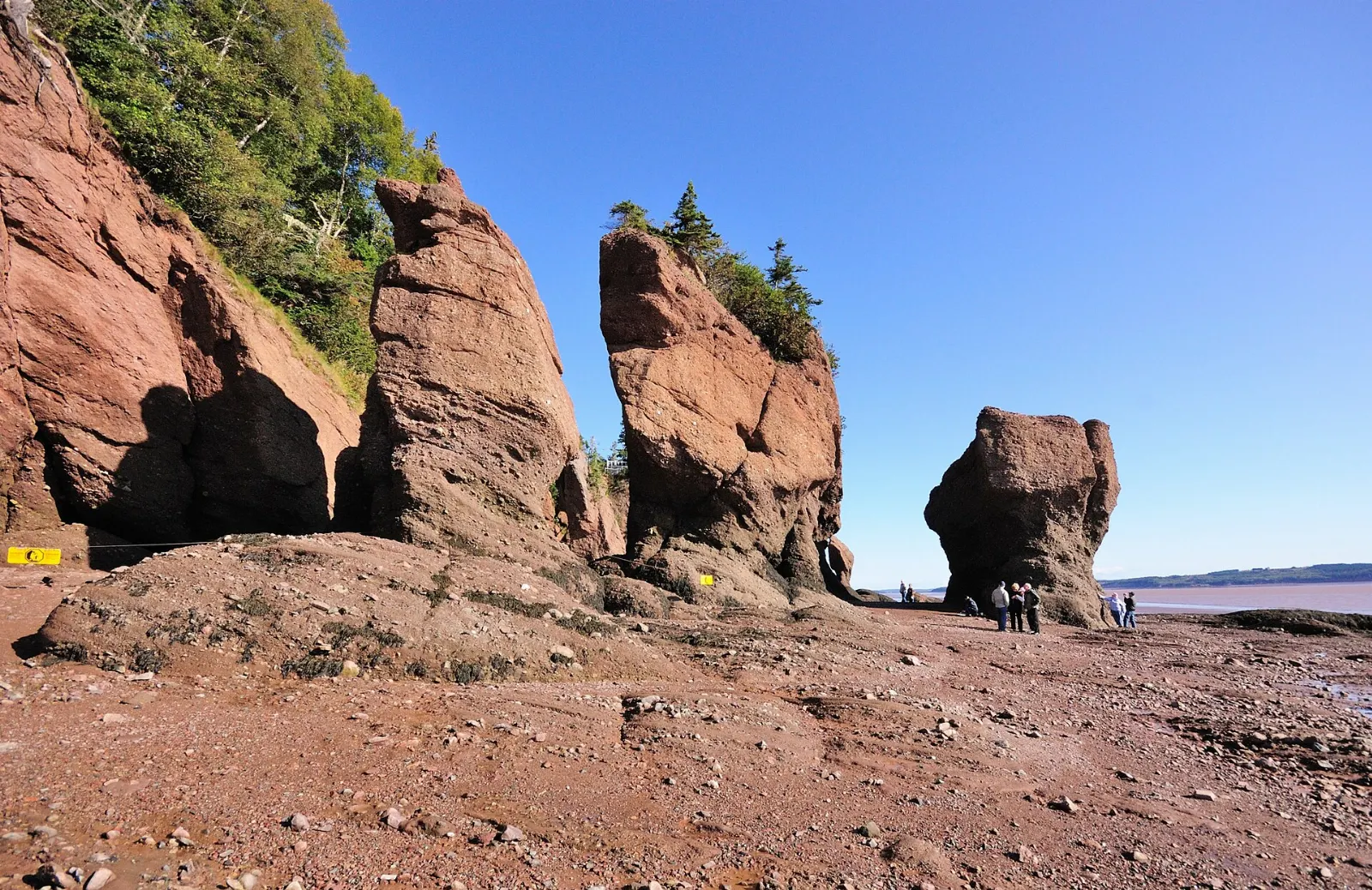
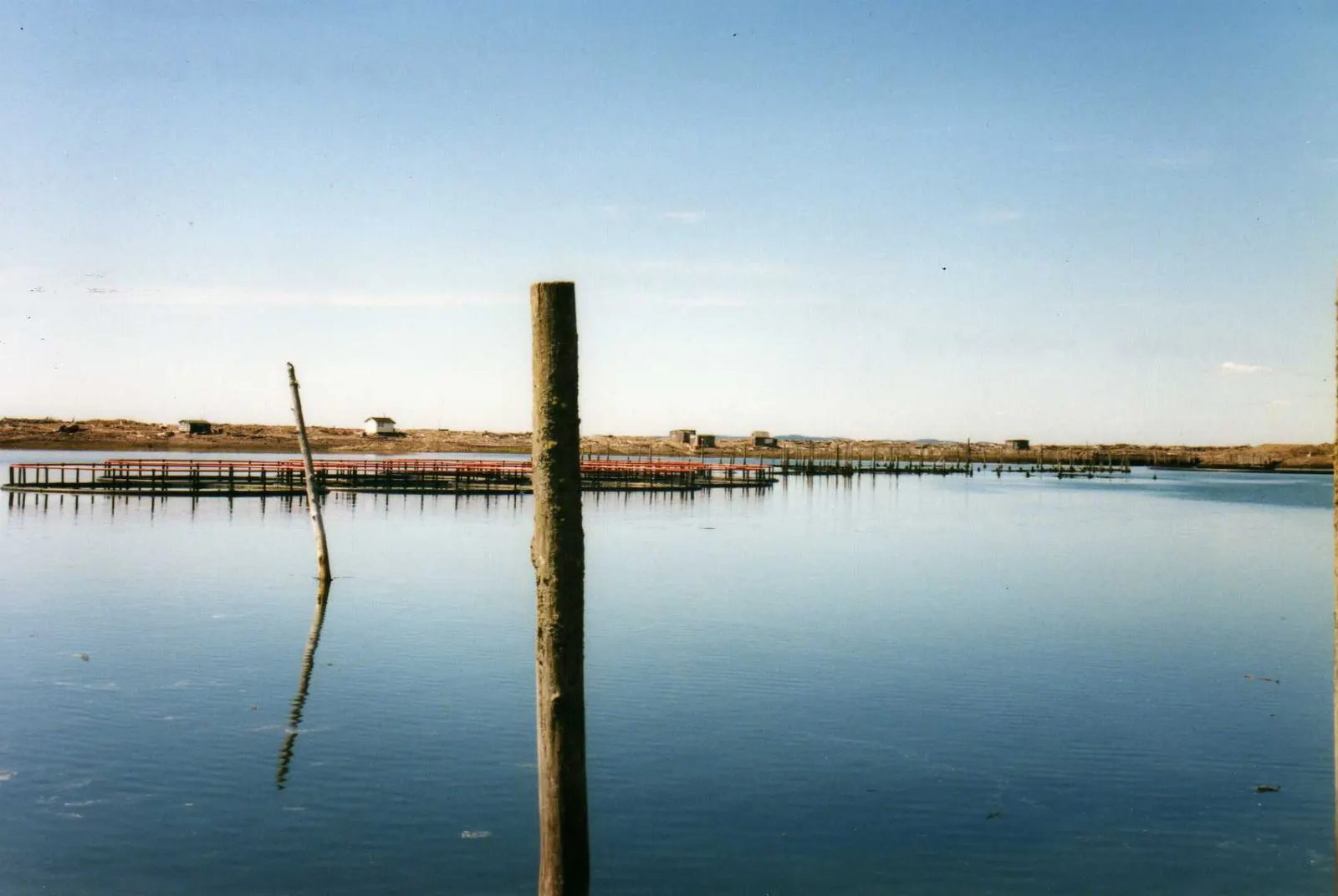
Seven Days Work is one of the west coast areas where cooling lava left cracks and bubbles filled with minerals such as amethyst, agate and jasper. Rock collectors come here, as well as to Indian Beach and Bradford Cove. Follow local rules and take only what is allowed.
Machias Seal Island
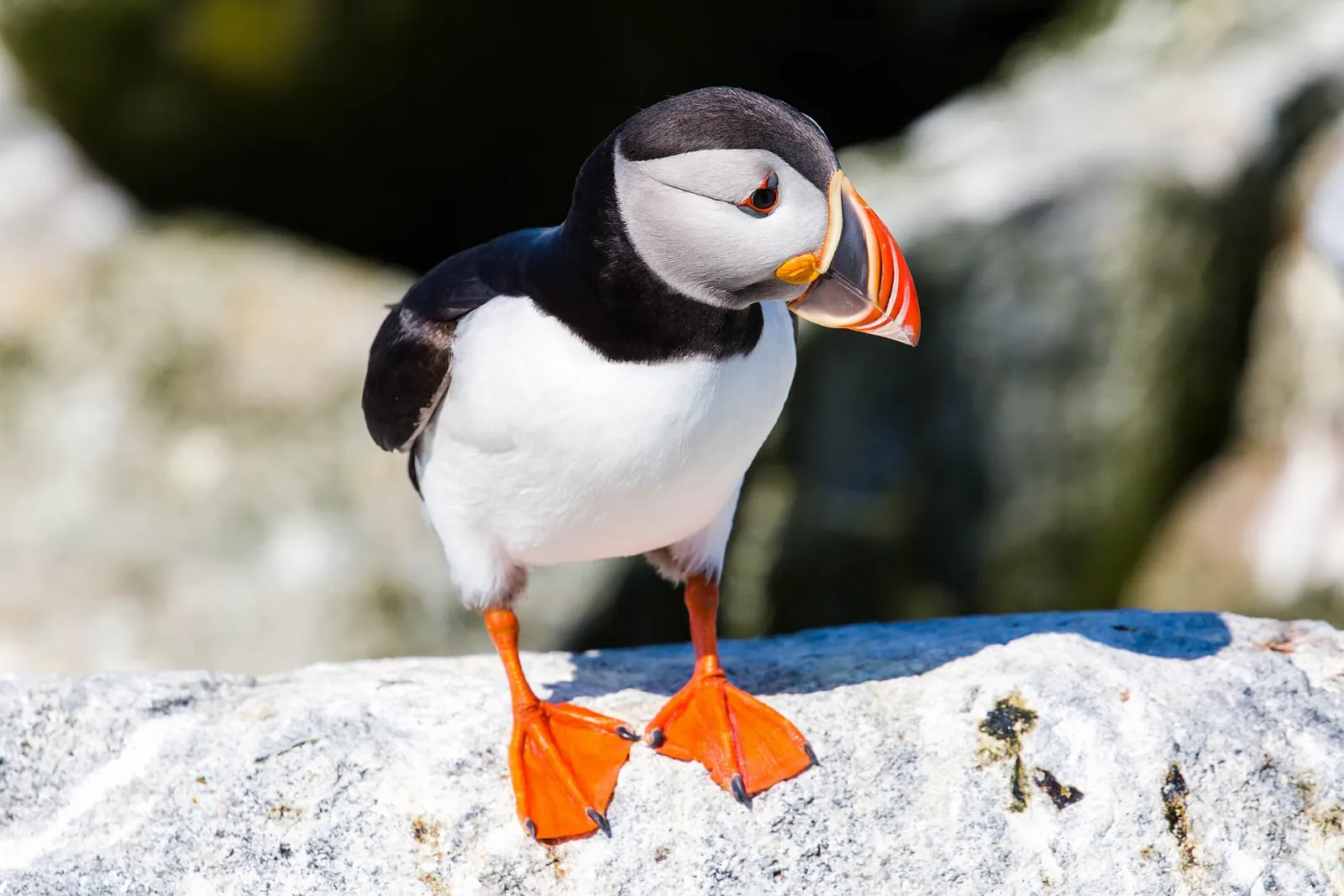
Machias Seal Island lies about 19 kilometres southwest of Grand Manan and is a sanctuary for Atlantic puffins, razorbills, common murres and terns. Boat tours from the island visit it in summer, but fog and rough water can cancel trips. Book early, and check with operators about landing rules.
Gannet Rock Lighthouse
The Gannet Rock Lighthouse was built in 1831 on a rocky islet south of the island to guide ships towards Saint John. You will see it only from a boat. Its historic lens now stands in the Grand Manan Museum.
Food and local flavors
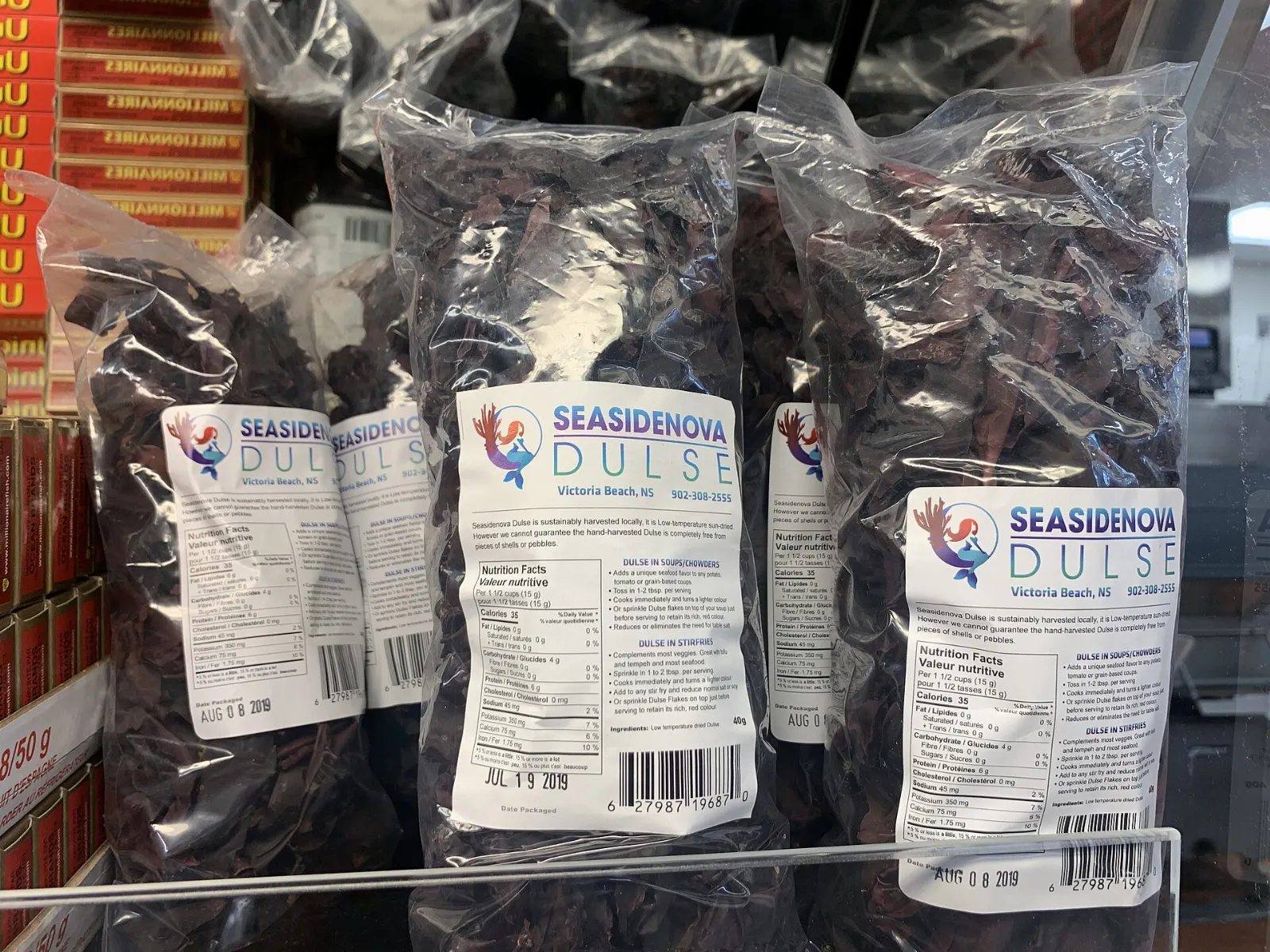
Island food comes from the sea. Dulse is a red seaweed picked by hand at low tide in summer and dried in the sun; it is eaten as a salty snack or added to soups and sandwiches.
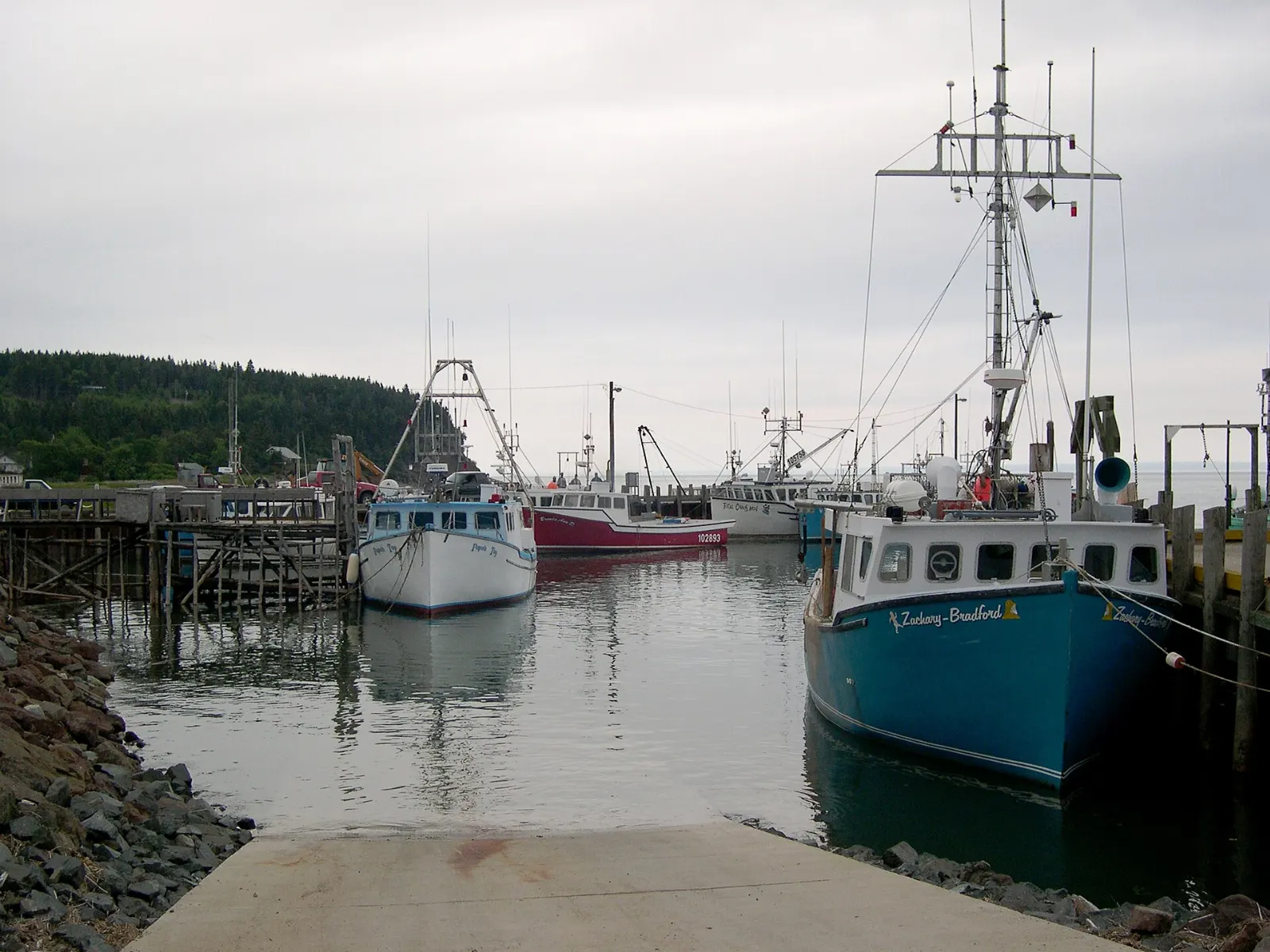
Grand Manan was once the world's largest supplier of smoked herring, and the trade remains part of its identity. Lobster is fished by local boats, and scallops are another catch. Ask at fish markets and island restaurants for what has come in that day. Ask at the ferry village of North Head for places to eat.
Popular dishes to try in Grand Manan Island


Where to stay
Most visitors stay along the sheltered eastern shore.
North Head is the ferry village, with the lighthouse close by. It is the easiest base for a first visit and for anyone arriving without a car.
Grand Harbour is the middle of the island, close to the museum, and suits travellers who want to see both ends of Grand Manan.
Seal Cove is a village toward the south, a good fit for quiet evenings and for reaching Anchorage Provincial Park.
Anchorage Provincial Park offers camping with trails at the door, which suits families and birdwatchers. Book ahead in summer and confirm the campground is operating.
Where to stay in Grand Manan Island


Best time to visit
Spring, summer and autumn are comfortable on the island, while winter weather is unpredictable, with snow, rain, freezing rain and milder spells. Since 2000, August has been the driest month and October the wettest, so late summer is a safe choice. Fog is common around the Bay of Fundy, which can cancel boat trips.
Summer is the best time for puffins on Machias Seal Island and for harvesting dulse, which takes place from June to September. Spring and autumn suit birdwatchers who want migration. Book ferry space and accommodation early for July and August.
Getting there and getting around
Grand Manan is reached by a year-round ferry run by Coastal Transport from Blacks Harbour to North Head. Blacks Harbour is on the Bay of Fundy about 15 kilometres southeast of St. George, and the island is 32 kilometres from there. Check the schedule and reservation rules with the operator because sailings change with the season and weather.
The island has no bridge, and the nearest large airports are on the mainland, so plan to drive to Blacks Harbour. Bringing a car makes it much easier to reach the trailheads and harbours. Route 776 runs along the eastern side, and you should ask locally about the road to Dark Harbour before driving it. Cycling is possible too, but the wind can be strong. The western cliffs are not developed and have limited access.
A suggested itinerary
First day
Arrive at North Head and walk to Swallowtail Lighthouse. Continue to the Grand Manan Museum in the afternoon, then have dinner in the village.
Second day
Spend the morning at Anchorage Provincial Park and Castalia Marsh with binoculars. In the afternoon drive to Dark Harbour or search for minerals at Seven Days Work.
Third day
Take a boat tour to Machias Seal Island if sailings are running, or enjoy a whale-watching outing, then catch the ferry home. If your sailing is late in the day, use the free hours for a last walk near the lighthouse.
Practical tips
- Check ferry schedules and make reservations before you travel, especially in summer.
- Bring a rain jacket and a warm layer, because wind and fog can arrive quickly.
- Check Anchorage Provincial Park's current status, since its management and future are under discussion.
- Book puffin tours early and ask about landing rules and weather cancellations.
- Keep your distance from nesting birds and stay on trails near the cliffs.
- Watch the tides and cliff edges when exploring the western shore.
- Pack binoculars and a camera, since birds and lighthouses are the main attractions.