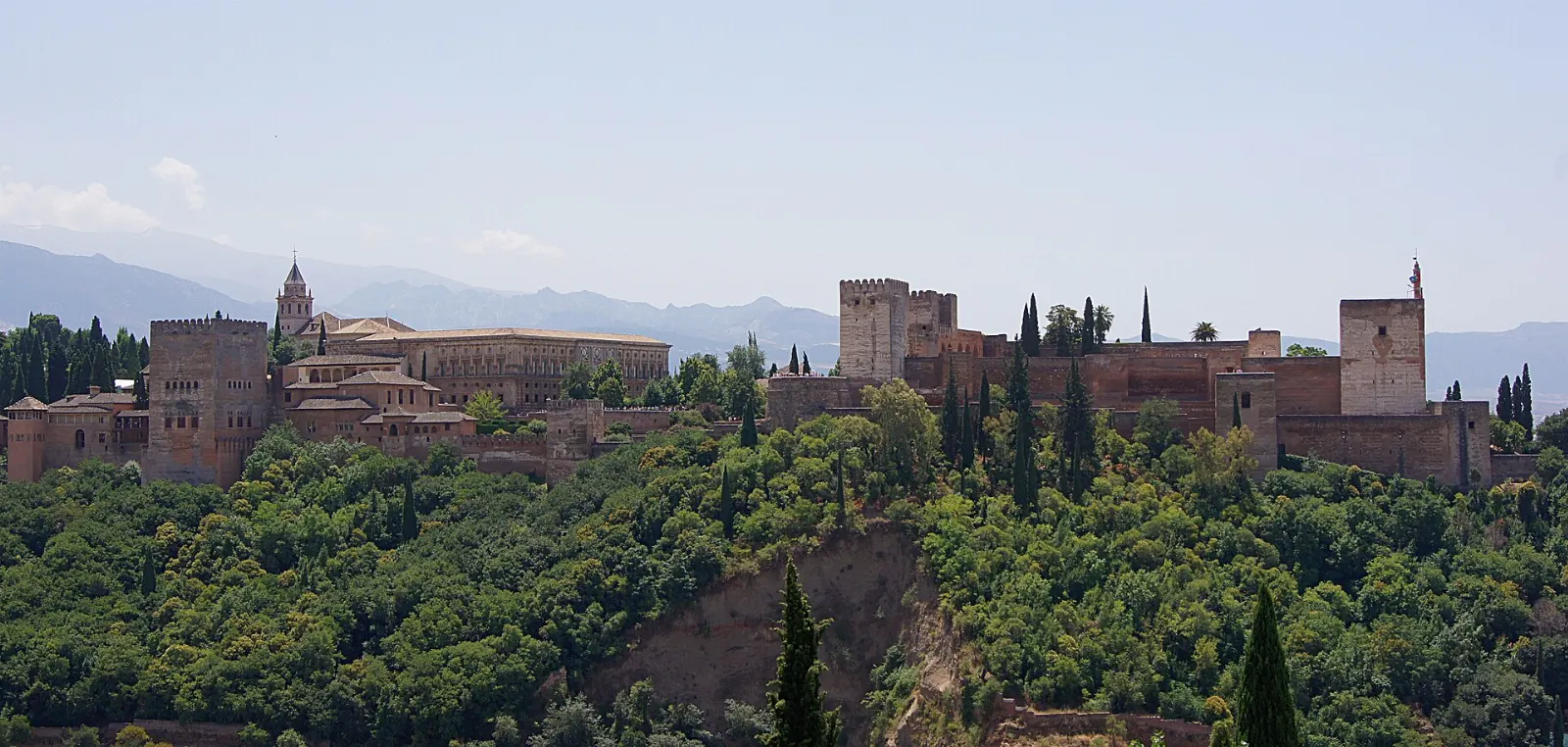
Granada sits where the plains of Andalusia meet the Sierra Nevada, and for two and a half centuries it was the capital of the Nasrid emirate, the last Muslim state on the Iberian Peninsula.
AT A GLANCE
Best time
April to June and September to November, when days are warm and evenings pleasant.
How long
Three days lets you see the Alhambra properly and still explore the Albaicín and the center.
Getting there
High-speed trains from Madrid, buses from Málaga and Seville, or flights to Granada's small airport.
Why visit Granada
The Alhambra alone justifies the trip. It is one of the finest surviving examples of Islamic palace architecture anywhere, a UNESCO World Heritage Site whose carved stucco, tilework and courtyards built around water still feel startlingly delicate.
Granada is also a university city, which keeps it lively, affordable and young at heart. It is one of the last places in Spain where a free tapa routinely arrives with every drink.
The Alhambra and the Generalife
The Nasrid Palaces
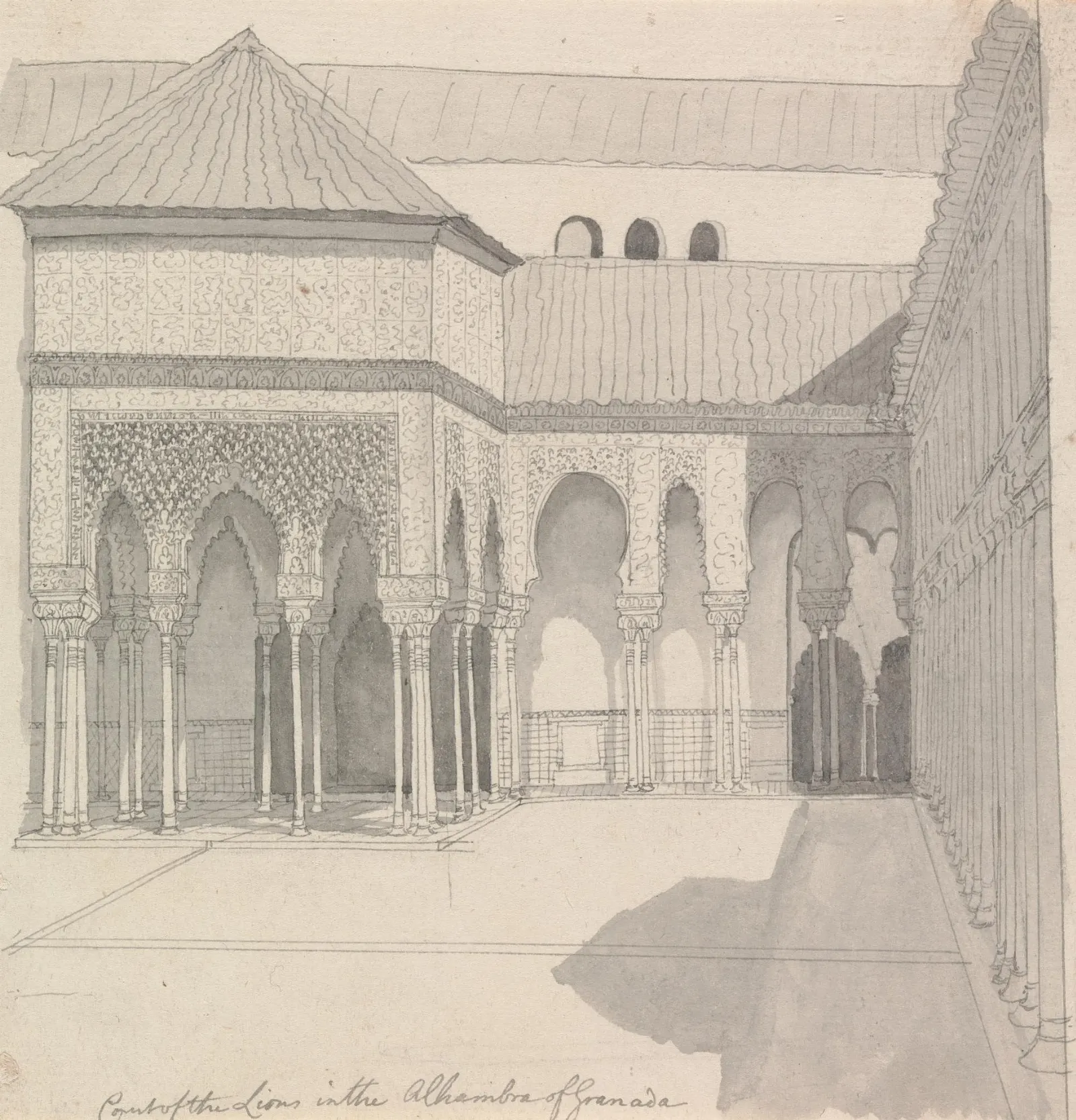
Begun in 1238 by Muhammad I, the founder of the Nasrid dynasty, and embellished most lavishly in the fourteenth century by Yusuf I and Muhammad V, the Nasrid Palaces are the heart of any visit.
The Generalife
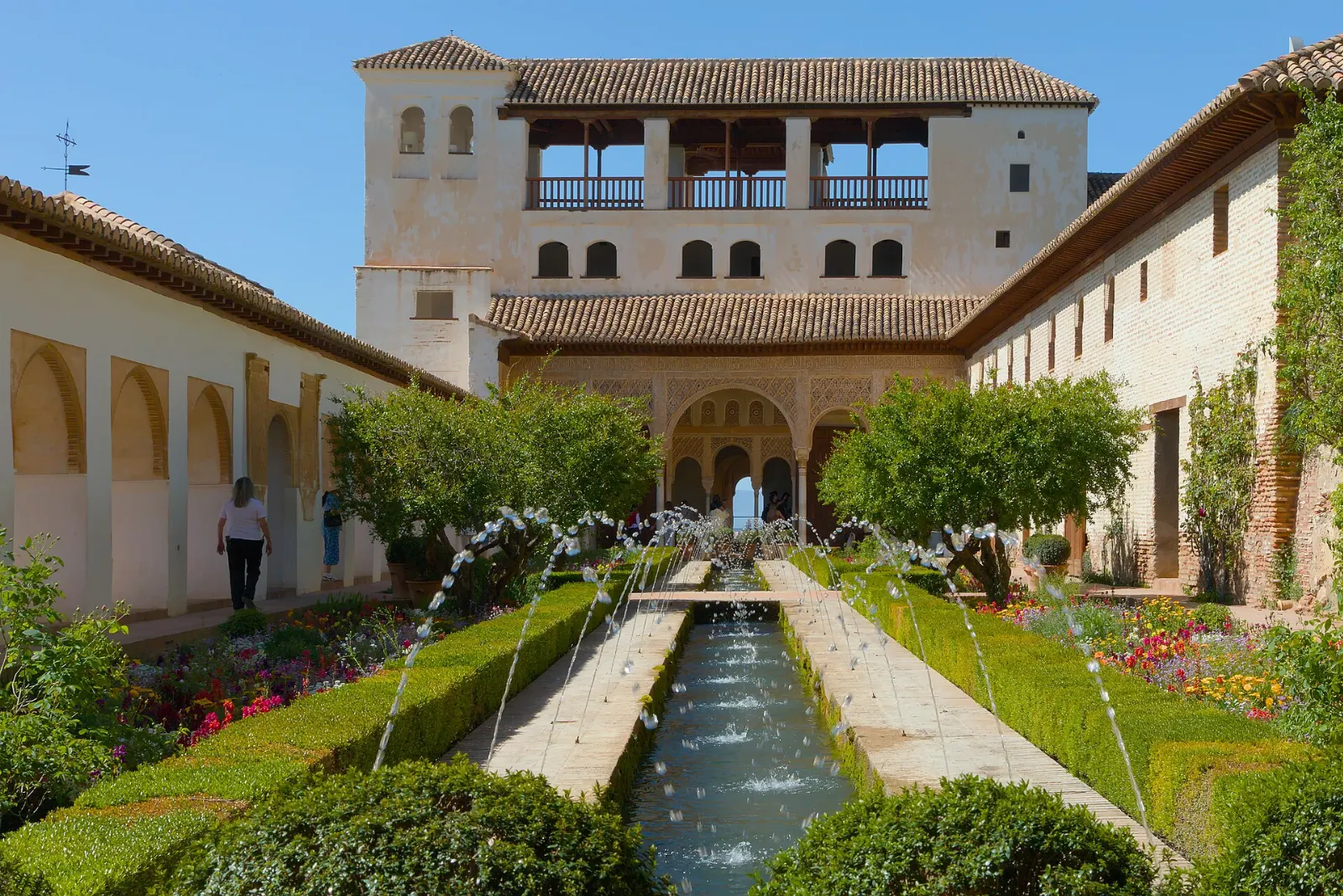
East of the main walls, the Generalife was the Nasrid rulers' country estate and summer retreat, surrounded by terraced orchards and gardens. The Patio de la Acequia, a long pool framed by arching fountains and flowerbeds, is the classic image, and the upper gardens look back across to the palaces.
The Alcazaba and the Palace of Charles V
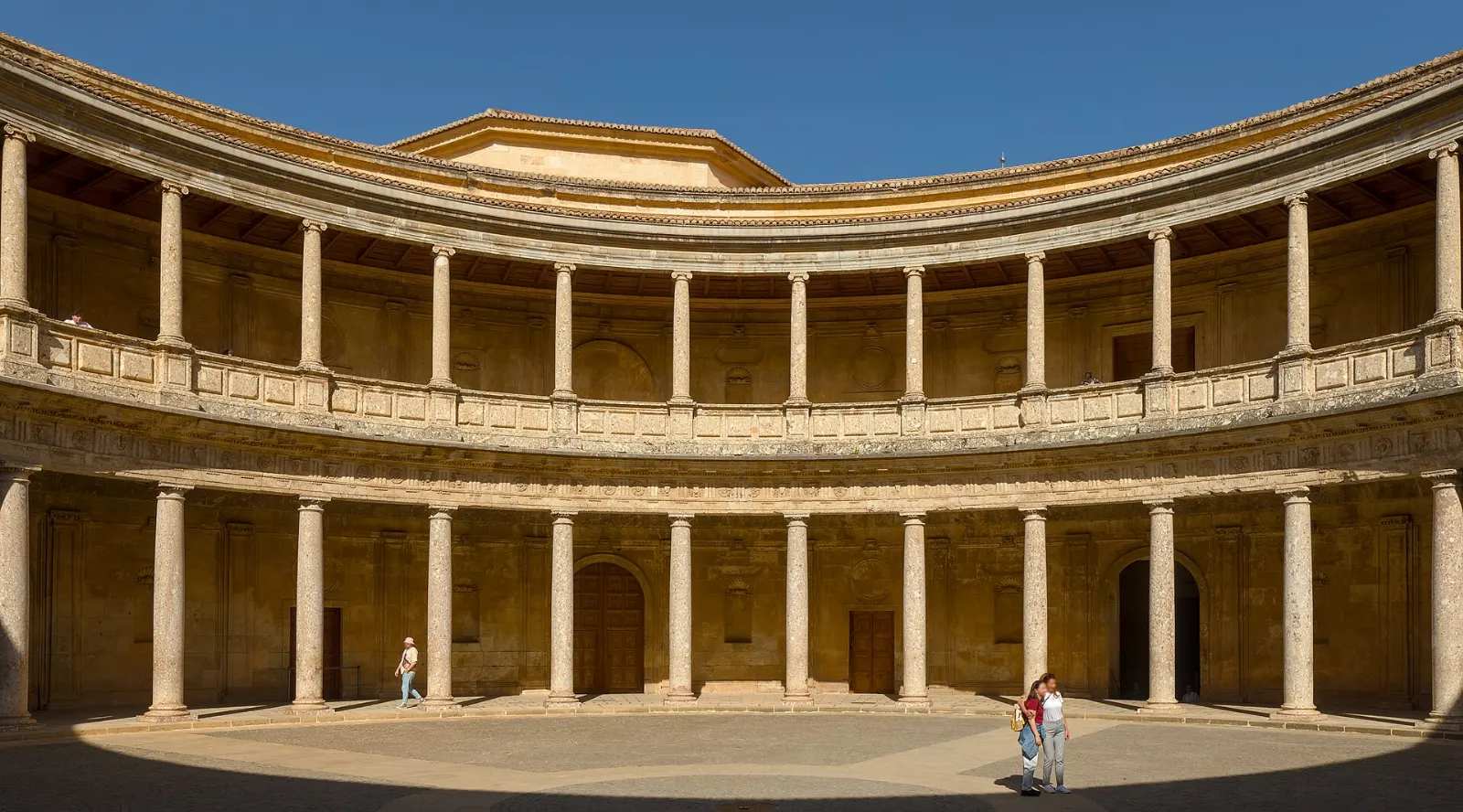
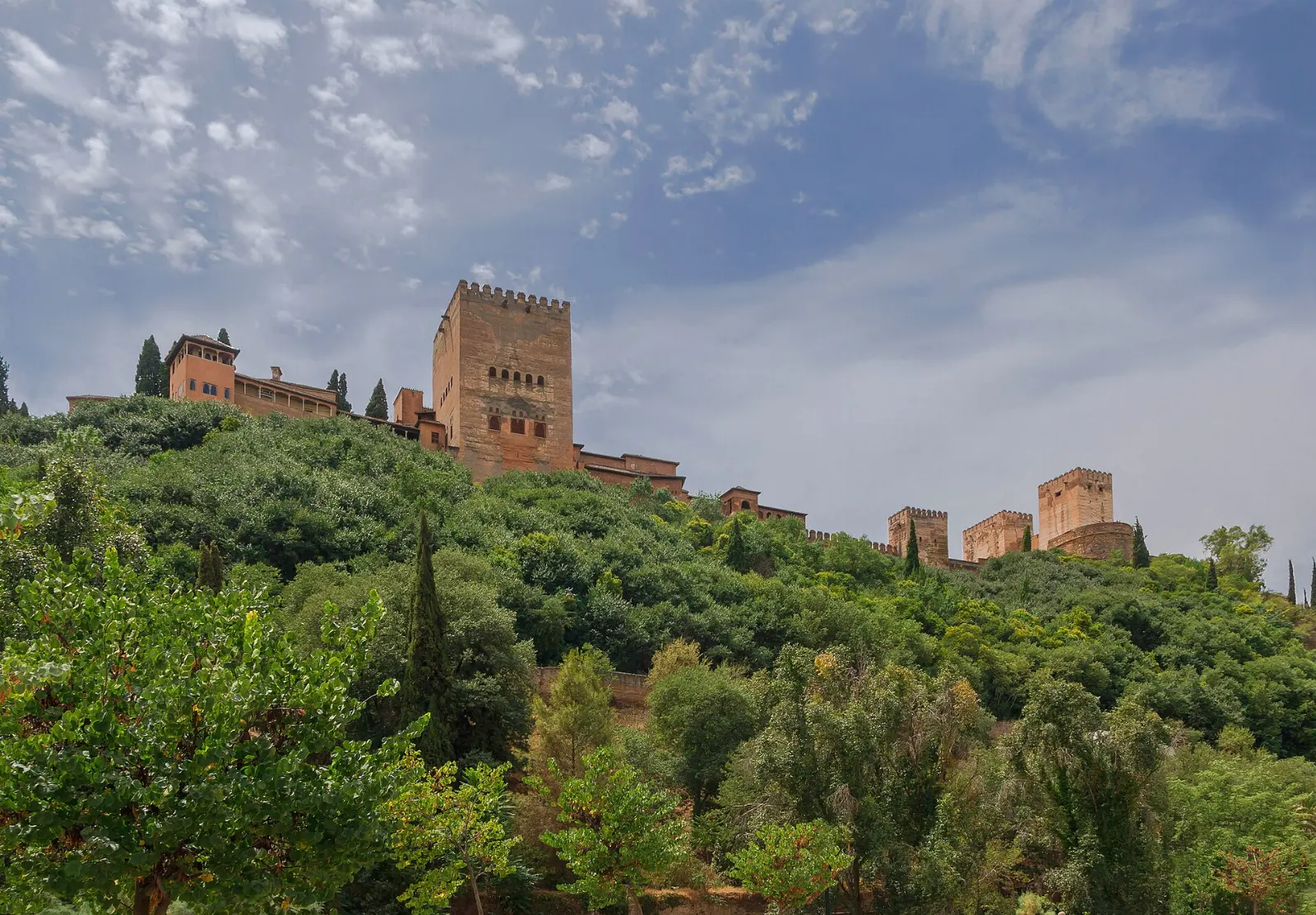
At the western tip of the hill, the Alcazaba is the oldest part of the complex, a military fortress whose Torre de la Vela offers a panorama over the city, the Albaicín and the mountains. Nearby stands the Palace of Charles V, a Renaissance building commissioned in 1526 whose square exterior hides a perfectly circular two-story courtyard.
Tickets for the Alhambra sell out weeks or even months ahead in spring and autumn. Buy only from the official website or authorized sellers, carry the identity document you booked with, and check the official website for current hours, ticket types and night visits.
The Albaicín and Sacromonte
Mirador de San Nicolás
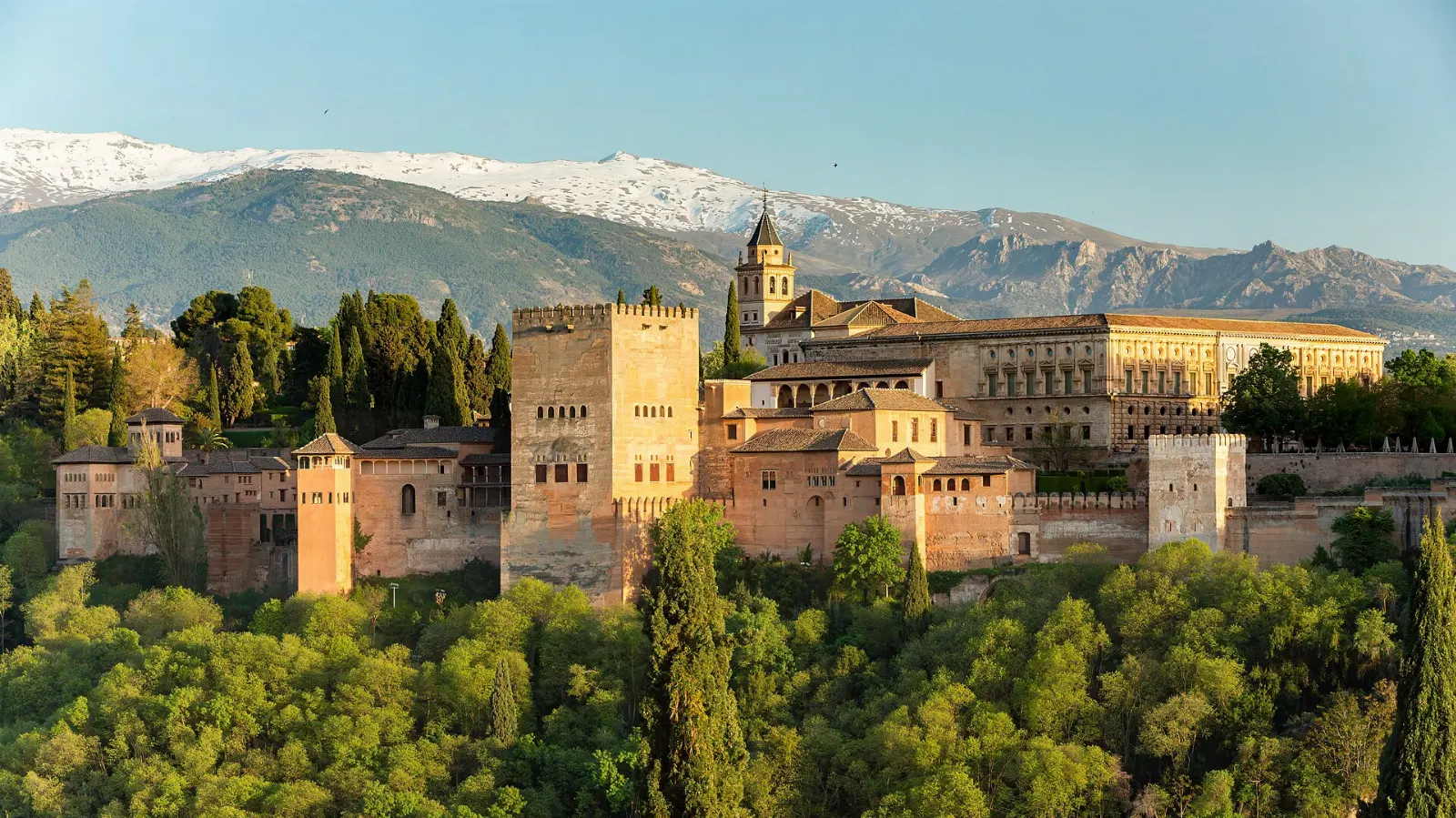
The Albaicín, the city's oldest neighborhood and part of the UNESCO listing, spreads across the hill facing the Alhambra. Its most famous viewpoint, the Mirador de San Nicolás, is a small plaza beside a church where crowds gather at sunset to watch the palace walls glow red against the snowy peaks.
Carrera del Darro and Paseo de los Tristes
Follow the little Darro River upstream from Plaza Nueva along the Carrera del Darro, one of the most atmospheric streets in Spain, past stone bridges, Renaissance mansions and the eleventh century Arab baths of El Bañuelo.
Sacromonte
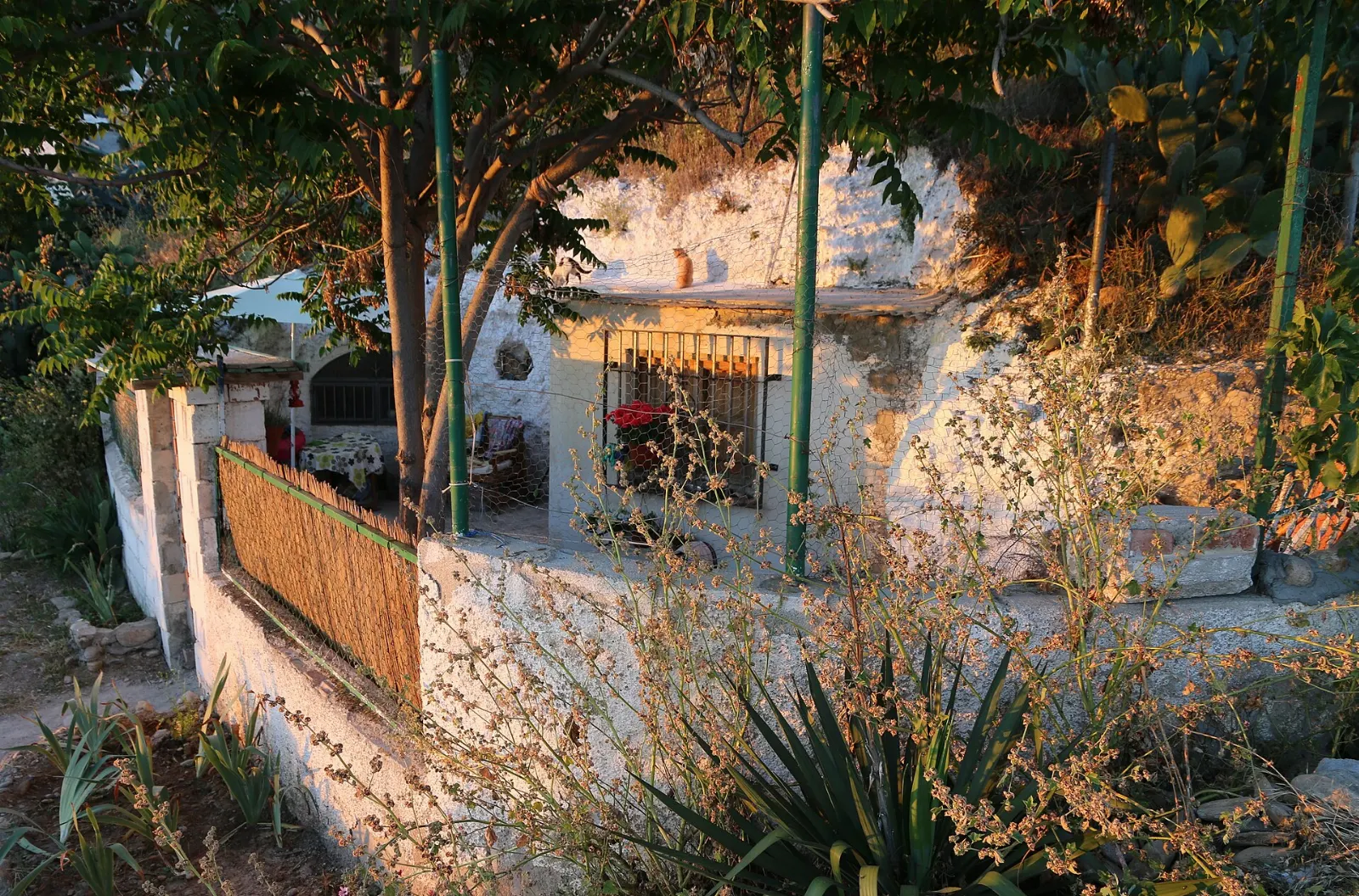
Climbing east from the Darro valley, Sacromonte is famous for its cave houses, dug into the soft hillside and whitewashed outside. Some are still homes, others host intimate zambra flamenco performances, and the Museo Cuevas del Sacromonte explains how families lived in them.
The cathedral quarter and beyond
Granada Cathedral
Built on the site of the city's main mosque after the Christian conquest, Granada Cathedral was begun in the 1520s and took well over a century to complete.
The Royal Chapel
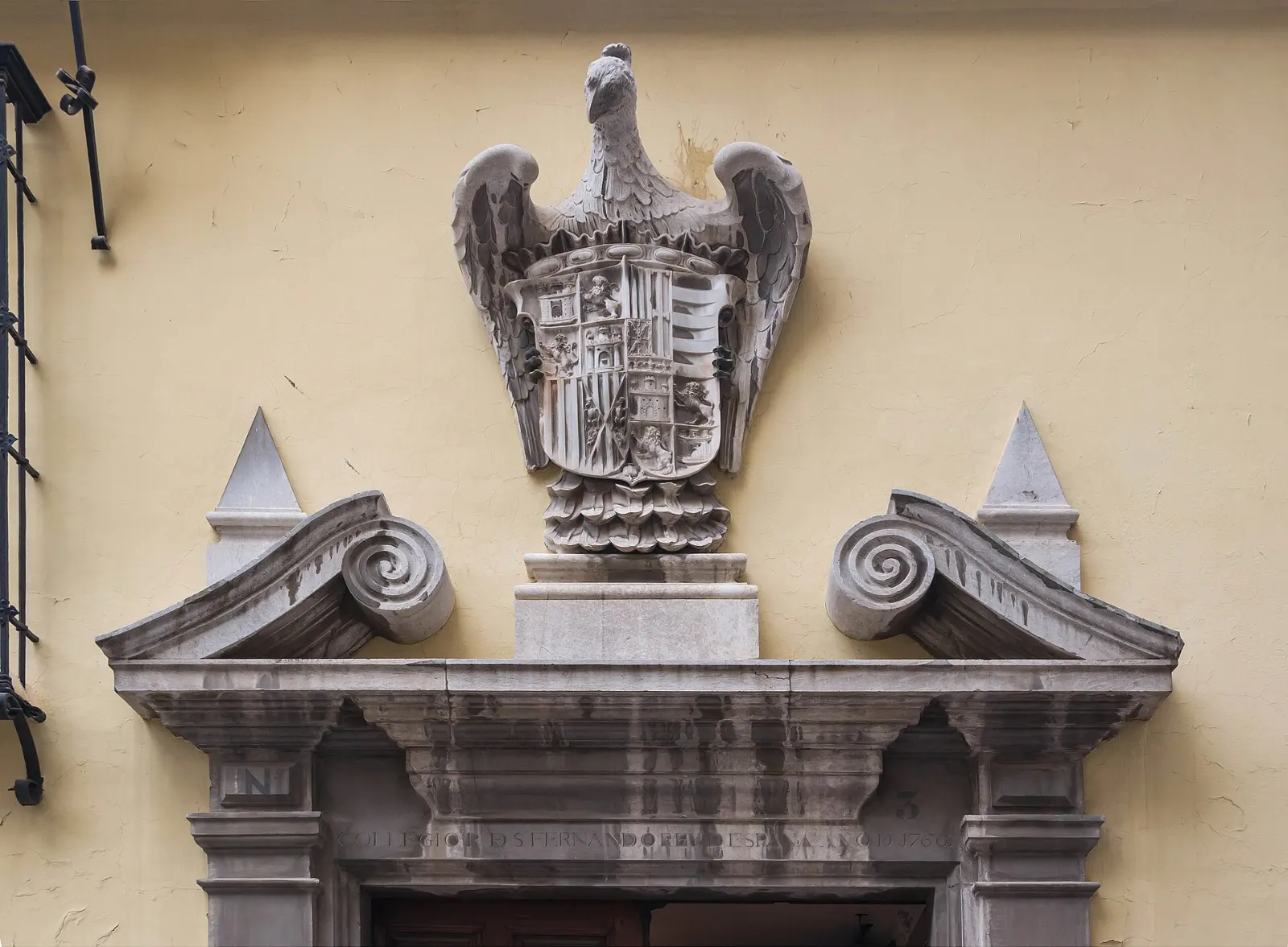
Next to the cathedral, the Royal Chapel was built as the burial place of Ferdinand and Isabella, who chose Granada as the symbol of their reign. Their marble tombs lie alongside those of their daughter Juana and her husband Philip, and the crypt below holds their lead coffins.
The Charterhouse of Granada
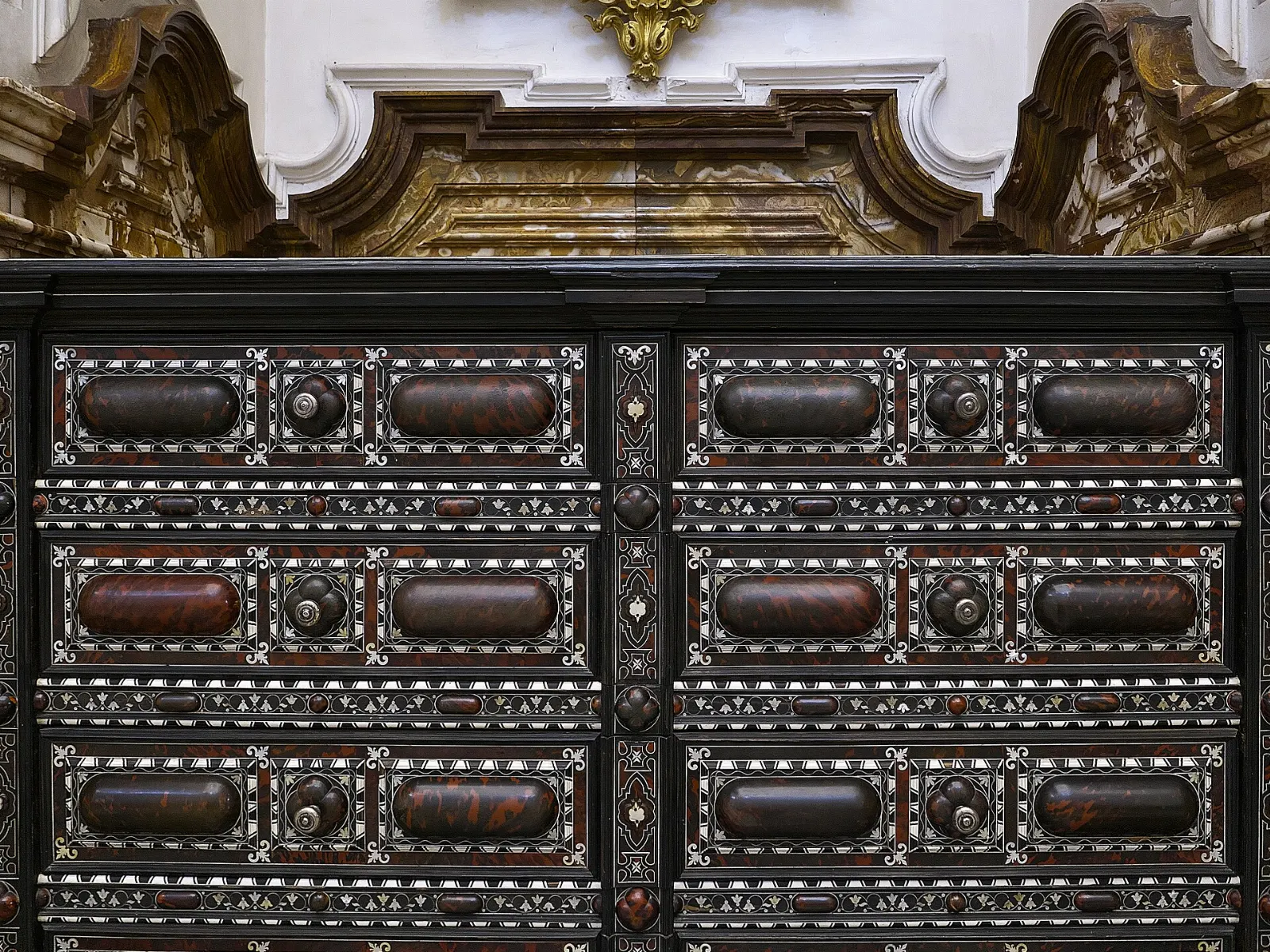
North of the center, the Monasterio de la Cartuja is a Carthusian monastery whose plain exterior conceals an explosion of Baroque decoration in its church and especially its sacristy, covered in white stucco, marble and mirrored detail. Allow an hour.
 Planning a trip to Granada?Compare hotels, flights and vacation rentals for Granada on Expedia.Book now
Food and local flavors
Tapas culture defines eating out in Granada. Order a beer, a glass of wine or a soft drink at most bars and a small plate arrives at no extra charge, often growing more generous with each round.
Look out for habas con jamón, broad beans with cured ham, tortilla del Sacromonte, a traditional omelet once made with offal, and remojón, a salad of salt cod, orange and olives.
Popular dishes to try in Granada


Where to stay
The area around the cathedral and Plaza Nueva is the most convenient base for first-time visitors, flat and close to buses, restaurants and the main sights.
Staying on the Alhambra hill itself is quiet and romantic, and puts you close to your morning entry slot, though you will rely on buses or long walks to reach the center. Families and drivers may prefer the more modern districts near the train station or along the Camino de Ronda, where parking is easier.
Where to stay in Granada


Best time to visit
Spring is Granada at its best, with gardens in flower and comfortable temperatures.
July and August are hot and dry, though less humid than coastal cities, so plan sightseeing for mornings and evenings. Autumn is warm and calmer.
Getting there and getting around
Federico García Lorca Granada-Jaén Airport lies about fifteen kilometers west of the city and has a limited number of domestic and European flights, with buses timed to arrivals.
Granada is best explored on foot, but the hills are steep and the cobbles uneven. Small red minibuses link the center with the Alhambra, the Albaicín and Sacromonte, and a single metro line crosses the city.
A suggested itinerary
First day
Begin at the cathedral and the Royal Chapel, then wander the Alcaicería and the Corral del Carbón.
Second day
Devote the day to the Alhambra. Enter early, explore the Alcazaba before your Nasrid Palaces slot, visit the Palace of Charles V and end in the gardens of the Generalife.
Third day
Visit the Charterhouse in the morning, then explore the Realejo and its tapas bars. Alternatively, rent a car or join a tour for a day in the Alpujarras villages or the Sierra Nevada.
Practical tips
- Book Alhambra tickets on the official website as early as possible and note your Nasrid Palaces time slot.
- Bring the passport or identity card used for your Alhambra booking; it may be checked at entry.
- Wear shoes with good grip for steep, cobbled lanes in the Albaicín and Sacromonte.
- Expect late meals: lunch often starts around two and dinner rarely before nine.
- Order a drink at the bar to receive a free tapa, and try several bars rather than settling in one.
- Do not drive into the historic center without checking access rules, as camera fines are automatic.