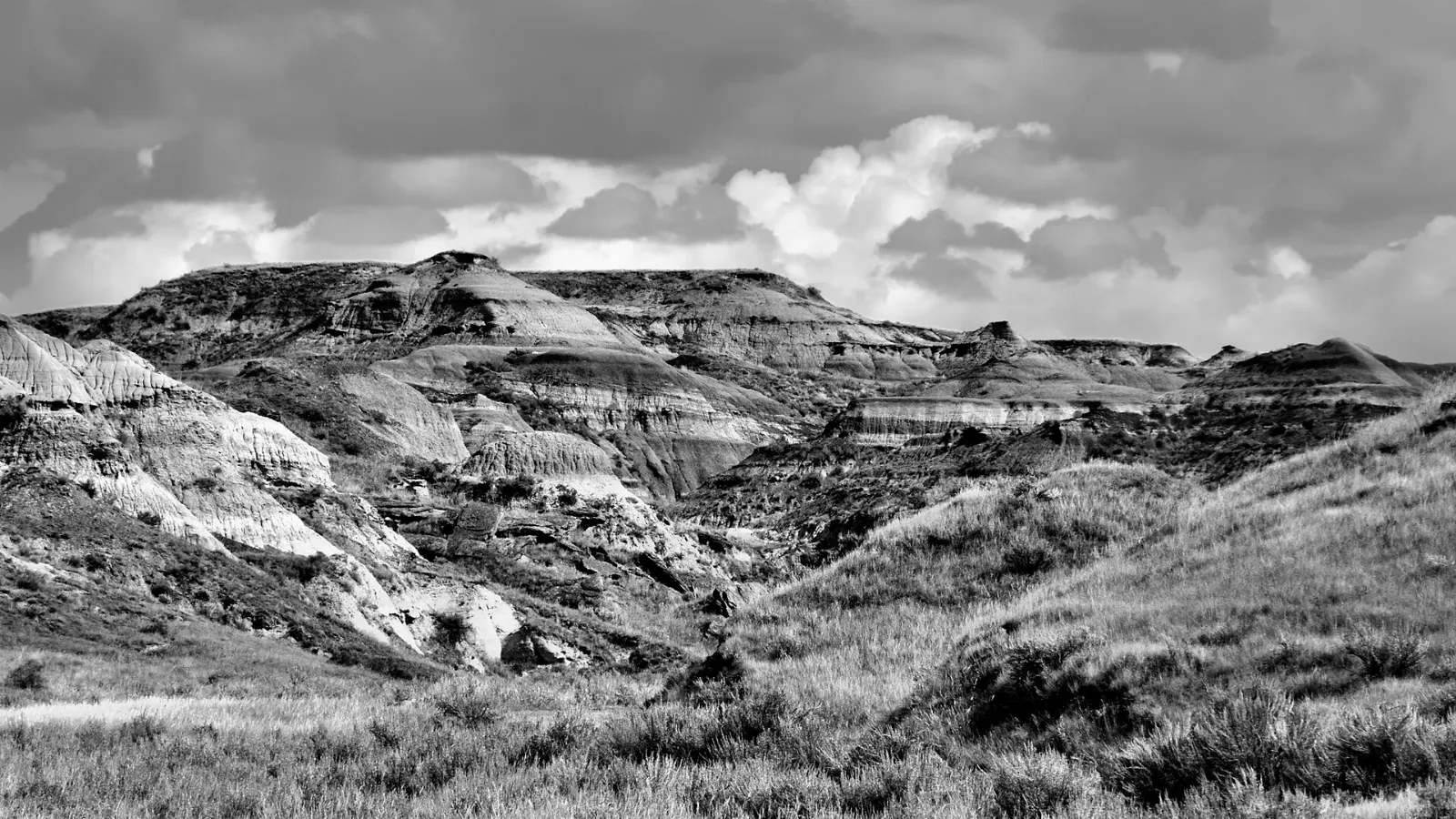
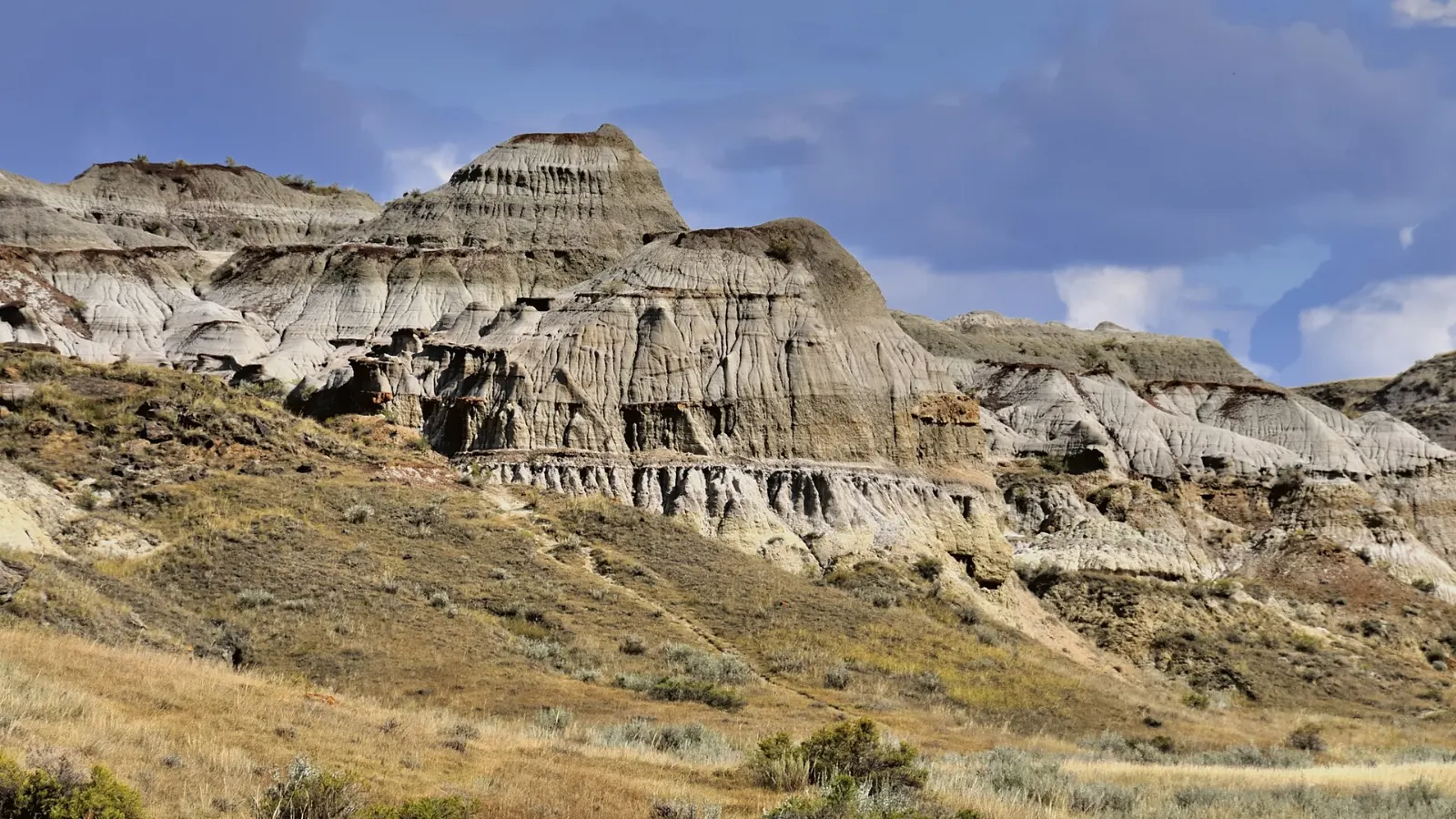
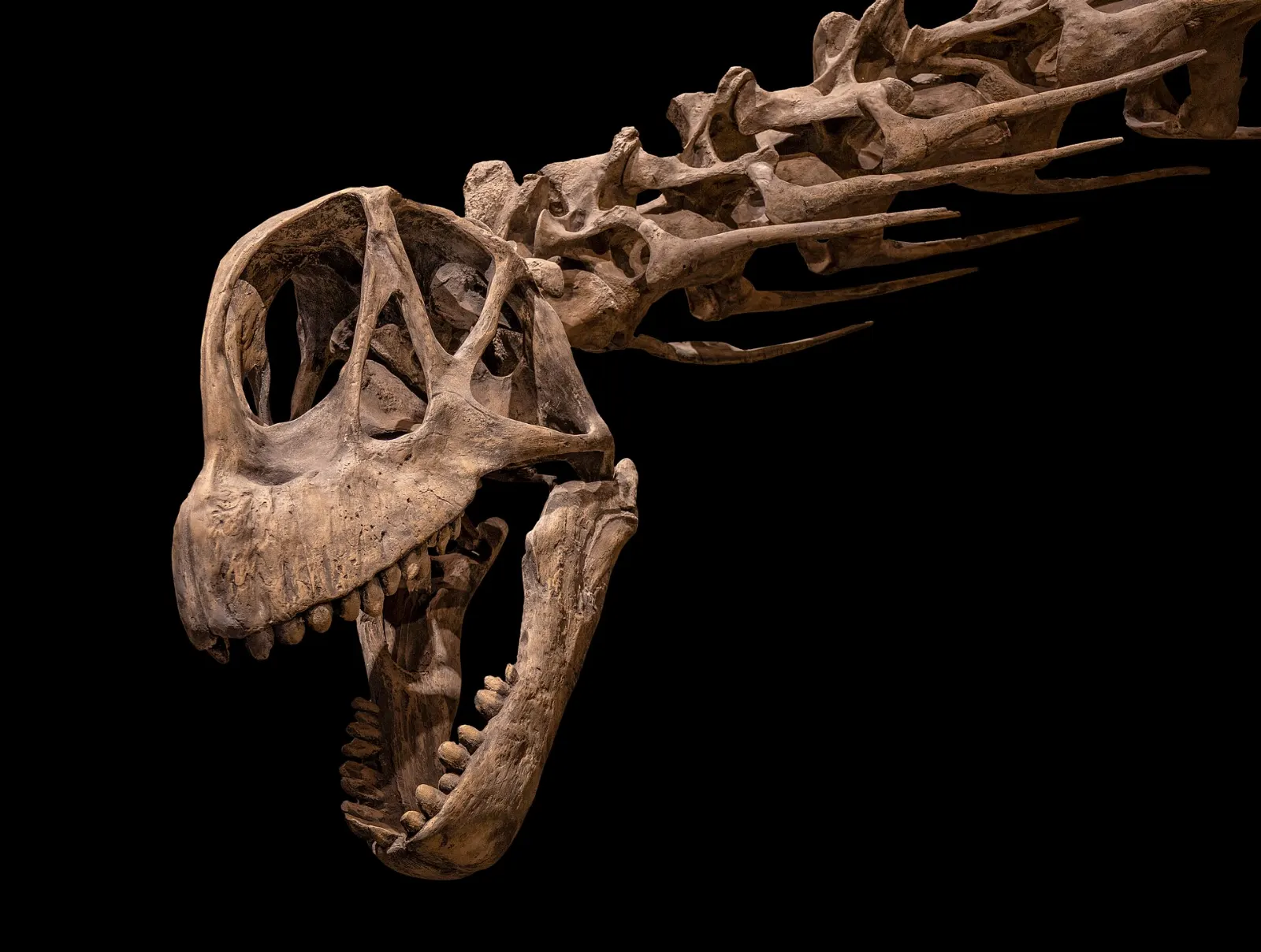
Dinosaur Provincial Park is a UNESCO World Heritage Site in the Red Deer River valley of southern Alberta, about 48 kilometres northeast of Brooks. Its striking badlands hold some of the richest dinosaur fossil beds in the world, with fifty-eight dinosaur species found here.
AT A GLANCE
Best time
Late spring to early autumn is best, and late June brings cactus blooms.
How long
Allow a full day, or two if you want guided tours and camping.
Getting there
Drive about 220 kilometres east of Calgary, or 48 kilometres from Brooks.
Why visit Dinosaur Provincial Park
The park was created in 1955 to protect its fossil beds and was named a UNESCO World Heritage Site in 1979.
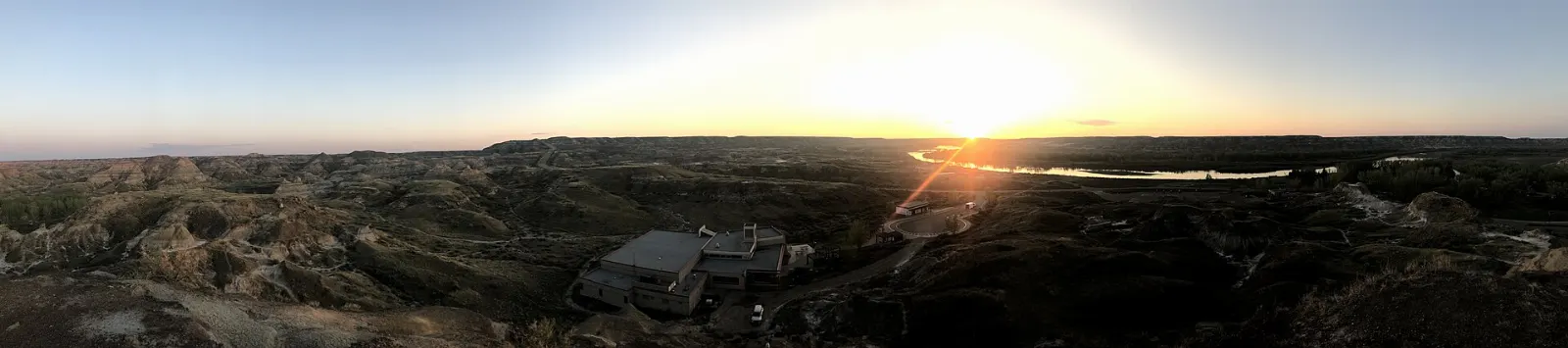
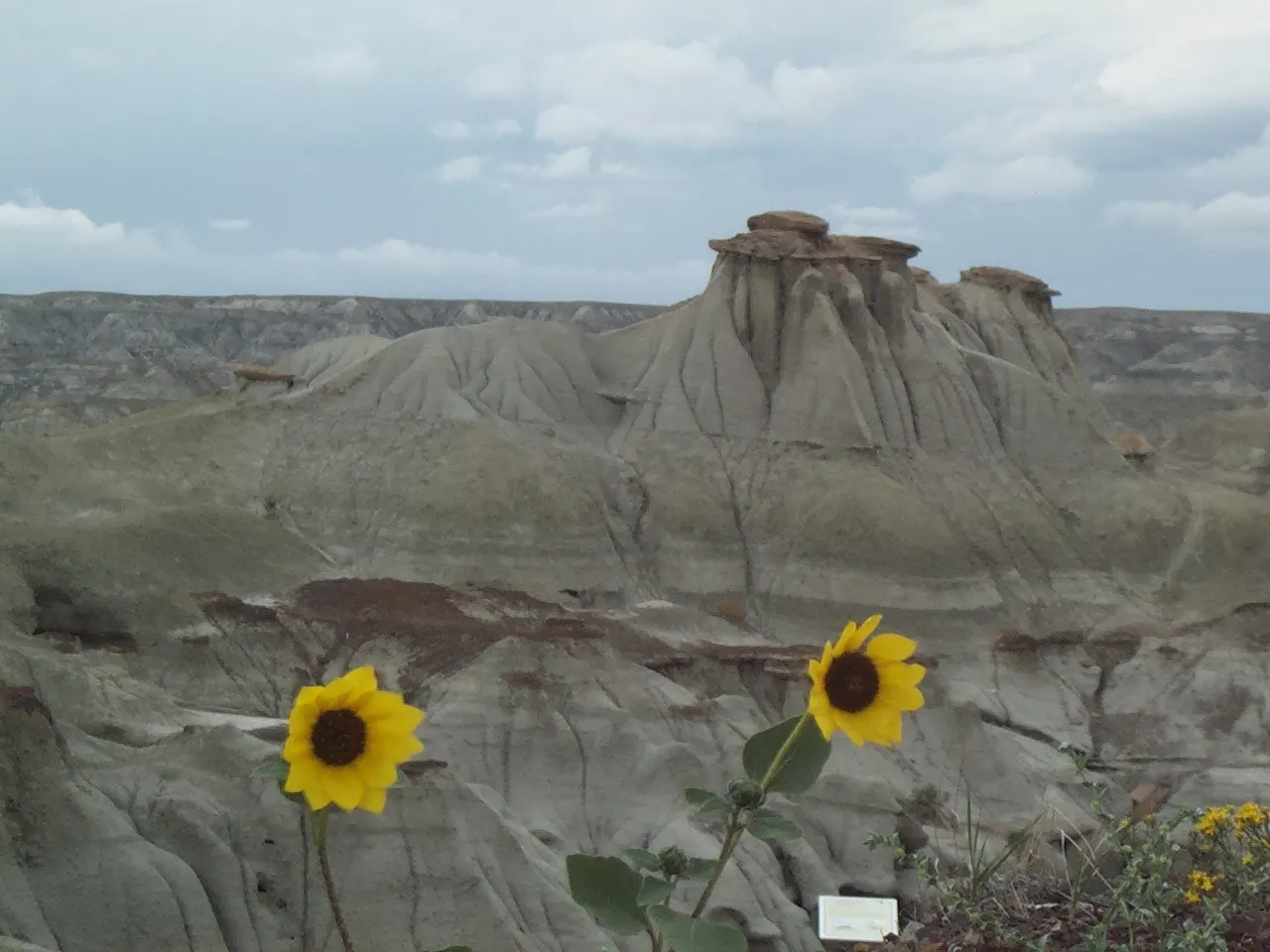
Beyond the fossils, the scenery is dramatic. Layers of Late Cretaceous rock have eroded into badlands that glow at sunrise and sunset, and cottonwoods line the river below.
The rocks here were laid down in the Late Cretaceous, and the Dinosaur Park Formation, which holds most of the articulated skeletons, dates to roughly seventy-five million years ago.
For many years, finds had to be shipped to museums around the globe. That changed when the Royal Tyrrell Museum opened upstream in 1985, so a trip here pairs naturally with a visit to the museum near Drumheller.
Visitor centre and Public Loop Road
Dinosaur Provincial Park Visitor Centre
Begin here for exhibits on dinosaurs, fossils, geology and natural history, plus a video theatre and a fossil preparation lab area. Public programs are offered in summer.
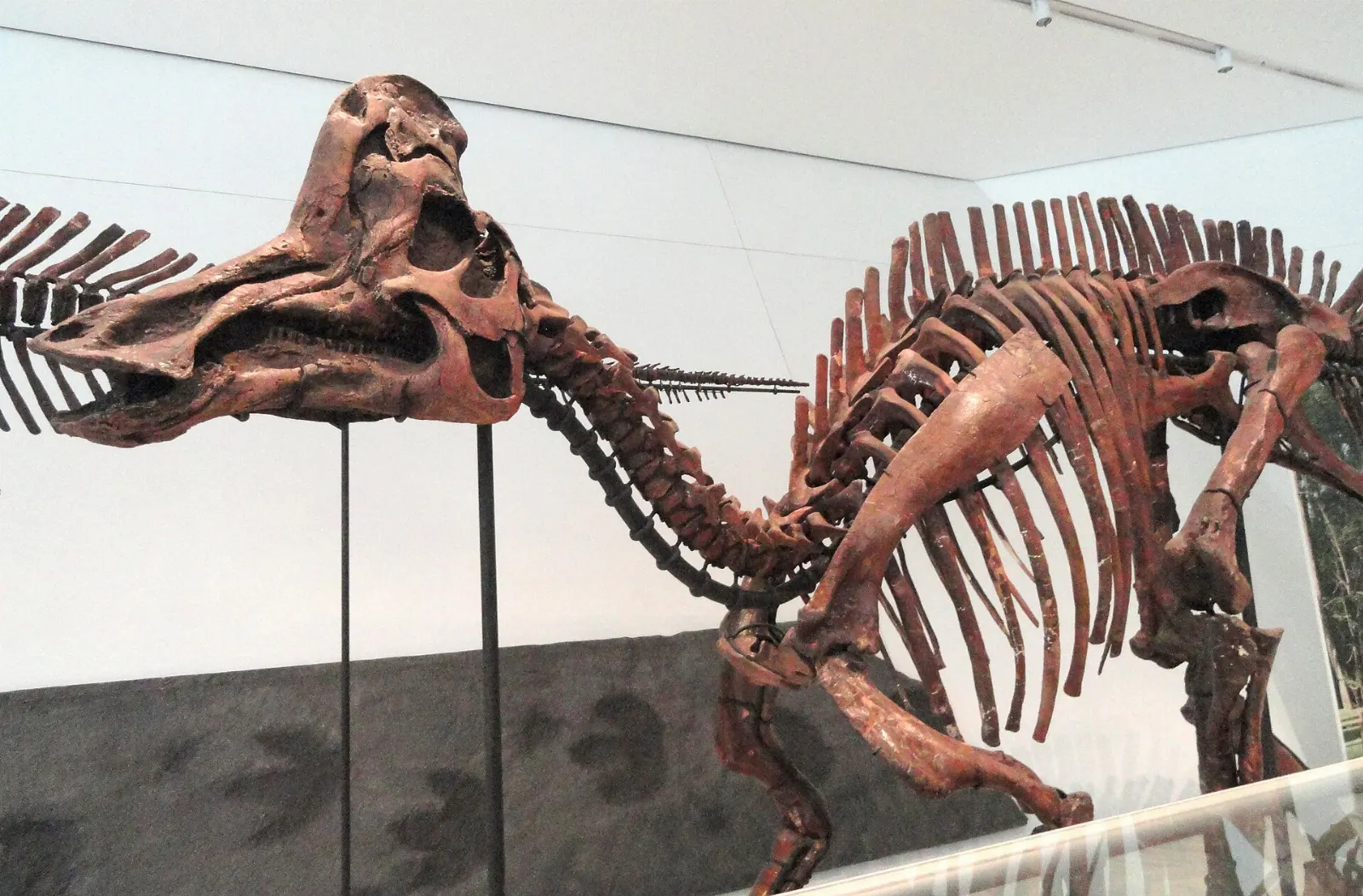
Display House One
The first display house on the Public Loop Road holds a nearly complete skeleton of a duck-billed dinosaur that is believed to have been buried at least seventy-five million years ago.
Display House Two
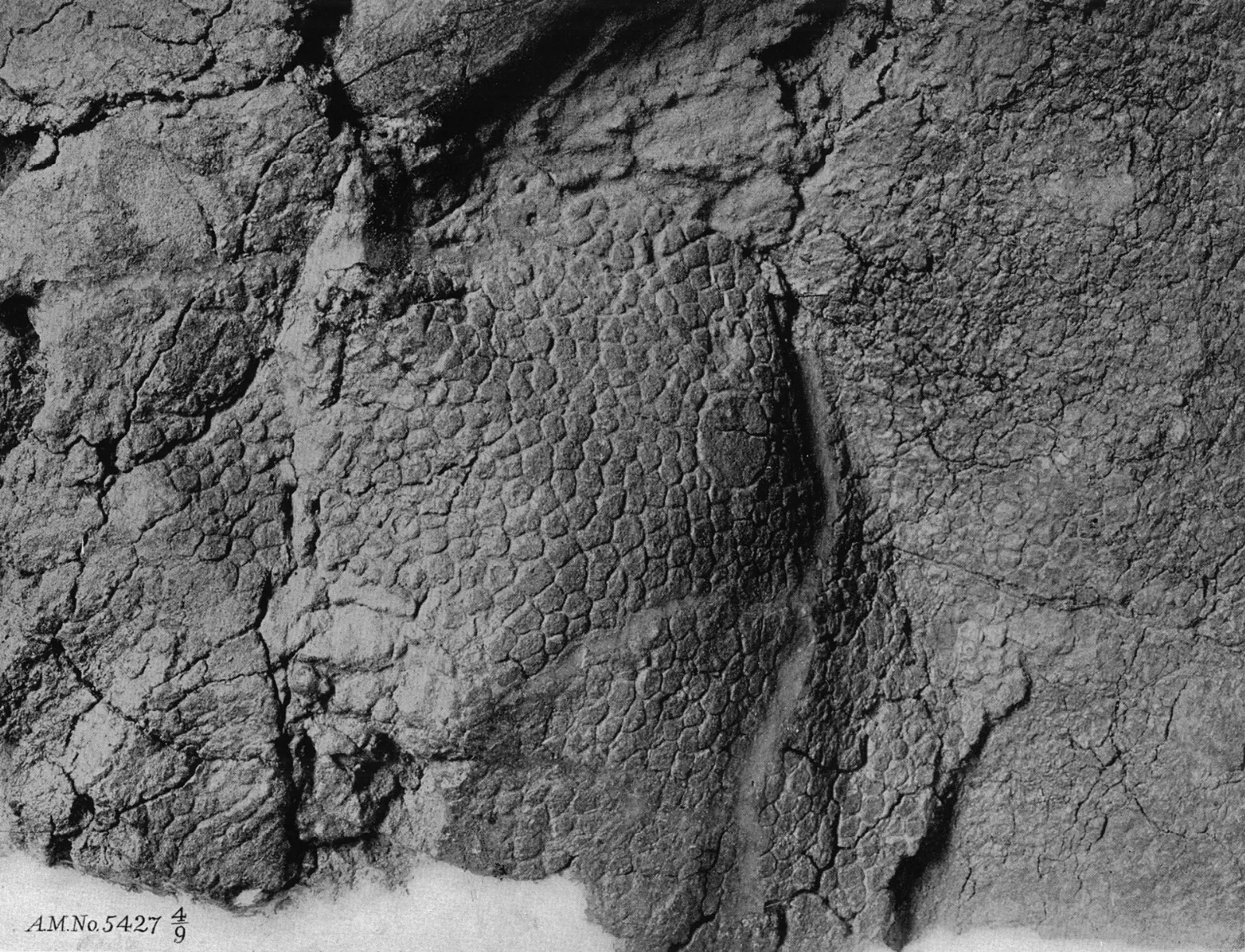
The second house recreates a Centrosaurus bone bed, one of the park's important quarries. Rather than one skeleton, you see bones from many animals together in the rock.
John Ware's Cabin
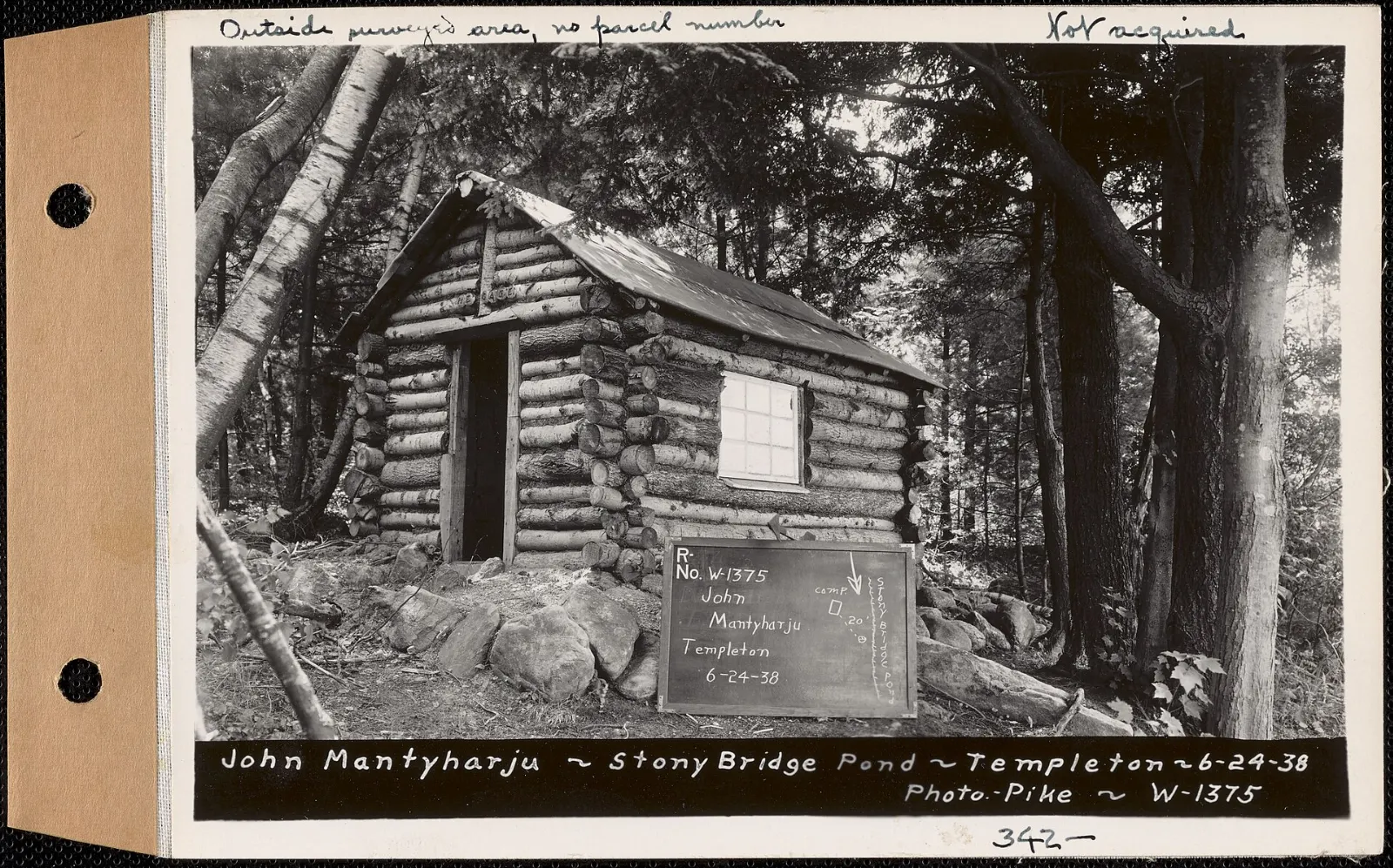
Near the visitor centre stands a restored early twentieth-century cabin that belonged to John Ware, a Black cowboy and one of Alberta's first ranchers. It is open on select days in summer.
The Public Loop Road
This paved road runs from the visitor centre to the two display houses and back, and it is easy in almost any vehicle. Drive it slowly, stop at pullouts and look for mule deer and pronghorn.
Badlands, river and wildlife
Guided badlands tours
Much of the park's fossil-bearing badlands is protected, and travelling through it is by guided tour only. Tours and hikes take you into the coulees to see exposed bones and learn how the area formed.
Red Deer River and cottonwoods
The riverside cottonwoods form a green ribbon below the pale badlands and shelter birds and small mammals. The park is home to about 165 bird species, including curlews and Canada geese.
Prairie, cactus and wildlife
Above the coulees lie prairie grasslands where cottontail rabbits, mule deer and pronghorn graze. Prickly pear and pincushion cactus flower in the second half of June.
Nearby stops
Brooks
Brooks is the nearest town, about 48 kilometres from the park and roughly halfway between Calgary and Medicine Hat.
Royal Tyrrell Museum and Drumheller
About 100 kilometres upstream, the Royal Tyrrell Museum of Palaeontology in Midland Provincial Park near Drumheller is Canada's only museum devoted to palaeontology. It pairs well with Dinosaur Provincial Park if you have an extra day.
 Planning a trip to Dinosaur Provincial Park?Compare hotels, flights and vacation rentals for Dinosaur Provincial Park on Expedia.Book now
Food and local flavors
Food inside the park is simple. The Cretaceous Café is a small cafe with a convenience store, and Brooks has more restaurants, so pack supplies if you plan a long day.
Calgary is widely credited as the birthplace of ginger beef, a sweet, crisp dish of fried beef strips in a ginger and chili sauce that appears on menus across southern Alberta.
Popular dishes to try in Dinosaur Provincial Park


Where to stay
There is no lodging inside the park, and the only place to sleep is the Dinosaur Campground, which suits families and anyone who wants an early start and a quiet night.
Brooks is the closest town and the practical choice if you prefer a bed and a restaurant, about 48 kilometres away. Medicine Hat sits along the Trans-Canada Highway to the east and offers more choice.
Where to stay in Dinosaur Provincial Park


Best time to visit
Late spring to early autumn is the best period, with the visitor centre on longer hours, public programs in summer and the widest choice of tours. Late June brings blooming prickly pear and pincushion cactus, and the evenings are long.
Summers on the prairie can be hot and dry, so plan outdoor time for morning or late afternoon. Autumn is quieter with cooler air and soft light on the badlands.
Getting there and getting around
The park is about 220 kilometres east of Calgary and 48 kilometres northeast of Brooks. From Brooks, take Highway 873 north to Highway 544, then follow signs through Patricia toward the park entrance. Calgary International Airport is the nearest major airport, and a car is the practical way to arrive.
Inside the park, the main roads are the Public Loop Road and the road leading west from the visitor centre, both paved. Cycling is allowed on roads and marked trails, but there is no bike rental.
A suggested itinerary
First day
Arrive at the visitor centre, tour the exhibits, then drive the Public Loop Road to both display houses and John Ware's Cabin.
Second day
Take a morning hike or tour, then look for wildlife on the prairie. If time allows, drive to the Royal Tyrrell Museum near Drumheller, or finish in Brooks with a slice of saskatoon berry pie.
Practical tips
- Book guided tours and campsites early for summer weekends.
- Bring plenty of water, sun protection and a hat, because the badlands offer little shade.
- Stay on marked trails and roads, as leaving them is not allowed in this fragile landscape.
- Leave fossils where you find them and report any discoveries to park staff.
- Watch for prairie rattlesnakes and give wildlife plenty of room.