Kelowna is the largest inland city in British Columbia, set on the shore of Okanagan Lake in the heart of the province's wine country. Summers are hot and sunny, the lake is the main draw, and vineyards and orchards spread out around town.
AT A GLANCE
Best time
Summer for the lake, or September to November for the wine harvest.
How long
Three days covers the waterfront, the parks, a winery trip and the mission.
Getting there
Fly into Kelowna International Airport or drive Highway 97 from Vancouver.
Why visit Kelowna
Kelowna has a population of about 142,000 and sits in the tourist oriented Okanagan Valley. Okanagan Lake draws boaters, swimmers and kite boarders in summer, while golf, hiking and cycling are popular too.
Wineries cluster around and south of the city, and the climate is ideal for grapes and orchard fruit.
Waterfront and downtown
Waterfront Park
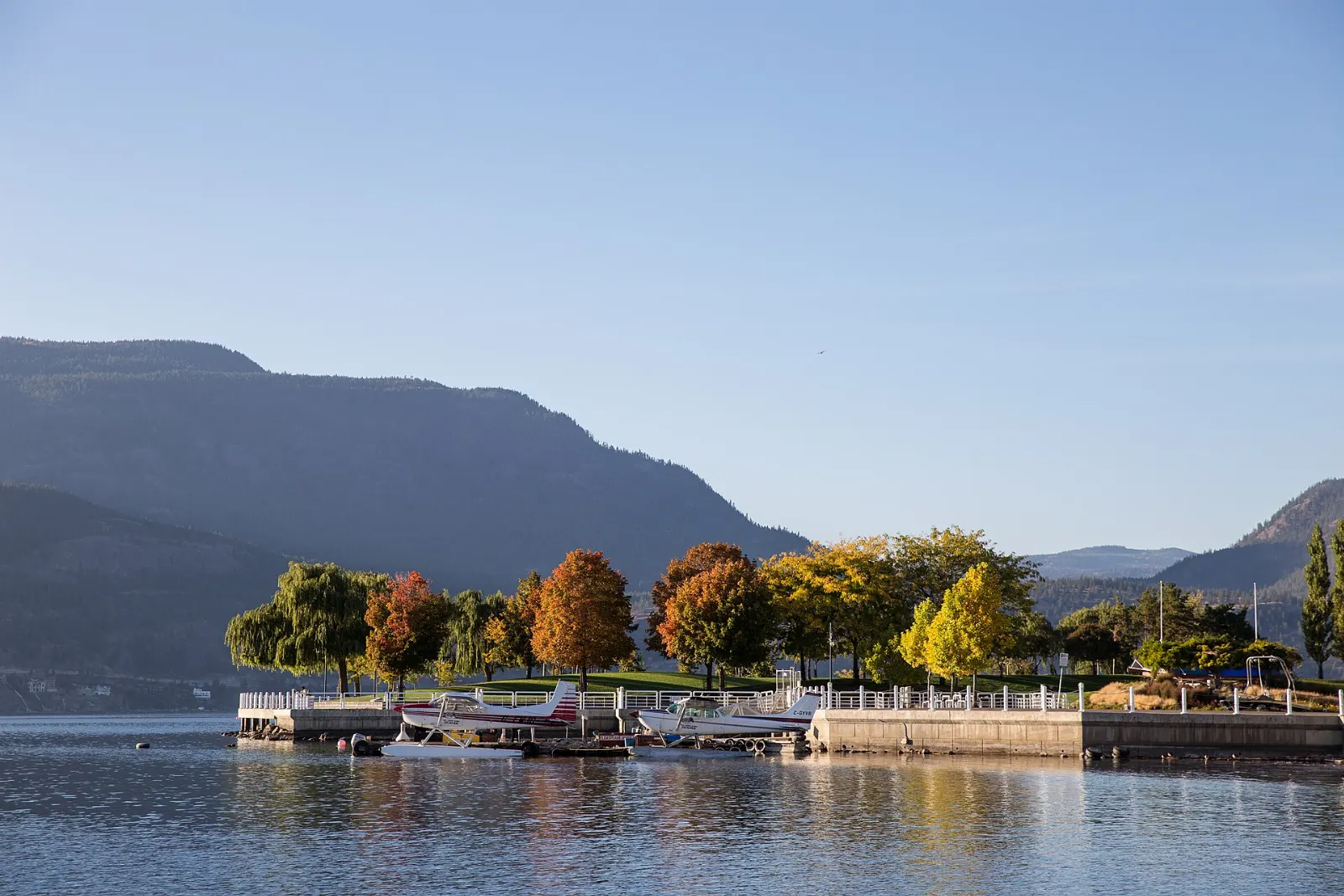
This well kept park along downtown Kelowna's waterfront has a boardwalk, gardens and a sandy swimming beach known as Tugboat Beach. At the northern end the Rotary Marsh is a small bird sanctuary.

Stuart Park
Between Mill and Doyle on Water Street, Stuart Park is notable for the Bear Plaza and its public art. In winter an outdoor skating rink opens here, which makes it one of the few spots that feels different in each season. It is an easy stop between Waterfront Park and downtown restaurants.
City Park
West of Abbott Street, City Park is a relaxed spot for a picnic, with playgrounds, a water park and a skate park. It is a good option for families who need a break from the beaches. Lunch hour crowds are lighter than weekends in July.
Parks and viewpoints
Knox Mountain Park
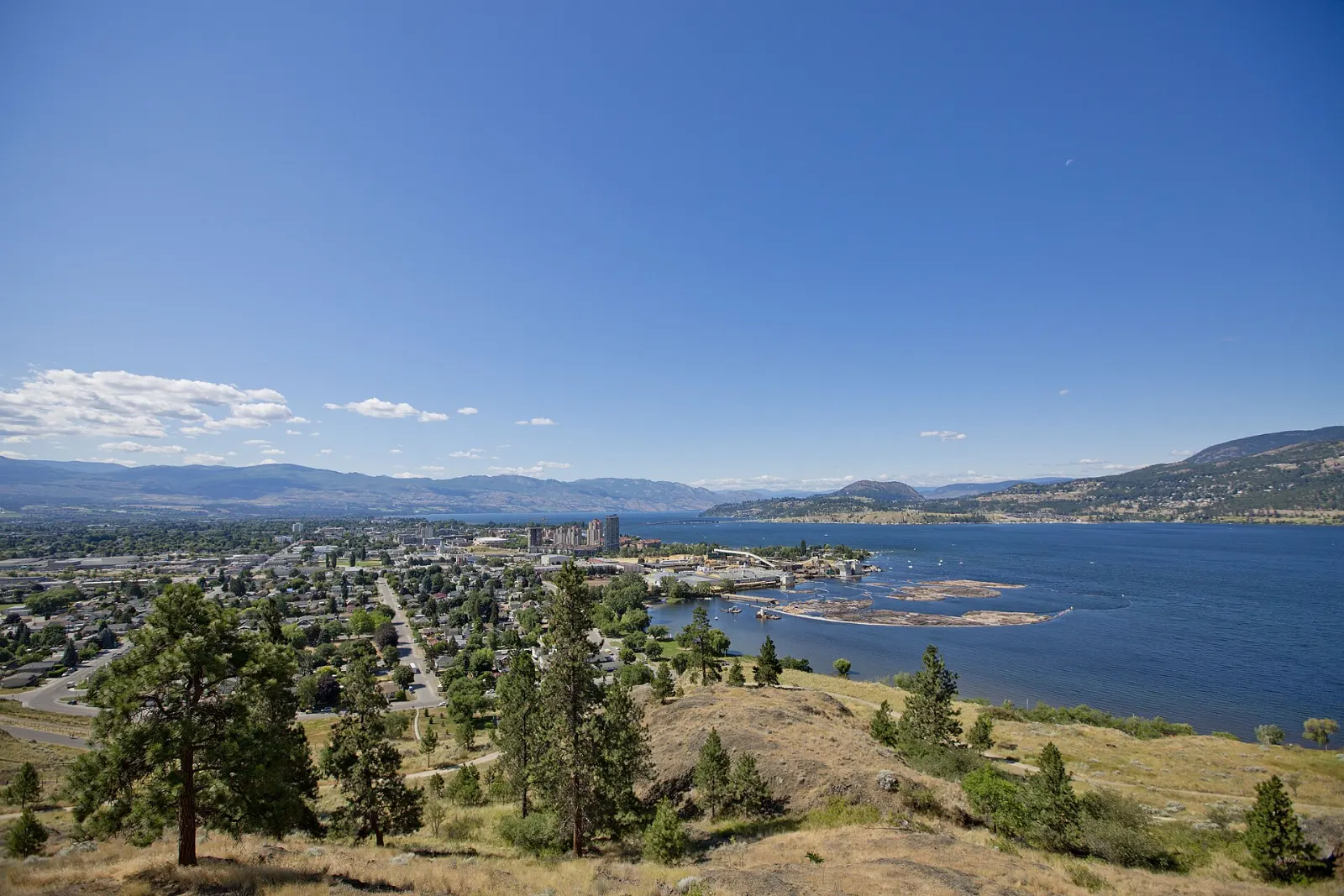
North of downtown, Knox Mountain Park is a large natural area with trails and a summit view over the valley, Okanagan Lake and the city. In summer a road runs most of the way up, but vehicle access is limited to certain days and hours, so check the city website before you drive. Walking up is a rewarding hour or two.

Boyce-Gyro Beach Park
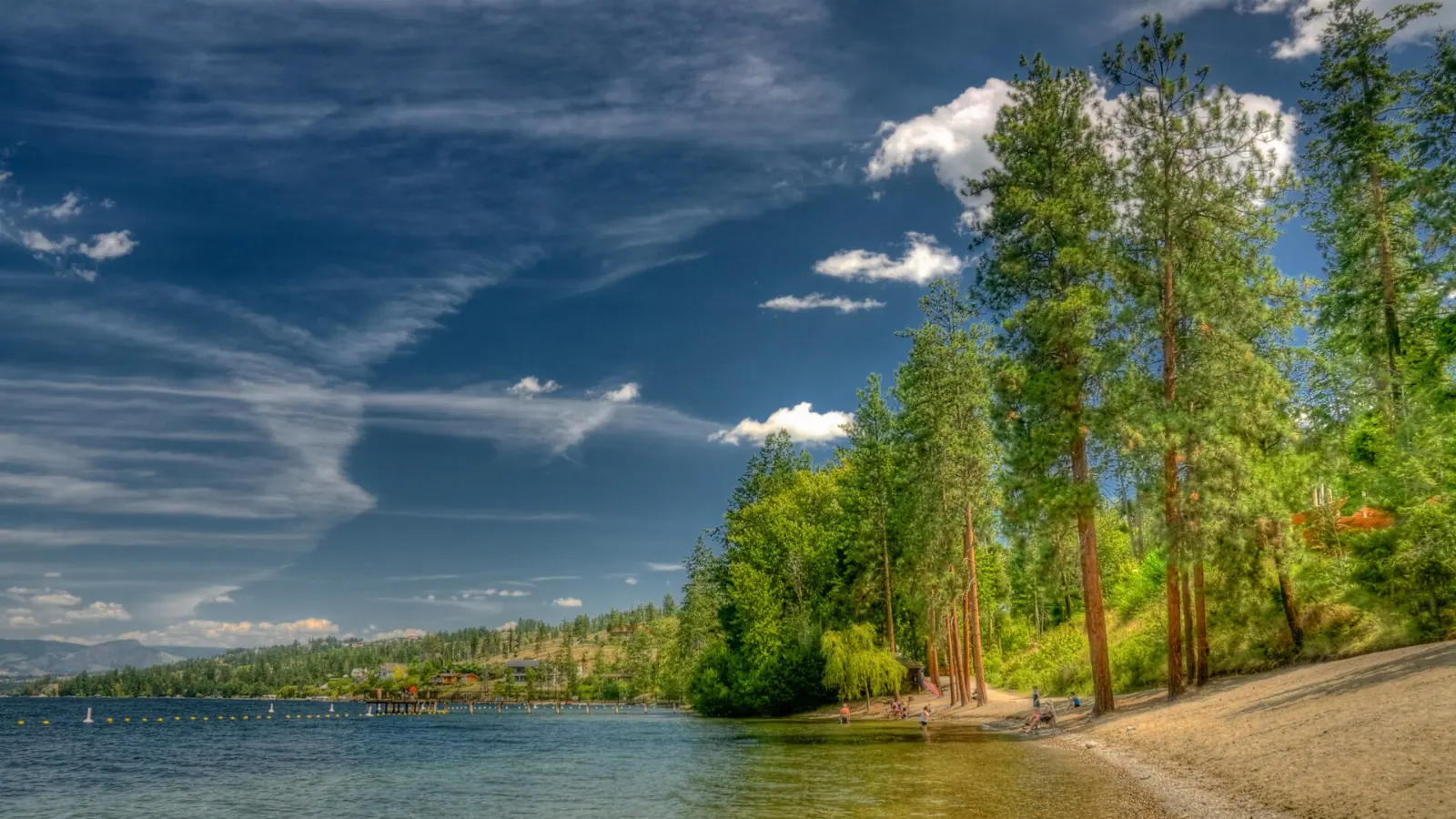
One of the more popular swimming beaches, Boyce-Gyro has a half submerged playground that kids love. Local legend has it that Ogopogo, the lake monster of Okanagan folklore, lives in the lake. Come early on summer weekends for parking and a spot on the sand.
Bertram Creek Regional Park
At the end of Lakeshore Road, this park has beaches and grassy areas for picnics, plus barbecues and change rooms. It tends to be calmer than the beaches nearer downtown, which makes it a good pick for a quiet afternoon.
Mission Creek Regional Park
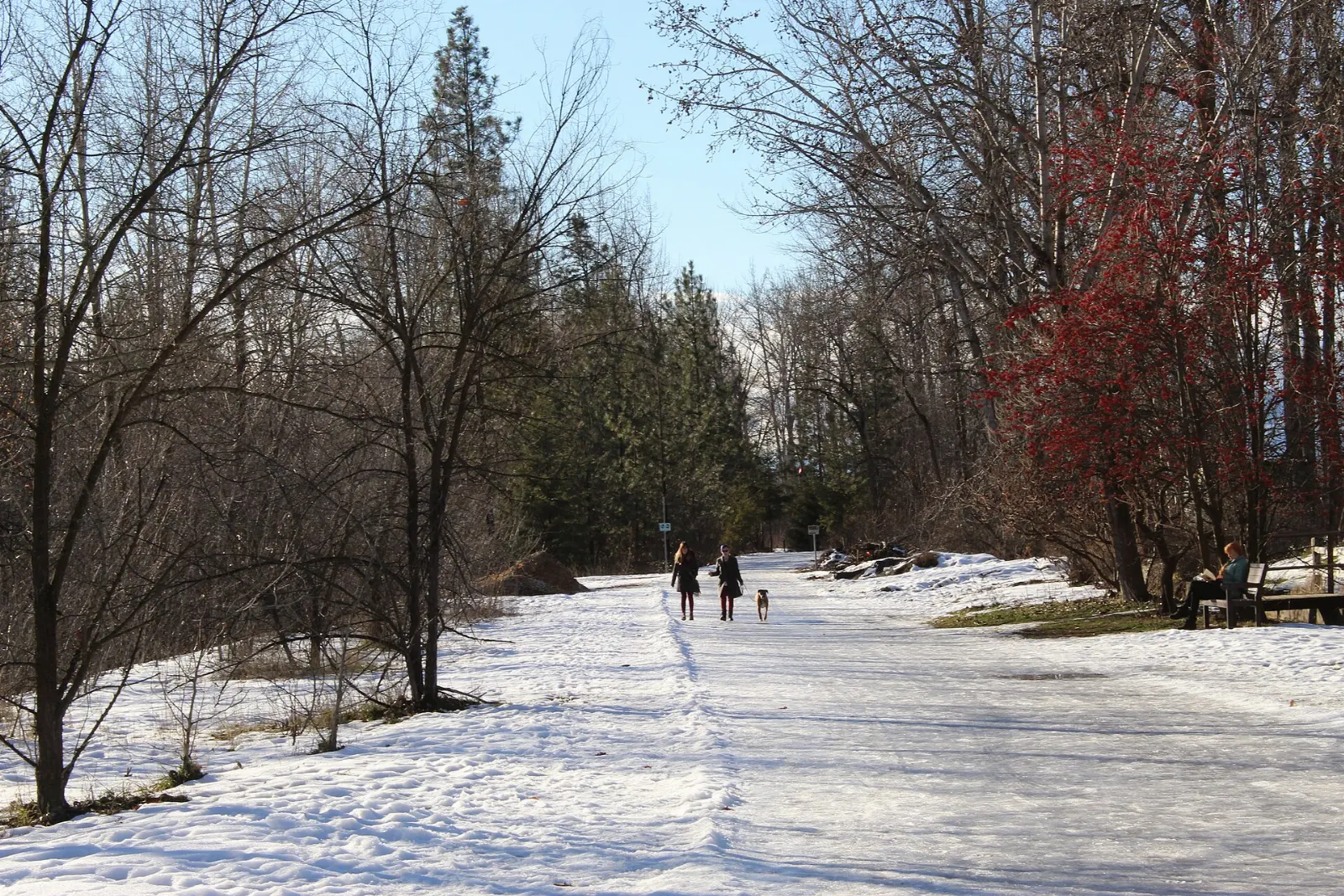
On both sides of Mission Creek, this park has a creekside trail with a fish ladder, an old homestead site and interpretive signs. The EECO Centre offers exhibits and park information. Allow an hour or two for a gentle walk, ideally during daylight hours.

History, wine and the lake
Father Pandosy Mission
Father Pandosy moved to the Kelowna area in 1859 and started the first European settlement here. The restored mission is now a museum in the neighbourhood known as Okanagan Mission. Check its current hours and plan about an hour.
Wineries around Kelowna
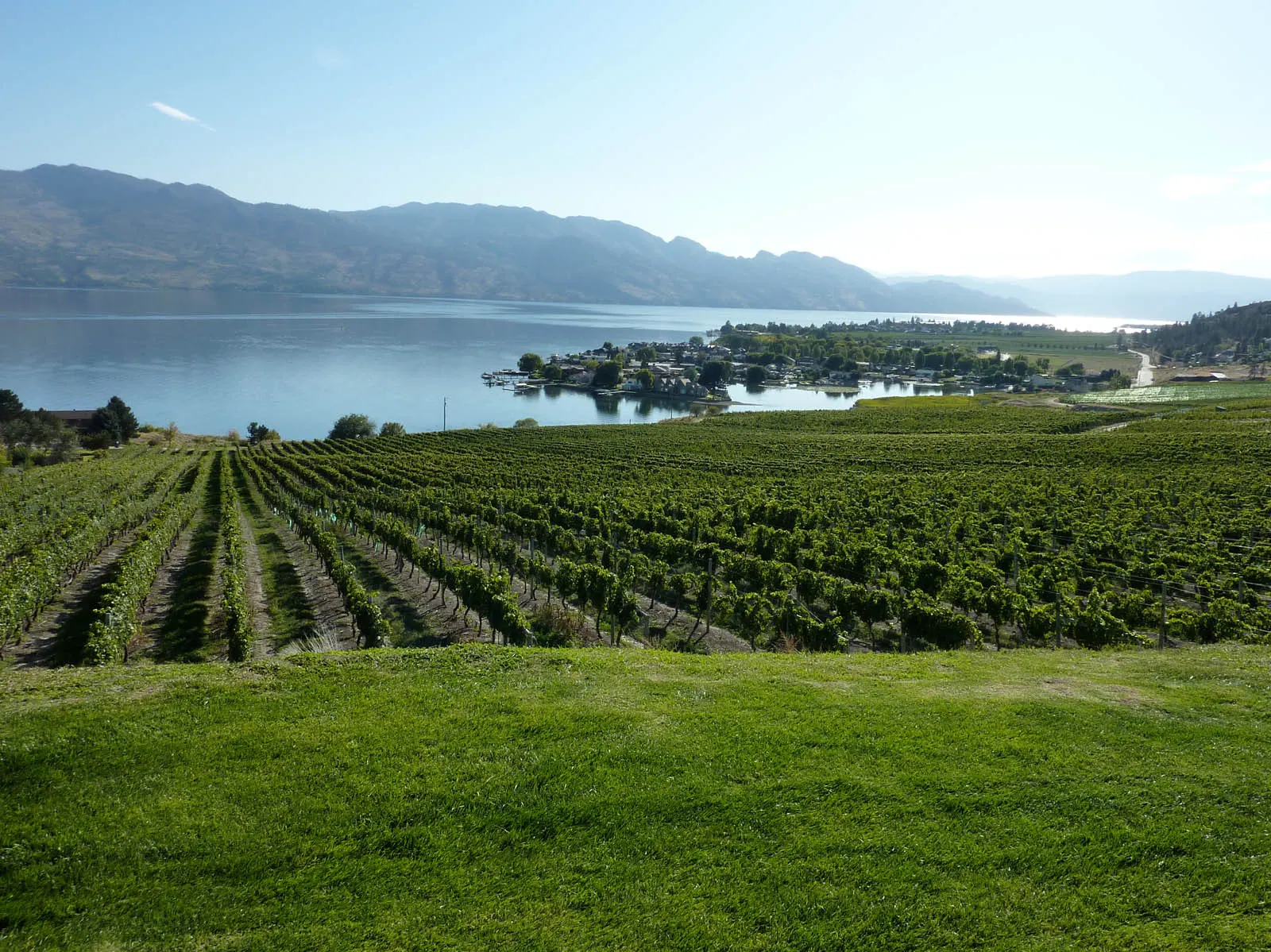
Vineyards are common around and south of the city. Many visitors come in September to November for the harvest, and the valley produces wines with international recognition.
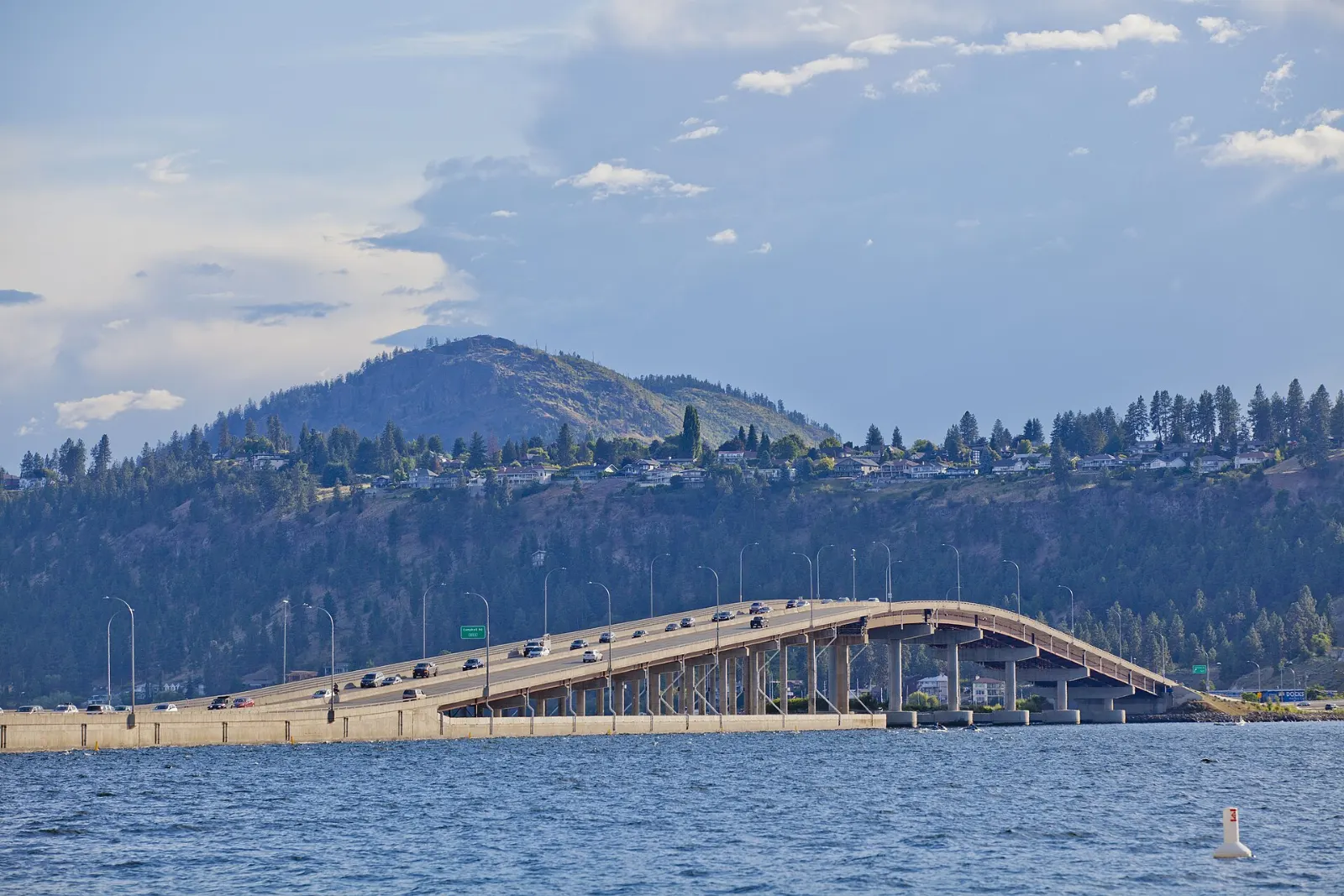
Okanagan Lake
The lake is a roughly 120 kilometre ribbon of water and the reason many people come. Boat launches along the shore have parking, though you should expect queues in summer.
Kelowna Rockets
In winter, catch a junior hockey game at Prospera Place downtown, home of the local Western Hockey League team. It is a fun local night out on a cold evening.
 Planning a trip to Kelowna?Compare hotels, flights and vacation rentals for Kelowna on Expedia.Book now
Food and local flavors
Kelowna sits in orchard country, so ask at fruit stands and farmers markets for Okanagan peaches and fresh cherries in summer. The wine is the headline, and Okanagan wine appears on nearly every menu and tasting room in the region.
Downtown has a lively restaurant scene near the waterfront, with plenty of patios for summer evenings. Many local chefs build menus around valley produce, so look for dishes that mention nearby farms.
Popular dishes to try in Kelowna


Where to stay
Downtown Kelowna puts you near the lake, restaurants, the Rockets arena and bus stops. It suits first time visitors, couples and anyone without a car, as the core is pedestrian friendly, especially along the waterfront.
Lakeshore Road runs south along the water to beaches such as Boyce-Gyro and Bertram Creek, which suits families and beach lovers who want the sand a few steps away.
Where to stay in Kelowna


Best time to visit
Summers are hot and sunny, with average highs around 30 degrees Celsius and cooler nights, which makes July and August ideal for the lake.
Winters are cooler and cloudier, with persistent valley cloud in December and January, though Okanagan Lake hardly ever freezes. Skiing and winter sports are available in the nearby mountains.
Getting there and getting around
Kelowna International Airport has direct flights from Vancouver, Calgary, Edmonton, Toronto and Victoria, plus Seattle. Highway 97 runs through the city, and it is a four to five hour drive from Vancouver via the Okanagan Connector.
Once there, BC Transit operates routes around Kelowna, West Kelowna and Peachland. Downtown is pedestrian friendly, and the city has an extensive network of bike lanes.
A suggested itinerary
First day
Stroll Waterfront Park and Stuart Park, have lunch downtown and swim at Tugboat Beach.
Second day
Hike up Knox Mountain Park in the morning, then spend the afternoon at Boyce-Gyro Beach Park or Bertram Creek Regional Park.
Third day
Visit the Father Pandosy Mission and book a winery tasting.
Practical tips
- Book wine tastings ahead and plan a safe ride back.
- Bring sun protection, because summer days are hot and dry.
- Arrive early at popular beaches on summer weekends.
- Check vehicle access times before you drive up Knox Mountain.
- Avoid the downtown rush hour when you drive, especially near the bridge.