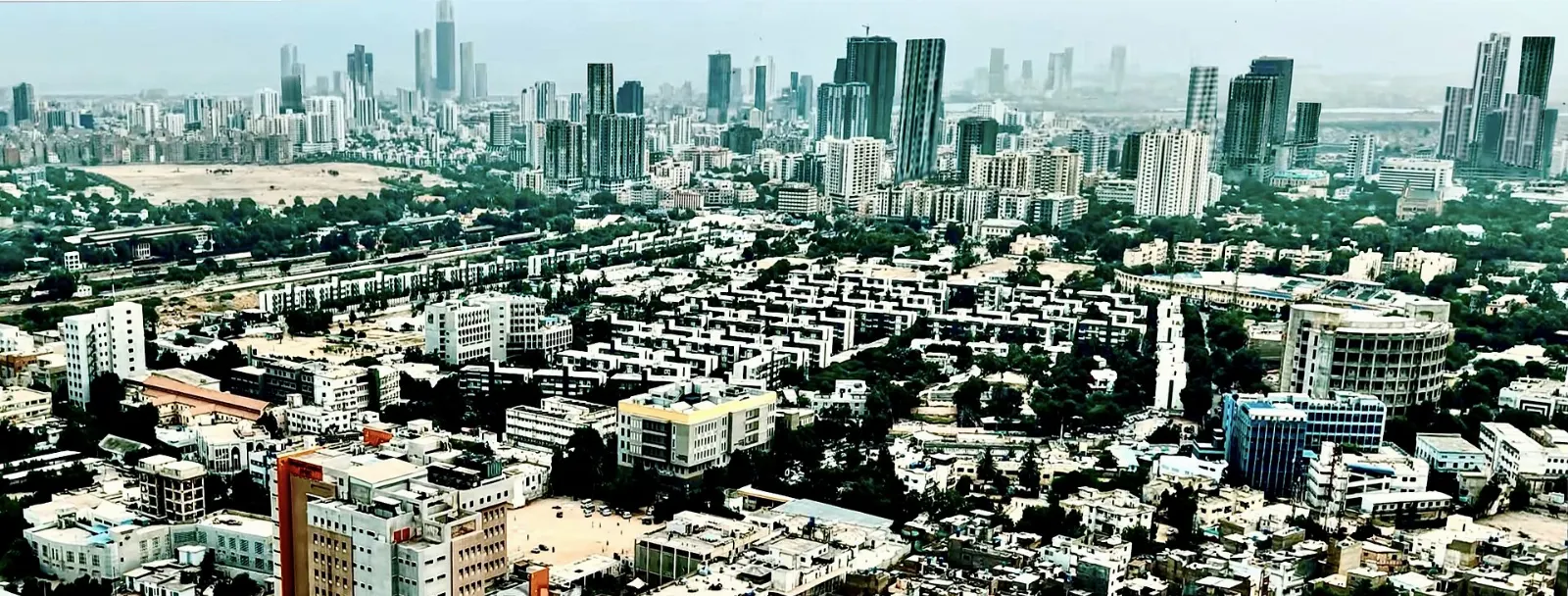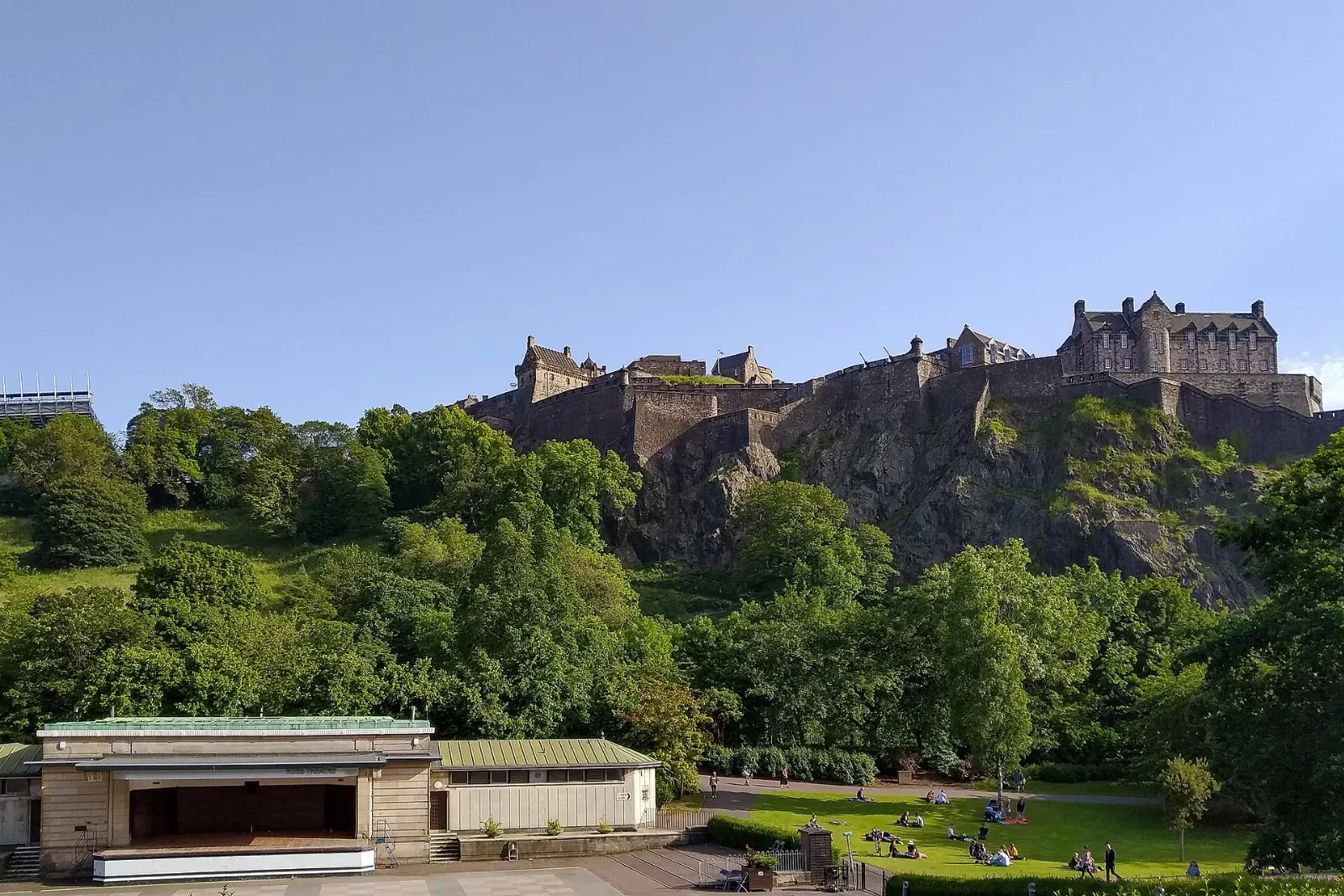
Edinburgh is one of Europe's most dramatic capitals. A castle sits on an extinct volcano above the city, a medieval Old Town of narrow closes and tall tenements tumbles down the ridge toward a royal palace, and an elegant Georgian New Town spreads out in orderly streets to the north.
AT A GLANCE
Best time
May, June and September for long days and milder weather; August for the festivals.
How long
Three days for the main sights; four or five to add Leith, galleries and a day trip.
Getting there
Trams and the Airlink bus link Edinburgh Airport with the center; trains arrive at Waverley.
Why visit Edinburgh
The Old and New Towns of Edinburgh together form a UNESCO World Heritage Site, and the contrast between them is the city's great charm. In the Old Town you can follow centuries of Scottish history through wynds and closes, kirks and courtyards, while the New Town shows off the confident architecture of the Scottish Enlightenment.
Edinburgh is also a cultural powerhouse. Each August it hosts the world's largest arts festival, the Edinburgh Festival Fringe, alongside the Edinburgh International Festival and other events, and at New Year its Hogmanay celebrations draw visitors from around the world.
Edinburgh Castle and the Old Town
Edinburgh Castle
Perched on Castle Rock, Edinburgh Castle has been a royal residence, fortress, prison and treasury. Inside you can see the Honours of Scotland, the Scottish crown jewels, along with the Royal Palace, the Great Hall and St Margaret's Chapel from the early twelfth century, regarded as the oldest building in the city.
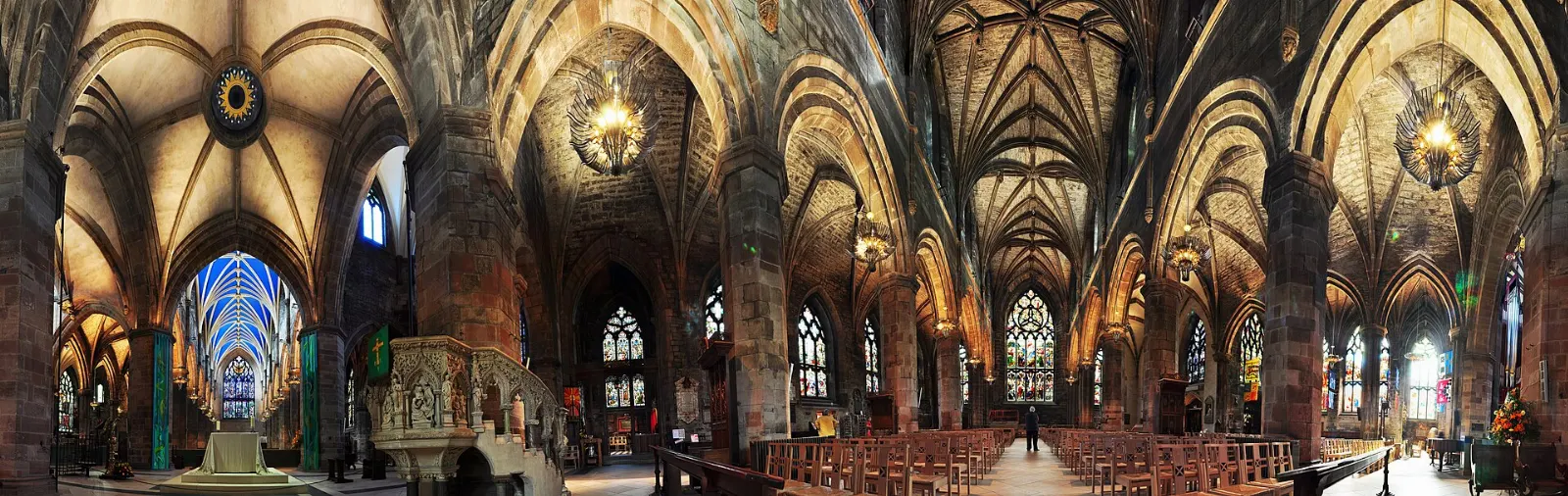
The Royal Mile and St Giles' Cathedral
The Royal Mile is the chain of streets running downhill from the castle to the Palace of Holyroodhouse, almost exactly a mile long.
Victoria Street and the Grassmarket
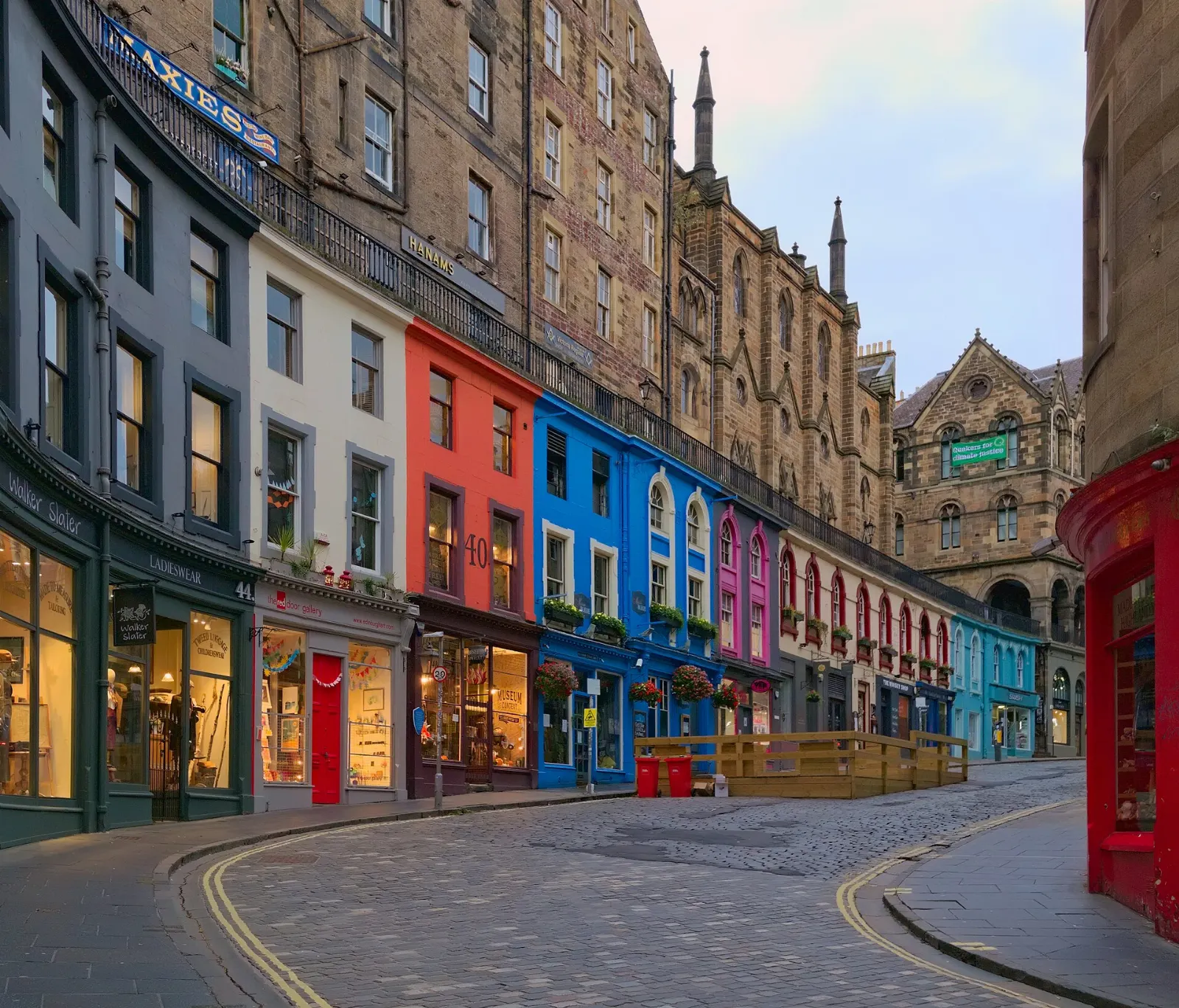
Just off the Royal Mile, Victoria Street curves down to the Grassmarket in a sweep of colorful shopfronts, independent stores and cafes. The Grassmarket below was once a market and place of public executions and is now lined with pubs and restaurants, with fine views up to the castle.
National Museum of Scotland
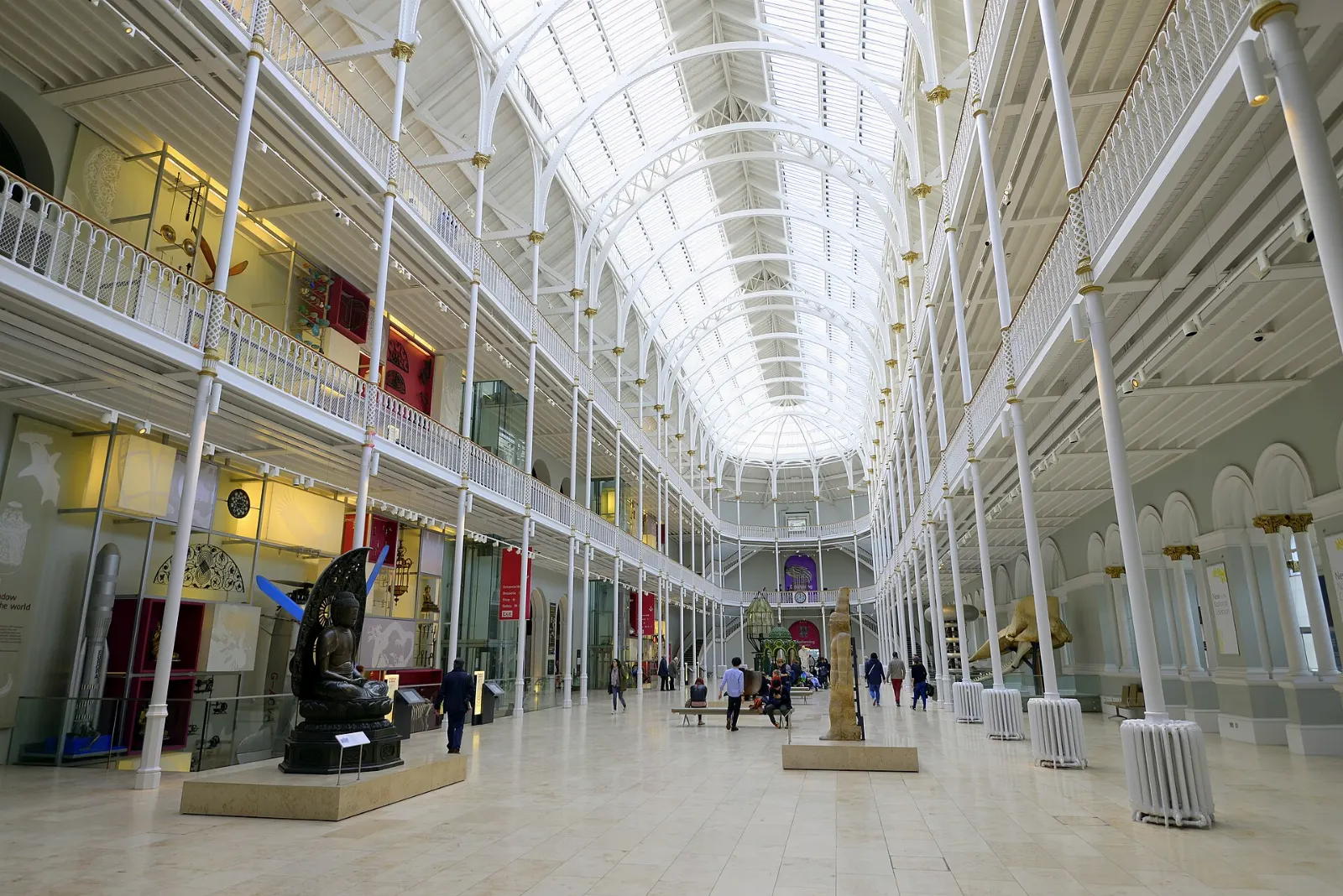
On Chambers Street, a few minutes from the Grassmarket, the National Museum of Scotland combines a bright Victorian grand gallery with a modern wing that tells the story of Scotland from its geology to the present day.
Palace of Holyroodhouse
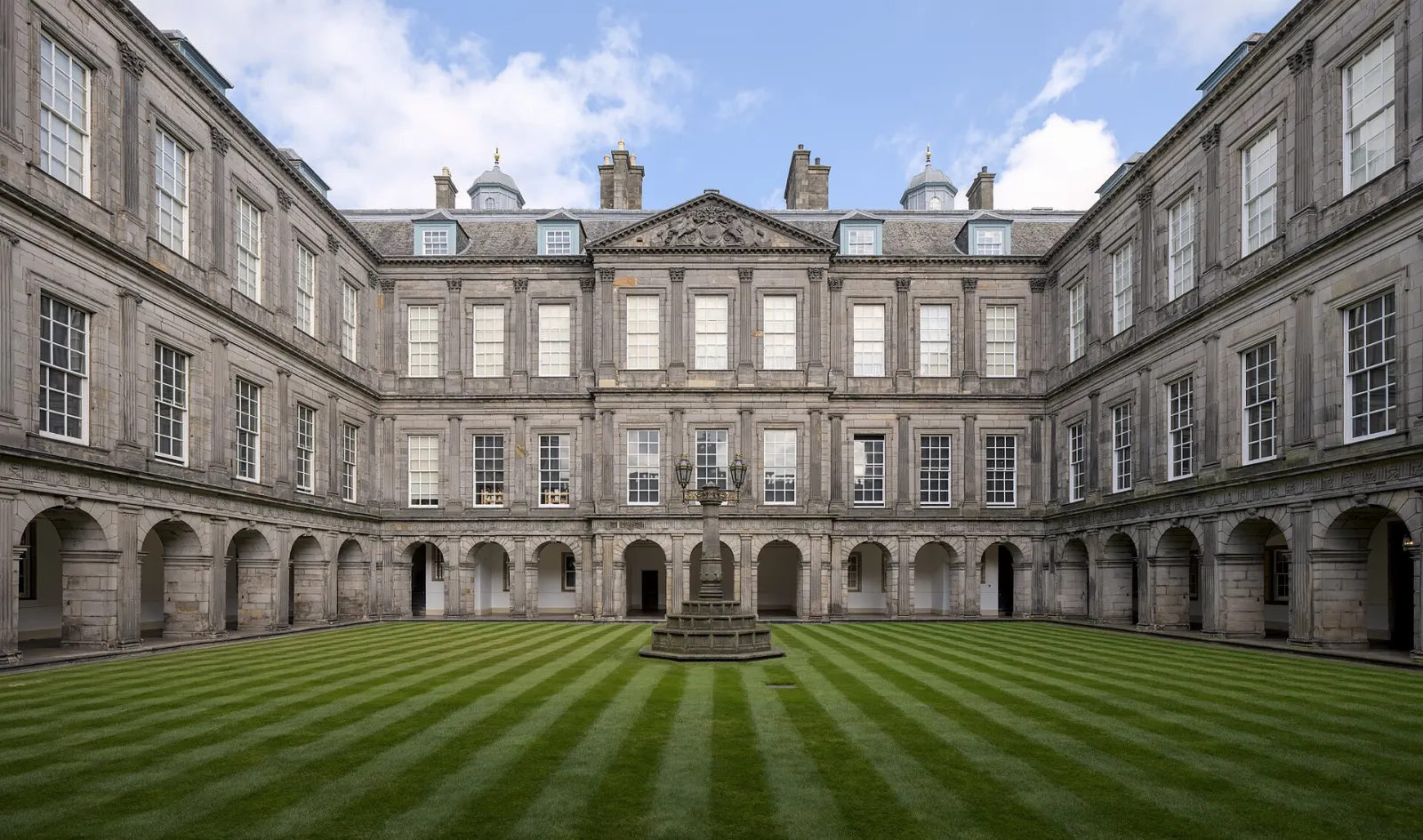
At the foot of the Royal Mile, the Palace of Holyroodhouse is the monarch's official residence in Scotland and the setting for many episodes in the life of Mary, Queen of Scots. You can tour the State Apartments, Mary's chambers and the romantic ruins of Holyrood Abbey.
Hills and viewpoints
Arthur's Seat and Holyrood Park
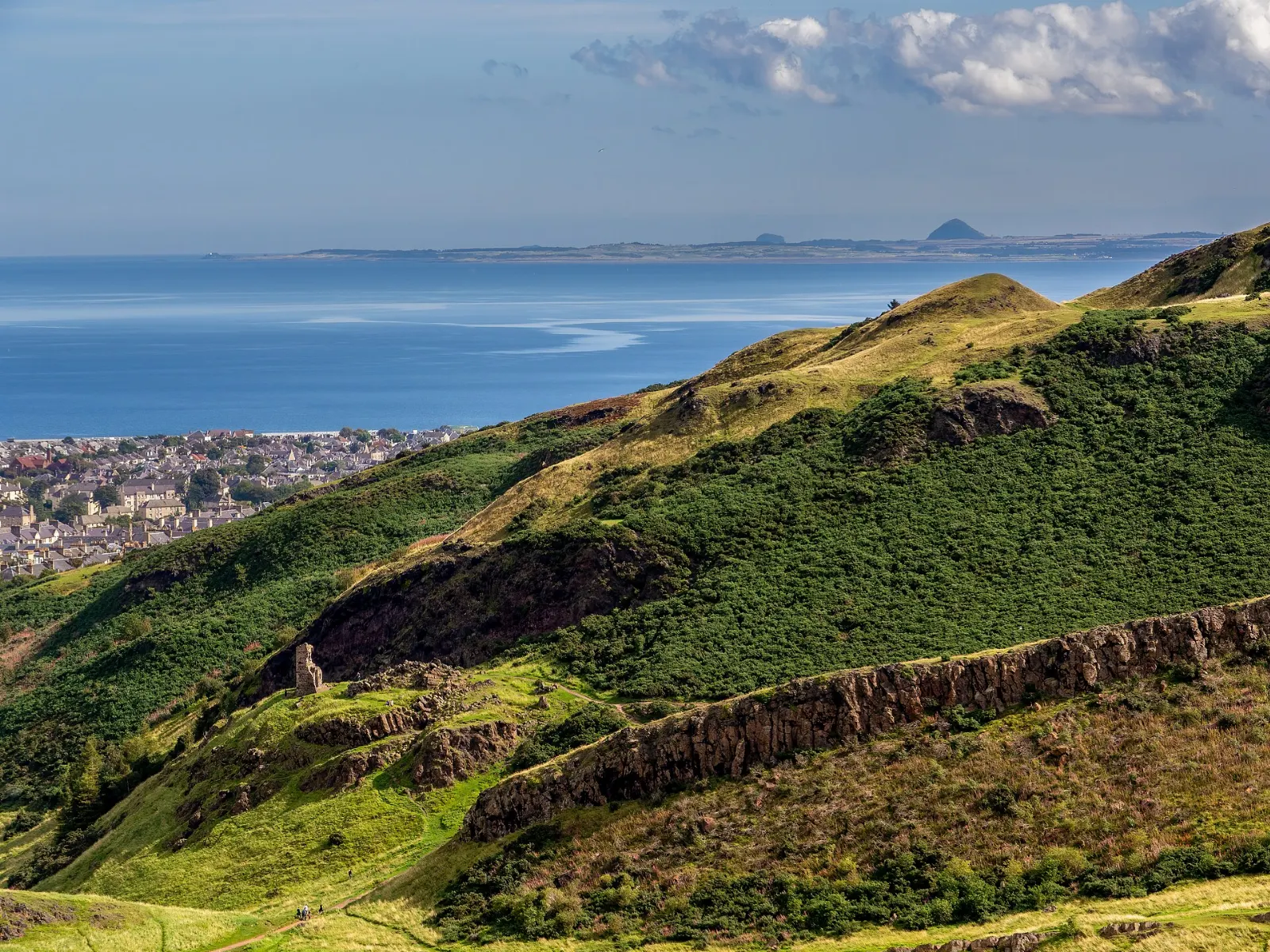
Rising behind the palace, Arthur's Seat is an ancient extinct volcano and the highest point in Holyrood Park, about 251 metres above sea level. Several paths lead to the summit; the gentlest starts from the east near Dunsapie Loch, while the routes from the palace side are steeper but more direct.
Calton Hill
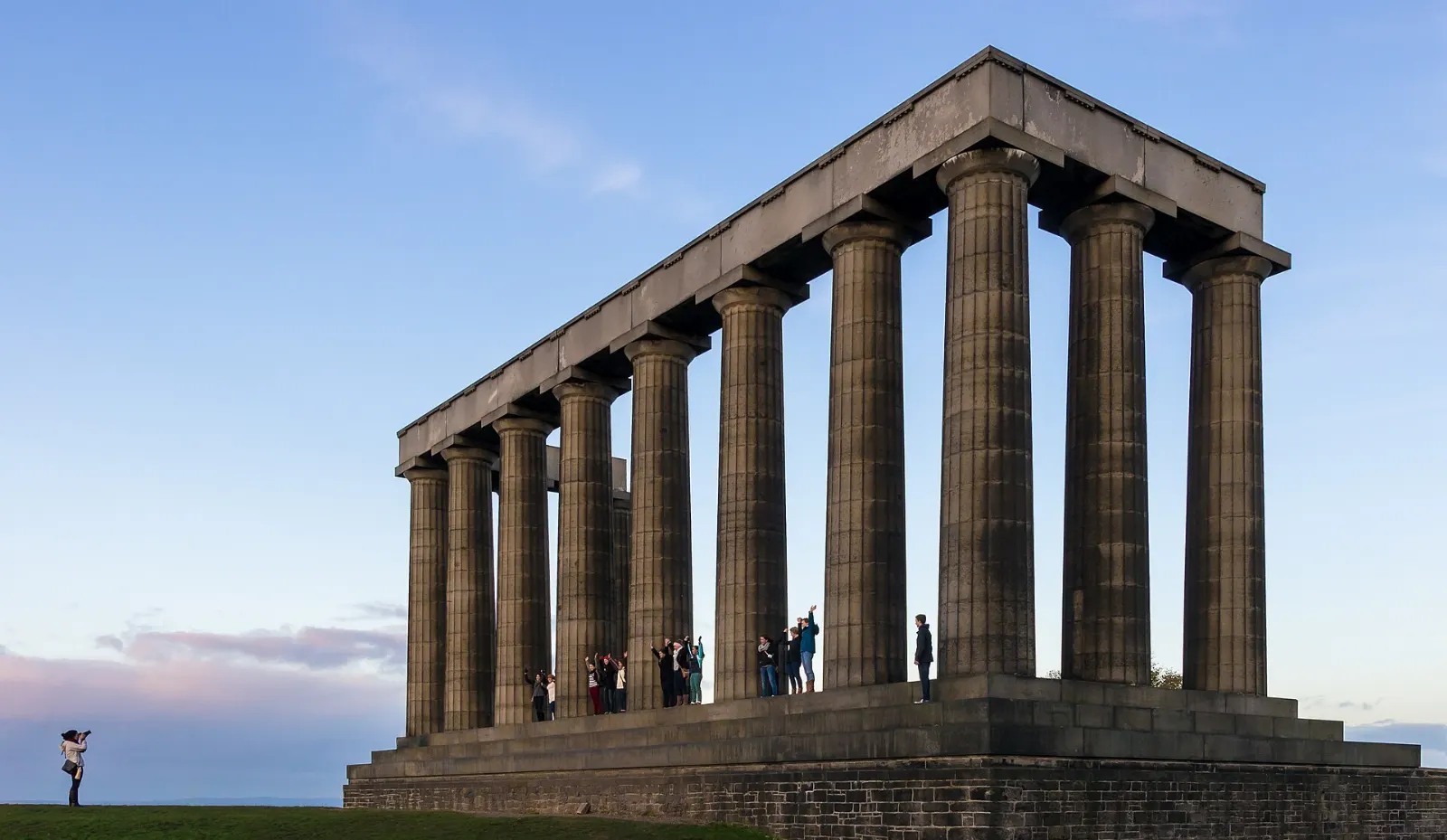
At the east end of Princes Street, Calton Hill is an easy ten-minute climb with one of the best views in Edinburgh, looking along Princes Street toward the castle and across to Arthur's Seat. Its summit is crowded with monuments, including the unfinished National Monument, modeled on the Parthenon, the Nelson Monument and the Dugald Stewart Monument.
The New Town, Princes Street and the Water of Leith
Princes Street Gardens and the Scott Monument
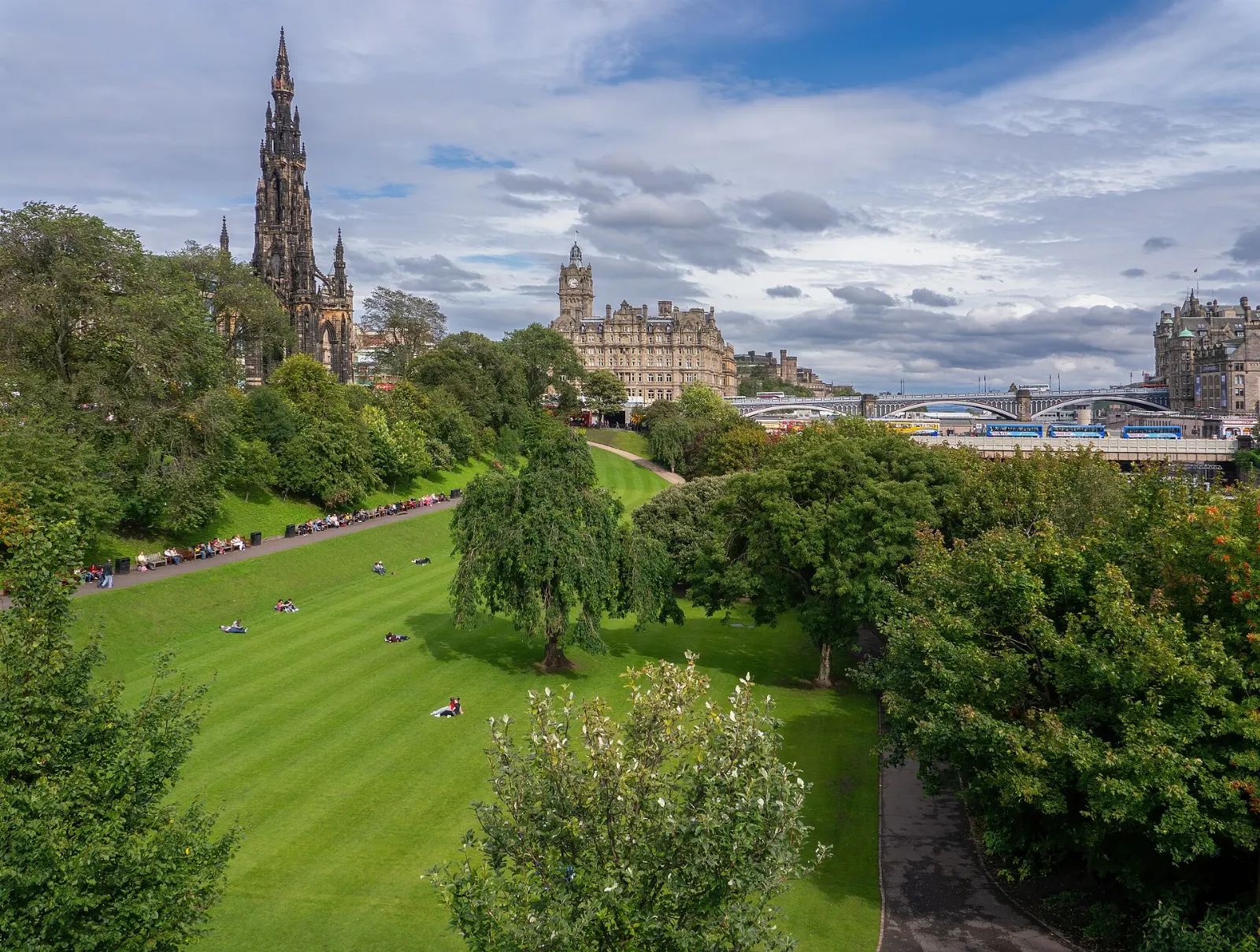
Princes Street Gardens fill the valley between the Old and New Towns, offering lawns, flower beds and the best ground-level views of the castle.
The New Town
North of Princes Street, the Georgian New Town is a grid of grand terraces, crescents and private gardens built from the late eighteenth century. George Street is lined with shops, bars and restaurants, while Charlotte Square shows the architecture at its most elegant.
Dean Village and the Water of Leith
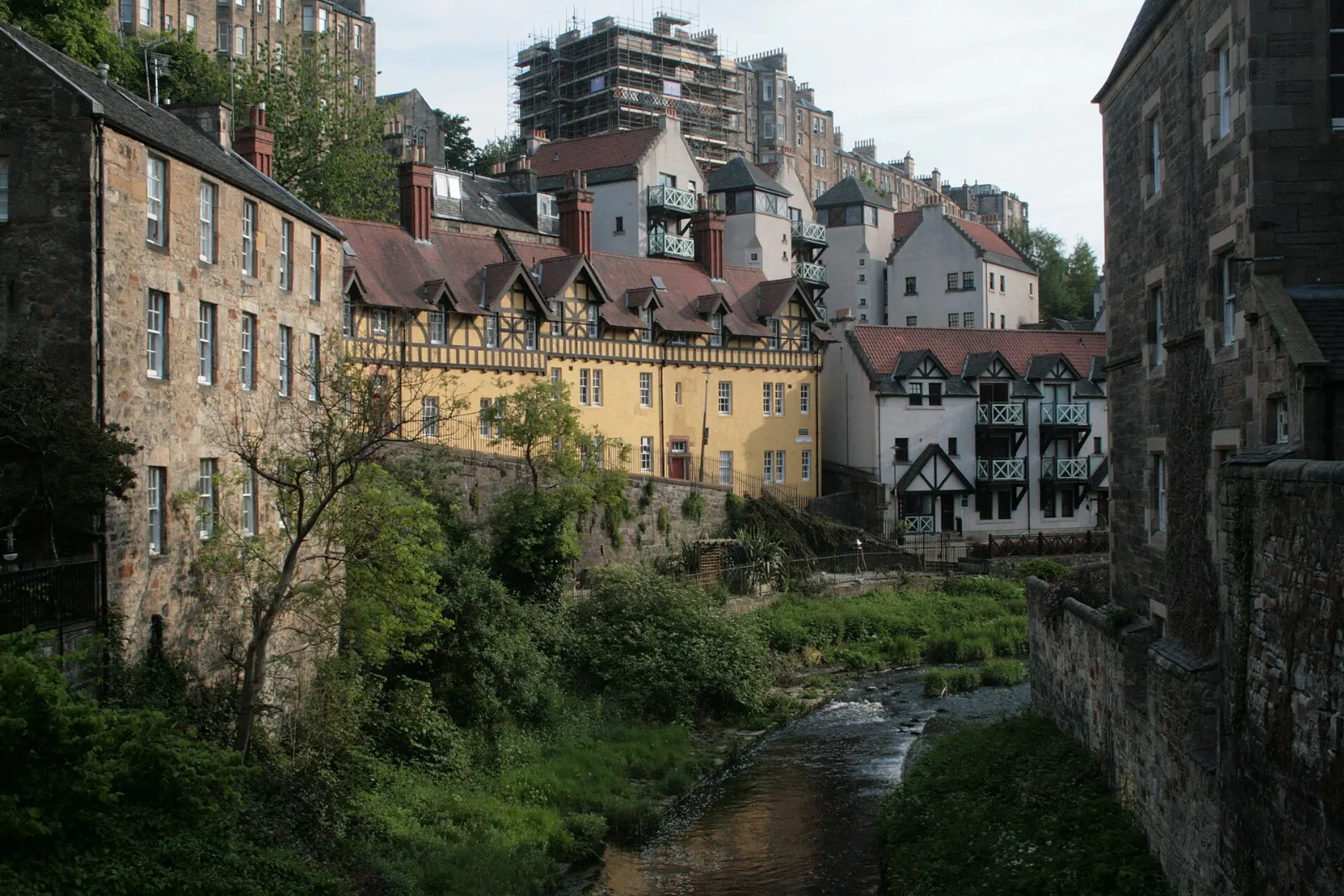
A short walk northwest of the West End, Dean Village sits in a deep valley beside the Water of Leith, where mills once ground grain for centuries. Its stone buildings, footbridges and riverside paths feel a world away from the busy center.
Leith and the waterfront
Royal Yacht Britannia
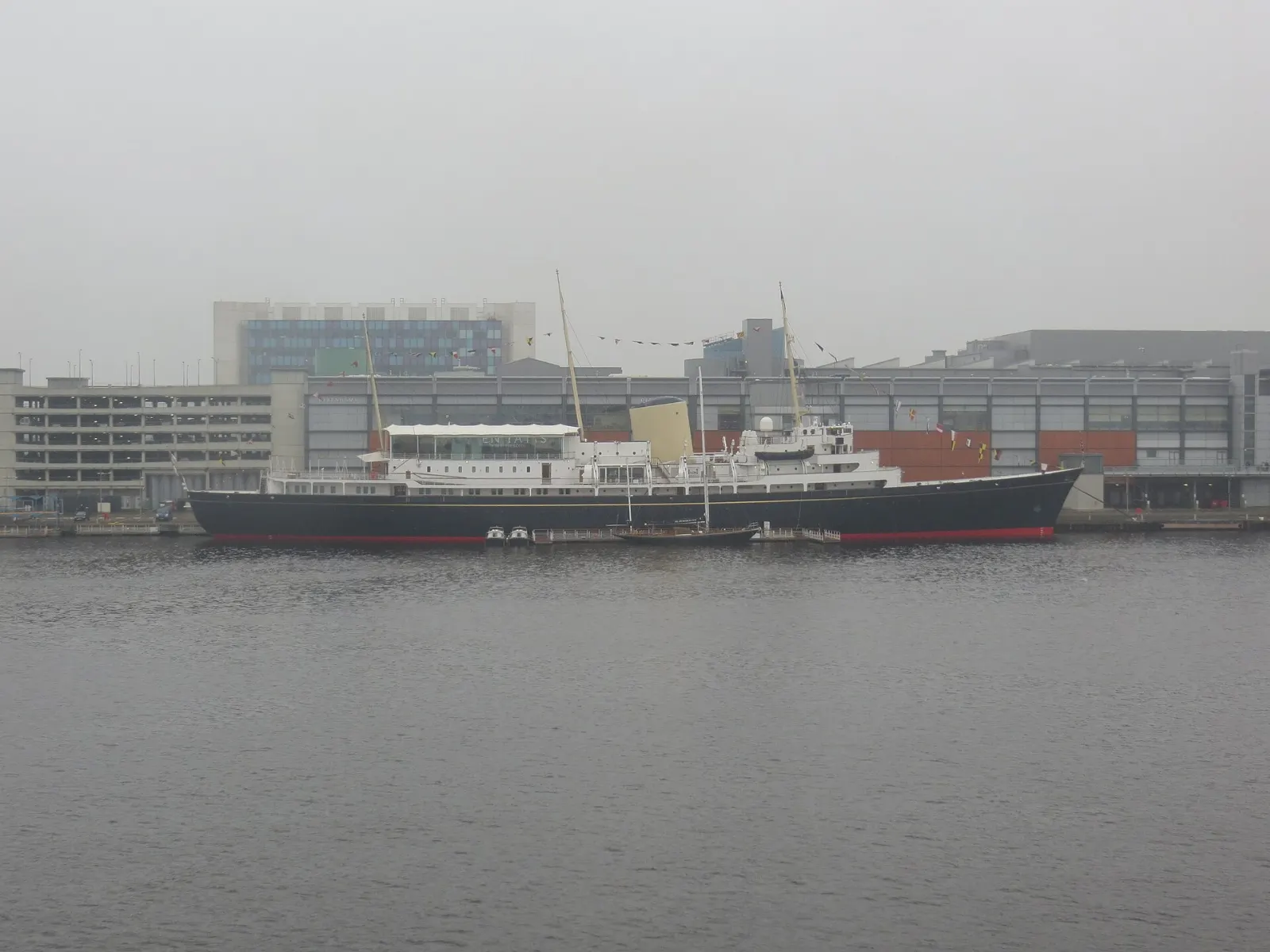
Edinburgh's historic port of Leith is now a lively waterfront district reached easily by tram. At Ocean Terminal you can board the former Royal Yacht Britannia, which served the royal family from 1954 to 1997 and sailed to hundreds of ports worldwide.
The Shore
The Shore, the old quayside along the Water of Leith, is lined with historic buildings, pubs and some of the city's most respected seafood restaurants.
Food and local flavors
Scottish cooking makes the most of excellent local produce. Try haggis with neeps and tatties (mashed turnip and potato), Cullen skink, a creamy smoked haddock soup, Scottish salmon and langoustines, venison and Aberdeen Angus beef.
Whisky is part of the city's culture, and many bars stock long lists of single malts from every region of Scotland; tasting experiences near the castle introduce you to the basics.
Popular dishes to try in Edinburgh


Where to stay
The Old Town suits first-time visitors who want to be steps from the castle and the Royal Mile, though it is busy and can be noisy at night. The New Town offers grand Georgian surroundings, easy access to Waverley station and plenty of restaurants, making it a good all-round base.
Stockbridge, just north of the New Town, has a village feel and suits couples and repeat visitors. Leith offers waterfront views, great food and generally better value, with trams into the center.
Where to stay in Edinburgh


Best time to visit
Edinburgh's weather is cool and changeable all year, with frequent wind and showers, so pack layers in every season. Late spring and early summer, from May to June, bring very long daylight hours and generally pleasant conditions.
September is a favorite time, with smaller crowds and often settled weather.
Getting there and getting around
Edinburgh Airport lies west of the city and has flights across the UK, Europe and North America.
The center is best explored on foot, though the hills and cobbles can be tiring. Lothian buses and the tram cover the rest of the city, and you can pay with a contactless card or phone.
A suggested itinerary
First day
Visit Edinburgh Castle at opening, then walk down the Royal Mile, stopping at St Giles' Cathedral and exploring the closes.
Second day
Tour the Palace of Holyroodhouse in the morning, then climb Arthur's Seat. In the afternoon, walk through Princes Street Gardens, climb the Scott Monument and see the Scottish National Gallery.
Third day
Stroll the New Town, then walk to Dean Village and follow the Water of Leith to Stockbridge.
Practical tips
- Book castle tickets, underground tours and popular restaurants in advance, especially in summer.
- Pack waterproof layers and comfortable shoes with good grip for cobbles and steep closes.
- Reserve accommodation many months ahead for August and Hogmanay.
- Use the tram or Airlink bus from the airport rather than a car.
- Many national museums and galleries have free general admission, with donations welcome.