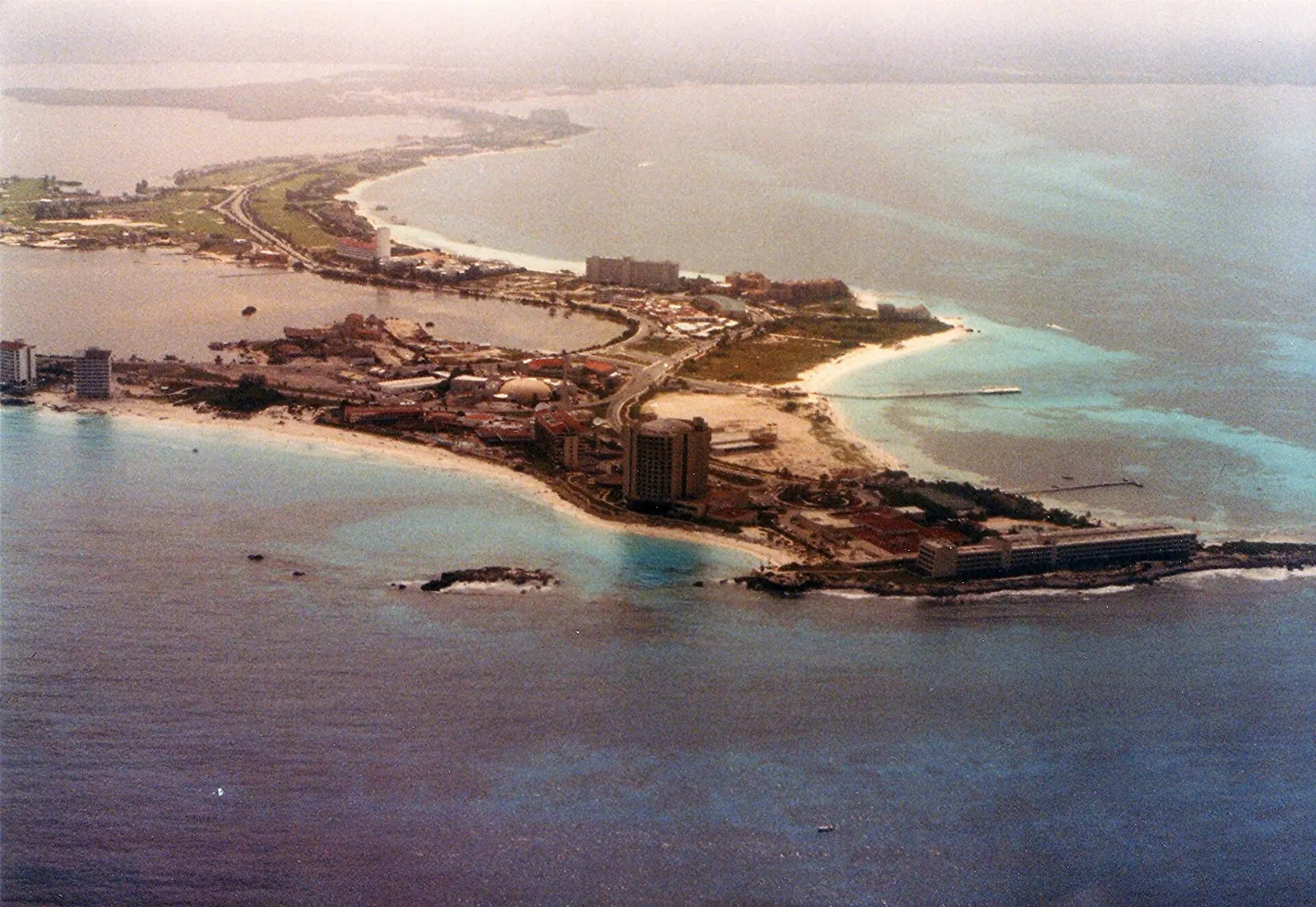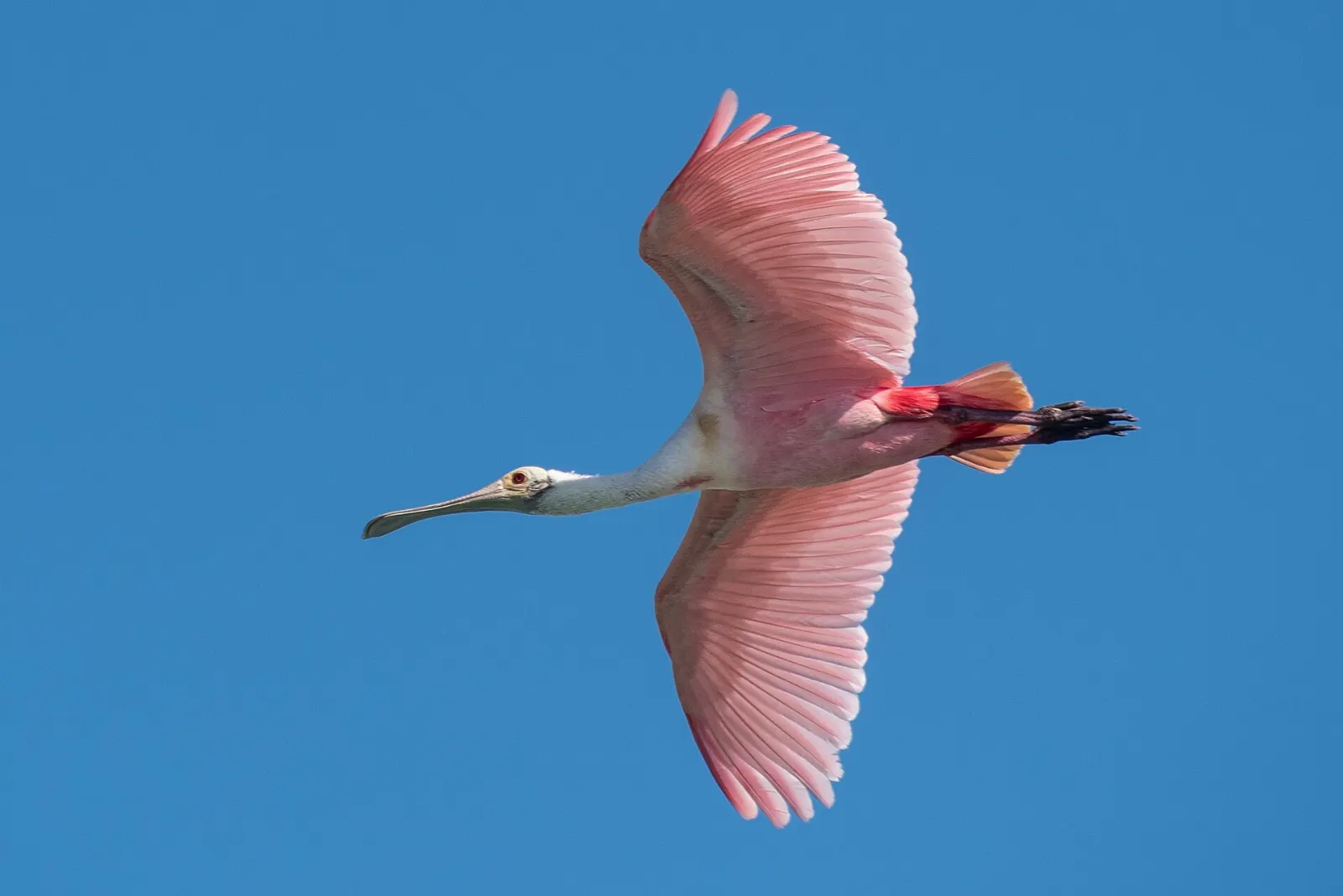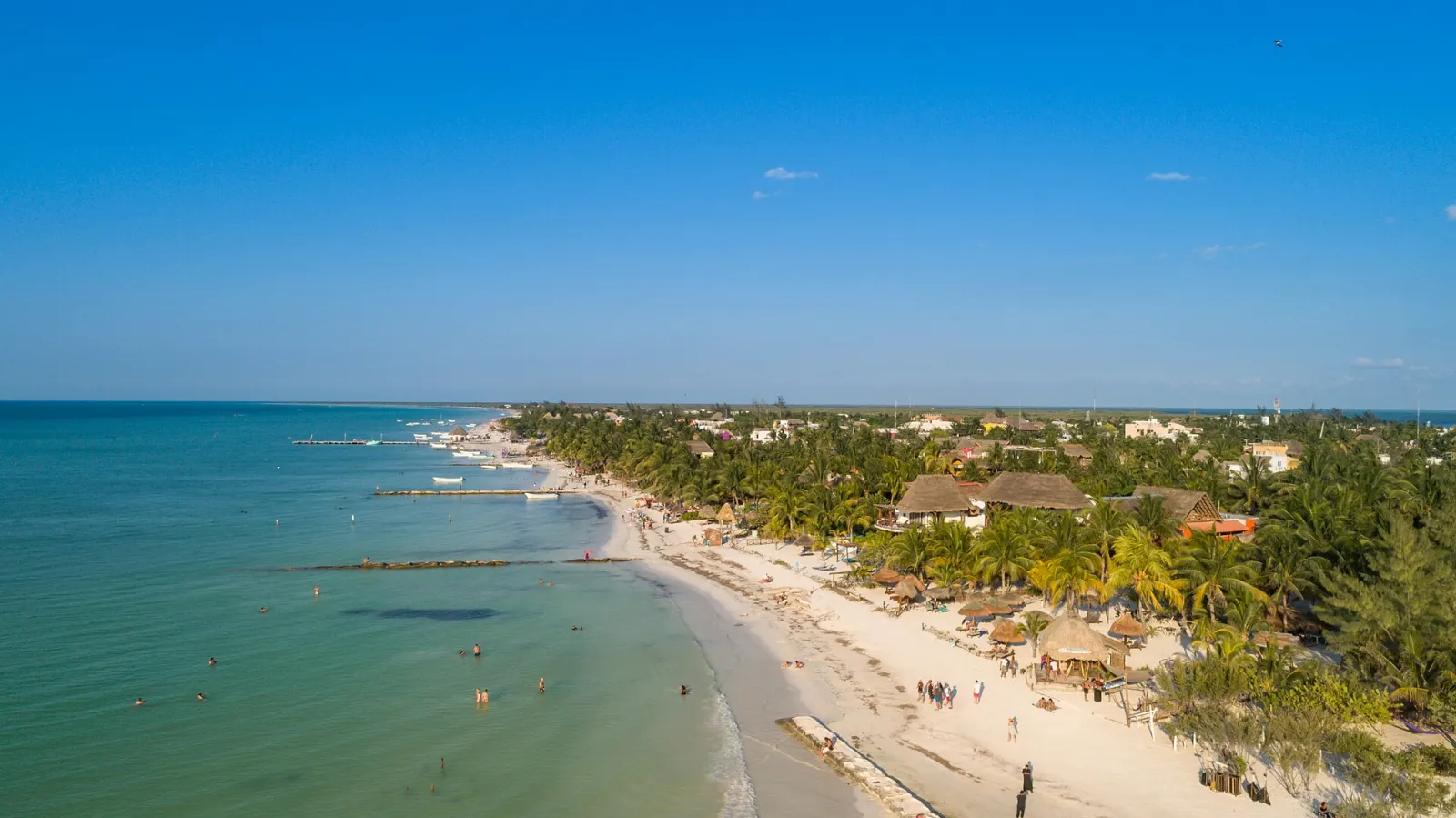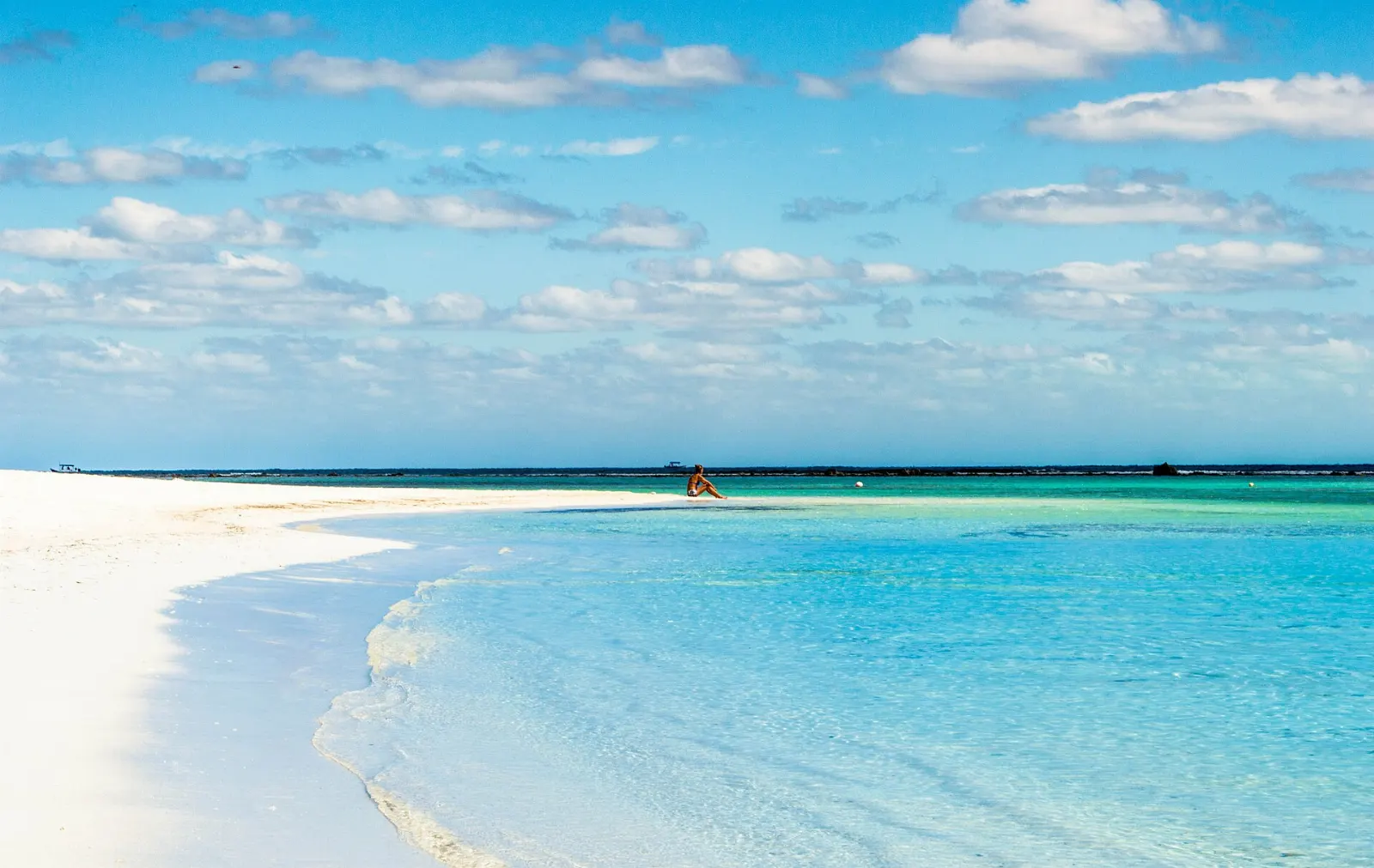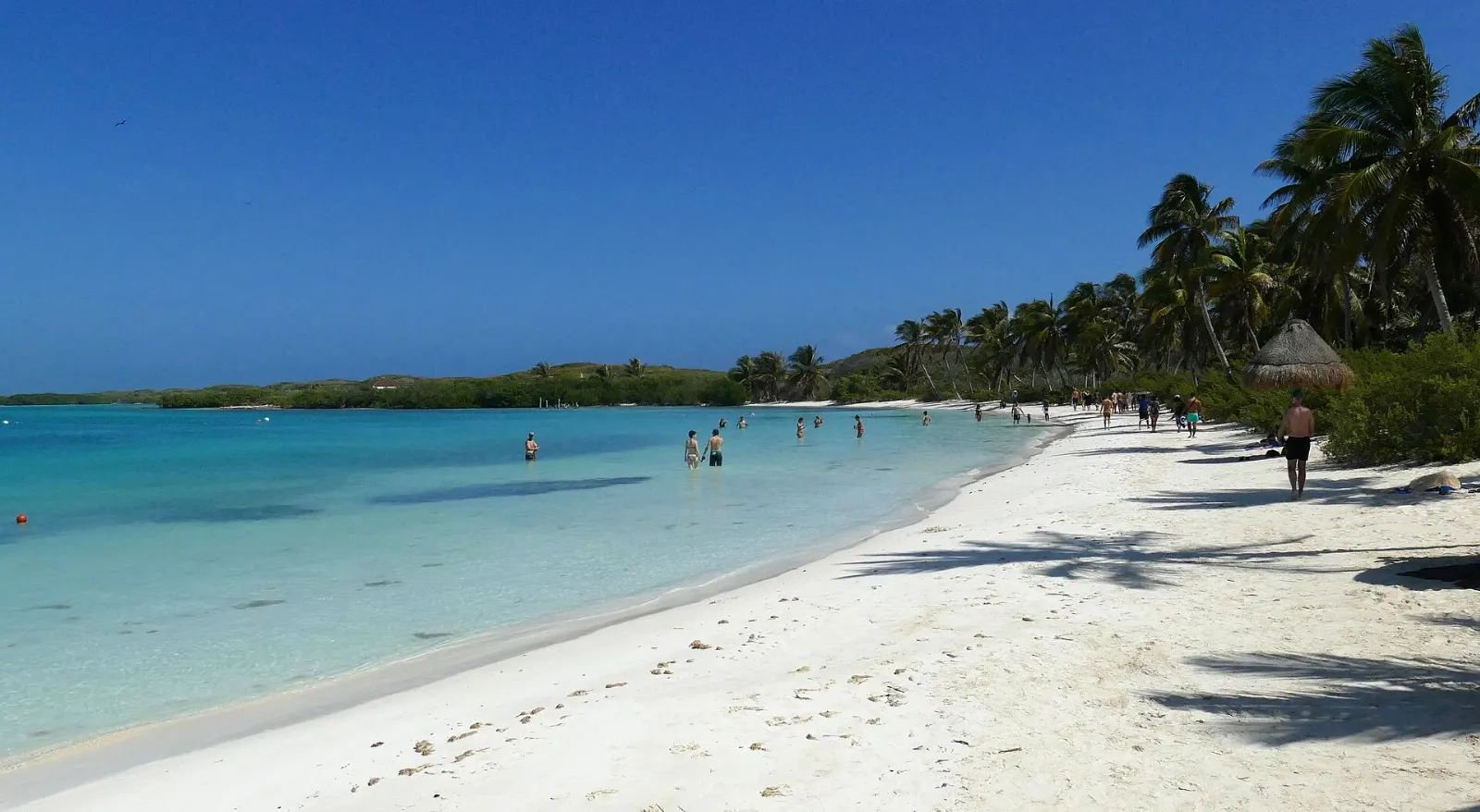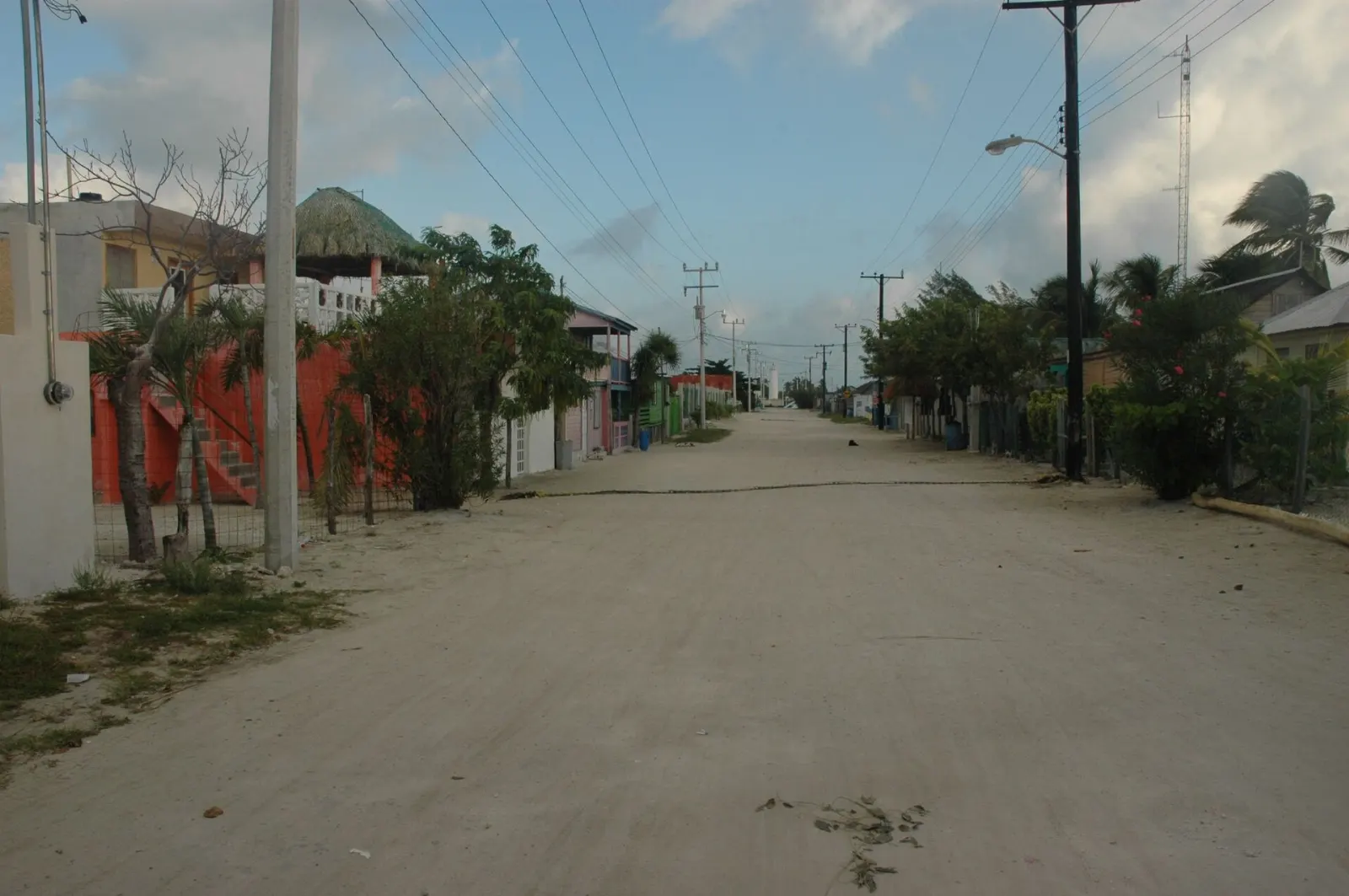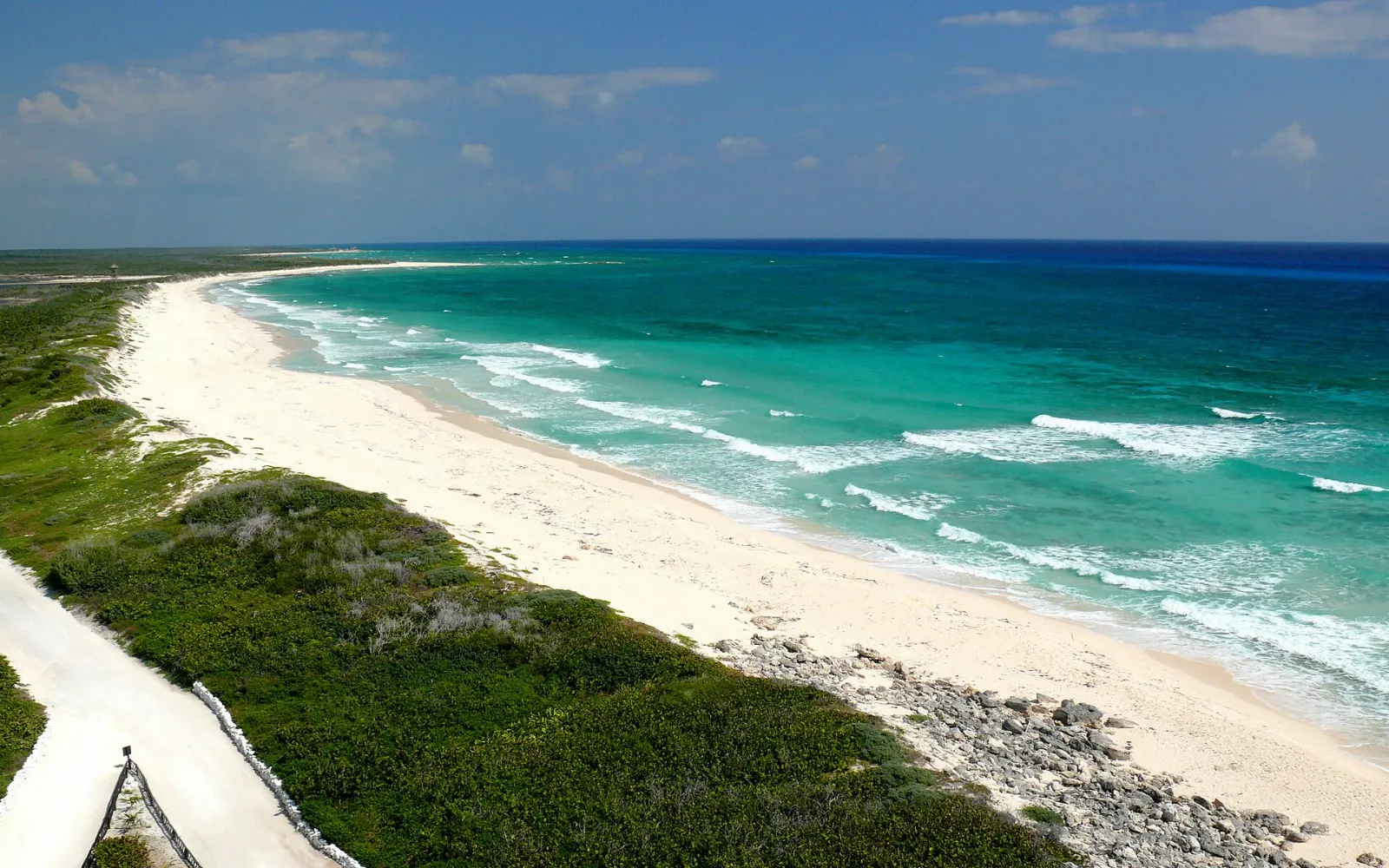
Cozumel is a Caribbean island famous for reef diving, quiet beaches and small Maya sites.
AT A GLANCE
Best time
December to April brings the driest weather and the most visitors.
How long
Plan three days to dive, snorkel and tour the island.
Getting there
Take the ferry from Playa del Carmen or fly to Cozumel airport.
Why visit Cozumel
Cozumel is a Caribbean island just off the Yucatán Peninsula, a short ferry ride from Playa del Carmen. Its reputation rests on the sea, since the reefs along the west and south coasts rank among the best dive sites in the western hemisphere.
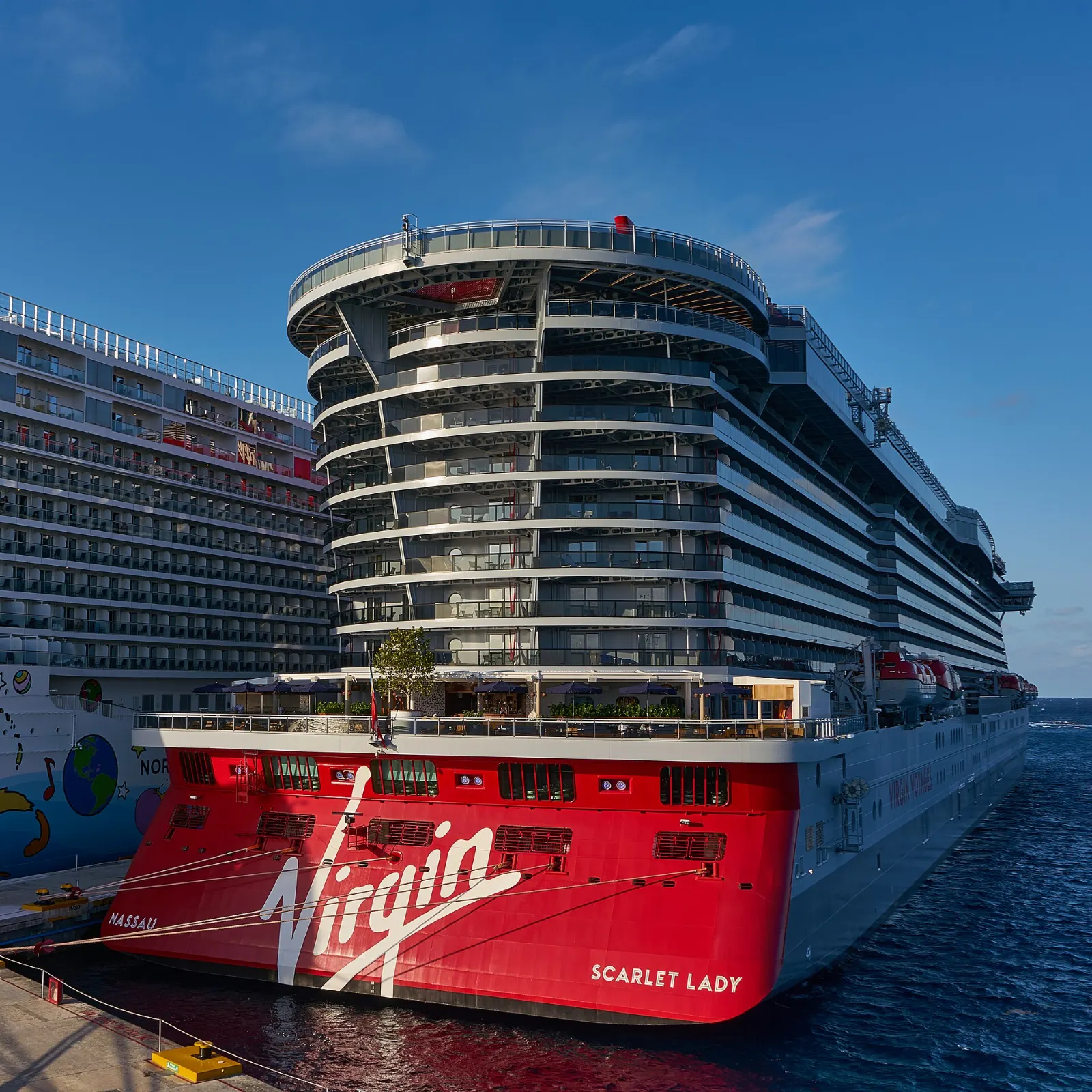
On land the island is quiet and easy. The main town, San Miguel, has a friendly waterfront, the east coast is wild and mostly undeveloped, and several Maya sites show that people have visited this island for centuries. Cozumel is also a busy cruise port, particularly from December through April, so timing your day around ship arrivals can make a real difference to how relaxed the town feels.
The town and the reefs
San Miguel de Cozumel
San Miguel is the island's main town and its port, and it is where the ferries from Playa del Carmen arrive. Stroll the waterfront promenade, browse the small plazas and stop for a meal inland, where restaurants are usually quieter than near the cruise piers.
Palancar Reef
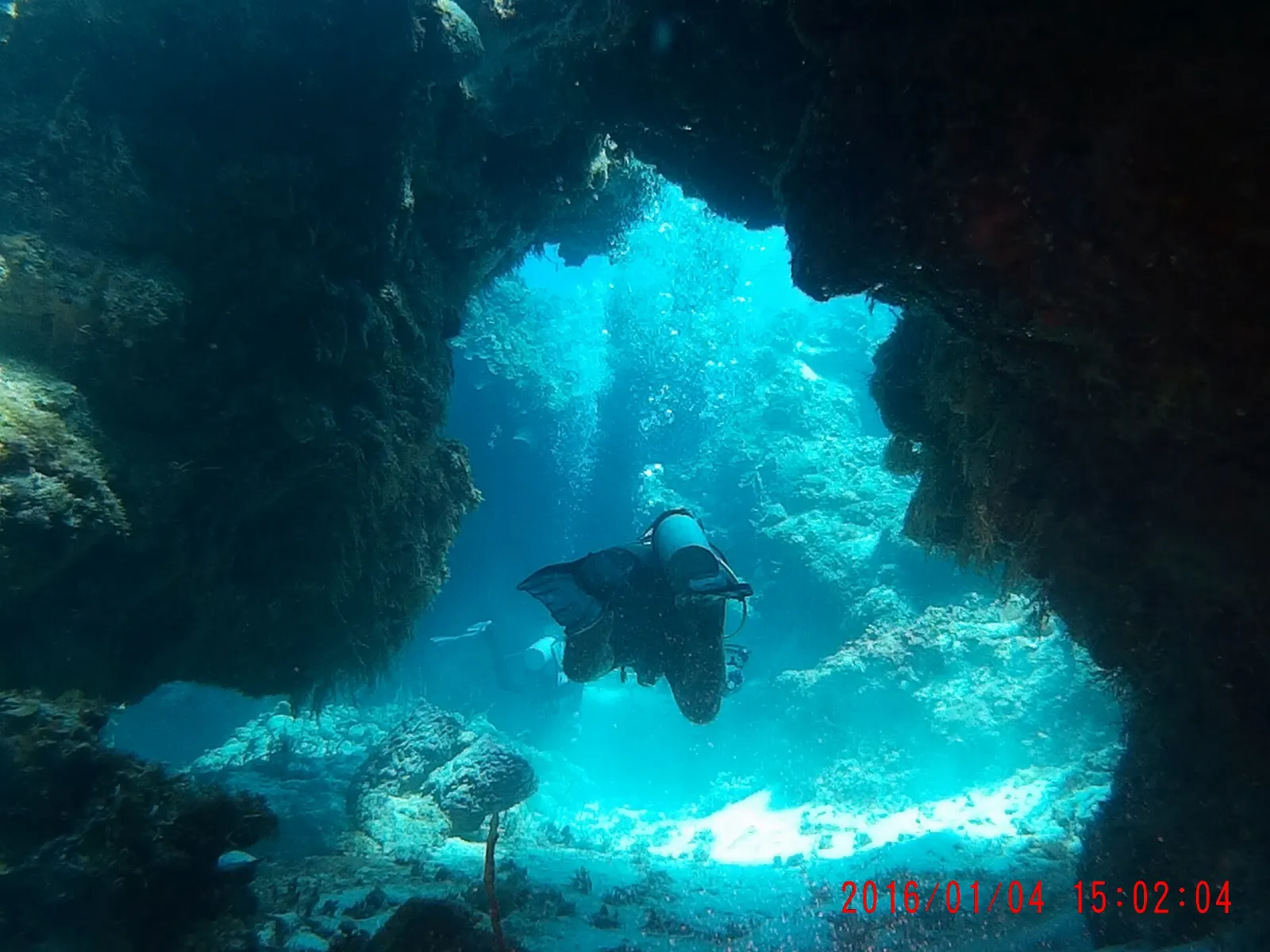
Palancar Reef lies off the southwest side of the island and is a large coral formation divided into several areas, including the horseshoe, the gardens and the caves. Dive depths range from about fifteen to thirty-four metres, with coral swim-throughs and plenty of fish.
Arrecifes de Cozumel National Park
The national park protects the reefs along the southern side of the island and is part of the Mesoamerican Barrier Reef System, the second largest reef system in the world. Many dive sites sit inside it, and most diving here is drift diving, where the current carries you along the wall.
West coast snorkelling
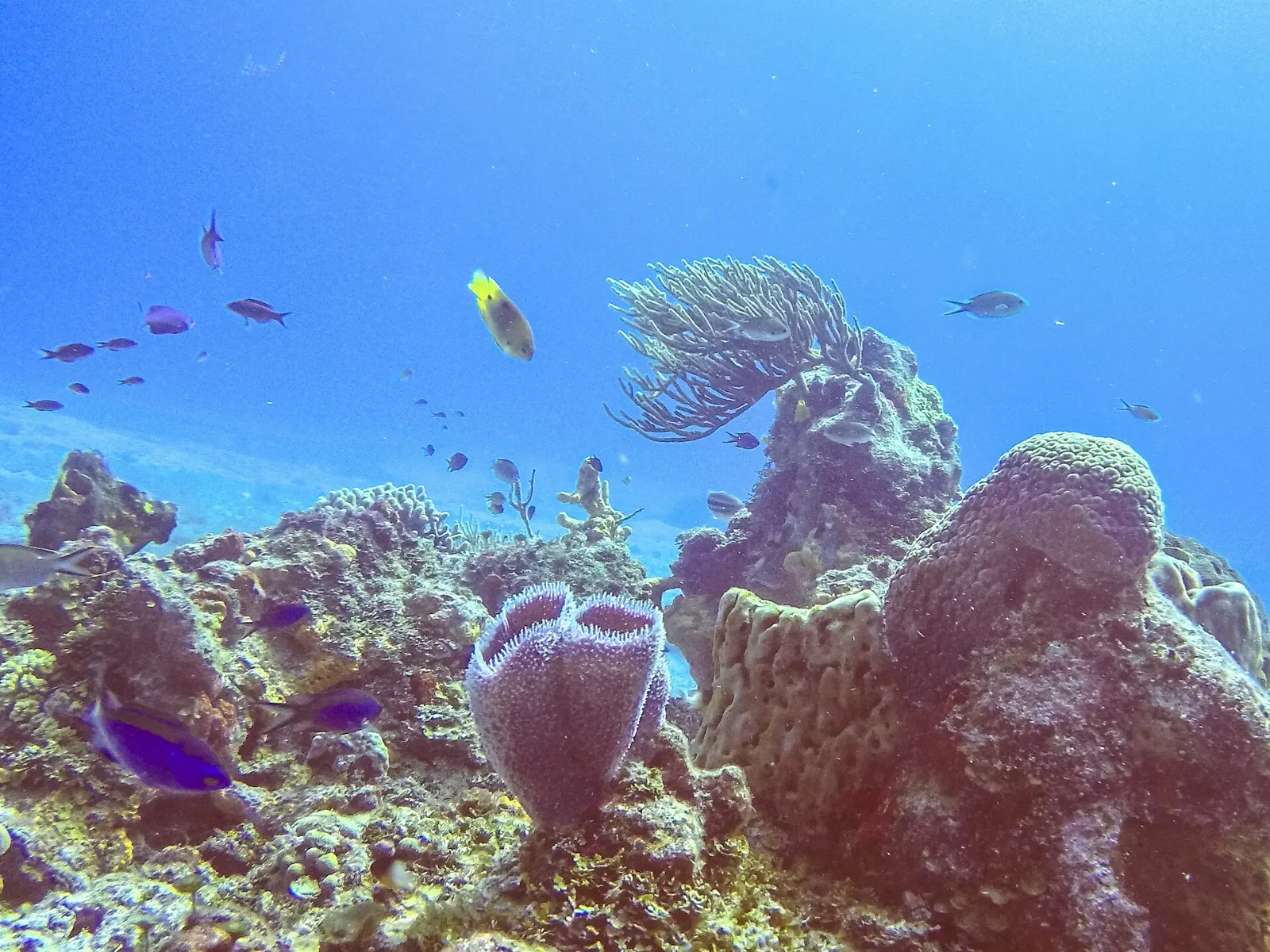
Rocky limestone shorelines on the west coast often give better visibility than sandy beaches, which makes them good for snorkelling and shore dives. Many beach clubs rent gear, and some charge an entry fee, so ask at the gate.
Turtle nesting season
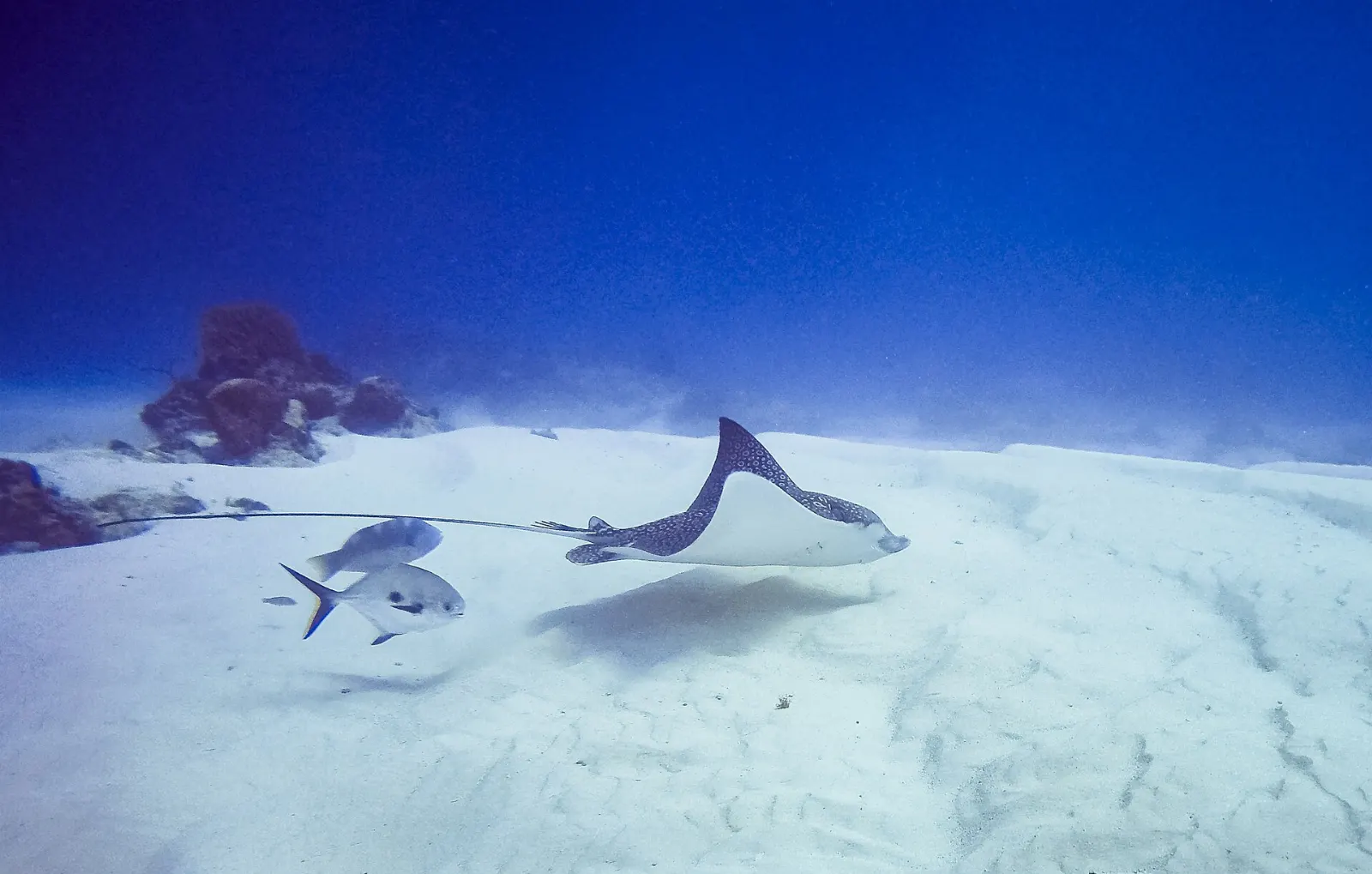
Cozumel's beaches host sea turtles during the nesting season. If you visit during that period, follow posted guidance, keep lights off the beach at night and keep your distance from the animals.
Maya sites and the south
San Gervasio
San Gervasio is the island's most extensive Maya site, an inland worship centre dedicated to the goddess Ixchel. It is made up of six architectural groups, with paths between small temples and shaded plazas.
El Cedral
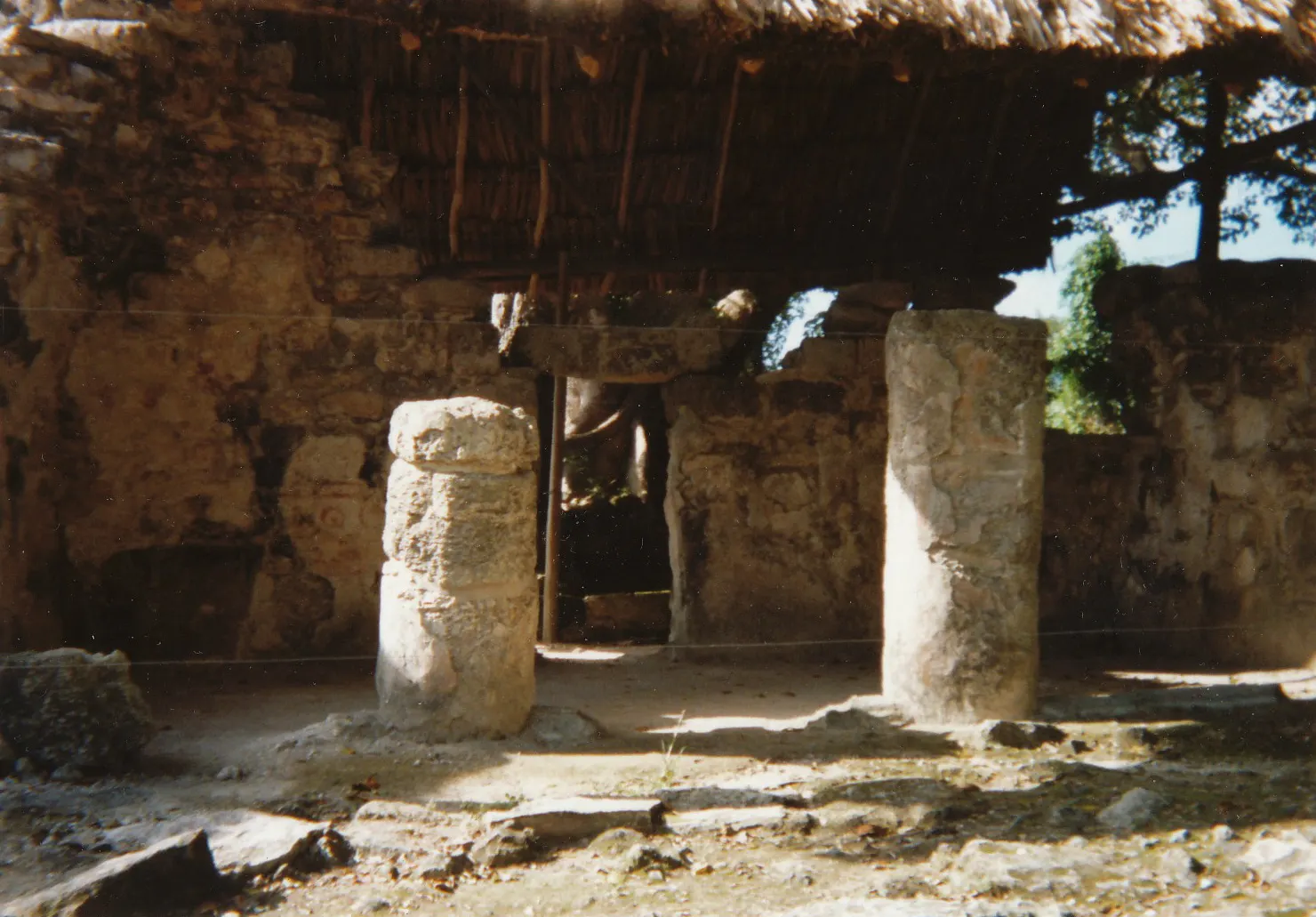
El Cedral is a small village inland from the Carretera Costera Sur, with a Maya archaeological site nearby. It makes an easy stop on a drive around the island, and it shows a quieter side of Cozumel life.
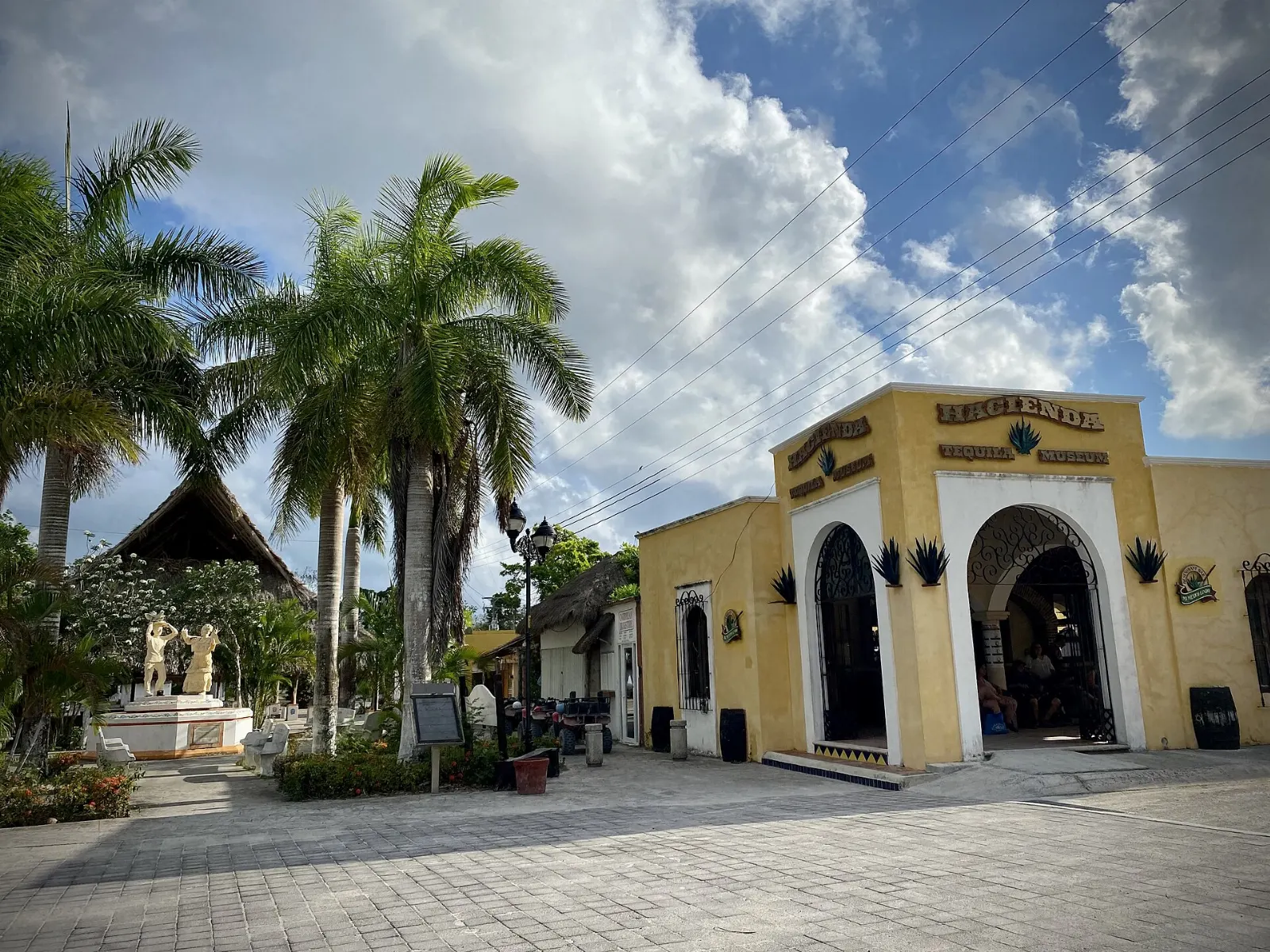
Punta Sur Ecological Park
At the southern tip of the island, Punta Sur covers reefs, beaches, lagoons and low forest. The Celarain lighthouse and a small nautical museum sit on the promontory, while the Caracol ruin lies nearby.
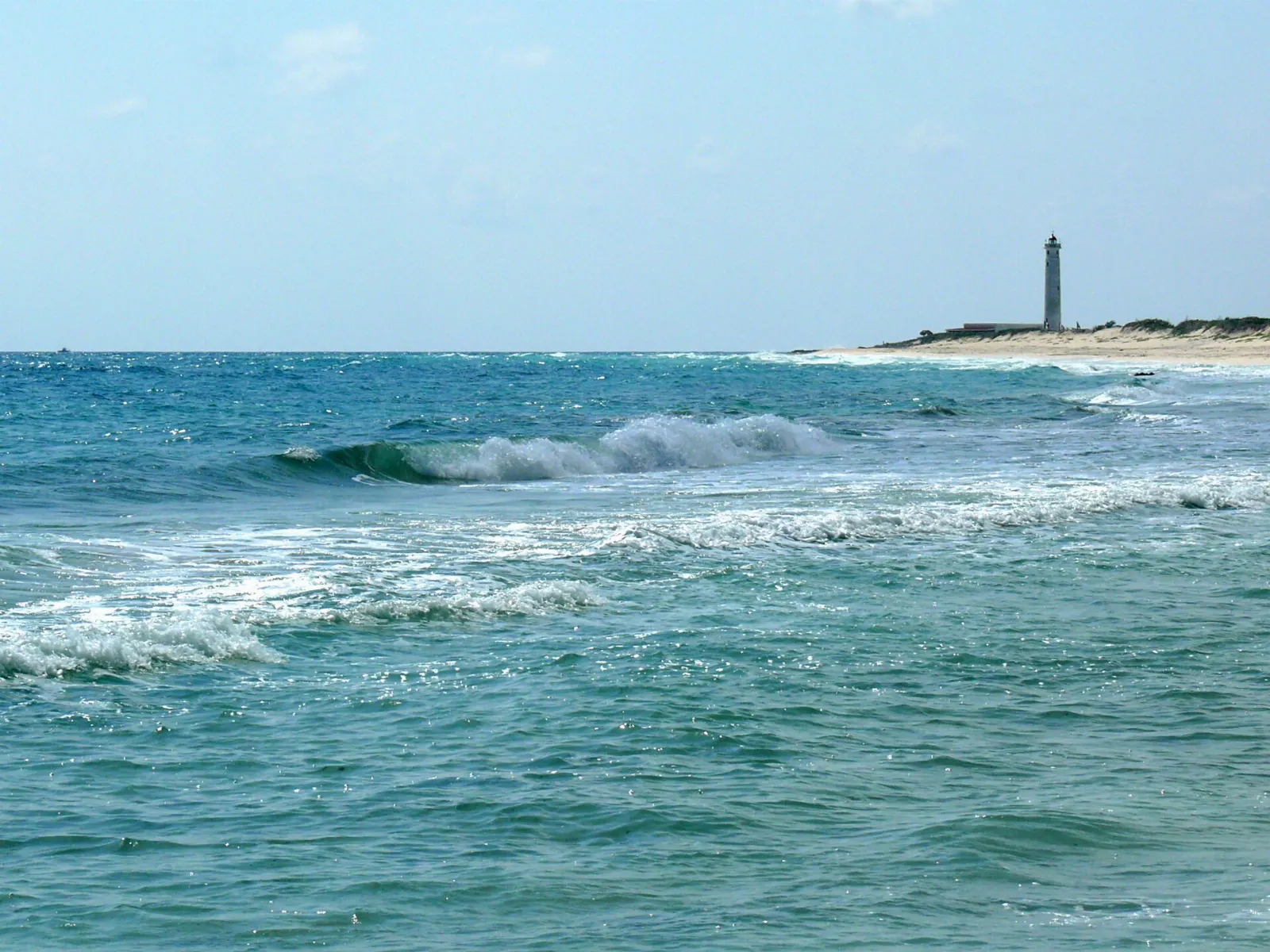
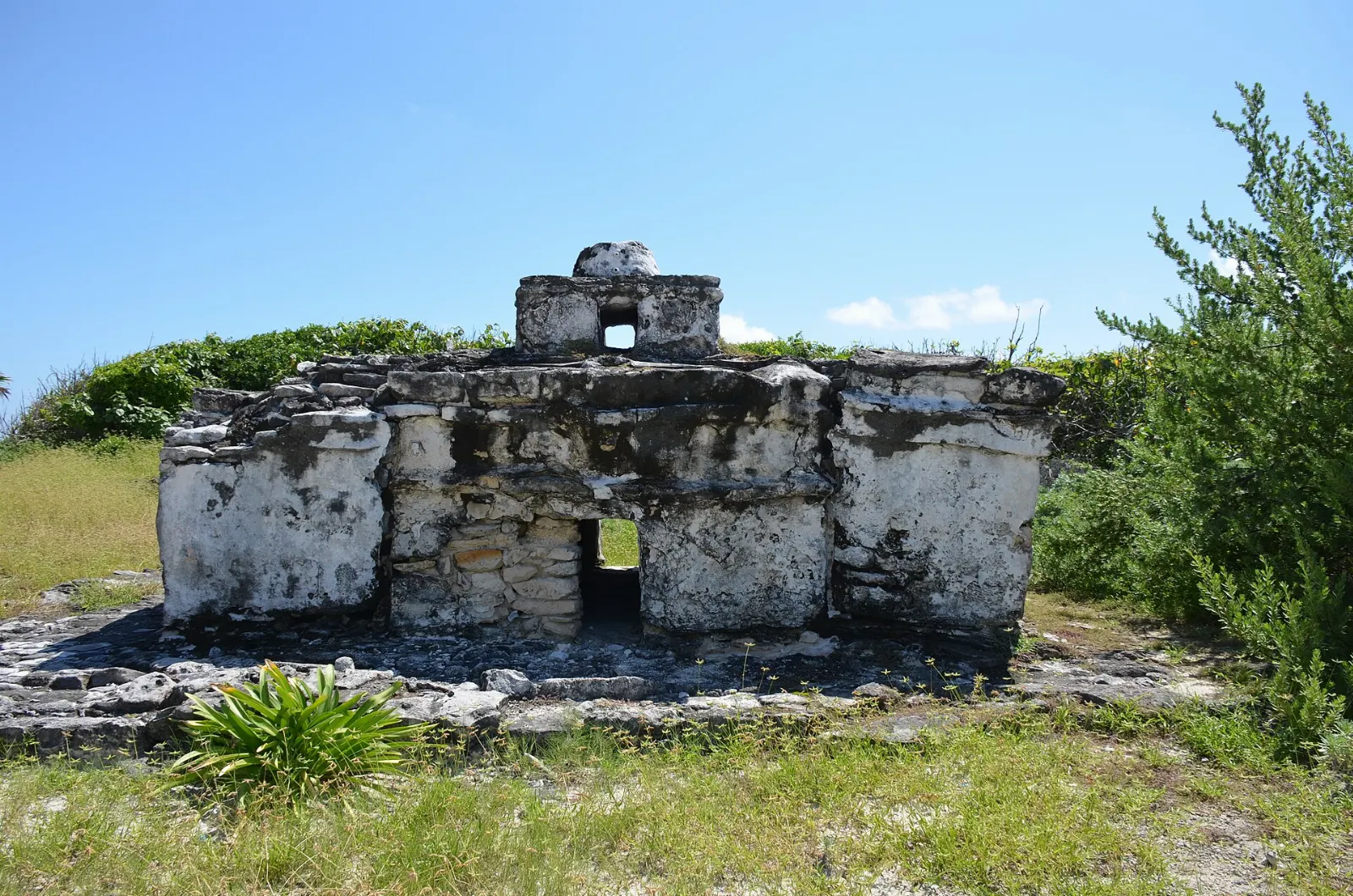
El Caracol
El Caracol is a small post-classic Maya building at Punta Sur, sometimes described as having served as a lighthouse. Whatever its exact purpose, and without relying on tour guide legends, it adds a quiet historical note to the wild coastline.
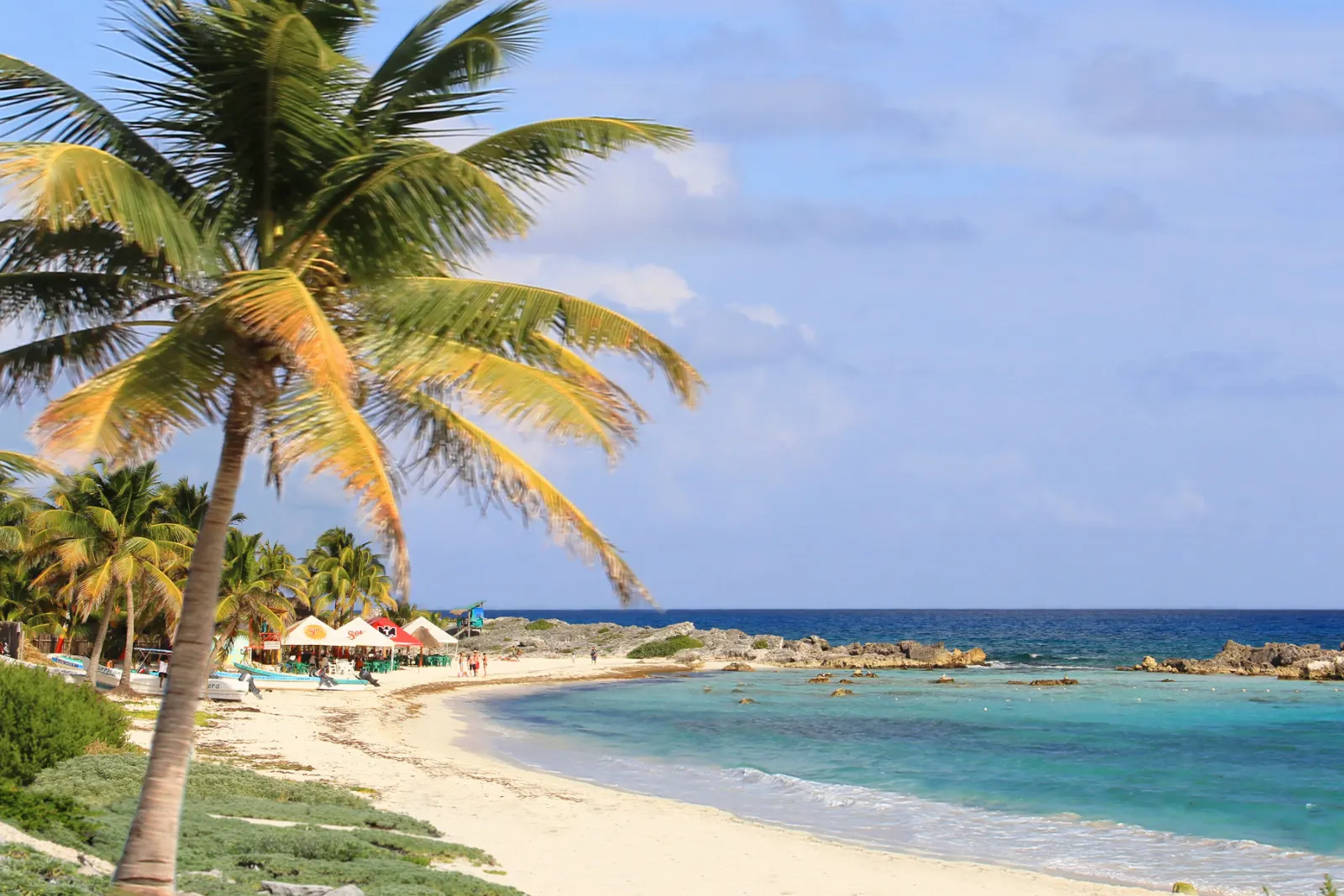
The east coast
The east side of Cozumel is mostly undeveloped, with rocky outcrops, small blowholes and big waves. Beach restaurants appear every few kilometres.
 Planning a trip to Cozumel?Compare hotels, flights and vacation rentals for Cozumel on Expedia.Book now
Food and local flavors
Cozumel shares the cooking of the Yucatán Peninsula, with a strong seafood influence. Cochinita pibil is slow roasted pork with citrus and achiote, usually served in tacos. Tikin xic is fish seasoned with achiote and sour orange, wrapped in banana leaf and cooked over wood.
Eat a few blocks inland from the waterfront in San Miguel for family run places that mostly serve locals, and stop at east coast beach restaurants for fresh fish after a drive.
Popular dishes to try in Cozumel


Where to stay
San Miguel suits travellers who want to walk to restaurants, the ferry dock and dive shops, and who prefer a town atmosphere.
The North Hotel Zone, just outside town, offers resort-style stays and quick access to the town centre. It suits couples and families who want a beach view and a quieter evening.
Carretera Costera Sur, the road along the south coast, has hotels and beach clubs near many of the reef sites.
Where to stay in Cozumel


Best time to visit
Cozumel is warm all year, with the driest and sunniest weather generally from December to April, when it is also busiest and cruise ships arrive in greater numbers.
Hurricane risk is highest in late summer and autumn, so check forecasts and keep flexible plans. Sea conditions can shift with the wind, which sometimes affects boats and ferries.
Getting there and getting around
Cozumel International Airport receives direct flights from several North American cities and regional flights from Mexico City. Many travellers fly into Cancún or Tulum instead and take a bus or van to Playa del Carmen, then board a passenger ferry.
The island has no public transit. You can walk in San Miguel, take taxis for the west shore beaches or rent a car, jeep or scooter. Scooters are the cause of many tourist accidents, so only ride one if you are experienced, and watch for potholes.
A suggested itinerary
First day
Arrive by ferry, walk San Miguel's waterfront and enjoy a seafood dinner.
Second day
Join a morning dive or snorkel trip at Palancar Reef or within the national park, then relax on a west coast beach.
Third day
Drive the island, visiting San Gervasio, El Cedral and the east coast viewpoints, and finish at Punta Sur for the lighthouse and El Caracol.
Practical tips
- Check your government's current travel advisory before you go.
- Book dive trips ahead, and tell the operator your experience level.
- Do not swim on the east coast where waves and undertows are strong.
- Be skeptical of dock touts who offer rentals or activities that include timeshare pitches.
- Use reef safe sun protection and never touch coral.