WiserMap — Choose wisely. Connect locally.Choose wisely. Connect locally.Add your business
Cobá, Quintana Roo · Travel guide

Coba Mexico Nohoch Mul Pyramid and Jungle Causeways

Cobá rises out of the forest of Quintana Roo as one of the great cities of the ancient Maya, with a pyramid taller than any other in the north of the Yucatán Peninsula. Unlike the busier ruins on the coast, the site is spread across jungle trails, lakes and long stone causeways, so a visit feels like an expedition as much as a history lesson.

By WiserMap TravelUpdated October 2026 7 places9 min read
FacebookXLinkedIn
At a glance Cobá
  1. Best timeThe dry months from December to April are the most comfortable, and early mornings help in any season.
  2. How longAllow half a day for the ruins, or a full day if you add a cenote stop.
  3. Getting thereDrive or take a bus from Tulum, about 45 minutes by road.

Why visit Cobá

At its peak, Cobá is estimated to have had around 50,000 inhabitants, and its built-up area stretched across roughly 80 square kilometres.

Only a small part of it has been cleared from the forest, which is what makes the visit special. You walk or cycle between groups of buildings under tall trees, hear birds overhead, and finish at a pyramid that towers over everything around it.

Inside the ancient city

The partly restored Iglesia pyramid at Cobá surrounded by trees, Quintana Roo

Grupo Cobá and the Iglesia

The first major buildings you reach on the trail belong to Grupo Cobá, where the Iglesia stands partly restored. Traces of painted stucco survive on its walls and stairways.

The Iglesia is one of the first structures visitors meet inside Cobá. Photo: Infrogmation, Wikimedia Commons, CC BY-SA 4.0
A calm lagoon beside the village of Cobá in Quintana Roo

Lake Cobá and Lake Macanxoc

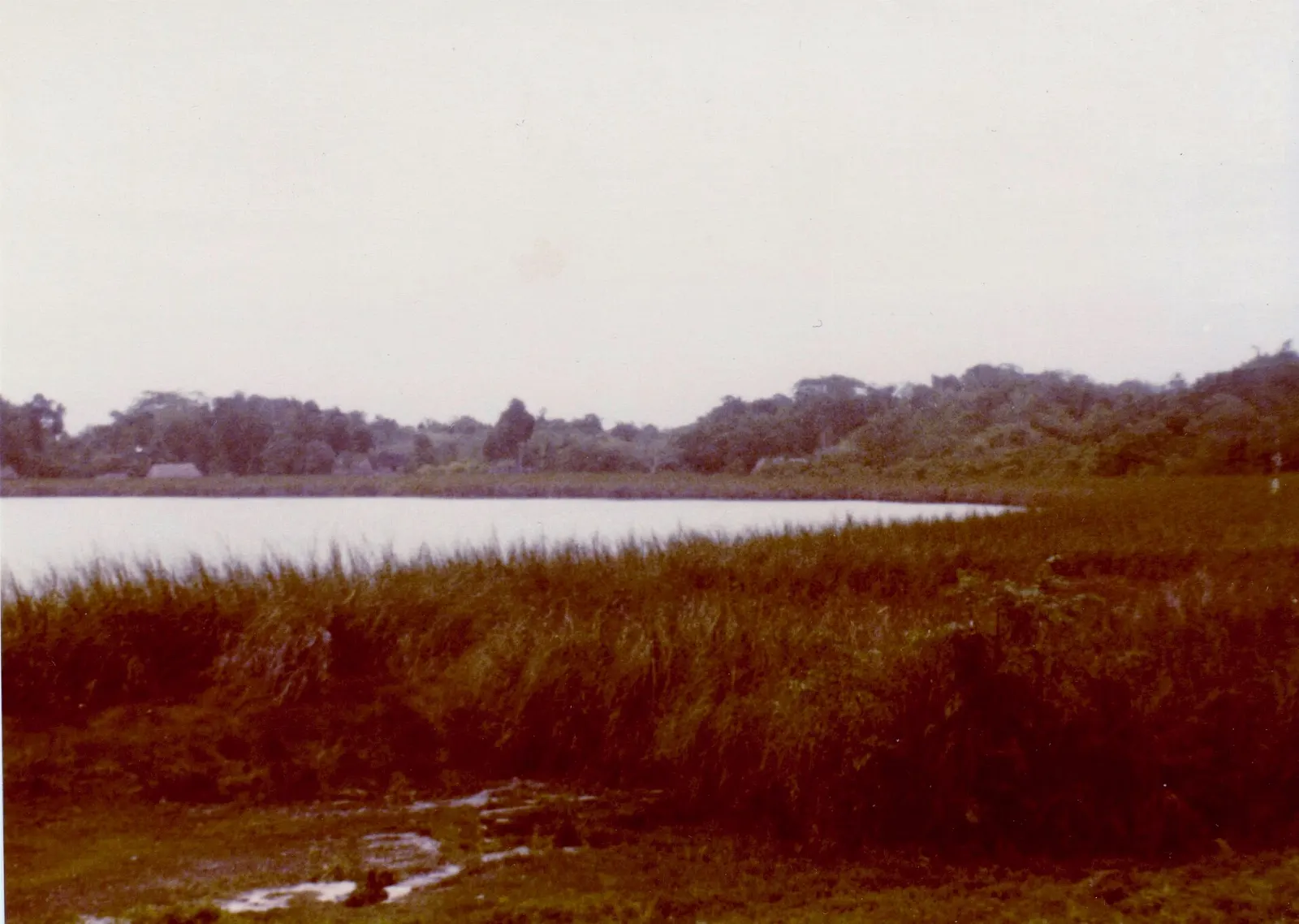
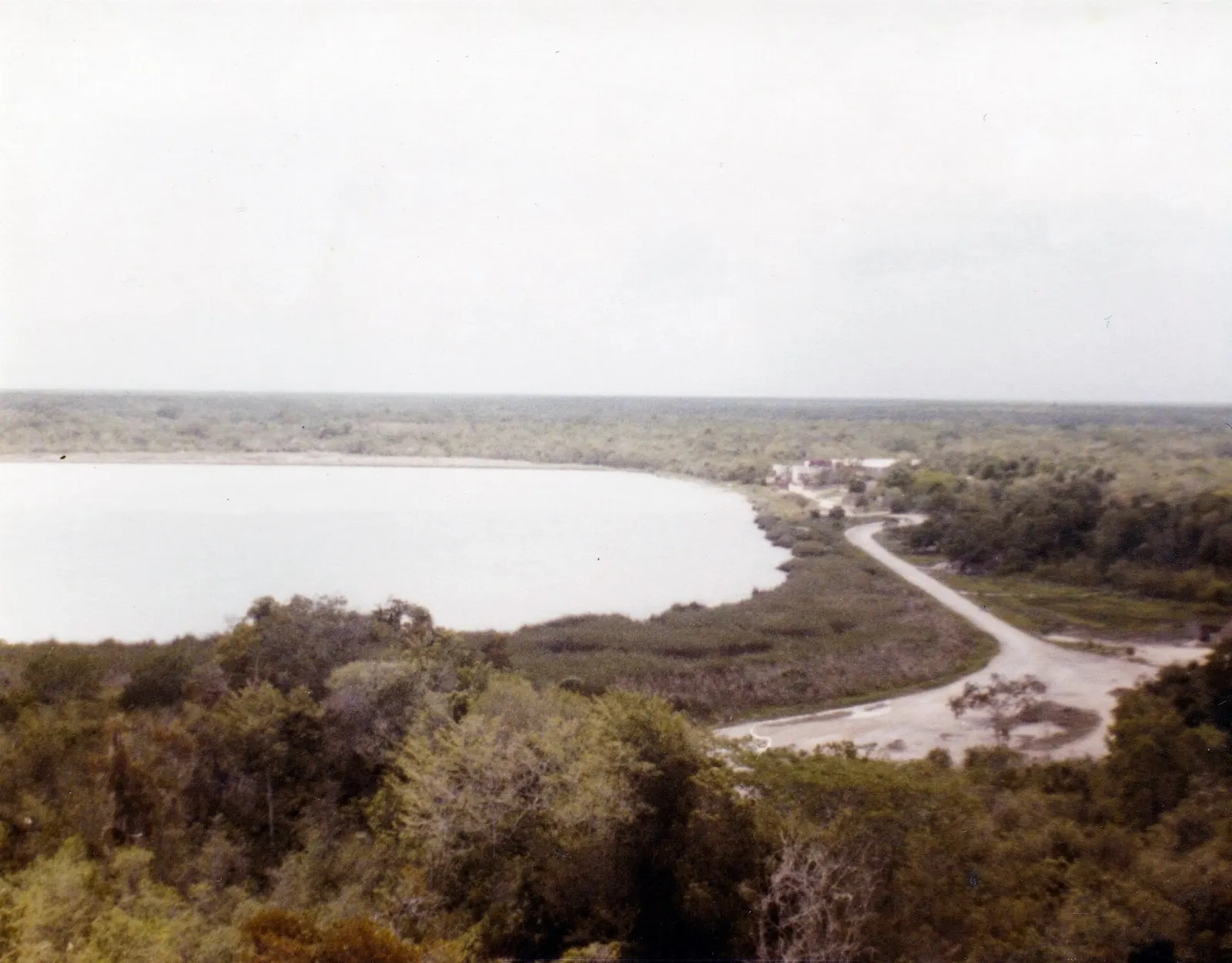
The city grew around two lagoons, Lake Cobá and Lake Macanxoc, and the water is a big reason people settled here. Lake Cobá lies beside the village road, and crocodiles are sometimes seen on its shore from the road, so keep your distance.

Cobá was built around two lagoons, Lake Cobá and Lake Macanxoc. Photo: Infrogmation, Wikimedia Commons, CC BY-SA 4.0
A small temple structure in the Las Pinturas group at Cobá, Quintana Roo

Las Pinturas

Las Pinturas is another of the named groups, along with Grupo Cobá and Grupo Nohuch Mul. Its name is Spanish for the paintings. It is reached along the site trails, which are good for a slow bike ride.

Las Pinturas is one of the groups of buildings scattered through the site. Photo: Gautier Poupeau from Paris, France, Wikimedia Commons, CC BY 2.0

Nohoch Mul and the causeways

The steep stairway of the Nohoch Mul pyramid at Cobá, Quintana Roo

Nohoch Mul

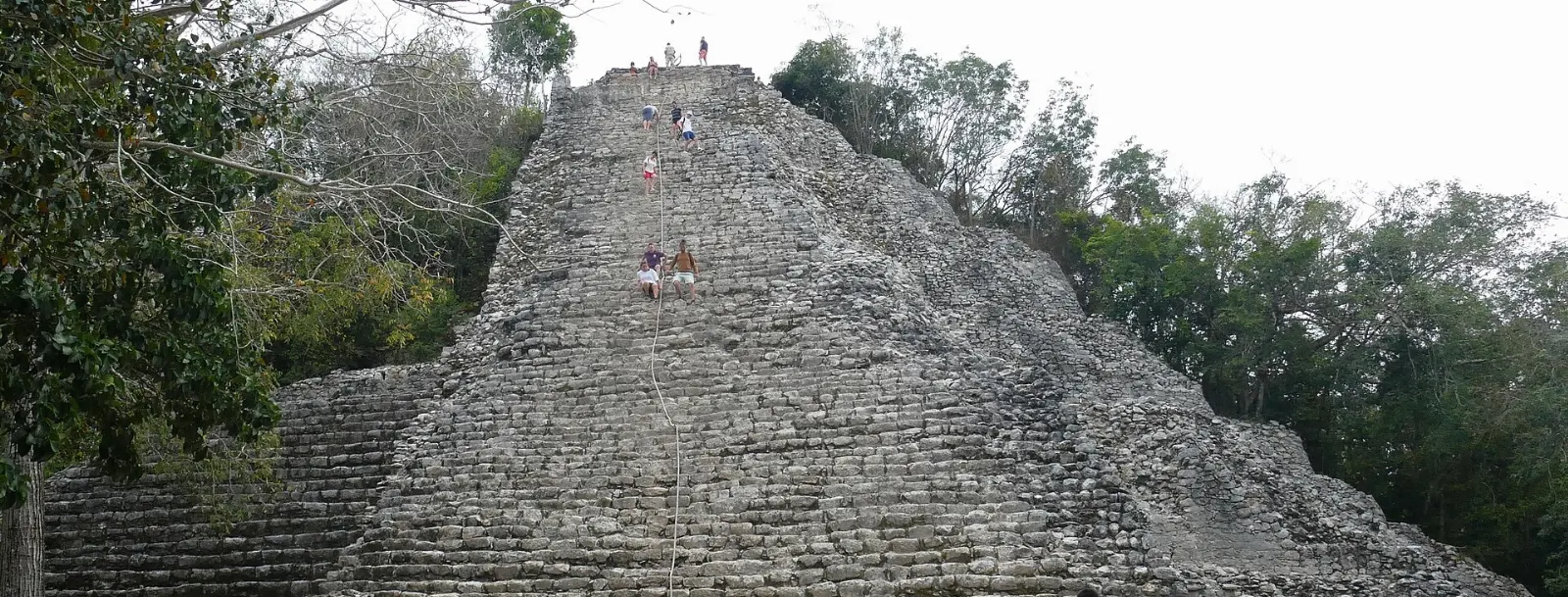
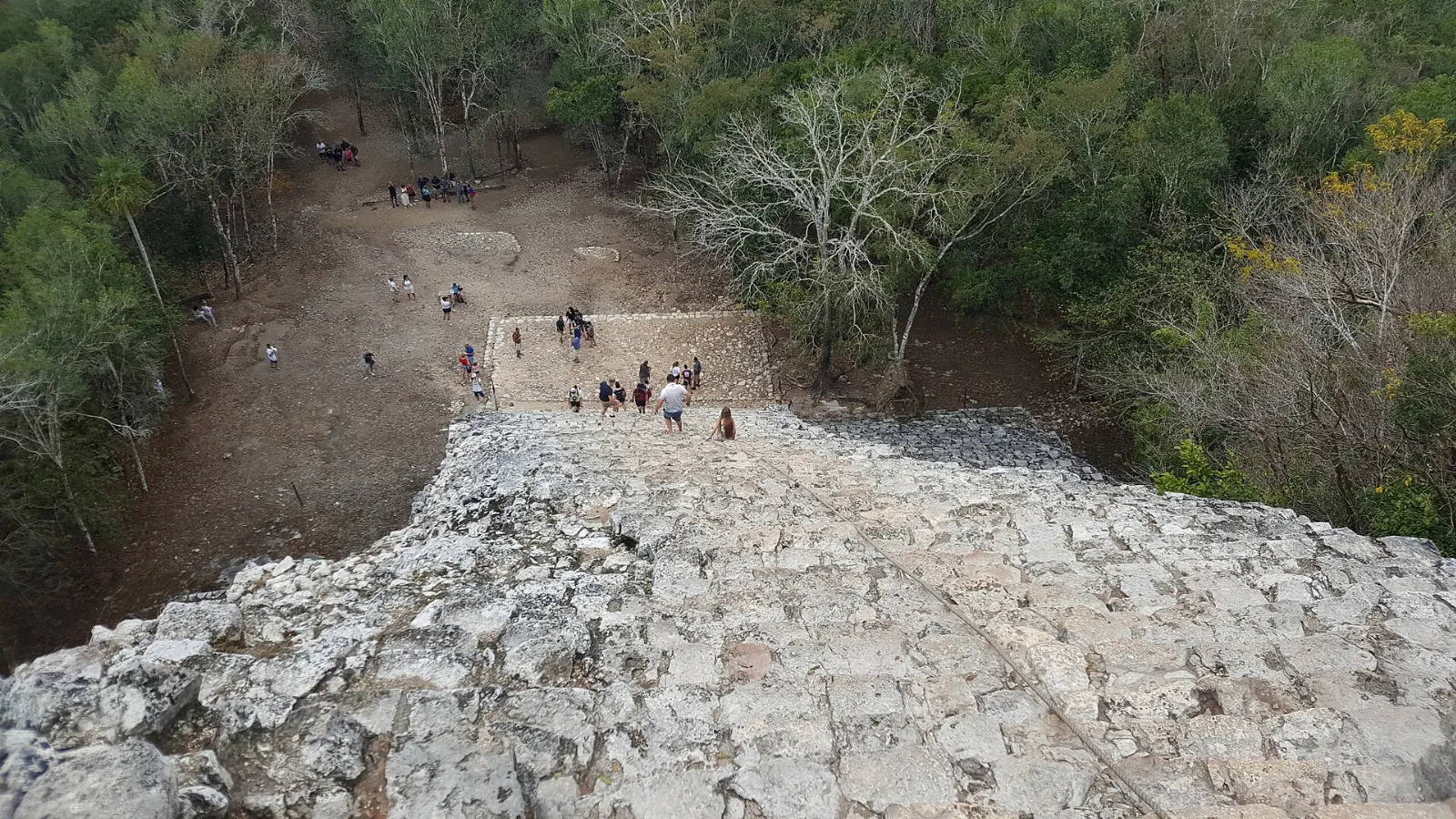
Nohoch Mul means great mound in Maya, and it is the highest point of the site at 42 metres, with a stepped base of seven levels and rounded edges. It is more than 2 kilometres from the entrance, so a bicycle or bicycle rickshaw saves energy.

The Nohoch Mul pyramid stands 42 metres high. Photo: Bernard DUPONT, Wikimedia Commons, CC BY-SA 2.0

The sacbeob

Cobá is the centre of the largest network of stone causeways of the Maya world. These raised white roads, called sacbeob, link buildings within the city and run out to other settlements. The longest runs more than 100 kilometres west to Yaxuná.

The remains of a Maya ball court among the trees at Cobá, Quintana Roo

Ball courts and carved stelae

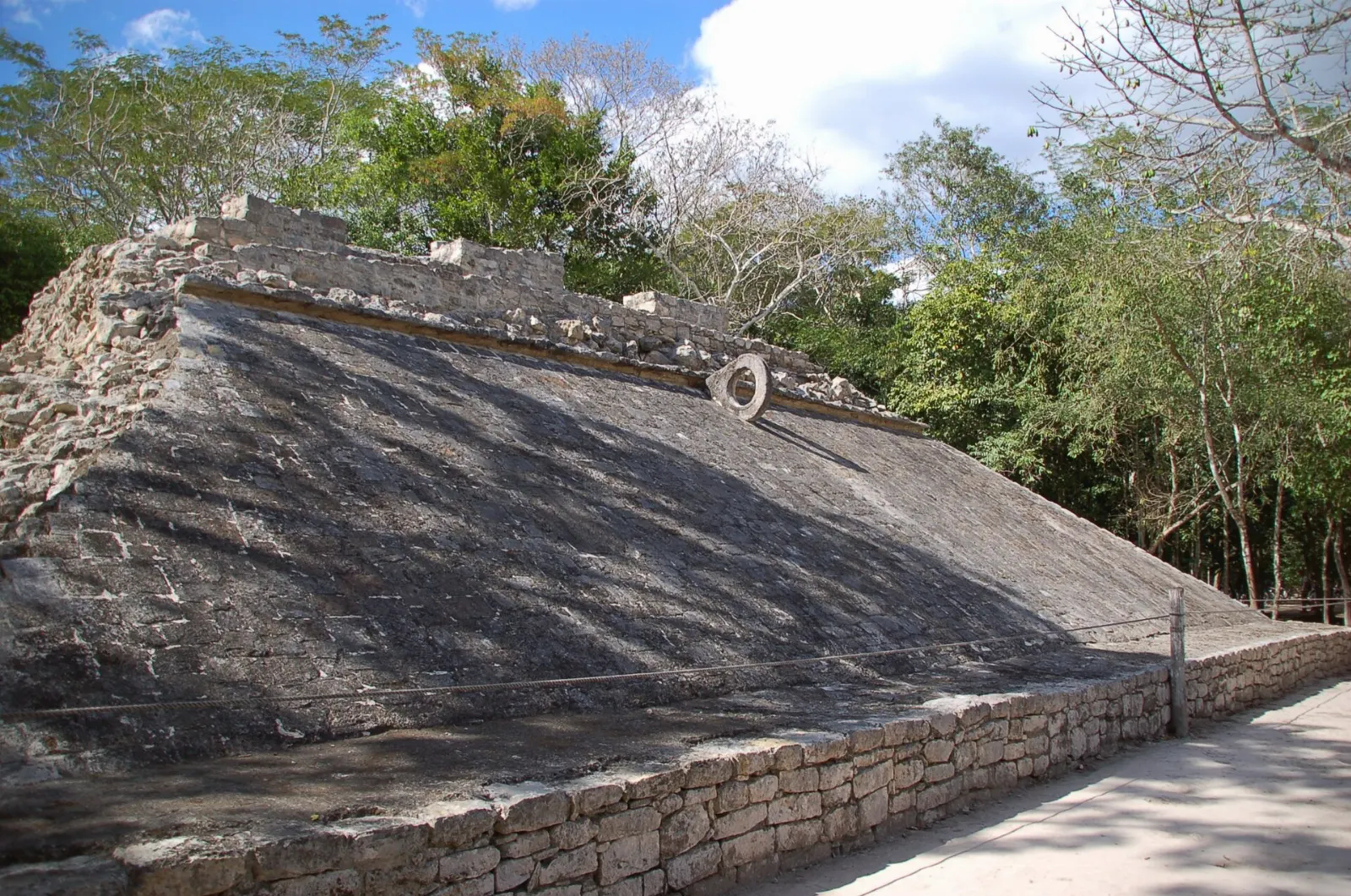
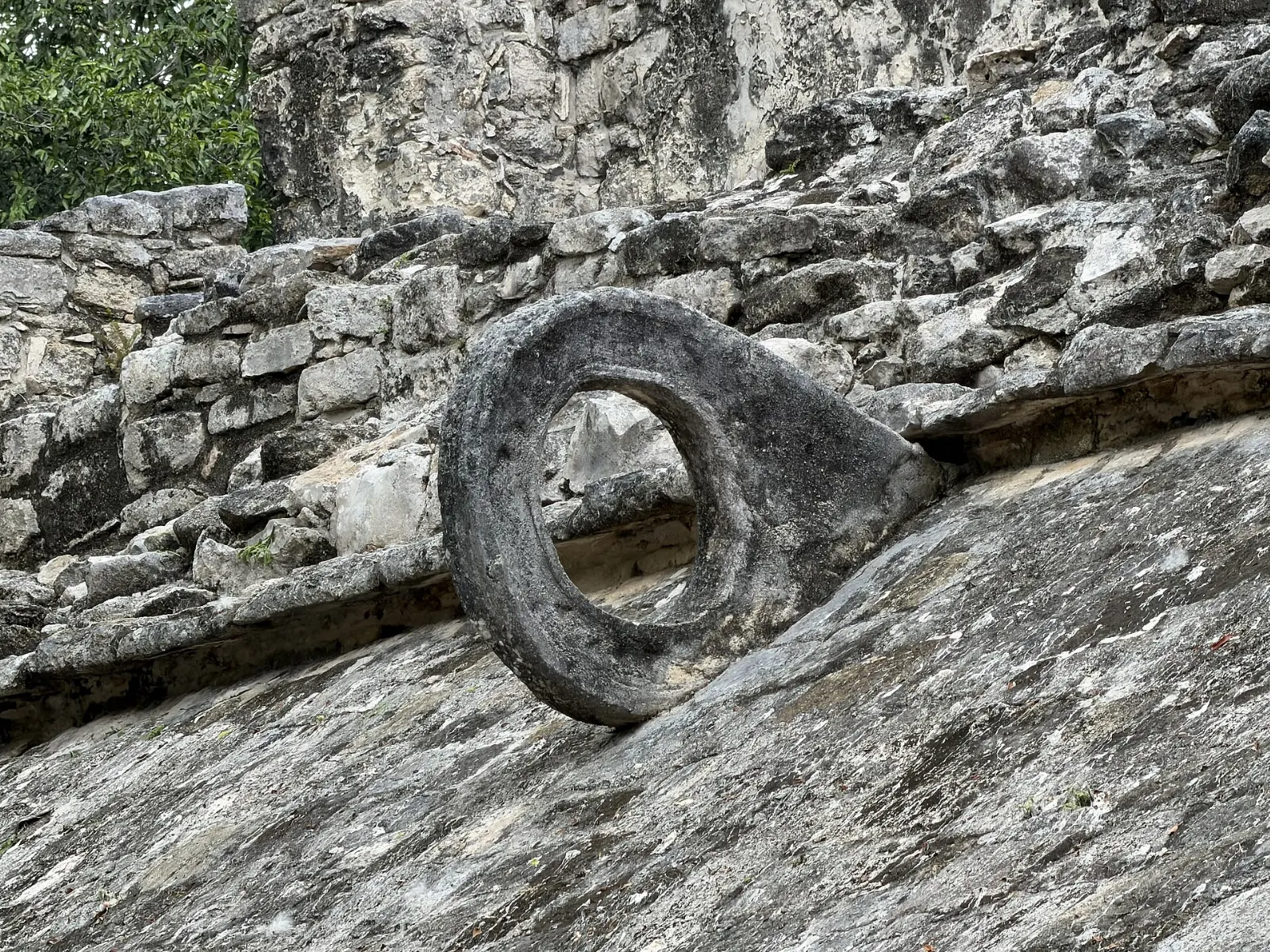
The site has at least two ball courts and an old gallery of carved stelae. A large limestone stela near Nohoch Mul records a date that corresponds to AD 569.

Cobá has at least two ball courts among its ruins. Photo: Wayfarer7575, Wikimedia Commons, CC BY 4.0

Around Cobá

Turquoise water inside a cenote near Cobá, Quintana Roo

The three cenotes

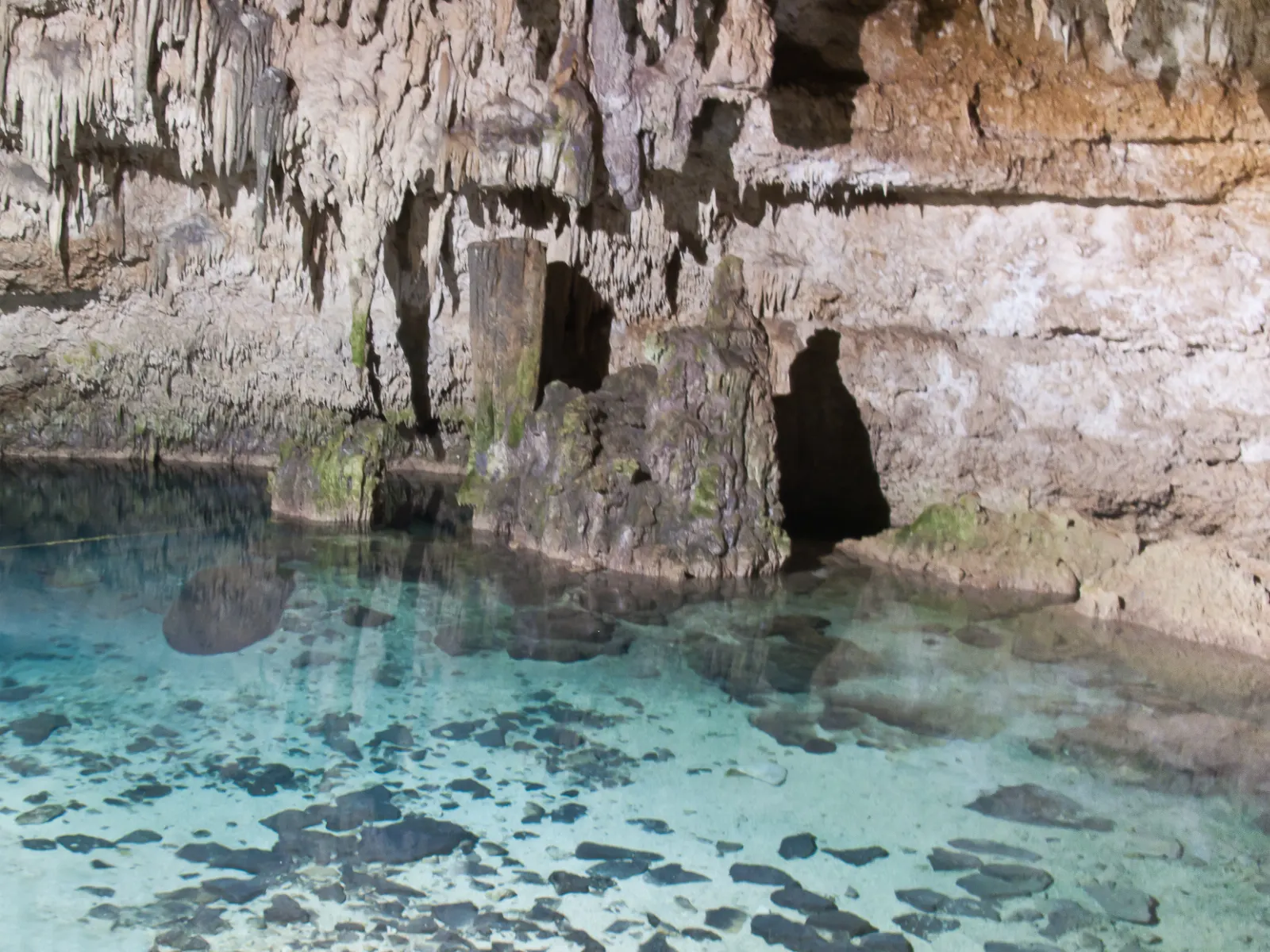
About 3 kilometres from the ruins are three cenotes, Multum-Ha, Tankach-Ha and Choo-Ha. They make a cool end to a hot morning, and changing areas and toilets are provided.

Three cenotes lie a short drive from the archaeological site. Photo: Luis Miguel Bugallo Sánchez, Wikimedia Commons, CC BY-SA 3.0

Cobá village

The small village beside the ruins has restaurants and shops selling local crafts. It is a relaxed place to sit with a cold drink, buy water for the trails, and wait for a bus.

Francisco Uh May

On the road between Cobá and Tulum, this small Maya village has dozens of workshops that make woven furniture and baskets, along with some carved wood and woven cloth.

El Castillo at Tulum on a cliff above the Caribbean Sea, Cobá, Quintana Roo

Tulum

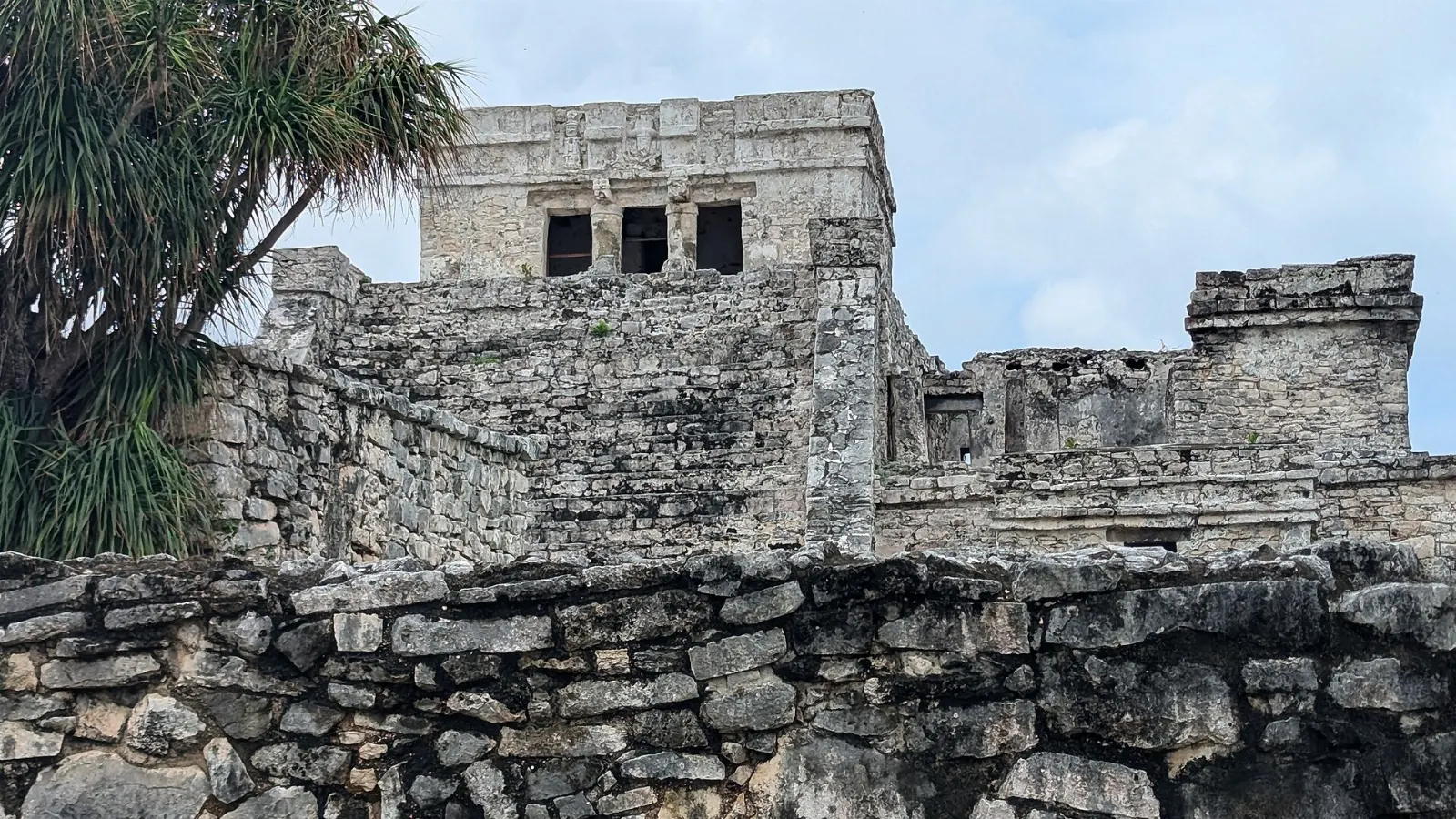
Tulum was a major port that served Cobá, and the walled ruins stand on cliffs about 12 metres above the Caribbean.

Tulum was a walled port city on cliffs above the Caribbean. Photo: edenpictures, Wikimedia Commons, CC BY 2.0

Food and local flavors

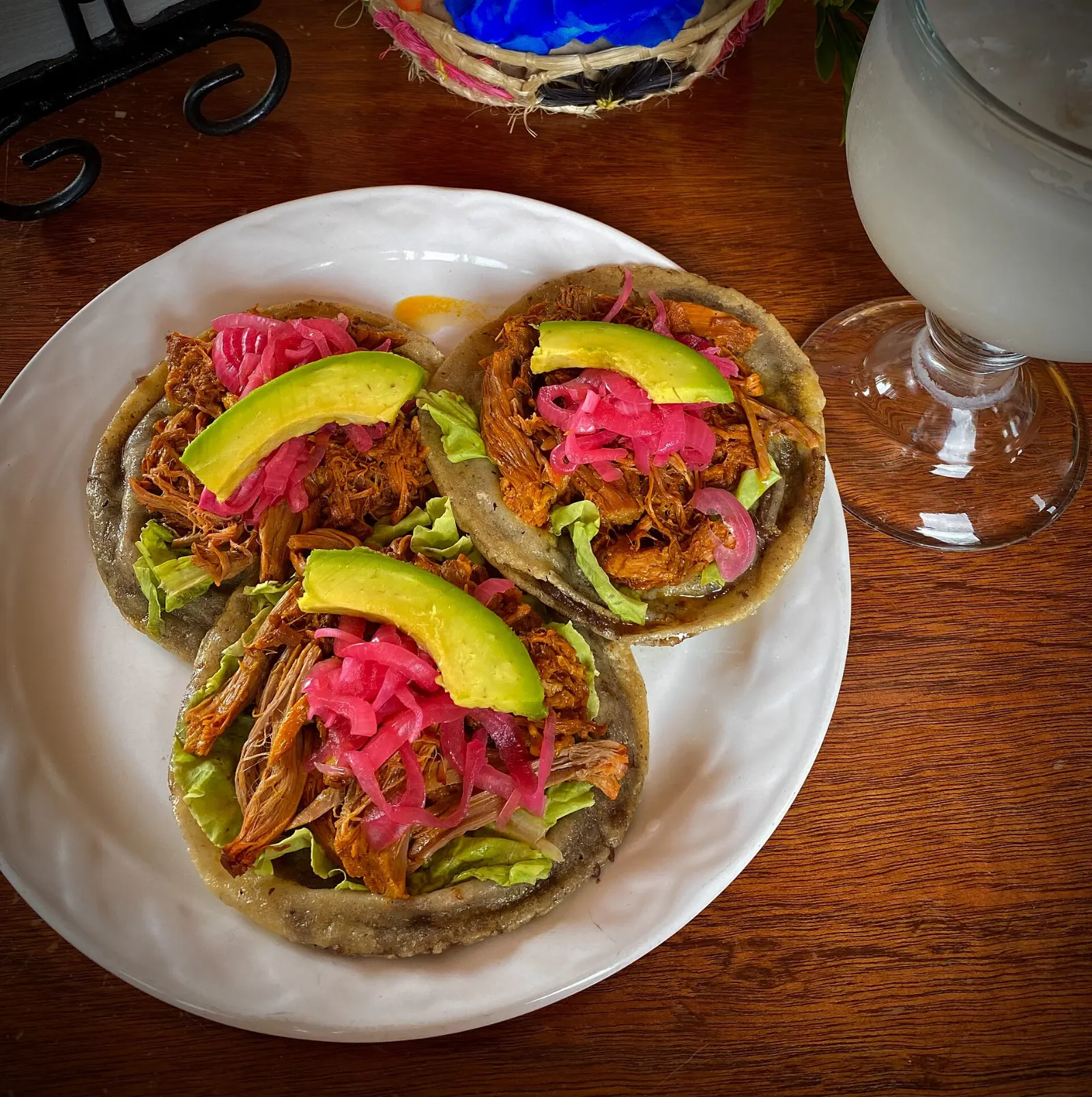
Yucatecan cooking is the main event around Cobá. Look for cochinita pibil, pork marinated in sour orange and achiote, then slow roasted in banana leaf and served with pickled red onion.

Near the ruin entrance, small restaurants and snack bars serve simple regional plates, and the restaurant beside the entrance doubles as the bus ticket office. Food inside the site is limited, so carry water and snacks.

A plate of panuchos topped with chicken and pickled onion, Cobá, Quintana Roo
Panuchos are fried stuffed tortillas typical of Yucatán cooking.Photo: Sharon Hahn Darlin, Wikimedia Commons, CC BY 2.0

Popular dishes to try in Cobá

Cochinita pibil in Cobá, Quintana Roo
Cochinita pibil Look for cochinita pibil, pork marinated in sour orange and achiote, then slow roasted in banana leaf and served with pickled red onion.Photo: El Nuevo Doge, Wikimedia Commons, CC0
Panucho in Cobá, Quintana Roo
Panucho A panucho is a fried tortilla stuffed with black beans and topped with turkey or chicken, cabbage, tomato and avocado.Photo: Gary Stevens, Wikimedia Commons, CC BY 2.0
Sopa de lima in Cobá, Quintana Roo
Sopa de lima Sopa de lima is a light chicken soup sharpened with lime and served with tortilla strips.Photo: Dan Cortés, Wikimedia Commons, CC BY 2.0

Where to stay

Cobá village suits travellers who want to reach the ruins first thing.

Tulum Pueblo, the town centre split by Highway 307, has the widest choice of restaurants, shops and bus links, which makes it good for first-timers and anyone combining ruins with beach time.

Valladolid is a colonial city in the other direction, handy if you are linking Cobá with Chichén Itzá and the wider interior.

Francisco Uh May appeals to visitors who prefer a guest house, a few spas and village life away from the main tourist routes.

Where to stay in Cobá

Cobá village, Cobá, Quintana Roo
Cobá village Where to stayCobá village suits travellers who want to reach the ruins first thing.Photo: Reforma.imufomot, Wikimedia Commons, Public domain
Tulum Pueblo, Cobá, Quintana Roo
Tulum Pueblo Tulum Pueblo, the town centre split by Highway 307, has the widest choice of restaurants, shops and bus links, which makes it good for first-timers and anyone combining ruins…Photo: Chuck Homler, Focus On Wildlife, Wikimedia Commons, CC BY-SA 4.0
Valladolid, Cobá, Quintana Roo
Valladolid Valladolid is a colonial city in the other direction, handy if you are linking Cobá with Chichén Itzá and the wider interior.Photo: User:Queninosta, Wikimedia Commons, CC BY-SA 3.0
Francisco Uh May, Cobá, Quintana Roo
Francisco Uh May Francisco Uh May appeals to visitors who prefer a guest house, a few spas and village life away from the main tourist routes.Photo: Николай Максимович, Wikimedia Commons, CC BY 3.0

Best time to visit

Heat and humidity are high all year. The most comfortable months are December to April, when rain is rare and most days are sunny.

Whatever the season, go early and bring a hat, because the trails are long and have little shade at midday. Entry is free for Mexican citizens on Sundays and national holidays, so those days can be busy with local families.

Getting there and getting around

Cobá lies about 44 kilometres northwest of Tulum, and the drive takes about 45 minutes along a two-lane road that passes small villages.

ADO buses run to Cobá from Cancún, Playa del Carmen and Tulum, with several departures in the morning and two return trips in the afternoon. Buses stop outside the park.

Inside the site, bicycles are available to rent, and bicycle rickshaws with drivers are available too. Local guides lead walking or biking tours.

A suggested itinerary

First day

Arrive at the gate early, ride or walk to Grupo Cobá and the Iglesia, then continue to Las Pinturas before heading to Nohoch Mul.

Second day

Visit the weaving workshops at Francisco Uh May on the way to Tulum, where you can see the cliff-top ruins in the morning and finish with dinner in Tulum Pueblo.

Practical tips

  • Bring cash for entry, since only cash is accepted at the gate and ATMs and exchange offices are on the square.
  • Wear sturdy shoes, because the trails are not paved.
  • Pack water, a hat and mosquito repellent, and expect to rinse off at the cenote showers before swimming.
  • Rent a bicycle or hire a rickshaw to cover the long distance to Nohoch Mul.
  • Tall visitors may find it hard to get a bicycle that fits.
CobáWISERMAP PLACECobá: photos, reviews & things to doSee traveler photos and reviews, or share your own →

More places to visit

All travel guides →