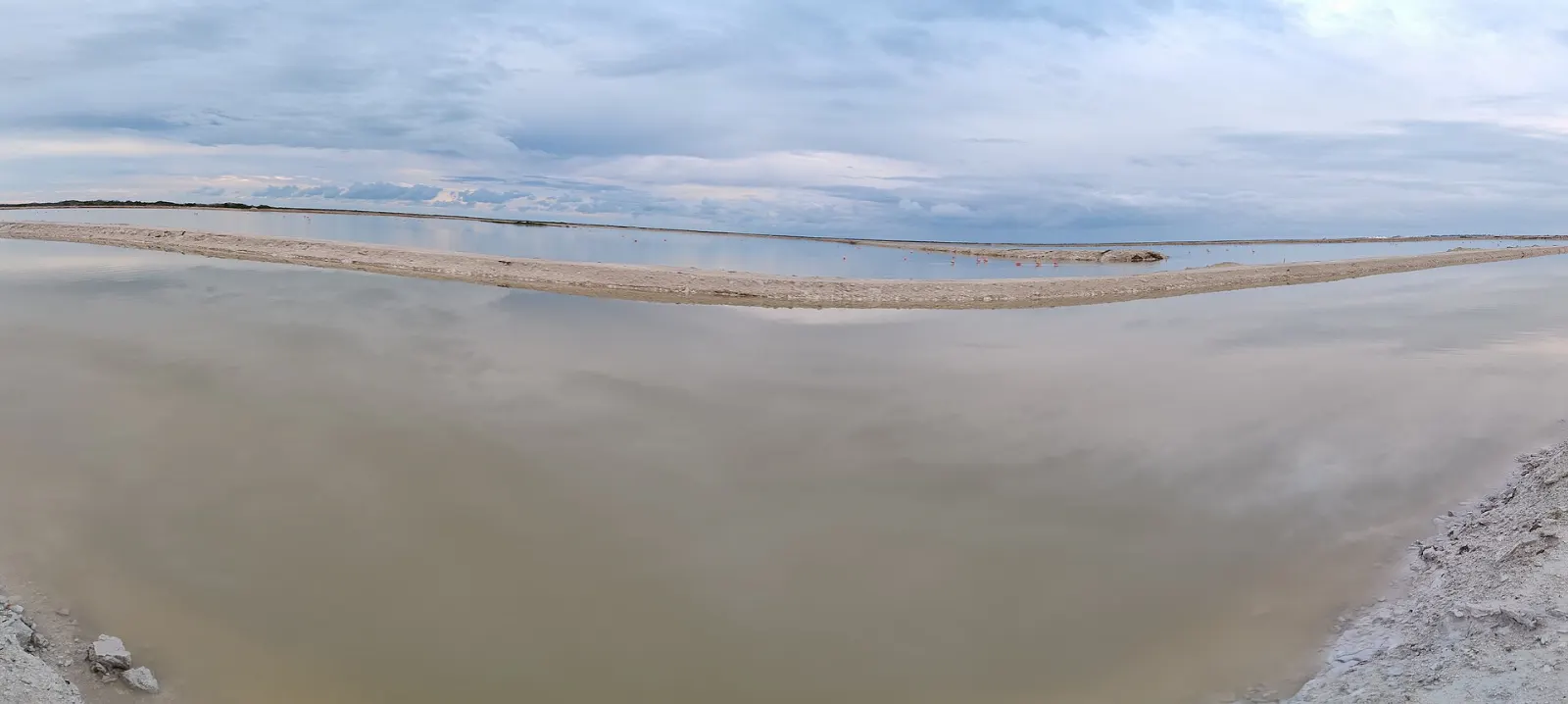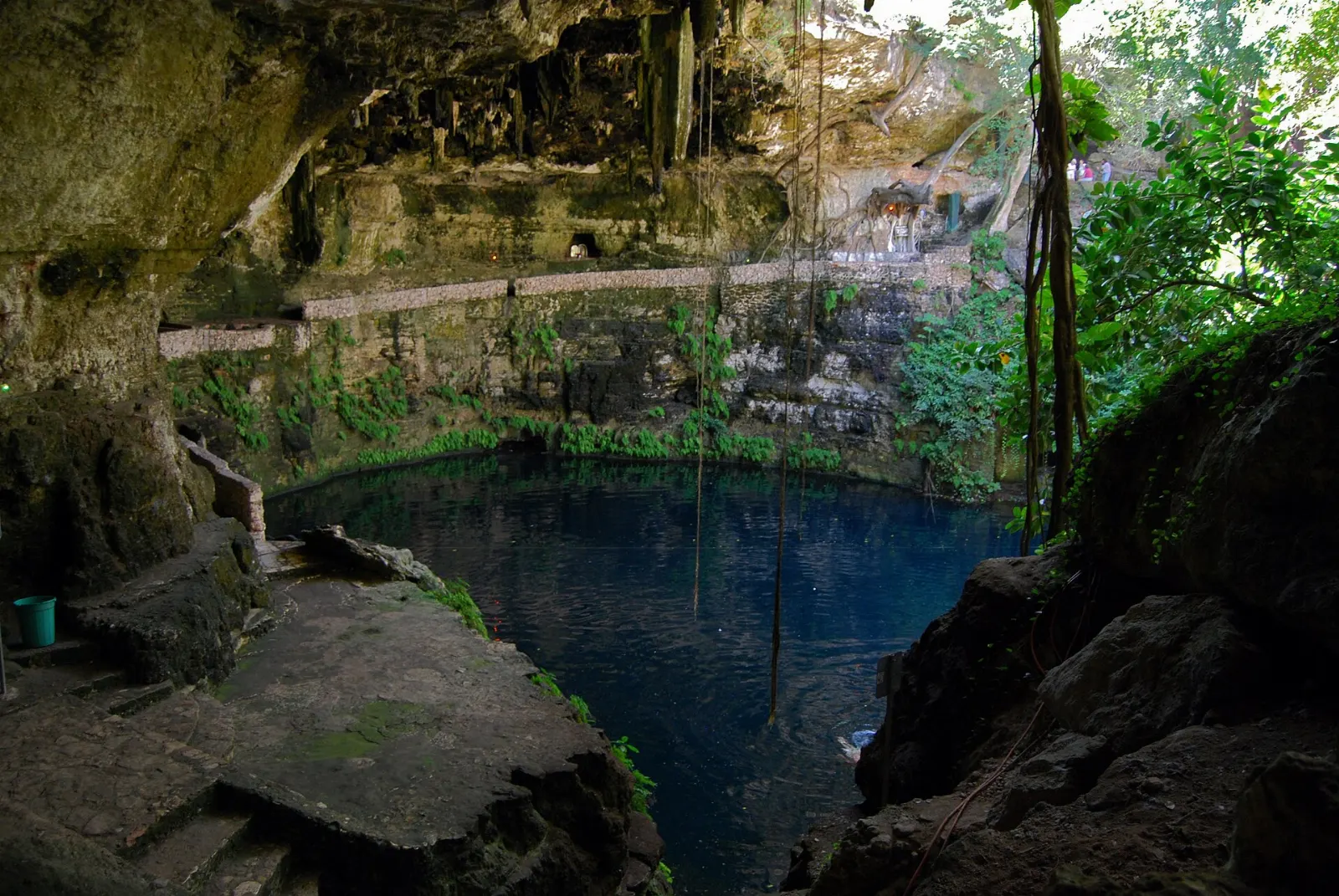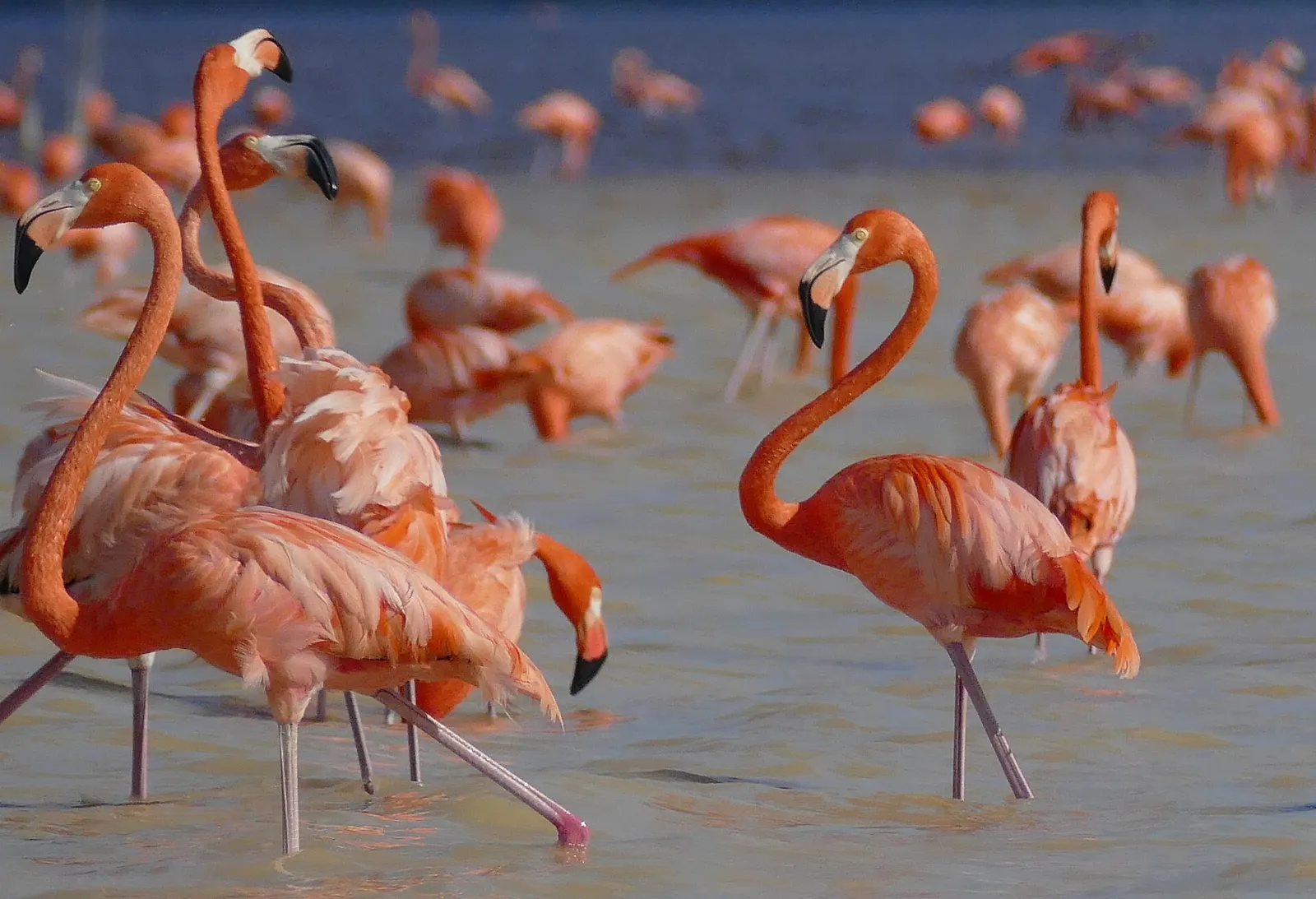
Celestún is a small fishing town on the Gulf of Mexico in the far west of Yucatán, and it is surrounded by a protected wetland that fills with flamingos for much of the year.
AT A GLANCE
Best time
Visit from November to March for the flamingos, with January and February at their peak.
How long
One full day is enough for the lagoon, while two days add beaches and mangrove canoeing.
Getting there
Drive or take a bus west from Mérida along MEX 281 in about two hours.
Why visit Celestún
The town sits inside the Ría Celestún Biosphere Reserve, a wetland of mangroves, lagoons and marshes fed by freshwater springs. More than 200 bird species have been recorded around the lagoon, and the flamingos are the star attraction.
Away from the reserve, Celestún is relaxed and uncrowded.
The best places to visit around the lagoon
Ría Celestún Biosphere Reserve
The reserve covers a huge area of coast, beaches and mangrove swamp to the north and east of town, and it is the reason most people come. Plan on a morning or early afternoon for a boat trip, and bring a hat, sunscreen and insect repellent.
Flamingo viewing
The flamingos feed in the shallow lagoon, and the best season is from November to March, with January and February at their peak. Your boat captain will stop at a respectful distance so you can watch and photograph the flocks.
The boat dock and the Parador Turístico
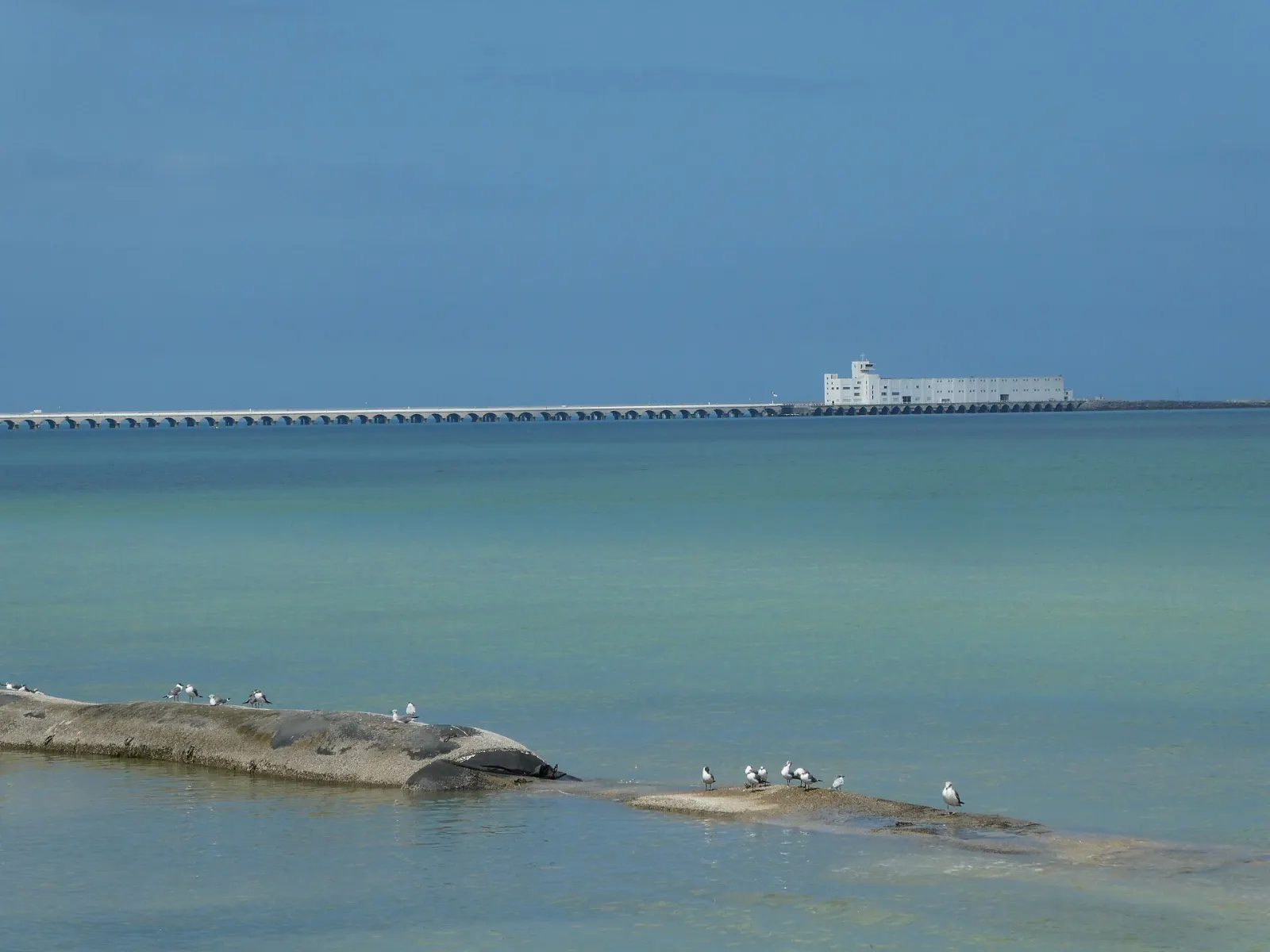
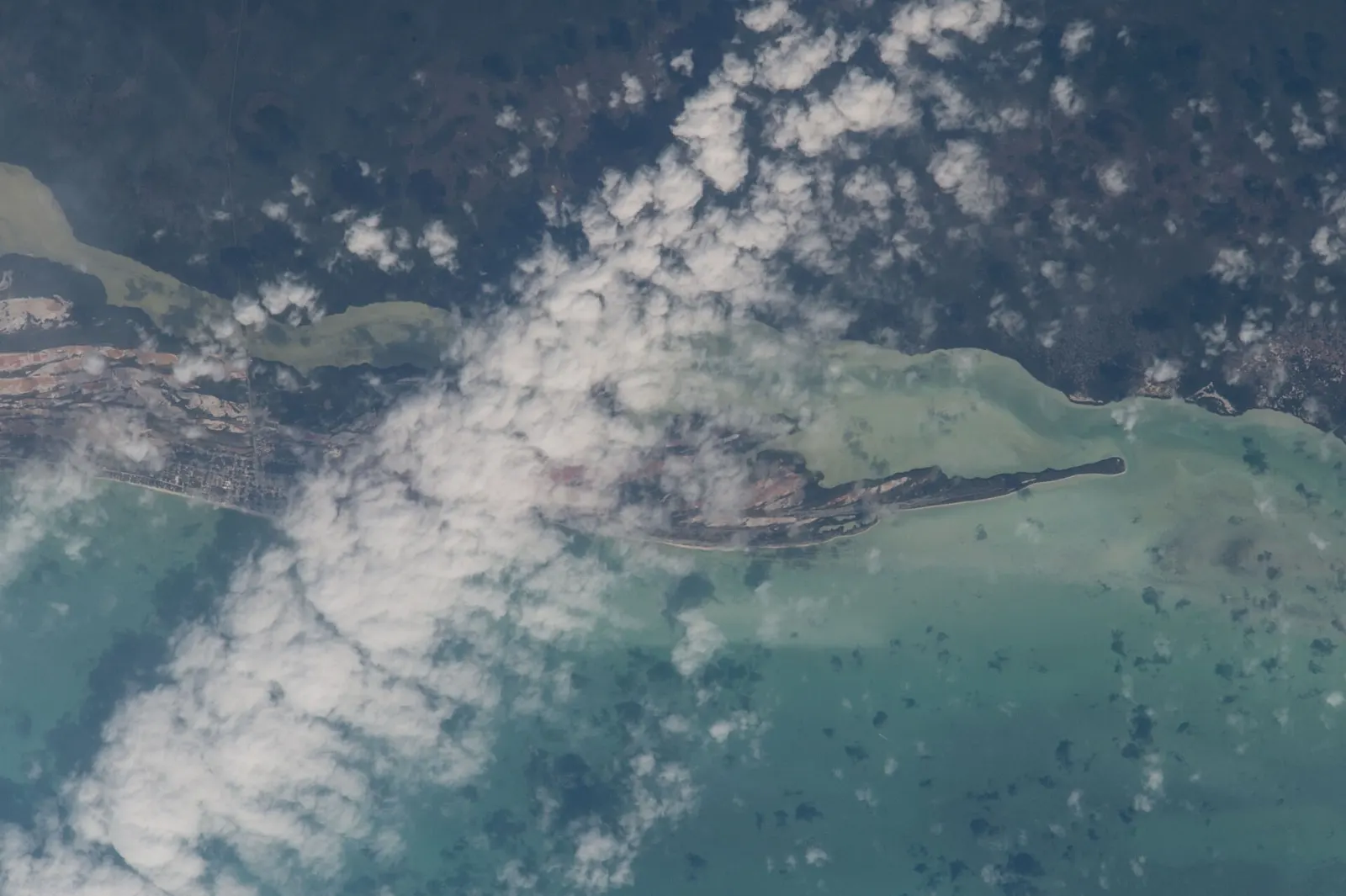
Boat tours leave from the dock just south of the bridge on the town side, next to the Parador Turístico on the highway. The Parador has tourist information, restrooms and tour tickets, and it is the easiest place to start.
Bird Island
Bird Island is a popular stop in the reserve and is home mainly to egrets and pelicans. It is a good place for close-up photos, and you can expect to spend a short stretch there during a longer boat trip.
Ojo de Agua Baldiosera
Most boat tours also stop at this natural spring, one of the sources that feeds the swamps. A boardwalk lets you walk through a section of the mangrove, and there are places where you can swim in the fresh water.
Mangroves by canoe and kayak
For something quieter, a local group called Guardianes de los Manglares offers guided canoe and kayak trips through the mangrove channels.
Beaches and the town itself
Playa Sur and Playa Norte
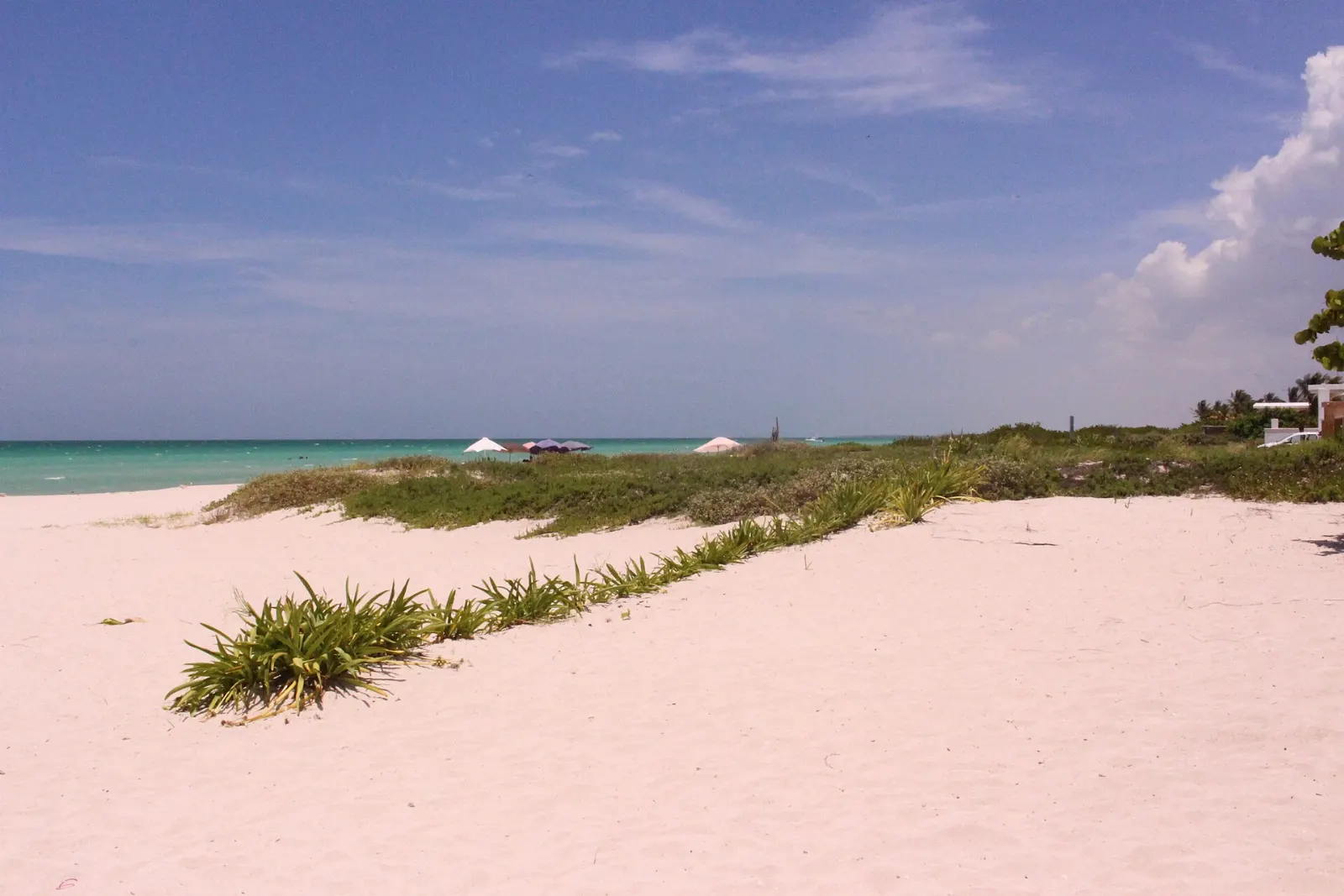
The town beach is split by Calle 11 into Playa Sur to the south and Playa Norte to the north. Both are wide, flat and good for walking, with palapa restaurants on the sand in places.
Playa Agua
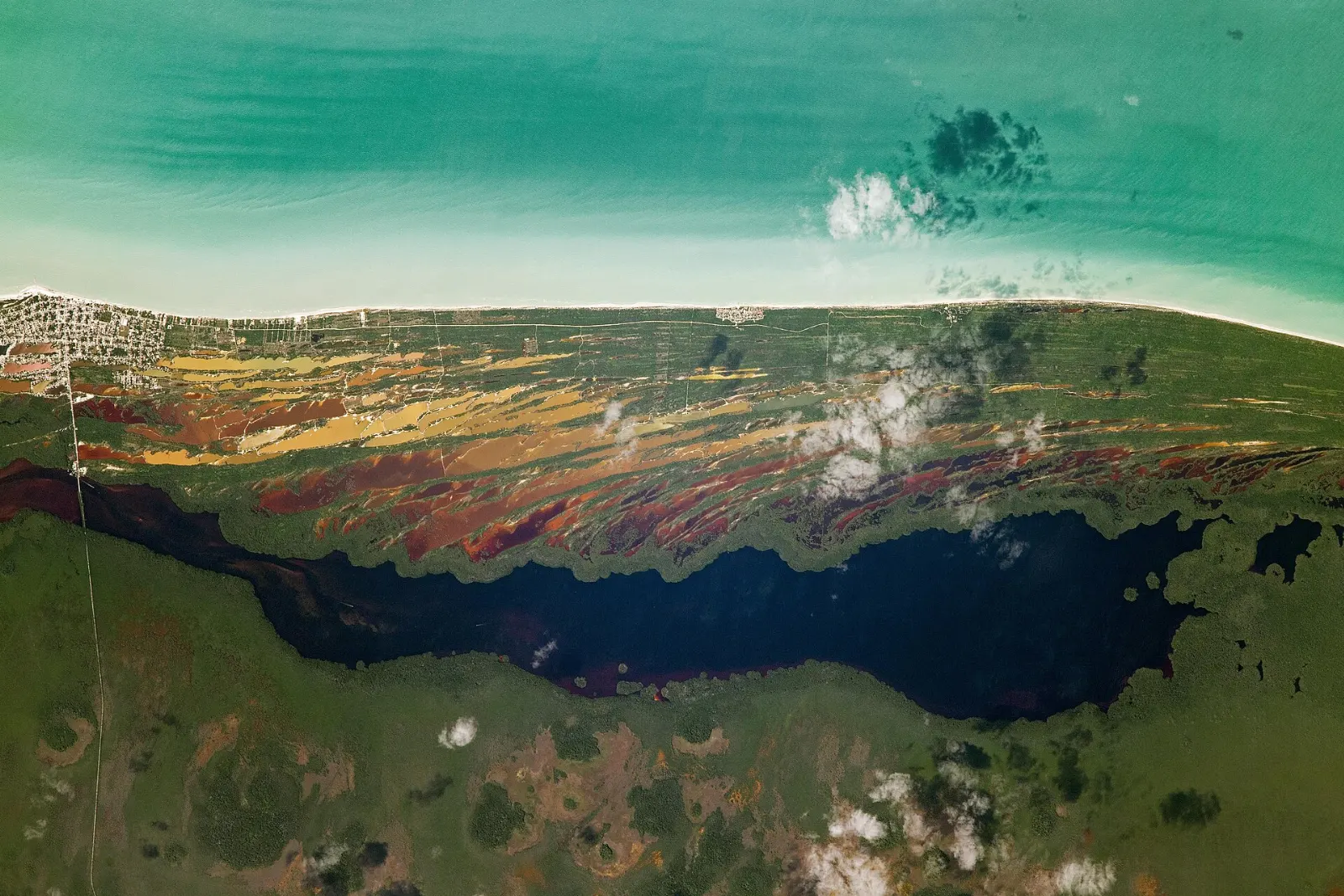
A few minutes north of town on Calle 14, this beach is farther from the crowds and has no food or drink vendors. Bring water and snacks, and plan to enjoy the empty sand.
The lighthouse and the church
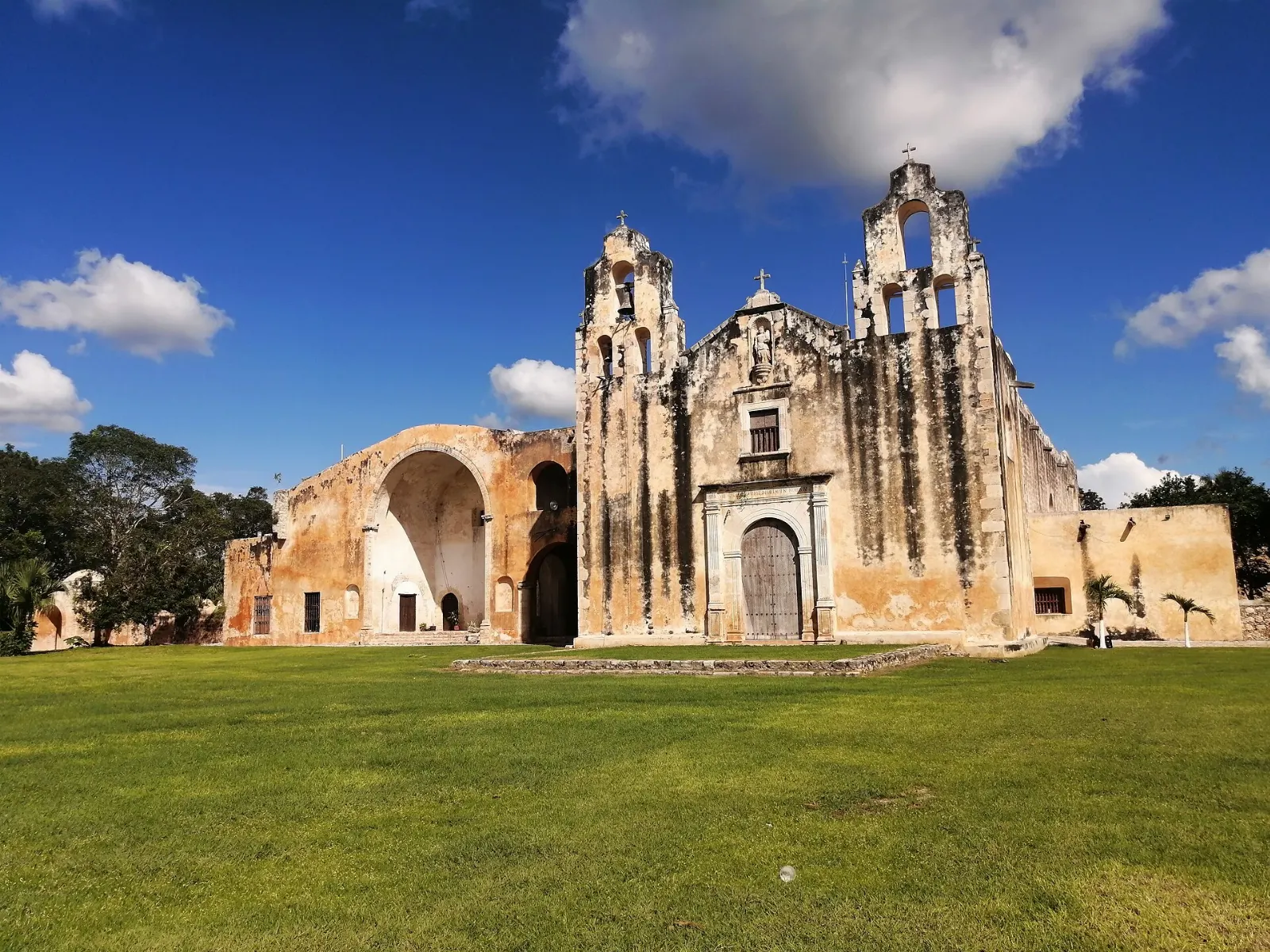
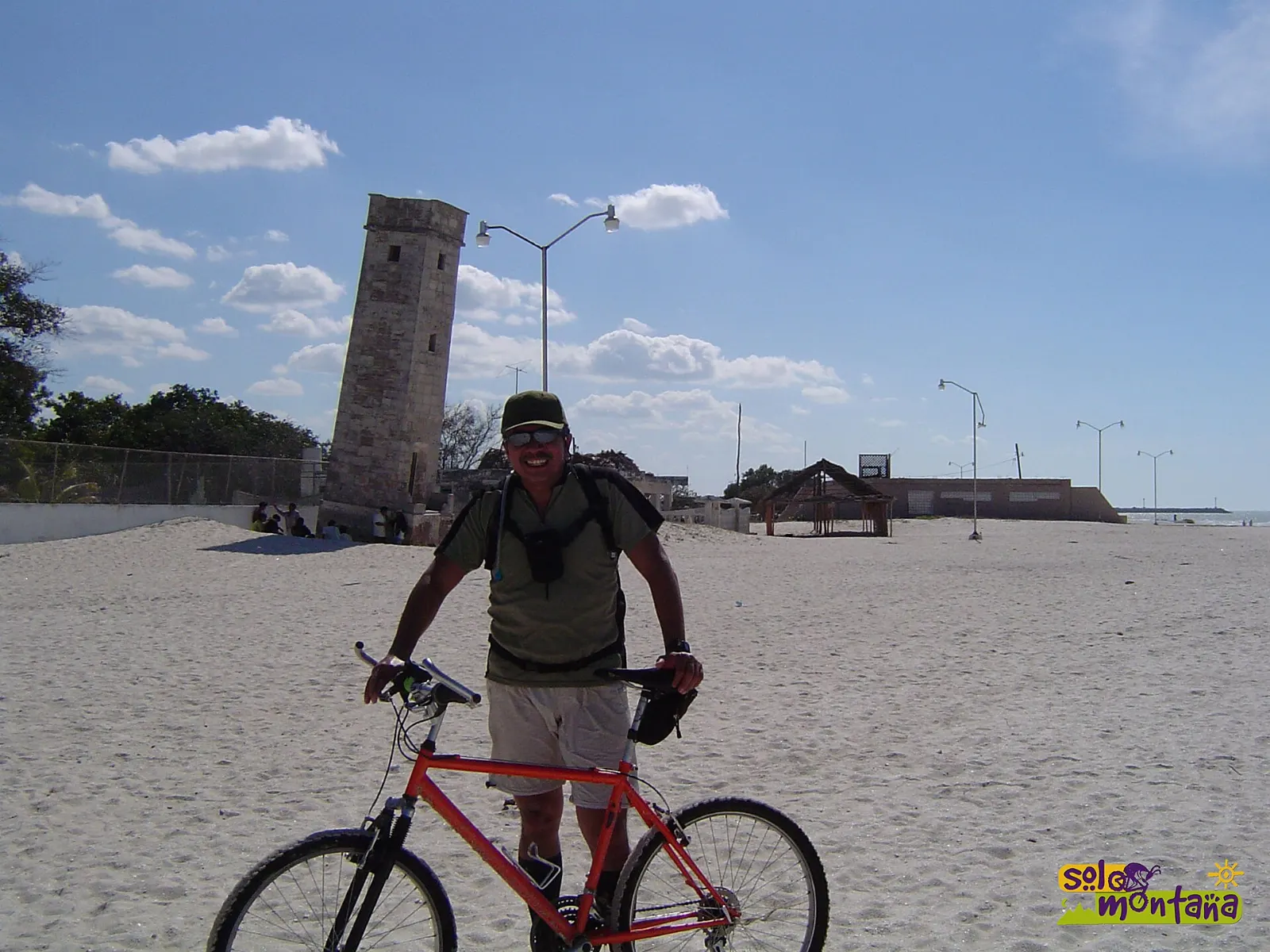
Celestún has a 19th century lighthouse as well as a more modern one, and a church that dates from the colonial period. Both are easy to see on a stroll through town.
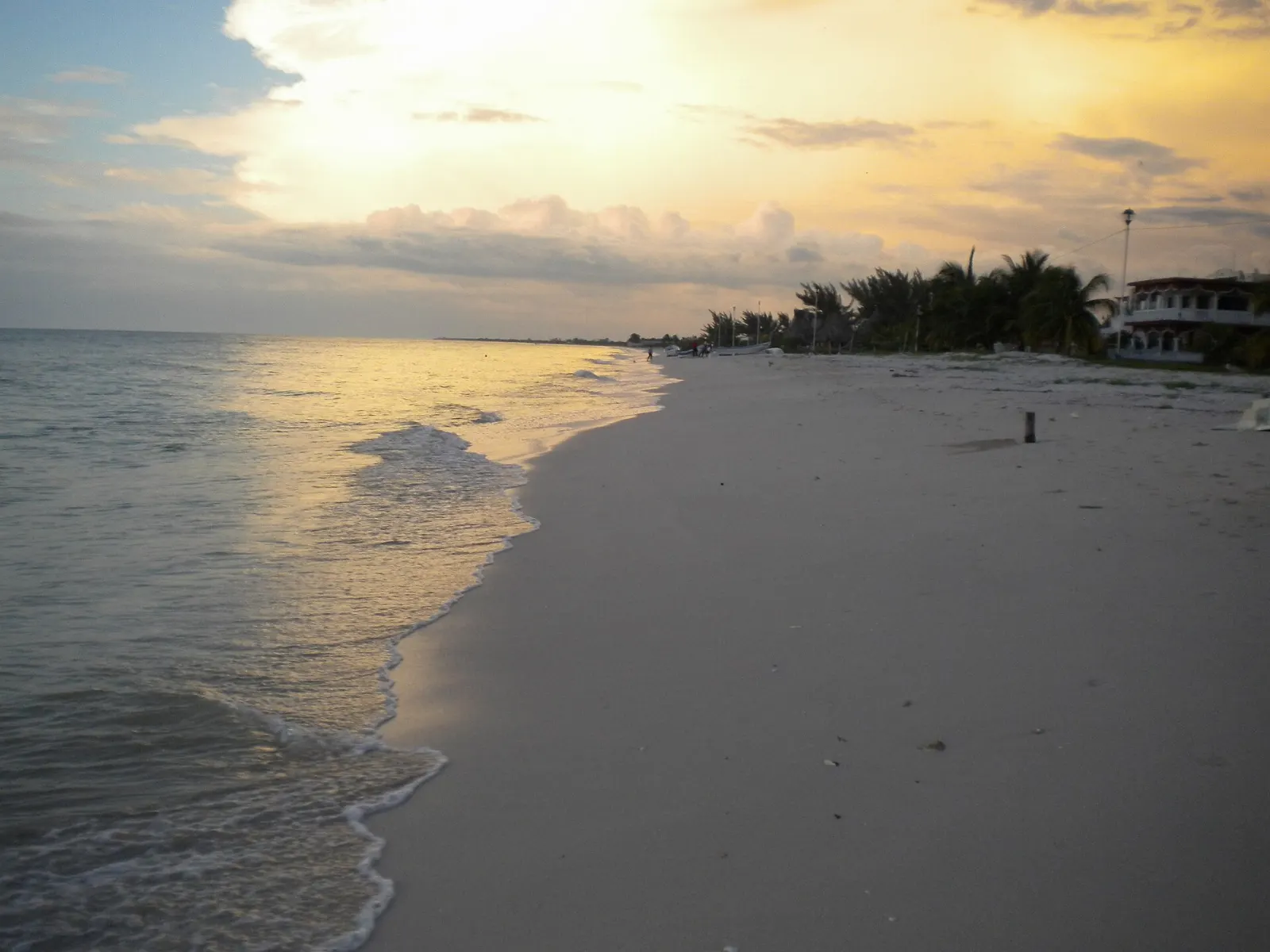
The town square
The main square is where Celestún hosts carnivals, dances and musicians on a regular basis.
Sea turtle beaches
The beaches and dunes of the reserve are nesting areas for several sea turtle species, and conservation projects work to protect them. Keep to marked paths, avoid lights on the beach at night and give nesting turtles plenty of space.
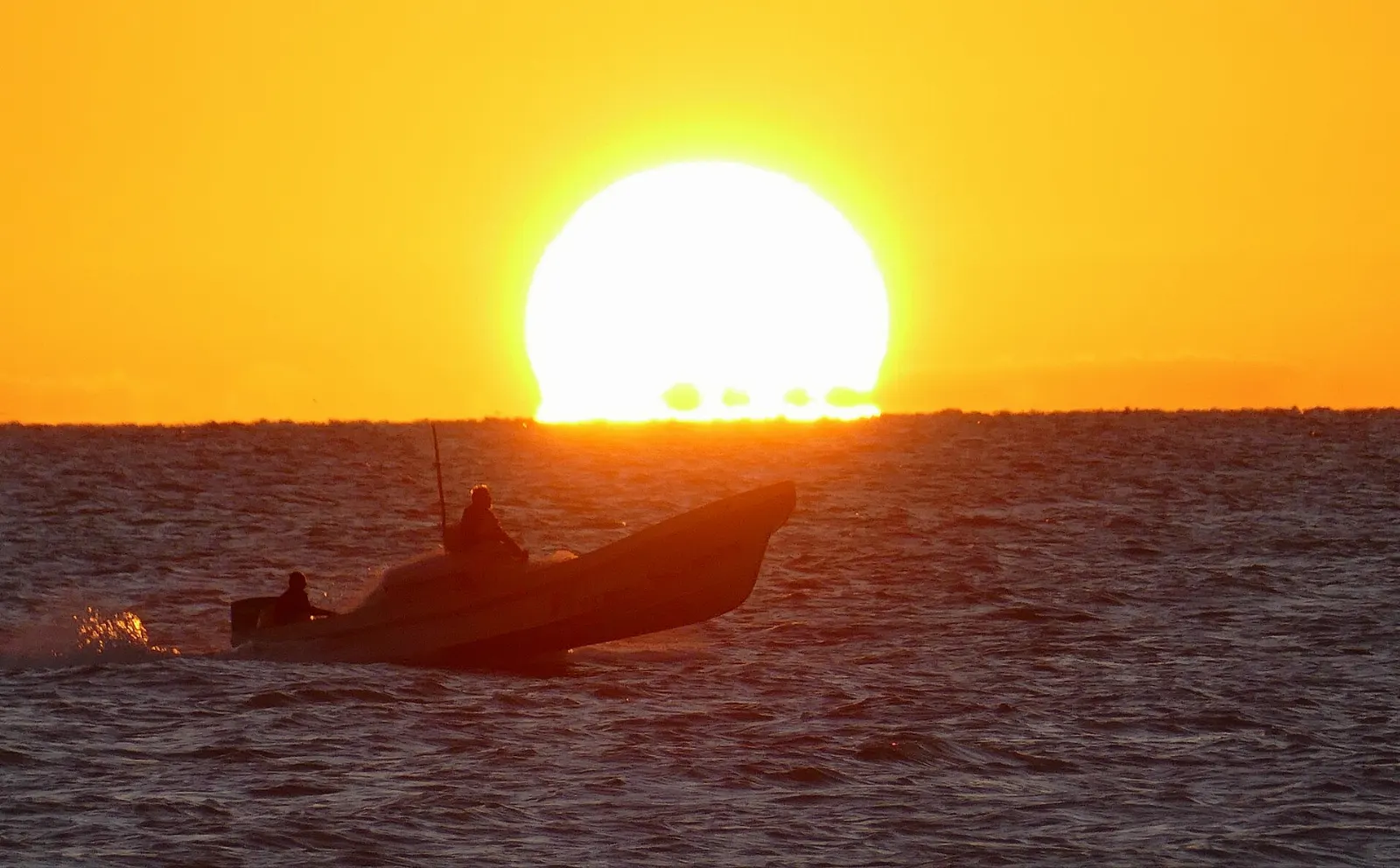
The fishing waterfront
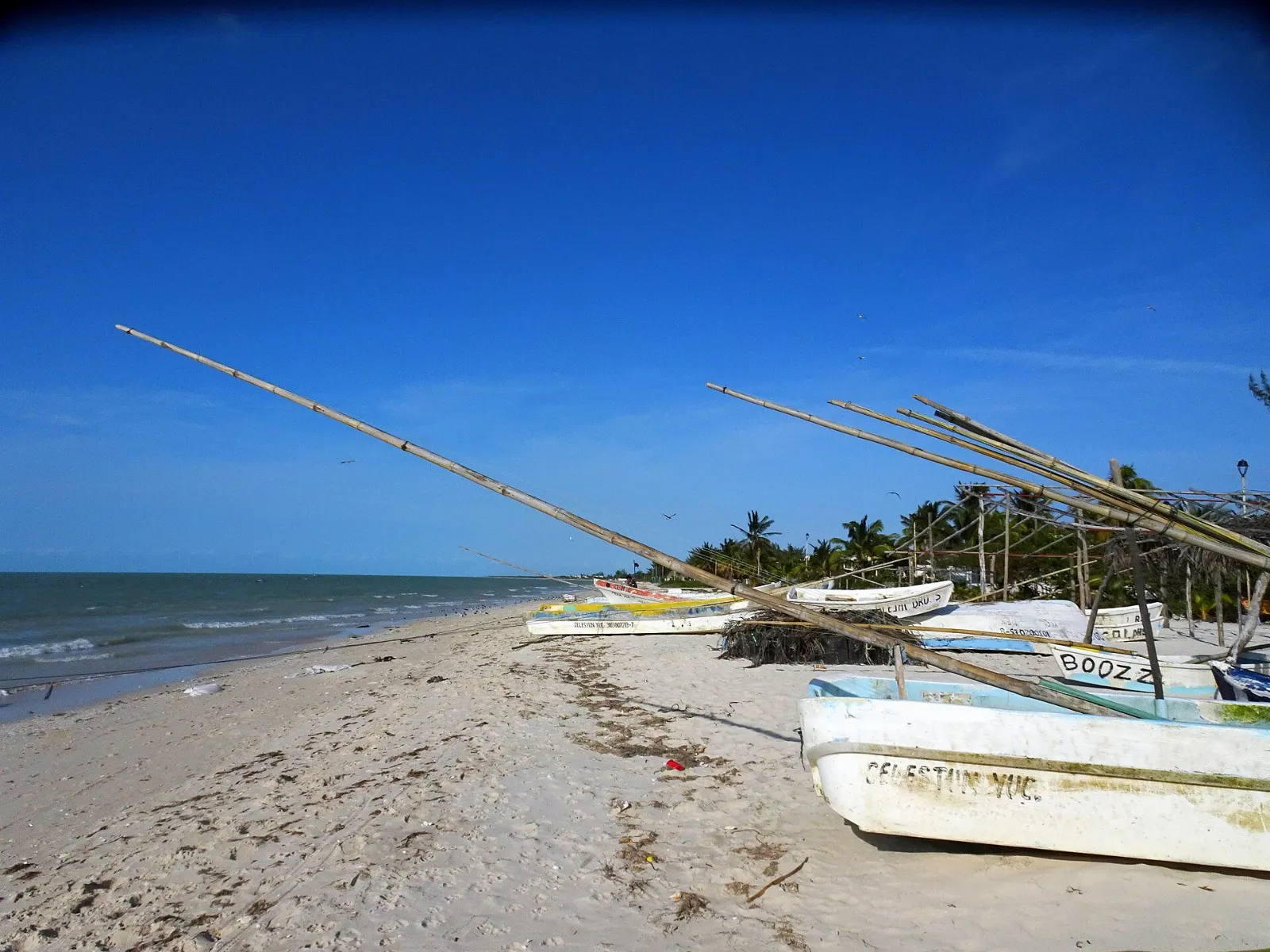
Celestún is mainly a fishing town, and the beachfront is lined with boats. The octopus season runs from August to October, when the town fills with fishermen.
 Planning a trip to Celestún?Compare hotels, flights and vacation rentals for Celestún on Expedia.Book now
Food and local flavors
Seafood is the main reason to eat in Celestún. Octopus is a local favorite, especially in the season from August to October, and many beachfront palapas also serve lobster.
Beyond the catch of the day, look for the classic dishes of Yucatán.
For a casual meal, the palapa restaurants along the beach are the easiest choice, and several places in the center serve traditional Yucatecan dishes with a seafood focus. Breakfast spots open early for visitors heading out on the lagoon.
Popular dishes to try in Celestún


Where to stay
Celestún is small, so almost every part of town is within a short walk of the sea. Pick an area based on how you like to spend your evenings.
Playa Norte suits travelers who want quiet. The northern end of town is peaceful, and many small guesthouses offer hammocks and an easy walk to the sand.
Playa Sur puts you closer to the main run of beach restaurants and the sunset views.
Centro is a few blocks back from the beach, near the square, the church and the bus station.
Book ahead for Holy Week and for the peak flamingo months of January and February, when rooms fill up.
Where to stay in Celestún


Best time to visit
The best time for flamingos is from November to March, with January and February as the peak.
Octopus season runs from August to October, when the fishing fleet is busy and the town swells with fishermen.
Summer is hot and humid, so plan outdoor activities for the morning. If you want a quiet beach weekend, avoid public holidays and Holy Week.
Getting there and getting around
Celestún is about two hours west of Mérida, and Mérida's airport is the nearest major gateway. From there you can take a bus or drive.
By car, head west out of Mérida on federal highway MEX 281 and keep going until you reach Celestún.
By bus, Autobuses Oriente runs hourly services between Mérida and Celestún. The ride takes about two hours, the buses are modern and comfortable, and the terminal in Celestún is in the center of town.
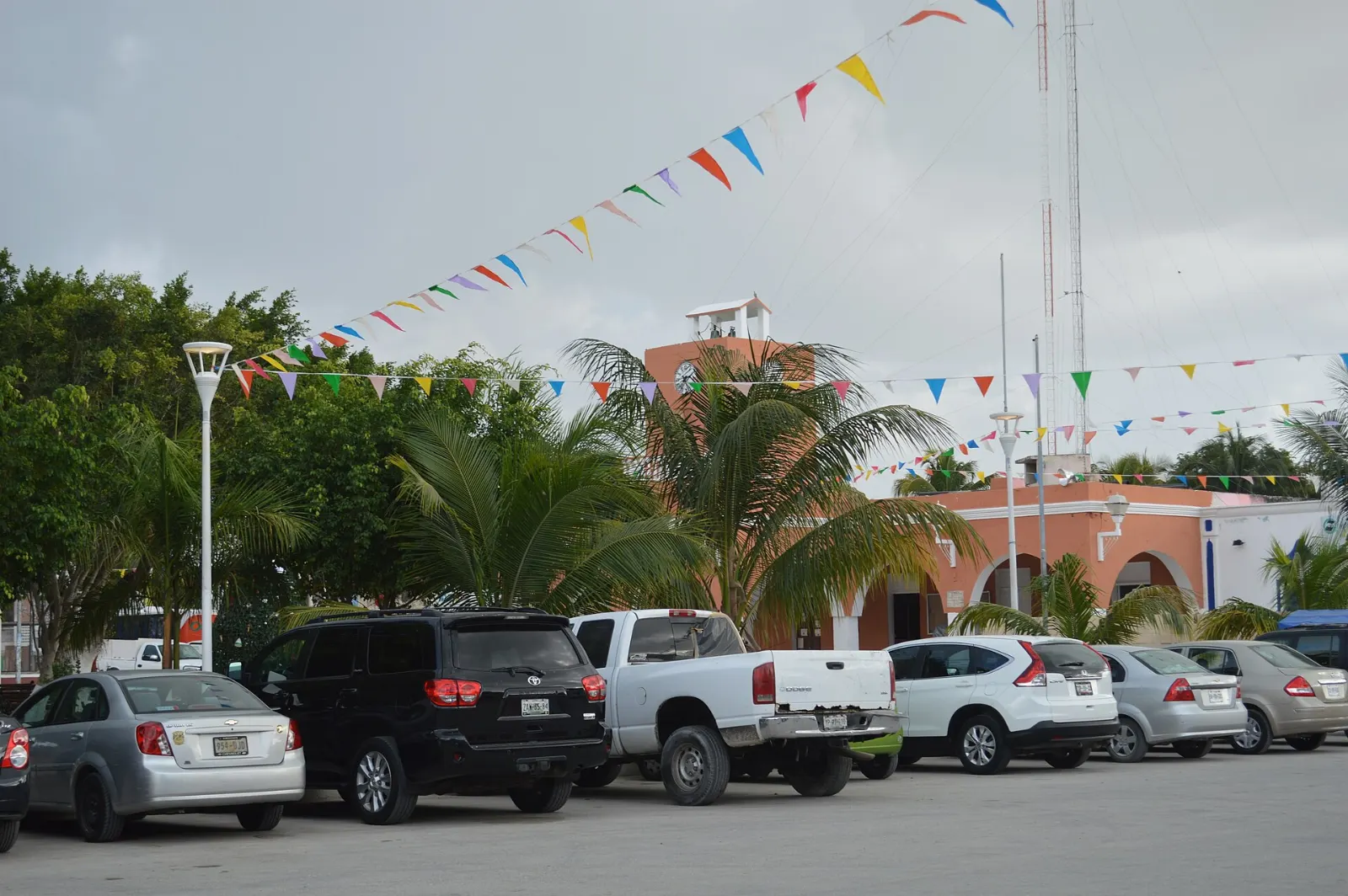
Once in town, you can walk almost everywhere. To visit the reserve you need a boat, and the dock is next to the bridge on the town side.
A suggested itinerary
First day
Take an early bus or drive from Mérida, and go straight to the Parador Turístico to arrange a boat trip. Spend the morning on the lagoon, stopping at the flamingo flats, Bird Island and Ojo de Agua Baldiosera.
Second day
Start with a canoe or kayak trip in the mangroves, then walk the lighthouse and church area in town. Spend the afternoon on Playa Norte or Playa Agua, and finish with sunset on the Gulf and an evening meal of sopa de lima or octopus before heading back to Mérida or staying another night.
Practical tips
- Check your government's current travel advisory before you go.
- Bring sun protection, a hat and plenty of insect repellent for the mangrove stops.
- Ask the boat operator how long the tour lasts and what it includes before you set out.
- Share a boat with other travelers if you are on your own to make the cost easier to split.
- Respect the wildlife by keeping your distance from flamingos and nesting turtles.