St. Augustine was founded by the Spanish in 1565, decades before Jamestown or Plymouth, and it is the oldest continuously occupied European-founded city in the continental United States.
AT A GLANCE
Best time
Spring and late fall bring mild weather; Nights of Lights runs through the winter holidays.
How long
Two to three days covers the historic district, Anastasia Island and a beach afternoon.
Getting there
Fly into Jacksonville, about an hour north, or drive in via Interstate 95 or scenic State Road A1A.
Why visit St. Augustine
Few American towns let you walk through so many centuries in a single afternoon. Spanish soldiers, British colonists, free Black settlers, Minorcan laborers and Gilded Age tourists all left their mark here, and you can see that history in buildings rather than just on plaques.
The city also offers a rare combination: a dense, walkable historic district and an easygoing beach town only a bridge away. You can spend the morning in a seventeenth-century fort, eat fresh shrimp for lunch and watch the sunset from a lighthouse or a dune.
The Spanish colonial historic district
Castillo de San Marcos National Monument
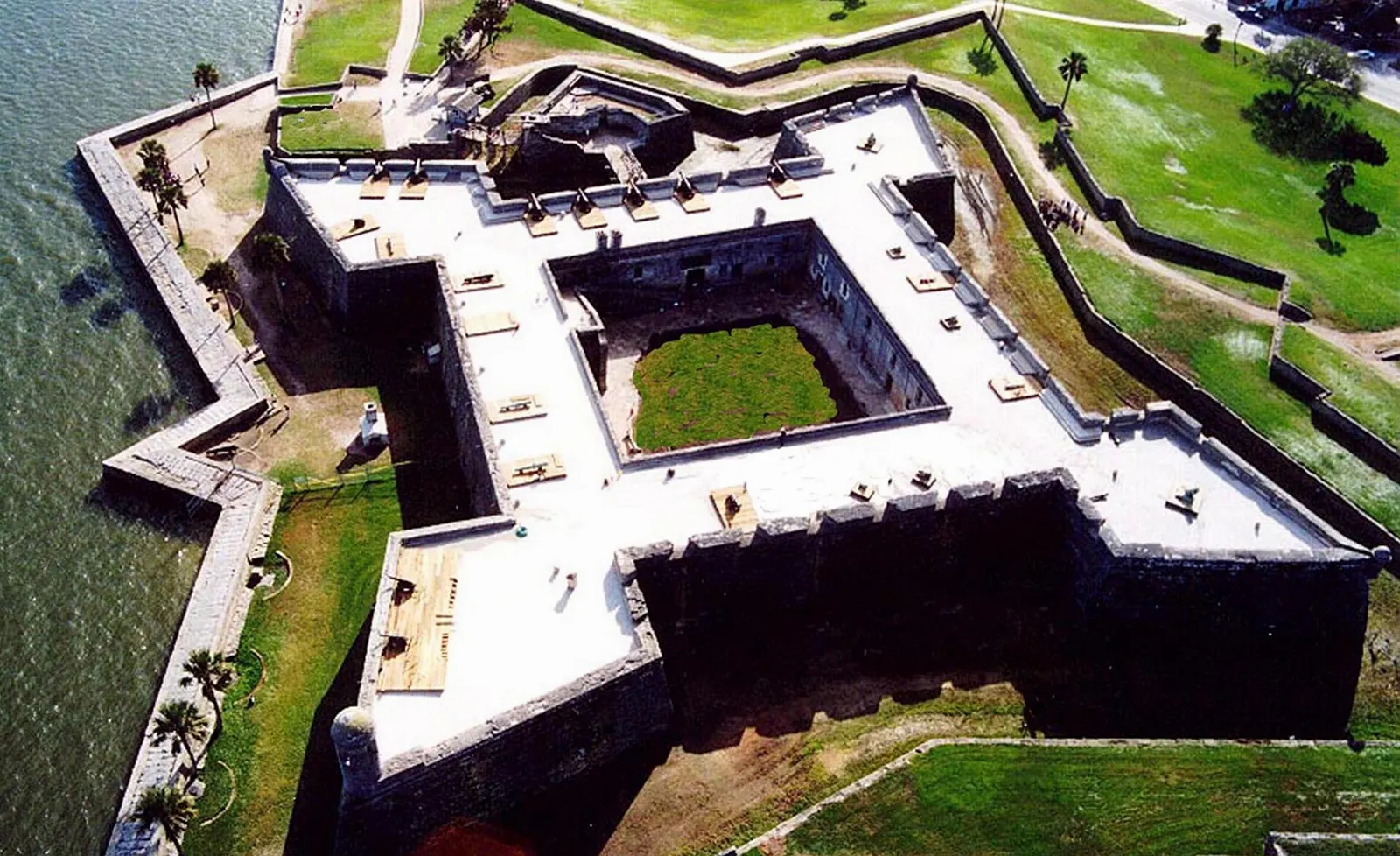
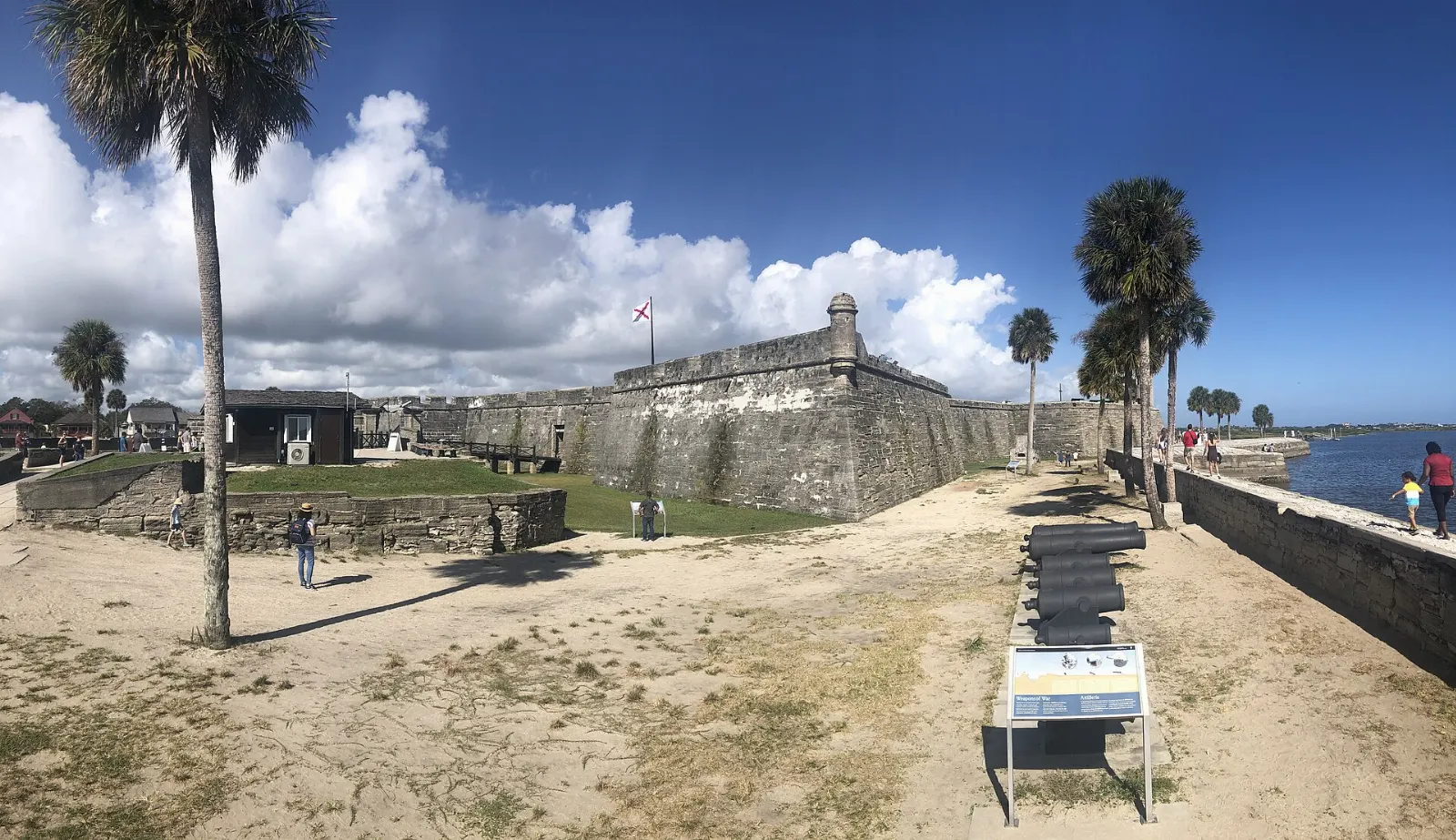
The Castillo is the city's defining landmark, a star-shaped fortress built by the Spanish between 1672 and 1695 from coquina, a soft stone made of compressed shells. Its walls famously absorbed cannonballs during sieges instead of cracking.
Allow one and a half to two hours. The grassy grounds around the fort are free to walk and lovely at sunset, and the fort is managed by the National Park Service, so check the official website for current hours and fees.
St. George Street and the Colonial Quarter
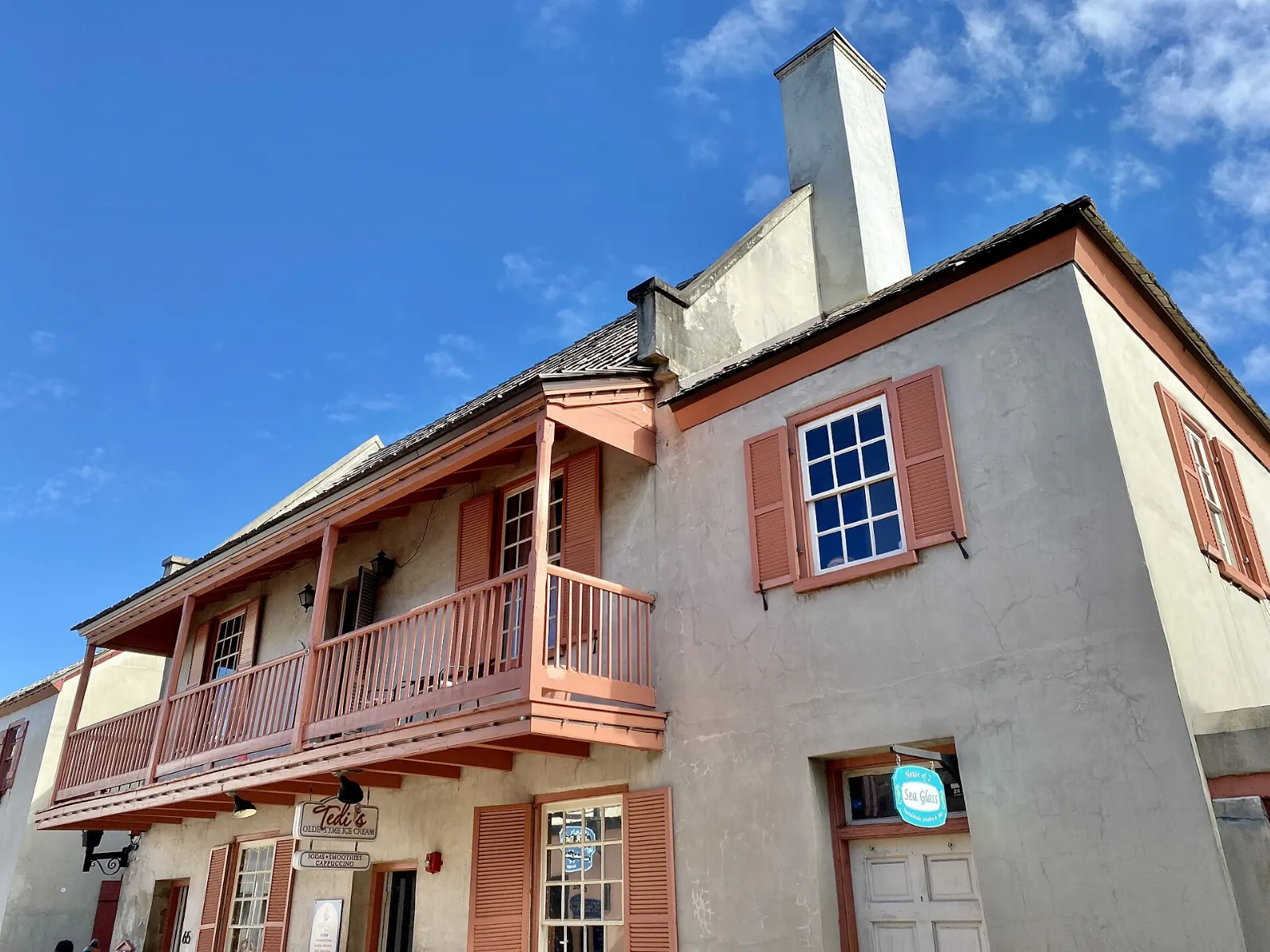
Just across from the Castillo, the old City Gate opens onto St. George Street, a pedestrian lane lined with shops, cafes, ice cream counters and historic houses.
Along the way, look for the Oldest Wooden Schoolhouse, a cypress and red cedar building from the colonial era, and turn down the side streets such as Aviles Street, often described as one of the oldest streets in the country, which is lined with galleries and small restaurants.
Plaza de la Constitución and the Cathedral Basilica
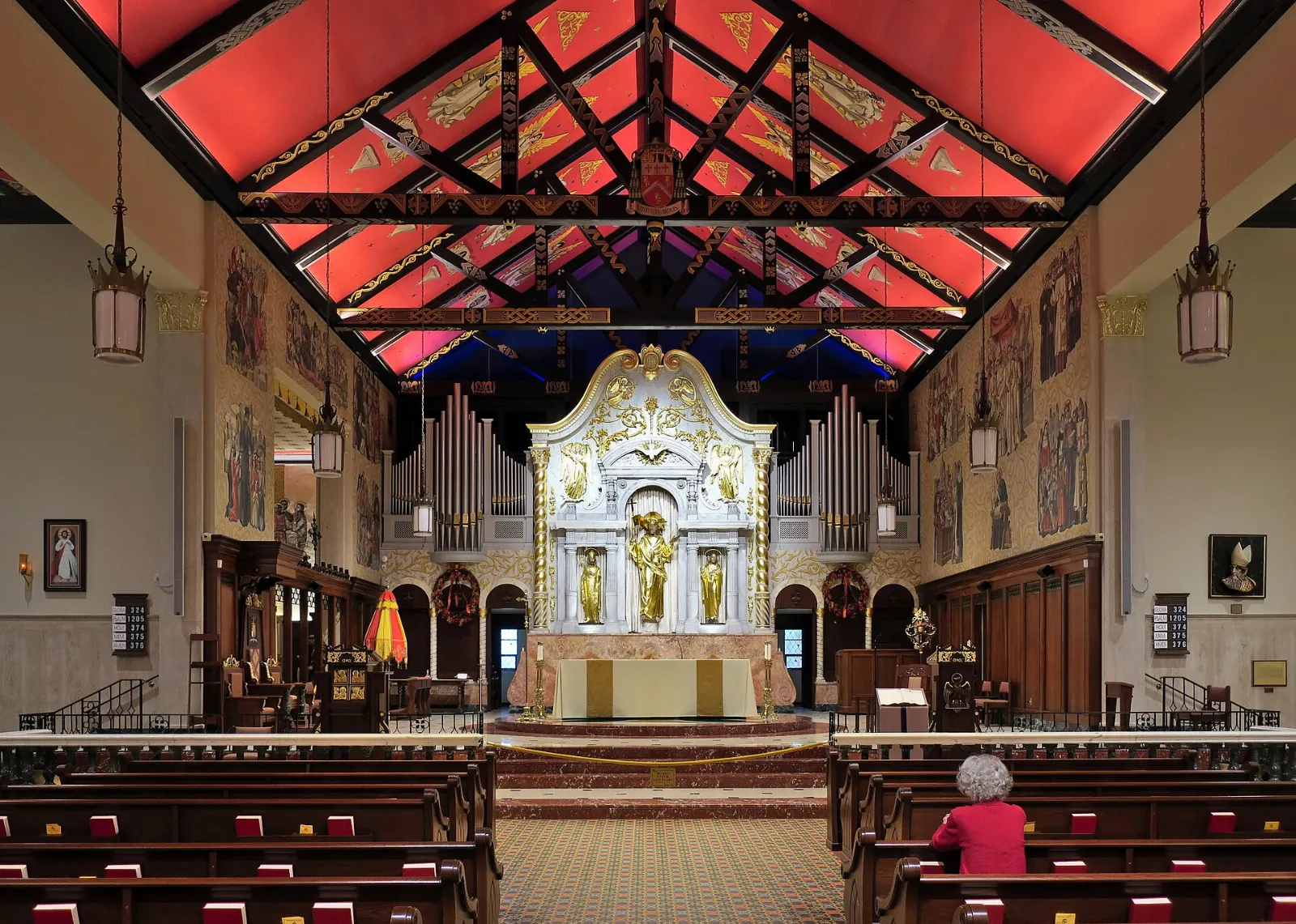
The central plaza, laid out under Spanish town-planning rules, is shaded by live oaks and anchored by a monument to the Spanish constitution of 1812.
The Oldest House
The González-Alvarez House, known simply as the Oldest House, dates from the early eighteenth century and is the anchor of a small museum complex south of the plaza.
Flagler's Gilded Age city
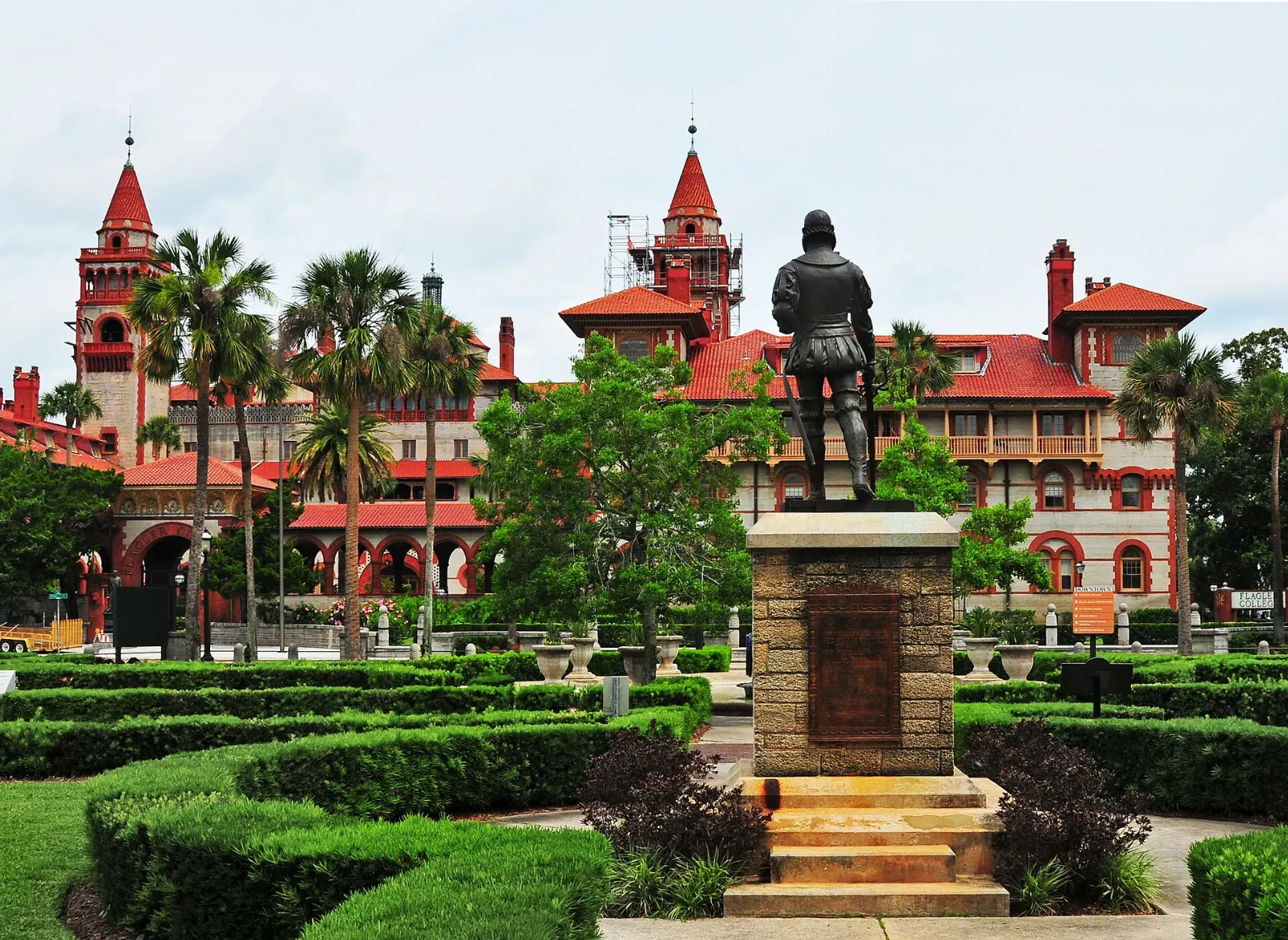
Flagler College
When Henry Flagler opened the Hotel Ponce de Leon in 1888, it was one of the first major buildings in the country made of poured concrete, and it was wired for electricity from the start. Today it is Ponce de Leon Hall, the centerpiece of Flagler College.
Lightner Museum
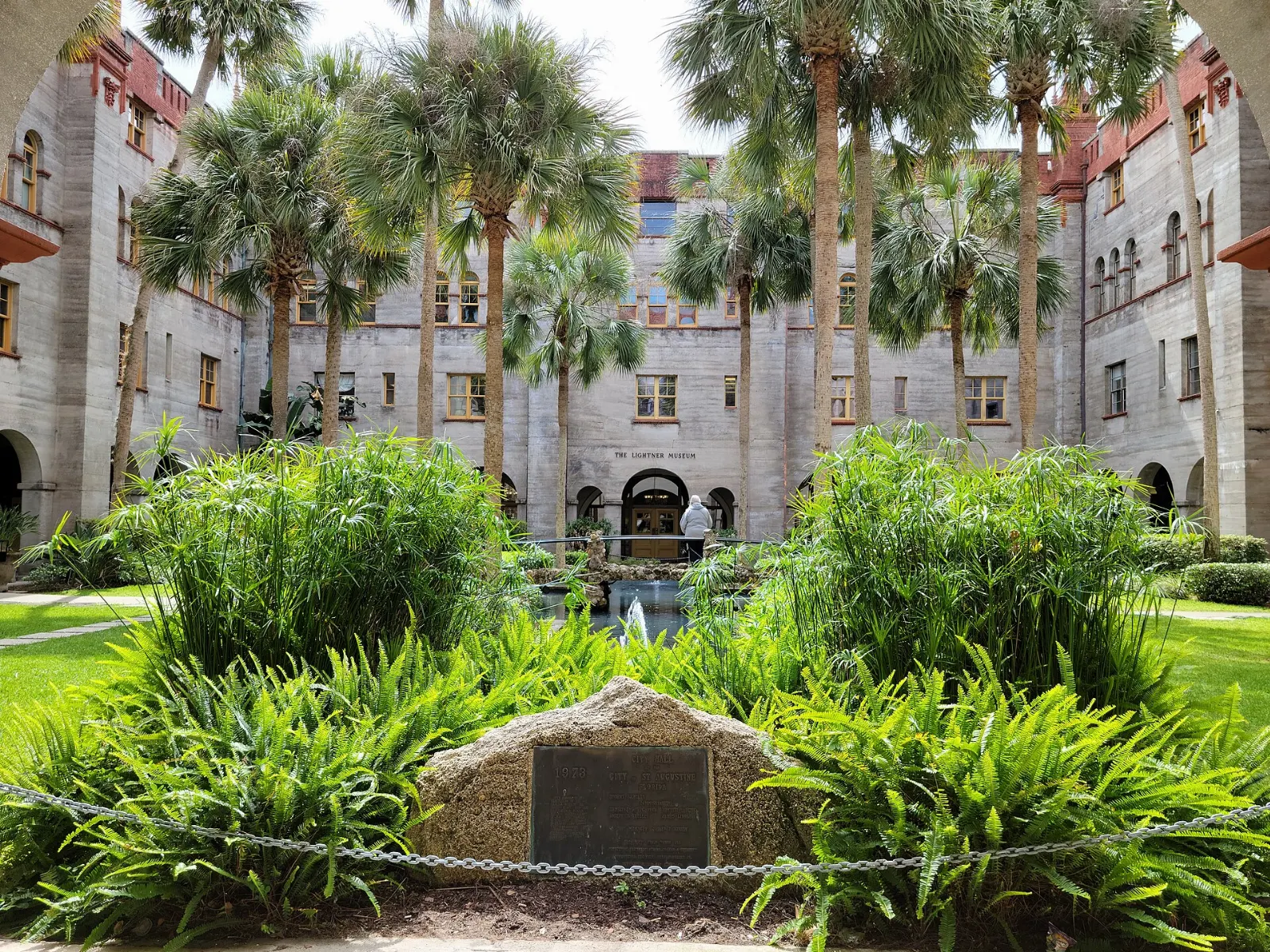
Across King Street from the college, the former Alcazar Hotel now houses the Lightner Museum, whose collection of Victorian decorative arts, cut glass, mechanical musical instruments and curiosities was assembled by Chicago publisher Otto Lightner.
Villa Zorayda and Memorial Presbyterian Church
Two more buildings complete the Gilded Age picture. Villa Zorayda, built in 1883 as a winter home loosely modeled on the Alhambra in Spain, is now a museum of Moorish-inspired architecture and eclectic antiques.
Anastasia Island, forts and the north side
St. Augustine Lighthouse and Maritime Museum
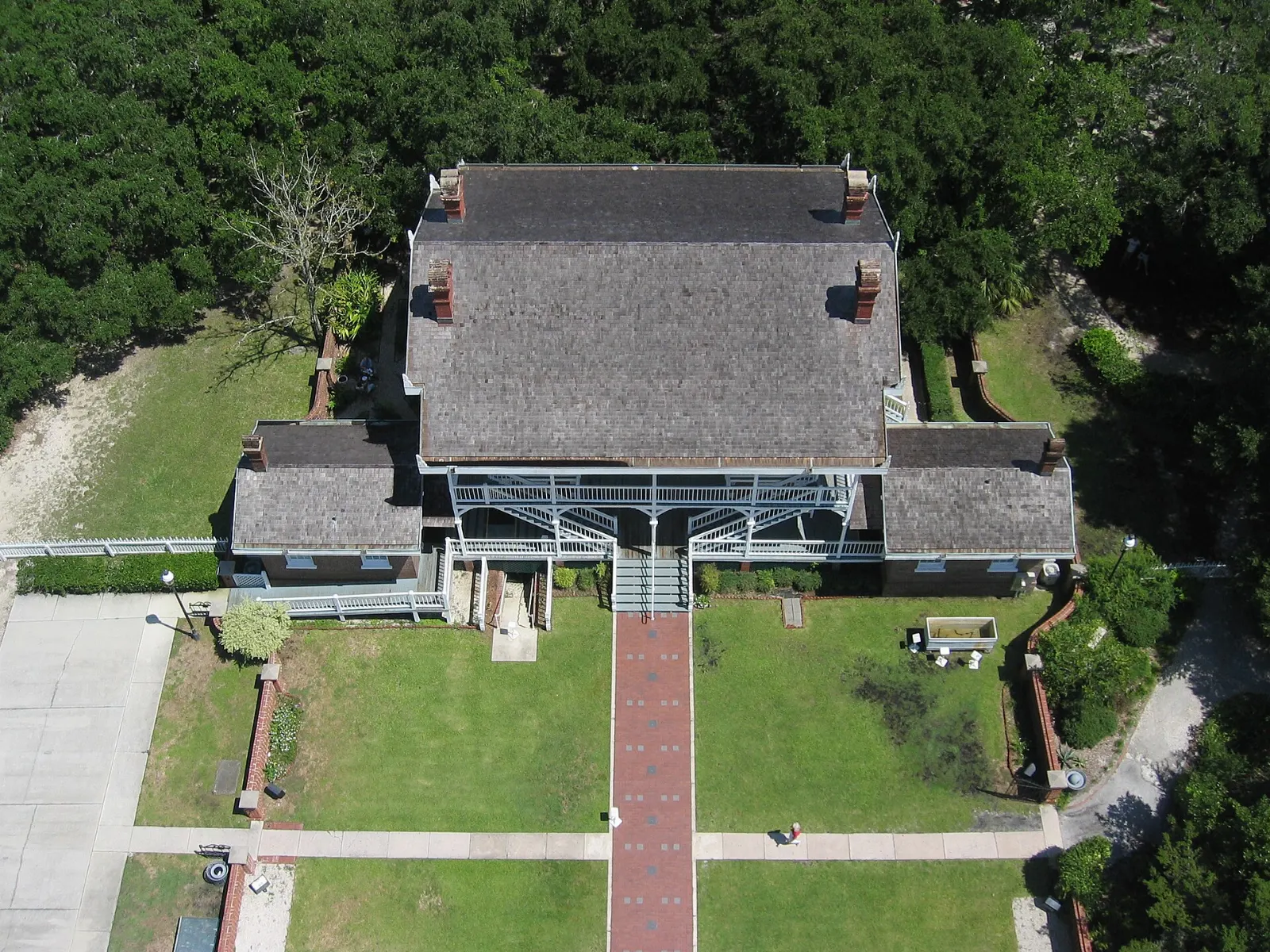
Cross the Bridge of Lions to Anastasia Island to find the striped St. Augustine Lighthouse, completed in 1874. Climbing its 219 steps rewards you with sweeping views over the inlet, the old city and the coast.
Fort Matanzas National Monument
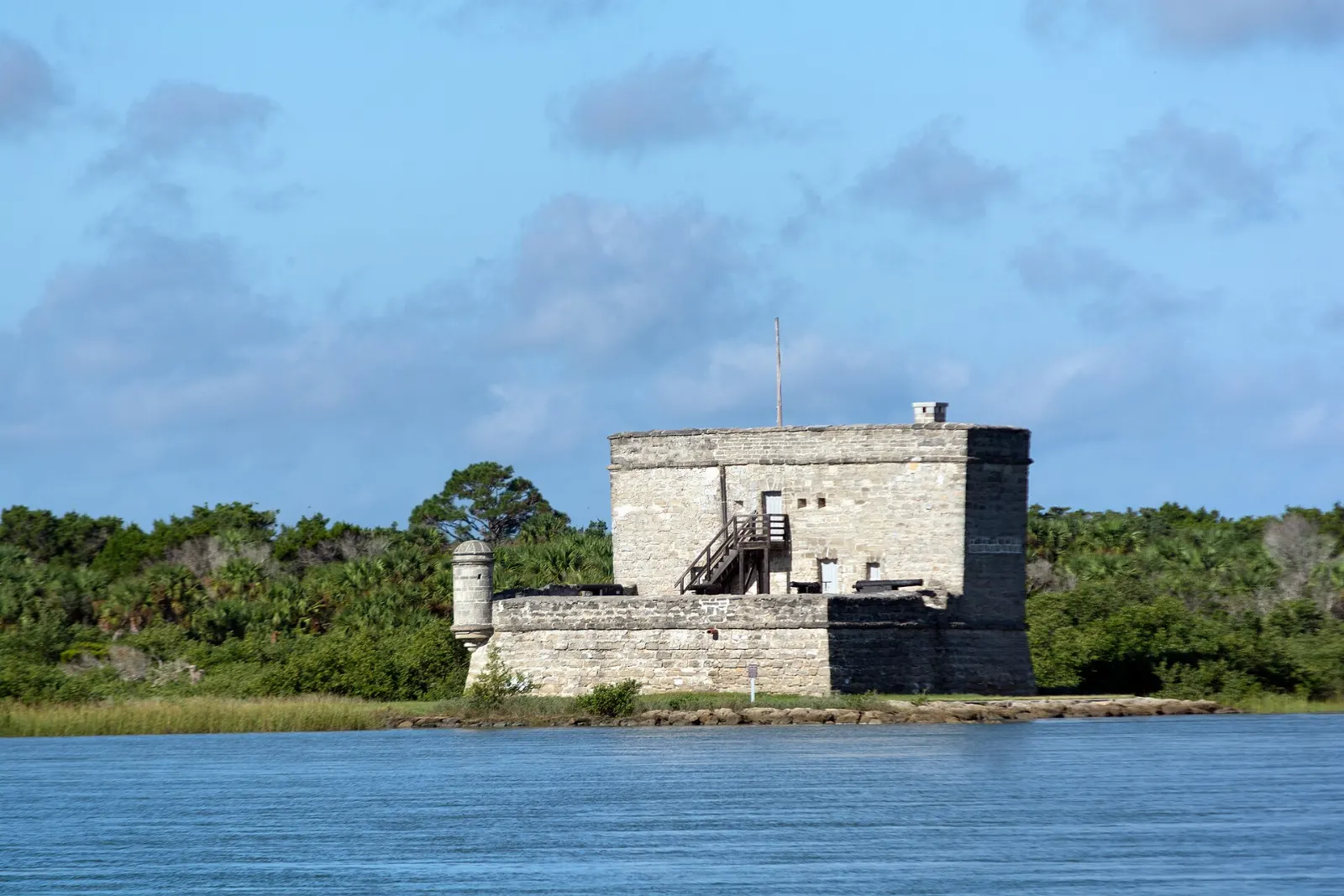
About 15 miles south of downtown, Fort Matanzas is a small coquina watchtower built in the 1740s to guard the southern inlet route to St. Augustine.
Anastasia State Park and St. Augustine Beach
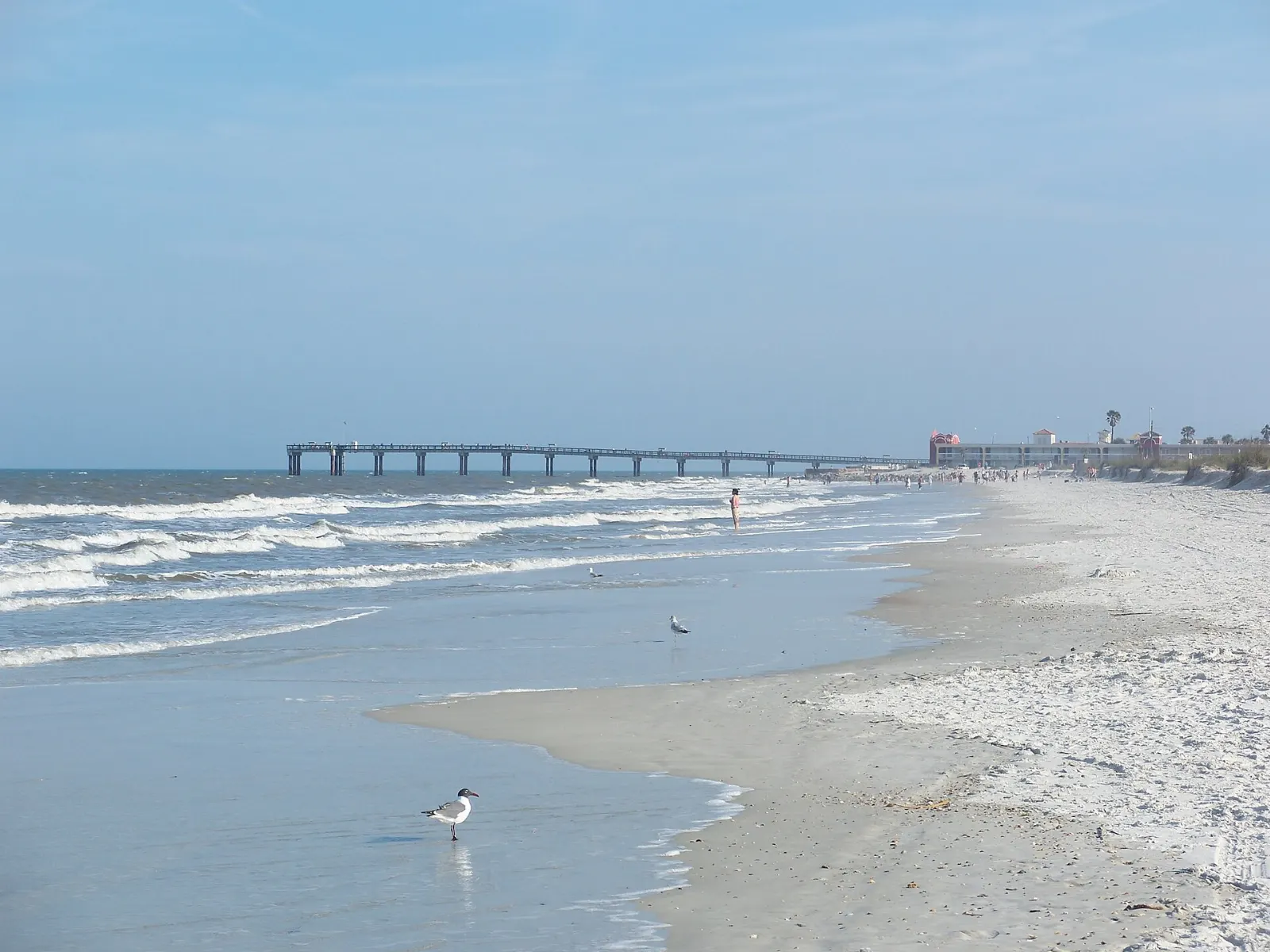
Anastasia State Park protects several miles of beach, high dunes and tidal salt marsh. You can swim, walk the boardwalks, paddle the lagoon on rented kayaks or paddleboards and look for shorebirds.
Mission Nombre de Dios and Fort Mose
North of the Castillo, the Mission Nombre de Dios grounds mark the area where Pedro Menéndez de Avilés is believed to have come ashore in 1565. A tall stainless steel cross towers over the marsh, and a small ivy-covered chapel shelters a shrine to Our Lady of La Leche.
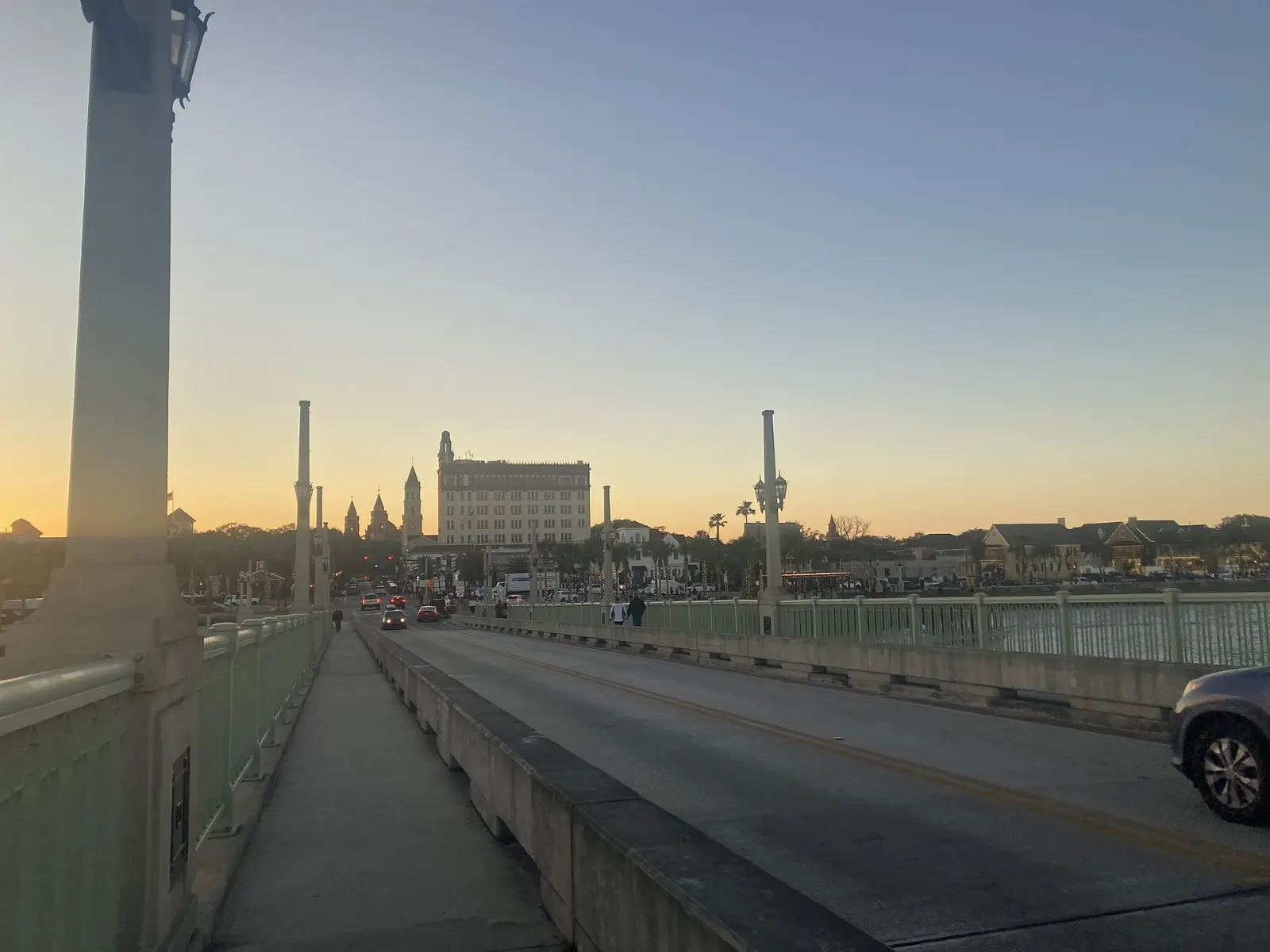
On the way back downtown, walk or drive across the Bridge of Lions at sunset. Its marble lions guard the western approach, and the views of the Castillo and the bayfront are some of the best in town.
 Planning a trip to St. Augustine?Compare hotels, flights and vacation rentals for St. Augustine on Expedia.Book now
Food and local flavors
St. Augustine's culinary signature is the datil pepper, a small, fiery and fruity chili that local tradition links to the Minorcan community who arrived in the eighteenth century.
Seafood is the other draw. Mayport shrimp from the nearby fishing village and fresh local catch appear on menus across the city, often fried, blackened or in shrimp and grits.
Downtown, the streets around St. George, Aviles and Hypolita hold cafes, Spanish-style tapas spots, bakeries and wine bars.
Popular dishes to try in St. Augustine


Where to stay
The historic district is the most atmospheric base and lets you walk to nearly every major sight.
The area north of the old city, along San Marco Avenue and the Lincolnville neighborhood south of downtown, offers a mix of small inns and vacation rentals within walking or trolley distance, often at a lower cost.
Families and beach lovers usually prefer St. Augustine Beach and Anastasia Island, where rentals and resort-style properties sit close to the sand and the drive downtown is short.
Where to stay in St. Augustine


Best time to visit
Spring, from March to May, is the most comfortable season, with warm days, low humidity and blooming gardens, though spring break weekends are busy.
Summer is hot and humid with frequent afternoon thunderstorms, and hurricane season runs from June through November, peaking in late summer and early fall.
Getting there and getting around
Jacksonville International Airport, about an hour's drive north, is the most convenient major airport. Daytona Beach International is roughly an hour south, and Orlando's airports are around two hours away.
Once you arrive, the historic district is best explored on foot. Parking downtown is limited, so use the city's Historic Downtown Parking Facility near the visitor center and walk from there; street parking is metered and fills quickly.
A suggested itinerary
First day
Start at the Castillo de San Marcos when it opens, then walk through the City Gate onto St. George Street and spend late morning in the Colonial Quarter.
Second day
Cross the Bridge of Lions to climb the St. Augustine Lighthouse in the morning.
Third day
Drive south to Fort Matanzas for the morning ferry, then return north to explore Mission Nombre de Dios and Fort Mose. Finish with a distillery tour or an evening ghost walk through the old town.
Practical tips
- Park once in the downtown garage and explore on foot; driving around the historic district is slow.
- Book Flagler College tours and popular dinner spots ahead on weekends and holidays.
- Visit the Castillo and St. George Street early to beat tour groups and the midday heat.
- Arrive early at Fort Matanzas, as ferry spots are limited and first come, first served.
- Carry water, sunscreen and a hat; summer heat and humidity are intense.
- Watch for hurricane forecasts from June through November and follow local guidance.
Find local businesses in St. Augustine on WiserMap
Looking for a cafe near the plaza, a kayak rental on Anastasia Island or a local shop selling datil pepper sauce?