This guide covers the town's historic core, its mountains, the Maroon Bells and the scenic drives and ghost towns nearby. You will also find advice on food, where to stay, when to come and how to get around a valley where parking is scarce and free buses are excellent.
At a glance Aspen
Best timeMid-June to early October for hiking and festivals; mid-December to March for skiing.
How longThree to four days in summer; a week in ski season.
Getting thereFly into Aspen/Pitkin County Airport, or drive about four hours from Denver.
Ad
Why visit Aspen
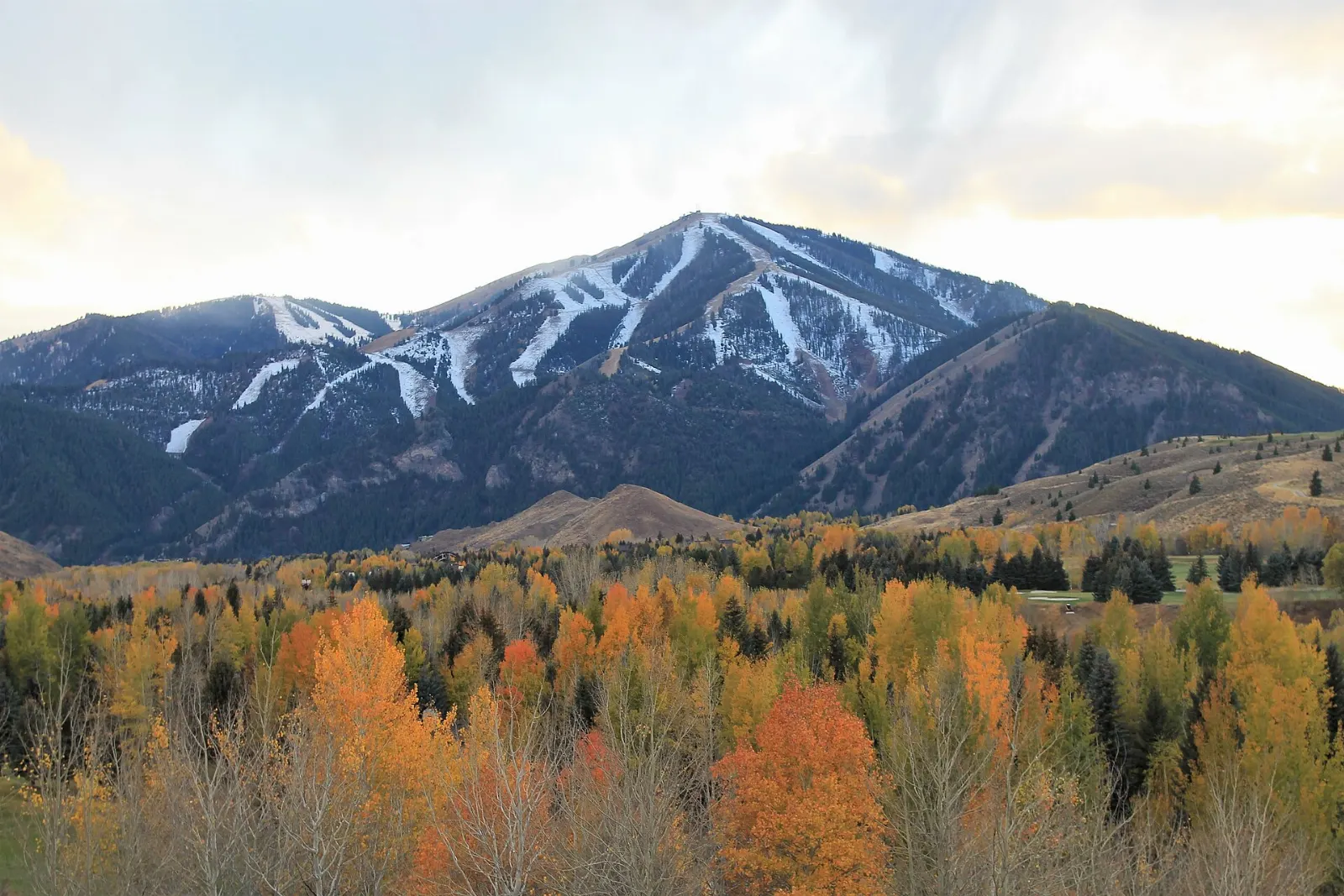
Aspen packs a lot into a small area. Four ski areas, Aspen Mountain, Aspen Highlands, Buttermilk and Snowmass, are all within a short bus ride, and together they offer terrain for every level, from gentle beginner runs to the steep hike-to terrain of Highland Bowl.
The town itself has unusual cultural depth for a place of its size. The Aspen Music Festival and School fills the summer with concerts, the Aspen Institute hosts lectures and the Aspen Ideas Festival, and the Wheeler Opera House and the Aspen Art Museum keep a year-round calendar.
Downtown Aspen and the Victorian core
Aspen's downtown is laid out on a tidy grid at the foot of Aspen Mountain. Most of it is walkable in a few minutes, and it rewards slow wandering.
Wheeler Opera House and the historic district
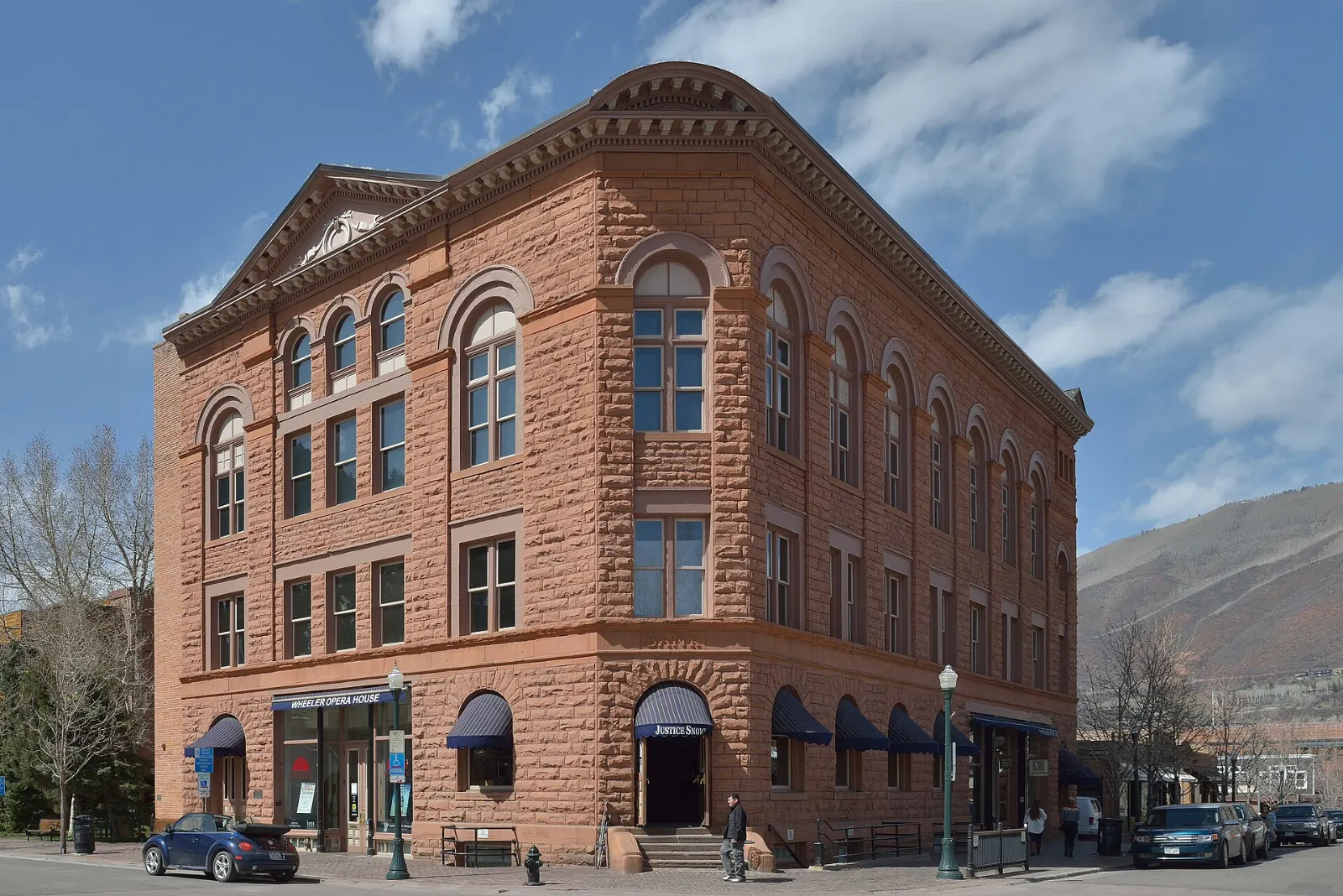
Built in 1889 by Jerome B. Wheeler, a partner in Macy's who invested heavily in Aspen's mines, the Wheeler Opera House is a red sandstone landmark on the corner of Hyman Avenue and Mill Street. It still hosts concerts, comedy and film screenings.
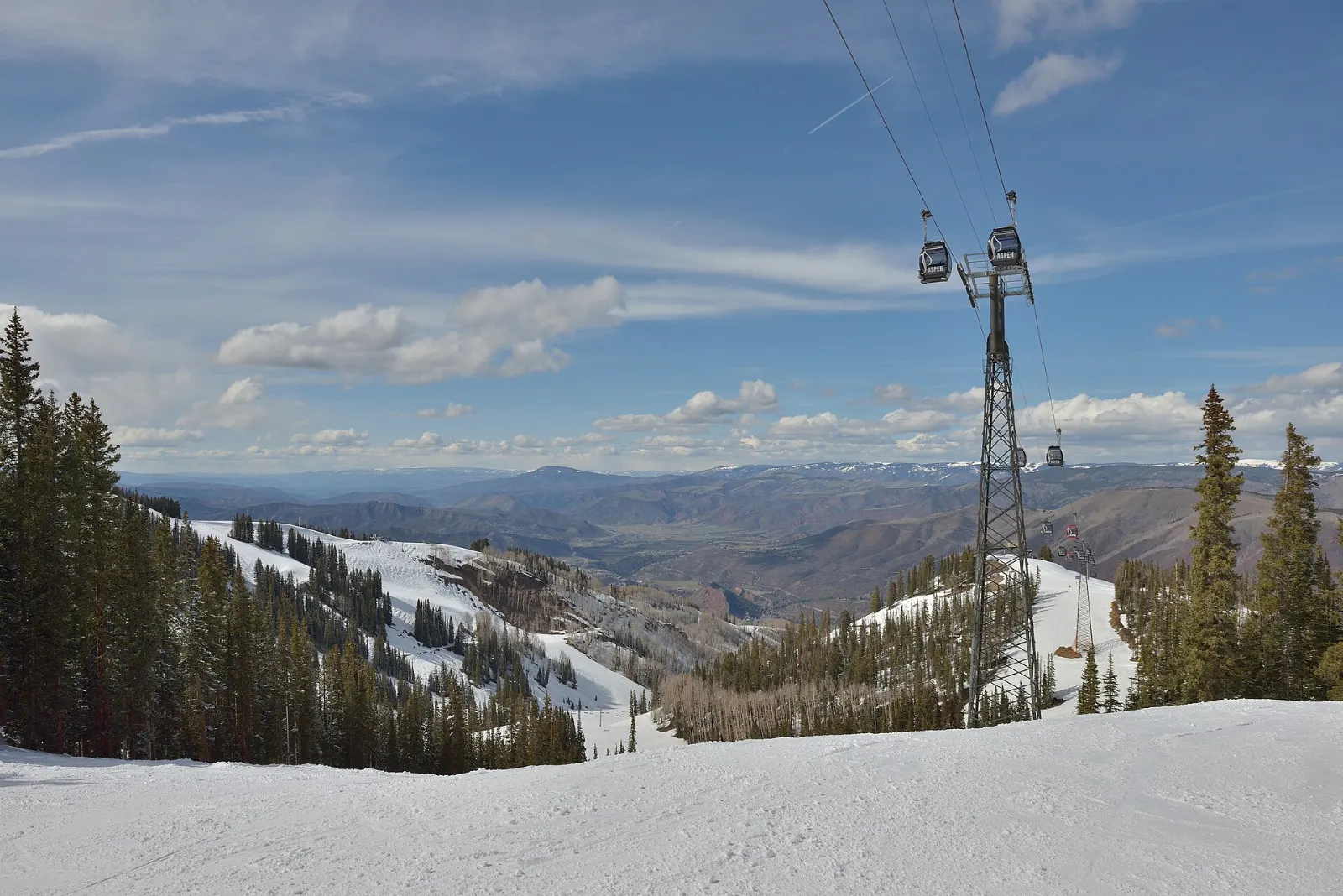
The Silver Queen Gondola rises straight from the edge of downtown to the summit of Aspen Mountain, at about 11,200 feet. In winter it carries skiers to some of the steepest and most classic runs in the valley; note that Aspen Mountain has no beginner terrain.
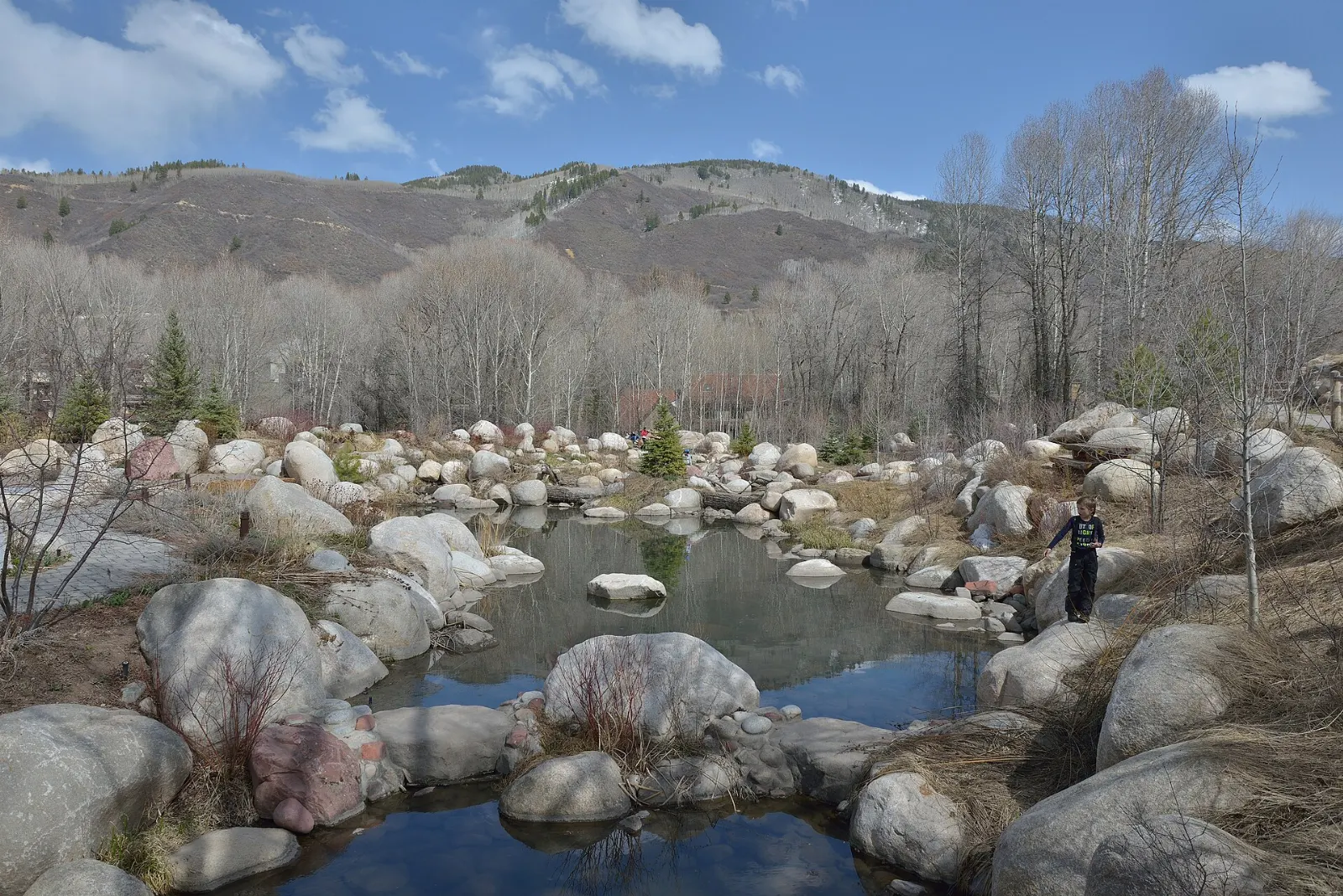
Next to Rio Grande Park on the north edge of town, the John Denver Sanctuary is a peaceful garden where lyrics from the singer's songs are engraved on large boulders beside the river.
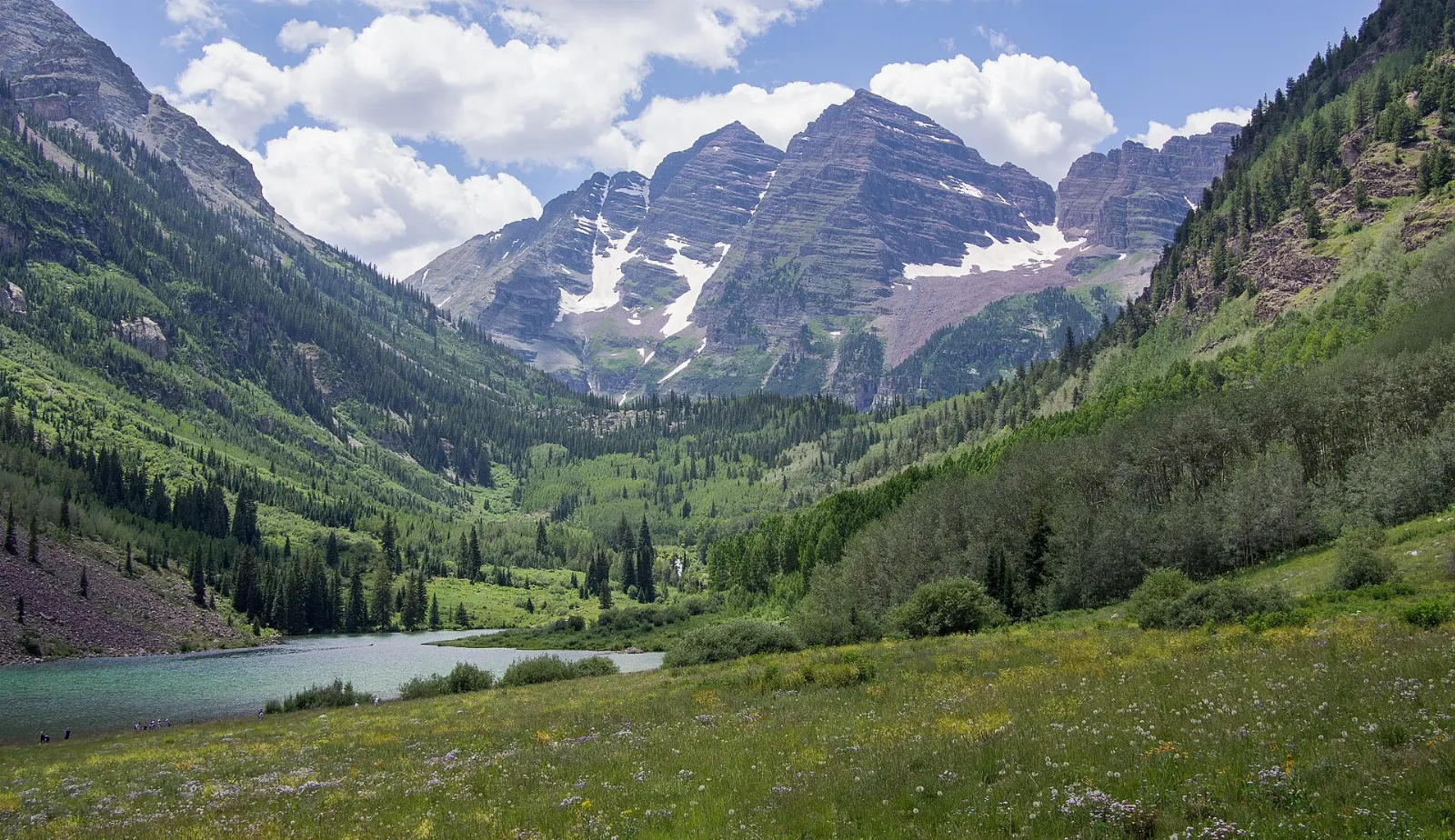
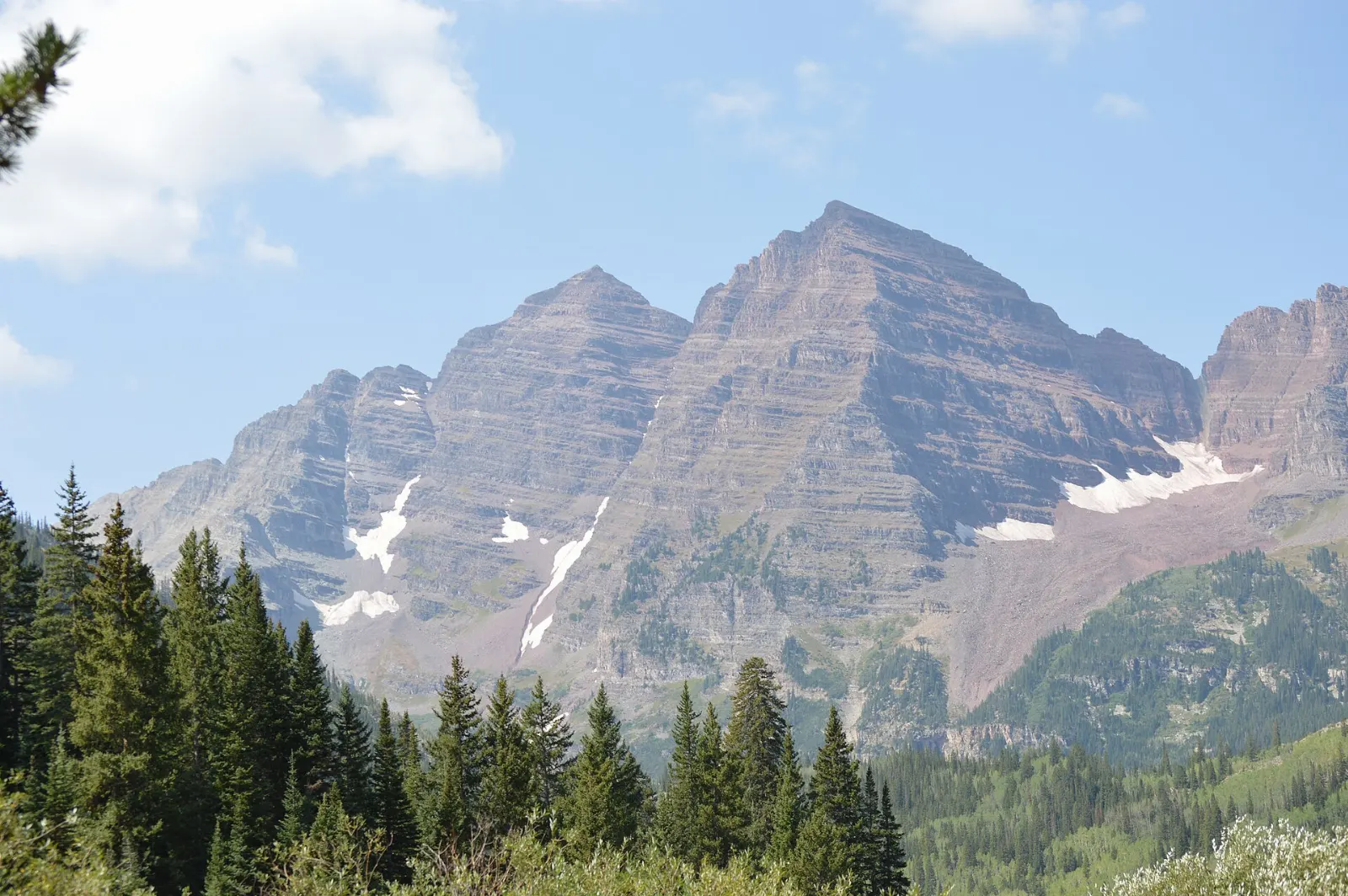
The Maroon Bells are two fourteen-thousand-foot peaks with dark red, layered rock faces that reflect in Maroon Lake on calm mornings. They sit in the Maroon Bells-Snowmass Wilderness of the White River National Forest, about ten miles southwest of town.
Maroon Lake
The classic view is from the shore of Maroon Lake, a short, mostly flat walk from the trailhead. The Maroon Lake Scenic Loop, under two miles, circles the lake and offers different angles on the peaks.
Crater Lake Trail
For a closer view of the Bells, follow the Crater Lake Trail, a roughly 3.6-mile round trip that climbs gently through aspen groves and boulder fields to a small lake at the base of the peaks.
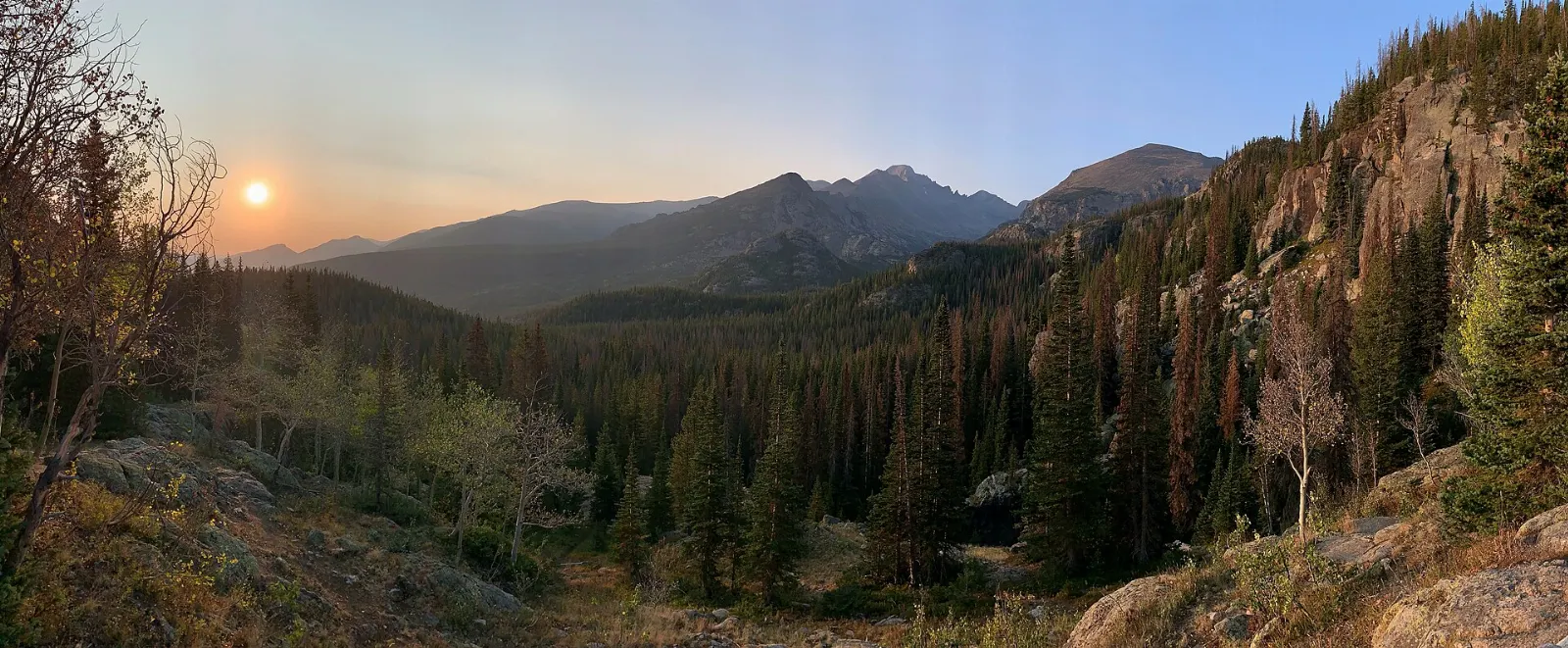
Crater Lake sits at the base of the Maroon Bells along a popular trail from Maroon Lake. Photo: Whyleesaa, Wikimedia Commons, CC BY-SA 4.0
Scenic drives, ghost towns and the ski areas
Some of Aspen's best experiences lie just outside town, along the valleys that radiate out from it.
Independence Pass
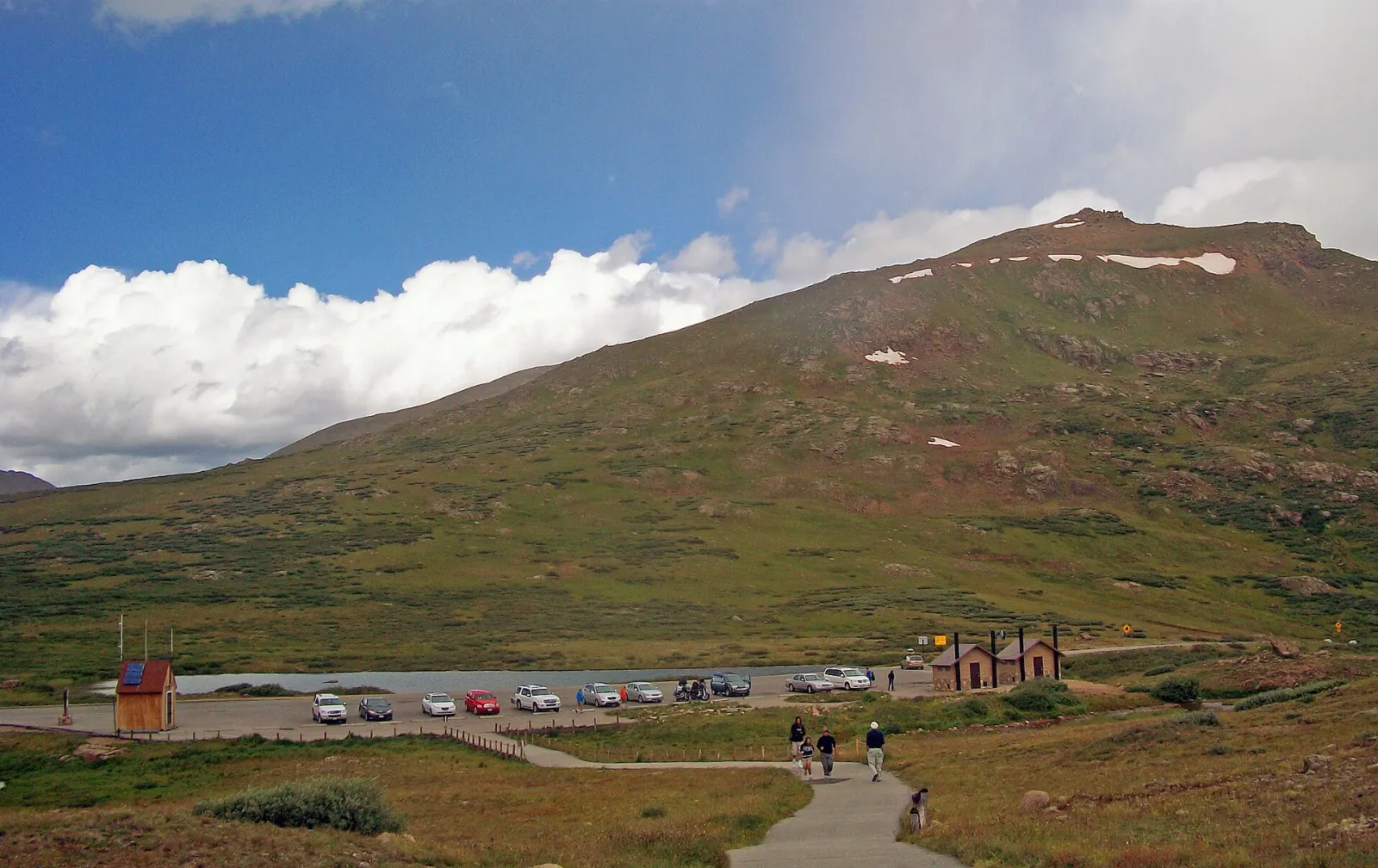
Colorado State Highway 82 climbs east from Aspen over Independence Pass, crossing the Continental Divide at about 12,095 feet. The road is open seasonally, typically from late spring until the first heavy snows of autumn, and is closed in winter.
Independence Pass on Colorado State Highway 82 crosses the Continental Divide east of Aspen. Photo: Daniel Case, Wikimedia Commons, CC BY-SA 3.0
Independence ghost town and the Grottos
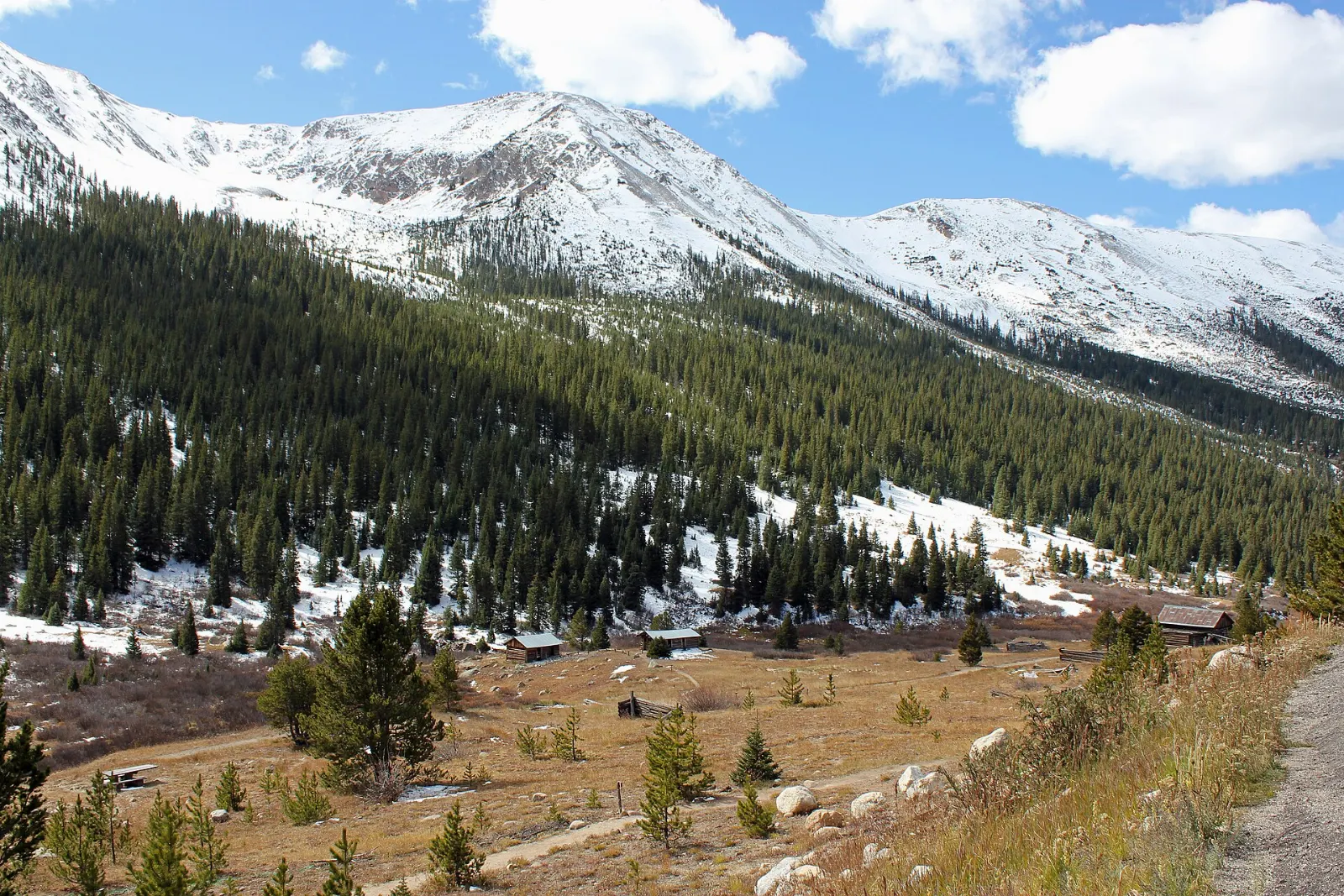
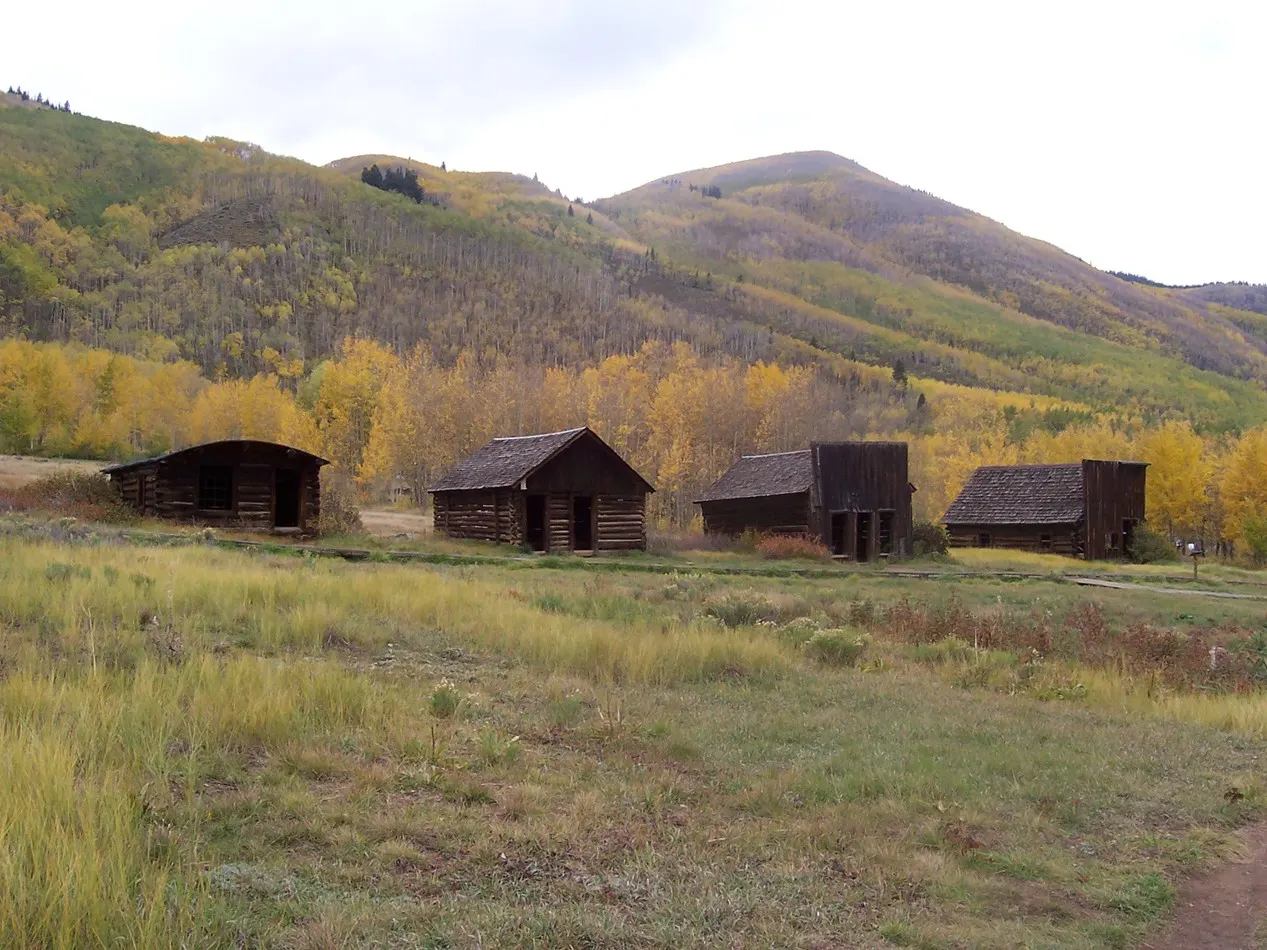
On the way up the pass, the remains of the Independence mining camp, founded in 1879, sit in a high meadow. Weathered cabins and an interpretive trail tell the story of the miners who lived here through brutal winters.
Independence is a preserved mining camp from the 1880s along the road to Independence Pass. Photo: Jeffrey Beall, Wikimedia Commons, CC BY-SA 3.0
Ashcroft and Castle Creek Valley
South of town, Castle Creek Road leads up a quieter valley to Ashcroft, a silver boomtown of the early 1880s that once rivaled Aspen. A handful of preserved buildings remain, managed by the Aspen Historical Society, set against a wide mountain backdrop.
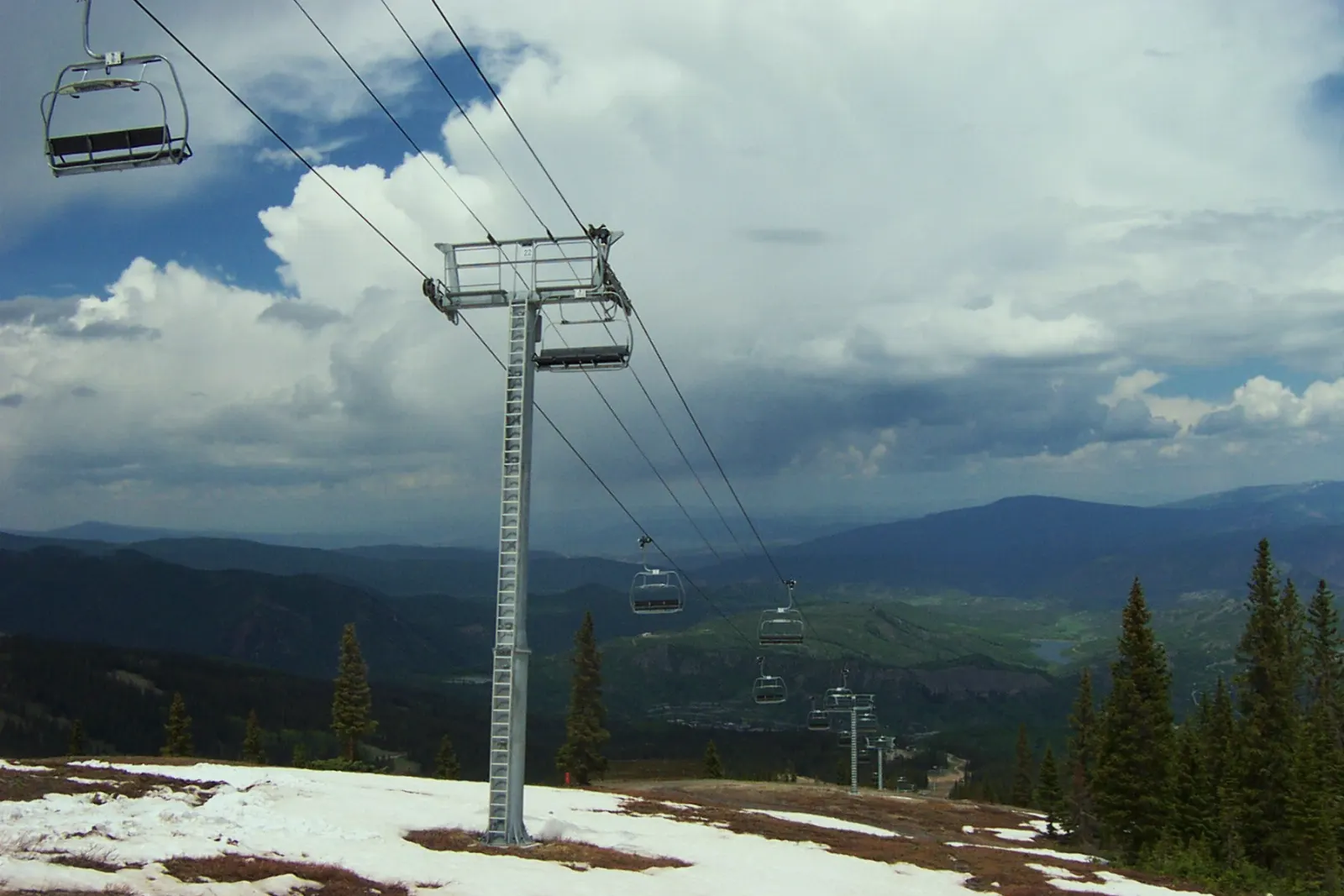
Snowmass, about twenty minutes from town, is the largest of the four ski areas, with long, cruising runs ideal for families and intermediates, and in summer it runs lift-served hiking, mountain biking and family activities.
Snowmass is the largest of the four ski areas in the Aspen area. Photo: jofwooster, Wikimedia Commons, CC BY-SA 3.0
Ad
Food and local flavors
Aspen's dining scene is far larger than its population would suggest, ranging from high-end restaurants to slopeside cafes and casual bars.
The pedestrian malls and the streets around the gondola hold most of the restaurants, and many offer bar menus or happy hours that make eating out more approachable.
Popular dishes to try in Aspen
Colorado lamb Mountain cooking here leans on Colorado lamb, elk, bison, Rocky Mountain trout and seasonal produce from the Western Slope, including peaches from Palisade and sweet corn from…Photo: Jeffrey Beall, Wikimedia Commons, CC BY-SA 3.0Trout Mountain cooking here leans on Colorado lamb, elk, bison, Rocky Mountain trout and seasonal produce from the Western Slope, including peaches from Palisade and sweet corn from…Photo: BLMIdaho, Wikimedia Commons, Public domainElk Mountain cooking here leans on Colorado lamb, elk, bison, Rocky Mountain trout and seasonal produce from the Western Slope, including peaches from Palisade and sweet corn from…Photo: This Photo was taken by Wolfgang Moroder. Feel free to use my photo…, Wikimedia Commons, CC BY-SA 3.0
Where to stay
Downtown Aspen suits travelers who want to walk to restaurants, galleries and the Silver Queen Gondola, and it is ideal if you do not want a car. The West End is quieter and residential, within walking distance of the Aspen Institute campus and the music tent. Snowmass Village offers more ski-in, ski-out lodging and condos, often at better value, and suits families.
Where to stay in Aspen
Basalt Budget-minded travelers often stay downvalley in Basalt, Carbondale or Glenwood Springs and take the frequent RFTA buses up to Aspen.Photo: JJ Buegge, Wikimedia Commons, CC BY-SA 4.0Glenwood Springs Budget-minded travelers often stay downvalley in Basalt, Carbondale or Glenwood Springs and take the frequent RFTA buses up to Aspen.Photo: SCEhardt, Wikimedia Commons, CC0Aspen Budget-minded travelers often stay downvalley in Basalt, Carbondale or Glenwood Springs and take the frequent RFTA buses up to Aspen.Photo: Rhododendrites, Wikimedia Commons, CC BY-SA 4.0Aspen old town One of the best areas to base yourself in Aspen.Photo: Koch, Augustus, Wikimedia Commons, Public domain
Ad
Best time to visit
Summer, from mid-June through August, brings warm days, cool nights, wildflowers and a packed cultural calendar, including the Aspen Music Festival and School, the Aspen Ideas Festival and the Food and Wine Classic.
Ski season usually runs from late November into April, with the most reliable snow and busiest weeks from mid-December through March.
Getting there and getting around
Aspen/Pitkin County Airport, just a few miles from town, has direct flights from several major hubs, though weather and its mountain approach can cause delays and cancellations, especially in winter.
Once you arrive, you rarely need a car. The Roaring Fork Transportation Authority runs buses throughout the valley, with free routes within Aspen and between town, the ski areas and Snowmass.
Ad
A suggested itinerary
First day
Ease into the altitude with a walk through downtown and the West End, a visit to the Aspen Art Museum and a stroll around the John Denver Sanctuary.
Second day
Take an early shuttle from Aspen Highlands to the Maroon Bells.
Third day
Drive east toward Independence Pass, stopping at the Grottos and the Independence ghost town before reaching the summit.
Fourth day
Head to Snowmass for lift-served hiking or mountain biking in summer, or a full ski day in winter.
Practical tips
Reserve Maroon Bells shuttle or parking access well in advance, especially for sunrise and fall color weekends.
Take the altitude seriously: drink plenty of water, limit alcohol at first and pace yourself on hikes.
Start hikes early in summer and get below treeline before afternoon thunderstorms arrive.
Pack warm layers and rain gear even in July, as mountain weather changes quickly.
Use the free RFTA buses instead of driving; downtown parking is scarce.
Book lodging and ski lessons many months ahead for the holidays and summer festival season.
Ad
Find local businesses in Aspen on WiserMap
Need a ski rental shop, a guide service or a cafe near the gondola?